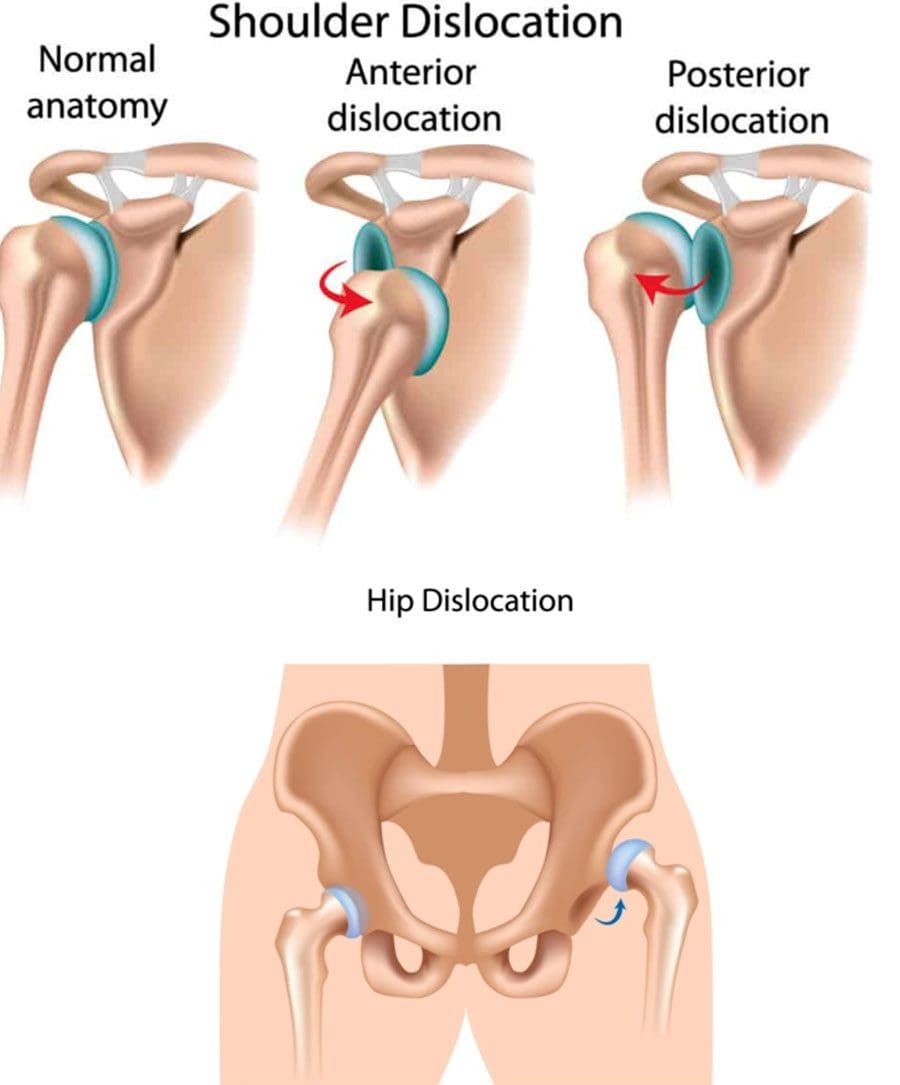
Dislocations impact the joint and are injuries that force/knock the bones out of position. Dislocations can be caused by a motor vehicle collision, falls, sports trauma, or weakened muscles and tendons. However, less impact/force is needed to dislocate smaller joints. Dislocations commonly occur at the shoulders, ankles, knees, hips, elbows, fingers and toes, and the jaw. The experience causes swelling, inability to move, and pain. A joint dislocation chiropractor can manipulate, reset, rehabilitate and strengthen the affected area and rebalance the body.
Joint Dislocation
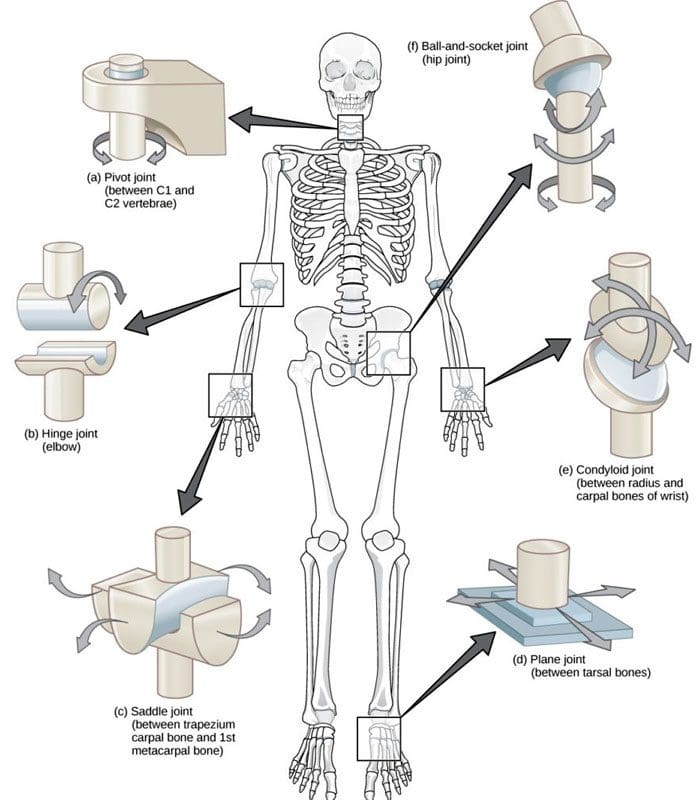
The region where two or more bones come together is a joint. Each has a primary function, but their functions overlap. The joints allow the bones to move/articulate the skeletal system. Maintaining the body’s balance requires mobility and stability.
Mobility is the ability to move the body without restriction.
Stability is maintaining equilibrium, healthy posture, and support during movement.
The stable joints do not dislocate easily because their structures are not as flexible.
Mobile joints are at an increased risk, as they can move in almost any direction.
The kinetic chain is a sequence of joints forming an alternating pattern of stability and mobility that create a solid platform for dynamic movement. However, any joint can become dislocated, causing the affected area to become unsteady or immobile, strain or tear the surrounding muscles, nerves, and tendons which are the tissues that connect the bones to a joint.
A joint can be partially dislocated/subluxation or fully dislocated.
Joints dislocated previously have an increased risk of re-dislocating because the surrounding tissues that hold the joint have been torn or overly stretched.
Symptoms
Symptoms vary depending on the severity and location of the injury. Common symptoms include:
Instability
Loss of ability to move
Swelling
Bruising
Pain
Visible deformation
Increased Risk
Various factors can lead to joint dislocation, including:
Weakness of the supporting ligaments and muscles from natural wear and tear/age or lack of physical conditioning.
Older individuals with poor balance are more vulnerable to falls that can knock joints out of place.
Young children developing have more elastic supporting ligaments and are prone to falls, collisions, and other injuries.
Previous dislocations with overstretched or torn supporting tissues.
Repeated dislocations are likely to follow the shoulder, knee, and hip.
Physical activities like extreme sports, contact sports, or sports that involve quick body shifts, twists, and turns on the feet.
Physically demanding job.
Operating heavy machinery/equipment.
Joint hypermobility is common in children and around 5% of adults. It can be caused by weak or loose ligaments, weak or loose muscles, and/or shallow joint sockets.
Joint Dislocation Chiropractic
Treatment will vary based on the severity of the injury and the dislocated joint. Depending on the location and severity, a chiropractor will perform different movements/manipulations to realign the joint and strengthen the area.
Significant force could be necessary to pull the bones apart to realign them back into their proper position.
The joint may need to be pulled out and rotated slightly before being put back.
The focus is on increasing ligament strength.
Once the joint is back in place, it may need to remain immobile, possibly using a sling or splint to help fully heal the injury.
Physical therapy exercises will be recommended to strengthen the muscles and ligaments around the joint to support it optimally.
Shoulder Pain Chiropractic
References
Dizdarevic, Ismar, et al. “Epidemiology of Elbow Dislocations in High School Athletes.” The American journal of sports medicine vol. 44,1 (2016): 202-8. doi:10.1177/0363546515610527
Hodge, Duncan K, and Marc R Safran. “Sideline management of common dislocations.” Current sports medicine reports vol. 1,3 (2002): 149-55. doi:10.1249/00149619-200206000-00005
Prechel, Ulla et al. “The Treatment of Temporomandibular Joint Dislocation.” Deutsches Arzteblatt international vol. 115,5 (2018): 59-64. doi:10.3238/arztebl.2018.0059
Skelley, Nathan W et al. “In-game Management of Common Joint Dislocations.” Sports health vol. 6,3 (2014): 246-55. doi:10.1177/1941738113499721
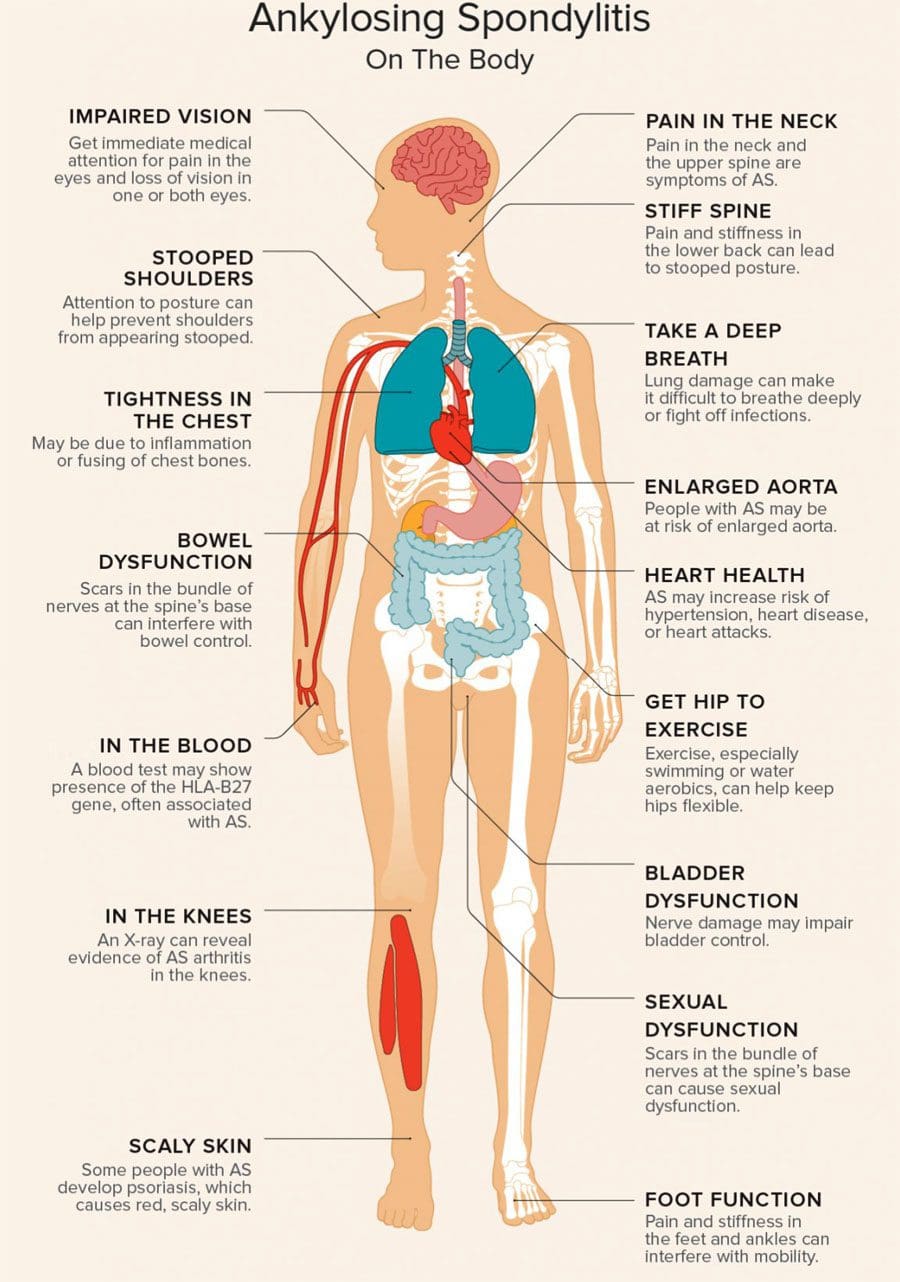
Fatigue Ankylosing Spondylitis: Fatigue is a significant complaint for individuals dealing with ankylosing spondylitis. Ankylosing spondylitis is chronic inflammation of the spine’s joints that can cause them to become fused or locked up. The process can cause the spine to stiffen, limiting movement, reducing flexibility, and generating a severe hunched posture. Symptoms can include back pain, stiffness, and the inability to take a deep breath if the ribs are involved. Fatigue can have a variety of causes, but in ankylosing spondylitis, inflammation and cytokines play a significant role. The underlying cause of ankylosing spondylitis is still being researched, but it currently affects around 300,000 Americans.
Fatigue Ankylosing Spondylitis
Most individuals with ankylosing spondylitis experience pain in the lower back but can also feel pain in their hips and neck, have abdominal pain, or experience problems with vision. Inflammatory back pain is usually strongest in the morning but can also come from inactivity.
Spinal Condition and Extreme Exhaustion
The inability to move along with a decreased spinal range of motion impacts body functionality, sleep quality, and respiratory function affecting energy levels and leading to mild to severe fatigue. Studies have shown that 50% – 85% of individuals with ankylosing spondylitis experience fatigue.
Fatigue is brought on by inflammation, as the body generates the same chemicals when fighting a cold or flu; an individual’s body constantly works to reduce inflammation, leaving them drained and unable to perform ordinary tasks. Inflammatory diseases take a significant toll on the whole body, leading to an increased risk of depression and increased fatigue levels.
Exercise, Massage, and Diet
Many individuals find that their symptoms flare up after long periods of inactivity, like sleeping. This can make wanting to fall and stay asleep complicated, exacerbating fatigue and vice versa, creating a vicious cycle. Even though it can be challenging to move, gentle exercise is recommended. Exercise can help slow the disease progression, build muscle, and improve sleep. It is recommended to speak with a spine specialist, doctor, chiropractor, physical therapist, or exercise trainer about a customized exercise treatment program.
Many individuals with ankylosing spondylitis find therapeutic massage helpful in temporarily relieving pain, and stiffness, reducing stress and improving flexibility from increased blood circulation. A combination of gentle chiropractic massage, exercise, ergonomic adjustments, and rheumatology treatment is recommended for many cases. An anti-inflammatory diet comprised of foods like fatty fish, fruits, nuts, and leafy green vegetables can fight inflammation and decrease fatigue.
AS Causes, Symptoms, Diagnosis, Treatment, and Pathology
References
Cornelson, Stacey M et al. “Chiropractic Care in the Management of Inactive Ankylosing Spondylitis: A Case Series.” Journal of chiropractic medicine vol. 16,4 (2017): 300-307. doi:10.1016/j.jcm.2017.10.002
Li, Ting, et al. “Fatigue in Ankylosing Spondylitis Is Associated With Psychological Factors and Brain Gray Matter.” Frontiers in medicine vol. 6 271. 21 Nov. 2019, doi:10.3389/fmed.2019.00271
Zhang, Jun-Ming, and Jianxiong An. “Cytokines, inflammation, and pain.” International anesthesiology clinics vol. 45,2 (2007): 27-37. doi:10.1097/AIA.0b013e318034194e
Maintaining healthy joints is crucial to preventing injuries from affecting the body. Incorporating physical activities, eating healthy foods, staying hydrated, and getting a routine check-up are ways to ensure that the body is functional, including the joints. The joints in the body act like shock absorbers that soften the impact of any injuries that the body has sustained. However, as the body ages, so do the joints, causing them to become hardened and cause problems in the body. In today’s article, we will look at sacroiliac dysfunction, what issues it affects besides back pain, and how chiropractic care manages sacroiliac dysfunction. We refer patients to certified providers specializing in musculoskeletal therapies to help those with sacroiliac dysfunction. We also guide our patients by referring to our associated medical providers based on their examination when it’s appropriate. We find that education is the solution to asking our providers insightful questions. Dr. Alex Jimenez DC provides this information as an educational service only. Disclaimer
What Is Sacroiliac Dysfunction?
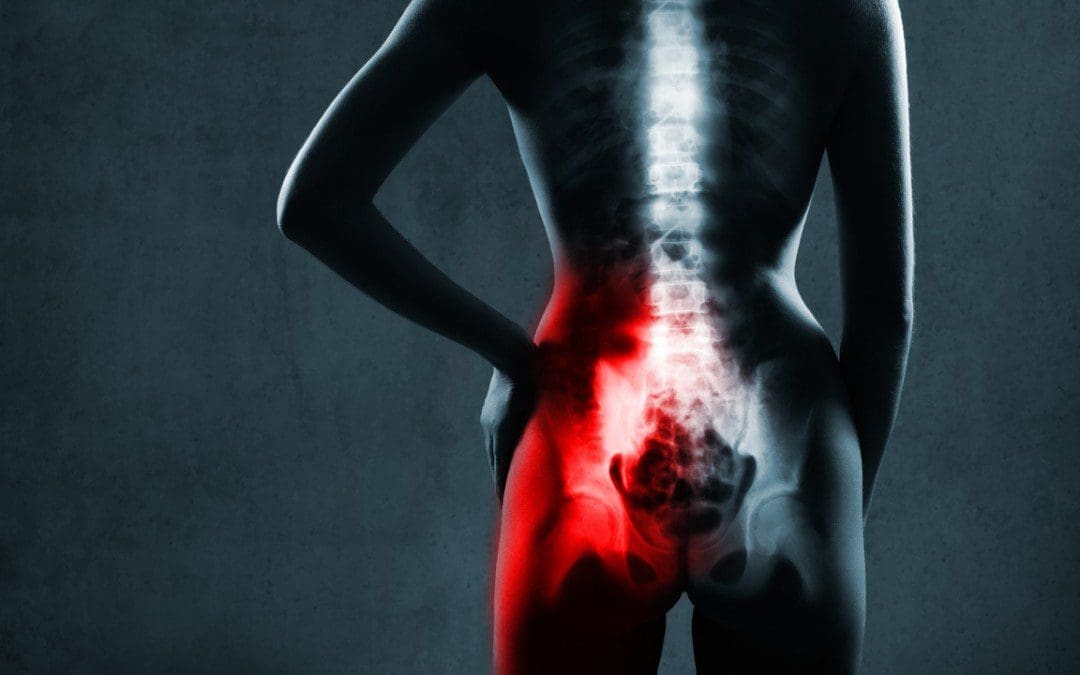
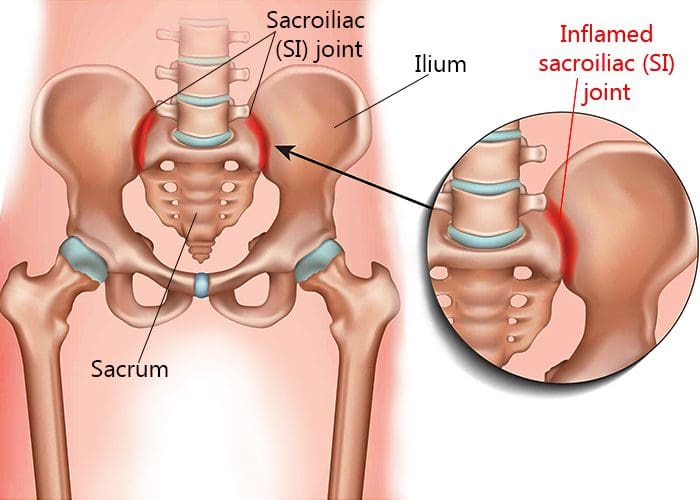
Are you experiencing pain in the pelvis? Do your hips seem tighter than usual? Do you feel muscle stiffness when you twist from side to side? Some of these issues are signs that you might be experiencing sacroiliac dysfunction. Around the pelvic region lies the sacroiliac joint, a weight-bearing solid joint connecting the pelvis to the sacrum. It is surrounded by tough ligaments that support the body as it distributes the weight from the upper body to the lower body. However, like all the other joints in the body, any injury or condition can cause this joint to be unstable and succumb to the pain, causing sacroiliac dysfunction. Sacroiliac dysfunction or sacroiliac joint pain is defined as one of the potential causes of axial low back pain. When there are issues affecting the sacroiliac joints, it’s associated with about a quarter of most low back pain cases. This is due to the problems that overlap with pain associated with the low back. Studies reveal that dysfunction in the sacroiliac joint can relate to leg or back pain, making diagnosing the problem difficult. Back pain associated with sacroiliac dysfunction causes the pelvis to be hypermobile, causing the risk of developing radiating groin pain. Leg pain associated with sacroiliac dysfunction causes muscle tension and stiffness to the low back, legs, or buttock region, mimicking sciatica-like symptoms.
What Other Issues Does It Affect?
Many individuals may not realize that when they are experiencing sacroiliac dysfunction, symptoms show that they overlap with lumbar spine pathologies. However, sacroiliac dysfunction can also affect the pelvic region of the body. Studies reveal that when the muscles around the body’s pelvic area become inflamed or irritated, it can cause stiffness in the sacroiliac joints, thus developing the risk of pelvic pain. Pelvic pain is usually defined as non-menstrual pain that causes functional disability to the lower extremities. Around the pelvic region, the lower sacral nerves provide extensive neurologic connections to the structures throughout the pelvic area that maintain normal pelvic organ function. When issues like sacroiliac dysfunction become the risk of pelvic pain, it may potentially involve pelvic symptoms like constipation. Studies reveal that constipation is significantly associated with a high prevalence of pelvic organ prolapse and low urinary tract symptoms. Other issues that sacroiliac dysfunction correlates with are:
Ankylosing spondylitis
Rheumatoid arthritis
Inflammatory issues
Hip pain
Pelvic pain
Low back pain
Piriformis syndrome
An Overview Of Sacroiliac Joint Pain- Video
Are you experiencing radiating from your lower back down to your leg? How about stiffness in your hips? Are you feeling constipated or have a sense of fullness in your bladder? You may suffer from sacroiliac dysfunction in your pelvic region if you notice these symptoms. The video above explains how to understand sacroiliac joint pain. The sacroiliac joint connects the pelvis and sacrum, surrounded by tough ligaments and muscles that help support the body by distributing weight from the upper body to the lower body. When issues affect the sacroiliac joints can overlap other risk profiles like low back pain, leg pain, and pelvic pain. This can make diagnosing sacroiliac dysfunction difficult because the symptoms are similar to other issues. For example, hip pain is associated with piriformis syndrome while potentially being involved with sciatica. How would hip pain be correlated with piriformis syndrome? The piriformis muscle can become overused and injured and can entrap the sciatic nerve (which runs from the lumbar spine, through the hips, and down to the leg), causing radiating, throbbing pain. Other times referred pain in the low back can affect different areas in the body due to sacroiliac dysfunction. Luckily, there are treatments available to manage sacroiliac dysfunction.
How Chiropractic Care Manages Sacroiliac Dysfunction
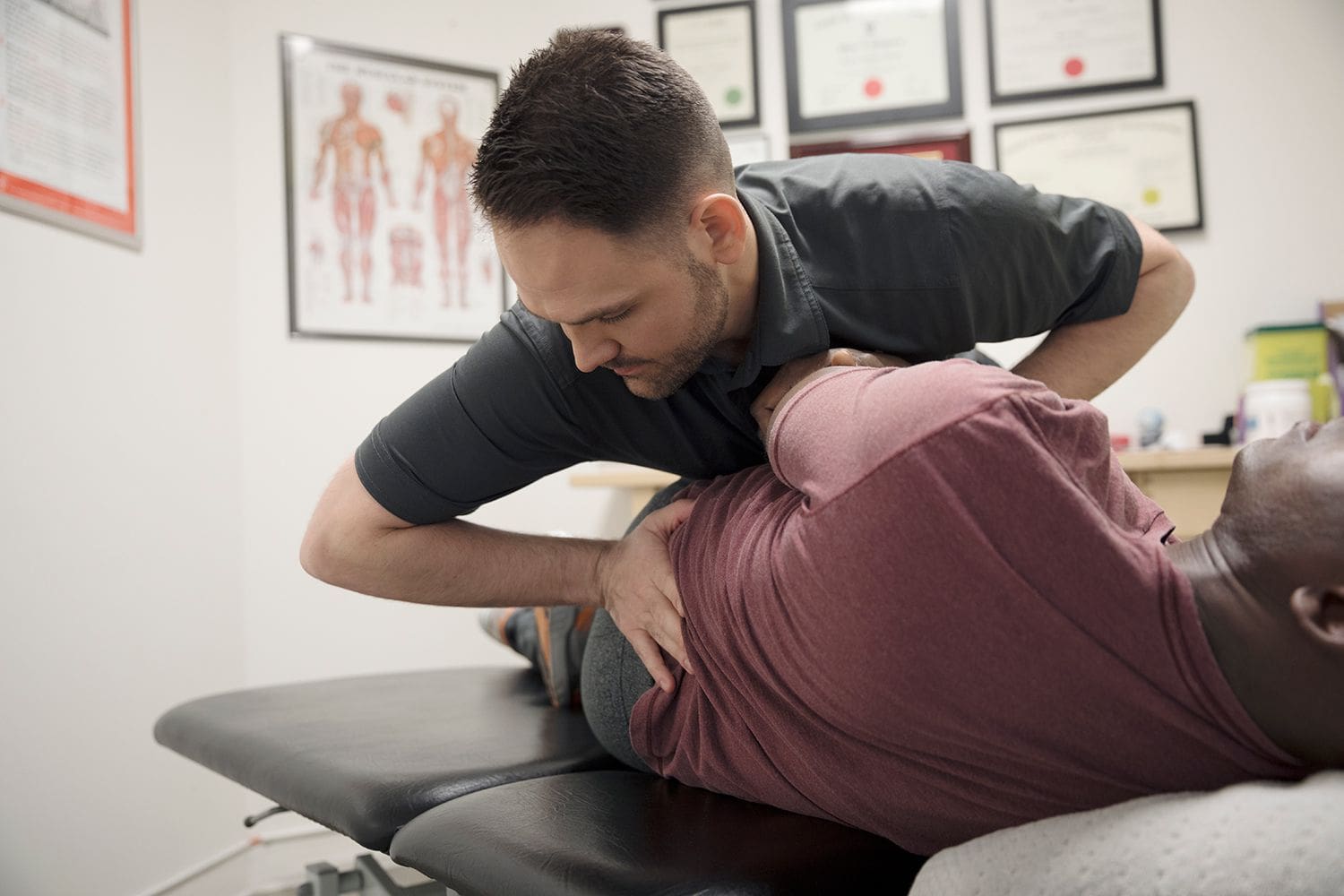
When issues of sacroiliac dysfunction become associated with leg or back pain, physicians often misdiagnose it as a soft tissue issue rather than a joint issue. Many doctors might rule out various medical conditions before including sacroiliac dysfunction as part of the diagnosis. Some treatments like massage therapy can help loosen up the tight muscles surrounding the joints relieving the pain and discomfort. At the same time, chiropractic care utilizes spinal manipulation and mobilization to the affected spinal area. Since the sacroiliac joint is an essential part of the musculoskeletal system, chiropractors specialize in this area. Through practical, non-invasive methods, chiropractic care has proven to not only relieve pain in the spine but can also help rehabilitate the spine. Chiropractors are specially trained to guide the individual through several phases of care that help loosen the stiff muscles and strengthen the joints. Chiropractic care will help decrease the pain from returning to the body and let the individual return to their health and wellness journey.
Conclusion
Maintaining healthy joints is crucial to prevent injuries from affecting the body. The sacroiliac joints are part of the musculoskeletal system that connects the pelvic bone to the sacrum. This joint is surrounded by tough ligaments and muscles that support the upper and lower half of the body through weight distribution. When the sacroiliac joint becomes unstable, it can succumb to pain, thus becoming sacroiliac dysfunction. Sacroiliac dysfunction sometimes mimics low back and leg pain, making it difficult to diagnose. Co-morbidities like pelvic pain correlate to sacroiliac dysfunction, causing somato-visceral pain in different body areas. Treatments like chiropractic care can help strengthen the stiff muscles and joints in the body through spinal manipulation and mobilization in practical, non-invasive treatment. Chiropractic care can help rehabilitate the spine while decreasing the pain from returning to the body.
References
Jonely, Holly, et al. “Chronic Sacroiliac Joint and Pelvic Girdle Dysfunction in a 35-Year-Old Nulliparous Woman Successfully Managed with Multimodal and Multidisciplinary Approach.” The Journal of Manual & Manipulative Therapy, Maney Publishing, Feb. 2015, https://www.ncbi.nlm.nih.gov/pmc/articles/PMC4459139/.
Raj, Marc A, et al. “Sacroiliac Joint Pain.” In: StatPearls [Internet]. Treasure Island (FL), StatPearls Publishing, 12 Feb. 2022, https://www.ncbi.nlm.nih.gov/books/NBK470299/.
Singh, Prashant, et al. “Pelvic Floor Symptom Related Distress in Chronic Constipation Correlates with a Diagnosis of Irritable Bowel Syndrome with Constipation and Constipation Severity but Not Pelvic Floor Dyssynergia.” Journal of Neurogastroenterology and Motility, Korean Society of Neurogastroenterology and Motility, 31 Jan. 2019, https://www.ncbi.nlm.nih.gov/pmc/articles/PMC6326213/.
Medical experts advise that maintaining body hydration is one of the most important things to do in extreme heat. Individuals out in the heat lose electrolytes like sodium, potassium, and chloride and need added electrolytes to prevent cramping and excessive sweating that can strain the body. Dehydration can be dangerous, leading to heat exhaustion and possible heat stroke. If gulping water all day seems like a lot, remember that not all hydration must come from drinking water; there are hydrating foods that contain enough water that can be incorporated.
Sweating is vital for maintaining body temperature, and electrolytes are essential in maintaining the body’s homeostasis. Electrolytes help coordinate muscle contractions, heart function, and the conductivity of electric signals transmitting to and from the nervous system. The kidneys regulate fluid absorption and excretion to maintain electrolyte balance, but an imbalance can occur when electrolyte levels spike or drop. An electrolyte imbalance is caused by a change in the number of electrolytes in the body. Sodium, potassium, and calcium are the common elements most likely to be affected by an electrolyte imbalance. Other reasons why electrolyte levels can change include:
Unhealthy diet
Medications
Kidney problems
It is recommended that instead of focusing on how many glasses of water have been drunk, concentrate on two biomarkers:
When the body is thoroughly hydrated, an individual should go to the bathroom every two to three hours, and the urine should be a pale yellow. If it looks orange, it indicates that the body is trying to conserve water and needs further hydration.
Hydrating Foods
Consulting a doctor or nutritionist is recommended to help determine what foods are safe for the individual if there are underlying conditions or other health concerns. Here are a few hydrating foods that contain at least 80 percent water that can be eaten throughout the hot day to maintain body hydration.
Apples
Best known for their fiber content (up to 5 grams), they are also more than 80 percent water.
A quick crunchy snack with potassium, vitamin B6, C, and magnesium.
Watermelon
These can be up to 92 percent water.
Contain vitamin A, B6, and C, plus lycopene and antioxidants.
Watermelon can be cubed by itself or with feta cheese, olive oil, salt, pepper, and basil for a sweet-savory salad.
Peaches
These can contain up to 88 percent water, fiber, protein, and vitamin C.
Peaches can be added to salsas or incorporated into a salad.
Carrots
Carrots are around 90 percent water.
Rich in beta carotene, which the body uses to make vitamin A.
Vitamin A helps the eyes convert light into a signal sent to the brain, allowing for better sight in dim to dark light.
Vitamin K
Potassium
Fiber
Cucumbers
Cucumbers have more than 96 percent water.
They also contain potassium, phosphorus, magnesium, and some calcium.
They contain nutrients known as cucurbitacins, which can have an anti-diabetic effect.
Fisetin is an anti-inflammatory substance that helps brain health.
Potatoes
The waxy variety contains more water, as much as 80 percent.
They contain potassium, vitamin C, fiber, and minerals.
Have them baked or roasted with skins to keep as much potassium as possible.
Tomatoes
Tomatoes are almost 95 percent water.
They contain cancer-fighting carotenoid lycopene, vitamin A and C, and potassium.
Sliced onto sandwiches, sauteed into pasta, or blended into a gazpacho.
Cantaloupe
90 percent water.
Contains beta-carotene, fiber, and vitamin C.
It can be eaten by itself, chopped into salads or smoothies.
Plain yogurt
One cup of plain yogurt is around 88 percent water.
It contains protein, gut probiotics, calcium, zinc, magnesium, potassium, and phosphorus.
Top with some berries for extra hydration.
These are a few hydrating foods that can help with the intense heat. Others include zucchini, iceberg lettuce, strawberries, blueberries, celery, broccoli, and cauliflower. Healthy H2O levels benefits include:
Decreased appetite.
Improved physical performance during exercise.
Increased energy levels.
Optimal brain function.
What Are The Most Hydrating Foods?
References
Bergeron, Michael F. “Hydration and thermal strain during tennis in the heat.” British journal of sports medicine vol. 48 Suppl 1, Suppl 1 (2014): i12-7. doi:10.1136/bjsports-2013-093256
Gauer, Robert, and Bryce K Meyers. “Heat-Related Illnesses.” American family physician vol. 99,8 (2019): 482-489.
Karppanen, H et al. “Why and how to implement sodium, potassium, calcium, and magnesium changes in food items and diets?.” Journal of human hypertension vol. 19 Suppl 3 (2005): S10-9. doi:10.1038/sj.jhh.1001955
Schiefermeier-Mach, Natalia, et al. “Electrolyte Intake and Major Food Sources of Sodium, Potassium, Calcium, and Magnesium among a Population in Western Austria.” Nutrients vol. 12,7 1956. 30 Jun. 2020, doi:10.3390/nu12071956
Strimbu, Kyle, and Jorge A Tavel. “What are biomarkers?.” Current opinion in HIV and AIDS vol. 5,6 (2010): 463-6. doi:10.1097/COH.0b013e32833ed177
As the body gets older, slouching, little to no physical activity, and regular stretching cause muscle fatigue, weakness, tension, leading to poor posture complications. The complications include:
Posture can be improved along with overall spinal health and a better quality of life through chiropractic treatment. Chiropractic will improve posture through adjustments, postural exercise training and stretching, education on ergonomics, and nutrition to strengthen the body.
Complications Poor Posture
Symptoms
Symptoms vary as they depend on the severity of the case and condition.
Skeletal muscle comprises two types of muscle fiber. They are static or slow-twitch muscles and phasic or fast-twitch muscles. Static muscle fibers are found in the deeper muscle layers. Static fibers burn energy slowly and keep working without tiring. They help the body maintain posture without effort and contribute to balance by sensing the body’s position and transmitting the information to the brain. Phasic muscle fibers are used for movement and activity but can quickly run out of energy. Poor posture causes muscle fatigue because the phasic fibers are used rather than the static fibers to maintain the body’s proper position.
Muscle Strength and Length
Over time, the body constantly needs support from the phasic muscle fibers. This causes the deeper supporting muscles to waste away because they are not being used. Weak, unused muscles begin to tighten, causing a shortening of muscle length that can compact the spine’s bones and cause back complications.
Nervous System Feedback
The deeper layers of muscle sense the body’s position in space and relay this information to the brain. The brain does not receive complete transmission if the phasic muscle fibers take over this function. The brain assumes that the body needs to be propped up/corrected to counteract the poor posture effects, triggering further muscle contraction, adding to the fatigue and pain.
Listening To The Body
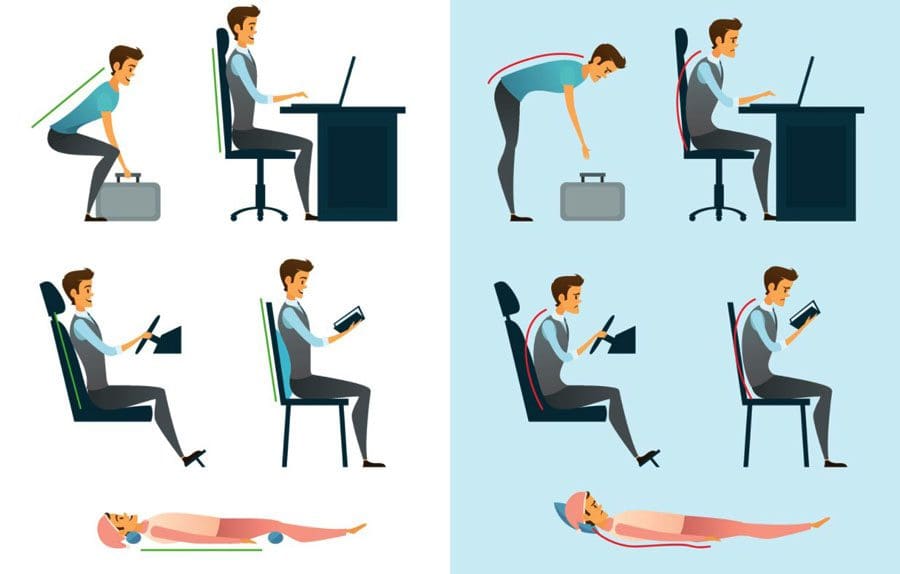
The objective is to form a habit of regularly listening to what the body is saying. Make minor adjustments while standing and sitting throughout the day/night. Often what happens is individuals become so immersed in their work, school tasks that they ignore any physical discomfort and push through and forget to change positions/move around to get the muscles moving and the blood pumping. If there is muscle tension or fatigue, don’t just work through the pain; move into another healthy position.
Posture Improvement
Suggestions include:
Try to avoid sitting in soft chairs.
Switch to ergonomic chairs for any activity that requires sitting for long periods.
Use a lumbar roll to support the lower back when sitting in regular chairs or driving.
Remember to reverse the curve; an example could be if leaning over a desk/workstation, stretch the back in the other direction.
As the body ages, it loses muscle mass, known as sarcopenia. Between the ages of 30 and 80, both men and women can lose 30-50 percent of their muscle strength. Decreasing strength can make it a challenge to lead an active lifestyle or have energy levels to complete the daily errands. Individuals can be reluctant to improve fitness levels through resistance workouts believing there is nothing left after years of inactivity. This is not true as anybody can strength train. With the right mindset, and health coaching team, goals can be set to:
Improve body composition
Improve energy levels
Maintain an active lifestyle
References
Creze, Maud et al. “Posture-related stiffness mapping of paraspinal muscles.” Journal of anatomy vol. 234,6 (2019): 787-799. doi:10.1111/joa.12978
Deliagina, Tatiana G et al. “Physiological and circuit mechanisms of postural control.” Current opinion in neurobiology vol. 22,4 (2012): 646-52. doi:10.1016/j.conb.2012.03.002
Korakakis, Vasileios et al. “Physiotherapist perceptions of optimal sitting and standing posture.” Musculoskeletal Science & practice vol. 39 (2019): 24-31. doi:10.1016/j.msksp.2018.11.004
Pollock, A S et al. “What is balance?.” Clinical rehabilitation vol. 14,4 (2000): 402-6. doi:10.1191/0269215500cr342oa
Waters, Thomas R, and Robert B Dick. “Evidence of health risks associated with prolonged standing at work and intervention effectiveness.” Rehabilitation nursing: the official journal of the Association of Rehabilitation Nurses vol. 40,3 (2015): 148-65. doi:10.1002/rnj.166
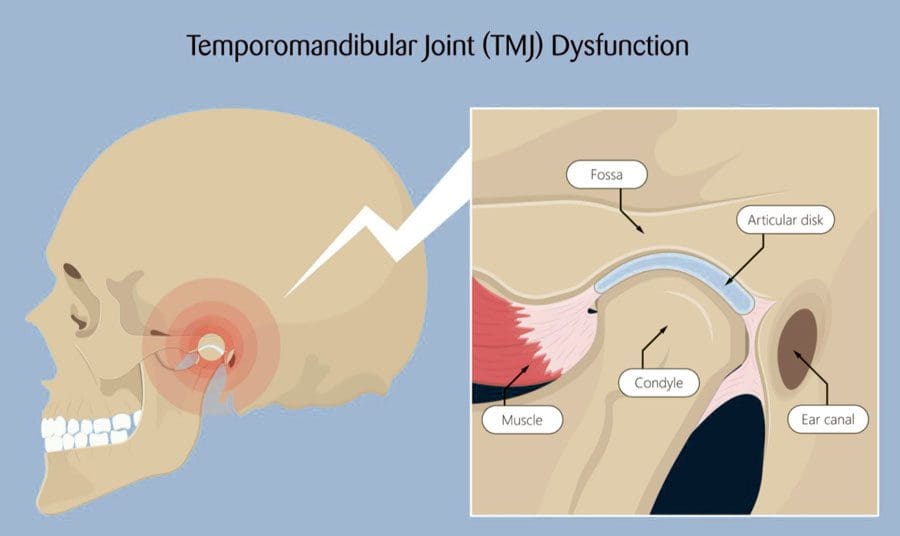
The temporomandibular (tem-puh-roe-man-dib-u-lur) joint TMJ acts as a sliding hinge that connects the jawbone to the skull. There is one joint on each side of the jaw. TMJ jaw disorders are also known as temporomandibular disorders – TMD. These disorders affect the connecting point between the jaw and the skull that causes swelling and pain in the joint and the muscles that control movement. The disorder can be caused by a combination of factors, like stress, genetics, arthritis, or injury. The symptoms, pain, and discomfort are often temporary and can be relieved with self-care and nonsurgical treatment like chiropractic.
Jaw Disorders
If the jaw is not moving correctly or becomes imbalanced, it can stress the temporomandibular joint. If this happens, the jaw muscles and the neck and shoulder muscles can tense up and over time become fatigued as they overwork to compensate and keep the jaw balanced. The bones that interact in the joint are covered with cartilage and are separated by a small shock-absorbing disc to maintain smooth movement. Jaw disorders can happen if:
The disc erodes or moves out of alignment.
The joint’s cartilage is damaged by arthritis.
The joint is damaged by impact trauma like hitting the head from a fall or sports accident.
Individuals that have been in an automobile accident.
Other factors include:
Tension or stress can cause individuals to grind or clench their teeth, known as bruxism.
Symptoms of TMJ vary from case to case. These symptoms might include:
Problems with opening or closing the mouth
Difficulty or pain while chewing
Pain or tenderness of the jaw
Pain in one or both of the temporomandibular joints
Aching facial pain
Neck and shoulder pain
Headaches
Aching pain in and around the ear
Dizziness
Locking of the joint
Clicking sound
Grating sensation
Chiropractic Relief
Chiropractors can help with TMJ by alleviating tension and dysfunction in the shoulder, neck, and jaw. Once the dysfunction is relieved, it reduces the pressure on various nerves. Treatment includes:
Manipulation of the jaw joint so it can move easily
Not all carbs are equal, with some having a more significant effect on insulin levels than others. For individuals with diabetes or insulin resistance, this is important. A food’s Glycemic Index – ranging from 0 to 100 – indicates how a particular carbohydrate will affect blood sugar and insulin levels.
Foods that digest quickly are high on the index.
Foods that digest slowly are lower on the index.
Foods high on the GI scale, include potatoes and white bread, are quickly broken down. This is what happens when going through a sugar rush that comes crashing down minutes later. Foods low on the GI scale, include sweet potatoes and whole oats, are digested gradually. This results in a steady rise in blood sugar levels. The following factors may influence the GI scale:
Food processing
The more processed the food, the higher the GI.
Fat and acid content
Foods high in fat, acid, or carbs eaten with fat or acid tend to have a lower GI.
Fiber content
Fiber slows down the rate of digestion, leading to a gradual, healthy rise in blood sugar levels.
Ripeness
Ripened fruits tend to have a higher GI than unripened fruit.
References
Alcantara, Joel et al. “Chiropractic care of a patient with temporomandibular disorder and atlas subluxation.” Journal of manipulative and physiological therapeutics vol. 25,1 (2002): 63-70. doi:10.1067/mmt.2002.120415
DeVocht, James W et al. “A pilot study of a chiropractic intervention for management of chronic myofascial temporomandibular disorder.” Journal of the American Dental Association (1939) vol. 144,10 (2013): 1154-63. doi:10.14219/jada.archive.2013.0034
Pavia, Steven et al. “Chiropractic Treatment of Temporomandibular Dysfunction: A Retrospective Case Series.” Journal of chiropractic medicine vol. 14,4 (2015): 279-84. doi:10.1016/j.jcm.2015.08.005
Rubis, Lisa M et al. “A collaborative approach between chiropractic and dentistry to address temporomandibular dysfunction: a case report.” Journal of chiropractic medicine vol. 13,1 (2014): 55-61. doi:10.1016/j.jcm.2013.10.003
Optimal joint health is vital to keeping the body moving. They allow us to function throughout the day and perform various tasks. When healthy joints become injured or damaged, the body loses mobility. Joint issues/pain primarily present in the shoulders, wrists, hands, knees, ankles, and spine. Healthy joints are necessary for the full range of motion and comfortable movement. To keep joints healthy and fully functioning, chiropractic treatment is recommended to alleviate joint pain and improve joint health.
Joint Health
Joints are designed to provide a full range of motion for the body parts they affect.
Joints are made to be able to endure weight and forces applied to them.
Every joint consists of two surfaces that make contact.
The bones that make up the joint allow for movement, but the actual muscles pull the bones that generate movement.
The muscles are attached to bones by tendons.
Tendons are strong enough to facilitate movement and flexible to prevent damage to the muscle tissues.
Ligaments connect the bones and help to prevent uncontrolled movement.
The muscles, tendons, and ligaments are attached around each joint at specific positions and shaped to exact dimensions.
Synovial fluid lines the joints and lubricates the surfaces to reduce friction.
Injury and Conditions
Most injuries to joints occur from added and abnormal stresses placed on a joint.
A joint can become injured from a basic trauma accident. An ankle sprain, for example.
The ankle joint is protected by ligaments on the inside and outside.
When the ankle moves too far inward, the ligaments on the outside can tear.
The ankle swells, leading to pain.
In some instances, small pieces of bone and cartilage can also tear away.
Other injuries
Overuse/Repetitive stress injuries, also known as cumulative trauma disorders, can cause joint pain symptoms.
These injuries happen when stress is repeatedly placed on the joints.
The stress can come from:
Poor posture
Awkward/unusual positioning while working.
Little to no workstation ergonomics.
Arthritis
The most common cause of joint pain is arthritis.
Rheumatoid arthritis causes inflammation of the joints causing swollen and stiff joints, limiting mobility.
Osteoarthritis can also cause joint pain. This is when the joint cartilage breaks down from regular wear and tear.
The aging body becomes stiff, swollen and decreases the range of motion.
Other conditions
Pregnancy can place an incredible amount of pressure on the spine, knees, and hips as the body tries to balance itself with the added weight, causing joint pain.
Obesity can also lead to joint pain from the added weight and pressure.
Health conditions that cause inflammation can lead to joint pain, including Lyme disease and Lupus.
The jawbone is also a joint; Temporomandibular Joint Dysfunction causes jaw pain, difficulty chewing and clicking, or locking.
Chiropractic can restore joint health.
Chiropractic can keep the joints in optimal health and functioning to the fullest. The objective is to activate the body’s natural ability to heal itself by improving the function of the central nervous system. Our team is dedicated to utilizing science-based chiropractic approaches to reduce pain and reverse painful conditions. It is also a natural method for relieving arthritis pain, slowing down the degenerative process, and helping to relubricate the joints. Contact us today to learn more about chiropractic and joint health.
Body Composition
Mediterranean Diet Can Be a Great Starting Point
There’s no perfect diet. Although human bodies are basically the same, individuals respond differently to certain diets. Diets can only go so far. The individual still has to put in the work of following the diet, exercising, developing new healthy habits, and maintaining them. The Mediterranean diet was reviewed by a panel of nationally recognized experts in:
Nutrition
Food psychology
Diabetes
Heart disease
They reviewed the diet profile to analyze certain categories. They included:
Ease of taking on the diet.
Weight loss effectiveness. This includes short-term and long-term.
The diet’s potential for preventing and managing diabetes.
The diet’s potential for preventing and managing cardiovascular disease.
The findings found the Mediterranean diet to be one of the best because of the many health benefits that come from the dietary changes.
References
Clark, Kristine L. “Nutritional considerations in joint health.” Clinics in sports medicine vol. 26,1 (2007): 101-18. doi:10.1016/j.csm.2006.11.006
Hui, Alexander Y, et al. “A systems biology approach to synovial joint lubrication in health, injury, and disease.” Wiley interdisciplinary reviews. Systems biology and medicine vol. 4,1 (2012): 15-37. doi:10.1002/wsbm.157
Keep Moving: Preventing Joint Injuries. American Chiropractic Association. https://www.acatoday.org/Patients/Health-Wellness-Information/Joint-Health.
What to Know About Joint Pain. Healthline. https://www.healthline.com/health/joint-pain#symptoms
IFM's Find A Practitioner tool is the largest referral network in Functional Medicine, created to help patients locate Functional Medicine practitioners anywhere in the world. IFM Certified Practitioners are listed first in the search results, given their extensive education in Functional Medicine