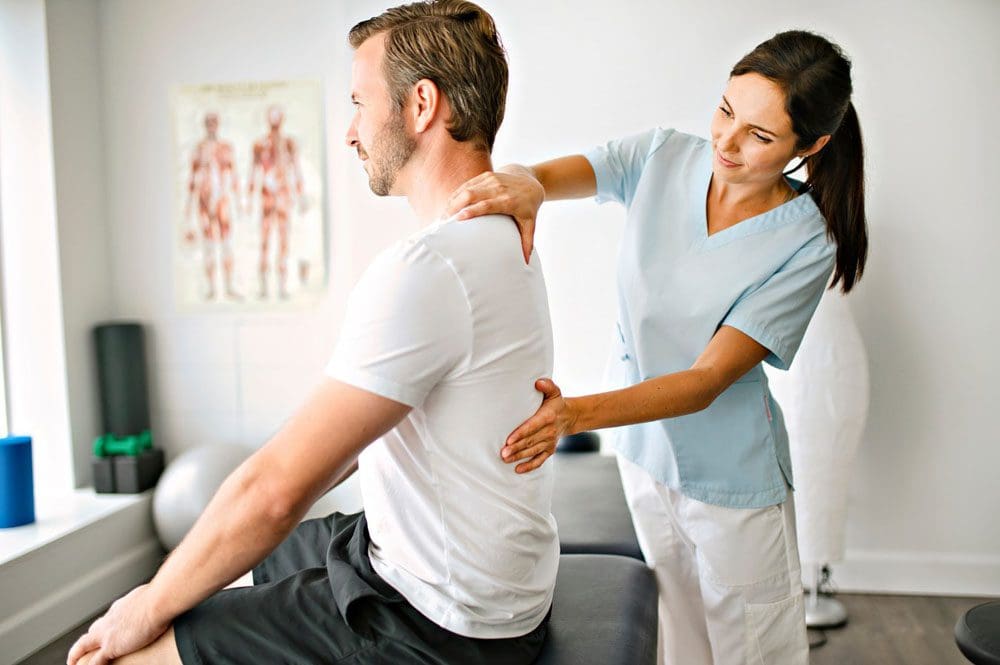
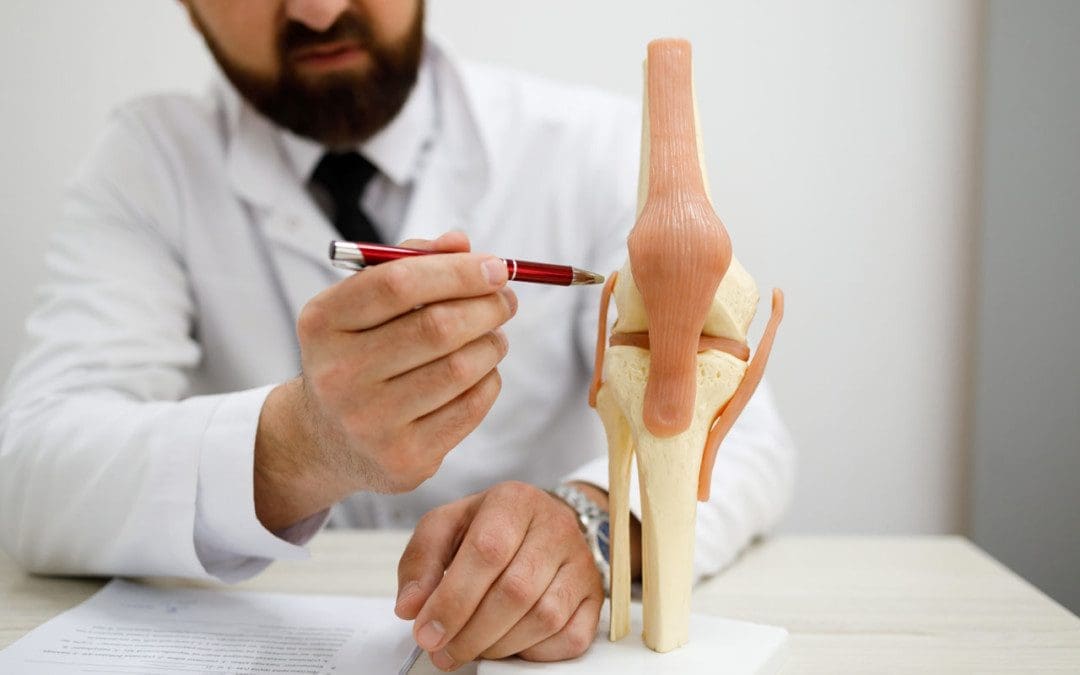
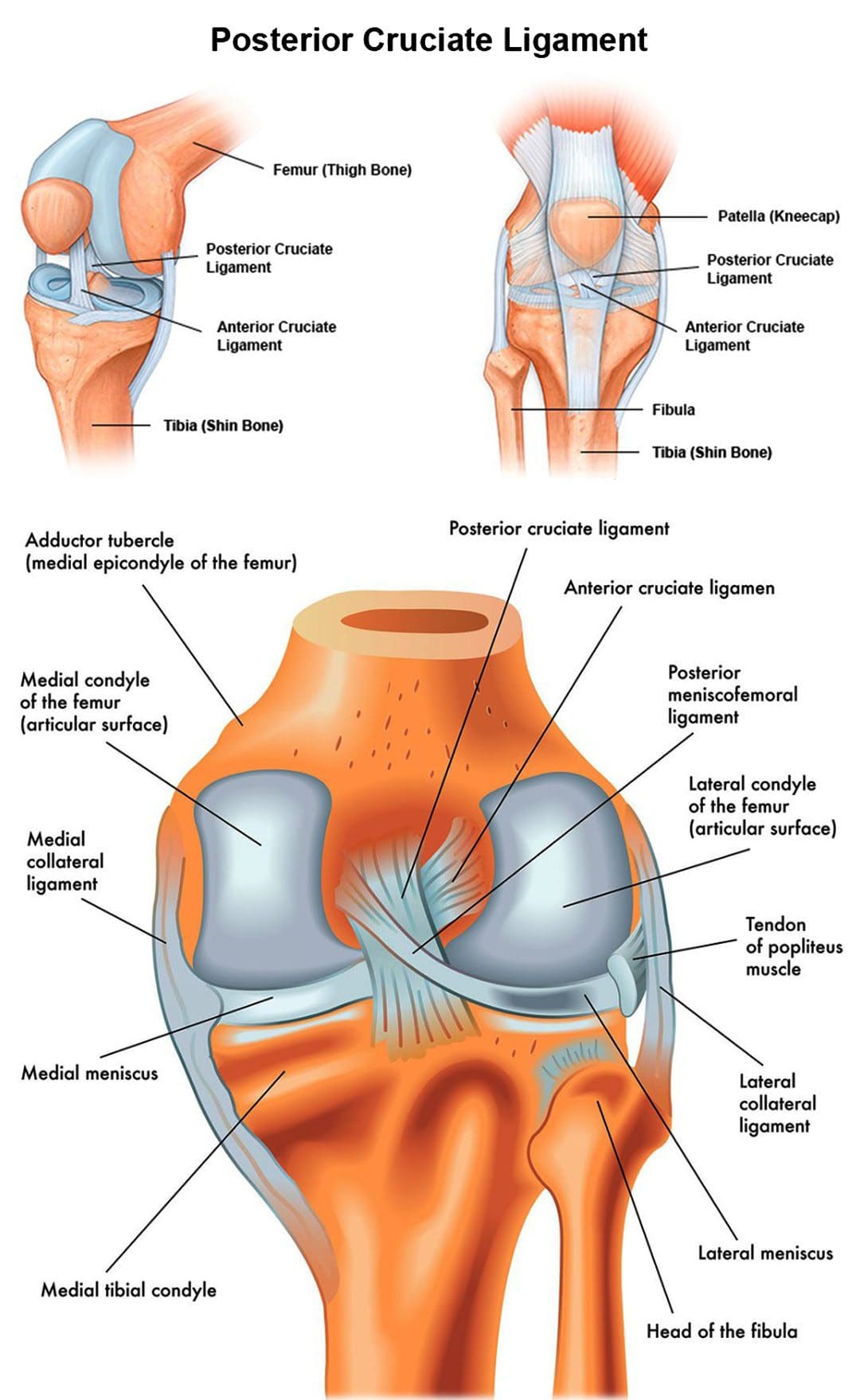
The body has around 1,000 ligaments that connect bones and joints. Ligaments are strong bands of tissue that support joint mobility and stabilize the muscles and bones. An injury to one or more ligaments can cause inflammation, swelling, discomfort, and instability. The PCL refers to the posterior cruciate ligament that runs along the back of the knee joint. This ligament connects the femur/thigh bone to the tibia/shinbone. Anyone can suffer from an injury to the posterior cruciate ligament. It can be caused by the knee hitting a dashboard in an automobile collision, a worker twisting or falling on a bent knee or a sports contact injury. The Injury Medical Chiropractic and Functional Medicine Clinic Team provide soft tissue work, trigger point therapy, and targeted non-surgical treatment through advanced therapy methods and technologies.
Posterior Cruciate Ligament
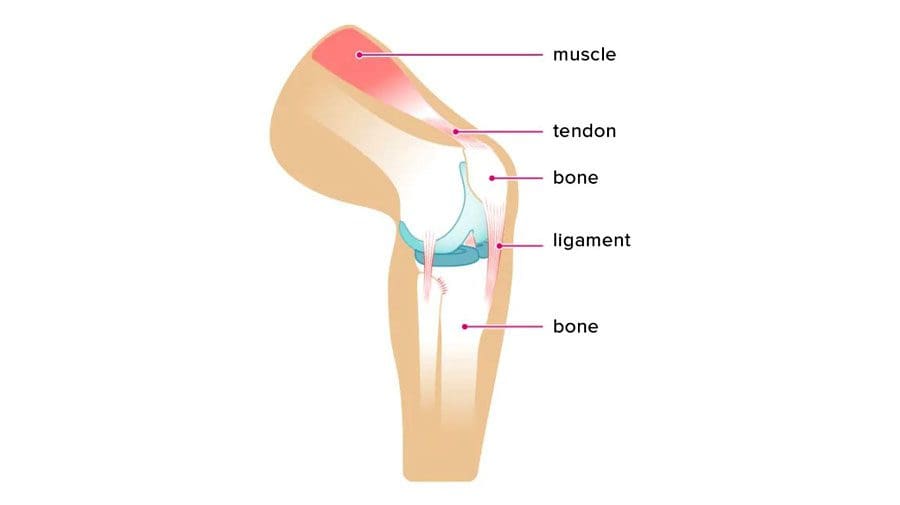
The posterior cruciate ligament – PCL is located inside the knee, just behind the anterior cruciate ligament – ACL. It is one of several ligaments that connect the femur/thighbone to the tibia/shinbone. The posterior cruciate ligament keeps the tibia from moving backward.
Injury
Posterior cruciate ligament injuries are far less common than ACL – anterior cruciate tears. PCL injuries make up less than 20% of all knee ligament injuries. It is more common for PCL tears to occur with other ligament injuries. A PCL injury can cause mild, moderate, or severe damage and is rated into four different categories:
Grade I
A partial tear is present in the ligament.
Grade II
There is a partial tear.
The ligament can feel loose.
Grade III
The ligament is completely torn.
The knee is unstable.
Grade IV
The PCL is injured.
Other knee ligaments are damaged.
Individuals with posterior cruciate ligament injuries can have short or long-term symptoms. Typically, long-term symptoms occur when an injury slowly develops over time. In mild cases, individuals may still be able to walk, and their symptoms may be less noticeable. Common symptoms associated with PCL injuries include:
Difficulty placing weight on the injured knee.
Stiffness.
Walking difficulties.
Difficulty descending stairs.
A wobbly sensation inside the knee.
Inflammation and swelling can be mild to severe.
Knee pain.
Pain that worsens over time.
Over time, tears could lead to the development of osteoarthritis.
There is an increased risk of extensive damage and chronic pain conditions if left untreated.
Chiropractic Care
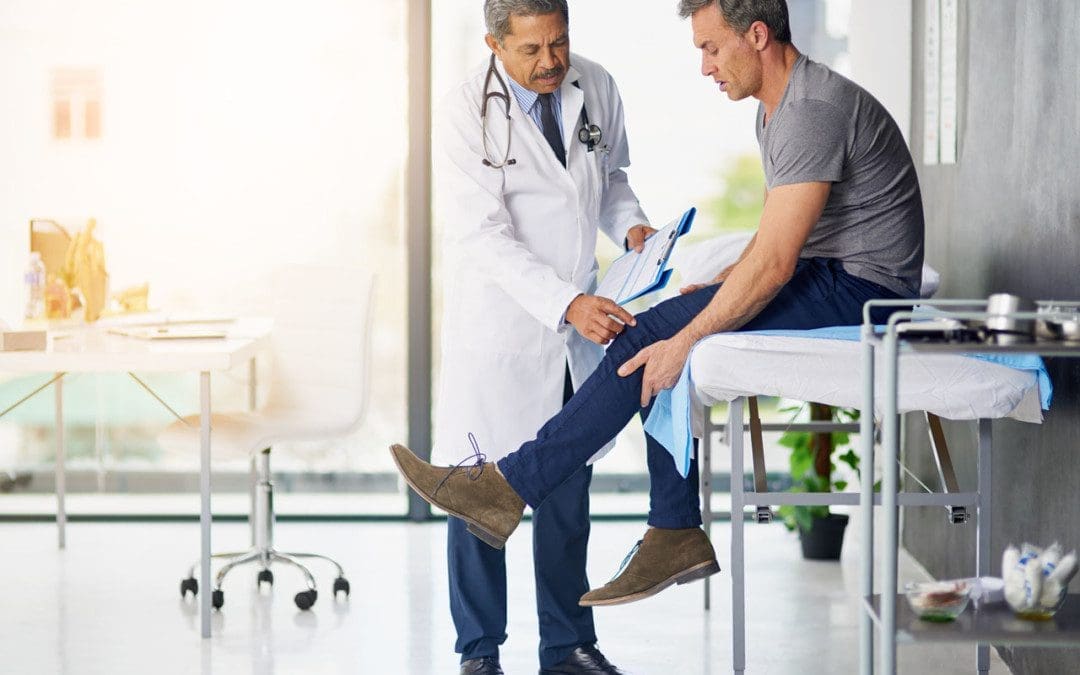
The continued participation in work or activity following a mild injury is the primary reason individuals undergo therapy, injections, or surgical repairs. Knee injuries need immediate attention to prevent worsening or further damage. A chiropractor will examine the knee, check the range of motion and ask about symptoms. They may request imaging tests to determine the extent of the damage. These tests may include the following:
X-rays.
Magnetic resonance imaging.
CT scan.
During the physical examination, they will check all the structures of the injured knee and compare them to the non-injured knee. The wounded knee may appear to sag backward when bent or could slide back too far, specifically when beyond a 90-degree angle. Treatment depends on the severity of the injury. Common treatments include:
Crutches
Crutches may be recommended to limit the weight placed on the knee.
Knee Brace
A special brace can address instability and help prevent the tibia bone from sagging backward.
Gravity tends to pull the bone backward when lying down.
Chiropractic and Physical Therapy
As the swelling goes down, a carefully personalized rehabilitation program can begin.
This procedure is less invasive compared to traditional surgical methods.
Recovery time varies from person to person. If the injury is mild, it may only take around ten days to heal. If surgery was needed, recovery could take about six to nine months. Full recovery typically requires 6 to 12 months.
Best Knee Injury Chiropractor
References
American Academy of Orthopaedic Surgeons. Posterior Cruciate Ligament Injuries. (https://orthoinfo.aaos.org/en/diseases–conditions/posterior-cruciate-ligament-injuries) Accessed 7/26/21.
Bedi A, Musahl V, Cowan JB. Management of Posterior Cruciate Ligament Injuries: An Evidence-Based Review. Journal of the American Academy of Orthopedic Surgery. 2016 May;24(5):277-89. Accessed 7/26/21.
Lu, Cheng-Chang, et al. “Twelve Weeks of a Staged Balance and Strength Training Program Improves Muscle Strength, Proprioception, and Clinical Function in Patients with Isolated Posterior Cruciate Ligament Injuries.” International journal of environmental research and public health vol. 18,23 12849. 6 Dec. 2021, doi:10.3390/ijerph182312849
Pierce, Casey M et al. “Posterior cruciate ligament tears: functional and postoperative rehabilitation.” Knee surgery, sports traumatology, arthroscopy: official journal of the ESSKA vol. 21,5 (2013): 1071-84. doi:10.1007/s00167-012-1970-1
Schüttler, K F et al. “Verletzungen des hinteren Kreuzbands” [Posterior cruciate ligament injuries]. Der Unfallchirurg vol. 120,1 (2017): 55-68. doi:10.1007/s00113-016-0292-z
Zsidai, Bálint, et al. “Different injury patterns exist among patients undergoing operative treatment of isolated PCL, combined PCL/ACL, and isolated ACL injuries: a study from the Swedish National Knee Ligament Registry.” Knee surgery, sports traumatology, arthroscopy: official journal of the ESSKA vol. 30,10 (2022): 3451-3460. doi:10.1007/s00167-022-06948-x
Having and maintaining flexibility in the joints depends on the connective tissues surrounding the muscles. Proper lubrication in the connective tissues enables the fibers to slide over one another easily. Naturally occurring proteins collagen and elastin are key components of connective tissue that provide strength and elasticity. The more elastic the connective tissue, the more flexibility around the joint. If it is becoming difficult to stretch out or there is chronic stiffness and tightness, there are foods that help maintain flexibility and enhance overall health.
Foods That Help Maintain Flexibility
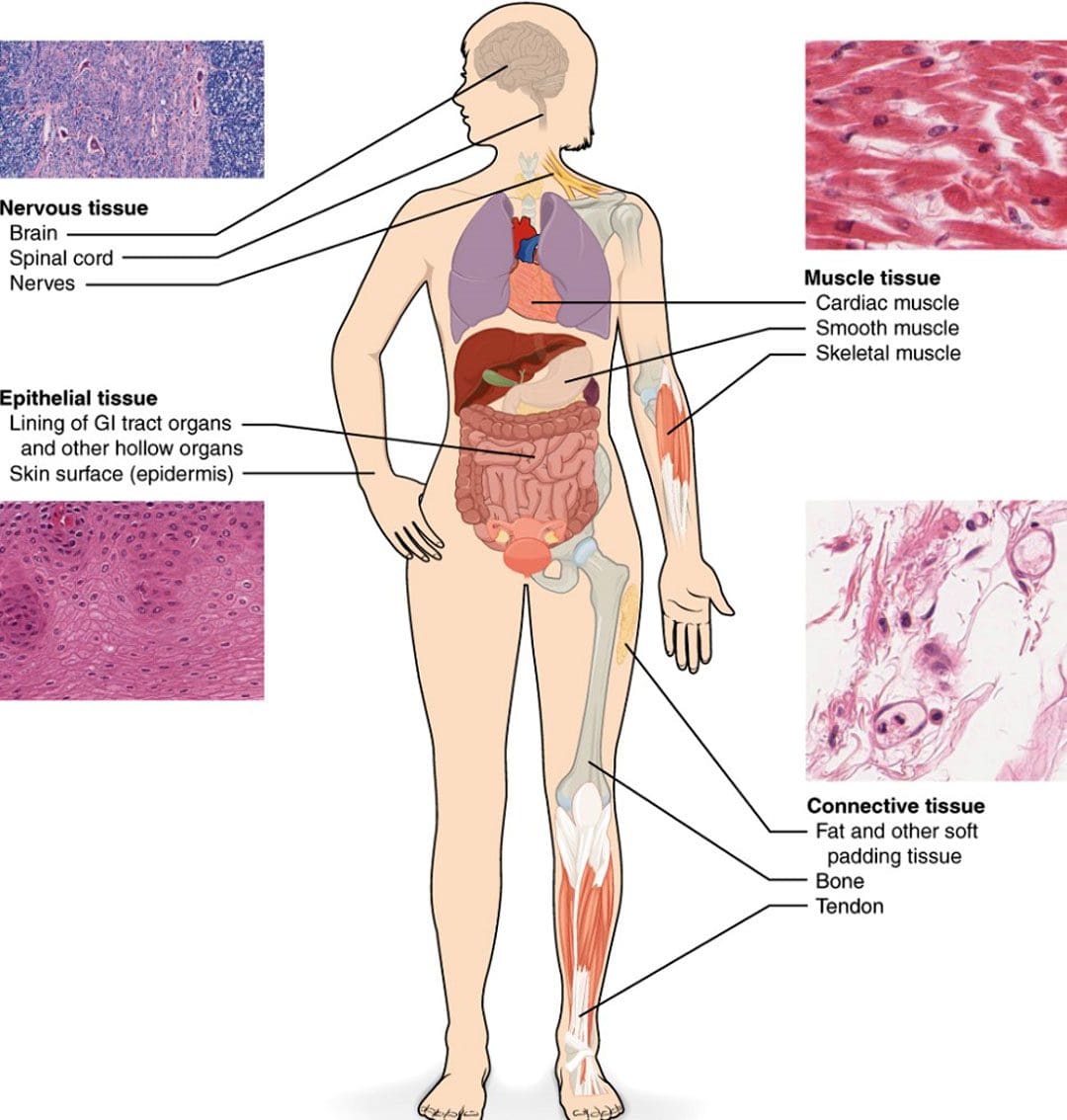
Joint flexibility means functioning connective tissues that join the skeleton and muscles and the ability of different body parts to extend and complete motions. Connecting tissues assists with movement and stabilization. These issues include:
Ligaments
Ligamentscan be band-shaped or string-shaped collagen fibers that connect bones.
Tendons
Tendonsare similar to ligaments and are band or string shaped but connect muscles to the bones.
Fascia
Fascia is a densely woven mesh that wraps around the blood vessels, bones, muscles, organs, and nerves.
Flexibility keeps the muscles active and mobile as they are necessary for daily physical activities. When these tissues become stiff from inactivity or an unhealthy diet, it limits the body’s range of movement and increases the risk of injury. Stretching improves flexibility, and adding foods to a nutrition plan will help maintain limberness.
Nutrition
A nutrition plan full of vitamins, minerals, and antioxidants will nourish connecting tissues and cells and increase collagen production. Foods rich in essential fatty acids/EFAs, vitamin C, sulfur, and water will promote healthy connective tissue for enhanced flexibility.
Fatty Acids
Essential fatty acids include omega-3 and omega-6, primarily found in fish, flax seeds, and liquid oils.
These fatty acids are essential because they cannot be made in the body.
Foods likefatty fish, flax seeds, walnuts, or supplements, can help achieve the proper ratio.
For individuals not too keen on fish, consider omega-3 supplements.
Collagen
Collagen is the main protein from connective tissue, and vitamin C is essential for collagen production.
Vitamin C-rich foods – oranges, bell peppers, broccoli, strawberries, tomatoes, leafy green vegetables, raspberries, pineapple, cruciferous vegetables, parsley, and watermelon.
Make various smoothie recipes for breakfast or an afternoon snack.
Sulfur helps maintain the flexible bonds in connective tissues.
Animal proteins that provide sulfur include fish, poultry, beef, and eggs.
Vegetable sources include Brussels sprouts, cabbage, broccoli, cauliflower, onions, and garlic.
Hydration
Water is not considered food as it contains no calories, but it is vital as it makes up 76 percent of the muscles. A high percentage of water content is the key to muscle elasticity. When the body is dehydrated, it holds onto water, causing fluid retention and stiffness. The more the muscles stay dehydrated, the more they have trouble recovering from physical activities, fatigue levels increase, the range of motion decreases, and the risk of injury increases. Don’t wait until you are thirsty. Stay hydrated throughout the day to keep the joints lubricated and energy levels high.
Fruits high in water include:
Strawberries
Watermelon
Cantaloupe
Peaches
Grapefruit
Pineapple
Apples
Pears
Vegetables high in water include:
Cucumber
Lettuce
Zucchini
Celery
Eggplant
Limit Salt and Sugar Intake
Processed foods tend to have a high salt content.
Too much salt causes the joints to swell as the body retains fluid.
Keeping sugar intake low is important in enhancing flexibility.
This is because sugar breaks down the collagen in the skin and connective tissues.
This means avoiding processed foods, ready meals, and junk food.
Flexibility can be improved by eliminating foods that destroy collagen, focusing on foods that reduce insulin spikes, and maintaining hydration in the connective tissues. A nutritionist can develop a personalized nutrition plan for optimal neuromusculoskeletal health.
Foods That Help Maintain Flexibility
References
Beba, Mohammad et al. “The effect of curcumin supplementation on delayed-onset muscle soreness, inflammation, muscle strength, and joint flexibility: A systematic review and dose-response meta-analysis of randomized controlled trials.” Phytotherapy research: PTR vol. 36,7 (2022): 2767-2778. doi:10.1002/ptr.7477
Kviatkovsky, Shiloah A et al. “Collagen peptide supplementation for pain and function: is it effective?.” Current opinion in clinical nutrition and metabolic care vol. 25,6 (2022): 401-406. doi:10.1097/MCO.0000000000000870
MacKay, Douglas, and Alan L Miller. “Nutritional support for wound healing.” Alternative medicine review: a journal of clinical therapeutic vol. 8,4 (2003): 359-77.
Shaw, Gregory, et al. “Vitamin C-enriched gelatin supplementation before intermittent activity augments collagen synthesis.” The American journal of clinical nutrition vol. 105,1 (2017): 136-143. doi:10.3945/ajcn.116.138594
Zdzieblik, Denise, et al. “Improvement of activity-related knee joint discomfort following supplementation of specific collagen peptides.” Applied physiology, nutrition, and metabolism = Physiologie applique, nutrition et metabolism vol. 42,6 (2017): 588-595. doi:10.1139/apnm-2016-0390
The iliopsoas muscle is a primary hip flexor that assists in the femur’s external rotation and maintains the hip joint’s strength and integrity. It also helps to stabilize the lumbar spine and pelvis. Athletes often overuse these muscles with all the sprinting, jumping, kicking, and changing directions when running, causing strains and/or tears. Repetitive hip flexion can result in chronic degenerative tendon changes. Chiropractic care and physical therapy can assist in the early phases of healing, safely transitioning to rehabilitation, and returning to physical activities.
Iliopsoas Muscle
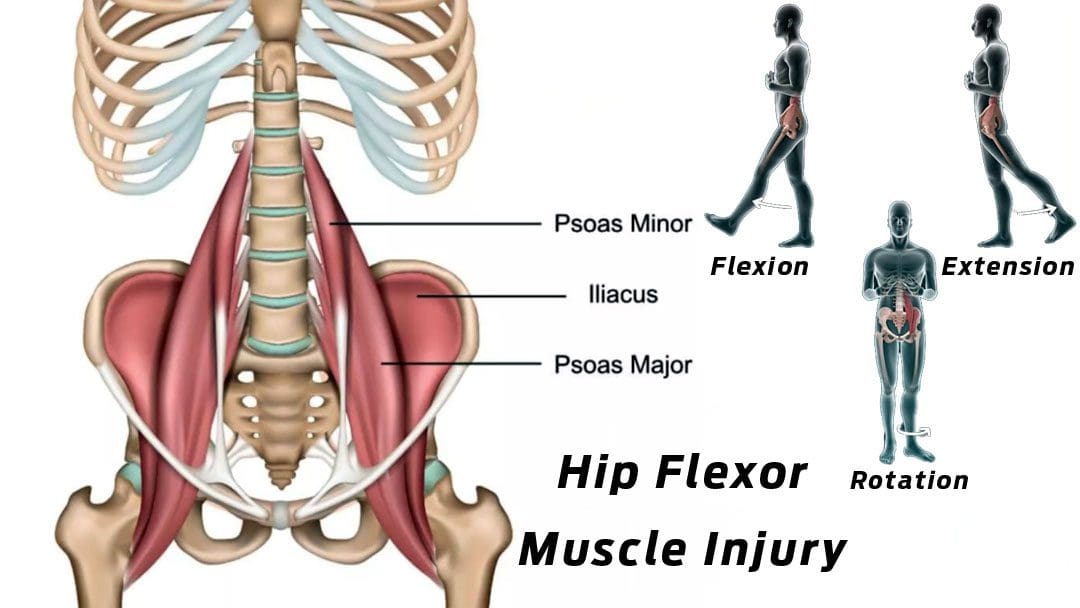
The hip flexors are the group of muscles, including the iliac and psoas major muscles/iliopsoas and the rectus femoris/quadriceps. One of the largest and thickest muscles in the body, the psoas, extends from the lumbar vertebrae, crosses in front of each hip, and attaches to the inside top of the thigh bone. The muscle works by flexing the hip joint and lifting the upper leg towards the body. These fibers can tear if tension is more than the muscle can bear. An iliopsoas strain occurs when one or more of these hip flexor muscles become overly stretched or begin to tear.
Injury
The injury can occur from sports or everyday physical activities. This leads to inflammation, pain, and scar tissue formation. An iliopsoas injury is commonly caused by sudden movements, including sprinting, kicking, and changing direction fast while running. Individuals participating in any sports, especially cycling, running, dance, tennis, martial arts, and soccer, are more likely to experience this injury. Other contributing factors include:
Muscle tightness
Joint stiffness
Muscle weakness
Inadequate core stability
Not warming up correctly
Improper biomechanics
Decreased fitness and conditioning
Individuals will feel a sudden stinging pain or pulling sensation, usually on the front of the hip, groin, or abdominal area. Other symptoms include:
Healing and recovery depend on the severity of the injury. A minor iliopsoas muscle injury can take around three weeks to recover fully. More serious strains and tears take six to eight weeks before returning to activity, as the tissue needs time to repair before starting rehabilitation.
Chiropractic Rehabilitation and Recovery
The first steps when dealing with this injury should be P.R.I.C.E. protection, rest, ice, compression, and elevation. It is important to rest and seek treatment immediately; if left untreated, the condition could worsen, lead to a chronic condition, and require surgery. A chiropractic treatment and rehabilitation plan will consist of the following:
Soft tissue massage
Joint mobilization
A chiropractor may recommend crutches to keep the weight off the hip.
A brace can help compress and stabilize the hip flexor to expedite healing.
A flexibility and strengthening program will be implemented to target the muscles around the hip.
Core strengthening exercises will improve the stability of the pelvis area to prevent any further overuse problems.
Wearing compression clothing could also be recommended, as the clothing helps maintain muscle temperature.
Labral Tear
References
Dydyk AM, Sapra A. Psoas Syndrome. [Updated 2022 Oct 24]. In: StatPearls [Internet]. Treasure Island (F.L.): StatPearls Publishing; 2022 Jan-. Available from: https://www.ncbi.nlm.nih.gov/books/NBK551701/
Lifshitz, Liran BPt, MSc, PT; Bar Sela, Shlomo BPt MPE; Gal, Noga BPt, MSc; Martin, RobRoy PhD, PT; Fleitman Klar, Michal BPt. Iliopsoas the Hidden Muscle: Anatomy, Diagnosis, and Treatment. Current Sports Medicine Reports 19(6):p 235-243, June 2020. | DOI: 10.1249/JSR.0000000000000723
Rauseo, Carla. “THE REHABILITATION OF A RUNNER WITH ILIOPSOAS TENDINOPATHY USING AN ECCENTRIC-BIASED EXERCISE-A CASE REPORT.” International journal of sports physical therapy vol. 12,7 (2017): 1150-1162. doi:10.26603/ijspt20171150
Rubio, Manolo, et al. “Spontaneous Iliopsoas Tendon Tear: A Rare Cause of Hip Pain in the Elderly.” Geriatric orthopedic surgery & rehabilitation vol. 7,1 (2016): 30-2. doi:10.1177/2151458515627309
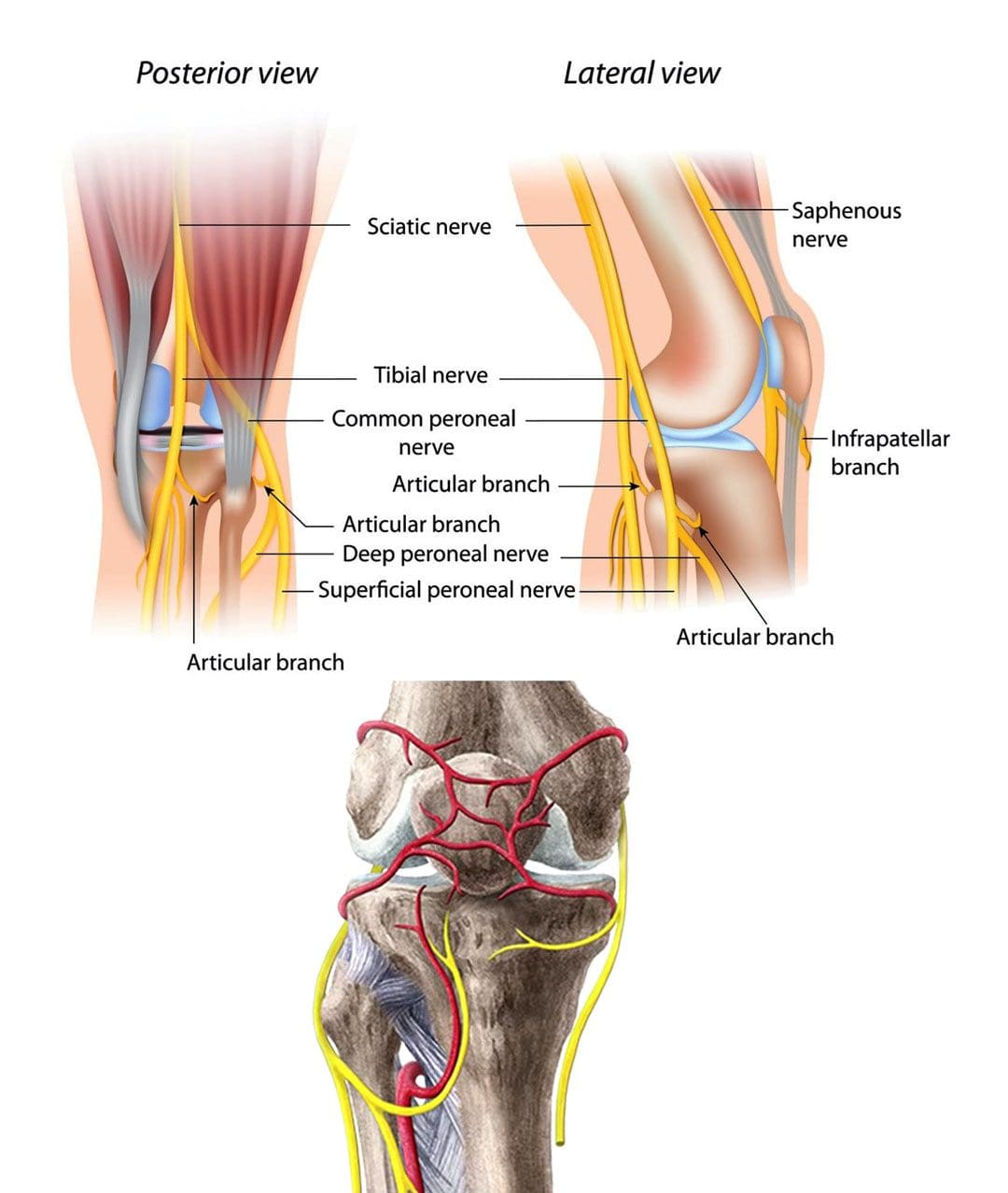
Individuals dealing with aching knees is one of the most common health problems and affects people of all ages. The knee is the largest joint in the body, comprised of muscles, tendons, ligaments, cartilage, and bones. The knees support walking, standing, running, and even sitting. Constant use makes them highly susceptible to injuries and conditions. The knees are also surrounded by a complex network of nerves that transmit messages to and from the brain. Damage to the nerves from an injury or disease can create various symptoms of discomfort in and around the knee joint.
Knee Neuropathy
Causes
Knee discomfort symptoms can be brought on by injury, degenerative disorders, arthritis, infection, and other causes, including:
Rheumatoid arthritis
This is a chronic inflammatory disorder that causes the knees to swell and causes damage to the cartilage.
Osteoarthritis
This type of arthritis causes the cartilage to steadily wear away, causing damage to the joints and various symptoms.
Cartilage Issues
Overuse, muscle weakness, injury, and misalignments can cause compensating postures and movements that can wear down and soften the cartilage, generating symptoms.
Several factors can increase the risk of developing knee neuropathy, including:
Previous knee injury
Undiagnosed and untreated knee injury
Unhealthy Weight
Gout
Compromised leg muscle strength and/or flexibility
Symptoms
Symptoms associated with a knee injury or disorder can vary, depending on the severity and damage. Symptoms can include:
Joint stiffness
Swelling in the joint.
Reduced movement/flexibility in the joint.
Increased instability/feeling of weakness in the knee.
Changes in skin color around the knee joint, like increased redness or pale discoloration.
Numbness, coldness, or tingling in and/or around the joint.
Pain symptoms could be a dull ache or throbbing felt throughout the knee.
Sharp, stabbing discomfort in a specific area.
If left untreated, knee neuropathy could permanently affect the ability to walk and lead to partial or total loss of knee function and mobility. Doctors recommend taking note of the following:
What activity/s generates symptoms?
Where are the symptoms located?
What the pain feels like?
Treatments available for knee pain
Chiropractic treatment offers various approaches to addressing the pain caused by nerve damage. Standard treatment includes chiropractic adjustments, therapeutic massage, non-surgical decompression, stretching, posture and movement training, and nutritional anti-inflammatory plans. Our medical team specializes in non-surgical treatments that decrease symptoms and increase strength, flexibility, mobility, and restore function.
Knee Injuries Adjustment
References
Edmonds, Michael, et al. “The current burden of diabetic foot disease.” Journal of clinical orthopedics and trauma vol. 17 88-93. 8 Feb. 2021, doi:10.1016/j.jcot.2021.01.017
Hawk, Cheryl, et al. “Best Practices for Chiropractic Management of Patients with Chronic Musculoskeletal Pain: A Clinical Practice Guideline.” Journal of alternative and complementary medicine (New York, N.Y.) vol. 26,10 (2020): 884-901. doi:10.1089/acm.2020.0181
Hunter, David J et al. “Effectiveness of a new model of primary care management on knee pain and function in patients with knee osteoarthritis: Protocol for THE PARTNER STUDY.” BMC musculoskeletal disorders vol. 19,1 132. 30 Apr. 2018, doi:10.1186/s12891-018-2048-0
Kidd, Vasco Deon, et al. “Genicular Nerve Radiofrequency Ablation for Painful Knee Arthritis: The Why and the How.” JBJS essential surgical techniques vol. 9,1 e10. 13 Mar. 2019, doi:10.2106/JBJS.ST.18.00016
Krishnan, Yamini, and Alan J Grodzinsky. “Cartilage diseases.” Matrix biology: journal of the International Society for Matrix Biology vol. 71-72 (2018): 51-69. doi:10.1016/j.matbio.2018.05.005
Speelziek, Scott J A, et al. “Clinical spectrum of neuropathy after primary total knee arthroplasty: A series of 54 cases.” Muscle & nerve vol. 59,6 (2019): 679-682. doi:10.1002/mus.26473
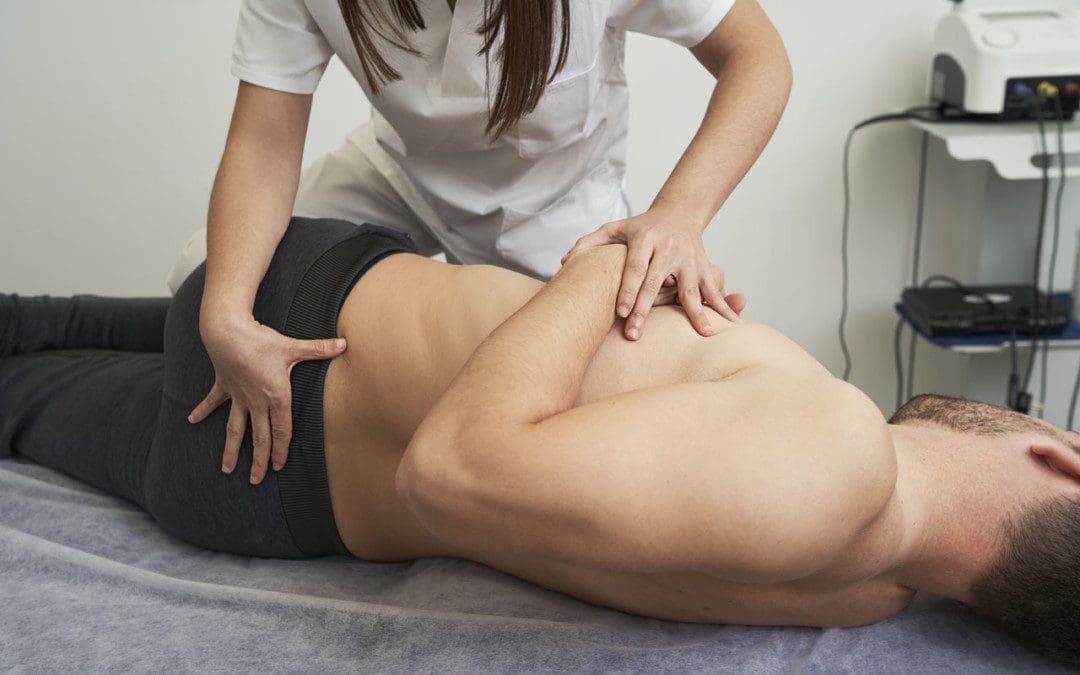
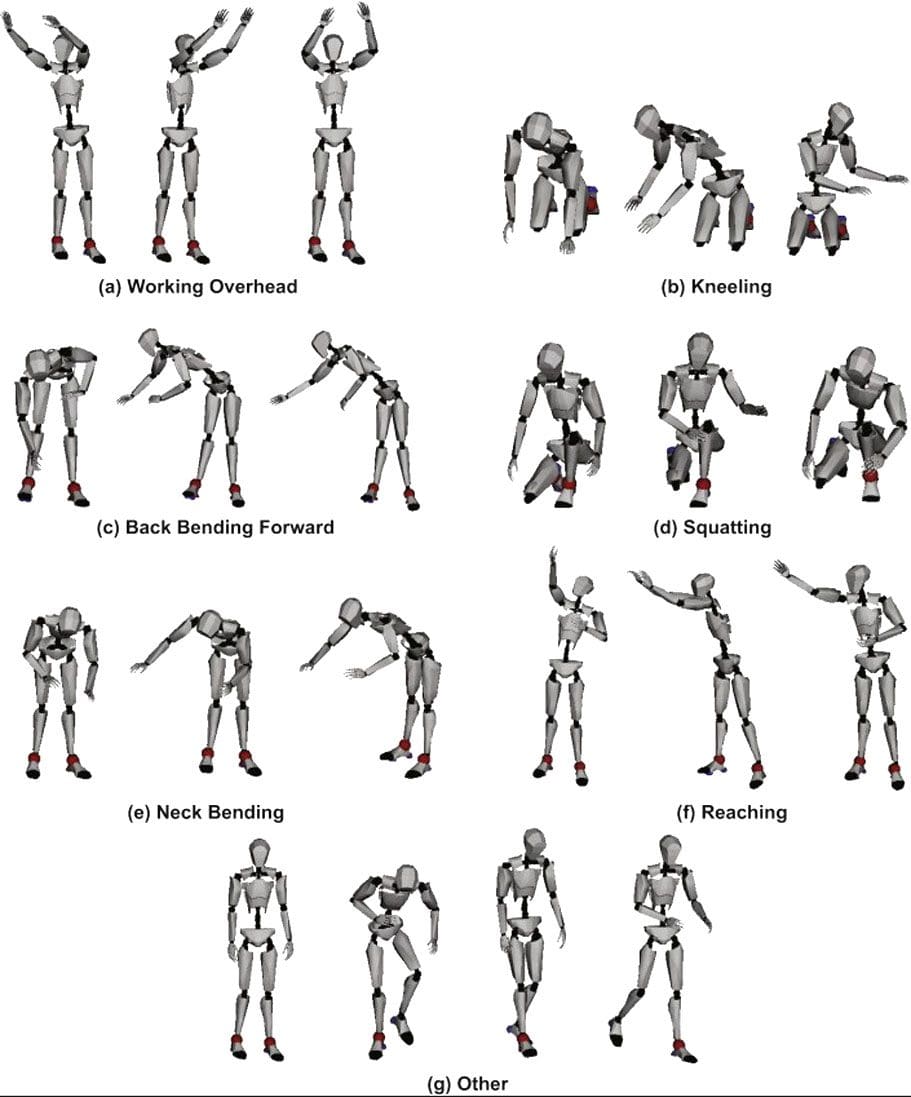
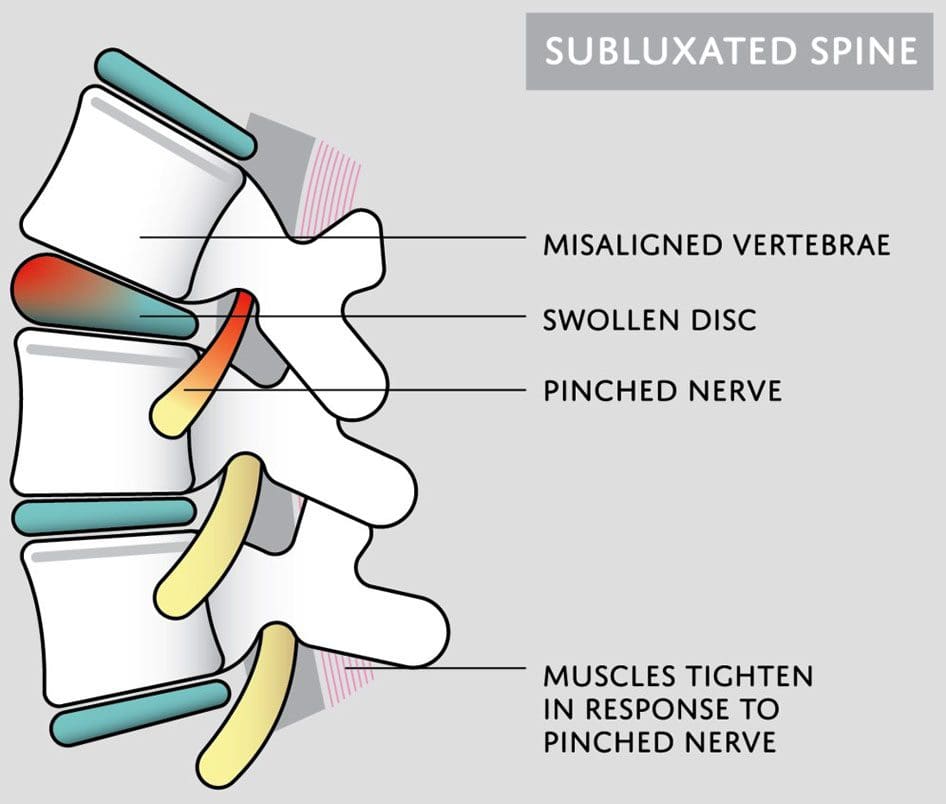
Subluxation is when a joint shifts out of alignment, which can happen to any joint in the body. Spinal subluxation indicates a misalignment of one or more portions of the spinal vertebrae. It is common in the spine from all the reaching, bending, twisting, and flexing the body goes through. Spinal subluxations, if left untreated, can cause disc degeneration, permanent nerve damage, neurological conditions, and chronic pain symptoms. A subluxation chiropractor will realign and decompress the spine combined with massage therapy to relax the muscles and restore mobility and function.
Subluxation Chiropractor
Some subluxations don’t cause any problems or pain, but that doesn’t mean they aren’t affecting the back and body. A spinal subluxation can cause long-term problems by:
Research shows that spinal subluxations can affect many facets of the body. Long-term effects may include:
Sleep problems
Low energy
Brain fog
Mood swings
Anxiety and depression
Digestive issues
Respiratory problems
Bone spurs
Spinal arthritis
Chiropractic Care
When the spine is out of alignment, it can cause issues throughout the body. Changes in one area affect the rest of the body. A subluxation chiropractor looks at the spine’s neurological and mechanical components and aims to reset everything back into its proper position. Similar to the way a massage helps the mind and body relax and de-stress, a spinal adjustment helps by:
Increasing circulation
Relieving discomfort and pain
Releasing tension
Improving mood
Reducing stress levels
Improving sleep function
Increasing energy levels
When the spine is properly aligned, the body can operate at its full potential.
Adrenal Dysfunction
References
Brian S. Budgell, Reflex effects of subluxation: the autonomic nervous system, Journal of Manipulative and Physiological Therapeutics, Volume 23, Issue 2,
2000, Pages 104-106, ISSN 0161-4754, https://doi.org/10.1016/S0161-4754(00)90076-9. (https://www.sciencedirect.com/science/article/pii/S0161475400900769)
Green, J D et al. “Anterior subluxation of the cervical spine: hyperflexion sprain.” AJNR. American journal of neuroradiology vol. 2,3 (1981): 243-50.
Meyer, S. “Thoracic spine trauma.” Seminars in roentgenology vol. 27,4 (1992): 254-61. doi:10.1016/0037-198x(92)90004-l
Neva MH, Häkkinen A, Mäkinen H, et al. High prevalence of asymptomatic cervical spine subluxation in patients with rheumatoid arthritis waiting for orthopedic surgeryAnnals of the Rheumatic Diseases 2006;65:884-888.
Nourollahi, Maryam, et al. “Awkward trunk postures and their relationship with low back pain in hospital nurses.” Work (Reading, Mass.) vol. 59,3 (2018): 317-323. doi:10.3233/WOR-182683
Vernon, Howard. “Historical overview and update on subluxation theories().” Journal of chiropractic humanities vol. 17,1 (2010): 22-32. doi:10.1016/j.echu.2010.07.001
Aging Arthritis: How the body changes as the years go by is determined by an individual’s diet, physical activity/exercise, genetics, stress levels, sleep patterns, and self-care. As the body ages, natural degeneration from everyday wear and tear will present. The focus is on understanding how age-related degeneration can affect the body and what to do to prevent and treat it.
The condition can cause long-term joint damage that can lead to disability.
Aging Arthritis and Chiropractic Care
Chiropractic care is recommended for the treatment of any form of arthritis. Chiropractic care can work with other therapies to reduce swelling and inflammation, alleviate pain, and improve mobility and flexibility.
A chiropractor will utilize body imagery before beginning treatment.
Imaging gives insight into the condition of the joints, and the visual, combined with a self-report from the individual, allows the chiropractor to create a personalized treatment plan.
Once a chiropractor has identified which techniques the body can handle, treatment will commence that can include:
Therapeutic massage
Percussive massage
Ultrasound
Electrotherapy
Low-level cold laser therapy
Infrared heat
A chiropractor’s objective is to rebalance, realign and strengthen the body, relieve pressure or stress at the junction of the joints, and expedite healing and rehabilitation.
LLT Laser Therapy
References
Abyad, A, and J T Boyer. “Arthritis and aging.” Current opinion in rheumatology vol. 4,2 (1992): 153-9. doi:10.1097/00002281-199204000-00004
Chalan, Paulina, et al. “Rheumatoid Arthritis, Immunosenescence and the Hallmarks of Aging.” Current aging science vol. 8,2 (2015): 131-46. doi:10.2174/1874609808666150727110744
Goronzy, Jorg J et al. “Immune aging, and rheumatoid arthritis.” Rheumatic diseases clinics of North America vol. 36,2 (2010): 297-310. doi:10.1016/j.rdc.2010.03.001
Greene, M A, and R F Loeser. “Aging-related inflammation in osteoarthritis.” Osteoarthritis and cartilage vol. 23,11 (2015): 1966-71. doi:10.1016/j.joca.2015.01.008
Tendons and Ligaments: A tendon is a fibrous flexible, strong tissue similar to a rope that attaches the muscles to the bones. Tendons allow for the movement of the body’s limbs and help prevent muscle injury by absorbing muscles’ impact when running, jumping, or performing other actions. Ligaments are bands of solid elastic tissue that connect bone to bone, hold structures together and keep them stable, support the joints and limit their movement.
Tendons and Ligaments
Tendons are strong and non-flexible.
Ligaments are flexible and elastic.
Both comprise collagen and living cells, essential in joints and bones and integral to locomotion.
Tendons allow body movement by transmitting force from muscle to bone, allowing the body to stand, walk, and jump.
Ligaments work by allowing for the full range of motion.
Ligaments are around the knees, ankles, elbows, shoulders, and other joints.
Connective Tissue
The collagen connective tissue that makes up tendons and ligaments is the same; their patterns are different.
Tendon fibers are laid out in a parallel pattern.
Tendon connective tissue needs to have more elasticity to help move the muscles.
Ligament fibers are laid out in a crisscross pattern.
Ligament connective tissue stabilizes and strengthens the bones’ joint structure.
Tendon Injury
A tendon that gets overstretched or torn is known as a strain. Common areas affected by strains are the:
Leg
Foot
Back
Strains often result from repetitive work movements, intense physical activity, and sports. Individuals who overuse their bodies without proper rest and muscle repair recovery have an increased risk of injury. Symptoms include:
Inflammation
Swelling
Pain
Cramping
Weakness
Ligament Injury
A ligament that gets overstretched or torn results in a sprain. Sprains can happen suddenly from a fall, awkward movement, or trauma. Sprains commonly occur in the:
Ankle
Knee
Wrist
Examples include:
Misstep causing the ankle to twist in an awkward position, snapping a ligament and causing unstableness or wobbliness.
There could be a popping sensation or the feeling of a tear when the injury occurs.
Wrist sprains often happen when reaching out and extending the hands to break a fall, and the wrist hyperextending back.
The hyperextension overstretches the ligament.
Symptoms of a sprained ligament include:
Inflammation
Swelling
Bruising
Pain
The joint may feel loose or weak and unable to take on weight.
The intensity of symptoms varies depending on whether the ligament is overextended or torn. Sprains are classified by grade:
Grade 1 – a mild sprain with slight stretching of the ligament.
Grade 2 – a moderate ligament tear, but not a complete tear.
Grade 3 – a complete ligament tear, making the joint unstable.
Chiropractic Care
Tendons and ligaments do not receive full blood circulation like other soft tissues. Depending on the severity of the injury, and the slower transfer of oxygen and nutrients, ligament and tendon injuries can take six to twelve weeks to heal, and repeatedly stressing the injured area from overuse can extend recovery. Chiropractic adjustments, and massage therapy, combined with corrective exercises and stretches, will reduce inflammation, decrease pain, improve the range of motion, increase nerve and muscle function, and strengthen the muscles. Chiropractic treatment involves:
Childress, Marc A, and Anthony Beutler. “Management of chronic tendon injuries.” American family physician vol. 87,7 (2013): 486-90.
Fenwick, Steven A et al. “The vasculature and its role in the damaged and healing tendon.” Arthritis research vol. 4,4 (2002): 252-60. doi:10.1186/ar416
Leong, Natalie L et al. “Tendon and Ligament Healing and Current Approaches to Tendon and Ligament Regeneration.” Journal of orthopedic research: official publication of the Orthopaedic Research Society vol. 38,1 (2020): 7-12. doi:10.1002/jor.24475
Scalcione, Luke R et al. “The athlete’s hand: ligament and tendon injury.” Seminars in musculoskeletal radiology vol. 16,4 (2012): 338-49. doi:10.1055/s-0032-1327007
IFM's Find A Practitioner tool is the largest referral network in Functional Medicine, created to help patients locate Functional Medicine practitioners anywhere in the world. IFM Certified Practitioners are listed first in the search results, given their extensive education in Functional Medicine

 Posterior Cruciate Ligament