Can various stretches provide beneficial results for individuals experiencing TMJ pain by providing relief to the jaw?
Introduction
Many individuals use their jaws to communicate with one another, eat delicious food, and express themselves. The jaw is part of the upper extremities as it has five muscles that allow it to function when the mouth is opening or closing, chewing, and moving from side to side. When common motor functions like yawning, chewing, or speaking produce loud pops or clicks, it can become very painful and more often lead to temporomandibular joint dysfunction or TMJ. TMJ is a joint disorder that can affect a person’s ability to use their jaws properly and can lead to visceral-somatic disorders that can affect the upper extremities, causing them to be miserable. Luckily, many individuals can incorporate various stretches to reduce the impact of TMJ and help relax the stiff muscles around the jaw. Today’s article looks at the effects of TMJ, how various stretches can effectively reduce TMJ, and how additional non-surgical treatments can relieve TMJ pain. We discuss with certified associated medical providers who consolidate our patients’ information to assess pain-like issues associated with TMJ. We also inform and guide patients on various stretches for TMJ and ask their associated medical providers intricate questions to integrate a customized treatment plan to reduce the pain-like issues affecting their jaws. Dr. Jimenez, D.C., includes this information as an academic service. Disclaimer.
The Effects of TMJ
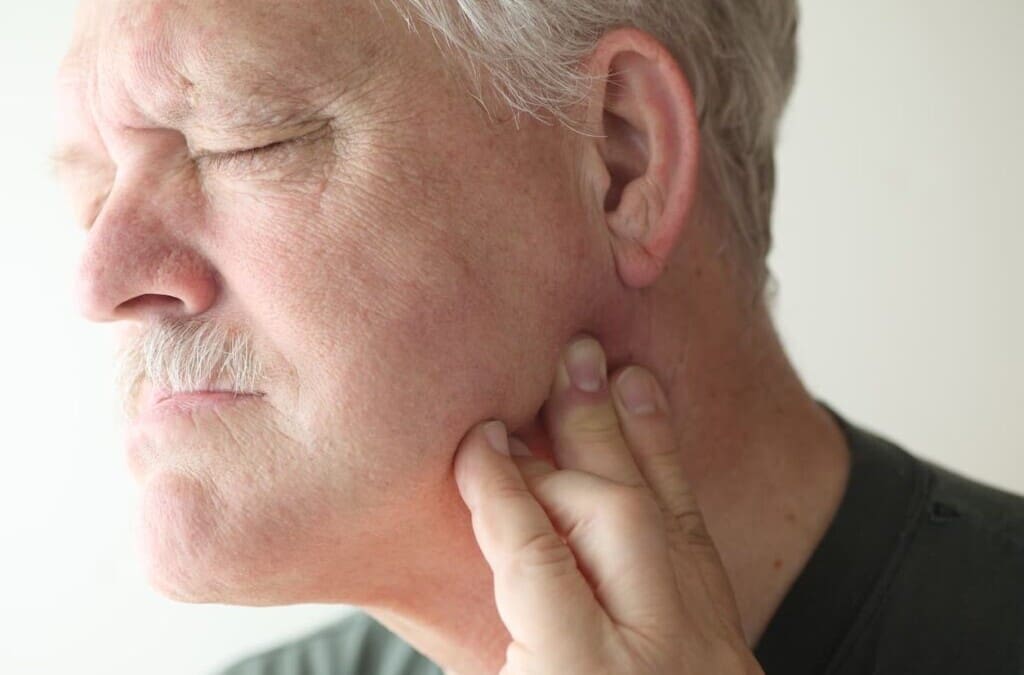
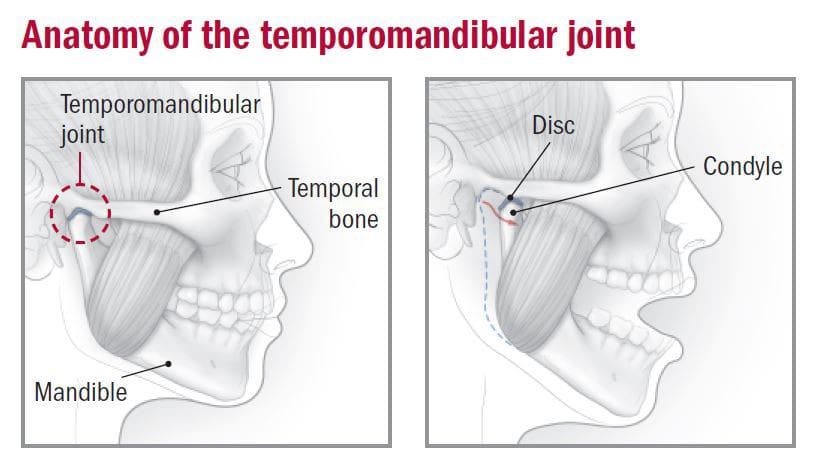
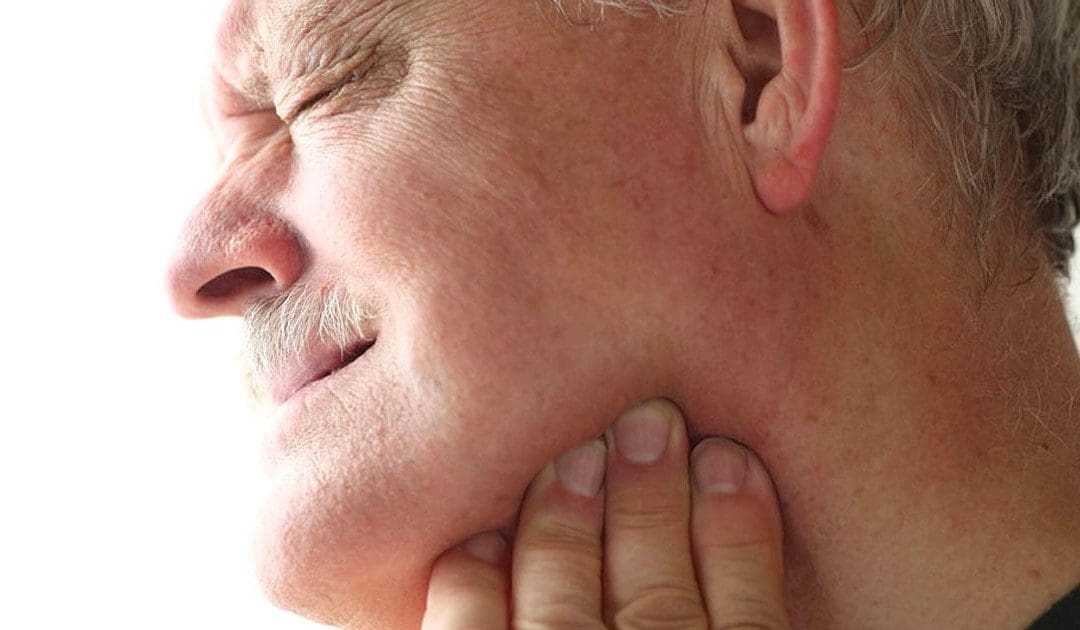
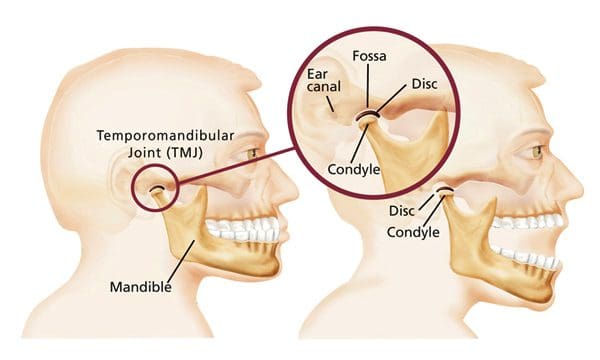
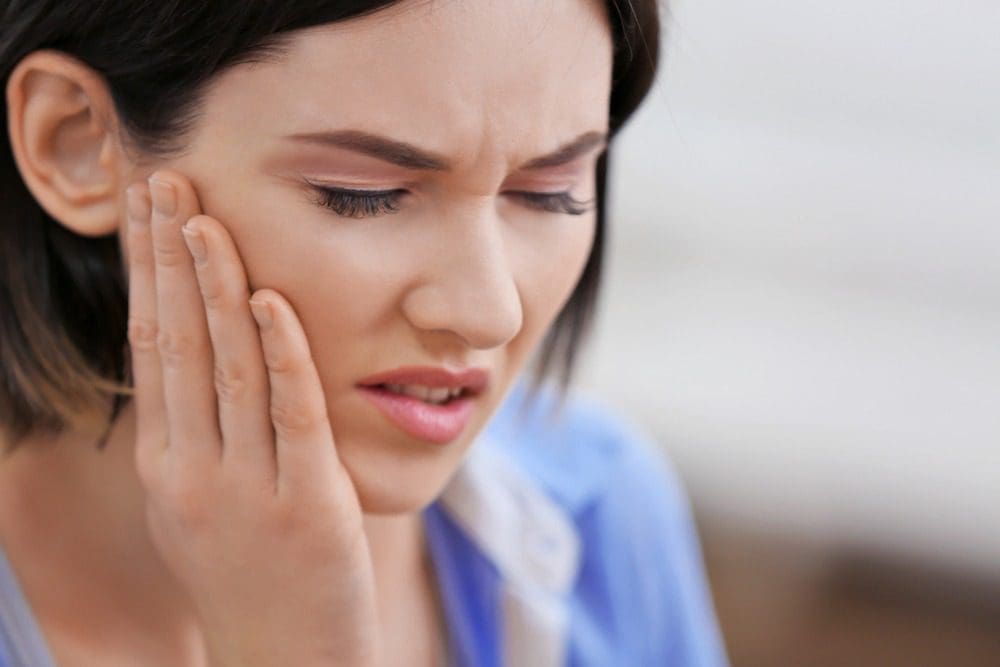
Do you feel stiffness in your jaw after clenching for an extended period? Do you hear excessive loud clicks when opening or closing your jaw? Or do you think your jaw is locking up constantly, making it difficult to open or close your mouth? When many individuals start to feel pain around their jaws excessively, many would often think that it could be tooth pain, but in actuality, it is the temporomandibular joint that is causing the issues. Temporomandibular joint disorder, or TMJ, can be developed through various causes that can impact a person’s jaw and can lead to pain and discomfort. Mechanical factors like jaw injuries, arthritis, teeth clenching, and grinding can cause excessive or unbalanced joint loading to the jaw, which can progress the development of TMJ. (Cardoneanu et al., 2022) When dealing with TMJ, pain can lead to symptoms of tenderness around the joint area of the jaw, difficulty chewing, ear pain, and stiffness.
At the same time, the effects of TMJ pain are often characterized by localized discomfort, as TMJ is a multifactorial musculoskeletal and neuromuscular disorder that can be difficult to diagnose. (Alolayan et al., 2022) This is because of how many individuals chew their foods on one side, which can lead to its development. When the masseter muscles of the jaw begin to overload on the TMJ, it can initiate remodeling on the non-working side of the jaw and cause the pain to flourish over time. (Santana-Mora et al., 2013) However, when dealing with TMJ pain, many individuals can seek out various treatment options that can reduce muscular impairment and disc displacement from the jaw and help improve the mandibular range of motion. (Brighenti et al., 2023)
The Science of Motion-Video
Why Stretching Helps With TMJ
When it comes to reducing TMJ pain, many individuals can seek out non-surgical treatments to reduce the overlapping pain symptoms and restore jaw function. Some of the main objectives that many pain specialists can take into account when dealing with TMJ pain are reducing reflex masticatory muscle pain and helping increase TMJ function through various treatments that can have a positive impact on the jaw. (Ferrillo et al., 2022) Some non-surgical treatments include multiple stretches to help relax the surrounding muscles and jaw and alleviate the tension and discomfort associated with TMJ.
Effective Stretches For TMJ Relief
Stretching can be part of a person’s personalized treatment plan to reduce TMJ pain and its associated comorbidities. Stretching and strengthening exercises can positively affect pain while improving the range of TMJ movement and helping many individuals restore their jaw motor function (Byra et al., 2020). Below are some of the stretches that can help reduce TMJ pain and relax the jaw muscles.
Relaxed Jaw Exercise
How to Do It: Place the tongue gently on the roof of the mouth behind the upper front teeth. This allows the teeth to come apart while relaxing the jaw muscles.
Benefits: This exercise helps relax the jaw and ease muscle tension.
Partial Goldfish Exercises
How to Do It: Place the tongue gently on the roof of the mouth and one finger in front of the ear where the TMJ is located. Place your middle finger on your chin. Drop your lower jaw halfway and close. Perform this exercise six times in one set.
Benefits: This stretch helps target the jaw’s range of motion and reduce joint stiffness.
Full Goldfish Exercises
How to Do It: Similar to the partial opening, but open your mouth fully this time.
Benefits: This stretch helps enhance the full range of motion and reduce joint stiffness.
Chin Tucks
How to Do It: Sitting upright in a chair, pulling your chin straight back, creating a “double chin.” Hold for three seconds, and then release.
Benefits: This exercise helps strengthen the neck muscles, improves posture, and reduces strain on the jaw.
Additional Tips To Reduce TMJ
Along with these stretches, additional tips for managing and reducing TMJ by avoiding excessive jaw movements and applying hot/cold packs to reduce any residual inflammation correlating with TMJ. When people with TMJ start incorporating non-surgical treatments and stretches to relieve the pain, it can help increase the mandibular active range of motion and provide beneficial relief. (Urbanski et al., 2021) This, in turn, allows many people with TMJ pain to be more mindful of the body and make small changes in their health and well-being.
References
Alolayan, A., Alsayed, S. S., Salamah, R. M., Ali, K. M., Alsousi, M., & Elsayed, S. (2022). Temporomandibular joint (TMJ) disorders prevalence and awareness of appropriate clinical practices, among Al-Madinah community in Saudi Arabia. F1000Res, 11, 395. https://doi.org/10.12688/f1000research.104272.2
Brighenti, N., Battaglino, A., Sinatti, P., Abuin-Porras, V., Sanchez Romero, E. A., Pedersini, P., & Villafane, J. H. (2023). Effects of an Interdisciplinary Approach in the Management of Temporomandibular Disorders: A Scoping Review. Int J Environ Res Public Health, 20(4). https://doi.org/10.3390/ijerph20042777
Byra, J., Kulesa-Mrowiecka, M., & Pihut, M. (2020). Physiotherapy in hypomobility of temporomandibular joints. Folia Med Cracov, 60(2), 123-134. https://www.ncbi.nlm.nih.gov/pubmed/33252600
Cardoneanu, A., Macovei, L. A., Burlui, A. M., Mihai, I. R., Bratoiu, I., Rezus, II, Richter, P., Tamba, B. I., & Rezus, E. (2022). Temporomandibular Joint Osteoarthritis: Pathogenic Mechanisms Involving the Cartilage and Subchondral Bone, and Potential Therapeutic Strategies for Joint Regeneration. Int J Mol Sci, 24(1). https://doi.org/10.3390/ijms24010171
Ferrillo, M., Giudice, A., Marotta, N., Fortunato, F., Di Venere, D., Ammendolia, A., Fiore, P., & de Sire, A. (2022). Pain Management and Rehabilitation for Central Sensitization in Temporomandibular Disorders: A Comprehensive Review. Int J Mol Sci, 23(20). https://doi.org/10.3390/ijms232012164
Santana-Mora, U., Lopez-Cedrun, J., Mora, M. J., Otero, X. L., & Santana-Penin, U. (2013). Temporomandibular disorders: the habitual chewing side syndrome. PLOS ONE, 8(4), e59980. https://doi.org/10.1371/journal.pone.0059980
Urbanski, P., Trybulec, B., & Pihut, M. (2021). The Application of Manual Techniques in Masticatory Muscles Relaxation as Adjunctive Therapy in the Treatment of Temporomandibular Joint Disorders. Int J Environ Res Public Health, 18(24). https://doi.org/10.3390/ijerph182412970
Can individuals with jaw pain find relief in acupuncture therapy to reduce pain and improve jaw mobility in the upper body portions?
Introduction
The head is part of the upper musculoskeletal body quadrant supported by the neck area, which consists of the skull, various muscles, and vital organs that provide stability, mobility, and functionality. Around the head, the different facial features include the mouth, nose, eyes, and jaw to allow the host to eat, speak, smell, and see. While the head provides sensory and motor function, the neck includes motor stability to ensure no injuries or trauma affect the head. Located below the eyes is the jaw, which allows motor function with various muscles and joints to hyperextend without pain or discomfort. However, multiple factors can affect the jaw muscles and joints to invoke pain and discomfort, which can cause radiating referred pain down to the neck muscles. Today’s article looks at how jaw pain can affect the upper body, how non-surgical treatments can help with jaw pain, and how treatments like acupuncture can help restore jaw mobility. We talk with certified medical providers who consolidate our patients’ information to provide treatments to reduce jaw pain affecting their jaw and neck area. We also inform and guide patients on how acupuncture and non-surgical treatments can benefit many individuals with pain correlating with the jaw. We encourage our patients to ask their associated medical providers intricate and important questions about how their pain affects their quality of life and reduces jaw pain. Dr. Jimenez, D.C., includes this information as an academic service. Disclaimer.
Jaw Pain Affecting The Upper Body
Do you feel muscle soreness in your jaw and neck muscles throughout the day? Have you constantly rubbed or massaged your jaw muscles to reduce tension? Or have you been dealing with headaches or neck pain continually that affects your daily routine? Many individuals experiencing these pain-like symptoms are dealing with jaw pain or TMJ (temporomandibular joint syndrome). The jaw consists of mastication muscles on each side that help provide various functions like chewing, swallowing, or talking. When multiple traumatic or ordinary factors start to affect the jaw, it can disrupt the sensory-motor function of the upper body. For individuals, jaw pain is common worldwide, and with TMJ, it can become an issue as the pain seems to affect the jaw’s motor control while being accompanied by restricted mouth opening and impaired max bite force. (Al Sayegh et al., 2019) Additionally, TMJ affects not only the mastication muscles but also the temporomandibular joint, the joint that connects the jaw to the skull, which becomes inflamed and causes more issues.
So, how would TMJ affect the upper body? Well, when TMJ affects the mastication muscles and the temporomandibular joint, many individuals will experience various symptoms like:
Difficulty moving mouth when chewing
Popping/cracking sensation when opening or closing the jaw
Headaches/Migraines
Ear pain
Tooth pain
Neck and shoulder pain
This causes myofascial and intraarticular disorders that affect the muscles and joints of the jaw, which are linked to the skull. (Maini & Dua, 2024) To that point, many individuals will be experiencing referred pain, thinking they are dealing with a toothache when it is due to trigger points in the mastication muscles. This is when TMJ is accompanied by muscle-joint pain in the neck or upper back or if teeth issues accompany TMJ, but it depends on the individual and situation they are under. However, numerous treatments can reduce jaw pain and its associated symptoms that affect the jaw and the neck.
The Non-Surgical Approach To Wellness- Video
Non-Surgical Treatments For Jaw Pain
When reducing jaw pain, many individuals seek treatment to minimize the pain-like effects and regain mobility back to their jaws. It can be challenging and complex when people are dealing with jaw pain. It is a multifactorial issue that can affect the neck and back areas. So, when people speak with their primary doctors about their jaw pain, they will get an evaluation of where their pain is located and if they have any complaints correlating with the jaw pain. Afterward, many doctors will refer to musculoskeletal specialists to relieve the jaws’ pain. Treatments and techniques used by chiropractors, massage therapists, and physiotherapists can help ease the inflamed and tense mastication muscles. Techniques like soft tissue mobilization can help relax the masticatory muscles by lengthening them to the extent of releasing the trigger points in the muscles. (Kuc et al., 2020) At the same time, physiotherapy can help the jaw muscle through various relaxing techniques to increase the range of motion while strengthening the jaw to reduce pain and stress. (Byra et al., 2020) Many of these treatments are non-surgical, which means they are non-invasive and effective for the person’s pain while affordable.
Acupuncture To Restore Jaw Mobility
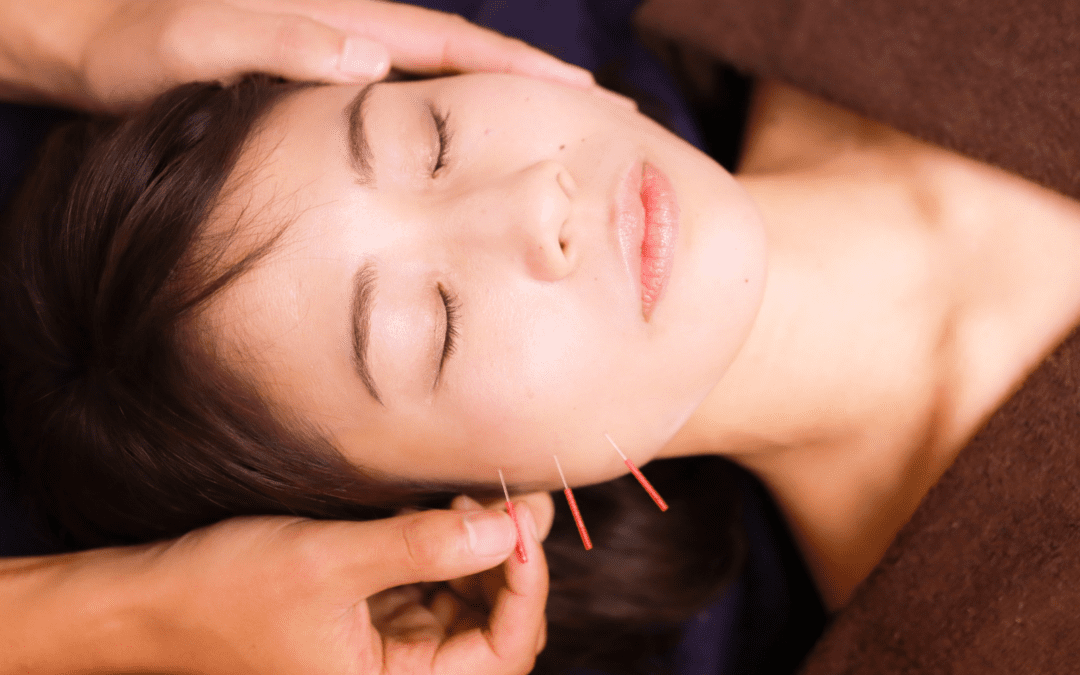
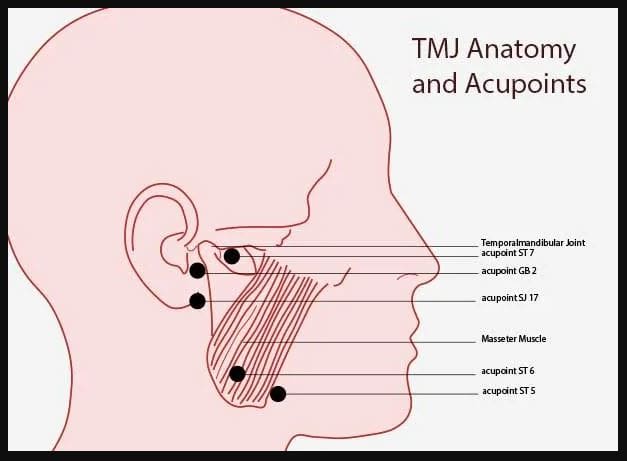
When it comes to non-surgical treatments, one of the oldest forms is acupuncture, which can help reduce the pain-like effects of jaw pain and restore mobility. Acupuncture originates from China, and highly trained medical professionals use thin, solid needles to be placed in acupoints on the body to disrupt the pain signal and provide relief. For jaw pain, acupuncturists will put needles on the acupoints of the jaw or the surrounding muscles to reduce mechanical hypersensitivity of the nerve cells that are causing pain while improving the sensory-motor function with a positive response. (Teja & Nareswari, 2021) Additionally, when dealing with ear pain associated with TMJ affecting the neck muscles, acupuncture can help enhance the neck’s range of motion by placing the needles on the trigger points of the cervical muscles. (Sajadi et al., 2019) When acupuncture treatment helps many individuals with jaw pain affecting their necks and heads, they can provide beneficial, positive results through consecutive treatment and improve jaw mobility function.
References
Al Sayegh, S., Borgwardt, A., Svensson, K. G., Kumar, A., Grigoriadis, A., & Christidis, N. (2019). Effects of Chronic and Experimental Acute Masseter Pain on Precision Biting Behavior in Humans. Front Physiol, 10, 1369. https://doi.org/10.3389/fphys.2019.01369
Byra, J., Kulesa-Mrowiecka, M., & Pihut, M. (2020). Physiotherapy in hypomobility of temporomandibular joints. Folia Med Cracov, 60(2), 123-134. https://www.ncbi.nlm.nih.gov/pubmed/33252600
Kuc, J., Szarejko, K. D., & Golebiewska, M. (2020). Evaluation of Soft Tissue Mobilization in Patients with Temporomandibular Disorder-Myofascial Pain with Referral. Int J Environ Res Public Health, 17(24). https://doi.org/10.3390/ijerph17249576
Sajadi, S., Forogh, B., & ZoghAli, M. (2019). Cervical Trigger Point Acupuncture for Treatment of Somatic Tinnitus. J Acupunct Meridian Stud, 12(6), 197-200. https://doi.org/10.1016/j.jams.2019.07.004
Teja, Y., & Nareswari, I. (2021). Acupuncture Therapies for Addressing Post Odontectomy Neuropathy. Med Acupunct, 33(5), 358-363. https://doi.org/10.1089/acu.2020.1472
The lower jaw of the body has the mastication muscles surrounding the mandible and provides functionality to the jaw through chewing, moving the lower jaw up, down, left, and right, and speaking. The jaw also has joints known as the temporomandibular joints that slide back and forth to provide movement also. The jaw is also home to the teeth and tongue, which play a role in the mouth by consuming and grinding food into smaller bites to travel down to the gut system. Just like every joint and muscle in the body, common issues or injuries can affect the jaw and cause pain symptoms associated with the problem. Sometimes normal wear and tear can affect the joints in the jaw, or traumatic events can affect the surrounding muscles causing soreness in the jaw area. If the issue involving the jaw is not treated over time, it can lead to chronic disorders and overlap with other chronic disorders that can affect the whole body and the jaw. One of the jaw disorders is TMJ dysfunction, which can cause overlapping symptoms in the jaw and the body. Today’s article examines what TMJ dysfunction is, the signs and symptoms, and ways to manage TMJ dysfunction in the jaw. We refer patients to certified providers who specialize in musculoskeletal and oral treatments to aid individuals suffering from TMJ dysfunction affecting their jaws. We also guide our patients by referring them to our associated medical providers based on their examination when appropriate. We ensure to find that education is the solution to asking our providers insightful questions. Dr. Jimenez DC observes this information as an educational service only. Disclaimer
What Is TMJ Dysfunction?
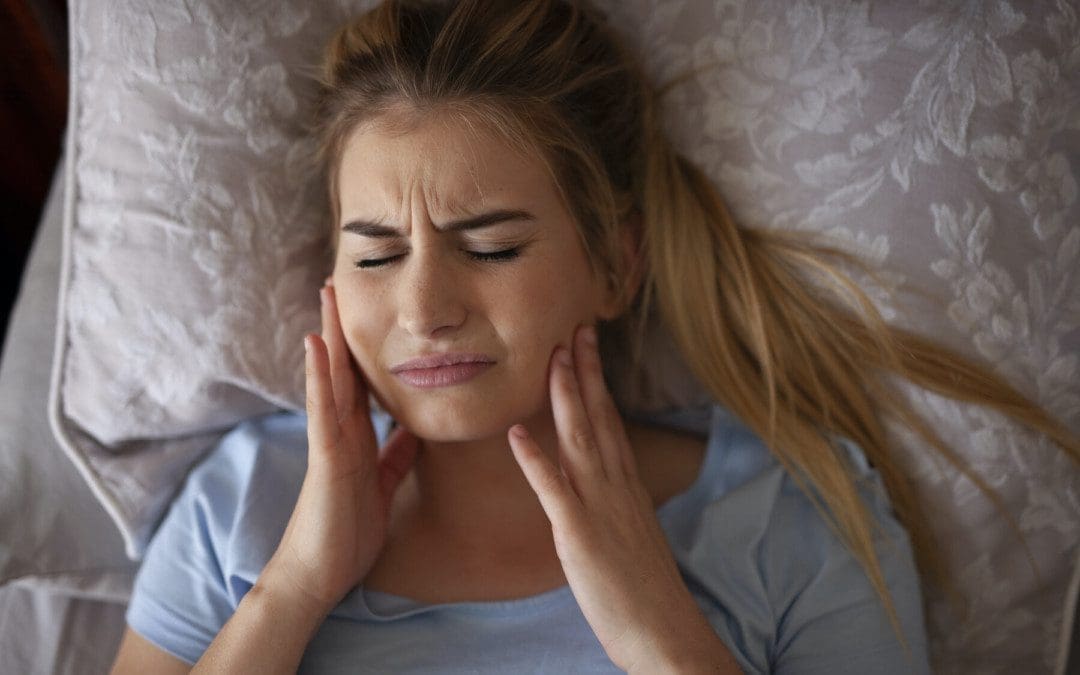
Have you been experiencing muscle pain in your neck, shoulders, and jaw? What about tenderness in your cheek when you lightly touched it? Or do you have difficulty chewing or moving your jaw when speaking? Many of these symptoms are signs that you could be experiencing TMJ dysfunction in your jaw. TMJ dysfunction, or temporomandibular dysfunction, is part of a group of orofacial pain conditions that affects the jaw joint and muscle, thus causing overlapping issues in the lower jaw. TMJ dysfunction also affects the mastication muscles that help move the jaw by making the muscles hyperactive and causing referred pain to the rest of the body. Studies reveal that about 25% of the population does get affected by TMJ dysfunction since it is a degenerative musculoskeletal condition associated with morphological and functional jaw deformities.
The Signs & Symptoms Of TMJ Dysfunction On The Jaw
TMJ dysfunction may potentially not only cause jaw pain but can also affect the neck and shoulders connected to the cervical spine. Studies reveal that TMJ dysfunction is correlated with neck disability, jaw dysfunction, and muscle tenderness in many individuals that suffer pain with or without TMJ dysfunction. TMJ dysfunction is associated with these issues because the jaw structures are affected by trigger points along the neck and jaw. To that point, TMJ dysfunction is often accompanied by back, joint, and abdominal pain. But how would TMJ dysfunction correlate with these pain issues? Studies reveal that disturbances in the upper body extremities may cause an increase in muscle tension associated with the whole-body imbalance that is potentially causing TMJ dysfunction. Some of the related symptoms of TMJ dysfunction in the jaw include:
Pain in neck and shoulders
The jaw becomes “locked” in an open or closed position
Headaches
Earaches
Muscle tenderness in the jaw
Having difficulty chewing
Swelling on the side of the face
Body imbalance
Exercises For TMJ Dysfunction- Video
Have you been experiencing muscle tenderness in your jaw? What about having some difficulty chewing or speaking? Do you hear popping sounds when your open or close your mouth? Some of these symptoms are associated with a musculoskeletal jaw disorder known as TMJ (temporomandibular joint) dysfunction. The video above shows the top 3 exercises for TMJ dysfunction that can help alleviate pain from the jaw, face, or ear. TMJ dysfunction is a musculoskeletal disorder that affects the mastication muscles and causes referred pain to the neck, head, and ear. TMJ dysfunction is tricky to diagnose since trigger points associated with TMJ may also affect the teeth, causing tooth pain in the oral-facial region. This is known as somato-visceral, where the affected muscle correlates with the corresponding organ. Thankfully, there are ways to manage TMJ dysfunction and its associated symptoms.
Ways To Manage TMJ Dysfunction In The Jaw
Many people can use various ways to manage TMJ dysfunction in the jaw to alleviate the pain. Some non-surgical treatments that individuals can incorporate include:
Heat or cold pack applied to the side of the face
Gentle stretching exercises for the jaw
Eating soft foods
Wearing a night guard while sleeping
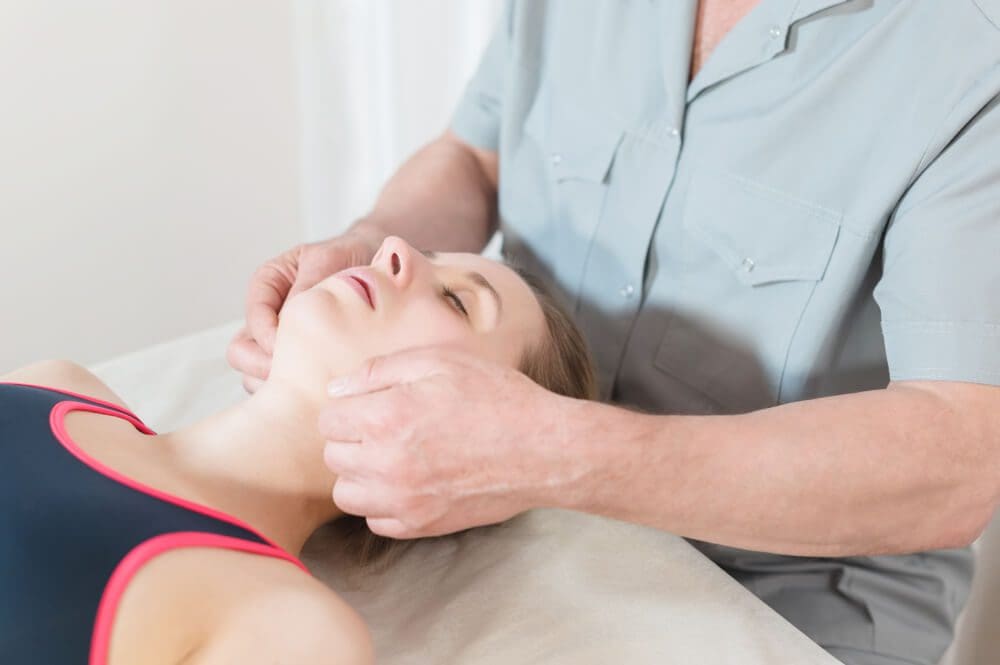
If the pain from TMJ dysfunction still affects the individual, therapies like chiropractic care can help manage the symptoms. Chiropractic care can effectively treat TMJ dysfunction, especially spinal subluxation or misalignment in the cervical region. Chiropractors will fully evaluate the patient’s temporomandibular joint and surrounding muscles, joints, and ligaments to identify the TMJ problem and the underlying causes. To that point, a chiropractor may suggest a range of treatments, which includes stretches and exercises to not only alleviate pain and stiffness in the jaw point but also to bring back balance to the body. This allows minimal rubbing and friction in the jaw joint.
Conclusion
Overall, TMJ dysfunction is a musculoskeletal jaw disorder that affects the mastication muscles and causes referred pain to different areas in the upper extremities of the body. Some of the symptoms of TMJ dysfunction can make it difficult for the jaw to open or close, causing pain, headaches, and muscle tenderness in the neck and shoulders. To that point, individuals suffering from TMJ dysfunction may potentially deal with pain-related symptoms. Various non-surgical treatments are available to manage TMJ dysfunction and reduce associated pain symptoms affecting the jaw.
References
Kim, Doori, et al. “The Relationship between Spinal Pain and Temporomandibular Joint Disorders in Korea: A Nationwide Propensity Score-Matched Study – BMC Musculoskeletal Disorders.” BioMed Central, BioMed Central, 29 Dec. 2019, https://bmcmusculoskeletdisord.biomedcentral.com/articles/10.1186/s12891-019-3003-4.
Murphy, Meghan K, et al. “Temporomandibular Disorders: A Review of Etiology, Clinical Management, and Tissue Engineering Strategies.” The International Journal of Oral & Maxillofacial Implants, U.S. National Library of Medicine, 2013, https://www.ncbi.nlm.nih.gov/pmc/articles/PMC4349514/.
Silveira, A, et al. “Jaw Dysfunction Is Associated with Neck Disability and Muscle Tenderness in Subjects with and without Chronic Temporomandibular Disorders.” BioMed Research International, Hindawi Publishing Corporation, 2015, https://www.ncbi.nlm.nih.gov/pmc/articles/PMC4391655/.
Walczyńska-Dragon, Karolina, et al. “Correlation between TMD and Cervical Spine Pain and Mobility: Is the Whole Body Balance TMJ Related?” BioMed Research International, Hindawi Publishing Corporation, 2014, https://www.ncbi.nlm.nih.gov/pmc/articles/PMC4090505/.
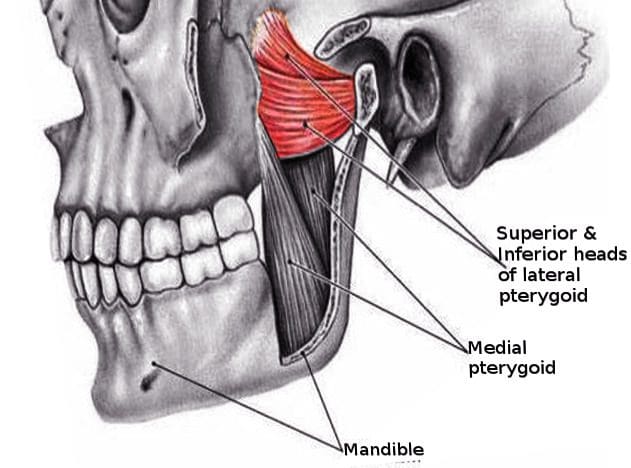
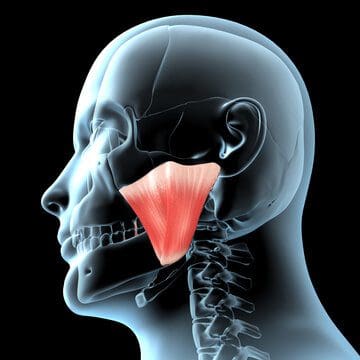
The jaw allows the host to chew, speak, and move while being stabilized by the surrounding muscles that help the jaw structure. The other surrounding muscles that support the jaw are the neck muscles when food is consumed and swallowed. The lower jaw has joints on each side that connect to the upper part of the skull, while the surrounding muscles provide the motor function to the jaw. To that point, normal wear and tear or various factors can not only affect the joints and the surrounding muscles, but they can cause overlapping pain profiles to the tendons, organs, and jaw muscles that may potentially affect a person’s quality of life. Today’s article examines the lateral pterygoid muscle, how TMJ dysfunction and trigger points affect this muscle, and ways to manage TMJ dysfunction and trigger points in the jaw. We refer patients to certified providers who specialize in musculoskeletal treatments to aid individuals suffering from trigger point pain associated with TMJ dysfunction affecting the lateral pterygoid muscle. We also guide our patients by referring them to our associated medical providers based on their examination when appropriate. We ensure to find that education is the solution to asking our providers insightful questions. Dr. Jimenez DC observes this information as an educational service only. Disclaimer
What Is The Lateral Pterygoid Muscle
Have you heard popping sounds in your jaw when you open or close your mouth? Does your jaw feel stiff, and the pain travels down the neck? Does your jaw lock up, causing difficulty for you to open or close your mouth? Some of these symptom overlap with pain associated with the lateral pterygoid muscle. As part of the mastication muscles, the lateral pterygoid muscle is also a craniomandibular muscle that has a crucial role in the inferior temporal region. The lateral pterygoid muscle works together with the medial pterygoid muscle to provide functionality to the mandible or the lower jaw. The lateral pterygoid muscle also has nerves that branch off the trigeminal nerve and sends information to the brain. This information causes the muscles to move and function when food is consumed; however, when injuries or traumatic events affect the lateral pterygoid, it can disrupt the lower jaw structure and the surrounding muscles.
How TMJ Dysfunction & Trigger Points Affect The Lateral Pterygoid
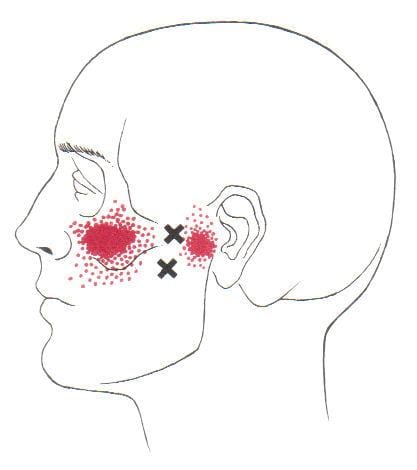
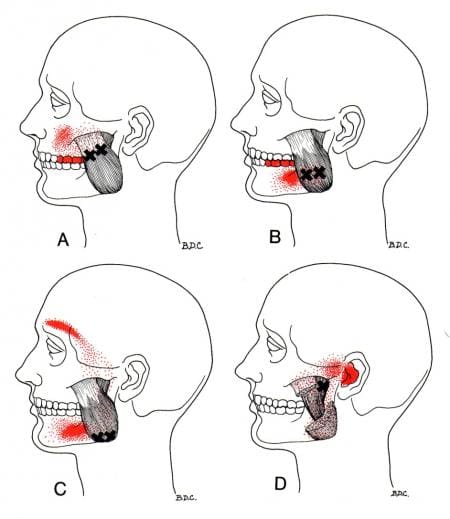
When the lateral pterygoid is affected by TMJ (temporomandibular joint) dysfunction, studies reveal that many individuals often experience pain around the jaw causing limited jaw movement and pain in the lateral pterygoid muscles. When the lateral pterygoid muscles become overused due to excessive chewing or by traumatic forces that affect the jaw, it can cause the muscle fibers of the lateral pterygoid to develop tiny knots known as trigger points to affect the jawline. Trigger points cause pain symptoms associated with other chronic issues that cause jaw pain. When trigger points affect the lateral pterygoid, it can develop discomfort and pain in TMJ dysfunction.
According to Dr. Janet G. Travell, M.D., many people with severe pain in their jaws may have myofascial pain syndrome from musculoskeletal disorders caused by active trigger points in the lateral pterygoid muscle. Since the lateral pterygoid is potentially involved with trigger points associated with TMJ dysfunction, studies reveal that the lateral pterygoid muscle may suffer from muscle atrophy while correlating with disc displacement associated with TMJ dysfunction. TMJ dysfunction is when the surrounding muscles and ligaments around the lower jaw are irritated from active trigger points. When a person suffers from TMJ dysfunction, the pterygoid muscles become stiff and cause pain-related symptoms affecting the jaw and the surrounding oral-facial region.
Jaw Pain & TMJ Dysfunction-Video
Have you been experiencing pain along your jawline? Do your jaw muscles feel stiff when your open or close your mouth? Have you heard popping sounds when you open your jaw, and it hurts? Many of these symptoms are associated with TMJ dysfunction affecting the lateral pterygoid muscle. The video above explains how TMJ disorder and jaw pain affect the body. Studies reveal that the activities of the lateral pterygoid muscle allow movement to the jaw for the host; however, when factors begin to affect the jaw and the lateral pterygoid muscle, it may lead to derangement and disc displacement in the TMJ. TMJ dysfunction associated with trigger points in the jaw may be combined with other factors that cause pain to the jaw and the rest of the body. This is known as somato-visceral pain, where the muscle affects the corresponding organ. TMJ dysfunction associated with trigger points is complex and challenging to diagnose since trigger points often mimic other chronic symptoms that may be potentially involved. Since the lateral pterygoid muscle has sensory-motor functions in the jaw, when the muscle becomes sensitive, those neuron signals become hypersensitive and cause disorganized muscular activation to the jaw; thus, determining factors in TMD (temporomandibular disorders) make an appearance. Luckily there are ways to manage TMJ dysfunction associated with trigger pain in the jaw from affecting anyone.
Managing TMJ Dysfunction & Trigger Pain In The Jaw
When a person is experiencing pain symptoms in the jaw from TMJ dysfunction associated with trigger point pain, many try to find various treatments to minimize the pain. Since trigger point pain in the jaw can cause referred pain associated with toothaches and tension-type headaches, the pain that a person is feeling can be confusing when there is no physical alteration. To that point, many people would take over-the-counter medicine to dull the pain. However, those who want to manage pain without medication can go to a musculoskeletal specialist that their primary doctor refers to, who can come up with a treatment plan catered to that person. Many musculoskeletal specialists, like chiropractors, can obtain the patient’s information on where they feel pain during the examination. Afterward, chiropractors can devise a solution through clinical thinking before applying the treatment to the patient’s pain. Some of the various techniques that a chiropractor utilizes for an individual dealing with jaw pain associated with trigger points include:
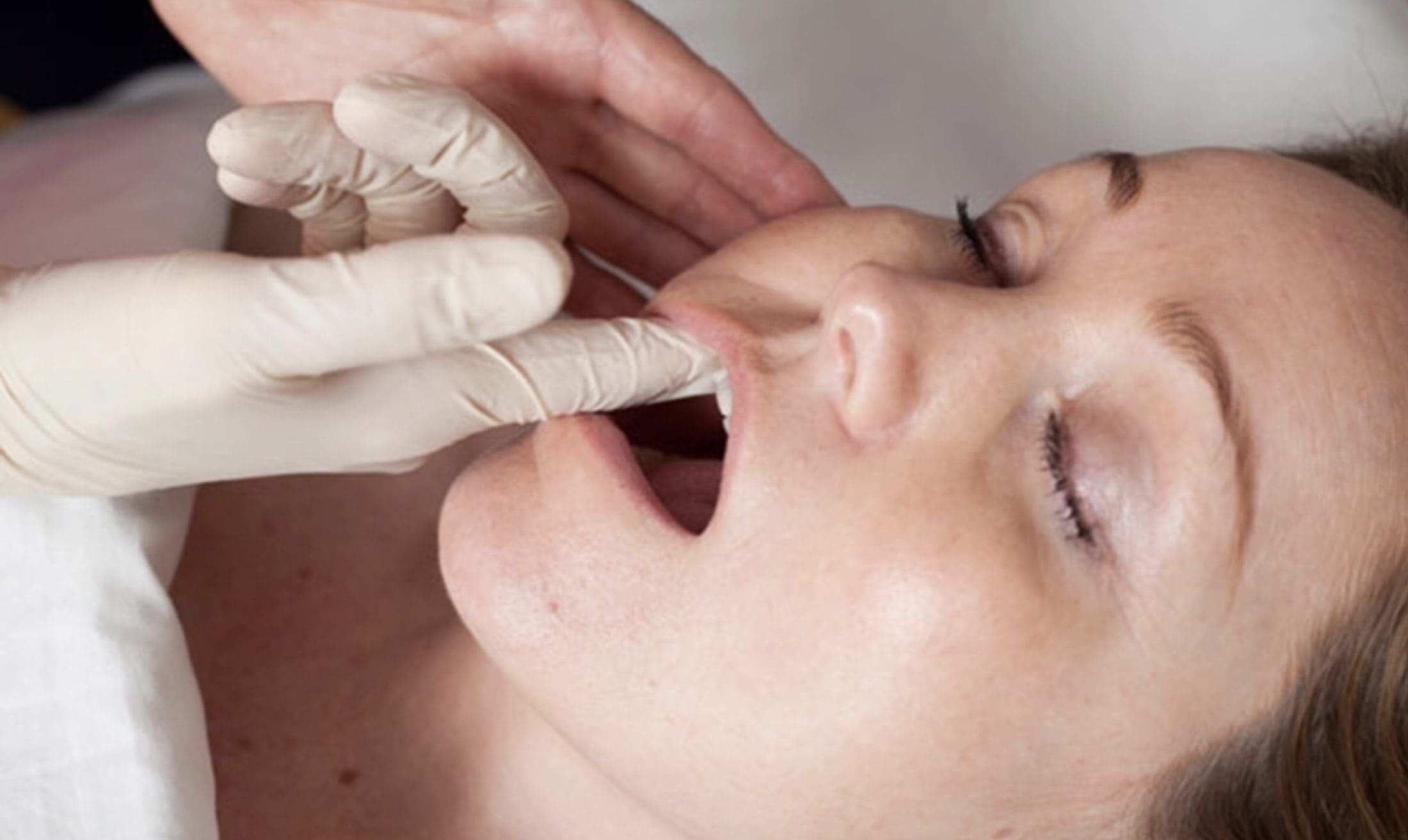
Stretch and spray: Where the lateral muscle is stretched and sprayed with a coolant to alleviate the trigger points.
Cervical spinal manipulation: Spinal adjustment to the cervical spine to loosen up stiff muscles surrounding the neck and lower jaw.
Heat compression: A hot pack is placed on the jaw to relax the muscles.
When chiropractors utilize these techniques on the trigger points affecting the lateral pterygoid, it may potentially alleviate TMJ dysfunction symptoms associated with trigger points.
Conclusion
The lateral pterygoid is part of the mastication muscles that work with the medial pterygoid muscle to stabilize the jaw and provide motor function when the host is chewing or speaking. When the lateral pterygoid muscle becomes overused through excessive chewing or being affected by traumatic factors can cause the development of pain symptoms associated with trigger points. Trigger points are tiny knots in the muscle that can cause referred pain to different locations in the body. When this happens, many individuals suffer from other chronic conditions associated with trigger points. One of them is TMJ dysfunction, where the surrounding muscles in the lower jaw become irritated and can make the jaw lock up. Fortunately, various treatments exist for many individuals to relieve trigger point pain associated with TMJ dysfunction affecting their jaws and help prevent the associated symptoms from progressing further.
References
Litko, Monika, et al. “Correlation between the Lateral Pterygoid Muscle Attachment Type and Temporomandibular Joint Disc Position in Magnetic Resonance Imaging.” Dento Maxillo Facial Radiology, The British Institute of Radiology., Oct. 2016, https://www.ncbi.nlm.nih.gov/pmc/articles/PMC5595028/.
Liu, Meng-Qi, et al. “Functional Changes of the Lateral Pterygoid Muscle in Patients with Temporomandibular Disorders: A Pilot Magnetic Resonance Images Texture Study.” Chinese Medical Journal, Wolters Kluwer Health, 5 Mar. 2020, https://www.ncbi.nlm.nih.gov/pmc/articles/PMC7065862/.
Lopes, Sérgio Lúcio Pereira de Castro, et al. “Lateral Pterygoid Muscle Volume and Migraine in Patients with Temporomandibular Disorders.” Imaging Science in Dentistry, Korean Academy of Oral and Maxillofacial Radiology, Mar. 2015, https://www.ncbi.nlm.nih.gov/pmc/articles/PMC4362986/.
Rathee, Manu, and Prachi Jain. “Anatomy, Head and Neck, Lateral Pterygoid Muscle.” In: StatPearls [Internet]. Treasure Island (FL), StatPearls Publishing, 29 Oct. 2021, https://www.ncbi.nlm.nih.gov/books/NBK549799/.
The jaw has a primary function in the head as it allows the muscles to move up and down, helps chew food, and allows the host to speak. Each of the muscles and organs inside the jaw has its functions that will enable the head to function correctly. The mouth, part of the gut system, allows air to travel into the lungs so the body can breathe and consume food to be swallowed and digested to be turned into energy for the rest of the body to move around. The mouth, the tongue, and the teeth have a casual relationship as the teeth can grind the food into small pieces to be digested, while the tongue can taste the food. When issues begin to cause an effect on the jaw, it can lead to symptoms that can, over time, be painful to the surrounding muscles, organs, and even nerve endings along the jaw’s skeletal structure. Today’s article looks at the medial pterygoid muscle, how trigger point pain affects this muscle, and ways to manage trigger point pain on the medial pterygoid muscle. We refer patients to certified providers who specialize in musculoskeletal treatments to aid individuals suffering from trigger point pain associated with the medial pterygoid muscle along the inside of the jaw. We also guide our patients by referring them to our associated medical providers based on their examination when appropriate. We ensure to find that education is the solution to asking our providers insightful questions. Dr. Jimenez DC observes this information as an educational service only. Disclaimer
What Is The Medial Pterygoid Muscle?
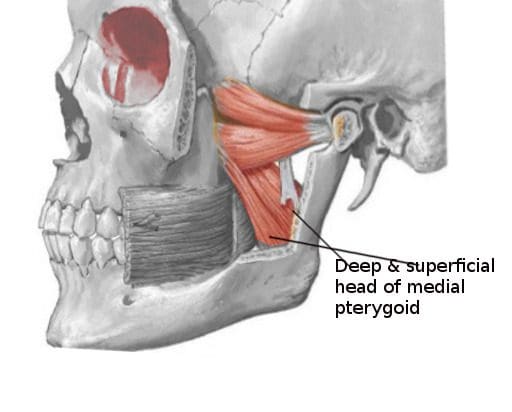
Do you have any problems or issues chewing your food? What about throat soreness from swallowing something hard? Or have you noticed stiffness along your jawline? Individuals experiencing these symptoms might be dealing with pain along the medial pterygoid muscle in their jaw. The medial pterygoid muscle is part of the mastication muscles, which includes the temporalis, lateral pterygoid, and masseter muscles of the jaw. The medial pterygoid is a rectangular-shaped muscle that lies inside the lateral pterygoid muscle. The medial pterygoid muscle works together with the masseter muscle as a sling to help stabilize the mandible or the lower jaw. In contrast, the medial pterygoid nerves provide sensory-motor functions to make the lower jaw move and promote chewing action, thus sending nerve signals to travel through the trigeminal nerve and send the information to the brain. Just like any of the different muscles in the body, the medial pterygoid muscle may succumb to injuries that can affect the sensory-motor function of the jaw while triggering various issues to cause more pain to the jaw and the body.
How Does Trigger Point Pain Affect The Medial Pterygoid Muscle?
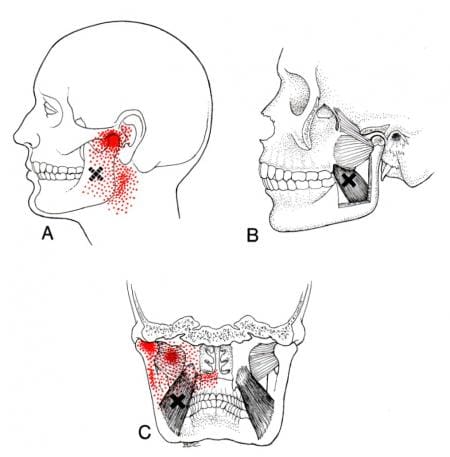
When various issues begin to affect the muscles of the body, it can be something simple like repetitive motions that causes the muscles to be overused or injuries that can cause the muscles to become inflamed and, if not treated, can become sensitive to the touch. To that point, tiny knots known as trigger points are formed along the taut muscle fibers that can make the muscle become sensitive and overlap various issues that can cause pain in different body locations. Since the medial pterygoid and the masseter muscle work together, studies reveal that muscle hypertrophy may associate with the masseter, medial pterygoid, or both and can potentially be involved with the risk of dental problems or other issues that are affecting the oral-facial region. Trigger points along the medial pterygoid muscle may be challenging to diagnose due to the referred pain that affects different body areas while mimicking various pain symptoms that become the causes. An example would be a person experiencing ear pain associated with jaw pain. Now how would these two correlate when the person is dealing with ear pain? Since trigger points can mimic other symptoms, the jaw muscles (which include the medial pterygoid) become aggravated and overused, causing referred pain to the teeth overlapping with ear pain.
The Anatomy Of The Medial Pterygoid Muscle-Video
Have you been experiencing unexplainable ear pain? What about your jaws feeling stiff when chewing on something? Or have you been dealing with tooth pain in the back of your jaw? Many of these issues are correlated to referred pain symptoms associated with the medial pterygoid. The video above gives an overview look of the anatomy of the medial pterygoid muscle, its functions, and how it helps the body. When the medial pterygoid is affected by trigger point pain, it may potentially cause various conditions to affect the oral facial region or the surrounding areas of the head. Studies reveal that myofascial pain is often characterized by a trigger point in the taut skeletal muscle band or the fascia. When trigger point pain affects the mastication muscles, it may lead to other comorbidities like muscle tension, poor posture, headaches, and jaw disorders like TMJ(temporomandibular joint) pain. Fortunately, there are ways to manage trigger point pain on the medial pterygoid muscle.
Ways To Manage Trigger Point Pain On The Medial Pterygoid Muscle
Trigger point pain often affects the muscles in certain body areas, causing pain that affects the region of the body, thus making the muscle sensitive. Many individuals who suffer from trigger point pain associated with the medial pterygoid muscle would often complain of toothaches or headaches affecting their daily activities to their primary doctors. After an examination, many doctors would refer their patients to musculoskeletal specialists to see what issue is causing the patient pain in their bodies. Since trigger point pain is a bit complex, musculoskeletal specialists like chiropractors or physical therapists will examine trigger points associated with pain. Many musculoskeletal specialists utilize various techniques to release trigger points along the affected muscle to manage the pain and its related symptoms. At the same time, many musculoskeletal specialists incorporate other multiple treatments to help manage trigger point pain on the medial pterygoid muscle. These various treatments allow the muscles to relax and avoid a relapse in future injuries affecting the muscle.
Conclusion
The primary function of the jaw in the head is to allow the muscles to move up and down, enabling the host to speak and help the mouth chew food. The medial pterygoid is one of the four main mastication muscles that help support the jaw, which is rectangular shaped and helps stabilize the lower jaw. This muscle allows the sensory-motor function of the lower jaw and promotes chewing action. When traumatic or ordinary factors cause the medial pterygoid muscles to become overused can developed trigger points along the muscle fibers and initiate pain associated with toothaches and headaches. Trigger points along the medial pterygoid muscle can make the affected area sensitive and challenging to pinpoint. Fortunately, musculoskeletal specialists like chiropractors or physical specialists can help alleviate the pain while managing trigger points on the affected muscle through various techniques. When people begin to incorporate treatments to manage pain in their bodies, it can allow them to be mindful and avoid future injuries.
References
Guruprasad, R, et al. “Masseter and Medial Pterygoid Muscle Hypertrophy.” BMJ Case Reports, BMJ Publishing Group, 26 Sept. 2011, https://www.ncbi.nlm.nih.gov/pmc/articles/PMC3185404/.
Jain, Prachi, and Manu Rathee. “Anatomy, Head and Neck, Medial (Internal) Pterygoid Nerve.” In: StatPearls [Internet]. Treasure Island (FL), StatPearls Publishing, 11 June 2022, https://www.ncbi.nlm.nih.gov/books/NBK547712/.
Jain, Prachi, and Manu Rathee. “Anatomy, Head and Neck, Medial Pterygoid Muscle.” In: StatPearls [Internet]. Treasure Island (FL), StatPearls Publishing, 11 June 2022, https://www.ncbi.nlm.nih.gov/books/NBK546588/.
Sabeh, Abrar Majed, et al. “Myofascial Pain Syndrome and Its Relation to Trigger Points, Facial Form, Muscular Hypertrophy, Deflection, Joint Loading, Body Mass Index, Age and Educational Status.” Journal of International Society of Preventive & Community Dentistry, Wolters Kluwer – Medknow, 24 Nov. 2020, https://www.ncbi.nlm.nih.gov/pmc/articles/PMC7791579/.
The head has many functions that provide the body with functionality. The head consists of the skull, which protects the brain, the eyes to make the host see, and the jaw, which has teeth and the tongue to taste and chew food. The neck supports the head to ensure that it is stabilized and functions appropriately. Below the eyes, the jaw has muscles and joints that help stabilize the jaw from hyperextending out while providing motor function. To that point, factors that can affect the jaw could potentially affect the surrounding muscles and joints on the head and neck, causing the individual to be in pain. Today’s article looks at the masseter muscles, how myofascial pain affects the masseter muscles, and ways to relieve myofascial pain associated with the masseter muscles. We refer patients to certified providers who specialize in musculoskeletal treatments to aid individuals suffering from myofascial pain associated with masseter muscle pain along the jaw. We also guide our patients by referring them to our associated medical providers based on their examination when appropriate. We ensure to find that education is the solution to asking our providers insightful questions. Dr. Jimenez DC observes this information as an educational service only. Disclaimer
What Is The Masseter Muscle?
Have you been experiencing headaches located near your temples? Does your jaw feel sore throughout the entire day? Or have tooth pain or ear pain seems to bother you constantly? Some of these symptoms may affect your jaw joints, especially in the masseter muscles. The masseter muscles are powerful quadrangular muscles on each side of the jaw with three divisions: superficial, intermediate, and deep. The masseter muscles are also part of the mastication muscles in the jaw which include:
Temporalis
Medial pterygoid
Lateral pterygoid
Masseter muscles
The masseter muscles also help the jaw function properly, as studies reveal that this quadrangular muscle participates in various activities like mastication (chewing), swallowing, and talking. To that point, the masseter muscles have a relationship with the trigeminal nerve, which provides sensory-motor stimulation for the jaw to move. However, when factors (traumatic or ordinary) begin to affect the masseter muscles and the surrounding muscles associated with the neck and head, pain can either slowly or quickly depending on the severity the muscles have endured.
How Myofascial Pain Affects The Masseter Muscle?
Studies reveal that chronic pain in the orofacial region of the body is common worldwide and can cause disorders affecting jaw motor control. When painful symptoms affect the jaw, many individuals begin to feel pain in the top or bottom of their jaws that cause tooth pain and the brows, causing them cluster-like headaches or experiencing tinnitus (ringing in the ears). These symptoms are associated with myofascial pain affecting the masseter muscles in the jaw. Myofascial pain or trigger points are where the muscle fibers in the body become sensitive after being injured or overused. To that point, the muscle fibers developed tiny knots along the taut muscle bands and caused pain throughout the entire muscle. Myofascial pain can be tricky to diagnose due to mimicking other pain symptoms. For trigger pain to affect the masseter muscles, studies reveal that temporomandibular disorders that involve the oral-facial region may be multifactorial while affecting the masticatory muscles and the temporomandibular joints. To that point, myofascial masseter pain could potentially involve ailments like migraines, toothaches, TMJ (temporomandibular joint) dysfunction, and ear pain.
According to Dr. Janet G. Travell, M.D., complex symptoms and overlapping patterns of facial pain might be referred from multiple trigger points in the head and neck muscles, which can be more easily traced back to the individual’s muscles. By finding the root cause of these symptoms, many doctors can develop a clinical process to assess their patients dealing with myofascial trigger pain and develop a plan that caters to their wants and needs.
Stretching The Masseter Muscles-Video
Do headaches seem to be affecting your daily routine? Have you felt that your jaw feels stiff and has a dull ache when you move your mouth open? Or do you feel pain along the sides of your teeth? Many of these symptoms are referred pain associated with myofascial masseter pain. The video above demonstrates stretching the masseter muscles to reduce trigger pain along the muscle structure. Myofascial pain related to the masseter muscles can make it difficult for doctors to diagnose their patients due to the pain traveling to different areas in the body, known as somato-visceral pain. Somato-visceral pain is pain affecting the muscle connected to an affected organ. An example would be jaw pain associated with a toothache while potentially involving the masseter muscles. Thankfully, treatments are available to relieve myofascial pain along the masseter muscle.
Ways To Relieve Myofascial Pain In The Masseter Muscles
Myofascial pain affecting the masseter muscle could cause pain in the surrounding muscles and organs in the oral-facial region. The symptoms caused by myofascial pain associated with masseter muscles may be complex and challenging to diagnose due to the pain affecting different body regions. Fortunately, many doctors refer musculoskeletal specialists like chiropractors, massage therapists, and physiotherapists to relieve myofascial muscle pain associated with the masseter muscles by providing pain relief techniques. Some of the various methods that help ease trigger pain from the masseter muscles include:
Stretch & Spray: Stretching the jaw slowly to the full extent and spraying coolant along the masseter muscle to relieve pain
Jaw Exercising: Yawning, extending, and retracting the masseter muscle to stretch and strengthen the jaw.
A warm compress on the cheek: Helps relax the aggravating muscle and releases any tension causing myofascial pain.
Studies reveal that soft tissue mobilization is one of the various techniques that can help relieve trigger pain in masseter muscles. What soft tissue mobilization does is that it allows musculoskeletal specialists to use a pincer method to lengthen the masseter muscle to an extent and release trigger points in slow downward traction to alleviate the pain from the masseter muscles. Utilizing these various treatments can help many people with myofascial pain associated with masseter muscles feel relief from jaw pain and its related symptoms.
Conclusion
The masseter is a quadrangular muscle that surrounds each side of the jaw and helps stabilize the jaw’s motor function. When injuries or traumatic factors begin to affect the jaw, over time can lead to the development to trigger point pain associated with masseter muscles. When trigger point pain affects the masseter muscles in the oral-facial region, it can cause somato-visceral pain alongside the jaw affecting the teeth, causing tinnitus symptoms and headaches. Fortunately, various treatments are available to help manage trigger pain and relieve the associated symptoms that affect the masseter muscles. This allows many individuals to get back their health by being pain-free.
References
Al Sayegh, Samaa, et al. “Effects of Chronic and Experimental Acute Masseter Pain on Precision Biting Behavior in Humans.” Frontiers in Physiology, Frontiers Media S.A., 29 Oct. 2019, https://www.ncbi.nlm.nih.gov/pmc/articles/PMC6828929/.
Corcoran, Nicholas M, and Evan M Goldman. “Anatomy, Head and Neck, Masseter Muscle.” In: StatPearls [Internet]. Treasure Island (FL), StatPearls Publishing, 11 June 2022, https://www.ncbi.nlm.nih.gov/books/NBK539869/.
Kuć, Joanna, et al. “Evaluation of Soft Tissue Mobilization in Patients with Temporomandibular Disorder-Myofascial Pain with Referral.” International Journal of Environmental Research and Public Health, MDPI, 21 Dec. 2020, https://www.ncbi.nlm.nih.gov/pmc/articles/PMC7767373/.
Maini, Kushagra, and Anterpreet Dua. “Temporomandibular Syndrome.” In: StatPearls [Internet]. Treasure Island (FL), StatPearls Publishing, 28 Apr. 2022, https://www.ncbi.nlm.nih.gov/books/NBK551612/.
Widmer, C G, et al. “Developmental and Functional Considerations of Masseter Muscle Partitioning.” Archives of Oral Biology, U.S. National Library of Medicine, Apr. 2007, https://www.ncbi.nlm.nih.gov/pmc/articles/PMC1861846/.
IFM's Find A Practitioner tool is the largest referral network in Functional Medicine, created to help patients locate Functional Medicine practitioners anywhere in the world. IFM Certified Practitioners are listed first in the search results, given their extensive education in Functional Medicine