Body stiffness is common, especially as the body ages. Stiffness can result from intense work, lack of physical exercise, or specific conditions. The reasons vary from individual to individual. Some feel stiff when they wake up, while others become stiff after stopping physical activity. For others, stiffness can result from practicing unhealthy postures, intense workouts, or something new that the body is beginning to get used to. There are several ways to prevent and treat stiffness, no matter the cause, including targeted physical movements, posture corrections, body decompression, chiropractic realignment, stretches, and therapeutic massage.
Body Stiffness
Knowing the cause of body stiffness and how to relieve it can help prevent and treat the condition so the body can function better. It’s vital to see a health care professional immediately if stiffness results from an injury, accompanied by pain, it does not go away with home treatments, or if an insect bite or infection could be the cause.
Individuals should speak to a healthcare professional for frequent stiffness that interferes with their quality of life.
Most of the time, stiffness can be treated at home and reduced through preventative measures.
Stay active but not too hard until the body gets used to the activity.
Various relief methods include a warm bath, massage shower, or self-massage.
Intense Work or Exercise
The muscles incur tiny tears when exercising or performing heavy labor, especially when the body is not used to the intensity or duration.
These tears are normal and help build larger and stronger muscles.
Individuals may feel stiff and sore for 24-72 hours as the body repairs itself.
Inflammation surrounding the joints/synovial fluid after heavy activity or repetitive movements is another cause.
Inactivity
Moving around generates the synovial fluid that lubricates the joints.
When body movement stops, like going to sleep or long periods spent sitting, working, or watching tv, fluid production slows down, resulting in body stiffness.
The lack of fluid after movement can make the body feel stiff when returning to activity.
Unhealthy Posture
The body can become stiff and sore when routinely holding the body in a way that strains the muscles, tendons, and ligaments.
Sitting or standing incorrectly from an unhealthy workstation setup or postural habits contributes to stiffness and musculoskeletal problems.
Medical Conditions
Medical conditions can cause stiffness like rheumatoid arthritis, Lyme disease, thyroid disease, strains and sprains, and low vitamin D levels.
See medical attention if you suspect any medical causes are behind the body stiffness.
Prevention
Depending on the reason behind body stiffness, there are ways to prevent it.
Warm-Up
Warming up before any physical activity loosens up the muscles before fully engaging.
Soreness will present and is part of the muscle repair process.
Properly warming up can help the repair go faster.
Mobility and Flexibility Breaks
Taking breaks from inactivity by getting up and moving around, walking, or performing mobility movements could increase the secretions of joint fluid, prevent stiffness, and relieve the effects of poor postural habits you may have been making.
Set a timer to break up periods of inactivity and move around.
Get up for 5 minutes every hour to move the muscles and get the blood flowing.
Stay Aware of Posture and Form
Postural awareness can help prevent muscle strain that leads to stiffness.
Adjusting the workspace and posture can help prevent stiffness.
The posterior chain: head, neck, torso, and legs are aligned with the feet flat on the floor and back supported.
Stay Active
Maintaining muscle movement maintains blood circulation, which can help reduce stiffness.
Exercise helps reduce inflammation, increases synovial fluid production, and helps strengthen the muscles.
Active Recovery
Participating in active recovery can help bring blood flow to the muscles and prevent inflammation.
Light cardiovascular activities include swimming, cycling, walking, or bodyweight movements.
Anti-Inflammatory Nutrition
Anti-inflammation nutrition like the Mediterranean diet, which includes healthy fats, plenty of fruits and vegetables, lean proteins, seafood, and whole grains, can help reduce aches and stiffness.
Getting enough vitamin D can reduce stiffness.
Chiropractic Flexibility Restoration
Chiropractic adjustments, decompression, MET, and therapeutic massage techniques can relieve muscle soreness and stiffness and restore body function. The chiropractic team will evaluate the individual, diagnose the cause/s, and develop a personalized treatment plan. The team will provide posture training, stretching the body, using a percussive massager or foam roller to break tight, stiff muscles and release adhesions of tissues.
Enhance Your Lifestyle
References
Mailey, Emily L et al. “Comparing the effects of two different break strategies on occupational sedentary behavior in a real-world setting: A randomized trial.” Preventive medicine reports vol. 4 423-8. 9 Aug. 2016, doi:10.1016/j.pmedr.2016.08.010
Schleip, Robert, and Werner Klingler. “Active contractile properties of fascia.” Clinical Anatomy (New York, N.Y.) vol. 32,7 (2019): 891-895. doi:10.1002/ca.23391
Shimoyama, Daisuke, et al. “Reliability of shoulder muscle stiffness measurement using strain ultrasound elastography and an acoustic coupler.” Journal of medical ultrasonics (2001) vol. 48,1 (2021): 91-96. doi:10.1007/s10396-020-01056-0
Trube, Niclas, et al. “How muscle stiffness affects human body model behavior.” Biomedical engineering online vol. 20,1 53. 2 Jun. 2021, doi:10.1186/s12938-021-00876-6
Weerapong, Pornratshanee, et al. “The mechanisms of massage and effects on performance, muscle recovery, and injury prevention.” Sports medicine (Auckland, N.Z.) vol. 35,3 (2005): 235-56. doi:10.2165/00007256-200535030-00004
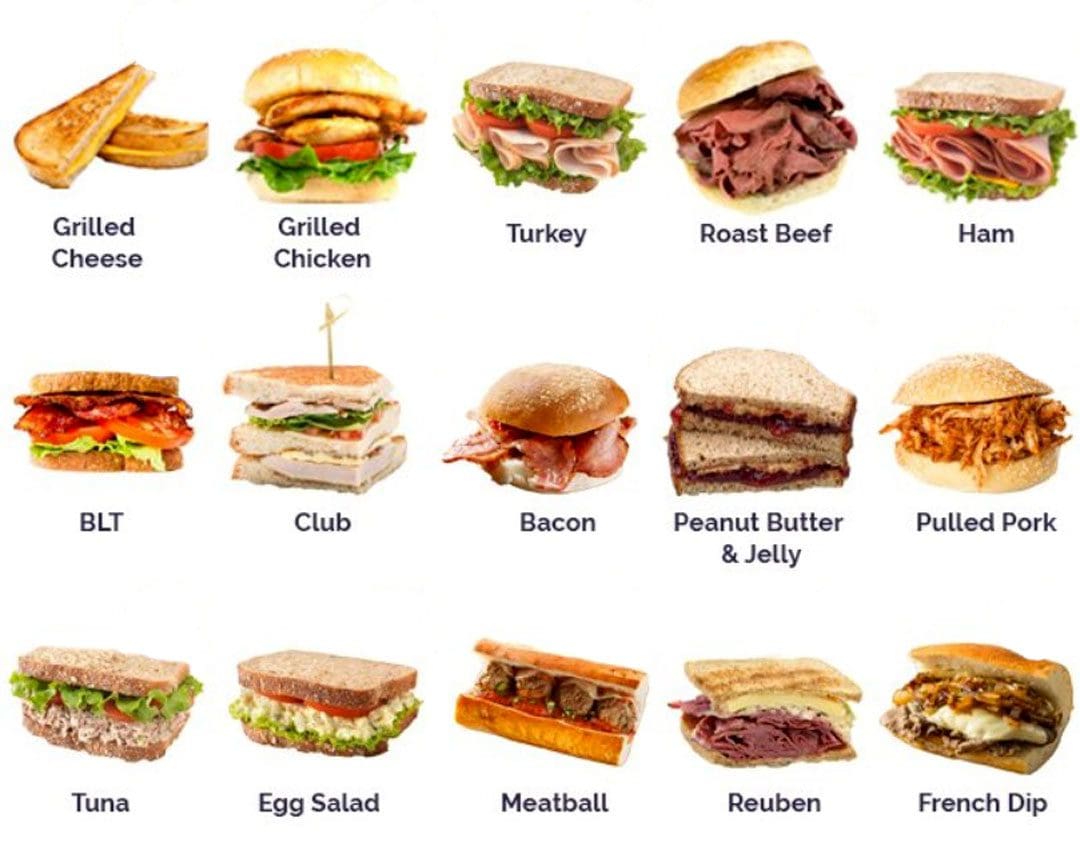
A typical sandwich from home includes bread – one thick slice of whole wheat, one or two favorite condiments, lunch meat, lettuce, tomato, and pickles. Packing a homemade lunch to work or school is one of the easiest ways to lose and maintain weight. Making a sandwich means the ingredients, calories, and nutrition can be controlled. However, a healthy sandwich can easily exceed calories if not careful. Bread choices and condiments like mayonnaise, dressings, and cheese can change a sandwich’s nutrition and increase calories, fat, and sodium. Calories can be cut with smart nutrition information and a few recommendations.
Sandwich Nutrition Facts and Health Benefits
Sandwich Calories and Nutrition
USDA nutrition information for one sandwich with ham, cheese, and mayonnaise equals 155 grams.
Total Calories 361
Fat 16.7 grams
Sodium 1320 milligrams
Carbohydrates 32.5 grams
Fiber 2.3 grams
Sugars 5.1 grams
Protein 19.3 grams
Favorites
The calories can vary based on the bread, fillings, and spread used to make it and whether vegetables are added.
Peanut Butter
Calories 200 – 300.
Peanut butter on white bread.
A single serving of peanut butter is two tablespoons.
Peanut Butter and Jelly
Calories 350 – 500.
Depending on how much peanut butter is used and the type of jelly or jam.
Nutella
Calories 300 – 500.
A 2-tablespoon serving is 200 calories.
Turkey Sandwich
Calories 160 – 500.
Depending on the amount of meat added and condiment choices.
Ham
Calories less than 200.
This is without the cheese.
With butter on French bread, it can be 400 calories or more.
Chicken Salad
Calories 400 – 600 or more.
Egg Salad
Calories 350 for the mayonnaise filling, plus around 150 for the bread.
Egg and Cheese
Calories 250 -400 or more.
If made on a biscuit or croissant.
Subway
230 to nearly 1000 calories.
Cut Calories
With a few adjustments and healthy swaps, a nutritious and healthy sandwich that is lower in calories but full of flavor can be made.
Low-Calorie Bread
Thick, crusty bread, bagels, baguettes, croissants, and hearty rolls can contain fat and calories.
Instead, choose a whole grain or bread alternative with additional nutrient benefits like healthy fats or fiber.
Consider an open-faced sandwich for heartier bread and keeping the portion to one slice.
Once a healthy bread is chosen, build the sandwich around a meat or meat-free filling. Get creative and try different choices to find new flavors. Read labels of meat or fish spreads that sound healthy. Many brands may contain protein and beneficial nutrients, but the filling is often combined with other ingredients high in calories. Try for:
Pack the sandwich with natural toppings like vegetables. Make a goal to have at least two vegetable servings per sandwich. Nutrient-rich vegetables add flavor and crunch to the sandwich.
Iceberg lettuce, spinach, romaine lettuce, or greens.
Shredded cabbage.
Tomato.
Sun-dried tomatoes.
Cucumber.
Jalapeno peppers.
Banana peppers.
Green peppers.
Plain or grilled onions.
Basil leaves.
Bean sprouts.
Low-Calorie Condiments
The spread takes up the least space on a sandwich but can contain the most fat. Condiments should be used moderately.
When first starting, cutting sandwich calories might seem complicated and unfamiliar. Fill the refrigerator with as many healthy choices as possible, get creative, and see what you come up with, as crafting a delicious meal is fun once you get the hang of it.
Body In Balance, Fitness, and Nutrition
References
An, R et al.” Sandwich consumption concerning daily dietary intake and diet quality among U.S. adults, 2003-2012″ Public Health vol. 140 (2016): 206-212. doi:10.1016/j.puhe.2016.06.008
Sebastian, Rhonda S., et al.” Sandwich Consumption by Adults in the U.S. What We Eat In America, NHANES 2009-2012″ FSRG Dietary Data Briefs, United States Department of Agriculture (USDA), December 2015.
U.S. Department of Agriculture, Agricultural Research Service. FoodData Central. [Historical Record]: Ham and Cheese.
U.S. Department of Agriculture, Agricultural Research Service. FoodData Central [Historical Record]. Whole Wheat Bread.
Zhao Z, Feng Q, Yin Z, et al. Red and processed meat consumption and colorectal cancer risk: a systematic review and meta-analysis. Oncotarget. 2017;8(47):83306-83314. doi:10.18632/oncotarget.20667
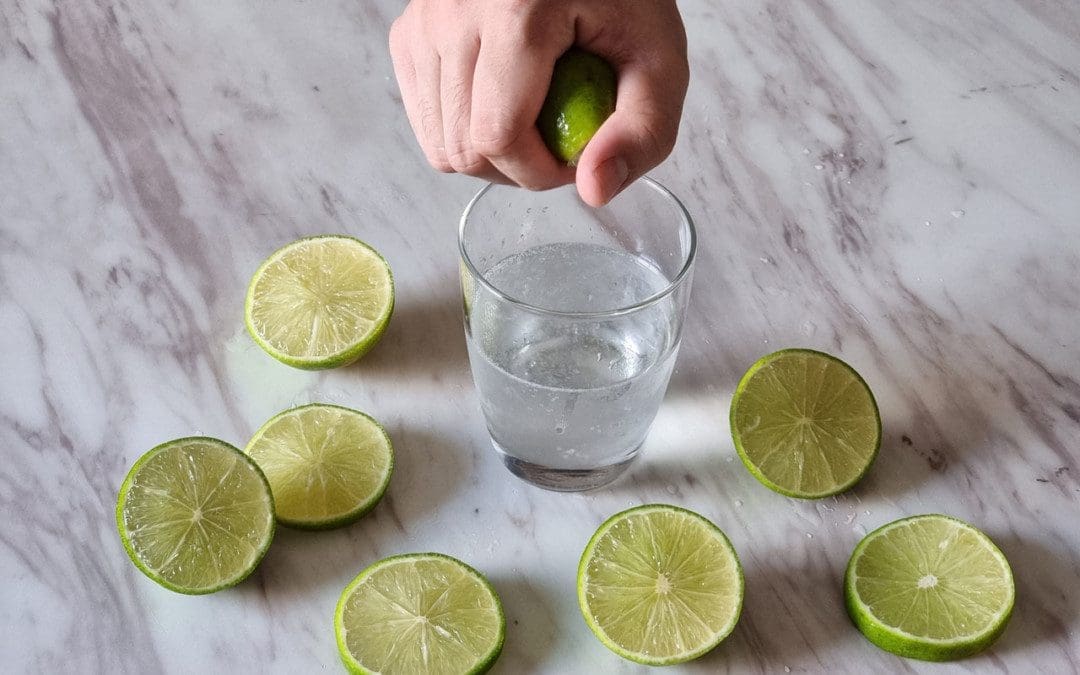
The human body is about 60% to 75% water. Adequate hydration is necessary to flush toxins from the body, is essential for cognition, prevents dehydration, and provides energy. It can reduce headache onset and aid in weight management. With the summer heat kicking in, it is imperative to replenish the body’s systems from lost sources with water, other rehydrating beverages, and fruits and vegetables. It can be difficult for individuals to drink enough water, making it feel like a chore. Drinking lime water by adding a slice of lime or lime juice can add flavor with beneficial properties for everyday health, nutritional properties, and only a trace amount of sugar.
Lime Water
Citrus fruits offer anti-oxidative and anti-inflammatory effects and can help protect the cardiovascular system. Limes can provide a sour boost and a refreshing twist to a cold glass of water.
Lime Nutrition
Limes provide an excellent source of antioxidants that protect the body by preventing or stopping cell damage caused by free radicals or chemicals. Limes contain:
Calcium
Potassium
Magnesium
Vitamins A, B, C, and D
Digestion and Gut Health
Drinking lime water improves digestion.
The acidic nature of limes causes salivation, which is good for breaking down food for better digestion.
Flavonoids in limes stimulate the secretion of digestive juices to regulate different gut physiology in the gastrointestinal tract. They also stimulate the secretion of:
Gut hormones
Digestive juices
Gut microbiota
These play an important role in immune function to fight the growth of certain harmful bacteria that can lead to infection.
The acidity of limes can clear the excretory system and stimulate bowel activity for individuals experiencing constipation.
For individuals with frequent heartburn or acid reflux, drinking a glass of warm water with two teaspoons of lime juice 30 minutes before meals can help prevent reflux symptoms.
Fight Infections
The body’s risk of infection is higher during cold and flu season.
Vitamin C and antioxidants can strengthen the immune system to help the body fight off infections like the cold and flu virus.
Individuals who take vitamin C regularly may see milder symptoms and shorten the duration of a cold.
Improve Cardiovascular Health
Limes are a good source of magnesium and potassium for heart health.
Potassium can naturally lower blood pressure and improve blood circulation, which reduces the risk of a heart attack and stroke.
Research is ongoing on lime compounds called limonins that could help reduce cholesterol levels.
Lower Blood Sugar
Limes can be helpful for individuals with diabetes.
Limes have a low glycemic index.
They help regulate how the body absorbs sugar into the blood.
As a result, individuals may experience fewer spikes.
Reduce Inflammation
Arthritis, gout, and other joint problems are caused by inflammation.
Vitamin C can reduce inflammation to help relieve symptoms of arthritis and similar conditions that cause joint pain and stiffness.
To start the day and increase metabolism, drink a glass of lime water in the morning or have the juice of a lime wedge before meals.
Nutrition Fundamentals
References
Bucher A, White N. Vitamin C in the prevention and treatment of the common cold. Am J Lifestyle Med. 2016;10(3):181-183. doi:10.1177/1559827616629092
Fan, Shunming et al. “Limonin: A Review of Its Pharmacology, Toxicity, and Pharmacokinetics.” Molecules (Basel, Switzerland) vol. 24,20 3679. 12 Oct. 2019, doi:10.3390/molecules24203679
Iorgulescu, Gabriela. “Saliva between normal and pathological. Important factors in determining systemic and oral health.” Journal of Medicine and Life vol. 2,3 (2009): 303-7.
Oteiza PI, Fraga CG, Mills DA, Taft DH. Flavonoids and the gastrointestinal tract: Local and systemic effects. Mol Aspects Med. 2018;61:41-49. doi:10.1016/j.mam.2018.01.001
Panche, A N et al. “Flavonoids: an overview.” Journal of nutritional science vol. 5 e47. 29 Dec. 2016, doi:10.1017/jns.2016.41
Pattison, D J et al. “Vitamin C and the risk of developing inflammatory polyarthritis: a prospective nested case-control study.” Annals of the rheumatic diseases vol. 63,7 (2004): 843-7. doi:10.1136/ard.2003.016097
Peyrot des Gachons, Catherine, and Paul A S Breslin. “Salivary Amylase: Digestion and Metabolic Syndrome.” Current diabetes reports vol. 16,10 (2016): 102. doi:10.1007/s11892-016-0794-7
Protein deficiency, or hypoproteinemia, is when the body has lower-than-normal protein levels. Protein is an essential nutrient in bones, muscles, skin, hair, and nails, and maintains bone and muscle strength. The body does not store protein, so it is needed daily. It helps make hemoglobin, which carries oxygen throughout the body, and chemical enzymes, which cause reactions that maintain organ function. A lack of enough protein can cause problems like muscle loss, fatigue, a weakened immune system, and chronic pain. Injury Medical Chiropractic and Functional Medicine Clinic can provide nutritional guidance and develop a personalized nutrition plan to restore musculoskeletal health and function.
Protein Deficiency
When digested, protein breaks down into amino acids that help the body’s tissues function and grow. Individuals can become deficient if their bodies can’t effectively digest and absorb the proteins within the foods they eat.
Symptoms
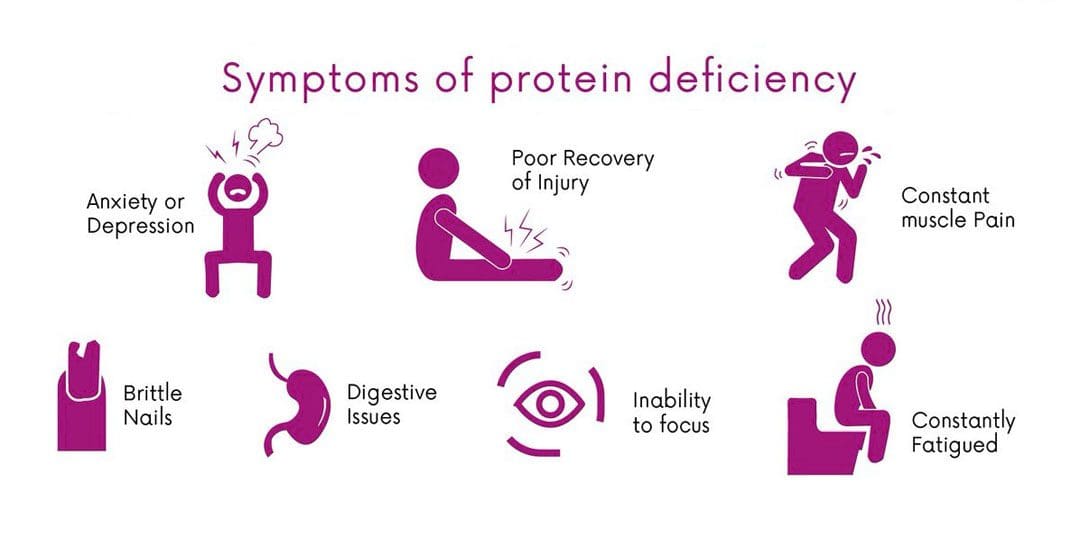
When the body doesn’t meet the required protein amounts or can’t absorb protein efficiently, it can lead to symptoms, including:
Chronic fatigue.
Increased infections and illnesses.
Reduced muscle mass.
Loss of muscle mass.
Slower injury healing times.
Sarcopenia in older individuals.
Swelling in the legs, face, and other areas from fluid buildup.
Dry, brittle hair that falls out.
Cracked, pitted nails.
High blood pressure during the second trimester of pregnancy/preeclampsia.
Causes
Protein deficiency can have various causes, depending on the individual case. Certain medical conditions include:
Malnutrition or undereating – an individual does not eat enough calories or avoids certain food groups.
Adequate protein intake is essential to maintain healthy amino acid levels to support cell structure and function. The requirement differs for everybody based on age, sex, and physical activity levels. Protein is available in a wide variety of animal and plant foods. Recommended nutritious protein sources for optimal health and fitness include foods such as:
Beans and legumes
Oats
Eggs
Cheese
Lean beef, chicken, turkey, and pork
Seafood
Seeds
Nuts
Various kinds of nut butter
Greek yogurt
Quinoa
Tofu
Protein is essential for all cells and body tissue and can impair body function in short supply. Although diet-related protein deficiency is rare in the United States, certain medical conditions can increase the risk. Adding protein to a diet is simple and can be achieved by incorporating various foods from either plant or animal sources.
Clinical Implementation of Functional Nutrition
References
Bauer, Juergen M, and Rebecca Diekmann. “Protein and Older Persons.” Clinics in geriatric medicine vol. 31,3 (2015): 327-38. doi:10.1016/j.cger.2015.04.002
Brock, J F. “Protein deficiency in adults.” Progress in food & nutrition science vol. 1,6 (1975): 359-70.
Deutz, Nicolaas E P, et al. “Protein intake and exercise for optimal muscle function with aging: recommendations from the ESPEN Expert Group.” Clinical nutrition (Edinburgh, Scotland) vol. 33,6 (2014): 929-36. doi:10.1016/j.clnu.2014.04.007
Paddon-Jones, Douglas, and Blake B Rasmussen. “Dietary protein recommendations and the prevention of sarcopenia.” Current Opinion in clinical nutrition and metabolic care vol. 12,1 (2009): 86-90. doi:10.1097/MCO.0b013e32831cef8b
Pappova, E et al. “Acute hypoproteinemic fluid overload: its determinants, distribution, and treatment with concentrated albumin and diuretics.” Vox sanguinis vol. 33,5 (1977): 307-17. doi:10.1111/j.1423-0410.1977.tb04481.x
For individuals starting an exercise program and professional athletes, training must be well-spent to develop fitness and specific sports skills. It is important to remember basic athletic training concepts to ensure you are making the most of the workouts. Working one-on-one with a sports medicine doctor, chiropractor, physical therapist, or personal trainer can help individuals achieve fitness goals.
Athletic Training Checklist
Abilities and Interests
Individuals need to enjoy the training to stick with the program long enough to see results.
Rather than picking a generic program or doing what everyone else is doing, adjust workout time and intensity to fit your lifestyle, current fitness level, and ability to push when needed.
Choose a workout routine that meets your personal goals.
Working with a trainer is highly recommended if you don’t know where to begin.
For more advanced individuals, a personal trainer is a great way to fine-tune a fitness plan.
Keep It Simple
Athletic training involves consistency and focus.
Simplify the training by alternating hard, easy, long, and short workouts and sports skills practice.
Remember to enjoy the workouts and listen to your body.
Be Mindful of Overtraining
The body does not get stronger by constantly training.
The body needs to rest and be allowed to recover to develop.
Fitness is built by alternating workouts with recovery.
The best way to avoid overtraining is to listen to your body.
If your heart rate remains elevated after sleeping, or the legs feel heavy, and if motivation fades, more rest may be needed.
For individuals who train year-round, taking a week off every three months is recommended, and it is also the time to change the training routine.
Variation
Vary the workouts and intensity to enjoy a well-rounded routine that can help avoid burnout or plateauing.
Alternate training intensity and workout time.
Even training programs you enjoy can gradually lose physical efficiency if not changed.
To improve, variation is needed to challenge the body in different ways.
Workouts should be modified every month.
Cross-training is another great way to vary a routine and improve fitness.
Training Flexibility
Training consistency is what matters.
Don’t worry if you have to miss a day.
Continue with the training plan.
Realistic Goals
Finding a balance when setting goals between what you want to achieve and what you can do.
Be honest about fitness levels and potential.
If you are new to a sport or fitness routine, take it slow until you know what your body can accomplish to decrease the risk of injury.
Patience
It takes time and consistency to build up fitness and performance.
Avoid falling into the mindset that more is better.
This can result in injuries and loss of motivation.
Consistency
Even when starting with short workouts, doing them regularly is important.
Avoid falling victim to working out hard only on weekends and doing nothing during the week.
Injuries are much more common when exercise is inconsistent.
Nutrition
Sports nutrition and hydration go are vital to improving your ability to exercise and train.
Individuals on a regular exercise routine should reassess their nutrition plan.
Proper Equipment
Sports injury prevention begins by using the right equipment.
Whatever sport or exercise routine, ensure the equipment and footwear work and fit properly.
Pads, helmets, and mouthguards are made to help protect athletes and should be utilized.
Becoming An Olympic Athlete
References
American Dietetic Association, Dietitians of Canada, American College of Sports Medicine, Rodriguez NR, DiMarco NM, Langley S. American College of Sports Medicine Position Stand: Nutrition and Athletic Performance. Medicine & Science in Sports & Exercise. 2009;41(3):709-731. doi:10.1249/mss.0b013e31890eb86.
Beaupre, Justin, et al. “Athletic Training and Population Health Science.” Journal of athletic training vol. 57,2 (2022): 136-139. doi:10.4085/314-19
Garber CE, Blissmer B, Deschenes MR, et al. Quantity and Quality of Exercise for Developing and Maintaining Cardiorespiratory, Musculoskeletal, and Neuromotor Fitness in Apparently Healthy Adults. Medicine & Science in Sports & Exercise. 2011;43(7):1334-1359. doi:10.1249/mss.0b013e318213fefb.
Halson, Shona L, and Laura E Juliff. “Sleep, sport, and the brain.” Progress in brain research vol. 234 (2017): 13-31. doi:10.1016/bs.pbr.2017.06.006
Jeukendrup, Asker E. “Periodized Nutrition for Athletes.” Sports medicine (Auckland, N.Z.) vol. 47, Suppl 1 (2017): 51-63. doi:10.1007/s40279-017-0694-2
Mujika, Iñigo. “Quantification of Training and Competition Loads in Endurance Sports: Methods and Applications.” International Journal of sports physiology and Performance vol. 12, Suppl 2 (2017): S29-S217. doi:10.1123/ijspp.2016-0403
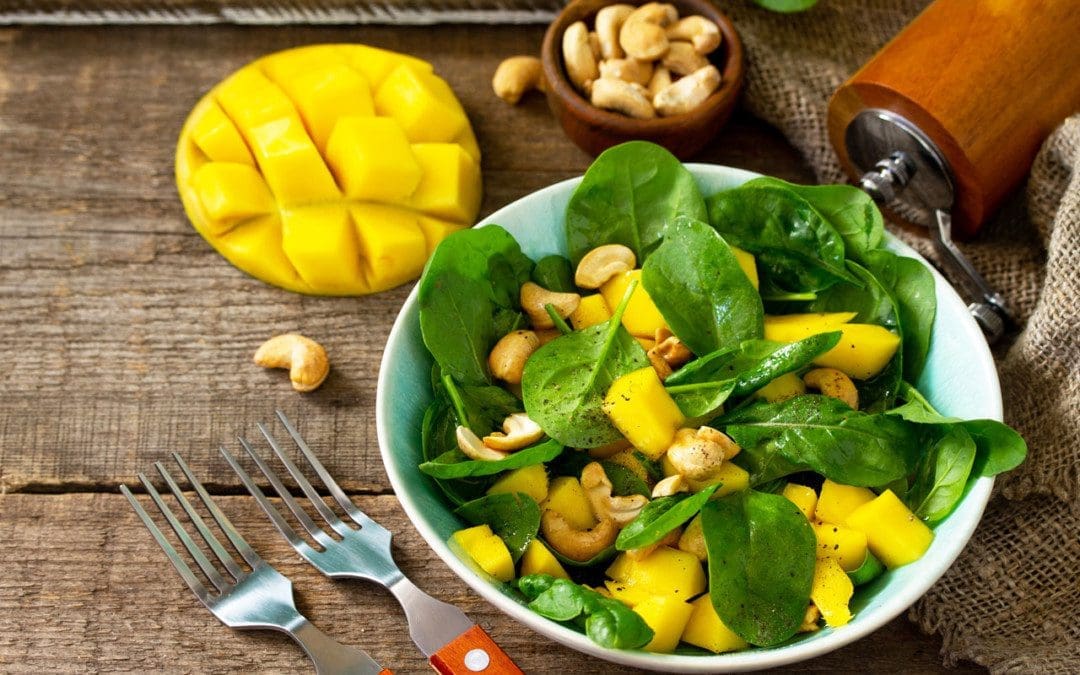
A satisfying salad is a great way to get more fruits and vegetables high in vitamins, minerals, and fiber. A salad using the right ingredients can be a filling meal. With the summer heat kicking in, making a quick, satisfying salad using your favorite ingredients can help cool off, rehydrate, and refuel the body.
Making A Satisfying Salad
Leafy Greens
Start with leafy greens.
They’re low in calories and a healthy source of fiber.
Different varieties include iceberg lettuce, leaf lettuce, spinach, escarole, romaine, kale, and butter lettuce.
Starchy vegetables like roasted sweet potatoes or cooked butternut squash.
These provide fiber, complex carbohydrates, vitamins, and minerals.
Fruit
Fruits or berries, blueberries, raspberries, blackberries, pomegranate seeds, apple slices, oranges, dates, and raisins can add vitamins, fiber, and antioxidants.
One-half cup of apple slices has 30 calories.
One-half cup of berries has about 40 calories.
Protein
A hard-boiled egg is an excellent source of protein.
A serving of lean beef, cooked shrimp, tuna, chicken breast, cheese strips, beans or legumes, hummus, tofu, or cottage cheese.
Be mindful of portion size.
A quarter cup of chopped chicken meat or one egg will add 75 calories.
Half a can of tuna adds about 80 calories.
Depending if it is low fat, two ounces of cubed or shredded mozzarella or cheddar cheese can add 200 calories.
Nuts or Seeds
Almonds, cashews, walnuts, pecans, sunflower, pumpkin, or chia seeds are great for added crunch.
All nuts add protein and heart-healthy polyunsaturated and monounsaturated fatty acids.
One-eighth cup of nuts adds around 90 calories.
Walnuts contain omega-3 fatty acids.
Salad Dressing
Add salad dressing.
One tablespoon of regular commercial salad dressing adds 50 to 80 calories.
Low-fat and reduced-calorie dressings are available.
Adding beans will increase fiber, protein, and total carbohydrates.
Body Signals Decoded
References
Chambers L, McCrickerd K, Yeomans MR. Optimizing foods for satiety. Trends in Food Science & Technology. 2015;41(2):149-160. doi:10.1016/j.tifs.2014.10.007
Cox, B D et al. “Seasonal consumption of salad vegetables and fresh fruit in relation to the development of cardiovascular disease and cancer.” Public health nutrition vol. 3,1 (2000): 19-29. doi:10.1017/s1368980000000045
Dreher ML, Davenport AJ. Hass avocado composition and potential health effects. Crit Rev Food Sci Nutr. 2013;53(7):738-750. doi:10.1080/10408398.2011.556759
Roe, Liane S et al. “Salad and satiety. The effect of timing of salad consumption on meal energy intake.” Appetite vol. 58,1 (2012): 242-8. doi:10.1016/j.appet.2011.10.003
Sebastian, Rhonda S., et al. “Salad Consumption in the U.S. What We Eat in America, NHANES 2011-2014.” FSRG Dietary Data Briefs, United States Department of Agriculture (USDA), February 2018.
Yen, P K. “Nutrition: salad sense.” Geriatric nursing (New York, N.Y.) vol. 6,4 (1985): 227-8. doi:10.1016/s0197-4572(85)80093-8
With the summer approaching, the day’s heat makes the body want to eat light or not at all. That’s when late-night hunger kicks in. Individuals can’t sleep because their stomachs won’t stop growling. Whatever the reason, the body needs something to eat to go back to sleep. The challenge is figuring out what’s quick, tasty, healthy, and can help promote sleep, as some foods contain compounds that can improve sleep.
Late-Night Nutritious Snacks
There are several reasons for needing a late-night snack, and a healthy snack can be a good way to get some additional nutrients for the next day. Having small nutrient-rich snacks under 200 calories is fine. Individuals who regularly have late-night snacks should consider having prepared snacks to promote sleep and not inhibit sleep. Planning is the key to choosing snacks to help support healthy sleep and satisfy hunger.
Snacks To Consider
Pumpkin Seeds
Pumpkin contains tryptophan which contributes to sleep.
They also contain essential nutrients zinc, phosphorus, potassium, selenium, and magnesium.
These can help combat illnesses related to inflammation.
Bananas
Bananas are a healthy source of dietary melatonin.
In one study, individuals who ate a banana had an increase in serum melatonin levels two hours after eating.
The potassium content of bananas can help inhibit muscle cramps, a problem some individuals have when trying to sleep.
Glass of Milk
Warm or cold, a glass of milk before bed can help improve sleep.
Milk contains antioxidant and anti-inflammatory properties, which can help improve sleep quality.
Sleep-inducing amino acids like tryptophan are also found in milk.
Dairy milk is not the only type of milk shown to aid sleep.
Soy milk is a good source of both melatonin and tryptophan.
Plant-based milk made with nuts can confer the same benefits as whole nuts.
Milk and Cereal
Individuals may reserve cereal for breakfast, but it can make a healthy late-night snack to promote sleep.
One study found that high-glycemic carbs in many corn-based cereals before bed reduced the time it took to fall asleep.
Limit portion size as the entire snack should be under 300 calories, especially for those with heartburn, as a heavy meal can exacerbate the problem.
Dairy products contain calcium, a mineral that directly produces the sleep hormone melatonin and is a natural relaxant in the body.
Peanut Butter and Jelly Sandwich
Foods like peanut butter contain an amino acid called tryptophan, which is converted into melatonin to promote sleepiness.
Carbohydrates like bread and jelly help make tryptophan more available to the brain.
Option for whole grain bread and natural peanut butter with no added sugars for added nutrition.
Yogurt with Fruit
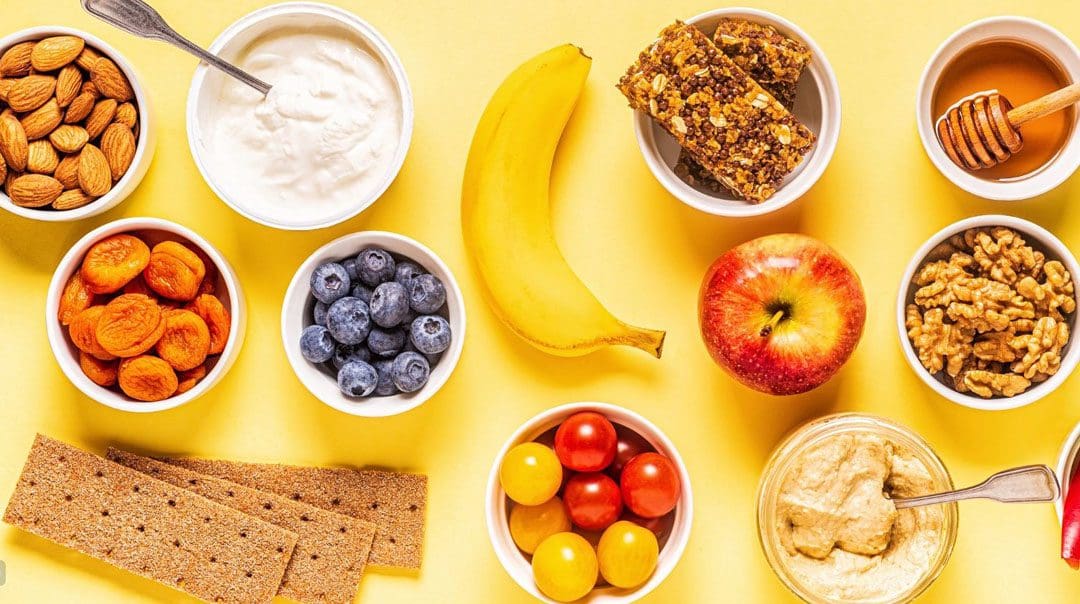
Plain yogurt with berries, chopped nuts, and honey.
Yogurt provides a healthy source of calcium, which has been linked to better sleep.
Be sure to read the labels, as some varieties contain added sugar.
Fruit and Nuts
Fruit and nuts are great when hungry and tired.
They provide nutritional benefits, including vitamins, minerals, protein, complex carbs, healthy fats, and fiber.
They nourish, provide satisfaction, and help the body fall asleep.
An apple with a handful of almonds, a banana, and pecans, or a pear with a few walnuts.
One teaspoon of peanut butter on banana slices or dip apple slices in almond butter.
If almond butter is too thick for dipping, microwave 1-2 tablespoons for 30 seconds until it’s soft enough to dip.
Popcorn
Popcorn is a great snack that is low in calories.
Three cups of air-popped popcorn have fewer than 100 calories and about 4 grams of fiber.
Skip the butter and mix in dried spices for extra flavor.
Vegetables and Dip
Craving something crunchy and low-calorie, fresh vegetables and dip.
Any combination of raw carrots, broccoli florets, cucumber slices, celery, zucchini, peppers, and grape tomatoes can satisfy a rumbling stomach.
Enhance the flavor with a plain low-fat cottage cheese dip, Greek yogurt, or hummus.
Turkey Sandwich
When craving a sandwich, a combination of protein and complex carbohydrates from lean protein like turkey and whole grain bread with tomato, lettuce, and a splash of mayo and mustard can satisfy.
Allow enough time to digest, as being too full can inhibit sleep.
Chickpeas, the primary ingredient in hummus, contain tryptophan.
Body In Balance
References
Bandín, C et al. “Meal timing affects glucose tolerance, substrate oxidation, and circadian-related variables: A randomized, crossover trial.” International Journal of Obesity (2005) vol. 39,5 (2015): 828-33. doi:10.1038/ijo.2014.182
Beccuti, Guglielmo, et al. “Timing of food intake: Sounding the alarm about metabolic impairments? A systematic review.” Pharmacological research vol. 125, Pt B (2017): 132-141. doi:10.1016/j.phrs.2017.09.005
Behrouz, Sepide, et al. “The Antioxidant, Anti-Inflammatory, and Immunomodulatory Effects of Camel Milk.” Frontiers in immunology vol. 13 855342. 12 Apr. 2022, doi:10.3389/fimmu.2022.855342
Gallant, Annette, et al. “Nutritional Aspects of Late Eating and Night Eating.” Current obesity reports vol. 3,1 (2014): 101-7. doi:10.1007/s13679-013-0081-8
Stobiecka, Magdalena, et al. “Antioxidant Activity of Milk and Dairy Products.” Animals: an open access journal from MDPI vol. 12,3 245. 20 Jan. 2022, doi:10.3390/ani12030245
IFM's Find A Practitioner tool is the largest referral network in Functional Medicine, created to help patients locate Functional Medicine practitioners anywhere in the world. IFM Certified Practitioners are listed first in the search results, given their extensive education in Functional Medicine