Before the body can benefit from consumed nutrients, the gastrointestinal tract has to digest and absorb the foods. Before eating, the body needs to feel hungry. However, hunger is not the same as appetite. Hunger is a physical reaction caused by hormonal and chemical changes in the body when fuel is needed. Appetite is more of a desire to eat and can be a learned response. It is one reason why individuals can eat when they are not hungry. The body comprises different hormones that regulate hunger, digestion, and appetite.
Hunger Digestion Regulating Hormones
Hunger Hormones
Hunger is the feeling when the body needs food. When the body has enough, hunger should subside. That’s because various hormones regulate hunger.
Leptin
Leptin is a hormone secreted by adipose tissue/fat into the bloodstream.
The more fat in the body, the higher the blood levels of leptin.
Leptin level also increases with food intake and is higher in females than males, but overall, it lowers with age.
Increased leptin levels trigger the hypothalamus to reduce hunger.
Ghrelin
Ghrelin is a hormone produced by the stomach and small intestine when the stomach is empty.
Like leptin, it also works with the hypothalamus.
However, instead of suppressing hunger, it increases hunger.
Insulin
The pancreas produces this hormone.
It is mostly known for regulating blood sugar levels.
It also suppresses hunger.
Adiponectin
Adiponectin is a hormone secreted by fat cells.
As body fat levels go down, this hormone goes up.
If fat levels go up, adiponectin levels go down.
Cholecystokinin
Cholecystokinin is a hormone produced in the small intestine during and after a meal.
It triggers the release of bile and digestive enzymes into the small intestine.
These suppress hunger and make the body feel full.
Peptide YY
This hormone suppresses appetite for about 12 hours after eating.
Made by both the large and small intestines after eating.
Glucocorticoids
Adrenal glands make these hormones, and their primary function is to regulate inflammation and other processes, but they also impact hunger.
A cortisol deficiency reduces appetite, but excessive amounts of glucocorticoids increase hunger.
Digestion Hormones
Digestion is coordinated and regulated by hormones.
Gastrin
Gastrin is a hormone the stomach and the small intestine release when eating.
Gastrin stimulates the release of hydrochloric acid and pepsinogen in the stomach to speed up digestion.
Gastrin stimulates glucagon, which works with insulin to regulate blood sugar.
Secretin
Secretin is a hormone made by the small intestine.
It is secreted into the bloodstream when the acidic chyme from the stomach enters the small intestine.
Secretin stimulates the pancreas to release bicarbonate digestive liquids into the small intestine.
The bicarbonate neutralizes the acidity.
Secretin acts on the stomach to trigger the production of pepsinogen to help break down proteins.
Cholecystokinin – CCK
The small intestine makes and releases CCK into the bloodstream.
Essential fat digestion stimulates the gallbladder to release bile into the small intestine.
It also triggers the pancreas to release various digestive enzymes so they can break down fats, carbohydrates, and proteins.
It stimulates the pancreas to release insulin and slows down stomach digestive activity.
Peptide YY and Enterogastrone
Released by the small intestine, two more hormones slow digestion down and decrease the production of digestive secretions.
Chiropractic Care and Metabolism
References
Chandra, Rashmi, and Rodger A Liddle. “Cholecystokinin.” Current Opinion in Endocrinology, diabetes, and Obesity vol. 14,1 (2007): 63-7. doi:10.1097/MED.0b013e3280122850
Davis, Jon. “Hunger, ghrelin and the gut.” Brain Research vol. 1693, Pt B (2018): 154-158. doi:10.1016/j.brainres.2018.01.024
Gupta K, Raja A. Physiology, Gastric Inhibitory Peptide. [Updated 2022 Sep 26]. In: StatPearls [Internet]. Treasure Island (FL): StatPearls Publishing; 2023 Jan-. Available from: https://www.ncbi.nlm.nih.gov/books/NBK546653/
Konturek, S J et al. “Brain-gut axis and its role in the control of food intake.” Journal of Physiology and Pharmacology: an official journal of the Polish Physiological Society vol. 55,1 Pt 2 (2004): 137-54.
Prosapio JG, Sankar P, Jialal I. Physiology, Gastrin. [Updated 2023 Apr 6]. In: StatPearls [Internet]. Treasure Island (FL): StatPearls Publishing; 2023 Jan-. Available from: https://www.ncbi.nlm.nih.gov/books/NBK534822/
Rix I, Nexøe-Larsen C, Bergmann NC, et al. Glucagon Physiology. [Updated 2019 Jul 16]. In: Feingold KR, Anawalt B, Blackman MR, et al., editors. Endotext [Internet]. South Dartmouth (MA): MDText.com, Inc.; 2000-. Available from: https://www.ncbi.nlm.nih.gov/books/NBK279127/
Suzuki, Keisuke, et al. “The role of gut hormones and the hypothalamus in appetite regulation.” Endocrine Journal vol. 57,5 (2010): 359-72. doi:10.1507/endocrine.k10e-077
Tack, Jan, et al. “The gastrointestinal tract in hunger and satiety signaling.” United European gastroenterology journal vol. 9,6 (2021): 727-734. doi:10.1002/ueg2.12097
Zanchi, Davide, et al. “The impact of gut hormones on the neural circuit of appetite and satiety: A systematic review.” Neuroscience and biobehavioral reviews vol. 80 (2017): 457-475. doi:10.1016/j.neubiorev.2017.06.013
Joints are the musculoskeletal areas where two bones connect. The joints have soft tissues around them, like cartilage, tendons, and ligaments. Cartilage is the flexible tissue that covers the ends of the bones at a joint. The tendons are bands between the muscles and bones that connect everything to initiate joint movement. And the ligaments are a kind of bridge that connects the bones of the joints to keep the body stable when in motion. After an injury, the joints need to be worked out, stretched, and massaged to return to proper function and support. A chiropractic personalized rehabilitation program will include exercises that target joint stability.
Joint Injury Rehabilitation
The shoulders, elbows, wrists, knuckles, hips, knees, and ankles are joints. The spine is also made up of joints. The first step for achieving joint stability after a lower-body injury is to assess the joints for:
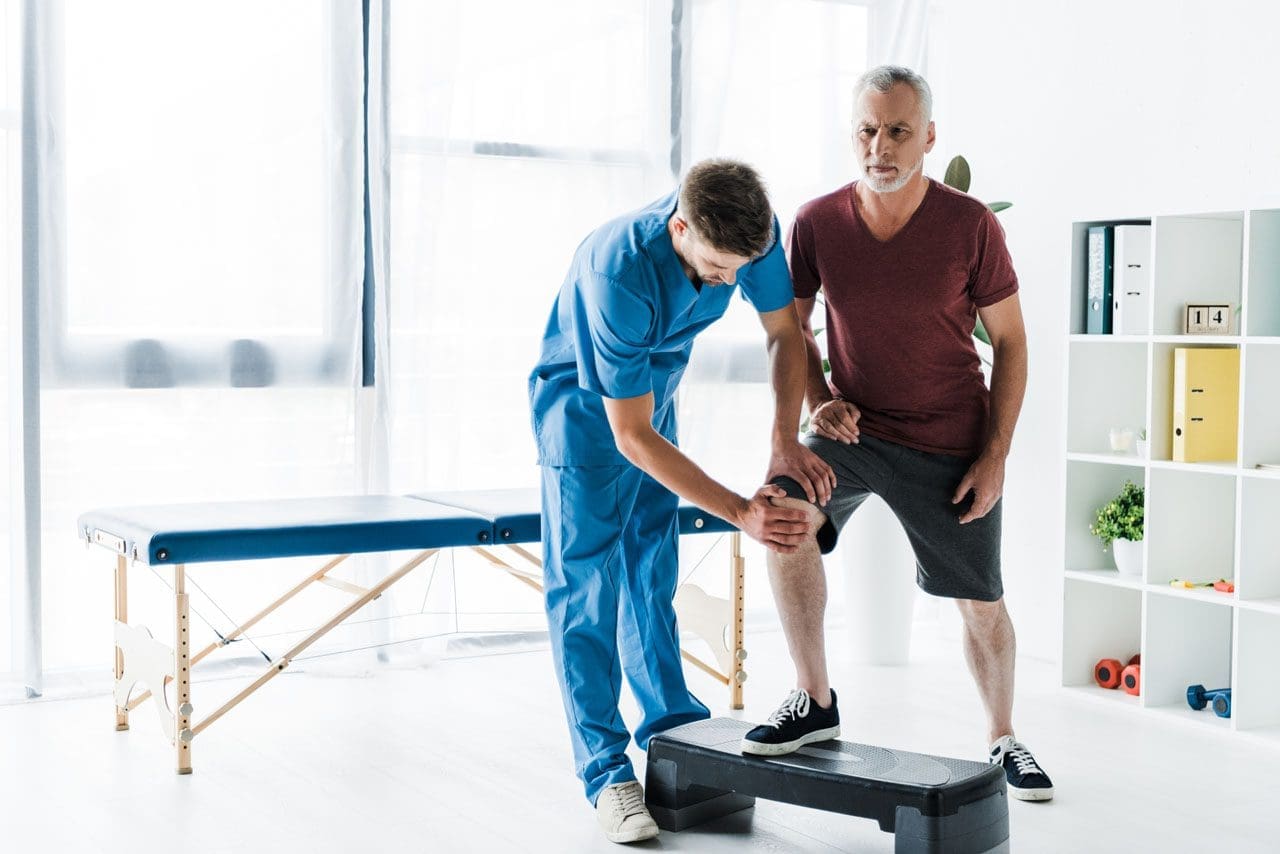
A physician, chiropractor, or therapist will check the joint and test for weakness or deficits in soft tissues, tendons, ligaments, and cartilage.
Individuals can have conditions, diseases, or injuries that affect the joints, causing dysfunction.
Correcting deficits may require taping, bracing, exercises, or surgery.
Joint stability is attained through specific exercises that target balance, proprioception, range of motion, flexibility, strength, and endurance.
Individuals must participate in their rehabilitation program to fully recover from their injuries.
Proprioception and Neuromuscular Training
Neuromuscular training and proprioception are essential to joint stability.
Neuromuscular control is an unconscious response to joint motions without awareness.
It is how workers or athletes adjust to uneven pavement or shift their weight to stay balanced on an incline or stairs.
Proprioceptionis the ability to sense the body’s orientation in the environment.
It allows body movement and responds without consciously thinking about where the body is in space.
The information signals detect joint position, limb movement, direction, and speed.
A joint with a high level of neuromuscular control and a trained proprioceptive system can respond appropriately to various forces placed upon it during activity, decreasing the risk of injury.
Proprioceptive exercises train joint proprioceptors to adapt before initiating a potentially damaging/injurious movement.
Targeted Training
Specific to the individual’s injury, specific exercises are incorporated to regain/relearn skill sets and reset automatic movement patterns.
Skills training improves the ability to make adjustments quickly and decreases the potential for worsening or creating another injury.
Research has found that individuals who participate in neuromuscular retraining have improved muscular activation and reaction to changes compared to those who do not incorporate retraining exercises.
Trainers and therapists use neuromuscular exercises to prevent and rehabilitate ACL injuries.
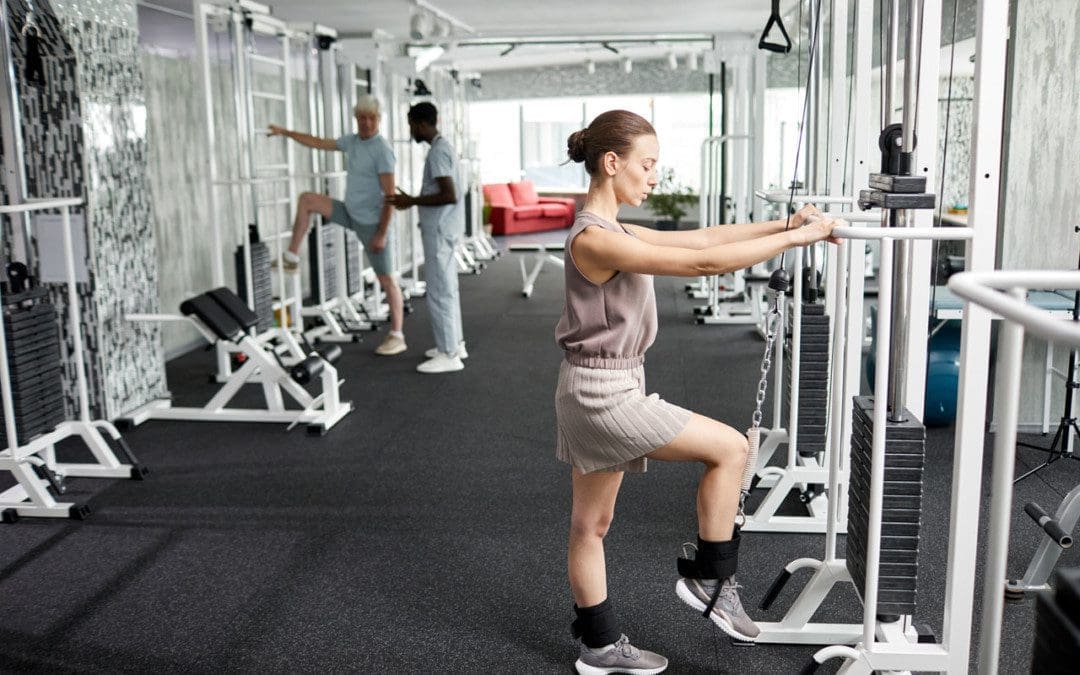
The following example of an exercise rehabilitation program can be used to rehabilitate the lower extremities. The exercises should be done slowly over several weeks. Therapeutic exercises should be combined with an appropriate and gradual range of motion and strengthening program. Individuals should always work with a chiropractor and physical therapist to develop the most suitable program for specific injuries and limitations.
One-Leg Balance
Try to stand on one leg for 10 to 30 seconds.
One-Leg Balance with Eyes Closed
Stand on one leg for 10 to 30 seconds with your eyes closed.
Akbar, Saddam, et al. “Effects of neuromuscular training on athletes’ physical fitness in sports: A systematic review.” Frontiers in physiology vol. 13 939042. 23 Sep. 2022, doi:10.3389/fphys.2022.939042
Borrelli, Joseph Jr et al. “Understanding Articular Cartilage Injury and Potential Treatments.” Journal of orthopedic trauma vol. 33 Suppl 6 (2019): S6-S12. doi:10.1097/BOT.0000000000001472
Cote, Mark P, et al. “Rehabilitation of acromioclavicular joint separations: operative and nonoperative considerations.” Clinics in sports medicine vol. 29,2 (2010): 213-28, vii. doi:10.1016/j.csm.2009.12.002
Jeong, Jiyoung, et al. “Core Strength Training Can Alter Neuromuscular and Biomechanical Risk Factors for Anterior Cruciate Ligament Injury.” The American Journal of sports medicine vol. 49,1 (2021): 183-192. doi:10.1177/0363546520972990
Porschke, Felix, et al. “Return to work after acromioclavicular joint stabilization: a retrospective case-control study.” Journal of orthopedic surgery and Research vol. 14,1 45. 12 Feb. 2019, doi:10.1186/s13018-019-1071-7
Vařeka, I, and R Vařeková. “Kontinuální pasivní pohyb v rehabilitaci kloubů po úrazech a operacích” [Continuous passive motion in joint rehabilitation after injury and surgery]. Acta Chirurgie orthopaedicae et traumatologiae Cechoslovaca vol. 82,3 (2015): 186-91.
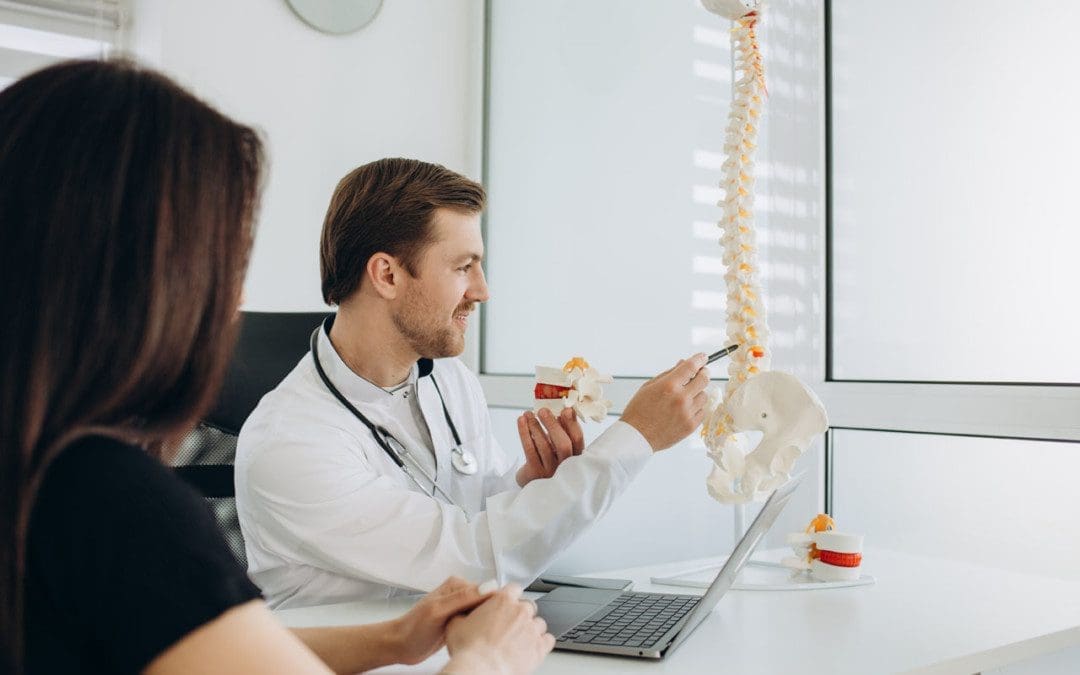
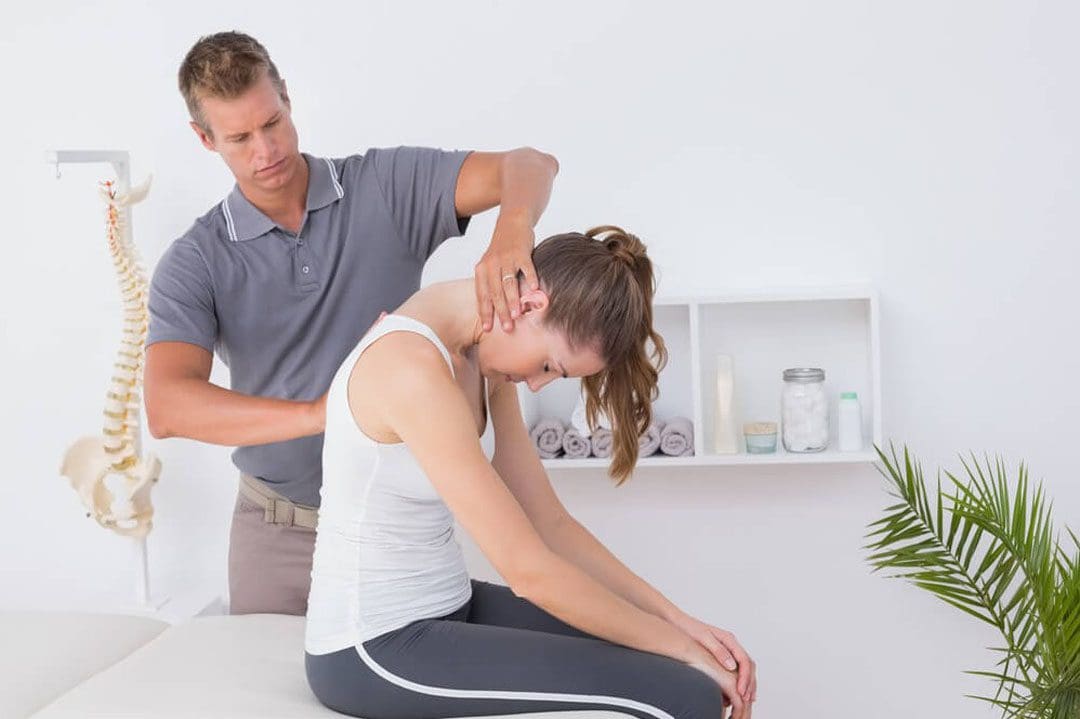
General health, diet, exercise, and lifestyle are important, but the importance of the spinal structure is often forgotten. The spine, or backbone, is the body’s central support structure that holds the body together, supports its weight, and protects the nervous system. It connects different parts of the musculoskeletal system to help sit, stand, walk, twist, and bend. When the spine is misaligned, injured, and/or damaged, it can lead to various health issues, from chronic conditions to organ dysfunction. Chiropractic spinal structure restoration benefits overall health and can help relieve symptoms and restore mobility, flexibility, and function.
Spinal Structure Restoration
Chiropractic care goes beyond relieving muscle or joint pain and discomfort. Although injury rehabilitation is a primary reason for going to a chiropractor, it is in its ability to reset and rebalance the body. Just like a vehicle or piece of equipment that needs regular maintenance, tune-ups, rotation, and realignment, chiropractic provides these benefits.
Improved Range of Motion
As the body ages or suffers from injuries or illnesses, the body’s mobility and flexibility decrease, which causes stiffness and a limited range of motion.
When the spine is not aligned correctly, it can cause restrictions in the range of motion.
Chiropractic techniques improve joint function, correct misalignments, and strengthen and stabilize the spine, improving mobility and flexibility.
Spinal structure restoration improves joint mobility and flexibility.
The improved range of motion helps relieve muscle tension, stiffness, and pain.
Improved Posture
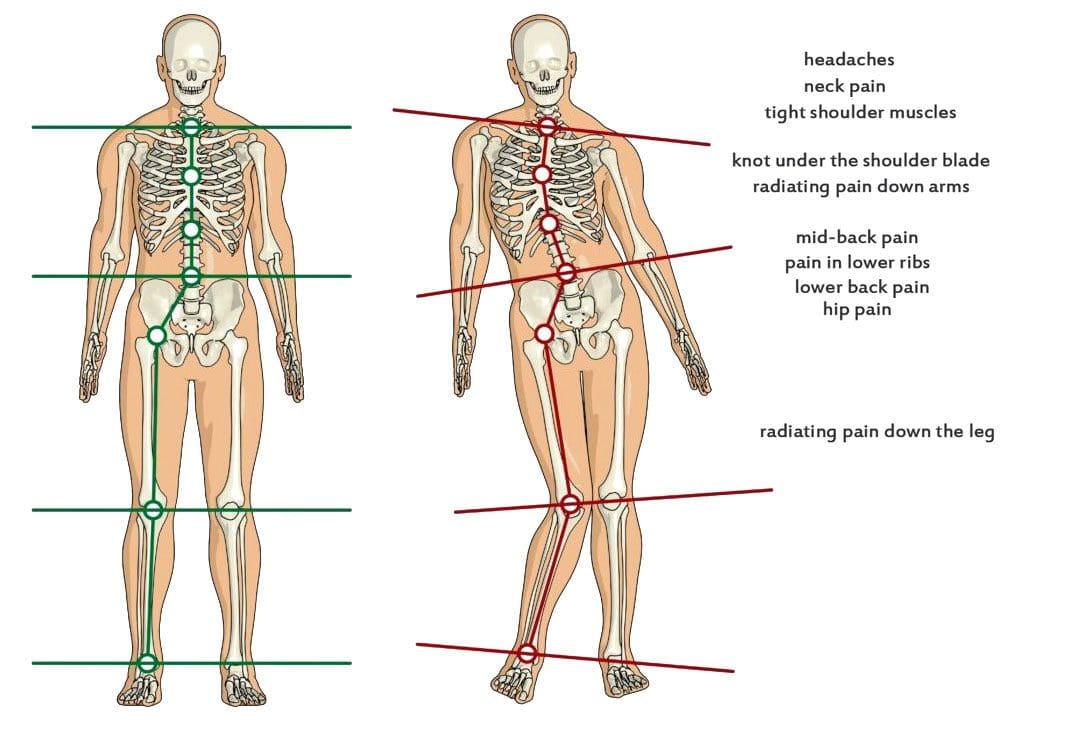
Spinal misalignment typically leads to posture problems, neck and back pain, headaches, and other health issues.
Correcting the spinal structure will:
Correct posture.
Reduce the risk of health issues.
Provide more energy.
Enhance mental clarity.
Improve sleep.
Restore mobility.
Increase athletic and physical performance.
Pain and Discomfort Relief
Misalignments can cause nerve irritation, inflammation, and muscle tension, leading to chronic pain in various areas, like the neck, back, shoulders, and hips.
Chiropractic is a natural and non-invasive treatment that can help manage pain and discomfort without medication.
Specifically addresses the underlying cause of the pain rather than just the symptoms, resulting in long-lasting relief.
Chiropractic combines traditional techniques, such as adjustments, decompression, and traction, with advanced elements and a personalized approach.
Adjustments and customized spinal traction setups alleviate pain and restore proper function to the spine.
When the spine is properly aligned, the central nervous system’s electrical signals can travel more effectively.
Increased Nerve Function
Spinal misalignment can interfere with nerve function, leading to other musculoskeletal issues.
Chiropractic releases compressed, tangled, or trapped nerves and restores nerve circulation, improving nerve function.
Enhanced Musculoskeletal Performance
Individuals can benefit from chiropractic care, especially those involved in physically demanding occupations that place repeated stress on the body.
Chiropractic can help prevent injuries, improve alignment and balance, reduce inflammation, and speed recovery.
Spinal correction includes traction that targets and releases specific muscle groups and ligaments and stimulates detoxification that can enhance musculoskeletal performance.
Immune System Function
Spinal misalignments can disrupt immune system function.
The system relies on proper communication between the brain and immune organs.
Chiropractic improves nerve function and reduces spine and back stress, allowing the system to function optimally.
By taking a holistic and personalized approach to spinal structure restoration, individuals can prevent the development of chronic health conditions and improve their quality of life.
Quick Patient Initiation Process
References
American Academy of Orthopaedic Surgeons. Spine Basics. (https://orthoinfo.aaos.org/en/diseases–conditions/spine-basics/) Accessed 12/08/2020.
American Chiropractic Association. Back Pain Facts and Statistics. (https://www.acatoday.org/Patients/What-is-Chiropractic/Back-Pain-Facts-and-Statistics/Back-Pain-Facts-and-Statistics) Accessed 12/08/2020.
Fernández-de-Las-Peñas, César, and María L Cuadrado. “Physical therapy for headaches.” Cephalalgia: an international journal of Headache vol. 36,12 (2016): 1134-1142. doi:10.1177/0333102415596445
InformedHealth.org [Internet]. Cologne, Germany: Institute for Quality and Efficiency in Health Care (IQWiG); 2006-. What are the organs of the immune system? [Updated 2020 Jul 30]. Available from: https://www.ncbi.nlm.nih.gov/books/NBK279395/
Izzo, Roberto, et al. “Biomechanics of the spine. Part I: spinal stability.” European Journal of Radiology vol. 82,1 (2013): 118-26. doi:10.1016/j.ejrad.2012.07.024
Jenkins, Hazel J et al. “Current evidence for spinal X-ray use in the chiropractic profession: a narrative review.” Chiropractic & manual therapies vol. 26 48. Nov 21 2018, doi:10.1186/s12998-018-0217-8
McHardy, Andrew, et al. “Chiropractic treatment of upper extremity conditions: a systematic review.” Journal of Manipulative and physiological therapeutics vol. 31,2 (2008): 146-59. doi:10.1016/j.jmpt.2007.12.004
Sharrak, Samir. and Yasir Al Khalili. “Cervical Disc Herniation.” StatPearls, StatPearls Publishing, Aug 29, 2022.
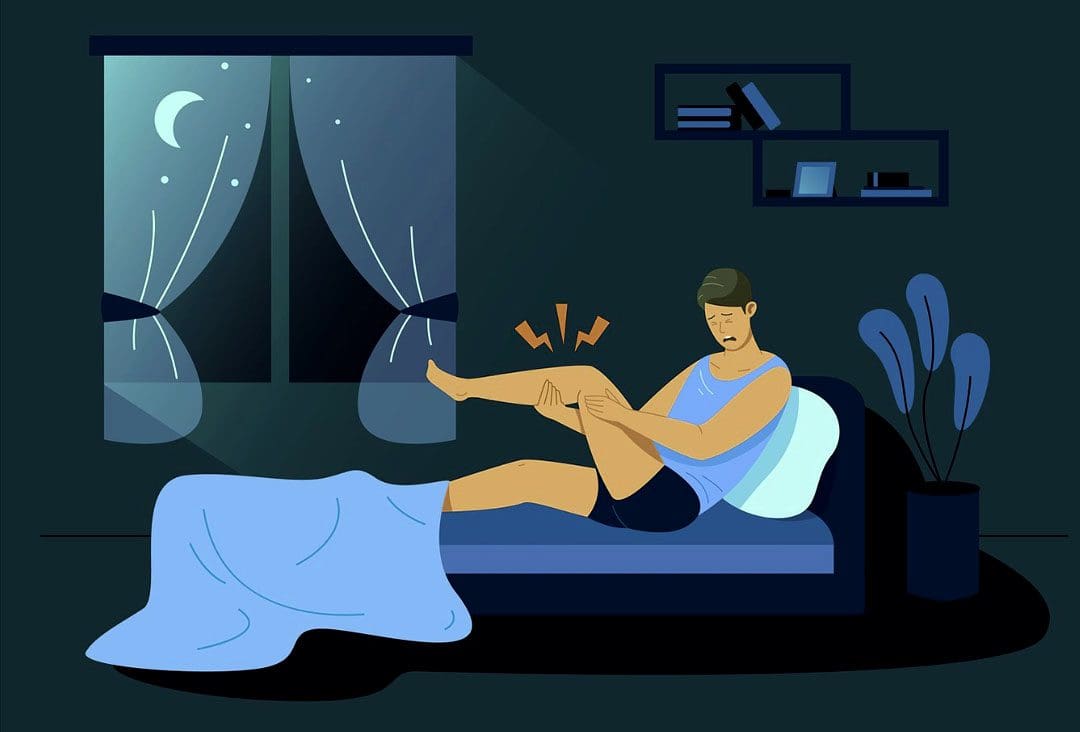
Lying down on the couch or bed when the lower leg seizes with intense sensations and pain that doesn’t stop, and the muscle could be hard to the touch. When trying to move the leg, it feels paralyzed. Nocturnal leg cramps, called muscle spasms or Charley horses, occur when one or more leg muscles tighten involuntarily. Individuals can be awake or asleep when a leg cramp strikes. Chiropractic treatment, decompression, and massage therapies can help relieve symptoms, stretch and relax the muscles, and restore function and health.
Nocturnal Leg Cramps
Nocturnal leg cramps most often affect the gastrocnemius/calf muscle. However, they can also affect the muscles in the front of the thigh/quadriceps and the back of the thigh/hamstrings.
Often, the tight muscle relaxes in less than 10 minutes.
The leg and area can feel sore and tender afterward.
Frequent calf cramps at night can cause sleep problems.
Nocturnal leg cramps are more common among women and older adults.
Causes
There are no known exact cause/s, making most cases idiopathic. However, there are known factors that can increase the risk. These can include:
Prolonged Sitting and Position
Sitting with the legs crossed or the toes pointed for long periods shortens/pulls the calf muscles, which can cause cramping.
Prolonged Standing and Posture
Individuals standing for long periods are likelier to experience nocturnal cramps from the stressed muscles.
Muscle Overexertion
Too much exercise can create an overworked muscle and can contribute to cramps.
Muscles need to be stretched regularly to function correctly.
Lack of physical activity for long periods weakens the muscles, making them more susceptible to injury.
Shortening The Tendons
The tendons, which connect muscles and bones, shorten naturally over time.
Without stretching, this could lead to cramping.
Cramps may be related to foot position when sleeping, with the feet and toes extending away from the body, known as plantar flexion.
This shortens the calf muscles, making them more susceptible to cramping.
Leg cramps at night are unlikely a sign of a more serious medical condition, but they are associated with the following conditions:
Musculoskeletal disorders.
Structural issues – flat feet or spinal stenosis.
Metabolic disorders like diabetes.
Pregnancy.
Medications – statins and diuretics.
Neurological disorders, like motor neuron disease or peripheral neuropathy.
Neurodegenerative disorders.
Liver, kidney, and thyroid conditions.
Cardiovascular conditions.
Chiropractic and Physical Therapy
Rehabilitation with chiropractic, massage, and physical therapy depends on the severity of the injury and condition. A chiropractic treatment plan can include the following:
Calf muscle stretching.
Targeted Stretch Exercises.
Progressive calf stretching exercises – a regular stretching and flexibility program will increase the range of motion and prevent future calf injuries.
Foam rolling – gentle self-massage with a foam roller can help reduce spasms and improve blood circulation.
Percussive massage.
Muscle strengthening exercises will build muscle strength and coordination to prevent future strain injuries.
At-home therapy can include:
Maintain Hydration
Fluids allow for normal muscle function.
Individuals may need to adjust how much fluid is drunk based on weather, age, activity level, and medications.
Change Sleeping Position
Individuals should avoid sleeping in positions in which the feet are pointing downward.
Try sleeping on the back with a pillow behind the knees.
Self Massage
Massaging the affected muscles will help them relax.
Use one or both hands or a massage gun to knead and loosen the muscles gently.
Stretching
Various stretches will maintain the treatment, help keep the muscles relaxed and retrain the muscles.
Stationary Cycle
A few minutes of easy pedaling can help loosen the leg muscles before bed.
Walking on the Heels
This will activate the muscles on the other side of the calf, allowing the calves to relax.
Supportive Footwear
Poor footwear can aggravate issues with the nerves and muscles in the feet and legs.
Orthotics may help.
Heat Application
Heat can soothe tight muscles and increases blood flow to the area.
Apply a hot towel, water bottle, heating pad, or muscle topical cream to the affected area.
A warm bath or shower (if available, shower massage setting) can also help.
Sciatica Secrets Revealed
References
Allen, Richard E, and Karl A Kirby. “Nocturnal leg cramps.” American family physician vol. 86,4 (2012): 350-5.
Butler, J V et al. “Nocturnal leg cramps in older people.” Postgraduate medical journal vol. 78,924 (2002): 596-8. doi:10.1136/pmj.78.924.596
Garrison, Scott R et al. “Magnesium for skeletal muscle cramps.” The Cochrane Database of systematic reviews vol. 2012,9 CD009402. Sep 12, 2012, doi:10.1002/14651858.CD009402.pub2
Giuffre BA, Black AC, Jeanmonod R. Anatomy, Sciatic Nerve. [Updated 2023 May 4]. In: StatPearls [Internet]. Treasure Island (FL): StatPearls Publishing; 2023 Jan-. Available from: https://www.ncbi.nlm.nih.gov/books/NBK482431/
Handa, Junichi, et al. “Nocturnal Leg Cramps and Lumbar Spinal Stenosis: A Cross-Sectional Study in the Community.” International Journal of general medicine vol. 15 7985-7993. Nov 1 2022, doi:10.2147/IJGM.S383425
Hsu D, Chang KV. Gastrocnemius Strain. [Updated 2022 Aug 22]. In: StatPearls [Internet]. Treasure Island (FL): StatPearls Publishing; 2023 Jan-. Available from: https://www.ncbi.nlm.nih.gov/books/NBK534766/
Mayo Clinic Staff. (2019). Night leg cramps. mayoclinic.org/symptoms/night-leg-cramps/basics/causes/sym-20050813
Monderer, Renee S et al. “Nocturnal leg cramps.” Current Neurology and Neuroscience report vol. 10,1 (2010): 53-9. doi:10.1007/s11910-009-0079-5
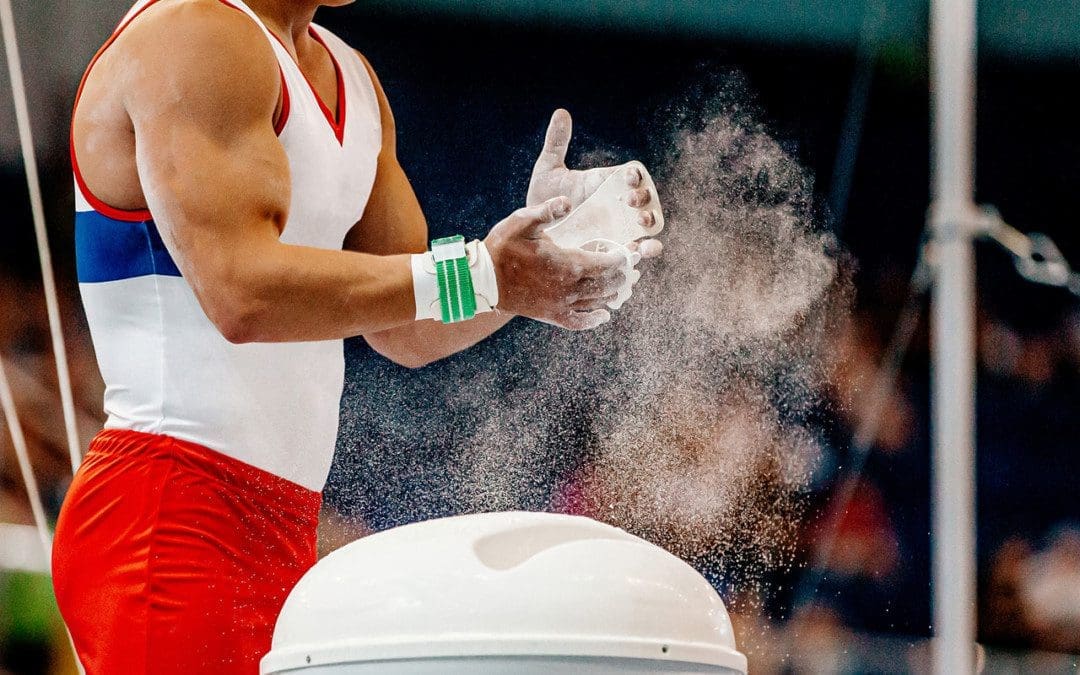
Olympic athletes are so fit they make everything look easy. It is one of the most amazing examples of athletic prowess to behold. Attempting these feats of athleticism could lead to injury without proper training and conditioning. However, you can draw inspiration from these incredible skills and commitment to reach your fitness goals. Individuals can emulate the Olympic athlete’s discipline to get the most out of physical activity and workouts.
Olympic Athlete Discipline
This is not about the literal workout routines these athletes engage in but the mental state and discipline that keeps them motivated, especially when things get tough. This can help individuals get the most out of every workout. When momentum or motivation starts to dwindle, look to Olympic athletes and then apply that discipline to recharge motivation and achieve the goal.
Learn to Train Daily
Many can succumb to weekend warrior syndrome. After sitting on the couch after a long day of work all week, individuals try to make up for the inactivity by overexerting themselves with hours of exercise on the weekend. This is a perfect setup for injury.
Instead, train, work out, exercise, and move around daily. Professional athletes know they won’t get the top results in one shot.
They approach it in incremental steps for a solid foundation and understanding of the final and optimal result.
Daily physical activity and exercise maintain body conditioning, strength, and overall fitness.
And makes the body more efficient at burning fat.
Maintain Goal Focus
Olympic athletes have specific goals in their training. There has to be when competing against the best athletes in the world and winning.
Individual health and fitness goals may be smaller, but they are just as important and should be treated as such for motivation to exercise each day.
Keep goals simple, specific, and reachable/doable when setting them.
SMART goals are Specific, Measurable, Achievable, Realistic, and Time-based.
Use daily reminders of what the goal is and strategies to achieve it.
Utilize Specific Training
Olympic athletes must have incredible endurance, strength, and skill sets to complete their event.
They must incorporate specific training drills, exercises, stretches, nutrition, etc., to improve and advance.
Whatever the goal, make sure the training is appropriate.
If trying to build muscle, focus on heavy strength training and consuming quality calories.
If the goal is to lose weight, break down the goal into achievable steps to get there, like.
What type of workouts are needed?
Consulting a nutritionist for recommendations.
Fuel the Body for Top Performance
Individuals can be concerned about food and whether it contains too much fat or calories.
Olympic athletes worry about getting the right nutrients and calories to fuel their bodies for competition.
Use a similar approach and ask what is the best thing I should eat right now for the workout and…
What foods will maintain optimal body health?
Listen to The Body and Rest
Olympic athletes have to learn to maintain the balance of maintaining top performance and not getting burnt out.
This is when they know to listen to their bodies, extend recovery days, or take a mini-vacation.
Overtraining can lead to injury, frustration, discouragement, and loss of motivation.
Whatever the activity, make sure proper form is followed.
For example, distance runners hold their heads high, have relaxed faces and upper bodies, have a natural arm swing, and do not overstride.
Apply the same form principles to stretches and exercises.
Stronger Body = Better Life
References
Casa, Douglas J et al. “Fluid Needs for Training, Competition, and Recovery in Track-and-Field Athletes.” International Journal of sports nutrition and exercise metabolism vol. 29,2 (2019): 175-180. doi:10.1123/ijsnem.2018-0374
Bailey RR. Goal Setting and Action Planning for Health Behavior Change. Am J Lifestyle Med. 2019;13(6):615-618. doi:10.1177/1559827617729634
Hackett, Daniel, et al. “Olympic weightlifting training improves vertical jump height in sportspeople: a systematic review with meta-analysis.” British Journal of sports medicine vol. 50,14 (2016): 865-72. doi:10.1136/bjsports-2015-094951
Huebner, Marianne, et al. “The Masters’ athlete in Olympic weightlifting: Training, lifestyle, health challenges, and gender differences.” PloS one vol. 15,12 e0243652. 4 Dec. 2020, doi:10.1371/journal.pone.0243652
Swift DL, Johannsen NM, Lavie CJ, Earnest CP, Church TS. The Role of Exercise and Physical Activity in Weight Loss and Maintenance. Prog Cardiovasc Dis. 2014;56(4):441-447. doi:10.1016/j.pcad.2013.09.012
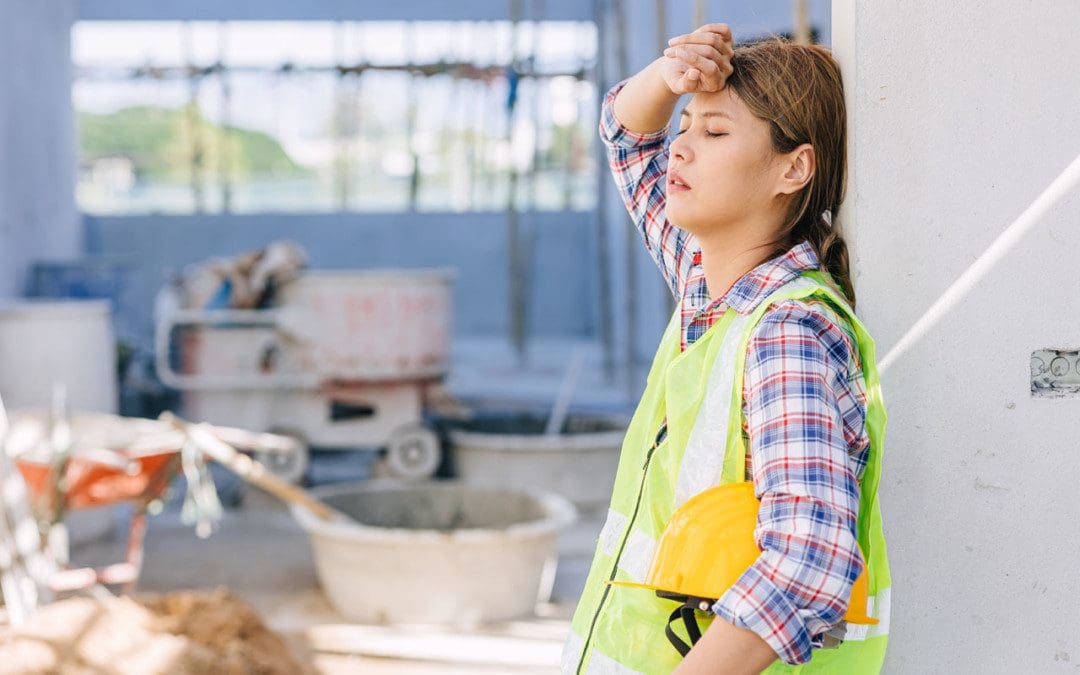
When temperatures are elevated in summer, heat-induced and severe headaches like migraines are common during the hot months. However, a migraine caused by heat is not the same as a headache caused by heat, as the two have different symptoms. What they have in common is that they’re both triggered by the way hot weather affects the body. Understanding the causes and the warning signs of a heat headache can help prevent and treat potentially dangerous heat-related conditions. Injury Medical Chiropractic and Functional Medicine Clinic use various techniques and therapies customized to the individual to relieve pain and improve function.
Heat-Induced Headaches
Headaches and migraines are common, affecting 20 percent of women and nearly 10 percent of men. An increase in frequency can be caused by
Dehydration.
Environmental factors.
Heat exhaustion.
Heat stroke.
A heat-induced headache can feel like a dull pulsing ache around the temples or in the back of the head. Depending on the cause, a heat-induced headache may escalate to a more intensely felt internal pain.
Causes
A heat-induced headache may not be caused by the hot weather but by how the body responds to heat. Weather-related triggers of headaches and migraine include:
Hormonal fluctuations are common migraine triggers that can also cause headaches.
Dehydration – can trigger both headaches and migraine.
When exposed to higher temperatures, the body needs more water to compensate for the lost water as it uses and sweats it out. Prolonged exposure to high temperatures puts the body at risk for heat exhaustion, one of the stages of heat stroke, with headaches as a symptom of heat exhaustion. Any time the body is exposed to high temperatures or spends a long time outside in the hot sun, and a headache occurs afterward, a heat stroke is possible.
Heat Headache Symptoms
Symptoms of a heat-induced headache can vary according to the situation. If the headache is triggered by heat exhaustion, the body will have heat exhaustion symptoms and head pain. Heat exhaustion symptoms include:
Dizziness.
Muscle cramps or tightness.
Nausea.
Fainting.
An extreme thirst that does not go away.
If the headache or migraine is related to heat exposure but not connected to heat exhaustion, the symptoms may include the following:
A throbbing, dull sensation in the head.
Dehydration.
Fatigue.
Sensitivity to light.
Relief
Individuals can be proactive about prevention.
If possible, limit time outside, protect the eyes with sunglasses, and wear a hat with a brim when staying outdoors.
Exercise indoors in an air-conditioned environment if able.
Increase water consumption as temperatures rise, and utilize healthy sports drinks to replenish electrolytes.
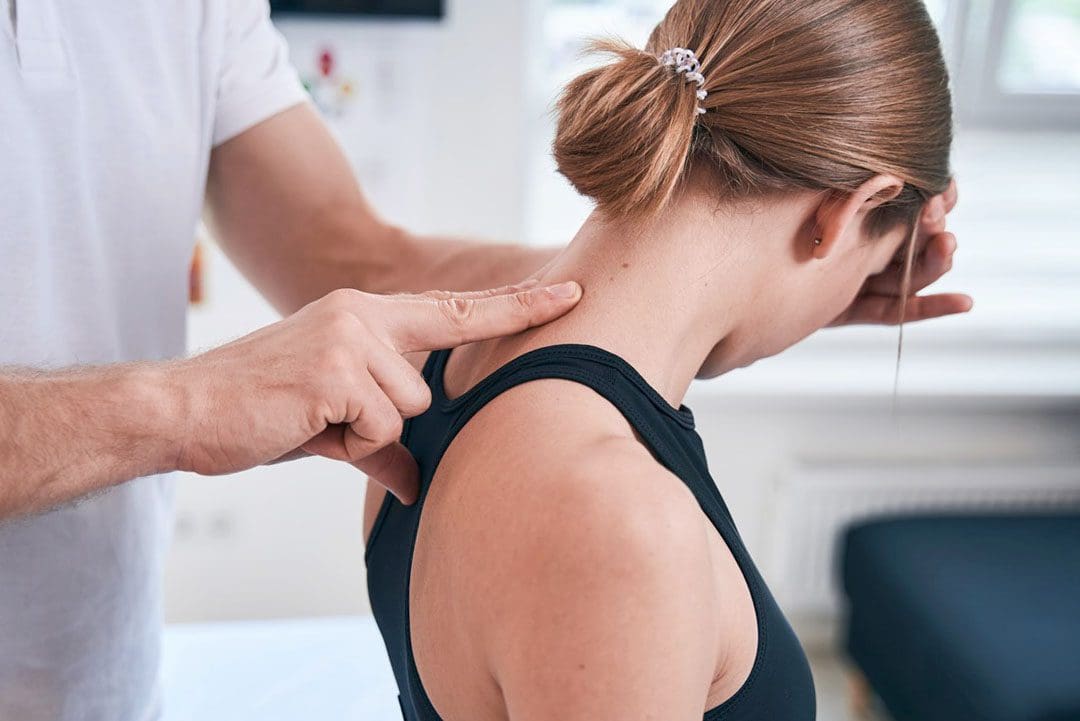
Craniocervical mobilization involves gentle chiropractic pressure on the neck to adjust the joints.
Spinal manipulation involves applying more force and pressure at certain points along the spine.
Neuromuscular massage includes kneading joints and muscles and relieves pain by releasing pressure from compressed nerves.
Myofascial release massage is aimed at the tissues that connect and support muscles and focuses on trigger points in the back and neck or head to relax muscles and improve blood circulation.
Trigger point therapies target tense areas to help relax muscles while improving blood flow and relieving stress.
Traction therapy.
Decompression therapy.
Exercises designed specifically to reduce pain.
From Inflammation to Healing
References
Bryans, Roland, et al. “Evidence-based guidelines for the chiropractic treatment of adults with headache.” Journal of Manipulative and physiological therapeutics vol. 34,5 (2011): 274-89. doi:10.1016/j.jmpt.2011.04.008
Demont, Anthony, et al. “Efficacy of physiotherapy interventions for the management of adults with cervicogenic headache: A systematic review and meta-analyses.” PM & R: the journal of Injury, Function, and Rehabilitation vol. 15,5 (2023): 613-628. doi:10.1002/pmrj.12856
Di Lorenzo, C et al. “Heat stress disorders and headache: a case of new daily persistent headache secondary to heat stroke.” BMJ case reports vol. 2009 (2009): bcr08.2008.0700. doi:10.1136/bcr.08.2008.0700
Fernández-de-Las-Peñas, César, and María L Cuadrado. “Physical therapy for headaches.” Cephalalgia: an international journal of Headache vol. 36,12 (2016): 1134-1142. doi:10.1177/0333102415596445
Swanson JW. (2018). Migraines: Are they triggered by weather changes? mayoclinic.org/diseases-conditions/migraine-headache/expert-answers/migraine-headache/faq-20058505
Victoria Espí-López, Gemma, et al. “Effectiveness of Physical Therapy in Patients with Tension-type Headache: Literature Review.” Journal of the Japanese Physical Therapy Association = Rigaku ryoho vol. 17,1 (2014): 31-38. doi:10.1298/jjpta.Vol17_005
Whalen, John, et al. “A Short Review of the Treatment of Headaches Using Osteopathic Manipulative Treatment.” Current pain and headache reports vol. 22,12 82. 5 Oct. 2018, doi:10.1007/s11916-018-0736-y
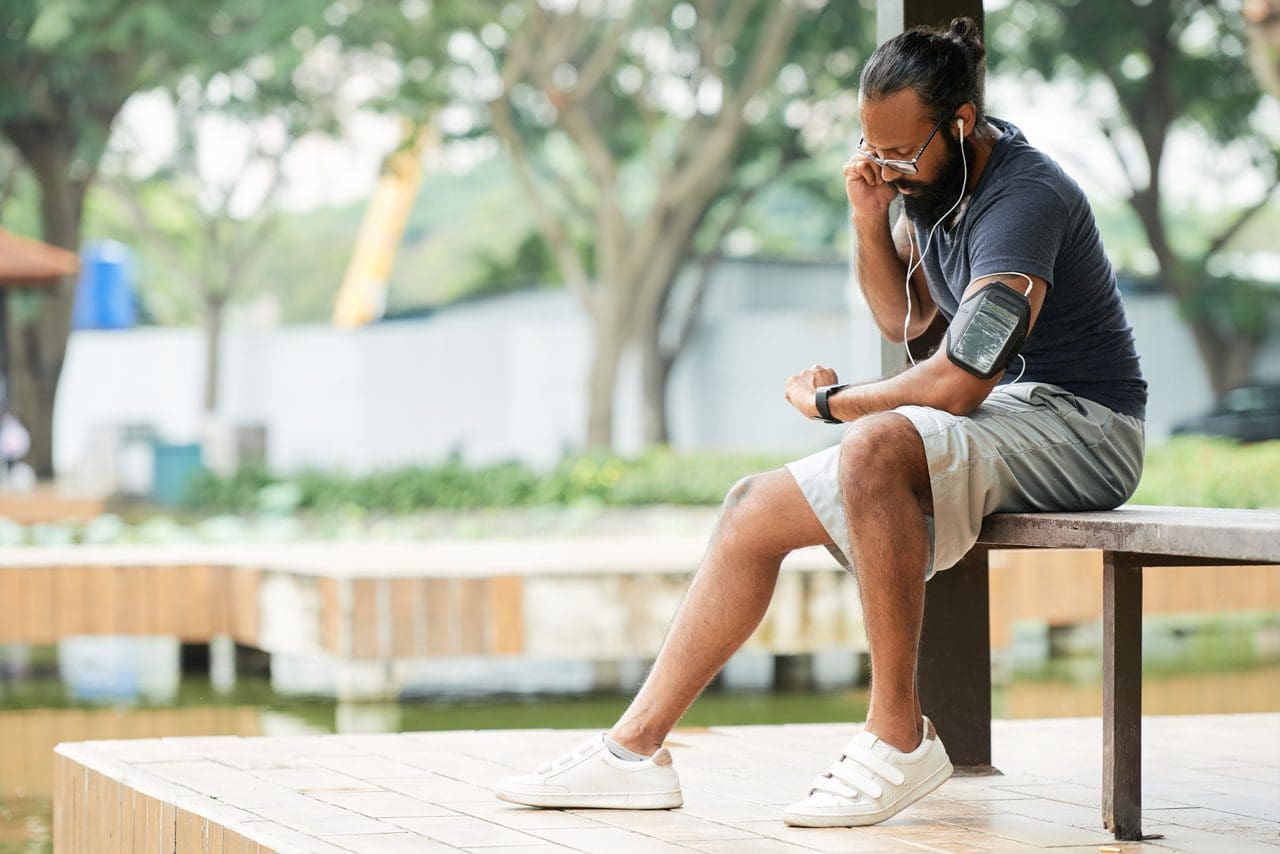
Regular exercise and physical activity help with cardiovascular health, improved mood, better management of chronic conditions, and can help digestion. For individuals with any GI distress or inflammatory bowel disease that has caused digestive enzyme deficiencies, exercise, and physical movement have been found to provide digestive aid. Here we look at activities to help digestion.
Exercises To Help Digestion
When exercising the body, the cardiac output/volume of blood the heart pumps every minute increases as the demand for oxygenated blood throughout the body increases, particularly in the working muscles. During exercise, the same increase in blood circulation happens within the digestive system’s muscle groups. The blood flow to digestive organs causes peristalsis, which is involuntary constriction and relaxation of the muscles in the digestive tract. This process helps move food efficiently through the gastrointestinal tract. Exercise supports the growth of beneficial gut bacteria to maintain a healthy digestive system.
Exercise helps relieves stress which means lower amounts of cortisol.
Research has found that elevated cortisol levels are associated with compromised digestive function.
Tai chi has been shown to improve immune function and inflammation of the gut and is a helpful tool for maintaining homeostasis/gut balance.
This is a form of moderate-intensity exercise and meditative practice.
The emphasis is on slow controlled movements and deep breathing.
This makes it recommended for individuals looking to improve digestion and those with gastrointestinal conditions.
Pilates
Pilates is the practice that targets abdominal muscles and utilizes diaphragmatic breathing to help individuals perform a series of movements to strengthen and elongate the body’s muscles.
Individuals who perform this exercise often report relief from bloating and gas.
Whether new to exercise or returning, a plan can help you get there. Meeting with a fitness trainer or sports chiropractor is a great place to begin if you have limited knowledge about what works best for your body and schedule.
A certified trainer can help guide you toward an achievable program that focuses on gut health.
Individuals with a GI disorder should talk with their doctors before starting a new exercise plan.
This does not mean you can’t do intense exercises like running; you’ll want to work with a doctor to set up a program that doesn’t cause flare-ups.
Aim for roughly three hours of moderate-intensity weekly exercise to support a healthy digestive system.
Sit less and move more.
Do at least two or more muscle-strengthening activities of moderate intensity every week.
Cherpak, Christine E. “Mindful Eating: A Review Of How The Stress-Digestion-Mindfulness Triad May Modulate And Improve Gastrointestinal And Digestive Function.” Integrative medicine (Encinitas, Calif.) vol. 18,4 (2019): 48-53.
Drouin, Jacqueline S et al. “Comparisons between Manual Lymph Drainage, Abdominal Massage, and Electrical Stimulation on Functional Constipation Outcomes: A Randomized, Controlled Trial.” International Journal of environmental research and public health vol. 17,11 3924. June 1. 2020, doi:10.3390/ijerph17113924
Hamasaki, Hidetaka. “Exercise and gut microbiota: clinical implications for the feasibility of Tai Chi.” Journal of integrative medicine vol. 15,4 (2017): 270-281. doi:10.1016/S2095-4964(17)60342-X
Joyner, Michael J, and Darren P Casey. “Regulation of increased blood flow (hyperemia) to muscles during exercise: a hierarchy of competing physiological needs.” Physiological Reviews vol. 95,2 (2015): 549-601. doi:10.1152/physrev.00035.2013
LeBouef T, Yaker Z, Whited L. Physiology, Autonomic Nervous System. [Updated 2023 May 1]. In: StatPearls [Internet]. Treasure Island (FL): StatPearls Publishing; 2023 Jan-. Available from: https://www.ncbi.nlm.nih.gov/books/NBK538516/
Singhal, Rashi, and Yatrik M Shah. “Oxygen battle in the gut: Hypoxia and hypoxia-inducible factors in metabolic and inflammatory responses in the intestine.” The Journal of biological chemistry vol. 295,30 (2020): 10493-10505. doi:10.1074/jbc.REV120.011188
van Wijck, Kim, et al. “Physiology and pathophysiology of splanchnic hypoperfusion and intestinal injury during exercise: strategies for evaluation and prevention.” American Journal of Physiology. Gastrointestinal and liver physiology vol. 303,2 (2012): G155-68. doi:10.1152/ajpgi.00066.2012
IFM's Find A Practitioner tool is the largest referral network in Functional Medicine, created to help patients locate Functional Medicine practitioners anywhere in the world. IFM Certified Practitioners are listed first in the search results, given their extensive education in Functional Medicine