With the summer heatwave blasting through, some individuals can experience digestive health problems. The relationship between the temperature outside and the temperature in the body translates to the digestive system. As the heat rises, it can make the digestive system slow down and become weakened feeling bloated, nauseated, and tired. The body’s balance may feel off because the body lowers its internal temperature to protect itself. Individuals must be careful not to overload themselves with the wrong foods. One way to avoid problems and maintain digestion working smoothly is to eat lighter, eat smaller portions for each meal, and eat easily digestible foods. Doing this will allow the body will feel cooler, and maintain alertness and energy throughout the hot day.
The objective is not to skip meals but to eat regular meals, just smaller and easily digestible ones. Foods low in fiber tend to be easy to digest and can help the body feel better.
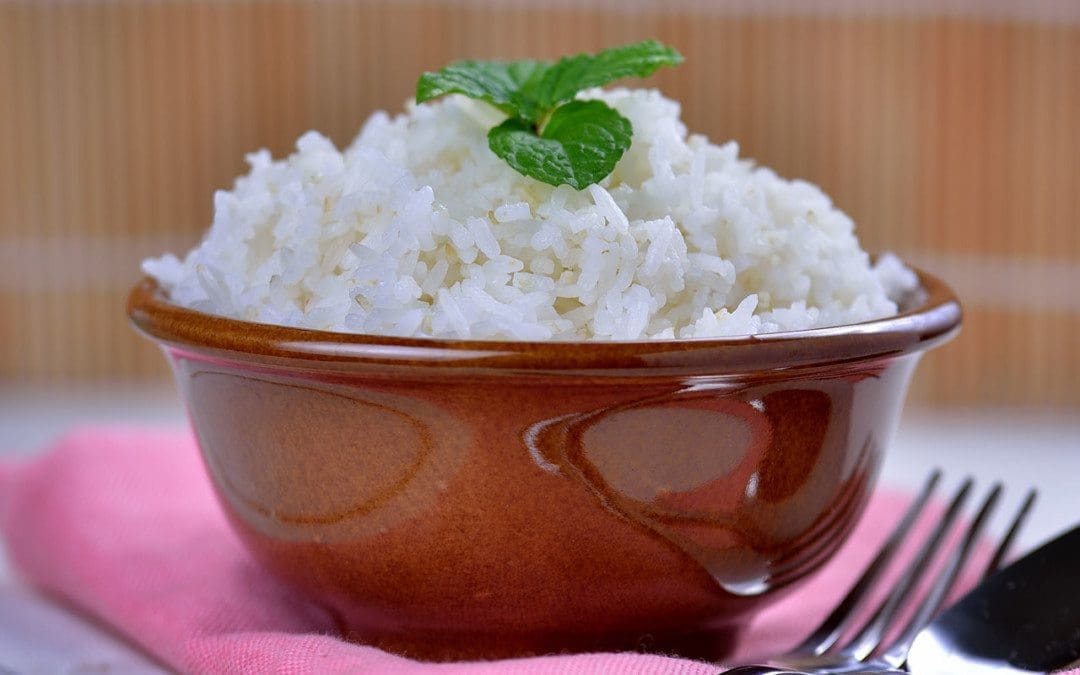
White Rice
White rice is low in fat and fiber, making it easy on the stomach and easy to digest.
It is not associated with any gastrointestinal issues and is considered a safe starch because it is an easy source of carbohydrates that provides instant energy.
To digest rice even more easily, eat it by itself or pair it with foods low in fat.
Certain foods that are high in fat, like vegetable oils, can take longer to digest and could cause discomfort.
A 1/2 cup of cooked white rice:
210 calories
4g protein
0g fat
49g carbohydrates
1g fiber
Bananas
Ripe bananas are an easily digestible fruit that only contains a moderate amount of fiber.
They are associated with improvements in both constipation and diarrhea,
Individuals with a variety of digestive issues may experience relief when incorporating bananas into their diets.
Cooking bananas makes them even easier to digest as it makes certain nutrients easier to absorb.
Make sure the bananas are ripe enough.
Unripe bananas can be more difficult to digest.
1 medium raw/ripe banana:
105 calories
1.3g protein
0.4g fat
27g carbohydrates
3g fiber
Applesauce
Although made from apples, applesauce is low in fiber and a great source of vitamin C.
Cooked, canned, or processed fruits tend to be lower in fiber and easier to digest.
Applesauce is recommended to calm a variety of stomach-related ailments like constipation, diarrhea, and gastroparesis.
A 4-ounce serving of applesauce:
90 calories
0g protein
0g fat
22g carbohydrates
2g fiber
White Bread
Plain white bread is low in fiber and easier to digest than bread made with whole-grain wheat bread.
It is often fortified with nutrients including folic acid, B vitamins, vitamin D3, and more.
Try plain toast for breakfast
Use low-fat fillings for an easily digestible sandwich for lunch or dinner.
2 slices of plain white bread:
150 calories
4g protein
28g carbohydrates
2g fat
1g fiber
Chicken and Turkey
Lean proteins low in fat like chicken breast and turkey are easy to digest.
Individuals experiencing digestive problems are recommended to consume lean protein over fattier red meats.
A 3-ounce serving of skinless, boneless chicken breast:
128 calories
26g protein
2.7g fat
0g carbohydrates
0g fiber
Sweet Potatoes
Cooked potatoes of all varieties are examples of easily digestible foods.
Sweet potatoes are gentle on the digestive tract because they are mostly insoluble fiber, which speeds up digestion and increases regularity.
To make potatoes easier to digest, remove the skins and mash the inside.
Removing the skins decreases the fiber content, and mashing them makes digestion easier.
1 medium sweet potato that is cooked and peeled:
135 calories
3g protein
0.2g fat
31g carbohydrates
5g fiber
Other recommendations that could help stimulate digestion include drinking more water, getting more sleep, reducing stress levels, and exercising.
The Healing Diet
References
Howard, Sally, and Geetanjali Krishna. “How hot weather kills: the rising public health dangers of extreme heat.” BMJ (Clinical research ed.) vol. 378 o1741. 14 Jul. 2022, doi:10.1136/bmj.o1741
Kong, Fanbin, et al. “Physical changes in white and brown rice during simulated gastric digestion.” Journal of food science vol. 76,6 (2011): E450-7. doi:10.1111/j.1750-3841.2011.02271.x
Nguyen, Hoang Chinh et al. “Bioactive Compounds, Antioxidants, and Health Benefits of Sweet Potato Leaves.” Molecules (Basel, Switzerland) vol. 26,7 1820. 24 Mar. 2021, doi:10.3390/molecules26071820
Remes-Troche, José María. “Too hot” or “too cold”: effects of meal temperature on gastric function.” Digestive diseases and sciences vol. 58,9 (2013): 2439-40. doi:10.1007/s10620-013-2789-4
Salfi, Salvatore F, and Karyn Holt. “The role of probiotics in diarrheal management.” Holistic nursing practice vol. 26,3 (2012): 142-9. doi:10.1097/HNP.0b013e31824ef5a3
Singh, Balwinder, et al. “Bioactive compounds in banana and their associated health benefits – A review.” Food Chemistry vol. 206 (2016): 1-11. doi:10.1016/j.foodchem.2016.03.033
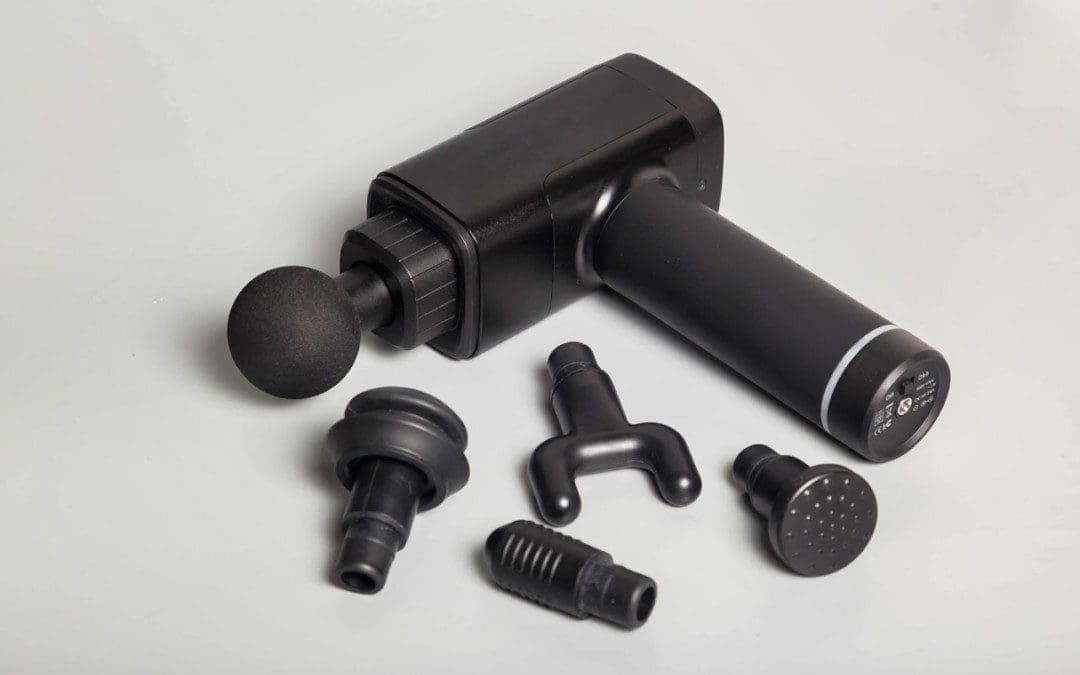
Massage guns can help relieve aching muscles and prevent soreness when used before and after physical activity, work, school, and exercise. They provide massage therapy benefits by targeting muscles with rapid burst pulses. Massage guns can be percussive or vibration-based. Percussive therapy helps increase blood flow to a targeted area, which reduces inflammation and muscle tension, and breaks up knots/trigger points that may have formed in the tissues from added stress or intense physical activity. One of the benefits is that they come with interchangeable massage gun head attachments that target different muscle groups and provide different types of massage. There are many types of interchangeable massage heads, we go over the most common to give a general idea of how they work. If experiencing joint pain, injury, acute muscle pain, or other musculoskeletal disorders, make sure to get clearance from a doctor before using a massage gun.
Massage Gun Head Attachments
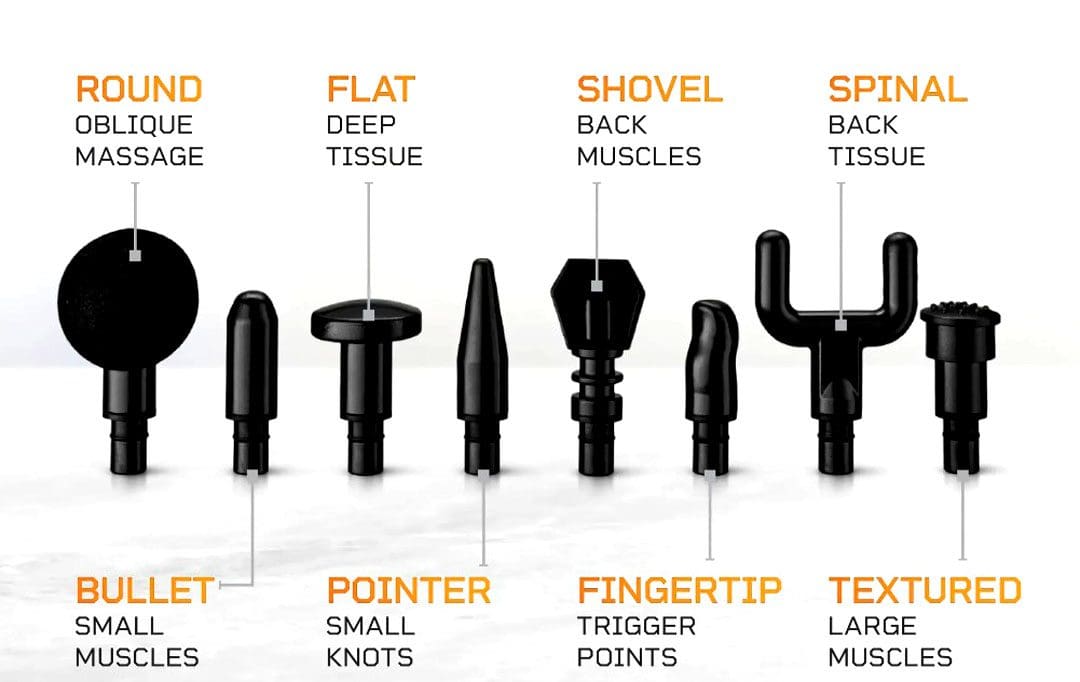
The variations of attachments/heads are designed and shaped differently to effectively apply the right amount of pressure to rejuvenate the body’s pressure points, soothe tissues, and release tight and sore muscles. The different heads are designed with a distinctive purpose based on the muscle groups targeted. This maximizes effectiveness and ensures maximum comfort and safety.
Ball Head
The ball attachment is for overall muscle recovery.
It provides a broad surface area and mimics the hands of a skilled massage therapist, delivering a soothing kneading sensation.
Made of durable material, the ball massage head can reach deep into the muscles.
Its round shape makes it more flexible to use anywhere, especially the large muscle groups like the quads and glutes.
U/Fork Shaped Head
A plastic, dual-pronged head also known as a fork head.
The attachment provides relief to areas like the shoulders, spine, neck, calves, and Achilles tendon.
Bullet Head
The plastic head is named as such because of its pointed shape.
This is recommended for tightness and discomfort in the joints, deep tissues, trigger points, and/or small muscle areas like the feet and wrist.
Flat Head
The multipurpose flat head is for full-body general massage.
It helps relieve stiffness and pain for total body muscle relaxation, including muscle groups closer to bone joints.
Shovel-Shaped Head
The shovel-shaped head is for the abdominal muscles and lower back.
The attachment provides stimulation to release stiff muscles.
Using The Right Head
Which head to use depends on the individual’s specific needs and preferences. Consider the following factors when selecting a massage gun head:
Targeted Areas
Identify the body areas requiring the most attention.
If muscle tightness or soreness is occurring in larger muscle groups, like the back or legs, the ball attachment is recommended.
For more precise areas like trigger points, the bullet head is recommended.
Heads can be used in conjunction – for example, a large surface area head is used to relax and loosen and relax a general area, then a more precise head is used to focus the massage on the actual tight spot or trigger point.
Massage Intensity
Massage intensity levels can be varied from a light massage to full force.
For a softer touch on sensitive muscles, flat head or forkhead attachments are recommended.
For deep muscle penetration and consistent pressure, the bullet head or shovel head attachments are recommended.
Specific Conditions
Consider any specific conditions or injuries previous and current.
For individuals recovering from an injury or with sensitive areas, it’s important to choose a massage gun head that provides the necessary relief without causing discomfort or worsening an injury.
Try Out Different Heads and Settings
Experiment with different massage head attachments and speeds to find the one that works best for the intended purpose.
Explore each to discover personal preferences.
Start with the lowest setting and gradually increase, based on comfort level.
Always consult with a qualified healthcare provider regarding any medical concerns before using a massage gun.
Choosing The Right Massage Head Attachment
References
Bergh, Anna, et al. “A Systematic Review of Complementary and Alternative Veterinary Medicine in Sport and Companion Animals: Soft Tissue Mobilization.” Animals: an open access journal from MDPI vol. 12,11 1440. 2 Jun. 2022, doi:10.3390/ani12111440
Imtiyaz, Shagufta, et al. “To Compare the Effect of Vibration Therapy and Massage in Prevention of Delayed Onset Muscle Soreness (DOMS).” Journal of Clinical and diagnostic research: JCDR vol. 8,1 (2014): 133-6. doi:10.7860/JCDR/2014/7294.3971
Konrad, Andreas, et al. “The Acute Effects of a Percussive Massage Treatment with a Hypervolt Device on Plantar Flexor Muscles’ Range of Motion and Performance.” Journal of sports science & medicine vol. 19,4 690-694. 19 Nov. 2020
Leabeater, Alana et al. “Under the Gun: The effect of percussive massage therapy on physical and perceptual recovery in active adults.” Journal of athletic training, 10.4085/1062-6050-0041.23. 26 May. 2023, doi:10.4085/1062-6050-0041.23
Lupowitz, Lewis. “Vibration Therapy – A Clinical Commentary.” International journal of sports physical therapy vol. 17,6 984-987. 1 Aug. 2022, doi:10.26603/001c.36964
Yin, Yikun, et al. “The effect of vibration training on delayed muscle soreness: A meta-analysis.” Medicine vol. 101,42 (2022): e31259. doi:10.1097/MD.0000000000031259
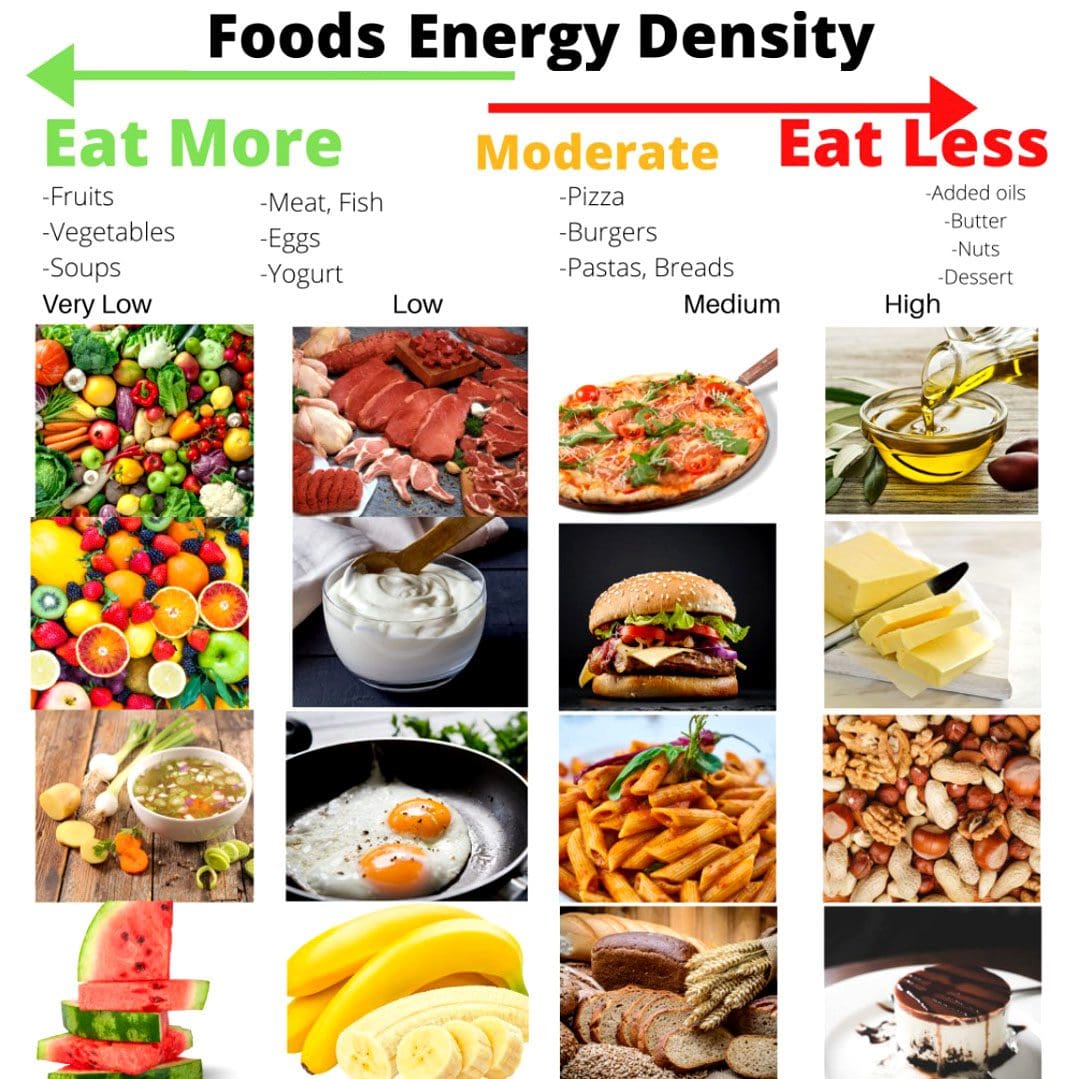
The brain and body need macronutrients that include carbohydrates, fats, and protein in the right amounts to energize the body. About half of the calories should come from carbohydrates, 30% from fat, and 20% from protein. Food energy density is the amount of energy, represented by the number of calories, in a specific weight measurement.
Food Energy Density
Energy density is determined by the proportion of macronutrients – protein, fat, carbohydrates, fiber, and water.
Energy-dense foods are high in calories per serving.
Foods with large amounts of fiber and water have a lower density.
Foods high in fat have an increased energy density.
An example of a high-energy-density food is a donut because of the high-calorie count from the sugar, fat, and small serving size.
An example of a low-energy-density food is spinach because it only has a few calories in a whole plate of raw spinach leaves.
Energy Dense Foods
Energy-dense foods contain a high number of calories/energy per gram. They are typically higher in fat and lower in water. Examples of energy-dense foods include:
Full-fat dairy
Butter
Cheese
Nut butter
Fatty cuts of meat
Starchy vegetables
Thick sauces
Nuts
Seeds
Less nutrient-dense foods include:
Sweets
Deep-fried foods
French fries
Pasta
Crackers
Chips
Foods like soups and beverages can be either high or low energy density depending on the ingredients. Broth-based soups with vegetables usually have low density while creamed soups are energy-dense. Non-fat milk is less dense than regular milk, and diet soda is less dense than regular soda.
Low Energy Dense Foods
Foods with low energy density include high-fiber green and colorful vegetables.
Foods with low energy density are often nutrient-dense, which means they have plenty of nutrients per serving size.
Many fruits, berries, and vegetables are low in calories, high in fiber, and packed with vitamins and minerals.
Foods high in water content like citrus fruits and melons are usually less energy-dense.
Low-calorie foods often have a low energy density, but not always.
It’s important to read nutrition labels to know how many calories are being provided daily.
Weight Management
Weight management is about watching how many calories are taken in and how many calories are burned.
Filling up on foods with low energy density will cause the body to feel satisfied while eating fewer high-density calories.
Plan all meals so they include foods with a low energy density and high in nutrients.
However, the opposite can happen if individuals eat mostly low-energy-dense foods, will need a larger volume of food to fill up, and as a result, will take in more calories.
This is not ideal for losing weight, but it could be helpful if trying to gain weight.
High-energy-dense foods that are nutritious include avocados, nuts, and seeds.
Adjustment Recommendations
Add More Fruits and Vegetables To The Plate
At least half of a plate should be covered with low-calorie fruits and vegetables.
Berries are sweet and delicious and provide antioxidants
Leave a quarter of the plate for the protein, and the remaining quarter can hold a serving of starchy foods like pasta, potatoes, or rice.
Eating more fruits and vegetables will partially fill the body leading to eating less high-energy-dense foods.
Picky eaters should try various recipes, sooner or later, they will discover something they enjoy.
Start With Salad or a Bowl of Clear Broth Soup
Soups and salads will fill the body before the main energy-dense course like pasta, pizza, or another high-calorie food.
Avoid heavy cream-based salad dressings and creamed soups.
Water has zero calories and drinking a few glasses can help suppress the hunger until the next meal, or a low-density snack.
Fernandez, Melissa Anne, and André Marette. “Potential Health Benefits of Combining Yogurt and Fruits Based on Their Probiotic and Prebiotic Properties.” Advances in nutrition (Bethesda, Md.) vol. 8,1 155S-164S. 17 Jan. 2017, doi:10.3945/an.115.011114
Horgan, Graham W et al. “Effect of different food groups on energy intake within and between individuals.” European Journal of Nutrition vol. 61,7 (2022): 3559-3570. doi:10.1007/s00394-022-02903-1
Hubbard, Gary P et al. “A systematic review of compliance to oral nutritional supplements.” Clinical nutrition (Edinburgh, Scotland) vol. 31,3 (2012): 293-312. doi:10.1016/j.clnu.2011.11.020
Prentice, A M. “Manipulation of dietary fat and energy density and subsequent effects on substrate flux and food intake.” The American Journal of clinical nutrition vol. 67,3 Suppl (1998): 535S-541S. doi:10.1093/ajcn/67.3.535S
Slesser, M. “Energy and food.” Basic life sciences vol. 7 (1976): 171-8. doi:10.1007/978-1-4684-2883-4_15
Specter, S E et al. “Reducing ice cream energy density does not condition decreased acceptance or engender compensation following repeated exposure.” European Journal of clinical nutrition vol. 52,10 (1998): 703-10. doi:10.1038/sj.ejcn.1600627
Westerterp-Plantenga, M S. “Effects of the energy density of daily food intake on long-term energy intake.” Physiology & behavior vol. 81,5 (2004): 765-71. doi:10.1016/j.physbeh.2004.04.030
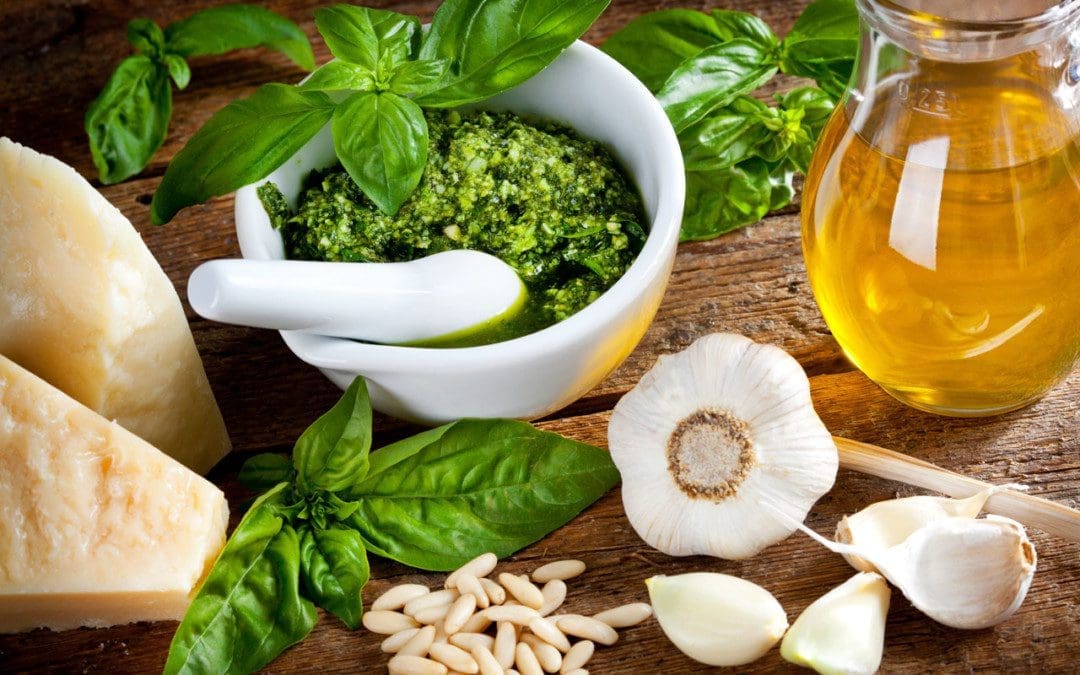
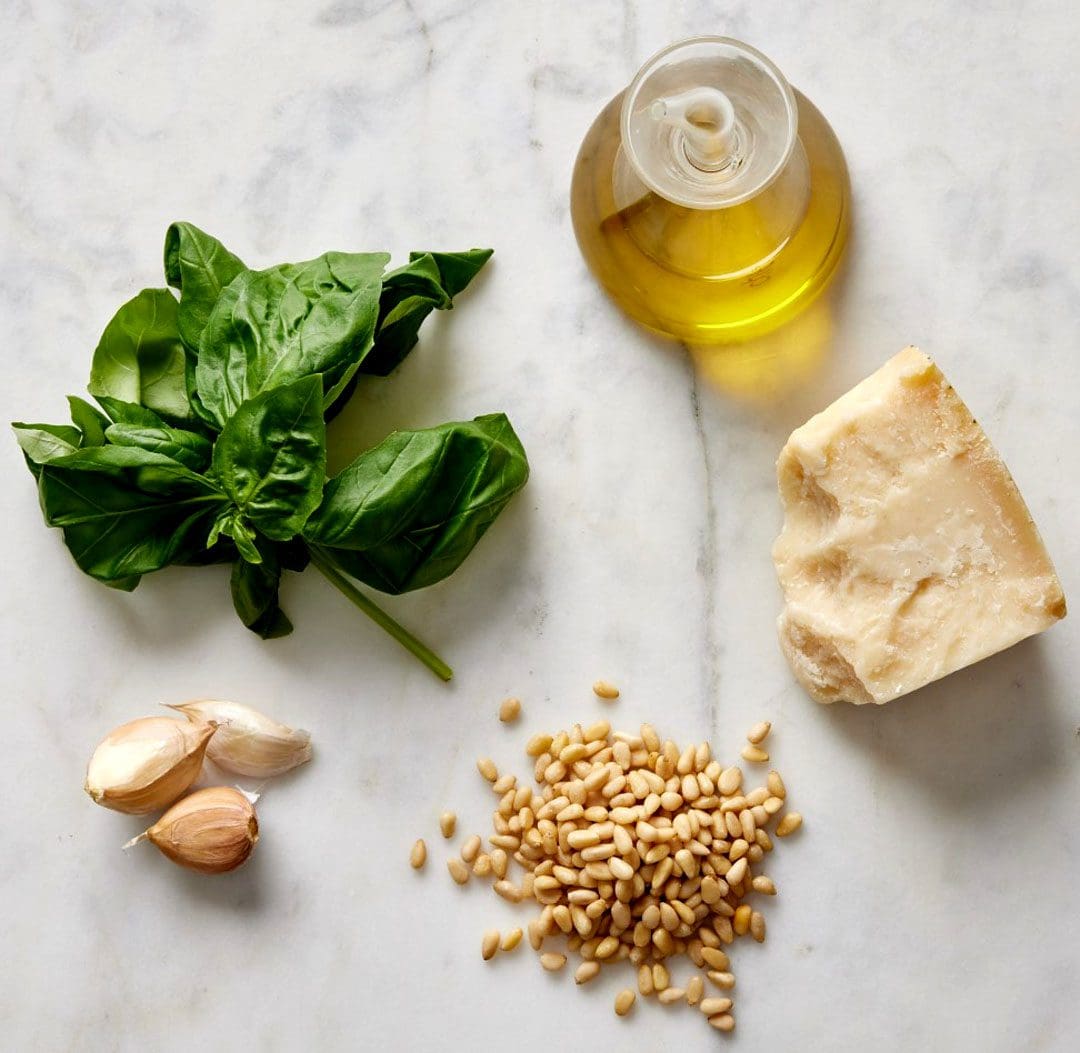
Pesto is a sauce that is made with garlic, pine nuts, basil, cheese, and olive oil, which creates a strong, rich flavor. It is used as a marinade, dip, salad dressing, sandwich spread, and a topping for dishes like pasta and pizza. It can be homemade or bought premade, including vegan varieties. It is made with nutritious ingredients and can be consumed as part of a balanced diet. The sauces can vary in nutrition, but in general, it is a rich source of healthy fats and is also part of the Mediterranean Diet.
Pesto
Carbohydrates
The sauce is not a significant source of complex carbohydrates, dietary fiber, or sugar.
A spoonful contains under 1 gram of carbohydrates.
It is often paired with foods rich in carbohydrates, like sandwiches, pizza, and pasta.
Fats
Nearly 60% of the calories in pesto come from fats, provided by the olive oil, cheese, and pine nuts.
There are 9.47 grams of fats per spoonful, which includes:
5.63 grams of monounsaturated fatty acids.
1.53 grams of saturated fatty acids.
1.68 grams of polyunsaturated fatty acids.
It also contains 2.56mg of cholesterol.
According to U.S. Dietary Guidelines for Americans, 20% to 35% of daily calories should come from fat.
Protein
The sauce is not a protein-rich food with only 1.38 grams of protein per tablespoon.
It is often used as a condiment, it can add flavor to other foods higher in protein.
Vitamins and Minerals
Pesto contains:
33.1mg of calcium.
36.8mg of phosphorus.
31.8mg of potassium.
9.76mg of magnesium.
Health Benefits
Some of the potential health benefits of pesto.
Antioxidant Properties
Garlic, pine nuts, olive oil, and basil are rich sources of antioxidants.
Antioxidants have an essential role in defending the body against free radical damage, which can lead to disease.
Diets high in antioxidants reduce the risk of various diseases, like heart disease and cancer.
Consuming antioxidant-rich foods like pesto on a regular basis can increase antioxidant levels.
Cardiovascular Benefits
Olive oil health benefits include the reduced risk of heart disease.
Substituting other high-fat foods like margarine, butter, and mayonnaise with olive oil can help lower the risk of heart disease and stroke.
Help Lower Cholesterol
Four different types of fats – saturated, trans, monounsaturated, and polyunsaturated fats.
Saturated fats can raise LDL/unhealthy cholesterol levels.
Foods rich in monounsaturated and polyunsaturated fats like pesto can help lower LDL cholesterol levels in the blood and support HDL/healthy cholesterol levels.
Weight Management
Pesto is commonly consumed on the Mediterranean diet and can be part of a nutritious lifestyle that supports a healthy weight.
Research has shown that following a Mediterranean diet can lead to and maintain long-term changes in weight management.
Store-bought pesto can contain a large amount of sodium.
Individuals following a low-sodium diet or taking heart medications should check with their doctor before consuming these products.
To control the amount of sodium, consider making a homemade recipe that uses less salt and aligns with individual dietary preferences.
Basil is the main ingredient but some varieties are made with other herbs.
Pesto traditionally contains parmesan cheese/milk products and pine nuts/tree nuts which are common food allergens.
The sauce is a vegetarian-friendly sauce, but vegans can look for cheese and dairy-free versions.
It is possible that an allergic reaction can occur in individuals allergic to dairy products and nuts.
Individuals allergic to nuts can choose nut-free varieties.
From Consultation to Transformation
References
Agnoli C, Sieri S, Ricceri F, et al. Adherence to a Mediterranean diet and long-term changes in weight and waist circumference in the EPIC-Italy cohort. Nutr Diabetes. 2018;8(1):22. doi:10.1038/s41387-018-0023-3
Bolling, Bradley W et al. “Tree nut phytochemicals: composition, antioxidant capacity, bioactivity, impact factors. A systematic review of almonds, Brazils, cashews, hazelnuts, macadamias, pecans, pine nuts, pistachios, and walnuts.” Nutrition research reviews vol. 24,2 (2011): 244-75. doi:10.1017/S095442241100014X
Bower, Allyson, et al. “The Health Benefits of Selected Culinary Herbs and Spices Found in the Traditional Mediterranean Diet.” Critical Reviews in food science and nutrition vol. 56,16 (2016): 2728-46. doi:10.1080/10408398.2013.805713
Guasch-Ferré M, Liu G, Li Y, et al. Olive oil consumption and cardiovascular risk in U.S. adults. J Am Coll Cardiol. 2020;75(15):1729-1739. doi:10.1016/j.jacc.2020.02.036
Liu, Qing, et al. “Antibacterial and Antifungal Activities of Spices.” International journal of molecular sciences vol. 18,6 1283. 16 Jun. 2017, doi:10.3390/ijms18061283
Marcelino, Gabriela et al. “Effects of Olive Oil and Its Minor Components on Cardiovascular Diseases, Inflammation, and Gut Microbiota.” Nutrients vol. 11,8 1826. 7 Aug. 2019, doi:10.3390/nu11081826
Nicastro, Holly L, et al. “Garlic and onions: their cancer prevention properties.” Cancer prevention research (Philadelphia, Pa.) vol. 8,3 (2015): 181-9. doi:10.1158/1940-6207.CAPR-14-0172
Sestili, Piero, et al. “The potential effects of Ocimum basilicum on health: a review of pharmacological and toxicological studies.” Expert opinion on drug metabolism & toxicology vol. 14,7 (2018): 679-692. doi:10.1080/17425255.2018.1484450
Sun, Liangzi, et al. “Tryptophan targeted pulsed electric field treatment for enhanced immune activity in pine nut peptides.” Journal of food biochemistry vol. 44,6 (2020): e13224. doi:10.1111/jfbc.13224
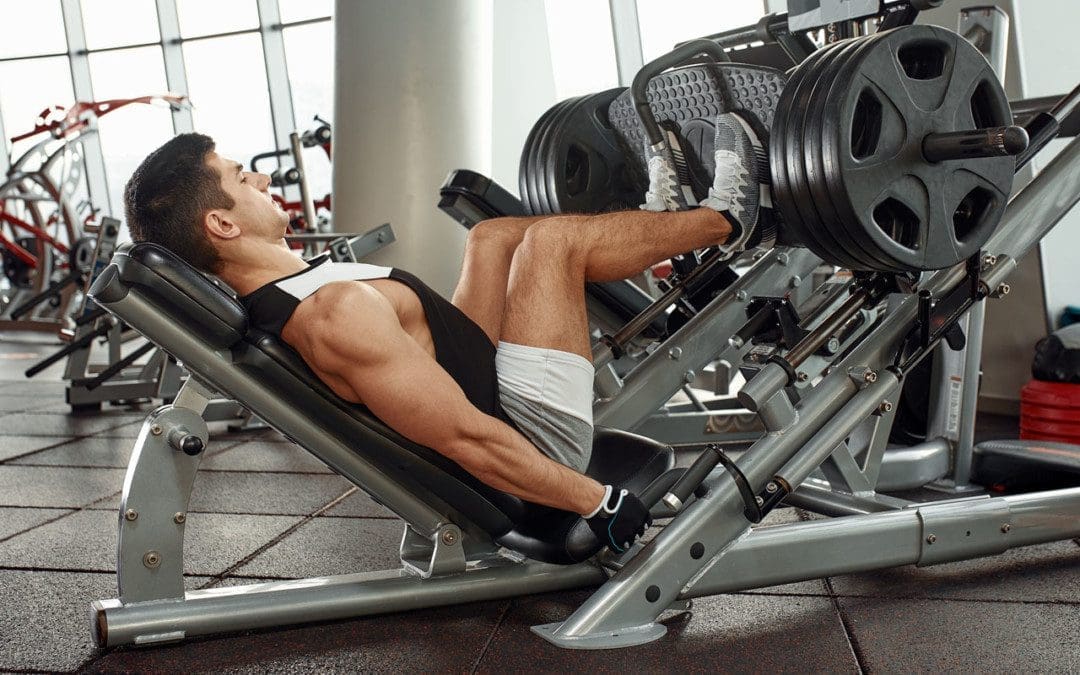
Fitness, exercising, weight, and strength training programs use terms like sets, reps, and rest intervals. Knowing what they mean and how to use them for optimal results is important to achieve health goals. An individual’s training program will differ in the weights, reps, sets, rest intervals, and execution speed depending on whether the training is for fitness, muscle growth, strength, power, or endurance. Here we offer a strength training guide on understanding these terms and how they apply to a workout program.
Strength Training Guide
Reps
Rep means repetition.
A rep is one completion of an exercise, such as one bench press, or one bicep curl.
So, one bicep curl equals one rep, and 10 bicep curls equals 10 reps.
Reps make up a set, which is typically the total number of reps done before taking a break.
A repetition maximum – 1RM is an individual’s personal best or the most they can lift once in a single repetition.
A 10RM would be the most an individual could lift and successfully perform 10 reps with proper form.
Sets
A set is a series of repetitions performed sequentially.
For example, one set of bench presses could be eight reps
Sets are designed according to the individual’s workout program.
Rest
The rest interval is the time of resting between sets that allow the muscles to recover.
The rest period between sets can range from 30 seconds to two minutes.
Exercises can have short or long rests between reps.
The ideal rest period depends on the objective of the workout and health goals.
Not resting long enough and starting with another set too soon can fatigue the muscles too soon, increasing the risk of injury.
Resting too long between reps can cool the muscles down and release tension before starting again.
Execution Speed
The speed at which one rep of an exercise is performed is contraction velocity.
Concentric – shortening of the muscle is often the lifting part of a rep.
Eccentric – lengthening of the muscle, often the lowering part of a rep helps to build muscle mass.
Strength: 1 to 2 seconds concentric and eccentric
Hypertrophy: 2 to 5 seconds concentric and eccentric
Endurance: 1 to 2 seconds concentric and eccentric
Power: Less than 1 second concentric and 1 to 2 seconds eccentric
Choosing Weights
The distribution of repetitions against a percentage of 1RM maximum lift is as follows. This example uses a bench press where 1RM is 160 pounds.
100% of 1RM: 160 pounds, 1 repetition
60% of 1RM: 96 pounds, warm-up reps
85% of 1RM: 136 pounds, 6 repetitions
67% of 1RM: 107 pounds, 12 repetitions
65% of 1RM: 104 pounds, 15 repetitions
An individual should be able to do one lift at 1RM, six reps at 85%, 15 reps at 65%, and so on.
Goals to Build a Program
A training program is a schedule of exercise types, frequency, intensity, and volume, for weight training or any other type of fitness training. Individuals can devise various combinations of sets, reps, rest, and exercise types to find what works best for them. A qualified strength and conditioning trainer can help develop a program. The variables can be adjusted and include:
Exercise selection
Weights or resistance used
Number of reps
Number of sets
Execution speed
Rest time between sets
Rest time between training sessions and days of the week
General Fitness
A basic strength training fitness program targets strength and muscle-building.
Between eight and 15 repetitions for two to four sets will help achieve both.
Choose eight to 12 exercises, making sure to hit the lower and upper body and core.
Strength
Building strength uses the most weight, the least number of reps, and the longest rest periods.
The neuromuscular system responds to heavy weights by increasing the body’s ability to lift heavy loads.
For example, individuals with a strength goal could use a 5×5 system.
This means five sets of five repetitions.
Muscle Growth
Muscle growth and bodybuilding training use lighter weights, more reps, and less rest periods.
Muscle requires metabolic stress to increase in size.
This means working the muscles to the point where lactate builds and the muscle suffers internal damage, sometimes called “training to failure.”
Then resting and proper nutrition help muscle repair and the muscle grows larger in the process.
A program could be three sets of 8 to 12 reps, with loads that reach or near the failure point on the last few reps.
Power
Power training uses slightly lighter weights, takes longer rest periods, and focuses on execution speed.
Power is the ability to move an object at high speed.
Each push, pull, squat, or lunge is done at a quick tempo.
This type of training requires practicing the acceleration of a lift, resting properly, and repeating.
Muscular Endurance
Endurance weight training requires more reps in each set, up to 20 or 30, with lighter weights.
Individuals should ask themselves what is the day-to-day physical activity that requires the most muscular endurance?
For example, runners will want to concentrate on increasing endurance in their legs.
Swimmers may shift and focus on their arms one day then legs another.
Movement as Medicine
References
Liu, Chiung-Ju, and Nancy K Latham. “Progressive resistance strength training for improving physical function in older adults.” The Cochrane Database of systematic reviews vol. 2009,3 CD002759. 8 Jul. 2009, doi:10.1002/14651858.CD002759.pub2
Loturco, Irineu, et al. “Muscle Contraction Velocity: A Suitable Approach to Analyze the Functional Adaptations in Elite Soccer Players.” Journal of sports science & medicine vol. 15,3 483-491. 5 Aug. 2016
Rønnestad, B R, and I Mujika. “Optimizing strength training for running and cycling endurance performance: A review.” Scandinavian Journal of Medicine & Science in Sports vol. 24,4 (2014): 603-12. doi:10.1111/sms.12104
Suchomel, Timothy J et al. “The Importance of Muscular Strength: Training Considerations.” Sports medicine (Auckland, N.Z.) vol. 48,4 (2018): 765-785. doi:10.1007/s40279-018-0862-z
Tøien, Tiril, et al. “Maximal strength training: the impact of eccentric overload.” Journal of Neurophysiology vol. 120,6 (2018): 2868-2876. doi:10.1152/jn.00609.2018
Westcott, Wayne L. “Resistance training is medicine: effects of strength training on health.” Current sports medicine reports vol. 11,4 (2012): 209-16. doi:10.1249/JSR.0b013e31825dabb8
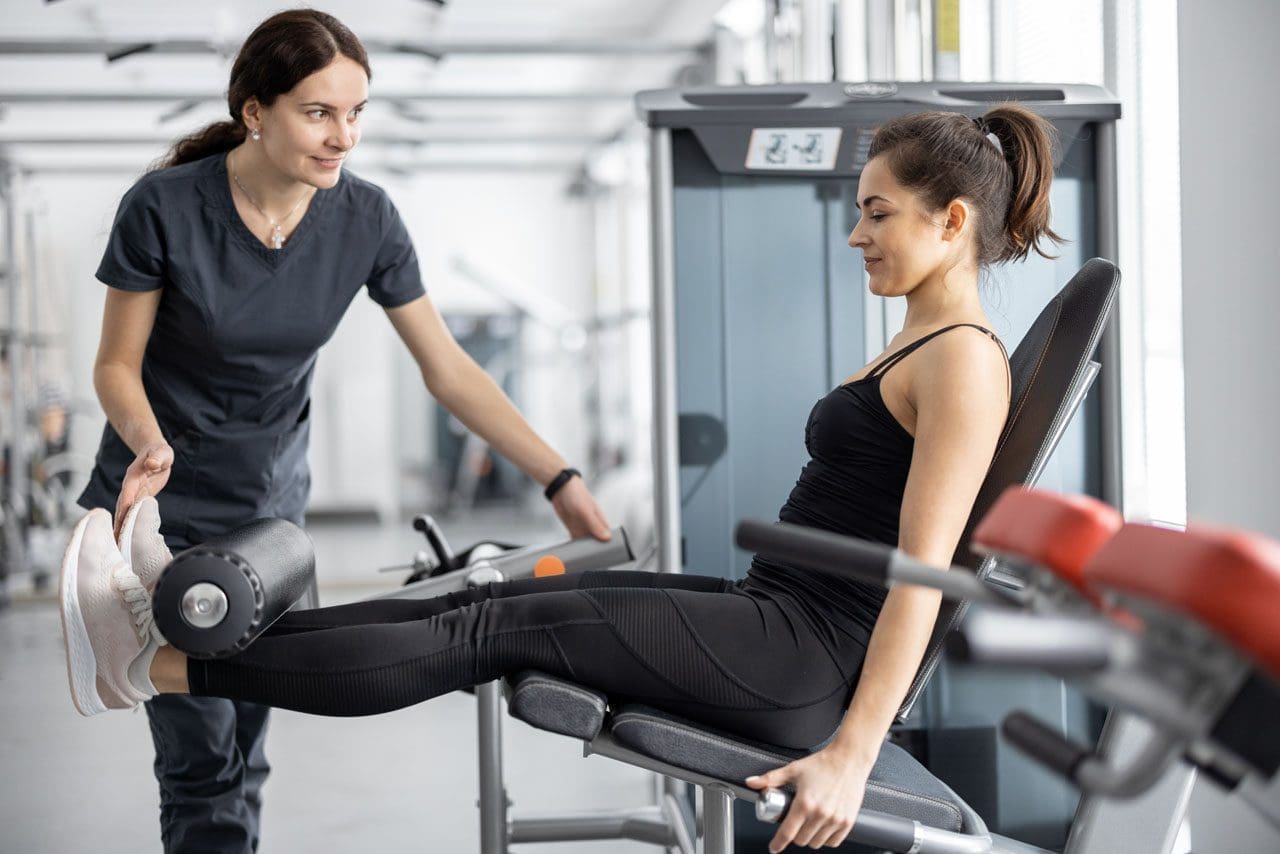
When looking at an anatomical poster/image of the human body, there are all kinds of muscles connected and overlapping, but when we go to feel around those areas, especially when pain symptoms are presenting, it can feel like one solid mass and not individual muscles. This is because of everyday wear and tear, strenuous activities, spasms, heat, dehydration, and stress that causes the muscles to stay in a slightly contracted state, continue to tighten, bunch up and stiffen becoming the new normal for that individual. People learn to go through life like this, never considering that there is something wrong until they experience a significant injury that can take much longer to recover and rehabilitate from. This is why massaging the body on a regular basis is important to maintain healthy relaxed and flexible muscles and prevent strains, pulls, and injuries.
Massaging the Body
Massage therapy including myotherapyis the practice of kneading or manipulating the body’s muscles and other soft tissues to improve neuromusculoskeletal well-being and health.
It is a form of manual, percussive, and mechanical therapy that includes holding, moving, and applying pressure to the muscles, tendons, ligaments, and fascia.
Massage therapy can be used to describe techniques that vary in touch, pressure, and intensity of the treatment applied.
Benefits
The immediate benefit of regularly massaging the body is feeling deep relaxation and calmness. This happens because massaging prompts the release of endorphins or the brain chemicals/neurotransmitters that produce the feeling of well-being. And the stress hormones like adrenalin, cortisol, and norepinephrine levels are reduced. Studies have shown that high levels of stress hormones can impair and damage the immune system. The physical benefits of massaging the body regularly include:
Alleviated muscle tension.
Improved and increased joint mobility and flexibility.
Increased blood and nerve circulation.
Lymphatic system toxin drainage.
Decreased release of stress hormones.
A relaxed state of mind.
Improved sleep.
Enhanced mental alertness.
Decreased anxiety.
Improved recovery and rehabilitation of soft tissue sprains and injuries.
Improved skin tone.
Massage Types
Depending on the severity of the pain, associated symptoms, and muscle tension a chiropractor and therapeutic massage team will use a variety of techniques and massage types to restore flexibility, mobility, and function. Types of massage include:
Swedish
One of the most popular forms of massage, this technique is designed to promote relaxation and increase and improve blood circulation.
Myofascial
Involves the assessment and treatment of soft tissue pain, injury, and dysfunction affecting movement and mobility.
Myofascial therapy releases tight soft tissue structures like the muscles, tendons, ligaments, and fascia.
Rehabilitative
This type treats and rehabilitates biomechanical dysfunction or injury.
Using specific and targeted mobilization techniques to restore normal health and function.
Lymphatic Drainage
This is a gentle whole-body treatment that relaxes the nervous system, releases toxins, and improves the immune system.
Sports
Sports massage is an application of massage and a blend of techniques to enhance performance and help overworked muscles recover quickly.
The type of technique or treatment applied is dependent on the nature of the stage of training or competition, sports injury or condition, and the assessment of the therapist.
Infant Massage
A gentle massage can help treat constipation, colic, and sleeping problems.
Studies have found that regular massage helps premature babies gain weight faster.
Reflexology
Reflexology is based on the application of pressure to specific points on the body.
Reflex points, which relate to body areas, can be found in the feet, hands, face, and ears.
These points respond to pressure, stimulating the body’s own natural healing process in the same way chiropractic activates natural healing through adjustments and realignment.
Aromatherapy
Essential oils made from selected flowers and plants are added to massage oil for a particular therapeutic property.
For example, the scent of peppermint is used for constipation problems.
Shiatsu
This massage technique aims to improve energy flow by working targeted points on the body.
The underlying principles of shiatsu are similar to those of acupuncture.
Individuals are able to experience an improved quality of life with the combined elements of chiropractic and massage therapy.
Fighting Inflammation Naturally
References
Cheung, Karoline, et al. “Delayed onset muscle soreness: treatment strategies and performance factors.” Sports medicine (Auckland, N.Z.) vol. 33,2 (2003): 145-64. doi:10.2165/00007256-200333020-00005
Koren, Yogev, and Leonid Kalichman. “Deep tissue massage: What are we talking about?.” Journal of Bodywork and movement therapies vol. 22,2 (2018): 247-251. doi:10.1016/j.jbmt.2017.05.006
National Research Council (US) and Institute of Medicine (US) Panel on Musculoskeletal Disorders and the Workplace. Musculoskeletal Disorders and the Workplace: Low Back and Upper Extremities. Washington (DC): National Academies Press (US); 2001. 6, Biomechanics. Available from: https://www.ncbi.nlm.nih.gov/books/NBK222434/
Pachtman Shetty, Sarah L, and Sarah Fogarty. “Massage During Pregnancy and Postpartum.” Clinical obstetrics and gynecology vol. 64,3 (2021): 648-660. doi:10.1097/GRF.0000000000000638
Stecco, Antonio, et al. “Fascial Disorders: Implications for Treatment.” PM & R: the Journal of Injury, Function, and Rehabilitation vol. 8,2 (2016): 161-8. doi:10.1016/j.pmrj.2015.06.006
Weerapong, Pornratshanee, et al. “The mechanisms of massage and effects on performance, muscle recovery, and injury prevention.” Sports medicine (Auckland, N.Z.) vol. 35,3 (2005): 235-56. doi:10.2165/00007256-200535030-00004
Walking is a great physical exercise activity that requires endurance. When walking for two hours or more, refueling energy stores can be done with portable walking energy snacks. These are foods that can be taken along and eaten while on the move. This includes fruits, vegetables, energy bars, trail mix, energy gels, and sports drinks that can replenish the body. However, depending on when an individual goes for a walk, they need to think about breakfast or lunch nutrition before engaging in the walk. This will help to get the most benefits from the snacks, as well as, what to have after the workout for recovery.
Walking Energy Snacks
Individuals walking for a long time will want a snack – before, during, and after. There are various options to choose from. Individuals may want to experiment with various snack and drink options to find the right balance of carbs, fat, and protein so that the body gets the energy it needs without feeling weighed down or hungry soon after. The ideal walking energy snacks should be healthy, full of energy, and easy to eat on the move.
Fruit Snacks
Fruit snacks are great for the all-natural carbohydrate burst.
Bananas are great for potassium.
Apples, oranges, and raisins are also recommended packable snacks.
For certain individuals, the fiber in some fruits can get digestion moving, requiring a restroom, so plan ahead.
Some individuals can eat fruit regularly but may have an upset stomach during walking, which is why experimentation may be necessary.
Energy Bars
Nutrition bars can provide vitamins and minerals and protein but can be high in calories.
Check the labels to choose the balance of ingredients that’s best for you.
Energy bars offer a healthy combination of carbohydrates, protein, and fat.
They are convenient for a snack when on a walk.
Most products utilize peanuts/other nuts or soy for protein.
Individuals may want to avoid chocolate-covered bars, as they can melt.
Individuals can mix their own, buy in bulk, or pre-packaged.
Trail mix contains nuts for protein, raisins or other dried fruit for carbohydrates, and chocolate or carob for taste.
The salted varieties can help replace electrolytes.
Be aware of portion control, as trail mix is often high in fat and calories.
Energy Gels
Energy gels provide a carbohydrate boost designed for individuals doing endurance events and activities.
Energy gels need to be taken with water for carbohydrate digestion.
There are some that can be taken without water but may not provide as much energy.
For individuals that walk fast and breathe hard, energy gels can be safer than chewing and possibly choking.
Newer brands are trying to be natural and less sweet.
Energy and Sports Drinks
Water is not enough to keep the body hydrated on long walks.
Sports drinks with sugar and salt replenish H2O and electrolyte levels more thoroughly when walking for more than an hour helping to prevent dehydration and hyponatremia/low salt levels.
It is recommended to avoid:
High-caffeine energy drinks in small cans, as they have too much caffeine and not enough hydrating water.
Sports and energy drinks with additives and herbs, which do not help on walks, and look for those with salt and carbohydrate replacement.
Ankle Sprain Recovery
References
Francois, Monique E et al. “’Exercise snacks’ before meals: a novel strategy to improve glycaemic control in individuals with insulin resistance.” Diabetologia vol. 57,7 (2014): 1437-45. doi:10.1007/s00125-014-3244-6
Islam, Hashim, et al. “Exercise Snacks: A Novel Strategy to Improve Cardiometabolic Health.” Exercise and sport sciences review vol. 50,1 (2022): 31-37. doi:10.1249/JES.0000000000000275
Marangoni, Franca, et al. “Snacking in nutrition and health.” International Journal of food sciences and Nutrition vol. 70,8 (2019): 909-923. doi:10.1080/09637486.2019.1595543
McCubbin, Alan J et al. “Sports Dietitians Australia Position Statement: Nutrition for Exercise in Hot Environments.” International Journal of sports nutrition and exercise metabolism vol. 30,1 (2020): 83-98. doi:10.1123/ijsnem.2019-0300
Moore, Daniel R et al. “Walking or body weight squat “activity snacks” increase dietary amino acid utilization for myofibrillar protein synthesis during prolonged sitting.” Journal of applied physiology (Bethesda, Md.: 1985) vol. 133,3 (2022): 777-785. doi:10.1152/japplphysiol.00106.2022
Njike, Valentine Yanchou, et al. “Snack Food, Satiety, and Weight.” Advances in nutrition (Bethesda, Md.) vol. 7,5 866-78. 15 Sep. 2016, doi:10.3945/an.115.009340
IFM's Find A Practitioner tool is the largest referral network in Functional Medicine, created to help patients locate Functional Medicine practitioners anywhere in the world. IFM Certified Practitioners are listed first in the search results, given their extensive education in Functional Medicine