Should individuals increase their intake of black pepper to help with various health issues like fighting inflammation, strengthening the immune system, and improving digestion?
Black Pepper
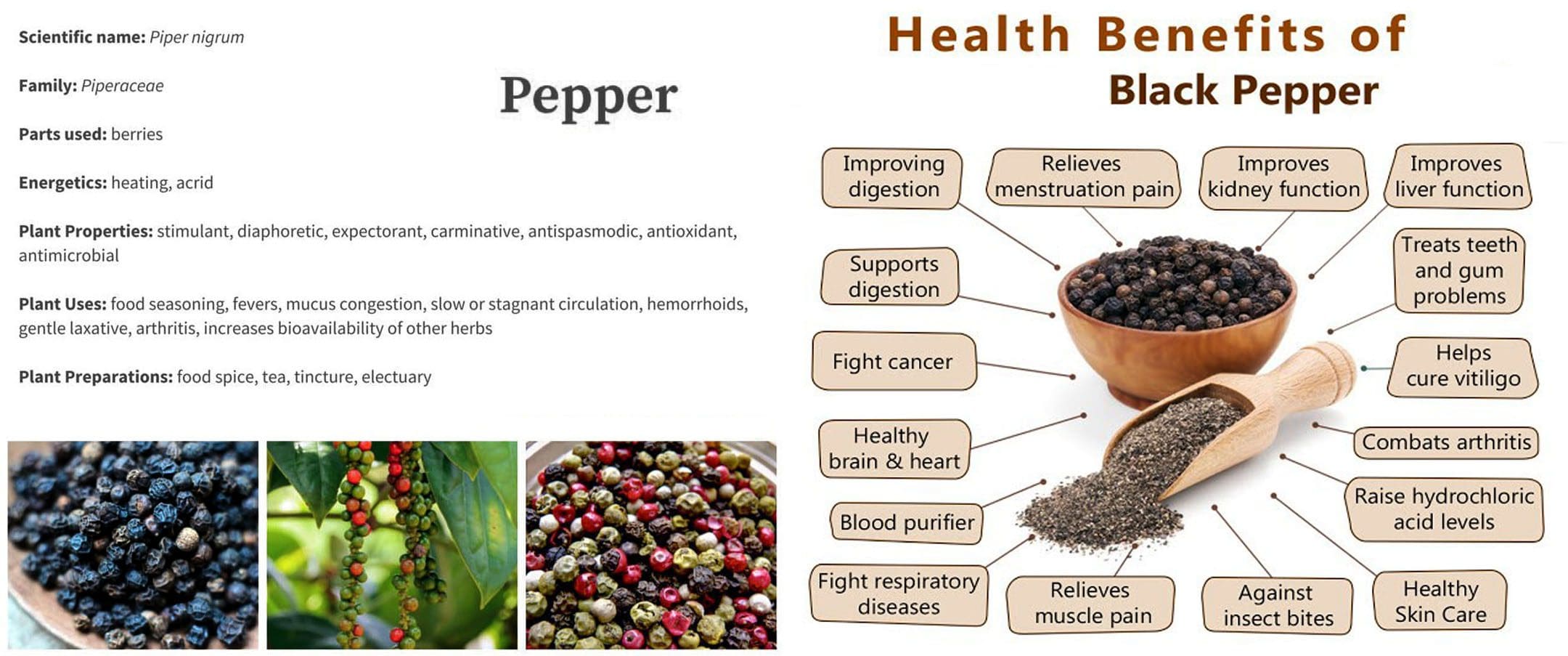
One of the most popular spices, black pepper offers anti-inflammatory and pain-reducing effects. Piperine is the compound that gives black pepper its flavor, helps prevent inflammation, (Gorgani Leila, et al., 2016), and helps to increase the absorption of selenium, vitamin B12, and turmeric. (Dudhatra GB, et al., 2012) Piperine has been found to be almost as effective as prednisolone – a common medication for arthritis – in reducing symptoms.
Black pepper has been used in ancient Ayurvedic medicine for thousands of years because of its concentration of beneficial plant compounds. (Johns Hopkins Medicine, 2023)
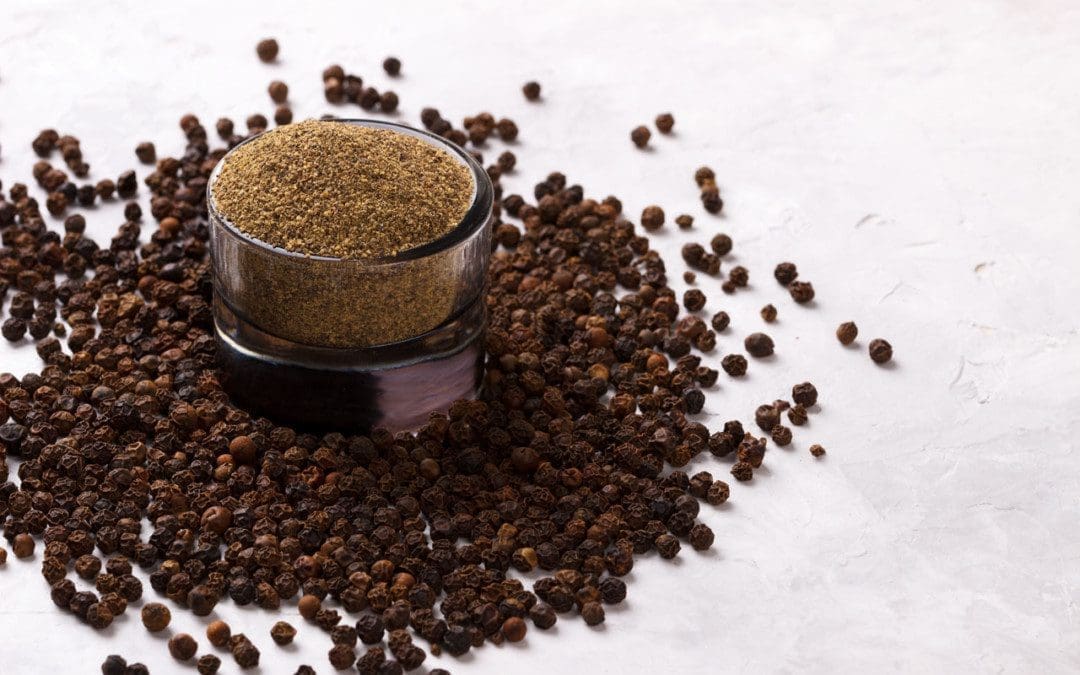
Pepper is made by grinding peppercorns, which are dried berries from the vine Piper nigrum.
The plant is a tall woody plant with small flowers that bloom a yellowish-red color.
It has a sharp and mildly spicy flavor that goes with all kinds of dishes.
Inflammation is the immune system’s response to injury, illness, or any mental or physical stressor, that triggers the body’s healing and repair process. However, long-term inflammation can lead to various health problems and, in individuals that begin to develop arthritis, joint degeneration. Damage to the body’s pain processors can exacerbate pain and other uncomfortable symptoms.
Chronic inflammation can be a cause of diabetes, arthritis, asthma, and heart disease.
While the anti-inflammatory effects have not been extensively studied in humans, there are several mouse studies that show promising results.
In one study, treatment for arthritis with piperine resulted in less joint swelling and decreased inflammation markers. (Bang JS, Oh DH, Choi HM, et al., 2009)
Antioxidants
The active compound, piperine is rich in antioxidants, which prevent or delay the free radical damaging effects from exposure to pollution, smoke, and the sun.
In one study, rats with a diet of concentrated black pepper had less free radical damage than a group that did not ingest concentrated black pepper. (Vijayakumar RS, Surya D, Nalini N. 2004)
Brain Function Improvement
Piperine has been shown to decrease symptoms associated with Parkinson’s and Alzheimer’s and improve brain function. (Ramaswamy Kannappan, et al., 2011)
Studies show piperine increased memory as well as the ability to decrease the production of amyloid plaques, which are damaging proteins associated with Alzheimer’s disease.
Blood Sugar Control Improvement
Studies suggest that piperine can improve blood sugar and improve insulin sensitivity.
In one study, individuals with insulin resistance took a piperine supplement for 8 weeks.
After 8 weeks, improvements were seen in the response to the insulin hormone to remove glucose from the blood (Rondanelli M, et al., 2013)
Improved Nutrient Absorption
Black pepper is considered to have the ability to bind and activate with other foods for improved positive health effects.
It increases the absorption of certain nutrients such as calcium, turmeric, selenium, and green tea.
It is often recommended to consume calcium or selenium with a source of black pepper and to ensure any turmeric supplement you take contains black pepper. (Shoba G, et al., 1998)
Storage
Whole peppercorns sealed in a container and stored in a cool, dry place can last up to a year.
Over time ground black pepper loses its flavor, therefore it is recommended to use within 4 to 6 months.
Allergic Reactions
If you believe you are allergic to black pepper, see a healthcare professional who can perform testing to determine the root cause of symptoms.
Allergies can present as tingling or itching in the mouth, hives, abdominal pain, and possible nausea and vomiting.
Symptoms can also include wheezing, congestion, and/or swelling of the lips, tongue, mouth, and throat.
Black pepper can be substituted with spices like chili powder, cayenne pepper, and allspice.
The Healing Diet
References
Gorgani, L., Mohammadi, M., Najafpour, G. D., & Nikzad, M. (2017). Piperine-The Bioactive Compound of Black Pepper: From Isolation to Medicinal Formulations. Comprehensive reviews in food science and food safety, 16(1), 124–140. https://doi.org/10.1111/1541-4337.12246
Dudhatra, G. B., Mody, S. K., Awale, M. M., Patel, H. B., Modi, C. M., Kumar, A., Kamani, D. R., & Chauhan, B. N. (2012). A comprehensive review on pharmacotherapeutics of herbal bio-enhancers. TheScientificWorldJournal, 2012, 637953. https://doi.org/10.1100/2012/637953
Platel, K., & Srinivasan, K. (2016). Bioavailability of Micronutrients from Plant Foods: An Update. Critical reviews in food science and nutrition, 56(10), 1608–1619. https://doi.org/10.1080/10408398.2013.781011
Kunnumakkara, A. B., Sailo, B. L., Banik, K., Harsha, C., Prasad, S., Gupta, S. C., Bharti, A. C., & Aggarwal, B. B. (2018). Chronic diseases, inflammation, and spices: how are they linked? Journal of translational medicine, 16(1), 14. https://doi.org/10.1186/s12967-018-1381-2
Bang, J. S., Oh, D. H., Choi, H. M., Sur, B. J., Lim, S. J., Kim, J. Y., Yang, H. I., Yoo, M. C., Hahm, D. H., & Kim, K. S. (2009). Anti-inflammatory and antiarthritic effects of piperine in human interleukin 1beta-stimulated fibroblast-like synoviocytes and in rat arthritis models. Arthritis research & therapy, 11(2), R49. https://doi.org/10.1186/ar2662
Lobo, V., Patil, A., Phatak, A., & Chandra, N. (2010). Free radicals, antioxidants, and functional foods: Impact on human health. Pharmacognosy reviews, 4(8), 118–126. https://doi.org/10.4103/0973-7847.70902
Vijayakumar, R. S., Surya, D., & Nalini, N. (2004). Antioxidant efficacy of black pepper (Piper nigrum L.) and piperine in rats with high-fat diet-induced oxidative stress. Redox report: communications in free radical research, 9(2), 105–110. https://doi.org/10.1179/135100004225004742
Kannappan, R., Gupta, S. C., Kim, J. H., Reuter, S., & Aggarwal, B. B. (2011). Neuroprotection by spice-derived nutraceuticals: you are what you eat! Molecular neurobiology, 44(2), 142–159. https://doi.org/10.1007/s12035-011-8168-2
Rondanelli, M., Opizzi, A., Perna, S., Faliva, M., Solerte, S. B., Fioravanti, M., Klersy, C., Cava, E., Paolini, M., Scavone, L., Ceccarelli, P., Castellaneta, E., Savina, C., & Donini, L. M. (2013). Improvement in insulin resistance and favorable changes in plasma inflammatory adipokines after weight loss associated with two months’ consumption of a combination of bioactive food ingredients in overweight subjects. Endocrine, 44(2), 391–401. https://doi.org/10.1007/s12020-012-9863-0
Shoba, G., Joy, D., Joseph, T., Majeed, M., Rajendran, R., & Srinivas, P. S. (1998). Influence of piperine on the pharmacokinetics of curcumin in animals and human volunteers. Planta medica, 64(4), 353–356. https://doi.org/10.1055/s-2006-957450
Gender is a concept with many facets. Everyone has a gender expression. Can learning about gender expression help healthcare professionals provide better and more effective treatment plans for the LGBTQ+ community?
Gender Expression
Gender expression refers to the ways that individuals present their gender identity and themselves. This can be clothing, haircuts, behaviors, etc. For many, there can be confusion between what society expects from their gender and how these individuals choose to present themselves. Gender expression is constructed from the culture that surrounds it, meaning that there may be a shared social expectation about gender. It can also mean that the same feminine hair or clothing style in one setting could be seen as masculine in another.
Society tries to regulate expression by making women wear certain kinds of clothes, and men other kinds, in order to participate in school, work, and when in public.
When cultures enforce gender norms it is known as gender policing, which can range from dress codes to physical and emotional punishment.
Creating a safe space for all genders requires awareness of these explicit or implicit gender norms so policing can be prevented. (José A Bauermeister, et al., 2017)
Research has shown that there are increased rates of discrimination against transgender and gender-nonconforming individuals compared with bias against those who are LGBTQ. (Elizabeth Kiebel, et al., 2020)
Health Care
Gender expression can and does affect access to and quality of health care.
Individuals with a gender expression that is different from what is expected for their assigned sex at birth may experience increased bias and harassment from providers. (Human Rights Watch. 2018)
A significant percentage of patients feared health workers would treat them differently because of their expression. (Cemile Hurrem Balik Ayhan et al., 2020)
Minority stress has been shown to play an important role in health imbalances. (I H Meyer. 1995)
Research suggests that gender expression is a part of the minority stress described by cisgender sexual minorities and gender minorities. (Puckett JA, et al., 2016)
Better Training
The effects of gender expression are different depending on a person’s sex, gender identity, and their setting.
However, doctors do need to know a person’s sex that was assigned at birth to be able to do proper screening tests, like screening for prostate or cervical cancer.
One way to be more affirming is for the doctor to introduce themselves first, using their own pronouns.
Health workers should ask everyone what name they prefer to be called and what pronouns they use.
This simple act invites the patient to share without creating awkward uneasiness.
Each person chooses how to present themselves to the world, and we respect all. We at Injury Medical Chiropractic and Functional Medicine Clinic will work to address the effects of minority stress on health disparities and raise awareness of the ways to continually improve positive experiences for LGTBQ+ individuals seeking inclusive health care for neuromusculoskeletal injuries, conditions, fitness, nutritional, and functional health.
Revolutionizing Healthcare
References
Bauermeister, J. A., Connochie, D., Jadwin-Cakmak, L., & Meanley, S. (2017). Gender Policing During Childhood and the Psychological Well-Being of Young Adult Sexual Minority Men in the United States. American journal of men’s health, 11(3), 693–701. https://doi.org/10.1177/1557988316680938
Kiebel, E., Bosson, J. K., & Caswell, T. A. (2020). Essentialist Beliefs and Sexual Prejudice Toward Feminine Gay Men. Journal of homosexuality, 67(8), 1097–1117. https://doi.org/10.1080/00918369.2019.1603492
Human Rights Watch. “You Don’t Want Second Best”—Anti-LGBT Discrimination in US Health Care.
Ayhan, C. H. B., Bilgin, H., Uluman, O. T., Sukut, O., Yilmaz, S., & Buzlu, S. (2020). A Systematic Review of the Discrimination Against Sexual and Gender Minority in Health Care Settings. International journal of health services: planning, administration, evaluation, 50(1), 44–61. https://doi.org/10.1177/0020731419885093
Meyer I. H. (1995). Minority stress and mental health in gay men. Journal of health and social behavior, 36(1), 38–56.
Puckett, J. A., Maroney, M. R., Levitt, H. M., & Horne, S. G. (2016). Relations between gender expression, minority stress, and mental health in cisgender sexual minority women and men. Psychology of Sexual Orientation and Gender Diversity, 3(4), 489–498. https://doi.org/10.1037/sgd0000201
Golfing wrist injuries are common with treatment requiring 1-3 months of rest and immobilization and if tears are present surgery. Can chiropractic treatment help avoid surgery, expedite recovery, and rehabilitation?
Golfing Wrist Injuries
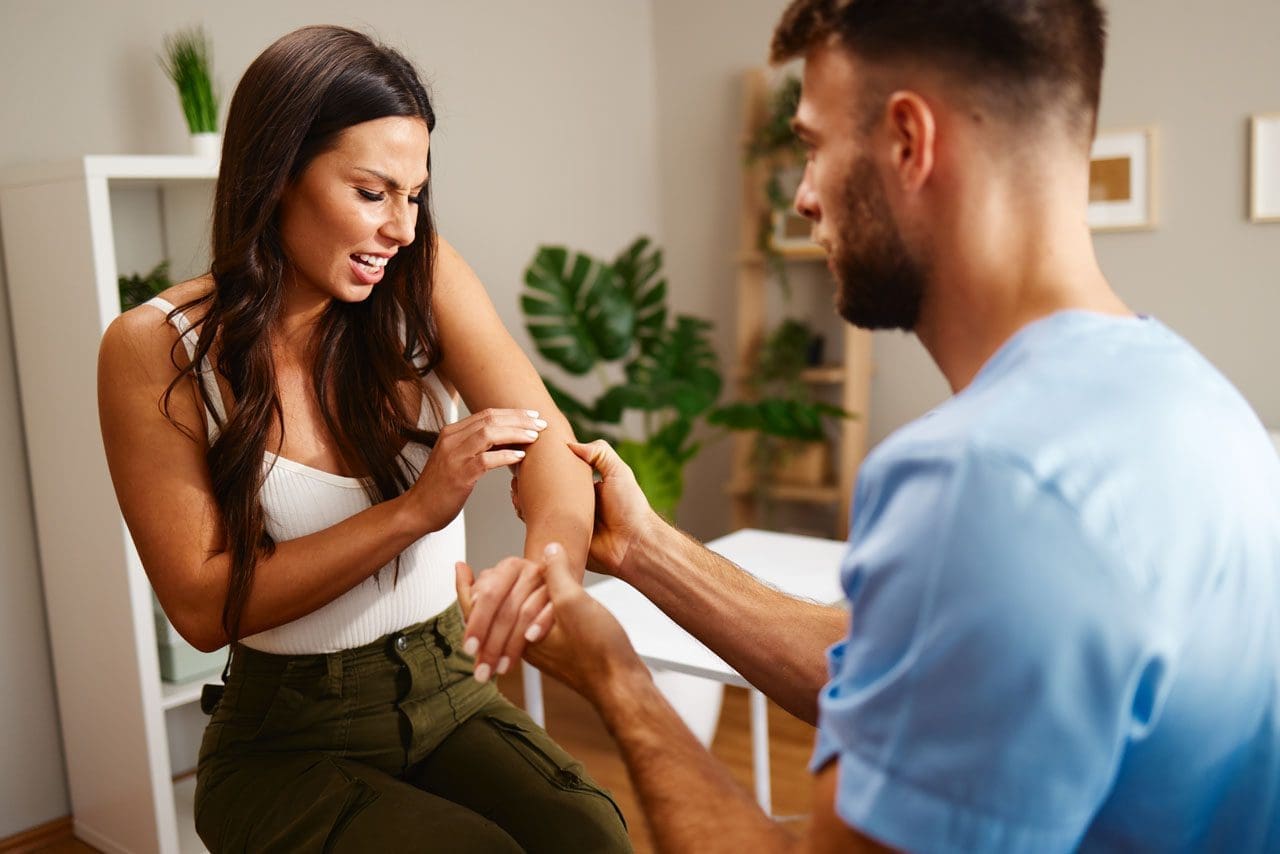
Golfing Wrist Injuries: According to a study, there are over 30,000 golf-related injuries treated in American emergency rooms every year. (Walsh, B. A. et al, 2017) Nearly a third are related to a strain, sprain, or stress fracture.
This causes pain and inflammation and is usually accompanied by a grinding sensation when moving the thumb and wrist.
Chiropractic Treatment
Given the nature of these injuries, medical attention should be sought out for image scans to look at any damage and properly immobilize the wrist. Once a fracture has been ruled out or healed, golfing wrist injuries can benefit from chiropractic and physical therapy. (Hulbert, J. R. et al, 2005) A typical treatment may involve a multifaceted approach involving various therapies including:
Active release therapy, myofascial release, athletic taping, corrective exercise, and stretching.
A chiropractor will examine the wrist and its functioning to determine the nature of the injury.
A chiropractor may recommend using a splint to immobilize the wrist, particularly in cases of overuse.
They will relieve pain and swelling first, then focus on strengthening the joint.
They may recommend a regimen of icing the hand.
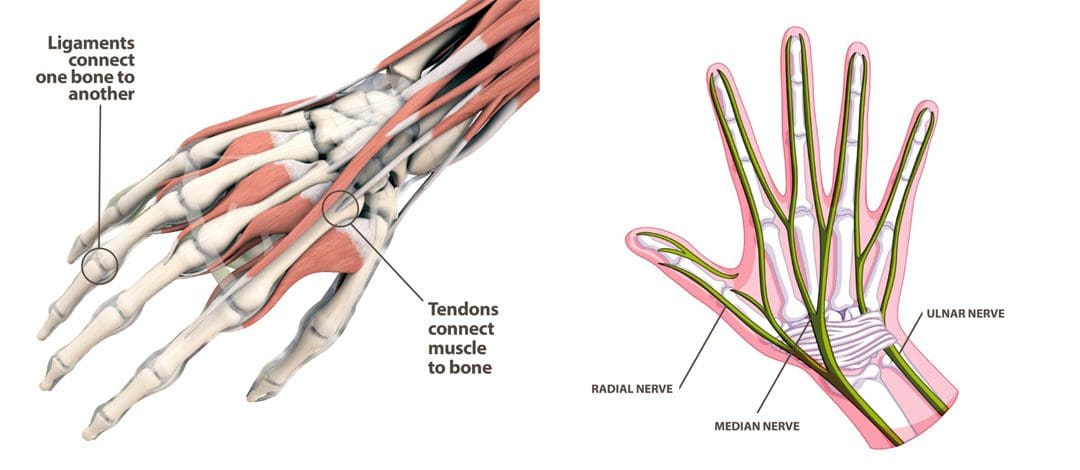
Adjustments and manipulations will relieve pressure on the nerves to reduce swelling and restore mobility.
Peripheral Neuropathy Successful Recovery
References
Walsh, B. A., Chounthirath, T., Friedenberg, L., & Smith, G. A. (2017). Golf-related injuries treated in United States emergency departments. The American journal of emergency medicine, 35(11), 1666–1671. https://doi.org/10.1016/j.ajem.2017.05.035
Moon, H. W., & Kim, J. S. (2023). Golf-related sports injuries of the musculoskeletal system. Journal of exercise rehabilitation, 19(2), 134–138. https://doi.org/10.12965/jer.2346128.064
Ray, G., Sandean, D. P., & Tall, M. A. (2023). Tenosynovitis. In StatPearls. StatPearls Publishing.
Zouzias, I. C., Hendra, J., Stodelle, J., & Limpisvasti, O. (2018). Golf Injuries: Epidemiology, Pathophysiology, and Treatment. The Journal of the American Academy of Orthopaedic Surgeons, 26(4), 116–123. https://doi.org/10.5435/JAAOS-D-15-00433
Tan, H. K., Chew, N., Chew, K. T., & Peh, W. C. (2014). Clinics in diagnostic imaging (156). Golf-induced hamate hook fracture. Singapore medical journal, 55(10), 517–521. https://doi.org/10.11622/smedj.2014133
Hulbert, J. R., Printon, R., Osterbauer, P., Davis, P. T., & Lamaack, R. (2005). Chiropractic treatment of hand and wrist pain in older people: systematic protocol development. Part 1: informant interviews. Journal of chiropractic medicine, 4(3), 144–151. https://doi.org/10.1016/S0899-3467(07)60123-2
Individuals at work, school, etc, perform all kinds of repetitive physical tasks that put their bodies through a great deal of musculoskeletal stress, what are the effects and benefits of joint manipulation therapy for pain relief?
Joint Manipulation Health Benefits
Joint manipulation is a form of manual therapy that involves applying force to the spinal or peripheral joints to:
Relieve pain symptoms.
Realign the joints to their proper position.
Restore flexibility.
Improve mobility.
Increase range of motion.
Chiropractors, massage, and physical therapists use various manipulation techniques to help move and feel better after an injury or illness that causes loss of functional mobility. Here we explain joint manipulation, its applications, and if the technique is safe for you and your condition.
Joint Popping
The joints in the body are places where two or more bones come together to allow movement.
The cartilage allows the joint surfaces to glide/slide smoothly.
If the cartilage is injured or damaged, pain and limited motion can present.
When a joint doesn’t move properly, the muscles surrounding that joint don’t contract properly.
If a joint is dysfunctional for some time, significant muscle wasting and atrophy can occur around the joint, leading to difficulty with mobility like standing, walking, or reaching. (Hurley MV.1997)
The body is made up of cells that breathe by converting energy and releasing waste materials. One type of waste material from cell respiration is carbon dioxide. The gas is transported through the blood and delivered out of the body while breathing. Small pockets of gas can get trapped in the joints that expand and contract as pressure around the joint changes during movement, known as cavitation. When the gas is released through joint manipulation, there can be a popping or snapping sound as the joint is moved. Once the gas is released, joint pressure is decreased and mobility is increased. (Kawchuk, et al., 2015)
Causes
Non-medical
There are non-medical and medical causes of joint dysfunction and derangement that include:
Overuse and repetitive strain.
Unhealthy sitting and/or standing posture.
Lack of physical activity.
Over-stretching or stretching incorrectly.
In these situations, the joints can be temporarily placed in a dysfunctional/compromised position. When moving to the correct position, a popping sound can present as built-up pressure is released.
Medical
Joint problems can occur from medical conditions that can include:
Herniated cervical or lumbar discs.
Spinal arthritis.
Rheumatoid arthritis.
Osteoarthritis.
Joint contracture after being immobilized for some time.
In these cases, a medical problem can be causing a limitation in the joint’s position and movement. (Gessl, et al., 20220)
Benefits
If a chiropractic practitioner determines there is joint dysfunction then manipulation may be a treatment option. The benefits include:
Pain Relief
When a chiropractor or therapist gets an injured joint moving properly, the receptors in and around the area get reset allowing for pain relief.
Improved Muscle Activation
As a chiropractor manipulates a joint into its correct anatomical position, the surrounding muscles can flex and contract properly.
Improved Range of Motion
The joint is repositioned for proper movement.
This improves the range of motion and relieves tightness and stiffness.
Improved Functional Mobility
Once a joint is manipulated, the improved range of motion and muscle activation around the joint can lead to improved overall functional mobility. (Puentedura, et al., 2012)
Candidates
Joint manipulation is a safe manual therapy technique for certain individuals. (Puentedura, et al., 2016) This includes:
Individuals with acute neck, back, or peripheral joint pain.
Adults aged 25 to 65 with no serious medical conditions.
Athletes who have been injured from their sport.
Individuals who have been immobilized after injury or surgery.
Joint manipulation is not recommended for everyone and can be dangerous or lead to injury in individuals with certain conditions. (Puentedura, et al., 2016) These include individuals with:
Osteoporosis
Weakened bones may fracture if a high-velocity force is applied to a joint via manipulation
Joint fractures
Individuals with a joint fracture, should not have that specific joint manipulated.
Post Spinal Fusion Surgery
Individuals that have had spinal fusion in the neck or lower back should avoid spinal joint manipulations or adjustments for at least one year after the procedure.
The bones need time to heal thoroughly.
Manipulation can cause a failure of the fusion.
Individuals with Arterial Insufficiency In Their Neck
A rare but dangerous side effect of a neck adjustment is the risk of tearing an artery in the neck known as the vertebrobasilar artery. (Moser, et al., 2019)
If there is pain, loss of movement, or decreased mobility after an injury or surgery, a chiropractic adjustment with joint manipulation can be beneficial to help regain movement. Manual techniques can help improve joint mobility, alleviate pain, and increase strength and stability around the joints. Joint manipulation isn’t for everyone and is recommended to consult with a healthcare professional to see if it is safe for your specific condition.
Gessl, I., Popescu, M., Schimpl, V., Supp, G., Deimel, T., Durechova, M., Hucke, M., Loiskandl, M., Studenic, P., Zauner, M., Smolen, J. S., Aletaha, D., & Mandl, P. (2021). Role of joint damage, malalignment, and inflammation in articular tenderness in rheumatoid arthritis, psoriatic arthritis, and osteoarthritis. Annals of the rheumatic diseases, 80(7), 884–890. https://doi.org/10.1136/annrheumdis-2020-218744
Hurley M. V. (1997). The effects of joint damage on muscle function, proprioception, and rehabilitation. Manual therapy, 2(1), 11–17. https://doi.org/10.1054/math.1997.0281
Kawchuk, G. N., Fryer, J., Jaremko, J. L., Zeng, H., Rowe, L., & Thompson, R. (2015). Real-time visualization of joint cavitation. PloS one, 10(4), e0119470. https://doi.org/10.1371/journal.pone.0119470
Moser, N., Mior, S., Noseworthy, M., Côté, P., Wells, G., Behr, M., & Triano, J. (2019). Effect of cervical manipulation on the vertebral artery and cerebral hemodynamics in patients with chronic neck pain: a crossover randomized controlled trial. BMJ open, 9(5), e025219. https://doi.org/10.1136/bmjopen-2018-025219
Puentedura, E. J., Cleland, J. A., Landers, M. R., Mintken, P. E., Louw, A., & Fernández-de-Las-Peñas, C. (2012). Development of a clinical prediction rule to identify patients with neck pain likely to benefit from thrust joint manipulation to the cervical spine. The Journal of orthopedic and sports physical therapy, 42(7), 577–592. https://doi.org/10.2519/jospt.2012.4243
Puentedura, E. J., Slaughter, R., Reilly, S., Ventura, E., & Young, D. (2017). Thrust joint manipulation utilization by U.S. physical therapists. The Journal of manual & manipulative therapy, 25(2), 74–82. https://doi.org/10.1080/10669817.2016.1187902
The digestive system breaks down the foods eaten so the body can absorb the nutrients. During digestion, the unnecessary parts of these foods are turned into waste/stool, which is evacuated during a bowel movement. When the digestive system stops functioning properly due to factors such as diet change, eating unhealthy foods, lack of physical activity/exercise, medications, and certain health conditions, can cause constipation. Constipation occurs when the body cannot have a regular bowel movement. The distention, gas, bloating and not being able to have a bowel movement cause irritability and stress, which can worsen constipation. Incorporating recommended nutrition can help restore regular bowel movements and gut function.
Recommended Nutrition For Constipation
Symptoms like abdominal pain, bloating, and difficult bowel movements are common. Diet and proper hydration have a significant role in digestive health, especially in relieving and preventing constipation. High-fiber foods, prebiotics, and adequate hydration from foods and beverages are essential for healthy bowel movements.
Fiber is found in whole grains, starches, fruits, and vegetables.
Soluble and insoluble fiber are important for digestive health.
Focusing on incorporating high-fiber fruits, vegetables, and whole grains.
Foods rich in prebiotics like fermented foods are recommended when constipated.
The recommended nutrition for constipation, according to a dietitian includes.
Avocados
Avocados can be paired with just about anything and are full of nutrients and fiber.
One avocado contains around 13.5 grams of fiber.
One avocado will provide almost half daily fiber needs.
Other high-fiber fruits: pomegranates, guava, raspberries, blackberries, and passionfruit.
Figs
Figs can be eaten fresh and dried.
Figs are considered a laxative and have been shown to treat and reduce constipation.
They contain antioxidants, polyphenols, polyunsaturated fatty acids, and vitamins.
Other fruits similar to a fig: dried apricots, prunes, and plums.
Plums
Plums, prunes dried plums are packed with fiber and prebiotics that have a natural laxative effect.
The added H2O makes the stools softer and easier to pass.
Natural fruit juices, like pear, apple, or prune are often prescribed for constipation.
Other fruits that aid in bowel movements: peaches, pears, and apples.
Kefir
Fermented foods like kefir are rich in beneficial bacteria that work to maintain digestive system health.
It can be consumed on its own or used in smoothies, cooking, and baking recipes.
Other fermented foods: kombucha, yogurt, sauerkraut, kimchi, miso, and tempeh.
Oat Bran
Oat bran is oatmeal that has not had the bran removed.
The bran contains beneficial nutrients including fiber, antioxidants, vitamins, and minerals.
Oat bran contains soluble and insoluble fiber, as well as beta-glucan/non-starchy polysaccharides.
All improve the composition of gut bacteria and promote healthy bowel movements.
Other beneficial grains: oatmeal, wheat bran, rye, and barley.
Incorporating Gut-Beneficial Foods
How to incorporate recommended nutrition gut-beneficial foods into a regular menu:
Smoothie
Use kefir or yogurt as a base then balance it out with fiber-rich fruits like mango, blueberries, and kiwi.
Snacks
Diversify snacks with a plate of fiber and prebiotics.
Nuts, cheese, crackers, fruit, and a yogurt or avocado dip.
Oatmeal
Try oat bran to increase fiber.
Sprinkle a serving of flaxseeds, chia seeds, or hemp seeds for added fiber and healthy fats.
Parfait
Yogurt parfaits can maximize nutrients, flavor, and textures in a bowl.
Layer up on a favorite yogurt with granola, nuts, fruit, and seeds.
Grain Bowl
Fiber found in whole grains and seeds like barley, farro, and quinoa, helps promote healthy digestion.
Make a bowl with a grain base, then top with a protein, fresh or grilled veggies, avocado, and dressing.
Talk with a registered nutritionist or other healthcare provider to discuss recommended nutrition plan options.
Balancing Body and Metabolism
References
Arce, Daisy A et al. “Evaluation of constipation.” American family physician vol. 65,11 (2002): 2283-90.
Bharucha, Adil E. “Constipation.” Best practice & research. Clinical gastroenterology vol. 21,4 (2007): 709-31. doi:10.1016/j.bpg.2007.07.001
Gray, James R. “What is chronic constipation? Definition and diagnosis.” Canadian Journal of Gastroenterology = Journal Canadien de Gastroenterology vol. 25 Suppl B, Suppl B (2011): 7B-10B.
Jani, Bhairvi, and Elizabeth Marsicano. “Constipation: Evaluation and Management.” Missouri medicine vol. 115,3 (2018): 236-240.
Naseer, Maliha, et al. “Therapeutic Effects of Prebiotics on Constipation: A Schematic Review.” Current clinical pharmacology vol. 15,3 (2020): 207-215. doi:10.2174/1574884715666200212125035
National Institute of Diabetes and Digestive and Kidney Diseases. Symptoms and Causes of Constipation.
National Institute of Diabetes and Digestive and Kidney Disease. Your Digestive System and How It Works.
Sinclair, Marybetts. “The use of abdominal massage to treat chronic constipation.” Journal of bodywork and movement therapies vol. 15,4 (2011): 436-45. doi:10.1016/j.jbmt.2010.07.007
Hiking is a form of exercise accessible to a wide range of physical abilities, which makes it a great outdoor activity for all. The health benefits include improved blood pressure, sleep, and reduced stress and anxiety. However, being out in the elements without conditioning the body can lead to serious injuries and other health issues. Many trails are rough, uneven, and have elevation gain, so even the easiest courses require balance and strength to avoid injury. Hiking training that includes strength, cardio, and practice will help condition the body to allow the trip to be more enjoyable and safe.
Hiking Training
Two of the most common hiking injuries are rolling the ankle and ankle sprains. Individuals that are out of shape or haven’t been active for some time are recommended to start with basic movements and exercises to warm up the muscles and increase heart rate.
Walk/Run Through Sand
This builds the muscles that protect the knees and ankles.
Increase Range of Motion
Using a resistance band will strengthen muscles through their full extension.
Standing on a tennis ball or balance disc is great as it builds the small stabilizer muscles around the ankles and knees.
Crunches
Building core strength will help maintain balance on uneven surfaces.
Squats and Lunges
Keep the back straight and take each squat and lunge slowly to strengthen the core muscles.
Push-ups
Sufficient upper body strength, especially the back muscles will help on long trips and when carrying a heavy pack.
Cardiovascular
Walking around the neighborhood, on a treadmill, or stationary bike will work to increase cardiovascular ability.
The objective is to get the heart rate up to build lung capacity.
Step-ups
Before a backpacking trip, weigh the pack – try 20 lbs. – and step up onto a park bench 16 to 18 inches high.
Add 5 pounds a week until the pack is as heavy as it will be on the hike.
Strength Hiking Training for Backpacking
Carrying a heavy pack activates many muscles, including those of the arms and shoulders, and back. Hiking for an extended period with a backpack requires getting used to the weight and feel of it. Nothing conditions the body for a pack better than actually experiencing it.
Shoulder and Neck
The trapezius muscles radiate out from the base of the neck.
This is where the shoulder harness of the pack sits.
Strong traps help prevent soreness.
Most of the pack’s weight should be on and around the hips, but it doesn’t always happen due to pack design and body shape.
Shoulder and Arm
The shoulder of the arm used to put on and take off the pack does a lot of work at awkward angles.
The rotator cuff of the shoulder is vulnerable to these loads.
Upper Back
The muscles of the upper and mid back contract to stabilize the pack, especially with heavy loads.
Beginning hikers and backpackers tend to get a dull pain right in the center of the shoulder blades.
Lower Back
The lower back takes the brunt of the force from lifting and twisting the posterior chain of muscles.
Abdominal Muscles
The abdominal muscles work to stabilize the pack when twisting and turning.
Legs
Walking, squatting, and standing with the pack requires strong support from the legs.
Strong legs, especially thighs, make a difference.
Start small and go slow until you feel comfortable in the surroundings. Start off with lightweight and short distances and gradually extend to heavier weights and longer distances. Remember to go at your own pace and don’t try to be an expert.
Hikers Strength Training
References
Chrusch, Adam, and Michelle Kavin. “Survey of Musculoskeletal Injuries, Prehike Conditioning, and On-Trail Injury Prevention Strategies Self-Reported by Long-Distance Hikers on the Appalachian Trail.” Wilderness & environmental medicine vol. 32,3 (2021): 322-331. doi:10.1016/j.wem.2021.04.004
Fleg, Jerome L. “Aerobic exercise in the elderly: a key to successful aging.” Discovery Medicine vol. 13,70 (2012): 223-8.
Gatterer, H et al. “Effect of weekly hiking on cardiovascular risk factors in the elderly.” Zeitschrift fur Gerontologie und Geriatrie vol. 48,2 (2015): 150-3. doi:10.1007/s00391-014-0622-0
Huber, Daniela, et al. “Sustainability of Hiking in Combination with Coaching in Cardiorespiratory Fitness and Quality of Life.” International journal of environmental research and public health vol. 19,7 3848. 24 Mar. 2022, doi:10.3390/ijerph19073848
Liew, Bernard, et al. “The Effect of Backpack Carriage on the Biomechanics of Walking: A Systematic Review and Preliminary Meta-Analysis.” Journal of applied biomechanics vol. 32,6 (2016): 614-629. doi:10.1123/jab.2015-0339
Li, Simon S W, et al. “Effects of a backpack and double pack loads on postural stability.” Ergonomics vol. 62,4 (2019): 537-547. doi:10.1080/00140139.2018.1552764
Li KW, Chu JC, Chen CC. Strength decrease, perceived physical exertion, and endurance time for backpacking tasks. Int J Environ Res Public Health. 2019;16(7):1296. doi:10.3390/ijerph16071296
Mitten, Denise, et al. “Hiking: A Low-Cost, Accessible Intervention to Promote Health Benefits.” American Journal of lifestyle medicine vol. 12,4 302-310. 9 Jul. 2016, doi:10.1177/1559827616658229
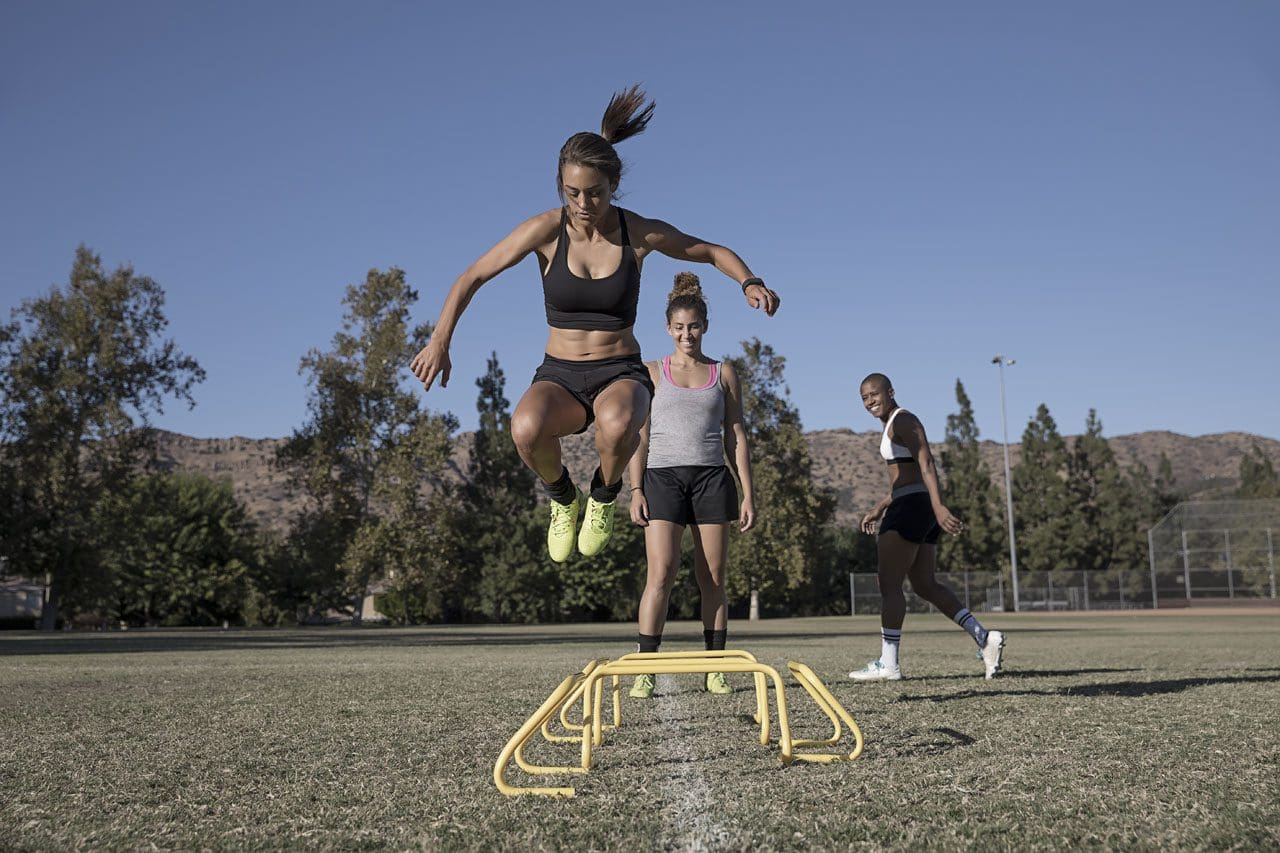
For athletes, the vertical jump is a skill that can be increased and improved with proper training. To improve jumping abilities for sports like basketball, tennis, volleyball, or track and field events such as the high jump it is necessary to do both strength and power training. Research has found certain key components can help athletes become better at jumping. There are different ways to improve an individual’s vertical jump. Here we go over some of the most effective exercises including plyometrics, and exercises that build strength and power.
Vertical Jump Increase and Improvement
Jumping is an explosive movement.
To jump well, an individual needs a consistent powerful spring.
This is achieved by training the explosive/fast-twitch muscle fibers with the ability to shorten and stretch dynamically.
Upper body strength is important for creating upward momentum.
Strength exercises involve slow, controlled movements like squats, lunges, and step-ups with weights.
Power exercises involve explosive, quick movements.
Plyometrics involve explosive hopping, bounding, and jumping drills that combine strength and speed.
Exercises
Plyometrics
Common plyometric exercises include hops, jumps, and bounding movements.
A popular exercise is jumping off a box and rebounding off the floor then jumping onto another, higher box.
Box jumps provide practice for jumping.
Single-Leg Squats
Single-leg squats can be done almost anywhere, without equipment.
They work the hips, hamstrings, quadriceps, gluteus maximus, and calves.
They strengthen the core and increase flexibility.
Full Squats
This is a barbell exercise to build strength and power.
It is considered one of the best total body exercises.
Weighted Step-Ups
The step-up is a recommended all-around exercise that can be done almost anywhere.
Not only will it build strength in your quadriceps, but you can also use it as part of a cardio workout.
It has a low risk of injury.
Overhead Walking Lunges
All that is needed is a weight and room to walk.
This exercise builds power, strength, and speed in the legs.
Improves core strength.
Stair Running
This is a high-intensity workout that builds speed, power, and cardiovascular fitness.
It targets the glutes, quads, and calves.
Agility Drills
Agility drills can include jumping to improve coordination, speed, power, and specific skills.
Sprints
Sprints are quick intense exercises to build muscle and increase performance.
Sprints use more muscle groups.
Practice
Build strength by performing basic weight training exercises using slow, controlled movements.
Build power with faster dynamic movements.
Improve movement speed to create power with explosive, quick exercises.
Work on form, by incorporating the lead-up to the jump, arm motion, and safe landing technique.
Include time to practice maximum jumping and bring it all together.
Always warm up before jumping or performing drills to keep the joints and body safe.
Athletes jump rope to get the blood circulating and warm up their muscles.
Do several slow, controlled toe raises to prepare the feet and ankles for jumping and landing.
Gradually work up to a full vertical jump, by doing box and squat jumps.
Jumping
When finally working on the vertical jump, start with the feet hips-distance apart.
If measuring jump height, stand about a foot away from the measuring tape or measuring bar on the side.
Start with arms overhead.
As you drop into a squat position swing the arms behind the hips.
Swing back up to the starting position before going for the full jump.
The pre-swing helps build momentum.
Land with the knees bent to minimize the impact.
Jumping is a high-impact activity that can take a toll on the knees, hips, ankles, and feet. Be sure to rest the body between hard workouts so the muscles have time to recover, repair, and build up.
Improving Athletic Performance
References
Barnes, Jacque L et al. “Relationship of jumping and agility performance in female volleyball athletes.” Journal of Strength and conditioning research vol. 21,4 (2007): 1192-6. doi:10.1519/R-22416.1
Bezerra, Ewertton DE S et al. “Influence of Trunk Position during Three Lunge Exercises on Muscular Activation in Trained Women.” International journal of exercise science vol. 14,1 202-210. 1 Apr. 2021
Hedlund, Sofia, et al. “Effect of chiropractic manipulation on vertical jump height in young female athletes with talocrural joint dysfunction: a single-blind randomized clinical pilot trial.” Journal of Manipulative and physiological therapeutics vol. 37,2 (2014): 116-23. doi:10.1016/j.jmpt.2013.11.004
Hernández, Sebastian, et al. “Effects of Plyometric Training on Neuromuscular Performance in Youth Basketball Players: A Pilot Study on the Influence of Drill Randomization.” Journal of sports science & medicine vol. 17,3 372-378. 14 Aug. 2018
Karatrantou, Konstantina, et al. “Can sport-specific training affect vertical jumping ability during puberty?.” Biology of sport vol. 36,3 (2019): 217-224. doi:10.5114/biolsport.2019.85455
Markovic, Goran. “Does plyometric training improve vertical jump height? A meta-analytical review.” British Journal of sports medicine vol. 41,6 (2007): 349-55; discussion 355. doi:10.1136/bjsm.2007.035113
McLellan, Christopher P et al. “The role of rate of force development on vertical jump performance.” Journal of Strength and conditioning research vol. 25,2 (2011): 379-85. doi:10.1519/JSC.0b013e3181be305c
Rodríguez-Rosell, David, et al. “Traditional vs. Sport-Specific Vertical Jump Tests: Reliability, Validity, and Relationship With the Legs Strength and Sprint Performance in Adult and Teen Soccer and Basketball Players.” Journal of Strength and conditioning research vol. 31,1 (2017): 196-206. doi:10.1519/JSC.0000000000001476
Vanezis, Athanasios, and Adrian Lees. “A biomechanical analysis of good and poor performers of the vertical jump.” Ergonomics vol. 48,11-14 (2005): 1594-603. doi:10.1080/00140130500101262
IFM's Find A Practitioner tool is the largest referral network in Functional Medicine, created to help patients locate Functional Medicine practitioners anywhere in the world. IFM Certified Practitioners are listed first in the search results, given their extensive education in Functional Medicine