For individuals with digestive and other health issues, could resistant starch provide health benefits?
Resistant Starch
Typical starchy foods are simple starches that are rapidly digested. This sends their sugars into the bloodstream, contributing to weight gain and increasing the risk of diabetes and heart disease. (Erik E. J. G. Aller, et al., 2011) Resistant starch is a food component that is a type resistant to digestion. This means that it passes into the large intestine and interacts with the gut flora. Foods that contain resistant starch pass through the stomach and small intestine without being absorbed. In the large intestine, they are fermented by the gut bacteria which releases substances that are beneficial to health.
Health Benefits
Studies on the health benefits are ongoing. Scientists are researching how it can help with weight management and colon health:
Weight Management
Research is beginning to show indications that foods with resistant starch can help with weight loss and the ability to help offset the diseases associated with weight gain that include: (Janine A. Higgins. 2014)
High cholesterol
Diabetes
Metabolic syndrome
Cardiovascular disease
Colon Health
In addition, researchers are finding preliminary evidence indicating that resistant starch might possibly help with: (Diane F. Birt, et al., 2013)
A prebiotic that encourages a healthy balance of gut flora.
Inflammatory bowel disease symptom improvement.
Prevention of colon cancer.
Protection against diverticulitis.
However, more research is needed.
Consumption Amount
Estimates on how much should be consumed range from a minimum of 6 grams to a maximum of 30 grams. It is estimated that most individuals consume less than 5 grams per day, (Mary M. Murphy, et al., 2008). As individuals increase their intake, it is recommended to do so slowly, to minimize unwanted gas and bloating.
Bananas
Bananas are a healthy source of resistant starch.
They have the maximum amount when they are unripe.
The resistant starch content reduces as the banana ripens.
If green/unripe bananas are not appealing, making a smoothie can help with the taste.
Potatoes
Potatoes have their highest level of resistant starch when raw.
However, individuals can maximize their intake by allowing the potatoes to cool before eating.
Rice
Levels of resistant starch depend on whether the rice is white or brown.
Similar to potatoes, intake can be maximized from rice by allowing the rice to cool.
Oats
Cooking oats in water, as most are accustomed to making oatmeal, diminishes the resistant starch content.
Rolled or steel-cut oats are recommended as dependable sources of resistant starch.
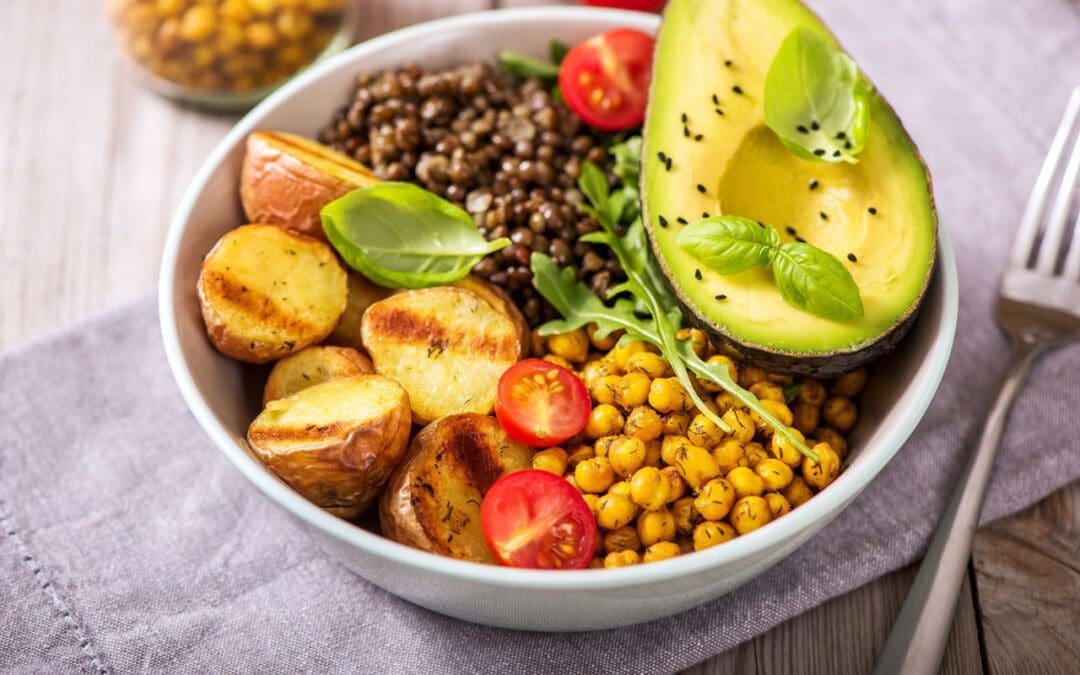
Chickpeas
Chickpeas, also known as garbanzo beans, are nutritional powerhouses.
They are a healthy source of dietary fiber, along with many vitamins and minerals, and resistant starch.
Cooked and/or canned chickpeas contain high levels of resistant starch.
They go with salads or as a side dish or snack.
For individuals with IBS, well-rinsed canned chickpeas are considered to be low in FODMAPs or carbohydrates that can contribute to symptoms. (Anamaria Cozma-Petruţ, et al., 2017)
It is recommended to keep the serving size to a 1/4 cup.
Lentils
Lentils serve as a healthy source of plant-based protein.
Cooked they can provide resistant starch.
They can be prepared in soups or side dishes.
From a can, they can be IBS-friendly by being well-rinsed and limited to a 1/2 cup serving.
Bread
Various breads offer varying levels of resistant starch.
Pumpernickel bread contains high levels.
Breadsticks and pizza crusts have high levels.
Individuals with IBS may be reactive to the FODMAP fructan or the gluten protein.
Other recommended high-resistant starch options are corn tortillas or artisanal sourdough bread that is traditionally prepared.
Green Peas
Green peas, even when cooked, are a healthy source of resistant starch.
They can be prepared in soups or as a side dish.
However, green peas have been found to be high in the FODMAP GOS and could be problematic for individuals with IBS. (Anamaria Cozma-Petruţ, et al., 2017)
Beans
Most types of cooked and/or canned beans are recommended sources of resistant starch.
The highest levels are found in white and kidney beans.
They can be served in soups, as a side dish, or mixed with rice.
Beans are a high-FODMAP food and could contribute to digestive symptoms in individuals with IBS.
Body In Balance: Chiropractic Fitness and Nutrition
References
Aller, E. E., Abete, I., Astrup, A., Martinez, J. A., & van Baak, M. A. (2011). Starches, sugars and obesity. Nutrients, 3(3), 341–369. https://doi.org/10.3390/nu3030341
Higgins J. A. (2014). Resistant starch and energy balance: impact on weight loss and maintenance. Critical reviews in food science and nutrition, 54(9), 1158–1166. https://doi.org/10.1080/10408398.2011.629352
Birt, D. F., Boylston, T., Hendrich, S., Jane, J. L., Hollis, J., Li, L., McClelland, J., Moore, S., Phillips, G. J., Rowling, M., Schalinske, K., Scott, M. P., & Whitley, E. M. (2013). Resistant starch: promise for improving human health. Advances in nutrition (Bethesda, Md.), 4(6), 587–601. https://doi.org/10.3945/an.113.004325
Murphy, M. M., Douglass, J. S., & Birkett, A. (2008). Resistant starch intakes in the United States. Journal of the American Dietetic Association, 108(1), 67–78. https://doi.org/10.1016/j.jada.2007.10.012
Cozma-Petruţ, A., Loghin, F., Miere, D., & Dumitraşcu, D. L. (2017). Diet in irritable bowel syndrome: What to recommend, not what to forbid to patients!. World journal of gastroenterology, 23(21), 3771–3783. https://doi.org/10.3748/wjg.v23.i21.3771
For individuals looking to maintain wellness or begin their wellness journey like increasing antioxidants, protection against cancer, immune system support and other health benefits, can adding onions be a nutritious way to improve overall health?
Onions
Onions are nutritious vegetables like garlic, chives, leeks, and shallots. The most common types are red, white, yellow, and Spanish onions. They have antifungal, antibacterial, anti-inflammatory, and other healthful properties.
Whichever way they are prepared they do lose some of their nutritional value when cooked.
They contain flavonoids, glutathione, selenium compounds, vitamin E, and vitamin C.
When selecting onions, look for those without blemishes or discoloration, that are firm, and have dry, papery skins.
Benefits
They contain phytochemicals – compounds plants produce to fight off harmful bacteria, viruses, and fungi. These phytochemicals provide health benefits when consumed and provide the following properties: (Xin-Xin Zhao, et al., 2021)
Protect the cardiovascular, digestive, respiratory, reproductive, and neurological systems.
Protect against liver disease.
Support a healthy immune system.
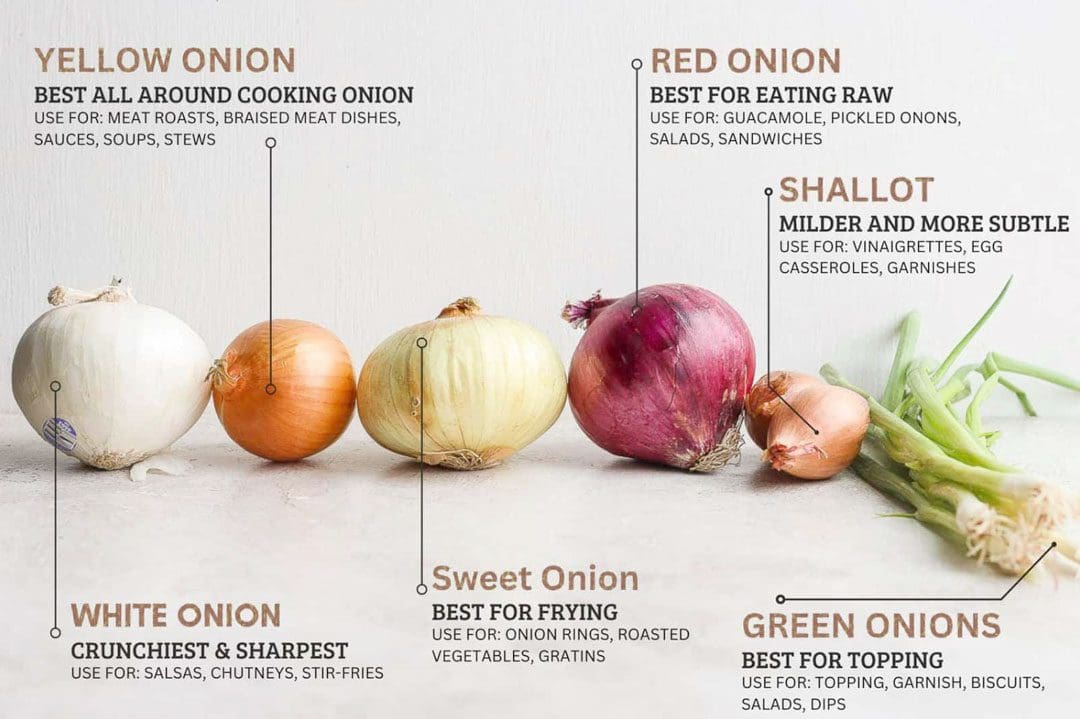
Types and Varieties
They belong to the Allium plant genus which includes plants like garlic, leeks, and chives. (Oregon State University. 2022)
They vary in flavor and can be sweet, tangy, and sour.
Different varieties combined with farming practices contribute to the flavor profile of onions.
There are many varieties of onions.
The most common and widely available are red, white, yellow, and Spanish.
Other types include cipollini, pearl, and Vidalia.
Raw or Cooked
They are beneficial whether eaten raw or cooked, cooking them reduces the number of thiosulfinates – compounds that provide antimicrobial, antifungal, and antibiotic properties.
Boiling and frying onions has been shown to cause the most significant loss in nutritious value.
Other preparation methods that decrease health benefits include sautéing, steaming, and microwaving.
Baking onions is shown to increase flavonoid levels.
Consuming dried, powdered onions can also provide nutritious value to foods, especially if the powder is freeze-dried. (Damini Kothari, et al., 2020)
Nutrition Facts
Onions can contribute to a healthy diet. The flavonoids, glutathione, selenium compounds, vitamin E, and vitamin C, contribute to the antioxidant properties of the vegetable. (Holly L. Nicastro, et al., 2015) The nutrition information for one medium onion: (U.S. Department of Agriculture. N.D.)
Total calories: 44
Total fat: 0 grams
Cholesterol: 0 milligrams
Carbohydrates: 10 grams
Dietary fiber: 2 grams
Total sugars: 5 grams
Protein: 1 grams
Calcium: 2 milligrams
Sodium: 4 milligrams
Iron: 1 milligrams
Vitamin D: 0 micrograms
When Selecting
Onions can contain pesticide residue, heavy metals, microbial contamination, and nitrate accumulation. Knowing where the onions come from can help ensure there was no incorrect use of pesticides or that the soil they were grown in was not enriched with heavy metals. When possible, purchase from reputable sources with transparent farming practices, like the farmers markets. (Xin-Xin Zhao, et al., 2021)
Onions found in environments that have not been effectively sterilized have an increased risk of growing harmful bacteria.
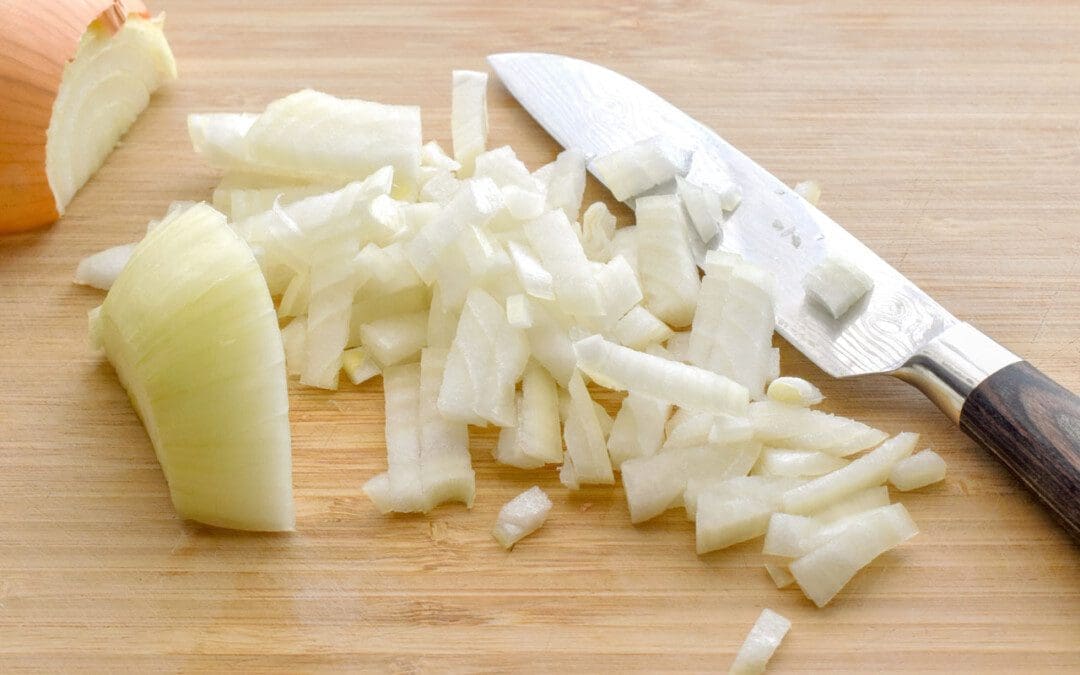
To avoid contamination of Escherichia. coli or E. coli, salmonella, and mold, it’s safest to purchase whole onions and cut them at home rather than purchasing pre-chopped onions. (Xin-Xin Zhao, et al., 2021)
Select those that feel firm, have little to no bruises or discolored spots, and have dry papery skin.
Avoid those that show evidence of mold, like white or black spots on the surface or inside the layers, and those with green shoots, which means the onion is still edible but won’t last that long.
Hypertension Diet
References
Zhao, X. X., Lin, F. J., Li, H., Li, H. B., Wu, D. T., Geng, F., Ma, W., Wang, Y., Miao, B. H., & Gan, R. Y. (2021). Recent Advances in Bioactive Compounds, Health Functions, and Safety Concerns of Onion (Allium cepa L.). Frontiers in nutrition, 8, 669805. https://doi.org/10.3389/fnut.2021.669805
Nicastro, H. L., Ross, S. A., & Milner, J. A. (2015). Garlic and onions: their cancer prevention properties. Cancer prevention research (Philadelphia, Pa.), 8(3), 181–189. https://doi.org/10.1158/1940-6207.CAPR-14-0172
Kothari, D., Lee, W. D., & Kim, S. K. (2020). Allium Flavonols: Health Benefits, Molecular Targets, and Bioavailability. Antioxidants (Basel, Switzerland), 9(9), 888. https://doi.org/10.3390/antiox9090888
Individuals who engage in a regular fitness regimen can begin to lose interest and motivation. Can knowing the signs of exercise burnout help individuals rediscover their motivation?
Exercise Burnout
When maintaining fitness and health becomes a chore and doing anything else is better than working out, individuals could be experiencing exercise burnout. Here are a few signs an individual is getting burned out.
Procrastination
One sign is constantly putting things off.
An individual may put on workout clothes, set up the equipment, etc.
However, the workout never happens as the individual continues to find other things to do.
At some point, they decide it’s too late and they’ll work out tomorrow.
Solution
Simplify the workout. Make some small goals or adjustments and keep the workout light. (Nemanja Lakicevic, et al., 2020) An example could be:
Focus only on stretching.
Take a walk around the block.
Go up and down some stairs equivalent to a few laps.
Do 10 pushups, 10 squats, and 10 lunges, or other exercises and that’s it.
No Longer Interesting
When burned out, exercise is not interesting and disenchanting. (Franklin Velasco, Rafael Jorda. 2020) Trainers will suggest finding something positive about the workouts.
When the interest and passion are nowhere to be found don’t engage in the usual workouts, as this can further decrease motivation.
This is the time to change up the routine and go for a leisurely bicycle or rollerblade, skateboard, etc., session.
Go to a park, just walk around, and forget about exercise just taking in everything.
Play a game with a friend or toss a ball around.
Exhaustion
Not just physical, but mental fatigue could be a sign of exercise burnout.
Solution
Rest.
Individuals may think they have to work out every day and stick to the regimen or else they’ve failed.
This type of mindset can lead to burnout and added stress.
The body and mind require adequate recovery time.
Forget about structured exercise for a day, and see how the mind and body feel the next day.
Two or three days off in a row can make a significant difference in motivation and offer a new perspective on the workout routine.
Low Energy Levels After Exercise
Workouts, although tiring in a good way, should energize the individual. Most workouts should leave the body feeling better than before. When the body feels worse or energy levels are low, this could be a sign of overtraining that could lead to exercise burnout.
Solution
This could be the time to ease off of the fitness regimen.
This is a form of active recovery, allowing the mind and body to rest from the overwork.
Mood Changes and/or Irritability
When the mind and body are overworked and over-trained, it can cause moodiness, irritability, and frustration that leads to burnout.
Solution
Do something that feels good. This could include:
A therapeutic massage.
A spa session.
Taking a long nap.
Soaking the feet.
Taking a therapeutic bath.
Meditation
Burnout can happen, the objective is to keep the solutions simple like taking a few days off or trying something new to come back feeling refreshed and energized.
Multidisciplinary Evaluation and Treatment
References
Lakicevic, N., Gentile, A., Mehrabi, S., Cassar, S., Parker, K., Roklicer, R., Bianco, A., & Drid, P. (2020). Make Fitness Fun: Could Novelty Be the Key Determinant for Physical Activity Adherence?. Frontiers in psychology, 11, 577522. https://doi.org/10.3389/fpsyg.2020.577522
Velasco, F., & Jorda, R. (2020). Portrait of Boredom Among Athletes and Its Implications in Sports Management: A Multi-Method Approach. Frontiers in psychology, 11, 831. https://doi.org/10.3389/fpsyg.2020.00831
Individuals diagnosed with peripheral neuropathy, or with small fiber neuropathy, can understanding symptoms and causes help with potential treatments?
Small Fiber Neuropathy
Small fiber neuropathy is a specific classification of neuropathy, as there are different types, which are nerve injury, damage, disease, and/or dysfunction. Symptoms can result in pain, loss of sensation, and digestive and urinary symptoms. Most cases of neuropathy like peripheral neuropathy involve small and large fibers. Common causes include long-term diabetes, nutritional deficiencies, alcohol consumption, and chemotherapy.
Small fiber neuropathy is diagnosed after diagnostic testing showing it is clear that the small nerve fibers are involved.
The small nerve fibers detect sensation, temperature, and pain and help regulate involuntary functions.
Isolated small-fiber neuropathy is rare, but research is ongoing on the type of nerve damage and potential treatments. (Stephen A. Johnson, et al., 2021)
Small fiber neuropathy is not specifically dangerous but is a sign/symptom of an underlying cause/condition that is damaging the body’s nerves.
Pain – symptoms can range from mild or moderate discomfort to severe distress and can happen at any time.
Loss of sensation.
Because the small nerve fibers help with digestion, blood pressure, and bladder control – symptoms of autonomic dysfunction can vary and can include:
Constipation, diarrhea, incontinence, urinary retention – the inability to completely drain the bladder.
If there is progressing nerve damage, the intensity of the pain can decrease, but the loss of normal sensation and autonomic symptoms can worsen. (Josef Finsterer, Fulvio A. Scorza. 2022)
Hypersensitivity to touch and pain sensations can cause pain without a trigger.
The loss of sensation can make individuals unable to accurately detect sensations of touch, temperature, and pain in affected areas, which can lead to various types of injuries.
Although more research is needed, certain disorders that were not considered neuropathies may have small fiber neuropathy components involved.
A study suggested that neurogenic rosacea, a skin condition, could have some elements of small fiber neuropathy. (Min Li, et al., 2023)
These small nerve fibers are distributed throughout the body including the tops of the fingers and toes, trunk, and internal organs.
These fibers are usually located in the superficial areas of the body, such as close to the skin’s surface. (Mohammad A. Khoshnoodi, et al., 2016)
The small nerve fibers that get damaged are involved in transmitting pain and temperature sensations.
Most nerves have a special type of insulation called myelin that protects them and increases the speed of nerve impulses.
Small nerve fibers may have a thin sheath, making them more susceptible to injury and damage at earlier stages of conditions and diseases. (Heidrun H. Krämer, et al., 2023)
Individuals At Risk
Most types of peripheral neuropathy cause damage to the small and large peripheral nerve fibers. Because of this, most neuropathies are a mix of small-fiber and large-fiber neuropathy. Common risk factors for mixed fiber neuropathy include: (Stephen A. Johnson, et al., 2021)
Diabetes
Nutritional deficiencies
Overconsumption of alcohol
Autoimmune disorders
Medication toxicity
Isolated small-fiber neuropathy is rare, but there are conditions that are known to contribute to the cause and include: (Stephen A. Johnson, et al., 2021)
Sjogren Syndrome
This autoimmune disorder causes dry eyes and mouth, dental problems, and joint pain.
It can also cause nerve damage throughout the body.
Fabry Disease
This condition causes a buildup of certain fats/lipids in the body that can lead to neurological effects.
Amyloidosis
This is a rare disorder that causes a buildup of proteins in the body.
The proteins can damage tissues like the heart or nerves.
Lewy Body Disease
This is a neurological disorder that causes dementia and impaired movement and can lead to nerve damage.
Lupus
This is an autoimmune disease that affects joints, skin, and sometimes nerve tissue.
Viral Infection
These infections typically cause a cold or gastrointestinal/GI upsetness.
Less often they can cause other effects like small fiber neuropathy.
These conditions have been seen to cause isolated small-fiber neuropathy or begin as small-fiber neuropathy before progressing to the large nerve fibers. They can also begin as a mixed neuropathy, with small and large fibers.
Progression
Often the damage progresses at a relatively moderate rate, leading to added symptoms within months or years. The fiber nerves that are affected by the underlying condition usually progressively deteriorate, regardless of where they are located. (Mohammad A. Khoshnoodi, et al., 2016) Medications can help alleviate damage to the peripheral nerves. For individuals that are diagnosed in the early stage, it is possible to stop the progression, and potentially prevent involvement of the large fibers.
Treatments
Treatment toward preventing the progression requires controlling the underlying medical condition with treatment options depending on the cause. Treatments that can help prevent the progression include:
Blood sugar control for individuals with diabetes.
Immune suppression for control of autoimmune diseases.
Plasmapheresis – blood is taken and the plasma is treated and returned or exchanged for the treatment of autoimmune diseases.
Symptom Treatment
Individuals can get treatment for the symptoms that will not reverse or cure the condition but can help with temporary relief. Symptomatic treatment can include: (Josef Finsterer, Fulvio A. Scorza. 2022)
Pain management can include medications and/or topical analgesics.
Physical therapy – stretching, massage, decompression, and adjustments to keep the body relaxed and flexible.
Rehabilitation to help improve coordination, which can be impaired by loss of sensation.
Medications to relieve GI symptoms.
Wearing specialized clothes such as neuropathy socks to help with foot pain symptoms.
Treatment and medical management of neuropathies usually involve a neurologist. A neurologist may prescribe medication to help alleviate pain symptoms and provide medical interventions like immunotherapy if there is concern that an autoimmune process could be the cause. Additionally, treatment could include the care of a physical medicine and rehabilitation physician or a physical therapy team to provide stretches and exercises to help strengthen the body and maintain mobility and flexibility.
Peripheral Neuropathy Myths & Facts
References
Johnson, S. A., Shouman, K., Shelly, S., Sandroni, P., Berini, S. E., Dyck, P. J. B., Hoffman, E. M., Mandrekar, J., Niu, Z., Lamb, C. J., Low, P. A., Singer, W., Mauermann, M. L., Mills, J., Dubey, D., Staff, N. P., & Klein, C. J. (2021). Small Fiber Neuropathy Incidence, Prevalence, Longitudinal Impairments, and Disability. Neurology, 97(22), e2236–e2247. https://doi.org/10.1212/WNL.0000000000012894
Finsterer, J., & Scorza, F. A. (2022). Small fiber neuropathy. Acta neurologica Scandinavica, 145(5), 493–503. https://doi.org/10.1111/ane.13591
Krämer, H. H., Bücker, P., Jeibmann, A., Richter, H., Rosenbohm, A., Jeske, J., Baka, P., Geber, C., Wassenberg, M., Fangerau, T., Karst, U., Schänzer, A., & van Thriel, C. (2023). Gadolinium contrast agents: dermal deposits and potential effects on epidermal small nerve fibers. Journal of neurology, 270(8), 3981–3991. https://doi.org/10.1007/s00415-023-11740-z
Li, M., Tao, M., Zhang, Y., Pan, R., Gu, D., & Xu, Y. (2023). Neurogenic rosacea could be a small fiber neuropathy. Frontiers in pain research (Lausanne, Switzerland), 4, 1122134. https://doi.org/10.3389/fpain.2023.1122134
Khoshnoodi, M. A., Truelove, S., Burakgazi, A., Hoke, A., Mammen, A. L., & Polydefkis, M. (2016). Longitudinal Assessment of Small Fiber Neuropathy: Evidence of a Non-Length-Dependent Distal Axonopathy. JAMA neurology, 73(6), 684–690. https://doi.org/10.1001/jamaneurol.2016.0057
Individuals need to eat more fiber for optimal gut health. Can adding avocado to their diet help improve the gut microbe diversity?
Avocado Gut Support
A diverse gut microbiome is beneficial to overall health. According to a recent study, eating one avocado a day can help maintain the gut microbes healthy, diverse, and balanced. (Sharon V. Thompson, et al., 2021) The researchers observed positive changes in gut bacteria and increased bacterial diversity in individuals who consumed an avocado every day for 12 weeks. (Susanne M Henning, et al., 2019)
Gut Diversity
The gut microbiome refers to the microorganisms living in the intestines. There are around 100 trillion microorganisms, including bacteria, viruses, fungi, and more, exist in the gastrointestinal tract. (Ana M. Valdes, et al., 2018) Having a diverse microbiome means that the body has a range of different organisms that offer various health benefits. Not having enough bacterial diversity has been linked to: (Ana M. Valdes, et al., 2018)
Arthritis
Obesity
Type 1 diabetes
Type 2 diabetes
Inflammatory bowel disease
Celiac disease
Arterial stiffness
Atopic eczema
Why Avocados?
The Institute of Medicine recommends a daily fiber intake ranging from 19 grams to 38 grams per day, depending on various factors like age. (Diane Quagliani, Patricia Felt-Gunderson. 2016)
Including foods like avocados in a healthy diet can help meet daily fiber requirements.
Fruit fiber like pectin, has been shown to promote a healthy gut microbiome as well. (Beukema M, et al., 2020)
Researchers suggest this could be because of pectin’s positive effect on beneficial probiotics.(Nadja Larsen, et al., 2018)
Although further research is needed fiber is believed to help protect the lining of the colon by increasing the bulk and weight of stool and expediting elimination.
Fiber also adds bulk to an individual’s diet and slows the speed of digestion, which makes the body feel fuller longer.
Improved Gut
Individuals can support a healthy microbiota by making small adjustments in their diet, including:
Eating a variety of fruits and vegetables with the skin, as this is where a majority of the nutrition is.
Fermented foods like yogurt, kombucha, sauerkraut, kimchi, and kefir.
Limiting consumption of processed foods, sugar, and artificial sweeteners.
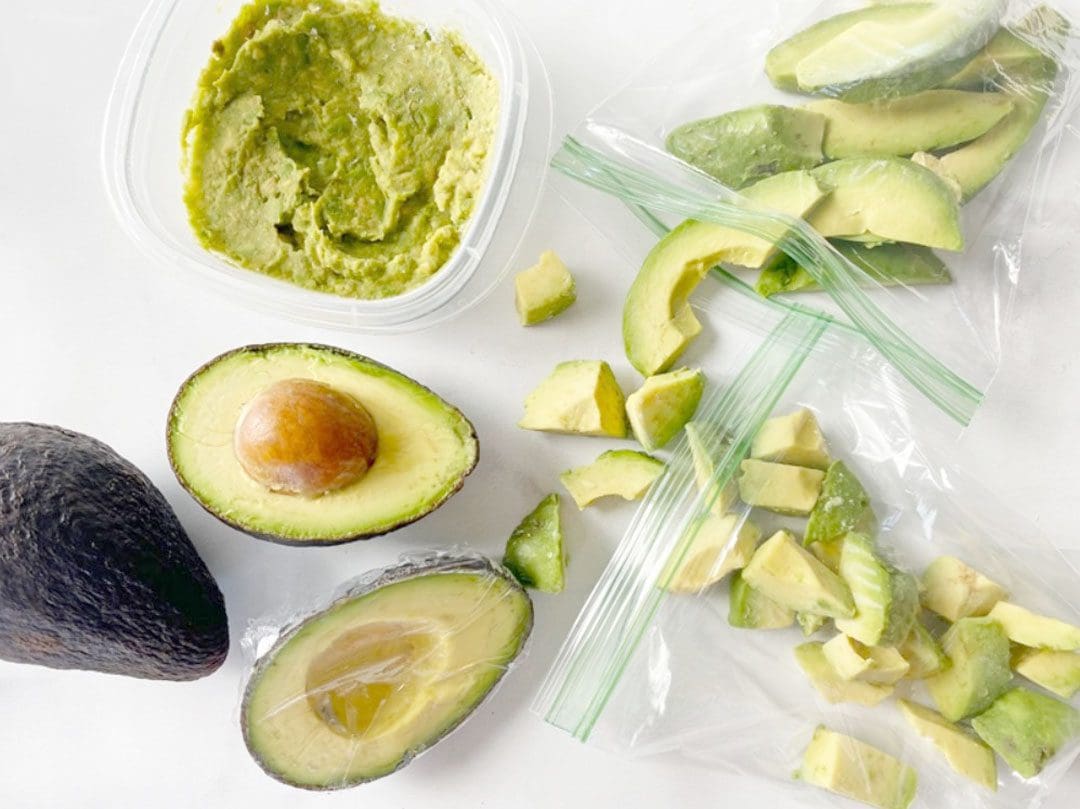
If there are more avocados that can be eaten before they overripen, they can be frozen.
Peel and slice them first, then place them in freezer bags to have year-round.
They are rich in healthy fat, however, in moderation, they are not likely to contribute to weight gain.
Individuals can work toward having a diverse gut microbiome by paying attention to the foods they eat. Specific foods and dietary patterns can influence the different types of bacterial diversity which can support health.
Smart Choices, Better Health
References
Thompson, S. V., Bailey, M. A., Taylor, A. M., Kaczmarek, J. L., Mysonhimer, A. R., Edwards, C. G., Reeser, G. E., Burd, N. A., Khan, N. A., & Holscher, H. D. (2021). Avocado Consumption Alters Gastrointestinal Bacteria Abundance and Microbial Metabolite Concentrations among Adults with Overweight or Obesity: A Randomized Controlled Trial. The Journal of nutrition, 151(4), 753–762. https://doi.org/10.1093/jn/nxaa219
Henning, S. M., Yang, J., Woo, S. L., Lee, R. P., Huang, J., Rasmusen, A., Carpenter, C. L., Thames, G., Gilbuena, I., Tseng, C. H., Heber, D., & Li, Z. (2019). Hass Avocado Inclusion in a Weight-Loss Diet Supported Weight Loss and Altered Gut Microbiota: A 12-Week Randomized, Parallel-Controlled Trial. Current developments in nutrition, 3(8), nzz068. https://doi.org/10.1093/cdn/nzz068
Valdes, A. M., Walter, J., Segal, E., & Spector, T. D. (2018). Role of the gut microbiota in nutrition and health. BMJ (Clinical research ed.), 361, k2179. https://doi.org/10.1136/bmj.k2179
Quagliani, D., & Felt-Gunderson, P. (2016). Closing America’s Fiber Intake Gap: Communication Strategies From a Food and Fiber Summit. American journal of lifestyle medicine, 11(1), 80–85. https://doi.org/10.1177/1559827615588079
Beukema, M., Faas, M. M., & de Vos, P. (2020). The effects of different dietary fiber pectin structures on the gastrointestinal immune barrier: impact via gut microbiota and direct effects on immune cells. Experimental & molecular medicine, 52(9), 1364–1376. https://doi.org/10.1038/s12276-020-0449-2
Larsen, N., Cahú, T. B., Isay Saad, S. M., Blennow, A., & Jespersen, L. (2018). The effect of pectins on survival of probiotic Lactobacillus spp. in gastrointestinal juices is related to their structure and physical properties. Food microbiology, 74, 11–20. https://doi.org/10.1016/j.fm.2018.02.015
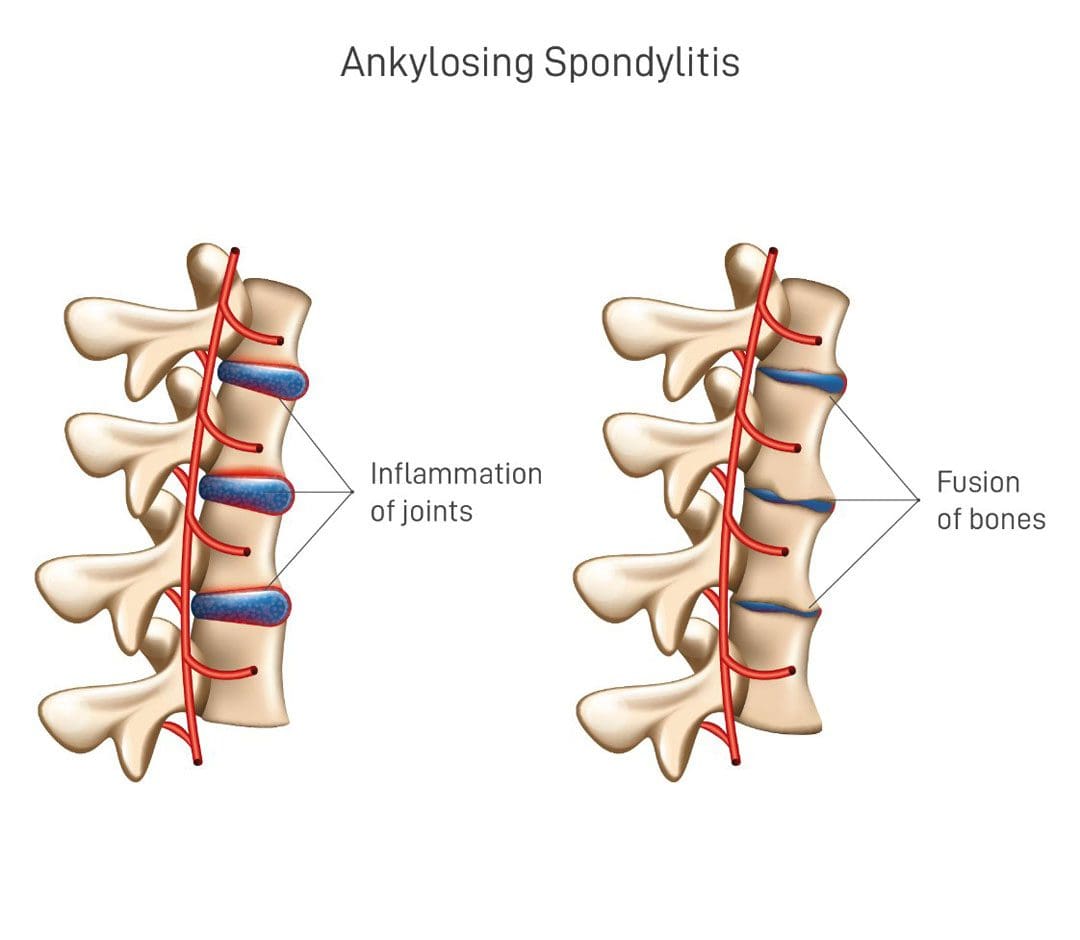
Ankylosing spondylitis is an inflammatory arthritis that causes changes in posture that occur over time. Can exercise and maintaining spinal alignment help improve posture problems?
Ankylosing Spondylitis Posture Improvement
Ankylosing spondylitis/AS is an autoimmune arthritis that primarily affects the spine. It can also spread to other joints of the body and affect the internal organs. Back pain problems are a common side effect of the condition and depending on the severity of damage to the spine, it can have a serious impact on posture.
Affects Posture
The condition usually first affects the sacroiliac joints at the bottom of the spine where they attach to the pelvis. As the condition progresses it works its way to the upper spine. The spine consists of 26 vertebrae/bones stacked on top of each other.
Line up the ears, shoulders, hips, knees, and ankles in a straight line.
Squeeze the shoulder blades together and down toward the back pockets.
Relax the arms at the sides.
Look straight ahead.
Tuck the chin back slightly.
Sitting
The natural curves of the spine need support for proper posture when sitting. Try these tips when at a desk or at a table:
Position the height of the chair so the hips and knees are bent at 90-degree angles.
Place the feet flat on the floor or use a footstool based on chair height.
Place a lumbar support pillow or rolled-up towel behind the lower back.
Position the screen monitor at eye level to keep the upper back straight.
Keep the keyboard and mouse close to the body to prevent overreaching which can increase the rounding of the shoulders and upper back.
Lying Down
Ankylosing spondylitis can make lying down uncomfortable. To support the spine while lying down try to:
Sleep on a semi-firm mattress or type like memory foam to conform to the body.
Place a pillow between the knees to maintain a straight spine when lying on the side.
Use a specialized pillow to prevent placing the upper back in a rounded position.
Posture Exercises
For individuals with ankylosing spondylitis stretching and strengthening exercises can help improve body posture. Individuals are recommended to talk to their healthcare provider before beginning an exercise program.
Chin Tucks
Sit up straight.
Squeeze the shoulder blades together.
Rest the arms at your sides.
Look straight ahead, pull the chin back and in until the stretch is felt along the muscles of the neck.
Hold for three to five seconds and relax.
Repeat 10 times.
Corner Stretch
Stand facing a corner.
Raise the arms to shoulder height.
Place one forearm flat against each wall.
Stagger the feet.
Slowly shift weight over the front leg and lean in toward the corner.
Stop once the stretch is felt across the chest.
Hold for 10 to 20 seconds and relax.
Repeat three times.
Scapular Squeezes
Sit up straight with arms resting at the sides.
Squeeze the shoulder blades together like they are holding an object between them.
Hold for three seconds and relax.
Repeat 10 times.
Maintaining spinal alignment will help decrease back pain that occurs with AS.
Targeted exercises can help stretch tight muscles and strengthen the muscles responsible for maintaining spinal alignment.
Maintaining healthy posture when sitting, standing, and sleeping can help prevent deformities in the spine.
Regular physical activity can help combat stiffness and help maintain overall strength.
For an individualized exercise program, see a physical therapist or chiropractor on incorporating posture exercises to help prevent complications from developing.
Arthritis
References
National Institute of Arthritis and Musculoskeletal and Skin Diseases. Ankylosing spondylitis.
De Nunzio, A. M., Iervolino, S., Zincarelli, C., Di Gioia, L., Rengo, G., Multari, V., Peluso, R., Di Minno, M. N., & Pappone, N. (2015). Ankylosing spondylitis and posture control: the role of visual input. BioMed research international, 2015, 948674. https://doi.org/10.1155/2015/948674
As research increases in regenerative medicine with the potential of being able to regrow thyroid tissue, could regeneration therapy eliminate the need for patients to take thyroid replacement hormones?
Thyroid Regenerative Therapy
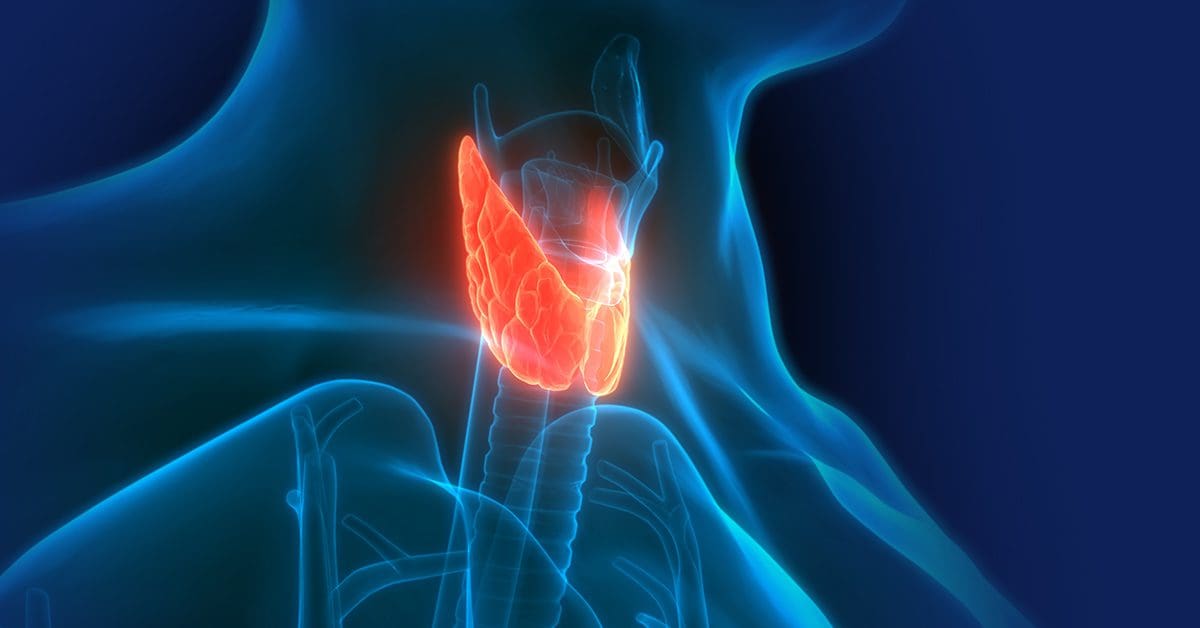
A great hope for regenerative therapy is the ability to grow healthy organs. One of the organs being looked at is the thyroid gland. The goal is to re-grow thyroid tissue in:
Individuals who had to have the gland removed because of thyroid cancer.
Individuals who were born without a fully developed gland.
As science advances and research has expanded from laboratory and animal experiments to test tube human thyroid cell studies, the use of stem cell therapy for this purpose is not there yet, as more extensive research is needed for human consideration.
Human Research
Research on the use of thyroid regenerative therapy for thyroid disease has not published studies in which stem cell therapy has been attempted in human thyroid patients.
The studies that have been done were conducted in mice, and any findings of this research cannot automatically be applied to humans. (H. P. Gaide Chevronnay, et al., 2016)
In human thyroid tissue in test tube studies, the stimulation of cells was achieved in a way that raised the question of making cancerous transformations more likely if it were to be attempted in humans. (Davies T.F., et al., 2011)
Recent Studies
Current research involves advances in embryonic stem cell – ESC and induced pluripotent stem cell – iPSC. (Will Sewell, Reigh-Yi Lin. 2014)
ESCs, also known as pluripotent stem cells, can increase any type of cell in the body.
They are harvested from embryos that were produced, but not implanted, during IVF procedures.
iPSCs are pluripotent cells that have been developed using a reprogramming process of adult cells.
Follicular cells are thyroid cells that make thyroid hormones – T4 and T3 and have been produced from the embryonic stem cells of mice.
In a study published in the journal Cell Stem Cell in 2015, these cells had the ability to grow and were also able to start making thyroid hormone within two weeks. (Anita A. Kurmann, et al., 2015)
After eight weeks, cells that were transplanted into mice that did not have thyroid glands had normal amounts of thyroid hormone.
New Thyroid Gland
Investigators at Mount Sinai Hospital induced human embryonic stem cells into thyroid cells.
They were looking at the possibility of creating a new-like thyroid gland in individuals who have had their thyroid surgically removed.
The future looks promising for the ability to regrow thyroid tissue and eliminate thyroid replacement hormone. However, far more research is needed for this to even be considered a possibility.
Cracking the Low Thyroid Code Assessment Guide
References
Gaide Chevronnay, H. P., Janssens, V., Van Der Smissen, P., Rocca, C. J., Liao, X. H., Refetoff, S., Pierreux, C. E., Cherqui, S., & Courtoy, P. J. (2016). Hematopoietic Stem Cells Transplantation Can Normalize Thyroid Function in a Cystinosis Mouse Model. Endocrinology, 157(4), 1363–1371. https://doi.org/10.1210/en.2015-1762
Davies, T. F., Latif, R., Minsky, N. C., & Ma, R. (2011). Clinical review: The emerging cell biology of thyroid stem cells. The Journal of clinical endocrinology and metabolism, 96(9), 2692–2702. https://doi.org/10.1210/jc.2011-1047
Sewell, W., & Lin, R. Y. (2014). Generation of thyroid follicular cells from pluripotent stem cells: potential for regenerative medicine. Frontiers in endocrinology, 5, 96. https://doi.org/10.3389/fendo.2014.00096
Kurmann, A. A., Serra, M., Hawkins, F., Rankin, S. A., Mori, M., Astapova, I., Ullas, S., Lin, S., Bilodeau, M., Rossant, J., Jean, J. C., Ikonomou, L., Deterding, R. R., Shannon, J. M., Zorn, A. M., Hollenberg, A. N., & Kotton, D. N. (2015). Regeneration of Thyroid Function by Transplantation of Differentiated Pluripotent Stem Cells. Cell stem cell, 17(5), 527–542. https://doi.org/10.1016/j.stem.2015.09.004
Tuttle, R. M., & Wondisford, F. E. (2014). Welcome to the 84th annual meeting of the American Thyroid Association. Thyroid : official journal of the American Thyroid Association, 24(10), 1439–1440. https://doi.org/10.1089/thy.2014.0429
IFM's Find A Practitioner tool is the largest referral network in Functional Medicine, created to help patients locate Functional Medicine practitioners anywhere in the world. IFM Certified Practitioners are listed first in the search results, given their extensive education in Functional Medicine