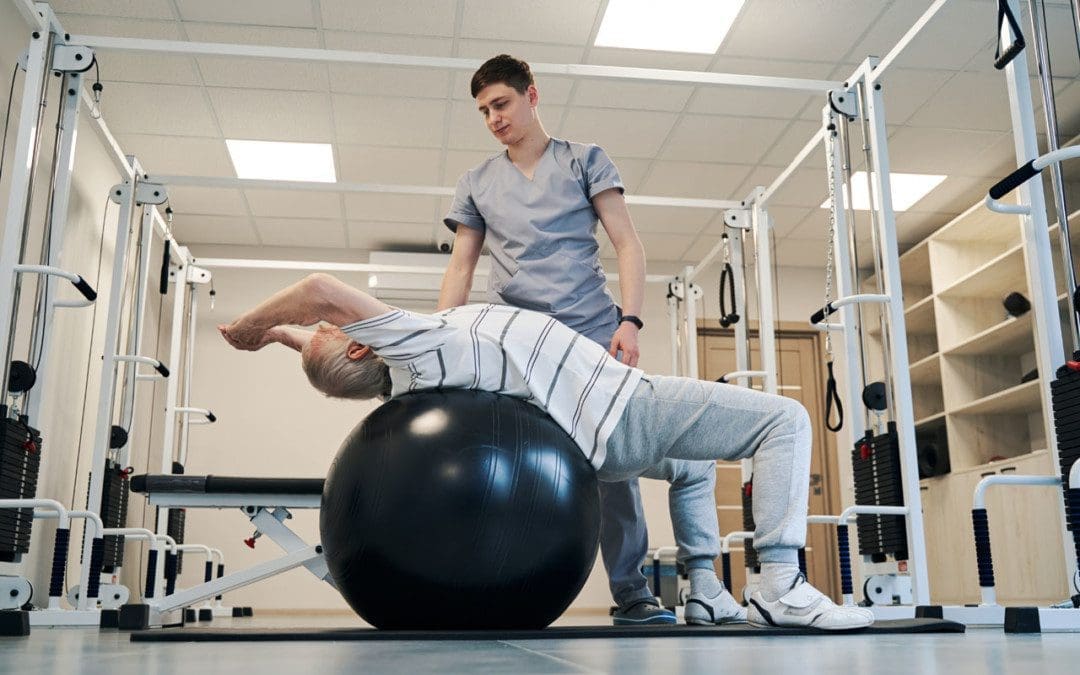
Post spine surgery physical therapy or PT is the next phase after a discectomy, laminectomy, fusion, etc., to gain optimal mobility and ease the transition for a full recovery. A chiropractor and physical therapist team will help with proper muscle training and activation, pain and inflammation relief, postural training, exercises, stretches, and educate the individual on an anti-inflammatory diet. Physical therapy post spine surgery reduces:
Scar tissue
Inflammation
Muscle weakness
Muscle tightness
Joint stiffness
The therapy also identifies and treats any issues that caused or contributed to the spinal damage/injury. A study found physical therapy to improve postoperative ambulation, pain, disability, and decreased surgical complications.
Post Spine Surgery Physical Therapy Goals
Physical therapy goals are to return the individual to full function before chronic pain or injury. These include:
Decrease pain and stress around the surgical site.
Loosen and stretch the muscles surrounding the surgical site.
Strengthen the back and neck muscles.
Stabilize the back and neck muscles.
Learn to move around safely.
Prepare for everyday physical activities like standing up or sitting down, lifting, and carrying objects.
Improve posture.
The therapy team will develop a customized treatment/rehabilitation plan as well as post-surgical recovery at home to help the individual and family to understand what to expect, including psychological factors like not wanting to perform the exercises or stretches to avoid pain, frustration, anger, depression, and wanting to give up. However, individuals can maximize the benefits to ensure an optimal outcome before surgery by pre-conditioning identifying structural and functional issues contributing to the injury.
Physical Therapy Involves
Therapy can be done at home, in a hospital or rehab setting, or at a chiropractic/physical therapy clinic. Therapists use:
A physical therapy session can last 45 minutes to an hour. It’s essential to discuss hopes and expectations post-surgery and after the therapy has finished. The therapists will explain the healing process, the treatment progression, and any questions a patient may have. Understanding the treatment process will help the individual want to engage in the treatment plan. The therapist team will also interface with the surgeon to prevent adverse outcomes.
Optimal Health
The physical therapy team will help the individual feel better with each session and stay motivated. Having a solid relationship with the therapy team makes it easier to share goals, worries, and challenges that the team can adapt to as progress is made. To gain the most from the therapy:
Try working with a therapist that the surgeon recommends can be helpful as they already have a working relationship.
Keep communication open between the surgeon and team.
Adhere to any precautions and restrictions set by the surgeon and therapy team.
Maintain recommended exercises at home between sessions.
Ease into activity and avoid overexertion.
Post spine surgery physical therapy helps accelerate the healing process and serves to help individuals regain their quality of life.
Body Composition
Power Of Protein
Protein is an essential component of muscle development, bone density, muscle mass, and lean tissue when building a healthy body. Protein is necessary for all the body’s physiological functions.
References
Adogwa, Owoicho et al. “Assessing the effectiveness of routine use of postoperative in-patient physical therapy services.” Journal of spine surgery (Hong Kong) vol. 3,2 (2017): 149-154. doi:10.21037/jss.2017.04.03
Atlas, S J, and R A Deyo. “Evaluating and managing acute low back pain in the primary care setting.” Journal of general internal medicine vol. 16,2 (2001): 120-31. doi:10.1111/j.1525-1497.2001.91141.x
Gellhorn, Alfred Campbell et al. “Management patterns in acute low back pain: the role of physical therapy.” Spine vol. 37,9 (2012): 775-82. doi:10.1097/BRS.0b013e3181d79a09
Jack, Kirsten et al. “Barriers to treatment adherence in physiotherapy outpatient clinics: a systematic review.” Manual therapy vol. 15,3 (2010): 220-8. doi:10.1016/j.math.2009.12.004
Lindbäck, Yvonne et al. “PREPARE: Pre-surgery physiotherapy for patients with degenerative lumbar spine disorder: a randomized controlled trial protocol.” BMC musculoskeletal disorders vol. 17 270. 11 Jul. 2016, doi:10.1186/s12891-016-1126-4
Flexibility and range of motion are essential elements for an individual’s overall health, physical fitness, and quality of life. Healthy flexibility helps the body:
Maintain a physically active lifestyle.
Maintain strength.
Improve endurance.
Prevent injury.
Flexibility and Range of Motion
Joint stiffness and pain can make it challenging to engage in everyday activities and maintain mobile, physical, emotional, and internal health. To keep the body flexible and moving, individuals need to use their entire body and range of movement. Becoming sedentary affects the body’s flexibility, leading to slowed/blocked blood circulation, nerve energy signal disruption, and sickness. To improve flexibility and range of motion, it is recommended to include:
Stretching the body
Regular exercise and physical activity
Yoga
Healthy diet
Healthy weight
Proper sleep
For individuals with stiffened muscles and joints, chiropractic medicine can increase the body’s flexibility, improving the range of motion in the joints. Chiropractic optimizes the function of the joints, improving mobility with less pain. When living with arthritis, chiropractic is an excellent therapy to decrease pain and activate the body’s natural healing abilities. Chiropractic adjustments align the spine and improve nervous system function.
Nerve Pressure
Nerve pressure can cause pain or tingling sensations that can become difficult to manage. A shifted misaligned spine can compress nerve endings, causing pain that presents with or without movement. Getting the body in motion and moving around is essential to treat stiffness and joint pain. The objective of chiropractic is to align the spine and body and relieve pressure on the nerves helping the body gain back its flexibility and range of motion. Once the body is adjusted, the nerve endings are no longer irritated, relieving the pain. Chiropractic uses various techniques to deal with areas of compression, including stretching, percussive massage, low-laser therapy, ultrasound, and strengthening exercises.
Chiropractic adjustments relieve pain and improve mobility.
Strengthening exercises to keep the spine in proper alignment.
Exercising keeps the adjustments in place.
A careful assessment of the condition will determine the cause of stiffness and joint immobility. Chiropractic can treat the joints, bones, and muscles to improve flexibility manage muscle spasms and soft tissue tenderness to alleviate symptoms restoring and improving range of motion. Chiropractic adjustments are combined with therapeutically designed stretches and exercises to perform at home, along with an anti-inflammation diet and supplements.
Body Composition
Zinc
Zinc is an essential nutrient that provides overall immune function. It is a powerful antioxidant that helps prevent and reduce oxidative stress and inflammation responses. Various bodily chemical reactions require Zinc. Zinc is necessary for muscle protein synthesisand hormone regulation. Zinc deficiency is common in older individuals and has been connected with degenerative diseases that include:
Green, S et al. “Physiotherapy interventions for shoulder pain.” The Cochrane database of systematic reviews vol. 2003,2 (2003): CD004258. doi:10.1002/14651858.CD004258
Hartvigsen, Jan et al. “What low back pain is and why we need to pay attention.” Lancet (London, England) vol. 391,10137 (2018): 2356-2367. doi:10.1016/S0140-6736(18)30480-X
Kavuncu, Vural, and Deniz Evcik. “Physiotherapy in rheumatoid arthritis.” MedGenMed: Medscape general medicine vol. 6,2 3. 17 May. 2004
Page, Carolyn J et al. “Physiotherapy management of knee osteoarthritis.” International journal of rheumatic diseases vol. 14,2 (2011): 145-51. doi:10.1111/j.1756-185X.2011.01612.x
Wessels, Inga et al. “Zinc as a Gatekeeper of Immune Function.” Nutrients vol. 9,12 1286. 25 Nov. 2017, doi:10.3390/nu9121286
When individuals think about wellness and health, they usually think about a checkup with their doctor. However, wellness treatment with chiropractic is much more proactive. Chiropractic focuses on keeping the body functioning properly and allowing its natural healing properties to activate and do its job. Chiropractic checks to ensure the spine is correctly aligned and correct any subluxation/misalignment before pain occurs. Pain is one of the body’s warnings that something is wrong. Chiropractic wellness care aims to catch and correct any issues before it becomes a problem, keeping the central nervous system in top form, increasing the immune system’s strength, making the body healthier.
Chiropractic Increases Wellness and Health Levels
The body’s baseline level of health can be improved. Individuals can feel that they are fulfilling their responsibilities and maintaining health by engaging in physical exercise and eating a healthy diet. It is believed that lifestyle is largely the extent of an individual’s ability to maintain their health, without realizing that optimal wellness and health can be increased through chiropractic, the ideal supplement to a healthy life. Chiropractic improves body process functions by:
Increasing circulation.
Facilitating detoxification.
Balancing the distribution of hormones and nutrients.
Regulating the heart’s rhythm.
Soothing the nervous system.
Increased mobility.
Decreased pain.
Better flexibility.
Chiropractic serves as supportive treatment to other types of therapeutic care like physical therapy and massage therapy.
Improves Physical Performance
A chiropractor will recommend adjustments, manual muscle manipulation, tissue manipulation, and massage customized for the body’s needs, focusing specifically on long-term realignment. A variety of treatments help to improve the body’s structure, alignment, and energy flow. Chiropractic makes a significant difference in:
Endurance
Explosiveness
Flexibility
Speed
Mobility
Adaptability
Chiropractic also:
Realigns joints and bones.
Decompresses nerves.
Releases muscles, tendons, and ligaments.
Detoxifies stagnant areas of the body.
Chiropractic is the perfect supplement to increasing performance, wellness, and health by increasing the health and alignment of the physical body and energy flow.
Improves Mental Health
Chiropractic also benefits mental health. The mind is controlled by the central nervous system or CNS and is directly affected by chiropractic treatment. With hands-on manipulation, adjustments, or traction, bones and joints move back toward optimal alignment, causing the nervous system’s structure to move toward optimal capacity and efficiency. Nerve channels and bundles can become decompressed, bruised, and pinched. The flow of electrical impulses is regulated within the body through the nervous system. Cognitive performance becomes enhanced from the improvement in communication across the central and peripheral nervous systems. Mental performance is also supported through the rush of cerebrospinal fluid/CSF. Cerebrospinal fluid removes waste and toxins from the brain and supplies the brain with oxygen and nutrients. CSF floods the brain after a chiropractic adjustment.
Improves Immune System Function
Chiropractic improves immune system function by increasing energy circulation, blood circulation, and lymphatic fluid flow.Treatment combats stagnation allowing the body to purge toxins and waste accumulated in joints, tissues, and near organs. Chiropractic loosens up areas of the body that have been compressed, crushed, strained, and divided because of misalignment, lack of physical activity/exercise, or stiffness and injury. This allows the flow of lymphatic fluid and white blood cells to regulate areas that may have previously been difficult to access. This helps to increase the immune system’s ability to fight off infection.
Body Composition
Get More Sleep
Sleep is a strong regulator of immune system functions and operates to enhance the adaptive immune system. When the body is deprived of adequate sleep, it becomes more susceptible to various infectious agents. Sleep deprivation weakens the body making it harder to recover from bacteria or virus infections. When the body sleeps, it utilizes the time to strengthen the immune system and move T cells to the lymph nodes. These are the vessels of the immune system responsible for filtering harmful substances. T cells produce cytokines activated when there is inflammation in the body or under stress. Inadequate sleep causes cytokine production to decrease, causing damage to the immune system.
References
Besedovsky, Luciana et al. “Sleep and immune function.” Pflugers Archiv: European journal of physiology vol. 463,1 (2012): 121-37. doi:10.1007/s00424-011-1044-0
Goncalves, Guillaume et al. “Effect of chiropractic treatment on primary or early secondary prevention: a systematic review with a pedagogic approach.” Chiropractic & manual therapies vol. 26 10. 5 Apr. 2018, doi:10.1186/s12998-018-0179-x
Iben, Axén, et al. “Chiropractic maintenance care – what’s new? A systematic review of the literature.” Chiropractic & manual therapies vol. 27 63. 21 Nov. 2019, doi:10.1186/s12998-019-0283-6
Vining, Robert et al. “Effects of Chiropractic Care on Strength, Balance, and Endurance in Active-Duty U.S. Military Personnel with Low Back Pain: A Randomized Controlled Trial.” Journal of alternative and complementary medicine (New York, N.Y.) vol. 26,7 (2020): 592-601. doi:10.1089/acm.2020.0107
Chiropractic can enhance the effectiveness of an exercise program. Chiropractic works on the neuromusculoskeletal system, which comprises the nervous, muscular, and skeletal systems. It produces an indirect effect on the immune system, involving the body’s processes resulting from exercise and muscle development. Most individuals are familiar with the benefits of regular exercise and physical activity. Regular physical activity and exercise:
Increases circulation
Improves strength
Increases immune system function
Produces brain-boosting endorphins and chemicals
Improves mood
Increase muscle mass
Contributes to enhanced flexibility and mobility
Exercise-boosting practices can multiply the effectiveness of a workout program. Exercise-enhancing methods that are well known include:
Incorporating rest days
Staying hydrated
Consistent and high-quality sleep
Utilizing supplements that enhance the body’s ability to produce and sustain muscle.
A chiropractor can develop a personalized treatment plan to support and enhance an individual’s workout/exercise program. This plan can include specific interventions to improve alignment or maintain muscle relaxation and prescribed stretches and movements to decrease the strain from an exercise regimen.
Nervous System
Chiropractic helps to balance the nervous system. Treatment allows pressure to be removed from compressed, bruised, and severed nerves. Chiropractic decreases and eliminates pain originating from inflamed muscles, joints, and tissues. When it comes to exercising, nerve pain usually originates from vigorous movement. Swelling and inflammation in the body can cause nerves to become inflamed or compressed. Misalignment in the spinal structure and joints can occur during strenuous exercise, particularly when weight resistance is involved. It can also constrict/pinch nerves, contributing to sciatic pain, which originates in the lower back and spreads down the gluteal muscles and back of the legs. Chiropractic can help:
Reduce pain and discomfort
Improve physical responsiveness
Decrease inflammation
Improve immune function
Muscular System
The muscular system is interconnected with the nervous and skeletal systems. Manual chiropractic manipulation helps to:
Reduce pain in inflamed muscles that have been utilized during exercise
Release tense and strained muscles
Remove muscular knots
Accelerate muscle repair
Improve exercise performance
Skeletal System
The skeletal system is the foundation for all physical movements and activities. It plays a role in physical activity/exercise, recovery, and the development of strength and musculature. During exercise routines, the joints can become misaligned, especially with weight-bearing or lifting activities. Chiropractic for the skeletal system can:
Rebalance the system
Realign bones and joints
Decrease muscular strain
Improve posture and form
Reduce and eliminate pain in the knees, wrists, and shoulders
Increase the body’s capacity for taking on additional weight healthfully
Keep The Chiropractor Informed
To receive enhanced exercise and performance-related benefits from chiropractic care, individuals must keep their chiropractor informed of goals and style of physical activity. The more the chiropractor knows about the types of exercises, the more they will provide a customized treatment plan for an individual’s specific needs. Any injury or strain experienced during an exercise session or a specific part of the body seems to be recovering at a slower rate than the rest of the body, inform the chiropractor. They can survey posture, stance, determine imbalances, and discover other body areas that may be over-straining to compensate.
Time Sessions Appropriately
Depending on the type of physical activity and exercises, individuals may be advised to seek care on rest days or the same days of the workout. Discuss with the chiropractor what days of the week are best for treatment and before or after workouts.
Health Goals
Movement and exercise practices are unique and vary with each individual. Individuals have different goals for their regimens that range from:
Increasing flexibility and agility
Building strength, endurance, and muscle mass.
Identify health goals and share them with the chiropractor. Depending on the purpose of the exercise routine, treatment may vary to support and enhance specific objectives.
Body Composition
Improve Insulin Sensitivity
When consuming carbohydrates, it is broken down into sugar. The body needs a certain amount of sugar to function. However, cellular damage occurs if the levels become too high for too long, like in diabetes. Insulin’s role is to guide excess sugar – glucose into the safety of the cells. However, more individuals are experiencing high blood insulin levels, called hyperinsulinemia. It’s dangerous to let glucose levels remain elevated, which is why more insulin is produced to bring the blood sugar down. After a time, constant hyperinsulinemia results in a condition called insulin resistance, where the cells become resistant to the effects of insulin and less effective.
Insulin Sensitivity and Weight Loss
A high insulin level in the blood can trigger weight gain and make it difficult to shed excess fat. Research shows that high insulin:
Erion, Karel A, and Barbara E Corkey. “Hyperinsulinemia: a Cause of Obesity?.” Current obesity reports vol. 6,2 (2017): 178-186. doi:10.1007/s13679-017-0261-z
Hawk, Cheryl et al. “Best Practices for Chiropractic Management of Patients with Chronic Musculoskeletal Pain: A Clinical Practice Guideline.” Journal of alternative and complementary medicine (New York, N.Y.) vol. 26,10 (2020): 884-901. doi:10.1089/acm.2020.0181
Hoogvliet, Peter et al. “Does the effectiveness of exercise therapy and mobilization techniques offer guidance for the treatment of lateral and medial epicondylitis? A systematic review.” British journal of sports medicine vol. 47,17 (2013): 1112-9. doi:10.1136/bjsports-2012-091990
Peluso, Marco Aurélio Monteiro, and Laura Helena Silveira Guerra de Andrade. “Physical activity and mental health: the association between exercise and mood.” Clinics (Sao Paulo, Brazil) vol. 60,1 (2005): 61-70. doi:10.1590/s1807-59322005000100012
Arthritis can be a debilitating disease that interferes with everyday life. There are over 20% of adults aged 65 and older that have arthritis along with all the symptoms like pain, stiffness, swelling, and decreased range of motion. The most commonly affected joints include the shoulders, hands, spine, hips, and knees. Arthritis results from damage to joint cartilage from various factors such as age, wear and tear, injury, being overweight, and disease. While medication and surgery are the most common treatment options, an arthritis chiropractor can offer a conservative, natural, non-invasive option to manage symptoms.
Arthritis Chiropractor Helps By
While arthritis, either caused by wear and tear – Osteoarthritis or disease – Rheumatoid Arthritis cannot be cured. An arthritis chiropractor can help manage symptoms and prevent progression. Chiropractors are trained to use various techniques to help alleviate pain and tension, including arthritis. Chiropractic treatment aims to alleviate pain by adjusting, massaging, and realigning the musculoskeletal system to relieve stress, stretch the muscles, ligaments, tendons, and restore balance within the body. They open the body to allow proper/optimal nerve energy and blood circulation. This is beneficial for arthritic joints to reduce unnecessary strain, translating to reduced wear on the joints and keeping the body active.
Benefits
There are significant benefits that regular chiropractic treatment can offer. These include:
Restored range of motion
Joint pain relief
Inflammation alleviation
Improved nerve function for optimal tissue healing
Regular adjustments will keep the body optimally aligned and functioning smoothly.
Arthritis chiropractors can recognize the most subtle changes.
Lifestyle Adjustments
Healthy lifestyle adjustments help manage arthritis.
Guidance on healthy habits that include:
Anti-inflammatory foods
Weight loss
Proper sleep habits
Exercise training
Stress management
The sooner chiropractic care is sought out, the better to prevent symptoms from worsening. Chiropractic can generate great results with less need for medication/s or surgery.
Body Composition
Identifying The Risk of Sarcopenia and Decreased Mobility
As the body ages, it begins to lose muscle mass, and as more sedentary behavior is adopted, the rate of loss increases along with age-related injury. Identifying these age-related changes in muscle and how they relate to frailty risk can be challenging to identify and track. By accurately measuring fat-free mass in each region of the body, Skeletal Muscle Index – SMI quickly specifies muscle mass and frailty risk. Sarcopenia and frailty specifically affect the elderly population, affecting mortality, cognitive function, and quality of life. Loss of muscle in the arms and legs is associated with:
Reductions in mobility
Increased risk of falls
Frailty
Extended hospital stays
Falls and fractures frequently result in a cycle of muscle deterioration. Analysis tools can help track body composition changes to minimize muscle wasting and the risk of impaired mobility. Assessing skeletal muscle mass in outpatient and hospital settings can decrease debilitating outcomes before they happen. The InBody analysis is quick and easy, providing a calculation for skeletal muscle index and the sum of the lean mass in the arms and legs. The ease of performing the InBody test provides physicians more time to work with and educate individuals on adopting lifestyle changes to help prevent sarcopenia.
References
Aletaha, Daniel. “Precision medicine and management of rheumatoid arthritis.” Journal of autoimmunity vol. 110 (2020): 102405. doi:10.1016/j.jaut.2020.102405
Beasley, Jeanine. “Osteoarthritis and rheumatoid arthritis: conservative therapeutic management.” Journal of hand therapy: official journal of the American Society of Hand Therapists vol. 25,2 (2012): 163-71; quiz 172. doi:10.1016/j.jht.2011.11.001
Demoruelle, M Kristen, and Kevin D Deane. “Treatment strategies in early rheumatoid arthritis and prevention of rheumatoid arthritis.” Current rheumatology reports vol. 14,5 (2012): 472-80. doi:10.1007/s11926-012-0275-1
Kavuncu, Vural, and Deniz Evcik. “Physiotherapy in rheumatoid arthritis.” MedGenMed: Medscape general medicine vol. 6,2 3. 17 May. 2004
Moon, Jeong Jae et al. “New Skeletal Muscle Mass Index in Diagnosis of Sarcopenia.” Journal of bone metabolism vol. 25,1 (2018): 15-21. doi:10.11005/jbm.2018.25.1.15
Moving every part of the body freely, without pain or stiffness, is necessary for a high quality of life. As the body ages, it begins to lose its natural flexibility. One of the most common problems with mobility and flexibility is tight and misaligned backs, shoulders, necks, and legs that can cause pain when moving. This means having a limited range of motion that can cause negative body compensation patterns that can lead to further dysfunction and injury. Maintaining healthy mobility requires a conscious effort to keep every joint, muscle, ligament, and tendon in shape. Chiropractic treatment can restore range of motion and strengthen the body.
Restore Range of Motion
Range of motion or R.O.M. is the measurement of movement around a joint or body part expressed in degrees. It is tied with the flexibility around a joint and plays a role in moving well without pain or discomfort. After an injury, trauma, or medical problem, the range of motion can be limited. Individuals with back, neck, shoulder, and leg pain feel stiff, tight, and sore in these areas and cannot move freely. Range of motion is vital for physical activity, athletic activity, and preventing injuries. When an individual pushes the body too hard and tries to move in an uncomfortable way, they can cause a tear or sprain, leading to added inflammation, stiffness, and further limited mobility.
Factors That Contribute To A Lack Of Flexibility
Age
Body age impacts flexibility. As the body gets older, it becomes stiff and can begin to present with pain, which restricts movements.
Limited Physical Activity or Exercise
Being sedentary with minimal physical activity contributes to a lack of flexibility, muscle loss, disrupted circulation, and weight gain.
Work
An individual’s profession can affect the body’s flexibility. A job that has little to no movement regularly, like being seated for most of the time, will contribute to reduced flexibility.
Obesity
Carrying additional body weight can significantly limit movement and decrease flexibility.
Flexibility Improvement
Staying Active
Regular physical activity/exercise will help maintain body health and flexibility. Activities can include:
Sports
Walking
Jogging
Weight lifting
Swimming
Yoga
Regular Stretching
Regular stretching will keep the muscles loose and the joints flexible. Incorporate stretching into a daily routine throughout the day and a wind-down stretch before going to bed.
Maintaining Proper Hydration
When the body is dehydrated, it causes the muscles to stiffen and tighten up, decreasing elasticity. Staying hydrated will help maintain flexibility by re-lubricating the muscles, ligaments, and tendons.
Healthy Diet
Losing excess weight and maintaining a healthy weight range through proper nutrition will reduce inflammation, improve mobility and flexibility.
Chiropractic Restoration
When normal movement is not possible, discomfort and pain will worsen as the muscles become tighter, causing the tendons and ligaments to shorten and stick together, placing added stress on the areas, leading to pain and inflammation. The body was made to be in motion, and when it does not move and stretch out, it stiffens up. Trying to use the muscles even when they are stiff and strained can make the condition worse, limiting the range of motion further causing the slightest movements to cause discomfort and pain. A chiropractor can provide adjustments, soft and deep-tissue massage to the tight areas to loosen the muscles, improve circulation, flexibility, mobility, and restore range of motion.
Body Composition
Myth Eating at Night Causes Fat Gain
The myth is eating right before sleeping causes the body to turn whatever was eaten straight into fat. However, the fact is that it is not about when an individual eats but rather the calorie intake and exercise level. According to the C.D.C., it’s the calories that are burned over a 24-hour period that determine fat gain/loss, and not when those calories are taken in. Far from being a fat gain guarantee, healthy nighttime meals were shown to:
They had no effect on weight gain among overweight and obese individuals that participated in a high-intensity cardiovascular exercise program during the day.
What can make the myth true is when eating and drinking foods/drinks with a high caloric content: This includes:
An extra 500-1000 calories after 8 pm is easy to add if not careful. Remember, it’s about the calories themselves, not the time.
References
Marcano-Fernández, Francesc et al. “Physical outcome measures: The role of strength and range of motion in orthopedic research.” Injury vol. 51 Suppl 2 (2020): S106-S110. doi:10.1016/j.injury.2019.11.017
Mortazavi, Fatemeh, and Ali Nadian-Ghomsheh. “Stability of Kinect for a range of motion analysis in static stretching exercises.” PloS one vol. 13,7 e0200992. 24 Jul. 2018, doi:10.1371/journal.pone.0200992
O’Sullivan, Kieran et al. “The effect of warm-up, static stretching and dynamic stretching on hamstring flexibility in previously injured subjects.” B.M.C. musculoskeletal disorders vol. 10 37. 16 Apr. 2009, doi:10.1186/1471-2474-10-37
Simão, Roberto et al. “The influence of strength, flexibility, and simultaneous training on flexibility and strength gains.” Journal of strength and conditioning research vol. 25,5 (2011): 1333-8. doi:10.1519/JSC.0b013e3181da85bf
Muscle tension in the neck is a common musculoskeletal disorder. The neck is made up of flexible muscles that support the weight of the head. The muscles can experience injury and irritation from overuse and poor posture habits. Worn joints or compressed nerves can cause neck pain, but muscle spasms or soft tissue injuries commonly cause neck tension. Neck tension can present suddenly or progress slowly. Sleeping in an awkward position or straining the neck while engaged/involved in some activity can cause muscles to tense up. Chronic neck tension that comes and goes over the course of weeks or months could have a cause that goes unnoticed, like teeth grinding or being in a hunched position for extended periods.
Symptoms of neck tension
Symptoms can come on suddenly or progressively. These include:
Stiffness
Tightness
Spasms
Turning the head is difficult
Discomfort and/or pain worsens with certain positions
Causes
Because the neck can move in many directions, there are various causes of tension in the neck. These include:
Repetitive motion or overuse injuries
Individuals whose work requires repetitive movements like scanning objects, looking up and behind constantly can strain the muscles.
Improper posture
An adult’s head weighs 10 to 11 pounds. If the weight is not properly distributed and supported with a healthy posture, the neck muscles have to work harder, causing strain.
Computer workstation habits
Individuals that sit at a desk or workstation for most of the day or night can develop hunching habits that they may overlook. This can definitely cause neck muscles to strain.
Phone habits
Constantly looking down at the phone is a common cause of tension in the neck and text neck.
Grinding teeth
When individuals grind or clench their teeth, pressure is placed on the muscles in the neck and jaw. This pressure strains the muscles, causing pain. There are exercises to promote more relaxed jaw muscles.
Physical activities and sports
Working out in a way that engages the neck muscles or whipping the head around during a game or some physical activity can cause minor neck injury and strain.
Sleep position habits
When sleeping, the head and neck should be aligned with the rest of the body. Using large pillows that elevate the neck too much can cause tension to build up while sleeping.
Heavy purses, backpacks, shoulder bags
Lifting and carrying any heavy object can throw the body out of alignment. This can cause strain on one side of the neck, building tension.
These are mild to moderate headaches that typically affect the forehead. However, these types of headaches can cause neck tension and tenderness.
Prevention
Making simple adjustments can help relieve, manage, and prevent tension in the neck and shoulders. These include:
Ergonomics
Consider a standing desk. Adjust the workstation so that proper posture along with comfort is maintained. Try different adjustments like the height of the chair, desk, and computer.
Be aware of body posture.
Stay aware of the body’s posture when sitting and standing. Keep the ears, shoulders, and hips in a straight line. Consider phone posture reminders and devicesto check in with how you’re holding yourself throughout the day.
Take breaks throughout the day.
Take breaks that will move the body and stretch the neck and upper body. This benefits the muscles, eyes, and mental health.
Sleep position
Improve sleeping positions with a smaller, flatter, firmer pillow.
Reduce weight from the shoulders
Utilize a rolling bag instead of carrying heavy bags and backpacks, and only carry what is necessary.
Movement
Try to get 30 minutes of moderate exercise/physical activity a day to keep the body in healthy condition.
Meditation and stretching
Practicing yoga or meditation along with stretching out helps reduce psychological and physical stress. Yoga can count as daily exercise.
Doctor or Dentist
If chronic neck tension is presenting, see a doctor or chiropractor. Consult a dentist about teeth grinding or temporomandibular joint TMJ disorder treatments.
Neck stretches
To relieve tension in the neck, try some neck stretches.
Gently pull your head to the right, so the ear almost touches the shoulder.
Hold for 30 seconds
Repeat on the opposite side.
Body Composition
The Immune System
The Immune System is essential in maintaining health. Its objective is to:
Neutralize pathogenic microorganisms like bacteria that enter the body and threaten homeostasis.
Eliminate harmful substances from the environment.
Fight against cells that cause illnesses like cancer.
Innate and adaptive immune processes.
The innate system includes exterior defenses, like the skin, proteins, and white blood cells.
Any organisms that escape the first line of defense have to then face the adaptive system. This is made up of T and B cells.
The adaptive immune system is constantly adapting and evolving to identify changes in pathogens change over time.
These systems work together to provide resistance and the elimination of long-term survival of infectious agents in the body.
References
Chaplin, David D. “Overview of the immune response.” The Journal of allergy and clinical immunology vol. 125,2 Suppl 2 (2010): S3-23. doi:10.1016/j.jaci.2009.12.980
Hawk, Cheryl et al. “Best Practices for Chiropractic Management of Patients with Chronic Musculoskeletal Pain: A Clinical Practice Guideline.” Journal of alternative and complementary medicine (New York, N.Y.) vol. 26,10 (2020): 884-901. doi:10.1089/acm.2020.0181
Hughes, Stephen Fôn et al. “The role of phagocytic leukocytes following flexible ureterorenoscopy, for the treatment of kidney stones: an observational, clinical pilots-study.” European journal of medical research vol. 25,1 68. 11 Dec. 2020, doi:10.1186/s40001-020-00466-7
IFM's Find A Practitioner tool is the largest referral network in Functional Medicine, created to help patients locate Functional Medicine practitioners anywhere in the world. IFM Certified Practitioners are listed first in the search results, given their extensive education in Functional Medicine