Can participating in a favorite sport several days a week help individuals trying to get fit or maintain a certain level of health?
Sports For Fitness
Spending hours in the gym can sometimes feel like a chore, especially for individuals who prefer competitive or recreational sports over traditional cardiovascular and resistance training. Various sports activities require only time, energy, sufficient apparel, and the willingness to play. Here are a few sports for fitness that can help improve overall health and wellness.
Cycling and Mountain Biking
Cycling is one of the best sports for fitness. Whether on roads or trails, fast or slow, it is a fantastic aerobic workout and benefits the leg muscles, specifically the quads, glutes, and hamstrings. Research has shown that, especially for those with diabetes, cycling can lower the risk of premature mortality. (Mathias Ried-Larsen et al., 2021)
There are appropriate bikes for all ages and stages.
Beginners start with paved trails.
Intermediate to advanced levels can engage in road cycling and mountain biking.
Road or mountain bike races for individuals looking to compete.
Racket Sports
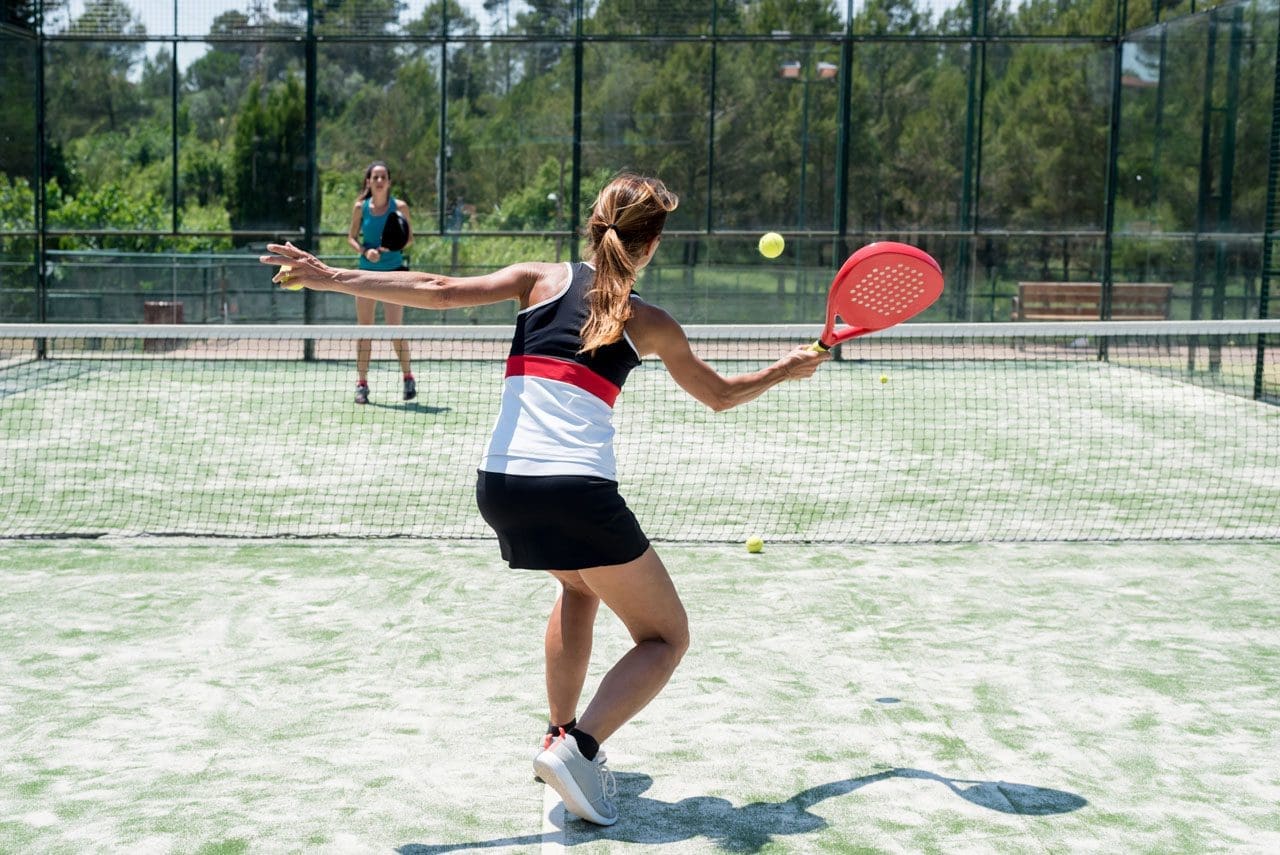
Racket sports players range from all ages and fitness levels, entry-level to highly competitive, and all provide intense workouts.
Racket sports target the muscles in the back, shoulders, arms, chest, quads, glutes, hamstrings, and core.
Racquet sports have also been shown to lower the risk of cardiovascular disease mortality. (Pekka Oja et al., 2017)
Combine that with the endurance, speed, balance, and agility required to compete, and individuals will quickly see how these two sports can give a phenomenal workout while also burning a ton of calories.
Golf
For golf to be a fitness sport, individuals must walk all the holes while carrying or pushing the clubs.
What is needed is a supportive pair of shoes.
Walking the course can have multiple health benefits, including cardiovascular and respiratory health. (A. D. Murray et al., 2017)
Golf is a sport individuals can participate in at any life stage.
Water Sports
Paddleboarding, rowing, kayaking, and canoeing can provide a fitness solution for individuals who enjoy the outdoors. These sports increase heart rate, improve muscular endurance and strength, and burn serious calories. (Thomas Ian Gee et al., 2016)
Swimming
Activities that require upper and lower body muscles to work together rank high in sports for fitness. Swimming is the perfect full-body workout for anyone looking for an intense and competitive outlet that requires strength and endurance.
Swimming can be a year-round sport with various levels of competition.
Triathlon Training
Triathlon training is for lifelong athletes looking to improve endurance and strength and exercise beginners who need a goal; it is the ultimate sport for fitness.
Running, biking, and swimming together challenges every muscle and significantly increases aerobic and anaerobic fitness. (Naroa Etxebarria et al., 2019)
There’s something for every fitness level, from short sprint competitions to full Ironman events.
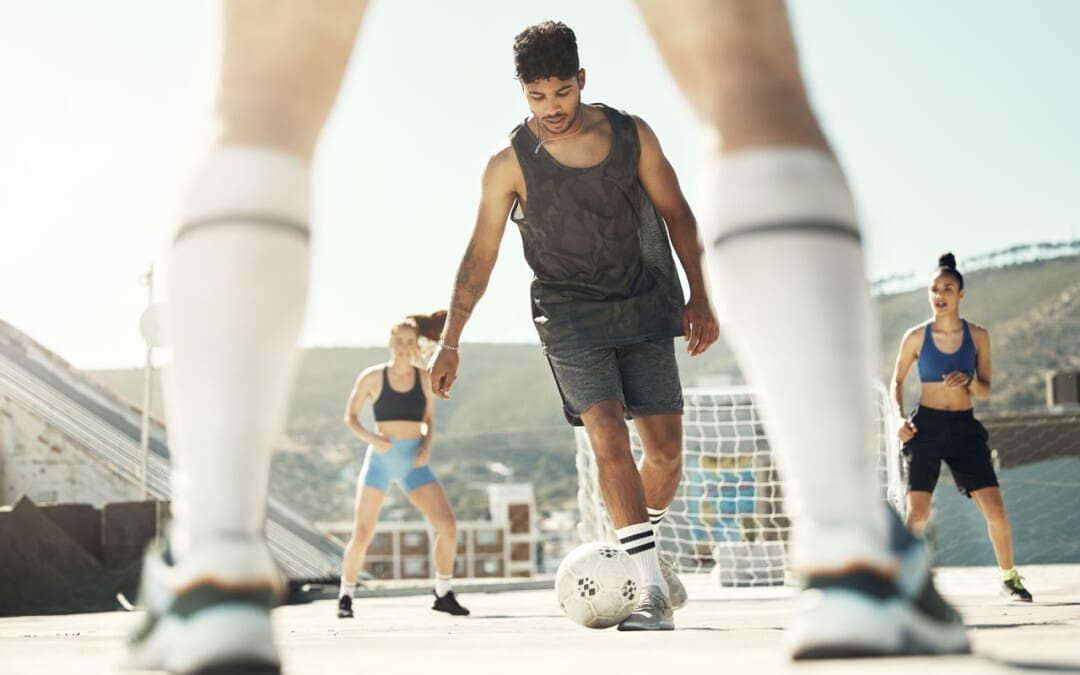
Basketball and Volleyball
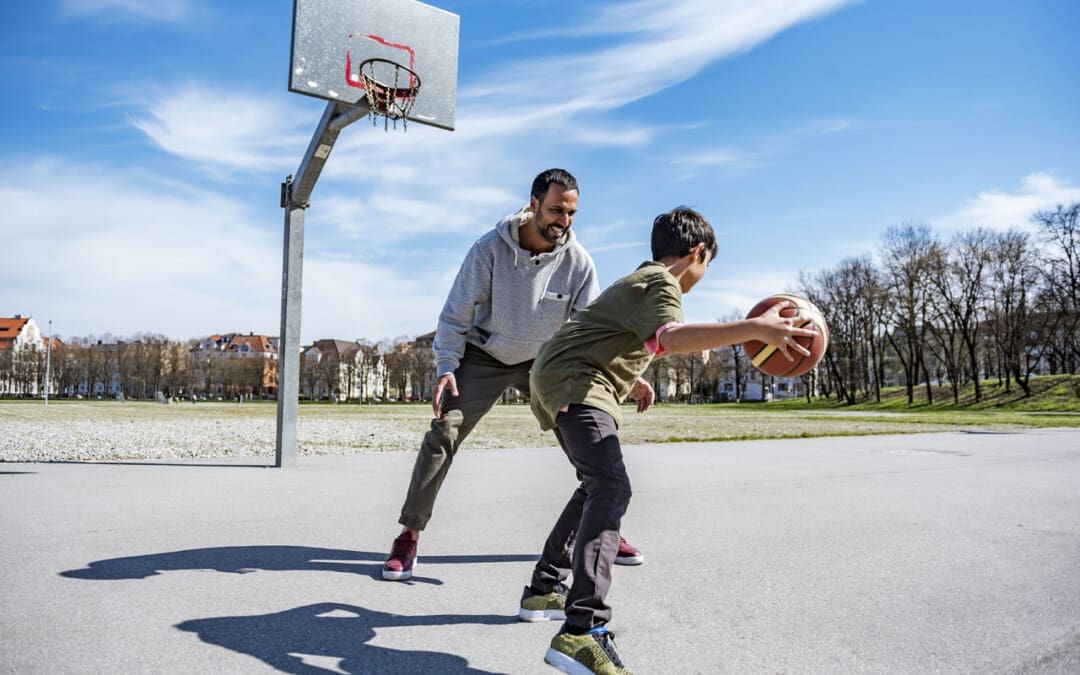
Basketball and volleyball offer the physical benefits of a hard workout. These sports require sprinting, pivoting, and jumping, which engages the cardiovascular system and strengthens every muscle. Playing volleyball in the sand makes the muscles work harder.
Both sports are appropriate for most levels of fitness.
Beginners are recommended to learn the basic skills and go through drills before moving to games or matches.
Both sports require constant movement, increasing the risk of injury, so it is important to learn the fundamentals.
Talk to a healthcare provider before starting a new exercise routine or adding a new activity to an exercise regimen.
Lumbar Sports Injuries
References
Ried-Larsen, M., Rasmussen, M. G., Blond, K., Overvad, T. F., Overvad, K., Steindorf, K., Katzke, V., Andersen, J. L. M., Petersen, K. E. N., Aune, D., Tsilidis, K. K., Heath, A. K., Papier, K., Panico, S., Masala, G., Pala, V., Weiderpass, E., Freisling, H., Bergmann, M. M., Verschuren, W. M. M., … Grøntved, A. (2021). Association of Cycling With All-Cause and Cardiovascular Disease Mortality Among Persons With Diabetes: The European Prospective Investigation Into Cancer and Nutrition (EPIC) Study. JAMA internal medicine, 181(9), 1196–1205. https://doi.org/10.1001/jamainternmed.2021.3836
Oja, P., Kelly, P., Pedisic, Z., Titze, S., Bauman, A., Foster, C., Hamer, M., Hillsdon, M., & Stamatakis, E. (2017). Associations of specific types of sports and exercise with all-cause and cardiovascular-disease mortality: a cohort study of 80 306 British adults. British journal of sports medicine, 51(10), 812–817. https://doi.org/10.1136/bjsports-2016-096822
Murray, A. D., Daines, L., Archibald, D., Hawkes, R. A., Schiphorst, C., Kelly, P., Grant, L., & Mutrie, N. (2017). The relationships between golf and health: a scoping review. British journal of sports medicine, 51(1), 12–19. https://doi.org/10.1136/bjsports-2016-096625
Ian Gee, T., Caplan, N., Christian Gibbon, K., Howatson, G., & Grant Thompson, K. (2016). Investigating the Effects of Typical Rowing Strength Training Practices on Strength and Power Development and 2,000 m Rowing Performance. Journal of human kinetics, 50, 167–177. https://doi.org/10.1515/hukin-2015-0153
Lo, G. H., Ikpeama, U. E., Driban, J. B., Kriska, A. M., McAlindon, T. E., Petersen, N. J., Storti, K. L., Eaton, C. B., Hochberg, M. C., Jackson, R. D., Kwoh, C. K., Nevitt, M. C., & Suarez-Almazor, M. E. (2020). Evidence that Swimming May Be Protective of Knee Osteoarthritis: Data from the Osteoarthritis Initiative. PM & R : the journal of injury, function, and rehabilitation, 12(6), 529–537. https://doi.org/10.1002/pmrj.12267
Etxebarria, N., Mujika, I., & Pyne, D. B. (2019). Training and Competition Readiness in Triathlon. Sports (Basel, Switzerland), 7(5), 101. https://doi.org/10.3390/sports7050101
“Can understanding moderate exercise and how to measure the amount of exercise help expedite individuals’ health goals and well-being?”
Moderate Exercise
Various physical activity guidelines recommend regular, moderate exercise for achieving and maintaining health and wellness. Getting the minimum, moderate weekly physical activity can help prevent disease, increase mental well-being, support weight loss and maintenance, and improve quality of life.
Moderate-intensity cardiovascular exercise includes – brisk walking, yard work, mopping, vacuuming, and playing various sports that require consistent movement.
When engaged in moderate exercise, individuals should breathe harder but still be able to carry a conversation. (American Heart Association, 2024)
The talk test is a way to monitor whether the exercise is at moderate intensity.
A heart rate chart or calculator can determine an individual’s maximum heart rate.
To measure heart rate mid-exercise, individuals can take their pulse or use a heart rate monitor, app, fitness tracker, or smartwatch to ensure they stay at a moderate intensity.
MET
M.E.T. stands for Metabolic Equivalent for Task and refers to the amount of oxygen the body uses during physical activity.
Assigning METs to an activity allows individuals to compare the amount of exertion an activity takes.
This works for individuals with different weights.
During moderate physical activity, breathing and heart rate increase, and the body burns around 3.5 to 7 calories a minute.
The actual number burned depends on your weight and fitness level.
The body uses 1 MET for basic functions like breathing.
Grades of activity:
1 MET – Body at rest
2 METs – Light activity
3-6 METs – Moderate activity
7 or more METs – Vigorous activity
Perceived Exertion Scale
Individuals can also check their activity level using the Borg Rating of Perceived Exertion scale/RPE. (Centers for Disease Control and Prevention, 2022) Using this scale involves monitoring how an individual feels about how hard their body is working during physical activity. The scale starts at 6 and ends at 20. A perceived exertion between 11 and 14 is considered moderate physical activity.
6 – No exertion – sitting still or sleeping
7-8 – Extremely light exertion
9-10 – Very light exertion
11-12 – Light exertion
13-14 – Somewhat hard exertion
15-16 – Heavy exertion
17-18 – Very heavy exertion
20 – Maximum exertion
Examples
Many activities are counted as moderate-intensity exercise. Choose some appealing and learn to add them to a weekly routine.
Ballroom dancing
Line dancing
Gardening
House chores that get the heart pumping.
Softball
Baseball
Volleyball
Doubles tennis
Brisk walking
Light jogging
Walking or jogging on a treadmill
Using an elliptical trainer
Bicycling under 10 miles an hour on ground level
Leisurely swim
Water aerobics
Mobility Challenges
Individuals with mobility issues can achieve moderate intensity using a manual wheelchair or a handcycle and swimming or water aerobics.
Individuals who can use their legs but can’t tolerate walking or jogging can try bicycling or swimming.
Getting More Exercise
There are different ways to incorporate and increase moderate physical activities. These include:
10-minute Activity Bursts
Walk briskly for at least 10 minutes at a time.
Walk at an easy pace for a couple of minutes.
Pick up the pace for 10 minutes.
Try to walk during work breaks or lunch and/or before or after work.
Walking Workouts
Individuals can walk indoors, outdoors, or on a treadmill.
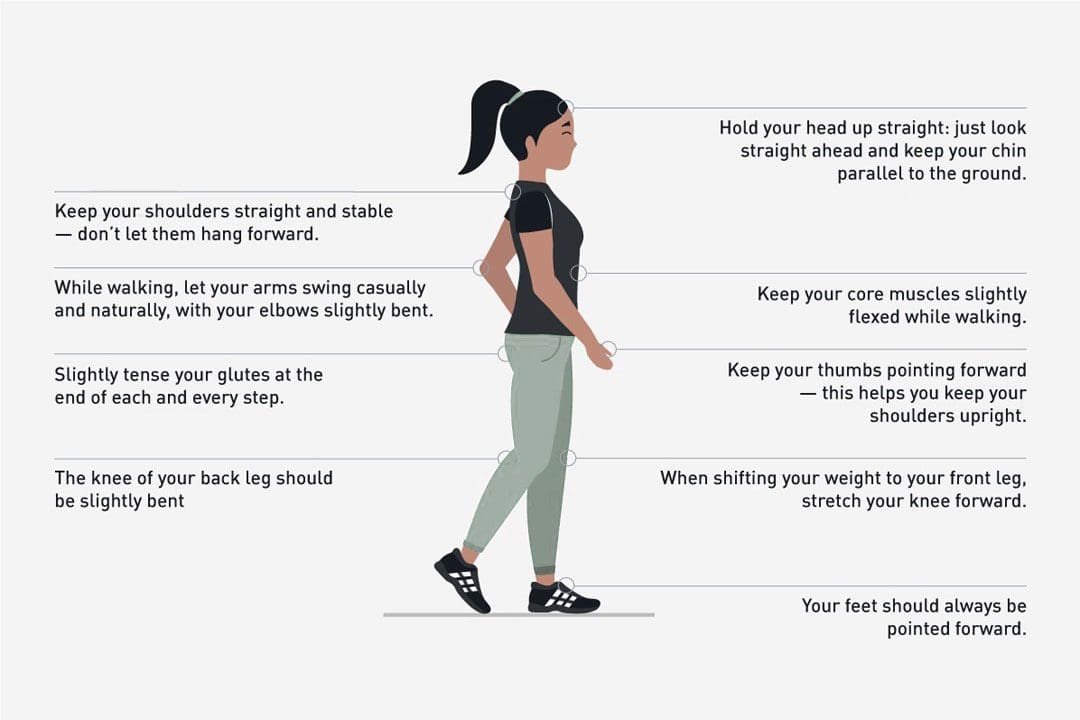
Proper posture and walking techniques make it easier to achieve a brisk pace.
Once comfortable walking briskly for 10 minutes, begin to extend walking time.
Try different walking workouts that offer fast walks, jogging intervals, and/or adding hills or treadmill inclines.
New Activities
Individuals are recommended to experiment with various exercises to find what works for them.
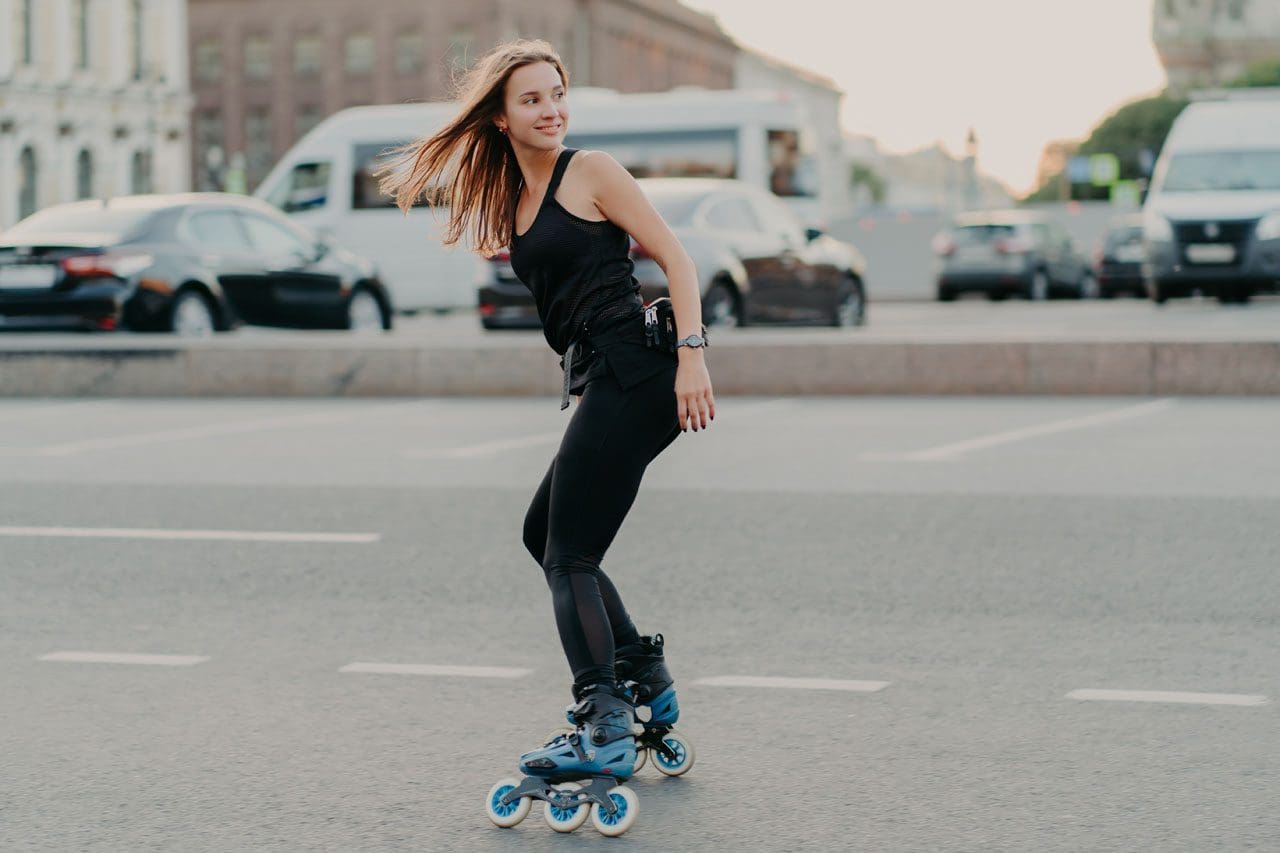
Consider roller skating, blading, or skateboarding to increase heart rate.
Moderate physical activity will get and keep the body in shape. Individuals should not become distressed if they can only do a little at first. Allow time to build endurance and gradually make time each day for enjoyable physical activities.
Transform Your Body
References
U.S. Department of Health & Human Services. (2018). Physical Activity Guidelines for Americans, 2nd edition. Retrieved from https://health.gov/sites/default/files/2019-09/Physical_Activity_Guidelines_2nd_edition.pdf
American Heart Association. (2024). American Heart Association recommendations for physical activity in adults and kids. (Healthy Living, Issue. https://www.heart.org/en/healthy-living/fitness/fitness-basics/aha-recs-for-physical-activity-in-adults
Centers for Disease Control and Prevention. (2022). Target heart rate and estimated maximum heart rate. Retrieved from https://www.cdc.gov/physicalactivity/basics/measuring/heartrate.htm
Centers for Disease Control and Prevention. (2022). Perceived exertion (Borg Rating of Perceived Exertion Scale). Retrieved from https://www.cdc.gov/physicalactivity/basics/measuring/exertion.htm
For individuals training for long distance walking marathons and/or events, can focusing on building a walking foundation, then increasing mileage progressively help condition the body for overall readiness?
Long Distance Walking Training
Training helps individuals be comfortable and safe for long-distance walking and events.
Training should focus on building a walking pace and increasing mileage gradually.
Individuals need endurance, not speed, and want to build mental stamina for walking for hours at a steady pace.
To reduce the risk of training injuries, increasing the total mileage per week/the distance of the longest walk per week to no more than 10% is recommended.
Individuals should also train to wear the gear worn during long-distance walks.
Training could last a few months.
Being methodical allows the body time to repair and build new muscle, blood supplies, and endurance.
Example Training Plans
Following a marathon training plan for mileage building and determining the proper hydration, nutrition, and gear for multi-day walks and treks is recommended. However, individuals must build back-to-back long days into their training sessions to assess any issues or problems resulting from walking long distances on back-to-back days.
Example Walking Training Plans
Multi-Day Walks/Treks Training Schedule
13 miles per day/21 kilometers
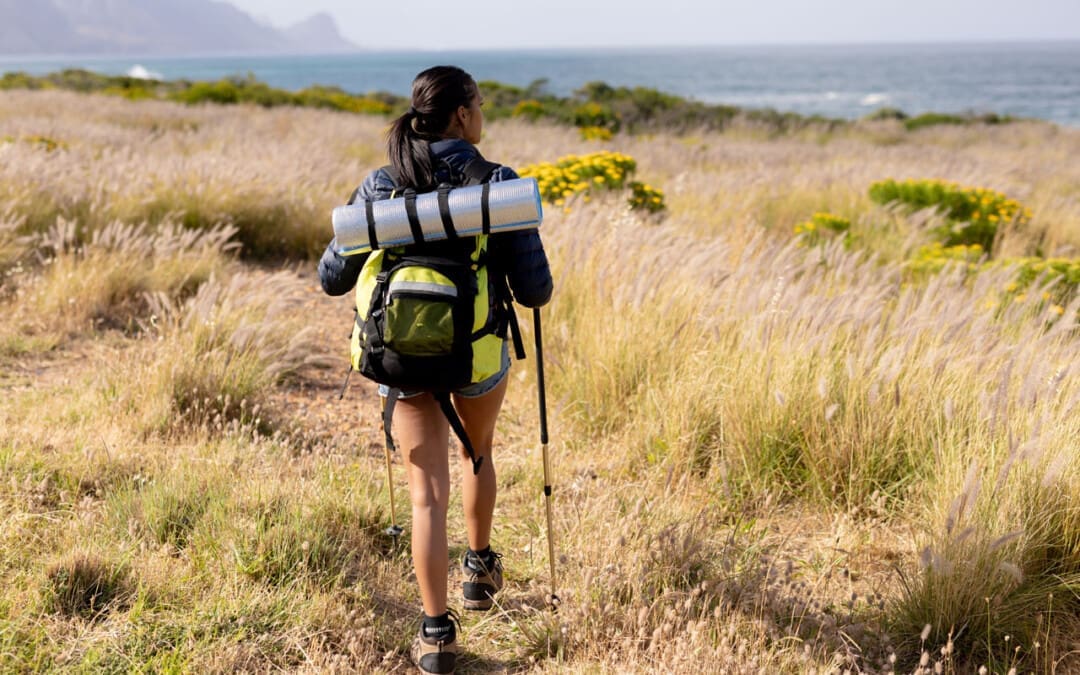
Use this plan for marathons or other multi-day walks with hills and natural surfaces requiring a backpack.
Training to Walk a Marathon
26.2 miles/42 kilometers
This will condition the body to go longer distances.
When training for distances of 31 to 100 miles/50 to 161 kilometers, the longest distance to train should not need to exceed 20 to 25 miles,
These should be performed at least twice two months before the marathon or event.
Taper down the month before the event to a 12.4-mile/20-kilometer distance.
Gear
All clothing, shoes, sunscreen, backpacks, etc., must be tested on the longer training days before the event.
Given the climate and terrain, plan for what will be needed and removed.
Try things out, as individuals don’t want to be surprised with something unfamiliar at the event. From head to toe, test the gear, including:
Shoes/boots, socks, underwear, bra, shirt, pants, hat, jacket, and rain gear.
Choose shoes or walking boots and wear them on long training days to break them in and ensure they perform.
Backpacks should be tested on longer training days to ensure they can be carried comfortably over long distances and have the necessary capacity.
Choose wicking fabrics that allow the skin to breathe and cool, especially under layers. (Justin De Sousa et al., 2014)
Individuals will want to wear gear similar to marathon walkers if the walk will mostly be on pavement or asphalt.
Individuals can modify their gear if the route is off-road or during different seasons. Find out what other long-distance walkers have worn on the same route or event.
Individuals can connect with fellow walkers via social media or find answers to frequently asked questions on the event’s or destination’s website.
Individuals can also contact the event director via the website or social media.
Nutrition
Proper sports nutrition will prepare the body for endurance activity.
For example, individuals are recommended to follow a diet comprising 70% carbohydrates, 20% protein, and 10% fat.
Avoid high-protein diets, as they can cause hydration problems and strain your kidneys under endurance walking conditions. (Marta Cuenca-Sánchez et al., 2015)
Train with the water, sports drinks, food, and snacks taken to the event, and do not deviate from them during the event.
Water is needed for 20 kilometers and under events, but an electrolyte replacement sports drink may be better for longer walks.
Diluting or leaving out some sugar can be easier on the stomach.
Have snacks pre-packaged and labeled for the times to be eaten.
Individuals need to eat fat and protein for ultramarathon distances – this can come from trail mix, peanut butter sandwiches, and chocolate bars with nuts.
Carbohydrates can be provided by sports gels or energy bars.
It is recommended to avoid products made for short distances and power sports as they can cause digestive problems when walking longer distances.
Planning a Walk
Planning begins by setting goals. Considerations include:
Time of year
Distance
Transportation to the event
Event pace requirements
Altitude and hill profile
Climate
Individuals are recommended to:
Prepare by researching routes and trails.
Study the course maps to know what services are provided along the way and what individuals must bring.
Walk a long distance without a supporting event.
Contact individuals who have walked the course.
Know the terrain and areas of total sun, hills, pavement, natural trails, and shade.
If possible, drive the course to become familiar with it.
Individuals may be able to find apps designed for their route.
Taking Breaks and Resting
Regular breaks should be short – using the bathroom, eating a snack, rehydrating, tying shoes, or bandaging blisters.
The body can stiffen up quickly during breaks and take several minutes to regain walking pace after a long break.
Recommendations could be taking a walking break instead, which means continuing to walk but at a very slow pace.
Foot Care
Individuals will have found what works for them concerning shoes, boots, socks, etc., on the long training days to prevent blisters and injuries. It is recommended to try different strategies, which include:
Sports tape
Blister block pads
Sprays
Lubricants
Wicking and/or double-layered socks
Moleskin
Stop at the first sign of irritation along the walk and doctor the foot with tape, blister bandages, or whatever method works best.
The body was built for walking. Planning and training properly before taking a long-distance or multi-day walk will ensure a safe and enjoyable marathon.
Move Better, Live Better
References
De Sousa, J., Cheatham, C., & Wittbrodt, M. (2014). The effects of a moisture-wicking fabric shirt on the physiological and perceptual responses during acute exercise in the heat. Applied ergonomics, 45(6), 1447–1453. https://doi.org/10.1016/j.apergo.2014.04.006
Cuenca-Sánchez, M., Navas-Carrillo, D., & Orenes-Piñero, E. (2015). Controversies surrounding high-protein diet intake: satiating effect and kidney and bone health. Advances in nutrition (Bethesda, Md.), 6(3), 260–266. https://doi.org/10.3945/an.114.007716
Knee injuries can present in physically active individuals that lift weights. Can understanding the types of weightlifting knee injuries help in prevention?
Weightlifting Knee Injuries
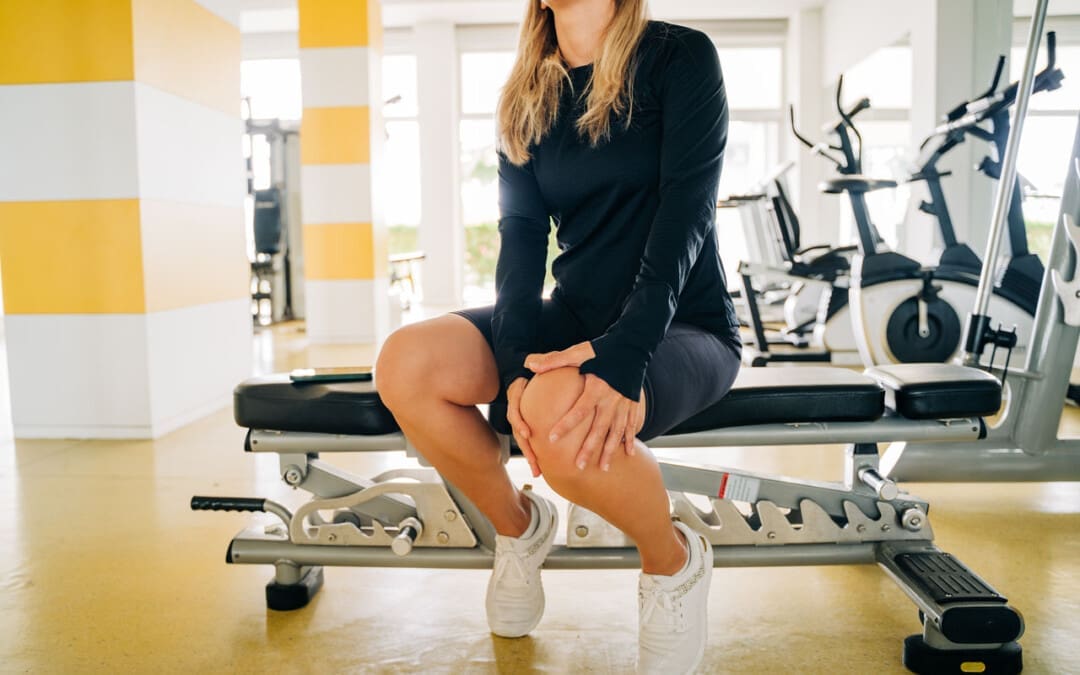
Weight training is very safe for the knees as regular weight training can improve knee strength and prevent injury as long as the correct form is followed. For Individuals with knee injuries from other activities, incorrect weight-training exercises could worsen the injury. (Ulrika Aasa et al., 2017) As well as, sudden twisting movements, poor alignment, and pre-existing injuries can increase the risk of worsening or creating further injuries. (Hagen Hartmann et al, 2013) The body and the knees are designed to support vertical forces on the joints.
Common Injuries
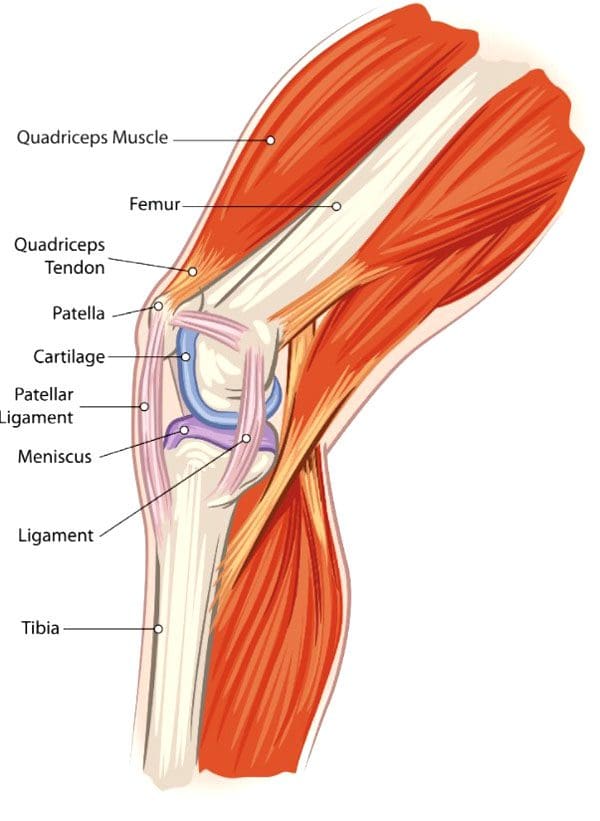
Weightlifting knee injuries occur as the knee joints endure a wide range of stresses and strains. In weight training, the ligaments that attach to the complex bone system of the knee joint can be damaged by incorrect movements, overloading the weight, and increasing the weight too soon. These injuries can result in pain, swelling, and immobility that can range from minor to severe, from a sprain or a slight tear to a complete tear in serious cases.
Anterior Cruciate Ligament – ACL – Injury
This ligament attaches the thigh’s femur bone to the lower leg’s shin bone/tibia and controls excessive rotation or extension of the knee joint. (American Academy of Family Physicians. 2024)
Anterior means front.
ACL injuries are seen mostly in athletes but can happen to anybody.
Severe damage to the ACL usually means surgical reconstruction and up to 12 months of rehabilitation.
When weightlifting, try to avoid twisting knee movements, intentionally or accidentally, under excessive load.
Posterior Cruciate Ligament – PCL – Injury
The PCL connects the femur and tibia at different points to the ACL.
It controls any backward motion of the tibia at the joint.
Injuries occur most with high-impact forces as a result of accidents and sometimes in activities where forceful trauma to the knee occurs.
Medial Collateral Ligament – MCL – Injury
This ligament maintains the knee from bending too far to the inside/medially.
Injuries mostly occur from impact to the outside of the knee or from accidental bodyweight force on the leg that bends at an unusual angle.
Lateral Collateral Ligament – LCL – Injury
This ligament connects the smaller bone of the lower leg/fibula to the femur.
It is opposite to the MCL.
It maintains excessive outward movement.
LCL injuries occur when a force pushes the knee out.
Cartilage Injury
Cartilage prevents bones from rubbing together and cushions impact forces.
Knee menisci are cartilage that cushions the knee joints inside and outside.
Other types of cartilage protect the thigh and shin bones.
When cartilage gets torn or damaged, surgery may be required.
Tendonitis
Aggravated and overused knee tendons can lead to weightlifting knee injuries.
A related injury known as iliotibial band syndrome/ITB causes pain to the outside of the knee, usually in runners, but it can occur from overuse.
Rest, stretching, physical therapy, and anti-inflammatory medication are a common treatment plan.
The condition causes the cartilage to deteriorate and bones to rub together, resulting in pain and stiffness.
Prevention
Individuals can minimize their risk of weightlifting knee injuries and pain by following their doctor’s and personal trainers’ recommendations.
Individuals with an existing knee injury should follow their doctor’s or physical therapist’s recommendations.
A knee sleeve can keep the muscles and joints secure, providing protection and support.
Stretching the leg and knee muscles can maintain joint flexibility.
Avoid sudden lateral movements.
Possible recommendations can include:
Avoiding Certain Exercises
Isolation exercises like leg curls, standing, or on a bench, as well as using the leg extension machine, can stress the knee.
Deep Squat Training
Research shows that the deep squat can protect against lower leg injury if the knee is healthy. However, this is when done with proper technique, under expert supervision, and with a gradual progressive load. (Hagen Hartmann et al, 2013)
Individuals should talk to their doctor before beginning a new exercise routine. A personal trainer can provide training in learning the proper technique and weightlifting form.
How I Tore my ACL Part 2
References
Aasa, U., Svartholm, I., Andersson, F., & Berglund, L. (2017). Injuries among weightlifters and powerlifters: a systematic review. British journal of sports medicine, 51(4), 211–219. https://doi.org/10.1136/bjsports-2016-096037
Hartmann, H., Wirth, K., & Klusemann, M. (2013). Analysis of the load on the knee joint and vertebral column with changes in squatting depth and weight load. Sports medicine (Auckland, N.Z.), 43(10), 993–1008. https://doi.org/10.1007/s40279-013-0073-6
American Academy of Family Physicians. ACL injury. (2024). ACL injury (Diseases and Conditions, Issue. https://familydoctor.org/condition/acl-injuries/
Mellinger, S., & Neurohr, G. A. (2019). Evidence based treatment options for common knee injuries in runners. Annals of translational medicine, 7(Suppl 7), S249. https://doi.org/10.21037/atm.2019.04.08
Driban, J. B., Hootman, J. M., Sitler, M. R., Harris, K. P., & Cattano, N. M. (2017). Is Participation in Certain Sports Associated With Knee Osteoarthritis? A Systematic Review. Journal of athletic training, 52(6), 497–506. https://doi.org/10.4085/1062-6050-50.2.08
For individuals who have decided to start exercising for fitness and health, walking is a great place to start. Can planning a walking exercise schedule help individuals maintain a fitness routine and improve endurance and speed quicker?
Walking Exercise Planning Schedule
While any amount of walking benefits health, individuals can increase the benefits by walking more per week or by increasing the pace. Brisk walking for 30 minutes per day, totaling 150 minutes per week, is recommended by health experts to decrease risks for heart disease, stroke, diabetes, and other conditions. (Centers for Disease Control and Prevention. 2022)
Individuals with ongoing health conditions should talk to their doctor before starting any new exercise program.
Beginners are encouraged to focus on using proper walking posture and technique to steadily improve strength and endurance.
The increased duration or intensity can help if weight loss is a goal.
Improving diet is also necessary for the best results.
Individuals can build healthy walking habits by tracking walks.
Schedule
Checklist
Individuals can walk outdoors, indoors, or on a treadmill.
Wear proper athletic shoes and clothing.
Check walking posture.
Walk at an easy pace for a couple of minutes before picking up speed.
First Week
An example of what a walking exercise schedule can look like, but it’s advised to consult a professional trainer to develop a personalized fitness plan.
Start with a 15-minute walk at an easy pace.
Walk five days the first week.
Building a healthy habit is the goal, so consistency is important.
Spread out rest days, like making days 3 and 6 rest days.
Weekly goal – 60 to 75 minutes
Second Week
Add five minutes, so the walk time increases gradually.
Or, individuals can extend more on some days, followed by a rest day.
Weekly goal – 80 to 100 minutes
Third Week
Add five more minutes with each session, so the walk increases to 25 minutes.
Weekly goal – 100 to 125 minutes
Fourth Week
Add another five minutes to increase the walk to 30 minutes.
Weekly goal – 120 to 150 minutes
Individuals who find any week to be difficult are suggested to repeat that week instead of adding time until they are able to progress naturally. Once able to walk for 30 minutes at a time comfortably, individuals are ready for a variety of different walking exercise workouts to add intensity and endurance. A weekly walking plan can include:
Longer walks
Higher-intensity walks
Speed-building walks
Beginner Walking Speed
An individual’s objective should be brisk walking to achieve a moderate-intensity workout. This is the intensity that is associated with the most health benefits.
If the speed is slower and the heart rate is lower during the initial weeks, this is normal.
The first goal is to walk for 30 to 60 minutes a day without injury.
Adding speed and intensity gradually.
Staying consistent in regularly walking before trying to walk faster and longer.
Using proper walking posture and arm motion will help in faster walking.
To reduce the risk of injury, gradually increase the length of the walk or pace, only changing one component at a time.
Individuals may consider joining a walking group or club to have others to walk with and an incentive to maintain regular walking.
Home Exercises for Pain Relief
References
Centers for Disease Control and Prevention. (2022). How Much Physical Activity Do Adults Need? Retrieved from https://www.cdc.gov/physicalactivity/basics/adults/index.htm
Centers for Disease Control and Prevention. (2022). Measuring Physical Activity Intensity. Retrieved from https://www.cdc.gov/physicalactivity/basics/measuring/index.html
Centers for Disease Control and Prevention. (2022). Target Heart Rate and Estimated Maximum Heart Rate. Retrieved from https://www.cdc.gov/physicalactivity/basics/measuring/heartrate.htm
Mahmod, S. R., Narayanan, L. T., & Supriyanto, E. (2018). Effects of incremental cardiorespiratory exercise on the speech rate and the estimated exercise intensity using the counting talk test. Journal of physical therapy science, 30(7), 933–937. https://doi.org/10.1589/jpts.30.933
For individuals that are feeling unmotivated to work out and exercise can developing a fitness mindset help improve and maintain motivation?
Fitness Mindset Motivation
Learning to exercise as part of a regular workout routine can have a significant impact on health and well-being. In the beginning, individuals are all in, but as time goes on, mental blocks can interfere with workout motivation. Being flexible with oneself and fitness/health goals is part of the process, and overcoming mental blocks is key to maintaining motivation. It’s all about creating a fitness mindset to maintain confidence and motivation and enjoy the benefits of regular exercise.
Feeling Tired
When feeling tired, individuals should ask themselves if it’s physical or mental fatigue. If the exhaustion is not from lack of sleep, illness, or a physically demanding job, it is more than likely mental tiredness. Mental exhaustion can often feel physical, and a recommended cure is physical activity. Often, once an individual starts working out and gets over the mental fatigue, they feel better. (Juriena D. de Vries et al., 2016) Regular physical activity can increase energy levels and leave the body feeling less fatigued. (Bryan D. Loy et al., 2013) However, individuals need to make sure there is ample recovery time to repair and restore the body after working out.
Self-Talk
Sometimes there is a small voice that says to take a day off or perform an easier workout. It’s okay to be flexible, but most times, individuals need to be ready to stand up to the skip-the-workout voices and stay motivated.
Remove Obstacles
Remove obstacles that can distract from exercising.
Have the workout gear ready and exercise time pre-scheduled so there are no second thoughts.
If limited space is an issue, find compact equipment like a cordless jump rope that doesn’t require a lot of room.
Don’t Allow Relaxation Takeover
Individuals who plan to exercise after school or work shouldn’t go home, sit down, and relax watching TV before working out.
Individuals who may need a transition to work out should try something gentle but active, like stretching or doing a light chore.
Individuals who exercise in the morning should wear their workout clothes immediately, so they can’t second guess and can continue their workout.
Remind yourself of the reasons for committing to exercise.
Research shows that using second-person self-talk can help maintain motivation. Encouraging oneself with phrases like you can do this, you got this, or you are going to achieve your fitness goals improves the chances of obtaining the desired outcome. (Sanda Dolcos, Dolores Albarracin. 2014)
Fight Through The Doubt
Start with small steps. Ask if doubt is stopping you from starting. If doubt begins to arise:
Ask For Help
A colleague, friend, or partner can help reinspire motivation.
Tell them about the challenges of sticking with exercise.
Ask them to work out together.
Do What Is Possible
If working out for 30 minutes is too difficult, don’t worry about it.
Go for as long as possible and try for more the next time.
Working out can feel like a job, but it does not have to.
For example, individuals sitting or standing all day can approach the workout as 30 minutes to get out and move around.
Or, after getting the kids settled in, it is time to do something for yourself and exercise the stress away.
Healthy Reminders
Write inspirational fitness mindset notes and put them where they will be seen regularly.
These can be exercise goals; for example, I will exercise for 30 minutes because I want more energy, better sleep, strength, etc.
Train The Brain For Exercise
When the issue is motivation, the mind needs to be convinced to exercise. How to use mind-over-matter skills:
Rewards
When finishing a workout, rewards can help.
Exercise has its own rewards – more energy, improved mood, stress relief, and reduced disease risk.
Maybe a new pair of shoes, earbuds or headphones, workout equipment, or a massage will increase motivation.
Make A Deal
Continue to exercise for whatever amount of time, and if the desire to stop is still present, then stop.
Nine times out of 10, individuals will keep going.
Pretend
Make-believe can encourage the fitness mindset.
Pretending to be in a race, or in a movie, anything that makes the body want to move.
Set Achievable Goals
Making difficult goals can generate the fear of being unable to achieve them.
Aim for small achievable goals that go along with a bigger overall goal.
That way, there are more victories, and the motivation to keep moving is maintained.
Competition
Healthy competition can be a great motivator.
Competing with oneself for faster times, heavier weights, or more frequency can keep the inspiration going.
Social media and apps to compete with family and friends can also help.
Visualization
Athletes use visualization techniques of going through the game, match, and tournament to get themselves prepared and ready to execute what they’ve been practicing.
Individuals can do the same thing by picturing themselves going through their workout from beginning to end.
Exercise provides meditation time to think about problems and challenges.
Use the workout time to work through the problems and refocus strategies to solve them.
Process Goals
Choosing specific goals that are part of the workout process, like working out 3-4 times per week, is recommended compared to using outcome goals, like losing ten pounds.
Outcome goals can be out of the individual’s control; instead, focus on the steps to achieve the goals, which lessens stress and is a more controllable method of working out. (Kylie Wilson Darren Brookfield. 2011)
Changing lifestyle to include exercise is not easy. The most important step is having the right attitude. (Margie E. Lachman et al., 2018) Thinking about exercise as an obligation will discourage motivation. Instead, create a fitness mindset to treat exercise like a break from all the stress and a reward for the mind and body to a healthier life.
Home Exercises for Pain Relief
References
de Vries, J. D., van Hooff, M. L., Geurts, S. A., & Kompier, M. A. (2016). Exercise as an Intervention to Reduce Study-Related Fatigue among University Students: A Two-Arm Parallel Randomized Controlled Trial. PloS one, 11(3), e0152137. https://doi.org/10.1371/journal.pone.0152137
Bryan D. Loy, Patrick J. O’Connor & Rodney K. Dishman (2013) The effect of a single bout of exercise on energy and fatigue states: a systematic review and meta-analysis, Fatigue: Biomedicine, Health & Behavior, 1:4, 223-242, DOI: 10.1080/21641846.2013.843266
Dolcos S, Albarracin D. (2014). The inner speech of behavioral regulation: Intentions and task performance strengthen when you talk to yourself as a You. Eur J Social Psychol. 44(6):636-642. doi:10.1002/ejsp.2048.
Lachman, M. E., Lipsitz, L., Lubben, J., Castaneda-Sceppa, C., & Jette, A. M. (2018). When Adults Don’t Exercise: Behavioral Strategies to Increase Physical Activity in Sedentary Middle-Aged and Older Adults. Innovation in aging, 2(1), igy007. https://doi.org/10.1093/geroni/igy007
Renner, F., Murphy, F. C., Ji, J. L., Manly, T., & Holmes, E. A. (2019). Mental imagery as a “motivational amplifier” to promote activities. Behaviour research and therapy, 114, 51–59. https://doi.org/10.1016/j.brat.2019.02.002
Kylie Wilson & Darren Brookfield (2009). Effect of Goal Setting on Motivation and Adherence in a Six‐Week Exercise Program, International Journal of Sport and Exercise Psychology, 7:1, 89-100, DOI: 10.1080/1612197X.2009.9671894
For individuals experiencing tightness in the lower back and hamstrings, can utilizing the sit and reach test help determine an individual’s risk for future pain and injury?
Sit and Reach Test
Lower back and hamstring tightness and pain symptoms are usually brought on by muscle stiffness. The sit-and-reach test is one of the most common ways to measure lower back and hamstring flexibility. Exercise physiologists, physical therapists, chiropractors, and fitness trainers use the sit-and-reach test to measure lower back and hamstring flexibility to assess baseline flexibility. The test has been around since 1952 (Katharine F. Wells & Evelyn K. Dillon 2013) and has an extensive database of results across all age groups and genders.
Individuals can use the sit-and-reach test to compare flexibility to the average result for individuals of the same gender and age.
For healthcare providers, the test may be repeated after several weeks to determine flexibility progress.
Measurement
The test can be a valuable measurement of functional flexibility to sit with the legs straight in front and reach the toes. Jobs, sports, and everyday tasks regularly require bending over, reaching, and lifting objects. These are real-life examples of how having a healthy back and hamstring flexibility is vital in preventing pain symptoms and injuries. New flexibility assessments are currently being developed, and many trainers and therapists use their own versions with patients and clients. But even with more advanced specialized flexibility tests, the sit and reach test can be a functional testing tool for tracking general flexibility changes over time. (Daniel Mayorga-Vega et al., 2014)
Performing The Test
A special sit-and-reach testing box is used; however, individuals can make their own testing box by finding a heavy-duty box around 30cm or 11.811 inches tall. Set a measurement ruler/stick on top of the box so that 26 cm or 10.2362 inches of the ruler extends over the front edge toward the individual being tested. The 26cm mark should be at the edge of the box.
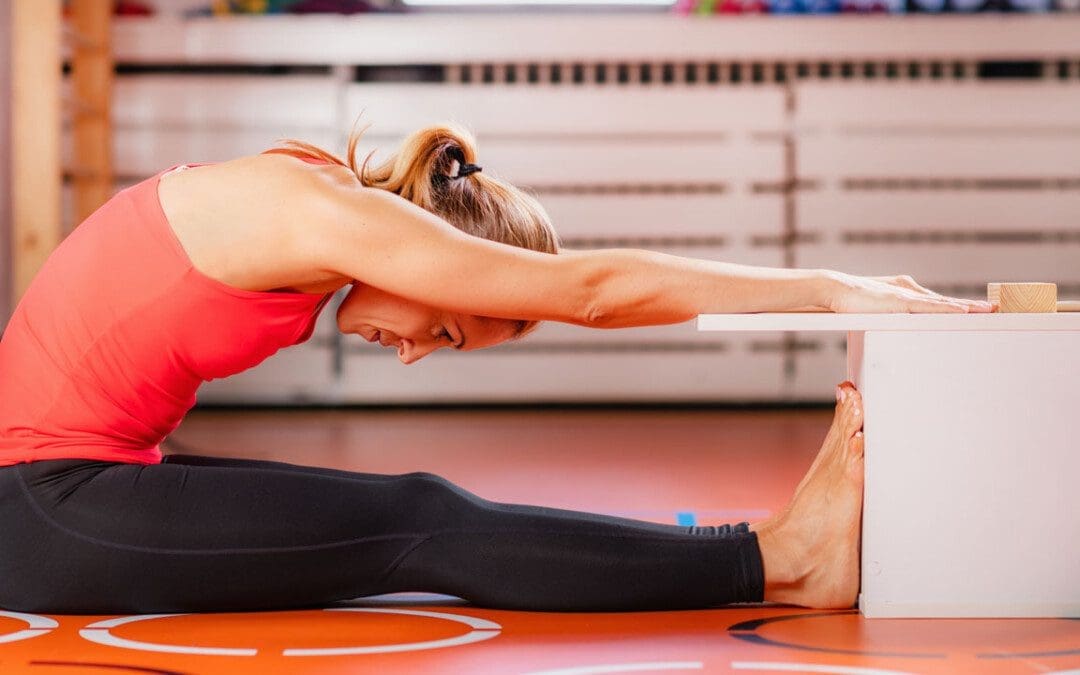
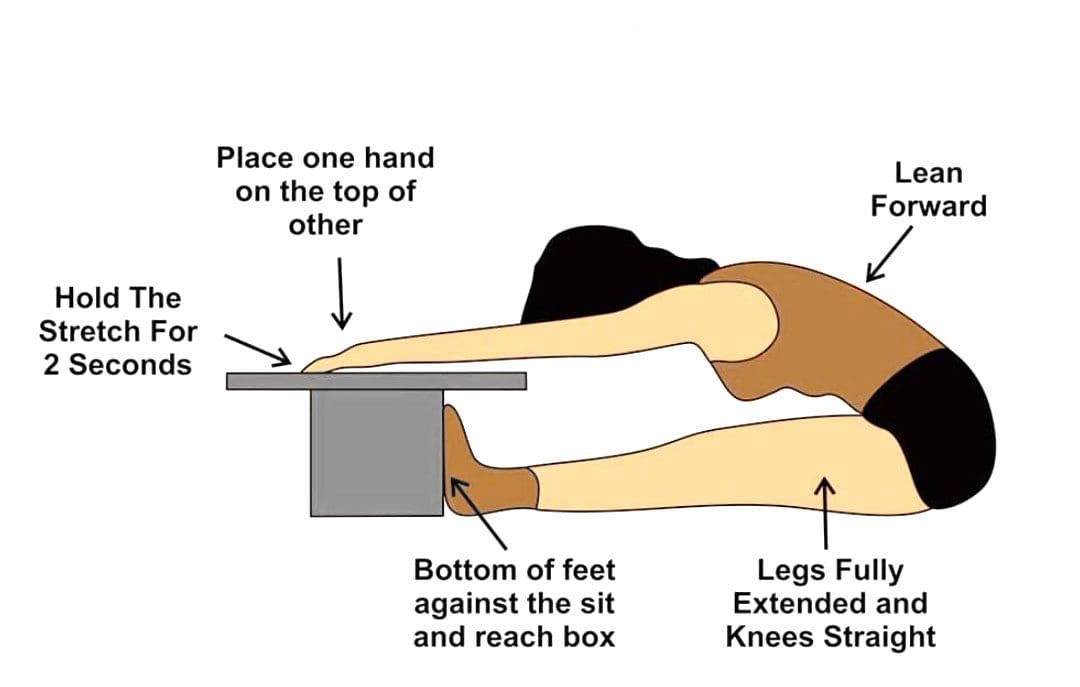
Get into position – Remove shoes and sit on the floor with legs stretched out in front with the knees straight and feet flat against the front end of the test box.
Start the movement – In a slow, steady motion, lean forward, keeping the knees straight, and slide the hands up the ruler as far as possible.
Stretch and repeat – Extend as far as possible, record the results, rest, and repeat three times.
Calculate the results – Average the results.
Results
Results compare flexibility over time to norms, or averages, for gender and age. Adequate flexibility is reaching the toes – the 26-cm mark on the ruler while keeping the legs straight.
Adult Women
37cm or 14.5669 inches or above: Excellent
33 to 36cm or 12.9921 inches: Above average
29 to 32cm or 11.4173 inches: Average
23 to 28cm or 9.05512 inches: Below average
Below 23cm or 8.66142 inches: Poor
Adult Men
34cm or 13.3858 inches or above: Excellent
28 to 33cm or 11.0236 inches: Above average
23 to 27cm or 9.05512 inches: Average
16 to 22cm or 6.29921 inches: Below average
Below 16cm or 5.90551 inches: Poor
Alternatives
Individuals can test their own hamstring and lower back flexibility with some easy at-home tests. Use these methods while working on flexibility, and keep a record to see improvements. (Brittany L. Hansberger et al., 2019) One alternative is the V-sit reach test.
To perform this, make a line on the floor with tape, then place a measuring tape perpendicular to the tape, making a cross.
Sit with the feet in a V shape, touching the tape, feet about a foot apart, with the measuring tape between the legs; the 0 end starts where the legs part.
Overlap hands with arms outstretched in front.
Repeat three times, leaning forward and reaching with hands out.
Then, repeat and take note of how far the hands could reach.
Individuals will need someone to measure the distance between their fingertips and the floor.
Warm up with a few practice stretches of standing and bending toward the floor.
Then, measure how far from the floor the fingertips are.
The ability to touch the floor is a good sign.
Improving Flexibility
Individuals with less than adequate flexibility are recommended to work on stretching the major muscle groups in both the upper and lower body on a regular basis to improve and maintain body flexibility.
Individuals can incorporate dynamic stretching, which consists of active movements utilizing a full range of motion as part of warming up for workouts, sports, or other activities.
Static stretching is recommended when cooling down after the muscles are warmed up and joints are lubricated.
The American College of Sports Medicine recommends 2 to 3 sessions a week of flexibility training and learning to stretch daily.
Stretches should be held for 15 to 30 seconds, then released and repeated 2 to 4 times. (Phil Page 2012)
This will take time and dedication, but with the help of trained specialists, regaining flexibility and full range of motion can be accomplished.
Benefits of Stretching
References
Katharine F. Wells & Evelyn K. Dillon (1952) The Sit and Reach—A Test of Back and Leg Flexibility, Research Quarterly. American Association for Health, Physical Education and Recreation, 23:1, 115-118, DOI: 10.1080/10671188.1952.10761965
Mayorga-Vega, D., Merino-Marban, R., & Viciana, J. (2014). Criterion-Related Validity of Sit-and-Reach Tests for Estimating Hamstring and Lumbar Extensibility: a Meta-Analysis. Journal of sports science & medicine, 13(1), 1–14.
Hansberger, B. L., Loutsch, R., Hancock, C., Bonser, R., Zeigel, A., & Baker, R. T. (2019). EVALUATING THE RELATIONSHIP BETWEEN CLINICAL ASSESSMENTS OF APPARENT HAMSTRING TIGHTNESS: A CORRELATIONAL ANALYSIS. International journal of sports physical therapy, 14(2), 253–263.
Page P. (2012). Current concepts in muscle stretching for exercise and rehabilitation. International journal of sports physical therapy, 7(1), 109–119.
IFM's Find A Practitioner tool is the largest referral network in Functional Medicine, created to help patients locate Functional Medicine practitioners anywhere in the world. IFM Certified Practitioners are listed first in the search results, given their extensive education in Functional Medicine