For individuals wanting to try Pilates for back pain and exercise, can learning how to find their neutral spine help improve flexibility and increase the range of motion in the joints?
Pilates Neutral Spine
Pilates is a functional exercise modality emphasizing core stability, which is fundamental to developing a balanced body. The exercises strengthen the muscles, improve flexibility, and increase the range of motion in the joints. (Kloubec J. 2011) It is considered a functional fitness method because its principles work to establish more graceful, efficient movements from everyday life, such as improving posture. Pilates has shown its effectiveness in that it is often used in physical therapy and rehabilitation settings. (Byrnes, K., Wu, P. J., and Whillier, S. 2018) However, knowing how to find the neutral spine is essential for performing various Pilates exercises correctly. (Barbosa, A. C. et al., 2018) This subtle adjustment during practice may help prevent injury and increase overall performance. A neutral spine is the natural position of the spine when all three curves:
Cervical (neck)
Thoracic (middle)
Lumbar (lower)
Are active and in healthy alignment.
This is the strongest position for the spine when standing or sitting, allowing the body to move more naturally.
Alignment
The following exercise can help find the Pilates neutral spine.
Basic Position
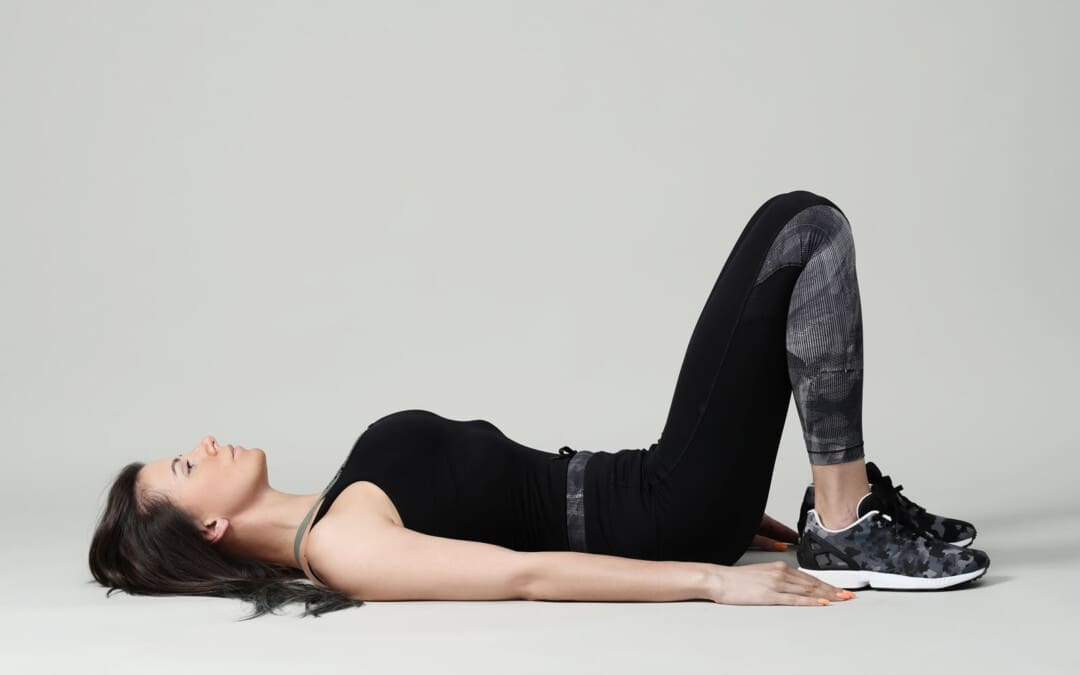
Lie on the back with knees bent and feet flat on the floor.
Ensure the legs are parallel to the hips, knees, heels, and toes.
Let the arms rest at your sides.
Relax
Relax the body, including the shoulders, neck, and jaw.
Allow the back to melt into the floor.
The rib cage will drop when the lower ribs are released to the floor.
Breathe Deep
Inhale all the way into the body, allowing it to move into the back and sides of the rib cage and all the way to the pelvis.
Pelvic Tilt
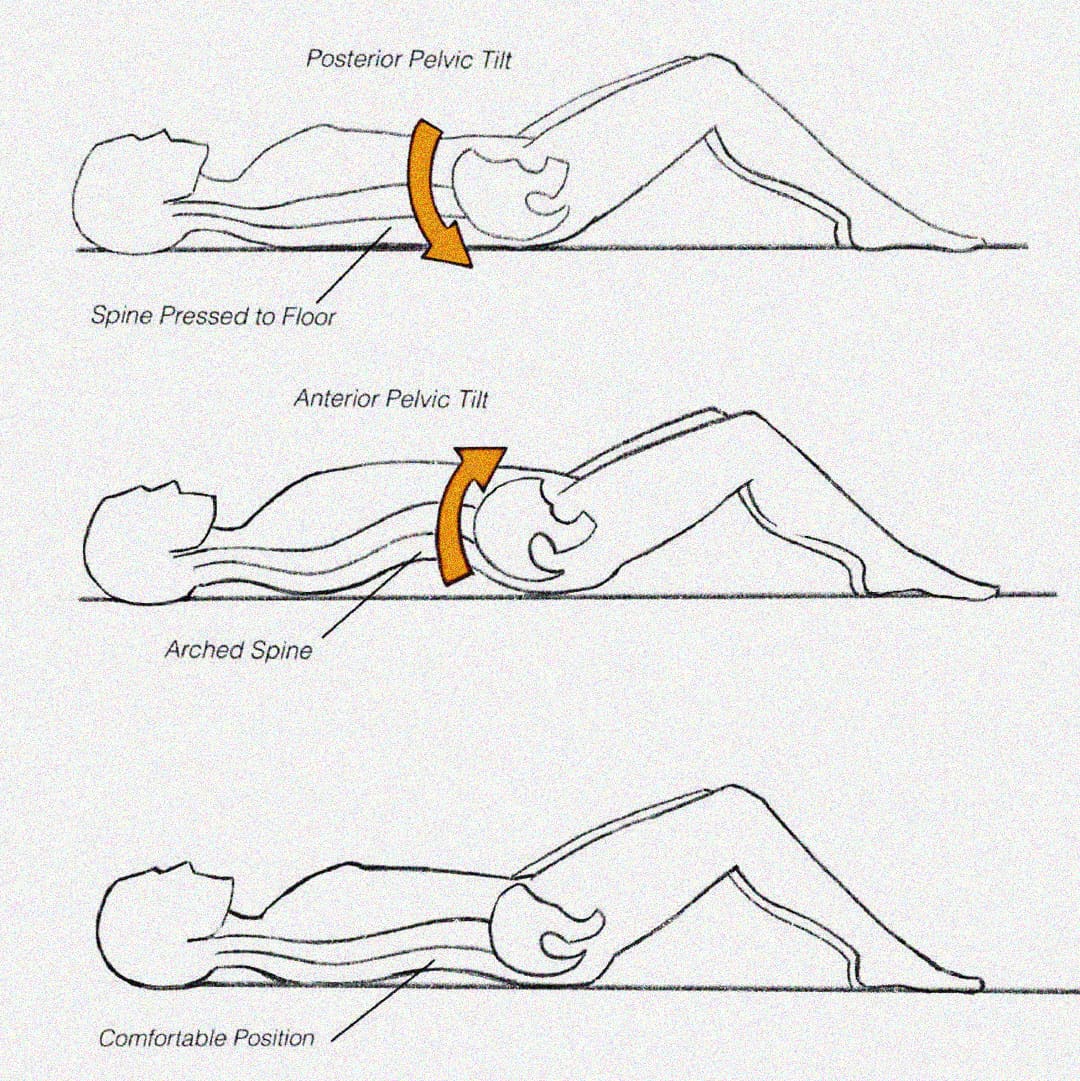
Exhale and use the abdominals to press the lower spine into the floor in a pelvic tuck. (Eickmeyer S. M. 2017)
Inhale to release.
Exhale and pull the lower spine off the floor, creating a pelvic tilt.
Inhale to release.
Pilates exercises don’t use excess energy or tension. Proper alignment and a neutral spine position can ensure that tension is released and excess energy is not exerted. (Byrnes, K., Wu, P. J., and Whillier, S. 2018) When performing the exercise, ensure that the shoulders, neck, and legs are relaxed and not involved in the movement.
When Exercising
Once a neutral spine is achieved, the goal is to maintain this spinal position during the exercises and when changing positions.
Start by lifting the right leg and placing it back down without letting the hips move.
Then, repeat the motion with the left leg.
Engage the abdominal muscles to help stabilize the pelvis, keeping it from moving and maintaining a neutral spine.
Repeat this process with each leg.
Once each leg can be lifted easily, test with both legs.
Exhale deeply and lift the legs while keeping the core and pelvis stable.
Then, lower them back down.
When performing this progression, there may be a want to release the abs and let the back arch.
This will cause a tuck and tilt position away from the neutral spine position.
If this progression is difficult, keep practicing until you can maintain a neutral spine.
Once this basic progression feels easy, try additional progressions and positioning.
Visualization Tips
Most people have their spines in one of two positions: tucked or tilted. A neutral spine requires individuals to be in between, with the lower abdominals flat and the lower spine’s natural curve slightly off the floor. The following visualization can help establish a neutral spine.
Balanced Pelvic Placement
Imagine a cup of water sitting on the lower abdomen, a couple of inches below the belly button.
Allow the abdominal muscles to drop toward the spine, flattening the belly.
You don’t want the water to spill, so the pelvis cannot be tipped forward or tucked under.
Body Scan Meditation
Once the body is relaxed with a balanced alignment on the floor.
Allow breathing to become deep and full and the abdominals to drop toward the floor.
The natural neck and lower spine curves should be off the floor.
Ensure the lower spine is not pressed into the floor, as this indicates a pelvic tilt.
If there is any discomfort or pain when working to increase endurance, seek advice from a healthcare professional. Injury Medical Chiropractic and Functional Medicine Clinic uses an integrated approach to treating injuries and chronic pain syndromes. It offers personalized care plans that improve ability through flexibility, mobility, and agility programs to relieve pain. Our providers use an integrated approach to create personalized care plans for each patient, including Functional Medicine, Acupuncture, Electro-Acupuncture, and Sports Medicine principles. Our goal is to relieve pain naturally by restoring health and function to the body. If other treatment is needed, Dr. Jimenez has teamed up with top surgeons, clinical specialists, medical researchers, and rehabilitation providers to provide the most effective treatments.
Is Motion Key to Healing?
References
Kloubec J. (2011). Pilates: how does it work and who needs it?. Muscles, ligaments and tendons journal, 1(2), 61–66.
Byrnes, K., Wu, P. J., & Whillier, S. (2018). Is Pilates an effective rehabilitation tool? A systematic review. Journal of bodywork and movement therapies, 22(1), 192–202. https://doi.org/10.1016/j.jbmt.2017.04.008
Barbosa, A. C., Vieira, E. R., Silva, A. F., Coelho, A. C., Martins, F. M., Fonseca, D. S., Barbosa, M. A., & Bordachar, D. (2018). Pilates experience vs. muscle activation during abdominal drawing-in maneuver. Journal of bodywork and movement therapies, 22(2), 467–470. https://doi.org/10.1016/j.jbmt.2017.05.002
Eickmeyer S. M. (2017). Anatomy and Physiology of the Pelvic Floor. Physical medicine and rehabilitation clinics of North America, 28(3), 455–460. https://doi.org/10.1016/j.pmr.2017.03.003
Can increasing endurance help individuals who want to improve their physical abilities or extend the time they perform these activities?
Endurance
Individuals tend to think of endurance in terms of exercise and fitness, such as running, biking, swimming, and strength training. While this is true, endurance is involved in nearly every task we perform. For example, an individual has to have enough endurance to complete a full day of activities. This includes:
Carpooling the kids
Professional responsibilities
Home chores
Preparing dinner
Helping out kids with homework, etc.
Nearly every activity requires some level of endurance, which means the ability to maintain activity for an extended period of time. When endurance begins to wane, it usually results from not performing certain activities regularly. The body gets used to daily routines and activities. When it stops engaging in certain activities, like walking and exercising regularly, endurance slowly declines, and the ability to perform at the same caliber.
What Is It?
Endurance is an ability that is acquired after extensive physical and mental training. Physiological and psychological factors reinvigorate individuals to continue doing what they are doing longer. Factors include:
Fatigue
Individuals who didn’t sleep well the night before or are worn out may have difficulty following through with certain activities that require extensive output or stamina.
Fitness Levels
Current fitness levels are also a predictor of endurance.
How physically fit an individual is, coupled with their level of training, will impact endurance abilities.
Genetics is another factor, as everybody has different muscle fibers that can influence physical capabilities. While research shows that individuals can gradually alter the amount of these fibers, it also emphasizes the role of genetics in determining one’s muscle makeup. (de Souza, E. O. et al., 2014)
Individuals who constantly challenge themselves mentally and physically are continually building endurance.
Endurance and Stamina Difference
Endurance is often used interchangeably with stamina. However, the two are very different.
Stamina refers to how long an individual can perform a certain activity at maximum capacity or without getting tired.
Endurance revolves around an individual’s ability to perform a certain activity without performing at maximum capacity.
Types
Endurance can be divided into classifications defined by type. Here are the main types of endurance in physical fitness and what they mean.
Cardiovascular
Cardiovascular endurance is the stress an individual’s heart can take during physical activity.
When building cardiovascular endurance, the body becomes more efficient at pumping blood while performing a specific activity.
Individuals with more cardiovascular endurance can sustain longer and more intense overall training.
Muscular
Muscular endurance is the length of time muscles can continue to contract enough to allow the body to finish a certain activity.
An individual lacking in muscular endurance will succumb faster to excess lactic acid build-up, causing cramps.
An individual with significant muscular endurance can lift a weight for more repetitions before failure.
Anaerobic
Anaerobic means without oxygen, so anaerobic endurance refers to how long a muscle can continue working at a certain physical level without much or any oxygen.
Weightlifting is a great example of this.
Anaerobic exercise tends to be shorter in duration but more intense than aerobic exercise, like swimming or cycling.
Improvement
Through endurance training, individuals can improve their ability to carry out certain activities longer. Recommendations for how to improve include.
Interval Training
Interval training, or high-intensity interval training, involves increasing the intensity of the workout for a short period of time.
If running, intentionally push the pace harder than normal for 20-second intervals.
Followed by a slower recovery pace for about a minute.
This increases endurance and improves insulin sensitivity.
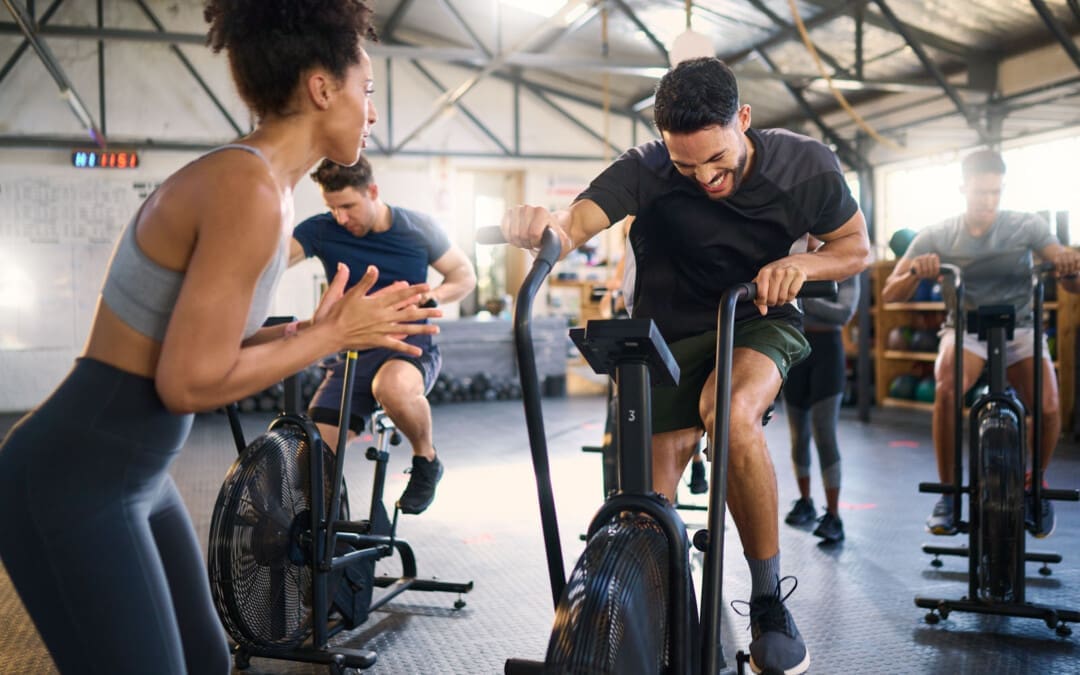
Pedaling on an air bike is another recommended activity to build strength and endurance.
Rest Less Between Sets
Resting in between certain types of physical activity is beneficial, it can also lower heart rate and endurance threshold.
Taking less rest between workout sets so that the heart rate stays elevated increases endurance with each workout.
Perform a Few More Reps On Each Set
Whatever the type of exercise being done, one way to enhance endurance is to add one more rep, one more mile, or a few more minutes to the fitness schedule.
The body will slowly adapt to that level, making it the new norm.
Increase Core Strength
No matter the workout—running, swimming, cycling, or weight lifting—it’s important to focus on strengthening the core. This will help improve endurance in any activity and prevent injuries.
Individuals having trouble taking their workouts to the next level and feeling that their endurance has flattened should consider enlisting the help of a certified personal trainer. If there is any discomfort or pain when working to increase endurance, seek advice from a healthcare professional. Injury Medical Chiropractic and Functional Medicine Clinic uses an integrated approach to treating injuries and chronic pain syndromes. It offers personalized care plans that improve ability through flexibility, mobility, and agility programs to relieve pain. Our providers use an integrated approach to create personalized care plans for each patient, including Functional Medicine, Acupuncture, Electro-Acupuncture, and Sports Medicine principles. Our goal is to relieve pain naturally by restoring health and function to the body. If other treatment is needed, Dr. Jimenez has teamed up with top surgeons, clinical specialists, medical researchers, and rehabilitation providers to provide the most effective treatments.
Unlocking Athletic Potential
References
de Souza, E. O., Tricoli, V., Aoki, M. S., Roschel, H., Brum, P. C., Bacurau, A. V., Silva-Batista, C., Wilson, J. M., Neves, M., Jr, Soares, A. G., & Ugrinowitsch, C. (2014). Effects of concurrent strength and endurance training on genes related to myostatin signaling pathway and muscle fiber responses. Journal of strength and conditioning research, 28(11), 3215–3223. https://doi.org/10.1519/JSC.0000000000000525
Can a rowing machine provide a full-body workout for individuals looking to improve fitness?
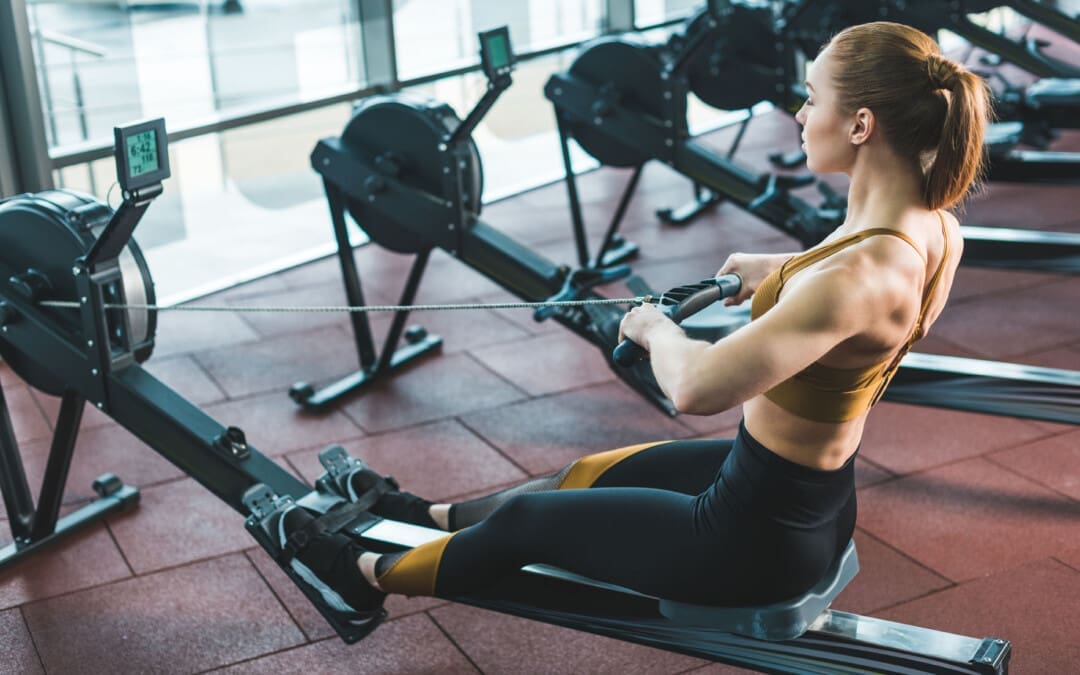
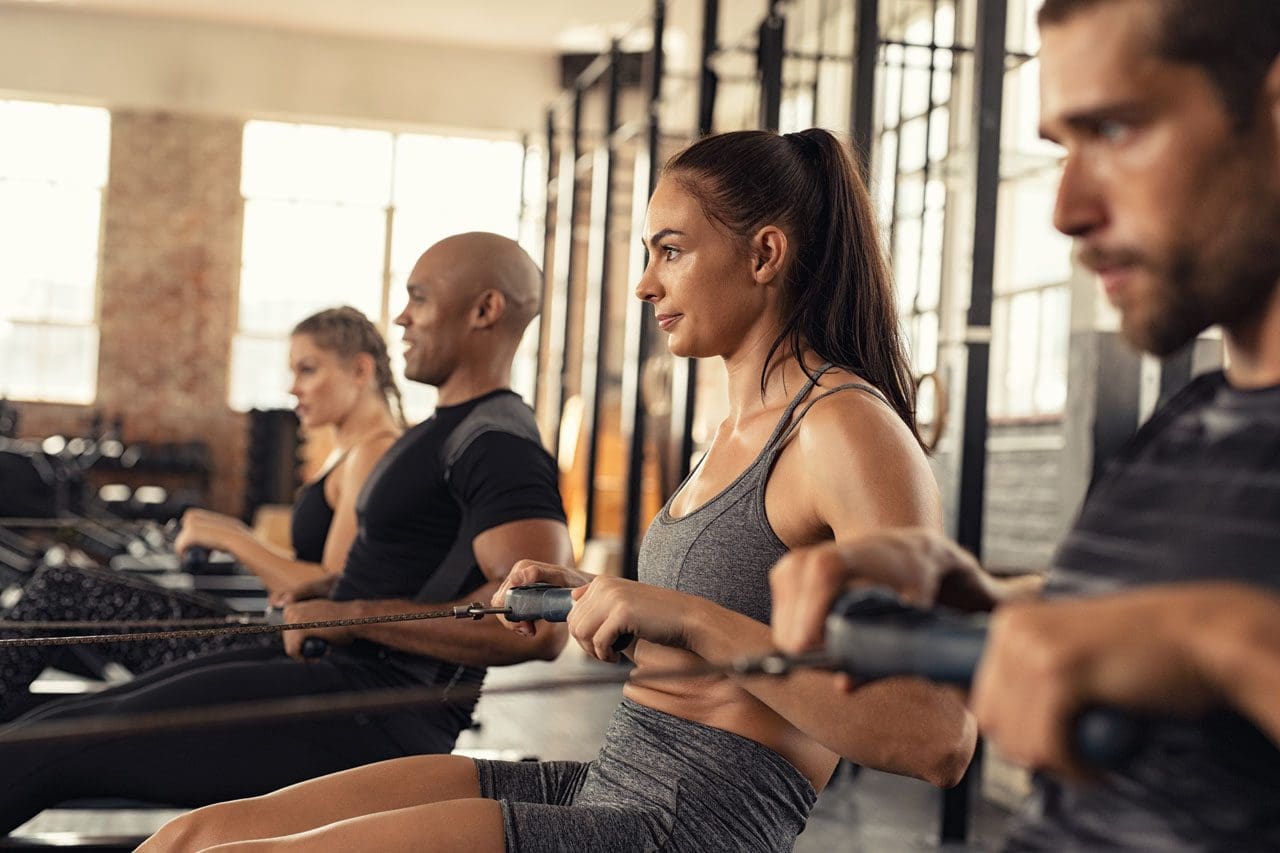
A group of people exercise in the gym using a rowing machine together. A side view of a sportswoman exercising on a rowing machine in a CrossFit center. A muscular girl and a sporty man are working out on a training simulator at a CrossFit gym.
Rowing Machine
Today, rowing machines are widely recognized as effective fitness tools. They can be found in gyms, fitness centers, physical therapy, and sports rehabilitation clinics. Rowing is low-impact, allowing control of movement and pace, and is recommended for active recovery. It’s sometimes recommended as an exercise for individuals with early stages of osteoarthritis.
Benefits
The benefits include:
Rowing is a total-body workout that strengthens major muscle groups in the arms, legs, and core and increases cardiovascular endurance.
The upper and lower body are used on every stroke.
Strengthens and tones the muscles.
Rowing burns significant calories without placing added stress on the joints.
Improves endurance and heart and lung health.
Cardiovascular Fitness
Rowing is a rare exercise that involves power and endurance. It is an aerobic exercise that increases the body’s heart rate and oxygen, improving cardiovascular fitness. (Hansen RK, et al. 2023) Through continuous, rhythmic movement, which increases oxygen utilization, rowing enhances the heart and lungs’ ability to supply oxygen to the body and works on muscular endurance.
Full-Body Workout
A rowing workout is a comprehensive full-body workout that simultaneously works multiple body areas and muscle groups, specifically the arms, back, core, and legs. The motion moves major muscle groups through the full range of motion, promoting flexibility and muscle tone improvements that are great for individuals with trouble with weight-bearing exercises like running. Rowing can also improve physiological markers, depending on the intensity of the workout and the heart rate zone maintained.
Joint-Friendly
Rowing is a low-impact exercise, making it easier on joints and suitable for individuals with joint concerns or those looking for a joint-friendly workout. The workout engages the largest muscles in a low-impact way with no pounding on the joints or excessive rotation.
Burns Calories
Rowing can be an efficient way to burn calories. Its cardiovascular and resistance training combination makes it an effective tool for weight management and weight loss. Alternating between higher and lower intensities can enhance calorie burning during and after the exercise session from excess post-exercise oxygen consumption (EPOC),also known as the afterburn effect. (Sindorf, M. A. G. et al., 2021)
Improves Posture
Maintaining a healthy posture offers numerous benefits, such as improving breathing ability, aiding in digestion, and preventing injuries. (Kim D, 2015) Rowing can be an effective workout that enhances postural strength and awareness and reduces back pain risks. Proper spine activation is necessary for efficient rowing, which also helps to pull the shoulders back. The hip flexors help to lengthen during the drive phase while the shoulders open. Proper rowing technique involves:
Dorsiflexion of the foot.
Stretching of the Achilles tendon.
Engaging the tibialis.
Getting Started
Rowing is not too difficult to get started. Following techniques shared by experts will help improve the experience and reduce the risk of injury.
Maintaining Upright Posture
The back should be straight throughout the movement.
Brace the core muscles to keep the back from rounding while bending at the knees and hips during the movement.
This keeps the body aligned, prevents injuries, and makes the exercise more effective.
Maintain Stroke Sequences
There are four parts to the sequence:
The catch – is when you sit at the front of the machine with your knees bent and arms reaching out to hold the handle.
The drive – is the next step, which involves pushing into the platform with your heels and driving through your legs while engaging your legs, glutes, and core. During the drive, you want to lean back slightly as you push with your legs while pulling the handle to the bottom of the rib cage.
The finish – lean back a little more while pulling the handle to the lower chest level.
The recovery – extend your arms forward while bending the hips to bring the torso forward, using your legs to pull back to the starting position.
Adjust Resistance Accordingly
Most rowing machines have adjustable resistance settings. Beginners should start with a lower resistance level to focus on proper technique and gradually increase as they become more comfortable so that the resistance provides a challenge without compromising form. On a rowing machine, the individual should feel like they are gliding efficiently over water with strong, powerful strokes repeated for however many reps depending on the workout.
Breathing
Aerobic workouts require proper breathing. It is recommended to inhale during the recovery phase as you slide the seat forward and exhale during the drive phase when pushing through the legs. Breathing in sync with the rowing motion keeps the oxygen flow going, so the body maintains energy and smooth strokes.
Injury Medical Chiropractic and Functional Medicine Clinic
As with any fitness program, individuals should consult a healthcare professional or fitness expert, especially if pre-existing health conditions or concerns exist. At Injury Medical Chiropractic and Functional Medicine Clinic, we focus on what works for you and strive to better the body through researched methods and total wellness programs. We focus on treating patients’ injuries and chronic pain syndromes to create personalized care plans that improve ability through flexibility, mobility, and agility programs personalized to the individual. Using an integrated approach, our goal is to relieve pain naturally by restoring health and function to the body through Functional Medicine, Acupuncture, Electro-Acupuncture, and Sports Medicine protocols. If other treatment is needed, Dr. Jimenez has teamed up with the top surgeons, clinical specialists, medical researchers, and premier rehabilitation providers to provide the most effective treatments available.
Core Exercises and Back Pain
References
Hansen, R. K., Samani, A., Laessoe, U., Handberg, A., Mellergaard, M., Figlewski, K., Thijssen, D. H. J., Gliemann, L., & Larsen, R. G. (2023). Rowing exercise increases cardiorespiratory fitness and brachial artery diameter but not traditional cardiometabolic risk factors in spinal cord-injured humans. European journal of applied physiology, 123(6), 1241–1255. https://doi.org/10.1007/s00421-023-05146-y
Sindorf, M. A. G., Germano, M. D., Dias, W. G., Batista, D. R., Braz, T. V., Moreno, M. A., & Lopes, C. R. (2021). Excess Post-Exercise Oxygen Consumption and Substrate Oxidation Following High-Intensity Interval Training: Effects of Recovery Manipulation. International journal of exercise science, 14(2), 1151–1165.
Kim, D., Cho, M., Park, Y., & Yang, Y. (2015). Effect of an exercise program for posture correction on musculoskeletal pain. Journal of physical therapy science, 27(6), 1791–1794. https://doi.org/10.1589/jpts.27.1791
For individuals looking to improve their fitness health, can a fitness assessment test identify potential areas and help evaluate overall health and physical status?
Fitness Assessment
A fitness test, also known as a fitness assessment, helps evaluate an individual’s overall and physical health. It comprises a series of exercises to design an appropriate exercise program for general health and fitness. (National Strength and Conditioning Association. 2017) Fitness assessment testing benefits include:
Identifying areas that need improvement.
Assisting professionals in understanding what types of exercise are safest and most effective.
Helping measure fitness progress over time.
Allowing for an individualized plan that can help prevent injuries and maintain the body’s overall health.
An assessment can comprise a wide range of tests, including:
Body composition tests.
Cardiovascular stress tests.
Endurance tests.
Range of motion tests.
They are meant to ensure the individual won’t be at risk of injury and provide the trainer with the insights needed to establish clear and effective fitness goals. Individuals who wonder whether fitness testing would benefit them should consult their healthcare provider.
General Health
Before starting a fitness program, it is important to inform the trainer of individual medical history and get the necessary approval from a primary healthcare provider. (Harvard Health Publishing. Harvard Medical School. 2012) Fitness specialists usually use one or more screening tools to help determine individual baseline health.
This may include obtaining vital sign measurements like height and weight, resting heart rate/RHR, and resting blood pressure/RBP. Many trainers will also use a physical activity readiness questionnaire/PAR-Q comprising questions about general health. (National Academy of Sports Medicine. 2020) Among the questions, individuals may be asked about the medications being taken, any problems with dizziness or pain, or medical conditions that may impair their ability to exercise.
Body Composition
Body composition describes total body weight components, including muscles, bones, and fat. The most common methods for estimating body composition include:
Bioelectrical Impedance Analysis – BIA
During BIA, electrical signals are sent from electrodes through the soles of the feet to the abdomen to estimate body composition. (Doylestown Health. 2024)
These measurements use calipers to estimate the amount of body fat in a fold of skin.
Cardiovascular Endurance
Cardiovascular endurance testing, also known as stress testing, measures how efficiently the heart and lungs work to supply oxygen and energy to the body during physical activity. (UC Davis Health, 2024) The three most common tests used include:
12-minute Run Tests
Twelve-minute run tests are performed on a treadmill, and an individual’s pre-exercise heart and respiration rates are compared with post-exercise heart and respiration rates.
Exercise Stress
Exercise stress testing is performed on a treadmill or stationary bike.
It involves using a heart monitor and blood pressure cuff to measure vital signs during exercise.
VO2 Max Testing
Performed on a treadmill or stationary bike.
V02 max testing uses a breathing device to measure the maximum rate of oxygen consumption during physical activity (UC Davis Health, 2024)
Some trainers will incorporate exercises like sit-ups or push-ups to measure response to specific exercises.
These baseline results can be used later to see if health and fitness levels have improved.
Strength and Endurance
Muscle endurance testing measures the length of time a muscle group can contract and release before it fatigues. Strength testing measures the maximal amount of force a muscle group can exert. (American Council on Exercise, Jiminez C., 2018) The exercises used include:
The push-up test.
Core strength and stability test.
Sometimes, a trainer will use a metronome to measure how long the individual can keep up with the rhythm. The results are then compared to individuals of the same age group and sex to establish a baseline level. Strength and endurance tests are valuable as they help the trainer spot which muscle groups are stronger, vulnerable, and need focused attention. (Heyward, V. H., Gibson, A. L. 2014).
Flexibility
Measuring the flexibility of joints is vital in determining whether individuals have postural imbalances, foot instability, or limitations in range of motion. (Pate R, Oria M, Pillsbury L, 2012)
Shoulder Flexibility
Shoulder flexibility testing evaluates the flexibility and mobility of the shoulder joint.
It is performed by using one hand to reach behind the neck, between the shoulders, and the other hand to reach behind the back, toward the shoulders, to measure how far apart the hands are. (Baumgartner TA, PhD, Jackson AS, PhD et al., 2015)
Fitness assessment testing has various benefits. It can help trainers design a personalized workout program, help individuals identify fitness areas that need improvement, measure progress, and add intensity and endurance to their routine, which can help prevent injuries and help maintain overall health. We focus on what works for you and strive to better the body through researched methods and total wellness programs. These natural programs use the body’s ability to achieve improvement goals. Ask a healthcare professional or fitness professional for guidance if you need advice.
PUSH Fitness
References
National Strength and Conditioning Association. (2017). Purposes of assessment. https://www.nsca.com/education/articles/kinetic-select/purposes-of-assessment/
Harvard Health Publishing. Harvard Medical School. (2012). Do you need to see a doctor before starting your exercise program? HealthBeat. https://www.health.harvard.edu/healthbeat/do-you-need-to-see-a-doctor-before-starting-your-exercise-program
National Academy of Sports Medicine. (2020). PAR-Q-+ The Physical Activity Readiness Questionnaire for Everyone. https://www.nasm.org/docs/pdf/parqplus-2020.pdf?sfvrsn=401bf1af_24
Doylestown Health. (2024). Bio-Electrical Impedance Analysis (BIA)-Body Mass Analysis. https://www.doylestownhealth.org/service-lines/nutrition#maintabbed-content-tab-2BDAD9F8-F379-403C-8C9C-75D7BFA6E596-1-1
National Heart, Lung, and Blood Institute. U.S. Department of Health and Human Services. (N.D.). Calculate your body mass index. Retrieved from https://www.nhlbi.nih.gov/health/educational/lose_wt/BMI/bmicalc.htm
UC Davis Health. (2024). VO2max and Aerobic Fitness. https://health.ucdavis.edu/sports-medicine/resources/vo2description
American Council on Exercise. Jiminez C. (2018). Understanding 1-RM and Predicted 1-RM Assessments. ACE Fitness. https://www.acefitness.org/fitness-certifications/ace-answers/exam-preparation-blog/2894/understanding-1-rm-and-predicted-1-rm-assessments/
Heyward, V. H., Gibson, A. L. (2014). Advanced Fitness Assessment and Exercise Prescription. United Kingdom: Human Kinetics. https://www.google.com/books/edition/Advanced_Fitness_Assessment_and_Exercise/PkdoAwAAQBAJhl=en&gbpv=1&dq=Strength+and+endurance+tests+muscle+groups+are+stronger+and+weaker&pg=PA173&printsec=frontcover#v=onepage&q=Strength%20and%20endurance%20tests%20muscle%20groups%20are%20stronger%20and%20weaker&f=false
Pate R, Oria M, Pillsbury L, (Eds). (2012). Health-related fitness measures for youth: Flexibility. In R. Pate, M. Oria, & L. Pillsbury (Eds.), Fitness Measures and Health Outcomes in Youth. https://doi.org/10.17226/13483
Baumgartner, T. A., Jackson, A. S., Mahar, M. T., Rowe, D. A. (2015). Measurement for Evaluation in Kinesiology. United States: Jones & Bartlett Learning. https://www.google.com/books/edition/Measurement_for_Evaluation_in_Kinesiolog/_oCHCgAAQBAJ?hl=en&gbpv=1&dq=Measurement+for+Evaluation+in+Kinesiology+(9th+Edition).&printsec=frontcover#v=onepage&q&f=false
American Council of Exercise. Metcalf A. (2014). How to improve flexibility and maintain it. ACE Fitness. https://www.acefitness.org/resources/everyone/blog/3761/how-to-improve-flexibility-and-maintain-it/
For individuals wanting to improve core stability, can using the right size exercise or stability ball help improve workouts and achieve goals?
Exercise Stability Ball
An exercise ball, stability ball, or Swiss ball is a piece of fitness equipment used in gyms, Pilates and yoga studios, and HIIT classes. (American Council on Exercise. 2014) It is inflated with air to supplement bodyweight workouts or improve posture and balance. It can also be used as a chair. They add a core stability challenge to almost any exercise (American Council on Exercise, N.D.) Getting the appropriate exercise ball size and firmness for your body and purpose will ensure an optimal workout.
Size
The exercise ball size should be proportional to individual height.
Individuals should be able to sit on the ball with their legs at a 90-degree angle or slightly more, but not less.
The thighs should be parallel to the ground or angled slightly down.
With the feet flat on the floor and the spine straight, not leaning forward, backward, or sideways, the knees should be even with or slightly lower than the hips.
Getting the right exercise ball for weight is also important. Individuals who are heavy for their height may need a larger ball to keep the knees and legs at the correct angle. It is recommended to check the weight rating of the ball, its durability, and its high burst resistance before buying.
Inflation
Individuals want a little give on the ball’s surface for exercise. When sitting on the exercise stability ball, body weight should create a little seat and provide more stability. More importantly, it allows sitting evenly on the ball, which is essential for exercising with proper spinal alignment. (Rafael F. Escamilla et al., 2016) Inflation is a matter of preference, but the more inflated the ball is, the more difficult it will be to balance the body, whether sitting or in other positions. It is recommended not to over-inflate the ball at the risk of bursting. The ball may require reinflation occasionally, so many are sold with a small pump for this purpose.
Exercises and Stretches
Exercise balls are highly versatile, inexpensive, and easy-to-use workout tools. They are beneficial for improving core strength and stability. Ways to be used include:
Target exercises for core activation and strengthening.
At Injury Medical Chiropractic and Functional Medicine Clinic, we focus on what works for you and strive to create fitness and better the body through research methods and total wellness programs. These natural programs use the body’s ability to achieve improvement goals and athletes can condition themselves to excel in their sport through proper fitness and nutrition. Our providers use an integrated approach to create personalized programs, often including Functional Medicine, Acupuncture, Electro-Acupuncture, and Sports Medicine principles.
Home Exercises For Pain Relief
References
American Council on Exercise. Sabrena Jo. (2014). Core-strengthening Stability Ball Workout. ACE Fitness® & Healthy Lifestyle Blog. https://www.acefitness.org/resources/pros/expert-articles/5123/core-strengthening-stability-ball-workout/
American Council on Exercise. (N.D.). Exercise Database & Library. Featured Exercises from ACE. Stability Ball. Healthy Living Blog. https://www.acefitness.org/resources/everyone/exercise-library/equipment/stability-ball/
American Council on Exercise. (2001). Strengthen your abdominals with stability balls. Healthy Living Blog. https://acewebcontent.azureedge.net/assets/education-resources/lifestyle/fitfacts/pdfs/fitfacts/itemid_129.pdf
Escamilla, R. F., Lewis, C., Pecson, A., Imamura, R., & Andrews, J. R. (2016). Muscle Activation Among Supine, Prone, and Side Position Exercises With and Without a Swiss Ball. Sports health, 8(4), 372–379. https://doi.org/10.1177/1941738116653931
For individuals who are getting into exercise, fitness, and physical activity, can knowing how glycogen works help in workout recovery?
Glycogen
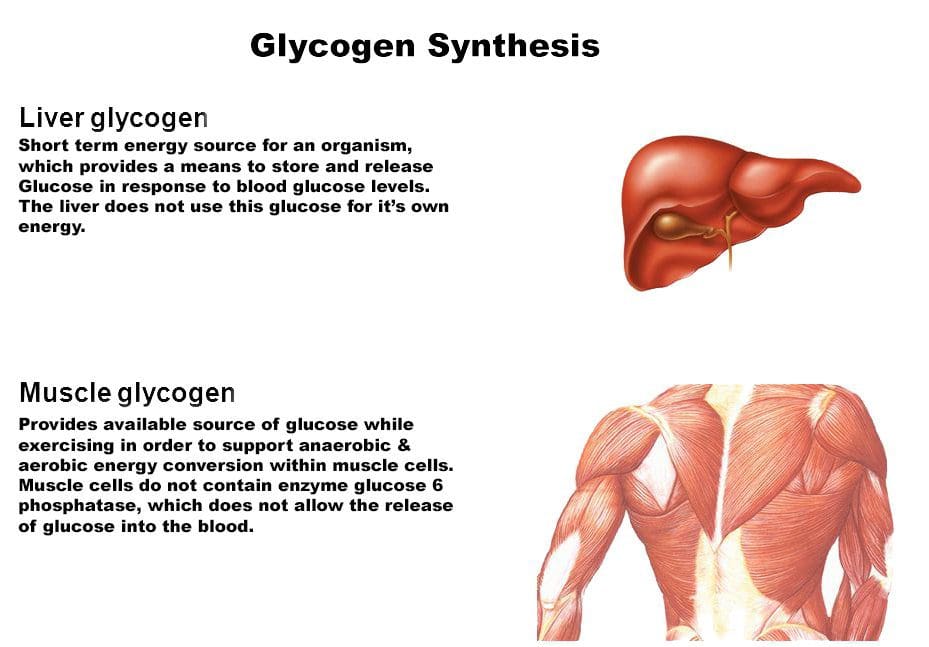
When the body needs energy, it draws on its glycogen stores. Low-carbohydrate, ketogenic diets and intense exercise deplete glycogen stores, causing the body to metabolize fat for energy. Glycogen is supplied through carbohydrates in an individual’s diet and is used to power the brain, physical activity, and other bodily functions. The molecules made from glucose are mainly stored in the liver and muscles. What is eaten, how often, and the activity level influence how the body stores and uses glycogen. Restoring glycogen after physical activity or working out is a vital part of the recovery process. The body can quickly mobilize glycogen from these storage sites when it needs fuel. Eating enough carbohydrates to reach health goals and activity levels is essential for success.
What Is It
It is the body’s stored form of glucose or sugar.
It is stored in the liver and muscles.
It is the body’s primary and preferred energy source.
It comes from carbohydrates in foods and drinks.
It is made from several connected glucose molecules.
Production and Storage
Most carbohydrates eaten are converted to glucose, which becomes the body’s main energy source. However, when the body doesn’t need fueling, the glucose molecules become linked chains of eight to 12 glucose units, forming a glycogen molecule.
Process Triggers
Eating a carbohydrate-containing meal will raise blood glucose levels in response.
Increasing glucose signals the pancreas to produce insulin, a hormone that helps the body’s cells take up glucose from the bloodstream for energy or storage.
Insulin activation causes the liver and muscle cells to produce an enzyme called glycogen synthase, which links glucose chains together.
With enough glucose and insulin, glycogen molecules can be delivered to the liver, muscles, and fat cells for storage.
Since most glycogen is found in the muscles and liver, the amount stored in these cells varies depending on activity level, how much energy is burned at rest, and the foods eaten. The muscles primarily use glycogen stored in the muscles, while glycogen stored in the liver is distributed throughout the body, mainly to the brain and spinal cord.
Body Usage
The body converts glucose to glycogen through a process called glycogenesis. During this process, various enzymes help the body break down glycogen in glycogenolysis so the body can use it. The blood has a set amount of glucose ready to go at any given time. The insulin levels also drop when the level begins to decline, either from not eating or burning glucose during exercise. When this happens, an enzyme known as glycogen phosphorylase starts breaking the glycogen down to supply the body with glucose. Glucose from liver glycogen becomes the body’s primary energy. Short bursts of energy use glycogen, whether during sprints or heavy lifting. (Bob Murray, Christine Rosenbloom, 2018) A carbohydrate-rich pre-workout drink can provide energy to exercise longer and recover quicker. Individuals should eat a post-workout snack with a balanced amount of carbohydrates to replenish glycogen stores. The brain also uses glucose for energy, with 20 to 25% of glycogen going toward powering the brain. (Manu S. Goyal, Marcus E. Raichle, 2018) Mental sluggishness or brain fog can develop when not enough carbohydrates are consumed. When glycogen stores are depleted through exercise or insufficient carbs, the body can feel fatigued and sluggish and perhaps experience mood and sleep disturbances. (Hugh S. Winwood-Smith, Craig E. Franklin 2, Craig R. White, 2017)
Diet
What foods are eaten and how much physical activity an individual does also influence glycogen production. The effects can be acute if one follows a low-carb diet, where carbohydrates, the primary source of glucose synthesis, are suddenly restricted.
Fatigue and Brain Fog
When first starting a low-carb diet, the body’s glycogen stores can be severely depleted and individuals may experience symptoms like fatigue and brain fog. (Kristen E. D’Anci et al., 2009)
The symptoms begin to subside once the body adjusts and renews its glycogen stores.
Water Weight
Any amount of weight loss can have the same effect on glycogen stores.
Initially, individuals may experience a rapid drop in weight.
Over time, weight may plateau and possibly increase.
The phenomenon is partly due to glycogen composition, which is also water. Rapid glycogen depletion at the onset of the diet triggers the loss of water weight. Over time, glycogen stores are renewed, and the water weight returns. When this happens, weight loss can stall or plateau. Fat loss can continue despite the short-term plateau effect.
Exercise
If undertaking a strenuous exercise routine, there are strategies to help avoid decreased performance that may be helpful:
Carbo-loading
Some athletes consume excessive amounts of carbohydrates before working out or competing.
Extra carbohydrates provide plenty of fuel.
The method has fallen out of favor as it can lead to excess water weight and digestive issues.
Glucose Gels
Energy gels containing glycogen can be consumed before or as needed during an event to increase blood glucose levels.
For example, energy chews are effective supplements for runners to help increase performance during extended runs.
Low-Carb Ketogenic Diet
Eating a diet high in fat and low in carbohydrates can put the body in a keto-adaptative state.
In this state, the body begins to access stored fat for energy and relies less on glucose for fuel.
At Injury Medical Chiropractic and Functional Medicine Clinic, our providers use an integrated approach to create personalized care plans for each individual, often including Functional Medicine, Acupuncture, Electro-Acupuncture, and Sports Medicine principles. Our goal is to restore health and function to the body.
Sports Nutrition and Sports Dietician
References
Murray, B., & Rosenbloom, C. (2018). Fundamentals of glycogen metabolism for coaches and athletes. Nutrition reviews, 76(4), 243–259. https://doi.org/10.1093/nutrit/nuy001
Goyal, M. S., & Raichle, M. E. (2018). Glucose Requirements of the Developing Human Brain. Journal of pediatric gastroenterology and nutrition, 66 Suppl 3(Suppl 3), S46–S49. https://doi.org/10.1097/MPG.0000000000001875
Winwood-Smith, H. S., Franklin, C. E., & White, C. R. (2017). Low-carbohydrate diet induces metabolic depression: a possible mechanism to conserve glycogen. American journal of physiology. Regulatory, integrative and comparative physiology, 313(4), R347–R356. https://doi.org/10.1152/ajpregu.00067.2017
D’Anci, K. E., Watts, K. L., Kanarek, R. B., & Taylor, H. A. (2009). Low-carbohydrate weight-loss diets. Effects on cognition and mood. Appetite, 52(1), 96–103. https://doi.org/10.1016/j.appet.2008.08.009
“For individuals who want to exercise but have fears or concerns, can understanding what they are scared of help ease their minds?”
Overcoming Exercise Fears
One reason for the ongoing weight problem is that individuals don’t move around enough, and one reason individuals don’t exercise is fear (Craig M. Hales et al., 2020). For individuals, physical exertion and moving the body to the point of increased heart rate, heavy breathing, and excessive sweating can cause anxiety and be scary when they haven’t done it in a while or have never worked out. Some anxieties and fears individuals may experience include the following:
Looking Foolish
Anything can happen when exercising. When individuals can’t figure out how a machine works or aren’t sure if they’re doing an exercise correctly, falling off a machine or dropping a weight can cause a feeling of foolishness. Knowing how to use machines and weights takes practice. Ask a gym employee or personal trainer for guidance, as educating individuals on doing exercises correctly and safely is their job. And most individuals working out are happy to help as well.
Experiencing Pain
Some avoid exercise, fearing intense pain. Exercise is not supposed to be painful, but it will cause soreness because individuals use muscles that they haven’t used for a while or at all. For instance, the muscles will experience a slight burning sensation when lifting weights. The body reacts to the workout and adapts to exercise. As the body gets stronger, individuals recognize their body’s response and are able to challenge themselves with heavier weights, longer runs, walks, and workouts. When beginning an exercise program, start slow. Some trainers recommend doing slightly less than an individual thinks they can for the first weeks. This helps to build a habit without the risk of burnout.
Injuries
When starting an exercise program, individuals can feel changes all over their bodies, like everything is pulling and tearing apart. Individuals who haven’t exercised much may be unable to distinguish between the normal discomfort from exercising for the first time and pain from an injury. Shin splints, side stitches, or other common side effects may develop from beginning an exercise program. Individuals may need to stop exercising, treat the injury, and start again.
If there are sharp pains in the joints, tearing in the muscles or ligaments, or anything else that doesn’t feel normal, stop and seek medical attention.
Exercise Mindfulness
The body will feel something while exercising, but separating real injury pain from normal sensations is important.
Be aware of how the body feels throughout the workout.
Follow instructions and pay attention to proper form to minimize the risk of injury.
Proper Footwear
Wearing the right workout shoes is a good idea to avoid and prevent injuries.
Invest in a quality pair of shoes to give the body the support it needs.
Proper Form
If lifting weights, one way to sustain an injury is using incorrect form or posture.
If you are unsure how to do the exercises, consult a trainer or gym employee to explain how the machine works.
Warm Up
Jumping into a workout without warming up can lead to injuries that can lead to chronic pain conditions.
If lifting weights, do a little cardiovascular exercise first or a warm-up set with lighter weights.
Workout Within Fitness Levels
Injuries happen when trying to do too much too soon.
Start with a light program.
Work up to more intense and frequent workouts.
For example, if only able to walk for 10 minutes, start there and increase gradually.
Failure
When it comes to exercise, failure can be experienced in different ways, like losing weight, failing to make it through a workout, being unable to stick to an exercise program, etc. This is part of the process, but individuals can overcome exercise fears through perseverance.
Setting the bar too high can become an excuse to quit.
A simple way to deal with this is to set a reachable goal.
Long-term goals can be set to work toward.
Do what you can handle now.
Individuals take risks whenever they do something out of their comfort zone. However, taking risks may be necessary to overcome exercise fears, keep going, and achieve success.
Weight Loss Techniques
References
Hales CM, C. M., Fryar CD, Ogden CL. (2020). Prevalence of obesity and severe obesity among adults: United States, 2017–2018. NCHS Data Brief, no 360. Hyattsville, MD: National Center for Health Statistics. Retrieved from https://www.cdc.gov/nchs/products/databriefs/db360.htm#Suggested_citation
IFM's Find A Practitioner tool is the largest referral network in Functional Medicine, created to help patients locate Functional Medicine practitioners anywhere in the world. IFM Certified Practitioners are listed first in the search results, given their extensive education in Functional Medicine