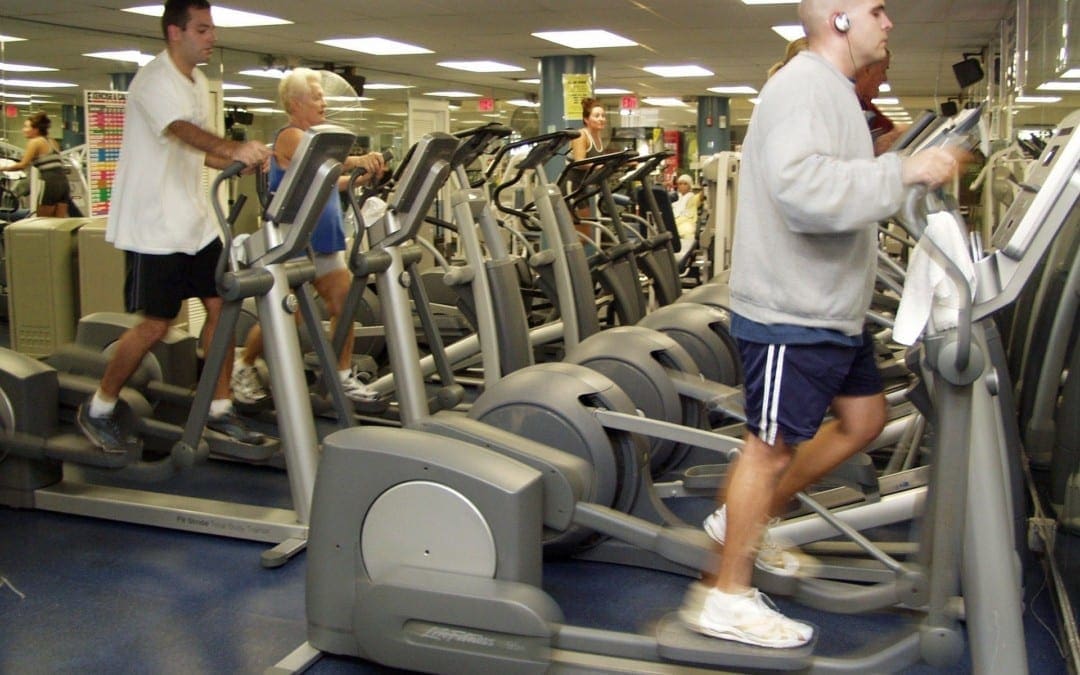
There are 3 primary parts of exercise: cardiovascular exercise, strengthening exercises, and flexibility training. And let�s face it�those first 2 typically get more emphasis. Cardiovascular exercise (running, for example�anything which gets your pulse up) and strength training (lifting weights) come with some rather immediate outcomes. They help us build muscle and lose weight , all while helping us be more fit. It takes longer to see those advantages.
But here�s the deal: flexibility becomes more significant as you grow old. Being limber can help battle those aches and pains related to aging; stretching can help you maintain better joint health. It can also make those daily jobs�carrying groceries, going up and down stairs etc. much easier.
However, you can�t wake up when you�re 64 and unexpectedly be equally as adaptable as you were when you were 24. It�s much better and even more efficient to work flexibility training into your workout routine throughout your own life.
(Rest assured: if you are 64 and were hoping to regain some of that youthful flexibility, you can start working it in your workout routine now. Simply be realistic concerning the outcomes. You will, most likely, never be as flexible as you once were, but working on flexibility at any age is rewarding.)
Talk To Your Physician Or Physical Therapist Before Beginning A New Workout Plan
They could help you establish realistic targets and create a plan that best suits your life. You may want to think about working with a personal trainer to assist you ease into the brand new routine.
Flexibility Training Is More than Doing A Few Stretches
After a run is yes, better than nothing, doing a couple of hamstring stretches, but you won�t find as many long-term gains as you’d see from a flexibility plan that is more developed.
To get the most benefit from flexibility training, you should have a personalized program, one that takes into account your body and demands. As stated earlier, a personal trainer or physical therapist is able to help you develop the best plan for you.
And remember: the more time and attention you give to flexibility training, the more gains you�ll see�especially those long term gains.
Take Your Actions Into Account
Think, also, about your daily life: does your job involve a lot of sitting or lifting?
A personalized flexibility training program is able to help you enhance your freedom (how well your joints move) and stability (keeping good posture and body alignment during actions in order for your body isn�t under undue strain). It can allow you to excel in sports or your activities, in addition to help you take good attention to your body on a daily basis.
Give Special Focus To Muscles That Feel Tight
The shoulders, chest, hamstrings, and hips are often tight, but you may find tightness in other regions depending on harms, pressure in your lifetime, or how rough a particular workout was. By tailoring your flexibility training to your body, you�ll prevent overstretching muscles�or muscles that are lost that need consideration.
Your Body Knows What�s Best for It
Listen to your body, and don�t push it too much when you�re stretching. Instead, ease into a stretch when you�ve reached the limit of what you are able to do at that point, and understand.
Also, you need to prevent ballistic stretches�that sort of extending where you bounce in and out of the stretch. That strategy isn�t as successful holding the stretch for about 10 to 30 seconds and then as slowly stretching your muscles.
You Can Be Creative With Stretching
Within the plan that was developed for you, you can use resistance balls, towels, or other props that’ll allow you to go deeper in your stretches. Assortment will also make you more likely to stay with your flexibility training plan.
Warm Up For Stretching
You may be a bit confused�isn�t stretching a warmup? How do you warm up for stretching? This is where a brisk walk or short jog can help: get your heart pumping and your muscles limber before stretching.
Take A Flexibility Course In The Fitness Center
Assess your gym�s class program; it may be that they have a few flexibility or stretching classes. Sometimes these courses combine cardiovascular work, strength training, and flexibility work�all 3 parts of exercise in one class! Or you may take a class that�s exclusively focused on stretching.
Your Mind Can�Stretch
Pilates and yoga are outstanding flexibility training trainings. Plus, they teach you about relaxation, meditation, and other head-body techniques�ways to help calm your body and emotions, which can, subsequently, make your body more receptive to being stretched.
Stretching Is Significant for Everyone
Maybe you’ve got this bogus organization with extending�that only individuals in rehabilitation do it or that it�s only for individuals who aren�t actually in shape (that’s: it’sn�t �real� exercise). Well, it�s time to go past that misconception. Everyone should stretch. Look for inspiration or proof at Olympic and professional athletes: they know that flexibility training is a key section of peak performance.
You Must Be Consistent
It needs to be part of your routine, for stretching to be as effective as possible. This isn�t something which you do for a few weeks and after that move on. Regular stretching and flexibility work�along with cardiovascular exercise and strength training �will assist you to take good care of your own body for years to come.
Parking yourself in front of the TV may make you as likely to develop dementia as people genetically predisposed to the condition, a Canadian study suggests. In a study of more than 1,600 adults aged 65 and older, those who led a sedentary life seemed to have the same risk of developing dementia as those who carried the apolipoprotein E (APOE) gene mutation, which increases the chances of developing dementia.
Conversely, people who exercised appeared to have lower odds of developing dementia than those who didn’t, the five-year study found.
“Being inactive may completely negate the protective effects of a healthy set of genes,” said lead researcher Jennifer Heisz, an assistant professor in the department of kinesiology at McMaster University in Hamilton, Ontario.
However, the study didn’t prove that lack of exercise caused dementia risk to increase. It only found an association between the two.
Prevalence of Dementia Due to Inactivity
The APOE mutation is the strongest genetic risk factor for vascular dementia, Lewy body dementia, Parkinson’s disease and, especially, Alzheimer’s disease, the researchers said. People with a single APOE “allele” may have a three to four times increased risk of dementia than non-carriers, the study authors said. How exercise may reduce the risk for dementia isn’t known, Heisz said.
These study results, however, suggest that your physical activity level can influence your dementia risk as much as your genetics, Heisz said. “You can’t change your genes, but you can change your lifestyle,” she added.
The kind of exercise that’s best isn’t known, although the people who were physically active in the study reported walking three times a week, Heisz said.
“Which means you don’t have to train like an Olympian to get the brain health benefits of being physically active,” she said.
The report was published Jan. 10 in the Journal of Alzheimer’s Disease.
Dr. Sam Gandy directs the Center for Cognitive Health at Mount Sinai Hospital in New York City. He said the study findings aren’t “really a surprise, but it is good to see it proven.” Other scientists showed some years ago that people with the APOE mutation could virtually erase the risk of developing amyloid plaques in the brain if they became regular runners, Gandy said. Amyloid plaques are one of the hallmark signs of Alzheimer’s.
“That was an amazing report that, I believe, has been underpublicized,” Gandy said.
However, this new study suggests that if you are blessed with genes that lower your risk for Alzheimer’s, you could lose that benefit if you don’t exercise, he said.
“I cannot understand why the fear of dementia is not sufficient to induce everyone to adopt a regular exercise program,” Gandy said. “I tell all my patients that if they leave with one, and only one, piece of advice, that the one thing that they can do to reduce their risk of dementia or slow the progression of dementia is to exercise,” he said.
About 47.5 million people around the world are living with dementia, the researchers said, and that number is expected to surge to 115 million by 2050. With no known cure, there’s an urgent need to explore, identify and change lifestyle factors that can reduce dementia risk, the study authors said.
SOURCES: Jennifer Heisz, Ph.D., assistant professor, department of kinesiology, McMaster University, Hamilton, Ontario, Canada; Sam Gandy, M.D., Ph.D., director, Center for Cognitive Health, Mount Sinai Hospital, New York City; Jan. 10, 2017, Journal of Alzheimer’s Disease
The scope of our information is limited to chiropractic and spinal injuries and conditions. To discuss options on the subject matter, please feel free to ask Dr. Jimenez or contact us at 915-850-0900 .
Additional Topics: Chiropractic Care for Older Adults
Chiropractic care is an alternative treatment option which focuses on the diagnosis, treatment and prevention of injuries and/or conditions associated with the musculoskeletal and nervous system, primarily the spine. Chiropractic utilizes spinal adjustments and manual manipulations to treat a variety of injuries and conditions. As people age, degenerative injuries and conditions can commonly occur. Fortunately, chiropractic treatment has been demonstrated to benefit older adults with spinal degeneration, helping to restore their original health and wellness.
Chiropractor, Dr. Alexander Jimenez examines being able to have sex despite having back pain.
The results of SpineUniverse’s national survey on Sexual Satisfaction and Back Pain (read the article Back Pain and Its Impact on Sexual Satisfaction for survey results) indicate that back pain is ruining the sex lives of many people.
It is vital to consider that behind the numbers are real individuals, while the statistical results of the survey are very important. People who care about their partner’s and about their sexual gratification satisfaction. People who are now frustrated and even depressed regarding the impact of back pain on their sex lives.
What exactly can they do to better their situation?
Most specialists agree that three tips can allow you to have better sex� even with back pain:
Tip # 1: Talk It Out
For many people, talking about sex comes for others, their faces turn red even thinking about possibly referring to sex.
Nonetheless, you as well as your partner have to locate a method to discuss your back malady, and the way that it will impact-� or already does change�your relationship.
Take the time to talk through the five dilemmas below:
Back pain: How intense is the pain? Where does it hurt? What moves or increase or positions alleviate the pain?
Sex drive: Is your back pain killing your sex drive? Then you’ve got to discuss this, if it is. If you do not clarify why and simply begin avoiding having sex, you�re your relationship with your partner can be damaged. It’s more straightforward to identify that it is a problem, and never simply theirs �and then find a solution together.
Emotional Impact: What does back pain do to your emotions? Do you feel less appealing to your own partner? Depressed?
Physical Limitations: Living with back pain means living with physical constraints in multiple facets of your daily life. What physical constraints would you now need to work about during sex?
Intimacy: What physical and nonphysical steps can enhance familiarity? (Yes, familiarity means more than sex.) Within the limits caused by back pain, what else can you do to feel close and connected?
Tip # 2: Practical Changes
Here we go, the nitty gritty details of what to do (or not do). (It is ok in case you skipped ahead to this part, but make sure to return and browse the remaining post.)
Position Matters
It may not be the sexiest thing to think about, but you have to remember your diagnosis. Have you got spinal stenosis? A herniated disc? Degenerative changes in your spine? Because what is causing your pain affects how your body reacts to different positions, your analysis is vitally important during sex. For example:
If you have spinal stenosis, your back pain will probably get worse if you arch your back during sex.
Your pain will probably improve should you bend forward during sex when you have a disc herniation or degenerative disk disorder.
So if you’re able to identify which positions naturally lessen your back pain, you can then accommodate your position during sex to help make the experience less painful, given your specific state. For example:
Men that have degenerative disk disease may locate their back pain is decreased by lying with a pillow placed under their low back, while their partner straddles them.
Change The Place
As we’ve learned from Hollywood films, sex does not occur merely in a bed. And perhaps being out of bed will actuality help lower your back pain. For example:
In case you like lying in your back during sex, a solid surface, such as a rug on the floor, may be more comfy for you.
But remember, back pain is individual, if you are on a soft mattress, and perhaps your pain is less during sex. You are required to figure out what’s best for you and your partner.
Rest Your Back
Back pain is frequently made worse by your muscles becoming tense as well as knotted around the region that was painful. Going in a hot tub before sex, having a soothing massage, and sometimes even just using heat or ice packs on the affected region can all ease away muscle pains just before sex.
For more practical tips about sex and back pain and more details on sexual positions go to Sex & Back Pain.
Tip # 3: Speak To A Medical Specialist
We know, talking about sex together with your doctor isn’t the most appealing notion (unless your doctor is Dr. Ruth). But think of this: When Viagra first became available, many men were too embarrassed to talk about erectile dysfunction using their doctor. Subsequently Bob Dole appeared in among their advertisements, and that made it more easy to talk to your physician about sex. (Maybe the thinking was�’If Bob Dole, a politician, can declare he has a problem, maybe I can, too!’)
Besides, physicians have heard it all and they’re prepared to help. Your physicians care about all facets of your physical and emotional well-being; they won’t pity, judge or mock you. So take a deep breath, push past the potential embarrassment, and confer with your physician about how back pain is affecting your sex life. Often, physicians can give advice that is really useful. By way of example, even just a modest change in a medication can make a major difference to your pain.
Because Sex Is More Than�
Sex is more than just the sum of its own physical parts�it’s more than a formula of physical steps that lead to the “perfect” experience. Lots of that which we see in films and on TV these days makes sex the pinnacle of a relationship, the one thing that clearly defines you as a couple (think Grey’s Anatomy).
However, for the vast bulk of people, sexual satisfaction depends on numerous variables, not just physical performance. Factors for example emotional connectedness, a bouquet of flowers sent for no reason, attentive listening, saying thank you for the small things, or sending the kids to Grandma can add to sexual gratification.
And your back pain limits none of those things. You can still have a satisfying, intimate relationship�back pain or not.
Cancer isn’t inevitable, but many Americans don’t know that several lifestyle factors affect their risk of developing the disease, a new survey finds.
Only one in two Americans is aware that obesity can raise the risk of cancer. And fewer than half understand that alcohol, inactivity, processed meat, eating lots of red meat and low consumption of fruits and vegetables are linked to cancer risk, the researchers said.
“There is a clear crisis in cancer prevention awareness,” said Alice Bender, head of nutrition programs at the American Institute for Cancer Research.
A larger percentage of Americans mistakenly believe that stress, fatty diets and other unproven factors are linked with cancer, according to the institute’s 2017 Cancer Risk Awareness Survey.
“It’s troubling that people don’t recognize alcohol and processed meats increase cancer risk,” Bender said in an institute news release. “This suggests the established factors that do affect cancer risk are getting muddled with headlines where the research is unclear or inconclusive.”
Factors Affecting the Risk of Cancer
Highlights of the survey findings include:
Fewer than 40 percent of Americans know that alcohol affects cancer risk.
Only 40 percent know that processed meats are also associated with cancer risk.
Fifty percent of Americans are aware that being overweight spurs cancer risk, up from 35 percent in 2001.
Nearly one-third of common cancers in the United States could be prevented through diet, weight management and physical activity. That increases to half when factors such as not smoking and avoiding sun damage are added, according to the institute.
Research has linked alcohol to at least six cancers, including colon, breast, liver and esophageal. Studies have also shown that bacon, hot dogs and other processed meats may raise the risk of colon and stomach cancers.
Only half of Americans know that obesity increases the risk of several cancers and that a healthy weight is the second most important way — after not smoking — to reduce cancer risk, the researchers said.
“We know a lot of healthy people do get cancer and sometimes it’s easier to worry about genes or uncontrollable things rather than your everyday choices,” said Bender. “But the research says that being physically active, staying a healthy weight, and eating a plant-based diet has the potential to prevent hundreds of thousands of cancer cases each year,” Bender aded. “It’s a powerful message.”
SOURCE: American Institute for Cancer Research, news release, Feb. 1, 2017
News stories are written and provided by HealthDay and do not reflect federal policy, the views of MedlinePlus, the National Library of Medicine, the National Institutes of Health, or the U.S. Department of Health and Human Services.
The scope of our information is limited to chiropractic and spinal injuries and conditions. To discuss options on the subject matter, please feel free to ask Dr. Jimenez or contact us at 915-850-0900 .�
Additional Topics: Whole Body Wellness
Following a balanced nutrition as well as engaging in regular physical activity and sleeping properly are all proper lifestyle habits which can help increase and maintain overall health and wellness. Many common complications associated with improper lifestyle habits, such as obesity, diabetes, heart disease and cancer, however, the risk of developing these can be prevented with a few lifestyle changes. In addition, visiting a chiropractor and receiving chiropractic care can help maintain and improve the overall health of the spine as well as its surrounding structures.
Getting overweight adults to adopt new heart-healthy eating habits is an uphill battle. But giving them a handout about nutrition may be better than nothing, new research suggests.
“There’s an urgent need for innovative approaches to support the implementation of current dietary advice,” said Dr. David Jenkins, lead author of the new study from the University of Toronto. To prevent chronic disease, U.S. nutrition guidelines recommend diets rich in fruits, vegetables and whole grains, plus foods that lower cholesterol such as oats, barley, nuts and soy.
Jenkins, who is chair of nutrition and metabolism at the university, and his team tried three ways of encouraging these healthy habits. The researchers randomly assigned more than 900 overweight adults to one of four groups.
Encouraging Healthy Eating Habits
One group received advice about diet through phone calls. Another got a weekly food basket but no advice about diet. The third group got both advice and food baskets. A fourth group, used as “controls,” did not receive advice or food baskets. Everybody in each group got a “food guide” handout about diet.
Six months later, participants overall had only slightly increased their consumption of healthier foods like fruits and vegetables, regardless of group. The researchers said the only consistent increases were seen in the group that received both food and advice. And by 18 months, that slight increase in healthy eating was dwindling, the investigators found. Still, weight and blood pressure dipped a bit in all the groups, including the control group, according to the study.
The results were published Feb. 27 in the Journal of the American College of Cardiology.
“These data demonstrate the difficulty in effectively promoting fruit, vegetable and whole grain cereals to the general population using recommendations that, when followed, decrease risk factors for chronic disease,” Jenkins said in a journal news release.
But the author of an accompanying journal editorial suggested looking at the results as a “glass half-full.”
“Each country and scientific society must prioritize the strategies best adapted to local customs and regulations,” wrote Dr. Ramon Estruch, an internist at the Hospital Clinic of Barcelona, in Spain.
“However, it appears that simply giving a copy of healthy dietary guidelines causes small changes in the right direction. Perhaps we should start with this extremely simple, no-cost procedure at schools, workplaces, clinics or sports centers, while the other strategies are slowly developed and implemented,” Estruch suggested. Jenkins disclosed grant funding from several food-related companies.
SOURCE: Journal of the American College of Cardiology, news release, Feb. 27, 2017
For more information, please feel free to ask Dr. Jimenez or contact us at 915-850-0900 .
Additional Topics: Weight Loss Eases Back Pain
Back pain and symptoms of sciatica can affect a majority of the population throughout their lifetime. Research studies have demonstrated that people who are overweight or obese experience more back complications than people with a healthy weight. A proper nutrition along with regular physical fitness can help with weight loss as well as help maintain a healthy weight to eliminate symptoms of back pain and sciatica. Chiropractic care is also another natural form of treatment which treats back pain and sciatica utilizing manual spinal adjustments and manipulations.
All marathon runners eventually slow down. But, a new study finds that whether a runner is average or elite, or whether they are a man or a woman, may determine at what age and how much their pace will decline.
The researchers reviewed 2001-2016 data from three of the largest U.S. marathons — Boston, Chicago and New York City.
“We found that marathon performance decline begins at about 35 years old,” said study lead author Dr. Gerald Zavorsky, of Georgia State University. “For top runners, we determined the slowdown is about 2 minutes per year beginning at age 35 for men. And for women, it’s actually a little bit statistically faster of a slowdown, around 2 minutes and 30 seconds per year beginning at the age of 35,” Zavorsky said in a university news release.
He is an associate professor in the university’s department of respiratory therapy. The researchers also found that marathoners aged 25 to 34 had the fastest times, with overall champion males at 28.3 years old and overall champion females at 30.8 years of age.
However, people with “average” marathon times don’t see a big impact on their performance until later in life, the findings showed.
“If you’re an average runner finishing in the middle of your age group, statistically the slowdown starts at age 50. It’s similar if you’re a man or woman. The decline with aging in average runners is around 2 minutes and 45 seconds per year beginning at age 50,” Zavorsky said.
The researchers suspect the reason that average runners see a decline later in life is that they likely started running later in life.
“Elite athletes realize their potential when they’re young, and they’re able to maximize that potential when they’re young. But average runners might not realize their potential until they’re a lot older and by that time physiological aging comes in. They try to reach their maximum potential, but they’re trying to reach it at a much older age and their ceiling for improvement is not as high,” Zavorsky suggested.
The rate of marathon performance decline between ages 35 and 74 is fairly steady, and female age-group winners have a 27 second per year larger decline than male age-group winners, according to the study. Although you might never reach elite status if you start running in your 50s, the researchers don’t want to discourage older people from getting involved in marathons.
“If you’re an older person and you want to pick up marathon running, yes you can still improve because you’ve just now begun running. There’s always room for improvement, but physiologically, you were probably at your prime somewhere between 25 and 34 years old,” Zavorsky said.
“But people who are older can still train to achieve personal goals and get the health benefits of exercise, such as lower blood pressure, lower blood cholesterol and enhanced psychological well-being,” he added.
The study was published online recently in the journal PLoS ONE.
For more information, please feel free to ask Dr. Jimenez or contact us at 915-850-0900 .
Additional Topics: Preventing Sports Injuries
Many athletes largely depend on chiropractic care to enhance their physical performance. New research studies have determined that aside from maintaining overall health and wellness, chiropractic can also help prevent sports injuries. Chiropractic is an alternative treatment option utilized by athletes to improve their strength, mobility and flexibility. Spinal adjustments and manual manipulations performed by a chiropractor can also help correct spinal issues, speeding up an athlete’s recovery process to help them return-to-play as soon as possible.
Parkinson’s disease can cause tremors, stiffness and trouble with walking. But a new study suggests that regular exercise can slow the progression of the disease. Even those with advanced Parkinson’s can benefit from activity, the study authors said.
The research included more than 3,400 patients in North America, the Netherlands and Israel who were followed for more than two years. During that time, Parkinson’s-related changes in mobility were assessed by timing how long it took patients to rise from a chair, walk about 10 feet, turn and return to a sitting position.
The results were published online recently in the Journal of Parkinson’s Disease.
Connection Between Parkinson’s Disease and Exercise
“We found that people with Parkinson’s disease who maintained exercise 150 minutes per week had a smaller decline in quality of life and mobility over two years compared to people who did not exercise or exercised less,” said lead investigator Miriam Rafferty, of Northwestern University and Rehabilitation Institute of Chicago.
“The smaller decline was significant for people who started the study as regular exercisers, as well as for people who started to exercise 150 minutes per week after their first study-related visit,” she said in a journal news release.
The study didn’t look at what specific types of exercise might be best for people with Parkinson’s disease. But the findings suggest that at least 150 minutes a week of any type of exercise offers benefits.
“People with Parkinson’s disease should feel empowered to find the type of exercise they enjoy, even those with more advanced symptoms,” Rafferty added.
The study also found that people with more advanced Parkinson’s disease saw the greatest benefit from 30-minute-per-week increases in exercise. This finding could prove important in making exercise more accessible to these people. Currently, their increased disability may limit their independent participation in community and group exercise programs, according to the researchers.
“The most important part of the study is that it suggests that people who are not currently achieving recommended levels of exercise could start to exercise today to lessen the declines in quality of life and mobility that can occur with this progressive disease,” Rafferty said.
The scope of our information is limited to chiropractic and spinal injuries and conditions. To discuss options on the subject matter, please feel free to ask Dr. Jimenez or contact us at 915-850-0900 .
Additional Topics: Chiropractic Care for Older Adults
Chiropractic care is an alternative treatment option which focuses on the diagnosis, treatment and prevention of injuries and/or conditions associated with the musculoskeletal and nervous system, primarily the spine. Chiropractic utilizes spinal adjustments and manual manipulations to treat a variety of injuries and conditions. As people age, degenerative injuries and conditions can commonly occur. Fortunately, chiropractic treatment has been demonstrated to benefit older adults with spinal degeneration, helping to restore their original health and wellness.
IFM's Find A Practitioner tool is the largest referral network in Functional Medicine, created to help patients locate Functional Medicine practitioners anywhere in the world. IFM Certified Practitioners are listed first in the search results, given their extensive education in Functional Medicine