El Paso, TX. Chiropractor Dr. Alex Jimenez looks at exercise and fitness from a chiropractic perspective.
The advantages of exercise are plenty: Exercise might help prevent numerous conditions � to osteoporosis � from heart attacks and it can also prevent back pain and neck pain.
Cardiovascular, strength training, and flexibility training exercise all play a significant part in a healthy exercise routine, and each form of exercise contributes to spinal health.
Training &�Stretches
Flexibility is something most people take for granted when they’re young, but growing elderly tends to make the significance of flexibility and stretching training a lot more clear as range of movement begins to fall. Yet, stretching and flexibility training may be incorporated into your fitness routine at any given age, and you may reap the benefits for a long time. Flexibility training can boost your mobility, balance, equilibrium, and posture, which will assist you to avoid back and neck pain. Pilates all, yoga, and flexibility training classes might help you enhance your stretches technique and lead to long-term flexibility.
Weight Training &�Core Strengthening For Back Pain
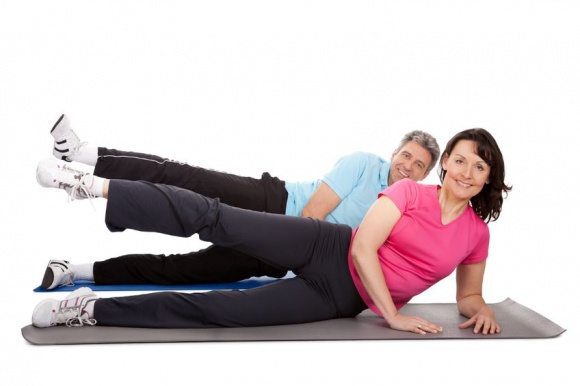
You could believe strenuous exercise and strength training tend to be more prone to result in a back injury than to prevent one, but your overall spinal health along with function cans significantly enhance. With feeble back and abdominal muscles, on the other hand, you happen to be more inclined to encounter a back strain injury. For the best results, you will want to combine weightlifting with strengthening exercises that use your own personal body weight as opposition to maintain a healthier neck and back. Make sure do not fail core muscles such as transverse abdominals and the external obliques, and to alter your work outs.
Cardiovascular Exercise
Cardiovascular exercise has many health benefits, and it’s also an essential element of a well-rounded workout routine. One of the key advantages to cardiovascular exercise is the way it can simply help with weight reduction. Being obese or overweight can lead to worsening of spinal circumstances and puts extra strain on your back, so discarding some extra pounds with only a little help from cardiovascular activity can mean great things for your back and spine. Cardiovascular exercise also helps you build endurance, which can be essential for long-term health and will help with rehabilitation from spinal and back injuries. Naturally, cardio has wonderful effects on different aspects of well-being too, from enhancing mood and enhancing cholesterol amounts to lowering blood pressure. Because endorphin levels are boosted by cardiovascular exercise, it can also help alleviate outward indications of depression, which may add to the long-term pain experienced by some people. Like that were quality slumber is promoted by cardiovascular activity, and also a good night�s remainder is essential for back and spine well-being.
Exercise &�Aging
It really is particularly important as we age, although exercise is very important at all ages. These deteriorations can impede, although decline of flexibility, range of motion, and function are a part of the natural aging process. Although vigorous action may be hard amongst aged adults, aerobic activity that is light still has tremendous health benefits, specially in comparison to no activity in the slightest. The quantity of exercise one needs so that you can see health benefits might surprise you � you are able to exercise at an intensity level which allows you to carry on a casual conversation and still see health benefits.1 If you have a few other health issues, such as for instance diabetes, high blood pressure, or a heart condition, specific activities may well not be healthy for you. Request your doctor about your planned exercise routine, in case you do not feel comfortable exercising by yourself, and consider exercising in the existence of a physical exercise device. Don’t forget to tune in to your own body, and cease exercise at once should you experience pain aside from muscle soreness that is typical.
The SpineUniverse Exercise Center shows you the top back stretches and neck stretches to maintain your spine powerful and healthy. Discover the crucial advantages of exercise as how to keep healthy as well.
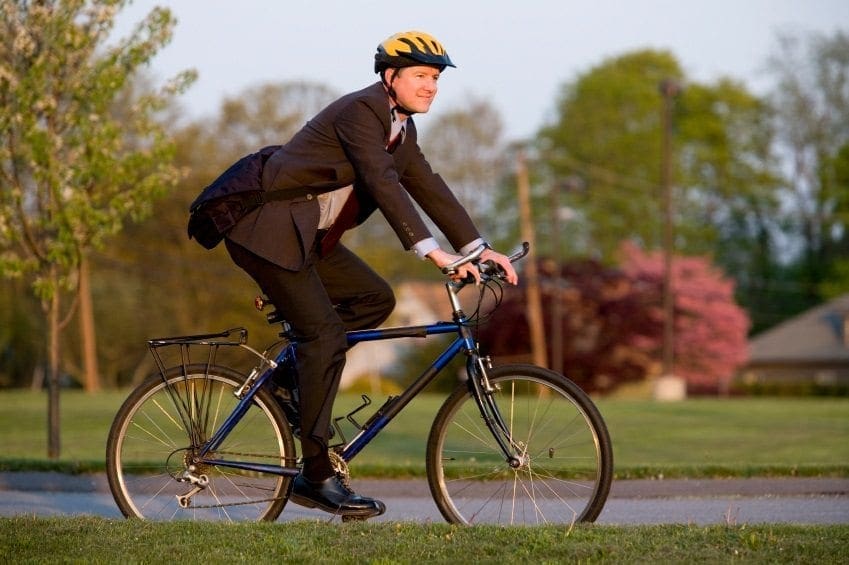
Adding a few miles of biking each day to your commute might add years to your life span, new research suggests. The British study found that bicycling to work appeared to halve people’s odds for serious disease and premature death.
Researchers from the University of Glasgow in Scotland looked at the commuting habits of more than 264,000 people in the United Kingdom and tracked their health over five years.
Cycling to work was associated with a 46 percent lower risk of heart disease over five years and a 45 percent lower risk of cancer compared to a sedentary commute. Risk of premature death was 41 percent lower. Walking to work was also beneficial, but not to the same degree.
Hoofing it was associated with a 27 percent lower risk of heart disease and a 36 percent lower risk of dying from heart disease. However, it wasn’t linked with a lower risk of cancer or premature death, the study found.
The study doesn’t establish a direct cause-and-effect relationship between commuting by bike and longevity.
Still, “if these associations are causal, these findings suggest that policies designed to make it easier for people to commute by bike … may present major opportunities for public health improvement,” said researcher Dr. Jason Gill in a university news release. He’s with the Institute of Cardiovascular and Medical Sciences.
Gill suggested bike lanes, city bike-sharing, subsidized bicycle purchases and increased accommodation of bicycles on public transit.
The researchers said cycle commuting may offer greater health benefits than walking because cyclists cover longer distances, get more intense exercise, and have higher levels of fitness than walkers.
For example, cyclists commuted an average of 30 miles a week, compared with 6 miles a week for walkers.
The study was published April 20 in the journal BMJ.
The scope of our information is limited to chiropractic and spinal injuries and conditions. To discuss options on the subject matter, please feel free to ask Dr. Jimenez or contact us at 915-850-0900 .
SOURCE: University of Glasgow, news release, April 20, 2017
Additional Topics: Chiropractic and Athletic Performance
Chiropractic care is a popular, alternative treatment option which focuses on the diagnosis, treatment and prevention of injuries and/or conditions associated to the musculoskeletal and nervous system, primarily the spine. Many athletes, and civilians alike, seek chiropractic care to restore their natural health and wellness, however, chiropractic has been demonstrated to benefit athletes by increasing their athletic performance.
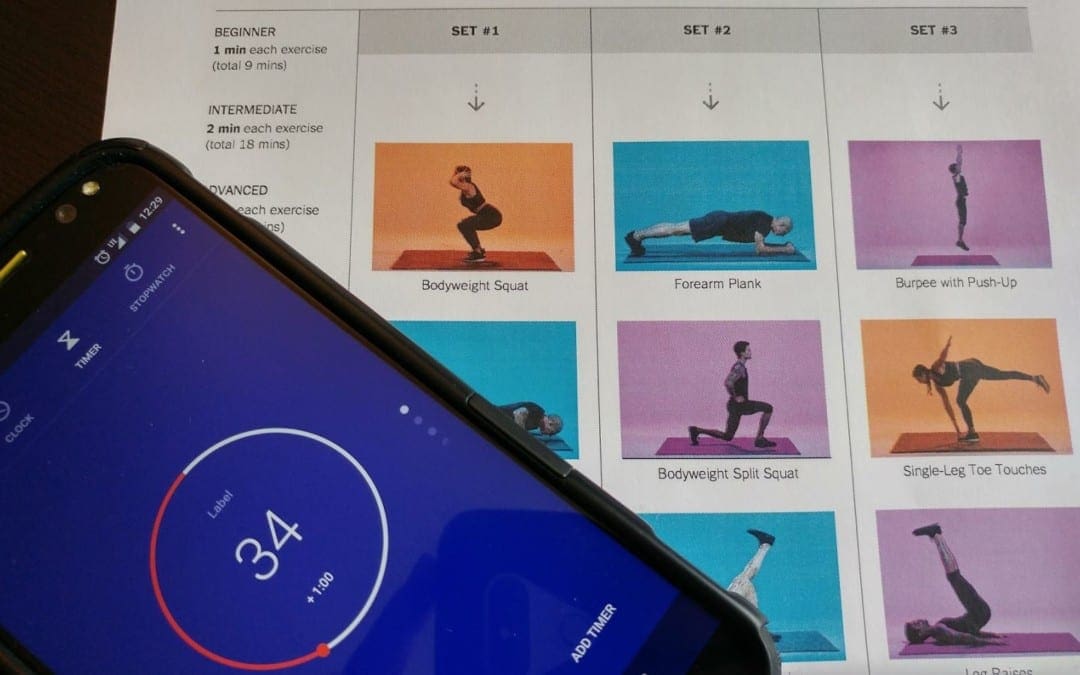
�Lets take a look at the 7 minute and 9 minute workout.
The New York Times has a new super quick workout routine that you can do anywhere, even if you can�t make it to the gym today. I tried it, though, and… hey, wait, am I the only one actually doing these?
Short, intense workouts seem like a good idea on paper. If you�re not already working out, it�s probably because you feel like you don�t have time to get to the gym. But does anyone do these short workouts? Sure, I have nine minutes and some floor space, but do I want to get my work clothes sweaty? And if I�m going to the trouble of changing, why wouldn�t I just head out the door for a run, or turn on Sworkit or Nike Training Club and get something a little closer to a full workout?
After all, the seven-minute workout that got the New York Times started on their repertoire of super short workouts has an odd history. It was published in a scientific journal, but that doesn�t mean any scientists tested whether it was easy to stick to or whether it gave the promised results. Instead, it was designed using hints from previous research, aiming to give people a mini strength workout at a fast enough pace to count as cardio. The designers were coaches at a corporate wellness institute. In other words, people that your boss pays to make you exercise.
We love to talk about these short workouts, but I�m not seeing any evidence that people care to get in a quick couple of minutes of strength or circuit training. The new nine-minute workout dropped earlier this month, but I�ve scoured social media and found almost nobody enthusing or complaining about what it�s like to do this workout�just post after post sharing the fact that it exists.
So, How Is the Nine Minute Workout?
First of all, the nine minute workout actually takes 11 minutes. I just want you to know that going in. There are nine exercises, though, and you do each for one minute. Here�s the structure:
Advertisement
One minute of squats, one minute of push-ups, one minute of mountain climbers.
Rest one minute.
One minute of forearm plank, one minute of jumping split squats, one minute of single-leg hip bridges.
Rest one minute.
One minute of burpees with push-ups, geez, hardcore. One minute of single leg toe touches. One minute of leg raises.
This seems like an exercise program that doesn�t know what it wants to be. The NYT touts it as a strength program, but then says it�s designed according to the �principles of high-intensity interval training�known as H.I.I.T.�
It ends up being a hybrid that doesn�t accomplish either. If you want to build strength by fatiguing your legs doing split squats, you�ll be done before the minute is out. But if you try to stretch out the exercises to fill a full minute, you�ll have to do them at a slower pace than HIIT requires.
And that�s exactly how this workout went. One minute felt way too long for some exercises, too short for others, and overall it didn�t really feel like a strength session or an interval workout. It was fine for what it was, though! A little something that challenges your body in a much better way than sitting at your desk or on your couch for the same amount of time. Still, if that�s your goal, you can find better exercise plans than this awkward one.
Rules requiring regular physical education for young teens stem from “good science,” researchers say.
Frequent “phys ed” classes not only improve fitness, they also encourage healthy living, finds a study from Oregon State University.
Researchers looked at more than 400 students, ages 12 to 15. They found that more than one in five received no physical education, and only about 27 percent met federal government physical activity guidelines. Nearly 40 percent were obese or overweight.
“Perhaps some were not meeting the guidelines because fewer than 35 percent actually knew what the guidelines were for their age group,” said study co-author Brad Cardinal. He’s a professor in the school of biological and population health sciences.
The federal recommendation calls for at least 60 minutes a day of moderate to vigorous physical activity five days a week, the researchers said. The study found that long-term physical education boosts fitness and teaches students how regular physical activity is associated with good health. There was a strong connection between regular physical education and students meeting the federal activity guidelines, the researchers said.
The study authors said the trend toward more lax phys ed mandates for middle-school students is detrimental to their development.
Physical activity has been shown to improve thinking and academic achievement. It also helps students develop the knowledge, interests and skills for a lifelong healthy lifestyle, according to the researchers.
“We have the physical activity guidelines for a reason, and they’re based on good science,” Cardinal said in a university news release. “With only slightly more than one in four adolescents meeting the guidelines, today’s youth are being shortchanged in terms of their holistic development. They are not being prepared to live the proverbial good life,” he added.
New guidelines are due to be released in 2018.
“Because of a growing propensity toward inactivity in daily life, such as increased media consumption and screen time, the guidelines very well may have to be ratcheted up to compensate,” Cardinal said.
The study was published recently in the American Journal of Health Promotion.
News stories are written and provided by HealthDay and do not reflect federal policy, the views of MedlinePlus, the National Library of Medicine, the National Institutes of Health, or the U.S. Department of Health and Human Services.
The scope of our information is limited to chiropractic and spinal injuries and conditions. To discuss options on the subject matter, please feel free to ask Dr. Jimenez or contact us at 915-850-0900 .
Chiropractic and Athletic Performance
Many athletes who are injured performing their specific sport or physical activity, frequently seek treatment from chiropractors. Chiropractic care focuses on the prevention, diagnosis and treatment of injuries and conditions affecting the musculoskeletal and nervous system. While chiropractic is a safe and effective form of conservative care for a variety of ailments, chiropractic can also be utilized to enhance athletic performance.
Many people in the United States will experience back pain at some point in their lifetime, whether it’s a temporary or chronic issue. However, a great percentage of individuals with this debilitating complication are overweight or obese.
Fortunately, research has demonstrated that weight loss can have a considerable effect towards relieving symptoms of back pain. Weight loss programs can be very helpful for patients with weight problems and back pain. While there are a variety of programs available, not every program is the same and it may be difficult to find the best one for each individual. Some are commercialized and others are managed by a physician. Some weight loss programs recommend the use of supplements while others prescribe medications. Others may or may not be covered by insurance companies.
What to Look for in a Weight Loss Program
Considering all the differences in weight loss programs, it’s ultimately essential for Americans to first do some research in order to find the most appropriate program for them before signing up and spending any amount of money. Several weight loss programs may even provide practices that your healthcare professional may have advised you to avoid participating in if they would have been consulted first.
A recent study evaluated 191 different weight loss programs in the Maryland, Washington, DC and Virginia region of the country. From the wide array of programs, their websites provided little to no relevant information regarding they type of weight loss program. Important details, such as the type of diet, the amount of exercise and physical activity, types of behavioral therapies, and the use of medications, were all missing online, factors which were heavily considered for the study. Most websites had not been designed to offer details of each program, but rather offer contact information for clients.
Several of the weight loss programs also incorporated weight loss supplements and medications, an important piece of information which they also failed to mention on their websites. Individuals must be cautious of taking products which have not been approved by the FDA. There are U.S. Food and Drug Administration approved medications and supplements available to help treat excess weight and obesity, however, these must be prescribed by a licensed and qualified healthcare professional.
Three essential factors to an effective weight loss program, as recommended by the American Heart Association, American College of Cardiology and the Obesity Society, which should be featured include:
a moderately reduced caloric meal plan;
a regimen for increased physical activity;
and a behavioral therapy strategy.
Seeking Professional Advice
Because many weight loss programs are commercialized products or services, these can most commonly offer practices which may not meet professional standards. According to Dr. J Michael Gonzalez Campoy, MD, PhD, FACE, a specialist in obesity medicine, people seeking a weight loss program to participate in should primarily seek advice and guidance from a healthcare professional who specialized in treating weight issues and obesity.
�With the epidemic of overweight and obesity in this country, two-thirds of Americans will seek help managing their weight. The point is well taken that there is too much commercialism, or selling products with a promise of unrealistic achievements. It is best for each patient to address weight management with their personal healthcare professional first,” stated Dr. Gonzalez Campoy.
When it comes to finding the best weight loss program for your own needs, speaking to a licensed and qualified expert can be the most suitable alternative, as this option can often be safer and more effective than other weight loss programs. Patients can find obesity medicine doctors through the website of The American Board of Obesity Medicine, abbreviated as ABOM.
When Back Pain is an Issue for Weight Loss
Although many people with excess weight and obesity seek weight loss program alternatives to lose weight, it can often be difficult for them to engage in the practices due to back pain. Studies have shown that back pain is most prevalent on individuals with weight issues and that can play a huge role on their inability to engage in a proper weight loss program. However, inactivity can also ultimately lead to muscle weakness and stiffness, particularly affecting core strength, which is necessary for supporting the spine and its surrounding structures.
Aquatic therapy, or physical activity in a pool, is a low-impact form of exercise that can be a good choice for people with back pain, helping them reduce weight and strengthen the muscles. Additionally, people with obesity and excess are more likely to experience muscle weakness and stiffness along their lower back, making it difficult for them to walk on a treatmill or step mill. Although overweight or obesity complications can contribute to back pain, consulting a healthcare professional is a good approach to learning the best possible way for them to stay active and avoid further injury.
If symptoms of back pain worsen and/or they are accompanied by tingling sensations, numbness and/or weakness, it may be advised to obtain a proper diagnosis to determine the source of the symptoms and adjust or stop physical activity and exercise immediately. Furthermore, regular physical activity and exercise can help prevent aggravating back pain during intense or prolonged workouts. Over time, regular exercise and physical activity will help increase the individual’s strength, flexibility and endurance, improving their overall health and wellness.
For more information, please feel free to ask Dr. Jimenez or contact us at 915-850-0900 .�
By Dr. Alex Jimenez
Additional Topics: Weight Loss Eases Back Pain
Back pain and symptoms of sciatica can affect a majority of the population throughout their lifetime. Research studies have demonstrated that people who are overweight or obese experience more back complications than people with a healthy weight. A proper nutrition along with regular physical fitness can help with weight loss as well as help maintain a healthy weight to eliminate symptoms of back pain and sciatica. Chiropractic care is also another natural form of treatment which treats back pain and sciatica utilizing manual spinal adjustments and manipulations.
If you�re like most Americans, health is the most important aspect of your life that needs improving. Without adequate health and well-being, you can kiss most of your other goals goodbye. Declining health and vitality rob you of the energy you need to achieve your personal or professional goals.
With that in mind, I�ve created a series of simple practices�the more of these you do, the better and more in charge of your life you�ll feel.
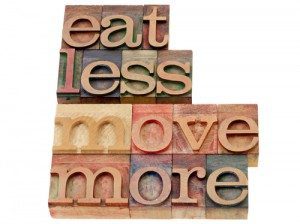
Sit Less, Move More
As humans, we are made to move. This doesn�t mean running around on a daily basis, but rather spending a good portion of our days walking, standing and moving in general. If we don�t, our bodies rebel and our health declines. Movement is not only good for your cardiovascular health, but also for your mental health. Do some form of exercise that significantly raises your heart rate for 30 minutes at least four times a week. Remember, also, to break up your sitting and move frequently during the day.
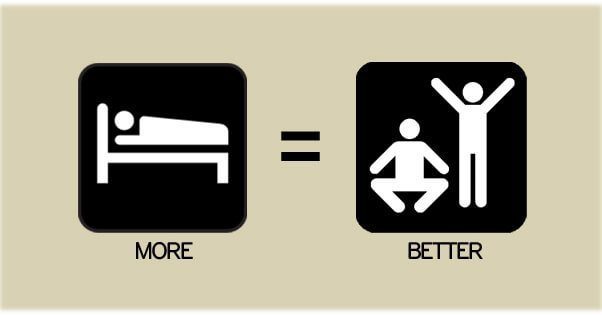
Get More Sleep
Sleep is often the single most undervalued behavior in our lives�and yet it is the one with the most immediate power to improve our lives in every waking moment. If you�re averaging less than six hours of sleep, aim to get just one more hour a night. It will leave you feeling more physically energized, emotionally resilient and mentally clear.
Eat Less, More Often
Food is fuel, and real food�healthy proteins, vegetables (complex carbohydrates) and fruits �are high-octane fuel. You feel best when you eat in small doses throughout the day, beginning with breakfast. Try for more local and organic fruits and vegetables. Remember, the fresher the food, the more potent its nutrients.
Remove Interference
Chiropractic care can literally change your life, and enable you to live a pain-free life full of energy and vitality. That�s because chiropractic adjustments help reduce or eliminate pressure on your nerves�the same ones responsible for your everyday bodily functions. Chiropractic will help eliminate pain and inflammation, reduce fatigue, and restore normal nerve flow to all your organs, giving you the energy, drive and peace of mind to go out there and live life the way it was meant to be lived.
Renew More
Human beings are not designed to work eight or more hours straight. We�re meant instead to alter between moving (spending energy) and resting (renewing energy). Ideally, take a break every 90 minutes, even if only to spend a minute or two stretching or breathing deeply. It all matters, and it all adds up.
Be Present
The greatest gift you can give someone is your undivided attention. After all, it�s better to be fully present with someone for an hour than physically present, but distracted, for multiple hours. Shut off your phone at a certain time each day, and practice being present with your family and friends.
Gratitude Adjustment
We�re far quicker to notice what�s wrong in our lives than we are what�s right. Gratitude has tremendous power; if it is sincere and heartfelt it makes a big difference to our outlook. To help change this mindset, once a week aim to write a note of appreciation to someone who deserves it, telling the person precisely what you�re grateful for.
Do The Most Important Thing First
Early in the morning (after your coffee), you�re likely to have the most energy, and the fewest distractions. Start your workday by focusing without interruption on the most important or challenging task you can accomplish that day.
Feed Your Mind
Our brains work better if we challenge them, and life becomes more interesting when we do. Reading is, of course, a simple way to learn and grow, but so is building a daily practice around learning a new language, a sport, an instrument, how to fix a car, or learning to draw.
Give Back
Lending a helping hand not only aids others in need, but it�s also very rewarding. Throughout the year, aim to take some time to add value to the world at large by supporting charities, standing up for great causes, or giving back to your community.
People who were active and exercised regularly before their stroke were less likely to face disability after the attack, researchers say.
But the amount of body fat a person had did not seem to be tied to post-stroke disability, the study found. Fitness was key, though.
“Being physically inactive before stroke predicts a higher risk of being dependent both before and after stroke,” said study author Pamela Rist, of Harvard University. Her team’s findings were published online April 5 in the journal Neurology.
The new study involved more than 18,000 people with no history of stroke who were followed for an average of 12 years. During that time, nearly 1,400 of the participants suffered a stroke but survived.
Three years after their stroke, those who had exercised regularly before their stroke were 18 percent more likely to be able to perform basic tasks — such as bathing on their own, the researchers found.
The fitter individuals were also 16 percent more likely to be able to perform more complex tasks, such as managing money on their own, compared to those who did not exercise before their stroke, the findings showed.
“We also found that a person’s body mass index was not a factor in predicting their level of disability after stroke,” Rist said in a journal news release. Body mass index is an estimate of body fat based on weight and height.
Two experts in stroke care who reviewed the findings said the study highlights the importance of exercise.
The research “provides additional evidence that regular exercise has health benefits that last into a person’s future,” regardless of stroke, said Dr. Andrew Rogove. He directs stroke care at Northwell Health’s Southside Hospital in Bay Shore, N.Y.
Dr. Ajay Misra is chair of neurosciences at NYU Winthrop Hospital in Mineola, N.Y. He said the study “provides insight into the fact that doctors should emphasize to their patients not only weight-reduction strategies for stroke and possibly heart attack prevention, but also the importance of leading a very active lifestyle to improve their chances of survival and recovery in case a stroke occurs.”
SOURCES: Andrew Rogove, M.D., medical director, stroke, Northwell Health’s Southside Hospital, Bay Shore, N.Y.; Ajay Misra, M.D., chairman, neurosciences, NYU Winthrop Hospital, Mineola, N.Y.; Neurology, news release, April 5, 2017
The scope of our information is limited to chiropractic and spinal injuries and conditions. To discuss options on the subject matter, please feel free to ask Dr. Jimenez or contact us at 915-850-0900 .
Additional Topics: What is Chiropractic?
Chiropractic care is an well-known, alternative treatment option utilized to prevent, diagnose and treat a variety of injuries and conditions associated with the spine, primarily subluxations or spinal misalignments. Chiropractic focuses on restoring and maintaining the overall health and wellness of the musculoskeletal and nervous systems. Through the use of spinal adjustments and manual manipulations, a chiropractor, or doctor of chiropractic, can carefully re-align the spine, improving a patient�s strength, mobility and flexibility.
IFM's Find A Practitioner tool is the largest referral network in Functional Medicine, created to help patients locate Functional Medicine practitioners anywhere in the world. IFM Certified Practitioners are listed first in the search results, given their extensive education in Functional Medicine