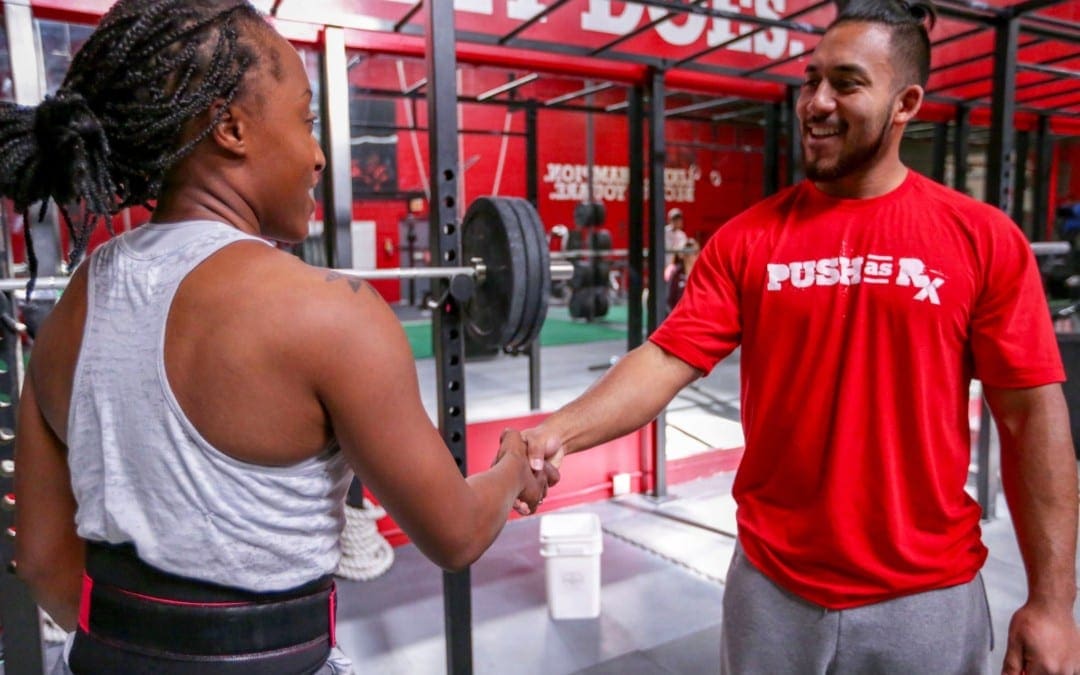
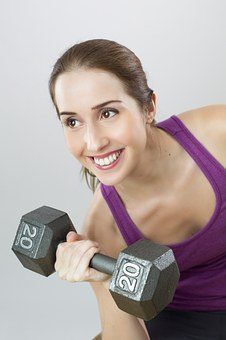
It�s important to PLEASE contact us via phone or email�to let us know how you heard about us and if you are new to working out or to CrossFit. This way we can tailor your experience so you get the most out of your training!
Come Prepared
Remember workouts are on the hour ever hour, all day! Please plan to arrive 5-10 mins early for your first class, if you get there after class begins we may not be able to let you train that for that hour. Getting there early allows time for you to fill out a mandatory sign up sheet, meet the coach or coaches for that hour, get acquainted with our awesome gym and of course to warm up before the workout.
Personal Training & Personal Care
PUSH offers six trainers with a wide variety of certifications and backgrounds! Whether you�re interested in personal training, CrossFit, sports-based training, tactical training, leaning out, losing weight, or putting on muscle�we know what to do to help you achieve your goals!
PUSH Fitness & Athletic Training is pushing the barriers of average gyms. Not only do we offer training sessions on the hour every hour but we also cater to the most athletic to the elderly and obesity of populations. We believe in making the commitment to change your lifestyle and not forcing you to.
By blending CrossFit and Personal Training, we are able to tailor make workouts that are very specific and individualized to each member no matter where they are physically. Ultimately PUSH�ing them to feel and look their absolute best.
We don�t stop there. PUSH also offers strength and conditioning programs, which improves the athletic ability of kids and teams of any sport at any age.
Our Services at PUSH
PUSH Crossfit
Crossfit is an intensive yet effective core strength & conditioning program. Our programming focuses on functional movement patterns, or, movements that you find in real life – pushing, pulling, squatting, jumping, throwing, carrying, and sprinting.
PUSH Kids programming uses a combination of skill practice, workouts and games to build strength and conditioning in children. Our classes include elements of gymnastics, weight lifting, body weight movements, running, jump roping, and more.
We offer personal training services for individuals or small groups that desire highly customized, one on one (or group) fitness instruction at all levels. Count on us to design a program to keep you on track and to motivate you every step of the way.
What do I eat?�We are here to support your physical transformation, and are happy to steer you in the right direction.�We offer nutritional coaching to help our members learn how to properly fuel their bodies.
Our training programs are designed for athletes that look to gain a competitive edge in their sport. �We provide sport specific services to help increase an athlete�s performance through mobility,�strength and endurance.
El Paso, TX. Chiropractor Dr. Alex Jimenez examines the “lats,” along with exercises and stretches.
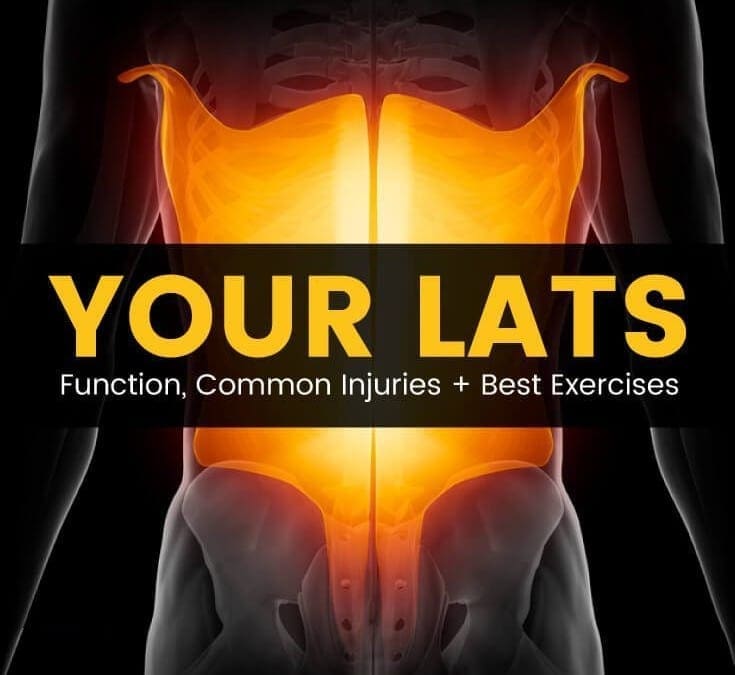
The latissimus dorsi muscles � generally only called �the lats� � are the two biggest, broadest muscles in your back and, overall, one of the largest muscle groups in the entire body. As extensor muscles, the lats mostly have the job of assisting to lift upward the arms as they reach and lengthen. The lats take part in other important functions beyond shoulder extension too, including internal rotation of supporting core equilibrium and the torso.
In case you perform pulldowns, rows or lifting exercises for the shoulders using a resistance band or machine, odds are you�re already strengthening and participating your lats. Nevertheless, it�s common even for sportsmen to wind up growing latissimus dorsi muscles that are tight due to overuse or little stretching � lower back pain and considered to be an important cause of both long-term shoulder.
For individuals who are performing strength-training moves, back and the lats are crucial areas to concentrate on. Based on a report in the Journal of Orthopedics, �Because the latissimus dorsi connects the spine to the humerus, tightness in this muscle can show as either sub-optimal glenohumeral joint function (which results in persistent shoulder pain) or tendinitis in the fasciae linking the latissimus dorsi to the thoracic and lumbar spine.�
Considering the primary function of the latissimus dorsi muscle would be to help in movement of the arms and protection of the spine, just about everyone may benefit from incorporating lat exercises in their day to help with range of motion, equilibrium, improving equilibrium and upper body strength.
What’s The Latissimus Dorsi?
Both latissimus dorsi muscles situated in the middle of the back are big, level, normally strong muscles that are posterior (next to) to the trapezius muscles in the arms. They help connect the back to the arms/upper extremities and support stability and overall strength of the entire torso. Considering that the lats are linked to the arms and upper back, they can play a role in preventing slouching help hold the back erect and so are used to maintain good posture.
The underparts of the the lats extend to the tops of glutes, lower back and close to the tailbone. Twisting or spinning movements in the back, plus lifting the arms overhead, both engage these muscles, making them important for general coordination, balance and upper body strength. Due to their size, strength and involvement in numerous motions of the body, exercising the heart, including the lats, along with being confident to stretch them enough are vital for preserving range of movement and a healthier back into older age.
What Do The Lats Do?
There are there are only three main muscles in the upper back: the trapezius, latissimus dorsi (lats), and erector spinae. Here�s a breakdown of the fundamental functions of the lats:
Extension of the arms overhead, backward and downward � The lats are also generally used simply because they keep the back and core upright when folks walk and swing their arms from side to side.
Adduction (motion of the shoulder toward the midline) and transverse extension, which is also called flat abduction � One Among the most crucial occupations of the lats is enabling both arms to move towards the torso within an adduction movement.
Medial (internal) rotation of the shoulder joint, which really helps to transfer the scapulae.
Flexion when standing location that is lengthy, within an erect � Including extension and lateral flexion of the lumbar spine, helping to contract and lengthen�the back muscles with moves up and down
What exactly are a few of the essential benefits of getting strong lats? Based on the way the lats support the back, arms and core advantages of building strength and flexibility in this region include:
1. Keeping strength in the shoulders, upper back and arms
You�re likely conscious that the shoulders are just one of the very most utilized parts of the body � whether you�re an athlete or only someone going about your day-to-day routine. The shoulders are involved in motions like throwing, holding up heavy items or weights, like getting reaching before you or behind, and functions, swinging, reaching and lifting the arms overhead.
The lats help support many motions of the shoulder muscles, joints and bones and are participated during many common shoulder exercises like boards, presses, lifts and pulls. Should you previously suffer with shoulder pain � for example on account of factors that degenerate connective tissue rotator cuff injury, such as older age, osteoarthritis or overuse � studies imply stiffness and your symptoms will likely just get worse if your lats/back become weaker. (2)
2. Stability through the center, which can be important for posture, balance and preventing falls
Both the lower back as well as the outer-middle part of your back (sidelong back muscles) are a part of your �core,� which means both must be powerful and flexible to support you as you stand erect. Bad position due to a weak back is linked to many different difficulties you might not comprehend � such as respiratory difficulties, headaches, digestive issues, poor sleep and also tingling.
A powerful core, all of the way from your font body (abs) wrapping around to your back, acts like a built-in girdle so you�re shielded as you sit, stand and walk each day. Strengthening your lats will help in keeping your abdominal muscles pulled in your shoulders pulled back and your body from entire feeling tired or weak through the day. This is essential for maintaining equilibrium and keeps extra pressure off the lower back, particularly as you age.
3. Help with sports or exercise performance (including twisting and rotating the torso/trunk)
Included in maintaining appropriate posture and preventing back pain, your lats help support the back during turnings, when lowering the hips down or when twisting and bending over. Your back muscles work together with abdominal muscles and your obliques to support the spinal column and provide you greater range of motion during all kinds of movements.
If you play with sports such as for instance rowing, golf, gymnastics, swimming, tennis, football, wrestling or basketball � or you work out by running and lively walking � a strong core is indispensable. A number of these actions include having enough flexibility and balance to remain strong on your own feet, keeping the core stable and lifting the arms.
About the Latissimus Dorsi Area
The latissimus dorsi and the teres major, fibres of the deltoid, long head of the triceps and many other stabilizing muscles connect to:. The teres major muscle is placed over the latissimus dorsi muscle. The lats insert to the tubercular groove in the front of the humerus and are partly covered by �the traps� (the upper back muscles) and connect to the deltoids (the front, side and rear of the shoulder).
Here�s an overview of the structure and area of the body enclosing the lats:
Lats originate in the iliac crest located at the base of the spine by the hip bones
They join to thoracolumbar fascia, rough membranes composed of three layers of tissue that cover the deep muscles beneath the trunk, which support the backbone
Lats are encouraging of poor six thoracic vertebrae and inferior three or four ribs
The nerve roots which make up the long thoracic nerve, especially those called C6, C7 and C8, which run through the trunk supply them
Reinforcing the labs usually causes the elbows to bend (flexion) and includes engaging the shoulders, biceps and trapezius muscles. One of the most frequently employed antagonist muscle pairs in the human body range from the pectorals/latissimus dorsi muscles. These antagonist muscles have opposing functions, helping to generate total range of movement. Agonists and antagonists usually exist on opposite sides near a joint, helping to lower and lift. The deltoids and latissimus dorsi muscles lift and lower the entire arm in the shoulder joints.
Common Injuries Affecting the Lats
Motives which you may have lats that are poor or stressed contain:
Not lifting the arms often enough, resulting in arms and stiff or poor shoulders
Developing pain which restricts you from rotating back, exercising, writhing and engaging the back muscles correctly. Risk factors for back pain include history of back injuries or disorder, having muscular tension due to anxiety/worry, and smoking or using tobacco, being overweight or fat, pregnancy, lack of sleep or sleeping in positions that are unsupportive.
Bad position, which often causes low back pain and reduced range of motion
Sitting for too long, for example at work for many hours of the day, which weakens the upper and mid-back
Injuring the low or shoulders back, which prevents flexion adduction and extension
Even though it doesn�t occur very frequently, lat tears have been reported related to sports activities like rock climbing, wrestling, golfing, body-building, gymnastics, basketball among others.
What kinds of side effects or limits can result from these lat-related harms? While rupturing or tearing of the lats is rare, other related pains are common and include:
Shoulder pain: The latissimus dorsi joins the humerus and the backbone, so weakness or tightness in the lats/mid-back can cause pain in the shoulder joints and decrease of upper body functions. Occasionally this results in frozen shoulder or persistent tendonitis pain affecting the fasciae connective tissue.
Back pain: The latissimus dorsi support the thoracic and lumbar regions of the spine, two areas that will develop pain due to factors like bad posture, forward head posture, a sedentary lifestyle (such as hunching over a desk all day) or due to impact and/or trauma. Back pain, whether light or severe, is one of the most typical complaints among adults and experienced by about 80 percent of men and women at one point or another. In many cases of low back pain, the trouble can generally be traced back to not having a powerful enough core, which is often overcome through routine exercise plus stretching (see below). Routinely performing lower back muscles, plus standing and moving throughout the day, can do amazing things to assist in preventing persistent back pain and injury.
Muscle and instability imbalances: Based on Men�s Journal, it�s not unusual for guys to have irregular lat strength which contributes to lack of balance and pressure set on the spine. (9) Postural problems, including spinal abnormalities or injuries that stem to the legs, together with muscle settlements or inactivity put added pressure on the rear. People of all ages experience bad position, but you�re particularly at risk for dealing with side effects because of weak back in the event that you don�t rest enough between workouts, you�re sedentary, elderly than middle aged or heavy. Exercises and strength training will help reduce back pain by increasing flexibility, reducing inflammation, improving posture and reducing muscle damages /weakness in the pelvis or hips.
Finest Stretches and Lat Exercises to Build Strength
Even though you don�t belong to some fitness center or wish to attend some sort of strength-training or yoga course, you practice simple bodyweight exercises and stretches at home improve total flexibility and to be able to build lat strength. Regularly performing several full- body motions and crucial stretches will help relieve core weakness, stiffness in muscle settlements and the low back that extend down through your hips legs.
Do 2�3 of the exercises below, about 1�2 times each week, for important body parts such as the lats. Purpose for 10�15 reps, unless otherwise stated. Follow with the two stretch moves later.
Lat work outs are often best complemented by either 1) a torso workout or 2) a biceps workout.
LAT EXERCISES
Lat Pulldowns Employing A Machine OR
Fundamental pulldown exercises employing a machine in the gym are just one of the greatest methods to engage the lats. You can either take a seat on the machine�s seat or kneel on one or both knees (whichever can help you grasp the bar evenly above your head). Pull down on the bar evenly to bring it down your chest while maintaining your back upright, then lift the bar to starting place back.
Lat Pulldowns Using Exercise Bands OR
Utilizing a resistance band that is economical in the home or the fitness center is a great method to boost latissimus dorsi strength, as well as strength in core and your shoulders. Start by anchoring a band to some steady high point, such as around a pole, and catching each end of the band using your hands. As you bring your hands closer to the very front of your torso, begin with your arms straight and in front of your face, then pull the arms back to flex your elbows.
Chin Ups
Utilizing a pullup bar, face and grab the bar along with your palms facing toward you. Your arms will be stretched overhead in the starting location. Pull your torso up until your head and keep your torso as straight as possible as you lift is the degree of the bar. From this caught position, slowly lower your torso back to the starting spot until your arms are fully extended again. Breath and repeat for about 5-10 repetitions. If this can be too problematic for you personally, try utilizing a seat under your feet for many assistance or a pull up help if accessible.
Seated Rows OR
Employing a machine, sit together with your knees bent so that your shoulders are level with the machine handles as well as your back straight. With a handle in every hand, sit tall as you bend the elbows and pull the handles toward you and transfer the shoulder blades together. Return to starting position and repeat.
Dumbbell One-Arm Rows
Stand near one side of a bench and place your opposite knee and palm flat at the very top of the seat. Maintaining your arm on the bench while you bend over torso and straight horizontal, hold a dumbbell in your hanging hand. Lift the dumbbell up toward your torso/side of your chest while bending the elbow, then lower and repeat. Squeeze your abdomen in and attempt to work with strength and go slowly in both directions, in the place of just relying on momentum.
Setting Torso Lifts (Aka �Supermans�) OR
Placing down on the floor with your fingers interlaced behind your face, lift your torso and shoulders off the floor to engage your back. You are able to either keep your ankles/feet anchored to a floor by placing them under a bar or having someone lift the toes somewhat, or support you. Raise and lower about 5�10 times, going slowly and breathing. Take care never to overextend or yank on your neck.
Yoga Chair Pose (Held Squat)
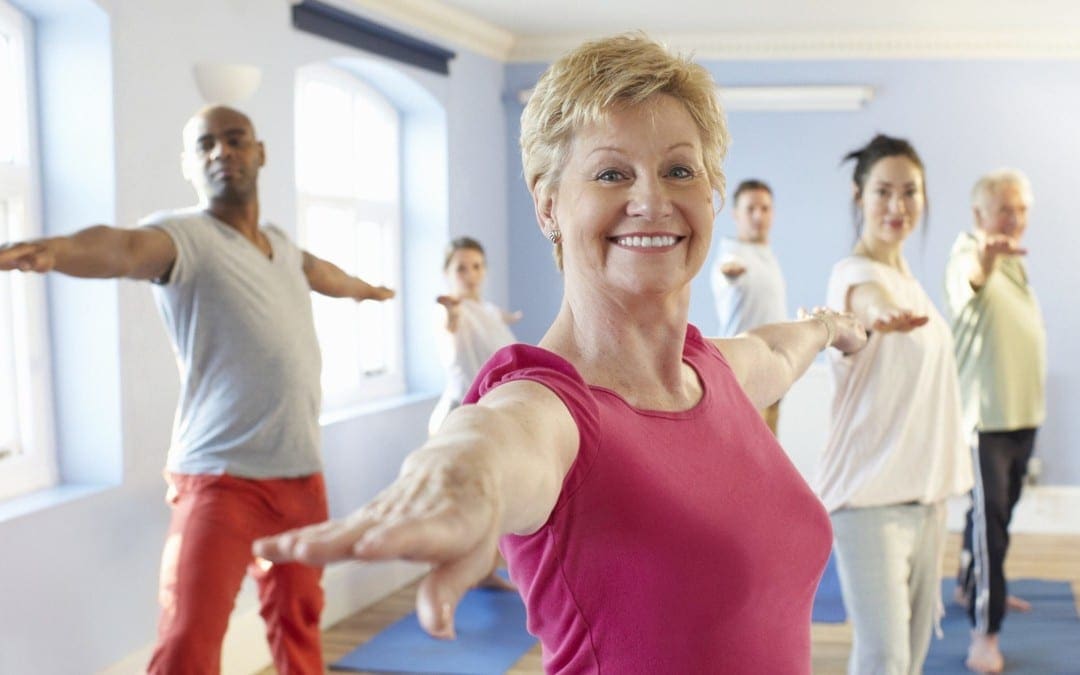
So your big toes touch lift your arms above your head bringing the palms to face inward, place your feet together. Imagine a seat behind you that�s backward and prepared to catch your hips as you sink your pelvis down and bend your knees. While looking to maintain a straight back, tuck your tailbone down and keep your arms stretched overhead. Hold for 5�10 breaths as you lower further down on your exhales and lengthen through your back on your inhales.
LAT REACHES
Standing Overhead Reach
Although they�re simple to stretch (you only need to extend your arms overhead), the lats are commonly disregarded during most post-workout cool downs. Extend and to gently engage your lats, stand upright with your arms reaching above your face. You might want to slightly bend side to side, but go in order to avoid yanking. Hold your reach for between 10 tucking the tailbone down, continuing to span the rib cage upward and �30 seconds at a time.
Cat- Cows or Kneeling Arm Stretches
You can duplicate the same type of arms-overhead movement as described above when kneeling on a floor on your own shins/knees. Reach your fingertips overhead as you stretch your shoulders to touch the floor and engage your back muscles. Do this while keeping your hips lifted or down near your heels. Hold the stretch for 10�30 seconds while breathing deeply to soften your muscles. This is known as �kid�s pose if you�re if you�re hips remain lifted hips remain low to the ground or �pup pose� �. You may also try other yoga poses by staying kneeled down on your shins while breathing through �cat-cow� moves. Do these as the back in a single direction stretch upward by lifting your torso as you turn and tailbone, then down towards the bottom.
Precautions When Activating the Latissimus Dorsi
If the lats lasts more than 2�3 days and or the rest of your back begin to feel pain through your workout, or pain increases after, back away from exercising the region and rest for at least several days. Start don�t overdo stretches and exercises. In the event you are feeling throbbing, stiffness or notice swelling extending around the upper body, avoid resistance training including the painful areas and consider seeing a doctor or physical therapist for guidance.
Final Thoughts On the Lats
The Latissimus Dorsi (aka �the lats�) are large muscles found in the upper-mid back that help support movement of the arms. Functions of the lats comprise backward or overhead to extension of the arms and shoulders and downward, plus core/torso stability.
The lats stressed due to being overweight overtraining with degenerative problems like arthritis, or deficiency of stretches or can be weak. This can cause chronic low back pain or shoulder pain in some instances.
Exercises for the lats comprise dumbbell raises and presses, pulldowns or pulls, supermans.
Can a new exercise regimen boost your brain health if you’re over 50?
Possibly, suggests a new research review that found middle-age folks can improve their thinking and memory skills by adopting regular moderate-to-vigorous routines involving aerobic and resistance exercise.
“When we combined the available data from [39 previous] studies, we were able to show that undertaking physical exercise was able to improve the brain function of people aged 50 and over,” said study lead author Joseph Northey. He’s a doctoral candidate and teaching fellow at the University of Canberra Research Institute for Sport and Exercise in Australia.
Results of Exercise on Memory
The review included 18 studies that looked at the impact of aerobic exercise — such as walking, running and swimming — on thinking, alertness, information processing, executing goals and memory skills.
Resistance training, such as weight lifting, was the focus of 13 studies. Another 10 studies looked at various types of exercise done in combination. And, a handful of studies specifically explored the impact of tai chi and yoga on brain health. Study participants did their exercise under some degree of supervision, the researchers noted.
Activity routines were categorized in terms of exercise type, intensity and length. They were then stacked up against the results of tests that measured brain performance. In the end, the researchers determined that exercise did help brain health. However, different forms of exercise were linked to different types of benefits. For example, aerobic exercise and tai chi appeared to enhance overall brain function. Resistance training was linked to improved memory.
Northey added that, besides highlighting the benefits of aerobic exercise, “being able to show that resistance training — such as lifting weights or using body weight — was similarly beneficial is a very novel and important finding.”
“Combining both aerobic and resistance training is ideal,” he said. “In addition to improving your brain function as our review shows, you should expect to see improvements in cardio-respiratory fitness and muscle strength, which are important for maintaining general health and being able to undertake day-to-day tasks,” Northey said.
Research Conclusions
The research team also concluded that the biggest brain boost comes from routines that are of moderate to vigorous intensity and conducted as often as possible for between 45 minutes to an hour. But will middle-aged people new to exercise gain as much of a brain boost as those who’ve been exercising for decades?
“We know in many animal models and population type studies that the longer people are physically active the greater the benefits to brain function,” Northey said.
He added that more research is underway to assess just how much exercising while young might ultimately confer on brain health among those over 50.
Northey also offered some advice for those motivated by the findings to get moving. If you’re currently inactive, he suggested speaking to your doctor to make sure it’s safe for you to start exercising.
“It is also worthwhile gaining some instruction on exercise methods to ensure that you are setting achievable goals and getting the most out of the time invested in exercise,” he said.
Dr. Anton Porsteinsson is director of the Alzheimer’s Disease Care, Research and Education Program with the University of Rochester School of Medicine in Rochester, N.Y. He said that earlier investigations looking into the protective effect of exercise on brain health “have not agreed on this matter.” But looked at collectively, he said, the current review “suggests that exercise, including aerobic exercise, resistance training and tai chi, is beneficial to brain health in addition to the well-established positive effects that exercise has to improve general health and reduce risk of disease.
“Of particular interest to me,” Porsteinsson added, “is that a combination of aerobic and resistance training appears to have the largest effect.” “(And) along with studies suggesting that certain diets contribute to brain health,” he noted, “it appears that adopting a healthy lifestyle is never too late.”
SOURCES: Joseph Michael Northey, Ph.D. candidate and teaching fellow, University of Canberra Research Institute for Sport and Exercise, Canberra, Australia; Anton Porsteinsson, M.D., professor, psychiatry, neurology, and director, Alzheimer’s Disease Care, Research and Education Program, University of Rochester School of Medicine, Rochester, N.Y.; April 24, 2017 British Journal of Sports Medicine online
The scope of our information is limited to chiropractic and spinal injuries and conditions. To discuss options on the subject matter, please feel free to ask Dr. Jimenez or contact us at 915-850-0900 .
Additional Topics: What is Chiropractic?
Chiropractic care is an well-known, alternative treatment option utilized to prevent, diagnose and treat a variety of injuries and conditions associated with the spine, primarily subluxations or spinal misalignments. Chiropractic focuses on restoring and maintaining the overall health and wellness of the musculoskeletal and nervous systems. Through the use of spinal adjustments and manual manipulations, a chiropractor, or doctor of chiropractic, can carefully re-align the spine, improving a patient�s strength, mobility and flexibility.
Just put one foot in front of the other and you’ll boost your brain at the same time.
That’s the conclusion of a small study that found the impact of a foot while walking sends pressure waves through the arteries that increases blood supply to the brain. “New data now strongly suggest that brain blood flow is very dynamic,” said researcher Ernest Greene and his colleagues at New Mexico Highlands University.
Activities such as bicycling, walking and running may optimize brain function and overall sense of well-being during exercise, the researchers said.
How Exercise Regulates Circulation to the Brain
Blood supply to the brain was once considered an involuntary action that wasn’t affected by exercise or changes in blood pressure. Previous research has shown, however, that the foot’s impact while running is associated with backward-flowing waves in the arteries that help regulate circulation to the brain. These waves are in sync with the runner’s heart rate and stride, the study authors explained.
For the new study, scientists examined the effects of walking, which involves a lighter foot impact than running.
Using ultrasound technology, they measured the carotid-artery diameter and blood velocity waves of 12 healthy young adults to calculate the blood flow to their brains as they walked at a steady pace. The participants were also assessed at rest.
The study showed that walking results in a significant increase in blood flow to the brain. The boost in blood flow isn’t as dramatic as with running, but it’s more notable than that seen with biking, which doesn’t involve any foot impact, the study authors said.
“What is surprising is that it took so long for us to finally measure these obvious hydraulic effects on cerebral blood flow,” said Greene, the study’s first author. “There is an optimizing rhythm between brain blood flow and ambulating [walking]. Stride rates and their foot impacts are within the range of our normal heart rates [about 120/minute] when we are briskly moving along,” Greene said in a news release from the American Physiological Society.
The study’s findings were expected to be presented Monday at the society’s annual meeting, in Chicago. Results of studies presented at meetings are usually considered preliminary until published in a peer-reviewed medical journal.
SOURCE: American Physiological Society, news release, April 24, 2017
The scope of our information is limited to chiropractic and spinal injuries and conditions. To discuss options on the subject matter, please feel free to ask Dr. Jimenez or contact us at 915-850-0900 .
Additional Topics: What is Chiropractic?
Chiropractic care is an well-known, alternative treatment option utilized to prevent, diagnose and treat a variety of injuries and conditions associated with the spine, primarily subluxations or spinal misalignments. Chiropractic focuses on restoring and maintaining the overall health and wellness of the musculoskeletal and nervous systems. Through the use of spinal adjustments and manual manipulations, a chiropractor, or doctor of chiropractic, can carefully re-align the spine, improving a patient�s strength, mobility and flexibility.
El Paso, TX. Chiropractor Dr. Alex Jimenez examines good health and wellness.
Most individuals will experience neck or back pain at some time in their own own lives. Neck pain and back are among the leading causes of disability worldwide, along with the number of cases is increasing. Some factors behind this are increased usage of cellular devices bad position, and unhealthy lifestyle choices.
Though it’s not necessarily possible to stop neck and back pain, you will find steps individuals can take to help decrease the chance it is going to occur.
Why good posture?
One of the most important approaches to ensure your spine stays healthy would be to keep good posture. A healthy back has three natural curves� an external curve at the upper back an inward curve at the neck, and an inward curve at the low back. Proper bearing helps maintain these curves that are natural and puts minimal pressure in your joints. Defective bearing does the opposite. It may stress or pull muscles, causing pain and musculoskeletal imbalances in the back, neck, and extremities. Some typical postural blunders rounding your shoulders are positioning your face too much forward, and slouching so you lose the normal curve in the lower back.
Cellular Devices &�Neck Pain
The increasing use of cellular devices can bring about inferior spine health, influencing our posture and body mechanics in ways that are unhealthy. Kenneth K. Hansraj, MD, the Chief of Spine Surgery at New York Spine Surgery and Rehabilitation Medicine, created a computer model of the cervical spine that demonstrated how use of mobile devices directly contributes to neck pull. In an article published in Surgical Technology International, Dr. Hansraj, MD, revealed that neck pull increases as the forward angle of the head increases, as it does when you look down at your cell phone or tablet. As you lean your head, you round another aspect of poor position, your shoulders. All this surplus strain creates additional wear and tear on the structures of the neck, upper spine and back, and can result in spinal degeneration that could need surgery.
Body Mechanics &�Prevention Tips
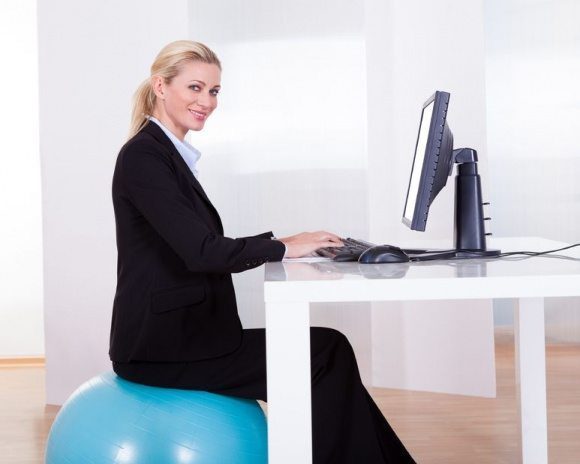
Good posture and placement is particularly important when you’re bending over, squatting, and when you are lifting things. When lifting boxes or alternative things you should avoid twisting your body. But it also is crucial to keep good posture while standing and sitting. It really is a lot more crucial that you develop a good ergonomic working arrangement to safeguard your spine with people spending increasing quantities of time at work,. Over time, poor sitting posture and workplace ergonomics can damage spinal structures and contribute to persistent or persistent back and neck pain.
Sleep Time
One other place people spend a sizable percentage of the time is in bed. That makes it vital to truly have a mattress that enables you to have a supporting and restful slumber. The identical natural spinal alignment you have is maintained by a mattress that is good when standing and will help prevent back pain.
Eat Well &�Exercise Frequently
The diet and exercise choices you make might assist you to protect your back. Exercise can help prevent back pain and neck pain by strengthening the muscles supporting your vertebrae. Strength training, flexibility training, and aerobic exercise are part of a healthy exercise routine, and every type of exercise contributes to spinal health. Great nutrition also is crucial to helping us reach our optimum well-being and feel our best. A nutritious diet along with exercise also assist you to keep a healthier weight, that is just another approach to simply help make sure your back is not overstrained.
Smoking, Your Brain, Chronic Back Pain & Bone Health
Another lifestyle alternative that’s damaging to spine health is cigarette smoking. Researchers from Northwestern University conducted a study demonstrating that smokers are three times more likely than nonsmokers to develop chronic back pain. �Smoking affects the brain,� according to scientist Bogdan Petre, who headed the study, which was published on the internet in the journal Human Brain Mapping. �We found that it appears to make people less resilient to an episode of pain and changes the way the brain responds to back pain.�
Smoking also reduces bone density, which increases the risk for osteoporosis along with other degenerative spine conditions, and it can reduce the success of spinal fusion. People who are facing fusion or any back surgery should make every endeavor to avoid smoking. The associated dangers will reduce and raise the probability of an effective spinal fusion surgery.
IFM's Find A Practitioner tool is the largest referral network in Functional Medicine, created to help patients locate Functional Medicine practitioners anywhere in the world. IFM Certified Practitioners are listed first in the search results, given their extensive education in Functional Medicine