Reaching, twisting, walking, and driving are everyday activities that require upper and lower back strength. An aching back can easily affect daily activities, generate frustration, anger, and affect all-around health. The more back muscle strength an individual has, the more they can accomplish far more without injury. Immense power is not required to protect the body from a back injury. All that is needed is regular, consistent physical activity and exercise. A balance of body strength is vital for preventing injury. However, overdoing one fitness exercise or physical activity can imbalance musculature, leading to injury. Because the back/spine is the central part of the body, complete and proper care is necessary for optimal health and wellness. For individuals experiencing sore, aching, and tired muscles, here are some exercises that will help in the process.
Alternating Arm and Leg Extensions
Alternating extensions help build strength and coordination in the core areas. The back muscles increase their efficiency by creating muscle memory that supports the work shared by all the torso muscles. Upper and lower back muscles must work together to maintain a healthy balance and not overwork each other, causing strain and fatigue.
Start by placing hands and knees on the floor with the head directly between shoulders and facing toward the floor.
Feet are directly in line behind the buttocks and resting on the floor.
Hips and shoulders rest above the knees and hands.
Raise the right hand straight ahead with the arm at full length.
At the time same time, raise the left leg straight behind the body.
Try to keep the arm and leg as straight as possible.
Hold for 10 seconds.
Switch sides.
Repeat three to eight times, depending on strength level.
If it is difficult, a modified option is to raise the arm and leg separately.
Plank Hold
These can help build back muscles and strengthen the arms, legs, and the front torso area. Plank holds are a recommended starting point. Plank holds can be done on the elbows, palms of the hands, or closed fist hands. The key is to keep the shoulders, hips, and ankles straight like a wood plank parallel to the floor.
Place hands and feet directly on the floor like doing a push–up.
Toes should be on the floor.
Keep the abdominals tight and buttocks lifted to prevent straining the lower back.
Face straight down.
Hold for a count of 10.
Repeat three times.
For those with an aching back, keeping the hips level with the shoulders could be challenging at the beginning.
With practice, it will become easier; then, the individual is recommended to increase the length of time until 30 seconds is achieved.
Then increase the challenge to try more than three repetitions.
A modification for beginners is to start with the body resting on the floor, stomach down.
Then raise the body into the start position from the floor.
Hip Raises
Hip raises help to strengthen the lower back muscles to unite and support the lower half of the body. Training the body to work cooperatively is critical for reducing the aching and pain from muscle imbalance.
Rest the body flat on the floor, facing upward.
Place the hands flat at the body’s sides.
Knees should be about shoulder-width apart.
Keep the feet flat on the floor
Pull the feet toward the buttocks.
Look straight up.
Raise the hips as high as possible while pressing down with the hands.
Physical activity that keeps blood moving throughout the body. Examples include yoga, gardening, and dancing.
While the back is healing, go at a gentle even pace for any activity. Jerking and quickly stopping can be hard on joints and discs. When injured, the other muscles try to compensate to avoid causing a flare-up that could worsen the injury and/or create a new injury.
Aching Back Muscles
Strength-building exercises are great for preventing injury and avoiding re-injury. However, avoid overreaching or overstretching with any of the activities. Continuous aching or painful back muscles could indicate something else is occurring that could be:
The beginning of an arthritic condition causing inflammation.
Back muscle tear/s.
Pregnancy.
Body Composition
Sarcopenia – Loss of Skeletal Muscle Mass and Strenght Causes
Decreased Physical Activity
Physical inactivity is one of the primary contributors to sarcopenia.
Sedentariness can exacerbate the effects of sarcopenia.
Regular resistance exercise can help maintain muscle mass and build muscular strength.
Decrease in motor neurons
Aging is accompanied by a loss of motor neurons caused by cell death.
This can lead to a decrease in muscle fibers and size.
This decrease leads to:
Impaired performance
Reduced functional capacity
Decreased ability to perform everyday tasks.
Increase in Pro-inflammatory Cytokines
Poor diet and exercise also promote the storage of visceral fat.
This type of fat tissue produces pro-inflammatory cytokines.
This can accelerate muscle breakdown.
Obesity and muscle weakness are associated with high levels of pro-inflammatory cytokines.
References
Alfuth, M, and D Cornely. “Chronischer lumbaler Rückenschmerz : Vergleich zwischen Mobilisationstraining und Training der rumpfstabilisierenden Muskulatur” [Chronic low back pain : Comparison of mobilization and core stability exercises]. Der Orthopade vol. 45,7 (2016): 579-90. doi:10.1007/s00132-016-3233-1
Kim, Beomryong, and Jongeun Yim. “Core Stability and Hip Exercises Improve Physical Function and Activity in Patients with Non-Specific Low Back Pain: A Randomized Controlled Trial.” The Tohoku journal of experimental medicine vol. 251,3 (2020): 193-206. doi:10.1620/tjem.251.193
Smith, Benjamin E et al. “An update of stabilization exercises for low back pain: a systematic review with meta-analysis.” BMC musculoskeletal disorders vol. 15 416. 9 Dec. 2014, doi:10.1186/1471-2474-15-416
Suh, Jee Hyun et al. “The effect of lumbar stabilization and walking exercises on chronic low back pain: A randomized controlled trial.” Medicine vol. 98,26 (2019): e16173. doi:10.1097/MD.0000000000016173
Finding the right physical activity that elevates heart rate and maintains it for 30 minutes a day increases the amount of oxygen delivered to the heart, brain, and muscles. Some form of aerobic activity will keep individuals moving in a healthy direction. This benefits the:
Heart
Muscles
Mood
Self-esteem
Amount of energy
It helps to lower:
Blood pressure
Cholesterol
Blood sugar
Body fat
Anxiety
Depression
Fatigue
Finding What Works For You
Doctors and health experts agree that individuals need to perform normal/moderate activity balanced with vigorous/intense activity. Some ideas for both types include:
Sports – soccer, field hockey, tennis, basketball, flag football, volleyball
Hiking
Cycling
Mountain biking
Skating and skateboarding
Horseback riding
House and Yard Work/Chores
Moderate house and yard work exercises:
Sweeping
Vacuuming
Mopping
Washing the car by hand
Sweeping the garage, walkways, sidewalk, or patio
Mowing the lawn
Raking the lawn
Labor intense gardening
Vigorous house and yard work exercises:
Shoveling dirt, rocks, etc
Carrying groceries upstairs
Carrying boxes
Moving furniture
Cleaning and organizing the house
Mix it up
Finding the activities that work for you are important. But mix them up, so you don’t get bored and tired of them. For example, if getting bored with walking, try a light aerobics class, dancing, or something similar.
Try new routes for walking and biking.
Change the room for exercising or stretching.
Exercise at different times, so it doesn’t just become a chore.
Mix up the amount of time exercising. Do a full 30 minute or longer workout one day, then break the workout into smaller 15, 10, 5-minute workouts other days.
Having options allows you to pick and choose what suits your mood and schedule.
Job Physical Activity
If job occupation includes sitting for long periods, try adding short bursts of activity throughout the day:
If the commute permits, walk, jog, or bicycle to work.
Park several blocks away or the furthest in the parking lot to get some walking in.
Use the stairs instead of the elevator for a few floors.
Get coffee or use the bathroom on another floor using the stairs the farthest from the office.
Need to talk to a coworker, take a walk to their office or station instead of e-mail or phone.
Finding breaks to take quick walks and stretch out.
Get Involved In Competition
Competition can motivate individuals as it:
Requires specific and measurable goals to work toward. An example could be training to walk or run a race.
Learning the details of an event and preparing/training can generate or restore the excitement and challenge of the activity.
Instead of entering a competition, an individual can help with organizing and planning. This can provide friendship with other individuals interested in the same activity that can lead to working out together and staying motivated.
CrossFit Training
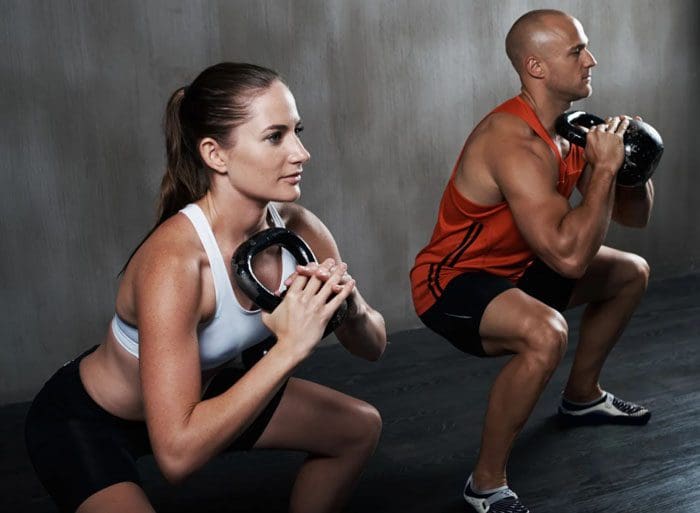
CrossFit training is a combination of various exercises to work out various muscle groups. CrossFit can be beneficial because:
It prevents boredom by providing a variety of workouts.
It helps maintain balance among various muscle groups.
For example, runners that have powerful leg muscles cross-train to strengthen the upper body.
It reduces the risk of injuries because the combination of exercises allows muscles to recover while working out a different set of muscles.
Whatever the case, it’s all about finding what works for you. But the objective is to keep the body moving to maintain overall health.
Body Composition
Why the brain needs sugar?
The brain needs half of the body’s energy supply because of its complex system. The brain needs glucose for brain cell energy. As neurons cannot store energy, they need a constant fuel supply to function properly. The ability to think, learn and recall information is connected with the body’s glucose levels. When blood glucose levels are low, the ability to think clearly is slowed down as the production of neurotransmitters is reduced, leading to communication disruption. Natural sugars can increase brain health for optimal functioning. When consuming naturally occurring sugar like apples and bananas, sugar is released incrementally into the bloodstream. This maintains energy levels at a steady pace, and the body does not crave more sugar.
References
Berg JM, Tymoczko JL, Stryer L. Biochemistry. 5th edition. New York: W H Freeman; 2002. Section 30.2, Each Organ Has a Unique Metabolic Profile. Available from: https://www.ncbi.nlm.nih.gov/books/NBK22436/
Ainsworth BE, et al. (2011). Compendium of Physical Activities Tracking Guide. Columbia, SC: Prevention Research Center, Norman J. Arnold School of Public Health, University of South Carolina. Available online: http://prevention.sph.sc.edu/tools/compendium.htm.
There are different types of muscle from a biological perspective, however, there is no such thing as lean muscle. Lean suggests the absence of body fat. But the fact is that all muscle is lean muscle. It is important to build muscle mass as the body ages, however, it is more important to build lean body mass. Here is the difference.
Lean Body Mass
Lean Body Mass is the total weight of an individual’s body minus all the weight from the fat mass.
Lean Body Mass (LBM) = Total Weight – Fat Mass
Lean Body Mass includes the weight of the:
Skin
Body Water
Bones
Organs
Muscle Mass
Because Lean Body Mass consists of various components, any change in the weight of these areas is recorded as changes in lean body mass. However, the weight of the body’s organs will not change. Bone density does decrease with time and age, but will not significantly affect the weight of lean body mass. With lean body mass, 2 areas of focus include:
Body water
Muscle mass
Lean Muscle
Sometimes, individuals use the term lean muscle referring to the shape of the muscles. However, both types of muscle are lean and fat-free.
The difference between muscle mass and lean muscle
The strict definition of muscle mass is the weight of the muscles of the body. When individuals say they are gaining muscle mass, they typically mean that the muscles look and feel bigger.
Lean muscle masson the other hand is a term often used when someone is referring to the weight of the muscles, not factoring in the amount of fat that could be present within a muscle.
Combining Lean Gains
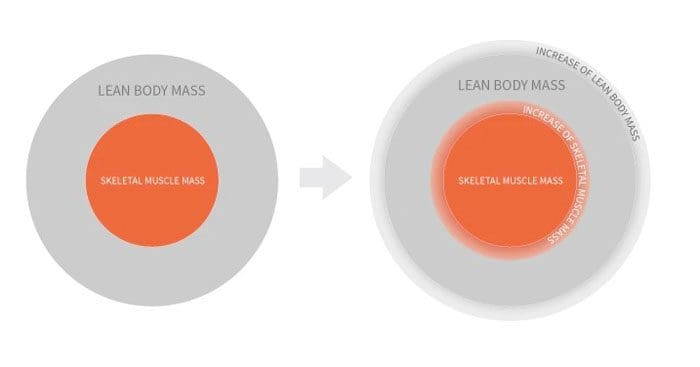
Increases in Skeletal Muscle Mass are also an increase in Lean Body Mass. What tends to happen is individuals combine them as lean mass gains or lean gains. However, an increase in Lean Body Mass does not always increase muscle.
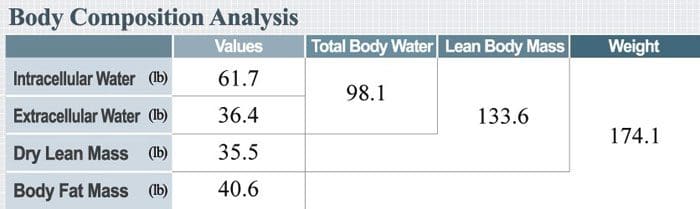
This is because body water makes up a significant portion of an individual’s Lean Body Mass. For example, a body composition analysis of a 174-pound male.
98.1 Total Body Water + 35.5 Dry Lean Mass = 133.6 Lean Body Mass
Water makes up more than 55% of total body weight
This is normal for healthy adult males
Lean Body Mass consists of three components, two of which are water.
Everything else grouped together makes up the individual’s Dry Lean Mass.
This includes bone minerals, protein content, etc.
Muscle gains contribute to Lean Body Mass gains, but so does water. The difference is that water levels can fluctuate throughout the day depending on:
Hydration levels
Diet
Physical activity
The muscle tissue itself contains a significant amount of water. Muscle tissue is comprised of up to 79% water. Research has shown that resistance training increases intracellular water in both men and women. This creates an issue when looking at lean gains.
Lean Mass gains can happen quickly, and the increases are mostly body water
Measuring Lean Body Mass and Muscle Mass
What not to do
Don’t try to use a scale to calculate changes in Skeletal Muscle Mass. A popular method used is to estimate muscle gain from the number on the scale and applying fitness websites/magazine tips. The problem with this technique is that estimating progress has many factors that can influence an increase in body weight. These include:
It is the difference between total body weight and body fat weight. However, these calculations are more for helping physicians determine the appropriate amount of prescription medication/s or if an individual will be undergoing anesthesia and not a computation of overall body composition.
Paying Attention to Weight Loss
Paying attention to weight loss is an inaccurate reflection of lean body mass, muscle mass, or lean mass.
Weight loss, or gain, does not reflect overall health and body composition.
Resistance training/weightlifting workouts combined with added protein will generate a muscle mass percentage increase
Skeletal Muscle Mass is connected with Lean Body Mass
Everyone’s body composition is different, making the proportion of an individual’s skeletal muscle mass to Lean Body Mass unique.
Lean Mass or Lean body mass is the safest term to use to describe gains.
Which Is More Important?
When it comes to tracking muscle gain or fat loss, it all comes down to what tools are being used to measure progress.
If working with just a weight scale, an individual will only know their weight increases or decreases.
This is difficult to see the difference in weight gain from water, muscle, or body fat.
For individuals that want accurate measuring of their muscle gain and assessing their health, then body composition analysis is the key.
Body Composition Difference
Disclaimer
The information herein is not intended to replace a one-on-one relationship with a qualified health care professional, licensed physician, and is not medical advice. We encourage you to make your own health care decisions based on your research and partnership with a qualified health care professional. Our information scope is limited to chiropractic, musculoskeletal, physical medicines, wellness, sensitive health issues, functional medicine articles, topics, and discussions. We provide and present clinical collaboration with specialists from a wide array of disciplines. Each specialist is governed by their professional scope of practice and their jurisdiction of licensure. We use functional health & wellness protocols to treat and support care for the musculoskeletal system’s injuries or disorders. Our videos, posts, topics, subjects, and insights cover clinical matters, issues, and topics that relate to and support, directly or indirectly, our clinical scope of practice.* Our office has made a reasonable attempt to provide supportive citations and has identified the relevant research study or studies supporting our posts. We provide copies of supporting research studies available to regulatory boards and the public upon request. We understand that we cover matters that require an additional explanation of how it may assist in a particular care plan or treatment protocol; therefore, to further discuss the subject matter above, please feel free to ask Dr. Alex Jimenez or contact us at 915-850-0900.
Dr. Alex Jimenez DC, MSACP, CCST, IFMCP*, CIFM*, CTG*
email: [email protected]
phone: 915-850-0900
Licensed in Texas & New Mexico
References
Galán-Rioja, Miguel Ángel et al. “Effects of Body Weight vs. Lean Body Mass on Wingate Anaerobic Test Performance in Endurance Athletes.” International journal of sports medicine vol. 41,8 (2020): 545-551. doi:10.1055/a-1114-6206
Köstek, Osman et al. “Changes in skeletal muscle area and lean body mass during pazopanib vs sunitinib therapy for metastatic renal cancer.” Cancer chemotherapy and pharmacology vol. 83,4 (2019): 735-742. doi:10.1007/s00280-019-03779-5
Ribeiro, Alex S et al. “Resistance training promotes an increase in intracellular hydration in men and women.” European journal of sports science vol. 14,6 (2014): 578-85. doi:10.1080/17461391.2014.880192
Ten Haaf, Dominique S M et al. “Protein supplementation improves lean body mass in physically active older adults: a randomized placebo-controlled trial.” Journal of cachexia, sarcopenia and muscle vol. 10,2 (2019): 298-310. doi:10.1002/jcsm.12394
At home or a gym, working out with cardio exercise equipment can be a highly beneficial treatment for back discomfort, soreness, and pain. However, when checking out all the cardio machines it is recommended to use those that will help with back pain and not worsen or cause further injury. The same goes for purchasing cardio equipment to use at home. Research has found that exercise training could be highly effective in the treatment of back pain. A study on pain found that the endorphins generated from aerobic exercise help to lessen low back pain. The North American Spine Society announced evidence-based recommendations for the treatment of back pain, and one of the top recommendations was aerobic exercise. Individuals can always go outside to:
Walk
Hike
Run
Bike ride
But mixing it up with cardio equipment can have its own benefits for different reasons. It could be too hot, raining, sometimes individuals prefer a set workout program to reach calorie or distance goals, and it could be easier on the spine. Working out at home or at a gym, cardiovascular machines can help bring relief for back pain.
Cardiovascular Exercise Back Pain Treatment
Cardiovascular exercise is highly recommended for everyone. For individuals dealing with back pain, exercise combined with conservative therapy is usually part of a treatment plan. This includes:
Physical therapy
Chiropractic care
Health coaching
Diet
Aerobic exercise regimen
With an exercise program, experts recommend starting with moderate-intensity aerobic exercise. Moderate intensity workouts are meant to get an individual’s heart and blood pumping, sweating a little, and slightly deep breathing. These types of exercise include:
Power walking outside
Power walking on a treadmill
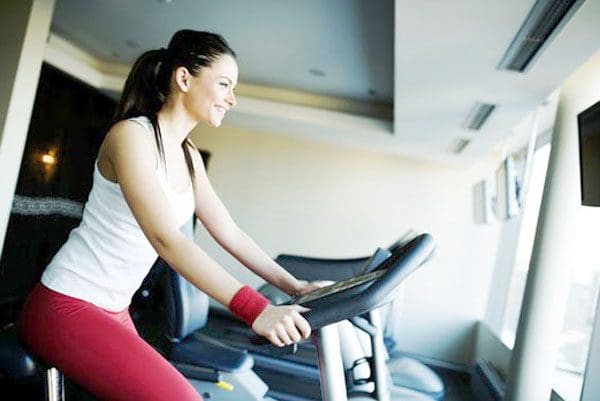
Stationary biking
As long as the physical activity gets the heart rate up, these exercises have been shown to decrease back pain, relieve stress, and elevate mood. 20 minutes of moderate-intensity exercise three to five times a week for six weeks is what is recommended. This will help the back become healthier, feel better, and is recommended by the American Heart Association.
Exercise Not For All Spine Conditions
However, not all spinal conditions benefit from regular exercising. Getting an evaluation from a doctor, spine specialist, or chiropractor is recommended for injuries, severe and/or persistent back pain before starting a cardiovascular exercise program. This could be a spinal fracture, or spinal condition that requires bracing, or intense physical therapy/rehabilitation. Individuals that do not exercise regularly or have a medical or heart condition/s definitely need to get a doctor’s clearance before beginning a cardiovascular workout regimen.
Top Cardiovascular Exercises and Equipment
Once a doctor clears the individual for aerobic exercise there is no cardio equipment that is off-limits. Elliptical machines and stationary bikes are the most well-tolerated by individuals with back problems/conditions. Because they are low impact. However, if it is tolerable using a jogging treadmill is beneficial as well. Listen to the body. If a workout on a treadmill causes back pain that is not just workout soreness, stop with that machine and try different cardiovascular equipment that is more low impact. Do not ignore back pain. If pain is continuous and exercising is not helping, stop and see a doctor, or chiropractor to evaluate and analyze the situation. Then they can adjust the exercise part of the treatment plan according to the presenting symptoms.
Body Composition
Concurrent Training
Concurrent training is the combination of aerobic and resistance exercises during the same workout session. Aerobic and resistance exercise impacts the body in different ways. The type of aerobic training determines how it interacts with resistance exercise. The order of the types of exercises like aerobic and resistance workouts can make a difference. Having an understanding of a few specifics about concurrent training will help to make decisions about an exercise program.
Aerobic/interval and resistance training does not seem to interfere with the others’ adaptations
However, gaining strength could be lowered by adding running to a resistance program
Whereas bicycling does not have the same effect.
Cycling and the ergonomics that go with it are similar to traditional lower-body resistance exercises. The muscle contractions that come with running result in muscle damage, while the contractions in cycling also cause muscle damage, it is not to the same extent. Pairing the exercise programs correctly is key, such as a running program in combination with an upper-body lifting exercise can be beneficial. While running and doing leg presses every day could interfere with each other and could cause injuries. Or if doing both aerobic and resistance exercises in the same session, or on the same day, consider the order of the exercises, depending on what the goal is.
Disclaimer
The information herein is not intended to replace a one-on-one relationship with a qualified health care professional, licensed physician, and is not medical advice. We encourage you to make your own health care decisions based on your research and partnership with a qualified health care professional. Our information scope is limited to chiropractic, musculoskeletal, physical medicines, wellness, sensitive health issues, functional medicine articles, topics, and discussions. We provide and present clinical collaboration with specialists from a wide array of disciplines. Each specialist is governed by their professional scope of practice and their jurisdiction of licensure. We use functional health & wellness protocols to treat and support care for the musculoskeletal system’s injuries or disorders. Our videos, posts, topics, subjects, and insights cover clinical matters, issues, and topics that relate to and support, directly or indirectly, our clinical scope of practice.* Our office has made a reasonable attempt to provide supportive citations and has identified the relevant research study or studies supporting our posts. We provide copies of supporting research studies available to regulatory boards and the public upon request. We understand that we cover matters that require an additional explanation of how it may assist in a particular care plan or treatment protocol; therefore, to further discuss the subject matter above, please feel free to ask Dr. Alex Jimenez or contact us at 915-850-0900.
Dr. Alex Jimenez DC, MSACP, CCST, IFMCP*, CIFM*, CTG*
email: [email protected]
phone: 915-850-0900
Licensed in Texas & New Mexico
References
British Journal of Sports Medicine. (November 2020) “Which specific modes of exercise training are most effective for treating low back pain? Network meta-analysis” https://bjsm.bmj.com/content/54/21/1279
Pain. (December 2020) “Are endogenous opioid mechanisms involved in the effects of aerobic exercise training on chronic low back pain? A randomized controlled trial” https://journals.lww.com/pain/Citation/2020/12000/Are_endogenous_opioid_mechanisms_involved_in_the.23.aspx
North American Spine Society. (2020) “Evidence-Based Clinical Guidelines for Multidisciplinary Spine Care” https://www.spine.org/Portals/0/assets/downloads/ResearchClinicalCare/Guidelines/LowBackPain.pdf
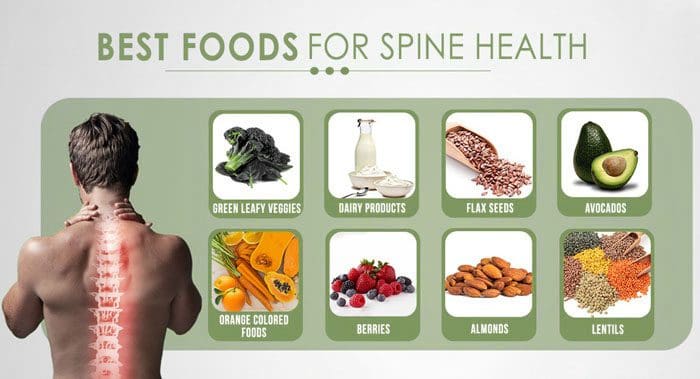
Eating healthy and spinal health are interconnected. Eating healthier will help to lose weight, and provide a healthier body mass index. This means more muscle mass, especially when integrated with more protein. The spine sustains and supports the whole torso and upper body. When weight increases in these areas it can cause an array of issues like subluxations, curvature problems, sciatica, and more. The extra muscle mass takes the added stress from any extra weight off of the spine. Strong muscles can carry the weight of the body, taking the pressure off the spine and keeping it healthy and operating in top form.
Making Healthy Adjustments
No matter where an individual is on their healthy eating plan, there are common practices that work for many and helps improve their diet. This involves integrating healthy food groups into the diet in different ways, and not giving up when mistakes are made, but learning from them. When developing new healthy habits it takes time, diligence, practice, and research to eat the right foods.
Fruits and Veggies
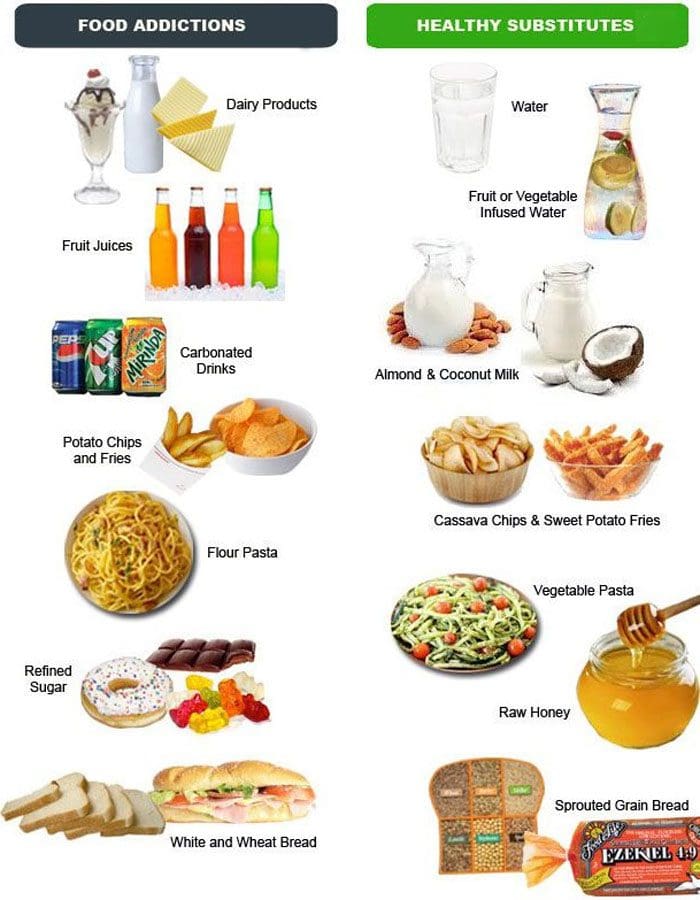
It is easier and tastier to forget the nutritious foods and go for the carbs, fats, etc. Rather than trying to add more vegetables, or eating fruit as a snack every day can be tough. An easier, and better way to integrate fruits and vegetables into one’s diet is to substitute the carbs and fats for fruits and veggies in the main meals every day.
This could be spiralized zucchini, squash, or no-carb spaghetti instead of pasta spaghetti.
Instead of ice cream try real fruit sorbet.
Mashed cauliflower instead of white rice or mashed potatoes.
There are plenty of substitutes that are healthier and just as tasty and as the real thing.
Healthy recipes out there that can give you ideas on how to do this.
The benefit of substituting fruits and vegetables, rather than just adding them to a diet is individuals increase their health by reducing unhealthy dietary elements and adding healthy new ones at the same time. However, this does not mean doing it all at once. The goal is to gradually substitute these nutritious foods into everyday dishes for maximum health benefits.
More Fiber and Protein
It is important that the body gets enough fiber and protein as a healthy energy source. Many individuals can become dependent on:
Ingesting unhealthy foods all day every day takes a significant toll on the body. This includes:
Blood sugar
Weight
Energy
Mood
Fiber and protein are important because the two regulate the body’s systems to promote healthy bodily functions.Fiber helps the digestive system and regulates carbohydrate breakdown. This means the energy obtained from any carb will last longer and will not increase blood sugar when integrated with fiber. Most individuals know that protein builds muscle. But it also makes the body feel full much longer than carbs or sugars do. This allows for natural regulation of how much is eaten during the day so an individual does not eat more than the body needs. Carbs and sugars are not filling and can become addictive. This means that they can be eaten all day long without feeling full and just load up with empty calories. A few ways to integrate fiber and protein into a diet:
Breakfast
Eggs
Turkey bacon
Whole wheat/multigrain toast
Lunch
Whole wheat wrap or sandwich
Dinner
Brown rice and beans are loaded with protein and fiber.
A great substitution for vegetarians/vegans for more protein or fiber
Reduce Sugar Intake
Reducing sugar intake or switching to balanced sugars from fruits, yogurt, etc. A diet high in sugar can wreck the body, causing:
Weight gain
Mood swings
Overeating
Other unhealthy effects
Sugar is fine when practiced in moderation. But when it becomes a daily habit, that’s when it can start affecting the body. The objective is to drink more water, and use substitutions when cravings present. Try:
Yogurt instead of ice cream
Healthy fruit drinks instead of soda
Tea instead of wine
Keep the indulgences to once or twice a week if possible.
Eating Healthy Benefits
A few of the benefits from eating healthy that will improve quality of life:
Improved digestive health
Weight loss
Reduced to no back pain
Reduced to no foot pain
Healthy sleep patterns
Less fatigue
Improved focus
Improved brain health
Clear skin
Reduced to no irritability
Body Composition
New Health Issues
Steady weight gain throughout life can lead to adult diabetes. This is brought on by more body fat and muscle loss. Loss of skeletal muscle mass is linked to insulin resistance. The less muscle is available, the less insulin sensitive the body becomes. Loss of muscle can cause other problems with age. One damaging condition, especially for women, is osteoporosis. This happens when old bone is reabsorbed rather than new bone being created. Both men and women can have decreased muscle mass with thinner, weaker bones. This increases the risk of osteoporosis and the risk of serious injury from falls. Prevention includes
Eat sufficient protein throughout the day. It is often best to space out protein intake across meals and not consume all at once to ensure the proper amount is being met daily. Regular body composition monitoring can help. The goal is to minimize muscle mass loss and fat mass gain as the body ages.
Disclaimer
The information herein is not intended to replace a one-on-one relationship with a qualified health care professional, licensed physician, and is not medical advice. We encourage you to make your own health care decisions based on your research and partnership with a qualified health care professional. Our information scope is limited to chiropractic, musculoskeletal, physical medicines, wellness, sensitive health issues, functional medicine articles, topics, and discussions. We provide and present clinical collaboration with specialists from a wide array of disciplines. Each specialist is governed by their professional scope of practice and their jurisdiction of licensure. We use functional health & wellness protocols to treat and support care for the musculoskeletal system’s injuries or disorders. Our videos, posts, topics, subjects, and insights cover clinical matters, issues, and topics that relate to and support, directly or indirectly, our clinical scope of practice.* Our office has made a reasonable attempt to provide supportive citations and has identified the relevant research study or studies supporting our posts. We provide copies of supporting research studies available to regulatory boards and the public upon request. We understand that we cover matters that require an additional explanation of how it may assist in a particular care plan or treatment protocol; therefore, to further discuss the subject matter above, please feel free to ask Dr. Alex Jimenez or contact us at 915-850-0900.
Dr. Alex Jimenez DC, MSACP, CCST, IFMCP, CIFM, CTG*
email: [email protected]
phone: 915-850-0900
Licensed in Texas & New Mexico
References
Cena, Hellas, and Philip C Calder. “Defining a Healthy Diet: Evidence for The Role of Contemporary Dietary Patterns in Health and Disease.” Nutrients vol. 12,2 334. 27 Jan. 2020, doi:10.3390/nu12020334
Locke, Amy et al. “Diets for Health: Goals and Guidelines.” American family physician vol. 97,11 (2018): 721-728.
Warensjö Lemming, Eva, and Liisa Byberg. “Is a Healthy Diet Also Suitable for the Prevention of Fragility Fractures?.” Nutrients vol. 12,9 2642. 30 Aug. 2020, doi:10.3390/nu12092642
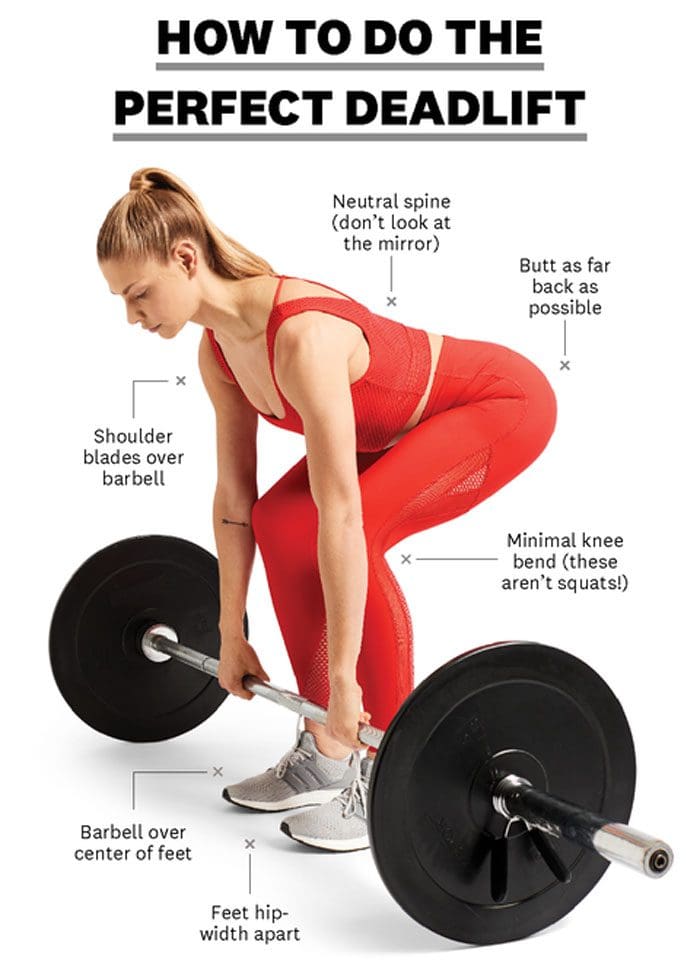
The deadlift is a weight training exercise that helps build muscle, strength, and stamina. It works legs, core, buttocks, and the back when performed correctly. Using an improper form or overdoing it can cause injury to the lower back. Recovering from a deadlifting injury usually takes a couple of days or a week. However, this depends on the severity of the injury. Recovery can be helped through:
Home remedies
Chiropractic treatment
Massage
Natural back pain relief tips
Back Injury After Deadlifting
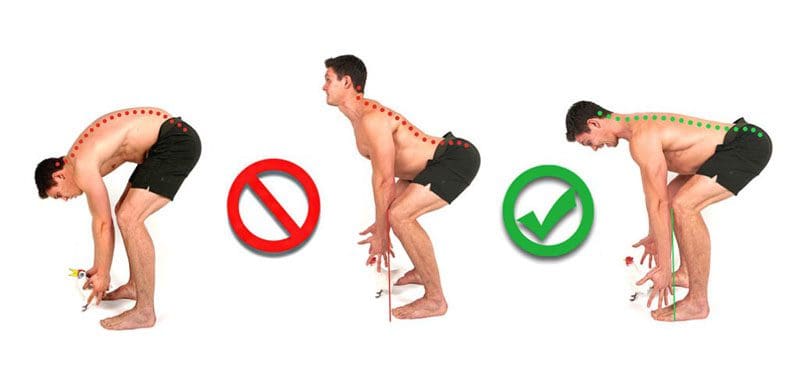
Most individuals will feel sore after a strenuous workout. But there is a difference between soreness and injury. Most of the time injuries from deadlifts are caused by not using proper form. Getting the form right is not easy, it does take practice, so do not feel bad if an injury presents.
Soreness vs Injury
Most of the time telling the difference between natural soreness from a workout and pain from an injury is pretty straightforward. But sometimes it is not as easy to tell the difference. Soreness is typically characterized by:
Stiffness
Tightness
Muscle ache
Fades after two or three days
Muscle soreness tends to be shallow and spread out over a muscle group. Pain from an injury causes sharp and persistent pain, especially with certain movements. Injury pain is deeper and can be described as stabbing or sharp.
Common Deadlifting Injuries
The deadlift has a wide range of motion and incorporates several different joints. Most injuries sustained during a deadlift are low-back injuries. Usually a sprain or a strain. But it is possible to sustain a more serious injury like a herniated disc.
Sprains vs Strains
Sprains and strains are different although many use the terms interchangeably.
A sprain happens when the ligaments that hold a joint together tear.
A strain happens when the muscles tear or are overworked to the point of injury.
Herniated Disc
A herniated disc happens when the gel-like fluid cushion between the vertebrae begins to protrude out. This can cause pain from the disc pressing on surrounding nerves or go unnoticed. Fortunately, sprains, strains, and herniated discs can all be treated conservatively. Seeing a medical professional is recommended to rule out serious conditions.
Injury Lower Back Pop
Some individuals experience an audible pop in the spine during a deadlift. For those that experience a pop but no pain accompanying it, it is likely gas escaping from a joint in the back. Those that experience discomfort or pain with the popping are encouraged to seek out medical attention.
Healing a Back Injury
Healing a back injury depends on the severity. The more severe, the longer it will take to heal. Most injuries can be addressed at home. Individuals that cannot stand up straight or there is debilitating pain with normal movements should see a medical professional like a:
Physical therapist
Chiropractor
Physician
Rest and let the body recover
It can be tempting to get back to the gym as soon as possible, but this is not recommended until the back truly feels normal. It is recommended to rest for a few days, allowing any swelling, inflammation to go down.
Ice and heat
Applying ice to the back every few hours for 15 to 20 minutes is recommended for the first three days, then heat can be incorporated. After three days if there is still pain, incorporate heat to get more blood flowing in and around the area. Use the ice for 15 to 20 minutes, wait 30 minutes, then apply the heat for 15 minutes.
Chiropractor
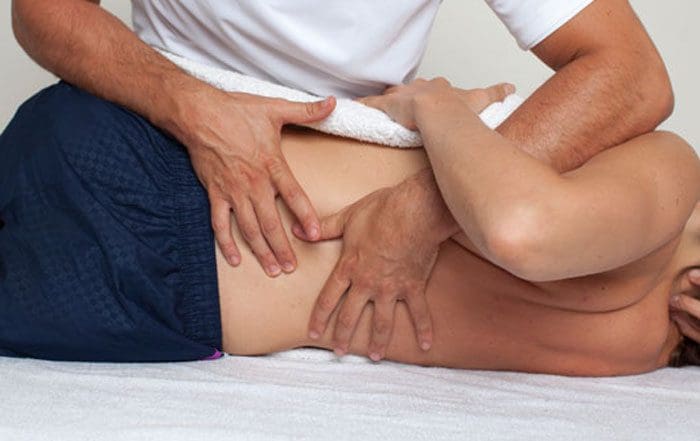
Seeing a chiropractor during any stage of recovery can be beneficial. As chiropractors are musculoskeletal specialists that can realign the body back to its proper form. If four days or more have passed and the pain is not going away, make an appointment with a certified chiropractor or spine specialist.
Time of Recovery
Most individuals recover within a week or two. For more severe injuries, like a herniated disc can take 6 to 8 weeks. Seeing a medical professional can help speed the process and promote healing. Additional tips include:
Deadlifting can be done safely and properly without sustaining an injury. A personal trainer or a sports chiropractor can analyze an individual’s lifting form and offer recommendations to prevent injury.
Body Composition
Foods Good for Collagen Production
Healthy nutrition can facilitate optimal collagen synthesis without supplementation. Protein sources that work with non-essential amino acids contribute to increased collagen production. High-quality protein sources support this process. Vegetarian protein sources include legumes or tofu are good alternatives. Collagen synthesis requires vitamin C, copper, and zinc.
Vitamin C regulates the synthesis pathway
Zinc stimulates the body to produce more collagen
Copper activates an enzyme that helps mature/strengthen the collagen
Sources of copper include nuts, seeds, whole grains, and chocolate
Most importantly is plenty of vitamin C-rich foods like:
Bell peppers
Broccoli
Citrus fruits
Leafy greens
Tomatoes
Disclaimer
The information herein is not intended to replace a one-on-one relationship with a qualified health care professional, licensed physician, and is not medical advice. We encourage you to make your own health care decisions based on your research and partnership with a qualified health care professional. Our information scope is limited to chiropractic, musculoskeletal, physical medicines, wellness, sensitive health issues, functional medicine articles, topics, and discussions. We provide and present clinical collaboration with specialists from a wide array of disciplines. Each specialist is governed by their professional scope of practice and their jurisdiction of licensure. We use functional health & wellness protocols to treat and support care for the musculoskeletal system’s injuries or disorders. Our videos, posts, topics, subjects, and insights cover clinical matters, issues, and topics that relate to and support, directly or indirectly, our clinical scope of practice.* Our office has made a reasonable attempt to provide supportive citations and has identified the relevant research study or studies supporting our posts. We provide copies of supporting research studies available to regulatory boards and the public upon request. We understand that we cover matters that require an additional explanation of how it may assist in a particular care plan or treatment protocol; therefore, to further discuss the subject matter above, please feel free to ask Dr. Alex Jimenez or contact us at 915-850-0900.
Dr. Alex Jimenez DC, MSACP, CCST, IFMCP, CIFM, CTG* email: [email protected] phone: 915-850-0900 Licensed in Texas & New Mexico
References
Bengtsson, Victor et al. “Narrative review of injuries in powerlifting with special reference to their association to the squat, bench press and deadlift.” BMJ open sport & exercise medicine vol. 4,1 e000382. 17 Jul. 2018, doi:10.1136/bmjsem-2018-000382
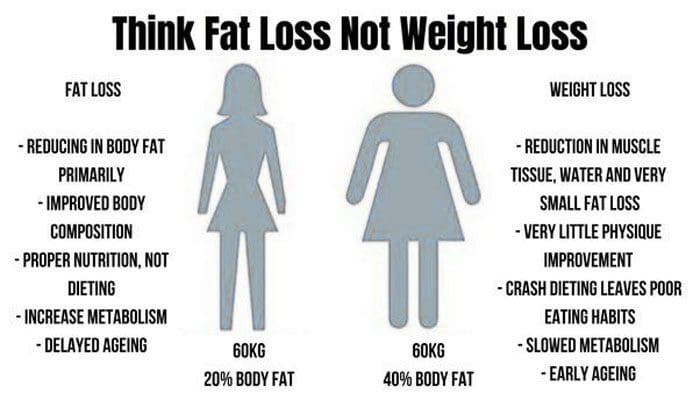
Understanding the difference between weight loss and fat loss will help promote a healthy change and improve an individual’s wellbeing. Fat loss can be a part of losing weight. However, individuals lose more than just fat. Fat loss is the goal for most individuals, so taking a deliberate, focused approach will generate the best results. Here we discuss how individuals can optimize for fat loss.
Understanding The Difference
Weight loss is the overall reduction in body weight
Fat loss is a reduction in body fat
When losing weight, the body is not just losing body fat, and changes are being made to each component of body composition. This includes:
Body fat
Lean Body Mass
Body Water
This is also true for weight gain. An individual cannot control how much is lost but can influence what is lost.
Weight Loss
Hundreds of diet and exercise programs can help achieve fat loss, some better than others. The ones that tend to work better focus on the same thing: reducing energy intake from food/diet while increasing energy output through exercise and regular physical activity. This forces the body to compensate for the missing energy by breaking down the body’s tissues, including fat and muscle. As an individual loses weight, they will also lose some muscle in the form of Lean Body Mass in addition to body fat.
Fat Loss
Body fat is a combination of essential fat and storage fat. Storage fat is adipose tissue that has accumulated for reserved energy. This type of fat changes with diet modification and regular exercise. Too much storage fat can negatively impact physical and mental wellbeing, so this should be the focus for better health.
Focus on fat loss and not weight loss
There is a clear association between obesity and chronic disease. Focusing on weight loss can lead to unintended consequences like eating disorders. This is why focusing on weight loss, and healthy body composition is critical. This is the recommended approach because it encourages the individual to move more and eat healthily.
Understanding health benefits of losing fat
Body fat percentage works better as a gauge of health than weight.
Weight is composed of lean body mass, body fat, and water, so any changes in these areas can lead to weight gain and not just fat loss. Excess body fat, specifically storage fat, has a close association with chronic diseases like:
Type 2 Diabetes
Hypertension
Heart Disease
Various Cancers
The key is understanding that a healthy body fat percentage will help reduce the risk of these diseases and improve mental health and overall health.
Different ways to measure fat loss
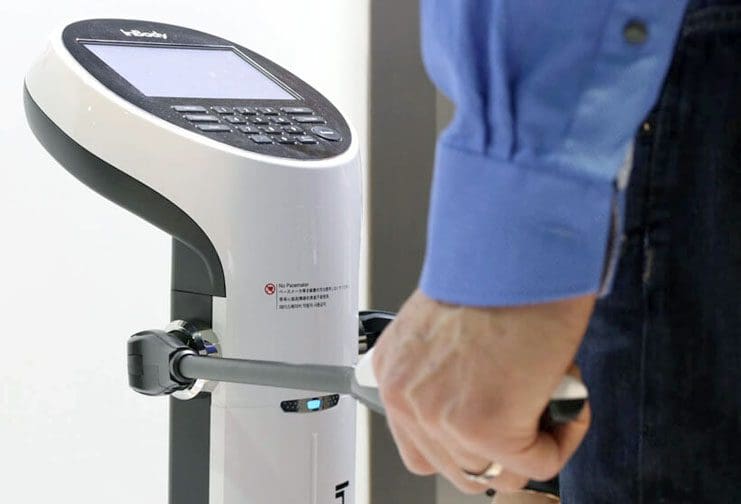
Tracking body fat loss means having body composition tracked and monitored. There are devices and methods for determining body composition, including:
For genuinely accurate results, get tested by a highly skilled professional who uses medical-grade tools for assessment. Cheap plastic calipers and at-home scales don’t tend to be the best options.
Metabolism changes with weight loss
When losing weight, there is more loss than fat. One loss can be Lean Body Mass, which is critical because the amount of Lean Body Mass has directly influenced Basal Metabolic Rate or the body’s metabolism. The Basal Metabolic Rate (BMR) is the number of calories the body naturally burns when resting. When focusing on weight loss and not making changes to minimize lean body mass loss, the individual decrease the size of their metabolism. However, if an individual continues with the same eating habits, this could be a setup for weight regain.
Weight loss can slow down metabolism.
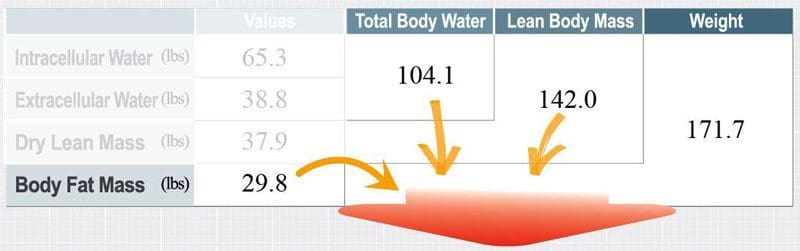
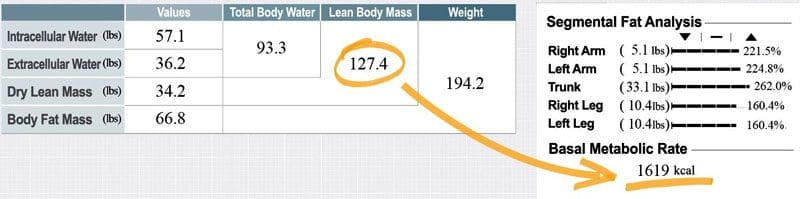
Here is an example of a typical set of body composition results of someone who would be clinically diagnosed as obese.
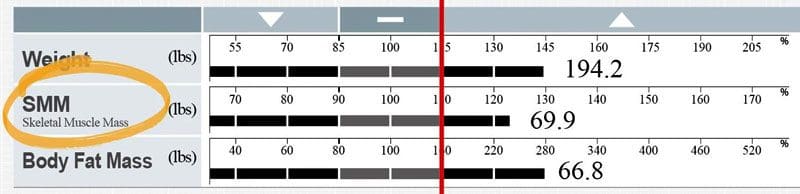
Along with weight and body fat mass measurements, the individual naturally developed muscles by carrying their body weight. This means that individuals that are obese also have relatively large metabolisms. Dramatic changes to Lean Body Mass and metabolism are not ideal, especially when the goal is maintaining a healthy body weight.
The weight and body fat bars on the above chart are significantly over average, and the Skeletal Muscle Mass bar. This is common for individuals that are obese. Individuals that are obese have developed this muscle by carrying a large amount of weight. Large amounts of muscle begin to build to move the heavy body. This is why it is essential to come up with a focused/customized approach for gaining strength, losing fat, and body recomposition, rather than just weight loss.
Stopping weight regain
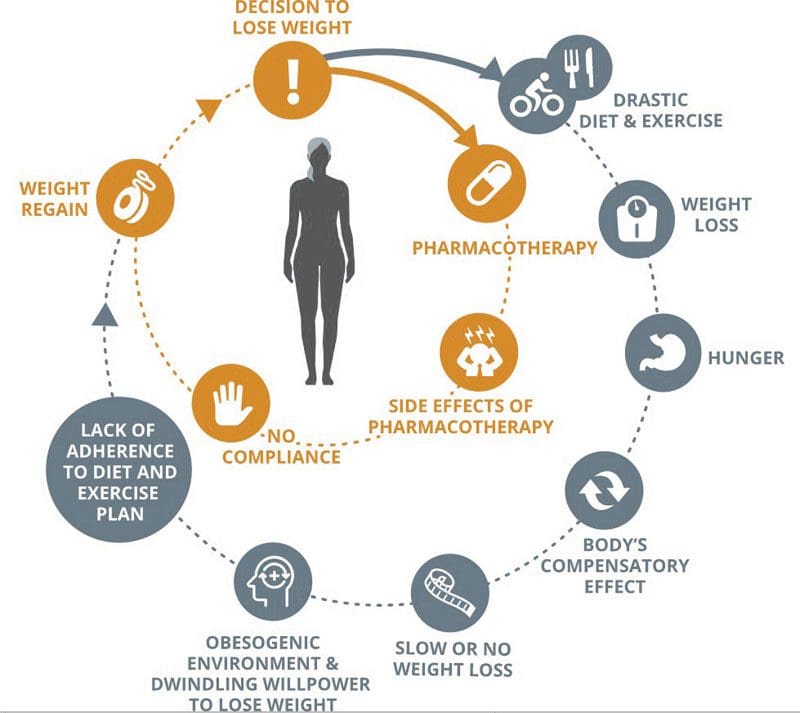
Focusing on body composition, developing muscle, and Lean Body Mass is crucial. With weight loss, there will be some Lean Body Mass loss. This means a low metabolism and non-regulated eating habits can lead to regaining weight. With no development of Lean Body Mass and skeletal muscle to help grow the metabolism, there is an increased chance of weight retrieval. Along with continued changing eating habits after an individual reaches their target weight.
Building muscle, losing fat for healthy body composition
The main areas to focus on to change body composition, overall health, and wellbeing.
Focus on body composition, not on weight loss
Instead, track changes in body composition. This means optimizing programs for fat loss while minimizing Lean Body Mass loss. Weight loss will occur, but proper nutrition and strength training can reduce Lean Body Mass loss.
Develop new eating habits
An important step is understanding how to improve eating habits by choosing a diet plan that will be enjoyable. When optimizing for fat loss, it will take longer than weight loss. Effective dietary strategies go for half to one pound of fat loss per week. This is a manageable and sustainable goal that will not cause adverse effects on metabolism. Slow and steady is the better option and will lead to long-term changes.
Start strength training to increase metabolism.
Strength training/weight lifting is a great way to increase metabolism. Increased muscle benefits range from:
High ability to recover from disease/s
Reducing insulin resistance
Keeps the body mobile
Helps combat obesity by increasing BMR and metabolism
Body composition in the long-term
Fat loss is more important than weight loss and will lead to long-term changes. Understanding that working out smarter and finding out body composition numbers will promote getting fit while keeping the fat off. It will take longer than expected, but dropping 30 pounds in less than a year and then regaining it all back is counterproductive.Take the time to make minor, impactful adjustments that will lead to a lifetime of optimal health.
InBody
Dr. Alex Jimenez’s Blog Post Disclaimer
The scope of our information is limited to chiropractic, musculoskeletal, physical medicines, wellness, and sensitive health issues and/or functional medicine articles, topics, and discussions. We use public health & wellness protocols to treat and support care for injuries or disorders of the musculoskeletal system. Our posts, topics, subjects, and insights cover clinical matters, issues, and topics that relate to and support directly or indirectly our clinical scope of practice.*
Our office has reasonably attempted to provide supportive citations and identified the relevant research study or studies supporting our posts. We also make copies of supporting research studies available to the board and or the public upon request. We understand that we cover matters that require an additional explanation as to how it may assist in a particular care plan or treatment protocol; therefore, to further discuss the subject matter above, please feel free to ask Dr. Alex Jimenez or contact us at 915-850-0900. The provider(s) Licensed in Texas& New Mexico*
References
Hall, Kevin D et al. Calorie for Calorie, Dietary Fat Restriction Results in More Body Fat Loss than Carbohydrate Restriction in People with Obesity. Cell metabolism vol. 22,3 (2015): 427-36. doi:10.1016/j.cmet.2015.07.021
Merlotti, C et al. Subcutaneous fat loss is more significant than visceral fat loss with diet and exercise, weight-loss promoting drugs and bariatric surgery: a critical review and meta-analysis. International journal of obesity (2005) vol. 41,5 (2017): 672-682. doi:10.1038/ijo.2017.31
Tobias, Deirdre K et al. Effect of low-fat diet interventions versus other diet interventions on long-term weight change in adults: a systematic review and meta-analysis. The Lancet. Diabetes & endocrinology vol. 3,12 (2015): 968-79. doi:10.1016/S2213-8587(15)00367-8
IFM's Find A Practitioner tool is the largest referral network in Functional Medicine, created to help patients locate Functional Medicine practitioners anywhere in the world. IFM Certified Practitioners are listed first in the search results, given their extensive education in Functional Medicine