Uneven hips can throw the back out of natural alignment and cause back stiffness, tightness, discomfort, and pain. Hips that are off-balance unhealthily affect standing, sitting, sleeping posture, walking gait, and overall movements. Biomechanics issues cause the core and spine stabilizing muscles to become weakened and fatigued from overcompensating to keep the body up and moving. Over time this can lead to chronic pain in the back, hips, knees, and feet. Chiropractic care can restore proper hip and spinal alignment and wellness.
Uneven Hips
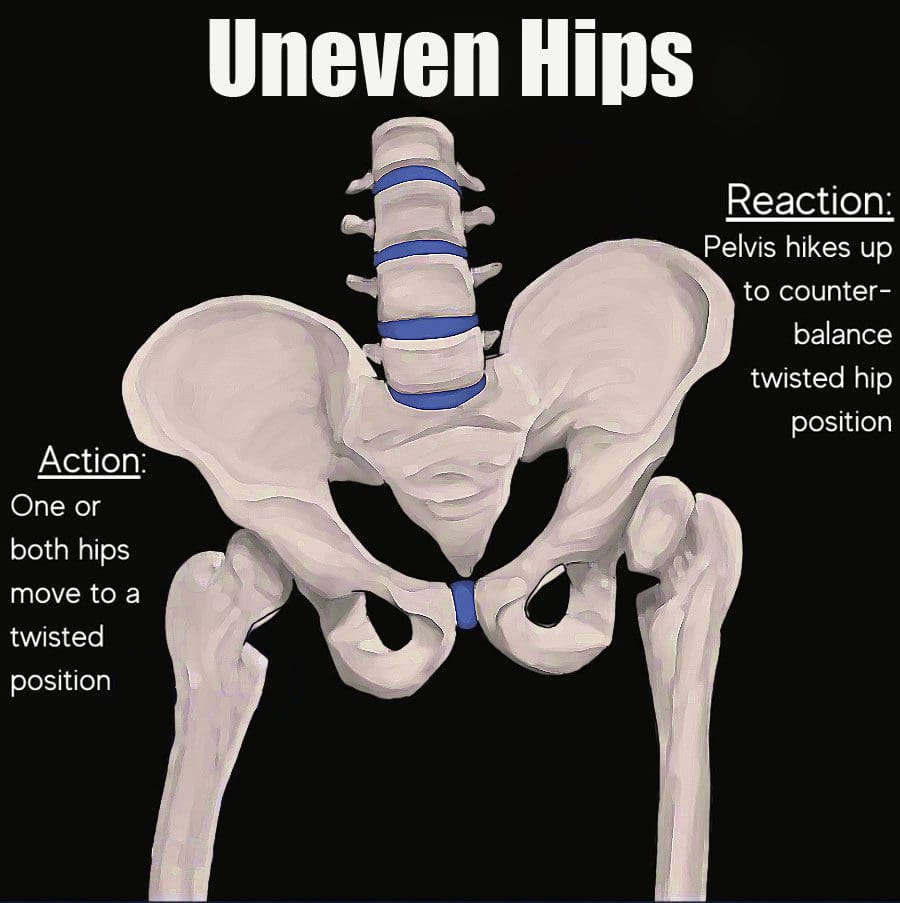
Misaligned hips can be caused by work or sports injury, exercise, vehicle collision, and/or general wear and tear. When hips are out of alignment, they have shifted from their centered position. They could be rotated forward or backward, forcing the spine and the lower limbs to compensate, resulting in the spine tilting that can make the legs appear uneven. Discomfort may be one-sided low back pain near the sacroiliac joint, causing a stiff/tight back, limited motion, and/or pain symptoms. Because the spine and lower limbs have to compensate for the unevenness, the shoulders and upper back, connected to the pelvis through the spine, are also affected and result in:
Back pain.
Hip and gluteal muscle pain.
Uneven leg length.
Knee, ankle, and foot issues and pain.
Uneven shoulders.
The shoulder blades can stick out on the side of the lower hip.
Rib discomfort and pain.
The rib cage could protrude out on one side. However, this could be due to advanced scoliosis.
Therapy
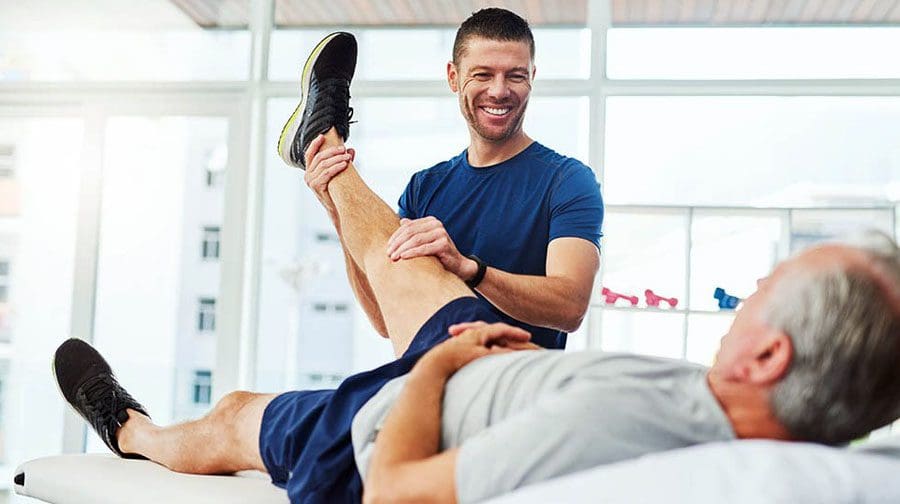
Staying active is recommended and includes stretching and core strengthening. General stretches recommended to optimize hip equity include:
Hamstring stretch
For this stretch, lie on a flat surface with your legs extended straight out.
Bend the right leg at the knee, placing the right foot on the ground.
Use a towel, belt, or band to grab and wrap around the left foot.
Keep the hip/buttock on the left side planted on the floor.
Slowly raise the left leg upward as far as possible until you feel the stretch.
Once you feel a stretch or restriction in the hamstring, hold the position for 30 seconds.
Repeat on the other side.
Perform 2 to3 times.
Hip flexor stretch
Kneel on the affected leg and bend the healthy leg out in front with the foot flat on the floor.
Back straight.
Slowly push the hips forward until you feel the stretch in the upper thigh and hip.
Hold the stretch for around 15 to 30 seconds.
Chiropractic Care
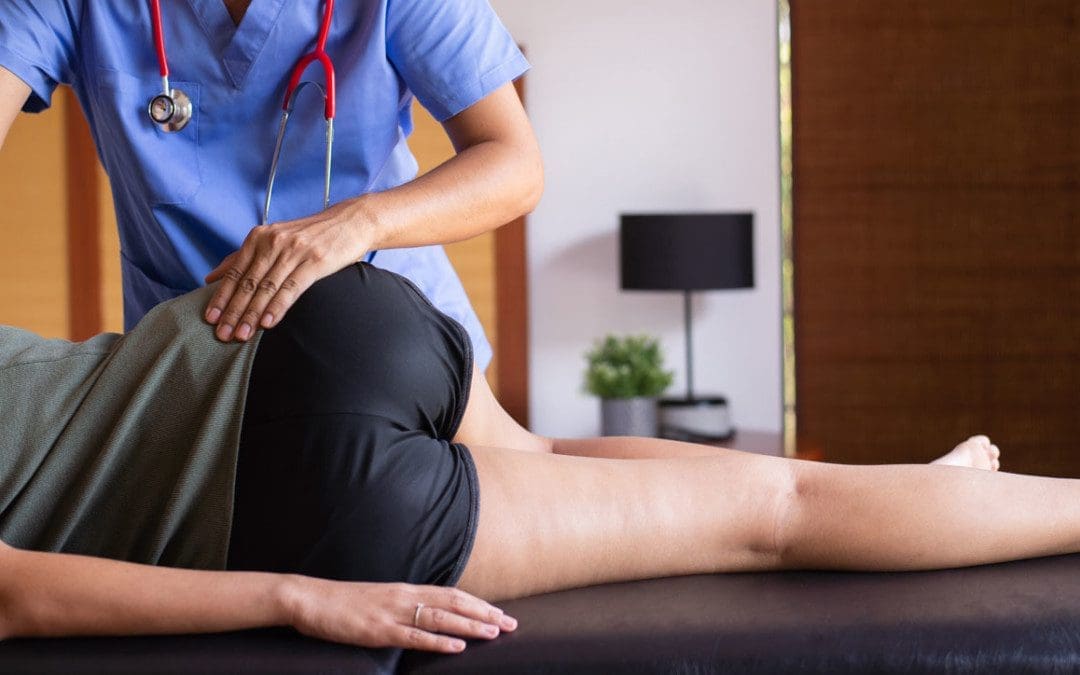
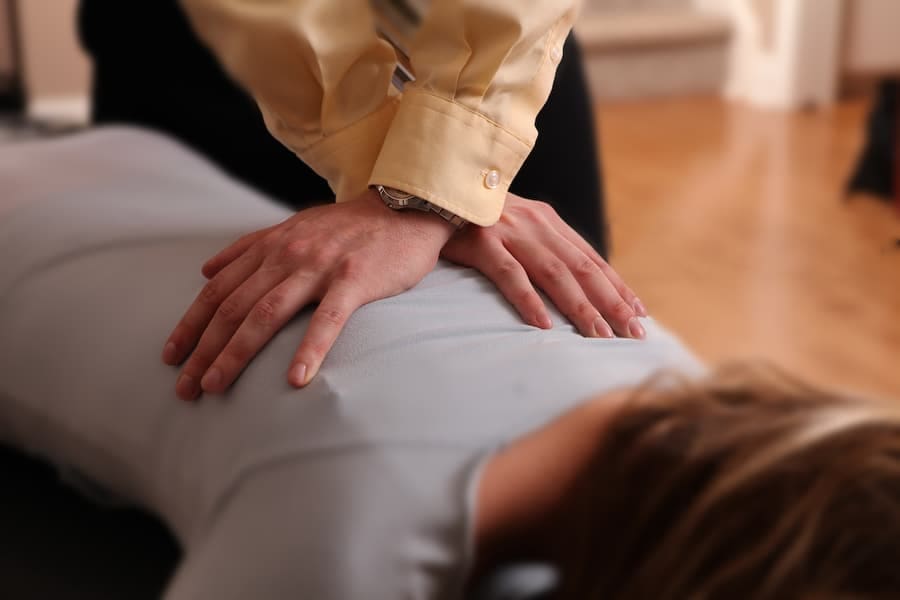
Chiropractic treatment is a highly recommended non-surgical option for uneven hips and pelvic tilt. Depending on the severity of the misalignment, underlying issues, and body scanning images, hip alignment treatment could include:
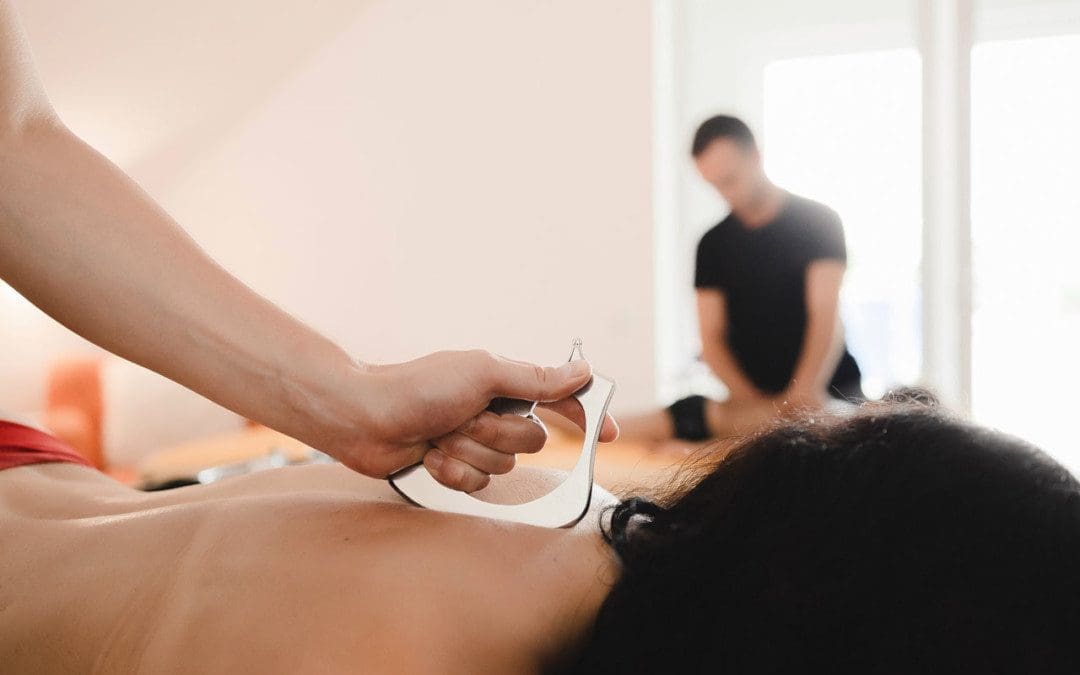
Soft tissue therapeutic massage
Chiropractic muscle release for tight hip flexors, quadriceps, hamstrings, and glutes.
Kiapour, Ali et al. “Biomechanics of the Sacroiliac Joint: Anatomy, Function, Biomechanics, Sexual Dimorphism, and Causes of Pain.” International journal of spine surgery vol. 14, Suppl 1 3-13. 10 Feb. 2020, doi:10.14444/6077
Lee, Jeong-Hoon, et al. “The effect of Graston technique on the pain and range of motion in patients with chronic low back pain.” Journal of physical therapy science vol. 28,6 (2016): 1852-5. doi:10.1589/jpts.28.1852
Patel, Rikin V et al. “Pelvic Tilt and Range of Motion in Hips With Femoroacetabular Impingement Syndrome.” The Journal of the American Academy of Orthopaedic Surgeons vol. 28,10 (2020): e427-e432. doi:10.5435/JAAOS-D-19-00155
Rivière, C et al. “Spine-hip relations add understandings to the pathophysiology of femoro-acetabular impingement: A systematic review.” Orthopaedics & traumatology, surgery & research : OTSR vol. 103,4 (2017): 549-557. doi:10.1016/j.otsr.2017.03.010
Suits, William H. “Clinical Measures of Pelvic Tilt in Physical Therapy.” International journal of sports physical therapy vol. 16,5 1366-1375. 1 Oct. 2021, doi:10.26603/001c.27978
Many individuals have dealt with issues affecting their lives in some way or form. People with autoimmune diseases must learn to manage their immune system from constantly attacking their bodies to function normally. The immune system’s primary function in the body is to attack environmental factors that harm the cells, muscles, and organs. When a person has an autoimmune disease, either from their family history or environmental factors, their immune system will begin to attack the body’s normal cells because it thinks it is a foreign invader to the body. Some common autoimmune disorders that most people have include lupus, ankylosing spondylitis, and rheumatoid arthritis. Most of these common autoimmune disorders correlate to common symptoms that add to other issues that affect the body. Today’s article looks at rheumatoid arthritis, its symptoms, how it relates to fatigue, and how there are available treatments to manage rheumatoid arthritis as well as fatigue. We refer patients to certified providers specializing in musculoskeletal therapies to help those who suffer from rheumatoid arthritis and fatigue. We also guide our patients by referring to our associated medical providers based on their examination when it’s appropriate. We find that education is the solution to asking our providers insightful questions. Dr. Alex Jimenez DC provides this information as an educational service only. Disclaimer
What Is Rheumatoid Arthritis?
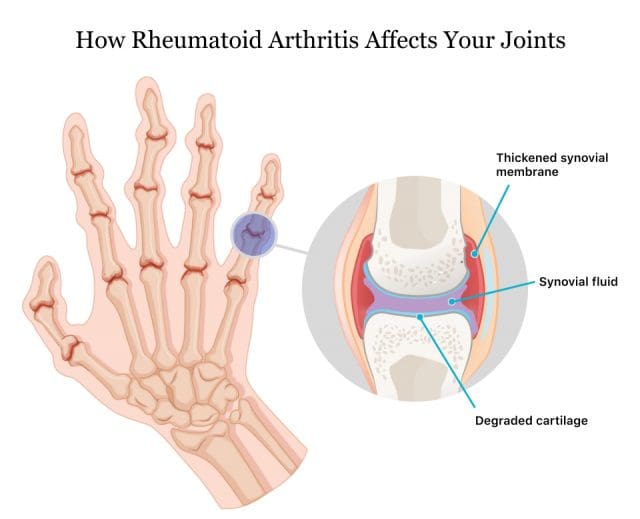
Have you been feeling stiffness and inflammation around your joints? have you experienced gut issues affecting your life? Or do problems of insomnia or fatigue seem to affect your quality of life? Many of these symptoms are associated with rheumatoid arthritis. Rheumatoid arthritis is an autoimmune disease that causes inflammation and swelling in the joints. The video above explains how to manage rheumatoid arthritis and its associated symptoms. Fatigue is one of the symptoms associated with rheumatoid arthritis as the inflammatory cytokines could be a co-morbidity in altering brain function that can lead to an overlap of pain and fatigue in the body, as studies reveal. While there hasn’t been a cure for rheumatoid arthritis, various treatment approaches can help people manage the symptoms of rheumatoid arthritis.
The Symptoms
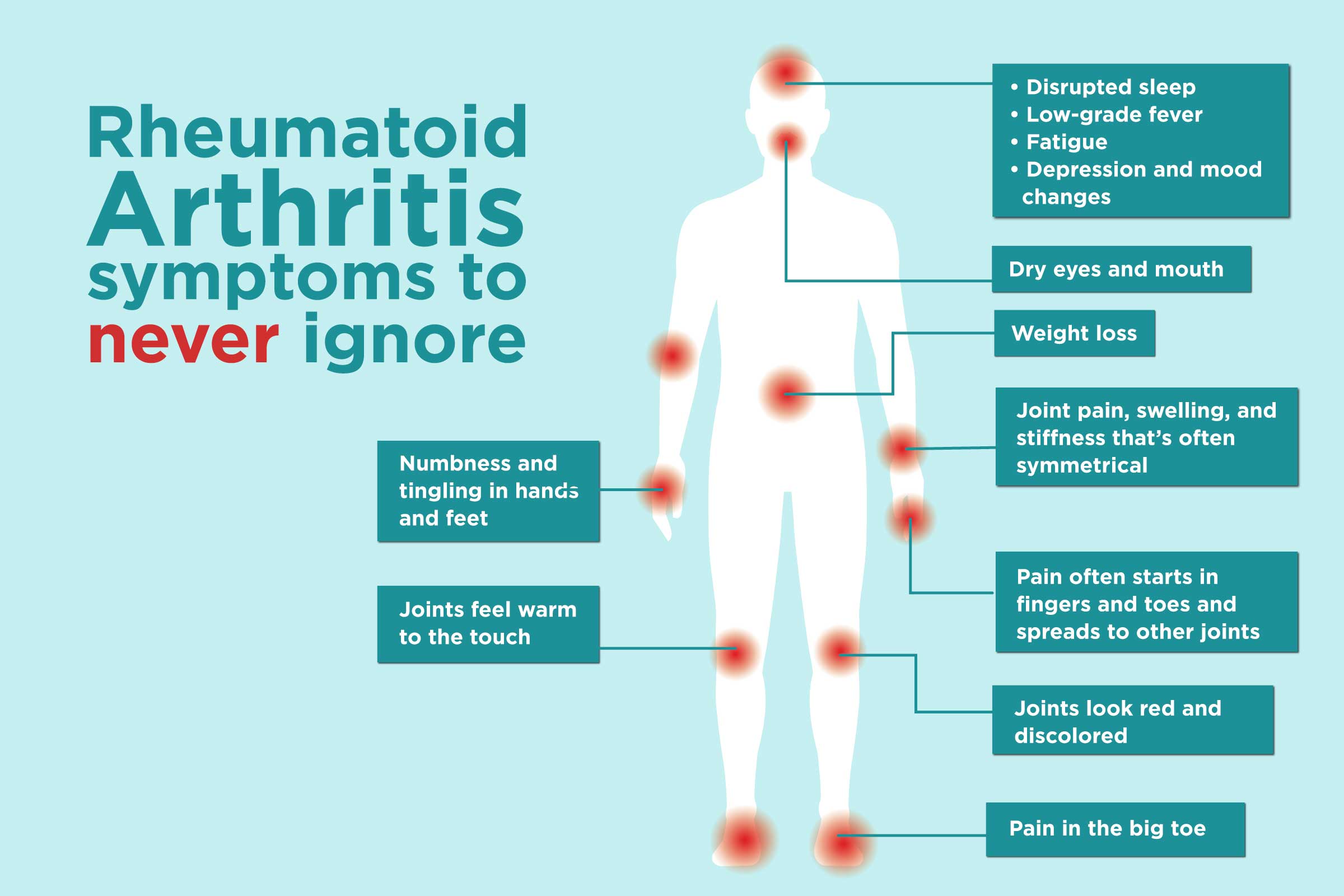
Some of the most commonly rheumatoid arthritis symptoms do to the body include pain, swelling and inflammation of the joints, joint deformity, and stiffness. Unlike wear and tear damage from different types of common inflammatory issues, rheumatoid arthritis symptoms may come and go that can range from mild, moderate, or even severe. When this happens, rheumatoid arthritis may be the result of making it difficult to perform simple tasks and cause joint alterations. Research shows that rheumatoid arthritis associated with inflammation can damage different body parts like the gut. Gastrointestinal problems like leaky gut, IBS, or SIBO could trigger flare-ups in individuals who have rheumatoid arthritis. This is known as somato-visceral pain, where the muscles affect the vital organs, causing problems for the body.
How Does Fatigue Correlate To RA?
Individuals that have rheumatoid arthritis do suffer from various symptoms that are associated with inflammatory issues. When inflammation begins to affect the body, it can overlap the profiles of fatigue and poorer quality of life in the individual. So how does fatigue correlate to rheumatoid arthritis? Studies reveal that fatigue is considered one of the acute symptoms of rheumatoid arthritis that imposes a burden on individuals, thus being associated with reducing their health and wellness. Fatigue has many dimensions that do impact many individuals. Some people will explain to their primary physicians that they are constantly tired, overworked, and repeatedly stressed from everyday life or disorders affecting their bodies. For rheumatoid arthritis individuals, studies reveal that high inflammatory factors associated with fatigue may cause them to feel exhausted. This is related to individuals who have insomnia from other conditions.
Managing Rheumatoid Arthritis-Video
Have you been feeling stiffness and inflammation around your joints? have you experienced gut issues affecting your life? Or do problems of insomnia or fatigue seem to affect your quality of life? Many of these symptoms are associated with rheumatoid arthritis. Rheumatoid arthritis is a chronic autoimmune disease that causes inflammation and swelling in the joints. The video above explains how to manage rheumatoid arthritis and its associated symptoms. Fatigue is one of the symptoms associated with rheumatoid arthritis as the inflammatory cytokines could be a co-morbidity in altering brain function that can lead to an overlap of pain and fatigue in the body, as studies reveal. While there hasn’t been a cure for rheumatoid arthritis, various treatment approaches can help people manage the symptoms of rheumatoid arthritis.
Treatments For RA & Fatigue
Even though there hasn’t been a cure for rheumatoid arthritis, there are ways to manage the associated symptoms of rheumatoid arthritis. Eating anti-inflammatory riched foods could potentially dampen the effect of inflammation on the joints. One way while exercising can help loosen up stiff joints and bring back muscle strength, thus restoring joint motion. Treatments like chiropractic care can also provide pain relief and management for individuals dealing with rheumatoid arthritis. Chiropractic care comprises passive and active treatment modalities for rheumatoid arthritis and fatigue. Chiropractors utilize spinal adjustments and manual manipulation to reduce misalignment or subluxation of the spine. Chiropractic care may also help with many symptoms like fatigue associated with rheumatoid arthritis without invasive treatments or medication. Chiropractic care could potentially improve the function of the bones, joints, and even the nervous system in the body.
Conclusion
Rheumatoid arthritis is a chronic inflammatory disease that causes joint stiffness and swelling. The causes of this autoimmune disease are unknown. Still, factors like stress, gut issues, and obesity are associated with symptoms like fatigue, leaky gut, muscle stiffness, and poorer quality of life could potentially be involved with rheumatoid arthritis. Treatments like eating anti-inflammatory foods, exercising, and chiropractic care could help manage inflammatory issues triggering rheumatoid arthritis and potentially reduce the effects of fatigue from the body, thus slowing down the progression and bringing back a person’s quality of life.
Korte, S Mechiel, and Rainer H Straub. “Fatigue in Inflammatory Rheumatic Disorders: Pathophysiological Mechanisms.” Rheumatology (Oxford, England), Oxford University Press, 1 Nov. 2019, https://www.ncbi.nlm.nih.gov/pmc/articles/PMC6827268/.
Pope, Janet E. “Management of Fatigue in Rheumatoid Arthritis.” RMD Open, BMJ Publishing Group, May 2020, https://www.ncbi.nlm.nih.gov/pmc/articles/PMC7299512/.
Santos, Eduardo J F, et al. “The Impact of Fatigue in Rheumatoid Arthritis and the Challenges of Its Assessment.” Rheumatology (Oxford, England), Oxford University Press, 1 Nov. 2019, https://www.ncbi.nlm.nih.gov/pmc/articles/PMC6827262/.
Staff, Mayo Clinic. “Rheumatoid Arthritis.” Mayo Clinic, Mayo Foundation for Medical Education and Research, 18 May 2021, https://www.mayoclinic.org/diseases-conditions/rheumatoid-arthritis/symptoms-causes/syc-20353648.
After traveling, body/musculoskeletal aches and pains can present from continual standing in line, sitting, staying in the same position, carrying a heavy bag or pulling a suitcase, and sleeping in an unfamiliar bed with different pillows, on a plane or car can cause body imbalances, jerking the spine out of alignment, straining the neck, shoulders, and back causing headaches, soreness, stiffness, back pain, and compression. Chiropractic massage and decompression will relieve travel pains, loosen stiff and sore joints, soothe aching muscles, realign the spine, and restore body health and comfort.
Musculoskeletal Health
The musculoskeletal system is comprised of:
Muscles
Tendons
Ligaments
Bones
Joints
Tissues that move the body and help maintain structure and form.
The health of the musculoskeletal system is defined as the absence of injury, disease, or illness within the system. Keeping this system healthy is crucial for the health of the other body systems.
Common Muskuloskeletal Conditions
Musculoskeletal injuries – work-related, personal, automobile, sports, or physical activity
Musculoskeletal health is enhanced by increased circulation that increases oxygen flow that relaxes the mind and body. Overworked sore, tired muscles after traveling can keep the body tense which could lead to chronic stress symptoms. Chiropractic massage therapy effectively reduces stress and anxiety by manipulating the body tissues like the muscles, tendons, connective tissues, and ligaments, increasing blood circulation and improving flexibility.
Jet-Lag
The body is weak after traveling into different time zones, which can cause jet lag, stress, and relaxation problems.
Jet lag can cause sleep problems, leading to extreme fatigue, headaches, and nausea.
Chiropractic can alleviate jet lag effects quickly by working/massaging/stretching out the muscles, increasing blood flow, flushing out toxins, and calming the body.
Travel Stress
The stress starts right before the trip when preparing, packing, and setting up the house while away.
The body tenses up when traveling to maintain focus, stay alert, and be ready for surprises.
When on vacation, having fun and doing all kinds of activities can make individuals forget to relax.
Waking up early and going to bed late can contribute to travel stress.
Chiropractic therapy will relieve all the strain and return the body to a relaxed state.
Relieve Back Pressure
Sitting for hours can increase pressure on the spine.
The muscles become stiff from the immobility accumulating pressure on the body and the mind, increasing the risk for other pains.
Chiropractic therapy will help lower heart rate and blood pressure relieving discomfort and stiffness.
Relax and Sleep
The internal body clock can get thrown off when traveling, resulting in little to no sleep and irritability.
Driving or flying will drain the body and mind, which can cause fatigue and anxiety.
Chiropractic will restore body and mind functions resulting in sleep and relaxation.
Spinal Decompression Texas
References
Crofford, Leslie J. “Chronic Pain: Where the Body Meets the Brain.” Transactions of the American Clinical and Climatological Association vol. 126 (2015): 167-83.
Nichols B, Nova P, Jacobs, K. Ergonomic Strategies for Using a Suitcase. The American Occupational Therapy Association. https://www.aota.org/About-Occupational-Therapy/Patients-Clients/Adults/Ergonomic-Strategies-Suitcase.aspx. August 2018. Accessed May 2019.
Sadler, Sean G et al. “Restriction in lateral bending range of motion, lumbar lordosis, and hamstring flexibility predicts the development of low back pain: a systematic review of prospective cohort studies.” BMC musculoskeletal disorders vol. 18,1 179. 5 May. 2017, doi:10.1186/s12891-017-1534-0
Waterhouse, J et al. “The stress of travel.” Journal of sports sciences vol. 22,10 (2004): 946-65; discussion 965-6. doi:10.1080/02640410400000264
Posture is the positioning of the body. There are two types of posture. Dynamic posture is how individuals position themselves when moving, like walking, running, or bending to lift an object. And static posture is how individuals position themselves when not in motion, like standing, sitting, or sleeping. Minimal stress is applied to the muscles and joints when practicing healthy posture. High-stress work and school combined with unhealthy body positions can cause health consequences to the spine, extremities, and musculoskeletal imbalances.
Health Consequences
Poor postures do not always present with spine or extremity pain right away. This is because individuals will feel discomfort and have the strength and mobility to correct unhealthy/awkward positions and minimize stress. However, eventually, the pain will begin to present as the muscles and joints can only take so much that the ability to correct poor positioning does not matter as there is a developing injury taking place, causing inflammation, letting the body know there is something not right. This often leads to chronic stress and the unnecessary wearing down of the joints to compensate for the unhealthy positions.
Early Signs
Early signs of postural problems can include:
Inability to sit or stand for a long time.
Stiffness when rising from a chair.
Feeling of added physical exhaustion.
Leaving the condition untreated often leads to:
Muscle imbalances.
Loss of normal flexibility.
Discomfort and pain present for no apparent reason.
Unhealthy Posture Symptoms
Symptoms can include:
Slouching
Rounded shoulders.
Potbelly.
Bent knees when standing or walking.
Muscle fatigue.
Aches and pains.
Back pain.
Headache.
Postural Structure
Poor posture interferes and disrupts several of the body’s posture structures. These include:
The static slow-twitch muscle fibers help maintain posture without exerting too much energy and contribute to balance by sensing the body’s position.
Static muscle fibers burn energy slowly and can work for a long time without tiring.
The fast-twitch or phasic muscle fibers are used for movement and activity. These fibers quickly use up their energy.
Because the phasic fibers have to work overtime instead of the static fibers to maintain the body’s position, muscle fatigue, weakness, and pain begin to set in.
Health
Health consequences can include:
Misaligned musculoskeletal system.
The advanced wearing of the spine making it fragile and prone to injury.
Chronic pain.
Decreased flexibility.
Joint mobility is affected.
Balance issues.
Increased risk of falling.
Difficulty digesting food.
Difficulty breathing.
Chiropractic and Physical Therapy
Chiropractors and physical therapists specialize in evaluating and treating musculoskeletal dysfunctions and disorders, identifying and screening for postural dysfunction. Chiropractic adjustments can be highly effective combined with other treatment modalities like massaging the soft tissues to improve circulation, reduce swelling inflammation, and promote healing. Spinal decompression therapy can help stretch and realign the spine to relieve back and/or leg pain. A customized exercise program will stretch and strengthen the body to maintain a healthy posture. Health coaching combined with dietary management can help with pain and inflammation and strengthen muscles and bones.
DRX9000 Spinal Decompression
References
American Chiropractic Association. Maintaining good posture. https://acatoday.org/content/posture-power-how-to-correct-your-body-alignment. Accessed Jan. 28, 2019.
American Academy of Orthopaedic Surgeons. Spine basics. https://orthoinfo.aaos.org/en/diseases–conditions/spine-basics/. Accessed Jan. 30, 2019.
Bauer BA. Chiropractic or osteopathic manipulation. In: Mayo Clinic Guide to Integrative Medicine. Rochester, Minn.: Mayo Foundation for Medical Education and Research; 2017.
Muscolino JE. Posture and the gait cycle. In: Kinesiology: The Skeletal System and Muscle Function. 3rd ed. Elsevier; 2017.
Wang G. Powered traction devices for intervertebral decompression: Health technology assessment update. Washington Department of Labor and Industries, June 14, 2004.
Waters, Thomas R, and Robert B Dick. “Evidence of health risks associated with prolonged standing at work and intervention effectiveness.” Rehabilitation nursing: the official journal of the Association of Rehabilitation Nurses vol. 40,3 (2015): 148-65. doi:10.1002/rnj.166
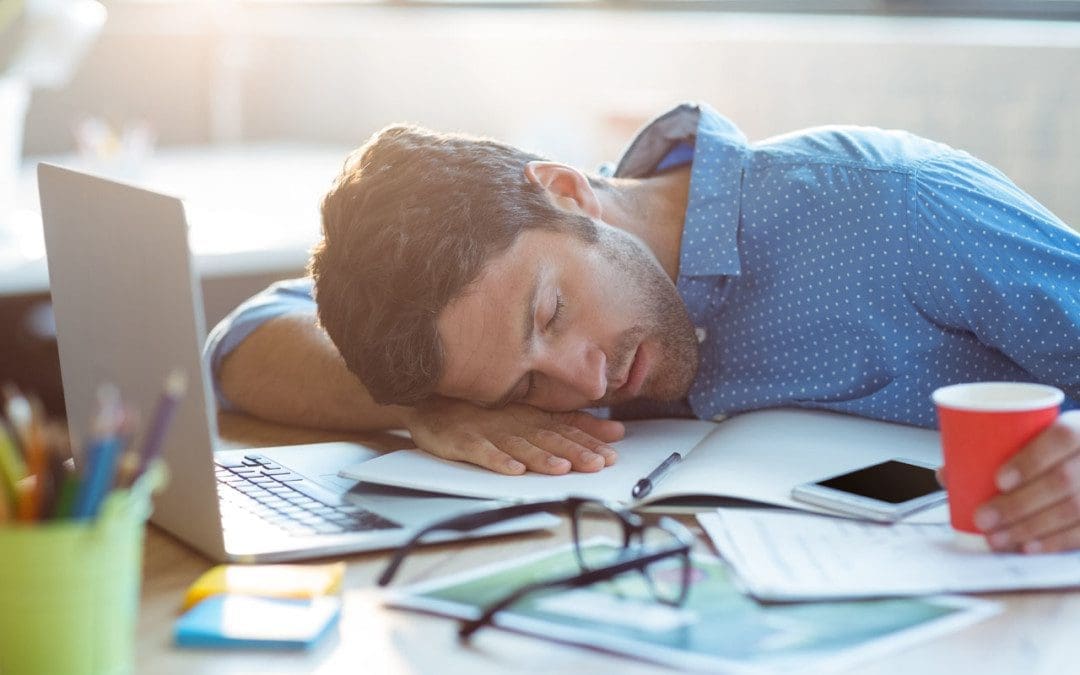
Individuals talk about how they don’t sleep much because they have so much to do and can operate/function on only 5 or 6 hours of sleep and are surprised when they develop serious health problems and mental health issues. However, inadequate sleep is a big deal. Depriving the body and mind of proper sleep leads to all kinds of health problems that include:
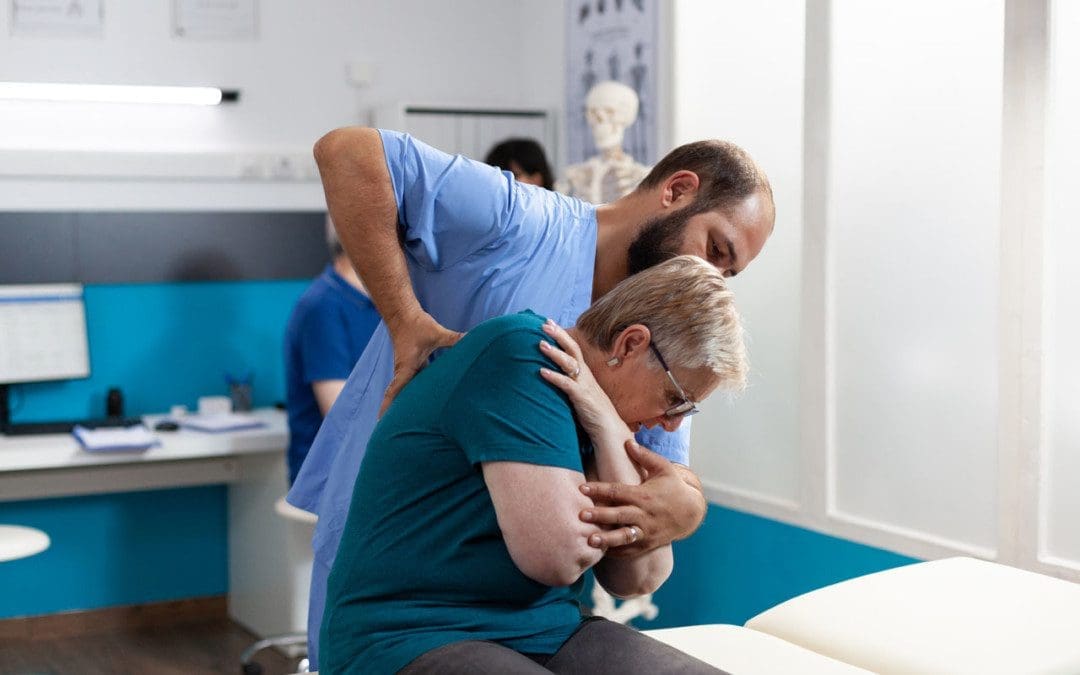
Chiropractors focus on whole-body health, are specialists in the musculoskeletal system, and take a multifaceted approach to treat fatigue and inadequate sleep. They can help with sleep problems and other health factors by bringing the body back into alignment/balance, improving circulation, nerve energy flow, and nervous system function. This includes chiropractic adjustments and therapeutic massage.
Spinal Adjustments
Misalignment of the cervical spine could be contributing to issues breathing and getting into a deep sleep.
Spinal realignment can help with better sleep.
Posture Analysis and Sleep Positions
Posture is a significant part of optimal health, especially when breathing correctly.
A chiropractor can analyze and correct any posture misalignments.
They can also advise how best to sleep, so the airway does not become obstructed during the night.
Health Factors
A recommendation for fatigue and inadequate sleep is to lose weight if overweight or obese.
A trained nutritionist or health coach can help develop healthy eating and lifestyle habits.
Less Stress and Plenty of Sleep
The combination of spinal adjustments and therapeutic massage can generate significant benefits to help keep the body healthy. Chiropractic adjustments have been found to release stress-reducing hormones like oxytocinand neurotensin. And therapeutic massage has been shown to improve inadequate sleep patterns, as well as:
Jamison, Jennifer R. “Insomnia: does chiropractic help?.” Journal of manipulative and physiological therapeutics vol. 28,3 (2005): 179-86. doi:10.1016/j.jmpt.2005.02.013
Jehan, Shazia et al. “Obstructive Sleep Apnea and Obesity: Implications for Public Health.” Sleep medicine and disorders: international journal vol. 1,4 (2017): 00019.
Kashani, Fahimeh, and Parisa Kashani. “The effect of massage therapy on the quality of sleep in breast cancer patients.” Iranian journal of nursing and midwifery research vol. 19,2 (2014): 113-8.
Kingston, Jana et al. “A review of the literature on chiropractic and insomnia.” Journal of chiropractic medicine vol. 9,3 (2010): 121-6. doi:10.1016/j.jcm.2010.03.003
Muscle spasms also referred to as muscle cramps, are painful contractions and tightening of the muscles. They are common, involuntary, and unpredictable. Temperature drops and cold weather can cause the muscles and joints to contract and tighten, leading to spasms and pain. Chiropractic, physical therapy massage, exercises, stretching, and an anti-inflammatory diet can bring relief and help strengthen the muscles to prevent future episodes.
Muscle Spasms
Spasms are common and can affect any of the muscles. They can involve part of a muscle, all of a muscle, or several muscles in a group. Spasms occur when the muscle/s involuntary and forcibly contract uncontrollably and are unable to relax. The most common sites for muscle spasms include:
As the weather gets colder, this causes the muscles in the body to lose heat, causing them to contract. As a result, the muscles and joints become tighter, stiffer, and decrease mobility and range of motion. This forces the muscles to work harder than usual to compensate. This can increase the fatigue of the muscles, leading to more prolonged bouts of pain and discomfort after physical activity, movement, exercise, etc.
Symptoms and Causes
A cramp can last a few seconds or last up to 15 minutes. During a muscle spasm, the following may be experienced:
Twitching in the muscle.
Pain in the muscle.
Throbbing.
Hardness and/or stiffness.
The muscles appear physically distorted.
Because the muscles have to work harder, the cold weather can increase muscle spasms. One of the most common causes of muscle spasms is overuse and fatigue. However, exact causes vary from person to person. Some experts believe that one or more of the following contribute to the spasms/cramps, and they include:
Dehydration.
Stress.
Not stretching the body regularly.
Muscle fatigue.
Restricted blood circulation.
Involuntary nerve discharge/s.
Over-exercising.
Exercising in the heat.
Exhaustion of salts and minerals:
Potassium
Magnesium
Calcium
Possible causes for leg cramps at night or nocturnal leg cramps specifically include:
Sitting for too long without moving around to keep circulation healthy.
Sitting with unhealthy posture.
Overusing the muscles.
Standing or working on hard floors.
Dealing With The Cold
One way to deal with the cold is to warm up before any physical activity. Taking a few minutes to get the heart rate up can increase the blood flow and flexibility of the muscles. This will ensure the muscles are functioning correctly and avoid the need to work harder to stop spasms. When a cramp strikes, there are a few steps to try to alleviate the spasm:
Stretching the affected area.
Massaging the affected area manually with a massage roller, percussive massager.
Stand up.
Move around.
Apply heat or ice.
A warm bath, shower with massage setting if possible.
American Academy of Orthopaedic Surgeons. Muscle Cramp. (http://orthoinfo.aaos.org/topic.cfm?topic=A00200) Accessed 3/1/2021.
American Association of Osteopathy. Muscle Cramp—A Common Pain. (http://www.osteopathic.org/osteopathic-health/about-your-health/health-conditions-library/general-health/Pages/muscle-cramp.aspx) Accessed 3/1/2021.
Herzberg J. Stevermer J. Treatments for Nocturnal Leg Cramps. (https://www.aafp.org/afp/2017/1001/od3.pdf) Am Fam Physician 2017;96(7):468-469. Accessed 3/1/2021.
Young G. Leg Cramps. (https://www.ncbi.nlm.nih.gov/pmc/articles/PMC4429847/) BMJ Clin Evid 2015; May 13;1113. Accessed 3/1/2021.
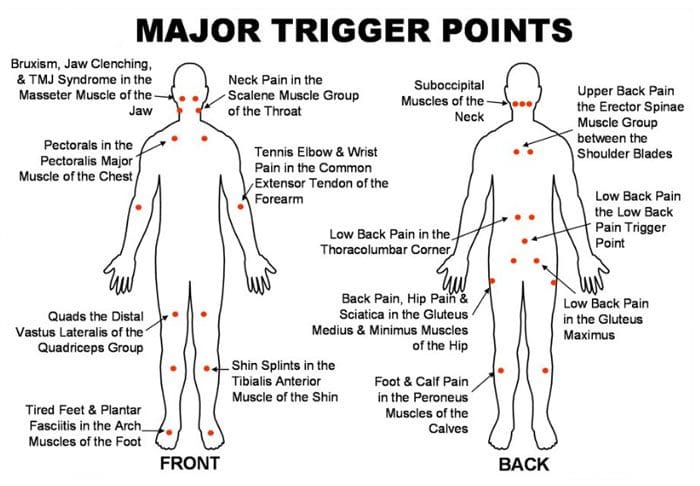
A neuromuscular massage is a form of manual massage used to release strained muscles. Strained areas are also known as trigger points that tend to be the cause of muscular pain symptoms. Trigger points are small areas of the muscle that contract the tissue. The lack of blood and nutrients in these areas causes an inability for the muscles to relax. The area becomes hypersensitive, causing fatigue, weakness, inflammation, and pain. Trigger points can lead to referred pain in which other areas of the body experience sensations of pain, tingling or numbness.
Neuromuscular Massage
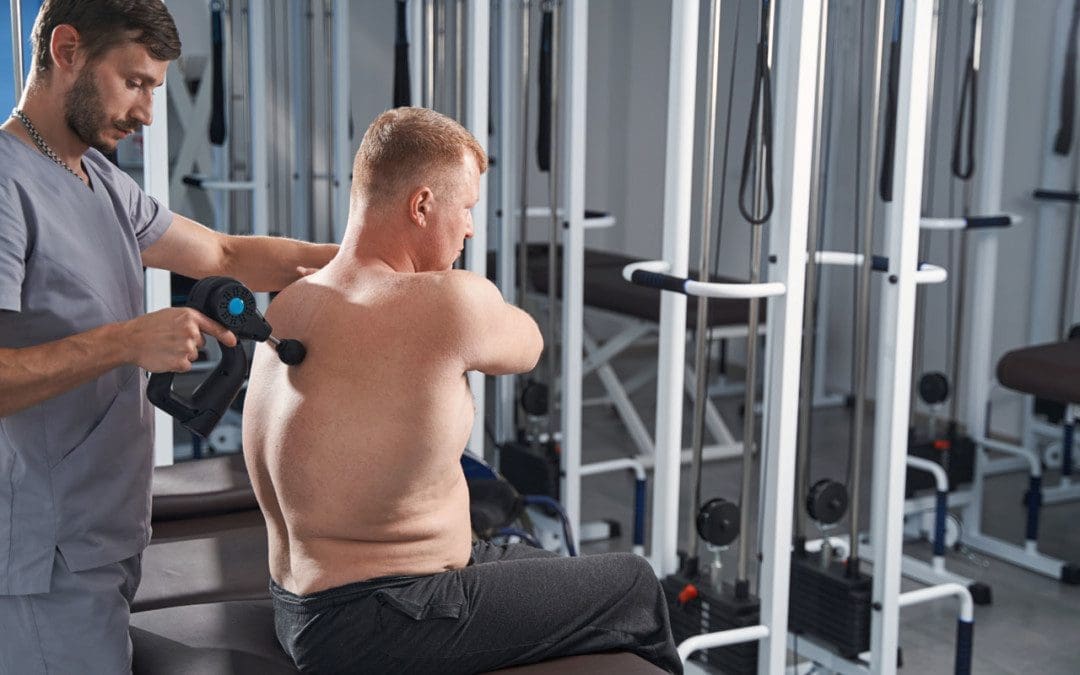
Neuromuscular massage treatment involves applying alternating levels of concentrated pressure on the trigger point/s done through manual and instrument manipulation. Neuromuscular therapy is also called trigger point myotherapy. The American Academy of Pain Management recognizes this form of treatment as an effective treatment for pain caused by soft tissue injury.
Deep Tissue Massage
A deep tissue massage is generally used to address muscle aches and pains and is administered on an on-off basis. Neuromuscular manual therapy techniques are specialized and designed to correct pain and movement dysfunction by treating:
Neuromuscular massage is considered an ongoing treatment.
Massage Reduces Pain
Muscles, when spasming, are painful to the touch. The pain is caused by ischemic muscle tissue. Ischemia means the muscle is lacking proper blood flow because of the spasm. This causes adverse effects because the muscles are not receiving enough blood; the muscles also do not receive enough oxygen.
The lack of oxygen causes the muscles to produce lactic acid.
The lactic acid causes the muscles to feel sore following physical activity.
Neuromuscular massage therapy relaxes the muscles releasing the lactic acid, allowing the muscles to receive enough blood and oxygen. Neuromuscular therapy can feel painful at first, but the pressure of the massage will alleviate the muscle spasm/s. It is crucial to communicate with the chiropractor and massage therapist about the pressure – whether it is too much, too little, feels better, feels worse, etc. Massage therapy pressure should never be overly painful. Individuals often describe the pressure as good pain, where they can feel the difference. Following a neuromuscular massage, the soreness should fade after twenty-four to thirty-six hours. The tight muscles should remain relaxed for four to fourteen days, depending on activities and stress levels.
Massage Treatment
Medical issues and conditions for which neuromuscular massage can treat include:
Tendonitis
Headaches
Temporomandibular joint pain – TMJ disorders
Jaw pain
Carpal tunnel
Upper back pain
Low back pain
Sciatica
Hip pain
Knee pain
Iliotibial band syndrome
Calf cramps
Plantar fasciitis
Neuromuscular Massage Benefits
Individuals who undergo neuromuscular massage therapy can experience the following benefits:
Reduced and/or complete elimination of pain.
Increased blood circulation.
Body toxin release.
Increased flexibility and strength.
Better movement.
Improved posture.
Balanced musculoskeletal and nervous systems.
Increased energy and vitality.
Body Composition
Fatigue
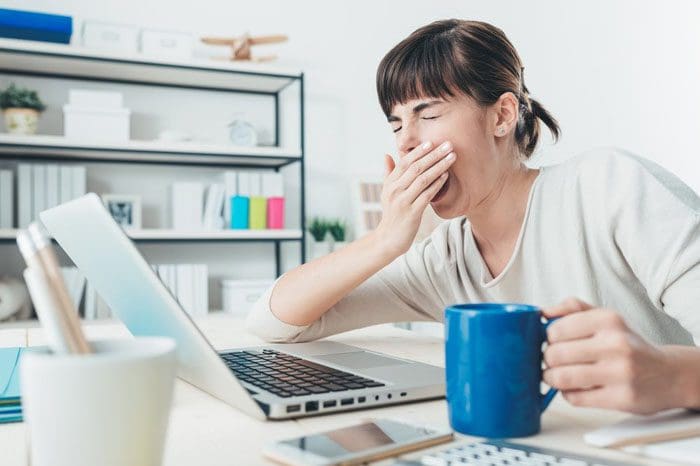
When it comes to getting fit, remember it is a long-distance marathon, not a quick sprint. Whether physical, mental, or a combination, fatigue is a common obstacle for successfully reaching health goals. Physical fitness requires energy:
Energy for work or school.
Energy to set up the gear or get to the gym.
Energy for the workout.
Energy to prepare regular healthy meals.
Combined with the pressures of everyday life can make it a challenge to work out consistently. The objective is to make gradual changes rather than significant immediate changes. This will help prevent/avoid early burnout and help lead to maintaining healthy habits. One tip could be scheduling the workouts and meal prep time for the day or week when most active. For example, knowing that after work or school, the body can’t take a workout and needs to crash at the end of the day, set up the exercise for the morning or afternoon. And once the workouts become a routine, energy levels will improve, allowing for more activity.
References
Bervoets, Diederik C et al. “Massage therapy has short-term benefits for people with common musculoskeletal disorders compared to no treatment: a systematic review.” Journal of physiotherapy vol. 61,3 (2015): 106-16. doi:10.1016/j.jphys.2015.05.018
Field, Tiffany. “Massage therapy research review.” Complementary therapies in clinical practice vol. 24 (2016): 19-31. doi:10.1016/j.ctcp.2016.04.005
Furlan, Andrea D et al. “Massage for low-back pain.” The Cochrane database of systematic reviews,9 CD001929. 1 Sep. 2015, doi:10.1002/14651858.CD001929.pub3
Qaseem, Amir et al. “Noninvasive Treatments for Acute, Subacute, and Chronic Low Back Pain: A Clinical Practice Guideline From the American College of Physicians.” Annals of internal medicine vol. 166,7 (2017): 514-530. doi:10.7326/M16-2367
IFM's Find A Practitioner tool is the largest referral network in Functional Medicine, created to help patients locate Functional Medicine practitioners anywhere in the world. IFM Certified Practitioners are listed first in the search results, given their extensive education in Functional Medicine