Re-energize from a lack of energy and fatigue with Bio-chiropractic. Millions of individuals struggle to get through the day or night depending on work/school schedules because of deficient energy levels that result in fatigue. Unfortunately, many begin taking over the counter or prescription medication, drinking coffee or highly caffeinated/energy beverages, or taking days off to catch up on rest. There is a wide range of high-sugar and caffeine energy products to help with fatigue. But, research has shown how overconsumption of these products can contribute and/or cause:
High blood pressure
Cardiovascular disease
Diabetes
When a tired body takes in caffeinated energy, it is only for a temporary energy boost.
Energy products can mask the fatigue causation. This could be a disease, a type of condition, or an overlapping of causes.
Nervous System
The nervous system is the body’s life energy source. It is responsible for facilitating millions of functions that occur throughout the body every day. These include:
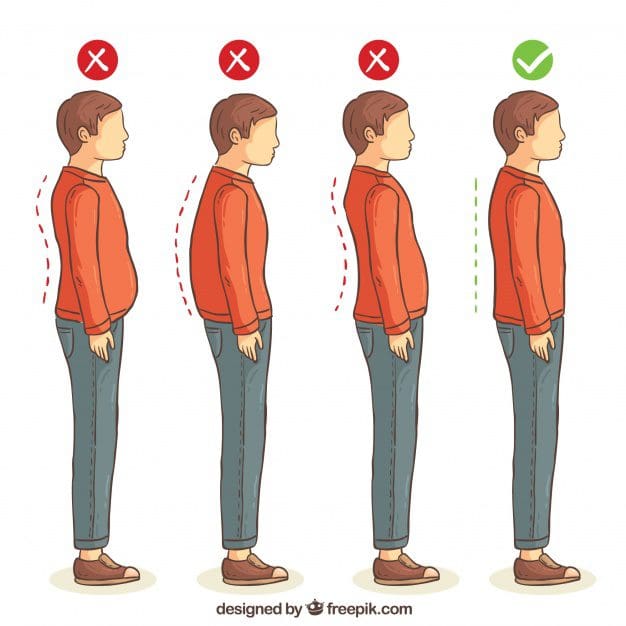
Shifts the spine out of alignment, placing added pressure on the delicate nerves in the neck and back.
The compression causes nerve interference that disrupts optimal nerve energy flow from reaching the organs. This leads to:
Fatigue
Pain
Organ dysfunction
Eventually disease
Bio-Chiropractic
Bio-Chiropractic is a scientific and researched based form of musculoskeletal corrective care. It aims to unblock nerve interference through the proper realignment of the spine, returning it to its proper curvature. As a result, many individuals under chiropractic care report immediate relief from neck or back pain, along with a vibrant, energized feeling, and with time their overall health improves.
Body Composition Feedback
Malnutrition
Malnutrition can be defined as a deficiency, excess, or imbalance in an individual’s intake of energy and nutrients. Protein-energy deficiency is a common form of malnutrition. It is a health condition that can have immediate/negative effects on body composition. This deficiency causes damage to skeletal muscle mass as the body progresses into starvation mode, breaking down its own protein stored in the muscles for fuel.
Micronutrient deficiency is a lack of nutrients like minerals and vitamins. These support important functions like cell regeneration, the immune system, and eyesight. Common examples are iron and/or calcium deficiencies. Micronutrient deficiency has the greatest impact on the body’s physiological functions/processes. They can occur at the same time that protein-energy deficiency is happening overlapping each other. Nutritional deficiencies can impact processes like:
Building and repairing muscle
Protein-energy deficiency has a more pronounced effect on body composition, as lowered protein intake can lead to increased losses in muscle mass.
Berkson, D L. “Osteoarthritis, chiropractic, and nutrition: osteoarthritis considered as a natural part of a three-stage subluxation complex: its reversibility: its relevance and treatability by chiropractic and nutritional correlates.” Medical hypotheses vol. 36,4 (1991): 356-67. doi:10.1016/0306-9877(91)90010-v
Jensen, Gordon L et al. “Recognizing malnutrition in adults: definitions and characteristics, screening, assessment, and team approach.” JPEN. Journal of parenteral and enteral nutrition vol. 37,6 (2013): 802-7. doi:10.1177/0148607113492338
Oakley, Paul A et al. “Restoring lumbar lordosis: a systematic review of controlled trials utilizing Chiropractic Bio Physics® (CBP®) non-surgical approach to increasing lumbar lordosis in the treatment of low back disorders.” Journal of physical therapy science vol. 32,9 (2020): 601-610. doi:10.1589/jpts.32.601
Fibromyalgia is a musculoskeletal condition that consists of pain symptoms and fatigue that can make diagnosis a challenge. Through chiropractic therapeutics, individuals can find relief from pain, fatigue, inflammation, and improve their quality of life. Individuals dealing with fibromyalgia and searching for answers should consider consulting a chiropractor to determine what treatment options will provide the most benefits. Treatment can be as much of a challenge without clear underlying issues. This often leads to frustration when trying to develop a treatment plan that works. �
�
Fibromyalgia
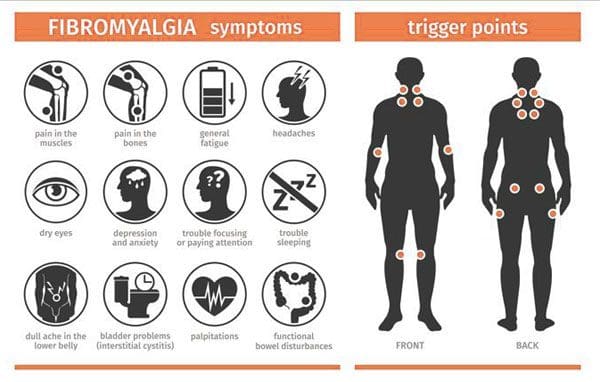
Fibromyalgia is characterized by:
Body aches and pain
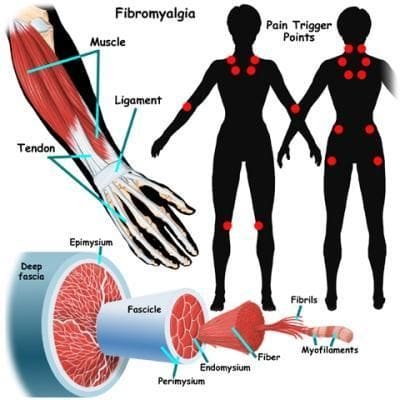
Tender points in muscles
General fatigue
Accompanied issues include:
Headaches
Anxiety
Depression
Sleep issues
Poor concentration
�
It is believed that fibromyalgia causes the brain and spinal cord to transmit amplified/overresponsive signals. The exaggerated response of the neural pathways in the spine and body generate chronic pain. This is where specific diagnostic tools for assessing symptoms, underlying cause/s, and treatment development are necessary. Risk factors include:
When the body is rebalanced it can better manage symptoms because of the improved nerve circulation. Home treatments can include:
Exercise
Stretching
Heat therapy
Ice therapy
A full medical team consisting of the doctor, physical therapist, massage therapist, and chiropractor could be utilized to maximize results and ensure the highest quality of life.
Increasing muscle mass is a great way to improve body composition and boost the immune system. Research shows that senior adults with greater skeletal muscle mass have an increased number of immune cells in the blood. This indicates that muscles and the immune system are interrelated.
When the muscles are worked out, myokines are released. These are hormone-type proteins that strengthen the immune system that helps protect against diseases. A study revealed that regular exercise increases the release of T lymphocytes/T cells. Regular exercise also helps reduce the risk of developing chronic diseases like type 2 diabetes, obesity, various cancers, and cardiovascular diseases.
Dr. Alex Jimenez�s Blog Post Disclaimer
The scope of our information is limited to chiropractic, musculoskeletal, physical medicines, wellness, and sensitive health issues and/or functional medicine articles, topics, and discussions. We use functional health & wellness protocols to treat and support care for injuries or disorders of the musculoskeletal system. Our posts, topics, subjects, and insights cover clinical matters, issues, and topics that relate and support directly or indirectly our clinical scope of practice.*
Our office has made a reasonable attempt to provide supportive citations and has identified the relevant research study or studies supporting our posts. We also make copies of supporting research studies available to the board and or the public upon request. We understand that we cover matters that require an additional explanation as to how it may assist in a particular care plan or treatment protocol; therefore, to further discuss the subject matter above, please feel free to ask Dr. Alex Jimenez or contact us at 915-850-0900. The provider(s) Licensed in Texas& New Mexico*
References
Schneider, Michael et al. �Chiropractic management of fibromyalgia syndrome: a systematic review of the literature.��Journal of manipulative and physiological therapeutics�vol. 32,1 (2009): 25-40. doi:10.1016/j.jmpt.2008.08.012
An examination of the cervical/neck region of the spine through chiropractic will help determine a thyroid diagnosis for individuals complaining of chronic fatigue. A thyroid dysfunction means going deeper into the body�s physiology and a thorough examination of the spine. Checking for subluxations in the cervical spine will reveal possible nerve blockage and any other contributing factors to a thyroid condition. Thyroid conditions tend to get overlooked because the symptoms are general. They range from:
Fatigue
Moodiness
Muscle pain
Brain fog
These are cornerstones of a thyroid condition. Under-active thyroid and/or thyroid cancer can have an impact on everyday life regardless of the severity. However, these symptoms can signify numerous other conditions.
The Cervical Spine
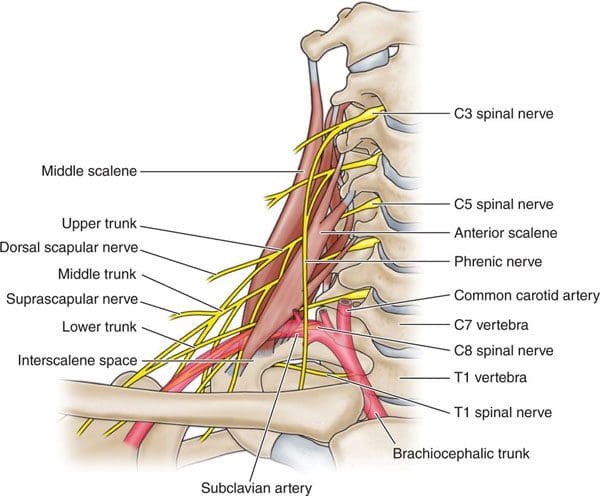
The nerves connected to the thyroid gland can be traced down the spine to the last neck/cervical vertebrae, which is C7. A chiropractor will examine this region when individuals complain of fatigue, brain fog, or moodiness. Subluxation, translation, or disc deterioration at C7 could mean that the nerve signals and blood circulation to the thyroid are limited, interrupted, or completely blocked.
Linking cervical spine dysfunction to thyroid dysfunction
Spinal subluxations are not the full cause of thyroid dysfunction. A single vertebra might not show signs of movement, which means a chiropractor could have to look further into the spine. A chiropractic examination will search for problems that correlate with thyroid issues. For example, individuals with a cervical dysfunction could experience general nerve issues in this area. It could be a contributor to nerve signals not being delivered to the thyroid gland. Diagnosis of a root condition that has secondary effects on the gland is another way to qualify a thyroid condition.
Medical History
Questions that will be asked by a chiropractor during an exam could consist of:
Is there a family history of hyper/hypothyroidism?
Is the individual under intense stress from work, home, etc?
Are there other symptoms that could be associated with thyroid dysfunction?
All details are necessary for connecting nerve interruption to thyroid conditions then factoring how spinal manipulation could alleviate symptoms.
Cervical Misalignment Treatment
Combining the evidence of:
Subluxations
Blocked nerves
Cervical spine dysfunction
Any further symptoms/details will help form a complete picture of a thyroid condition. If that condition is being tested or treated by a general physician, it may still benefit from a chiropractic adjustment. Physicians could recommend diet and medication to bring the thyroid back to proper function, and chiropractic can help improve the nerve function of the gland. This includes:
Re-opening pinched pathways
Restored blood flow to the region
Helping nerve signals fire transmit properly
We advocate for an incremental, customized approach to restore cervical spine curvature and optimal nerve health. We have worked with a variety of individuals experiencing chronic fatigue, mental fog, and moodiness, and have helped link these symptoms to thyroid dysfunction. If it seems that there is constant confusion or disorganized thought patterns, schedule an appointment with us today to learn more about our chiropractic approach.
Neck Pain Chiropractic Care
��
Dr. Alex Jimenez�s Blog Post Disclaimer
The scope of our information is limited to chiropractic, musculoskeletal, physical medicines, wellness, and sensitive health issues and/or functional medicine articles, topics, and discussions. We use functional health & wellness protocols to treat and support care for injuries or disorders of the musculoskeletal system. Our posts, topics, subjects, and insights cover clinical matters, issues, and topics that relate and support directly or indirectly our clinical scope of practice.*
Our office has made a reasonable attempt to provide supportive citations and has identified the relevant research study or studies supporting our posts. We also make copies of supporting research studies available to the board and or the public upon request. We understand that we cover matters that require an additional explanation as to how it may assist in a particular care plan or treatment protocol; therefore, to further discuss the subject matter above, please feel free to ask Dr. Alex Jimenez or contact us at 915-850-0900. The provider(s) Licensed in Texas& New Mexico*
References
Arick, Christopher T. �Chiropractic Management of a Patient With Chronic Fatigue: A Case Report.��Journal of chiropractic medicine�vol. 15,4 (2016): 314-320. doi:10.1016/j.jcm.2016.08.006
Pets have improved the lives of those living with chronic pain and can help alleviate the depression that comes with it. There’s no doubt that having a pet or interacting with a trained therapy animal can help reduce and alleviate the pain and improve the quality of life.
Animals and the companionship they offer seems to be a natural pain reliever, and significant research supports this theory. Here are some ways that our pets can help us live optimal lives even with chronic pain. �
�
�
Ways Pets Can Relieve Pain
Our pets allow us to feel less stressed out. Research has shown even for those that are not into pets, that petting a dog for ten-fifteen minutes reducescortisol, which is a stress hormone. In a journal for pain, researchers studied the effects of quick therapy dog visits at a pain management clinic. Over 2-months they compared the individuals’ feelings of:
Pain
Fatigue
Stress
Tremendous improvements were reported for pain, state of mind, and other measures of stress among the individuals after the dog visit. Improvements were also seen in family, friends, and staff after the therapy dog visits.
�
They Generate More Activity
Specifically, dog owners seem to be healthier than those without a dog. Cats are great but when it comes to activity/fitness, dogs require regular walks, which makes owners get up, go outside and move around. Walking a dog can help:
Improve balance
Combat fatigue
Improve flexibility
Reduce joint pain
Increase strength
Manage weight
Being active combined with walking helps to get a better night’s sleep and reduced pain. �
�
They Make Us Feel Better Without Medication
Research has shown how the proper attitude impacts treatment outcomes. With a positive attitude, an individual is more likely to stick with a long-term pain treatment plan. Petting and playing with a furry friend can be the perfect medicine creating an improved mood literally relieving pain and reducing the need for pain meds.
�
They Distract The Pain Away
Individuals living with chronic pain are constantly thinking about it. Having a pet changes the focus from pain to joy and happiness. With a pet to care for gives the day structure and life purpose. Pets need attention and because of their lovability are hard to ignore. �
�
Animal-Assisted Therapy
This type of therapy is a legitimate option for chronic pain management. With the problems associated with opioids, doctors and patients are looking for alternative ways to treat pain. The American Academy of Family Physicians reports that nonpharmacological therapies, like animal-assisted therapy, are now included in chronic pain treatment plans. Other options for pain relief include:
Example: An individual has a pain syndrome/condition. When the pain flares up the individual becomes irritable and upset. The individual has a dog that recognizes these feelings. The dog comes over and starts playing, licking, etc. The individual picks up the dog, calming the individual, helping change the mood, and ease the pain.
�
Pet Time
Owning a pet is a real responsibility, for those who are not interested in adopting, there are still benefits from pet medicine. Some ideas to consider:
Perhaps a family member or friend owns a pet that could have regular visits. This would be a good way to get a feel for the experience and see what it’s like to have a pet without committing.
Cats are an option if dogs are not your cup of tea. This could be because of allergies or residing in a location that does not permit them. Cats offer companionship along with the same psychological benefits as dogs. However, there is not much activity since they don’t need to be walked. But they still need to play/pretend hunt.
Try spending time at a pain management clinic that has an animal therapy program. Some of these clinics allow individuals to spend time with a therapy dog a few times per week. These are usually 15-minute sessions.
Unable to locate a clinic in the area, try looking into other organizations that could provide therapy animals and programs. Local vets and animal shelters can be a good source of information for animal therapy programs.
�
Therapy and Service Dogs Are Not the Same
When it’s time you might be ready for a dog of your own. Before searching the local shelter’s website, consider everything that comes with pet ownership. Factor in costs like:
Veterinary care
Behavior classes
Food
Shelter
Toys
Travel
Think about the size of the animal and if you can safely manage a small or large pet. Remember this is a therapy for individuals with a health condition of chronic pain. An individual needs to be able to see what they can take given their level of pain at any given time.
If you’ve never owned a pet, there needs to be an understanding that housebreaking a pet can be quite a time-consuming and exhausting task. This could add more stress and worsen the pain.
It is important to remember that therapy dogs do not have the same training as assistance or service dogs. Service dogs are trained to perform and assist with specific tasks to help an individual that has a disability. This could be a seeing-eye dog helping their blind owner. Also, service dogs live with their owners and are granted special access to public places like planes, restaurants, places of business, etc.
The American Kennel Club defines therapy dogs as dogs that can accompany their owners to volunteer in schools, hospitals, and nursing homes where they work together as a team to improve the lives of other people.
There are definitely medical benefits to having pets in our lives. However, don’t expect them to remove chronic pain overnight. Pets are another tool that can bring relief and improve the quality of life for individuals living with pain.
Metabolic Syndrome & Inflammation
�
Dr. Alex Jimenez�s Blog Post Disclaimer
The scope of our information is limited to chiropractic, musculoskeletal, physical medicines, wellness, and sensitive health issues and/or functional medicine articles, topics, and discussions. We use functional health & wellness protocols to treat and support care for injuries or disorders of the musculoskeletal system. Our posts, topics, subjects, and insights cover clinical matters, issues, and topics that relate and support directly or indirectly our clinical scope of practice.*
Our office has made a reasonable attempt to provide supportive citations and has identified the relevant research study or studies supporting our posts. We also make copies of supporting research studies available to the board and or the public upon request. We understand that we cover matters that require an additional explanation as to how it may assist in a particular care plan or treatment protocol; therefore, to further discuss the subject matter above, please feel free to ask Dr. Alex Jimenez or contact us at�915-850-0900. The provider(s) Licensed in Texas& New Mexico
Fibromyalgia is a chronic pain disorder affecting millions and mostly women. It is physically and emotionally distressing. Those with the condition experience widespread chronic muscle pain. Research has shown that individuals with fibromyalgia could have a lower threshold for pain. This can come from injury, emotional distress, or abnormal levels of substances/chemicals in the brain and spine linked to pain sensitivity. One of the most common treatments is chiropractic medicine.
Common symptoms/conditions individuals report:
Chronic fatigue syndrome
Irritable bladder
Irritable bowel syndrome
Migraines
Sleep disorders
Restless legs syndrome
TMJ or Temporomandibular joint disorder
Raynaud’s Syndrome�-�a�rare blood vessel disorder causing the toes and hands to feel cold or numb.
Doctors are still trying to figure out the relationship between these conditions and fibromyalgia.
Causes
Doctors have yet to determine the exact cause, however, research is ongoing and beginning to shed light on the condition. Some possible causes include:
Abnormalities in the endocrine system
Abnormalities in the autonomic nervous system
Genetics
Muscle tissue abnormalities
Abnormal blood flow
As research has discovered many conditions/disorders do not have one cause but rather, several factors that impact the probability of developing the condition.
Questions
It has become one of the most common chronic pain conditions. 1 in 50 Americans are dealing with fibromyalgia. The condition can be difficult to diagnose, and, because of its chronic nature, it can linger for months and even years. Typically it causes pain throughout the body and creates areas that become tender to the slightest touch. There are both traditional and alternative treatments available.
Traditional approaches to manage the pain:
Anti-inflammatory’s
Over-the-counter pain relievers
Sleep medications
Muscle relaxants
Fibromyalgia medications include:
Lyrica – pregabalin, which is a nerve pain medication
Cymbalta – duloxetine hydrochloride, which is an antidepressant that can also help manage pain
Savella – milnacipran HCI, which is an antidepressant and nerve pain medicine
The type of treatment depends on the symptoms. For example, a doctor could prescribe an antidepressant to reduce pain and depression. If stress, anxiety, and trouble sleeping are presenting,�a therapeutic exercise program could be the answer. Individuals prefer natural remedies/therapies instead of more medications like vitamin therapy, acupuncture, and meditation.
Other treatment options include alternative treatments like:
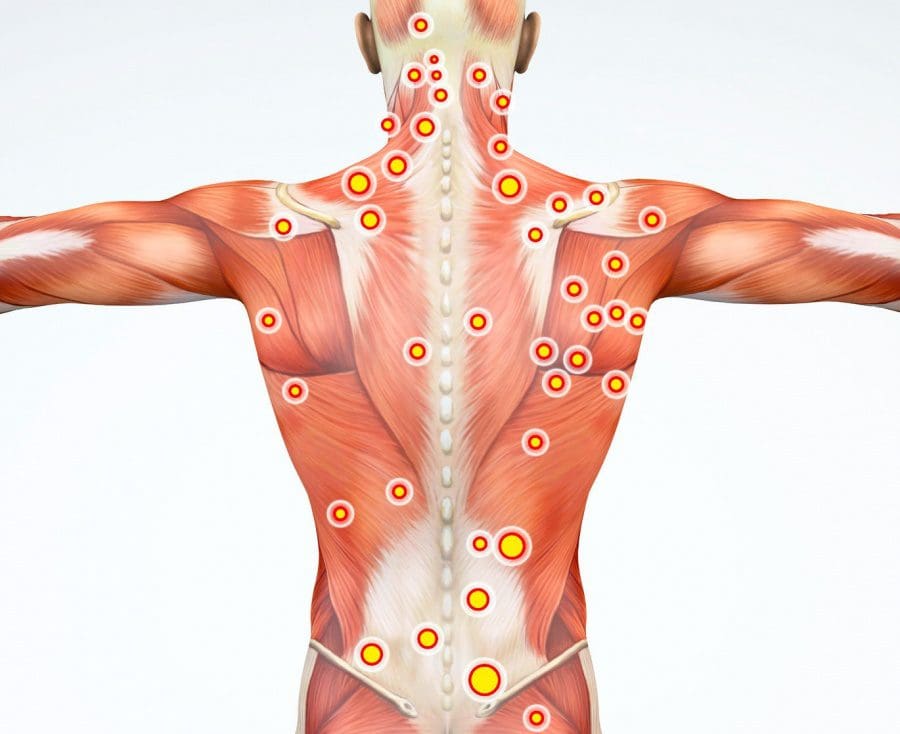
The most common issue is constant and consistent pain, which can affect the entire body for weeks and even months. Individuals realize that chiropractic helps restore overall health and aids the body to heal itself. Adjustments to the spine bring alignment and balance back to the body. Also incorporated is soft tissue work that can relieve and reduce painful pressure/trigger points and decrease pain in tender spots.
Range of motion is increased
Chiropractic medicine also adjusts the body’s joints and helps loosen them up. This increases the range of motion and allows the individual to move more freely and easily. Depending on how long the individual has been dealing with the condition, it can take a few treatments to achieve optimal results, so it does take a commitment from the individual patient. However, in the long run, it is well worth the time.
Sleep is improved
The pain associated with fibromyalgia often affects an individual’s ability to sleep well. Being unable to sleep normally will leave you exhausted, foggy, unable to accomplish things and irritable to downright angry. A chiropractor’s ability to loosen the body’s joints, massage tender points, and kickstart the body’s self-healing mechanisms means individuals with this condition can enjoy deep sleep, and stay asleep.
Complements other therapies
Medicines/treatments/therapies can counteract with each other, or get mixed up and cause side effects. Chiropractic medicine can be utilized in combination with medications/treatments, either traditional or natural. Individuals diagnosed with this condition should speak to their chiropractor about the different treatments available. Customized treatment programs are created case-by-case and are tailored to the specific needs of that individual. Remember there is not a one-stop solution.
Empowers the individual
Individuals that have to deal with painful, chronic conditions can exhaust themselves with the varying treatment options and can feel as if they have no control over the situation. This causes stress, anxiety, and depression, which works against achieving overall wellness. With chiropractic, individuals are more in charge of their treatment plan, which leads to an optimistic outlook in their recovery.�
Chiropractic medicine treats not only the symptoms of fibromyalgia but attempts to get to the root cause to alleviate the condition or to activate the body’s self-healing response. Patients that commit will see the benefits along with reduced pain, better mobility, and sound sleep.
The best benefit is being able to take control of the circumstances and playing a vital role in the managing of an individual’s well-being. Understand that there are options available for fibromyalgia pain management. If you or a loved one has been diagnosed with fibromyalgia, don�t go it alone. Dr. Alex Jimenez is passionate about helping those who are injured or struggling with a condition get relief. Contact us today to schedule an appointment.
Physical therapists (PTs) are healthcare professionals that treat patients of all ages with various ailments/conditions. A spine surgeon, physiatrist, orthopedist, primary care physician, neurosurgeon, and a chiropractor may refer patients to a physical therapist as part of a non-operative treatment plan.
An organized physical therapy plan may be an integral part of after-care following surgery. Therapists practice in a variety of settings, like hospitals, outpatient clinics, rehabilitation centers, and nursing homes. Physical therapists provide:
Treatments
Exercises
Mechanics
The primary goals�of physical therapy include:
Maintain practical skills
Improvement
Building endurance and strength
Increasing flexibility
Reducing pain
Preventing impairment
Physical therapists also instruct patients on the best way to exercise to enhance overall physical fitness, move about safely (biomechanics and ergonomics), and injury prevention. Physical therapists also help patients with long-term physical incapacity (eg, spinal cord injury).
Aquatic Therapy
Patients with osteoarthritis have found�waterexercise to be beneficial. With a gravity-free environment,�patients can perform simple exercises without stressing the tender joints. Movement increases circulation to the affected joints and can relieve stiffness. Swimming is also a great exercise for anyone for loosening up stiff joints and strengthening muscles.
Electrical Stimulation
This type of therapy forces a muscle or muscle group to contract and relax. Therapists place surface patches containing electrodes on the skin over the area to be treated. The therapist programs the equipment to deliver the correct amount of stimulation for a set time.
The electrical current flows through nerve and muscle cells. The treatment is not painful. The patient feels gentle pulsating or an on/off sensation. This treatment stimulates circulation and supplies the area with oxygen and nourishment for healing. Electrical stimulation enhances healing and alleviates swelling and pain.
Electrical stimulation in physical therapy. Therapist positioning electrodes onto a patient’s knee
Heat and Ice
Heat increases circulation, decreases stiffness, pain and muscle spasms.
Patients with early arthritis symptoms find relief by taking a warm bath or hot shower.
It is best when done in the morning to help loosen up and alleviate stiffness.
Physical therapists use moist hot packs wrapped in a towel that is laid or wrapped around the affected area.
A moist hot pack transfers moist heat that penetrates deeply into soft tissues and stimulates local circulation more than heat alone.
Ice decreases pain by slowing the nerve impulses.
Inflammation subsides with forms of cold therapy:
Cold packs
Ice massage
Iced towels
They are usually the first aid following trauma.
When treating an overworked body part�ice�treatment should be supervised by a physical therapist.
Hydrotherapy
This is like a whirlpool bath. The water temperature and agitation loosen up joints, stimulate muscles and are controlled for maximum benefit.
Myofascial Release
This therapy improves circulation, decreases muscular tension and increases range of motion.
It is a type of massage that stimulates the muscles. The muscle tissue is manipulated by hand to stretch the tissue. Tight tissues become loosened using a cross friction motion with this therapy.
Movement & Conditioning
A physical therapist teaches patients how to move properly while being able to work through the pain. Therapists want patients to work as pain-free as possible. This does not mean that the exercises will be easy. More than likely they are going to be tough, but that is what you want to get back into top physical form.
Physical therapist assisting woman on an exercise ball at the clinic
Warming-Up can be accomplished by riding a stationary bike and some light stretching. The type of warm-up that goes with the therapy is determined by the individual treatment plan.
There will be muscle soreness for 24 to 48 hours following exercise therapy. This is completely normal and should be expected. As the exercises become a normal part of the day the discomfort will gradually go away. Stretching will increase flexibility. And as the treatment goes on resistive and strength exercises could be added.
Couple warming up
Home Exercise
With any treatment plan, there is usually a custom home exercise program. Exercises pretty much follow clinic exercises with variations and added stretches to keep the body from stiffening staying limber. Changes can be discussed with a physician.
Body Mechanics & Posture
Proper body mechanics helps to prevent further injury/s from occurring. Patients willing to maintain
Physical fitness
Reduce stress
Apply proper body mechanics
This reduces the risk of injury.
Proper posture is defined as keeping the natural curve of the spine. Proper posture minimizes stress to the spine. This is the first lesson a physical therapist teaches a patient.
Poor posture and poor body mechanics are leading contributors to neck and back pain.
Proper Work Habits
Do not lean over a desk for long periods.
Try not to sit without back support.
Adjust chair height so the knees are bent at a 90-degrees.
Bend the elbows at a 90-degree angle or they can rest on the work surface.
Don’t cradle the phone against the ear and shoulder as this can cause neck and shoulder issues.
Lifting and Carrying Objects
First, look at the object to be moved. If it looks too heavy find help.
Remove obstacles from the pathway where the object will be going through.
Visualize maintaining proper posture.
Get as close to the object as you can.
Place feet slightly apart and flat on the floor.
Bend at the knees to provide stable support.
Tighten the stomach muscles.
Breathe deeply.
Smoothly lift the object using arms and legs and not the back.
Hold the object at the sides and bottom.
Keep the object close to the body.
Keep back straight and carry the object with elbows slightly bent.
With shopping bags or luggage split the load in two, and try to carry the same amount of weight in each hand.
Pushing versus Pulling
Pushing is the more efficient and safer method of moving objects. Keep the back straight and use the knees to push. Keep close to the object and reposition the body every so often.
Reaching for Objects
Check the size, weight, and location of the object.
Use a proper stool or step-ladder to get the object. Stand with both feet flat.
One hand can be used for additional support.
Try not to look over too much as this can cause neck strain.
Think about storing regularly used items within easy reach.
Physical therapists may work directly for or with a physician, therapist, chiropractor and other healthcare providers to organize aspects of physical treatment plans. For example, a doctor may send physical therapist information of graphs, medications, analysis, and imaging results.
Massage Rehabilitation El Paso, Texas
NCBI Resources
During the first consultation, a physical therapist will talk about symptoms, analysis, and medical history.� Severity the location, type, and variables that decrease or increase pain are significant, and the PT will ask many questions regarding pain.
Physical therapists are healthcare professionals and members of your medical team. While physical therapy may be challenging or demanding at first, there are many benefits. It�s an opportunity to take charge of back or neck pain while building a stronger more resilient body.
How high is your stress level? How often do you feel overwhelmed? Anxiety is a well-known health issue that is, unfortunately, often misunderstood, especially when it manifests other misunderstood symptoms like brain fog. � Brain fog is commonly associated with reduced thinking and processing while anxiety is frequently associated with racing thoughts that can make people overly cautious as well as worries that can keep people awake, wired, and restless. How does anxiety cause brain fog? The purpose of the following article is to understand brain fog associated with anxiety. �
How Does Brain Fog with Anxiety Happen?
Brain fog is a symptom rather than a single health issue. It�s described as the sensation that your brain isn’t functioning properly. Anxiety involves symptoms of overthinking, excessive worrying, imagining negative outcomes, and fear. � Brain fog and anxiety happens because the symptoms of one health issue can ultimately cause the symptoms of the other health issue and vice versa. This can also worsen both conditions. Brain fog and anxiety can cause an infinite loop. �
Anxiety involves �what-ifs,� ruminations, and negative thinking
This can then lead to mental exhaustion or fatigue
Fatigue can also develop brain fog
Brain fog can in turn increase anxiety because it feels frightening, worrisome
Increased anxiety causes this cycle to repeat, seemingly endlessly
Brain fog associated with anxiety may vary from person to person. Several people will experience it often while others will experience it less frequently. It can also come and go quickly, or it can ultimately last for days, weeks, and even months. � Evaluating the symptoms and the causes of brain fog and anxiety will provide insights that can be used for treatment. �
Symptoms of Brain Fog with Anxiety
Brain fog and anxiety share a common symptom, frequently referred to as fatigue or tiredness. Brain fog, anxiety, and fatigue are well-known symptoms that are often connected. However, fatigue is believed to be at the heart of brain fog and anxiety. � Anxiety appears to take control of our entire brain and aggravates thoughts, emotions, and behaviors. Living in a state of constant anxiety is exhausting. Moreover, anxiety can cause sleeping problems. Fatigue can lead directly to brain fog. � Common symptoms of brain fog, anxiety, and fatigue can ultimately include: �
Difficulty concentrating and focusing
Muddled, unclear thoughts
Short-term memory problems
Difficulty reasoning logically
Trouble processing, storing, and retrieving information
Living in a fog that makes grasping comments, instructions, and conversations challenging
The vague sense that you just feel �off� but can�t do anything about it
Causes of Brain Fog with Anxiety
The brain fog that occurs with anxiety can have several causes, including: �
The�symptoms of anxiety, as previously discussed above
The brain�s mental, physical, and emotional response to anxiety
Stress as well as stress hormones and other substances or chemicals.
Understanding the cause of brain fog with anxiety can increase awareness of why these health issues can develop. � The brain�s own reaction to anxiety can also make it feel tired and foggy. The fight-or-flight response is an automatic fear response. The brain reacts in response to an extreme stressor to prepare to either stay and fight or run away to safety. �
Activity in the cortex, the area of rational thinking, decreases, which leads to the inability to think properly
Activity in the hippocampus, the area responsible for learning and memory, is suppressed, causing confusion
Activity in the amygdala accelerates to keep you hypervigilant and ready to leap before you look
The brain also controls the production of hormones in reaction to stress and anxiety. Cortisol, adrenaline, and norepinephrine travel through the brain and the body to keep you alert and ready for action but when these hormones are triggered for too long or in quantities that are too high, they overwhelm and exhaust the brain, causing brain fog. �
Treatment for Brain Fog and Anxiety
The best treatment for brain fog associated with anxiety is to treat it at its source. It’s essential to understand the symptoms of both brain fog and anxiety as well as take steps to reduce other symptoms like fatigue. Furthermore, know what is causing your symptoms so you can ultimately make positive changes to reduce them or even eliminate them, including: �
Develop stress management strategies
Take measures to increase the amount and quality of sleep
Address your anxiety, either with a therapist or other qualified healthcare professional
Listen to your body and brain; participate and engage in exercise, yoga, mindfulness, and meditation
� Brain fog and anxiety can be difficult. But by actively working on them, you can reduce both and promote overall well-being. �
Anxiety can commonly cause a variety of symptoms, including brain fog. Although it may seem like brain fog and anxiety are two separate as well as different health issues, they are frequently connected. Both anxiety and brain fog can cause concentration, focus, and memory problems, and stress is considered to be one of the most well-known causes of brain fog associated with anxiety. Treatment for anxiety and brain fog often involves treating the underlying source of the health issues. – Dr. Alex Jimenez D.C., C.C.S.T. Insight
Neurotransmitter Assessment Form
The following Neurotransmitter Assessment Form can be filled out and presented to Dr. Alex Jimenez. Symptoms listed on this form are not intended to be utilized as a diagnosis of any type of disease, condition, or any other type of health issue. �
In honor of Governor Abbott’s proclamation, October is Chiropractic Health Month. Learn more about the proposal. �
How high is your stress level? How often do you feel overwhelmed? Anxiety is a well-known health issue that is, unfortunately, often misunderstood, especially when it manifests other misunderstood symptoms like brain fog. � Brain fog is commonly associated with reduced thinking and processing while anxiety is frequently associated with racing thoughts that can make people overly cautious as well as worries that can keep people awake, wired, and restless. How does anxiety cause brain fog? The purpose of the following article is to understand brain fog associated with anxiety. �
The scope of our information is limited to chiropractic, musculoskeletal and nervous health issues or functional medicine articles, topics, and discussions. We use functional health protocols to treat injuries or disorders of the musculoskeletal system. To further discuss the subject matter above, please feel free to ask Dr. Alex Jimenez or contact us at 915-850-0900 . �
Curated by Dr. Alex Jimenez �
Additional Topic Discussion: Chronic Pain
Sudden pain is a natural response of the nervous system which helps to demonstrate possible injury. By way of instance, pain signals travel from an injured region through the nerves and spinal cord to the brain. Pain is generally less severe as the injury heals, however, chronic pain is different than the average type of pain. With chronic pain, the human body will continue sending pain signals to the brain, regardless if the injury has healed. Chronic pain can last for several weeks to even several years. Chronic pain can tremendously affect a patient’s mobility and it can reduce flexibility, strength, and endurance.
Neural Zoomer Plus for Neurological Disease
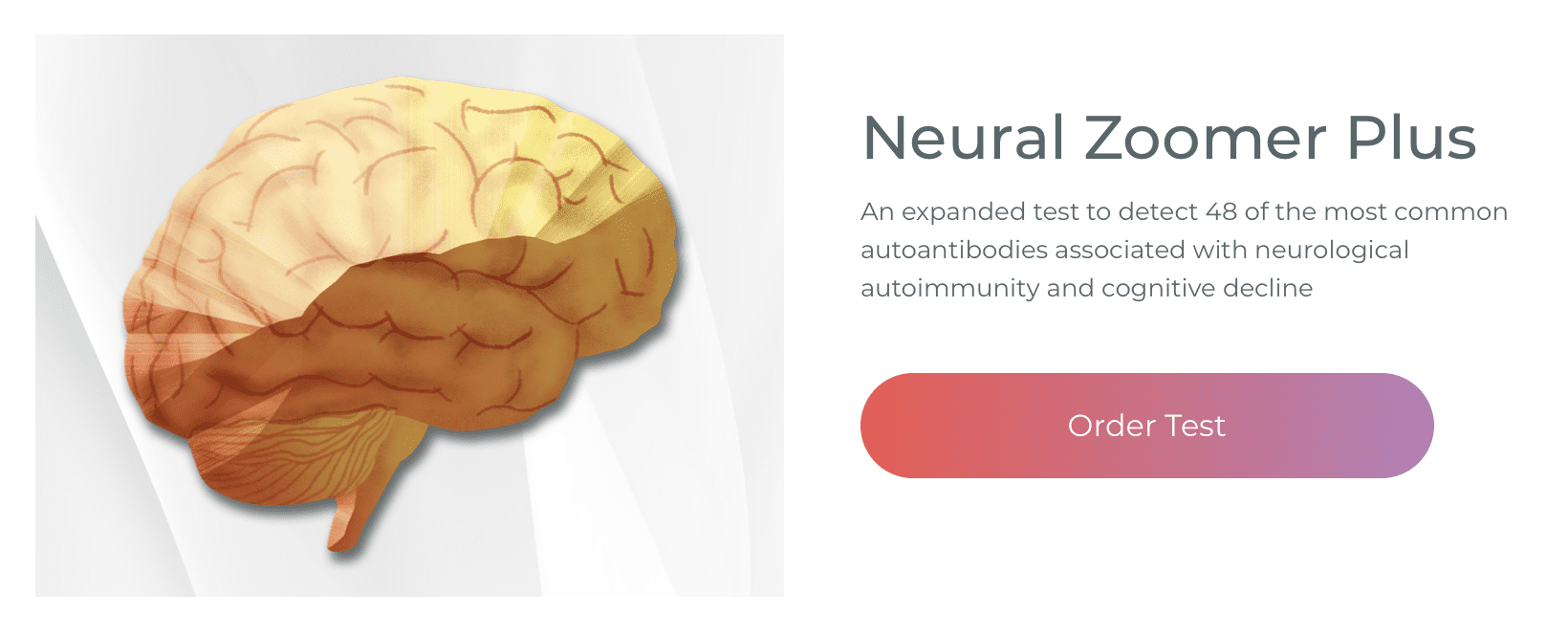
Dr. Alex Jimenez utilizes a series of tests to help evaluate neurological diseases. The Neural ZoomerTM Plus is an array of neurological autoantibodies which offers specific antibody-to-antigen recognition. The Vibrant Neural ZoomerTM Plus is designed to assess an individual�s reactivity to 48 neurological antigens with connections to a variety of neurologically related diseases. The Vibrant Neural ZoomerTM Plus aims to reduce neurological conditions by empowering patients and physicians with a vital resource for early risk detection and an enhanced focus on personalized primary prevention. �
Formulas for Methylation Support
XYMOGEN�s Exclusive Professional Formulas are available through select licensed health care professionals. The internet sale and discounting of XYMOGEN formulas are strictly prohibited.
Proudly,�Dr. Alexander Jimenez makes XYMOGEN formulas available only to patients under our care.
Please call our office in order for us to assign a doctor consultation for immediate access.
If you are a patient of Injury Medical & Chiropractic�Clinic, you may inquire about XYMOGEN by calling 915-850-0900.
�
For your convenience and review of the XYMOGEN products please review the following link. *XYMOGEN-Catalog-Download �
* All of the above XYMOGEN policies remain strictly in force.
IFM's Find A Practitioner tool is the largest referral network in Functional Medicine, created to help patients locate Functional Medicine practitioners anywhere in the world. IFM Certified Practitioners are listed first in the search results, given their extensive education in Functional Medicine