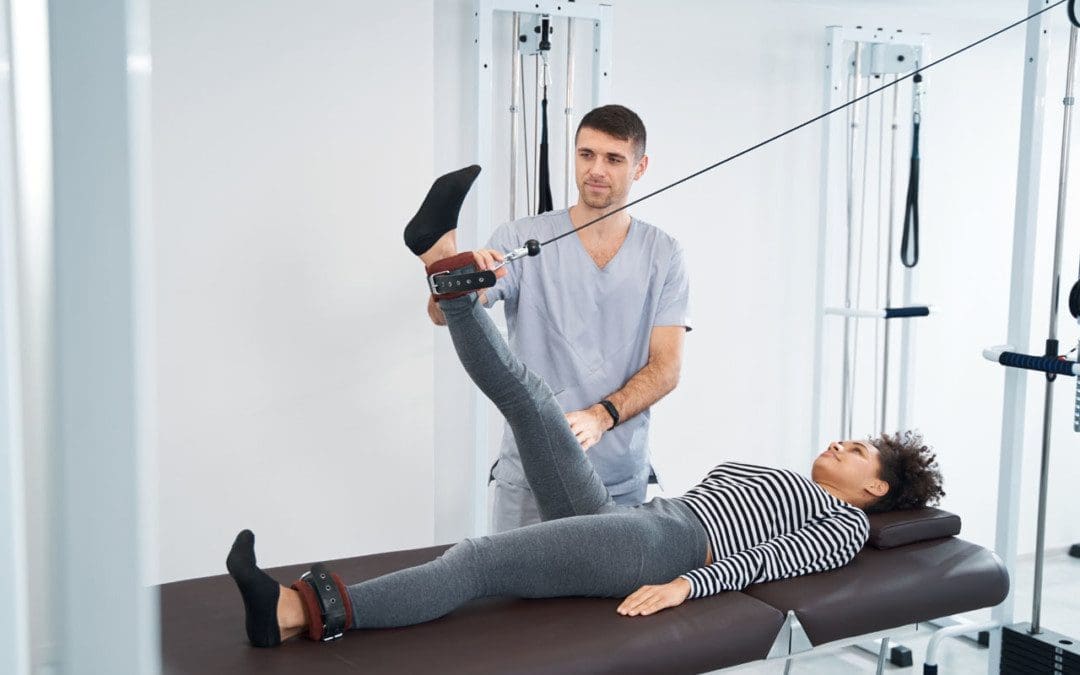
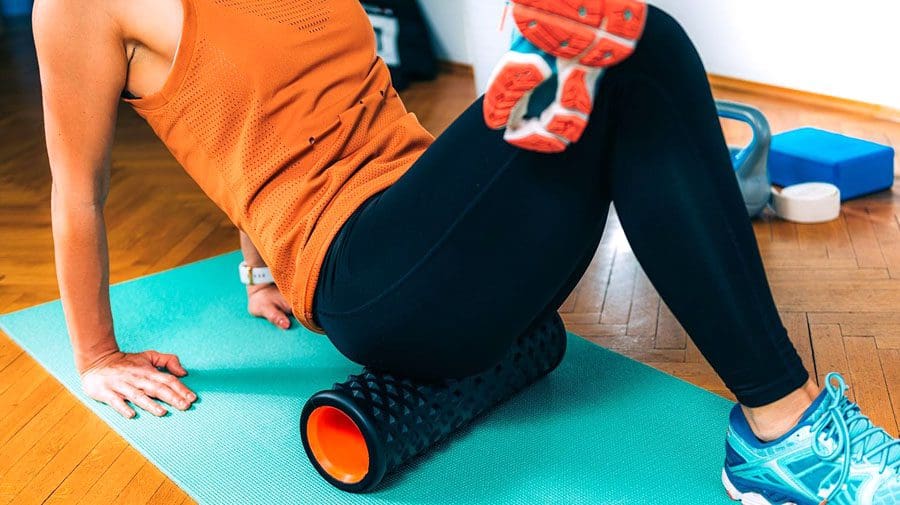
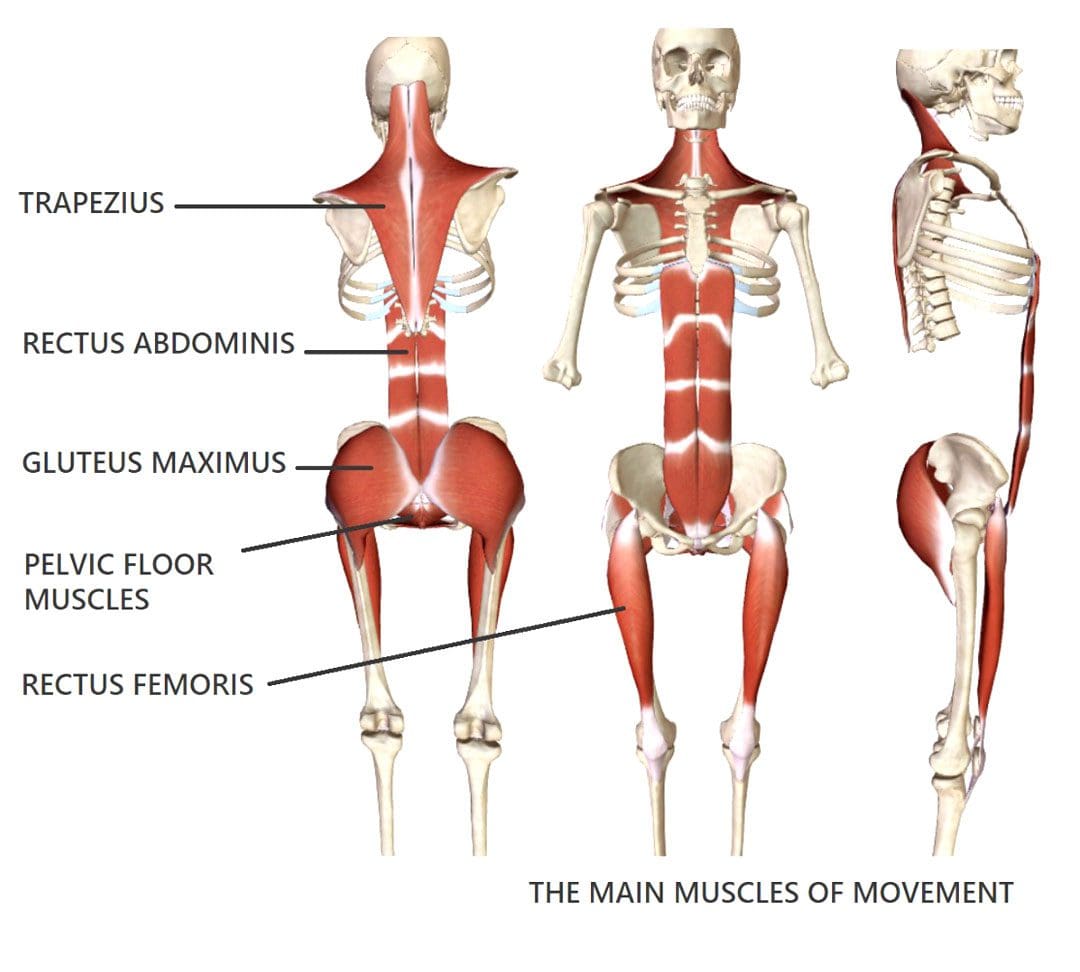
The body’s core muscles are used for stability, balance, lifting, pushing, pulling, and movement. Engaging the core muscles means bracing and tightening the abdominal muscles, which include the latissimus dorsi/lats, paraspinal muscles, gluteus maximus/glutes, and trapezius/traps. When engaged, the trunk muscles help maintain spinal stability, support the spine and pelvis in sitting and resting positions and during dynamic movements, and help prevent injury.
Engaging The Core
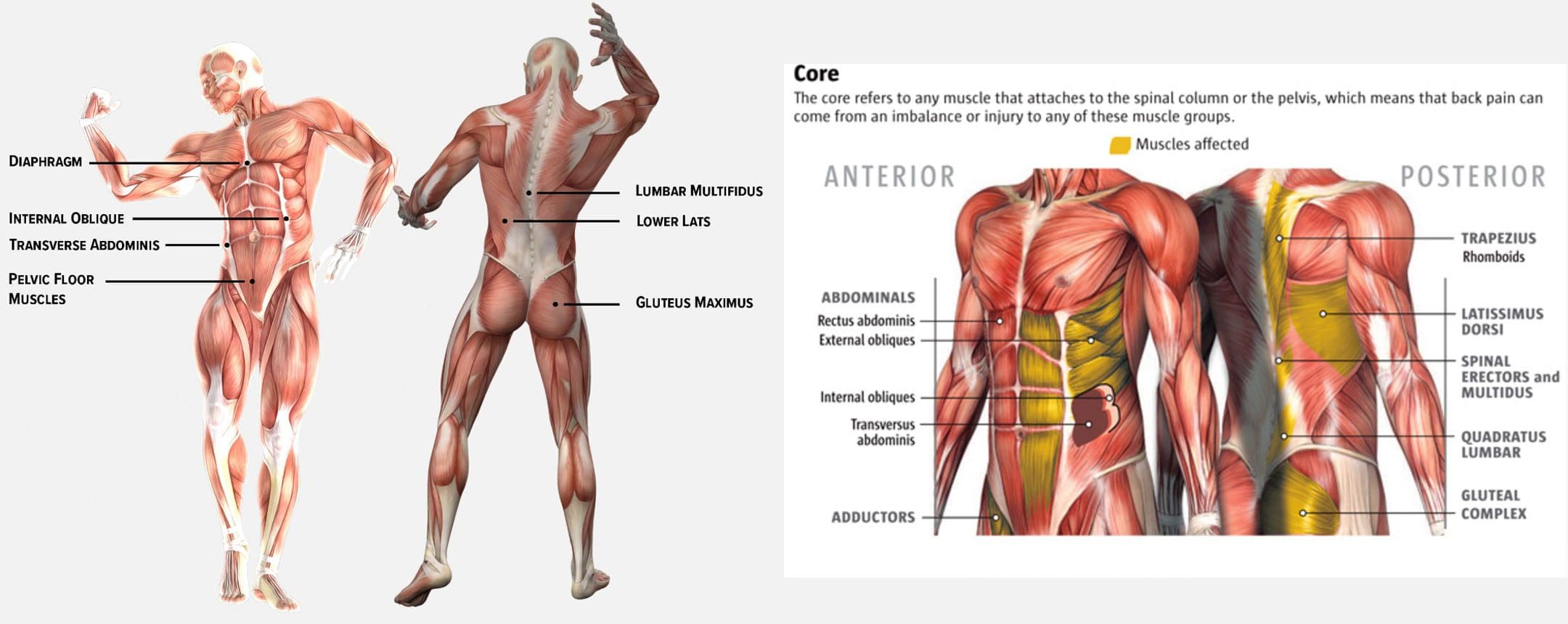
To know how to engage the core, individuals need to understand what the core is. The most important muscles for engaging the core include: These muscles are involved every time the body inhales and exhales, in posture control, and when using the bathroom, they start and stop the process.
Rectus Abdominis
The rectus abdominis muscle is responsible for the six-pack.
It’s a long, flat muscle that extends from the pubic bone to the sixth and seventh ribs.
The rectus abdominis is primarily responsible for bending the spine.
External Obliques
These are the muscles on either side of the rectus abdominis.
The external obliques allow the torso to twist, bend sideways, flex the spine, and compress the abdomen.
Internal Obliques
The internal obliques lie below the external obliques.
They work with the external obliques in the same functions.
Transverse Abdominis
This is the deepest layer of muscle in the abdomen.
It completely wraps around the torso and extends from the ribs to the pelvis.
The transverse abdominis are not responsible for spine or hip movement but for stabilizing the spine, compressing the organs, and supporting the abdominal wall.
Latissimus Dorsi
Commonly known as the lats, these muscles run along both sides of the spine from just below the shoulder blades to the pelvis.
The lats help stabilize the back, especially when extending the shoulders.
They also contribute to body ability when twisting from side to side.
Erector Spinae
The erector spinae muscles are on each side of the spine and extend down the back.
These muscles are responsible for extending and rotating the back and side-to-side movement.
These are considered postural muscles and are almost always working.
What Not To Do
Individuals learn from mistakes, which might make learning how to engage the core easier by understanding what not to do. Common examples of failing to or not engaging the core correctly.
The back slumps when sitting down – the upper body lacks strength and stability.
When bending, the stomach sticks out more.
Swaying or leaning far to one side when walking – lack of lower body strength causes balance and stability problems.
The lower abdomen and back present with discomfort and pain symptoms.
Training
Engaging the core decreases the chance of sustaining an injury at home, work, or exercising and can help with chronic back pain. It creates a stable musculature around the spine that keeps the vertebrae from over-flexing, over-extending, and bending too far to one side. Engaging the core muscles can mean different things, depending on what is trying to be achieved.
For example, if doing bending work, the muscles needed, and the order in which they contract differs from when trying to maintain balance while standing on one leg.
The muscles engaged will differ in their movement depending on whether an individual is:
Trying to move the spine or stabilize it.
Pushing or pulling weight.
Standing, sitting, or lying down.
For a strong and functional core, the objective is to be able to engage the core in any situation. Engaging the core can be challenging, but with training and practice, the body becomes stronger. Practice engaging the core throughout daily activities that include.
Bracing the core while standing, sitting at a workstation or desk, and walking.
Day-to-day activities, like reaching for something from a high shelf, grocery shopping, and taking the stairs.
Injury Medical Chiropractic and Functional Medicine Clinic can create a personalized program to address musculoskeletal issues, core training, targeted exercise, stretching, nutrition, massage, and adjustments to get the body to optimal health and maintain health.
The Non-Surgical Solution
References
Eickmeyer, Sarah M. “Anatomy and Physiology of the Pelvic Floor.” Physical Medicine and rehabilitation clinics of North America vol. 28,3 (2017): 455-460. doi:10.1016/j.pmr.2017.03.003
Lawson, Samantha, and Ashley Sacks. “Pelvic Floor Physical Therapy and Women’s Health Promotion.” Journal of Midwifery & Women’s Health vol. 63,4 (2018): 410-417. doi:10.1111/jmwh.12736
Seaman, Austin P et al. “Building a Center for Abdominal Core Health: The Importance of a Holistic Multidisciplinary Approach.” Journal of gastrointestinal surgery: official journal of the Society for Surgery of the Alimentary Tract vol. 26,3 (2022): 693-701. doi:10.1007/s11605-021-05241-5
Vining, Robert, et al. “Effects of Chiropractic Care on Strength, Balance, and Endurance in Active-Duty U.S. Military Personnel with Low Back Pain: A Randomized Controlled Trial.” Journal of Alternative and complementary medicine (New York, N.Y.) vol. 26,7 (2020): 592-601. doi:10.1089/acm.2020.0107
Weis, Carol Ann, et al. “Chiropractic Care for Adults With Pregnancy-Related Low Back, Pelvic Girdle Pain, or Combination Pain: A Systematic Review.” Journal of Manipulative and physiological therapeutics vol. 43,7 (2020): 714-731. doi:10.1016/j.jmpt.2020.05.005
Zachovajeviene, B et al. “Effect of the diaphragm and abdominal muscle training on pelvic floor strength and endurance: results of a prospective randomized trial.” Scientific Reports vol. 9,1 19192. 16 Dec. 2019, doi:10.1038/s41598-019-55724-4
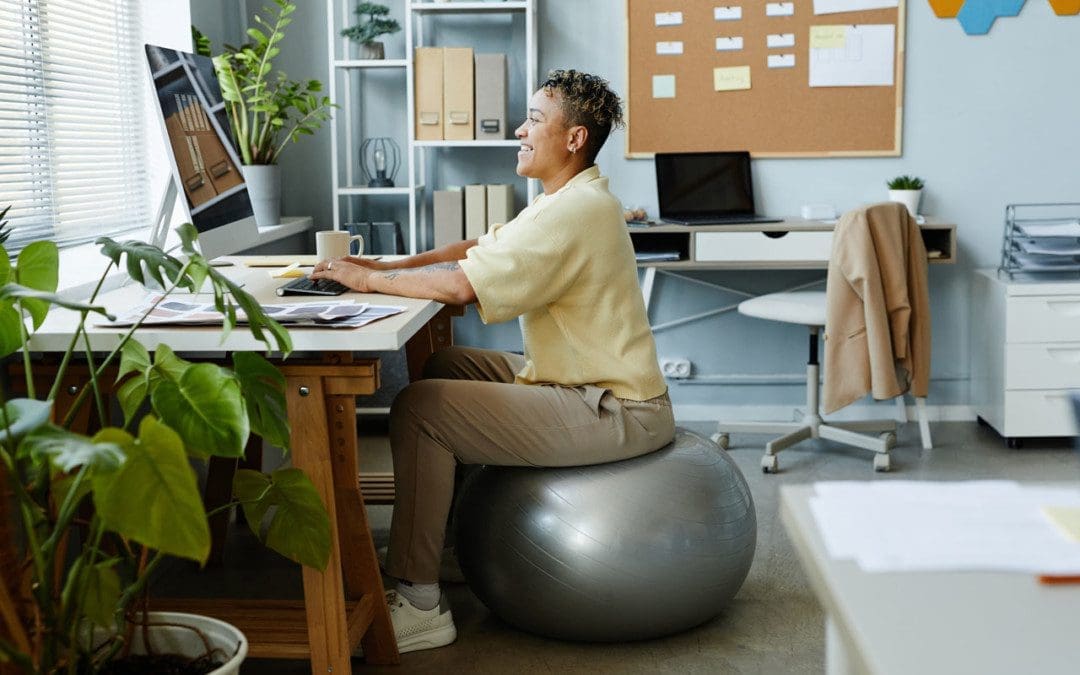
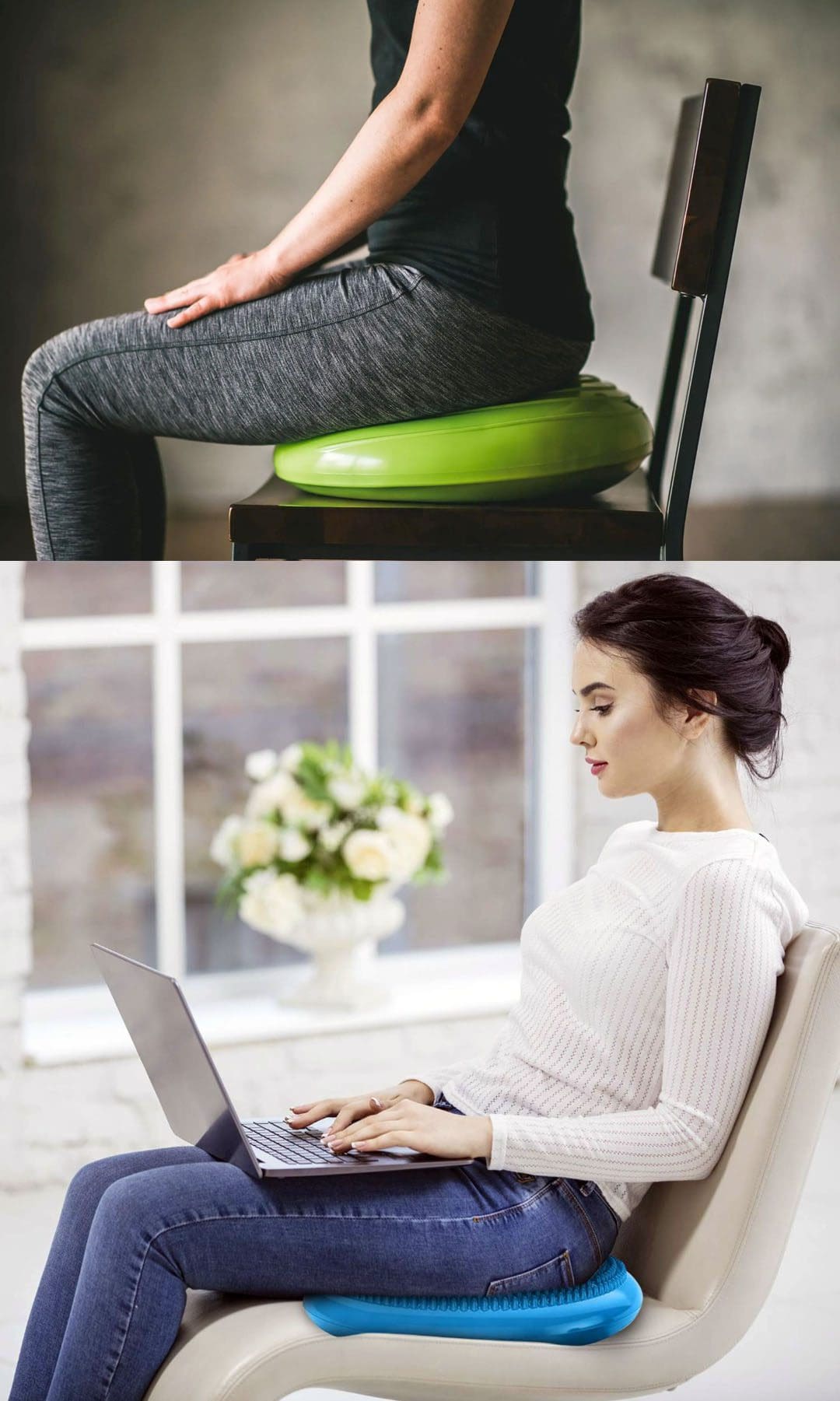
Wobble cushions are small round inflatable support pillows made of a flexible material that can be used to stand and sit on. The cushion creates instability, hence wobble, to engage the lower back, hips, and core muscles. They promote core stability, strengthen muscle tone, and improve balance and body posture. A flexible body helps in injury prevention. At Injury Medical Chiropractic and Functional Medicine Clinic, we utilize innovative techniques and therapies to reduce stress, assist in healing musculoskeletal damage from injuries, disease, or conditions, and keep the spine and whole body healthy.
Wobble Cushions
A common reason for back aches and pains is sitting for long periods. Individuals unintentionally slouch or hunch over as they go through their day, causing strain to the back muscles, gluteal muscles, core muscles, hips, and spine. This causes the lower half of the body to weaken and causes the top muscles to take up the slack to support the torso and lower body.
Muscle Spasms
Muscle spasms can be the acute type that is forceful and involuntary, and chronic sustained stiffness, tightness, cramping, and pain. Lower back discomfort and/or sciatica symptoms vary depending on the cause, location, and severity of the strain or injury. Signs could be dull, burning, or sharp at a single point or over a broad region that could spread into one or both legs. Types of low back discomfort:
Acute symptoms last less than three months. Most individuals with acute episodes will have at least one recurrence.
Recurrent means the acute symptoms return.
Chronic symptoms last longer than three months.
Cushion Benefits
Encouraging active sitting improves posture allowing individuals to sit and stay focused for longer as their body awareness improves, reducing hunching, slumping, slouching, and fidgeting. Other wobble cushion benefits include:
Decreased muscle stress and strain on the joints and ligaments, which improves proprioceptive sense or body awareness.
Increases blood circulation and oxygenation throughout the body.
Helps rehydrate the discs and circulate spinal fluid. Spinal discs do not have a direct blood supply; therefore, movement is required to pump and circulate healthy fluids.
Allows more flexibility in the spine, hips, and core muscles.
Improves overall posture.
The purpose of wobble cushions is not to provide comfort. They are supposed to be uncomfortable and unstable to make the individual sit up straight. The cushion can be placed on a chair or the floor to effectively practice balancing without putting pressure on the back, knees, or feet. They can also be used for practicing standing balance. Various factors to consider when looking for a cushion include:
Stability
Comfort
Resilience
Alignment
All play a role in determining the best option.
Discussing options with a doctor or chiropractor is recommended to ensure that the cushion meets your needs and preferences.
Spinal Hygiene
References
Alrwaily, Muhammad, et al. “Stabilization exercises combined with neuromuscular electrical stimulation for patients with chronic low back pain: a randomized controlled trial.” Brazilian journal of physical therapy vol. 23,6 (2019): 506-515. doi:10.1016/j.bjpt.2018.10.003
Haksever, Bunyamin et al. “The Dynamic Innovative Balance System Improves Balance Ability: A Single-Blind, Randomized Controlled Study.” International journal of sports physical therapy vol. 16,4 1025-1032. 1 Aug. 2021, doi:10.26603/001c.25756
Honert, Eric C, and Karl E Zelik. “Foot and shoe responsible for the majority of soft tissue work in the early stance of walking.” Human movement science vol. 64 (2019): 191-202. doi:10.1016/j.humov.2019.01.008
Ostelo, Raymond Wjg. “Physiotherapy management of sciatica.” Journal of physiotherapy vol. 66,2 (2020): 83-88. doi:10.1016/j.jphys.2020.03.005
Shahvarpour, A et al. “Active-passive biodynamics of the human trunk when seated on a wobble chair.” Journal of biomechanics vol. 49,6 (2016): 939-945. doi:10.1016/j.jbiomech.2016.01.042
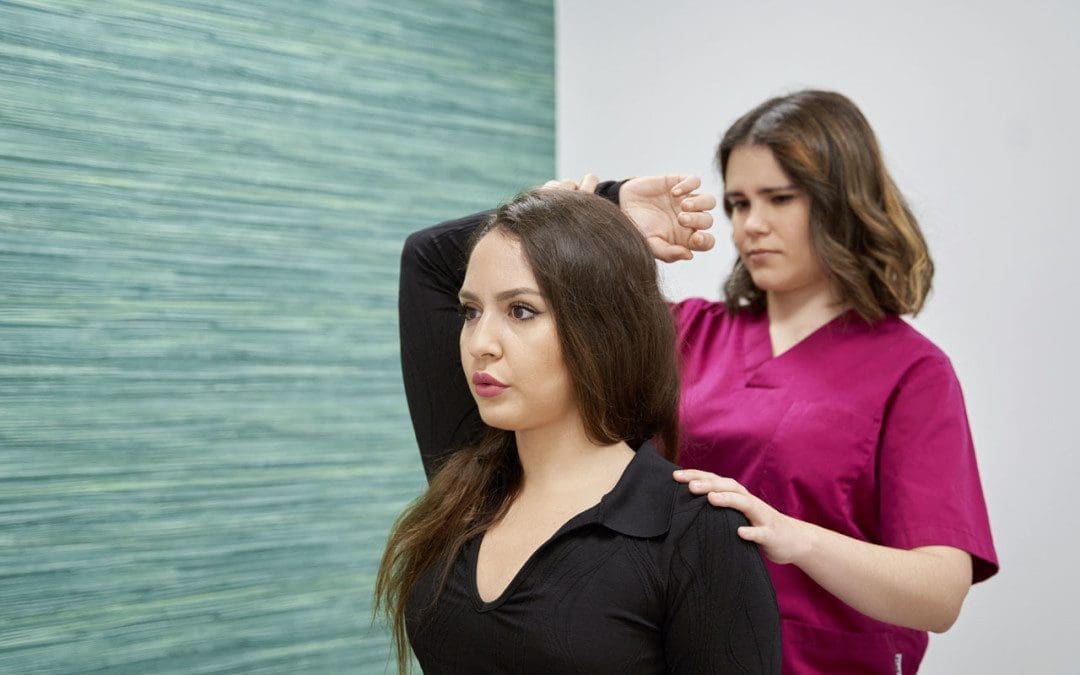
Making healthy posture adjustments is a process, especially for individuals that have been practicing unhealthy postures for years. Not only does the body have to relearn how to position itself correctly, but the muscles, especially those that haven’t been working, also have to adjust. This takes time and is usually at the beginning of postural training that individuals want to give up. This is because of the discomfort and soreness that goes with reactivating the core muscles. This is why it is recommended to go through the process with chiropractic care. A chiropractic therapy team can relieve sore muscles, strengthen the body, and help individuals gradually develop and maintain a healthy posture.
Posture Adjustments
Unhealthy postures shift the body out of balance, straining and stressing the muscles, especially those that have to work overtime every day. This causes the muscles to stiffen and tighten up to the point that they begin to pull the skeletal system in different directions, causing various symptoms that can lead to chronic conditions. Muscles can stay tight for years, with individuals getting used to the feeling. Individuals stretch out, thinking the muscles are loose but don’t realize that they return to their tight position because of the unhealthy muscle memory that developed.
Muscle Imbalance
Muscle imbalances usually progress over time and are typically caused by daily habitual physical routines.
This causes premature and advanced wear and tear on the body.
Postural Dysfunction
Individuals all have positions they spend a lot of time in.
Postural dysfunction begins with unhealthy positioning that shifts the spine and other joints out of balance and alignment.
The muscles become compromised, which leads to various neuromusculoskeletal symptoms.
Muscle fatigue and weakness occur from being overworked.
Headaches can present throughout the day.
Chiropractic Realignment
The muscles have become like tough meat, and the underlying imbalances are straining the neuromusculoskeletal system. The muscle tissues need to be broken up/tenderized and loosened up. Then they can be thoroughly stretched and strengthened to optimal health. Chiropractic care will identify and correct the underlying imbalance, and massage therapy will break up and release the compacted muscle tissue. A personalized treatment plan will consist of the following:
Mobilizing the joints and stretching/releasing shortened tight muscles and soft tissues.
Strengthening the elongated, weaker muscles to correct the body’s alignment and movement control.
Health coaching to identify and recommend lifestyle and nutritional adjustments.
This will restore the bio-mechanical systems, ensuring that equal muscle length and strength on both sides of the system joint or motion segment are maintained.
Posture Adjustments and Foot Orthotics
References
Aino, Masaki, et al. “Comparison of spinal column alignment and autonomic nervous activity using the intersegmental tenderness test in the segment above.” Journal of physical therapy science vol. 33,8 (2021): 570-575. doi:10.1589/jpts.33.570
Creze, Maud, et al. “Posture-related stiffness mapping of paraspinal muscles.” Journal of anatomy vol. 234,6 (2019): 787-799. doi:10.1111/joa.12978
Joshi, Reema, and Nishita Poojary. “The Effect of Muscle Energy Technique and Posture Correction Exercises on Pain and Function in Patients with Non-specific Chronic Neck Pain Having Forward Head Posture-a Randomized Controlled Trail.” International journal of therapeutic massage & bodywork vol. 15,2 14-21. 1 Jun. 2022, doi:10.3822/ijtmb.v15i2.673
Langford, M L. “Poor posture subjects a worker’s body to muscle imbalance, nerve compression.” Occupational health & safety (Waco, Tex.) vol. 63,9 (1994): 38-40, 42.
McLean, Linda. “The effect of postural correction on muscle activation amplitudes recorded from the cervicobrachial region.” Journal of electromyography and kinesiology: official journal of the International Society of Electrophysiological Kinesiology vol. 15,6 (2005): 527-35. doi:10.1016/j.jelekin.2005.06.003
Szczygieł, Elżbieta et al. “The Impact of Deep Muscle Training on the Quality of Posture and Breathing.” Journal of motor behavior vol. 50,2 (2018): 219-227. doi:10.1080/00222895.2017.1327413
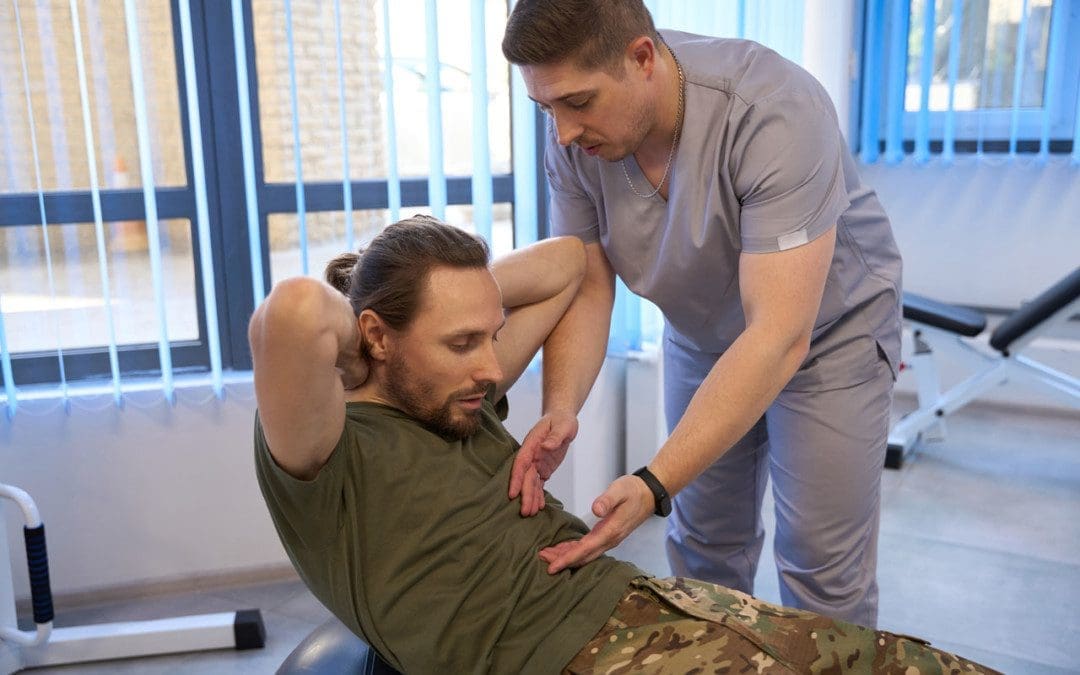
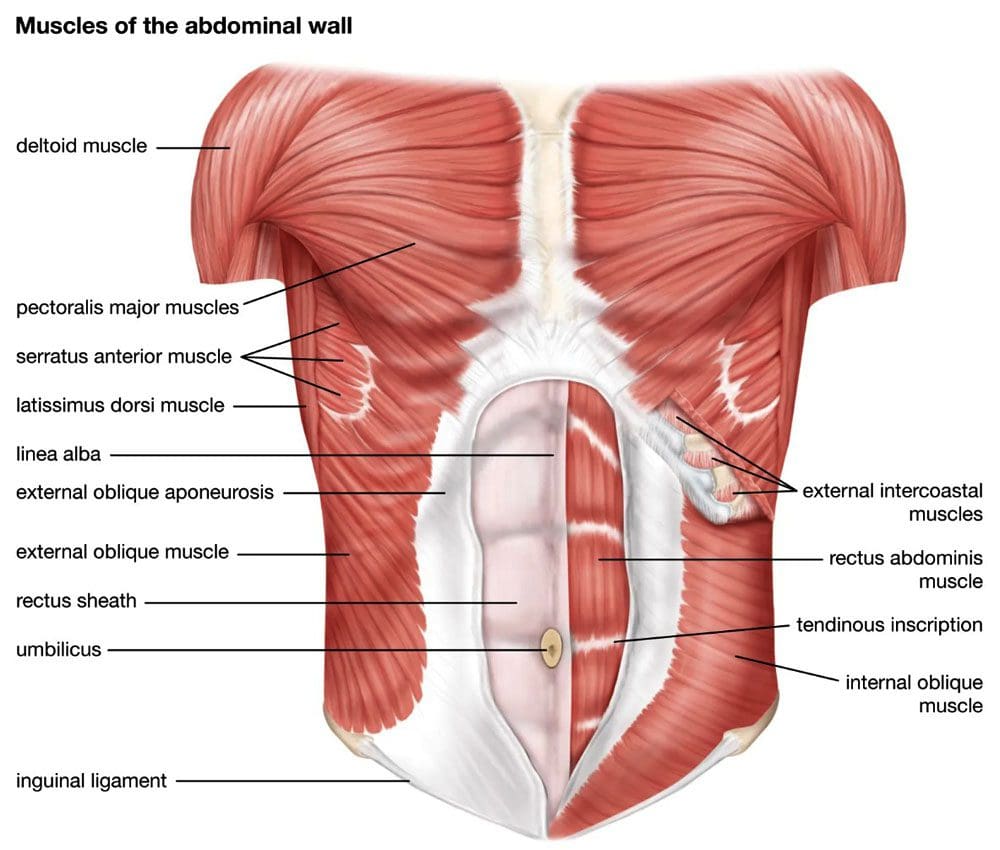
The 0blique muscles support and aid in side-to-side movement, helping maintain back strength and healthy posture. There are two oblique muscle sets, the internal and external obliques. Maintaining a strong core is one recommended way to protect the body and spine. However, many forget to train and strengthen all of the oblique muscles. Individuals tend to focus on the superficial core muscle, or rectus abdominis, and not enough or any attention goes to the lateral stabilizers or the internal and external obliques. Chiropractic and functional medicine can restore musculoskeletal flexibility, mobility, and function.
Oblique Muscles
The external obliques make up a large part of the trunk area. There are two external obliques on either side of the body, located on the lateral sides of the abdominal region. These muscles have an essential role in daily movements.
External
External obliques help with trunk rotation and support spine rotation.
They assist with pulling the chest down to compress the abdominal cavity.
They help with bending from side to side.
Any strain or injury to these muscles can lead to abdominal, hip, and back issues.
Maximizing external oblique strength is important to maintain a strong core.
Internal
The internal oblique is a muscle deep within the lateral side of the abdomen.
The internal oblique muscle is one of the main stabilizers and functions to flex the trunk and compress the chest.
Its positioning makes it invisible, but it still has an essential role in body movement.
This muscle can function bilaterally, meaning both sides can operate at the same time.
These muscles provide spinal and posture support.
Strain or injury in this area can cause posture problems and abdominal, hip, and back issues.
Rotation and Mobility
The internal and external obliques are the primary rotators of the spine and provide thoracic spine mobility.
The internal obliques work with the external obliques and the rectus abdominis for lateral spine flexion of the quadratus lumborum and lumbar paraspinals.
They attach to the diaphragm, transverse abdominis, and thoracolumbar fascia, contributing to core stabilization.
A quadratus lumborum muscle spasm can result from muscle inhibition in the obliques.
Inhibition
If the internal obliques are inhibited, compensation can cause an alteration in the sequence patterns of the posterior oblique subsystem.
When this system is not functioning correctly, individuals usually complain of discomfort in the hips and shoulders.
A common sign of oblique inhibition is individuals holding their breath during basic movement patterns to gain stability, indicating dysfunction in the intrinsic stabilization subsystem.
Simple movements include walking gait, single-leg stance, flexion, extension, etc.
If you are experiencing waistline, hip, and low back stiffness or tightness and pain, consult our professional chiropractic team. We’re ready to help!
Oblique Anatomy and Movement
References
Calais-Germain, Blandine, and Stephen Anderson. Anatomy of Movement. Seattle: Eastland, 1993.
Cook G. Movement: Functional Movement Systems: Screening, Assessment, and Corrective Strategies. Aptos, CA: On Target Publications, 2010.
Elphinston J. Stability, Sport and Performance Movement: Practical Biomechanics and Systematic Training for Movement Efficacy and Injury Prevention. Lotus Publishing, 2013.
Huxel Bliven, Kellie C, and Barton E Anderson. “Core stability training for injury prevention.” Sports health vol. 5,6 (2013): 514-22. doi:10.1177/1941738113481200
Myers TW. Anatomy Trains: Myofascial Meridians for Manual and Movement Therapists. Edinburgh: Churchill Livingstone, 2001.
Neumann DA. Kinesiology of the Musculoskeletal System: Foundations for Physical Rehabilitation. St. Louis: Mosby, 2002.
Starrett K, Cordoza G. Becoming a Supple Leopard: The Ultimate Guide to Resolving Pain, Preventing Injury, and Optimizing Athletic Performance. Las Vegas: Victory Belt Pub., 2013.
Weinstock D. NeuroKinetic Therapy: An Innovative Approach to Manual Muscle Testing. Berkeley, CA: North Atlantic, 2010.
Workout recovery is as important as working out. Pushing muscle past its normal levels creates tiny tears in the muscle tissue. It is the repairing process that generates muscle growth. Muscles that aren’t allowed to recover will not grow or gain muscle mass, and muscle strength could be reduced, making working out a struggle and hindering health goal progress. The body needs time to repair the muscles to reduce the risk of injury. Allowing enough time for recovery reduces overuse-related muscle breakdown and injuries. Muscle recovery supplements can expedite the healing process.
Muscle Recovery Supplements
Reasons for taking supplements include their ability to heal damaged muscles faster, aid in injury recovery, reduce muscle soreness, reduce muscle fatigue, and provide the muscle cells with energy during recovery.
Some studies have found that taking a creatine supplement may aid muscle recovery and greater muscle strength during recovery.
Citrulline Malate
Citrulline is a non-essential amino acid found in watermelon that converts into nitric oxide.
Nitric oxide helps open blood vessels and improve blood circulation.
This allows oxygen and nutrients to reach the muscle faster, speeding the recovery process.
Citrulline also improves the bioavailability of L-arginine, another amino acid that aids protein synthesis.
Magnesium
Magnesium assists with muscle recovery by helping the muscles relax.
When the body doesn’t have enough magnesium, there is a greater chance of muscle cramps.
Magnesium helps support healthy muscle contraction.
Tart Cherry Juice Extract
This extract works by reducing inflammation in the muscle.
Inflammation is normal, but too much can increase muscle soreness and the risk of injury.
One study found that cherry juice helps minimize post-exercise muscle pain.
Supplement Plan
After selecting a supplement plan that is the most beneficial for the individual, the next step is to devise a schedule for taking them.
When using a muscle recovery supplement can either be a pre-workout supplement or a post-workout supplement.
The recommended time to take a specific supplement is based on the type.
Individuals should talk with their doctor and a nutritionist before starting any new supplement regimen.
This helps ensure the supplements are safe and minimize negative side effects given health and medical conditions.
Nutrition In Recovery
References
Cooke, M.B., Rybalka, E., Williams, A.D. et al. Creatine supplementation enhances muscle force recovery after eccentrically-induced muscle damage in healthy individuals. J Int Soc Sports Nutr 6, 13 (2009). https://doi.org/10.1186/1550-2783-6-13
DiNicolantonio, James J et al. “Subclinical magnesium deficiency: a principal driver of cardiovascular disease and a public health crisis.” Open heart vol. 5,1 e000668. 13 Jan. 2018, doi:10.1136/openhrt-2017-000668
Gough, Lewis A et al. “A critical review of citrulline malate supplementation and exercise performance.” European journal of applied physiology vol. 121,12 (2021): 3283-3295. doi:10.1007/s00421-021-04774-6
Kuehl, Kerry S et al. “Efficacy of tart cherry juice in reducing muscle pain during running: a randomized controlled trial.” Journal of the International Society of Sports Nutrition vol. 7 17. 7 May. 2010, doi:10.1186/1550-2783-7-17
Vitale, Kenneth C et al. “Tart Cherry Juice in Athletes: A Literature Review and Commentary.” Current sports medicine reports vol. 16,4 (2017): 230-239. doi:10.1249/JSR.0000000000000385
Weinert, Dan J. “Nutrition and muscle protein synthesis: a descriptive review.” The Journal of the Canadian Chiropractic Association vol. 53,3 (2009): 186-93.
Wolfe, Robert R. “Branched-chain amino acids and muscle protein synthesis in humans: myth or reality?.” Journal of the International Society of Sports Nutrition vol. 14 30. 22 Aug. 2017, doi:10.1186/s12970-017-0184-9
Zhang, Shihai, et al. “Novel metabolic and physiological functions of branched-chain amino acids: a review.” Journal of animal science and biotechnology vol. 8 10. 23 Jan. 2017, doi:10.1186/s40104-016-0139-z
Sciatica is one of the most common injuries, with as many as 40% of individuals experiencing the condition, and it becomes more frequent as the body ages. The pain originates with the sciatic nerves and can go on for several weeks, months, or years. Staying active is a major recommendation to relieve the pain and prevent future flare-ups. Injury Medical Chiropractic and Functional Medicine Clinic can decompress and release the nerve and educate individuals on an anti-inflammatory diet and staying active to expedite healing.
Staying Active
Sciatica is most commonly caused by a slipped disc, which puts pressure or irritates the sciatic nerve, and causes discomfort and painful sensations. The most common factors for developing sciatica include the following:
As the body ages, the spinal discs wear out and break down, leading to the spine shifting out of alignment.
Job occupations that place added strain on the back, like sitting or standing for extended periods, repetitive heavy lifting, or bending, reaching, and twisting movements.
Doctors and chiropractors have found that only resting with sciatica can worsen the injury.
This is because if it is a slipped/bulging/herniated disc, the disc remains in this state, the nerve stays compressed or irritated, and the muscles that control the low back become weak and unable to provide support.
Recommendations
Don’t Sit For Too Long
Prolonged periods of sitting place added pressure on the discs and ligaments in the low back.
Even when sitting doesn’t make it worse, the muscles can develop unhealthy muscle memory that causes partial contracting when there shouldn’t be any that tightens the gluteal muscles causing added strain.
Individuals with a job requiring a lot of sitting or standing are recommended to take frequent breaks to stretch out their muscles or use a standing desk to change positions.
Posture Adjustments
Slouching, hunching, and continuing to practice unhealthy postures will exacerbate sciatica.
Pay attention to the body’s position when standing or sitting.
To prevent slouching, pull the shoulders down and back.
Imagine the shoulder blades touching.
Individuals working at a desk or workstation should take frequent breaks.
Position the screen to see it without tilting the head down.
Increase Physical Activity and Exercise
Exercise is highly recommended to keep the muscles and nerves moving and circulation flowing.
Aerobics
Walking, light jogging, swimming, cycling, and dancing, increase heart rate without causing added strain or pain.
Strength Training
Exercises using free weights, weight machines, or isometric exercises strengthen the muscles and can help restore their position.
Stretching and Flexibility Training
Yoga, tai chi, and Pilates increase flexibility and strength.
The stretching will keep the nerves and muscles from spasms that can worsen the injury.
Strengthen The Core
A stronger core will improve spinal health. Actively engaging the abdominal muscles protects sciatic nerve roots by minimizing spinal pressure.
The back muscles can become increasingly stressed and tired when they have to do all the work without core muscle support.
A weak core can cause additional back pain and worsen sciatica symptoms.
Stand Up Straight
Keep the head and shoulders straight.
Focus On Breathing
Rhythmic breathing helps keep the mind focused and alert while engaged in an activity.
Core Muscles
The back, side, pelvis, and buttock muscles are also part of the core.
Strengthening all of these muscles helps to support the spine.
Exercises for core strengthening include yoga and Pilates, planks, and bridges.
Nerve Recovery
As the nerve recovers, the area the nerve supplies could experience tingling discomfort.
This could be accompanied by an electric sensation at the level of the healing nerve fibers.
The location of this sensation should move as the nerve heals.
With time the sensations should subside, and the area should begin to feel more normal.
Spinal Decompression Demonstration
References
Jensen, Rikke K et al. “Diagnosis and treatment of sciatica.” BMJ (Clinical research ed.) vol. 367 l6273. 19 Nov. 2019, doi:10.1136/bmj.l6273
Kuai, Shengzheng, et al. “Influences of lumbar disc herniation on the kinematics in multi-segmental spine, pelvis, and lower extremities during five activities of daily living.” BMC musculoskeletal disorders vol. 18,1 216. 25 May. 2017, doi:10.1186/s12891-017-1572-7
Ma, Xiao, et al. “The Effect of Diaphragmatic Breathing on Attention, Negative Affect and Stress in Healthy Adults.” Frontiers in psychology vol. 8 874. 6 Jun. 2017, doi:10.3389/fps.2017.00874
Ramaswami, Ramya, et al. “Management of Sciatica.” The New England journal of medicine vol. 376,12 (2017): 1175-1177. doi:10.1056/NEJMclde1701008
Functional fitness conditioning exercises train the muscles for everyday activities safely and efficiently. It refers to exercises that simulate daily movements like standing, bending, reaching, jumping, twisting, pushing, pulling, squatting, lunging, turning, walking, and running. These exercises improve functional body strength to train the muscles to work together and prepare for daily tasks and chores that individuals do at home, at work, or in sports activities. Strengthening the muscles the same way they are needed for everyday tasks reduces the risk of injury, allowing individuals to go through the day without worrying about straining or pulling something.
Functional Fitness Conditioning
Functional fitness conditioning exercises can be done at home, park, or gym and is an excellent way to combat restlessness and keep the body moving. Training the muscles to work the way they do daily prepares the body to move optimally and efficiently in various situations. Functional fitness exercises simultaneously utilize upper and lower body muscles to increase core stability and train the whole body. Examples include:
Combining strength training with exercises that mirror the movements of daily life increase overall strength and improves:
Balance
Endurance
Flexibility
Mobility
Various gyms or fitness centers may offer functional fitness conditioning classes or incorporate functional fitness into their exercise courses. Exercise equipment can include:
Primarily using body weight makes this strength training simple and safe for almost anybody. Functional fitness conditioning is laidback, requiring less equipment and intensity. The objective is to develop and strengthen the entire body to handle daily life while minimizing the risk of injury, making it suitable for individuals of all ages and fitness levels.
Benefits
These include benefits for overall health and physical performance.
Everyday life
Quality of life improves because of the stress relief factor.
This type of training has been reported to be more enjoyable because the training is for everyday life.
Increased muscle memory
Builds muscle and core strength and exercises the brain to increase memory.
Increased mobility
Improves balance
Coordination
Flexibility
Muscle strength
Agility
Improves balance and posture
Training and strengthening the muscles to manage/balance weight correctly reduces stress on the body.
Faster injury recovery
A strengthened body operates at optimal levels that improve repairing and healing capabilities.
It is recommended to check with your doctor before starting any new exercise program, and pregnant women should check with their doctors. A personal trainer, functional medicine, or sports chiropractor can discuss available conditioning options specific to the individual.
Functional Fitness
References
Fahlman, Mariane M et al. “Effects of resistance training on functional ability in elderly individuals.” American Journal of health promotion: AJHP vol. 25,4 (2011): 237-43. doi:10.4278/ajhp.081125-QUAN-292
Gerards, Marissa H G, et al. “Perturbation-based balance training to improve balance control and reduce falls in older adults – study protocol for a randomized controlled trial.” BMC geriatrics vol. 21,1 9. 6 Jan. 2021, doi:10.1186/s12877-020-01944-7
Pacheco, Matheus Maia, et al. “Functional vs. Strength training in adults: specific needs define the best intervention.” International Journal of sports physical therapy vol. 8,1 (2013): 34-43.
Pullyblank, Kristin, et al. “Effects of the Strong Hearts, Healthy Communities Intervention on Functional Fitness of Rural Women.” The Journal of rural health: official Journal of the American Rural Health Association and the National Rural Health Care Association vol. 36,1 (2020): 104-110. doi:10.1111/jrh.12361
IFM's Find A Practitioner tool is the largest referral network in Functional Medicine, created to help patients locate Functional Medicine practitioners anywhere in the world. IFM Certified Practitioners are listed first in the search results, given their extensive education in Functional Medicine

 Posture Adjustments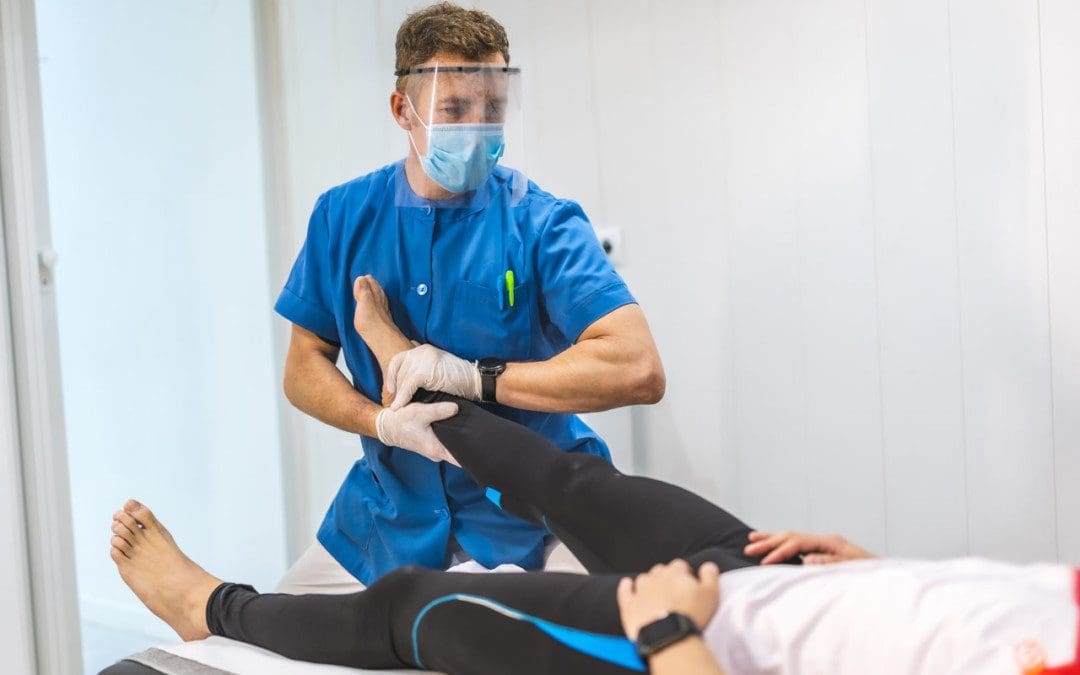
 Oblique Muscles