
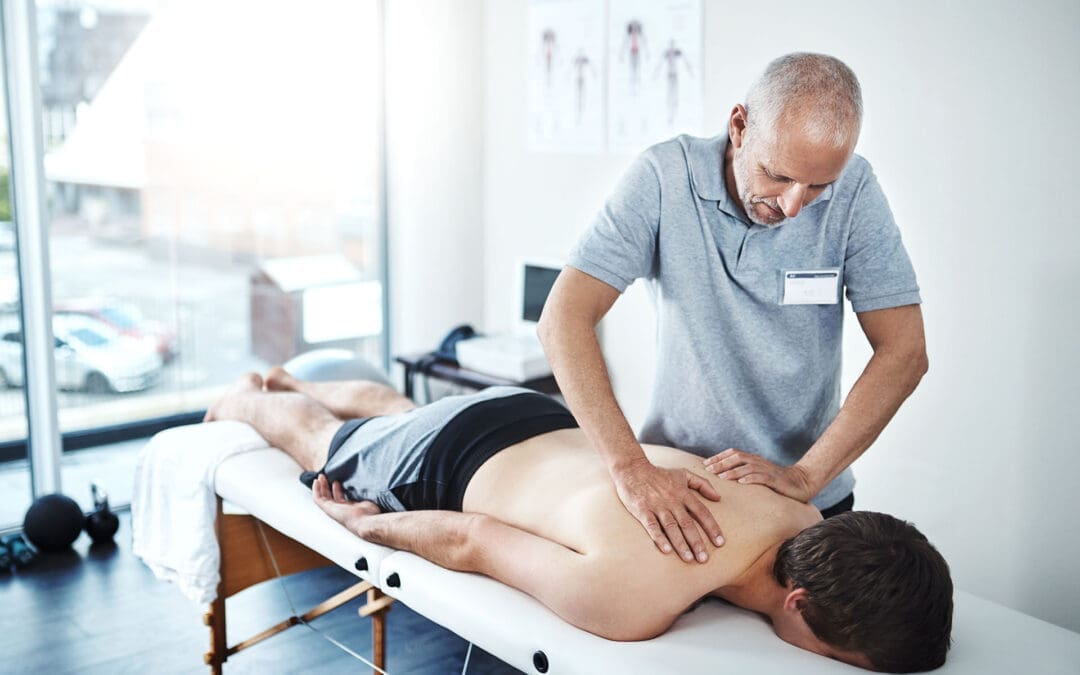
Chiropractic Adjustments for Stiffness Management
Genetics, Stiffness, and Flexibility: Understanding the Back’s Natural Limits

Introduction: Why Flexibility Matters for Spinal Health
Flexibility is often thought of as a skill we can train, like strength or endurance. But in reality, flexibility begins with genetics. Some people are born naturally limber, while others experience tightness in their muscles and connective tissues no matter how much they stretch. This is not always a problem—it is a normal variation in human biology.
At the El Paso Back Clinic, under the care of Dr. Alexander Jimenez, DC, APRN, FNP-BC, patients learn that stiffness has many causes: genetics, aging, lifestyle habits, and sometimes injuries. Through chiropractic adjustments, advanced imaging, and integrative care, the clinic helps individuals restore mobility, manage stiffness, and prevent long-term complications.
How Genetics Shapes Flexibility
Collagen and Connective Tissue
Ligaments, tendons, and fascia are made from collagen. Some people are genetically predisposed to tighter collagen, while others inherit looser connective tissues that allow more joint motion (Xcode Life, n.d.).
Muscle Fiber Balance
Fast-twitch fibers create power but are less flexible, while slow-twitch fibers support endurance and mobility. Genetics dictates the proportion of these fibers in each person’s body (PMC, 2020).
Genetic Syndromes and Flexibility Extremes
- Ehlers-Danlos Syndrome (EDS): Causes extreme flexibility from connective tissue fragility.
- Inherited Stiffness Disorders: Families can pass down congenital stiffness across generations (JAMA Pediatrics, 2000).
These differences show why two people can do the same stretching routine but achieve very different results.
Stiffness as a Normal Range of Human Variation
Not every stiff person has a medical problem. Many people naturally sit at the less flexible end of the spectrum, which is completely normal (Quora, n.d.).
Alexander Orthopaedics (2023) reports that gender, bone shape, and joint design also influence how flexible someone can be. For example, women tend to have greater flexibility in certain joints due to hormonal differences, while men often have more rigid tissue structures.
At El Paso Back Clinic, Dr. Jimenez helps patients understand that stiffness does not always mean something is wrong—but it can increase the risk of injury if not properly managed.
When Stiffness Becomes a Medical Concern
Stiff Person Syndrome (SPS)
SPS is a rare autoimmune condition that leads to severe rigidity, spasms, and difficulty walking. It is distinct from natural stiffness and requires medical treatment (Hopkins Medicine, n.d.; MSU Healthcare, 2024).
Genetic Disorders of Rigidity
Some families inherit congenital disorders that lock joints into restricted motion. These are uncommon but important to recognize in clinical settings (JAMA Pediatrics, 2000).
Injury-Related Stiffness
Motor vehicle accidents (MVAs), workplace injuries, and sports trauma can cause scar tissue, joint misalignment, and muscle guarding that worsen stiffness. Dr. Jimenez frequently sees these cases at El Paso Back Clinic.
Aging, Lifestyle, and the Stiff Back
Age-Related Tissue Changes
Over time, collagen stiffens, cartilage thins, and joint capsules lose elasticity. Even flexible individuals in youth often report stiffness as they age (PMC, 2020).
Lifestyle Habits
- Sedentary behavior shortens connective tissue.
- Repetitive work tasks create uneven strain.
- Lack of stretching allows muscles to tighten.
At El Paso Back Clinic, patients often present with stiffness that is a combination of genetic and lifestyle factors, requiring a tailored treatment plan.
Case Studies from El Paso Back Clinic
Case 1: Lifelong Stiffness Meets Injury
A 45-year-old man reported lifelong tightness, which worsened after an MVA. Imaging revealed whiplash compounded by rigid connective tissue. With chiropractic adjustments, massage, and guided rehab, he restored safe mobility while respecting his natural limits.
Case 2: Athletic Stiffness and Performance
A 20-year-old track athlete experienced poor hamstring flexibility, which led to recurring strains. Rather than forcing an extreme range of motion, Dr. Jimenez built a plan focusing on functional mobility, hip stability, and performance-specific conditioning.
Case 3: Sedentary Aging and Stiff Joints
A 68-year-old office worker complained of chronic back stiffness. With chiropractic care, acupuncture, and mobility training, stiffness eased enough to improve daily activities and quality of life.
Chiropractic and Integrative Solutions for Stiffness
At El Paso Back Clinic, treatment is not one-size-fits-all. Dr. Jimenez employs an integrative approach that combines chiropractic with medical and functional strategies:
- Chiropractic Adjustments: Correct spinal alignment and improve motion.
- Massage Therapy: Loosens tight fascia and muscles.
- Acupuncture: Reduces spasms and supports nervous system balance.
- Targeted Exercise: Builds mobility without overstretching joints.
- Functional Medicine: Focuses on diet, inflammation, and tissue repair.
By blending these treatments, patients can improve mobility and manage stiffness effectively.
Sports, Flexibility, and Injury Prevention
Flexibility influences athletic performance—but both extremes have risks.
- Too flexible: Joints may lack stability.
- Too stiff: Risk of muscle strain or joint injury.
Dr. Jimenez helps athletes at El Paso Back Clinic find their optimal flexibility zone. This may mean increasing mobility in some cases or focusing on stability and strength in others.
Legal and Diagnostic Support in Personal Injury Cases
One unique aspect of Dr. Jimenez’s work is his dual-scope role in both chiropractic and medical diagnosis. For personal injury cases, this includes:
- Advanced imaging (MRI, CT, X-ray)
- Dual medical and chiropractic reports
- Coordination with attorneys and insurers
- Documentation of stiffness-related limitations
This ensures patients receive not only effective treatment but also the proper legal support for compensation and care continuity.
Lifestyle Practices to Support Mobility
While genetics can’t be changed, lifestyle makes a difference:
- Daily Stretching for sustained tissue pliability.
- Hydration to keep connective tissues healthy.
- Balanced Nutrition to reduce inflammation and support collagen.
- Regular Movement to prevent stiffness from inactivity.
- Mind-Body Exercise, such as yoga or tai chi.
El Paso Back Clinic encourages patients to adopt these habits alongside clinical care.
Conclusion: Living Well with Natural Stiffness
Some people are naturally stiff. Others are naturally flexible. Both variations are normal, shaped by genetics, age, and lifestyle. What matters is managing stiffness in ways that prevent injury, restore comfort, and support long-term health.
At El Paso Back Clinic, Dr. Alexander Jimenez uses his dual expertise to evaluate stiffness, provide integrative treatment, and guide patients toward healthier mobility—whether recovering from injury, aging with stiffness, or simply working within genetic limits.
References
- Alexander Orthopaedics. (2023). Why are some individuals more flexible than others?
- Hopkins Medicine. (n.d.). Stiff person syndrome (SPS)
- Michigan State University Healthcare. (2024). Understanding stiff-person syndrome
- JAMA Pediatrics. (2000). An inherited congenital disorder resembling stiffness
- Quora. (n.d.). Why is my body naturally inflexible?
- PMC. (2020). Genetic influence on flexibility.
- Xcode Life. (n.d.). Is flexibility genetic?
- Jimenez, A. (n.d.). El Paso Back Clinic – Dr. Alexander Jimenez







