Can bone growth stimulators help promote bone healing in cases where fractures or fusions fail to heal properly?
Bone Growth Stimulator
Individuals who sustain broken bones typically heal the fracture with appropriate treatment, which may include casts, realignment, and surgery. This type of surgery is performed on the spine and joints throughout the body; typically, the bone heals without a problem. Bone healing is a natural process, as bones are constantly replaced with new ones, and after an injury, the body can heal the damage to the bone. However, bone healing sometimes does not happen correctly and/or completely. Bone healing can take a long time, which is known as a delayed union, or it may not occur at all, or a nonunion. This is when a healthcare provider could recommend bone growth stimulation.
How They Work
Bone growth stimulators apply external or implanted electrical or ultrasonic energy to the fracture or fusion site, stimulating bone growth. These devices are often used when a fracture doesn’t heal within the expected timeframe (a nonunion fracture) or when a spinal fusion has not successfully fused. (FDA, 2022)
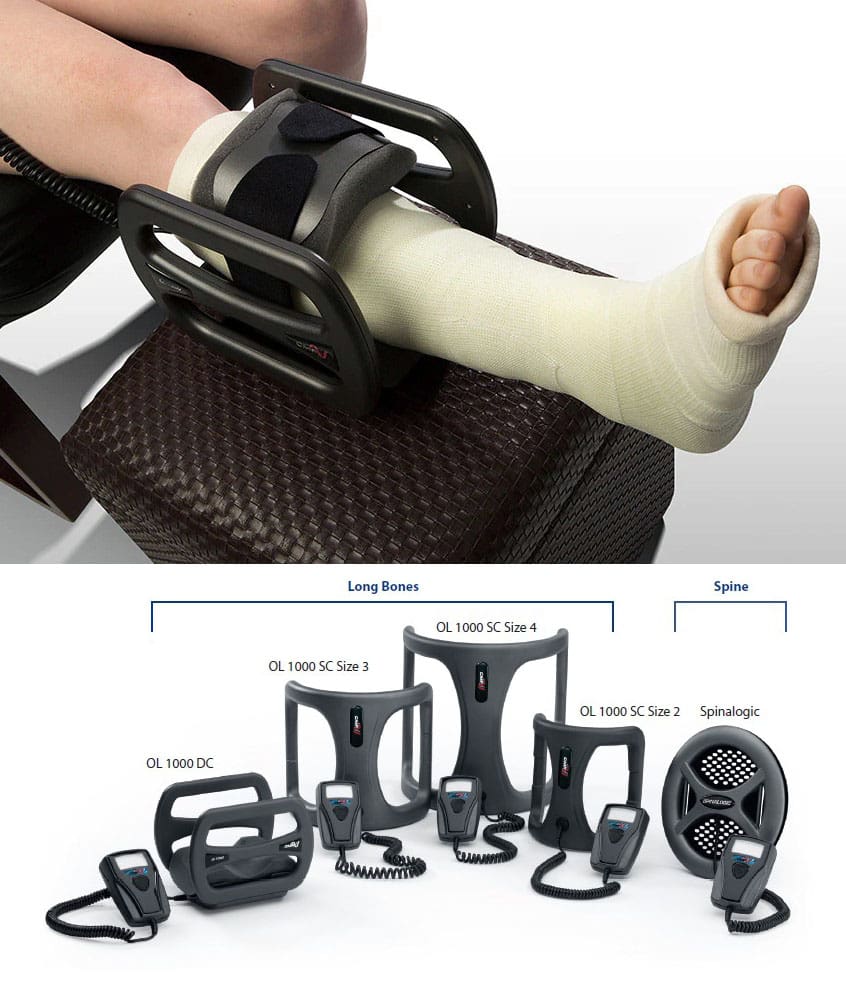
They come in various shapes, sizes, and technologies depending on the location of the fracture.
The most commonly used bone stimulators in orthopedics are electrical and ultrasound stimulators.
The stimulator emits a pulsed electromagnetic or ultrasonic impulse to the area where bone healing should occur.
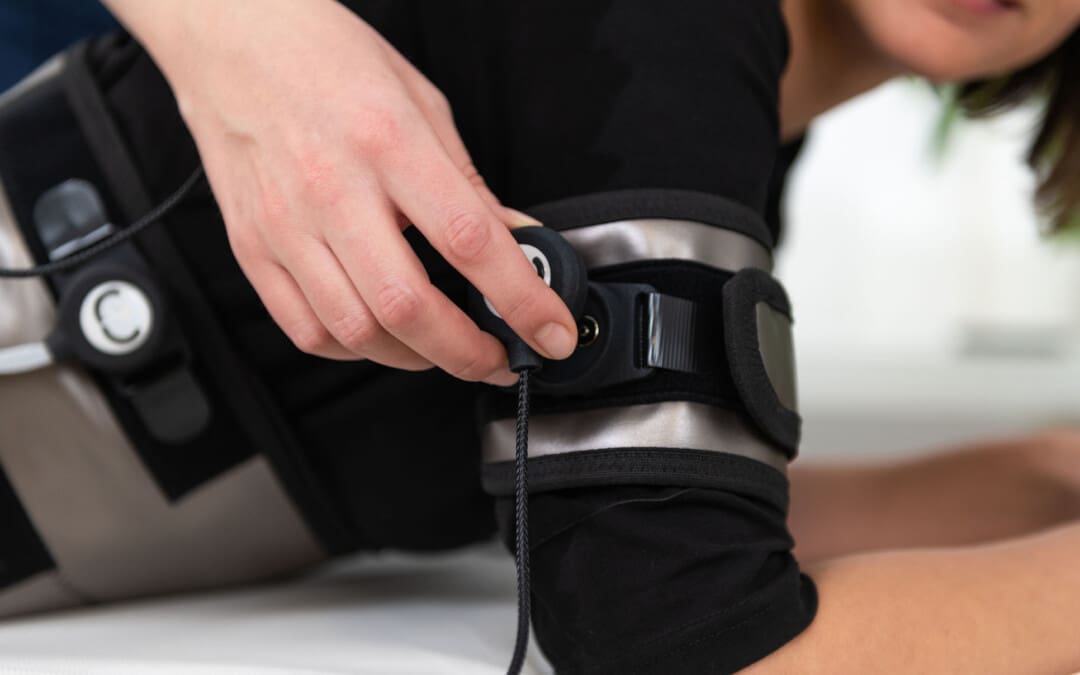
Most modern bone stimulators are attached near the fracture site or fused with a small battery pack and worn for a period each day that may last minutes or hours.
Electrical Stimulation
Devices deliver low-level electrical pulses to the fracture site, which can stimulate bone cells to create new bone tissue.
Ultrasound Stimulation
They emit low-intensity pulsed ultrasound waves, which are absorbed by the bone and can promote bone healing.
Implantable vs. External
Some stimulators are surgically implanted, providing constant stimulation directly at the fracture site, while others are external and worn over the skin or cast.
The goal is to activate a series of receptors in the body to encourage a healing response. (Childs, S. G. 2003) The stimulator activates a pathway that releases chemicals within the body to promote fracture healing. This type of process in the body is called a cascade, and it happens when one signal stimulates another method, and so on until healing is complete. The bone stimulator ensures this cascade continues until the healing process is complete.
Effectiveness
Studies of bone stimulator effectiveness suggest two benefits:
Less pain is associated with the bone healing process.
Faster fracture healing.
However, these studies haven’t shown that these differences lead to improved patient functional outcomes. It would seem that if there is less pain and faster healing, then the patient should recover without complications. However, some researchers have suggested this is probably because the differences in pain and healing times are small and not necessarily noticeable. (Aleem, I. S. et al., 2016)
While bone growth stimulators can be effective, the results can vary, and their effectiveness is still under investigation.
Some studies have shown that stimulators can reduce pain and speed up healing time, while others have shown mixed results.
It’s important to discuss the benefits and risks of bone growth stimulation with a doctor to determine if it’s the right treatment option.
When Stimulation is Necessary
Bone stimulators are currently not used for routine fracture healing. It is certainly possible that bone healing stimulators will be used routinely in the future. They seem to show some benefit in non-healing fractures or fractures that are likely troublesome to heal. Some reasons individuals may have problems healing fractures are injuries to the blood supply to and around the fracture, injuries to specific bones, and overuse-related fractures. (Victoria, G. et al., 2009) These injuries may include (FDA, 2022)
Nonunion Fractures
When a fracture doesn’t heal within the expected timeframe.
Open fractures
Stress fractures
Scaphoid bone fractures
Talus fractures
Failed Fusions
When a spinal fusion hasn’t been successful.
High-Risk Patients
For individuals with factors that can hinder bone healing, such as smoking, diabetes, or certain medications
Bone healing typically proceeds without much problem. However, there are situations where people have issues healing after fractures or surgery. Bone stimulators are not used for routine bone healing but in situations where steps may be needed to help stimulate the body. While the improvement may be small, it may be critical if it is the difference between healing and nonhealing.
Injury Medical Chiropractic and Functional Medicine Clinic
As a Family Practice Nurse Practitioner, Dr. Jimenez combines advanced medical expertise with chiropractic care to address various conditions. Our clinic integrates Functional Medicine, Acupuncture, Electro-Acupuncture, and Sports Medicine to create customized care plans that promote natural healing, mobility, and long-term wellness. By focusing on flexibility, agility, and strength, we empower patients to thrive, regardless of age or health challenges. At El Paso’s Chiropractic Rehabilitation Clinic & Integrated Medicine Center, we passionately focus on treating patients after injuries and chronic pain syndromes. We focus on improving your ability through flexibility, mobility, and agility programs tailored for all age groups and disabilities. We use in-person and virtual health coaching and comprehensive care plans to ensure every patient’s personalized care and wellness outcomes.
From Injury to Recovery with Chiropractic Care
References
U.S. Food & Drug Administration. (2022). AccelStim Bone Growth Stimulator – P210035. Retrieved from https://www.fda.gov/medical-devices/recently-approved-devices/accelstim-bone-growth-stimulator-p210035#:~:text=What%20is%20it?,the%20transducer%20to%20the%20fracture
Childs, S. G. (2003). Stimulators of bone healing. Biologic and biomechanical. Orthopedic nursing, 22(6), 421–428. https://doi.org/10.1097/00006416-200311000-00010
Aleem, I. S., Aleem, I., Evaniew, N., Busse, J. W., Yaszemski, M., Agarwal, A., Einhorn, T., & Bhandari, M. (2016). Efficacy of Electrical Stimulators for Bone Healing: A Meta-Analysis of Randomized Sham-Controlled Trials. Scientific Reports, 6, 31724. https://doi.org/10.1038/srep31724
Victoria, G., Petrisor, B., Drew, B., & Dick, D. (2009). Bone stimulation for fracture healing: What’s all the fuss?. Indian Journal of Orthopaedics, 43(2), 117–120. https://doi.org/10.4103/0019-5413.50844
Can incorporating sauerkraut into one’s diet help promote healthy gut bacteria?
Sauerkraut
Sauerkraut, a fermented cabbage food, is a great source of probiotics and fiber, both of which can contribute to gut health. It’s a living food containing various microbial strains and can help improve digestion, reduce inflammation, and improve overall gut health. (Shahbazi R. et al., 2021)
Fermented foods like sauerkraut have live cultures that promote the growth of beneficial probiotics, bacteria that provide powerful health benefits. Probiotics also help make foods more digestible, increasing the gut’s ability to absorb the vitamins and minerals they contain. A study found that fermented cabbage may help protect intestinal cells from inflammatory damage more than raw cabbage. (Wei L., & Marco M. L., 2025)
Homemade sauerkraut likely contains more live cultures than store-bought since processing may destroy some of the healthy bacteria. (National Institutes of Health Office of Dietary Supplements, 2023) Depending on which supplement is chosen, sauerkraut may have a greater diversity of probiotic strains. This is because an oral supplement has a known quantity and strain of probiotics. Individuals who want to add probiotics to their diet for potential gut health benefits should take a food-first approach, which is generally recommended over oral supplements. (National Institutes of Health, 2025)
Look at the Benefits
Probiotics
Sauerkraut contains lactic acid bacteria, which are beneficial bacteria that can help support the immune system and reduce inflammation. (Healthline, 2023)
Fiber
Sauerkraut is a robust source of fiber, which aids in digestion and can help you feel full longer.
Digestion
The probiotics in sauerkraut can improve digestion by promoting a healthy gut microbiome. (Medical News Today, 2023)
Consult with a doctor before adding sauerkraut to your diet if you are taking monoamine oxidase inhibitors (MAOIs).
Start small and learn how you like to eat sauerkraut, which can be as a condiment, side dish, or sandwich ingredient.
Injury Medical Chiropractic and Functional Medicine Clinic
As a Family Practice Nurse Practitioner, Dr. Jimenez combines advanced medical expertise with chiropractic care to address various conditions. Injury Medical Chiropractic and Functional Medicine Clinic works with primary healthcare providers and specialists to develop highly effective treatment plans through an integrated approach for each patient and restore health and function to the body through nutrition and wellness, functional medicine, acupuncture, electroacupuncture, and integrated medicine protocols. We focus on what works for you to relieve pain, restore function, prevent injury, and mitigate issues through adjustments that help the body realign itself. The clinic can also work with other medical professionals to integrate a treatment plan to resolve musculoskeletal problems.
Body In Balance: Chiropractic, Fitness, and Nutrition
References
Shahbazi, R., Sharifzad, F., Bagheri, R., Alsadi, N., Yasavoli-Sharahi, H., & Matar, C. (2021). Anti-Inflammatory and Immunomodulatory Properties of Fermented Plant Foods. Nutrients, 13(5), 1516. https://doi.org/10.3390/nu13051516
Healthline. (2023). 8 Surprising Benefits of Sauerkraut (Plus How to Make It). https://www.healthline.com/nutrition/benefits-of-sauerkraut#nutrients
Medical News Today. (2023). What are the benefits of eating sauerkraut? https://www.medicalnewstoday.com/articles/health-benefits-of-sauerkraut
Wei, L., & Marco, M. L. (2025). The fermented cabbage metabolome and its protection against cytokine-induced intestinal barrier disruption of Caco-2 monolayers. Applied and environmental microbiology, e0223424. Advance online publication. https://doi.org/10.1128/aem.02234-24
National Institutes of Health Office of Dietary Supplements. (2023). Probiotics. Retrieved from https://ods.od.nih.gov/factsheets/Probiotics-Consumer/
National Institutes of Health. (2025). Probiotics. Retrieved from https://ods.od.nih.gov/factsheets/Probiotics-HealthProfessional/
U.S. Department of Agriculture. (2018). Sauerkraut, canned, solids and liquids. Retrieved from https://fdc.nal.usda.gov/food-details/169279/nutrients
Can pace running help runners concentrate on other things, like breathing, form, or mental toughness?
Pace Running
Running is a sport many participate in and doesn’t require any equipment—only quality running shoes. Running in races comes with various physical and mental challenges. Some runners enjoy running in races and marathons but want to perfect their abilities and techniques, become more consistent, finish in a certain time, or pass a personal record. This is where pace running or working with a pace runner can help achieve those goals.
What is a Pace Runner?
A pace runner, or pacer, is an experienced runner who can run at a set pace for a long time. The pacer sets the speed so the runner can focus on running. Pacers run in races or marathons to help set the pace for a runner or runners. There are different reasons why professional and amateur runners work with a pace runner. Professional runners often use pace runners to work on techniques and help reach new levels in their running, while amateur runners can work on improving their overall running abilities. There are three typical types of pacers.
Race Pacer
Pacers wear or carry signs to make it easier for the runners and can often run split times.
A split time is the time it takes to run a certain distance.
Typically, these pacers will run at an even pace.
Many marathons will have pace groups that run at a specific speed or pace throughout the race.
The pace groups will have runners running a set time so other runners can key off these runners.
There are typically set paces for a 3-hour marathon time up to a 6-hour marathon time.
Runners can use pacers to help them reach their goals without relying on technology, such as a smartwatch or GPS, to determine if they maintain the correct speed throughout the race.
Distance Pacer
Professional and non-professional runners who run long distances or ultramarathons may also use a pace runner to set a specific tempo.
Ultramarathons are any race with a distance longer than the standard marathon of 26.2 miles.
Because some ultramarathons can be as long as 50 to 100 miles, runners who choose to have a pacer often have several pacers at different sections to motivate them and help set the rhythm.
Record Pacer or Rabbit
A record pacer, also known as a rabbit, is a pacer who helps a professional runner set a new record.
A rabbit often leads the race for a predetermined distance at a predetermined pace.
Some races have multiple pacers at various distances.
How Are Pacers Used?
There are different reasons for having a pacer, but they are based on the runner’s goals.
A runner being paced runs directly behind a pacer or pacers.
A pacer can run any pace requested, but typically, the pace groups run at an even pace or with a slight negative split.
A negative split is when a runner runs the race’s second half faster than the first half.
How Do They Help?
A pacer can be helpful because it takes more energy to lead a race than to sit back and follow another runner.
The pacer is responsible for timing and establishing the tempo so runners only have to focus on running.
A pacer does more work setting the pace, which allows the runner being paced to relax and not stress about hitting the pace.
A study focused on elite athletes who used pacers. It found that running together at a realistic speed helped optimize and achieve finishing time goals. (Casado A. et al., 2021) However, not all elite events allow pacers to participate. Some championship events, like the Olympics and NCAA Championships, do not allow pacer runners.
Benefits
Benefits of running with a pacer.
Prevent Running Too Fast
When a race begins, runners can take off and start too fast.
Starting too quickly can negatively impact the runners, like losing energy and stamina.
A pacer can help start the race with a steady pace, keeping them from going out too fast or expending too much energy.
Maintain an Even Pace
Maintaining an even pace can be difficult throughout a long race or a marathon.
Having a pacer can relieve some stress and pressure.
A pacer can keep the runners on an even pace or negative splits versus going out too fast and losing energy.
Focus on the Race
Pacers help the runners stay focused on the race without worrying about how they are running or maintaining the right speed.
A pacer can help keep runners relaxed.
Motivating
Pacers can help motivate runners.
The pace runners may encourage individuals along the way and help them stay motivated to keep working toward their goal, especially when the hard parts come.
Disadvantages
Running with a pacer can sometimes be more stressful than beneficial, especially for amateur runners. A pacer or pace group can be helpful, but it also can create more stress for some amateur runners.
Sometimes, individuals realize the pacer is running too quickly for what they can handle.
Anxiety can present as not being able to keep up.
Other times, runners underestimate their abilities and run more slowly than their bodies can handle.
However, runners don’t have to stay with a pace group just because they started with them.
Individuals can run ahead.
Or if the group is too fast, the runner can slow down and join the slower-paced group behind them.
The key is to listen to your body and do what feels right.
Becoming a Pacer
An experienced runner who wants to be a pacer for a race can contact a running organization about becoming a pace runner.
Individuals need to be able to have consistent racing times.
Be able to run at a set speed for a long duration.
Most pacers will contact the race organization to apply for a certain pace.
Some pacers enjoy the thrill of running in a race and helping other runners meet their goals.
The runner’s goals and the type of event also influence who the pacer is.
Injury Medical Chiropractic & Functional Medicine Clinic
Individuals can talk to local running experts or a running coach. Injury Medical Chiropractic and Functional Medicine Clinic works with primary healthcare providers and specialists to develop an optimal health and wellness solution. We focus on what works for you to relieve pain, restore function, and prevent injury. We can also work with other medical professionals to integrate a treatment plan to resolve musculoskeletal issues.
The Difference of Using Custom Foot Orthotics
References
Casado, A., Hanley, B., Jiménez-Reyes, P., & Renfree, A. (2021). Pacing profiles and tactical behaviors of elite runners. Journal of Sport and Health Science, 10(5), 537–549. https://doi.org/10.1016/j.jshs.2020.06.011
How can cornstarch be used instead of flour in recipes for individuals on a gluten-free diet who are looking for a flour alternative due to celiac disease or non-celiac gluten sensitivity?
Cornstarch Substitute
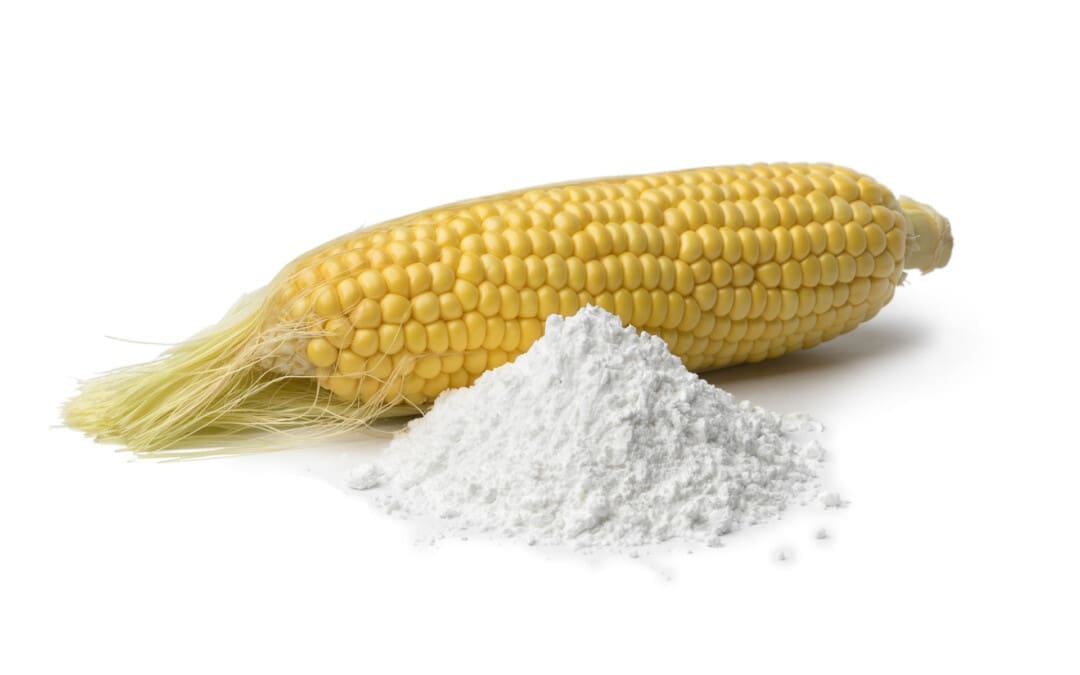
Flour is often used as a thickener or a coating in recipes. Pure cornstarch (made from corn) is a gluten-free flour substitute (Rai S., Kaur A., & Chopra C.S., 2018). However, some brands are not considered gluten-free.
Substitute for Flour
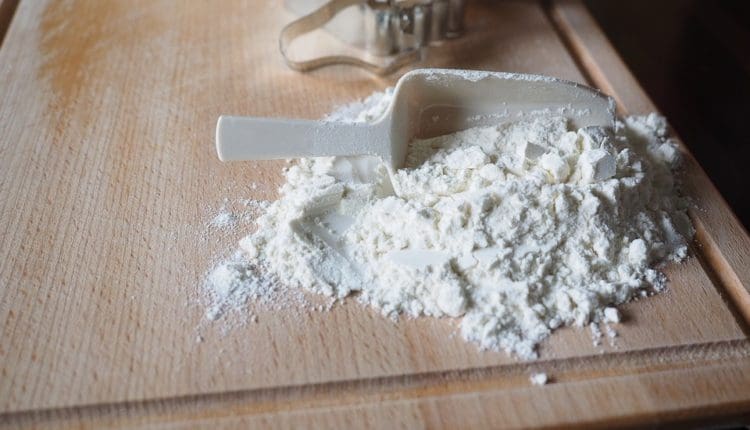
It’s easy to substitute cornstarch for flour when the recipe calls for a thickener, such as in gravies, sauces, pies, or coatings for fried foods. If flour is unavailable or individuals want to try a gluten-free alternative, cornstarch has a similar effect in these cooking applications.
However, individuals should be aware that it cannot be used as a substitute for flour in baked goods.
As a Thickener
Cornstarch can be a thickener in sauces, gravy, and pie fillings. (Bob’s Red Mill, 2020)
There is no taste of cornstarch.
However, foods will be more translucent.
This is because it is pure starch, while flour contains some protein.
Cornstarch is not a 1:1 substitute for flour.
Individuals should generally use one tablespoon for each 1 1/2 to 2 cups of flour for sauce/gravy for medium thickness. (The Denver Post, 2016)
When using cornstarch as a thickener:
Bring the mixture to a full boil for 1 minute, which allows the granules to swell to their maximum.
Reduce the heat as it thickens.
Overcooking can cause mixtures to thin when cooled.
Cook over medium-low to medium heat, as high heat can cause lumping.
Stir gently
Stirring vigorously can break down the mixture.
If more ingredients are needed, remove the pot from the heat and stir them quickly and gently.
Avoid freezing sauces or gravies since they won’t freeze well. (Cook’s Info, 2008)
How To Use
Use half as much cornstarch as you would flour.
For example, if the recipe calls for two tablespoons of flour, use one tablespoon of cornstarch.
If the recipe calls for 1/4 cup of flour, use 1/8 cup of cornstarch.
This is true for other starches, including arrowroot, potato, and tapioca. (Taste of Home, 2023)
Adding the cornstarch directly will cause it to clump and form lumps in the sauce that will be difficult to dissolve.
To avoid this, mix the cornstarch with cold water (1 tablespoon of cornstarch to 1 tablespoon of cold water) until it is dissolved.
Then pour the water/starch mixture/slurry into the mix.
Cornstarch is not as effective as flour when thickening acidic sauces. It doesn’t work well with tomato, vinegar, or lemon juice sauces. It is also less effective than flour when thickening sauces made with fat, including butter or egg yolks. (The BC Cook Articulation Committee, 2015)
If the mixture contains too little liquid, the starch granules cannot absorb. This is also the case when there is more sugar than liquid, in which case, more liquid is needed to firm up the mixture.
Fried Dishes
Individuals can use cornstarch instead of flour to coat fried chicken, fish, or other fried dishes. It creates a crisper coating that better withstands sauces and absorbs less frying oil, resulting in a lower-fat meal. Tips for frying:
Try a 50/50 blend of cornstarch and gluten-free flour for a coating closer to wheat flour. (Bon Appetit, 2016)
Ensure there is a light, even cornstarch coating on the food.
Heavier coatings can get gummy.
Injury Medical Chiropractic and Functional Medicine Clinic
When cooking gluten-free, individuals may be able to continue to enjoy some of their favorite sauces by learning how to use cornstarch and other gluten-free thickeners instead of flour. As a Family Practice Nurse Practitioner, Dr. Jimenez combines advanced medical expertise with chiropractic care to address various conditions. Injury Medical Chiropractic and Functional Medicine Clinic works with primary healthcare providers and specialists to develop highly effective treatment plans through an integrated approach for each patient and restore health and function to the body through nutrition and wellness, functional medicine, acupuncture, electroacupuncture, and integrated medicine protocols. We focus on what works for you to relieve pain, restore function, prevent injury, and mitigate issues through adjustments that help the body realign itself. The clinic can also work with other medical professionals to integrate a treatment plan to resolve musculoskeletal problems.
From Consultation to Transformation: Assessing Patients in a Chiropractic Setting
References
Rai, S., Kaur, A., & Chopra, C. S. (2018). Gluten-Free Products for Celiac-Susceptible People. Frontiers in Nutrition, 5, 116. https://doi.org/10.3389/fnut.2018.00116
Bob’s Red Mill. (2020). Baking with cornstarch: Everything you need to know. https://www.bobsredmill.com/articles/baking-with-cornstarch-everything-you-need-to-know
Denver Post. (2016). Cornstarch a good way to thicken gravy lightly. https://www.denverpost.com/2010/11/20/cornstarch-a-good-way-to-thicken-gravy-lightly/
Taste of Home. (2023). Cornstarch vs. flour vs. arrowroot – when should you use which thickener? https://www.tasteofhome.com/article/best-thickener/
Bon Appetit. (2020). Cornstarch is a powerful tool that must be used responsibly. https://www.bonappetit.com/story/the-power-of-almighty-cornstarch
The BC Cook Articulation Committee. (2015). Understanding Ingredients for the Canadian Baker
Types of thickening agents. https://opentextbc.ca/ingredients/chapter/types-of-thickening-agents/
Bon Appetit. (2016). 4 brilliant ways to cook with cornstarch. https://www.bonappetit.com/story/cornstarch-uses-sauce-crispy-meat
For individuals dealing with or experiencing muscle pain and stiffness, how long does it take to loosen tight muscles?
Length Of Time to Loosen Tight Muscles
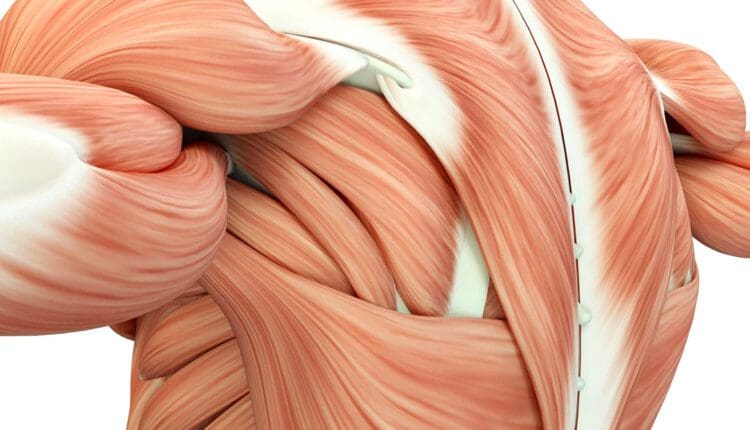
Tight muscles are often caused by overuse or strain, combined with muscle soreness, a common symptom of tight muscles. The soreness peaks around the third day and begins to subside, typically resolving within a few days. But if tightness persists or is accompanied by other symptoms like numbness, inability to move, or swelling, it’s important to consult a medical provider. (Spine Medicine and Surgery of Long Island, 2024) However, it can take much longer for individuals who have never stretched and have had tight muscles for years, depending on the severity, injury history, and underlying causes.
Factors Influencing Timeline
Consistent stretching can take anywhere from a few weeks to a few months to noticeably loosen tight muscles and improve flexibility. The specific time frame depends on factors like the severity of the tightness, underlying causes, and individual consistency with stretching. (Peterson Physical Therapy, 2024)
Severity of Tightness
Muscle knots and significant limitations in range of motion may take longer to resolve than minor stiffness.
Underlying Causes
If tightness is due to a specific injury or condition, addressing that cause is important for lasting and maintaining improvements. (Healthline, 2023)
Individual Factors
Genetics, age, and overall health can influence how quickly muscles adapt to stretching.
Consistency
Regular stretching, ideally daily or several times a week, is essential for feeling progress. (Mayo Clinic, 2023)
Stretching Routine
The length of time can vary based on the starting flexibility level and the specific stretching routine. (Mayo Clinic, 2023) It typically takes several weeks of consistent stretching, at least 3-4 times a week, to notice flexibility improvements. Longer-term changes, beyond the initial feeling of being looser, usually take 8 to 12 weeks.
Longer holds (1-2 minutes) can provide deeper benefits.
Long-term Gains
For substantial and sustained improvements, stretching consistently for several months is recommended. (Mayo Clinic, 2023)
Initial Changes
Individuals may notice small improvements in the first few weeks, especially starting from a more inflexible position.
Influencing Factors and Results
Individual genetics, current flexibility level, and the specific exercises can affect how quickly improvements are seen and felt. (Peterson Physical Therapy, 2024)
What To Expect
Improvements
Within a few weeks, individuals might notice a decrease in the sensation of tightness or increased ease in reaching a stretch. (Peterson Physical Therapy, 2024)
Longer-Term Changes
Significant muscle length and flexibility improvements may take several weeks to months of consistent effort.
Consider professional guidance for specific concerns or limitations. Consult a physical therapist or healthcare provider for personalized recommendations.
The length of time to see results means consistency and patience are important.
Injury Medical Chiropractic and Functional Medicine Clinic
As a Family Practice Nurse Practitioner, Dr. Jimenez combines advanced medical expertise with chiropractic care to address various conditions. Our clinic integrates Functional Medicine, Acupuncture, Electro-Acupuncture, and Sports Medicine to create customized care plans that promote natural healing, mobility, and long-term wellness. By focusing on flexibility, agility, and strength, we empower patients to thrive, regardless of age or health challenges. At El Paso’s Chiropractic Rehabilitation Clinic & Integrated Medicine Center, we passionately focus on treating patients after injuries and chronic pain syndromes. We focus on improving your ability through flexibility, mobility, and agility programs tailored for all age groups and disabilities. We use in-person and virtual health coaching and comprehensive care plans to ensure every patient’s personalized care and wellness outcomes.
Understanding Long-Lasting Injuries
References
Spine Medicine and Surgery of Long Island. (2024). How Long Do Muscle Knots Last? Spine Medicine and Surgery of Long Island. https://www.spinemedli.com/how-long-do-muscle-knots-last/#:~:text=The%20duration%20of%20a%20muscle,chronic%20pain%20if%20left%20untreated.
Peterson Physical Therapy. (2024). How Long Does It Take to Improve Flexibility? https://petersenpt.com/how-long-does-it-take-to-improve-flexibility#:~:text=Over%20the%20years%2C%20I’ve,takes%20to%20become%20more%20flexible.
Healthline. (2023). Everything You Need to Know About Muscle Stiffness. https://www.healthline.com/health/muscle-stiffness
Mayo Clinic. (2023). Stretching: Focus On Flexibility. https://www.mayoclinic.org/healthy-lifestyle/fitness/in-depth/stretching/art-20047931#:~:text=Stretch%20in%20a%20smooth%20movement,hold%20for%20around%2060%20seconds.
Harvard Health Publishing. (2022). Everyday Stretching. https://www.health.harvard.edu/everyday-stretching#:~:text=A%20daily%20regimen%20will%20deliver,or%20three%20times%20a%20week.
Many ask, what and when should you eat before, during, and after engaging in Pilates exercises?
Pilates Nutrition Plan
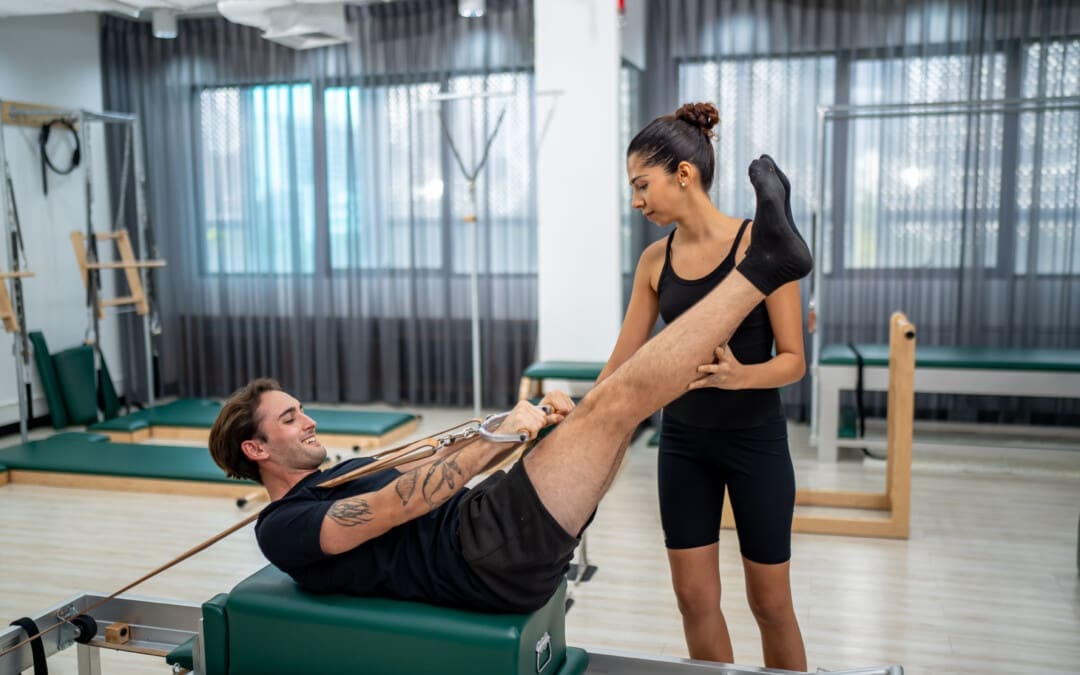
Pilates involves a lot of core work on the mat. However, it does not require a special diet. To fully utilize Pilates nutrition, individuals should consider what foods keep their bodies feeling the most balanced. A balanced nutrition plan can enhance Pilates practice by:
Providing sustained energy
Supporting muscle recovery
Promoting overall well-being
Pre-Pilates
Timing
Eat a light meal or snack 2-3 hours before a class or a smaller snack 30 minutes before.
Food Options
Eat complex carbohydrates like whole grains, fruits, and vegetables for sustained energy.
Avoid
Heavy, greasy, or spicy foods may cause discomfort during exercise.
Foods that will make you gassy or cause queasiness.
During the Workout
Complex carbohydrates and lean proteins, with a little healthy fat, are good pre-Pilates meals, as they sustain energy better than simple carbs or sugary snacks. (American Heart Association, 2024) Suggestions for a pre-Pilates meal.
Individuals can adjust the portion size.
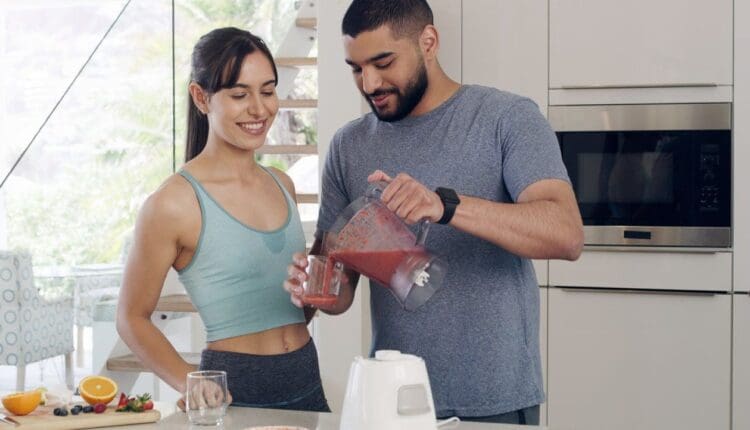
A protein shake that uses fruit can be convenient.
Peanut butter on whole-grain bread offers a quick source of complex carbohydrates and protein.
Yogurt with fruit.
Small portion of oatmeal.
Because Pilates emphasizes using the abdominal muscles, individuals will want to ensure that any food they’ve eaten before their session is fully digested. Try to eat light before, like snacking on a banana or sipping on a smoothie for some carbohydrates for energy. Regardless of what is eaten, nutrition experts recommend waiting two to three hours after eating before exercising.
Maintain Hydration
Drink water and/or eat hydrating fruits throughout the day, especially before and during the workout or class.
After Working Out
Individuals want to ensure their bodies have enough nutrients to strengthen their muscles and replenish their energy. Try a protein green smoothie afterward or a light snack with lean protein like fish or chicken and carbohydrates like whole grains. The diet between workouts will depend on weight loss goals.
Timing
Consume a protein-rich snack or meal within 30-60 minutes after your class to aid muscle recovery.
Food Choices
Focus on protein for muscle repair and carbohydrates to replenish energy stores.
Hydration
Continue to hydrate to replenish fluids lost through perspiration.
While Pilates can complement cardiovascular exercise as part of a fat-burning workout program, health experts advise that losing weight will not come from exercise alone. Individuals will need to work on reducing their calorie intake overall. (Centers for Disease Control and Prevention, 2023)
Injury Medical Chiropractic and Functional Medicine Clinic
As a Family Practice Nurse Practitioner, Dr. Jimenez combines advanced medical expertise with chiropractic care to address various conditions.
Wellness & Nutrition: Personalized plans to optimize health and prevent disease.
Sports Injuries & Orthopedic Care: Treatment for sprains, strains, and complex injuries.
Chronic Pain Management: Non-invasive solutions for fibromyalgia, sciatica, and low back pain.
Personal Injury & Auto Accident Care: Tailored rehabilitation for whiplash, soft tissue injuries, and more.
Functional Medicine: Root-cause analysis for chronic disorders, incorporating nutrition, lifestyle, and environmental factors.
Neuromusculoskeletal Health: Care for neck pain, migraines, herniated discs, and scoliosis.
Our clinic integrates Functional Medicine, Acupuncture, Electro-Acupuncture, and Sports Medicine to create customized care plans that promote natural healing, mobility, and long-term wellness. By focusing on flexibility, agility, and strength, we empower patients to thrive, regardless of age or health challenges. At El Paso’s Chiropractic Rehabilitation Clinic & Integrated Medicine Center, we passionately focus on treating patients after injuries and chronic pain syndromes. We focus on improving your ability through flexibility, mobility, and agility programs tailored for all age groups and disabilities. We use in-person and virtual health coaching and comprehensive care plans to ensure every patient’s personalized care and wellness outcomes.
Home Exercises for Pain Relief
References
American Heart Association. (2024). Food as fuel before, during, and after workouts. https://www.heart.org/en/healthy-living/healthy-eating/eat-smart/nutrition-basics/food-as-fuel-before-during-and-after-workouts
Centers for Disease Control and Prevention. (2023). Tips for Maintaining Healthy Weight. Retrieved from https://www.cdc.gov/healthy-weight-growth/about/tips-for-balancing-food-activity.html?CDC_AAref_Val=https://www.cdc.gov/healthyweight/calories/index.html
When you don’t have breadcrumbs or want to try something else, what are healthy substitutes for breadcrumbs that may yield similar results without sacrificing flavor or texture?
Bread Crumbs
Various recipes call for bread crumbs. Adding bread crumbs to sauces and other dishes helps bind and thicken wet ingredients while sprinkling bread crumbs on top of casseroles can add a crispy, crunchy texture. Individuals who follow low-carb or gluten-free meal plans or those with allergies to wheat may choose to avoid bread crumbs and dishes made with them. Wheat-free substitutes can replace bread crumbs in recipes with similar results, though the recipe may vary slightly.
Why Use Substitutes?
Individuals with food allergies or dietary restrictions may seek a substitute for bread crumbs since they may contain common allergens like wheat and gluten. Wheat is among the most common food allergies in the U.S. (Asthma and Allergy Foundation of America, 2022)
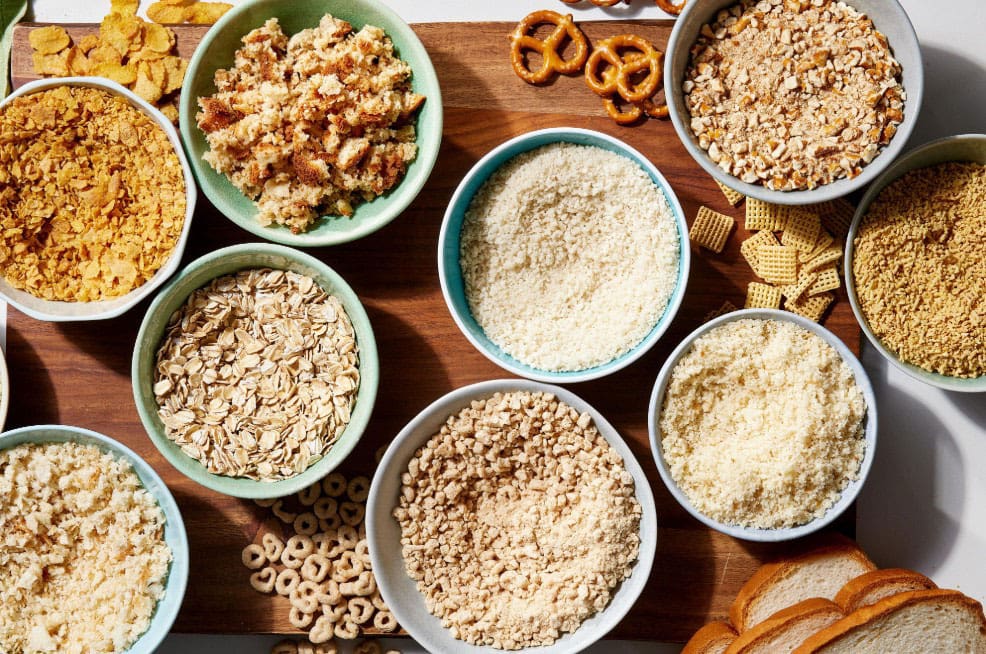
For those with allergies or sensitivities, gluten- and wheat-free bread crumbs are available to purchase at some stores, and some use alternatives out of preference. Crushing different varieties of chips, crackers, and pretzels can be used instead of bread crumbs, adding a unique flavor and texture. However, these substitutes may not be an option for recipes that call for bread crumbs to bind or thicken wet ingredients.
Bread products like bread crumbs can be part of a balanced diet. Guidelines recommend between 3 and 5 servings of whole grains daily for adults, including whole-wheat bread. (United States Department of Agriculture, 2025)
The main macronutrient in bread crumbs is carbohydrates.
Bread crumbs are usually consumed in small amounts because they are not the main ingredient.
Substitutes
Rolled Oats or Oat Flour
Oats and oat flour are often used as gluten-free alternatives to wheat in baking. Oats by weight are:
Lower in calories
Provide more complex carbohydrates.
They are a richer source of dietary fiber than bread crumbs.
Like regular flour, oats can be a binder in meat-based recipes. For example, if a recipe for meatloaf or meatballs calls for bread crumbs, rolled oats or oat flour can be successfully substituted.
Ensure the oats are gluten-free for individuals with gluten allergies, celiac, or gluten sensitivity. Though oats are inherently gluten-free, they may be processed on shared equipment and exposed to cross-contamination.
Cornflakes
Cornflakes can also add a crunchy texture to baked recipes. While corn is inherently gluten-free, cornflakes may not be. For individuals who have allergies or sensitivities, ensure you use gluten-free cornflakes. To use cornflakes, crunch them up by adding them to a ziplock bag and pressing them on the outside.
Nuts
Try nuts like almonds, walnuts, pecans, and cashews to add crunch and nutrients to a recipe. They are rich in healthy fats, protein, vitamins, and minerals. Plain nuts are also gluten-free, but roasted nuts may contain a wheat-based coating. Be sure to read the labels before using them.
Seeds
Seeds are a nutritious substitute.
They offer a different crispy, crunchy texture.
Shredded Coconut
Shredded or desiccated coconut can be used for sweet or rich recipes. It is perfect for adding to baked goods, especially gluten-free varieties. The recipe may need to be adjusted slightly because coconut has more moisture than regular bread crumbs. Do a small sample first to see how the coconut works in the recipe.
Injury Medical Chiropractic & Functional Medicine Clinic
Injury Medical Chiropractic and Functional Medicine Clinic works with primary healthcare providers and specialists to develop highly effective treatment plans through an integrated approach for each patient and restore health and function to the body through nutrition and wellness, functional medicine, acupuncture, electroacupuncture, and integrated medicine protocols. We focus on what works for you to relieve pain, restore function, prevent injury, and mitigate issues through adjustments that help the body realign itself. The clinic can also work with other medical professionals to integrate a treatment plan to resolve musculoskeletal problems.
Hypertension? There’s a Diet for That
References
Asthma and Allergy Foundation of America. (2022). Food allergies. https://aafa.org/allergies/types-of-allergies/food-allergies/
United States Department of Agriculture, FoodData Central. (2018). Bread crumbs, dry, grated, plain. Retrieved from https://fdc.nal.usda.gov/food-details/174928/nutrients
United States Department of Agriculture. Dietary Guidelines for Americans 2020-2025. (2020). Dietary Guidelines for Americans, 2020-2025. Retrieved from https://www.dietaryguidelines.gov/sites/default/files/2021-03/Dietary_Guidelines_for_Americans-2020-2025.pdf
IFM's Find A Practitioner tool is the largest referral network in Functional Medicine, created to help patients locate Functional Medicine practitioners anywhere in the world. IFM Certified Practitioners are listed first in the search results, given their extensive education in Functional Medicine