For older individuals looking for a workout that can help improve overall fitness, can kettlebell training help achieve health goals?
Kettlebell Training At Any Age
Previous research found that training with a kettlebell can improve aerobic capacity, balance, and core strength. New research suggests that kettlebell training is beneficial at any age (American Physiological Society, 2024). Compared to dumbbells or barbells, the kettlebell’s specific shape—a sphere on the bottom and a handle that can be grabbed by one or both hands—better emulates how the body moves through daily tasks and activities. When isolating a muscle, like a bicep, only that muscle is getting worked out. But in everyday life, a lot of what the body does is lifting and moving things. A kettlebell allows those muscle groups to connect in a stronger and more efficient movement.
Benefits At Any Age
A research study examined how using kettlebells impacted the health of individuals from different backgrounds without prior exposure to resistance training between the ages of 60 and 80. The participants enrolled in a twice-a-week exercise program using kettlebells to improve fitness. At the end of six months, the researchers found the participants had increased muscle mass and grip strength. At the end of the year, the participants had lower inflammation markers in their blood and had met other fitness goals, including climbing stairs faster and making multiple chair stands/standing from a seated position. The researchers say the findings show how effective kettlebells can be for all ages and demonstrate that the kettlebell training program leads to benefits even in older individuals just starting. (American Physiological Society, 2024) The kettlebell’s unique shape allows for an offset center of gravity from the handle, encouraging increased engagement of stabilizing muscles. This combination of strength and functional movement patterns helps to improve the following:
Balance
Coordination
Core stability
This makes it a versatile tool for older adults.
Getting Started
For individuals just starting kettlebell training, it is recommended that they work with a certified instructor or find a beginner’s class. Guided training ensures proper technique and form and reduces the risk of injury. To avoid common kettlebell mistakes when lifting weights for the first time, start with lighter kettlebells to master form and focus on slow, controlled movements. When lifting weight from the ground to the chest, don’t pull with the shoulder muscles. Instead, start in the legs and let the energy move up through the body, known as the kinetic chain. When exercising, spend only 20 to 30 seconds on a rep before resting for 30 seconds, and don’t spend more than five minutes on a single exercise. (American Council on Exercise, 2015)
Injury Medical Chiropractic and Functional Medicine Clinic
Individuals who want to start an exercise routine should consider kettlebell training. Following basic tips and training slowly, kettlebells can be an option for anyone looking to improve their fitness and overall health. Consider working with a personal trainer to ensure safety and get the most out of workouts. Injury Medical Chiropractic and Functional Medicine Clinic works with primary healthcare providers and specialists to build optimal health and wellness solutions. We focus on what works for you to relieve pain, restore function, prevent injury, and help mitigate issues through adjustments that help the body realign itself. They can also work with other medical professionals to integrate a treatment plan to resolve musculoskeletal problems.
Transform Your Body
References
American Physiological Society. (2024). Kettlebell training may help maintain muscle strength in older adults. https://www.physiology.org/detail/news/2024/11/21/kettlebell-training-may-help-maintain-muscle-strength-in-older-adults?SSO=Y
American Council on Exercise. Wall, A. J. (2015). How to get started with kettlebells. https://www.acefitness.org/resources/pros/expert-articles/5269/how-to-get-started-with-kettlebells/?srsltid=AfmBOor4x0yZwrHzGRccSA2uYMQtS3PX-vRC03eVwQoGX6_6B5wryAAi
What is the recommended way to choose a mattress for individuals with back pain?
Back Pain Mattress
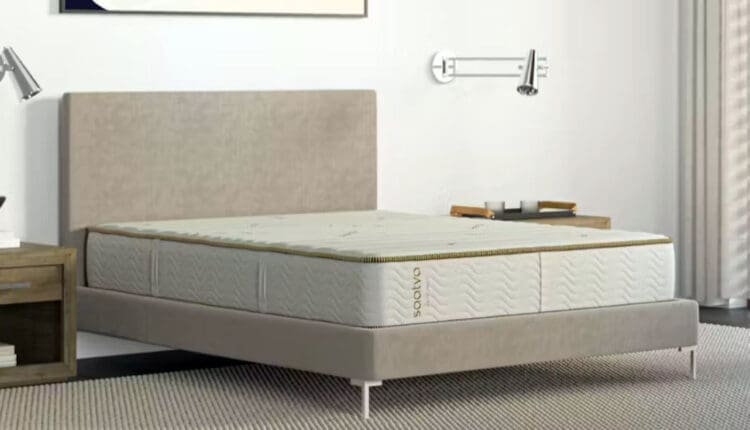
When choosing a back pain mattress, one size does not fit all in selecting one for those with spine pain. Several other factors play a role, as well. However, whether a firm or soft mattress is the best option for individuals whose back pain keeps them up at night, most health experts say the choice is yours and that the mattress that makes you feel most comfortable is likely the best option. The research says that medium firmness seems to provide the most painless sleep. A review gathered information from 24 controlled trials where participants used soft, medium-firm, firm, or custom-inflated mattresses. The results showed that medium-firm and self-adjusted mattresses were best for sleep comfort, quality, and spinal alignment. (Radwan A. et al., 2015)
Medical Status
Selecting the back pain mattress best suited to your spinal condition is more than just how hard or soft the mattress is. Individuals and their healthcare providers should thoroughly review their medical history to tailor the mattress to their needs. Before purchasing a mattress, check the following:
Age
Medical history
Injuries current and past
Current diagnosis or diagnoses
Disease and/or Conditions
Sleeping preferences
For example, symptoms of spinal stenosis tend to present themselves when one is standing and walking but not when lying down. For this reason, mattress firmness is not a big issue only for people with spinal stenosis. However, it must be taken into consideration for those who have degeneration along with spinal stenosis.
Individuals with spinal arthritis without stenosis, disc problems, or non-specific back pain need to consider the relative firmness or softness of the back pain mattress. People with these conditions do better with more support, i.e., a firmer mattress. While everyone needs some back support when they sleep, those who have undergone multiple back surgeries often need less. The tissues have been altered and may be stiffer after several surgeries. In this case, a softer mattress may be more suitable and comfortable.
Mattress Age
Mattress springs break down over time, which makes the bed softer. This can aggravate the spine and back muscles. Based on this, investing in a new mattress makes sense, or pain and stiffness can worsen with the current one. While this will vary among individuals, medical research may help shed some light: A study measured the comfort and quality of sleep for 27 participants with low back pain and stiffness. The participants recorded their sleep comfort and quality in their beds for 21 days and then with a new prescribed mattress and bedding system, which they used for 12 weeks. The study found that the participants showed significant and progressive improvement in back pain and stiffness on the new mattresses and improved sleep quality significantly. (Jacobson B. H. et al., 2010)
Sleeping Position
The position usually slept in makes a difference in the support needed for the back pain mattress. Some recommendations for back sleepers, side and fetal position sleepers, and stomach sleepers:
Side Sleepers
Most people are side sleepers.
They sleep in the fetal position with their knees drawn up toward their chest.
This position tends to place pressure on the hips and shoulders.
For side and fetal sleepers, a slightly softer mattress is recommended.
The foam the mattress is made of conforms to the body, especially in the thoracic and lumbar regions of the spine.
Stomach Sleepers
For the stomach sleeper, soft mattresses can irritate the back.
A soft mattress encourages the abdomen to sink into the bed.
The resulting position is known to increase the arch in the lower back and cause pain.
A medium-firm surface is good for stomach sleepers.
The idea is to derive support from the chosen mattress without the abdominal sinking.
The sinking effect is amplified if you have a large abdomen.
For thin individuals, sinking may not be as much of an issue.
Back Sleepers
For support, place a thin, rolled towel or pillow under the knees and lower back of those who sleep on their backs.
A pillow/s under these areas will help support them and provide more comfort.
Researchers divided the participants according to their usual sleep position. They were assigned to a medium-firm mattress with foam and latex layering based on their preferred sleep position. The participants rated their sleep comfort and quality daily for three months. The researchers found that the new mattresses improved back pain and stiffness. For this reason, they concluded that sleep surfaces relate to sleep discomfort and that replacing a mattress with one uniquely suitable to your spinal condition can reduce and relieve pain. (Jacobson B. H. et al., 2010)
Injury Medical Chiropractic and Functional Medicine Clinic
Choosing the right back pain mattress ultimately comes down to personal preference. Individuals should try various mattresses and see which one they like best. Individuals who struggle with sleep or other sleep disorders that impact their ability to get restful sleep should consult with their healthcare provider about getting an assessment and treatment. Injury Medical Chiropractic and Functional Medicine Clinic can help individuals recover and regain the benefits of quality rest through healthy sleep practices and lifestyle accommodations. We build optimal health and wellness solutions with primary healthcare providers and specialists. We focus on what works for you to relieve pain, restore function, prevent injury, and help mitigate issues through adjustments that help the body realign itself. They can also work with other medical professionals to integrate a treatment plan to resolve musculoskeletal problems.
Chiropractic Care Can Transform Pain Into Relief
References
Radwan, A., Fess, P., James, D., Murphy, J., Myers, J., Rooney, M., Taylor, J., & Torii, A. (2015). Effect of different mattress designs on promoting sleep quality, pain reduction, and spinal alignment in adults with or without back pain; systematic review of controlled trials. Sleep health, 1(4), 257–267. https://doi.org/10.1016/j.sleh.2015.08.001
Jacobson, B. H., Boolani, A., Dunklee, G., Shepardson, A., & Acharya, H. (2010). Effect of prescribed sleep surfaces on back pain and sleep quality in patients diagnosed with low back and shoulder pain. Applied ergonomics, 42(1), 91–97. https://doi.org/10.1016/j.apergo.2010.05.004
Can listening to sleep sounds help achieve and maintain healthy sleep patterns for individuals having trouble sleeping?
Sleep Sounds
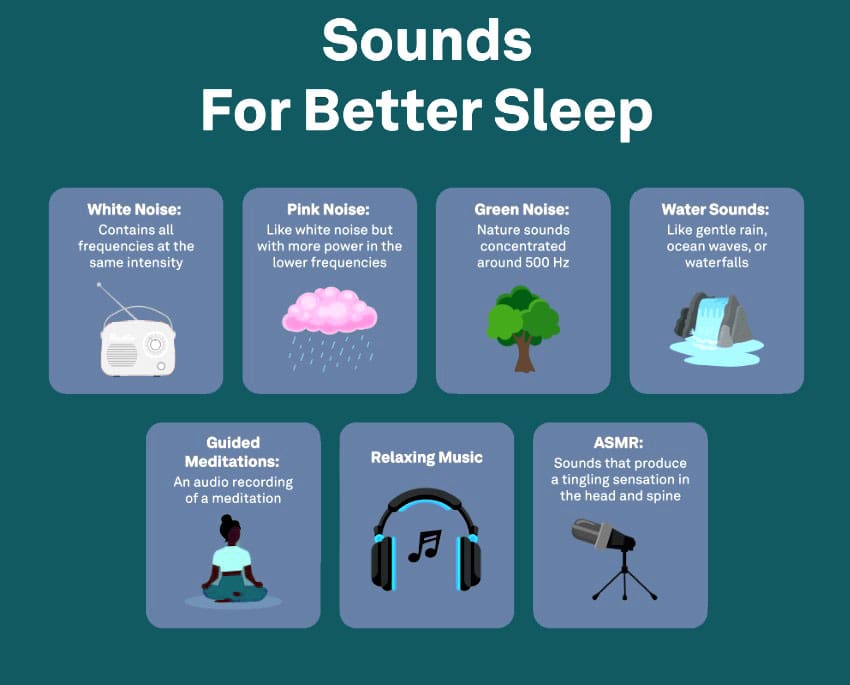
Sleep sounds include white, pink, green, or brown noise, binaural beats, ASMR, nature, and ambient sounds. Each has different benefits and can potentially improve sleep. (Ebben M. R., Yan P., & Krieger A. C. 2021) Sound has no color, but it follows a spectrum. The color of a sound refers to the power spectrum of a particular noise signal. Each color has different qualities.
White noise, such as an untuned radio or television, is the most well-known background noise and is often used as a sleep aid.
Green noise features more powerful mid-range frequencies.
Brown noise is a more low-frequency rumble deeper than green and white noise.
Pink noise combines white noise softened by brown and could be the most effective option for improving sleep.
White noise is a sound that includes all the audible frequencies at equal volume, like a continuous hiss. One study found that adults fell asleep faster while listening to white noise. (Messineo L. et al., 2017)
Green noise, which features more powerful mid-range frequencies, is similar to natural sounds like ocean waves, rainfall, and rustling leaves. It’s more soothing than white noise and can help individuals with anxiety sleep better.
Brown noise, also known as red noise, has a deeper tone than white noise and is similar to the hum of an airplane. It can help mask lower-pitched sounds and may be especially helpful for individuals with ADHD, as it aids in productivity and concentration. Brown noise mimics sounds found in nature but with a low-frequency rumble. Examples include heavy rainfall, thunder, or loud waves.
Pink Noise
While further scientific research on sleep noise is needed, evidence has begun to suggest that pink noise may be the most effective option for improving sleep. (Ong J. L. et al., 2016) Pink noise is softer and more soothing than the other colored sleep sounds. It combines white noise softened by brown noise and is considered more relaxing because of its lower pitch. It has a pleasant-sounding, balanced volume across frequencies, making it calming to the human ear. Pink noise includes digital recreations of natural sounds such as a gently flowing stream, soft rain falling, wind rustling through trees, or calm waves lapping at the shore.
In a study, adults over 60 were given intermittent bursts of pink noise while sleeping, similar to rushing water. (Papalambros N. A. et al., 2017) The following morning, participants were given memory tests, which indicated that retention levels were approximately three times greater than those of the control group not exposed to the pink noise. Another study found that steady pink noise significantly reduced brain wave complexity during sleep while improving stable sleep time with less fragmentation and fewer wake periods. (Zhou, J. et al., 2012)
Injury Medical Chiropractic and Functional Medicine Clinic
Choosing the right sound for you ultimately comes down to personal preference. Individuals can try each color and see which one they like best. Individuals who struggle with sleep or other sleep disorders that impact their ability to get restful sleep should consult with their healthcare provider about getting an assessment and treatment to restore health. Individuals can recover and regain the benefits of quality rest through healthy sleep practices and lifestyle accommodations. Injury Medical Chiropractic and Functional Medicine Clinic works with primary healthcare providers and specialists to build optimal health and wellness solutions. We focus on what works for you to relieve pain, restore function, prevent injury, and help mitigate issues through adjustments that help the body realign itself. They can also work with other medical professionals to integrate a treatment plan to resolve musculoskeletal problems.
Beyond Medicine: The Power of Chiropractic Care
References
Ebben, M. R., Yan, P., & Krieger, A. C. (2021). The effects of white noise on sleep and duration in individuals living in a high noise environment in New York City. Sleep medicine, 83, 256–259. https://doi.org/10.1016/j.sleep.2021.03.031
Messineo, L., Taranto-Montemurro, L., Sands, S. A., Oliveira Marques, M. D., Azabarzin, A., & Wellman, D. A. (2017). Broadband Sound Administration Improves Sleep Onset Latency in Healthy Subjects in a Model of Transient Insomnia. Frontiers in neurology, 8, 718. https://doi.org/10.3389/fneur.2017.00718
Ong, J. L., Lo, J. C., Chee, N. I., Santostasi, G., Paller, K. A., Zee, P. C., & Chee, M. W. (2016). Effects of phase-locked acoustic stimulation during a nap on EEG spectra and declarative memory consolidation. Sleep medicine, 20, 88–97. https://doi.org/10.1016/j.sleep.2015.10.016
Papalambros, N. A., Santostasi, G., Malkani, R. G., Braun, R., Weintraub, S., Paller, K. A., & Zee, P. C. (2017). Acoustic Enhancement of Sleep Slow Oscillations and Concomitant Memory Improvement in Older Adults. Frontiers in human neuroscience, 11, 109. https://doi.org/10.3389/fnhum.2017.00109
Zhou, J., Liu, D., Li, X., Ma, J., Zhang, J., & Fang, J. (2012). Pink noise: effect on complexity synchronization of brain activity and sleep consolidation. Journal of theoretical biology, 306, 68–72. https://doi.org/10.1016/j.jtbi.2012.04.006
Insomnia is a condition with causes that vary from person to person and can be a result of stress, caffeine, and excessive screen time. Can modifying eating habits help reduce episodes and improve sleep patterns?
Eating Habits and Insomnia
Insomnia is a common sleep disorder characterized by persistent difficulty falling asleep, staying asleep, and/or both. Individuals often experience daytime sleepiness, mood disturbances, or cognitive impairments. There are two types:
Primary insomnia, which is not linked to other health conditions.
While there are various causes of insomnia, researchers have recently learned more about its impact on eating habits. New data has found that an individual’s dietary pattern may impact sleep habits. (Gan Z. H. et al., 2024)
Risk Factors
Chronic insomnia is linked to negative health outcomes, including an increased risk of high blood pressure, diabetes, obesity, depression, heart attack, and stroke. (Chalet F. X. et al., 2023) (Marie-Pierre St-Onge et al., 2016) Researchers recruited over five thousand participants who did not have insomnia and evaluated their eating habits and insomnia incidence. (Gan Z. H. et al., 2024) Results showed that 464 of the participants developed insomnia, and of those, the risk was lower in vegetarians than those who ate more meat. Males who followed a more plant-based diet had a reduced incidence of insomnia; however, this relationship was not seen among females. The research suggests that a diet with more vegetables may positively affect sleep. Many plant-based foods are rich sources of sleep-supporting compounds, such as melatonin. Treating and preventing insomnia is important for restoring health and daily functioning.
Past nutritional data highlights the relationship between healthy sleep and a diet rich in fruits, vegetables, legumes, and other sources of tryptophan and melatonin. (Zuraikat F. M. et al., 2021) Prior research also shows how vegetarian diets can help reduce chronic inflammation, positively impacting sleep. (Dzierzewski J. M. et al., 2020) Specifically, the Mediterranean diet, known for its anti-inflammatory effects, is linked to improved sleep and reduced insomnia. (Zaidalkilani A. T. et al., 2021) Also, data links a vegetarian diet to improved mood, which might enhance the quality of sleep by moderating mental health, including depression condition. (Wang X. et al., 2023)
Support Quality Sleep
According to dieticians, looking at an individual’s eating habits during the day is crucial in determining why they can’t sleep at night. Often, making a few small dietary adjustments is enough to help with better sleep. Some steps to try include:
Increase magnesium by adding more leafy greens, nuts, and seeds.
Incorporating melatonin-rich foods like walnuts rather than relying on melatonin supplements.
Easing off caffeine, alcohol, and refined carbohydrates can help improve sleep quality.
Dietary changes should not be the only way to combat insomnia. Cognitive behavioral therapy (CBT-I) is a recommended first-line treatment rather than sleeping medications, along with learning healthy sleep habits and using the right mattress. This therapy can help improve sleep habits and behaviors by rethinking sleep and current practices that could affect an individual’s ability to sleep well. Combining CBT-I with a healthy diet and regular physical activity can significantly impact overall health and sleep patterns.
Injury Medical Chiropractic and Functional Medicine Clinic
Individuals who struggle with insomnia or other sleep disorders that impact their ability to get restful sleep should consult with their healthcare provider about getting an assessment and treatment to avoid deprivation side effects and restore health. A chiropractic therapy team can assess your condition and develop a customized treatment plan. Injury Medical Chiropractic and Functional Medicine Clinic works with primary healthcare providers and specialists to build optimal health and wellness solutions. We focus on what works for you to relieve pain, restore function, prevent injury, and help mitigate issues through adjustments that help the body heal.
Revolutionizing Healthcare
References
National Library of Medicine: MedlinePlus. (2024). Insomnia. Retrieved from https://medlineplus.gov/insomnia.html
Gan, Z. H., Chiu, T. H. T., Lin, C. L., Lin, M. N., & Kuo, P. H. (2024). Plant-based dietary patterns and risk of insomnia: a prospective study. European journal of clinical nutrition, 78(3), 228–235. https://doi.org/10.1038/s41430-023-01380-x
Chalet, F. X., Saskin, P., Ahuja, A., Thompson, J., Olopoenia, A., Modi, K., Morin, C. M., & Wickwire, E. M. (2023). The Associations between Insomnia Severity and Health Outcomes in the United States. Journal of clinical medicine, 12(6), 2438. https://doi.org/10.3390/jcm12062438
St-Onge, M. P., Grandner, M. A., Brown, D., Conroy, M. B., Jean-Louis, G., Coons, M., Bhatt, D. L., & American Heart Association Obesity, Behavior Change, Diabetes, and Nutrition Committees of the Council on Lifestyle and Cardiometabolic Health; Council on Cardiovascular Disease in the Young; Council on Clinical Cardiology; and Stroke Council (2016). Sleep Duration and Quality: Impact on Lifestyle Behaviors and Cardiometabolic Health: A Scientific Statement From the American Heart Association. Circulation, 134(18), e367–e386. https://doi.org/10.1161/CIR.0000000000000444
Zuraikat, F. M., Wood, R. A., Barragán, R., & St-Onge, M. P. (2021). Sleep and Diet: Mounting Evidence of a Cyclical Relationship. Annual review of nutrition, 41, 309–332. https://doi.org/10.1146/annurev-nutr-120420-021719
Dzierzewski, J. M., Donovan, E. K., Kay, D. B., Sannes, T. S., & Bradbrook, K. E. (2020). Sleep Inconsistency and Markers of Inflammation. Frontiers in neurology, 11, 1042. https://doi.org/10.3389/fneur.2020.01042
Zaidalkilani, A. T., Alhaj, O. A., Serag El-Dine, M. F., Fekih-Romdhane, F., AlRasheed, M. M., Jahrami, H. A., & Bragazzi, N. L. (2021). Arab Women Adherence to the Mediterranean Diet and Insomnia. Medicina (Kaunas, Lithuania), 58(1), 17. https://doi.org/10.3390/medicina58010017
Wang, X., Song, F., Wang, B., Qu, L., Yu, Z., & Shen, X. (2023). Vegetarians have an indirect positive effect on sleep quality through depression condition. Scientific reports, 13(1), 7210. https://doi.org/10.1038/s41598-023-33912-7
Individuals who don’t get enough sleep at night can feel it in many ways. Can sleep deprivation or other sleep disorders contribute to an accumulated sleep debt?
Sleep Debt
Sleep debt is the difference between the amount of sleep an individual needs and the amount they get. It can accumulate over time and can negatively impact physical and mental health.
What Is It?
Regardless of the cause, sleep debt, also called a sleep deficit, is the accumulated amount of sleep loss from insufficient sleep. (Harvard Health Publishing, 2019) For example, if the body needs eight hours of sleep a night but only gets six, it has accumulated two hours of sleep debt for that particular night. This can occur due to sleep restriction, in which too few hours are spent sleeping, which can have significant consequences, especially if the debt builds.
The Effects
Sleep deprivation is linked to various mental and physical health problems, including:
Other possible causes of poor sleep quality can include individuals who have a sleep disorder such as insomnia, sleep apnea, or circadian rhythm disorders, which could lead to symptoms that are similar to those that occur with a sleep debt. (Columbia University Department of Neurology, 2022) Even though enough sleep hours were obtained, it could be fragmented, resulting in daytime sleepiness and other health issues. Some signs of sleep debt include:
Feeling tired throughout the day.
Having trouble focusing and reacting.
Feeling frustrated, cranky, or worried in social situations.
Having difficulty judging others’ emotions.
Even after sufficient sleep hours, individuals who wake up feeling unrefreshed may need to see a sleep physician or specialist for sleep testing.
Getting Out of Sleep Debt
Fortunately, the short-term effects of sleep deprivation can be reversed with sufficient rest. To recover from sleep debt, individuals can try: (Harvard Health Publishing, 2019)
Getting into a normal bedtime routine.
Using afternoon naps in moderation.
Avoiding stimulants, especially in the afternoon or evening.
Although sleep deprivation affects everyone, older adults seem to rebound quicker than young adults. Individuals may initially require sleeping longer than average to compensate for the recent losses. That’s why meeting daily sleep needs and following better sleep guidelines to preserve health and well-being are important. (Colten H. R., Altevogt B. M., & Institute of Medicine (US) Committee on Sleep Medicine and Research, 2006)
Injury Medical Chiropractic and Functional Medicine Clinic
Individuals who struggle with insomnia or other sleep disorders that impact their ability to get restful sleep should consult with their healthcare provider about getting an assessment and treatment to sleep well, avoid deprivation side effects, and restore health. Through healthy sleep practices and lifestyle accommodations, individuals can recover from sleep debt and regain the benefits of quality rest. A chiropractic therapy team can assess your condition and develop a customized treatment plan. Injury Medical Chiropractic and Functional Medicine Clinic works with primary healthcare providers and specialists to build optimal health and wellness solutions. We focus on what works for you to relieve pain, restore function, prevent injury, and help mitigate issues through adjustments that help the body realign itself. They can also work with other medical professionals to integrate a treatment plan to resolve musculoskeletal problems.
Move Better, Live Better, Chiropractic Care
References
Harvard Health Publishing. (2019). Weekend catch-up sleep won’t fix the effects of sleep deprivation on your waistline. Harvard Health Blog. https://www.health.harvard.edu/blog/weekend-catch-up-sleep-wont-fix-the-effects-of-sleep-deprivation-on-your-waistline-2019092417861
Colten, H. R., Altevogt, B. M., & Institute of Medicine (US) Committee on Sleep Medicine and Research (Eds.). (2006). Sleep Disorders and Sleep Deprivation: An Unmet Public Health Problem. National Academies Press (US).
Columbia University Department of Neurology. (2024). Sleep Disorders. https://www.neurology.columbia.edu/patient-care/specialties/sleep-disorders?id=42069
A small study of young adults found that naps lasting 10 to 60 minutes immediately improved mood and alertness. However, most research shows that naps under 30 minutes offer the most benefit because individuals are less likely to enter the deep sleep stage or experience sleep inertia – a period of impaired alertness right after waking. A meta-analysis also suggested that short naps reduce fatigue, increase productivity, and enhance physical performance. (Dutheil F. et al., 2021) A 10-minute nap is the most effective at improving:
Sleep latency or sleep onset latency (SOL)
Fatigue
Vigor
Cognitive performance
Some sleep specialists recommend that patients not take naps longer than 40 minutes, as too much napping could be unhealthy. Studies have shown that excessive daytime sleepiness and napping for over 60 minutes might increase the risk of type 2 diabetes and heart problems. (Yamada T, Nobuhiro S, Takashi K. 2016)
Health
In the study published in Sleep Health, researchers used data from over 30,000 participants aged 40 to 69 from the U.K. Biobank. Researchers examined genetic variants associated with taking naps regularly. (Paz V., Dashti H. S., & Garfield V. 2023) The researchers found a link between regular daytime napping and larger brain volume. The difference in brain volume between individuals who nap regularly and those who don’t was equivalent to 2.6 to 6.5 years of aging. However, no association was found between napping and cognitive performance reaction time or visual memory. The brain naturally shrinks with age, but this process is accelerated in individuals with neurodegenerative diseases and cognitive decline.
How To Avoid Napping for Too Long
Taking naps is good for you. But there’s a difference between healthy daytime sleep and counterproductive excessive sleeping.
Sleep specialists recommend setting an alarm for a nap or asking a family member, friend, or coworker to wake you up.
Individuals can try placing their phones or alarm clocks far away so they have to move to turn them off.
Individuals are recommended to stand up immediately to wake the body through movement and light exposure to avoid feeling groggy after a nap.
Engaging in physical activities before and after naps can also help promote wakefulness.
Sometimes, people feel exhausted for various reasons, such as stress and nutrition, rather than a lack of sleep. In these cases, sleeping more than the body needs will only worsen sleep quality at night. When individuals are experiencing daytime fatigue, rather than lying back down or sitting in bed, sleep specialists suggest walking around. This allows the fatigue to pass, and the patient can sleep better at night.
Injury Medical Chiropractic and Functional Medicine Clinic
Chiropractic’s goals are to help individuals enhance movement with less pain due to a condition after injury or surgery. Injury Medical Chiropractic and Functional Medicine Clinic works with primary healthcare providers and specialists to develop optimal health and wellness solutions. We focus on what works for you to relieve pain, restore function, prevent injury, and help mitigate issues through adjustments that help the body heal itself. They can also work with other medical professionals to integrate a treatment plan to resolve musculoskeletal problems.
Secrets of Optimal Wellness
References
Paz, V., Dashti, H. S., & Garfield, V. (2023). Is there an association between daytime napping, cognitive function, and brain volume? A Mendelian randomization study in the UK Biobank. Sleep health, 9(5), 786–793. https://doi.org/10.1016/j.sleh.2023.05.002
Dutheil, F., Danini, B., Bagheri, R., Fantini, M. L., Pereira, B., Moustafa, F., Trousselard, M., & Navel, V. (2021). Effects of a Short Daytime Nap on the Cognitive Performance: A Systematic Review and Meta-Analysis. International journal of environmental research and public health, 18(19), 10212. https://doi.org/10.3390/ijerph181910212
Yamada T, N. S., Takashi K. (2016). Daytime napping, daytime sleepiness and the risk of metabolic diseases: dose-response meta-analysis using restricted cubic spline model. J Am Coll Cardiol., 67(13), 1951. https://doi.org/https://doi.org/10.1016/S0735-1097(16)31952-0
Hilditch, C. J., Dorrian, J., & Banks, S. (2016). Time to wake up: reactive countermeasures to sleep inertia. Industrial health, 54(6), 528–541. https://doi.org/10.2486/indhealth.2015-0236
Can protein powder be used in different ways to effectively support nutrition goals for individuals who aim to build muscle, maintain weight, or acquire more protein in their diet?
Different Ways To Use Protein Powder
Protein powder is a quick and easy way to get protein before or after a workout. Add a scoop to a shaker bottle, mix with water, and you’re ready. However, having the same shake daily can become boring. Finding different ways to use protein powder can be a welcome change in workout nutrition habits. It is versatile, making it a great addition to smoothies, baked goods, oatmeal, yogurt, and more.
Learning different ways to use protein powder can help create an exciting and diversified menu, from meals to snacks. Individuals can use conventional or organic powder. Here are a few ideas:
Oatmeal
Adding protein powder to overnight oats or stovetop oatmeal is a great way to increase protein content.
Protein powder mixes well with oats and milk.
Baked Goods
Protein powder goes well with many baked goods.
Another way to use protein powder is to add it to brownie, muffin, cupcake, or cookie recipes.
Yogurt
Combine with yogurt and fruit for a nutrient and calorie-dense breakfast or snack to fuel the body.
It’s also a great post-workout snack.
Coffee
Adding protein powder to coffee makes it easy to increase daily protein intake.
Stir with a spoon, like adding powdered cream, or blend or froth hot coffee with protein powder to make it like a cappuccino.
Pancakes
Adding to a batch of pancakes is a great way to use protein powder.
How much protein powder per day?
Consuming one to two scoops (between 25 to 50 grams) daily is generally safe, which is what most recipes call for. Following the recommended dosage on the product label is highly recommended. The Recommended Dietary Allowance of protein for a healthy adult, regardless of age, is 0.8 grams per kilogram of body weight per day. (Wu G. 2016)
How long after a workout should protein powder be taken?
Whether running or lifting weights, consuming protein within the anabolic window approximately 30 minutes to two hours after a workout enhances muscle recovery, repair, and growth. (Aragon A. A., & Schoenfeld, B. J. 2013) Daily protein intake is recommended for improved performance, muscle growth, and optimal recovery. (Cintineo H. P. et al., 2018) Muscle building is 25 percent higher when protein intake is evenly spaced throughout the day. (Mamerow M. M. et al., 2014)
Protein Shake Side Effects
Consuming the recommended amount of one to two scoops daily is generally safe and doesn’t have side effects. However, exceeding recommended daily intake can cause unwanted side effects that include:
Bloating
Flatulence
Increased bowel movements
Acne
Nausea
Thirst
Fatigue
Headache
Lack or loss of appetite
Studies have found that excess whey protein supplementation is associated with increased aggression, acne, and disturbance of the gut microbiota. (Vasconcelos Q. D. J. S. et al., 2021)
For individuals who want to get more out of their pre- or post-workout supplements, choose high-quality organic protein powders that contain all essential amino acids and wholesome ingredients with no fillers or additives. Consult a healthcare provider if considering supplementing with protein powder or looking to increase protein intake along with a registered dietitian to help determine how much protein is needed based on personal needs, activity, and fitness levels and goals.
Injury Medical Chiropractic and Functional Medicine Clinic
Chiropractic care aims to help individuals improve movement with less pain due to condition, after injury, or surgery. Injury Medical Chiropractic and Functional Medicine Clinic works with primary healthcare providers and specialists to build optimal health and wellness solutions. We focus on what works for you to relieve pain, restore function, prevent injury, and help mitigate issues through adjustments that help the body realign itself. They can also work with other medical professionals to integrate a treatment plan to resolve musculoskeletal problems.
Benefits of a Healthy Diet and Chiropractic Care
References
Cintineo, H. P., Arent, M. A., Antonio, J., & Arent, S. M. (2018). Effects of Protein Supplementation on Performance and Recovery in Resistance and Endurance Training. Frontiers in nutrition, 5, 83. https://doi.org/10.3389/fnut.2018.00083
Gorissen, S. H. M., Crombag, J. J. R., Senden, J. M. G., Waterval, W. A. H., Bierau, J., Verdijk, L. B., & van Loon, L. J. C. (2018). Protein content and amino acid composition of commercially available plant-based protein isolates. Amino acids, 50(12), 1685–1695. https://doi.org/10.1007/s00726-018-2640-5
Batsis, J. A., Petersen, C. L., Cook, S. B., Al-Nimr, R. I., Driesse, T., Pidgeon, D., & Fielding, R. (2021). Impact of whey protein supplementation in a weight-loss intervention in rural dwelling adults: A feasibility study. Clinical nutrition ESPEN, 45, 426–432. https://doi.org/10.1016/j.clnesp.2021.07.006
West, D. W. D., Abou Sawan, S., Mazzulla, M., Williamson, E., & Moore, D. R. (2017). Whey Protein Supplementation Enhances Whole Body Protein Metabolism and Performance Recovery after Resistance Exercise: A Double-Blind Crossover Study. Nutrients, 9(7), 735. https://doi.org/10.3390/nu9070735
Fekete, Á. A., Giromini, C., Chatzidiakou, Y., Givens, D. I., & Lovegrove, J. A. (2018). Whey protein lowers systolic blood pressure and Ca-caseinate reduces serum TAG after a high-fat meal in mildly hypertensive adults. Scientific reports, 8(1), 5026. https://doi.org/10.1038/s41598-018-23333-2
Ha, D. J., Kim, J., Kim, S., Go, G. W., & Whang, K. Y. (2021). Dietary Whey Protein Supplementation Increases Immunoglobulin G Production by Affecting Helper T Cell Populations after Antigen Exposure. Foods (Basel, Switzerland), 10(1), 194. https://doi.org/10.3390/foods10010194
Wu G. (2016). Dietary protein intake and human health. Food & function, 7(3), 1251–1265. https://doi.org/10.1039/c5fo01530h
Aragon, A. A., & Schoenfeld, B. J. (2013). Nutrient timing revisited: is there a post-exercise anabolic window?. Journal of the International Society of Sports Nutrition, 10(1), 5. https://doi.org/10.1186/1550-2783-10-5
Mamerow, M. M., Mettler, J. A., English, K. L., Casperson, S. L., Arentson-Lantz, E., Sheffield-Moore, M., Layman, D. K., & Paddon-Jones, D. (2014). Dietary protein distribution positively influences 24-h muscle protein synthesis in healthy adults. The Journal of nutrition, 144(6), 876–880. https://doi.org/10.3945/jn.113.185280
Vasconcelos, Q. D. J. S., Bachur, T. P. R., & Aragão, G. F. (2021). Whey protein supplementation and its potentially adverse effects on health: a systematic review. Applied physiology, nutrition, and metabolism = Physiologie appliquee, nutrition et metabolisme, 46(1), 27–33. https://doi.org/10.1139/apnm-2020-0370
IFM's Find A Practitioner tool is the largest referral network in Functional Medicine, created to help patients locate Functional Medicine practitioners anywhere in the world. IFM Certified Practitioners are listed first in the search results, given their extensive education in Functional Medicine