Discover the impact of traumatic brain injury on daily life and the best approaches to manage recovery effectively.
Introduction
Traumatic brain injury (TBI) happens when a sudden blow or jolt to the head damages the brain. It can change how a person thinks, moves, and feels. This article explains TBI in simple terms, including its causes, symptoms, and effects on the body. It also shows how chiropractors and nurse practitioners can work together to help people heal (Mayo Clinic, 2023; Cleveland Clinic, 2023).
What Is Traumatic Brain Injury?
A traumatic brain injury is harm to the brain from an outside force. The skull protects the brain, but a hard hit can still cause trouble inside. TBI can be mild, like a concussion, or severe, leading to long coma or disability. Every year, millions of people get a TBI from falls, car crashes, or sports (Mayo Clinic, 2023). The brain controls everything we do. When it gets hurt, problems can show up right away or weeks later. Early care matters a lot (Cleveland Clinic, 2023).
Common Causes of TBI
TBI starts with a strong force to the head or body. Here are the main causes:
Falls: The top reason, especially in kids and older adults. Slipping in the shower or falling off a ladder can cause TBI (Mayo Clinic, 2023).
Car accidents: High-speed crashes shake the brain inside the skull.
Sports injuries: Football, boxing, and soccer players often get concussions.
Violence: Gunshots, assaults, or shaken baby syndrome.
Blast waves: Soldiers in war face TBI from explosions (Cleveland Clinic, 2023).
Even a small bump can cause mild TBI if the brain moves rapidly within the skull (Hicks et al., 2020).
Symptoms of TBI
Symptoms depend on the severity of the injury. They can appear in the body, mind, or feelings.
Right-Away Signs
Losing consciousness for seconds or minutes.
Headache that will not stop.
Nausea or vomiting.
Feeling dizzy or losing balance.
Blurry vision or ringing in the ears (Mayo Clinic, 2023).
Later Signs
Trouble remembering new things.
Slow thinking or reading.
Hard time focusing.
Feeling sad, angry, or worried.
Sensitivity to light and noise.
Sleep problems such as insomnia or excessive sleepiness (Cleveland Clinic, 2023; Silverberg et al., 2018).
A chiropractor or nurse practitioner can find hidden signs by asking detailed questions about the accident and daily life (Jimenez, n.d.-a).
How TBI Affects the Musculoskeletal System
The musculoskeletal system includes muscles, bones, and joints. TBI often hurts this system because the force hits the whole body.
Neck pain and stiffness: Whiplash in car crashes strains neck muscles and spine.
Back pain: The spine can shift out of place, causing long-term pain.
Poor posture and balance: Brain signals to muscles get mixed up, making walking hard (Treleaven, 2017).
Muscle weakness: One side of the body may feel weak after severe TBI.
Spinal misalignment can press on nerves and slow healing. Chiropractors check the spine with gentle tests to spot these issues (Jimenez, n.d.-b).
How TBI Affects the Neurological System
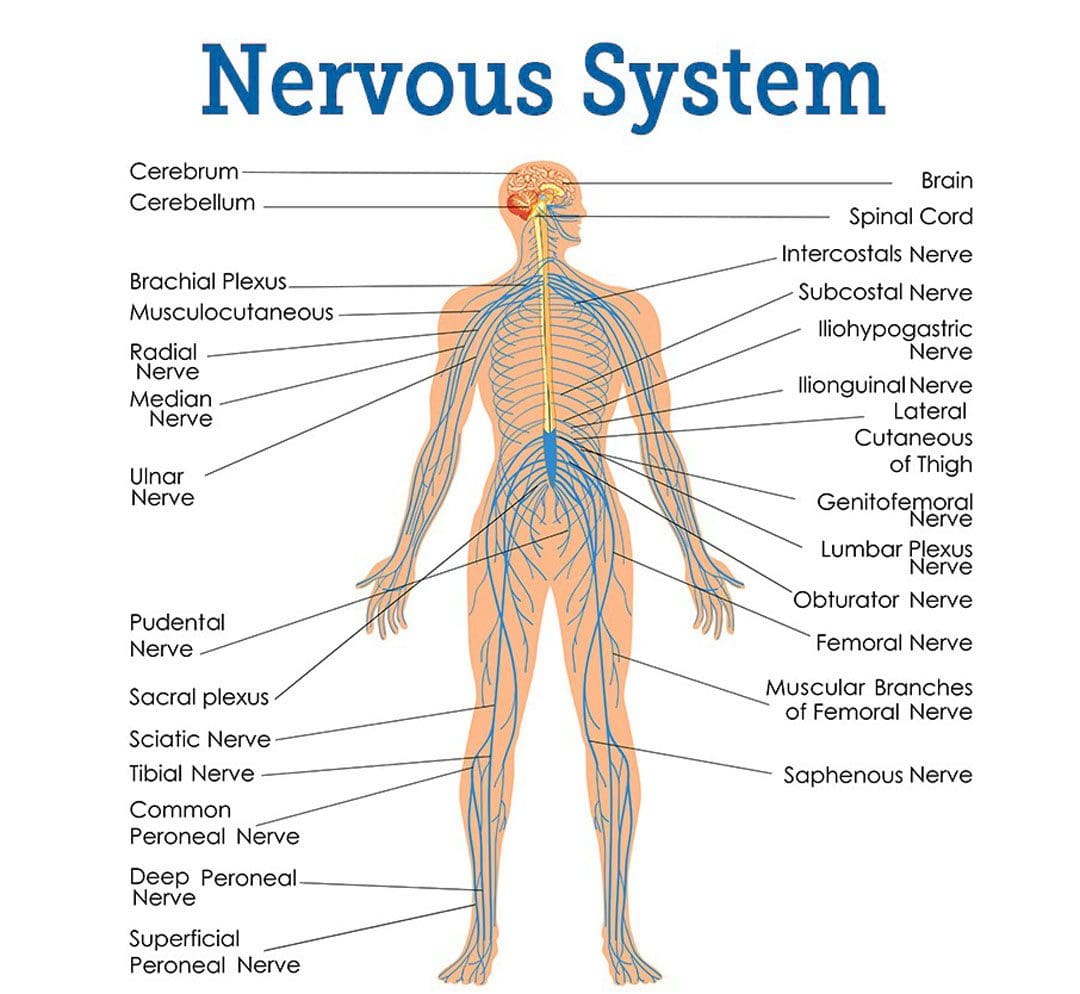
The neurological system is the brain, spinal cord, and nerves. TBI directly damages this network.
Slow nerve signals: Thinking and moving feel delayed.
Seizures: Electrical storms in the brain.
Nerve pain: Tingling or burning in arms and legs.
Coordination loss: Hands shake or feet trip (Ellis et al., 2017).
Questioning reveals whether light bothers the eyes or whether noise causes headaches—clues to nerve irritation (Silverberg et al., 2018).
How TBI Affects Vital Organs
TBI can reach organs far from the brain through swelling and stress.
Lungs: Breathing problems if the brain stem is hurt.
Gut: Nausea, poor digestion, or constipation from nerve disruption.
Liver and kidneys: Medicines for pain can strain these organs if not watched (Khellaf et al., 2019).
A nurse practitioner orders blood tests to check organ health and adjust care (Jimenez, n.d.-c).
Uncovering Hidden Problems with History and Questions
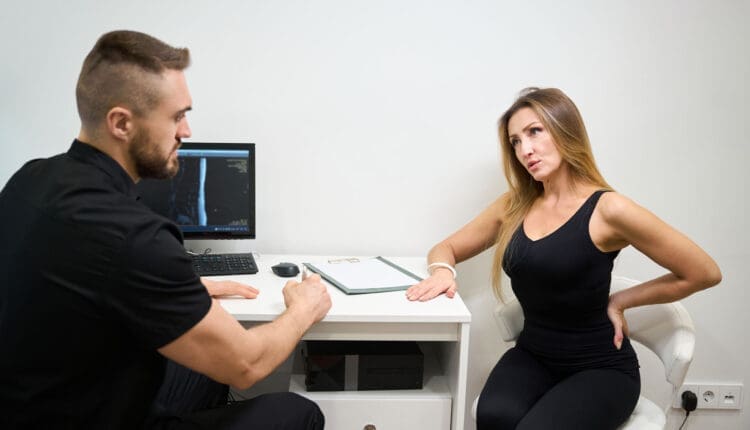
Good questions act like a map to hidden TBI effects. A chiropractor or nurse practitioner asks:
“When did the injury happen?”
“Do bright lights hurt your eyes?”
“Do you feel sick after reading?”
“Any new pain in your neck or back?”
“How is your sleep?”
These answers guide exams. Gentle spine checks show tight muscles. Balance tests reveal wobbly steps. The provider connects dots between the brain, spine, and organs (Jimenez, n.d.-a; Haider et al., 2018).
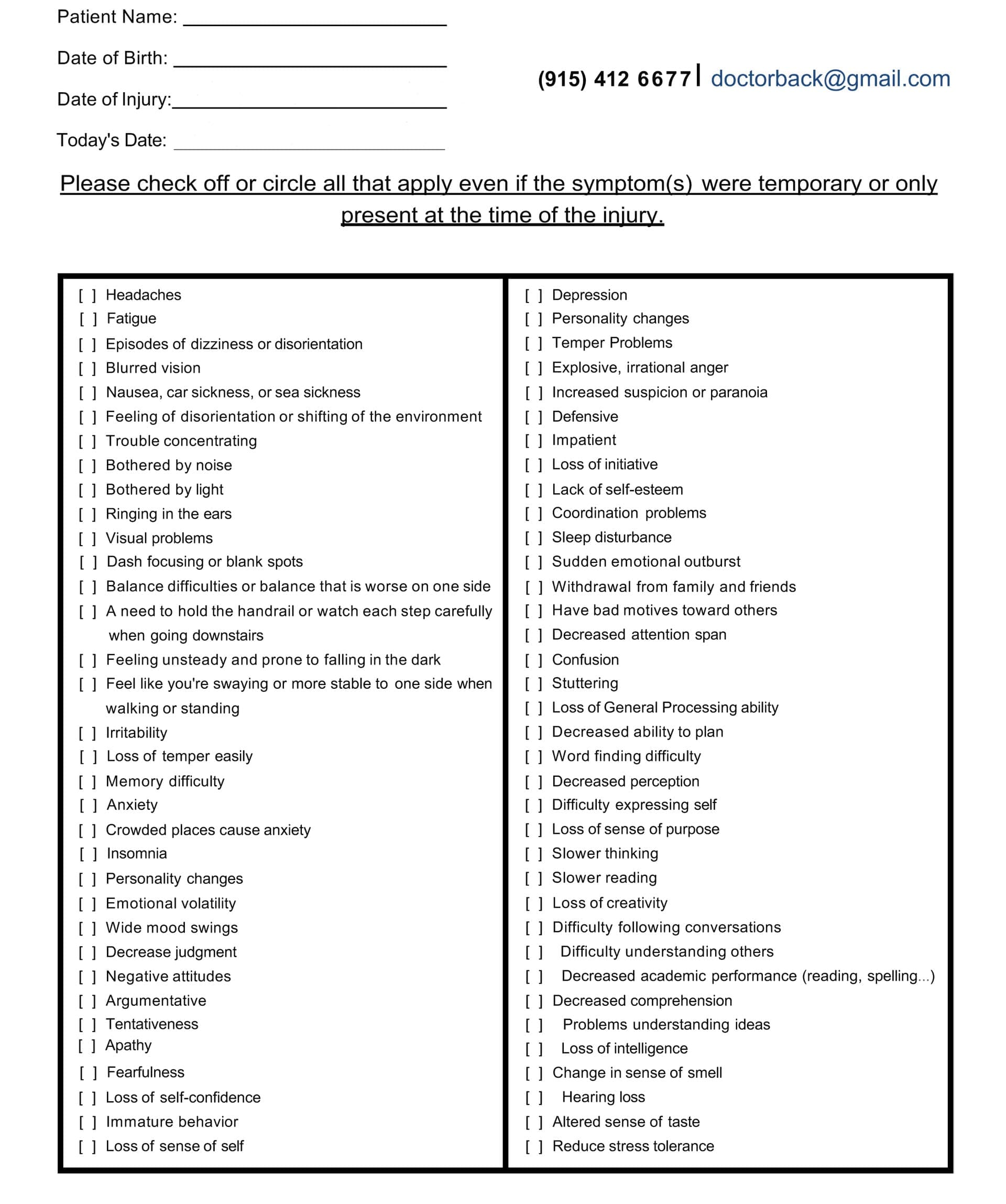
A Hidden-Symptom Checklist Example You Can Bring To Your Visit
Visual Problems After TBI
Eyes and brain work as a team. TBI breaks the link.
– Double vision.
– Trouble tracking moving objects.
– Light sensitivity (photophobia).
– Dry eyes or blurry sight (Cleveland Clinic, 2023).
Simple eye tests in the office spot these issues early (Green et al., 2010).
Nausea and Digestive Signs
Nausea is common right after TBI. It can last if the vagus nerve is upset. Patients may feel full too fast or have reflux. A detailed diet history helps the nurse practitioner suggest gentle foods (Blyth & Bazarian, 2010).
Neurological Issues: Slow Thinking and Reading
Mild TBI slows the brain’s processing speed. Reading a page takes longer. Word-finding feels hard. Memory for new facts slips. Cognitive tests measure the gap and track improvement (McInnes et al., 2017).
Sensitivity to Light and Noise
Photophobia and phonophobia mean that normal lights or sounds feel painful. This comes from overactive brain circuits. Dark glasses and quiet rooms help in the short term, while therapy calms the nerves in the long term (Silverberg et al., 2018).
Sleep Issues Like Insomnia
Sleep heals the brain. TBI breaks the sleep cycle.
Hard to fall asleep.
Waking often.
Daytime fatigue.
Poor sleep slows recovery. A sleep diary guides the care plan (Wickwire et al., 2018).
Feeling Better Than Ever After a Semi-Truck Accident- Video
Why an Integrative Approach Works
Integrative care means a team effort. Chiropractic care fixes the body’s frame and nerves. Nurse practitioner care takes the whole health picture into account. Together, they speed healing and cut setbacks (Jimenez, n.d.-d; Gardner & Yaffe, 2015).
Chiropractic Care for Nervous System and Musculoskeletal Health
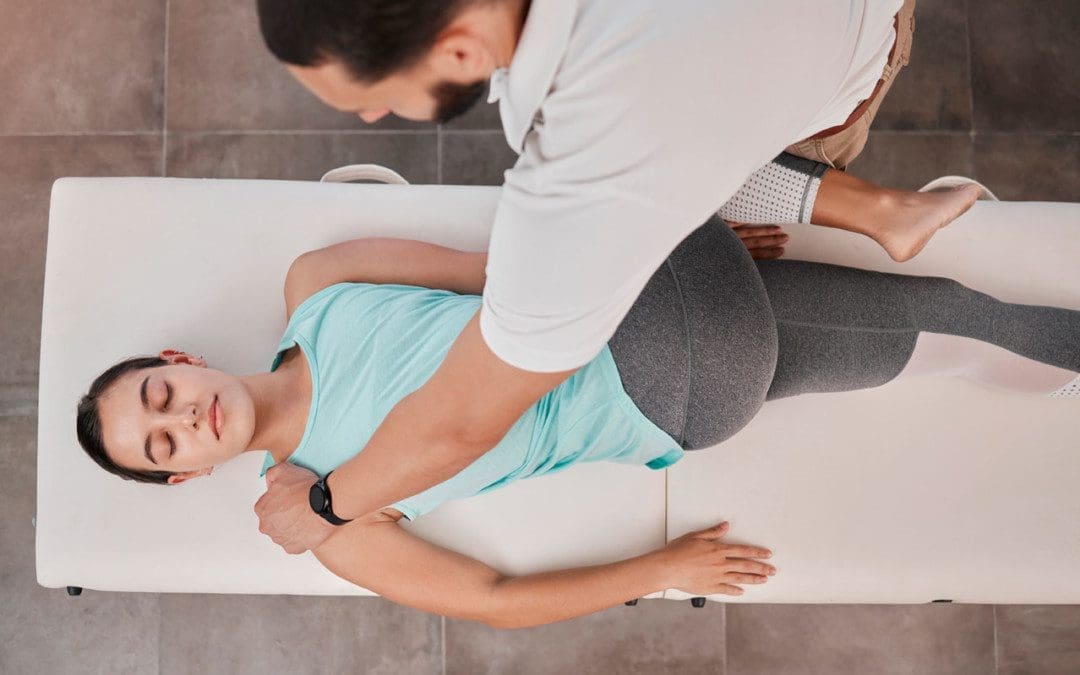
Chiropractors use hands-on methods:
Spinal adjustments: Gentle pushes realign the spine, ease nerve pressure, and boost blood flow to the brain.
Soft-tissue therapies: Massage relaxes tight neck and back muscles.
Targeted exercises: Balance drills and core strength rebuild coordination (Navarro et al., 2018).
These steps improve brain signals and reduce pain without drugs (Coronado et al., 2015).
Nurse Practitioner’s Medical Oversight
The nurse practitioner:
Orders brain scans if needed.
Manages pain, mood, or seizure medications.
Checks blood work for inflammation or hormone balance.
Guides nutrition to feed the brain (omega-3s, antioxidants).
Watches emotional health and refers to counseling (Haag et al., 2019).
Ongoing: Monthly check-ups, diet tweaks, and home exercise.
Patients track symptoms in a simple journal. The team reviews progress every two weeks (Jimenez, n.d.-e; Cnossen et al., 2017).
Real-Life Observations from Dr. Alexander Jimenez
Dr. Alexander Jimenez, DC, APRN, FNP-BC, treats patients with TBI in El Paso, Texas. He notices:
Neck misalignment often hides behind headaches.
Early spinal care cuts recovery time by weeks.
Teamwork with medical providers prevents medicine overload.
Simple home balance drills speed return to work (Jimenez, n.d.-f; Jimenez, n.d.-g).
His dual training lets him spot both spine and medical red flags fast.
Long-Term Outlook
Most mild TBI patients feel better in months with the right plan. Moderate to severe cases need longer care but still improve. Sticking to the integrative path raises the chance of full function (Maas et al., 2017).
Conclusion
Traumatic brain injury touches every part of life, from muscles to mood. Understanding causes and symptoms is the first step. Detailed history uncovers hidden effects on the musculoskeletal system, nerves, and organs. Chiropractic adjustments, soft-tissue work, and exercises rebuild the body’s foundation. Nurse practitioners guard overall health with medical insight. Together, this integrative, holistic plan guides patients back to daily joy.
References
Blyth, B. J., & Bazarian, J. J. (2010). Traumatic alterations in consciousness: Traumatic brain injury. Emergency Medicine Clinics of North America, 28(3), 571–594. https://pmc.ncbi.nlm.nih.gov/articles/PMC5657730/
Cnossen, M. C., van der Naalt, J., Spikman, J. M., Nieboer, D., Yue, J. K., Winkler, E. A., Manley, G. T., von Steinbuechel, N., Polinder, S., Steyerberg, E. W., & Lingsma, H. F. (2017). Prediction of persistent post-concussion symptoms after mild traumatic brain injury. Journal of Neurotrauma, 34(20), 2940–2947. https://pubmed.ncbi.nlm.nih.gov/29690799/
Coronado, V. G., Xu, L., Basavaraju, S. V., McGuire, L. C., Wald, M. M., Faul, M. D., Guzman, B. R., & Hemphill, J. D. (2015). Surveillance for traumatic brain injury-related deaths—United States, 1997–2007. MMWR Surveillance Summaries, 60(5), 1–32. https://pubmed.ncbi.nlm.nih.gov/21544045/
Ellis, M. J., Ritchie, L. J., Koltek, M., Hosain, S., Cordingley, D., Chu, S., Selci, E., Leiter, J., & Russell, K. (2017). Psychiatric outcomes after pediatric sports-related concussion. Journal of Neurosurgery: Pediatrics, 19(6), 698–707. https://pubmed.ncbi.nlm.nih.gov/26359916/
Gardner, R. C., & Yaffe, K. (2015). Epidemiology of mild traumatic brain injury and neurodegenerative disease. Molecular and Cellular Neuroscience, 66(Pt B), 75–80. https://pmc.ncbi.nlm.nih.gov/articles/PMC4461453/
Green, W., Ciuffreda, K. J., Thiagarajan, P., Szymanowicz, D., Ludlam, D. P., & Kapoor, N. (2010). Accommodation in mild traumatic brain injury. Journal of Rehabilitation Research and Development, 47(3), 183–199. https://pubmed.ncbi.nlm.nih.gov/20665345/
Haider, M. N., Leddy, J. J., Pavlesen, S., Clark, J., Wilber, C. G., & Willer, B. S. (2018). A systematic review of criteria used to define recovery from sport-related concussion in youth athletes. British Journal of Sports Medicine, 52(18), 1172–1179. https://pmc.ncbi.nlm.nih.gov/articles/PMC5818323/
Hicks, A. J., James, A. C., Spitz, G., & Ponsford, J. L. (2020). Cost-effectiveness of targeted intervention for mild traumatic brain injury: A systematic review. Brain Injury, 34(7), 845–856. https://pmc.ncbi.nlm.nih.gov/articles/PMC7248541/
Maas, A. I. R., Menon, D. K., Adelson, P. D., Andelic, N., Bell, M. J., Belli, A., Bragge, P., Brazinova, A., Büki, A., Chesnut, R. M., Citerio, G., Coburn, M., Cooper, D. J., Czeiter, E., Czosnyka, M., Dams-O’Connor, K., De Keyser, V., Diaz-Arrastia, R., Dreier, J. P., … Steyerberg, E. W. (2017). Traumatic brain injury: Integrated approaches to improve prevention, clinical care, and research. The Lancet Neurology, 16(12), 987–1048. https://pubmed.ncbi.nlm.nih.gov/29122524/
McInnes, K., Friesen, C. L., MacKenzie, D. E., Westwood, D. A., & Boe, S. G. (2017). Mild traumatic brain injury (mTBI) and chronic cognitive impairment: A scoping review. PLoS ONE, 12(4), e0174847. https://pmc.ncbi.nlm.nih.gov/articles/PMC5388340/
Navarro, R. R., Hernandez, A. M., & Smith, J. (2018). Chiropractic management of post-concussion syndrome. Journal of Chiropractic Medicine, 17(3), 189–196. https://pmc.ncbi.nlm.nih.gov/articles/PMC6359936/
Treleaven, J. (2017). Dizziness, unsteadiness, visual disturbances, and sensorimotor control in traumatic neck pain. Journal of Orthopaedic & Sports Physical Therapy, 47(7), 492–502. https://pubmed.ncbi.nlm.nih.gov/28622488/
Wickwire, E. M., Williams, S. G., Roth, T., Capaldi, V. F., & Lettieri, C. J. (2018). Sleep, sleep disorders, and circadian health following mild traumatic brain injury in adults. Clinics in Sports Medicine, 37(4), 565–579. https://pmc.ncbi.nlm.nih.gov/articles/PMC6239093/
Can understanding how nociceptors function and their role in processing pain signals help individuals who are managing injuries and/or living with chronic pain conditions?
Nociceptors
Nociceptors are nerve endings that detect harmful stimuli, such as extreme temperatures, pressure, and chemicals, and signal pain. They are the body’s first defense against potentially damaging environmental inputs.
Nociceptors are in the skin, muscles, joints, bones, internal organs, deep tissues, and cornea.
They detect harmful stimuli and convert them into electrical signals.
These signals are sent to the brain’s higher centers.
The brain interprets the signals as pain, which prompts the body to avoid the harmful stimulus.
Nociceptors, often called pain receptors, are free nerve endings all over the body. They play a pivotal role in how the body feels and reacts to pain. The main purpose of a nociceptor is to respond to damage to the body by transmitting signals to the spinal cord and brain. (Purves D, Augustine GJ, Fitzpatrick D, et al., editors. 2001) If you bang your foot, the nociceptors on the skin are activated, sending a signal to the brain via the peripheral nerves to the spinal cord. Pain resulting from any cause is transmitted this way. Pain signals are complex, carrying information about the stimuli’s location and intensity. This causes the brain to fully process the pain and send communication back to block further pain signals.
Thermal nociceptors respond to extreme hot or cold temperatures.
For instance, when touching a hot stove, the nociceptors, which signal pain, are activated immediately, sometimes before you know what you’ve done.
Mechanical
Mechanical nociceptors respond to intense stretching or strain, such as pulling a hamstring or straining a tendon.
The muscles or tendons are stretched beyond their ability, stimulating nociceptors and sending pain signals to the brain.
Chemical
Chemical nociceptors respond to chemicals released from tissue damage.
For example, prostaglandins and substance P or external chemicals like topical capsaicin pain creams.
Silent
Silent nociceptors must be first activated by tissue inflammation before responding to a mechanical, thermal, or chemical stimulus.
Most visceral nociceptors are located on organs in the body.
Polymodal
Polymodal nociceptors respond to mechanical, thermal, and chemical stimuli.
Mechano-thermal
Mechano-thermal nociceptors respond to mechanical and thermal stimuli.
Pain Transmission
Nociceptors are also classified by how fast they transmit pain signals. Transmission speed is determined by the type of nerve fiber known as an axon a nociceptor has. There are two main types.
The first type is A fiber axon, fibers surrounded by a fatty, protective sheath called myelin.
Myelin allows nerve signals/action potentials to travel rapidly.
Because of the difference in transmission speed, the pain signals from the A fibers reach the spinal cord first. As a result, after an acute injury, an individual experiences pain in two phases, one from the A fibers and one from the C fibers. (Ngassapa D. N. 1996)
Pain Perception Phases
When an injury occurs, the stimulated nociceptors activate the A fibers, causing a person to experience sharp, prickling pain.
This is the first phase of pain, known as fast pain, because it is not especially intense but comes right after the stimulus.
During the second phase of pain, the C fibers are activated, causing an intense, burning pain that persists even after the stimulus has stopped.
The fact that the C fibers carry burning pain explains why there is a short delay before feeling the sensation.
The C fibers also carry aching, sore pain caused by organs within the body, such as a sore muscle or stomachache. (Ngassapa D. N. 1996)
Injury Medical Chiropractic and Functional Medicine Clinic
Injury Medical Chiropractic and Functional Medicine Clinic works with primary healthcare providers and specialists to build optimal health and wellness solutions. We focus on what works for you to relieve pain, restore function, prevent injury, and help mitigate issues through adjustments that help the body realign itself. They can also work with other medical professionals to integrate a treatment plan to resolve musculoskeletal problems.
From Injury To Recovery With Chiropractic Care
References
Purves D, A. G., Fitzpatrick D, et al., editors. (2001). Nociceptors. In Neuroscience. 2nd edition. (2nd ed.). Sunderland (MA): Sinauer Associates. https://www.ncbi.nlm.nih.gov/books/NBK10965/
University of Texas McGovern Medical School. (2020). Chapter 6: Pain Principles. https://nba.uth.tmc.edu/neuroscience/m/s2/chapter06.html
Ngassapa D. N. (1996). Comparison of functional characteristics of intradental A- and C-nerve fibres in dental pain. East African medical journal, 73(3), 207–209.
A small study of young adults found that naps lasting 10 to 60 minutes immediately improved mood and alertness. However, most research shows that naps under 30 minutes offer the most benefit because individuals are less likely to enter the deep sleep stage or experience sleep inertia – a period of impaired alertness right after waking. A meta-analysis also suggested that short naps reduce fatigue, increase productivity, and enhance physical performance. (Dutheil F. et al., 2021) A 10-minute nap is the most effective at improving:
Sleep latency or sleep onset latency (SOL)
Fatigue
Vigor
Cognitive performance
Some sleep specialists recommend that patients not take naps longer than 40 minutes, as too much napping could be unhealthy. Studies have shown that excessive daytime sleepiness and napping for over 60 minutes might increase the risk of type 2 diabetes and heart problems. (Yamada T, Nobuhiro S, Takashi K. 2016)
Health
In the study published in Sleep Health, researchers used data from over 30,000 participants aged 40 to 69 from the U.K. Biobank. Researchers examined genetic variants associated with taking naps regularly. (Paz V., Dashti H. S., & Garfield V. 2023) The researchers found a link between regular daytime napping and larger brain volume. The difference in brain volume between individuals who nap regularly and those who don’t was equivalent to 2.6 to 6.5 years of aging. However, no association was found between napping and cognitive performance reaction time or visual memory. The brain naturally shrinks with age, but this process is accelerated in individuals with neurodegenerative diseases and cognitive decline.
How To Avoid Napping for Too Long
Taking naps is good for you. But there’s a difference between healthy daytime sleep and counterproductive excessive sleeping.
Sleep specialists recommend setting an alarm for a nap or asking a family member, friend, or coworker to wake you up.
Individuals can try placing their phones or alarm clocks far away so they have to move to turn them off.
Individuals are recommended to stand up immediately to wake the body through movement and light exposure to avoid feeling groggy after a nap.
Engaging in physical activities before and after naps can also help promote wakefulness.
Sometimes, people feel exhausted for various reasons, such as stress and nutrition, rather than a lack of sleep. In these cases, sleeping more than the body needs will only worsen sleep quality at night. When individuals are experiencing daytime fatigue, rather than lying back down or sitting in bed, sleep specialists suggest walking around. This allows the fatigue to pass, and the patient can sleep better at night.
Injury Medical Chiropractic and Functional Medicine Clinic
Chiropractic’s goals are to help individuals enhance movement with less pain due to a condition after injury or surgery. Injury Medical Chiropractic and Functional Medicine Clinic works with primary healthcare providers and specialists to develop optimal health and wellness solutions. We focus on what works for you to relieve pain, restore function, prevent injury, and help mitigate issues through adjustments that help the body heal itself. They can also work with other medical professionals to integrate a treatment plan to resolve musculoskeletal problems.
Secrets of Optimal Wellness
References
Paz, V., Dashti, H. S., & Garfield, V. (2023). Is there an association between daytime napping, cognitive function, and brain volume? A Mendelian randomization study in the UK Biobank. Sleep health, 9(5), 786–793. https://doi.org/10.1016/j.sleh.2023.05.002
Dutheil, F., Danini, B., Bagheri, R., Fantini, M. L., Pereira, B., Moustafa, F., Trousselard, M., & Navel, V. (2021). Effects of a Short Daytime Nap on the Cognitive Performance: A Systematic Review and Meta-Analysis. International journal of environmental research and public health, 18(19), 10212. https://doi.org/10.3390/ijerph181910212
Yamada T, N. S., Takashi K. (2016). Daytime napping, daytime sleepiness and the risk of metabolic diseases: dose-response meta-analysis using restricted cubic spline model. J Am Coll Cardiol., 67(13), 1951. https://doi.org/https://doi.org/10.1016/S0735-1097(16)31952-0
Hilditch, C. J., Dorrian, J., & Banks, S. (2016). Time to wake up: reactive countermeasures to sleep inertia. Industrial health, 54(6), 528–541. https://doi.org/10.2486/indhealth.2015-0236
Can individuals improve their brain function by incorporating yoga as part of their routine to reduce stress and improve mental health?
Introduction
Many people are impacted by life stressors that can cause overlapping risk profiles in their bodies. Stress or cortisol is a vital hormone that affects organs and tissues in the body and can help regulate the body’s response to stress. Whether preparing for a big presentation, studying for an important exam, or dealing with a heavy workload, stress can play a part in these scenarios. Too much stress can impact not only the musculoskeletal function of the body but also brain function, which is why many individuals are looking for ways to lower stress levels in their bodies and give their brains a break. Today’s article looks at how stress is associated with brain function and how therapeutic exercises like yoga can improve brain function and relieve stress. We discuss with certified medical providers who inform our patients how stress can have a negative impact on the brain’s functionality. While asking informed questions to our associated medical providers, we advise patients to incorporate various therapeutic exercises like yoga to help lower stress levels in the body and improve brain function. Dr. Alex Jimenez, D.C., encompasses this information as an academic service. Disclaimer.
Stress & Brain Function
How often do you get headaches or migraines, causing you to be anxious constantly? Do you feel muscle tension or pain after a long, strenuous day? Or do you feel more tired throughout the day even though you slept a full night? Many scenarios correlate with stress and can impact a person’s well-being. While stress is often correlated with negative emotions , it is an acute adaptive response to environmental stimuli in the body and the brain. (McEwen & Akil, 2020) Now, the brain and stress have a wonderful relationship with each other, as the brain is the main controller for the body, providing neuron signals to each of the body’s systems and helping with stress reactivity when environmental factors are in play. Cortisol is a stress hormone that, at the basal levels, is highly important for maintaining healthy brain development and function. When dealing with a highly stressful situation can cause cortisol levels to be elevated and lead to the development of free radical formation that is toxic to the brain. (Herzberg & Gunnar, 2020)
When high-stress levels start to impact brain function in the body, the brain can inform the immune system to produce an excess of inflammatory cytokines to attach themselves to healthy cells and lead to the development of stress-induced inflammation caused by repeated social defeat (RSD). When RSD starts to activate the immune cells in the brain, it can enhance neuroinflammation and influence the endothelial cells of the brain to recruit and transport the peripheral monocytes into stress-sensitive neural regions. (Bower & Kuhlman, 2023) When this happens, it can take a person a long time to reduce their stress levels. However, many individuals who are dealing with stress can find therapeutic ways to not only reduce their stress levels but also protect and improve their brain function.
Is Motion Key To Healing- Video
Yoga For Brain Function
When it comes to reducing stress, many people can incorporate hobbies or therapies that they enjoy and help relax their bodies. One of the various therapies that can help reduce stress and improve brain function is yoga. Yoga is a mindfulness-based intervention that can be used for pain management and help improve pain-like symptoms associated with stress. (Krese et al., 2022) Now, yoga is incorporated into a non-surgical treatment plan for many individuals who have chronic stress affecting their bodies while improving their brain function. When people start doing yoga for the first time, a professional yoga instructor will begin to show them various poses to help stretch their muscles that are tight from the impact of stress, clear their minds from everyday stressors, and even restore their balance. Yoga may be highly effective for many individuals since it is a community-based and holistic intervention that can improve brain function through breathwork, stretching, and holding various postures and meditation. (Stephens et al., 2023) Additionally, yoga can help enhance the brain structure to improve the neurocognitive function of balance and concentration. (Babakhani et al., 2024)
Yoga Equals Stress Relief
Additionally, when people start to incorporate yoga as part of their routine, they will notice their stress levels go down due to being more mindful about what stressors are affecting them and making small changes in their lifestyle. At the same time, yoga can help stretch and strengthen weak muscles by enhancing motor capacity, including muscle strength, balance, and flexibility, and improving non-motor symptoms like alleviating cognitive impairment. (Fan et al., 2020) This is because exercises like yoga can help relieve stress, and when a person is concentrating on going to yoga, they will begin to see improvement in their bodies and brain function. Utilizing the beneficial properties of yoga can help many people be more mindful of their minds and bodies while also improving their brain function.
References
Babakhani, M., Rahzani, K., Hekmatpou, D., & Sheykh, V. (2024). The effect of super brain yoga on the cognitive function of hemodialysis patients. Heliyon, 10(16), e36384. https://doi.org/10.1016/j.heliyon.2024.e36384
Bower, J. E., & Kuhlman, K. R. (2023). Psychoneuroimmunology: An Introduction to Immune-to-Brain Communication and Its Implications for Clinical Psychology. Annu Rev Clin Psychol, 19, 331-359. https://doi.org/10.1146/annurev-clinpsy-080621-045153
Fan, B., Jabeen, R., Bo, B., Guo, C., Han, M., Zhang, H., Cen, J., Ji, X., & Wei, J. (2020). What and How Can Physical Activity Prevention Function on Parkinson’s Disease? Oxid Med Cell Longev, 2020, 4293071. https://doi.org/10.1155/2020/4293071
Herzberg, M. P., & Gunnar, M. R. (2020). Early life stress and brain function: Activity and connectivity associated with processing emotion and reward. Neuroimage, 209, 116493. https://doi.org/10.1016/j.neuroimage.2019.116493
Krese, K. A., Donnelly, K. Z., Etingen, B., Bender Pape, T. L., Chaudhuri, S., Aaronson, A. L., Shah, R. P., Bhaumik, D. K., Billups, A., Bedo, S., Wanicek-Squeo, M. T., Bobra, S., & Herrold, A. A. (2022). Feasibility of a Combined Neuromodulation and Yoga Intervention for Mild Traumatic Brain Injury and Chronic Pain: Protocol for an Open-label Pilot Trial. JMIR Res Protoc, 11(6), e37836. https://doi.org/10.2196/37836
Stephens, J. A., Hernandez-Sarabia, J. A., Sharp, J. L., Leach, H. J., Bell, C., Thomas, M. L., Buryznska, A. Z., Weaver, J. A., & Schmid, A. A. (2023). Adaptive yoga versus low-impact exercise for adults with chronic acquired brain injury: a pilot randomized control trial protocol. Front Hum Neurosci, 17, 1291094. https://doi.org/10.3389/fnhum.2023.1291094
For individuals starting to lift weights, motor units are important for muscle movement. Can building more motor units help build strength and maintain muscle mass?
Motor Units
Motor units control the skeletal muscles and are the force behind every body movement. (C J. Heckman, Roger M. Enoka 2012)
This includes voluntary movements like lifting weights and involuntary movements like breathing. When lifting objects and weights, the body adapts to motor unit needs, meaning that individuals must consistently increase the weight to progress.
Lifting weights regularly trains the body to generate more motor units and force.
General guidelines recommend lifting weights for all muscle groups two to three non-consecutive days a week.
Consistency helps maintain muscle mass.
Regular progression increases the risk of plateauing.
What They Are
Exercise increases the body’s muscle strength, while sedentariness and inactivity weaken them. A motor unit is a single nerve cell/neuron that supplies the nerves to innervate a group of skeletal muscles. The neuron receives signals from the brain that stimulate all the muscle fibers in that particular motor unit to generate movement.
Muscles comprise different fiber types.
They are attached to the bones with connective tissue, which is stronger than the muscle.
Multiple motor units are dispersed throughout the muscle.
The motor units help ensure muscle contraction force is evenly spread throughout the muscle.
Motor units are different sizes and operate differently depending on where and what they do.
Small motor units might only innervate five or ten fibers. For example, to blink or sniff.
Large motor units can comprise hundreds of muscle fibers for swinging or jumping movements.
How They Work
The number of units activated depends on the task. Stronger muscle contractions require more. However, fewer units are needed to accomplish the movement for individuals expending less effort.
Contraction
Once a unit receives a signal from the brain, the muscle fibers contract simultaneously.
The force generated depends on how many units are required to accomplish the task. (Purves D. et al., 2001)
For example, picking up small objects like a pen and paper requires only a few units to generate the force needed.
If picking up a heavy barbell, the body needs more units because more force is needed to lift the heavier load.
The body can generate more force with stronger muscles.
This happens when lifting weights on a regular basis and overloading the muscles with more weight than they can handle.
This process is known as adaptation.
Adaptation
The purpose of lifting weights is to challenge the muscles so they adapt to the new challenge and grow in strength and mass. Motor units are a major part of the adaptation process. (Dr. Erin Nitschke. American Council on Exercise. 2017)
As individuals continue working out, their ability to generate more force increases and units activate more rapidly.
This makes movements more efficient.
Individuals can increase motor unit recruitment by consistently increasing the weight challenge to their muscles.
The development creates movement memory.
A relationship between the brain, muscles, and motor units is established even if the individual stops working out. The pathways are still there no matter how long the individual takes off.
When returning to training, the body will remember how to ride a bike, do a bicep curl, or squat.
However, the muscles will not have the same strength as the strength needs to be built back along with endurance that may have been lost.
It is the movement memory that remains.
Military Training and Chiropractic Care: Maximizing Performance
References
Heckman, C. J., & Enoka, R. M. (2012). Motor unit. Comprehensive Physiology, 2(4), 2629–2682. https://doi.org/10.1002/cphy.c100087
Purves D, Augustine GJ, Fitzpatrick D, et al., editors. (2001). Neuroscience. 2nd edition. Sunderland (MA): Sinauer Associates; 2001. The Motor Unit. Available from: https://www.ncbi.nlm.nih.gov/books/NBK10874/
Dr. Erin Nitschke. American Council on Exercise. (2017). How Muscle Grows (Exercise Science, Issue. https://www.acefitness.org/resources/everyone/blog/6538/how-muscle-grows/
Pete McCall. American Council on Exercise. (2015). 10 Things to Know About Muscle Fibers (Exercise Science, Issue. https://www.acefitness.org/resources/pros/expert-articles/5411/10-things-to-know-about-muscle-fibers/
Tomatoes are low-calorie and nutrient-dense, what health benefits can individuals gain from their consumption?
Tomato Benefits
All varieties of tomatoes offer nutrients, including potassium and vitamin C, making them part of a balanced diet.
Raw tomatoes contain vitamin C, which brightens skin and fights inflammation.
Cooking tomatoes releases more antioxidants which are vital in small quantities such as lycopene, for maintaining heart health and preventing certain cancers.
Other benefits contribute to heart, prostate, and cognitive/brain health.
Various tomato recipes and products can offer a balance of nutrients. Variety is key and this applies to all fruits and vegetables. Try them raw, cooked, and steamed, as the different methods can offer different benefits.
Cooked and Raw Tomatoes
Tomatoes are low in calories and rich in nutrients. A raw, medium-sized tomato contains roughly 22 calories and less than 1 gram of fat. It is low sodium and low glycemic, with just 6 milligrams of sodium and 3 grams of sugar. They are an excellent source of hydration as a raw tomato contains about half a cup of water.
Tomatoes contain several essential vitamins and minerals that support the immune system and the bones and blood.
Antioxidants help combat free radicals and unstable molecules that damage the body’s cells. (Edward J. Collins, et al., 2022)
Antioxidants like lycopene, lutein, and zeaxanthin, are better absorbed with cooked tomatoes.
Raw tomatoes contain small amounts of vitamins A and K, fluoride, folate, and beta-carotene.
Heart Health
Tomatoes provide a healthy serving of potassium.
Potassium and sodium are both vital for heart function.
Potassium is essential for relaxing the blood vessels.
One medium tomato contains around the same amount as a banana.
The heart needs these electrolytes to contract and expand.
Most individuals with high blood pressure can benefit from high potassium, fiber, and lycopene levels.
Studies have linked lycopene to lower heart disease risk and mortality. (Bo Song, et al., 2017)
Exercise Recovery
Electrolytes are essential for basic cell function.
Potassium, sodium, magnesium, and fluoride can help decrease muscle soreness and exercise fatigue after physical activity or workouts.
The anti-inflammatory properties come from the vitamin C.
Eating tomatoes before or after physical activity can help replenish magnesium which is essential for muscle contraction. (Edward J. Collins, et al., 2022)
Protection Against Dementia
Potassium provides power to the heart and has a role in body nerve function.
One recent study found that individuals who consumed more potassium and less sodium had improved cognitive function. (Xiaona Na, et al., 2022)
Another study analyzed how carotenoids/antioxidants that affect the color of vegetables affect long-term brain health.
Researchers found that individuals with increased blood levels of lutein and zeaxanthin, which are both present in cooked tomatoes had a lower rate of dementia. (May A. Beydoun, et al., 2022)
Lutein and zeaxanthin are also known for protecting eye health as the body ages.
Help Prevent Prostate Cancer
Cooking tomatoes compromises the vitamin C content, but increases the availability of several antioxidants that can protect against cancer growth.
Especially for men, lycopene is beneficial to help reduce prostate-related issues.
Studies have found that men who eat tomatoes, including raw, sauce, and on pizza have a lower risk of developing prostate cancer due to the total amount of lycopene absorbed, which is optimized in cooked tomatoes. (Joe L. Rowles 3rd, et al., 2018)
Lycopene and other plant pigments/carotenoids are believed to protect against cancer because of their antioxidant properties. (Edward J. Collins, et al., 2022)
Lycopene and other antioxidants in tomatoes can also benefit male fertility by improving sperm count and sperm motility. (Yu Yamamoto, et al., 2017)
Balance Blood Sugar
Tomatoes can help manage blood sugar in individuals with diabetes.
They have fiber that helps regulate blood sugar and bowel movements.
Fiber naturally slows digestion to keep the body fuller and longer and does not negatively impact blood sugar levels.
Collins, E. J., Bowyer, C., Tsouza, A., & Chopra, M. (2022). Tomatoes: An Extensive Review of the Associated Health Impacts of Tomatoes and Factors That Can Affect Their Cultivation. Biology, 11(2), 239. https://doi.org/10.3390/biology11020239
Song, B., Liu, K., Gao, Y., Zhao, L., Fang, H., Li, Y., Pei, L., & Xu, Y. (2017). Lycopene and risk of cardiovascular diseases: A meta-analysis of observational studies. Molecular nutrition & food research, 61(9), 10.1002/mnfr.201601009. https://doi.org/10.1002/mnfr.201601009
Na X, Xi M, Zhou Y, et al. Association of dietary sodium, potassium, sodium/potassium, and salt with objective and subjective cognitive function among the elderly in China: a prospective cohort study. (2022). Glob Transit. 4:28-39. doi:10.1016/j.glt.2022.10.002
Beydoun, M. A., Beydoun, H. A., Fanelli-Kuczmarski, M. T., Weiss, J., Hossain, S., Canas, J. A., Evans, M. K., & Zonderman, A. B. (2022). Association of Serum Antioxidant Vitamins and Carotenoids With Incident Alzheimer Disease and All-Cause Dementia Among US Adults. Neurology, 98(21), e2150–e2162. https://doi.org/10.1212/WNL.0000000000200289
Rowles, J. L., 3rd, Ranard, K. M., Applegate, C. C., Jeon, S., An, R., & Erdman, J. W., Jr (2018). Processed and raw tomato consumption and risk of prostate cancer: a systematic review and dose-response meta-analysis. Prostate cancer and prostatic diseases, 21(3), 319–336. https://doi.org/10.1038/s41391-017-0005-x
Yamamoto, Y., Aizawa, K., Mieno, M., Karamatsu, M., Hirano, Y., Furui, K., Miyashita, T., Yamazaki, K., Inakuma, T., Sato, I., Suganuma, H., & Iwamoto, T. (2017). The effects of tomato juice on male infertility. Asia Pacific journal of clinical nutrition, 26(1), 65–71. https://doi.org/10.6133/apjcn.102015.17
Quagliani, D., & Felt-Gunderson, P. (2016). Closing America’s Fiber Intake Gap: Communication Strategies From a Food and Fiber Summit. American journal of lifestyle medicine, 11(1), 80–85. https://doi.org/10.1177/1559827615588079
Nerve irritation occurs when the nerves exiting the spine become irritated and sensitized. Also known as nerve gliding restriction, it is a condition whereby a nerve becomes irritated by inflamed swelling of structures close to the nerve, such as joints, ligaments, muscles, or discs, that have sustained an accumulative strain which results in swelling and inflammation. A thorough chiropractic assessment and examination can diagnose the extent of the irritation and develop a personalized treatment plan.
Nerve Irritation
When swelling and inflammation interfere with the nerve root, the nerve transmits signals to the brain to let it know there is a threat. The brain interprets these signals and creates a protective response to avoid worsening the damage to the nerve. The protective reactions vary from person to person but can include the following:
Muscle tightness and guarding
Aching sensation
Cramping
Radiating discomfort or pain
Pins and needles
Tingling
Numbness
Nerve root irritation also inhibits the body from recovering as fast as it should.
Nerve irritation is not to be confused with nerve root compression or radiculopathy. This is when the nerve becomes compressed/pinched, resulting in the loss of its functions like muscle strength and sensation. Sometimes individuals with nerve irritation can also experience increased neural tension. The nerves adapt to the mechanical loads placed on them through regular movements. Restrictions to neural mobility can cause symptoms to worsen along the pathway and distribution of the nerve.
The nervous system consists of the brain, spine, and nerve branches.
The branches, similar to electrical cables, cannot stretch.
Tension is generated when straightening out body areas, creating a pull and gliding of the nerve to the spinal cord.
When nerve irritation occurs, signals are sent to protect the body, brain, spine, and branches.
Causes
Most commonly, nerve irritation occurs when a structure adjacent to the nerve; this could be a joint, ligament, and/or muscle that accumulates strain and becomes dysfunctional, swollen, inflamed, and/or spasms resulting from protective guarding.
Mild nerve irritation can include accumulated strain from postural overload and swelling from a minor tear in an adjacent ligament.
Often nothing shows as a problem on an MRI scan.
Severe nerve irritation can include disc herniation and shows up on an MRI scan; surgery could be required in some cases.
Symptoms
Stiffness
Tightness
Aches
Pains
Persist even after days of rest, stretching, targeted exercises, avoiding movements, etc.
Stretching feels good at first, but the pain returns or worsens a few hours later or the next day.
The irritation blocks the effective recovery of muscle, joint, tendon, and ligament discomfort symptoms.
Chiropractic Care
Treatment involves various therapies and strengthening the supporting structures while relaxing and releasing tight structures to avoid recurring injuries. Chiropractic care realigns the spine, corrects joints that have shifted out of place, helps to regulate the nervous system’s function, and relieves irritation and inflammation. Whether in the form of an adjustment, traction, or guided exercise, all systems in the body are moved closer to a balanced state. This includes the:
Nervous system
Immune system
Respiratory system
Circulatory system
Endocrine system
Skeletal system
All help support the body’s self-healing process and increase the nervous system’s function.
The chiropractic team will guide the patient through the rehabilitation process to get back to full strength.
Peroneal Nerve Irritation
References
Ellis, Richard F, and Wayne A Hing. “Neural mobilization: a systematic review of randomized controlled trials with an analysis of therapeutic efficacy.” The Journal of manual & manipulative therapy vol. 16,1 (2008): 8-22. doi:10.1179/106698108790818594
Gibson, William, et al. “Transcutaneous electrical nerve stimulation (TENS) for neuropathic pain in adults.” The Cochrane database of systematic reviews vol. 9,9 CD011976. 14 Sep. 2017, doi:10.1002/14651858.CD011976.pub2
O’Shea, Simone D et al. “Peripheral muscle strength training in COPD: a systematic review.” Chest vol. 126,3 (2004): 903-14. doi:10.1378/chest.126.3.903
Rozmaryn, L M et al. “Nerve and tendon gliding exercises and the conservative management of carpal tunnel syndrome.” Journal of hand therapy: official Journal of the American Society of Hand Therapists vol. 11,3 (1998): 171-9. doi:10.1016/s0894-1130(98)80035-5
Sipko, Tomasz, et al. “Mobility of cervical spine and postural equilibrium in patients with spinal overload syndrome.” Ortopedia, traumatologia, rehabilitacja vol. 9,2 (2007): 141-8.
IFM's Find A Practitioner tool is the largest referral network in Functional Medicine, created to help patients locate Functional Medicine practitioners anywhere in the world. IFM Certified Practitioners are listed first in the search results, given their extensive education in Functional Medicine