More individuals are reporting extreme levels of stress. Studies indicate that an increasing number of individuals are feeling worried, anxious, or depressed regularly from various stressors. Maintaining the body’s health includes:
Following a balanced diet
Getting enough exercise
Taking vitamins or supplements to ensure the body gets what it needs for optimal function.
However, research has found that a sudden increase in stress, specifically stress associated with anger, can trigger:
This type of stress can affect individuals that did not know they had heart disease. Intense short-term stress can have dangerous effects on the body’s health, leading to chronic stress. Chronic stress continues at a low level for weeks, months, or years. It can significantly change the way the body functions. Stress management is very important for overall well-being. Learning how to handle stress properly is the goal.
Poor Stress Management
When stress hits it triggers the brain to release various hormones. These hormones increase heart rate and raise blood pressure. This comes from evolution that helped early humans escape from predators and stay safe from different types of physical danger. This same stress reaction is what we go through, however, it is not to escape danger but to deal with work, family, school, commuting, and social issues, etc. And when the stress response happens on a regular basis it can have serious and long-term effects on the body’s ability to function properly. Stress includes mental, behavioral, and physical symptoms. The effects of stress that are most familiar are related to mood. Mood changes that can result from chronic low-level stress include:
These mood changes can be tied to changes in behavior. The following behaviors are associated with increased stress levels:
Alcohol and/or drug abuse
Starting or increasing tobacco use
Eating changes – undereating or overeating
Withdrawing from friends and family
Avoiding social interaction
Little to no physical activity
Physical effects that are associated with long-term stress.
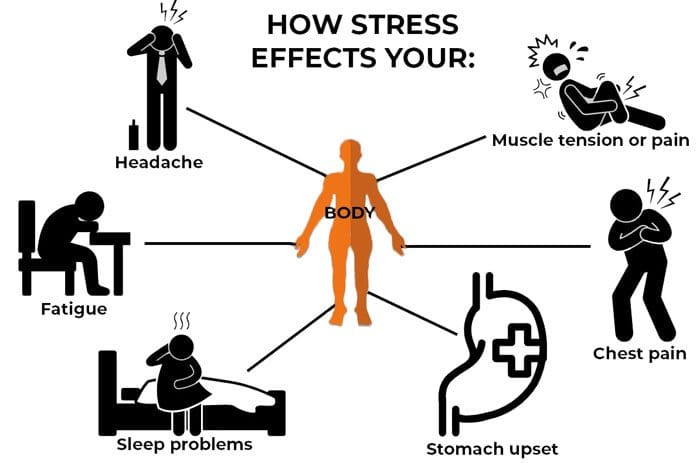
Chronic stress that lasts for a long period can affect the whole body. The immune system, digestive system, sleep cycles, etc. Physical symptoms include:
Tension in the neck and back
Persistent headaches
Stomach aches
Constant fatigue, even after waking up
Sleeping pattern changes
Insomnia
Muscle pain
Changes in libido
Being more prone to infections because of a weakened immune system
Chest pain
Learning Healthy Stress Management
Mental health is now an important part of living a healthy life. Stress comes from all kinds of different places. We can’t always change these moments, but we can change our reactions to reduce the negative effects and results. To manage stress, it is important to know what is causing it.
It could be an argument with a boss, co-worker, family member, or significant other.
Work deadlines
School grades, teachers, kids, etc
Bills
Repairs
Clearly identifying the main stressors will help individuals anticipate them and form a plan. There are different ways of dealing with it. The different strategies need to be researched and tried by individuals to see what works for them. Think about what helps the mind and body relax and unwind. A few recommended ways include:
These are strategies that can be incorporated into regular daily life. Be sure to set time aside to focus on mental wellbeing. Learn to recognize the signs when getting overwhelmed. Don’t hesitate to ask for help when needed. This can be a support system or mental health professional. This is to empower individuals to take better care of themselves in both body and mind.
Body Composition
Setting Attainable Goals
Individuals that have trouble achieving health goals might want to look at the goals themselves. Individuals typically have a general idea of their fitness journey. However, it is hard to reach those goals without a map. Losing weight or getting healthy is the goal but these goals are not measurable. This is too broad that can be different things to different people. Trying to accomplish a vague goal makes it hard to plan, making it happen, or seeing progress. A recommended strategy for goal setting is to use the SMART system. The acronym stands for:
Specific
Measurable
Attainable
Realistic
Timed
When goals fall into these parameters, it provides a clear picture of what is trying to get accomplished and the ability to plan accordingly. An example could be: An individual will work out at home or the gym for one hour, five days a week for one month. This is a specific and measurable goal when compared to I’m going to work out more. This provides clear guidelines of what needs to happen to achieve success.
References
Bailey, Ryan R. “Goal Setting and Action Planning for Health Behavior Change.” American journal of lifestyle medicine vol. 13,6 615-618. 13 Sep. 2017, doi:10.1177/1559827617729634
Carlson, Linda E et al. “Integrative Approaches to Stress Management.” Cancer journal (Sudbury, Mass.) vol. 25,5 (2019): 329-336. doi:10.1097/PPO.0000000000000395
Jamison, J R. “Stress management: an exploratory study of chiropractic patients.” Journal of manipulative and physiological therapeutics vol. 23,1 (2000): 32-6. doi:10.1016/s0161-4754(00)90111-8
Jamison, J. “Stress: the chiropractic patients’ self-perceptions.” Journal of manipulative and physiological therapeutics vol. 22,6 (1999): 395-8. doi:10.1016/s0161-4754(99)70085-0
Pregnancy is an exciting time in a woman’s life. A healthy pregnancy is the objective, and therefore, essential to maintain a healthy diet and stay physically active. However, it can be easy to forget about the strain that pregnancy places on the body and push through the aches and pain with everything going on. Specifically the spine and pelvis. During pregnancy, the body goes through various changes to accommodate the growing baby. When pregnant, a hormone known as relaxin is released. This relaxes the joints for labor and delivery. Sometimes the ligaments can become too loose that they become structurally unstable. This causes pain. Other factors that can lead to spine misalignment and pain:
25 – 30 lbs of added weight and pressure on the spine, pelvis, legs, feet.
Weakened abdominal muscles.
Lower back curvature becomes more prominent.
Pregnant women going through discomfort/pain can benefit from chiropractic pregnancy adjustments. These maintain spinal alignment while keeping the baby safe. Chiropractors are trained to treat pregnant women; however, there is additional certification to specialize in this area. A prenatal chiropractor also provides information on:
Preparing the body for labor and birth
Maintaining healthy posture
Ensure the body is properly aligned throughout the pregnancy.
Diet
Health coaching
Postpartum care
Chiropractic Benefits For A Healthy Pregnancy
The obvious benefits include back pain relief, quality of life improvement, and reducing the need for pain medications. Other benefits include:
Alleviates sciatic nerve pain
Helps to control urinary incontinence
Reduces pregnancy-related nausea
Aligns the pelvis for optimal delivery
Reduces labor and delivery time
There is little risk associated with prenatal chiropractic care. However, it is not recommended for pregnant women with health complications like vaginal bleeding or ectopic pregnancy.
Repositioning
If the baby does not have enough room or is going into a breeched position, a chiropractor will work on the ligaments and muscles in the pelvic region to decrease any intrauterine restrictions. Getting the pelvis aligned will allow for an optimal delivery position. This will help move the head down and give the baby more space. If there is a breech position, it is recommended to see a chiropractor once a week during the eighth and ninth months.
When to Start
After receiving approval from the obstetrician, a woman can see a chiropractor at any stage during pregnancy. Many women start chiropractic in the first trimester. This develops a relationship early and benefits the woman as her body changes throughout the pregnancy.
How Often
Most patients visit a chiropractor once a month during the first trimester. Then they increase the sessions as the pregnancy progresses. Every woman’s pregnancy is different, requiring a personalized/customized treatment plan. The chiropractor will best advise on the frequency of treatment.
Pregnancy Technique
A chiropractor’s job is to manipulate the woman’s spine, joints, and muscles into alignment.
The adjustments utilize gentle pressure. The techniques are adjusted accordingly. Depending on how far along the woman is, as well as musculoskeletal health. For example, they could emphasize focus on the pelvis to reduce stress on the uterus and ligaments for a few sessions. Then shift back to the spine. They will not exert excessive pressure on the abdomen and possibly incorporate specialized equipment specifically for pregnant women.
Sciatica
Symptoms of sciatica are common during pregnancy, typically in the later months. This comes from the added pressure on the sciatic nerve. It can be sharp, burning pain from the hip to the foot. This makes walking, sitting, and sleeping uncomfortable to unbearable. Some women are fortunate enough to experience relief if the baby moves off the sciatic nerve. However, most will need some form of treatment to manage and heal the symptoms. This usually includes:
Series of adjustments
Hot and cold therapies
Stretches
Chiropractic can continue to help after giving birth, providing post-natal care helping the body return to its pre-pregnancy state healthily and optimally.
Body Composition
Diet, Nutrition During Pregnancy
From a nutritional perspective, a high GI diet during pregnancy increases the chances of excessive weight gain and overweight babies. Intake of low-glycemic carbs is associated with weight gain in the normal range. If planning to get pregnant or are pregnant, pay attention to the quality of carb intake for a healthy pregnancy. Health care providers recommend avoiding extreme diets for the first four to six weeks after delivery. This gives the body time to recover and helps to establish a consistent milk supply, as rapid weight loss could interfere with breastfeeding. Before going on a diet or starting an exercise program, check with a healthcare provider to rule out any medical conditions.
References
30 of the Most Surprising (And Alarming) Back Pain Statistics. The Good Body. https://www.thegoodbody.com/back-pain-statistics/. Last updated May 30, 2017. Accessed September 22, 2017.
Bernard, Maria, and Peter Tuchin. “Chiropractic Management of Pregnancy-Related Lumbopelvic Pain: A Case Study.” Journal of chiropractic medicine vol. 15,2 (2016): 129-33. doi:10.1016/j.jcm.2016.04.003
Gostine M. Is Lower Back Pain Normal During Pregnancy? BabyQ. https://www.babyq.com/lens/lifestyle/is-lower-back-pain-normal-during-pregnancy/. Published February 4, 2017. Accessed September 22, 2017.
Sabino J, Grauer JN. Pregnancy and low back pain. Curr Rev Musculoskelet Med. 2008; 1(2): 137–141. Published online February 26, 2008. doi: 10.1007/s12178-008-9021-8.
Re-energize from a lack of energy and fatigue with Bio-chiropractic. Millions of individuals struggle to get through the day or night depending on work/school schedules because of deficient energy levels that result in fatigue. Unfortunately, many begin taking over the counter or prescription medication, drinking coffee or highly caffeinated/energy beverages, or taking days off to catch up on rest. There is a wide range of high-sugar and caffeine energy products to help with fatigue. But, research has shown how overconsumption of these products can contribute and/or cause:
High blood pressure
Cardiovascular disease
Diabetes
When a tired body takes in caffeinated energy, it is only for a temporary energy boost.
Energy products can mask the fatigue causation. This could be a disease, a type of condition, or an overlapping of causes.
Nervous System
The nervous system is the body’s life energy source. It is responsible for facilitating millions of functions that occur throughout the body every day. These include:
Shifts the spine out of alignment, placing added pressure on the delicate nerves in the neck and back.
The compression causes nerve interference that disrupts optimal nerve energy flow from reaching the organs. This leads to:
Fatigue
Pain
Organ dysfunction
Eventually disease
Bio-Chiropractic
Bio-Chiropractic is a scientific and researched based form of musculoskeletal corrective care. It aims to unblock nerve interference through the proper realignment of the spine, returning it to its proper curvature. As a result, many individuals under chiropractic care report immediate relief from neck or back pain, along with a vibrant, energized feeling, and with time their overall health improves.
Body Composition Feedback
Malnutrition
Malnutrition can be defined as a deficiency, excess, or imbalance in an individual’s intake of energy and nutrients. Protein-energy deficiency is a common form of malnutrition. It is a health condition that can have immediate/negative effects on body composition. This deficiency causes damage to skeletal muscle mass as the body progresses into starvation mode, breaking down its own protein stored in the muscles for fuel.
Micronutrient deficiency is a lack of nutrients like minerals and vitamins. These support important functions like cell regeneration, the immune system, and eyesight. Common examples are iron and/or calcium deficiencies. Micronutrient deficiency has the greatest impact on the body’s physiological functions/processes. They can occur at the same time that protein-energy deficiency is happening overlapping each other. Nutritional deficiencies can impact processes like:
Building and repairing muscle
Protein-energy deficiency has a more pronounced effect on body composition, as lowered protein intake can lead to increased losses in muscle mass.
Berkson, D L. “Osteoarthritis, chiropractic, and nutrition: osteoarthritis considered as a natural part of a three-stage subluxation complex: its reversibility: its relevance and treatability by chiropractic and nutritional correlates.” Medical hypotheses vol. 36,4 (1991): 356-67. doi:10.1016/0306-9877(91)90010-v
Jensen, Gordon L et al. “Recognizing malnutrition in adults: definitions and characteristics, screening, assessment, and team approach.” JPEN. Journal of parenteral and enteral nutrition vol. 37,6 (2013): 802-7. doi:10.1177/0148607113492338
Oakley, Paul A et al. “Restoring lumbar lordosis: a systematic review of controlled trials utilizing Chiropractic Bio Physics® (CBP®) non-surgical approach to increasing lumbar lordosis in the treatment of low back disorders.” Journal of physical therapy science vol. 32,9 (2020): 601-610. doi:10.1589/jpts.32.601
There are different types of muscle from a biological perspective, however, there is no such thing as lean muscle. Lean suggests the absence of body fat. But the fact is that all muscle is lean muscle. It is important to build muscle mass as the body ages, however, it is more important to build lean body mass. Here is the difference.
Lean Body Mass
Lean Body Mass is the total weight of an individual’s body minus all the weight from the fat mass.
Lean Body Mass (LBM) = Total Weight – Fat Mass
Lean Body Mass includes the weight of the:
Skin
Body Water
Bones
Organs
Muscle Mass
Because Lean Body Mass consists of various components, any change in the weight of these areas is recorded as changes in lean body mass. However, the weight of the body’s organs will not change. Bone density does decrease with time and age, but will not significantly affect the weight of lean body mass. With lean body mass, 2 areas of focus include:
Body water
Muscle mass
Lean Muscle
Sometimes, individuals use the term lean muscle referring to the shape of the muscles. However, both types of muscle are lean and fat-free.
The difference between muscle mass and lean muscle
The strict definition of muscle mass is the weight of the muscles of the body. When individuals say they are gaining muscle mass, they typically mean that the muscles look and feel bigger.
Lean muscle masson the other hand is a term often used when someone is referring to the weight of the muscles, not factoring in the amount of fat that could be present within a muscle.
Combining Lean Gains
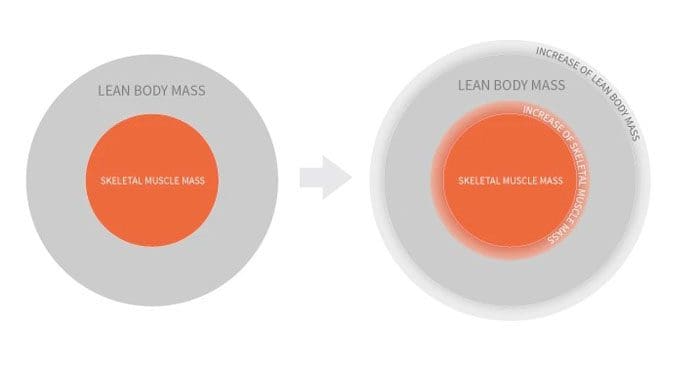
Increases in Skeletal Muscle Mass are also an increase in Lean Body Mass. What tends to happen is individuals combine them as lean mass gains or lean gains. However, an increase in Lean Body Mass does not always increase muscle.
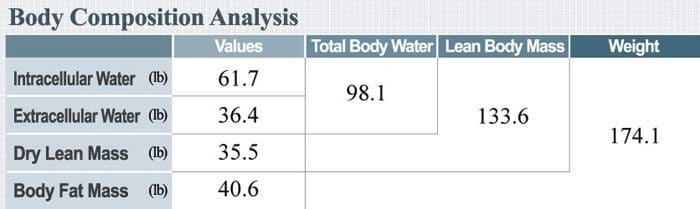
This is because body water makes up a significant portion of an individual’s Lean Body Mass. For example, a body composition analysis of a 174-pound male.
98.1 Total Body Water + 35.5 Dry Lean Mass = 133.6 Lean Body Mass
Water makes up more than 55% of total body weight
This is normal for healthy adult males
Lean Body Mass consists of three components, two of which are water.
Everything else grouped together makes up the individual’s Dry Lean Mass.
This includes bone minerals, protein content, etc.
Muscle gains contribute to Lean Body Mass gains, but so does water. The difference is that water levels can fluctuate throughout the day depending on:
Hydration levels
Diet
Physical activity
The muscle tissue itself contains a significant amount of water. Muscle tissue is comprised of up to 79% water. Research has shown that resistance training increases intracellular water in both men and women. This creates an issue when looking at lean gains.
Lean Mass gains can happen quickly, and the increases are mostly body water
Measuring Lean Body Mass and Muscle Mass
What not to do
Don’t try to use a scale to calculate changes in Skeletal Muscle Mass. A popular method used is to estimate muscle gain from the number on the scale and applying fitness websites/magazine tips. The problem with this technique is that estimating progress has many factors that can influence an increase in body weight. These include:
It is the difference between total body weight and body fat weight. However, these calculations are more for helping physicians determine the appropriate amount of prescription medication/s or if an individual will be undergoing anesthesia and not a computation of overall body composition.
Paying Attention to Weight Loss
Paying attention to weight loss is an inaccurate reflection of lean body mass, muscle mass, or lean mass.
Weight loss, or gain, does not reflect overall health and body composition.
Resistance training/weightlifting workouts combined with added protein will generate a muscle mass percentage increase
Skeletal Muscle Mass is connected with Lean Body Mass
Everyone’s body composition is different, making the proportion of an individual’s skeletal muscle mass to Lean Body Mass unique.
Lean Mass or Lean body mass is the safest term to use to describe gains.
Which Is More Important?
When it comes to tracking muscle gain or fat loss, it all comes down to what tools are being used to measure progress.
If working with just a weight scale, an individual will only know their weight increases or decreases.
This is difficult to see the difference in weight gain from water, muscle, or body fat.
For individuals that want accurate measuring of their muscle gain and assessing their health, then body composition analysis is the key.
Body Composition Difference
Disclaimer
The information herein is not intended to replace a one-on-one relationship with a qualified health care professional, licensed physician, and is not medical advice. We encourage you to make your own health care decisions based on your research and partnership with a qualified health care professional. Our information scope is limited to chiropractic, musculoskeletal, physical medicines, wellness, sensitive health issues, functional medicine articles, topics, and discussions. We provide and present clinical collaboration with specialists from a wide array of disciplines. Each specialist is governed by their professional scope of practice and their jurisdiction of licensure. We use functional health & wellness protocols to treat and support care for the musculoskeletal system’s injuries or disorders. Our videos, posts, topics, subjects, and insights cover clinical matters, issues, and topics that relate to and support, directly or indirectly, our clinical scope of practice.* Our office has made a reasonable attempt to provide supportive citations and has identified the relevant research study or studies supporting our posts. We provide copies of supporting research studies available to regulatory boards and the public upon request. We understand that we cover matters that require an additional explanation of how it may assist in a particular care plan or treatment protocol; therefore, to further discuss the subject matter above, please feel free to ask Dr. Alex Jimenez or contact us at 915-850-0900.
Dr. Alex Jimenez DC, MSACP, CCST, IFMCP*, CIFM*, CTG*
email: [email protected]
phone: 915-850-0900
Licensed in Texas & New Mexico
References
Galán-Rioja, Miguel Ángel et al. “Effects of Body Weight vs. Lean Body Mass on Wingate Anaerobic Test Performance in Endurance Athletes.” International journal of sports medicine vol. 41,8 (2020): 545-551. doi:10.1055/a-1114-6206
Köstek, Osman et al. “Changes in skeletal muscle area and lean body mass during pazopanib vs sunitinib therapy for metastatic renal cancer.” Cancer chemotherapy and pharmacology vol. 83,4 (2019): 735-742. doi:10.1007/s00280-019-03779-5
Ribeiro, Alex S et al. “Resistance training promotes an increase in intracellular hydration in men and women.” European journal of sports science vol. 14,6 (2014): 578-85. doi:10.1080/17461391.2014.880192
Ten Haaf, Dominique S M et al. “Protein supplementation improves lean body mass in physically active older adults: a randomized placebo-controlled trial.” Journal of cachexia, sarcopenia and muscle vol. 10,2 (2019): 298-310. doi:10.1002/jcsm.12394
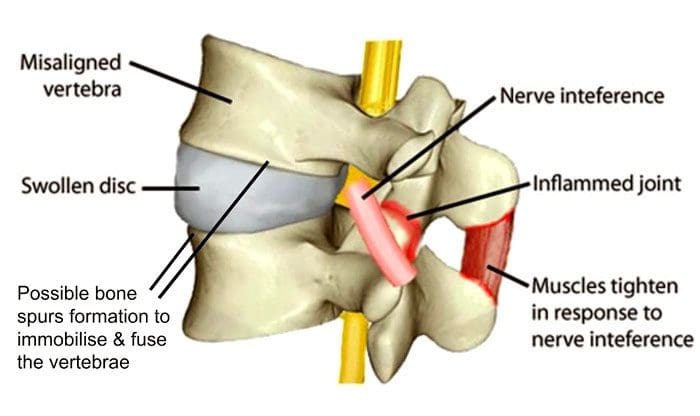
Individuals typically don’t think about their spine as they go through their everyday lives, bending, reaching, twisting, lifting, etc. However, it is through all of these movements/motions that spinal misalignments can occur causing discomfort, pain, and health problems. This happens gradually, with individuals learning how to live with the misalignment, accepting it as a normal part of life. Spinal misalignments, known as subluxations, are common but can be resolved through chiropractic treatment.
Spinal Misalignment
The spine needs to stay strong, stable, and able to support the musculoskeletal system to keep the body upright and protect the central nervous system. When the spine is properly aligned the body stays strong and mobile. When the spine is misaligned, it can cause dysfunction of the central nervous system. Chiropractic is highly effective and a non-invasive way to improve the body’s health. An individual will want to know if their spine is out of alignment to know what to do and what to avoid when back pain presents. Symptoms that the spine is out of alignment includes:
Headaches, Back, and/or Joint Pain
Headaches, joint pain, and backaches can be misalignment symptoms and are the most common. Many individuals learn to live with chronic headaches and migraines but do not realize that chiropractic treatment can help to reduce, or in a case like this, can eliminate them. Back pain, especially low back pain is another symptom of misalignment. However, there can be a variety of causes, like a herniated disc, degenerative disc disease, a chiropractor will alleviate the pain without medication or surgery. A chiropractor will find the root cause and correct any misalignments.
The Heels of Shoes Wear Out Unevenly
This is a symptom that can come from cheap shoes, but often it is from a misaligned pelvis/pelvic tilt. What happens is the hips are shifted out of their proper position, which causes the feet to land on the ground unevenly.
Stiffness and/or Inability To Turn The Head or Hips
If the neck is stiff or there is difficultness, pain when turning, or you can hear the neck crack when turning, this is a sure symptom of cervical misalignment. The same is true with the hips. A subluxation can also cause muscles to tighten or damage the connective tissues, like the ligaments or tendons. Individuals can get used to feeling this way, but it can lead to losing the full range of motion along with pain, stiffness, and inability to perform certain tasks.
Joint Stiffness, Aches, and Pains
Trying to push through back stiffness, along with aches and pains is not healthy. Improper ergonomics and postures could be caused by spinal misalignment or could worsen a subluxation causing further injury. A chiropractor will:
Educate on proper ergonomics
Show how to improve posture
Perform adjustments
Recommend anti-inflammatory supplements
Perform physical therapeutic massage to eliminate stiffness, alleviate pain, and relieve stress.
Numbness or Tingling in Hands or Feet
This is a sure symptom that of a misaligned spine. Numbness and/or tingling sensations often indicate pinched/compressed nerves. The compression or irritation can result in pain or the aforementioned sensations. A chiropractor will ease the pressure on the nerves, allowing for proper circulation, bringing back the full sensation to the affected area/s.
Body Composition
Fiber Health Benefits
Fiber health benefits include lowering the risk of developing diseases like diabetes, obesity, hypertension, and more. It is also beneficial for those who have diabetes to improve insulin sensitivity. Adding more fiber to your diet can enhance weight loss goals. Fruits and vegetables are the highest-fiber foods available.
Fiber and Gut Health
The beneficial bacteria that live in the gut thrive from fruit and vegetable fiber. Because the body does not absorb fiber, the bacteria ferment the fiber. Anti-inflammatory fatty acids are released as a by-product of this process and help to protect the health of the gut. They can also help with appetite regulation.
The information herein is not intended to replace a one-on-one relationship with a qualified health care professional, licensed physician, and is not medical advice. We encourage you to make your own health care decisions based on your research and partnership with a qualified health care professional. Our information scope is limited to chiropractic, musculoskeletal, physical medicines, wellness, sensitive health issues, functional medicine articles, topics, and discussions. We provide and present clinical collaboration with specialists from a wide array of disciplines. Each specialist is governed by their professional scope of practice and their jurisdiction of licensure. We use functional health & wellness protocols to treat and support care for the musculoskeletal system’s injuries or disorders. Our videos, posts, topics, subjects, and insights cover clinical matters, issues, and topics that relate to and support, directly or indirectly, our clinical scope of practice.* Our office has made a reasonable attempt to provide supportive citations and has identified the relevant research study or studies supporting our posts. We provide copies of supporting research studies available to regulatory boards and the public upon request. We understand that we cover matters that require an additional explanation of how it may assist in a particular care plan or treatment protocol; therefore, to further discuss the subject matter above, please feel free to ask Dr. Alex Jimenez or contact us at 915-850-0900.
Dr. Alex Jimenez DC, MSACP, CCST, IFMCP*, CIFM*, CTG*
email: [email protected]
phone: 915-850-0900
Licensed in Texas & New Mexico
References
Czaprowski, Dariusz et al. “Non-structural misalignments of body posture in the sagittal plane.” Scoliosis and spinal disorders vol. 13 6. 5 Mar. 2018, doi:10.1186/s13013-018-0151-5
Formica, M et al. “ALIF in the correction of spinal sagittal misalignment. A systematic review of the literature.” The European spine journal: official publication of the European Spine Society, the European Spinal Deformity Society, and the European Section of the Cervical Spine Research Society vol. 30,1 (2021): 50-62. doi:10.1007/s00586-020-06598-y
Granacher, Urs et al. “Effects of core instability strength training on trunk muscle strength, spinal mobility, dynamic balance and functional mobility in older adults.” Gerontology vol. 59,2 (2013): 105-13. doi:10.1159/000343152
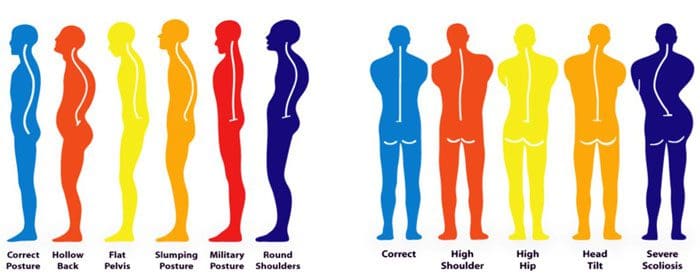
Improper posture affects the whole body and can lead to various pain issues throughout the body. Correcting posture is recommended before trying to correct it when pain begins to present. If pain is presenting, chiropractic treatment will bring relief, stabilize the spine, realign/balance the body, and educate the individual on maintaining proper posture through stretches, exercises, physical therapy, and lifestyle adjustments.
Improper posture symptoms
Neck Pain
Discomfort, stiffness, tightness, and pain are common when sitting at a workstation. This comes from a forward head/head jutting position. The head pushes forward and is not aligned with the shoulders. This means that the neck takes on a compromised position. The head forward position places significant strain on the neck muscles. Because of this neck discomfort and pain often occur later in the afternoon and evening. If not sure whether head jutting is taking place, try placing the chin to the chest. If not able or if there is discomfort/pain in the upper back, there is some forward head jutting.
Shoulder Discomfort and Pain
When we sit for extended periods, the body relaxes muscles that would normally be used if standing. One set of muscles is in the upper back. This causes slouching with a rounded upper back/shoulders. The more time the body stays in any one position, the more it begins to conform to the unhealthy position. This also causes pain in the upper, front part of the shoulders. The pain is noticeable when trying to bring the arm/s overhead or when trying to perform exercises like pushups or pullups.
Regular Headaches
Regular headaches are another symptom of improper posture. Forward head posture is usually a contributor combined with the long hours sitting or standing. However, headaches can be caused by a variety of causes that include:
Stress
Tension
Dehydration
Low Back, Tailbone Discomfort, and Pain
Lower back pain is a very common symptom of improper posture. For individuals under 40, pain and discomfort present because of improper posture while sitting or standing and a lack of stretching and exercise. Sitting for a long time causes the muscles that bring the thighs towards the chest, known as the hip flexors to be consistently flexed, with no relief. This causes the hip flexors to shorten and tighten. This pulls the pelvis out towards the front of the body, creating an exaggerated spinal curve.
Buttocks or Stomach Pushes Outward
Take a look at the body’s profile, does the butt and/or stomach stick out? If so this could be hyperlordosis also known as Donald duck posture. This can come from wearing high heels too much, the body having to carry extra weight in the stomach area, and sometimes this comes from pregnancy. Sometimes, this happens when individuals stand with their knees locked. This causes the rear end and/or belly to push out.
Correcting Improper Posture
The main problem with correcting posture is the ability to maintain proper posture. Many individuals go back to the unhealthy positioning without recognizing that they are doing it. There are devices to help correct poor posture habits. This could be a brace or harness that detects when the body is slouching and vibrates to let the individual return to a proper position.
Chiropractic Care and Physical Therapy
The most effective and thorough way to correct years of improper posture is to see a professional chiropractor. A complete diagnosis, inspection, and analysis of an individual’s posture when sitting, standing, walking, and running will be done. They will educate the individual on correct posture, how to achieve and maintain it. If pain is presenting, the chiropractor will take steps to correct any subluxations, misalignments, and develop a personalized treatment plan, to heal the body first. Treatment modalities can include:
Chiropractic adjustments
Physical therapy
Massage
Heat therapy
Infrared
Ultrasound
TENS device
Health coaching
Nutritional advice
Once the body has healed and is moving freely, the doctor will recommend exercises and stretching programs to do at home. This will improve and help maintain proper posture. An experienced musculoskeletal professional will keep the body balanced and prevent further injuries.
Body Composition
Hydrating the body with water or a sports drink
Many individuals prefer drinking sports drinks during and after physical activities, sports, and exercise. Many are opposed to water because of the lack of taste, while sports drinks have taste and added electrolytes. But many sports drinks have added ingredients and sugars. This makes them not the best choice for individuals trying to lose calories. Take a look at some of the additional ingredients:
Electrolytes
Minerals, like potassium, sodium, and magnesium, have an electric charge that helps maintain the body’s ionic balance. The body loses electrolytes when sweating. A sports drink can help replace the lost electrolytes.
Carbohydrates
Most of the carbohydrates come from sugars. Carbohydrates are one of the body’s energy sources and sports drinks are designed to refuel the body after hard physical activity.
Amino acids
These are protein building blocks. Drinking a sports drink after an intense workout can help the body recover quicker. Therefore, some of the additional ingredients in sports drinks offer hydration extras that water on its own cannot. However, water should always be the first drink of choice. But there are certain times when a sports drink is what the body needs.
When participating in high-intensity physical activities, workouts, sports that last longer than 45 minutes to an hour. Here a sports drinks can help replenish the body’s electrolytes better than water.
Individuals that sweat high levels of sodium (look for sweat stains/rings on skin or clothing) can benefit from re-hydrating with a sports drink.
Endurance athletes, triathletes, marathon runners, long-distance athletes, etc can also benefit from a sports drink, from the increased fluid loss.
In these activities, athletes should make sure the sports drink they are consuming contains carbohydrates and electrolytes.
Disclaimer
The information herein is not intended to replace a one-on-one relationship with a qualified health care professional, licensed physician, and is not medical advice. We encourage you to make your own health care decisions based on your research and partnership with a qualified health care professional. Our information scope is limited to chiropractic, musculoskeletal, physical medicines, wellness, sensitive health issues, functional medicine articles, topics, and discussions. We provide and present clinical collaboration with specialists from a wide array of disciplines. Each specialist is governed by their professional scope of practice and their jurisdiction of licensure. We use functional health & wellness protocols to treat and support care for the musculoskeletal system’s injuries or disorders. Our videos, posts, topics, subjects, and insights cover clinical matters, issues, and topics that relate to and support, directly or indirectly, our clinical scope of practice.* Our office has made a reasonable attempt to provide supportive citations and has identified the relevant research study or studies supporting our posts. We provide copies of supporting research studies available to regulatory boards and the public upon request. We understand that we cover matters that require an additional explanation of how it may assist in a particular care plan or treatment protocol; therefore, to further discuss the subject matter above, please feel free to ask Dr. Alex Jimenez or contact us at 915-850-0900.
Dr. Alex Jimenez DC, MSACP, CCST, IFMCP*, CIFM*, CTG*
email: [email protected]
phone: 915-850-0900
Licensed in Texas & New Mexico
References
Hao, Ning et al. “Enhancing creativity: Proper body posture meets proper emotion.” Acta Psychologica vol. 173 (2017): 32-40. doi:10.1016/j.actpsy.2016.12.005
Jaromi, Melinda et al. “Treatment and ergonomics training of work-related lower back pain and body posture problems for nurses.” Journal of clinical nursing vol. 21,11-12 (2012): 1776-84. doi:10.1111/j.1365-2702.2012.04089.x
O’Connor B. Sitting Disease: The New Health Epidemic. The Chopra Center Web site. http://www.chopra.com/articles/sitting-disease-the-new-health-epidemic. Accessed January 7, 2017.
The feet are the foundation of the body. The feet carry the body's entire weight allowing for movement with ease. The feet are a complex structure that consists of:
Bones
Joints
Muscles
Ligaments
Tendons
Nerve endings
Because of this, the feet are a high-impact area taking the everyday forces that come from:
Balancing
Walking
Running
Stopping
Twisting
Shifting positions
Tiptoe reaching
Common Symptoms
Symptoms commonly caused by foot issues include:
Soreness
Stiffness
Leg pain
Muscle Weakness
Poor balance
Flat feet, fallen arches, injuries, bone spurs, and other issues can cause problems with the rest of the body. The most common are:
Back Problems
When foot issues are present it's common to change walking postures to avoid pain and discomfort. Individuals often do not realize they are doing it until the awkward postures begin to present with pain and discomfort. Overcompensation combined with unhealthy walking patterns can cause back pain. This is because the spine is becoming misaligned. Balance of the body is crucial. When something shifts the proper balance, the whole spine can shift out of alignment. This is especially true for individuals with flat feet. Flat feet can cause the ankle/s to lose alignment. This leads to problems up the body, from the knees to the hips to the spine and neck.
Joint Pain
Imbalances cause the feet and spine to not absorb shocks from everyday activity properly. This means the rest of the body, especially the joints, have an added job of absorbing the shock/impact. As time goes on the stress and shock can lead to severe ankle, knee, hip discomfort/pain, and malfunctions.
Posture Imbalance
These misalignments cause imbalance and posture problems. When the feet have lost the proper anchoring and alignment, overall posture and balance become affected. This increases the risk for dangerous slip and fall accidents that can exacerbate or cause new injuries.Posture problems are usually the result of the body trying to redistribute weight to reduce the pain and because it works then becomes a bad habit.
Referred and Radiating Pain
The muscles, tendons, and ligaments of the feet connect to the rest of the body. Any pain/issues like calf pain or weakness in the feet can begin to present in the lower leg since that is where the soft tissue is most closely connected.
Foot Problems/Issues
The most common foot problems podiatrists see that lead to the aforementioned ailments.
Flat Feet
Flat feet also known as fallen arches. This is a condition where the feet lack or have lost the arch when standing. This can be quite uncomfortable and creates weight distribution problems. It can be a genetic condition but is also be the result of wearing shoes without arch support for a prolonged time.
Corns and Bunions
Corns are round circles of thick skin on the toes, or on the soles of the feet. The body forms them naturally to prevent blisters, but they could be the result of poorly fitting shoes. Typically they are not painful when they form, but can become irritated over time. Bunions are bumps on the side of the big toe that can cause a bending inward toward the other toes, creating a painful angle. This can cause severe irritation and inflammation in the bump and toes. These can be genetic or caused by structural problems. But they can be caused by tight-fitting shoes or excess pressure on the feet for prolonged periods.
Hammertoe
Hammertoe, also known as mallet toe, is a condition that makes one or more of the toes pointing down rather than straight. Walking can cause pain, and movement of the toe can reduce or stop completely. This is caused by arthritis or an injury, it can be genetic, or the result of poor footwear.
Plantar Fasciitis
This condition causes pain that goes from the bottom of the heel to the middle of the foot. It is caused by inflammation of the plantar fascia ligament also located in this area. There is a wide range of pain levels that can range from dull to stabbing. It is often caused by poor footwear with no arch support that has been worn for long periods when walking, standing, and running. Weight gain is another cause, as the added weight could be too much for the foot to manage, causing strain.
Shoes
Individuals that wear high heels, shoes that are the wrong size, or other uncomfortable footwear consistently will more likely develop the aforementioned issues. Shoes with proper support are essential to optimal foot and body health because they evenly distribute the weight of the body lessening the impact from everyday activities.
Foot Orthotics
Another recommended option for alleviating foot issues is custom foot orthotic inserts. These can be fit into any shoe, and are customized to an individual's feet. They’re affordable, and allow individuals to wear their shoes without pain.
Chiropractic & Physical Therapy
Chiropractic and physical therapy can help alleviate the pain that is resultant from foot problems. Seeing a podiatrist can treat the root cause of the condition, but the rest of the body could need chiropractic readjusting from the misalignment/s.
Custom Orthotics
Heat-related illnesses
Heat-related illnesses vary in their severity, but even light symptoms need immediate action to correct the problem before it does become severe.
Heat cramps
When exercising in the heat painful cramps can present. The affected muscle/s might feel hard, spasm, or generate sharp pain. The body temperature could still be within normal limits.
Heat syncope
Syncope is a loss of consciousness, that is usually recognized as exercise-related collapse. However, before this happens, there may be a feeling of lightheadedness or fainting. This happens when temperatures are high and the individual has been standing or exercising for a long time. The same can occur when standing up quickly after sitting for a long time.
Heat exhaustion
Heat exhaustion happens when the body temperature exceeds normal limits and rises as high as 104. This can cause nausea, weakness, cold, fainting, headaches, and vomiting. The body continues to sweat, but the skin may feel cold and clammy.
Heatstroke and Sunstroke
Heat exhaustion untreated leads to heatstroke or sunstroke. The body's core temperature is greater than 104 degrees and in a life-threatening emergency. The skin is no longer capable of sweating and can feel dry or moist. Individuals can become confused, irritable, and experience heart arrhythmias. Immediate medical emergency treatment is necessary to stop brain damage, organ failure, and death.
Disclaimer
The information herein is not intended to replace a one-on-one relationship with a qualified health care professional, licensed physician, and is not medical advice. We encourage you to make your own health care decisions based on your research and partnership with a qualified health care professional. Our information scope is limited to chiropractic, musculoskeletal, physical medicines, wellness, sensitive health issues, functional medicine articles, topics, and discussions. We provide and present clinical collaboration with specialists from a wide array of disciplines. Each specialist is governed by their professional scope of practice and their jurisdiction of licensure. We use functional health & wellness protocols to treat and support care for the musculoskeletal system’s injuries or disorders. Our videos, posts, topics, subjects, and insights cover clinical matters, issues, and topics that relate to and support, directly or indirectly, our clinical scope of practice.* Our office has made a reasonable attempt to provide supportive citations and has identified the relevant research study or studies supporting our posts. We provide copies of supporting research studies available to regulatory boards and the public upon request. We understand that we cover matters that require an additional explanation of how it may assist in a particular care plan or treatment protocol; therefore, to further discuss the subject matter above, please feel free to ask Dr. Alex Jimenez or contact us at 915-850-0900.
Dr. Alex Jimenez DC, MSACP, CCST, IFMCP, CIFM, CTG*
email: [email protected]
phone: 915-850-0900
Licensed in Texas & New Mexico
IFM's Find A Practitioner tool is the largest referral network in Functional Medicine, created to help patients locate Functional Medicine practitioners anywhere in the world. IFM Certified Practitioners are listed first in the search results, given their extensive education in Functional Medicine