How can spinal decompression reduce pain while restoring spinal flexibility in many individuals with lumbar degenerative disorders?
Introduction
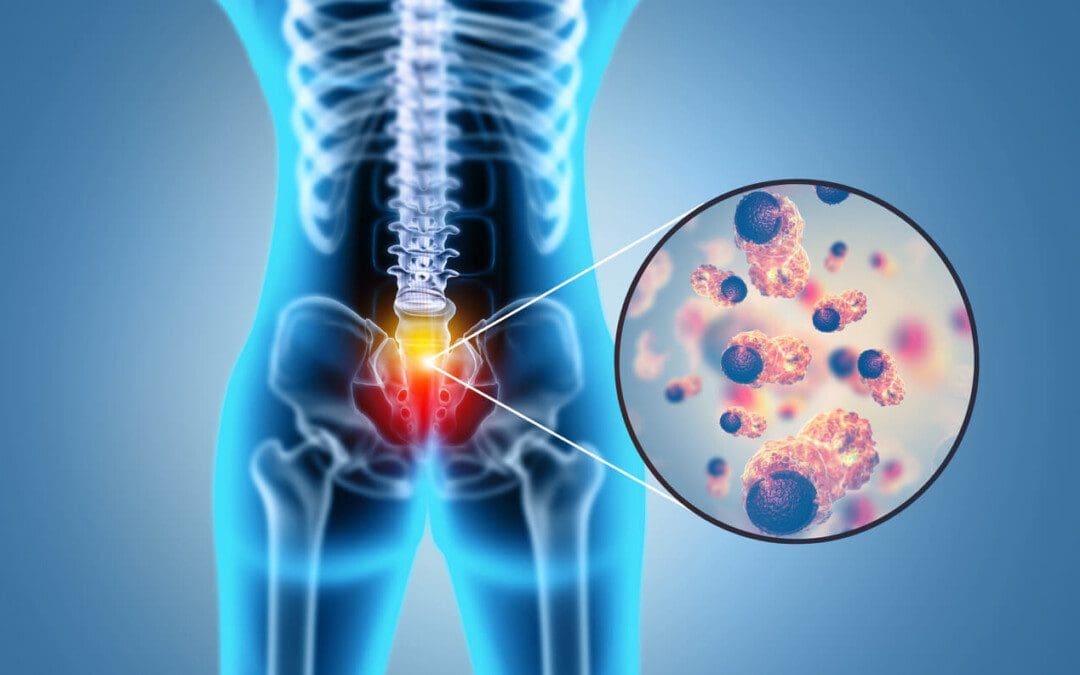
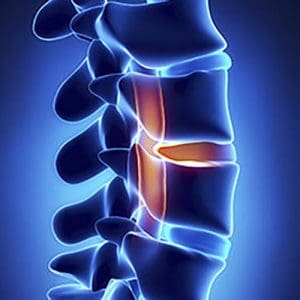
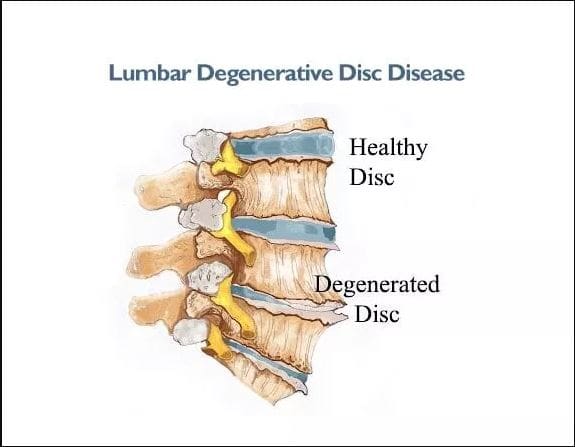
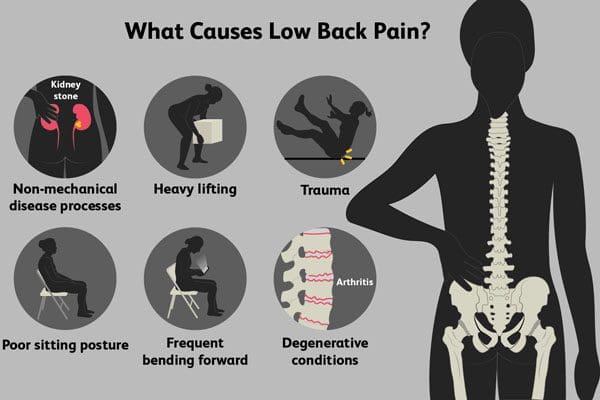
As we naturally age, so do our spines and spinal discs, as the natural fluids and nutrients stop hydrating the discs and cause them to degenerate. When disc degeneration starts to affect the spine, it can cause pain-like symptoms in the lumbar regions, which then develop into lower back pain or other musculoskeletal disorders that affect the lower extremities. When disc degeneration starts to affect the lumbar region, many individuals will notice that they are not as flexible as when they were younger. The physical signs of straining their muscles from improper lifting, falling, or carrying heavy objects can cause muscle strain and pain. When this happens, many individuals will treat the pain with home remedies, which can provide temporary relief but can aggravate it more when people make repetitive motions to their lumbar spine, which can result in injuries. Fortunately, non-surgical treatments that can help slow down the process of disc degeneration while rehydrating the spinal disc. Today’s article looks at why disc degeneration affects lumbar flexibility and how treatments like spinal decompression reduce disc degeneration while restoring lumbar flexibility. Coincidentally, we communicate with certified medical providers who incorporate our patients’ information to provide various treatment plans to reduce the disc degeneration process and provide pain relief. We also inform them that there are non-surgical options to reduce the pain-like symptoms associated with disc degeneration and help restore lumbar flexibility. We encourage our patients to ask amazing educational questions to our associated medical providers about their symptoms correlating with body pain in a safe and positive environment. Dr. Alex Jimenez, D.C., incorporates this information as an academic service. Disclaimer
How Does DDD Affect Lumbar Flexibility?
Have you been experiencing stiffness in your back when you wake up in the morning? Do you feel muscle aches and pains when bending down and picking up heavy objects? Or do you feel radiating pain in your legs and back? When many individuals are in excruciating pain, many don’t often realize that their lower back pain could also be associated with their spinal disc degenerating. Since the spinal disc and the body can degenerate naturally, it can lead to the development of musculoskeletal disorders. DDD, or degenerative disc disease, is a common disabling condition that can greatly impact the musculoskeletal system and is the main cause of individuals missing out on their daily activities. (Cao et al., 2022) When normal or traumatic factors begin to cause repetitive motions to the spine, it can cause the spinal disc to be compressed and, over time, degenerate. This, in turn, causes the spine to be less flexible and becomes a socio-economic challenge.
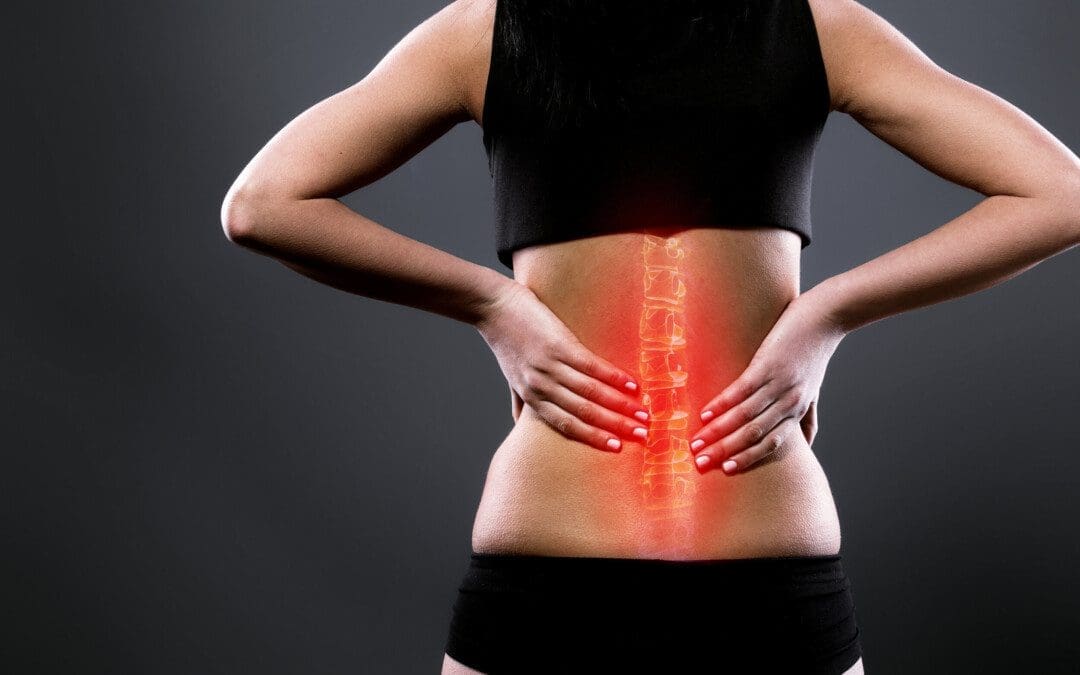
When disc degeneration starts to cause spinal inflexibility, it can lead to the development of low back pain. Since low back pain is a common health concern, it can affect many individuals worldwide, as disc degeneration is a common factor. (Samanta et al., 2023) Since disc degeneration is a multi-factorial disorder, the musculoskeletal and organ systems are also affected as it can cause referred pain to different body locations. Luckily, many individuals can find the treatment they are looking for, as many seek relief from the many pain issues that disc degeneration has caused.
Lumbar Spine Injuries In Athletes- Video
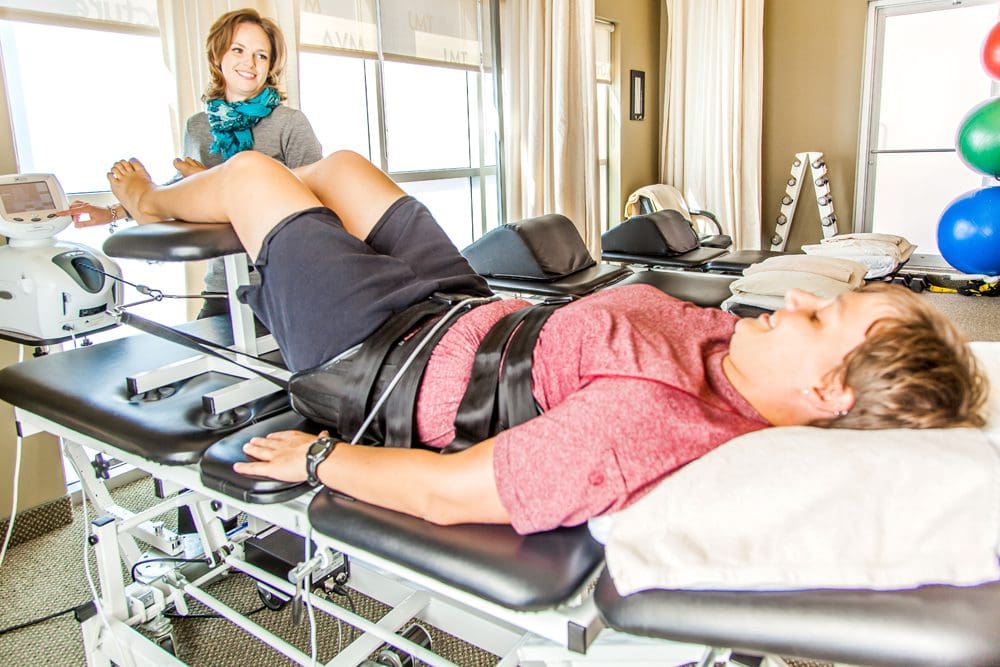
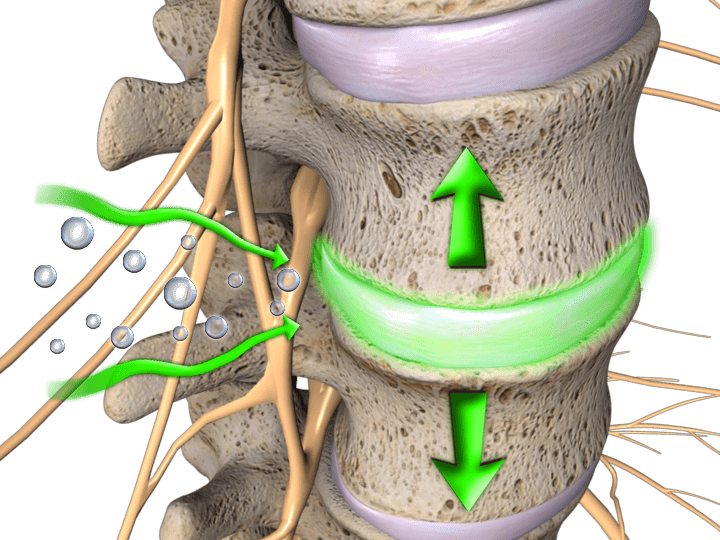
Since disc degeneration is a multi-factorial cause of disability, it can become a primary source of back pain. When normal factors contribute to back pain, it likely correlates with disc degeneration and can cause cellular, structural, compositional, and mechanical changes throughout the spine. (Ashinsky et al., 2021) However, many individuals seeking treatment can look into non-surgical therapies as they are cost-effective and safe on the spine. Non-surgical treatments are safe and gentle on the spine as they can be customizable to the person’s pain and combined with other treatment forms. One of the non-surgical treatments is spinal decompression, which uses gentle traction on the spine to rehydrate the spinal disc from degeneration and help kick-start the body’s natural healing process. The video above shows how disc degeneration is correlated with disc herniation and how these treatments can reduce its pain-like effects on the spine.
Spinal Decompression Reducing DDD
When many individuals are going in for treatment for disc degeneration, many will often try spinal decompression as it is affordable. Many healthcare professionals will assess the individual by creating a personalized plan before entering the traction machine. Many individuals will get a CT scan to assess the changes caused by DDD. (Dullerud & Nakstad, 1994) This determines how severe the disc space is. The traction machine for spinal decompression determines the optimal treatment duration, frequency, and mode of administrating traction to the spine to reduce DDD. (Pellecchia, 1994) Additionally, the efficiency of traction from spinal decompression can help many people with low back and provide relief. (Beurskens et al., 1995)
References
Ashinsky, B., Smith, H. E., Mauck, R. L., & Gullbrand, S. E. (2021). Intervertebral disc degeneration and regeneration: a motion segment perspective. Eur Cell Mater, 41, 370-380. https://doi.org/10.22203/eCM.v041a24
Beurskens, A. J., de Vet, H. C., Koke, A. J., Lindeman, E., Regtop, W., van der Heijden, G. J., & Knipschild, P. G. (1995). Efficacy of traction for non-specific low back pain: a randomised clinical trial. Lancet, 346(8990), 1596-1600. https://doi.org/10.1016/s0140-6736(95)91930-9
Cao, G., Yang, S., Cao, J., Tan, Z., Wu, L., Dong, F., Ding, W., & Zhang, F. (2022). The Role of Oxidative Stress in Intervertebral Disc Degeneration. Oxid Med Cell Longev, 2022, 2166817. https://doi.org/10.1155/2022/2166817
Dullerud, R., & Nakstad, P. H. (1994). CT changes after conservative treatment for lumbar disk herniation. Acta Radiol, 35(5), 415-419. https://www.ncbi.nlm.nih.gov/pubmed/8086244
Samanta, A., Lufkin, T., & Kraus, P. (2023). Intervertebral disc degeneration-Current therapeutic options and challenges. Front Public Health, 11, 1156749. https://doi.org/10.3389/fpubh.2023.1156749
Can healthcare professionals help individuals with spinal pain by incorporating non-surgical spinal decompression to restore mobility?
Introduction
Many individuals don’t realize that putting unwanted pressure on their spines can lead to chronic pain within their spinal discs that is affecting their spinal mobility. This usually happens with demanding jobs requiring individuals to carry heavy objects, step wrong, or be physically inactive, which causes the surrounding back muscles to be overstretched and leads to referred pain that affects the upper and lower body portions. This can cause individuals to go to their primary doctors to get treated for back pain. This leads to them missing out on their busy work schedules and paying a high price to get treated. Back pain correlating with spinal issues can be a huge problem and make them feel miserable. Fortunately, numerous clinical options are cost-effective and personalized to many individuals dealing with spinal pain that is causing them to find the relief they deserve. Today’s article focuses on why spinal pain affects many people and how spinal decompression can help reduce spinal pain and restore spinal mobility. Coincidentally, we communicate with certified medical providers who incorporate our patients’ information to provide various treatment plans to reduce spinal pain affecting their backs. We also inform them that there are non-surgical options to reduce the pain-like symptoms associated with spinal issues in the body. We encourage our patients to ask amazing educational questions to our associated medical providers about their symptoms correlating with body pain in a safe and positive environment. Dr. Alex Jimenez, D.C., incorporates this information as an academic service. Disclaimer
Why Spinal Pain Is Affecting Many People?
Have you often experienced pain from your back muscles that seem to ache after bending down constantly to pick up objects? Do you or your loved ones feel muscle stiffness in the back and experience numbness in your upper or lower body portions? Or are you experiencing temporary relief after stretching your back muscles, only for the pain to return? Many individuals with back pain never realize that their pain is within their spinal column. Since the spine is an S-curve shape with three different regions in the body, the spinal discs within each spinal segment can become compressed and become misaligned over time. This causes degenerative changes within the spine and can cause the three different spinal regions to develop pain-like issues in the body. When several environmental factors start to be the causes of degeneration of the spinal discs, it can affect the spinal structure. It can become a strong influence affecting their function, predisposing the disc to injuries. (Choi, 2009) At the same time, this can cause a significant impact when getting treated due to its high cost and can start normal age-related changes that cause pathophysiological issues to the vertebral body. (Gallucci et al., 2005)
When many individuals are dealing with spinal pain associated with herniated discs, it can not only cause discomfort but also mimic other musculoskeletal disorders that can cause radiating pain to different locations in the body. (Deyo et al., 1990) This, in turn, causes individuals to suffer constantly and research various treatments to reduce the pain they are experiencing. When spinal pain affects most individuals, many will seek cost-effective therapies to ease the pain they are experiencing and to be mindful of the daily habits they adopt over time and correct them.
Spinal Decompression In-Depth- Video
Do you often feel constant muscle aches and pains in your body that are your general areas of complaint? Do you feel your muscles pull uncomfortably after lifting or carrying a heavy object? Or do you feel constant stress in your neck, shoulders, or back? When many individuals are dealing with general pain, they often assume that it is just back pain when it could be a spinal issue that can be the root cause of the pain they are experiencing. When this happens, many individuals opt for non-surgical treatments due to its cost-effectiveness and how it can be personalized depending on the severity of the pain. One of the non-surgical treatments is spinal decompression/traction therapy. The video above gives an in-depth look at how spinal decompression can help reduce spinal pain associated with low back pain. Spinal pain can increase with age and be provoked by extreme lumbar extension, so incorporating spinal decompression can help reduce pain in the upper and lower extremities. (Katz et al., 2022)
How Spinal Decompression Can Reduce Spinal Pain
When individuals develop spinal issues, spinal decompression can help restore the spine to its original position and help the body naturally heal itself. When something is out of place within the spine, it is important to naturally restore it to its proper place to allow the affected muscles to heal. (Cyriax, 1950) Spinal decompression uses gentle traction to pull the spinal joints to let the spinal disc back in its original position and help increase fluid intake back in the spine. When people start incorporating spinal decompression into their health and wellness routine, they can reduce their spinal pain after a few consecutive treatments.
Spinal Decompression Restoring Spinal Mobility
Spinal decompression can also be incorporated with other non-surgical treatments to restore spinal mobility. When pain specialists utilize spinal decompression within their practices, they can help treat various musculoskeletal conditions, including spinal disorders, to allow the individual to regain spinal mobility. (Pettman, 2007) At the same time, pain specialists can use mechanical and manual manipulation to reduce the pain the individual feels. When spinal decompression starts to use gentle traction on the spine, it can help minimize radical pain correlated with nerve entrapment, create negative pressure within the spinal sections, and relieve musculoskeletal disorders causing pain. (Daniel, 2007) When people start thinking more about their health and wellness to reduce their pain, spinal decompression can be the answer through a personalized plan and can help many individuals find the relief they deserve.
Daniel, D. M. (2007). Non-surgical spinal decompression therapy: does the scientific literature support efficacy claims made in the advertising media? Chiropr Osteopat, 15, 7. https://doi.org/10.1186/1746-1340-15-7
Gallucci, M., Puglielli, E., Splendiani, A., Pistoia, F., & Spacca, G. (2005). Degenerative disorders of the spine. Eur Radiol, 15(3), 591-598. https://doi.org/10.1007/s00330-004-2618-4
Katz, J. N., Zimmerman, Z. E., Mass, H., & Makhni, M. C. (2022). Diagnosis and Management of Lumbar Spinal Stenosis: A Review. JAMA, 327(17), 1688-1699. https://doi.org/10.1001/jama.2022.5921
As the body grows older the ability to live life to the fullest can be difficult. Can using natural biologics help enhance the body’s natural ability to heal?
Natural Biologics
Though sometimes a necessary treatment option, surgical procedures can be the first line of treatment introduced to patients. Natural biologics is a less invasive alternative that can eliminate hospitalizations and expedite recovery. (Riham Mohamed Aly, 2020)
What Are They?
The body is born with components to initiate healing and recovery. These components include:
Cells
Cytokines
Proteins
Collagens
Elastin
Hyaluronic acid
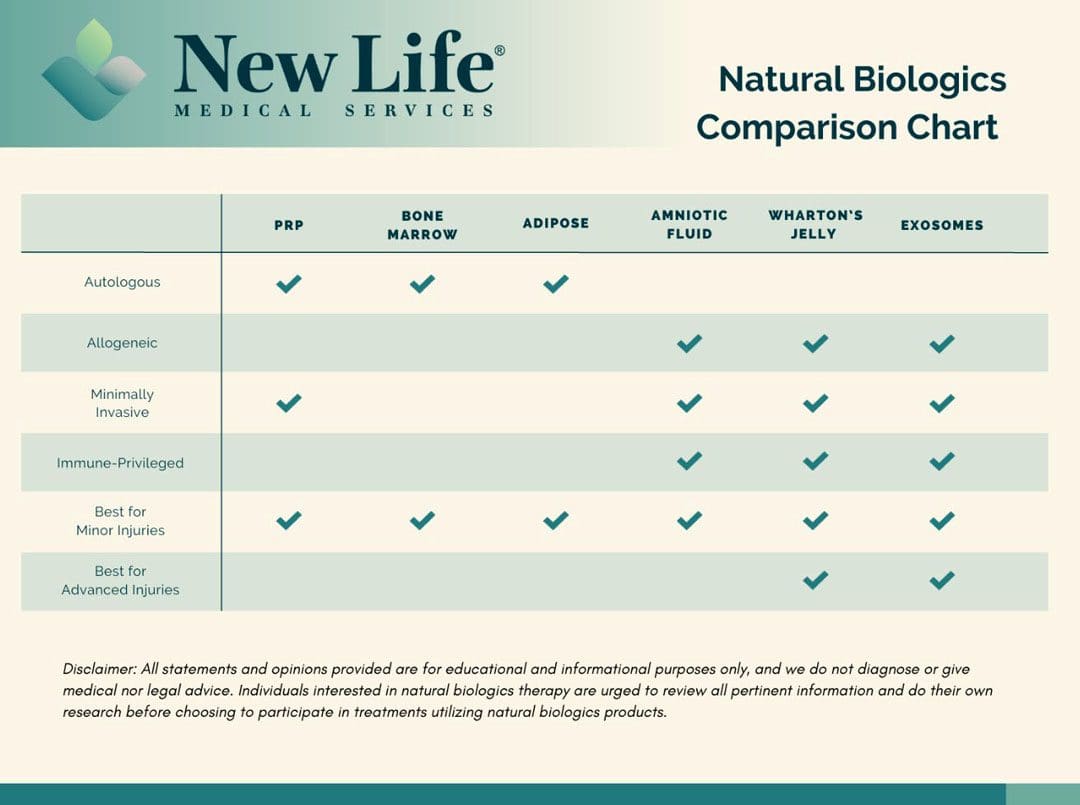
At the time of birth, these components are in abundance but decrease as the body ages. This is why children recover from injuries quicker than adults. Recovery for adults can be slower from a decrease in these natural healing components. The objective of natural biologics treatments is to increase the healing components by reintroducing the body’s own components – autologous – or by bringing in new components – allogeneic – from a donor. (National Institutes of Health 2016) Choosing between the two options depends on an individual’s age and health, as those who are older or in poor physical health may experience complications from inferior component amounts.
Healing components derived from donor sources can show more promise, as treatments are usually acquired from discarded birth tissues at delivery.
Birth tissues are rich in healing components, containing the most abundant collection of natural healing elements.
It’s important to note that there is no harm to the mother or the baby from the obtained tissue products.
Platelet-rich plasma is cultivated by drawing an individual’s blood and spinning it in a centrifuge to separate the plasma.
The resulting liquid is reinjected into the injured area to generate a healing environment.
This form of natural biologics is effective for individuals with minor injuries that can be repaired easily.
This process is not as effective for older individuals who already have a reduction in natural healing components.
Lifestyle factors such as smoking, unhealthy diet, and alcohol/substance abuse can decrease the effectiveness of PRP treatments.
Bone Marrow Aspirate
This is an invasive, painful process that begins by putting a patient under anesthesia and drilling into the bone to extract the marrow. (American Cancer Society, 2023)
Like PRP, success depends on the individual’s age, health, and lifestyle.
Invasive procedures like this have a higher probability of infection and require a long-term recovery period.
Adipose-Derived Stem Cells
Adipose tissue/fat treatments are collected through a procedure that resembles the process of liposuction.
The procedure is done under general anesthesia and is an invasive process.
The treatment’s success depends on the individual’s health, age, and lifestyle.
There is more risk of infection when choosing this procedure and a long-term recovery period.
Allogeneic Treatment
Donor-based regenerative cells.
Amniotic Fluid Therapy
Amniotic fluid contains various growth factors, cytokines, and anti-inflammatory proteins that may promote tissue repair, reduce inflammation, and stimulate cellular regeneration. (Petra Klemmt. 2012)
Collected at the time of birth, this therapy is an ideal treatment for individuals who have sustained injuries that affect day-to-day functionality.
Physicians and clinicians are utilizing amniotic fluid therapy to treat many conditions, from orthopedic to wound care.
Amniotic fluid is collected at the time of birth and is abundant with increased healing components compared to autologous sources.
Amniotic fluid is immune-privileged (limits or suppresses immune response) and the risk of rejection is rare.
These therapies are usually done in a physician’s office with minimal downtime after treatment.
Wharton’s Jelly
Wharton’s jelly is derived from the umbilical cord at the time of birth and is primarily composed of a gel substance made up of hyaluronic acid and a network of collagen fibers.
Believed to contain a population of mesenchymal stem cells that have the capacity to differentiate into various cell types, and other secreted growth factors and cytokines. (F. Gao, et al., 2016)
It is considered the most valuable source to enhance the healing of various tissues, including bone, cartilage, skin, and nerve tissue.
It is immune-privileged with little risk of rejection and minimal if any, recovery time after an in-office treatment.
Exosomes
Exosomes are small, membrane-bound vesicles that play a role in intercellular communication within the body. (Carl Randall Harrell, et al., 2019)
They contain a variety of bioactive molecules, including proteins, lipids, nucleic acids (like RNA), and signaling molecules.
They serve as vehicles for transferring the signaling molecules from one cell to another, allowing cells to influence the behavior and function of neighboring or distant cells.
They can be collected or isolated from various biological fluids and cell cultures through specialized techniques but are most robust when collected at birth.
The exosomes within the umbilical cord are utilized for tissue repair and regeneration, signaling the cells to promote:
Proliferation – increase in the number of cells through cell division.
Differentiation – the transformation of unspecialized cells into specialized cells.
Tissue healing in damaged or injured areas.
Exosomes from the umbilical cord are immune-privileged with minimal risk of rejection.
Treatments are ideal for increasing cell communication and initiating repair when paired with another source of allogeneic therapy like amniotic fluid or Wharton’s Jelly.
Choosing which natural biologics therapy is the best is different for everyone. When selecting a treatment, it is essential for individuals to consult their primary healthcare provider to determine which application will have optimal results.
Is Motion Key To Healing?
References
Aly R. M. (2020). Current state of stem cell-based therapies: an overview. Stem cell investigation, 7, 8. https://doi.org/10.21037/sci-2020-001
Mazini, L., Rochette, L., Admou, B., Amal, S., & Malka, G. (2020). Hopes and Limits of Adipose-Derived Stem Cells (ADSCs) and Mesenchymal Stem Cells (MSCs) in Wound Healing. International journal of molecular sciences, 21(4), 1306. https://doi.org/10.3390/ijms21041306
Klemmt P. (2012). Application of amniotic fluid stem cells in basic science and tissue regeneration. Organogenesis, 8(3), 76. https://doi.org/10.4161/org.23023
Sabapathy, V., Sundaram, B., V M, S., Mankuzhy, P., & Kumar, S. (2014). Human Wharton’s Jelly Mesenchymal Stem Cells plasticity augments scar-free skin wound healing with hair growth. PloS one, 9(4), e93726. https://doi.org/10.1371/journal.pone.0093726
Gao, F., Chiu, S. M., Motan, D. A., Zhang, Z., Chen, L., Ji, H. L., Tse, H. F., Fu, Q. L., & Lian, Q. (2016). Mesenchymal stem cells and immunomodulation: current status and future prospects. Cell death & disease, 7(1), e2062. https://doi.org/10.1038/cddis.2015.327
Harrell, C. R., Jovicic, N., Djonov, V., Arsenijevic, N., & Volarevic, V. (2019). Mesenchymal Stem Cell-Derived Exosomes and Other Extracellular Vesicles as New Remedies in the Therapy of Inflammatory Diseases. Cells, 8(12), 1605. https://doi.org/10.3390/cells8121605
Can healthcare professionals provide the best non-surgical therapeutic options for individuals with chronic low back pain?
Introduction
Chronic low back pain can happen to numerous individuals, affecting their daily routine and making them miss out on important life events. With the ever-changing world, many individuals, especially working individuals, will experience chronic low back pain at some point due to unbearable stress that seems to affect the surrounding muscles that protect the lumbar spine. This causes many individuals to overstretch or shorten the muscles that are contributing to lower back pain, which can be the causing factor in the development of lower back pain. At the same time, when individuals suffer from low back pain, it can be imposed as a grave economic cost to society. (Pai & Sundaram, 2004) This, in turn, causes many individuals to miss out on work and be financially burdened as the cost of chronic low back pain treatment is high. However, numerous therapeutic options are cost-effective, safe, and effective in reducing chronic low back pain. Today’s post looks at the effects of chronic low back pain and how many individuals can look at various non-surgical options that many individuals can utilize to reduce chronic low back pain. Coincidentally, we communicate with certified medical providers who incorporate our patients’ information to provide various treatment plans to reduce chronic low back pain. We also inform them that there are non-surgical options to reduce the pain-like symptoms associated with the factors that cause chronic lower back pain. We encourage our patients to ask amazing educational questions to our associated medical providers about their symptoms correlating with body pain in a safe and positive environment. Dr. Alex Jimenez, D.C., incorporates this information as an academic service. Disclaimer
The Effects Of Chronic Low Back Pain
Have you been dealing with chronic pain that flares up in your lower back after a hard workday? Do you feel muscle aches or pains that don’t relieve itself after a day of rest? Or do you and your loved ones take any medication to temporarily relieve your back pain, only to have it come back after a few hours? Many people with chronic low back pain will feel symptoms of stiffness, muscle aches, and radiating pain traveling to their lower extremities. When chronic low back pain is associated with musculoskeletal conditions, it can impact their daily routine. To that point, musculoskeletal disorders correlating with chronic low back pain can encompass a spectrum of conditions and increase naturally over time. (Woolf & Pfleger, 2003) When many individuals are dealing with chronic low back pain, it can become a socio-economic burden that leads to disability. (Andersson, 1999) However, there are numerous options for individuals with chronic lower back pain who can find the relief they need to reduce its effects and will be able to get back to their daily routine.
Understanding Long-Lasting Injuries- Video
Chronic low back pain is when back pain that lasts longer than a few weeks and is one of the most common problems many people experience. When finding relief for chronic low back pain, many individuals will try home remedies to alleviate the pain. However, it can temporarily relieve the issue and mask the symptoms. When individuals see their primary doctor for chronic low back pain, many will seek a personalized plan to reduce chronic low back pain and its associated symptoms. When relieving chronic low back pain, comprehensive pain management treatments often rely on physical therapy, multidisciplinary approaches, and non-surgical options to reduce chronic low back pain. (Grabois, 2005) When understanding how the individual has chronic low back pain, it is important to identify the causes and how it can cause lifelong injuries that can develop into disability. When primary doctors start to utilize non-surgical treatments in their practices, many individuals can find the benefits of non-surgical treatments as they are cost-effective, safe, and gentle on the spine and lumbar region and can be personalized with associated medical providers to reduce pain-like symptoms correlating with chronic low back pain. Check out the video above to learn more about how non-surgical treatments can help reduce chronic low back pain and help revitalize a person’s body through a personalized treatment plan.
Non-Surgical Options For Chronic Low Back Pain
When treating chronic low back pain, non-surgical treatments effectively relieve pain and restore mobility to the back. Non-surgical treatments can be customized to the individual’s pain severity while being cost-effective. When individuals are evaluated for chronic low back pain, they are provided with many healthcare providers to reduce the pain-like symptoms caused by chronic low back pain. (Atlas & Deyo, 2001) Many individuals will incorporate various treatment options like:
Exercises
Spinal Decompression
Chiropractic care
Massage Therapy
Acupuncture
Many of these treatments are non-surgical and incorporate various mechanical and manual manipulation techniques to stretch and strengthen the weak back muscles, elongate the spine through realignment, and help restore movement while reducing symptoms in the lower extremities. When individuals incorporate non-surgical treatments consecutively, they will have a positive experience and feel better in the long run. (Koes et al., 1996)
Koes, B. W., Assendelft, W. J., van der Heijden, G. J., & Bouter, L. M. (1996). Spinal manipulation for low back pain. An updated systematic review of randomized clinical trials. Spine (Phila Pa 1976), 21(24), 2860-2871; discussion 2872-2863. https://doi.org/10.1097/00007632-199612150-00013
For individuals about to engage in physical activity or exercise, how does warming up the body help prepare for the work ahead?
Central Nervous System Activation
A proper warm-up before physical activity or working out prepares the mind and body to reduce risks of injury, mentally and physically transition to physical activity work, and enhance performance. A well-designed warm-up also primes the central nervous system/CNS for activity. The central nervous system transmits messages to the muscles to prepare them for action. Central nervous system activation increases motor neuron recruitment and engages the sympathetic nervous system so the body can better handle the physical stressors. The process may seem complex, but priming the nervous system is as simple as warming up with light aerobic activity before getting into more explosive movements.
CNS
The CNS consists of the brain and spinal cord. This central communication system uses another part of the nervous system known as the peripheral nervous system or PNS to transmit and receive messages throughout the body. The PNS is connected to the entire body and the brain and spinal cord (CNS).
Nerves run throughout the body, receiving signals from the CNS to the muscles, fibers, and organs, transmitting various information back to the brain. (Berkeley University. N.D.)
There are two types of systems within the peripheral nervous system – somatic and autonomic.
Somatic nervous system actions are those controlled by the person through voluntary actions like choosing to pick something up.
Properly preparing the body for an intense strength training session or other physical activity needs the correct messages to be sent through the autonomic nervous system.
Parasympathetic and Sympathetic States
The autonomic nervous system consists of two subcategories, which are parasympathetic and sympathetic.
The sympathetic nervous system helps the body get ready to face stress which includes physical stress. (R. Bankenahally, H. Krovvidi. 2016)
The fight, flight, or freeze response describes the sympathetic nervous system’s aspect.
The parasympathetic nervous system is responsible for relaxation and de-stressing.
Individuals are recommended to perform a few calming movements and actions after a workout to return the body to a parasympathetic state. This can be:
Activating the CNS can increase performance and prevent injuries. The process wakes up and alerts the body for the activity. Individuals are recommended before beginning a training session, to communicate to the body about the physical stress it is about to endure and to prepare for the work ahead. This is a concept known as post-activation potentiation/PAP. (Anthony J Blazevich, Nicolas Babault. 2019) PAP helps increase force and power production, which enhances physical performance.
Whenever an individual trains, the brain adapts and learns what the body is doing and the purpose of the training.
Muscle memory describes this interaction.
Individuals who have started up a new strength training routine or after an extended break report feeling awkward for the first few sessions, or even weeks, depending on their experience. (David C Hughes, Stian Ellefsen, Keith Baar, 2018)
However, after a few sessions, the body is more adept at performing the movements and ready to increase resistance, repetitions, or both.
This has to do with the neural drive and muscle memory than it has to do with true potential physical abilities. (Simon Walker. 2021)
The first step is a general warm-up that should use large muscle groups and be of low intensity so as not to exhaust the body before beginning the actual training. General warm-up benefits central nervous system activation and the entire body include: (Pedro P. Neves, et al., 2021) (D C. Andrade, et al., 2015)
Increases blood circulation.
Assists the release of oxygen from hemoglobin and myoglobin.
Warms the muscles, so they contract more effectively.
Increases nerve impulse speed.
Increases nutrient delivery.
Lowers joints’ resistance through increased synovial fluid/joint lubrication.
Increases joint range of motion.
Improves joint resiliency.
Removes metabolic waste quicker.
Reduces risk of injury.
A general warm-up can be simple as any aerobic activity will work. This can include:
Performing bodyweight movements – light jumping jacks or jogging in place.
Treadmill
Rowing machine
Stair climber
Elliptical trainer
It is recommended to use the rating perceived exertion scale/RPE to determine the general warm-up effort. An exertion rating of between 5 to 6 is equivalent to moderate walking or a slow jog. Individuals should be able to speak clearly without taking a pause.
Try this strategy before the next workout to see increased performance and reduced injury risks.
Blazevich, A. J., & Babault, N. (2019). Post-activation Potentiation Versus Post-activation Performance Enhancement in Humans: Historical Perspective, Underlying Mechanisms, and Current Issues. Frontiers in physiology, 10, 1359. https://doi.org/10.3389/fphys.2019.01359
Hughes, D. C., Ellefsen, S., & Baar, K. (2018). Adaptations to Endurance and Strength Training. Cold Spring Harbor perspectives in medicine, 8(6), a029769. https://doi.org/10.1101/cshperspect.a029769
Walker S. (2021). Evidence of resistance training-induced neural adaptation in older adults. Experimental gerontology, 151, 111408. https://doi.org/10.1016/j.exger.2021.111408
Andrade, D. C., Henriquez-Olguín, C., Beltrán, A. R., Ramírez, M. A., Labarca, C., Cornejo, M., Álvarez, C., & Ramírez-Campillo, R. (2015). Effects of general, specific, and combined warm-up on explosive muscular performance. Biology of sport, 32(2), 123–128. https://doi.org/10.5604/20831862.1140426
“For individuals looking to improve their quality of life, can substituting healthy meal ingredients be a simple step toward better health?”
Food Substitutions
Eating well does not mean having to give up favorite foods. Part of the enjoyment of home cooking is putting one’s own style on each dish. Individuals soon discover they prefer healthy food substitutions to the original high-fat, high-sugar, or high-sodium ingredients. Healthy swaps can be introduced gradually to allow the taste buds to adapt. It is possible to reduce:
Calories
Unhealthy fats
Sodium
Refined sugars
Simply making smart swaps that replace some ingredients with more beneficial ones.
Ingredients for Healthier Meals
Recipes are the sum of their parts. A dish made with multiple ingredients adds its own nutrition for healthy or unhealthy. Ingredients high in calories, saturated fat, added sugars, and/or sodium can make a dish less nutritious. By making strategic food substitutions, individuals can transform a high-calorie, high-fat, sugary dish into something more nutritious. When done regularly this adjustment leads to long-term healthy behavior changes. Making small adjustments leads to improvements in weight management, heart health, and risk of chronic diseases.
Substituting Unhealthy Fats and Oils
Fat is a necessary nutrient, however, diets high in saturated fat have been linked with an increased risk of coronary artery disease, (Geng Zong, et al., 2016)
and high cholesterol levels. (American Heart Association. 2021)
Foods like butter, coconut oil, and lard are some of the most used saturated fats.
Conversely, research shows that eating more unsaturated fats is usually associated with better cardiovascular health and lower overall mortality. (Harvard T.H. Chan School of Public Health. 2016)
Instead of baking with butter, try using applesauce, mashed avocados, or mashed bananas.
These plant-based alternatives don’t overload the body with saturated fat.
Try using half butter and half an alternative to cut calories and fats.
For cooking, try sautéing, roasting, or pan-frying in olive or avocado oil.
Both contain healthy monounsaturated fats.
These oils can be used for dipping bread with dinner or for a quick snack.
Fresh herbs or a dash of balsamic vinegar can add flavor.
Refined Sugars
Enjoying sweets can be healthy, but the objective is to be mindful of how much-refined sugar is consumed. Sweet flavors send signals to the reward centers in the brain, increasing positive associations with sugar. However, eating high amounts of sugar can lead to:
An array of other herbs and spices can amplify the flavor of meals.
Purchase or create various flavor blends.
For example, cumin, chili powder, oregano, and red pepper flakes can spice up a dish or a blend of thyme, paprika, garlic powder, and onion powder can add savory notes.
A study found that adding lemon juice to recipes could reduce sodium content and add tanginess. (Sunkist Growers. 2014)
Whole Grains
Individuals don’t have to choose brown rice or whole wheat pasta for every meal but try to select whole grains half of the time. Food substitutions that can help achieve the halfway point include:
Popcorn or whole wheat crackers instead of refined flour crackers.
Whole wheat pizza crust instead of regular crust.
Substitute brown rice for white in stir-fries or casseroles.
Oatmeal instead of refined grain cereal.
Whole wheat pasta for spaghetti and meatballs or other pasta dishes.
Quinoa as a side dish instead of white rice or couscous.
More whole grains equals more fiber and B vitamins to help sustain energy, prevent blood sugar spikes, and promote digestive health. Eating more whole grains has been linked with a reduced risk of heart disease (Caleigh M Sawicki, et al. 2021) and a lower risk of colon cancer. (Glenn A. Gaesser. 2020)
Finding the right combination of each of these substitutions takes time. Go slow and taste often to see how each substitution affects a recipe’s taste and texture.
Boost Metabolism
References
Zong, G., Li, Y., Wanders, A. J., Alssema, M., Zock, P. L., Willett, W. C., Hu, F. B., & Sun, Q. (2016). Intake of individual saturated fatty acids and risk of coronary heart disease in US men and women: two prospective longitudinal cohort studies. BMJ (Clinical research ed.), 355, i5796. https://doi.org/10.1136/bmj.i5796
American Heart Association. Saturated fat.
Harvard T.H. Chan School of Public Health. Different dietary fat, different risk of mortality.
Faruque, S., Tong, J., Lacmanovic, V., Agbonghae, C., Minaya, D. M., & Czaja, K. (2019). The Dose Makes the Poison: Sugar and Obesity in the United States – a Review. Polish journal of food and nutrition sciences, 69(3), 219–233. https://doi.org/10.31883/pjfns/110735
Harvard Health Publishing. The sweet danger of sugar.
American Heart Association. How much sugar is too much?
Centers for Disease Control and Prevention. How to Reduce Sodium Intake.
Sunkist Growers. Sunkist Growers and Chefs from Johnson & Wales University Release New S’alternative® Research.
Sawicki, C. M., Jacques, P. F., Lichtenstein, A. H., Rogers, G. T., Ma, J., Saltzman, E., & McKeown, N. M. (2021). Whole- and Refined-Grain Consumption and Longitudinal Changes in Cardiometabolic Risk Factors in the Framingham Offspring Cohort. The Journal of nutrition, 151(9), 2790–2799. https://doi.org/10.1093/jn/nxab177
Gaesser G. A. (2020). Whole Grains, Refined Grains, and Cancer Risk: A Systematic Review of Meta-Analyses of Observational Studies. Nutrients, 12(12), 3756. https://doi.org/10.3390/nu12123756
Nowadays, individuals trying to avoid surgery have more therapy options. Can regenerative medicine help treat neuromusculoskeletal injuries?
Regenerative Medicine
Regenerative medicine utilizes the body’s raw cells and is used in cancer treatment and to reduce the risk of infections. (American Cancer Society. 2020) Researchers are looking for other ways to use these cells in medical therapies.
What are These Cells
Stem cells are unspecialized cells that can develop into any cell and in certain cases renew themselves an unlimited number of times. (National Institutes of Health. 2016)
Regenerative cell therapy uses these cells as a treatment for a disease or condition.
Regenerative cells are given to individuals to replace cells that have been destroyed or have died.
In the case of cancer, they may be used to help the body regain the ability to produce regenerative cells after treatment. (American Cancer Society. 2020)
For individuals with multiple myeloma and certain types of leukemia, regenerative cell therapy is used to eliminate cancer cells.
The therapy is called graft-versus-tumor effect/GvT, where a donor’s white blood cells/WBCs are used to eliminate the cancerous tumor. (American Cancer Society. 2020)
What They Can Treat
This is a new treatment that is still going through research. The Food and Drug Administration has only approved it for certain cancers and conditions that affect the blood and immune system. (Centers for Disease Control and Prevention. 2019) Regenerative cell therapy is FDA-approved to treat: (National Cancer Institute. 2015)
Leukemia
Lymphoma
Multiple myeloma
Neuroblastoma
It is also used to decrease the risk of infection after regenerative cell transplantation in individuals with blood cancers. (U.S. Food & Drug Administration. 2023)
Researchers are studying how these cells can treat other conditions. Clinical trials are analyzing how to use the therapy for neurodegenerative diseases like:
During regenerative cell therapy, the cells are given through an intravenous line. The three places where blood-forming cells can be obtained are bone marrow, the umbilical cord, and blood. Transplants can include: (American Cancer Society. 2020)
Autologous
The cells are taken from the individual who will be receiving the therapy.
Allogeneic
The cells are donated by another individual.
Syngeneic
The cells come from an identical twin, if there is one.
Safety
The therapy has shown to provide benefits but there are risks.
One risk is known as graft-versus-host disease – GVHD.
It occurs in one-third to half of allogeneic recipients.
This is where the body does not recognize the donor’s white blood cells and attacks them causing problems and symptoms throughout the body.
To treat GVHD medications are given to suppress the immune system to stop attacking the donor cells. (American Cancer Society. 2020)
The future of regenerative cell therapy is promising. Research is ongoing to find out how these cells can treat conditions and find new ways to treat and cure diseases.
Regenerative medicine has been researched for over twenty years for conditions like macular degeneration, glaucoma, stroke, and Alzheimer’s disease. (National Institutes of Health. 2022) This therapy is a new medical treatment that could be used in future therapies as part of a multidisciplinary approach to neuromusculoskeletal injuries and conditions.
IFM's Find A Practitioner tool is the largest referral network in Functional Medicine, created to help patients locate Functional Medicine practitioners anywhere in the world. IFM Certified Practitioners are listed first in the search results, given their extensive education in Functional Medicine