The body makes sure that the spine is keeping it upright as the body allows the spine to twist, bend, and turn in different positions. When the body suffers from an injury, the immune system starts to take effect and begins to heal the body naturally in the affected areas. When the back gets injured from an accident or injured, the spinal disc in the spine will get damaged and lead to chronic issues that can cause a person to be miserable if it is not treated right away. However, there are non-surgical treatments that can relieve back pain symptoms and cause immense relief to the individual. In this article, we will be looking at what causes chronic back pain, its symptoms, and how non-surgical decompression can provide relief for chronic back pain. By referring patients to qualified and skilled providers specializing in spinal decompression therapy. To that end, and when appropriate, we advise our patients to refer to our associated medical providers based on their examination. We find that education is the key to asking valuable questions to our providers. Dr. Alex Jimenez DC provides this information as an educational service only. Disclaimer
Can my insurance cover it? Yes, it may. If you are uncertain, here is the link to all the insurance providers we cover. If you have any questions, please call Dr. Jimenez at 915-850-0900.
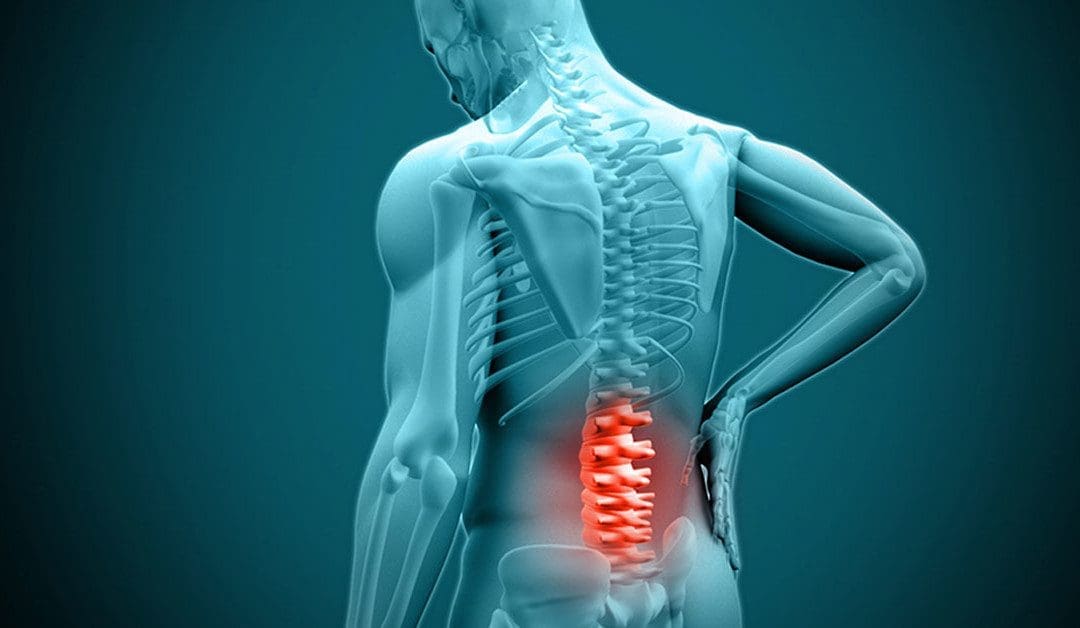
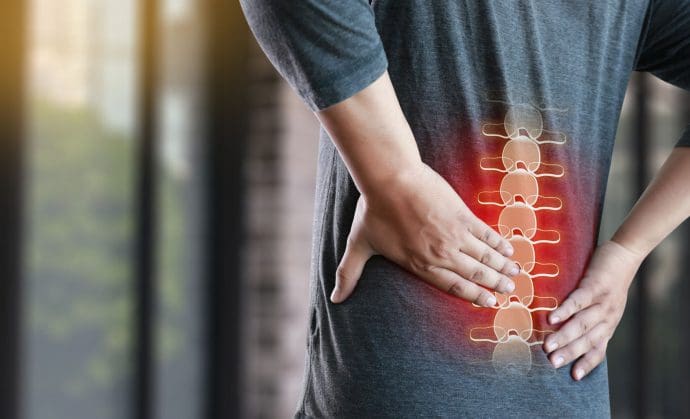
What Causes Chronic Low Back Pain?
Mostly everyone would see a doctor or miss a couple of days at work due to having some back pain that causes them to be in pain and not do their daily activities due to it being common. Research studies have shown that back pain can range from a dull constant ache to a sudden, sharp pain that can be very mild or severe depending on the injury. The causes of back pain can be from an accident that a person went through, lifting heavy objects, or can develop when a person ages naturally when the spinal disc is losing fluid and nutrients.
Two types of back pain can affect a person’s way of life depending on how severe the injury is. Acute back pain can last from a few days to a few weeks and can be resolved with a few days of self-care, and a person can take it easy with light activity. Chronic back pain is when the pain continues for about 12 weeks or more, causing it to persist where the individual needs medical treatment to relieve the pain. Other research studies have found many disorders like inflammatory disorders, trauma, DDD (degenerative disc disease), and other chronic disorders that can cause chronic back pain symptoms. Chronic back pain can also cause significant rates of disability while being a contributor to morbidity and mortality in a person.
The Symptoms
Since chronic pain is often defined as persisting pain that goes beyond the normal healing time, research studies have shown that chronic pain can cause a significant impact on musculoskeletal conditions like chronic back pain. The presence of chronic pain can create more chronic issues that a person is experiencing. Other research studies have stated that the symptoms that chronic low back pain causes in a person include:
Wake up with pain and feel better after moving around
An Overview On Chronic Low Back Pain-Video
Research studies have shown that chronic low back pain is a chronic pain syndrome in the lower back region of the spine that can last for at least three months. Chronic low back pain is often the second leading cause of disability worldwide. It is influenced by psychological factors like stress, depression, or anxiety that can impact a person’s way of life. Other research studies have shown that low back pain can cause pain, muscle stiffness, or tension localized below the costal margin and above the inferior gluteal fold, characterized by sciatica symptoms. Chronic low back pain can be persistent for more than 12 weeks. It can cause immense individual pain, especially if the causes to have chronic low back pain have been associated with individual and workplace factors that cause the transition to chronic low back pain.
Non-Surgical Decompression For Chronic Low Back Pain
There are ways that many individuals can find relief after suffering from chronic low back pain and don’t require surgery. Non-surgical decompression therapy is where the individual is lying on a traction machine, and their spine gets a gentle stretch to relieve the compressed spinal disc’s pressure. Research studies have shown that non-surgical decompression therapy creates negative intradiscal pressure on the spine, allowing the herniated disc material to be pulled back into the spinal disc. Non-surgical decompression therapy also promotes the passage of healing nutrients back into the disc while fostering a better healing environment for the spine.
Many individuals who have non-surgical decompression therapy have reported at least 90% of improvement in back pain and have a better function when doing daily activities. Research studies have shown that spinal decompression therapy and general traction effectively improve the pain and disability of chronic low back pain issues for individuals suffering from intervertebral disc herniation and getting back their quality of life.
Conclusion
Chronic low back pain is caused by heavy lifting, injury, age, or accidents that cause the spinal disc to be compressed under immense pressure. Sometimes the pain levels can range from mild to severe, causing pain from the lower back to the legs and feet. When a person is suffering from chronic low back pain, it can cause them to be dysfunctional and ruin their daily lives. Non-surgical treatments like spinal decompression can help alleviate chronic back pain symptoms by gently stretching the spine and allowing the nutrients back to the spine. This will relieve the person’s spine and alleviate the painful symptoms causing back pain, causing the person to be pain-free and continue on their wellness journey.
References
Allegri, Massimo, et al. “Mechanisms of Low Back Pain: A Guide for Diagnosis and Therapy.” F1000Research, F1000Research, 28 June 2016, https://www.ncbi.nlm.nih.gov/pmc/articles/PMC4926733/.
Casiano, Vincent E, et al. “Back Pain – Statpearls – NCBI Bookshelf.” StatPearls [Internet]. Treasure Island (FL), StatPearls Publishing, 22 Feb. 2022, https://www.ncbi.nlm.nih.gov/books/NBK538173/.
Choi, Jioun, et al. “Influences of Spinal Decompression Therapy and General Traction Therapy on the Pain, Disability, and Straight Leg Raising of Patients with Intervertebral Disc Herniation.” Journal of Physical Therapy Science, U.S. National Library of Medicine, Feb. 2015, https://pubmed.ncbi.nlm.nih.gov/25729196/.
Gay, Ralph. “How Spinal Decompression Therapy Is Thought to Work.” Spine, Spine-Health, 24 Sept. 2013, https://www.spine-health.com/treatment/chiropractic/how-spinal-decompression-therapy-thought-work.
Husky, Mathilde M, et al. “Chronic Back Pain and Its Association with Quality of Life in a Large French Population Survey.” Health and Quality of Life Outcomes, BioMed Central, 26 Sept. 2018, https://www.ncbi.nlm.nih.gov/pmc/articles/PMC6158815/.
Medical Professionals, NINDS. “Low Back Pain Fact Sheet.” National Institute of Neurological Disorders and Stroke, U.S. Department of Health and Human Services, 15 Nov. 2021, https://www.ninds.nih.gov/Disorders/Patient-Caregiver-Education/Fact-Sheets/Low-Back-Pain-Fact-Sheet.
Stomach pains, burning, or aching, 1-4 hours after eating?
Digestive problems subside with rest and relaxation?
Unpredictable abdominal swelling?
An overall sense of bloating?
If you are experiencing any of these situations, then something might be wrong in your body, especially in the gut. Why not try to add some thyme into your food.
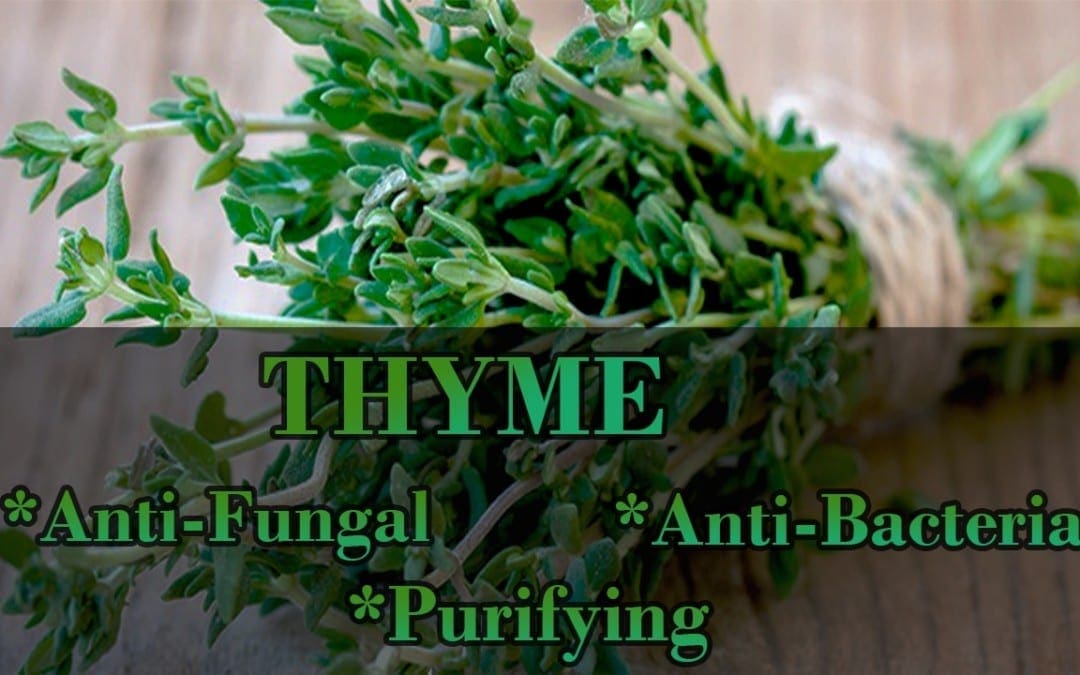
Thyme
In the culinary world, thyme is usually associated with savory dishes that compliment the flavors. This leafy herb can be combined with chicken and can give food dishes like stuffing, sauces, stews and soups a boost in the flavor department. Even though thyme is a culinary herb, surprisingly, there is some history with this leafy herb that not everyone knows about yet. History shows that thyme was used as an embalmment by Ancient Egyptians, while Ancient Greece was using thyme as incense for their temples. History even showed that thyme has a �purifying� aroma that helped people ward off nightmares in the Middle Ages. In today’s world, thyme is well-known for its ability to enhance the flavors in the cooking world. However, it is even better known for its medicinal purifying properties for functional medicine.
Studies have found out that about approximately 1/3 of all deaths in the world are due to infectious diseases. In contrast, an alarming number of microorganisms have now become resistant to antibiotic therapy. Surprisingly though, scientists are trying to find ways to look for alternative antimicrobial therapies with thyme. Since plants have a natural defense mechanism that is built into them since they can protect themselves from harsh environmental factors. So, with thyme being a Mediterranean herb, its health properties are beneficial for the body and can dampen the effect of harmful bacterial pathogens.
Beneficial Properties Thyme Possess
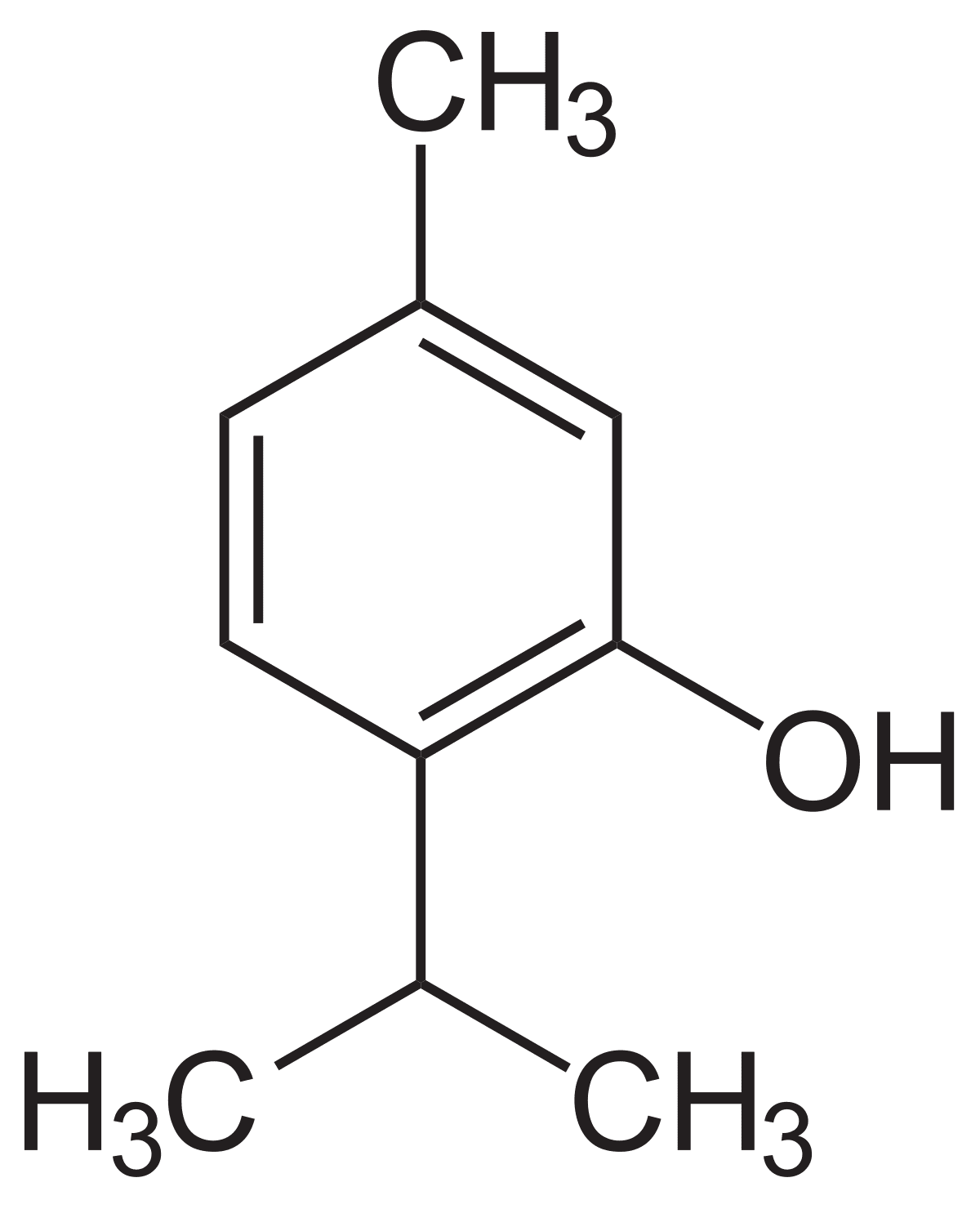
Some of the beneficial properties that thyme has to offer are amazing since it has been used for medicinal usages. Thyme has a naturally occurring class of compounds known as biocides. Studies show that these compounds are known to destroy any harmful organisms like infectious bacteria, while also having powerful antimicrobial properties. In a 2010 research study, it suggested that thyme can reduce bacterial resistance to some of the common drugs, including penicillin. Some other beneficial properties that thyme presents include:
Blood Pressure
Thyme has been found to help reduce high blood pressure in individuals. Researchers in Serbia have found that wild thyme can reduce the individual�s blood pressure through animal studies. It even showed how rodents are similar to people when they are dealing with hypertension in the body. While another study found out that thyme extract can reduce a raised heart rate while also lowering the bad cholesterol. The study even showed that thyme had been used for treating a variety of various diseases that can harm the body in traditional medicine. It is even possible for thyme to be used as a substitute for salt for food.
Prevent Intestinal Infections
Studies have found out thyme can neutralize certain enteric bacteria that have been associated with some intestinal diseases. In a 2017 research study, scientists have discovered that when subjects have been in contact with the Clostridium perfringens, a harmful bacterium that can harm the intestines, can be treated with thyme. The result shows that the subjects had fewer bacterial infections in their intestines while also having fewer lesions and fewer C. perfringens related deaths.
Boost the Immune System
Even though everyone can try to live a healthy lifestyle, sometimes it is hard to get all the vitamins that the body needs to maintain itself both inside and out. Research has shown that thyme can provide the body a healthy dosage of vitamins C and A. Whenever it is the cold or flu season, thyme can be beneficial to anyone who wants to prevent the cold or flu from happening or at least dampen the symptoms. One of the beneficial properties that thyme can also do for the immune system is that it can be a good source of minerals like copper, fiber, iron, and manganese that the body does need in order to function properly.
Antimicrobial and Antifungal Properties
Thyme has antimicrobial and antifungal properties that are beneficial to the body. A Portugal study had found that thyme can provide anti-cancer activity properties to people who have colon cancer. The study even showed that thyme�s chemical constituents could identify the colon cancer cytotoxicity activities and shortening its process to become worst. Another study found in Turkey showed that wild thyme could have a positive effect on breast cancer activity. The study found that wild thyme extract can be used in novel therapeutic drugs for breast cancer treatment.
For antifungal properties, studies have found that thyme can be beneficial to combatting fungal bacteria in the body like yeast infections. Researchers in Italy have found the fungus Candida albicans is common to cause yeast infections in the mouth and vaginal area. Another study found that thyme essential oil can significantly enhance the destruction of C. Albicans in the body and preventing the fungus from spreading. The results showed that the fungal strands had a biofilm production, and only thyme oil was the only one to be the most inhibitory oil to affect biofilm production of the fungal strands.
Conclusion
There are many beneficial properties that thyme can posses to help not only the body but also the immune system and the gut system as well. It is truly amazing that this herb can have purifying effects on the body and even enhance the flavors of food dishes.�Since more people are using thyme in their culinary dishes, it is no wonder that thyme is a truly, magical herb that can help the body achieve an overall sense of health and wellness. Some products that can be beneficial to the body, including the immune system, by providing support to the intestines for greater stability, bioavailability, and digestive comfort.
The scope of our information is limited to chiropractic, musculoskeletal, and nervous health issues or functional medicine articles, topics, and discussions. We use functional health protocols to treat injuries or disorders of the musculoskeletal system. Our office has made a reasonable attempt to provide supportive citations and has identified the relevant research study or studies supporting our posts. We also make copies of supporting research studies available to the board and or the public upon request. To further discuss the subject matter above, please feel free to ask Dr. Alex Jimenez or contact us at 915-850-0900.
References:
Laboratories, Medical Oncology Research. �Effects of Thymus Serpyllum Extract on Cell Proliferation, Apoptosis and Epigenetic Events in Human Breast Cancer Cells.� Taylor & Francis, 19 Nov. 2012, www.tandfonline.com/doi/full/10.1080/01635581.2012.719658#.Ul_MYWTk-z5.
Team, Biotics Education. �Thyme for Gut Health.� Biotics Research Blog, 2017, blog.bioticsresearch.com/thyme-for-gut-health.
Alamgeer, et al. �Pharmacological Evaluation of Antihypertensive Effect of Aerial Parts of Thymus Linearis Benth.� Acta Poloniae Pharmaceutica, U.S. National Library of Medicine, 2014, www.ncbi.nlm.nih.gov/pubmed/25272894.
Fanous, Summer. �9 Health Benefits of Thyme.� Healthline, 5 May, 2016, www.healthline.com/health/health-benefits-of-thyme.
Felman, Adam. �What Are the Benefits of Thyme?� MedicalNewsToday, 23 Aug. 2018, www.medicalnewstoday.com/articles/266016.
Gordo, Joana, et al. �Thymus Mastichina: Chemical Constituents and Their Anti-Cancer Activity.� Natural Product Communications, U.S. National Library of Medicine, Nov. 2012, www.ncbi.nlm.nih.gov/pubmed/23285814.
Khan, Mohd S A, et al. �Sub-MICs of Carum Copticum and Thymus Vulgaris Influence Virulence Factors and Biofilm Formation in Candida Spp.� BMC Complementary and Alternative Medicine, BioMed Central, 15 Sept. 2014, www.ncbi.nlm.nih.gov/pubmed/25220750.
Kim, Gil-Hah, et al. �Chemical Composition, Larvicidal Action, and Adult Repellency of Thymus Magnus Against Aedes Albopictus.� Journal of the American Mosquito Control Association, The American Mosquito Control Association, 1 Sept. 2012, www.bioone.org/doi/abs/10.2987/12-6250R.1.
Palaniappan, Kavitha, and Richard A. Holley. �Use of Natural Antimicrobials to Increase Antibiotic Susceptibility of Drug Resistant Bacteria.� International Journal of Food Microbiology, Elsevier, 13 Apr. 2010, www.sciencedirect.com/science/article/pii/S0168160510001868.
Team, WHO. �The Top 10 Causes of Death.� World Health Organization, World Health Organization, 24 May 2018, www.who.int/mediacentre/factsheets/fs310/en/.
Wong, Cathy. �The Use of Thyme in Alternative Medicine.� Verywell Health, Verywell Health, 28 Apr. 2020, www.verywellhealth.com/the-benefits-of-thymus-vulgaris-88803.
Yin, D., Du, E., Yuan, J.�et al.�Supplemental thymol and carvacrol increases ileum�Lactobacillus�population and reduces effect of necrotic enteritis caused by�Clostridium perfringes�in chickens.�Sci Rep�7,�7334 (2017). https://doi.org/10.1038/s41598-017-07420-4
The University offers a wide variety of medical professions for functional and integrative medicine. Their goal is to inform individuals who want to make a difference in the functional medical fields with knowledgeable information that they can provide.
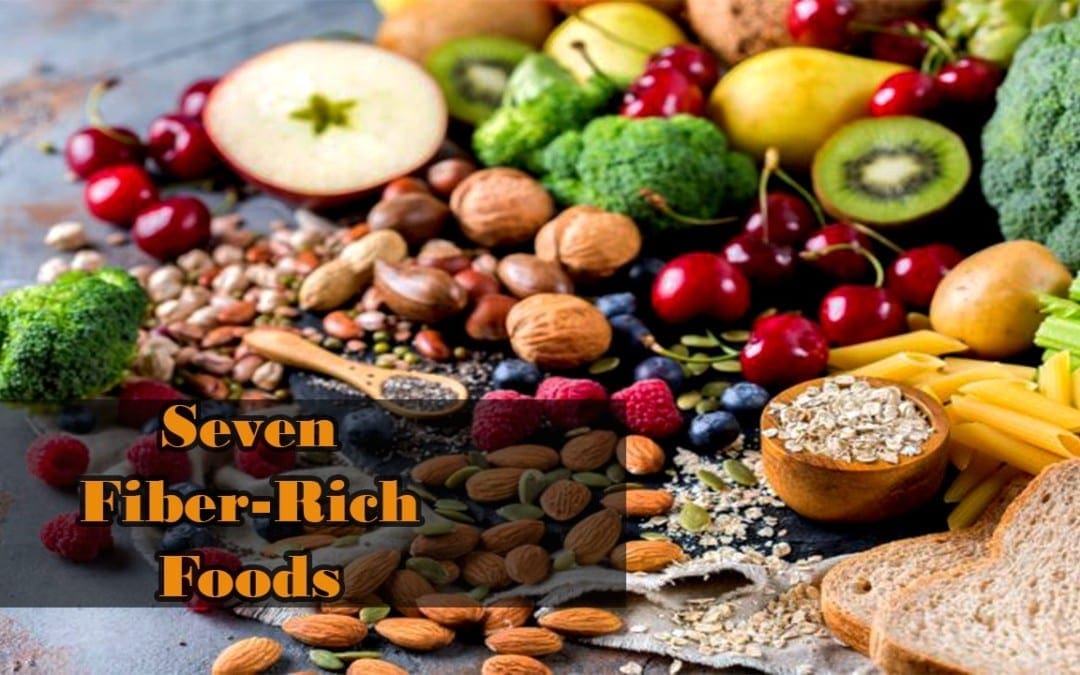
If you are experiencing any of these situations, then you might not have been consuming enough fiber. Why not try incorporating these seven high-fiber foods in your diet.
The Importance of Fiber
Surprisingly everyone knows that a healthy diet plays a critical role in the overall human health. With a healthy diet, anyone can feel better, have more energy, and can maintain a healthy weight. However, sometimes people do get carried away with carbohydrates, proteins, and fats but often forget the most important nutrient that the body needs, which is fiber. Even though there are multiple studies and evidence that are linked to dietary fibers and how they have a variety of health benefits, studies have shown that most Americans are still falling short by taking the recommended amount for daily fiber intake. For males, they should be consumed at least 38 grams, and for females, they should at least consume 25 grams of fiber.
Throughout the years, fiber has been traditionally known to be considered as a mere roughage that can simply add volumes to digested foods, and the science has been proven and revealed that fiber does play a significant role in the body. Studies have shown that fiber nourishes the gut microbiomes, therefore aiding the digestion and improving the overall gut health. There have been more studies that have been shown that fiber has been linked with disease prevention, while also reducing the risk factors of a variety of conditions that can affect the body like knee arthritis, food allergies, and even type 2 diabetes.
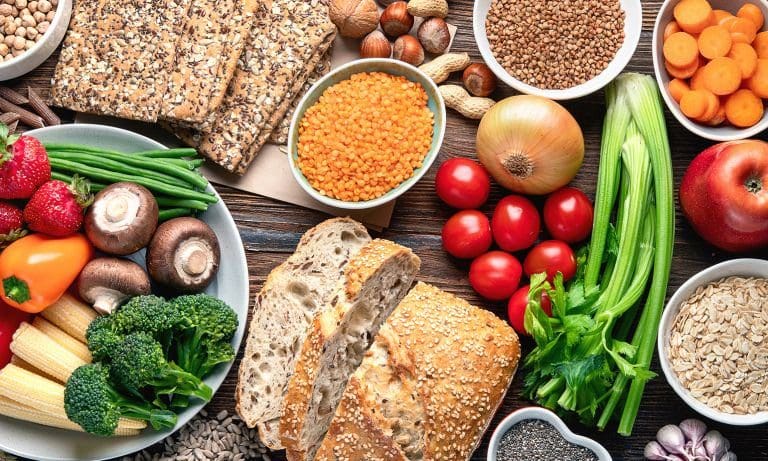
Since fiber is essential to the body than most people realized, it can help people obtain the minimum in their diets. Since it is critical to a person’s overall health and wellness, there are many ways that fiber can do more than just help the gut system. Fiber can help the body in more ways than the gut. Here is the list of the top 7 fiber-laden foods that can do so much more for the body than being a bulking item for a healthy food diet.
Chia seeds
In the natural health community, chia seeds are very popular. These seeds are highly nutritious and can be added to a variety of foods like smoothies, healthy puddings, and salads, just to name a few. Research shows that chia seeds are probably one of the best sources for dietary fibers in the world. Chia seeds pack a whopping 34 grams per 100 grams and contain high amounts of soluble fibers. Research even shows that when chia seeds absorb water and form a gel-like substance, the contents can expand in the stomach, therefore increasing the feeling of a person being full and, of course, helping them eat less.
Studies have been shown that chia seeds can help individuals suppress their appetites. Chia seeds are beneficial to patients who have type 2 diabetes by managing their body weight, control their visceral obesity, and help to prevent obesity-related risk factors from entering the body while maintaining good glycemic control as well. Another study has found that chia seeds are excellent in reducing blood pressure. The study mentioned that when individuals consume chia seeds, its contents can help the individual�s body by improving the major and emerging cardiovascular risk factors in their body, thus preventing type 2 diabetes. All in all, chia seeds are an excellent source of fiber for anyone who may have diabetes or is trying to maintain a healthy weight.
Almonds
Almonds are another source of fiber that is widely popular like the chia seeds, but they are a highly underrated nut.� Almonds are rich with nutrients that the body needs as they contained magnesium, manganese, vitamin E, protein, and healthy fats that are excellent for the body. The almond nut itself has about 12.5 grams of fiber per 100 grams in each nut. Almonds are pretty remarkable due to improving gut health due to its sizable fiber contents.
Studies have found that when people consume almonds, their oxidative stress is reduced. The study explained that almonds are a good source of antioxidant nutrients that can diminish the biomarkers of oxidative stress in individuals and even enhanced the antioxidant defenses. There are more and more studies about almonds and their amazing properties like lowering the bad LDL cholesterol, hunger reduction, and even aiding in weight loss for the body.
Flax Seeds
Surprisingly, flax seeds are continuing to be one of the leading sources of dietary fibers with 27.3 grams of fiber out of every 100 grams of the seed. Studies have found out that flax seeds not only have fiber, but it contains high amounts of protein and omega-3 fatty acids as well. While other studies showed that flax seeds have a plethora of health benefits from improving gut health, reducing hunger cravings to preventing diarrhea and constipation that can happen to the body.
Popcorn
Popcorn is not only a great snack to munch on when a person is watching tv or enjoying a movie in the theaters, but it is an excellent source of fiber. What is interesting about this popular snack is that it can be air-popped and contains about 14.5g/100g per serving of fiber. Studies have found that air-popped popcorn can be as filling as a bag of potato chips while also helping with weight management.
Oats
The best way to incorporate fiber into a healthy diet is to have oats as part of a healthy breakfast. Research shows that oats have a high fiber count, and they contain beta-glucan, which can aid the regulation of blood sugar and cholesterol in the body. Not only that, but oats have amazing health benefits that can help prevent LDL oxidation and surprisingly, reduce the risk of childhood asthma. By incorporating oats into a healthy diet, can even make a person feel full in a good way and can be used in smoothies, overnight oatmeal, while also be served hot or cold.
Dark Chocolate
Consuming chocolate can be a bad thing for anyone who is watching their sweet intake; however, dark chocolate is one of those perfect delicacies that does not harm a person’s health. For dark chocolate to have the fiber content, it has to be at least 70 to 95% of cocoa content, and then the fiber content would be 10g per 100 grams. Studies have shown that dark chocolate has chock-full of health benefits from reducing insulin resistance to improving brain health.
Chickpeas
Most people would look at chickpeas and see that this legume plant has protein contents, but it can be a great source of fiber. Studies have shown that chickpeas have about 7.6g/100grams of fiber that can promote the feeling of being full and can prevent a person from eating junk food. Some of the health benefits that chickpeas can provide can range from weight loss from improving the body’s bowel function. Not only that, but chickpeas can be used in salads, soups, dips, and possibly desserts.
Conclusion
With these seven high fibers being incorporated into a person’s diet, the body can benefit the fiber-rich food’s properties and start healing in the process. By eating these fiber-rich foods, not only will the gut feel better and can make a person feel full but can help the body prevent harmful pathogens that enter the body, thus causing ailments that the body does not need. By incorporating fiber into the body, the benefits can dampen the harmful effects and can bring back a person�s overall wellness and health altogether. Some products are here to help the body and provide support to the gastrointestinal system with phytonutrients, metabolic precursors, and enzymatic cofactors.
The scope of our information is limited to chiropractic, musculoskeletal, and nervous health issues or functional medicine articles, topics, and discussions. We use functional health protocols to treat injuries or disorders of the musculoskeletal system. Our office has made a reasonable attempt to provide supportive citations and has identified the relevant research study or studies supporting our posts. We also make copies of supporting research studies available to the board and or the public upon request. To further discuss the subject matter above, please feel free to ask Dr. Alex Jimenez or contact us at 915-850-0900.
References:
Team, Biotics Education. �7 High-Fiber Foods That Do More than Help Your Gut.� Biotics Research Blog, 17 Mar. 2020, blog.bioticsresearch.com/7-high-fiber-foods-that-do-more-than-help-your-gut.
Alfredo, V�zquez-Ovando, et al. �Physicochemical Properties of a Fibrous Fraction from Chia (Salvia Hispanica L.).� LWT – Food Science and Technology, Academic Press, 23 May 2008, www.sciencedirect.com/science/article/pii/S0023643808001345.
Chen, Chung-Yen, et al. �Avenanthramides and Phenolic Acids from Oats Are Bioavailable and Act Synergistically with Vitamin C to Enhance Hamster and Human LDL Resistance to Oxidation.� The Journal of Nutrition, U.S. National Library of Medicine, June 2004, www.ncbi.nlm.nih.gov/pubmed/15173412.
Francis, S T, et al. �The Effect of Flavanol-Rich Cocoa on the FMRI Response to a Cognitive Task in Healthy Young People.� Journal of Cardiovascular Pharmacology, U.S. National Library of Medicine, 2006, www.ncbi.nlm.nih.gov/pubmed/16794461.
Grassi, Davide, et al. “Blood Pressure Is Reduced, and Insulin Sensitivity Increased in Glucose-Intolerant, Hypertensive Subjects after 15 Days of Consuming High-Polyphenol Dark Chocolate.” The Journal of Nutrition, U.S. National Library of Medicine, Sept. 2008, www.ncbi.nlm.nih.gov/pubmed/18716168.
Hanif Palla, Amber, and Anwarul-Hassan Gilani. �Dual Effectiveness of Flaxseed in Constipation and Diarrhea: Possible Mechanism.� Journal of Ethnopharmacology, U.S. National Library of Medicine, 1 July 2015, www.ncbi.nlm.nih.gov/pubmed/25889554.
Kim, Shana J, et al. �Effects of Dietary Pulse Consumption on Body Weight: a Systematic Review and Meta-Analysis of Randomized Controlled Trials.� The American Journal of Clinical Nutrition, U.S. National Library of Medicine, May 2016, www.ncbi.nlm.nih.gov/pubmed/27030531.
Li, Ning, et al. �Almond Consumption Reduces Oxidative DNA Damage and Lipid Peroxidation in Male Smokers.� The Journal of Nutrition, U.S. National Library of Medicine, Dec. 2007, www.ncbi.nlm.nih.gov/pubmed/18029489.
Murty, Catherine M, et al. �Chickpea Supplementation in an Australian Diet Affects Food Choice, Satiety and Bowel Health.� Appetite, U.S. National Library of Medicine, Apr. 2010, www.ncbi.nlm.nih.gov/pubmed/19945492.
Nguyen, Von, et al. �Popcorn Is More Satiating than Potato Chips in Normal-Weight Adults.� Nutrition Journal, BioMed Central, 14 Sept. 2012, www.ncbi.nlm.nih.gov/pubmed/22978828.
Nwaru, Bright I, et al. �Timing of Infant Feeding in Relation to Childhood Asthma and Allergic Diseases.� The Journal of Allergy and Clinical Immunology, U.S. National Library of Medicine, Jan. 2013, www.ncbi.nlm.nih.gov/pubmed/23182171.
Oliva, M E, et al. �Dietary Salba (Salvia Hispanica L) Seed Rich in ?-Linolenic Acid Improves Adipose Tissue Dysfunction and the Altered Skeletal Muscle Glucose and Lipid Metabolism in Dyslipidemic Insulin-Resistant Rats.� Prostaglandins, Leukotrienes, and Essential Fatty Acids, U.S. National Library of Medicine, Oct. 2013, www.ncbi.nlm.nih.gov/pubmed/24120122.
Vuksan, V, et al. �Salba-Chia (Salvia Hispanica L.) in the Treatment of Overweight and Obese Patients with Type 2 Diabetes: A Double-Blind Randomized Controlled Trial.� Nutrition, Metabolism, and Cardiovascular Diseases: NMCD, U.S. National Library of Medicine, Feb. 2017, www.ncbi.nlm.nih.gov/pubmed/28089080.
Vuksan, Vladimir, et al. �Supplementation of Conventional Therapy with the Novel Grain Salba (Salvia Hispanica L.) Improves Major and Emerging Cardiovascular Risk Factors in Type 2 Diabetes: Results of a Randomized Controlled Trial.� Diabetes Care, U.S. National Library of Medicine, Nov. 2007, www.ncbi.nlm.nih.gov/pubmed/17686832.
Wanders, A J, et al. �Effects of Dietary Fibre on Subjective Appetite, Energy Intake and Body Weight: a Systematic Review of Randomized Controlled Trials.� Obesity Reviews: an Official Journal of the International Association for the Study of Obesity, U.S. National Library of Medicine, Sept. 2011, www.ncbi.nlm.nih.gov/pubmed/21676152.
Whitehead, Anne, et al. �Cholesterol-Lowering Effects of Oat ?-Glucan: a Meta-Analysis of Randomized Controlled Trials.� The American Journal of Clinical Nutrition, American Society for Nutrition, Dec. 2014, www.ncbi.nlm.nih.gov/pubmed/25411276.
The University offers a wide variety of medical professions for functional and integrative medicine. Their goal is to inform individuals who want to make a difference in the functional medical fields with knowledgeable information that they can provide.
If you are experiencing any of these situations, then you might have a magnesium deficiency.
Good health is one of the things to be thankful for. Unfortunately, 84 million adults in the U.S. are living with prediabetes, while another 27 to 28 million adults are affected with type 2 diabetes, so good health is not a given for everyone. According to the National Osteoporosis Foundation, 10 million Americans have osteoporosis, and another 44 million have low bone density, putting them at an increased risk. From the body to the brain, psychological and mood issues like depression and anxiety plague people. There is something that may be beneficial for all of these issues and is a workhorse nutrient that does not get its share of the spotlight. It has been regulated to the shadows behind the flashier and more buzzworthy compounds that get recognition than this nutrient. Magnesium is the critically essential, time-tested, go-to reliable nutrient that everybody needs.
The human body contains about 25 grams of magnesium, which is needed for over 300 enzymes to react. The data from the NHANES (National Health and Nutrition Examination Survey) indicated that the majority of Americans from all ages consume less that than their respective EARs (estimated average requirements) on magnesium. It is a massive problem because magnesium deficiency plays a role in hypertension, cardiovascular diseases, type 2 diabetes, osteoporosis, and migraine headaches.
Magnesium and Glucose Levels
Magnesium is required for several enzymes in glycolysis, which is the first process in glucose metabolism in the body, and it may explain why it is such an essential factor for blood sugar regulation in the body. Epidemiological evidence indicates that magnesium intake is inversely correlated with the risk of type 2 diabetes. Studies have shown that higher magnesium intakes may help reduce the risk of type 2 diabetes as much as 17%, and 48% of people with type 2 diabetes may have hypomagnesemia.
The inverse correlations have been observed between circulating magnesium levels, fasting blood glucose, and insulin level. There is even a response to an OGTT (oral glucose tolerance test) for those with type 2 diabetes. Research shows that higher magnesium intakes are also associated with reducing the risk for cardiovascular mortality, particularly in women as it is estimated that 100 mg/day increase in dietary magnesium may confer as much as 25% reduction in the risk of cardiovascular mortality. Researchers have called subclinical magnesium deficiency “principal dicer of cardiovascular disease and a public health crisis,” so naturopathic practitioners suggesting adding magnesium-rich foods to a person’s diet is beneficial to prevent magnesium deficiency from happening.
Magnesium and Mental Health
In regards to mental health, evidence has suggested that magnesium deficiency may play a role in the etiology of depression and that high-dose supplementation of magnesium may improve this condition. Studies found that other issues that have responded favorably to magnesium supplementation include irritability, insomnia, postpartum depression, and substance abuse in the body. There is some suggestive but inconclusive evidence that indicates that magnesium supplementation may be beneficial for individuals with mild anxiety and possibly owing to its role as a natural relaxing agent.
Magnesium and Osteoporosis
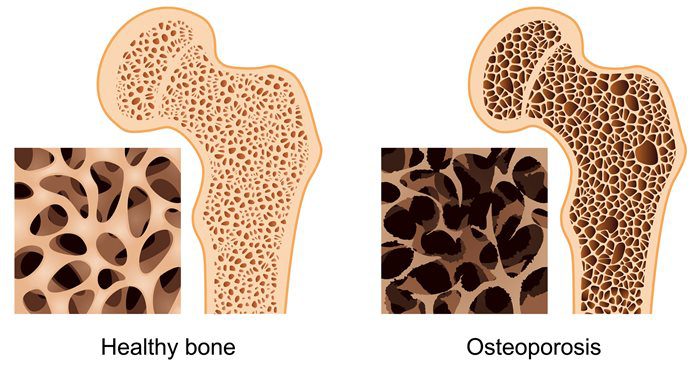
For osteoporosis, calcium gets all the attention when it comes to bone mineral density; however, magnesium is an essential component for the physical structure of bone density as well. There is about 60% of the body’s magnesium stored in the bones, and considering the high prevalence of suboptimal magnesium intake in North America, the concurrent high prevalence of osteoporosis is unsurprising. Concerning bone health, low magnesium status may interfere with the efficacy of vitamin D supplementation. In the Journal of the American Osteopathic Association, a review was covered in which researchers affirmed that vitamin D could not be metabolized without the sufficient levels of magnesium.
Adding Magnesium-rich Food To Your Feast
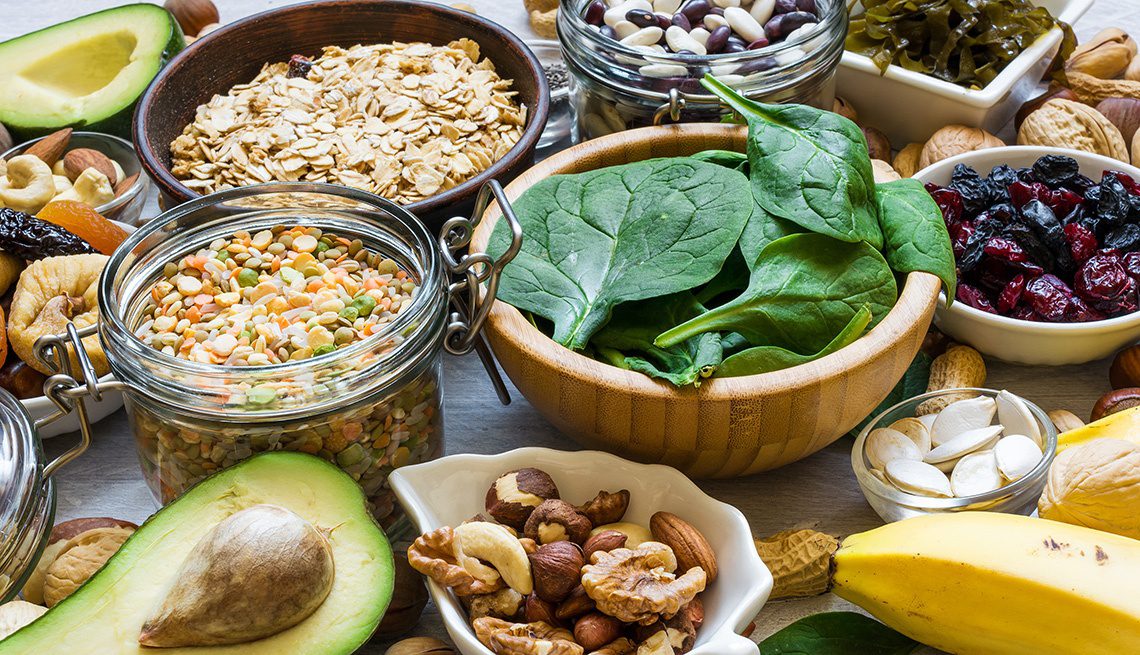
With Thanksgiving coming around the corner, there is a way to bring magnesium to the holiday table. The good news is that this crucial mineral fits perfectly into Thanksgiving entertainment. People can serve mixed nuts as part of appetizers or hors d’oeuvres while their guests are socializing. Mixed nuts can provide a substantial amount of magnesium. They can be an excellent addition to turkey stuffing/dressing or a whole grain salad, which can provide even more magnesium that the body needs. Serving leafy greens like chard and spinach are reliable sources of magnesium, as well as certain beans like black beans and kidney beans are filled with magnesium.
Since nuts, seeds, and beans are high in phytic acid, which is a compound that binds to the minerals. So in order to increase the bioavailability of magnesium in these foods, soaking nuts, seeds, and beans is a traditional preparation method to neutralize some of this problematic molecule.
For dessert, adding chocolate is an excellent way to get magnesium in the body. Since the cocoa powder is a rich source of magnesium, research has been speculating that the chocolate cravings might be the body’s way of crying for magnesium. Not to mention, when foods are much higher in magnesium, they are not the usual subjects for intense cravings like chocolate.
“So for Thanksgiving, adding magnesium-rich foods can help cut back the sodium and carb intake of the holiday feast can be beneficial to your body to function correctly and good for your health.”-Dr. Alex Jimenez D.C., C.C.S.T. Insight
Conclusion
Magnesium is an excellent and beneficial nutrient for anyone to add to their Thanksgiving dinner. The nutrient plays many roles in the body like regulating blood sugar, improving mental health as a natural relaxing agent, and preventing osteoporosis from occurring. Adding this nutrient and some products can help the body metabolize and stable the blood sugar levels to their normal range for beneficial results.
The scope of our information is limited to chiropractic, musculoskeletal, and nervous health issues or functional medicine articles, topics, and discussions. We use functional health protocols to treat injuries or disorders of the musculoskeletal system. Our office has made a reasonable attempt to provide supportive citations and has identified the relevant research study or studies supporting our posts. We also make copies of supporting research studies available to the board and or the public upon request. To further discuss the subject matter above, please feel free to ask Dr. Alex Jimenez or contact us at 915-850-0900.
References:
Boyle, Neil Bernard, et al. �The Effects of Magnesium Supplementation on Subjective Anxiety and Stress-A Systematic Review.� Nutrients, MDPI, 26 Apr. 2017, www.ncbi.nlm.nih.gov/pmc/articles/PMC5452159/.
Bruinsma, K, and DL Taren. “Chocolate: Food or Drug?” Journal of the American Dietetic Association, U.S. National Library of Medicine, Oct. 1999, www.ncbi.nlm.nih.gov/pubmed/10524390.
Castiglioni, Sara, et al. �Magnesium and Osteoporosis: Current State of Knowledge and Future Research Directions.� Nutrients, MDPI, 31 July 2013, www.ncbi.nlm.nih.gov/pmc/articles/PMC3775240/.
DiNicolantonio, James J, et al. �Subclinical Magnesium Deficiency: a Principal Driver of Cardiovascular Disease and a Public Health Crisis.� Open Heart, BMJ Publishing Group, 13 Jan. 2018, www.ncbi.nlm.nih.gov/pmc/articles/PMC5786912/.
Eby, George A, and Karen L Eby. �Rapid Recovery from Major Depression Using Magnesium Treatment.� Medical Hypotheses, U.S. National Library of Medicine, 2006, www.ncbi.nlm.nih.gov/pubmed/16542786.
Fang, Xin, et al. �Dose-Response Relationship between Dietary Magnesium Intake and Cardiovascular Mortality: A Systematic Review and Dose-Based Meta-Regression Analysis of Prospective Studies.� Journal of Trace Elements in Medicine and Biology: Organ of the Society for Minerals and Trace Elements (GMS), U.S. National Library of Medicine, Dec. 2016, www.ncbi.nlm.nih.gov/pubmed/27053099.
Fang, Xin, et al. �Dose-Response Relationship between Dietary Magnesium Intake and Risk of Type 2 Diabetes Mellitus: A Systematic Review and Meta-Regression Analysis of Prospective Cohort Studies.� Nutrients, MDPI, 19 Nov. 2016, www.ncbi.nlm.nih.gov/pmc/articles/PMC5133122/.
Higdon, Jane. �Magnesium.� Linus Pauling Institute, 14 Oct. 2019, lpi.oregonstate.edu/mic/minerals/magnesium#structural-roles.
Serefko, Anna, et al. �Magnesium and Depression.� Magnesium Research, U.S. National Library of Medicine, 1 Mar. 2016, www.ncbi.nlm.nih.gov/pubmed/27910808.
Spiga, Rosangela, et al. �Are Circulating Mg2+ Levels Associated with Glucose Tolerance Profiles and Incident Type 2 Diabetes?� Nutrients, U.S. National Library of Medicine, 14 Oct. 2019, www.ncbi.nlm.nih.gov/pubmed/31615167.
Team, DFH. �Preparing Beans and Legumes � What to Know.� Designs for Health, 9 Oct. 2018, blog.designsforhealth.com/preparing-beans-and-legumes.
Team, DFH. �Put Magnesium on the Menu at Thanksgiving.� Designs for Health, 19 Nov. 2019, blog.designsforhealth.com/node/1151.
Team, NOF. �Https://Cdn.nof.org/Wp-Content/Uploads/2015/12/Osteoporosis-Fast-Facts.pdf.� National Osteoporosis Foundation, 2015.
Unknown, Unknown. �Diabetes Statistics.� National Institute of Diabetes and Digestive and Kidney Diseases, U.S. Department of Health and Human Services, 1 Sept. 2017, www.niddk.nih.gov/health-information/health-statistics/diabetes-statistics.
Unknown, Unknown. �Office of Dietary Supplements – Magnesium.� NIH Office of Dietary Supplements, U.S. Department of Health and Human Services, 11 Oct. 2019, ods.od.nih.gov/factsheets/Magnesium-HealthProfessional/#h4.
Unknown, Unknown. �Office of Dietary Supplements – Magnesium.� NIH Office of Dietary Supplements, U.S. Department of Health and Human Services, 11 Oct. 2019, ods.od.nih.gov/factsheets/Magnesium-HealthProfessional/#h7.
Uwitonze, Anne Marie, and Mohammed S. Razzaque. �Role of Magnesium in Vitamin D Activation and Function.� The Journal of the American Osteopathic Association, American Osteopathic Association, 1 Mar. 2018, jaoa.org/article.aspx?articleid=2673882.
Waanders, Femke, et al. �Hypomagnesaemia and Its Determinants in a Contemporary Primary Care Cohort of Persons with Type 2 Diabetes.� Endocrine, U.S. National Library of Medicine, 24 Oct. 2019, www.ncbi.nlm.nih.gov/pubmed/31650393.
Yanovski, Susan. �Sugar and Fat: Cravings and Aversions.� OUP Academic, Oxford University Press, 1 Mar. 2003, academic.oup.com/jn/article/133/3/835S/4688015.
If you are experiencing any of these situations, then it might be the weather that is affecting your mood and your body.
The Weather
Does the weather forecast make anyone smile? Whether it is nothing but bright, sunny skies and warm temperatures or gray, overcast skies with threats of rain and thunderstorms, the weather can affect a person’s joints and cause them pain. The old saying “Feel it in my bones” comes to play when environmental conditions can affect the physical body. Research has indicated that these effects are not just skin deep, but the weather can affect a person�s mood and emotional health. They found that patients experience increased joint pain in response to a decrease in pressure and indicating that low atmospheric pressure conditions exacerbate joint pain.
Lots of people are affected differently by different weather patterns. There are no hard-fast rules regarding the influence of how the weather affects people�s moods. The research suggested that high humidity may increase sleepiness and can negatively affect concentration and focus on a person. While rising temperatures can help lower anxiety and skepticism mood scores in a person. Since humidity is the most significant predictor since it implicates for school and office performances are being discussed and highlights the importance of humidity as a weather variable.
Some individuals love to sit out in the sun and soak up every ray while basking in the heat. Others instead prefer to let themselves stay indoors surrounded by air conditioning and feeling so much better in the colder weather with less sunshine.
Types of People Affected By The Weather
Studies have researched that there were four distinct types of people, especially in children and their mothers that were identified when it comes to the weather and their moods. They are:
Summer Lover
Unaffected
Summer Haters
Rain Haters
Summer Lovers have better moods in warm, sunny weather while the Summer Hater has the worse moods under the warmer conditions. People in the Unaffected category has shown only the weak association between the weather and their moods. When it comes to rainy days, Rain Haters experiences particularly bad moods during those types of days. The correlation between the children and their mothers was founded for two of the types. It stated that there might be some intergenerational influences, and the finding from the study and many others show that there is a massive individual difference in how the weather affects people’s moods. Some people love rainy or sunny days, while others loathe them.
A 2013 paper found that rising temperatures and increased precipitation can have a significant impact on human conflict and interpersonal violence. The correlation between the higher temperatures like more extreme rainfall and increased violence was seen on both scales, large and small. Other researchers have suggested that the psychological effects of the weather are influenced by seasons and the time a person is outside. What they found was that higher temperatures or the barometric pressure were related to better moods, memory, and “broadened” cognitive style in the springtime as an individual spends more time outside has increased.
Weather Can Affect People�s Mood
While this relationship is perfect for some people, others see this relationship as an inverse during the other seasons. Some people found out that during the warmer seasons, lowers their mood. It is correlated strongly with individuals who live in the south. The hotter weather can cause them to have poorer moods when the summer has higher temperatures, and it can become downright debilitating.
Researchers speculated that the discrepancy between spring and summer moods might be related to seasonal affective disorder. With seasonal affective disorder, the results were consistent with their findings. They suggested that pleasant weather improves moods and broaden cognition in the spring because people have been deprived of such weather during the winter.
The founder and editor-in-chief of Psych Central, John M, Grohol, Psy.D., noted that the weather could affect people’s moods and emotions. He also mentions that the strength of that relationship varies from person to person, and the effects are noticeable, whether it be small in some people or more pronounced in others.
Another study found that many people intuit that the bad weather makes them sad and pleasant weather makes them happy. Scientific investigations have largely failed to support such associations, however, with variations in meteorological variables either showing no or weak relationships with variations in normal moods. It means that a person�s definition of� �good� or �bad� weather is their own opinion. If someone likes the rain, then gray, rainy days are �good� in their view while others view rainy days are �bad� and prefer sunshine, blue skies, and warmer weather.
Conclusion
The weather can affect anyone’s mood. Whether people enjoy the colder seasons or the warmer seasons, their moods can change due to the type of weather. If they are aware of their mood patterns, taking supplements can ease the transition of the change of seasons and be a beneficial impact on their moods. Some products can help support the body and making sure that the entire system is functioning correctly by targeting amino acids and sugar metabolism.
The scope of our information is limited to chiropractic, musculoskeletal, and nervous health issues or functional medicine articles, topics, and discussions. We use functional health protocols to treat injuries or disorders of the musculoskeletal system. Our office has made a reasonable attempt to provide supportive citations and has identified the relevant research study or studies supporting our posts. We also make copies of supporting research studies available to the board and or the public upon request. To further discuss the subject matter above, please feel free to ask Dr. Alex Jimenez or contact us at 915-850-0900.
References:
Bullock, Ben, et al. �Highs and Lows, Ups and Downs: Meteorology and Mood in Bipolar Disorder.� PloS One, Public Library of Science, 9 Mar. 2017, www.ncbi.nlm.nih.gov/pmc/articles/PMC5344507/.
Grohol, John M. �Weather Can Change Your Mood.� World of Psychology, 28 Mar. 2019, psychcentral.com/blog/weather-can-change-your-mood/.
Howarth, E, and M S Hoffman. �A Multidimensional Approach to the Relationship between Mood and Weather.� British Journal of Psychology (London, England: 1953), U.S. National Library of Medicine, Feb. 1984, www.ncbi.nlm.nih.gov/pubmed/6704634.
Hsiang, Solomon M., et al. �Quantifying the Influence of Climate on Human Conflict.� Science, American Association for the Advancement of Science, 13 Sept. 2013, science.sciencemag.org/content/341/6151/1235367.
Keller, Matthew C, et al. �A Warm Heart and a Clear Head. The Contingent Effects of Weather on Mood and Cognition.� Psychological Science, U.S. National Library of Medicine, Sept. 2005, www.ncbi.nlm.nih.gov/pubmed/16137259.
Keller, Matthew C, et al. �A Warm Heart and a Clear Head. The Contingent Effects of Weather on Mood and Cognition.� Psychological Science, U.S. National Library of Medicine, Sept. 2005, www.ncbi.nlm.nih.gov/pubmed/16137259.
Klimstra, Theo A, et al. �Come Rain or Come Shine: Individual Differences in How Weather Affects Mood.� Emotion (Washington, D.C.), U.S. National Library of Medicine, Dec. 2011, www.ncbi.nlm.nih.gov/pubmed/21842988.
Team, DFH. �Weather Forecast � Can It Predict Your Mood, Too?� Designs for Health, 15 Aug. 2019, blog.designsforhealth.com/node/1085.
Verg�s, Josep, et al. �Weather Conditions Can Influence Rheumatic Diseases.� Proceedings of the Western Pharmacology Society, U.S. National Library of Medicine, 2004, www.ncbi.nlm.nih.gov/pubmed/15633634.
Stomach pain, burning, or aching 1-4 hours after eating?
Unpredictable abdominal pain?
Gas immediately following after a meal?
Excessive belching, burping, or bloating?
If you are experiencing any of these situations, then try these top ten superfoods to prevent inflammation in your body.
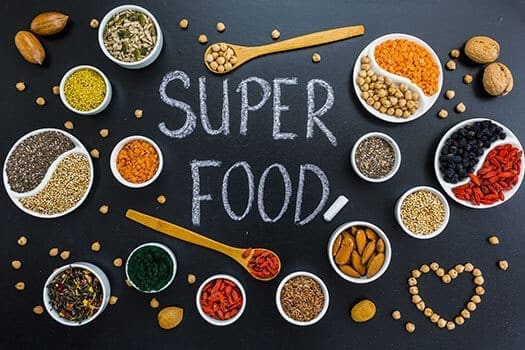
Superfoods lack any formal criteria, and people wonder what makes a food a superfood. Medical experts agreed that foods with the title “superfood” have health benefits that go far beyond what is listed on their nutrition labels. There is a wide range of health-promoting superfoods that can be incorporated into a person’s diet in several different ways. Eating superfood alone will not make anyone healthier overnight, but adding them to an already balanced diet can give anyone a mega-dose of added health benefits to their body.
Getting to Know Superfoods
According to the Merriam-Webster Dictionary, a superfood is defined as “a food that rich in compounds and considered beneficial to a person’s health. It can be any foods that have antioxidants, fatty acids, or fibers in their nutrient compounds. While the Oxford Dictionary defines a superfood as �a nutrient-rich food that is considered to be especially beneficial for health and well-being.�
Here are the top ten superfoods that have been scientifically proven to help optimize the body’s ability to function correctly. These superfoods are not only super healthy, but they are affordable and readily available in the grocery stores, online, and at farmer’s markets.
A�ai Berries
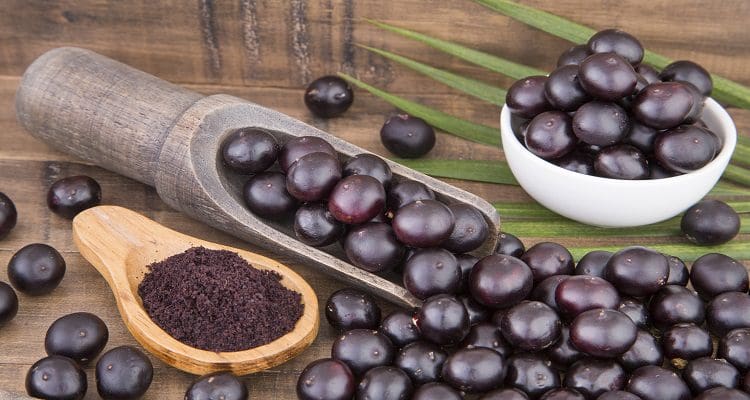
A�ai berries are high in antioxidants. They also contain B vitamins, magnesium, potassium, healthy fats, and phosphorus. The a�ai berry is one of the most well-known superfoods that is beneficial for the body’s microbiome. Studies have shown that a�ai berries have anti-inflammatory properties, help improve the cognitive function, maintaining healthy blood sugar levels, and protect against heart diseases. The berries themselves have also been suggested to help slow down age-related memory loss in individuals.
Studies have shown that the health benefits of the a�ai berries are that the berries contain a range of polyphenols that protects cellular oxidative damage in vitro and can provide ant-inflammatory signaling in the body by reducing the production of free radicals by inflammatory cells. Chronic inflammation in the body can lead to diseases like fibromyalgia. So consuming this berry can help lower the risk of inflammation in the body.
Plant-based protein
Plant proteins are abundant, branched-chain containing essential amino acids, and are exceptionally high in lysine. Research has been shown that lysine can help balance blood glucose in the body. Lysine even can increase muscle strength and combat anxiety in the body.
Plant-based proteins that contain carotenoids and flavonoids can modulate inflammatory responses in the body as well as the immunological process as well. Plant foods have anti-inflammatory potential that everyone needs in their diet to reduce inflammatory responses that is in the body.
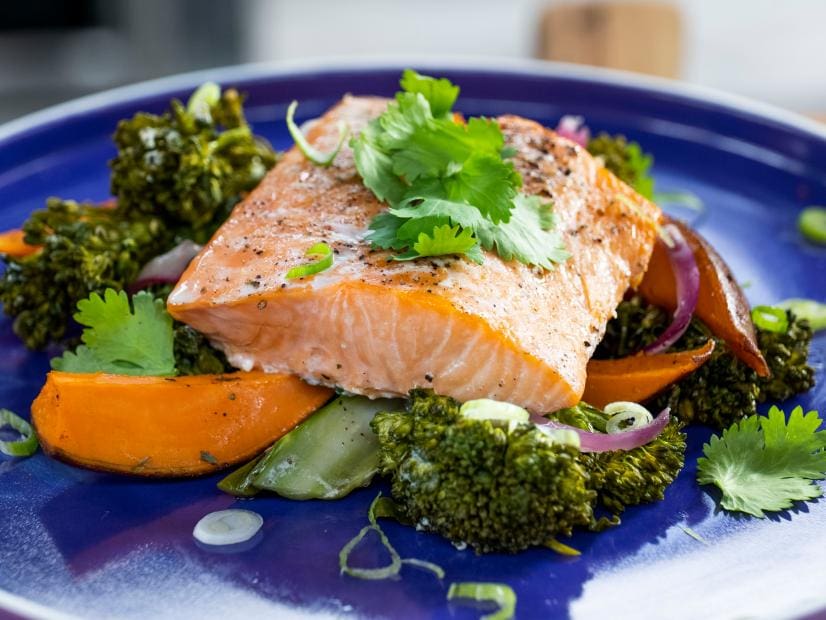
Salmon
Salmon is a superfood that has one of the highest sources for omega-3 fatty acids. Omega-3 fatty acids have been shown to lower the risk of developing coronary heart diseases, lowers metabolic syndrome, and diabetes. Studies have been shown that fish oil has also been known to help combat late-onset Alzheimer�s disease.
Consuming salmon or any foods that contain omega-3s may help alleviate oxidative stress that the body may have picked up. Omega-3s even play a role in lowering the risk of inflammation on individuals who have to develop fibromyalgia. Since it associates with pro-inflammatory cytokines, eating omega-3 fatty foods can help lower the inflammation and alleviate it as well.
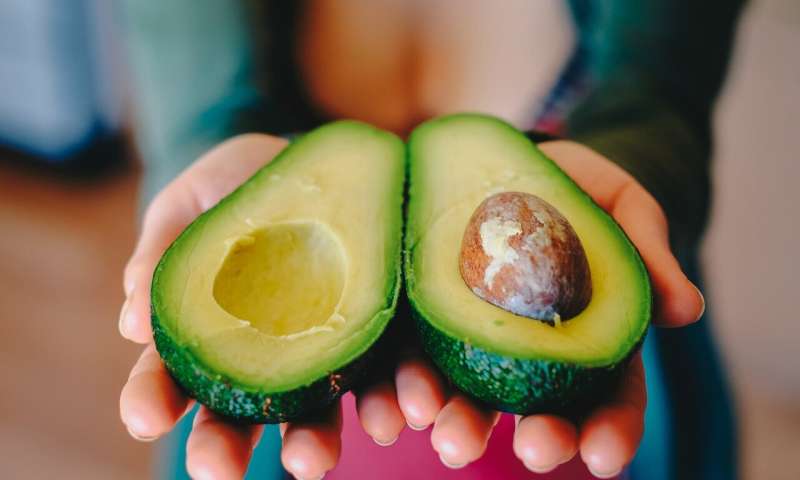
Avocados
Avocados are a nutrient-rich superfood, high fiber fruits that play a significant role in combating chronic diseases in the body. Eating avocados regularly have been known to lower the risk of heart disease, metabolic syndrome, diabetes, and certain cancers.
Since avocados are a nutrient-dense source of MUFA (monounsaturated fatty acids), the fruit can be used to replace SFA (saturated fatty acids) in a diet to lower LDL-C (low-density lipoprotein cholesterol) in the body.
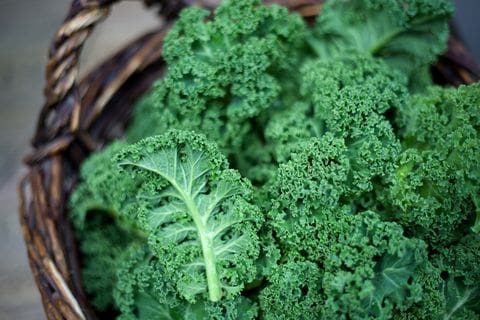
Kale
Kale has an excellent source of nutrients like zinc, folate, magnesium, calcium, vitamin C, fiber, and iron. Research has shown that dark leafy greens can reduce the risk of chronic illnesses like type 2 diabetes and heart disease.
Olive oil
Olive oil is a superfood that has been shown to provide a range of various health benefits. Extra virgin olive oil is associated with reducing the risk of cardiovascular disease and mortality on individuals that have a high cardiovascular risk.
Olive oil has a monounsaturated fat called oleic acid, which helps reduce inflammation in the body.
Sweet potato
Sweet potato is the superfood root vegetable that is full of nutrients that are beneficial to the body. They are an excellent source of carotenoids, fiber, potassium, vitamin C, and vitamin A.
Consuming sweet potato is beneficial for the body due to reducing the risk of inflammation and DNA damage. Since it contains high levels of antioxidants, it may also prevent cell damage as well in the body.
Fermented Foods
Fermented foods like yogurt, kefir sauerkraut, and many others are heavily sought after superfoods by consumers. This is because fermented foods have a range of fantastic health benefits like antioxidants, anti-microbial, anti-fungal, anti-inflammatory, andante-diabetic properties.
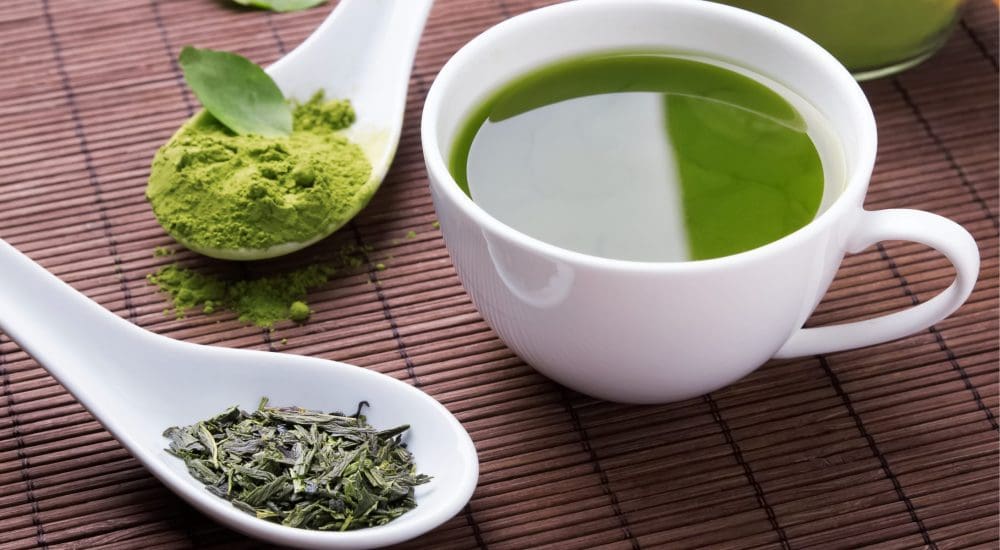
Green tea
Green tea is a lightly caffeinated beverage that has a broad spectrum of health benefits for the body. It is rich with antioxidants and polyphenolic compounds that can protect the body against chronic diseases and be a useful tool for bodyweight management.
Seaweed
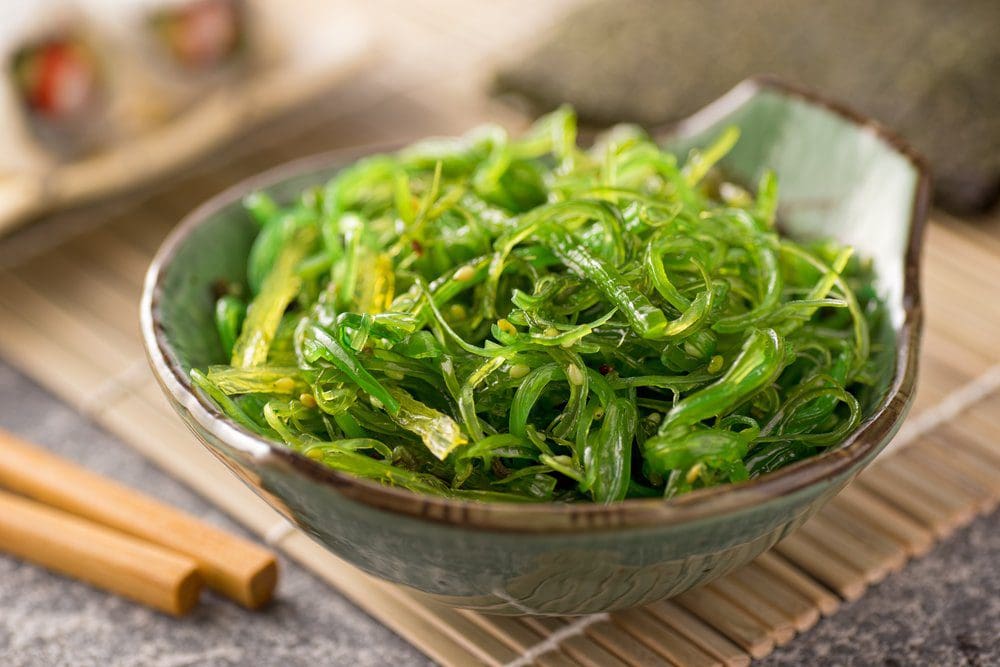
Seaweed is packed with several nutrients like folate, vitamin K iodine, and fiber that is beneficial for the body. It plays an essential role by helping lowering blood pressure and to treat several chronic illnesses. Studies have shown that due to their potential beneficial activities such as anti-inflammatory and anti-diabetic effects that are beneficial to prevent flare-ups in the white adipose tissue and systemic IR.
Conclusion
Superfoods are an essential additive boost to any healthy diet. These ten superfoods contain anti-inflammatory properties that are beneficial to the body to prevent the risk of inflammation in the body. Eating these foods combine with these products will provide relief from oxidative stress and inflammation that the body may encounter, as well as providing support to the endocrine system.
The scope of our information is limited to chiropractic, musculoskeletal, and nervous health issues as well as functional medicine articles, topics, and discussions. We use functional health protocols to treat injuries or chronic disorders of the musculoskeletal system. To further discuss the subject matter above, please feel free to ask Dr. Alex Jimenez or contact us at�915-850-0900�.
References:
Basu, Arpita, et al. �Dietary Factors That Promote or Retard Inflammation.� Arteriosclerosis, Thrombosis, and Vascular Biology, U.S. National Library of Medicine, May 2006, www.ncbi.nlm.nih.gov/pubmed/16484595.
Dellwo, Adrienne. �The Potential Benefits of Omega-3 for Fibromyalgia & CFS.� Verywell Health, Verywell Health, 7 July 2019, www.verywellhealth.com/omega-3-for-fibromyalgia-and-chronic-fatigue-syndrome-715987.
Felman, Adam. �Fibromyalgia: Symptoms, Causes, and Treatment.� Medical News Today, MediLexicon International, 5 Jan. 2018, www.medicalnewstoday.com/articles/147083.php.
Jensen, Gitte S, et al. �Pain Reduction and Improvement in Range of Motion after Daily Consumption of an A�ai (Euterpe Oleracea Mart.) Pulp-Fortified Polyphenolic-Rich Fruit and Berry Juice Blend.� Journal of Medicinal Food, Mary Ann Liebert, Inc., 2011, www.ncbi.nlm.nih.gov/pmc/articles/PMC3133683/.
Oh, Ji-Hyun, et al. �Anti-Inflammatory and Anti-Diabetic Effects of Brown Seaweeds in High-Fat Diet-Induced Obese Mice.� Nutrition Research and Practice, The Korean Nutrition Society and the Korean Society of Community Nutrition, Feb. 2016, www.ncbi.nlm.nih.gov/pmc/articles/PMC4742310/.
Smriga, Miro, et al. �Lysine Fortification Reduces Anxiety and Lessens Stress in Family Members in Economically Weak Communities in Northwest Syria.� Proceedings of the National Academy of Sciences of the United States of America, National Academy of Sciences, 1 June 2004, www.ncbi.nlm.nih.gov/pubmed/15159538.
Tanaka, Takuji, et al. �Cancer Chemoprevention by Carotenoids.� Molecules (Basel, Switzerland), MDPI, 14 Mar. 2012, www.ncbi.nlm.nih.gov/pubmed/22418926.
Unknown, Unknown. �What Are Superfoods? Top 10 Superfoods.� Fullscript, 4 Mar. 2019, fullscript.com/blog/superfoods.
Unni, Uma S, et al. �The Effect of a Controlled 8-Week Metabolic Ward Based Lysine Supplementation on Muscle Function, Insulin Sensitivity and Leucine Kinetics in Young Men.� Clinical Nutrition (Edinburgh, Scotland), U.S. National Library of Medicine, Dec. 2012, www.ncbi.nlm.nih.gov/pubmed/22524975.
Wang, Li, et al. �Effect of a Moderate Fat Diet with and without Avocados on Lipoprotein Particle Number, Size and Subclasses in Overweight and Obese Adults: a Randomized, Controlled Trial.� Journal of the American Heart Association, Blackwell Publishing Ltd, 7 Jan. 2015, www.ncbi.nlm.nih.gov/pubmed/25567051.
Wang, Ping-Yu, et al. �Higher Intake of Fruits, Vegetables or Their Fiber Reduces the Risk of Type�2 Diabetes: A Meta-Analysis.� Journal of Diabetes Investigation, John Wiley and Sons Inc., Jan. 2016, www.ncbi.nlm.nih.gov/pubmed/26816602.
Watzl, Bernhard. �Anti-Inflammatory Effects of Plant-Based Foods and of Their Constituents.� International Journal for Vitamin and Nutrition Research. Internationale Zeitschrift Fur Vitamin- Und Ernahrungsforschung. Journal International De Vitaminologie Et De Nutrition, U.S. National Library of Medicine, Dec. 2008, www.ncbi.nlm.nih.gov/pubmed/19685439.
?anlier, Nevin, et al. �Health Benefits of Fermented Foods.� Critical Reviews in Food Science and Nutrition, U.S. National Library of Medicine, 2019, www.ncbi.nlm.nih.gov/pubmed/28945458.
If you are experiencing any of these situations, then try eating flavonoid filled foods to regulate your metabolic health.
Flavonoids
Going to the grocery store is an excellent way to restock on certain food items and getting food that is filled with flavonoids. Nearly all fruits and vegetables are filled with this chemical component and are proven to be beneficial to the body. Flavonoids are a class of plant-derived polyphenolic compounds that represents a larger class of phytochemicals and phytonutrients. They are responsible for protecting plants from threats like insects and animals, while also having many beneficial health effects on metabolic disorders in humans.
With their chemical structure, they are group into six primary subclasses: anthocyanins, flavanols, flavan-3-ols, flavanones, flavones, and isoflavones. They concentrated more on the skins and seeds of plants, and when they are consumed into the body, they have antioxidant and anti-inflammatory properties.
Heart Disease and Cancer
Flavonoid-rich foods have been linked to many health benefits and have been known to protect the body against heart disease and cancer. A recent study stated that individuals who consume a moderate to the high amount of flavonoid-rich foods have the lowest risk of developing cardiovascular diseases and cancer mortality. Individuals who are heavy alcohol users and cigarette smokers have a higher risk of developing these chronic illnesses.
Flavonoid Beneficial Effects on Metabolic Health
Studies provided evidence that flavonoids from citrus fruits possess serval biological activities and have emerged as efficient therapeutics for the treatment of CVD (cardiovascular disease). Citrus flavonoids can scavenge free radicals, improve glucose tolerance and insulin sensitivity, modulate lipid metabolism, and adipocyte differentiation, suppress inflammation and apoptosis, and improve endothelial dysfunction.
A journal review demonstrated how natural-occurring flavonoids could prevent diabetes and its many complications. Flavonoids can target specific molecules that are involved in regulating pathways that support beta-cell proliferation, insulin signaling and secretion, reducing apoptosis, regulating glucose metabolism in the liver, improving carbohydrate digestion, glucose uptake, and deposition in the body. In human nutrition, quercetin (the most abundant dietary flavonoid) was shown to stimulate GLUT4 translocation to the molecular signaling that sets the motion during muscle contractions in the body.
Another study summarized that the role of flavonoid in metabolic diseases was able to elevate the energy system by activating the sympathetic nervous system, increasing epinephrine and thyroid hormone release, stimulating thermogenesis, and induce browning of� WAT (white adipose tissue). Browning WAT and up-regulating BAT (brown adipose tissue) can help increase the energy expenditure and improves lipids and glucose metabolism. When this happens, flavonoids stimulate the AMPK-PGC-1?, Sirt1, and PPAR? signaling pathways. These critical pathways are involved in preventing obesity and metabolic derangement due to their role in energy metabolism in the body.
Flavonoids Prevent Neuroinflammation
Blueberries are an excellent source of flavonoids that may help brain function in older adults. They have protective effects against the development of neurocognitive disorders like Alzheimer’s and other dementia diseases. Studies have shown that anthocyanins have the responsibility for improving cognitive function and working memories on the individual�s brain.
Studies have been shown that flavonoids target astrocytes, and these are star-shaped glial cells of the CNS (central nervous system). When they are healthy, they are crucial for functional control of the CNS since they are the primary cells that are responsible for neurotropic growth, synaptic plasticity, neurogenesis, cell migration, and differentiation. When glial cells are overactivated and dysfunctional, they are associated with the pathogenesis of brain diseases and cancers, hence why flavonoid therapy is a safe treatment of brain pathologies.
Sources of Flavonoids
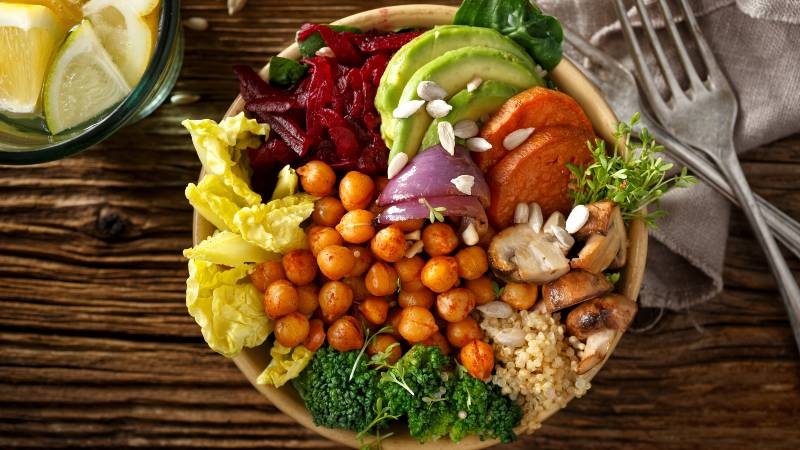
Flavonoids are easily attainable through eating plant-based foods and beverages. Fruits, vegetables, tea, dark chocolate, and red wine are great examples because they are filled with not only flavonoids, but they also contain anti-inflammatory and antioxidants properties. The phrase “eat the rainbow” takes a whole new meaning for anyone who is trying to eat healthier. Colorful foods with deep reds, purples, oranges, yellows, greens, blues, and black hues are filled with flavonoids. Health professionals often recommend that it is best to avoid white foods that lack nutrients like refined bread, pasta, and sugars. However, white/tan-colored foods like garlic, cauliflower, mushrooms, ginger, onions, and parsnips offer oxidant-fighting properties that are perfect for getting rid of free radicals in the body.
Conclusion
Flavonoids are a class of plant-derived polyphenolic compounds that is in a variety of fruits and vegetables that are easily attainable for anyone to eat. When it is consumed into the body, it has many beneficial health effects on the body. They contained anti-inflammatory and antioxidants that the body needs to fight off free radicals that may have entered the body through environmental factors. Some products can be paired with flavonoid foods that can offer metabolic support as well as supporting the body’s sugar metabolism. So go out and eat the flavonoid food rainbow.
October is Chiropractic Health Month. To learn more about it, check out Governor Abbott�s proclamation on our website to get full details on this historic moment.
The scope of our information is limited to chiropractic, musculoskeletal and nervous health issues as well as functional medicine articles, topics, and discussions. We use functional health protocols to treat injuries or chronic disorders of the musculoskeletal system. To further discuss the subject matter above, please feel free to ask Dr. Alex Jimenez or contact us at 915-850-0900 .
References:
Aron, Patricia M, and James A Kennedy. “Flavan-3-Ols: Nature, Occurrence, and Biological Activity.” Molecular Nutrition & Food Research, U.S. National Library of Medicine, Jan. 2008, www.ncbi.nlm.nih.gov/pubmed/18081206.
Barreca, Davide, et al. �Flavanones: Citrus Phytochemical with Health-Promoting Properties.� BioFactors (Oxford, England), U.S. National Library of Medicine, 8 July 2017, www.ncbi.nlm.nih.gov/pubmed/28497905.
Bondonno, Nicola P, et al. �Flavonoid Intake Is Associated with Lower Mortality in the Danish Diet Cancer and Health Cohort.� Nature Communications, Nature Publishing Group UK, 13 Aug. 2019, www.ncbi.nlm.nih.gov/pmc/articles/PMC6692395/.
Cannon, Barbara, and Jan Nedergaard. �Brown Adipose Tissue: Function and Physiological Significance.� Physiological Reviews, U.S. National Library of Medicine, Jan. 2004, www.ncbi.nlm.nih.gov/pubmed/14715917.
Erdman, John W, et al. �Effects of Cocoa Flavanols on Risk Factors for Cardiovascular Disease.� Asia Pacific Journal of Clinical Nutrition, U.S. National Library of Medicine, 2008, www.ncbi.nlm.nih.gov/pubmed/18296357.
Lila, Mary Ann. �Anthocyanins and Human Health: An In Vitro Investigative Approach.� Journal of Biomedicine & Biotechnology, Hindawi Publishing Corporation, 2004, www.ncbi.nlm.nih.gov/pmc/articles/PMC1082894/.
Mahmoud, Ayman M, et al. �Beneficial Effects of Citrus Flavonoids on Cardiovascular and Metabolic Health.� Oxidative Medicine and Cellular Longevity, Hindawi, 10 Mar. 2019, www.ncbi.nlm.nih.gov/pmc/articles/PMC6431442/.
Matias, Isadora, et al. �Functions of Flavonoids in the Central Nervous System: Astrocytes as Targets for Natural Compounds.� Neurochemistry International, Pergamon, 2 Feb. 2016, www.sciencedirect.com/science/article/pii/S0197018616300092?via%3Dihub.
Panche, A N, et al. �Flavonoids: an Overview.� Journal of Nutritional Science, Cambridge University Press, 29 Dec. 2016, www.ncbi.nlm.nih.gov/pmc/articles/PMC5465813/.
Richter, Erik A, and Mark Hargreaves. �Exercise, GLUT4, and Skeletal Muscle Glucose Uptake.� Physiological Reviews, U.S. National Library of Medicine, July 2013, www.ncbi.nlm.nih.gov/pubmed/23899560.
Team, DFH. �Stock Your Fridge with Flavonoids.� Designs for Health, 1 Oct. 2019, blog.designsforhealth.com/node/1116.
Trayhurn, P, and J H Beattie. �Physiological Role of Adipose Tissue: White Adipose Tissue as an Endocrine and Secretory Organ.� The Proceedings of the Nutrition Society, U.S. National Library of Medicine, Aug. 2001, www.ncbi.nlm.nih.gov/pubmed/11681807.
Yu, Jie, et al. �Isoflavones: Anti-Inflammatory Benefit and Possible Caveats.� Nutrients, MDPI, 10 June 2016, www.ncbi.nlm.nih.gov/pmc/articles/PMC4924202/.
IFM's Find A Practitioner tool is the largest referral network in Functional Medicine, created to help patients locate Functional Medicine practitioners anywhere in the world. IFM Certified Practitioners are listed first in the search results, given their extensive education in Functional Medicine