Should individuals with existing gastrointestinal problems eat bananas?
Bananas
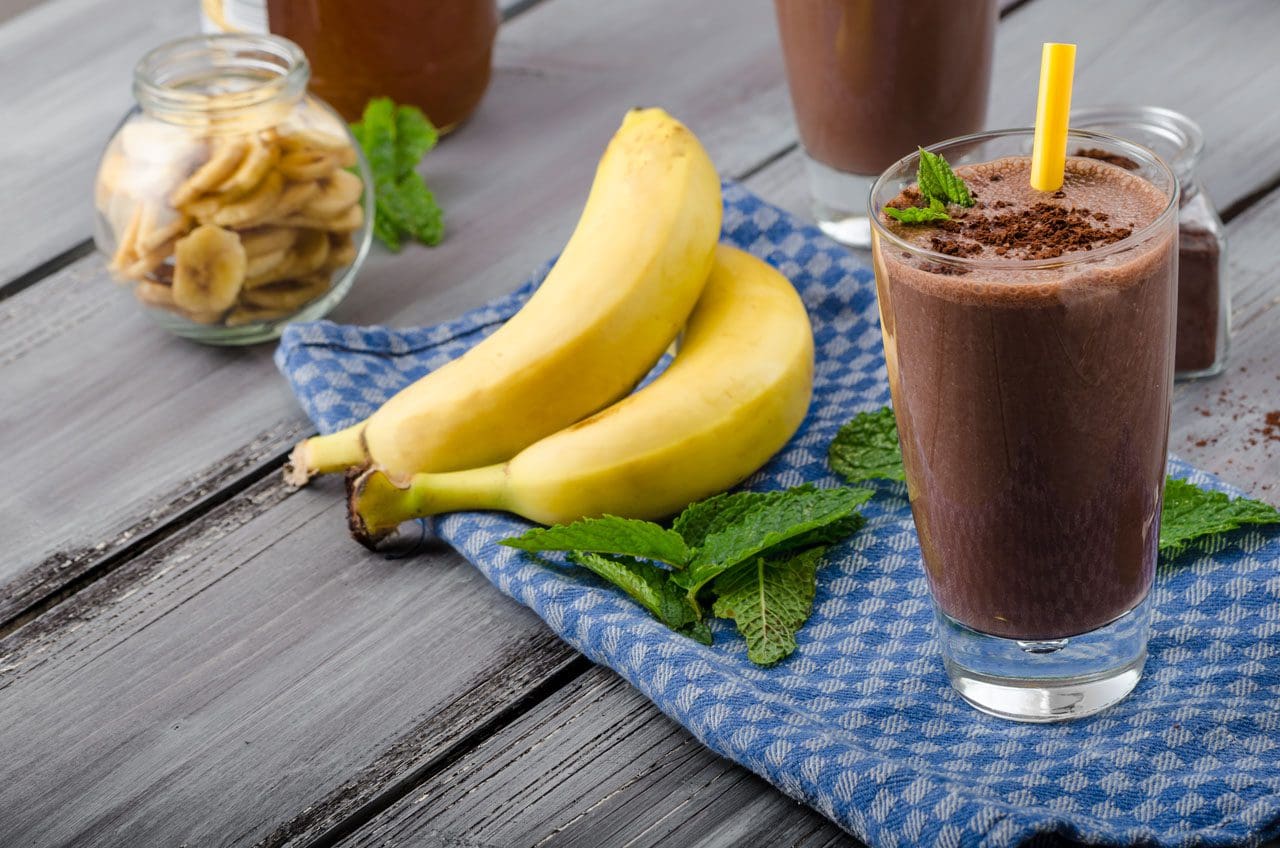
Bananas can be easy to digest and are often recommended for nausea and diarrhea, however, not everyone can tolerate them. (MedlinePlus. 2021)
Bananas are high in fructose, sorbitol, and soluble fiber, which makes them a common trigger for gastrointestinal problems.
Additionally, individuals not used to eating a high-fiber diet may find it helpful to gradually increase fiber and drink more water to alleviate unpleasant symptoms.
If there is a suspicion of intolerance, IBS, or malabsorption, it is recommended to speak with a healthcare provider for an evaluation.
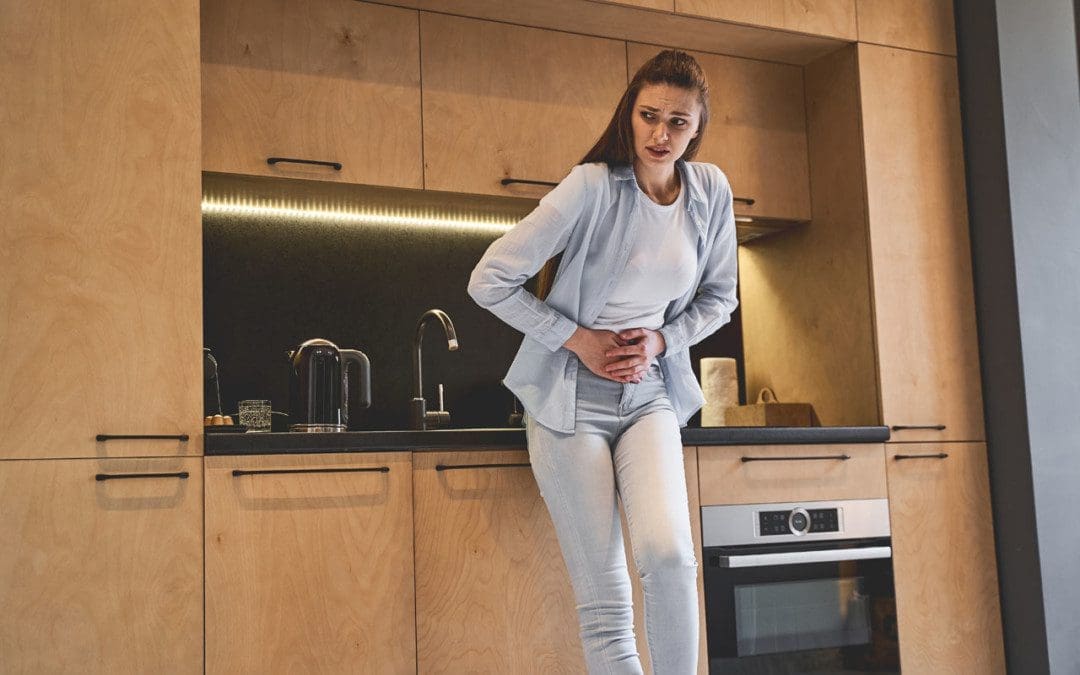
Bananas can make the stomach hurt due to:
Irritable bowel syndrome (IBS)
Cramping
Gas
Bloating
Other gastrointestinal (GI) problems.
Individuals can experience stomach discomfort if there is a fructose intolerance or a rare banana allergy.
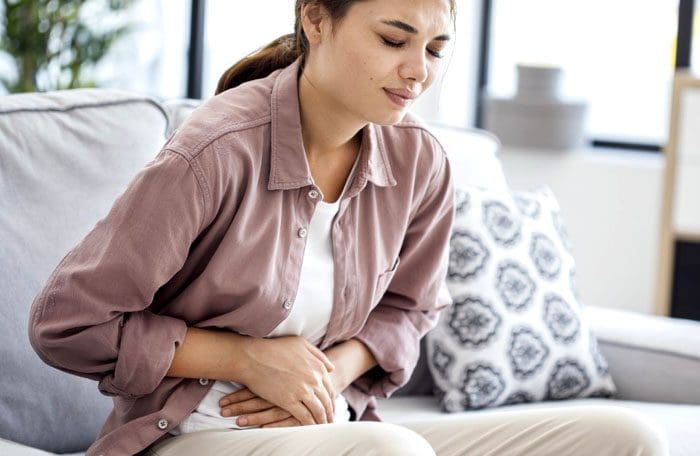
Stomach Pain
Bananas are used to replenish potassium and other essential nutrients lost from vomiting or diarrhea.
Some individuals can experience bloating and gas after eating them.
One reason is because of their soluble fiber content.
Soluble fiber dissolves in water and is more readily fermented in the colon than insoluble fiber.
Bananas also contain sorbitol – a naturally occurring sugar that acts as a laxative and can cause gas, bloating, and diarrhea when consumed in large amounts. (U.S. Food and Drug Administration. 2023)
Irritable Bowel Syndrome – IBS
Bananas can be a common trigger food for individuals with IBS.
Bananas are also high in fructose/simple sugar especially when they have overripened.
Individuals who have IBS are advised to avoid bananas because they can trigger many of the same side effects as undigested lactose/sugar in milk. (Johns Hopkins Medicine. 2023)
Ripe bananas are considered to be high in FODMAPS – fermentable oligosaccharides, disaccharides, monosaccharides, and polyols.
Individuals following a low FODMAP diet to manage IBS may want to avoid or limit consumption.
Fructose malabsorption is when the body cannot digest or absorb fructose correctly. This causes bloating gas and abdominal discomfort.
Hereditary fructose intolerance is very rare. It happens when the liver cannot assist in the breakdown of fructose.
This condition often causes more severe symptoms and requires additional treatment besides removing fructose from an individual’s diet. (UW School of Medicine and Public Health. 2019)
Most can tolerate small amounts of fructose found in fruits like bananas.
If you’re eating bananas that are too green or unripe, you may also experience stomach discomfort.
Unripened bananas contain high amounts of resistant starch. In large quantities, this can cause mild symptoms like gas and bloating. (Jennifer M Erickson, et al., 2018)
Jackson Siegelbaum Gastroenterology. Colon gas and flatus prevention.
U.S. Food and Drug Administration. Sorbitol.
Capili, B., Anastasi, J. K., & Chang, M. (2016). Addressing the Role of Food in Irritable Bowel Syndrome Symptom Management. The journal for nurse practitioners: JNP, 12(5), 324–329. https://doi.org/10.1016/j.nurpra.2015.12.007
Johns Hopkins Medicine. 5 foods to avoid if you have IBS.
Monash University. Bananas re-tested.
Dayıoğlu A, Akgiray S, Nacaroğlu HT, Bahçeci Erdem S. The clinical spectrum of reactions due to banana allergy. BMB. 2020;5(2):60-63. doi: 10.4274/BMB.galenos.2020.04.013
Family Medicine Austin. Banana allergy.
UW School of Medicine and Public Health. Fructose-restricted diet.
Erickson, J. M., Carlson, J. L., Stewart, M. L., & Slavin, J. L. (2018). The Fermentability of Novel Type-4 Resistant Starches in In Vitro System. Foods (Basel, Switzerland), 7(2), 18. https://doi.org/10.3390/foods7020018
The Johns Hopkins Guide to Diabetes. What is resistant starch?
Winter is when most children and adults are prone to catching colds, the flu, etc. The excitement of the holiday season can also take a toll on the body’s neuromusculoskeletal system, leaving the individual more susceptible to illness. Digestive issues such as bloating, cramping, and constipation are also common. Certain supplements can help maintain body, gut, and brain holiday health. Here are a few recommended supplements to take during the holidays.
Holiday Health
To help fill in the gaps from the holiday foods and increase energy, holiday health supplements to consider adding include:
Probiotics
Probiotics are healthy bacteria and microbes that populate the gut or microbiome.
They help digest nutrients, support proper digestion and elimination, and manage appetite and mood.
A quality probiotic supplement supports healthy digestion and immune health.
It can help reduce diarrhea, constipation, gas, and bloating while protecting the immune system against pathogens.
For the most benefits, it is recommended to take a supplement with a high CFU count, diverse probiotic strains, and a delivery method that ensures the probiotics will survive once consumed.
The body produces melatonin naturally, especially at night, since this promotes sleep.
Melatonin is a hormone that helps regulate the body’s circadian rhythm, which makes you feel tired or alert at the right times of the day.
Taking melatonin can help decrease jet lag symptoms.
Consider taking melatonin to help promote healthy sleep.
However, it’s usually only recommended for short-term use, so consult your doctor.
Vitamin D
During the winter, when less sunlight is available, low vitamin D levels are very common among adults.
The body naturally makes vitamin D when the skin is exposed to the sun’s UV light rays; however, most spend nearly all their time indoors once the weather becomes cold.
Vitamin D is responsible for hundreds of reactions related to brain function, hormone production, and immune defenses.
A vitamin D supplement can help maintain healthy levels, which is important for maintaining a strong immune system, cardiovascular and bone health, and mood.
Magnesium
Magnesium is a mineral and electrolyte providing cardiovascular and bone support, improved sleep, healthy muscle and nerve function, and healthy digestion.
A magnesium supplement can help with aches and pains, restlessness, headaches, and constipation.
Vitamin C
Vitamin C intake protects against colds and other illnesses.
It supports healthy immune defenses, healthy nervous system function, antioxidant activity, neuron function, and skin health.
A vitamin C supplement combined with probiotics further helps support healthy gastrointestinal function and absorption.
Chiropractic For Digestive Health
Chiropractic care supports the healthy functioning of the nervous system.
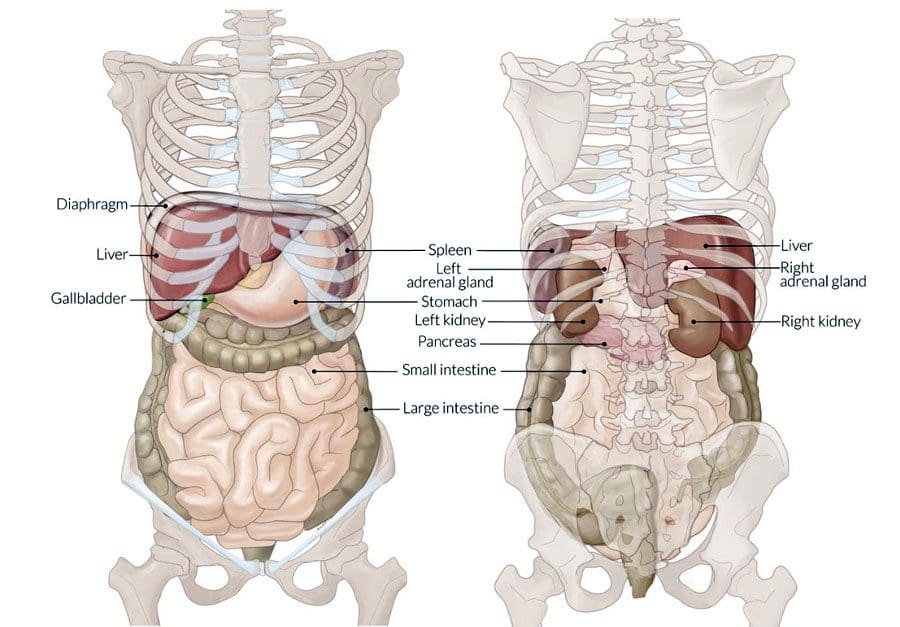
The vagus nerve extends from the brain stem and innervates digestive system organs.
Sympathetic nerves in the thoracic and lumbar regions and the parasympathetic nerves near the sacrum also support digestion.
Decompressing the spine and correcting posture allow room for the muscles to contract, open up the spine to circulate fluids throughout the body, and expand and properly circulate food and waste.
Ernst, Edzard. “Chiropractic treatment for gastrointestinal problems: a systematic review of clinical trials.” Canadian journal of gastroenterology = Journal canadien de gastroenterology vol. 25,1 (2011): 39-40. doi:10.1155/2011/910469
Govender, Mershen et al. “A review of the advancements in probiotic delivery: Conventional vs. non-conventional formulations for intestinal flora supplementation.” AAPS PharmSciTech vol. 15,1 (2014): 29-43. doi:10.1208/s12249-013-0027-1
Leboeuf-Yde, Charlotte, et al. “Self-reported nonmusculoskeletal responses to chiropractic intervention: a multination survey.” Journal of manipulative and physiological therapeutics vol. 28,5 (2005): 294-302; discussion 365-6. doi:10.1016/j.jmpt.2005.04.010
Peterson, Caroline. “A case study of chiropractic management of pregnancy-related heartburn with postulated fetal epigenome implications.” Explore (New York, N.Y.) vol. 8,5 (2012): 304-8. doi:10.1016/j.explore.2012.06.001
Qu, Liuxin, et al. “Irritable bowel syndrome treated by traditional Chinese spinal orthopedic manipulation.” Journal of traditional Chinese medicine = Chung i tsa chih ying wen pan vol. 32,4 (2012): 565-70. doi:10.1016/s0254-6272(13)60072-2
The central nervous system – CNScontrols body and mind functions, voluntary movements, including walking, and involuntary movements, specifically the breakdown of foods and waste removal. Studies have found associations between spinal problems and gastrointestinal-GI tract/stomach issues that include:
Abdominal pain
Constipation
Difficulty controlling bowel movements
Diarrhea
Nausea
Vomiting
Treating the underlying cause through chiropractic, non-surgical spinal decompression, and health coaching can bring pain relief, realign/heal the spine and alleviate stomach issues.
Spinal Problems and Stomach Issues
The spinal cord sends nerve signals throughout the body, including to and from the digestive system. Two types of nerves control the digestive system, extrinsic and intrinsic.
Extrinsic nerves
Connect the digestive organs with the brain and spinal cord.
Release chemicals that contract or relax the digestive system muscles.
The nerves relay signals to speed up or slow down the food’s movement through the gut.
The intrinsic system can function independently and work without communication from the extrinsic nerves. However, the stomach and esophagus/food pipe depends on information from the extrinsic nerves. If there is injury, damage, or interference with the extrinsic nerve supply to the stomach, it can lead to stomach issues. Spinal cord injuries and compressed or herniated discs interrupt the communication between nerves/systems, which can lead to digestive and bowel problems, including:
Feeling full quickly after eating.
Stomach pain
Constipation
Decreased appetite
Difficulty moving waste through the colon or large intestine
Hard stools
Tenesmus – the sensation/feeling of having to have a bowel movement even though there is none.
Herniated Discs
Herniated disc/s usually occurs in the neck or low back spinal area. Symptoms include:
Neck pain
Back pain
Pain spreads from the lower back through the buttocks, legs, and feet.
Pain spreads from the neck through the shoulders, arms, and hands.
Muscle weakness
Muscle spasms
Tingling or burning sensations
Numbness
Chiropractic Spinal Decompression
Chiropractic decompression therapy stretches the spine and manipulates its position to take pressure off the nerves and spinal discs. The decompression process creates negative pressure in the discs that retract herniated or bulging discs, allowing oxygen, water, and other healing nutrients to enter the disc and throughout the spine. The spinal decompression will help alleviate the stomach issues. Consultation from a health coach/nutritionist will recommend a diet that will aid in the disc/s healing, which is anti-inflammatory and easily digestible until the stomach problems are fully resolved.
DRX Patient Testimonials
References
Browning, Kirsteen N, and R Alberto Travagli. “Central nervous system control of gastrointestinal motility and secretion and modulation of gastrointestinal functions.” Comprehensive Physiology vol. 4,4 (2014): 1339-68. doi:10.1002/cphy.c130055
Holmes, Gregory M, and Emily N Blanke. “Gastrointestinal dysfunction after spinal cord injury.” Experimental neurology vol. 320 (2019): 113009. doi:10.1016/j.expneurol.2019.113009
Lara, F J Pérez, et al. “Thoracic disk herniation, a not infrequent cause of chronic abdominal pain.” International surgery vol. 97,1 (2012): 27-33. doi:10.9738/CC98.1
Papadakos, Nikolaos, et al. “Thoracic disc prolapse presenting with abdominal pain: case report and review of the literature.” Annals of the Royal College of Surgeons of England vol. 91,5 (2009): W4-6. doi:10.1308/147870809X401038
There are different possible causes of abdominal pain and digestive problems. Sometimes a bulging disc is the cause. A bulging disc that is causing abdominal pain is rare but possible. When this happens, it’s usually a herniated disc in the upper back, known as the thoracic spine. When the disc bulges to the side, it can cause abdominal pain. One study found that half of the patients presenting with herniated discs also suffered from digestive problems, including irritable bowel syndrome.
Thoracic Disc Herniation
The thoracic spine is the region between the base of the neck and the low back. This section is surrounded and stabilized by the ribcage, reducing the risk of disc herniation. Most herniated disc/s occur in the low back or the neck because those areas with a lot of movement are less stable than the thoracic spine. But they do happen and can contribute and/or cause abdominal pain. This is usually accompanied by pain in the mid-back and the chest. Because this is rare, physicians don’t immediately think that a herniation is causing abdominal pain. This can lead to unnecessary and expensive tests to find the problem.
Lateral Disc Herniation
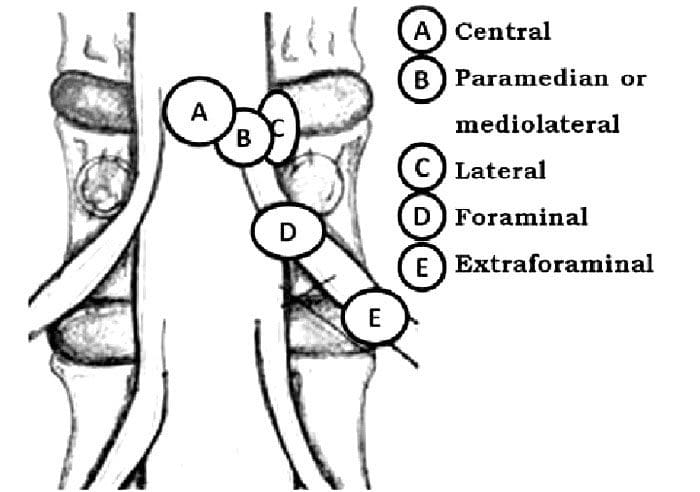
This is not the most common type of disc herniation. The type of herniation that causes pain in the abdomen is known as lateral disc herniation. This is when the disc bulges laterally/sideways. What happens is it can compress and irritate the nerve root. This is what can cause pain in the abdomen. Types of disc herniations include:
Causes
Most thoracic herniations are caused by trauma to the upper back. This can come from a:
Fall
Auto accident
Sports injury
They can also be caused by degenerative disc disease. If this happens, the discs can become calcified, which could require surgery.
Movements like reaching up to get something or twisting motions like putting on a seatbelt can cause the pain to worsen. Most thoracic herniations happen in young individuals brought on by trauma to the area. Women tend to be affected more by thoracic disc herniation that causes abdominal pain.
Herniated Disc and Bloating
Bloating often comes with digestive problems. A herniated discs can also cause bloating along with abdominal and back pain. However, they are not always related because bloating, and other digestive issues can cause back and abdominal pain. Bloating and pain typically go away after a bowel movement. But it is important to see a medical professional if the problem lasts more than a few days.
Gas and a Herniated Disc
In certain cases, a herniated disc can cause gas. This is rare, but evidence suggests that nerve compression in the spine can affect the digestive system. If back pain, abdominal pain, and digestive issues are presenting, seeking out treatment is recommended.
Treatment
Chiropractors specialize in spinal care. The approach is to balance the entire body and heal the underlying issues. The nervous system travels through the spinal column. If injured or damaged, it can cause all kinds of issues. This includes abdominal pain and digestive problems. A chiropractor will:
Bring pain relief
Realign the spine
Balance the body
Recommend exercises and stretches
Offer nutritional recommendations
Recommend sleeping positions to prevent pain at night
They are different techniques to treat disc herniations. These include:
Full-body diagnosis
Detailed medical history
MRI, CT, or X-Rays
Laser therapy
Ultrasound
Ice and heat
Electrical stimulation
Massage
Physical therapy
Body Composition
Binge Eating
A common and powerful trigger of binge eating is restrictive dieting. This type of diet is a common weight-loss method for short-term goals. This is because a highly controlled program of calorie intake makes it easier to prevent overeating. The problem is that this type of restriction is not sustainable. Most individuals can avoid certain foods for only so long. However, this is not the only reason for binge eating. Many individuals use food as an emotional suppressor. They overeat during:
Levels of high stress
Boredom
Bouts of sadness
Exhaustion/excessively tired
The brain and body are conditioned to crave certain and usually addictive foods. When individuals want to get their minds off of something, cravings can activate and become overpowering. Although it is not an addiction to alcohol or drugs, food addiction is still an addiction. Working through addictive behavior toward any substance will improve the quality of life. Overcoming food addiction promotes physical health benefits and improved mental health. Recognizing addictive behaviors when it comes to food is the first step.
References
Al-Khawaja, Darweesh O et al. “Surgical treatment of far lateral lumbar disc herniation: a safe and simple approach.” Journal of spine surgery (Hong Kong) vol. 2,1 (2016): 21-4. doi:10.21037/jss.2016.01.05
Lara, F J Pérez et al. “Thoracic disk herniation, a not infrequent cause of chronic abdominal pain.” International surgery vol. 97,1 (2012): 27-33. doi:10.9738/CC98.1
Papadakos, Nikolaos et al. “Thoracic disc prolapse presenting with abdominal pain: case report and review of the literature.” Annals of the Royal College of Surgeons of England vol. 91,5 (2009): W4-6. doi:10.1308/147870809X401038
Polivy, J et al. “Food restriction and binge eating: a study of former prisoners of war.” Journal of abnormal psychology vol. 103,2 (1994): 409-11. doi:10.1037//0021-843x.103.2.409
IFM's Find A Practitioner tool is the largest referral network in Functional Medicine, created to help patients locate Functional Medicine practitioners anywhere in the world. IFM Certified Practitioners are listed first in the search results, given their extensive education in Functional Medicine