Individuals who have been injured or ill or have a chronic disability may be having difficulty performing everyday activities. Can recreation therapy help rehabilitate injuries and manage chronic conditions?
Recreation Therapy
Living with a chronic disability or functional limitation due to an illness or injury can significantly impact an individual’s quality of life. Working with a team of rehabilitation professionals can help improve mobility and the ability to complete everyday tasks comfortably. A recreational therapist is one professional who helps regain emotional and functional well-being. A recreational therapist is a healthcare professional who helps individuals maximize physical and emotional health through recreational activities. Also known as therapeutic recreation, the therapist will use activities to help move and feel better. A physical or occupational therapist uses exercises to improve functional mobility, and a recreational therapist uses recreational activities to help regain mobility and improve well-being. Activities can include:
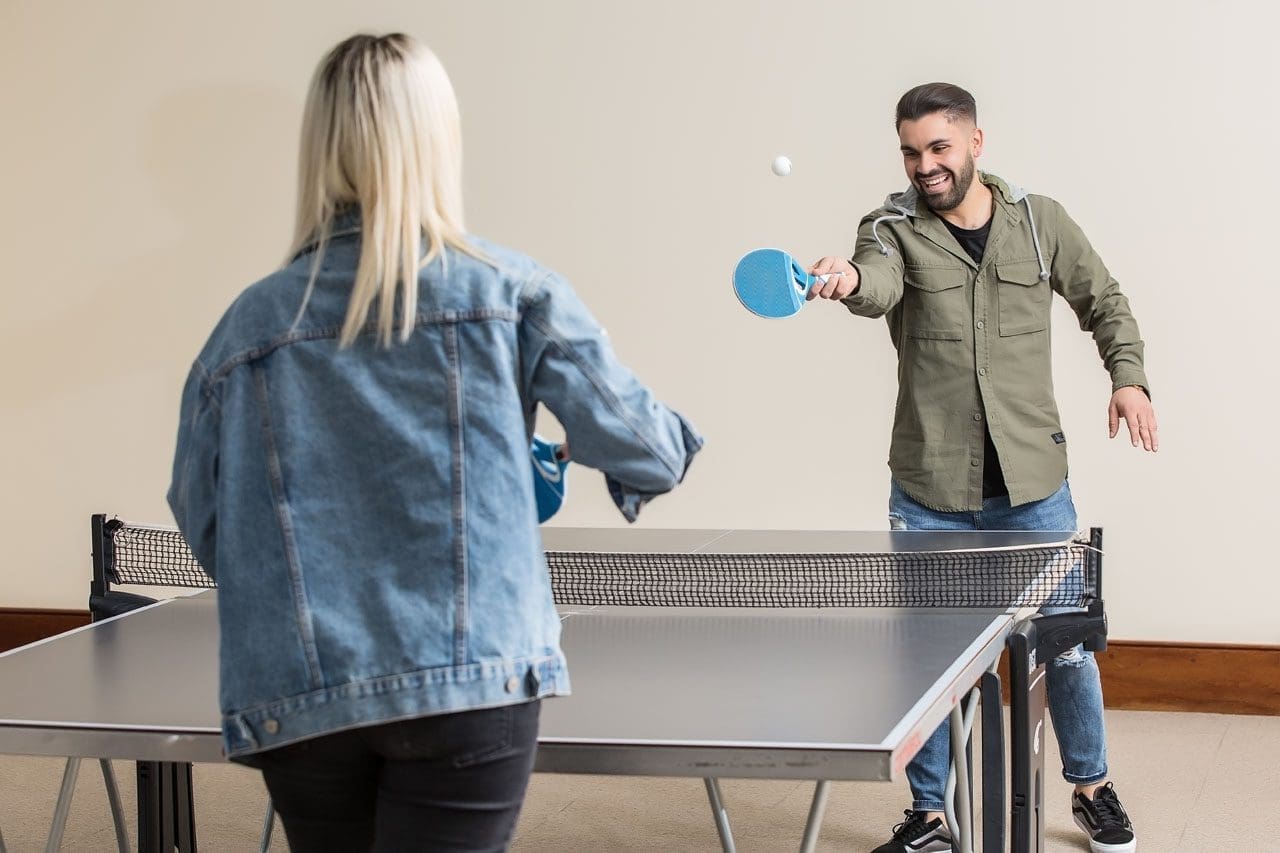
Playing games
Outdoor activities
Hiking
Puzzles
Horseback riding
Cooking
Therapy
A healthcare specialist uses activity-based interventions to help individuals move and feel better after injury or illness or if they have a chronic disability. The interventions and therapies are based on recreational activities the individual likes and are designed to help recover physical, functional, and emotional health. Recreational therapists are trained to evaluate an individual’s condition and intervene in ways that help maximize social, mental, and physical health. The main goal is to reduce depression and anxiety and to help individuals socialize comfortably. (American Therapeutic Recreation Association, 2024)
Activities
Therapeutic recreation involves engaging in specific activities to help individuals regain their confidence and independence. Examples of activities can include: (American Therapeutic Recreation Association, 2024)
Painting or drawing
Dancing
Sports programs
Cooking
Community outings
Group exercise classes
The key to a positive experience is that the activity should be specific to the individual’s emotional and physical needs and capabilities and something the individual would want to do as an activity.
Other Types of Therapy
Individuals may be familiar with other types of therapists, like physical and occupational therapists. These professionals help individuals regain pain-free functional mobility after injury or illness. For individuals who cannot move their upper extremities after falling, the physical therapist can measure their shoulder range of motion and strength and develop a personalized treatment program. Recreation therapists are similar; they meet with patients regularly to help them recover from injuries or positively socialize with their community. During the initial meeting, they will evaluate the individual’s condition and learn how their emotional and physical needs prevent them from achieving maximal potential. (American Therapeutic Recreation Association, 2024) The patient and therapist will engage in activities to help move and feel better during therapy. During the activity, the therapist may suggest adjustments or ideas that improve movement and ability to interact with the environment.
Who Can Benefit?
Individuals of all ages and abilities with physical and psychological conditions can benefit from working with a recreational therapist. Children, teenagers, adults, and older individuals who have a disability, either temporary or permanent, can engage in recreation therapy as part of a rehabilitation and recovery program. (American Therapeutic Recreation Association, 2024)
Benefits
Whenever engaging in any healthcare activity or treatment, ask if that treatment can help your specific condition. A review of the use of recreational dance in children and young people ages 5 to 21 found evidence of the benefits of the therapy, which included: (Burkhardt J, Brennan C. 2012)
Decreased anxiety
Improve self-image
Improved cardiovascular fitness
Decreased obesity
Improved bone health
Another study examined health improvements in individuals injured in military service after a week-long recreational therapy wellness retreat. The participating service members’ results showed significant improvement in outcome measures for post-traumatic stress disorder, stress, anxiety, and depression. The health improvements remained three and six months after completing the recreation therapy. This shows that therapeutic recreation may offer significant emotional and psychological benefits to injured military service members’ long-term health and an effective treatment to improve the well-being of injured or disabled individuals with limited negative side effects. (Townsend J, Hawkins BL, Bennett JL, et al., 2018)
Professional Background
Most therapists have a bachelor’s degree in recreational or leisure studies, focusing on art, psychology, and music classes. Upon graduation, students can take a national exam and become Certified Therapeutic Recreation Specialists/CTRS. (Hoss M.A.K, 2019) Once certified, therapists must regularly take continuing education classes and undergo a recertification process every five years.
Receiving Therapy Services
To start working with a recreational therapist, visit your healthcare provider and request a referral. They can ensure the treatment is appropriate for the specific injury and/or condition and should be able to help find a therapist. (American Therapeutic Recreation Association, 2024) Individuals in an inpatient hospital will likely spend time with a recreational therapist at some point. Just like working with a physical or occupational therapist to help individuals move better, working with a recreation therapist while in rehabilitation may be an everyday occurrence to help reintegrate into the community after discharge.
Insurance Coverage
One question regarding recreational therapy is, will my insurance cover the services of a recreational therapist?
For individuals with Medicare insurance, recreational therapy is a covered service for individuals with certain diagnoses and settings.
Therapeutic recreation is a covered rehabilitation service for individuals in an inpatient rehabilitation facility.
Individuals who receive outpatient recreational therapy should ensure they have a prescription and letter of medical necessity from a physician to qualify for Medicare reimbursement. (American Therapeutic Recreation Association, 2024)
Individuals with private insurance should call their insurance provider and inquire about coverage for recreation therapy.
Individuals who do not have insurance can expect to pay $100-$150 per session.
Injury Medical Chiropractic and Functional Medicine Clinic
Working in therapeutic recreation may help decrease anxiety and depression, improve the sense of well-being, and improve function in daily tasks. (Townsend J, Hawkins BL, Bennett JL, et al., 2018) Always consult your healthcare provider before beginning new treatment methods. Injury Medical Chiropractic and Functional Medicine Clinic works with primary healthcare providers and specialists to develop an optimal health and wellness solution. We focus on what works for you to relieve pain, restore function, and prevent injury. Regarding musculoskeletal pain, specialists like chiropractors, acupuncturists, and massage therapists can help mitigate the pain through spinal adjustments that help the body realign itself. They can also work with other medical professionals to integrate a treatment plan to resolve musculoskeletal issues.
Integrative Healthcare
References
American Therapeutic Recreation Association. Association, A. T. R. (2024). What is Recreational Therapy? https://www.atra-online.com/about-rt
American Therapeutic Recreation Association. Association, A. T. R. (2024). Who We Are. https://www.atra-online.com/who-we-are
Burkhardt, J., & Brennan, C. (2012). The effects of recreational dance interventions on the health and well-being of children and young people: A systematic review. Arts & Health, 4(2), 148–161. https://doi.org/10.1080/17533015.2012.665810
Townsend, J., Hawkins, B. L., Bennett, J. L., Hoffman, J., Martin, T., Sotherden, E., … Duregger, C. (2018). Preliminary long-term health outcomes associated with recreation-based health and wellness programs for injured service members. Cogent Psychology, 5(1). https://doi.org/10.1080/23311908.2018.1444330
Hoss, PhD, CTRS, FACHE, FDRT, M. A. K. (2019). Recreational therapy workforce: An update. American Journal of Recreation Therapy, 18(3), 9–15. https://doi.org/10.5055/ajrt.2019.0191
De Vries, DHA, MPA, CTRS, D. (2014). Regulatory requirements for recreational therapy in nursing homes. American Journal of Recreation Therapy, 13(1), 25–30. https://doi.org/10.5055/ajrt.2014.0063
Many individuals are trying to get fit and stay active through physical activity and exercise. Getting back to a previous fitness routine is an achievable and realistic goal. Fitness means having the energy and strength to perform physical activity and the body feeling as good as possible. Getting fit improves total health. But it does not require training like an athlete. Just walking for a half-hour every day can help individuals reach an adequate fitness level that helps them feel better and increase energy levels.
Benefits of Getting Fit
Getting the body fit and in shape:
Increases endurance
Increases muscle strength
Delivers oxygen and nutrients to tissues
Improves cardiovascular health
Helps release toxins
Improves overall energy levels
Improves sleep
Handle stress better
Being fit allows the body to work harder without as much work, the mind is better focused, the body burns more calories, even when at rest, and proper weight is maintained. Fitness reduces the risk of falls, heart attack, diabetes, high blood pressure, and certain cancers.
How Much Physical Activity Is Needed?
Experts say the goal should be one, or a combination, of these:
Moderate aerobic activity, like brisk walking, for at least 2½ hours a week.
It is up to the individual how many days to exercise, but it is best to be active at least three days a week.
Activity is recommended at least 10 minutes at a time. For example, an individual could:
Take a 10-minute walk three times a day, five days a week.
Take a half-hour walk three days a week.
On the other four days, take a 15-minute walk.
Take a 45-minute walk every other day.
Vigorous exercise is recommended at least three days a week for at least 10 minutes at a time. This activity makes the body breathe harder and increases heart rate. More vigorous activities, like running, could be included for at least one hour a week. This can be spread out 75 minutes, whichever way is more convenient for the individual. For example, an individual could:
Run for 25 minutes 3 times a week.
Run for 15 minutes 5 times a week.
Children as young as preschool age need activity as well. Encourage children ages 6 to 17 to engage in moderate to vigorous exercise for at least 1 hour every day.
Types of Physical Activity
Aerobic fitness
This makes the body breathe faster and makes the heart work harder.
Activities include walking, running, cycling, and swimming.
It is also known as cardio or cardiovascular training.
Muscle fitness
Muscle strength means building stronger muscles and increasing the length of time they can be used.
Activities like weight lifting, push-ups, squats, and resistance bands can improve muscular fitness.
Flexibility
Flexibility is the ability to move the joints and muscles through their full range of motion.
Moderate physical activity is safe for most individuals, but it’s recommended to talk to a doctor before engaging in physical activity/exercise. To help get started:
Make physical activity part of everyday
Make a regular habit of using stairs, not elevators, and walking, bicycling to do errands near home.
Start walking
Walking is a great fitness activity that most individuals can do.
Make it a habit to take a daily walk with family, friends, coworkers, or pets.
Find a workout partner
Working out with a partner can make exercising more enjoyable.
Find fun activities that you can stick with
Vary activities, so they don’t become boring and monotonous.
Use a calorie-burning application to determine how many calories are burned during exercise and daily activities.
Body Composition
Damaged Collagen
There are several reasons the body’s collagen production can slow down or become less efficient. The quality of the collagen made can decrease as well. Environmental factors can be avoided to protect collagen production; however, damage from disease and natural processes is inevitable. Aging is the most common cause of decreased natural collagen. As the body ages, collagen production and quality decrease. This leads to thinner, more fragile skin and achy joints. Certain chronic diseases like lupus and rheumatoid arthritis cause collagen deficiency, leading to issues that include:
UV exposure can accelerate the average rate of collagen damage that comes with aging.
UV exposure damage can also play a role in certain skin cancers.
Excessive sugar and fat intake increases inflammation and decreases protein synthesis.
References
American College of Sports Medicine, et al. (2009). Position stand: Exercise and physical activity for older adults. Medicine and Science in Sports and Exercise, 41(7): 1510–1530.
Anspaugh DJ, et al. (2011). Building muscular strength and endurance. Wellness: Concepts and Applications, 8th ed., pp. 111–137. New York: McGraw-Hill.
Centers for Disease Control and Prevention (2004). Strength training among adults aged 65 or older. MMWR, 53(2): 25–28.
U.S. Department of Health and Human Services (2008). 2008 Physical Activity Guidelines for Americans (ODPHP Publication No. U0036). Washington, DC: U.S. Government Printing Office. Available online: http://www.health.gov/paguidelines/guidelines/default.aspx.
Williams MA, et al. (2007). Resistance exercise in individuals with and without cardiovascular disease: 2007 update: A scientific statement from the American Heart Association Council on Clinical Cardiology and Council on Nutrition, Physical Activity, and Metabolism. Circulation, 116(5): 572–584.
For individuals getting up with pain and stiffness in the back, neck, shoulders practically every morning becomes frustrating and depressing. For most, the pain wears off throughout the day but having to deal with it at the start of the day. Dr. Jimenez of Injury Medical Chiropractic and Functional Medicine Clinic offers some suggestions for pain reduction and prevention.
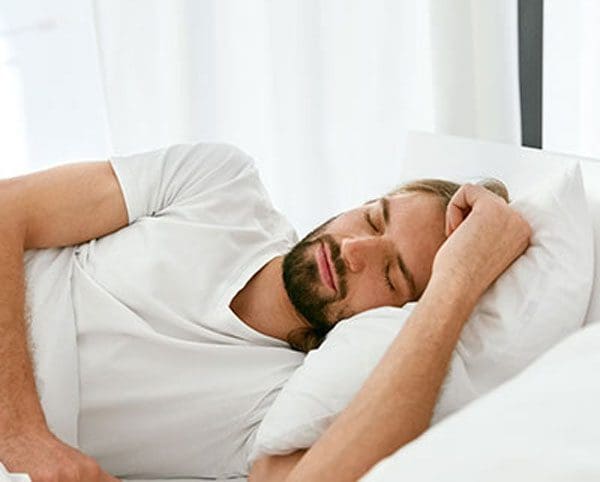
The body spends around a third of each night sleeping because it is a vital part of life. Sleeping means it is time to relax and prepare for the next day. For many, sleeping can be uncomfortable and can be a cause of back and neck pain when getting up. There are steps an individual can take to ensure that correct sleep is achieved while preventing neck and back pain.
Sleep Position Is Important
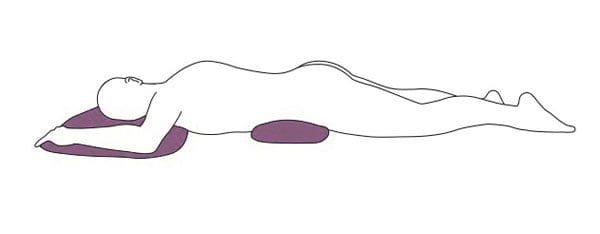
Sleeping in a position that maintains the natural curves of the spine is essential. It is recommended not to sleep on the stomach, as this places the spine in an unnatural position and allows the pelvis and lower back to sink into the mattress with no support. This position can also cause neck pain and headaches when getting up. If this is a position that can’t be changed from years of practice, place a pillow under the stomach and or pelvis to keep the lower back and pelvis straight.
Sleeping on the side or back is highly recommended.
Side sleepers should also place a pillow between the knees.
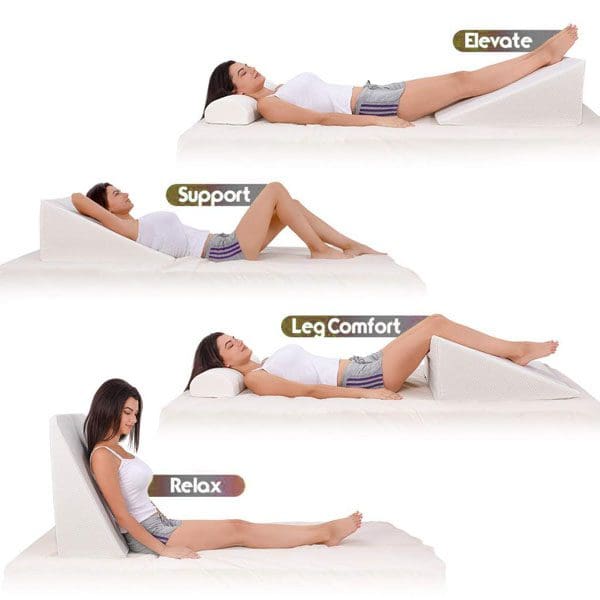
Back sleepers should place a pillow underneath the knees.
Placing a pillow between and underneath the knees gives the spine proper support to maintain the natural curves.
Check How The Bed Is Set Up
Make sure the bed/sleeping equipment is set up correctly. For example, most pillows do not provide the proper amount of neck support. This can cause neck soreness even if sleeping in the recommended side and back positions. If getting up with neck pain or headaches a cervical pillow can bring relief. A cervical pillow is designed to support the natural curves of the neck while sleeping and places the neck in the proper position. Cervical pillows are designed for side and back sleepers, but make it difficult to sleep on your stomach, which is an added perk to using them.
Using the proper mattress is equally important. The type of mattress being slept on can be a significant contributor to back and neck pain. Individuals that use a medium-firm mattress have less back pain compared to individuals that use too firm or too soft mattresses. Research has shown that mattresses should be replaced every 10 years. Mattresses that are 10 years old and beyond are shown to be a possible cause of back pain while you sleep.
Getting Up and Out of Bed In A Way That Doesn’t Cause Pain
Getting up and out of bed properly will help as well. Most individuals sit up, twist their back to get into a standing position and use the back to stand. This is like lifting with the back and not the legs, which will cause back pain and a possible spinal injury like a herniated disc.
The recommended way to get up and out of bed after waking is to roll onto the side and use the arm to push up and off from the side-lying position.
From this position, scoot to the very edge of the bed and get up using the legs, and not the back.
Implementing these suggestions into your routine can be a great way to decrease pain while sleeping and increase getting up without experiencing stiffness, soreness, and feeling refreshed.
The Body’s Composition
Muscle Mass and Workout Recovery
Looking at muscle mass and the intake of certain nutrients into the evening can be beneficial. Protein intake is essential in muscle formation and muscle recovery after working out or engaged in physical activity. Research has shown that a little protein before sleep helps stimulate muscle protein synthesis.
In a study, ingested proteins were shown to cause a rise in circulating amino acid levels, increased whole-body protein rates, and improved net protein balance. Following exercise, the muscles need to be able to recover properly and protein intake is essential. To achieve weight management goals, an individual must achieve a healthy amount of Lean Body Mass. Lean Body Mass is based on Skeletal Muscle Mass, and protein intake is essential.
Dr. Alex Jimenez�s Blog Post Disclaimer
The scope of our information is limited to chiropractic, musculoskeletal, physical medicines, wellness, and sensitive health issues and/or functional medicine articles, topics, and discussions. We use functional health & wellness protocols to treat and support care for injuries or disorders of the musculoskeletal system. Our posts, topics, subjects, and insights cover clinical matters, issues, and topics that relate and support directly or indirectly our clinical scope of practice.*
Our office has made a reasonable attempt to provide supportive citations and has identified the relevant research study or studies supporting our posts. We also make copies of supporting research studies available to the board and or the public upon request. We understand that we cover matters that require an additional explanation as to how it may assist in a particular care plan or treatment protocol; therefore, to further discuss the subject matter above, please feel free to ask Dr. Alex Jimenez or contact us at 915-850-0900. The provider(s) Licensed in Texas& New Mexico*
References
Improving Sleep: Special Health Report. Boston, MA: Harvard Medical School; 2015.
Bolash R, Drerup M. How to Beat Insomnia When You Have Chronic Pain. Cleveland Clinic Web site. https://health.clevelandclinic.org/2015/12/managing-insomnia-for-those-with-chronic-pain/. Published December 18, 2015. Accessed April 18, 2017.
What is Sleep? American Sleep Association Web site. https://www.sleepassociation.org/patients-general-public/what-is-sleep/. Accessed April 18, 2017.
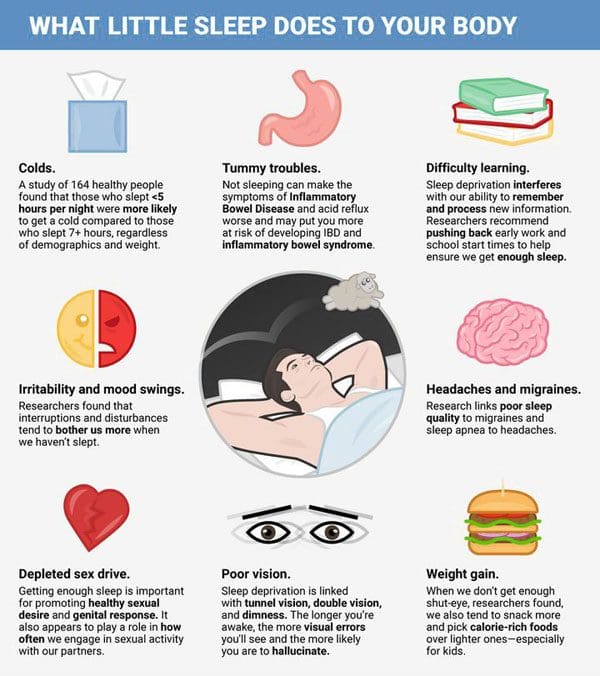
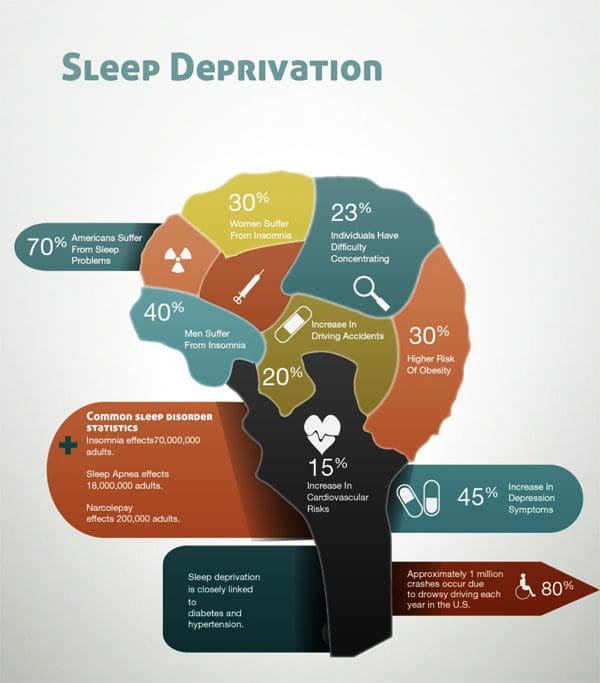
Chiropractic adjusting: Poor sleep is detrimental to the body’s general health. If it becomes chronic side effects like high blood pressure, brain fog, exacerbation or development of a disease, and chronic fatigue can set in. Getting the proper quality amount of sleep needs to become a priority. The hard work and to-do lists can only get done when the machine that is the human body is functioning well-rested and at full capacity. When the body is starved of sleep it sets in motion a downward spiral of system failure, burnout, declining health, and decreased productivity.
Assessing sleep quality
7 to 9 hours should be the objective for the quantity each night or day depending on shift work, etc. Quality of sleep is just as vital as the proper amount. Sleep quality can be affected by:
Not waking up unless to use the bathroom and being able to fall back to sleep within 30 minutes
Wake up feeling fresh and rested
Being full of energy, focused, and able to handle responsibilities
Spinal alignment affects sleep ability
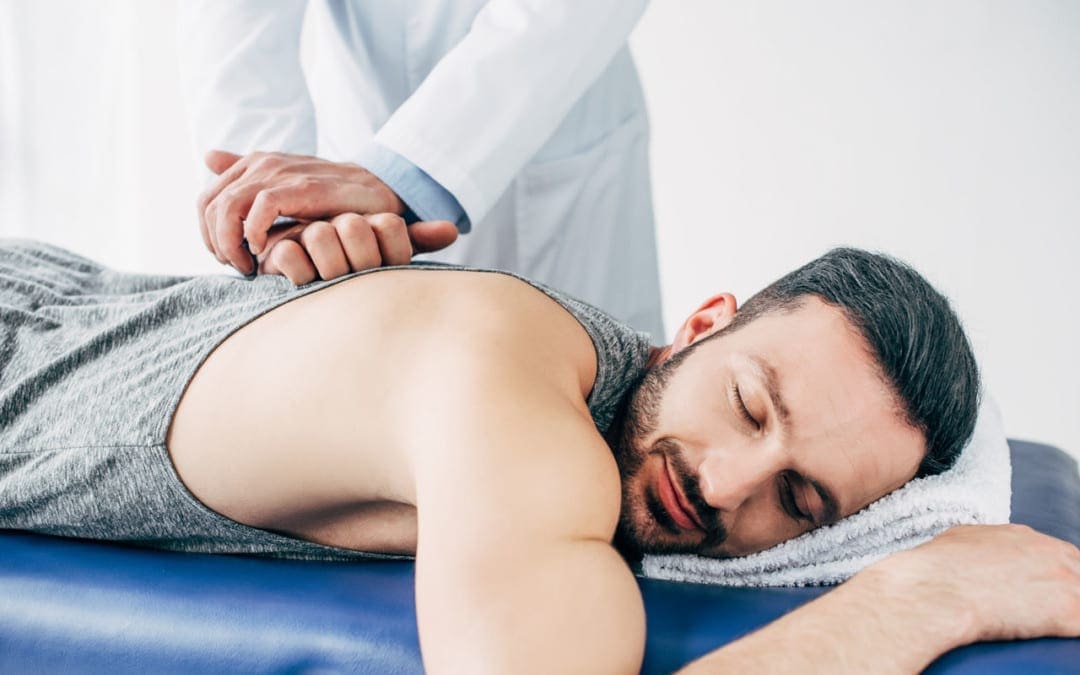
Chiropractic can improve sleep quality by adjusting the spine, bringing the body back into balance. Chiropractic is an expert-based approach that will address any underlying issues with spinal misalignment that could be affecting sleep. Spine misalignment contributes to poor nerve energy circulation that affects the body�s ability to function and recover, which occurs during the sleep cycle.
A chiropractor will restore alignment and provide expert recommendations for decreasing pain and sleeping posture optimization. Poor posture specifically when sleeping, a pain-causing injury, and poor biomechanics can all contribute to poor spinal alignment. This affects the body�s ability to complete normal tasks like sleep. Not letting the body rest properly can exacerbate other health issues and create a vicious cycle of compromised health.
Chiropractic adjusting
Restoring the body’s balance via the spine allows the body to properly move, heal, and function at full potential. Working with a chiropractic care provider can help this process and help restore refreshing and restful sleep. When sleep quality improves quality of life improves. Chiropractic practitioners can provide effective spinal treatment and optimize the quality of sleep.
Sciatica Pain Chiropractor
Dr. Alex Jimenez�s Blog Post Disclaimer
The scope of our information is limited to chiropractic, musculoskeletal, physical medicines, wellness, and sensitive health issues and/or functional medicine articles, topics, and discussions. We use functional health & wellness protocols to treat and support care for injuries or disorders of the musculoskeletal system. Our posts, topics, subjects, and insights cover clinical matters, issues, and topics that relate and support directly or indirectly our clinical scope of practice.*
Our office has made a reasonable attempt to provide supportive citations and has identified the relevant research study or studies supporting our posts. We also make copies of supporting research studies available to the board and or the public upon request. We understand that we cover matters that require an additional explanation as to how it may assist in a particular care plan or treatment protocol; therefore, to further discuss the subject matter above, please feel free to ask Dr. Alex Jimenez or contact us at 915-850-0900. The provider(s) Licensed in Texas& New Mexico*
References
Fietze, Ingo. �Sleep Applications to Assess Sleep Quality.��Sleep medicine clinics�vol. 11,4 (2016): 461-468. doi:10.1016/j.jsmc.2016.08.008
Say you have neck or back pain. How will you treat it? Many people will go to a medical doctor who will look at the symptoms, such as pain, and treat it with prescription or over the counter medications. In some cases, they may recommend surgery to manage the pain or correct the problem. But there is a safe and less expensive alternative. Chiropractic is the better choice over drugs and surgery!
An increasing number of people are foregoing the medical doctor and opting for chiropractic care for pain management � and often with excellent results. So, what is it about chiropractic that people feel makes it a better choice than drugs or surgery for their pain or mobility issues? There is more to the answer than you may realize.
Drug Therapy
When it comes to certain types of pain, particularly neck pain, medication is not the best way to manage it. Studies show that patients who opted to undergo chiropractic treatments and exercise regularly were more than twice as likely to significantly reduce their pain or even eliminate it entirely, compared to those who choose to take medication.
Aside from efficacy though, many medications have unpleasant and even dangerous side effects. Even over the counter medications can cause problems.
For instance, acetaminophen has been linked to serious health issues like pancreatitis and impaired liver function. NSAIDs like ibuprofen can upset the stomach and can cause rebound headaches in migraine patients (studies show that chiropractic is extremely effective in preventing migraines).
Prescription drugs can be highly addictive and lead to overdose. The Centers for Disease Control (CDC) has declared opioid addiction and overdose in the United States to be an epidemic. They have set forth guidelines for doctors who prescribe opioids for chronic pain, but the epidemic continues.
Surgery
Any treatment that can help a patient avoid invasive surgery is an optimal alternative, and chiropractic care provides that. One study shows that patients who saw a medical doctor as their first treatment option when dealing with back pain were more likely to have surgery than patients who say a chiropractor first.
Almost 43% of the medical patients eventually underwent surgery while only 1.5% of chiropractic patients had surgery. This means that if you are a medical patient trying to resolve your back pain you are 28 times more likely to eventually have surgery for it than you would if you went to a chiropractor.
Aside from the obvious invasiveness of the procedure as well as recovery time and probable physical therapy that would be required as part of your aftercare, there are many other downsides. The time and money necessary for the surgery, pre-surgery appointments, post-surgery appoints, recovery, and therapy can be significant.
However, a significant concern in hospital settings is the risk of C-diff (Clostridium difficile). C-diff is bacteria that can cause C. diff colitis, an inflammation of the colon or large intestine that can make you very sick. It can be passed from person to person but can also occur in people who take antibiotics � which are often given when a person undergoes surgery.
Chiropractic Care
Chiropractic care gets to the cause of the problem instead of treating the symptoms like most medical doctors. The whole-body approach also empowers patients to make lifestyle adjustments that aid in their care and healing. It allows them to take ownership of their health and pain management so that they feel more in control.
Chiropractors take a natural, holistic approach to pain management by bringing the body back into alignment if necessary and recommending exercises and other activities to help patients regain their normal range of motion and flexibility while relieving not only the pain symptoms but often correcting the problem that is causing the pain.
Muscle Relaxants? Nearly everyone, more than 80 percent of the world�s population, will experience back pain at some point in their lifetime. Just ask the 31 million Americans suffering from low back pain at any given time.
In fact, globally it is the leading cause of disability. It is the most common reason that people miss work and the second more common reason for doctor�s office visits. In the United States alone more than $50 billion is spent each year trying to relieve back pain, but even that figure is not complete, but only based on trackable, identifiable costs.
There have been studies published over the years that unequivocally show chiropractic as a viable and extremely effective treatment for back pain. Several of these studies plainly show that chiropractic is better than muscle relaxants.
Muscle Relaxants & Chiropractic Study
One study that is one of the most notable was conducted at Life University in Georgia. It has been cited in several journals and used as a catalyst for proving the efficacy of chiropractic treatment for back pain and its superiority to muscle relaxants.
Study Parameters
The study involved 192 subjects who had been experiencing lower back pain for a period of time ranging from two to six weeks. The subjects were separated into three groups:
Group One – Chiropractic adjustments combined with placebo medication
Group Two � Muscle relaxants combined with sham chiropractic adjustments
Group Three � Control Group � received both placebo medication and sham chiropractic adjustments
All groups were given the same length of care, four weeks, with an evaluation of progress at the two-week mark and the four-week mark. The pain was assessed using the Zung Self-Rating for Depression scale, the Oswestry Low Back Pain Disability Questionnaire, and the Visual Analog Scale (VAS). Upon admission into the study during the initial visit as well as at the two-week evaluation, Shober�s Test for Lumbar Flexibility was also administered.
The subjects in all three groups were also allowed to take acetaminophen for pain. This was an additional evaluative measure to assess the need for additional self-medication.
During the course of the study there was a two-week treatment period where the subjects in the chiropractic adjustment group received a total of seven adjustments. These adjustments were tailored to each patient�s specific needs and included pelvic adjustments, sacral (lower back), or lumbar and upper cervical (neck and back).
The sham treatments mimicked all aspects of an actual chiropractic adjustment including dialog, normal visit length, and procedures. However, no actual adjustments were performed.
Study Results
At the conclusion of the study, the subjects who received chiropractic treatment reported a significant decrease in pain and an increase in flexibility. Of the groups that did not receive chiropractic treatment there were no significant differences noted. There was a decrease in disability and depression across all three groups, indicating that muscle relaxants are effective in treating back pain, but overall chiropractic care is the more effective option for treating back pain and disability.
What Does This Mean For Patients With Back Pain?
Patients suffering from back pain can receive greater relief without the undesirable side effects of muscle relaxants by seeking chiropractic care. Patients who are using muscle relaxants to treat their back pain should talk to their chiropractor and doctor about incorporating chiropractic treatment into their patient care regimen. Patients experiencing back pain should pursue chiropractic care before resorting to more aggressive methods including muscle relaxants.
Chiropractic care is a safe, non-invasive treatment for back pain. It also facilitates healing, increases flexibility, and improves mobility. Patients who are looking for a healthy treatment option that focuses on overall wellness, Chiropractic could be the answer.
IFM's Find A Practitioner tool is the largest referral network in Functional Medicine, created to help patients locate Functional Medicine practitioners anywhere in the world. IFM Certified Practitioners are listed first in the search results, given their extensive education in Functional Medicine