For individuals dealing with pain, inflammatory conditions, and stress issues, could adding acupuncture to a treatment plan help bring relief and healing?
Acupuncture Treatment
Acupuncture treatment is a traditional Chinese medicine based on circulating the body’s life energy, or qi, with the idea that a blockage or disturbance in the energy flow can cause health issues. Acupuncturists insert thin needles into specific points throughout the body to rebalance the body’s energy, stimulate healing, and promote relaxation. (Johns Hopkins Medicine. 2023) Researchers are not exactly sure how the treatment works; however, theories suggest that it can help release endorphins, as well as influence the autonomic nervous system.
How Does It Work?
Researchers have not been able to understand how acupuncture works fully, but some theories include:
The needles stimulate the release of endorphins – the body’s natural pain-relieving chemicals.
They can influence the autonomic nervous system, and specific needle placement impacts breathing, blood pressure, and heart rate. (Tony Y. Chon, Mark C. Lee. 2013)
The health benefits can vary depending on the individual. It may take several sessions before benefits are noticed. (Tony Y. Chon, Mark C. Lee. 2013) Research is still limited; however, there are some studies that found acupuncture to be helpful for certain conditions.
Low Back Pain
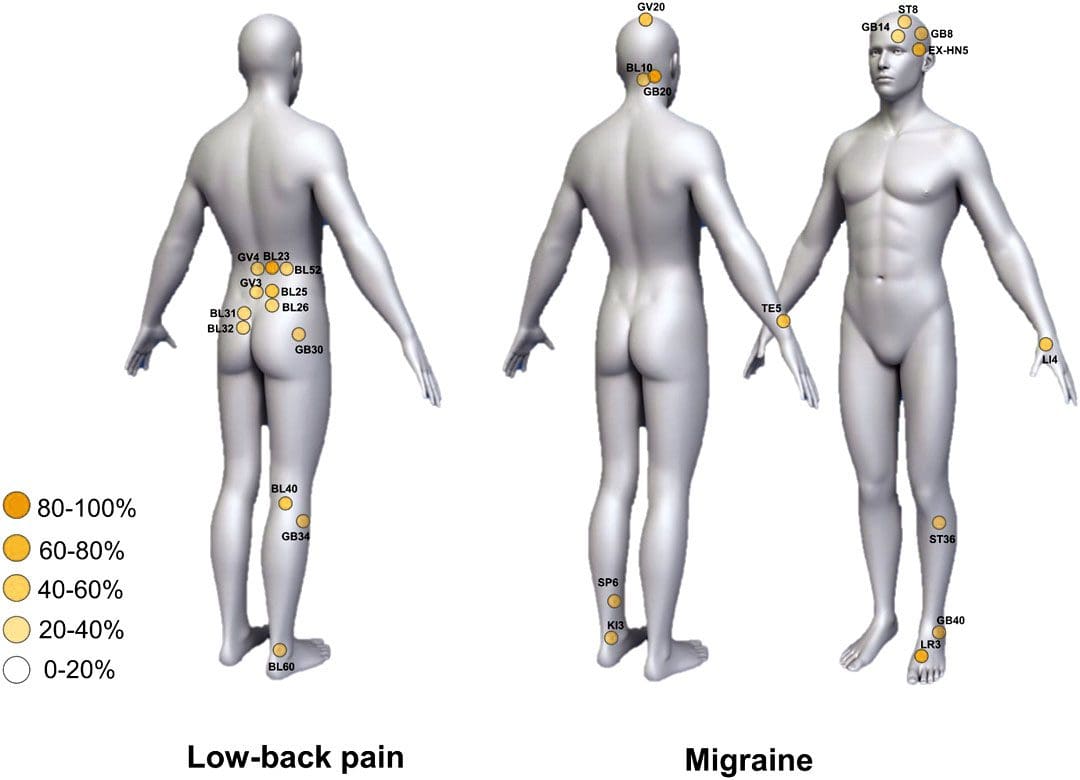
A study on non-pharmacological options for lower back pain showed that acupuncture treatment relieved intense pain and promoted better back functioning.
However, in terms of long-term benefits, it was not clear how helpful the treatment was. (Roger Chou, et al., 2017)
Migraines
Research done over a six-month period showed that:
Acupuncture was able to reduce the frequency of migraine symptoms by half in 41% of individuals compared to those not receiving acupuncture.
Treatment was noted as being helpful as preventative migraine medications. (Klaus Linde, et al., 2016)
Tension Headaches
According to research, having at least six acupuncture sessions may be helpful for individuals with frequent head pain or pressure/tension headaches.
This study also noted that acupuncture, combined with pain medication, significantly reduced headache frequency compared to those only given medication. (Klaus Linde, et al., 2016)
Knee Pain
Multiple studies found that acupuncture treatment may be able to improve knee function short and long-term in individuals who have knee osteoarthritis.
This condition causes the connective tissue in the knee to break down.
The study also found that treatment was able to help with osteoarthritis and decrease knee pain but was only helpful for the short term. (Xianfeng Lin, et al., 2016)
Another review looked at multiple studies that found that treatment delayed and reduced the use of pain medication in individuals who had knee replacement surgery. (Dario Tedesco, et al., 2017)
Facial Elasticity
Cosmetic or facial acupuncture is used to improve the appearance of the skin on the head, face, and neck.
In a study, individuals had five acupuncture sessions in three weeks, and a little over half of the participants showed skin elasticity improvement. (Younghee Yun et al., 2013)
The Process
Before getting acupuncture treatment, the acupuncturist will ask the individual about their medical history and may perform a physical examination.
Thin needles are placed in specific areas to address your concern or condition.
The acupuncturist may gently twist the needles to emphasize stimulation.
The needles are left in for 20 to 30 minutes, with the total session lasting anywhere from 30 minutes to an hour. (Tony Y. Chon, Mark C. Lee. 2013)
This is the burning of dried herbs near the acupuncture needles to warm and stimulate the points and enhance healing.
Electroacupuncture
An electrical device is connected to the needles, providing a gentle electrical current that stimulates the muscles.
Cupping
Glass or silicone cups are placed on the area, creating a vacuum/suction effect, which helps stimulate blood circulation and rebalance the energy. (Johns Hopkins Medicine. 2023)
After the treatment, some individuals may feel relaxed, while others may feel energized.
Is It Painful?
Individuals may feel a slight ache, sting, or pinch as the needle is inserted. Some acupuncturists adjust the needle after it has been inserted, which can cause additional pressure.
Once the needle is properly placed, individuals may feel a tingling or heavy feeling, referred to as de qi. (National Institutes of Health. (N.D.)
Let the acupuncturist know if there is discomfort or increased pain at any point during the session.
In order to reduce the risks, the treatment should always be done by a licensed trained healthcare provider using clean, disposable needles. It is recommended to consult with a primary care physician before getting acupuncture, as the treatment may not be right for individuals with certain health conditions.
Chon, T. Y., & Lee, M. C. (2013). Acupuncture. Mayo Clinic proceedings, 88(10), 1141–1146. https://doi.org/10.1016/j.mayocp.2013.06.009
Yun, Y., Kim, S., Kim, M., Kim, K., Park, J. S., & Choi, I. (2013). Effect of facial cosmetic acupuncture on facial elasticity: an open-label, single-arm pilot study. Evidence-based complementary and alternative medicine : eCAM, 2013, 424313. https://doi.org/10.1155/2013/424313
Chou, R., Deyo, R., Friedly, J., Skelly, A., Hashimoto, R., Weimer, M., Fu, R., Dana, T., Kraegel, P., Griffin, J., Grusing, S., & Brodt, E. D. (2017). Nonpharmacologic Therapies for Low Back Pain: A Systematic Review for an American College of Physicians Clinical Practice Guideline. Annals of internal medicine, 166(7), 493–505. https://doi.org/10.7326/M16-2459
Linde, K., Allais, G., Brinkhaus, B., Fei, Y., Mehring, M., Vertosick, E. A., Vickers, A., & White, A. R. (2016). Acupuncture for the prevention of episodic migraine. The Cochrane database of systematic reviews, 2016(6), CD001218. https://doi.org/10.1002/14651858.CD001218.pub3
Linde, K., Allais, G., Brinkhaus, B., Fei, Y., Mehring, M., Shin, B. C., Vickers, A., & White, A. R. (2016). Acupuncture for the prevention of tension-type headache. The Cochrane database of systematic reviews, 4(4), CD007587. https://doi.org/10.1002/14651858.CD007587.pub2
Lin, X., Huang, K., Zhu, G., Huang, Z., Qin, A., & Fan, S. (2016). The Effects of Acupuncture on Chronic Knee Pain Due to Osteoarthritis: A Meta-Analysis. The Journal of bone and joint surgery. American volume, 98(18), 1578–1585. https://doi.org/10.2106/JBJS.15.00620
Tedesco, D., Gori, D., Desai, K. R., Asch, S., Carroll, I. R., Curtin, C., McDonald, K. M., Fantini, M. P., & Hernandez-Boussard, T. (2017). Drug-Free Interventions to Reduce Pain or Opioid Consumption After Total Knee Arthroplasty: A Systematic Review and Meta-analysis. JAMA surgery, 152(10), e172872. https://doi.org/10.1001/jamasurg.2017.2872
Chan, M. W. C., Wu, X. Y., Wu, J. C. Y., Wong, S. Y. S., & Chung, V. C. H. (2017). Safety of Acupuncture: Overview of Systematic Reviews. Scientific reports, 7(1), 3369. https://doi.org/10.1038/s41598-017-03272-0
Individuals trying to get and stay in shape can find it difficult to get a regular workout. Can jumping rope help when there is no time?
Jumping Rope
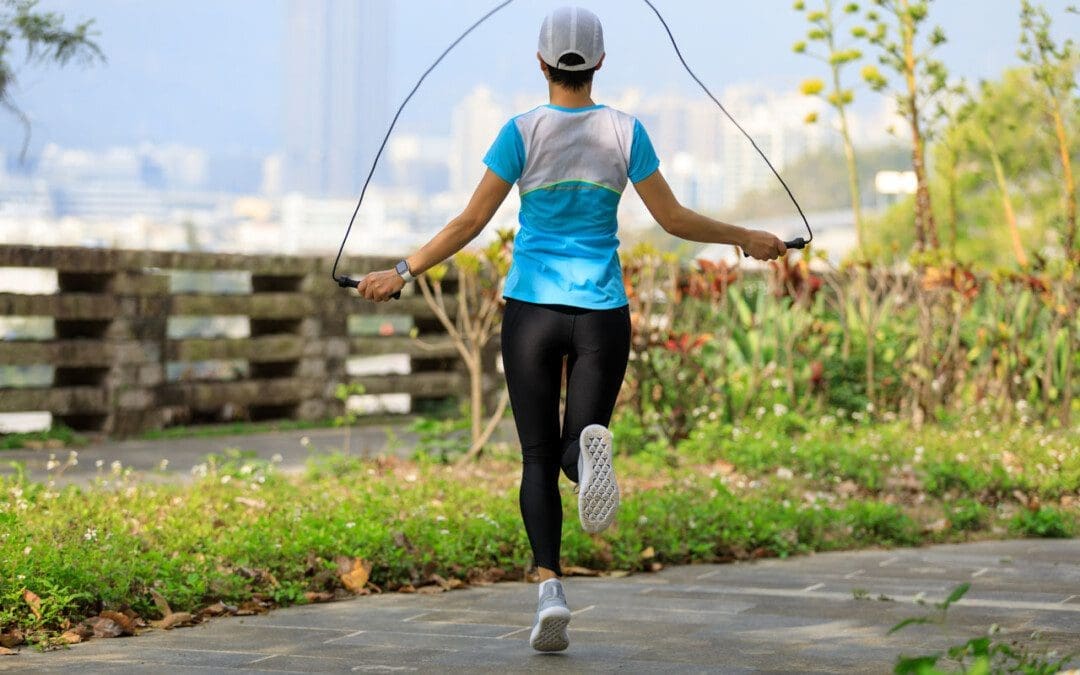
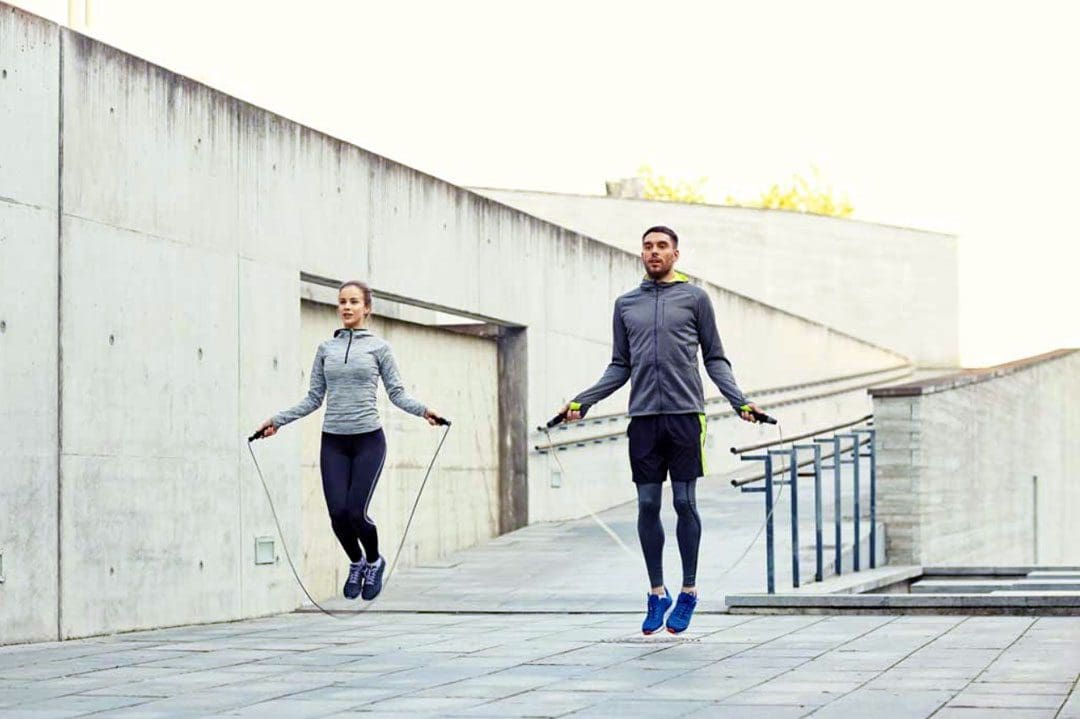
Jumping rope can be a highly cost-effective exercise to incorporate high-intensity cardiovascular fitness into a workout routine. It is inexpensive, efficient, and done properly can improve cardiovascular health, improve balance and agility, increase muscular strength and endurance, and burn calories. (Athos Trecroci, et al., 2015)
Jumping rope can be utilized in interval training to keep the heart rate elevated and allow the muscles to rest in between weight lifting and other intense exercises.
A jump rope can be used when traveling as its portability makes it a top piece of workout gear.
It can be combined with bodyweight exercises for a dependable and portable exercise routine.
Benefits
Jumping rope is a medium-impact exercise with benefits that include:
Improves balance, agility, and coordination
Builds stamina and foot speed for coordination, agility, and quick reflexes.
Variations include one-leg jumping and double unders or with each jump, the rope goes around twice to add difficulty.
Builds Fitness Fast
Burns calories
Depending on skill level and jumping rate, individuals can burn 10 to 15 calories a minute by jumping rope.
Faster rope jumping can burn calories similar to running.
Precautions
For individuals who have high blood pressure, jumping rope may not be recommended. The downward arm position can reduce blood circulation back to the heart which can further increase blood pressure. Studies have shown that jumping at a moderate intensity is beneficial for individuals who are pre-hypertensive. (Lisa Baumgartner, et al., 2020) Individuals with hypertension and/or a heart condition, are recommended to discuss the potential risks with their doctor before beginning a new exercise routine.
Choosing a Rope
Jump ropes are available and made from various materials and come with different handles.
Some of these materials help jump ropes spin faster with a smooth motion.
Some options have a swivel action between the cords and handles.
The rope you buy should be comfortable to hold and have a smooth spin.
Weighted jump ropes can help develop upper body muscle tone and endurance. (D. Ozer, et al., 2011) These ropes are not for beginners and are not necessary for an agility workout.
For individuals who want a weighted rope, be sure the weight is in the rope and not the handles to prevent straining the wrists, elbows, and/or shoulders.
Size the rope by standing on the center of the rope
Pull the handles up along the sides of the body.
For beginners, the handles should just reach the armpits.
As the individual’s skills and fitness develop, the rope can be shortened.
A shorter rope spins faster, forcing more jumps.
Technique
Following proper technique will ensure a more safe and effective workout.
Start slowly.
The proper jumping form keeps the shoulders relaxed, elbows in, and slightly bent.
There should be very few upper-body movements.
The majority of the turning power and motion come from the wrists, not the arms.
During jumping, keep the knees slightly bent.
Bounce softly.
The feet should leave the floor just enough to allow the rope to pass.
Land softly on the balls of the feet to avoid knee injuries.
It is not recommended to jump high and/or land hard.
Jump on a surface that is smooth and free of obstacles.
Wood, a sports court, or a rubberized mat are recommended.
Warming Up
Before beginning jumping rope, do a light, 5 to 10-minute warm-up.
This can include walking or jogging in place, or slow-paced jumping.
Increase Time and Intensity Gradually
The exercise can be relatively intense and high-level.
Start slowly and increase gradually.
An individual might try three 30-second sets at the end of a routine workout for the first week.
Depending upon fitness level, individuals may feel nothing or some slight soreness in the calf muscles.
This can help determine how much to do for the next jump rope session.
Gradually increase the number of sets, or the duration, over several weeks until the body can go for about ten minutes of continuous jumping.
One way is to jump after each weight-lifting set or other circuit exercise – like adding jumping for 30 to 90 seconds in between exercise sets.
Both feet slightly lift off from the ground and land together.
Alternate foot jump
This uses a skipping step.
This allows landing more prominently on one foot after each spin.
Running step
A slight jog is incorporated while jumping.
High step
A moderate pace with a high knee raise increases intensity.
Rope jumping is a great addition to an interval training or cross-training routine that creates an efficient whole-body workout that incorporates both cardiovascular endurance and muscular strength.
Overcoming ACL Injury
References
Trecroci, A., Cavaggioni, L., Caccia, R., & Alberti, G. (2015). Jump Rope Training: Balance and Motor Coordination in Preadolescent Soccer Players. Journal of sports science & medicine, 14(4), 792–798.
Baumgartner, L., Weberruß, H., Oberhoffer-Fritz, R., & Schulz, T. (2020). Vascular Structure and Function in Children and Adolescents: What Impact Do Physical Activity, Health-Related Physical Fitness, and Exercise Have?. Frontiers in pediatrics, 8, 103. https://doi.org/10.3389/fped.2020.00103
Ozer, D., Duzgun, I., Baltaci, G., Karacan, S., & Colakoglu, F. (2011). The effects of rope or weighted rope jump training on strength, coordination and proprioception in adolescent female volleyball players. The Journal of sports medicine and physical fitness, 51(2), 211–219.
Van Hooren, B., & Peake, J. M. (2018). Do We Need a Cool-Down After Exercise? A Narrative Review of the Psychophysiological Effects and the Effects on Performance, Injuries and the Long-Term Adaptive Response. Sports medicine (Auckland, N.Z.), 48(7), 1575–1595. https://doi.org/10.1007/s40279-018-0916-2
Can adding calisthenics resistance training to a fitness routine provide health benefits like flexibility, balance, and coordination?
Calisthenics Resistance Training
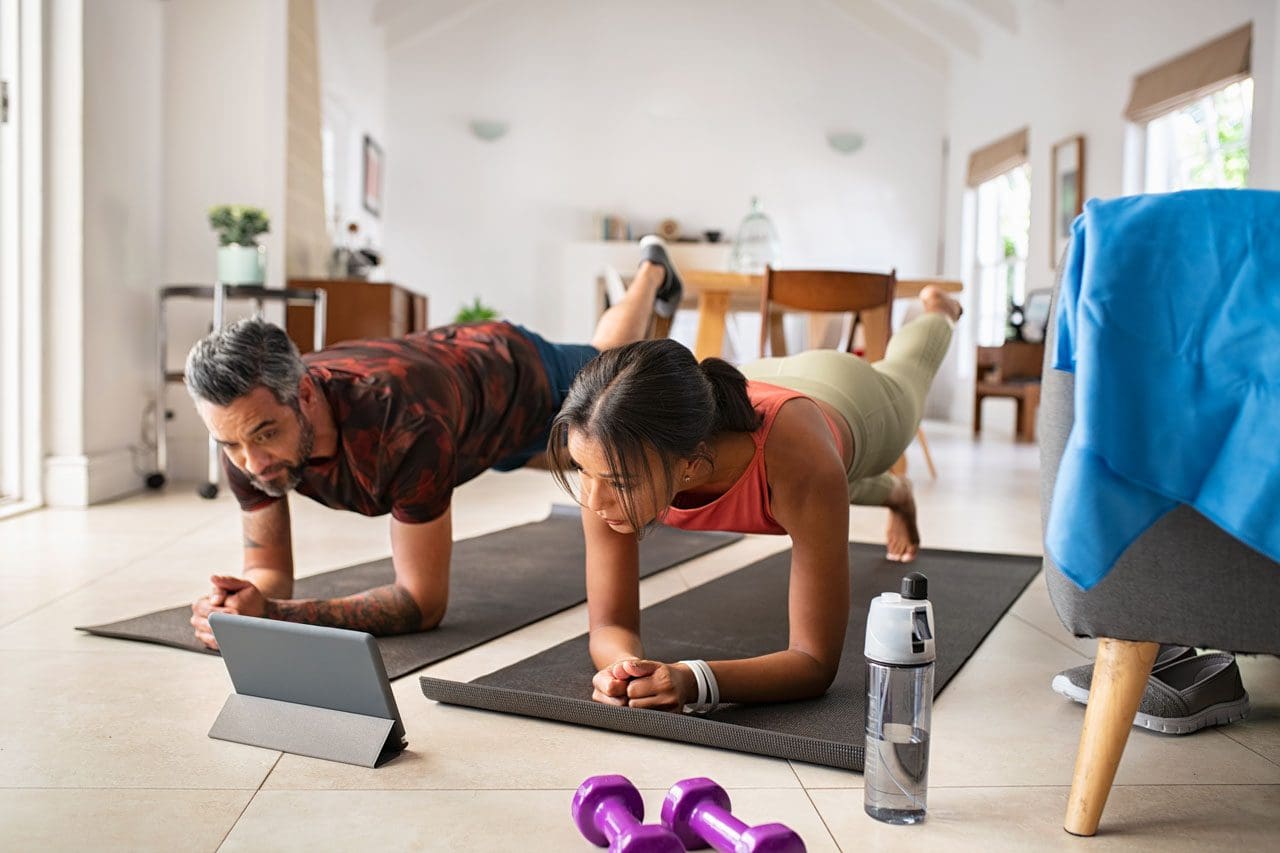
Calisthenics resistance training requires no equipment, they can be done with minimal space, and are a great way to get a quick burn.
They are a form of resistance training using your own body weight that is low-impact, which makes it accessible to individuals of all ages and fitness levels.
They effectively help build agility, and cardiovascular health, and improve balance, coordination, and flexibility.
Benefits
Muscle Strength
Because calisthenics are easily adaptable to any fitness level, require minimal or no equipment, and are great for beginners and experienced exercise enthusiasts it is a fantastic full-body workout and an excellent way to build strength and muscle. Research supports that calisthenics resistance training can improve muscle strength in various ways.
One study found that eight weeks of calisthenics not only improved posture and body mass index/BMI but can impact strength, even with exercises not routinely performed. (Thomas E, et al., 2017)
During the study, one group did calisthenics and the other maintained regular training routines.
The researchers discovered that the group that did calisthenics increased their repetitions of exercises that were not included.
The group who continued with their regular training routines did not improve on what they could do before the eight-week study. (Thomas E, et al., 2017)
Cardiovascular Fitness
Regular participation in calisthenic resistance training can lead to improved cardiovascular health, including increased endurance and a healthier heart.
Certain calisthenic exercises, like burpees and mountain climbers, are high-intensity movements that can increase heart rate and blood circulation just from the movements.
Gradually performing these exercises at a faster pace, research indicates could potentially experience the same cardiovascular benefits from interval or treadmill running. (Bellissimo GF, et al., 2022) – (Lavie CJ, et al., 2015)
Balance, Coordination, and Flexibility
The movements require a full range of motion that stretches and strengthens the muscles, tendons, and ligaments.
These exercises can help decrease the risk of injury and make daily physical activities easier to perform without over-exertion.
Incorporating calisthenics resistance training on a regular basis can help improve posture, balance, and flexibility, depending on which exercises are recommended.
Exercises like stretches, lunges, and squats help to improve flexibility and mobility.
Exercises like single-leg squats and one-arm push-ups can work the balance, coordination, and proprioception of the body.
Mental Health
Exercise, in general, is known to improve mood, reduce stress, and improve overall well-being.
Calisthenic resistance training can have additional impacts on mental well-being.
For example, the discipline and focus required to perform the movements can help concentration and mental clarity.
One study found that calisthenics can reduce cognitive decline and may be useful for dementia prevention. (Osuka Y, et al., 2020)
Another study found that calisthenics helped mental well-being in individuals with diseases like ankylosing spondylitis and multiple sclerosis. (Taspinar O, et al., 2015)
Types
Bodyweight exercises that use an individual’s own body weight as resistance are the foundation. Common examples include push-ups, squats, and lunges. An overview of some of the types of exercises.
Pulling
These exercises focus on training the muscles for pulling movements, which include the back, shoulders, and arms.
Examples include pull-ups, chin-ups, and rows.
Pushing
These exercises focus on training the muscles for pushing movements, like the chest, shoulders, and triceps.
Examples include dips, push-ups, and handstand push-ups.
Core
Core exercises focus on training the abdominal and lower back muscles, which are responsible for maintaining stability and balance.
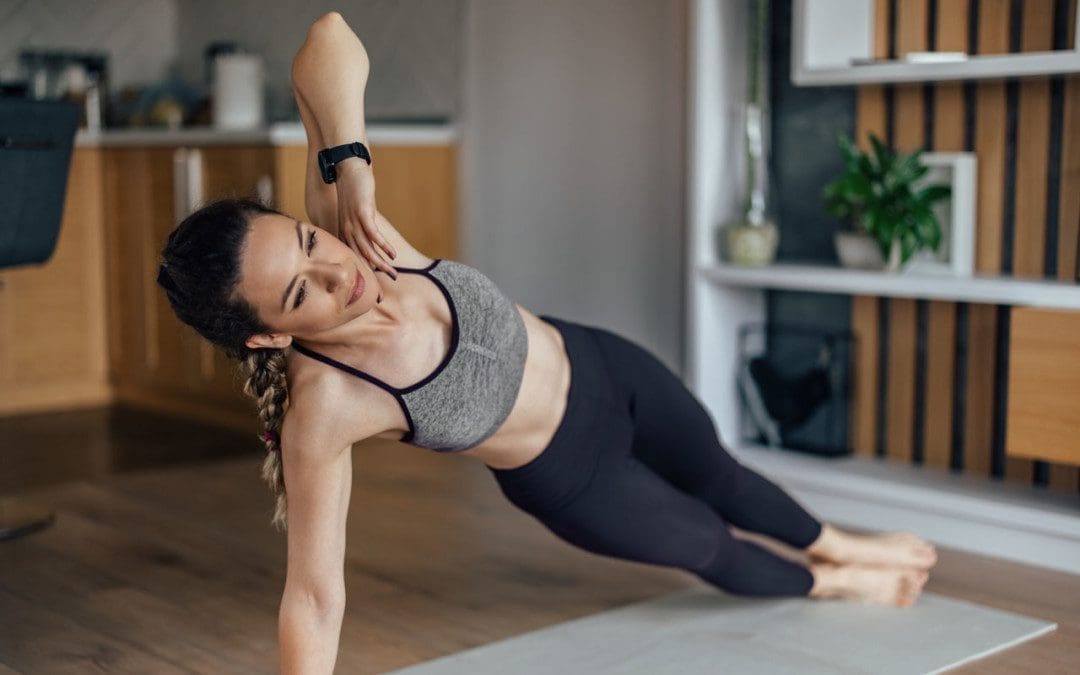
Examples of core exercises include planks, sit-ups, and leg raises.
Single-Leg
Single-leg exercises focus on training one leg at a time.
These target the muscles of the legs, hips, and core.
Examples of single-leg exercises include single-leg squats, lunges, and step-ups.
Plyometric
Calisthenics resistance training focuses on powerful explosive movements.
Plyometric exercises challenge the muscles to work quickly and forcefully.
Examples include jump squats, clap push-ups, and box jumps.
Getting Started
Start by making sure calisthenics is an appropriate workout option, especially if you are a beginner or have pre-existing medical conditions.
Once cleared to exercise start with familiar movements that can be done with the correct form.
Pushups, bodyweight squats, planks, lunges, and other basic movements are a good place to start.
Make sure to warm up with light and easy motions that mimic the workout movements.
Aim to work each body part during the workout.
Try for at least two workouts a week.
It is recommended to split the movement patterns.
Reps can be counted or set a timer to switch exercises every minute. This is called EMOM-style or every minute on the minute.
Pick four to five exercises that target various areas.
For example, sit-ups can be done for the core, lunges for the glutes and thighs, planks can be done for the shoulders and core, and jumping jacks or jumping rope for cardiovascular.
Calisthenic resistance training is easily modifiable and can be adjusted to individual needs.
Core Strength
References
Thomas, E., Bianco, A., Mancuso, E. P., Patti, A., Tabacchi, G., Paoli, A., … & Palma, A. (2017). The effects of a calisthenics training intervention on posture, strength, and body composition. Isokinetics and exercise science, 25(3), 215-222.
Bellissimo, G. F., Ducharme, J., Mang, Z., Millender, D., Smith, J., Stork, M. J., Little, J. P., Deyhle, M. R., Gibson, A. L., de Castro Magalhaes, F., & Amorim, F. (2022). The Acute Physiological and Perceptual Responses Between Bodyweight and Treadmill Running High-Intensity Interval Exercises. Frontiers in physiology, 13, 824154. https://doi.org/10.3389/fphys.2022.824154
Osuka, Y., Kojima, N., Sasai, H., Ohara, Y., Watanabe, Y., Hirano, H., & Kim, H. (2020). Exercise Types and the Risk of Developing Cognitive Decline in Older Women: A Prospective Study. Journal of Alzheimer’s disease: JAD, 77(4), 1733–1742. https://doi.org/10.3233/JAD-200867
Taspinar, O., Aydın, T., Celebi, A., Keskin, Y., Yavuz, S., Guneser, M., Camli, A., Tosun, M., Canbaz, N., & Gok, M. (2015). Psychological effects of calisthenic exercises on neuroinflammatory and rheumatic diseases. Zeitschrift fur Rheumatologie, 74(8), 722–727. https://doi.org/10.1007/s00393-015-1570-9
Lavie, C. J., Lee, D. C., Sui, X., Arena, R., O’Keefe, J. H., Church, T. S., Milani, R. V., & Blair, S. N. (2015). Effects of Running on Chronic Diseases and Cardiovascular and All-Cause Mortality. Mayo Clinic Proceedings, 90(11), 1541–1552. https://doi.org/10.1016/j.mayocp.2015.08.001
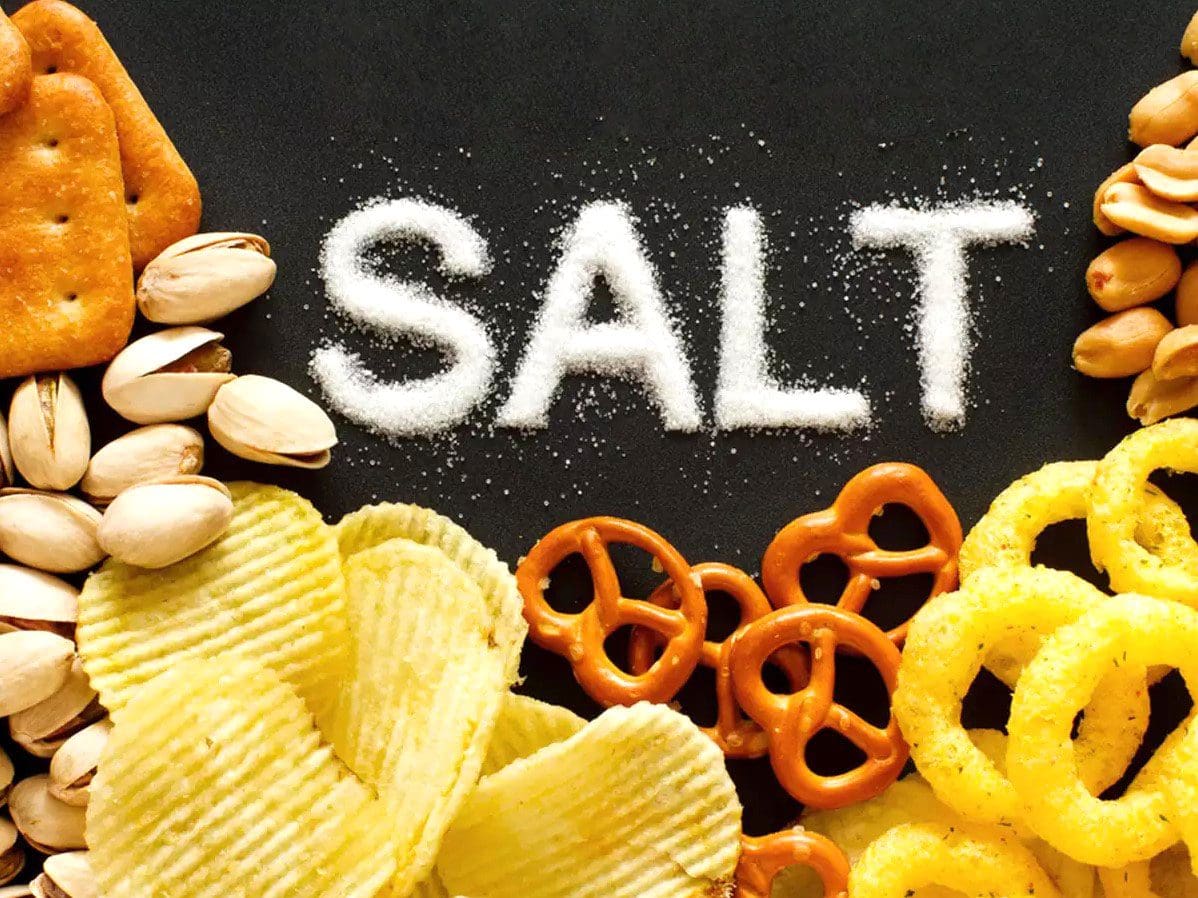
Although salt is satisfying to the palate and necessary for survival, when the body craves salt, it can be a symptom of a health condition/s. The body needs sodium, but many foods contain more than the body needs. Most individuals’ sodium intake comes from packaged foods, pizza, burgers, and soups. The body craves salty foods for various reasons, often related to a sodium imbalance. To help curb cravings and limit consumption, incorporate seasoning blends, spices, and vegetables into a nutritional plan. Injury Medical Chiropractic and Functional Medicine Clinic can provide expert diet recommendations and health coaching to develop a personalized nutrition plan.
The body needs 500 milligrams (mg) of sodium daily for optimal functioning.
That’s less than one-fourth of a teaspoon (tsp).
But because most individuals take in around 3,400 mg every day, the American Heart Association recommends that adults reduce consumption to 1,500-2,300 mg of salt daily.
Individuals who crave salt often shouldn’t ignore this as cravings could signal a health condition.
It is recommended to seek a healthcare provider’s advice to evaluate nutrition and lifestyle.
Causes
Dehydration
Craving salt could mean the body needs hydration. A sodium deficiency triggers systems that generate cravings for sodium, and the body feels rewarded after consuming salty foods. Individuals that find themselves dehydrated often should consider following these tips to maintain healthy body hydration:
Carry a water bottle throughout the day, take frequent sips, and try to refill two or more times.
Add fruit or fresh herbs to the water for flavor.
Freeze water bottles to have ice-cold water readily available.
Ask for water alongside other beverages when dining out.
Electrolyte Imbalance
When electrolytes are out of balance, the body can crave salty foods.
Electrolytes are minerals in the body with an electric charge.
Electrolytes are in the blood, urine, and tissues, and levels can spike or plummet.
This occurs when the amount of water taken does not equal the amount lost because of excessive sweating, sickness, and/or frequent urination.
Electrolytes are important because:
They help balance the body’s water equilibrium and pH levels
Move nutrients and waste into and out of the cells
Ensure the nerves, muscles, and brain are at optimal function.
Stress
Eating behavior can quickly be disrupted when experiencing stressful situations.
A stressed body can feel better after eating the foods it is used to, especially for individuals that consume a lot of salty foods when things are normal, and there is no stress.
Boredom
Eating because of boredom is an emotional eating behavior similar to stress eating.
This response to negative emotions can happen to anyone.
Individuals are recommended to work through their negative thoughts with stress reduction strategies that include:
Mindful eating.
Exercise.
Meditation.
Spending time in green spaces like a garden, park, etc.
Individuals can make a no-salt seasoning mix using cumin, garlic powder, onion powder, paprika, and cayenne pepper.
Garlic
Instead of one teaspoon of iodized salt, one teaspoon of fresh garlic can eliminate up to 2,360 mg of sodium and offers an intense flavor.
Reduce Salt Consumption
The U.S. Food and Drug Administration says that reducing the amount of sodium can gradually lower cravings. Taking these steps can help:
Limit consumption of packaged foods, especially those with the word instant in the name. These often contain a significant amount of sodium.
If possible, prepare lunch to take to work or school.
Read nutrition labels to ensure the products contain at least less than 2,300 milligrams of sodium.
Stick to fresh, frozen vegetables with no seasoning added or no-salt canned vegetables.
Split meals when eating out or cut the meal in half and take the rest home to avoid the high amounts of sodium in restaurant food.
Use none or low-sodium salad dressings or place them on the side.
Learning About Food Substitutions
References
Bell, Victoria, et al. “One Health, Fermented Foods, and Gut Microbiota.” Foods (Basel, Switzerland) vol. 7,12 195. 3 Dec. 2018, doi:10.3390/foods7120195
Husebye, Eystein S et al. “Adrenal insufficiency.” Lancet (London, England) vol. 397,10274 (2021): 613-629. doi:10.1016/S0140-6736(21)00136-7
Morris, Michael J et al. “Salt craving: the psychobiology of pathogenic sodium intake.” Physiology & behavior vol. 94,5 (2008): 709-21. doi:10.1016/j.physbeh.2008.04.008
Orloff, Natalia C, and Julia M Hormes. “Pickles and ice cream! Food cravings in pregnancy: hypotheses, preliminary evidence, and directions for future research.” Frontiers in psychology vol. 5 1076. 23 Sep. 2014, doi:10.3389/fpsyg.2014.01076
Souza, Luciana Bronzi de et al. “Do Food Intake and Food Cravings Change during the Menstrual Cycle of Young Women?.” “A ingestão de alimentos e os desejos por comida mudam durante o ciclo menstrual das mulheres jovens?.” Revista brasileira de ginecologia e obstetricia : revista da Federacao Brasileira das Sociedades de Ginecologia e Obstetricia vol. 40,11 (2018): 686-692. doi:10.1055/s-0038-1675831
Body balance is essential for walking, tying shoelaces, picking up objects, etc. Balance is an acquired skill that the body develops in response to different activities and surroundings. Everyone can benefit from improving and maintaining their balance muscles regardless of age. Balance exercises condition and strengthen the core muscles. Balance training helps improve posture and stability; athletes find it provides increased agility and added power; seniors utilize it to prevent injuries and maintain mobility, and fitness enthusiasts use it to improve workouts. Injury Medical Chiropractic and Functional Medicine Clinic provide whole-body realignment, rehabilitation, postural and balance training, and nutritional advice.
Balance Exercises
Being able to move around efficiently requires healthy postural alignment and balance. The systems responsible for balance can be affected by the following:
Gradual changes brought on by aging.
Back problems.
Foot problems.
Injury.
Side effects from medications.
Arthritis.
Stroke.
Parkinson’s disease.
Multiple sclerosis.
However, it was found that all responded well to exercises designed to improve balance.
Definition
Balance is the ability to control the body in space and distribute weight evenly to maintain uprightness. There are two types.
Dynamic Balance
The ability to remain stable while performing movements or actions that require displacing or moving the body.
Individuals use this type of balance each time the body takes a step in any direction.
Dynamic balance is required when the body is in motion, like walking.
A healthy dynamic balance is essential for the body’s ability to react to sudden changes.
Static Balance
The ability to maintain a stationary position during movements like bending, twisting, reaching, and swaying around the axis of the body.
Both types are essential and can be improved with targeted exercises.
Benefits
Everyone can benefit from balance exercises and can help at different stages of life and fitness levels.
General Public
Balance training:
Teaches the body to use the core for stabilization.
Creates muscular balance.
Improves neuromuscular coordination and communication between the brain and muscles.
Individuals can start incorporating balance exercises into everyday routines. A few ways to do this include:
When picking up an object, reach over to pick them up on one leg, with the other lifting straight into the air behind to engage the abs.
Sit on a stability ball at work, school, or when watching TV.
Stand on one foot while engaged in static balance activities like washing dishes, brushing teeth, etc., and alternate the feet.
Athletes
Proprioceptive training is used with athletes for rehabilitation and prevention of injuries. Proprioception is the sense of body position.
Practicing balance exercises increases the sense of control and awareness of the muscles and joints and how they function when in motion.
Balance training increases power because the individual learns to use their center of gravity more efficiently.
A stronger and more active core helps to increase jump height, throwing, swinging, shifting, and running.
Seniors
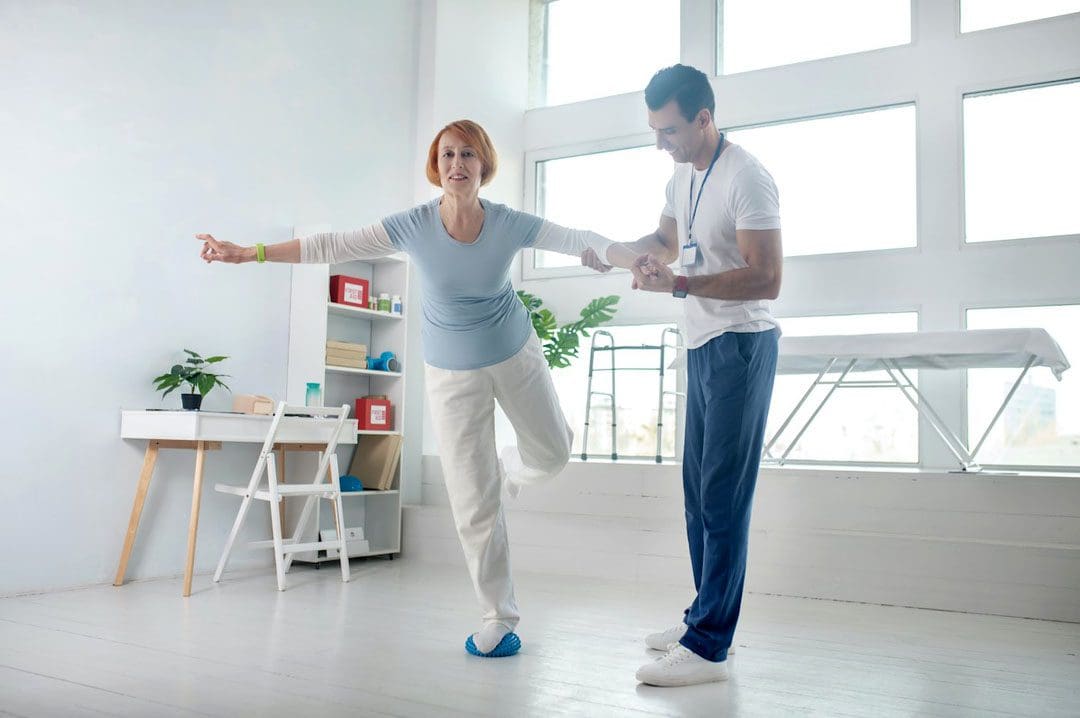
Seniors can use balance exercise programs to improve stability for falling prevention and injuries.
Exercises
Below are basic instructions for the following balance exercises:
Tree Pose
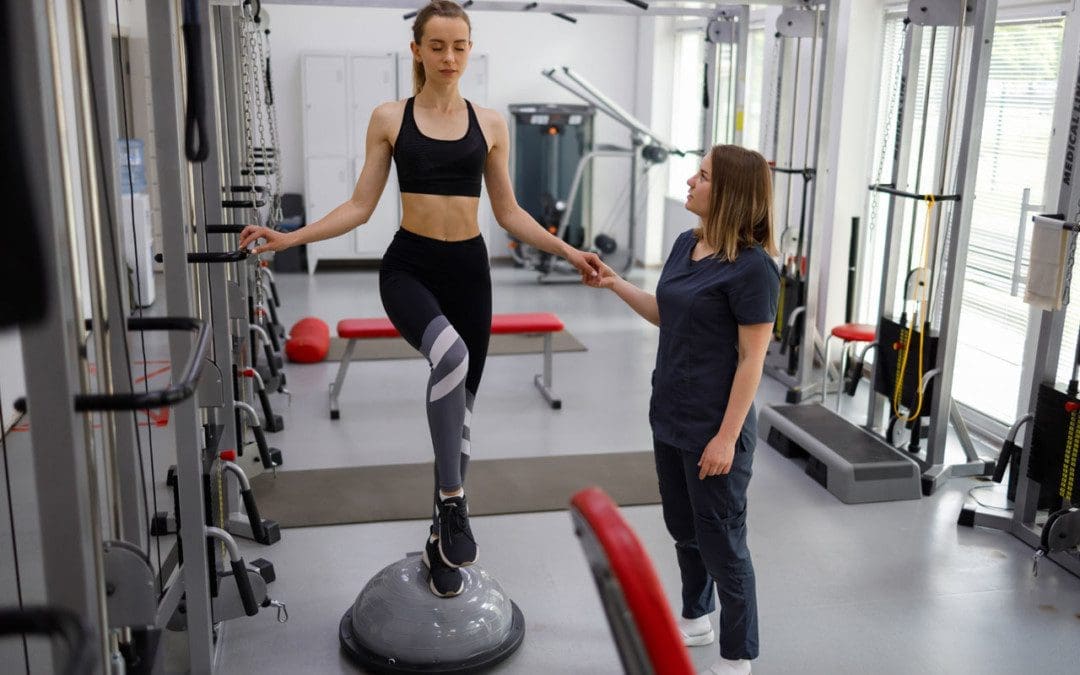
Tree pose can be done on the floor, a mat, or Bosu. It strengthens the ankles, improves balance, and engages the core.
Stand with feet together, spine tall and straight, and arms outstretched.
If using a BOSU, use either the ball or the flat side.
Gradually lift the left foot to the side of the calf and balance on the right foot.
Gradually lift arms overhead to make the branches.
Hold for 30 seconds, then switch to the other leg.
Single Leg Deadlift
This exercise strengthens the hamstrings and glutes, works on balance, and activates the abdominal wall. It can be done with or without weights like dumbells.
Stand on the floor with feet together.
Place most of the weight onto the right foot.
Stare at a focal point in front and on the floor
Slowly lower the torso to the ground while lifting the left leg behind.
Keep the spine neutral and reach the hands toward the floor.
Stop when the back is parallel to the floor.
Don’t tighten or stiffen the right knee but keep it moveable.
Squeeze the hamstrings, glutes, and abs while slowly returning to an upright position.
Lie on your back and extend your arms and legs toward the ceiling.
Pull the abdominals in toward the midline.
Lower the right leg and extend the left arm back.
Return to the starting position and repeat with the opposite arm and leg.
Keep switching sides until the set is complete.
The Chiropractic Approach
References
Bruijn, Sjoerd M, and Jaap H van Dieën. “Control of human gait stability through foot placement.” Journal of the Royal Society, Interface vol. 15,143 (2018): 20170816. doi:10.1098/rsif.2017.0816
Dunsky, Ayelet, et al. “Balance Performance Is Task Specific in Older Adults.” BioMed research international vol. 2017 (2017): 6987017. doi:10.1155/2017/6987017
Feldman, Anatol G. “The Relationship Between Postural and Movement Stability.” Advances in experimental medicine and biology vol. 957 (2016): 105-120. doi:10.1007/978-3-319-47313-0_6
Hlaing, Su Su et al. “Effects of core stabilization exercise and strengthening exercise on proprioception, balance, muscle thickness and pain-related outcomes in patients with subacute nonspecific low back pain: a randomized controlled trial.” BMC musculoskeletal disorders vol. 22,1 998. 30 Nov. 2021, doi:10.1186/s12891-021-04858-6
Kim, Beomryong, and Jongeun Yim. “Core Stability and Hip Exercises Improve Physical Function and Activity in Patients with Nonspecific Low Back Pain: A Randomized Controlled Trial.” The Tohoku Journal of experimental medicine vol. 251,3 (2020): 193-206. doi:10.1620/tjem.251.193
Prado, Erick Tadeu et al. “Hatha yoga on body balance.” International Journal of Yoga vol. 7,2 (2014): 133-7. doi:10.4103/0973-6131.133893
Thomas, Ewan, et al. “Physical activity programs for balance and fall prevention in elderly: A systematic review.” Medicine vol. 98,27 (2019): e16218. doi:10.1097/MD.0000000000016218
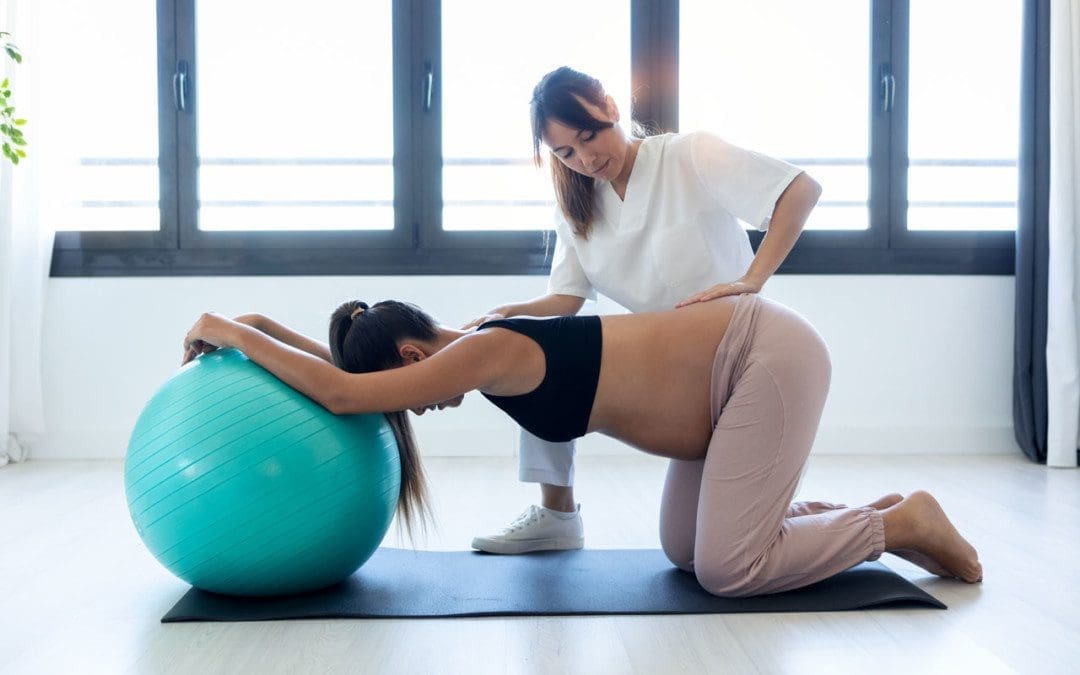
Healthy posture and movement are essential for everyone, but especially for mothers-to-be. Practicing healthy posture is one of the most important contributions to a healthy pregnancy. Proper body alignment decreases low back and neck discomfort symptoms and muscle fatigue. A chiropractic therapy team can educate on maintaining a healthy posture when standing, sitting, and lying down throughout pregnancy, alleviate any subluxations, maintain optimal alignment, and keep the muscles relaxed through massage techniques.
Pregnancy Posture
Many changes occur in the musculoskeletal system during pregnancy for the growing fetus. This impacts posture, balance, and gait. Pregnancy posture can significantly influence the comfort and/or pain levels in the pregnant and postnatal body. This includes:
Sleeping in the best position while pregnant.
Sitting in the best position during pregnancy.
These little changes and adjustments impact the health of the mother and baby.
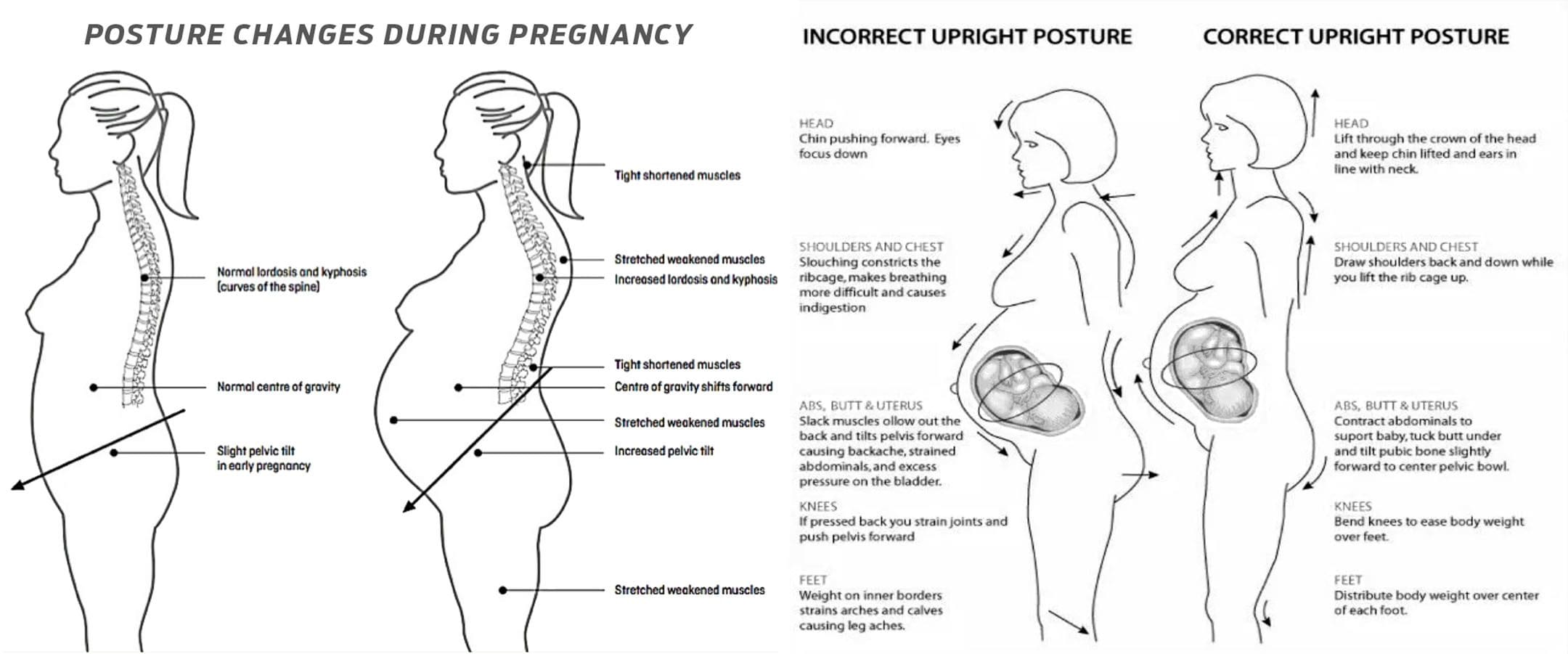
Postural Changes During Pregnancy
During pregnancy, several factors work against maintaining correct and healthy alignment. For one, the baby’s weight causes the lower back to sway as the center of gravity shifts forward.
Increased Lumbar Lordosis
The concave curvature in the spine can become more pronounced because of the forward pull of the growing fetus.
The normal slight forward curvature of the spine in the neck or cervical area is called cervical lordosis.
The growing fetus aggravates the forward pull on the neck.
During pregnancy, the breasts grow, adding more weight to the thoracic or mid back, causing the neck curvature to get pulled forward and down.
Both shoulders also move forward and inward.
These changes can lead to back problem symptoms/pain, sciatica, and other musculoskeletal disorders and conditions if left untreated.
Unhealthy Posture Happens Naturally
The abdominal muscles become stretched as the baby grows.
Hormone levels increase and cause joints and ligaments to loosen.
The muscles cannot contract fully and keep the lower back in alignment.
Healthy Posture Requires Practice
Standing
Proper posture when standing. From top to bottom:
Maintain a neutral gaze that looks straight ahead.
Don’t bend the head too much forward or backward.
Avoid twisting/bending movements whenever possible, or keep them to a minimum.
The chest should be up, the core braced, and the shoulders back.
The body weight is distributed evenly along the lower extremities.
Contract abdominal and pelvic floor muscles during movements, as they support the stability of the pelvis and the trunk.
When standing and having to hold the position for an extended period, use a box or stool to prop up one foot.
For example, when washing dishes, the cabinet under the sink can rest the foot on the ledge.
Switch position every 20 to 30 minutes.
Chiropractic
Whether in the planning stages or the second or third trimester, it’s essential to keep postural health in mind. A chiropractor trained in the needs of pregnant women will use tables that adjust for a pregnant woman’s body, and they will use techniques that avoid unneeded pressure on the abdomen and provide safe exercises and stretches. Benefits of chiropractic include:
Helps maintain a healthier pregnancy.
Helps regulate symptoms of nausea.
Relieves back, neck, discomfort symptoms, and pain.
Relieves and reduces excess strain on muscles, ligaments, and joints.
Spinal curvature exaggeration is corrected.
The normal spine curvatures are restored and maintained.
As more women seek the benefits of chiropractic for pregnancy, more healthcare providers seek trained doctors of chiropractic to refer their pregnant patients. Discuss these options with your healthcare provider, and schedule a visit to Injury Medical Chiropractic and Functional Medicine Clinic to check posture and biomechanics.
Chiropractic Pregnancy Treatment
References
Bauer, A W. “NEUE GESICHTSPUNKTE UEBER HALTUNG UND ERNAEHRUNG WAEHREND DER SCHWANGERSCHAFT” [NEW VIEWPOINTS ON POSTURE AND NUTRITION DURING PREGNANCY]. Wiener medizinische Wochenschrift (1946) vol. 113 (1963): 875-6.
Fitzhugh, M L, and M NEWTON. “Posture in pregnancy.” American Journal of Obstetrics and Gynecology vol. 85 (1963): 1091-5. doi:10.1016/s0002-9378(16)35644-7
Gutke A, Ostgaard HC, Oberg B Spine (Phila Pa 1976). 2006 Mar 1; 31(5):E149-55. Pelvic girdle pain and lumbar pain in pregnancy: a cohort study of the consequences in terms of health and functioning.
Schröder, Guido et al. “Impact of pregnancy on back pain and body posture in women.” Journal of physical therapy science vol. 28,4 (2016): 1199-207. doi:10.1589/jpts.28.1199
Yoo, Hyunju, et al. “Changes in the spinal curvature, degree of pain, balance ability, and gait ability according to pregnancy period in pregnant and nonpregnant women.” Journal of physical therapy science vol. 27,1 (2015): 279-84. doi:10.1589/jpts.27.279
When it comes to the body, the various muscles, tissues, joints, and organs provide functionality and movement when it is in motion. Everyone worldwide cares for their bodies by resting them when needed, eating numerous foods to provide energy, and staying active to live longer. However, over time, many factors can contribute to the body by causing many individuals to develop musculoskeletal issues that can affect a person’s posture and the sensory-motor functions that the body provides to maintain motion and stability. In today’s article, we examine muscle imbalances, how it affects the body’s gait pattern, and how the MET technique can help with muscle imbalances. We provide information about our patients to certified medical providers that offer available therapy techniques like MET (muscle energy techniques) for individuals dealing with chronic conditions associated with muscle imbalances that could affect a person’s gait pattern and lead to pain in the muscles and joints. We encourage each patient appropriately by referring them to our associated medical providers based on their diagnosis results. We accept that education is a spectacular way when asking our providers the most crucial questions at the patient’s acknowledgment. Dr. Alex Jimenez, D.C., assesses this information as an educational service. Disclaimer
What Are Muscle Imbalances?
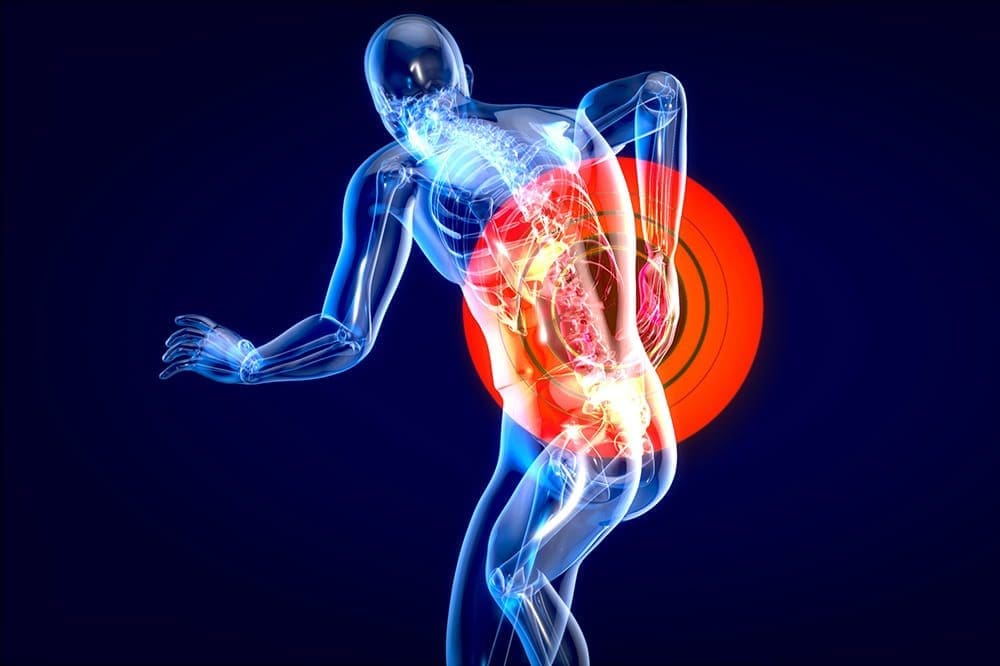
Have you been dealing with tight back, shoulders, and hip muscles? Do you feel one side of your body is weaker than the other? Or do you feel unstable when walking? Many people who are experiencing these issues are associated with muscle imbalances that are affecting their bodies. So what are muscle imbalances, and how does it affect the body? Well, according to “Clinical Applications of Neuromuscular Techniques,” written by Leon Chaitow, N.D, D.O, and Judith Walker DeLany, L.M.T., stated that the soft tissues in our bodies are often changed from their normal elastic, pliable, and toned functional status to short, fibrous and weak function in the different muscle groups. Since the body compensates (without any chronic symptoms) to everyday activities, when the body’s muscles and tissues are exhausted, it can cause the symptoms to develop over time, causing pain, muscle restriction, and limited range of motion to the body. Thus, these symptoms often correlate to musculoskeletal disorders, leading to muscle imbalances.
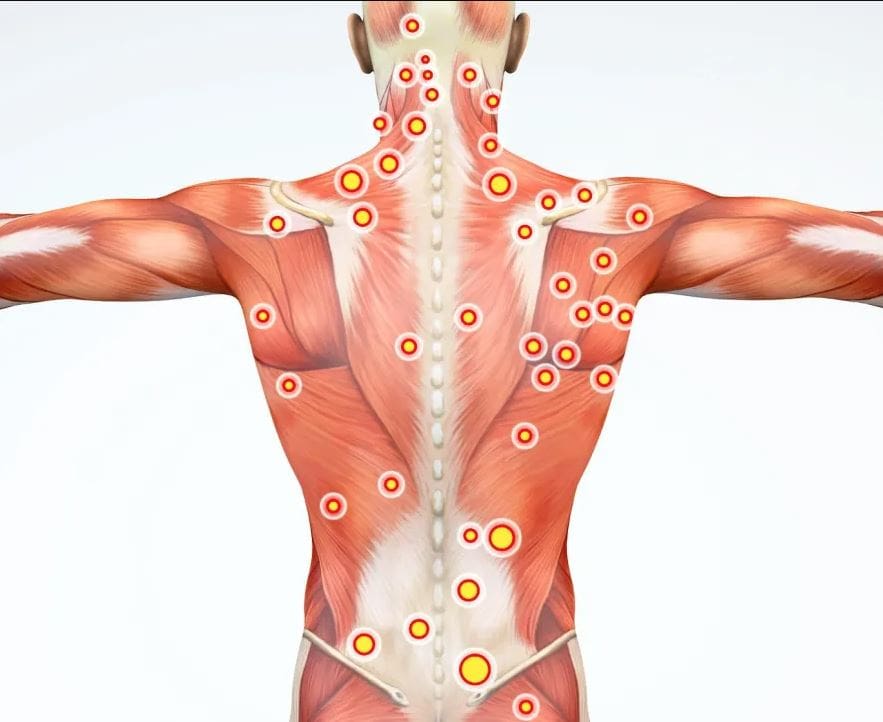
Other issues that can cause muscle imbalances in the body could result from muscle injuries from traumatic forces. Research studies have revealed that repetitive motions from traumatic injuries could result in microtrauma tears to the muscles and tendons, which can develop into muscle-referred pain and increase the risk of chronic joint inflammation. To that point, it can lead to referred pain in different body areas and affect a person’s stability. When the body is dealing with traumatic injuries that affect the muscles over time, many people shift how they walk or change their postures to compensate for the pain, which can change their gait patterns.
How Does It Affect The Body’s Gait Pattern?
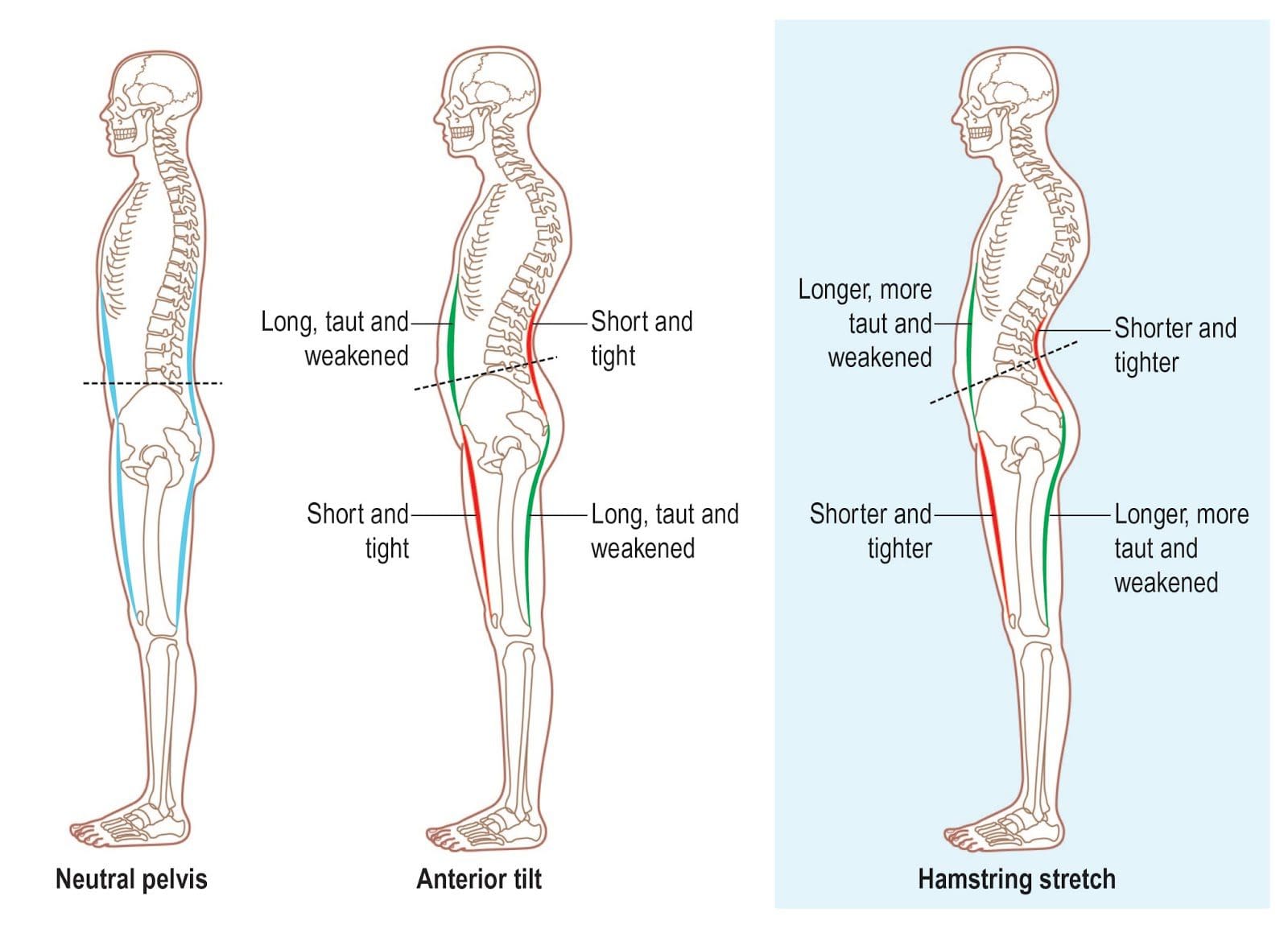
When a person is walking, their entire body is in motion, and over time their posture will change depending on the upper body’s weight bearing down to the hips and lower extremities. Studies reveal that loss of muscle strength can be characterized by musculoskeletal disorders like osteoarthritis that can cause pain symptoms, reduce physical function, decrease range of motion, and muscle/joint instability. So how would muscle imbalances affect the body’s gait pattern? First, we must look at the influences that the neurological and metabolic functions of the central nervous system provide on the musculoskeletal system. The central nervous system sends neuron signals to each muscle group from the upper and lower extremities to allow the individual to walk, run, and do other motor functions. When muscle imbalances are associated with traumatic injuries, it can cause the body to be hunched over over time, causing the short muscles to be tight and the long muscles to be weak. To that point, it can lead to a chain of dysfunctional phases of the gait cycle and its associated symptoms. Some of the signs that can affect a person’s gait pattern include:
Associated joint restriction on the hips
Muscle tension on the pelvis and lower extremities
Muscle tightness in the cervical-thoracic region of the back
Trigger points on the lower extremities causing referred pain
How Muscle Imbalances Associate With Low Back Pain- Video
Have you been dealing with pain in your joints or muscles? Do you find it difficult to walk or carry heavy objects? Or have you been experiencing tight hips and shoulders? Many of these issues are due to muscle imbalances associated with traumatic injuries. The video above explains how muscle imbalances could be related to low back pain. When environmental factors or traumatic forces begin to affect the muscles and joints in the body, it can change a person’s gait pattern (how they walk) and develop into chronic issues affecting the body. When the muscles are imbalanced and cause gait problems, it can lead to muscle and joint pain associated with poor posture and other chronic conditions. When this happens, it can lead to dysfunctional phases of the gait pattern. Luckily there are many treatments and techniques to reduce pain and restore gait function to the body.
How The MET Technique Help With Muscle Imbalances
Going to therapy treatments to restore muscle functionality, enable the body to recover naturally, and reduce the chances of future injuries to come back. When the body is dealing with muscle imbalances, there are many treatments and techniques that many pain specialists, like chiropractic care that are utilized to restore the body and prevent injuries from re-occurring. One of the techniques is called the MET technique (muscle energy technique). The MET technique is a form of manual therapy that uses isometric stretches to reduce pain in the soft tissues and lengthen weak muscles. Studies reveal that when pain specialists use the MET technique combined with other treatments like physical therapy and spinal manipulation, it can help reduce the pain affecting the muscle fibers while restoring the body to normalcy and lengthening tight muscles. When the MET technique is combined with other forms of therapy, it can help stretch and strengthen the weak muscles and allows the individual to be aware of how their posture is being corrected.
Conclusion
It is important to everyone that different factors and injuries could result from muscle imbalances that can affect your posture. Muscle imbalances in the body can lead to unwanted symptoms of muscle weakness, pain, and dysfunctional gait patterns that correlate with musculoskeletal disorders. Going to therapy treatments and incorporating techniques like MET, physical activities, and chiropractic care can help the body be restored and prevent future injuries from returning and affecting a person’s health and wellness.
References
Chaitow, Leon, and Judith Walker DeLany. Clinical Applications of Neuromuscular Techniques. Churchill Livingstone, 2003.
Joshi, Reema, and Nishita Poojary. “The Effect of Muscle Energy Technique and Posture Correction Exercises on Pain and Function in Patients with Non-Specific Chronic Neck Pain Having Forward Head Posture-a Randomized Controlled Trail.” International Journal of Therapeutic Massage & Bodywork, U.S. National Library of Medicine, 1 June 2022, https://www.ncbi.nlm.nih.gov/pmc/articles/PMC9134480/.
Neme, Jamil R. “Balancing Act: Muscle Imbalance Effects on Musculoskeletal Injuries.” Missouri Medicine, U.S. National Library of Medicine, 2022, https://www.ncbi.nlm.nih.gov/pmc/articles/PMC9324710/.
Vodička, Tomáš, et al. “Could the Evaluation of Muscle Strength Imbalances Be Used as a Predictor of Total Hip Arthroplasty?” International Journal of Environmental Research and Public Health, U.S. National Library of Medicine, 11 May 2021, https://www.ncbi.nlm.nih.gov/pmc/articles/PMC8150769/.
IFM's Find A Practitioner tool is the largest referral network in Functional Medicine, created to help patients locate Functional Medicine practitioners anywhere in the world. IFM Certified Practitioners are listed first in the search results, given their extensive education in Functional Medicine