What is the body’s center of gravity to understand and maintain a healthy posture and balance?
Center of Gravity
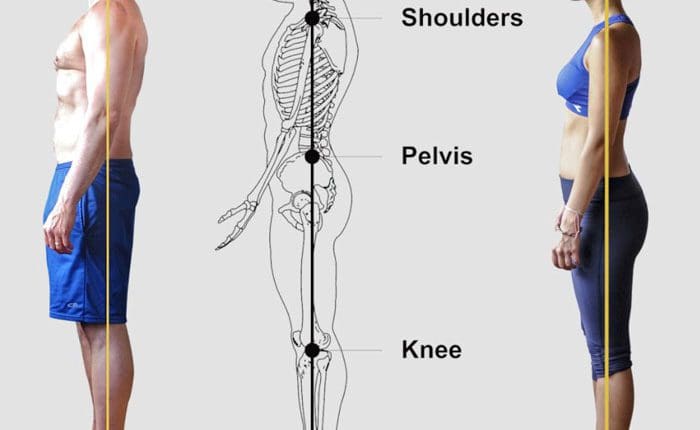
The human center of gravity, or COG, also known as the center of mass, with the two terms being interchangeable, is where the body’s weight appears to be concentrated. It’s a point in space where the entire body’s mass can be concentrated. When standing upright, the COG is generally located behind the navel and in front of the sacrum, around the level of the second vertebra. (Le Huec, J. 2011) The center of gravity is related to posture, including issues such as swayback, the design of posture exercise programs, and much more.
Gravity is a downward pull or force the Earth exerts on the body, creating weight. (NASA, 2013)
The center of gravity (COG) is where a body’s weight is equally balanced in all directions. (Physiopedia, 2025)
When the COG is defined, it is done from the reference of a static, standing position.
Because the body is in motion when we change positions, the COG is located in a new position with each new position.
The center of gravity is the point around which all the parts balance, which may be inside or outside the body.
Even slight changes in position can change where the COG is. (Physiopedia, 2025)
Key aspects of the COG
Location
When standing upright, the COG is typically found at the second vertebral level, behind the navel and in front of the sacrum. (Le Huec, J. 2011)
Shifting COG
The COG can shift depending on body position, posture, and movements like bending forward or backward. (Physiopedia, 2025)
Balance Impact
The relationship between the COG and the base of support (the area of the body in contact with the ground) is fundamental to maintaining balance.
Variations
There can be variations in the COG location based on factors like gender (men tend to have a slightly higher COG), body shape, and even conditions like obesity or chronic low back pain. (Physiopedia, 2025)
Biomechanics
Understanding the COG is crucial in biomechanics and movement analysis, as it’s an index of total body motion and how the body responds to external forces.
The Human Center
The center of gravity is the point at which the body’s mass is equally balanced. This point changes depending on one’s position:
Arms up/down
Leaning
Turning
With strength and flexibility training, the human body can change its center of gravity, as gymnasts and dancers do.
When standing, the center of gravity is normally located behind the navel and in front of the sacrum bone (made up of five vertebrae fused vertically) at about the second vertebra level. (Hasegawa K. et al., 2022)
Because the body has moving parts, its overall shape changes every time it moves. Carrying something like a suitcase or grocery bag or wearing a backpack adds weight to some areas but not others, changing the center of gravity as it does.
The center of gravity is a continually changing point inside or outside the body that represents where the weight or mass of the rest of the body is equally balanced in every direction.
This point can and does change based on what is being carried and how it is carried, as well as body position and movements.
Chronic Lower Back Pain
A study in the Journal of Back and Musculoskeletal Rehabilitation found that individuals with chronic lower back pain tend to have their center of gravity located excessively towards the back. (Kim D. H., Park J. K., & Jeong M. K. 2014)
In the study, the individuals had decreased low back strength upon extension and a reduced normal low back curve.
The researchers found that those with chronic lower back pain whose center of gravity was too far back may need physical therapy to retrain the body to overcome strength and balance challenges to re-establish and maintain a healthy posture.
Injury Medical Chiropractic and Functional Medicine Clinic
As a Family Practice Nurse Practitioner, Dr. Jimenez combines advanced medical expertise with chiropractic care to address various conditions. Our clinic integrates Functional Medicine, Acupuncture, Electro-Acupuncture, and Sports Medicine to create customized care plans that promote natural healing, mobility, and long-term wellness. By focusing on flexibility, agility, and strength, we empower patients to thrive, regardless of age or health challenges. At El Paso’s Chiropractic Rehabilitation Clinic & Integrated Medicine Center, we passionately focus on treating patients after injuries and chronic pain syndromes. We focus on improving your ability through flexibility, mobility, and agility programs tailored for all age groups and disabilities. We use in-person and virtual health coaching and comprehensive care plans to ensure every patient’s personalized care and wellness outcomes.
Enhance Your Lifestyle Today with Chiropractic Care
References
Le Huec, J. C., Saddiki, R., Franke, J., Rigal, J., & Aunoble, S. (2011). Equilibrium of the human body and the gravity line: the basics. European spine journal: official publication of the European Spine Society, the European Spinal Deformity Society, and the European Section of the Cervical Spine Research Society, 20 Suppl 5(Suppl 5), 558–563. https://doi.org/10.1007/s00586-011-1939-7
NASA. Jet Propulsion Laboratory, California Institute of Technology. (2013). What is gravity? Retrieved from https://gracefo.jpl.nasa.gov/news/5/what-is-gravity/
Physiopedia. (2025). Centre of gravity. https://www.physio-pedia.com/Centre_of_Gravity
Hasegawa, K., Amabile, C., Nesme, M., & Dubousset, J. (2022). Gravity center estimation for evaluation of standing whole body compensation using virtual barycentremetry based on biplanar slot-scanning stereoradiography – validation by simultaneous force plate measurement. BMC musculoskeletal disorders, 23(1), 22. https://doi.org/10.1186/s12891-021-04948-5
Kim, D. H., Park, J. K., & Jeong, M. K. (2014). Influences of posterior-located center of gravity on lumbar extension strength, balance, and lumbar lordosis in chronic low back pain. Journal of Back and Musculoskeletal Rehabilitation, 27(2), 231–237. https://doi.org/10.3233/BMR-130442
For older individuals looking for a workout that can help improve overall fitness, can kettlebell training help achieve health goals?
Kettlebell Training At Any Age
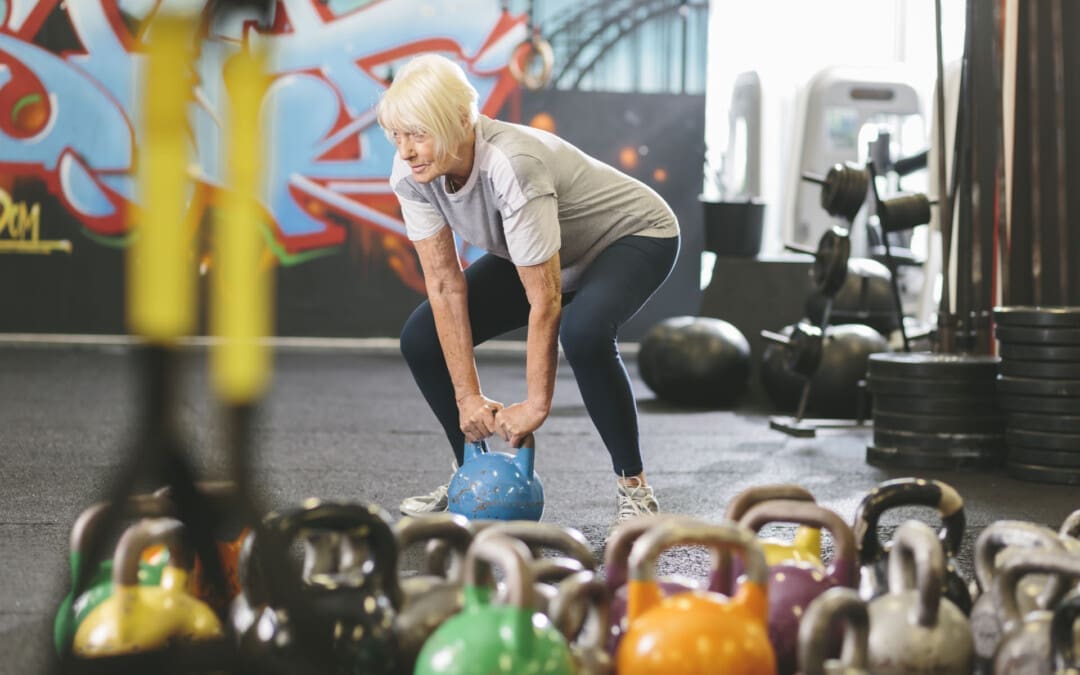
Previous research found that training with a kettlebell can improve aerobic capacity, balance, and core strength. New research suggests that kettlebell training is beneficial at any age (American Physiological Society, 2024). Compared to dumbbells or barbells, the kettlebell’s specific shape—a sphere on the bottom and a handle that can be grabbed by one or both hands—better emulates how the body moves through daily tasks and activities. When isolating a muscle, like a bicep, only that muscle is getting worked out. But in everyday life, a lot of what the body does is lifting and moving things. A kettlebell allows those muscle groups to connect in a stronger and more efficient movement.
Benefits At Any Age
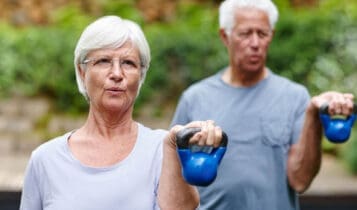
A research study examined how using kettlebells impacted the health of individuals from different backgrounds without prior exposure to resistance training between the ages of 60 and 80. The participants enrolled in a twice-a-week exercise program using kettlebells to improve fitness. At the end of six months, the researchers found the participants had increased muscle mass and grip strength. At the end of the year, the participants had lower inflammation markers in their blood and had met other fitness goals, including climbing stairs faster and making multiple chair stands/standing from a seated position. The researchers say the findings show how effective kettlebells can be for all ages and demonstrate that the kettlebell training program leads to benefits even in older individuals just starting. (American Physiological Society, 2024) The kettlebell’s unique shape allows for an offset center of gravity from the handle, encouraging increased engagement of stabilizing muscles. This combination of strength and functional movement patterns helps to improve the following:
Balance
Coordination
Core stability
This makes it a versatile tool for older adults.
Getting Started
For individuals just starting kettlebell training, it is recommended that they work with a certified instructor or find a beginner’s class. Guided training ensures proper technique and form and reduces the risk of injury. To avoid common kettlebell mistakes when lifting weights for the first time, start with lighter kettlebells to master form and focus on slow, controlled movements. When lifting weight from the ground to the chest, don’t pull with the shoulder muscles. Instead, start in the legs and let the energy move up through the body, known as the kinetic chain. When exercising, spend only 20 to 30 seconds on a rep before resting for 30 seconds, and don’t spend more than five minutes on a single exercise. (American Council on Exercise, 2015)
Injury Medical Chiropractic and Functional Medicine Clinic
Individuals who want to start an exercise routine should consider kettlebell training. Following basic tips and training slowly, kettlebells can be an option for anyone looking to improve their fitness and overall health. Consider working with a personal trainer to ensure safety and get the most out of workouts. Injury Medical Chiropractic and Functional Medicine Clinic works with primary healthcare providers and specialists to build optimal health and wellness solutions. We focus on what works for you to relieve pain, restore function, prevent injury, and help mitigate issues through adjustments that help the body realign itself. They can also work with other medical professionals to integrate a treatment plan to resolve musculoskeletal problems.
Transform Your Body
References
American Physiological Society. (2024). Kettlebell training may help maintain muscle strength in older adults. https://www.physiology.org/detail/news/2024/11/21/kettlebell-training-may-help-maintain-muscle-strength-in-older-adults?SSO=Y
American Council on Exercise. Wall, A. J. (2015). How to get started with kettlebells. https://www.acefitness.org/resources/pros/expert-articles/5269/how-to-get-started-with-kettlebells/?srsltid=AfmBOor4x0yZwrHzGRccSA2uYMQtS3PX-vRC03eVwQoGX6_6B5wryAAi
Can neurological physical therapy help individuals diagnosed with a recently acquired or chronic neurological condition gain strength and functioning?
Neurological Physical Therapy
Neurological physical therapy can be extremely beneficial. It aims to restore functional mobility, strength, balance, and coordination in those with neurological conditions that affect their quality of life and ability to move around. It also helps recover from neurological injuries or prevent the progression and worsening of chronic neurological conditions. Depending on the severity of the condition, individuals may receive this therapy as an inpatient or outpatient. Exercise can help improve mobility, increase independence, and decrease the need for assistance, all of which can improve one’s quality of life.
Process
Neurological physical therapy is geared toward treating individuals with conditions affecting the brain and spinal cord, such as stroke, spinal cord injury, and Parkinson’s disease, to help restore mobility and function. The therapy is performed in hospitals, private practice physical therapy clinics, doctors’ offices, rehabilitation facilities, or at a patient’s home. Whether an individual needs inpatient or outpatient physical therapy will depend on the severity of the neurological condition.
Newly acquired neurological conditions such as strokes or traumas like spinal cord injuries and traumatic brain injuries or TBIs often require inpatient rehabilitation.
Once the patient gains enough strength, coordination, and independence with movements like standing and walking, they can progress to outpatient physical therapy.
The patient will undergo a physical exam after a physical therapist has gathered enough information about medical history during the initial evaluation.
The therapist will check muscle strength, coordination, range of motion, reflexes, and the muscle tone of the arms and legs. They may also perform neurological tests to examine coordination, such as following moving objects with the eyes, touching the finger to the nose, and rapidly alternating movements.
The individual general level of attention, cognition, and sensation will also be assessed to determine if these areas have been affected by the neurological condition. (Cleveland Clinic, 2022)
The therapist will then assess the patient’s ability to perform movements called transfers, which are transitions to and from positions such as lying down to sitting up or standing up to sitting.
They will note if the patient can perform these movements independently or if they need assistance.
The initial evaluation will also include an assessment of balance, quality of gait, and whether the therapist needs to assist.
Depending on the severity of the neurological condition, the therapist may provide the patient with or recommend purchasing an assistive device to help walk.
Treatment Sessions
During therapy sessions, patients may receive the following interventions:
Gait Training
To improve walking ability, proper instruction on using assistive devices such as canes, walkers, and crutches.
Balance Training
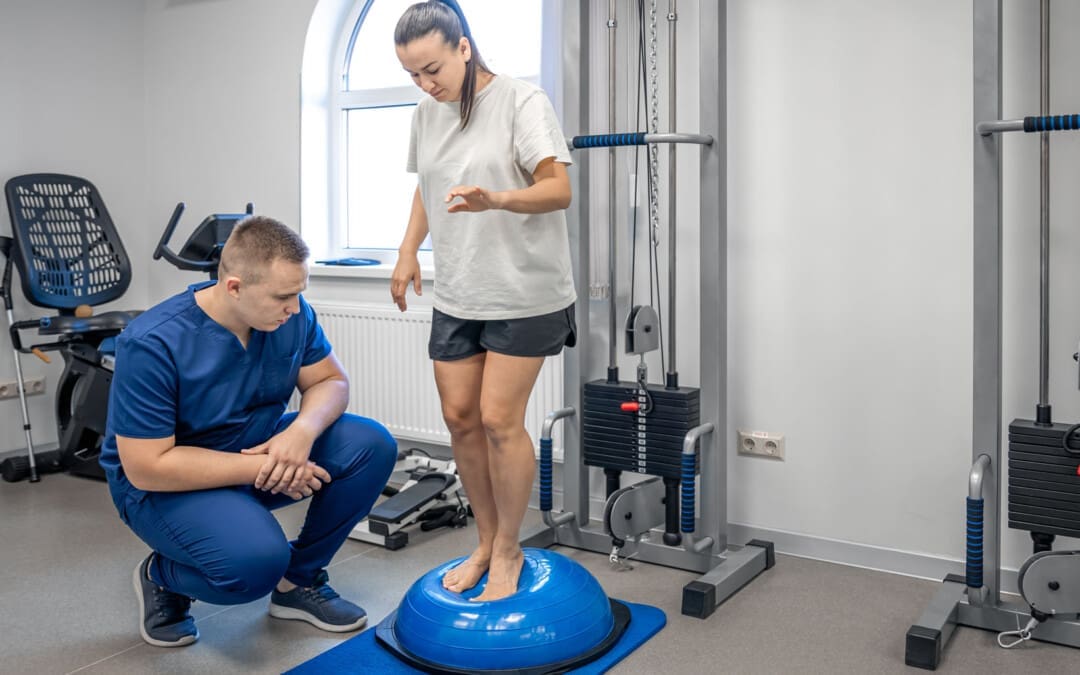
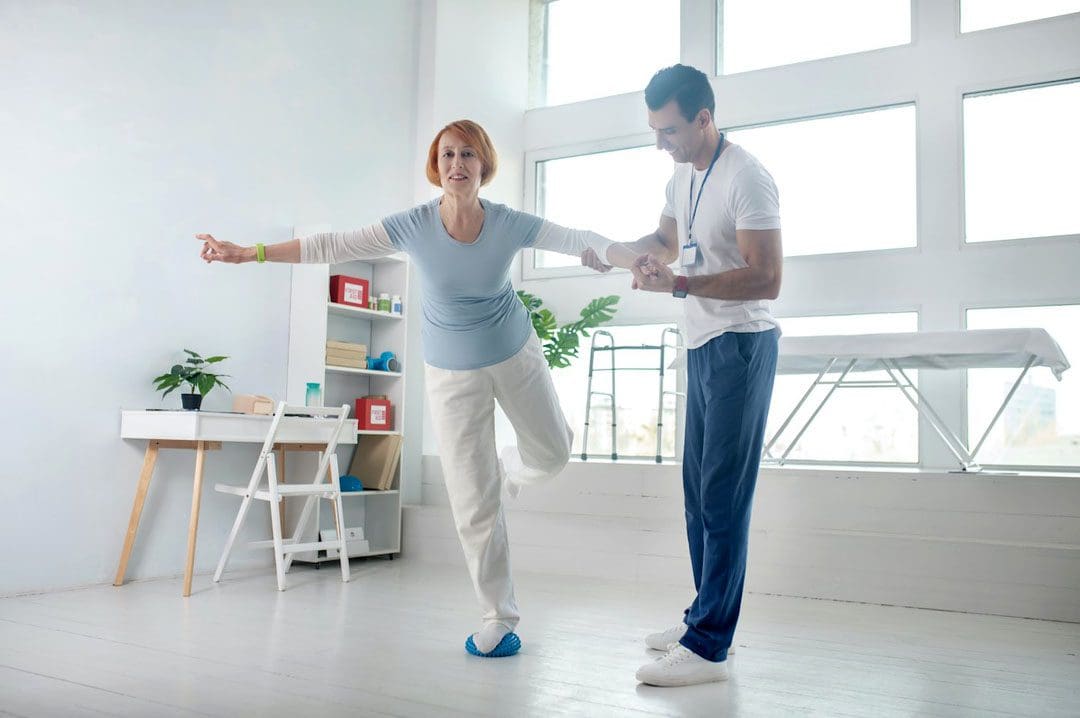
To improve static/stationary and dynamic/while moving balance, both sitting unsupported to improve core control and standing upright with or without handheld support.
Therapeutic Activities
To improve independence with bed mobility skills like rolling and sitting up from lying down and transfers on and off beds, chairs, and toilets.
Therapeutic exercises for stretching and strengthening muscles and improving coordination and motor control.
Endurance Training
This can be done with cardiovascular equipment like treadmills, stationary bicycles, and ellipticals.
Vestibular Therapy Interventions
Balance exercises with head movements and exercises to treat a common cause of dizziness are used to improve eye movement control.
Examples are the Dix-Hallpike and Epley maneuvers.
Conditions
Neurological physical therapy can treat various conditions. Some neurological conditions are progressive, worsening over time, and require regular physical therapy and at-home exercises to maintain optimal health and wellness. Neurological conditions that can be treated with physical therapy include: (Cleveland Clinic, 2022)
Strokes – loss of blood supply to the brain.
Spinal cord injuries – damage to part of the central nervous system resulting in loss of movement and control.
Polyneuropathies – damage to the peripheral nerves.
Traumatic brain injuries – for example, concussions.
Cerebral palsy – a group of disorders affecting movement, balance, and posture.
Multiple sclerosis – a disabling disease of the brain and spinal cord.
Parkinson’s disease – a progressive nervous system disorder.
Guillain-Barre syndrome – an autoimmune disease attacking the nerves.
Amyotrophic lateral sclerosis/ALS, also known as Lou Gehrig’s disease.
Vertigo, including benign paroxysmal positional vertigo or BPPV.
Neurological conditions, like an automobile collision, can occur suddenly or be progressive, such as Parkinson’s. Physical therapy helps those individuals by increasing their use of weakened muscles, improving their motor control, coordination, and balance, and facilitating their independence with daily tasks and movements. Always seek immediate medical attention for any sudden, unexplained muscle weakness. Individuals who experience skeletal muscle weakness should discuss the type and duration of symptoms with their doctor, specialist, physical therapist, or chiropractor, as this might be a sign of a medical condition such as a neuromuscular disorder. Injury Medical Chiropractic and Functional Medicine Clinic works with primary healthcare providers and specialists to develop a personalized treatment program through an integrated approach to treat injuries and chronic pain syndromes, improving flexibility, mobility, and agility, relieving pain, and helping individuals return to normal activities. If other treatments are needed, Dr. Jimenez has teamed up with top surgeons, clinical specialists, medical researchers, and rehabilitation providers to provide the most effective treatments.
Can understanding night cravings help individuals who constantly eat at night plan meals that satisfy and choose nutritious snacks?
Eating At Night
Snacking after dinner and eating at night is common and not bad; however, snacking mindfully can help one truly enjoy and savor snacks. Consider some of the reasons why you might be hungry or not completely satisfied after dinner. Improving the nutritional value of nighttime snacks can make late-night hunger work toward meeting nutritional needs. Common reasons include:
Not meeting the right macronutrient balance during dinner.
Not being completely satisfied with dinner.
Dehydration.
Macronutrient Profile
Getting the right amount of carbohydrates, fat, and protein during dinner is integral to feeling satisfied. Adults need 130g of carbohydrates, 56g of protein, and 3.7L of water daily. The amount of fat required varies, but monounsaturated and polyunsaturated fats are the most healthy fats to consume, helping the body feel satisfied. Several studies show that eating protein during a meal reduces hunger and decreases cravings. (Kohanmoo, A. et al., 2020)
Unsatisfying Dinner
Another reason individuals eat at night is that they are unsatisfied with dinner. Eating satiating foods can help the mind and body feel full throughout the evening.
Satiety is the sense of satisfaction from food.
Foods high in fiber and healthy fats are known to help produce satisfaction.
When the body is full and satisfied, it produces hormones that signal to the brain there is no need to continue eating.
Try to plan healthy meals that are genuinely exciting to eat.
Create time to cook and make and eat meals you can genuinely enjoy.
Dehydration
Sometimes, when the body is dehydrated, it can have difficulty distinguishing thirst from hunger. As a result, some may eat in reaction to dehydration. This isn’t always bad, as some foods, specifically water-rich foods like melon and other fruits, can provide hydration. But sometimes, individuals don’t realize they are misreading their body’s thirst for hunger, and they reach for any food. They are still dehydrated, so they keep eating. If hunger persists after dinner, drink a glass of water and wait 20 minutes to see if that impacts hunger.
Maximize Nutrition
Snacking at night is not bad, but it is wise to plan to ensure the body gets the right balance of nutrients.
Satisfy Cravings
Many crave something sweet after dinner or later on. Eating healthy foods that satisfy cravings will help trigger hormones that tell the body it is done eating. Keep your favorite fruits and vegetables for a quick bite to get some sweetness and fiber. Vegetables like red bell peppers and carrots provide sweetness and crunchiness and can be satisfying. One small red pepper provides 100% of the daily recommended Vitamin C in 20 calories. (U.S. Department of Agriculture. Agricultural Research Service. 2018)
Foods that Promote Sleep
The foods chosen can affect sleep. Whole grains, walnuts, cherries, and kiwi increase serotonin and decrease the stress hormone cortisol. Complex carbohydrates contain melatonin, a hormone responsible for feeling sleepy. A whole-grain snack is a healthy choice before going to bed. (Nisar, M. et al., 2019) Some research shows that dark chocolate is rich in magnesium and can help promote deep sleep. However, it also contains caffeine, which can inhibit sleep. If dark chocolate is a favorite, make sure to eat it early enough in the evening.
Alternative Nighttime Routine
Some people eat out of boredom at night. To curb this, individuals in this category should change their routines. Here are a few tips to help adjust nighttime habits.
Healthy After-Dinner Activities
Go for a quick walk after dinner. 10 to 20 minutes can help, as physical activity signals the shift from dinner to other evening activities.
It also gives the body a chance to feel the fullness sensation.
Hobbies and other light meditative activities can help take the mind off eating.
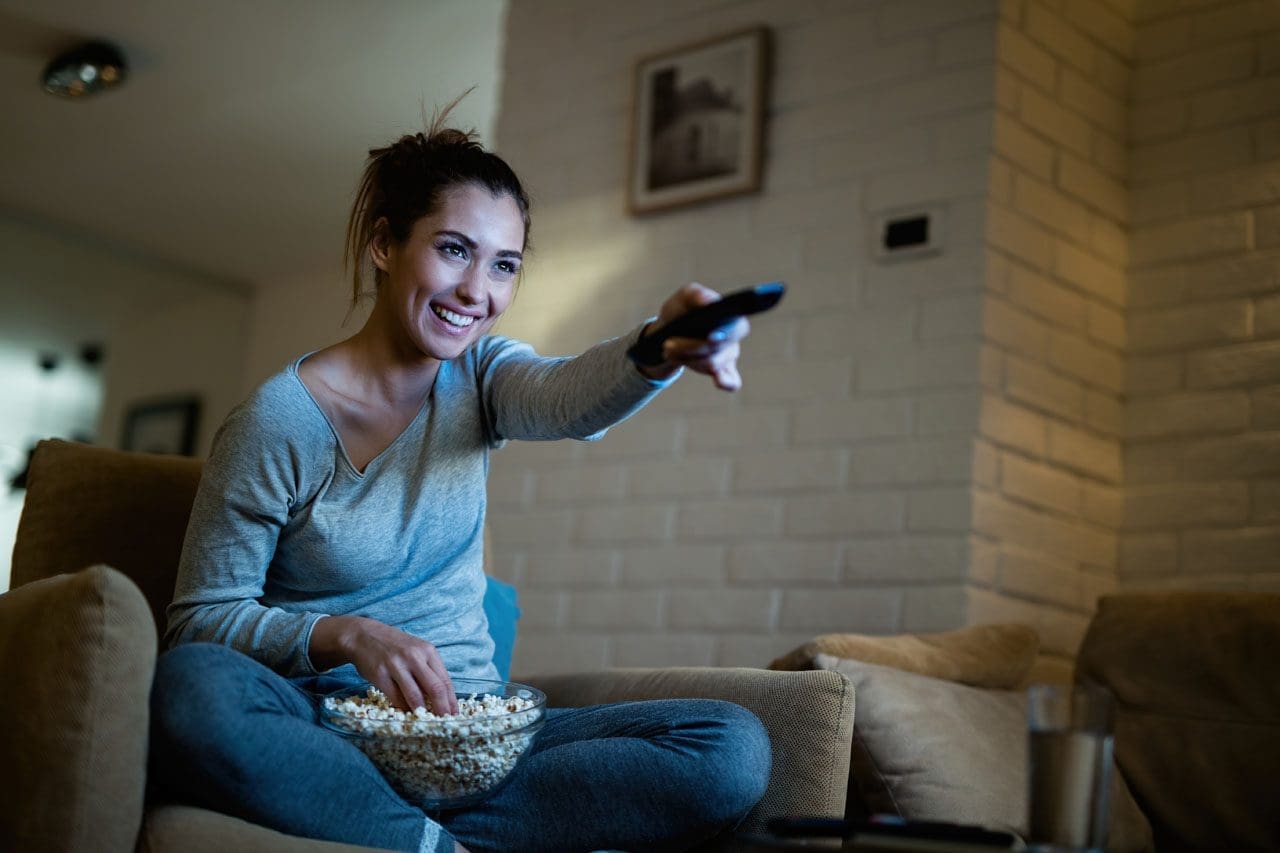
Watch TV Mindfully
Many individuals eat more at night because snacking can go on and on in front of the television.
Use smart and healthy snacking strategies like portion control.
Remember to take a drink of water in between snacking.
Stay active – simple chores or activities while watching TV can help avoid overeating.
Rest and Sleep
Not getting enough sleep has been linked with increased appetite. (Hibi, M. et al., 2017)
Engage in activities to encourage rest.
Meditation can help calm down the mind and body.
Consider going to bed earlier.
Using an integrated approach, Dr. Jimenez’s Functional Medicine Team aims to restore health and function to the body through Nutrition and Wellness, Functional Medicine, Acupuncture, Electro-Acupuncture, and Sports Medicine protocols. We focus on what works for the individual through researched methods and total wellness programs.
Eating Right to Feel Better
References
Kohanmoo, A., Faghih, S., & Akhlaghi, M. (2020). Effect of short- and long-term protein consumption on appetite and appetite-regulating gastrointestinal hormones, a systematic review and meta-analysis of randomized controlled trials. Physiology & behavior, 226, 113123. https://doi.org/10.1016/j.physbeh.2020.113123
U.S. Department of Agriculture. Agricultural Research Service. FoodData Central. (2018). Peppers, sweet, red, raw. Retrieved from https://fdc.nal.usda.gov/fdc-app.html#/food-details/170108/nutrients
Nisar, M., Mohammad, R. M., Arshad, A., Hashmi, I., Yousuf, S. M., & Baig, S. (2019). Influence of Dietary Intake on Sleeping Patterns of Medical Students. Cureus, 11(2), e4106. https://doi.org/10.7759/cureus.4106
Hibi, M., Kubota, C., Mizuno, T., Aritake, S., Mitsui, Y., Katashima, M., & Uchida, S. (2017). Effect of shortened sleep on energy expenditure, core body temperature, and appetite: a human randomised crossover trial. Scientific reports, 7, 39640. https://doi.org/10.1038/srep39640
For individuals with arthritis, can incorporating acupuncture with other therapies help manage pain and other symptoms?
Acupuncture For Arthritis
Acupuncture has been around for thousands of years and is a form of traditional Chinese medicine that utilizes needles inserted into various parts of the body to relieve pain and inflammation. The practice is based on the concept of life energy that flows throughout the body along pathways called meridians. When the energy flow becomes disrupted, blocked, or injured, pain or illness can present. (Arthritis Foundation. N.D.) Further research is needed to determine how the acupuncture therapeutic mechanisms work and the overall effectiveness. However, there is emerging evidence suggesting that acupuncture can provide symptom relief for individuals with joint pain, especially those with osteoarthritis and rheumatoid arthritis. (Pei-Chi Chou, Heng-Yi Chu. 2018)
Benefits
The actual method that reduces the pain and inflammation is still unclear. Theories include that the needles suppress inflammatory responses, improve blood flow, and relax muscles. Although acupuncture cannot cure or reverse arthritis, it may be useful for managing pain and decreasing associated symptoms, especially in combination with other therapies. (Pei-Chi Chou, Heng-Yi Chu. 2018)
Rheumatoid Arthritis
A systematic review of 43 studies, including humans and animals with rheumatoid arthritis, demonstrated varied results. Several studies showed improvement in symptoms and decreased biological markers of rheumatoid arthritis following one to three sessions of acupuncture for four weeks or more. (Sharon L. Kolasinski et al., 2020) Beneficial outcomes following acupuncture treatment for rheumatoid arthritis include:
Reduced pain
Reduced joint stiffness
Improved physical function
The results of the human and animal studies suggested that acupuncture has the potential to down-regulate:
Levels of interleukins
Levels of tumor necrosis factor
Specific cell signaling proteins/cytokines involved in the inflammatory response, which become elevated in autoimmune conditions like rheumatoid arthritis. (Pei-Chi Chou, Heng-Yi Chu. 2018)
Most of the study subjects were also receiving other forms of treatment, especially medication. Therefore, it is difficult to conclude how beneficial acupuncture is alone or as a supplemental addition to other medical treatments. (Pei-Chi Chou, Heng-Yi Chu. 2018)
Osteoarthritis
Acupuncture for osteoarthritis of the hand, hip, and knee is recommended, according to the American College of Rheumatology and Arthritis Foundation, meaning that it may be worth trying, although more research is needed to confirm its effectiveness. However, since the risk is relatively minor, acupuncture is generally considered a safe alternative treatment option for managing the symptoms. (Sharon L. Kolasinski et al., 2020)
Chronic Pain
As clinical trials suggest that acupuncture may be effective in providing pain relief, it may be a recommended option for individuals suffering from chronic pain. A recent systematic review of 20,827 patients and 39 trials concluded that acupuncture is effective for the treatment of chronic musculoskeletal pain, headache, and osteoarthritis pain. (Andrew J. Vickers et al., 2018)
Triggering the release of endorphins/hormones that help reduce pain.
Safety
Acupuncture is considered a safe procedure by a licensed and certified professional.
To practice acupuncture in the United States, an acupuncturist needs a minimum of a master’s degree from a program accredited by the American Academy of Acupuncture and Oriental Medicine and a license in the state where they received their acupuncture treatment.
Doctors with an MD or DO degree licensed in the United States to practice medicine can also be licensed by the American Academy of Medical Acupuncture after additional training.
Risks
Risks associated with acupuncture are bleeding and bruising, especially for individuals who have a bleeding disorder like hemophilia or take a blood thinning medication. Individuals are recommended to talk to their healthcare provider to determine if acupuncture is a safe option.
Side Effects
Most individuals do not experience any side effects, although possible reactions can include: (Shifen Xu et al., 2013)
Soreness
Bruising
Scarring
Needle shock: a vasovagal response that presents as feeling faint, clammy hands, chills, and slight nausea.
Acupuncture Session
During the initial treatment, individuals will discuss their medical history and what joints and areas of their bodies are presenting with symptoms.
After a physical exam, the individual will lie on a treatment table.
Individuals may be face up or down depending on what areas of the body the acupuncturist needs to access.
It is recommended to wear loose clothing that can be rolled up or moved out of the way to access different areas easily.
Depending on what areas need to be accessed, individuals may be asked to change into a medical gown.
The acupuncturist will use alcohol swabs to disinfect the area before inserting the needles.
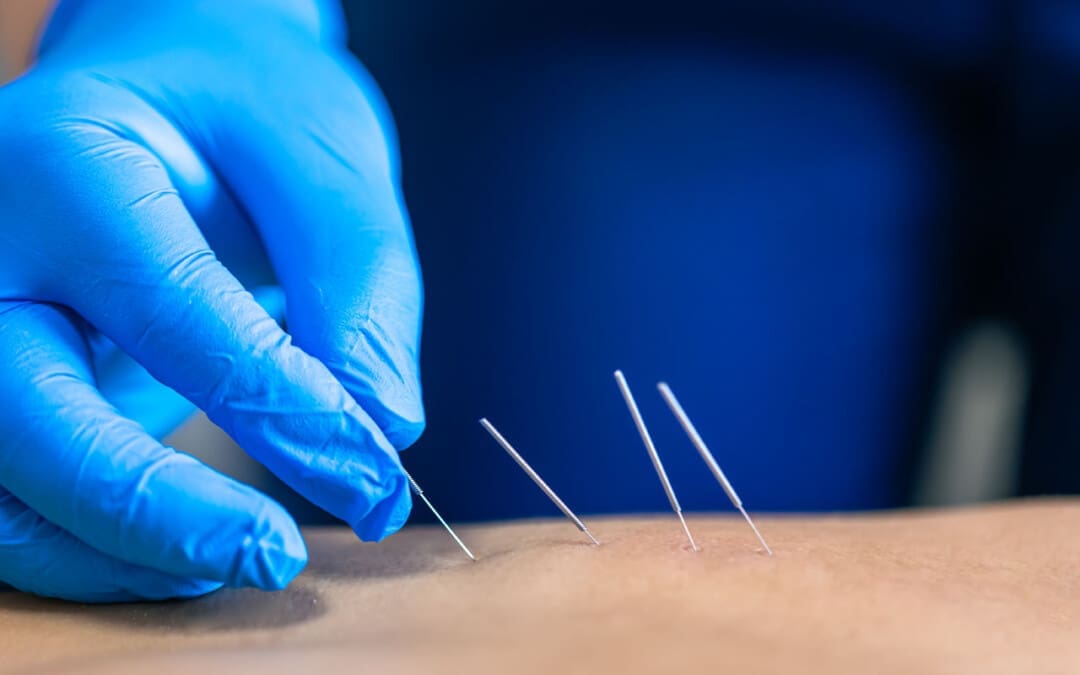
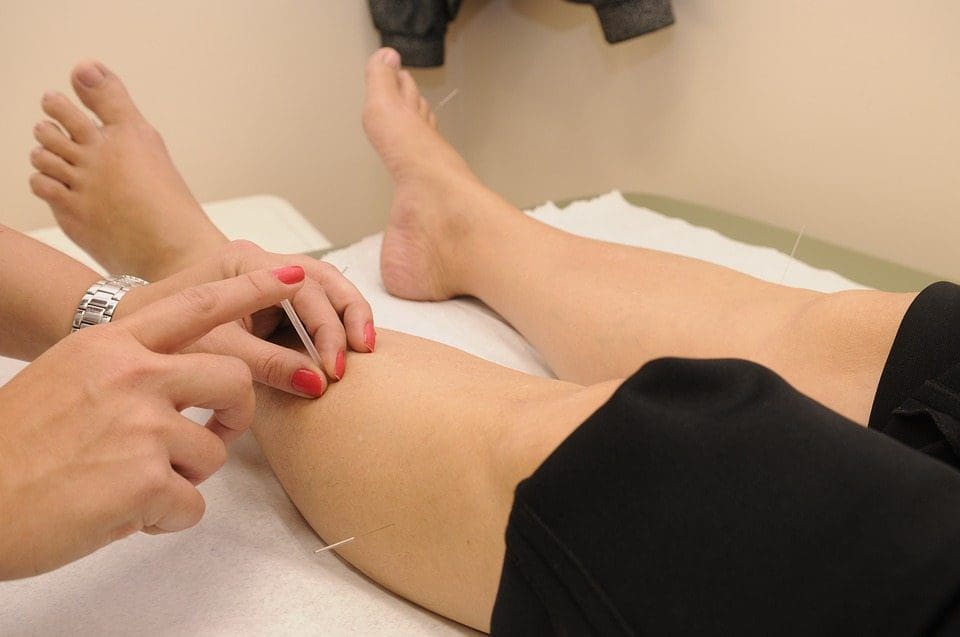
The needles are made of stainless steel and are extremely thin.
Individuals may feel a slight pinch in sensitive areas like the hands and feet, but needle insertion should be comfortable and well-tolerated without significant discomfort.
For electroacupuncture, the acupuncturist will pass a mild electric current through the needles, typically 40 to 80 volts.
The needles stay in place for 20 to 30 minutes.
After the treatment is finished, the acupuncturist will remove the needles and dispose of them.
Frequency
The frequency of acupuncture sessions will vary depending on the severity of the symptoms and whether the visits are approved and reimbursed by the health insurance company.
Cost and Insurance
Costs for acupuncture can vary from $75 to $200 per session.
The first session, which involves an initial assessment and evaluation, usually costs more than follow-up visits.
Whether the health insurance will cover some or all of the costs of acupuncture sessions depends on the individual insurance company and the condition being treated.
Medicare currently covers acupuncture services up to 12 visits within a 90-day period for chronic low back pain only.
Medicare will not cover acupuncture for other conditions. (Medicare.gov. N.D.)
Acupuncture is not a cure for arthritis, but it may be a useful tool to help manage pain and other symptoms. Make sure to consult a healthcare provider if acupuncture is safe to try based on medical history.
Chou, P. C., & Chu, H. Y. (2018). Clinical Efficacy of Acupuncture on Rheumatoid Arthritis and Associated Mechanisms: A Systemic Review. Evidence-based complementary and alternative medicine : eCAM, 2018, 8596918. https://doi.org/10.1155/2018/8596918
Kolasinski, S. L., Neogi, T., Hochberg, M. C., Oatis, C., Guyatt, G., Block, J., Callahan, L., Copenhaver, C., Dodge, C., Felson, D., Gellar, K., Harvey, W. F., Hawker, G., Herzig, E., Kwoh, C. K., Nelson, A. E., Samuels, J., Scanzello, C., White, D., Wise, B., … Reston, J. (2020). 2019 American College of Rheumatology/Arthritis Foundation Guideline for the Management of Osteoarthritis of the Hand, Hip, and Knee. Arthritis care & research, 72(2), 149–162. https://doi.org/10.1002/acr.24131
Vickers, A. J., Vertosick, E. A., Lewith, G., MacPherson, H., Foster, N. E., Sherman, K. J., Irnich, D., Witt, C. M., Linde, K., & Acupuncture Trialists’ Collaboration (2018). Acupuncture for Chronic Pain: Update of an Individual Patient Data Meta-Analysis. The journal of pain, 19(5), 455–474. https://doi.org/10.1016/j.jpain.2017.11.005
Xu, S., Wang, L., Cooper, E., Zhang, M., Manheimer, E., Berman, B., Shen, X., & Lao, L. (2013). Adverse events of acupuncture: a systematic review of case reports. Evidence-based complementary and alternative medicine : eCAM, 2013, 581203. https://doi.org/10.1155/2013/581203
Medicare.gov. (N.D.). Acupuncture. Retrieved from https://www.medicare.gov/coverage/acupuncture
For individuals dealing with injuries and pain conditions, can incorporating acupuncture into a treatment plan help alleviate and manage pain?
Acupuncture Pain Management
Pain management techniques include physical therapy, medications, cold therapies, chiropractic, and massages. One method that is growing is acupuncture. (World Health Organization. 2021) According to a report by the World Health Organization, acupuncture is the most commonly used form of traditional medicine practiced globally. (World Health Organization. 2021) More than 10 million acupuncture treatments are administered annually in the U.S. (Jason Jishun Hao, Michele Mittelman. 2014)
What Is It?
Acupuncture is a medical practice that involves placing solid but super thin needles at specific points in the body to treat certain health issues. They can be used on their own or stimulated with electric currents, called electroacupuncture. Acupuncture originated in China about 3,000 years ago and is known as traditional Chinese medicine or TCM. In more recent years, the practice has gained acceptance and demand worldwide. (Jason Jishun Hao, Michele Mittelman. 2014)
How Does It Work?
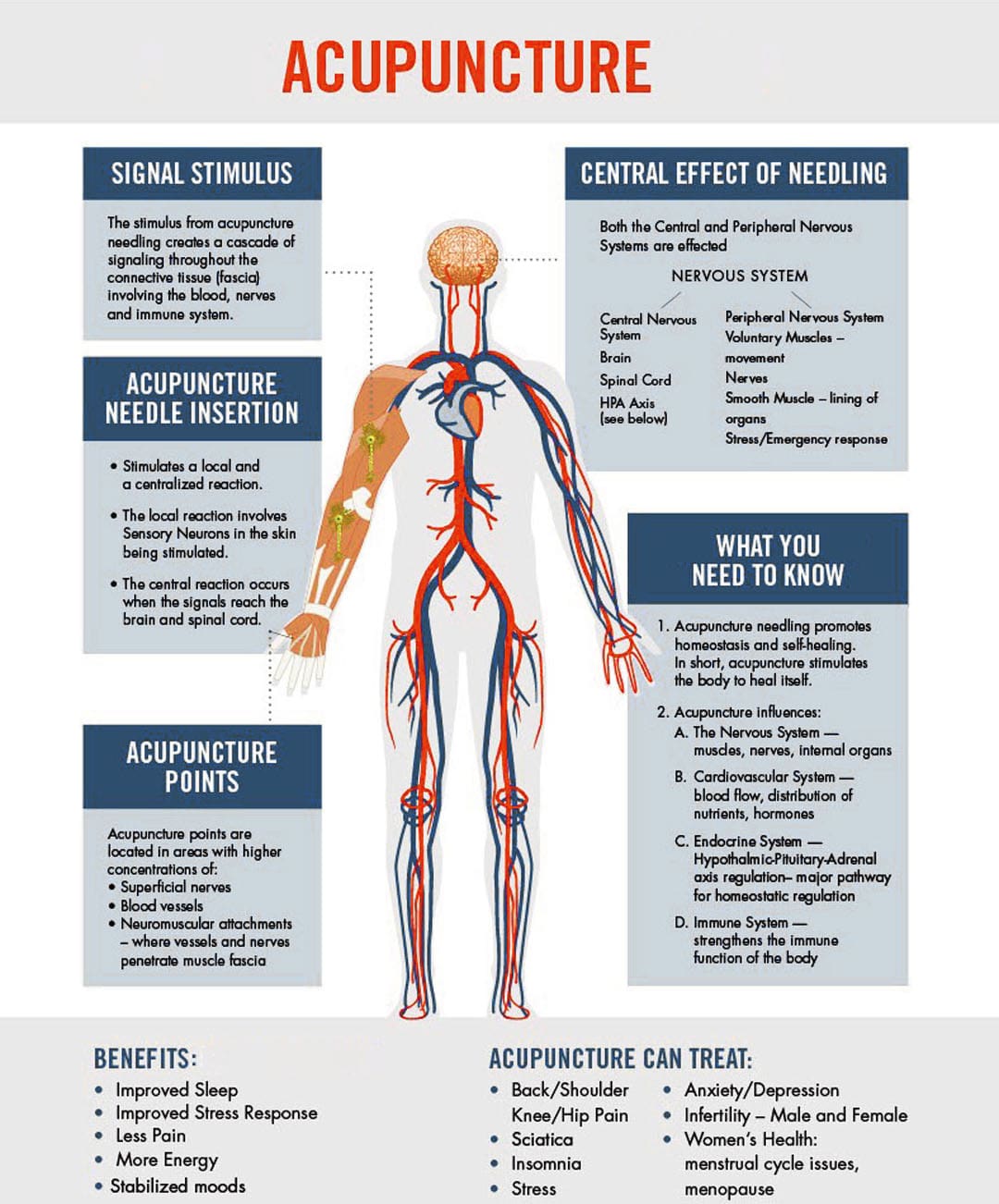
Acupuncture pain management works by balancing the flow of qi/chi/energy, which moves through meridians, or channels in the body. By inserting needles into specific points along these channels, balance is reestablished for overall health and well-being. When the energy is imbalanced due to internal and external stressors that can include injuries, underlying conditions, unhealthy diet, and stress, individuals can present with symptoms and illness. Using diagnostic techniques and comprehensive interviews, practitioners can determine which organ systems and meridian channels need addressing to restore function. There are more than 2,000 acupoints in the body. (Johns Hopkins Medicine. 2024) Each point has its own purpose and function: some increase energy, others decrease it, helping balance the body to support healing and recovery. Acupuncture pain management goes beyond energy healing and can help alleviate pain by stimulating nerves, muscles, and fascia/connective tissue, regulating immune response, nervous system response, lymphatic flow, and increasing muscle relaxation.
Types
Different types of acupuncture have been modified in training and styles, but all involve needling into certain points and include:
Orthopedic/Dry Needling
This technique combines Traditional Chinese Medicine and structure manipulation to treat pain, tissue injuries, imbalances in the body, and other general systemic disorders.
Five Element Style
This is a spiritual and emotional technique that uses the five elements of nature, including wood, fire, earth, metal, and water, to transfer energy, creating balance in the body.
Japanese Style
uses similar techniques to TCM but uses a more subtle approach, such as using fewer needles or inserting them at lower depths in the body.
Korean
This technique uses both techniques from Chinese and Japanese acupuncture.
Practitioners may use more needles and different kinds of needles, like a copper variety, instead of the standard stainless steel type.
This type of acupuncture uses only acupoints on the hand to treat different areas of the body.
Auricular
This is similar to Korean acupuncture but relies on certain points in the ear to treat other areas of the body.
The goal is to overcome imbalances and disharmonies.
Distal
This technique treats pain indirectly.
Practitioners place needles in spots other than the area of discomfort.
For example, practitioners may place needles around the elbows for knee pain or the lower legs for shoulder pain.
Acupressure
This form of therapy stimulates different acupoints without using needles.
Practitioners use precise finger placements, hands, or other tools and essential oils to apply pressure over specific points to enhance energy flow.
Providers can combine and use various forms based on an individual’s needs.
Conditions
One analysis of more than 2,000 scientific reviews of acupuncture therapies found it to be effective for post-stroke aphasia, neck, shoulder, lower back pain, muscle pain, fibromyalgia pain, lactation issues after delivery, vascular dementia symptoms, and allergy symptoms. (Liming Lu et al., 2022) A study on mice by neuroscientists found that electroacupuncture can decrease inflammation. (Shenbin Liu et al., 2020) The National Center for Complementary and Integrative Health found that acupuncture can be helpful for: (National Center for Complementary and Integrative Health. 2022)
Nausea and vomiting in cancer patients undergoing treatment
Chronic prostatitis
Digestion
Irritable bowel syndrome
Seasonal allergies
Urinary incontinence
Infertility
Asthma
Quitting smoking
Depression
Safety
When the treatment is performed by a highly trained, licensed, and certified acupuncturist, it is very safe. The most common serious adverse events were pneumothorax/collapsed lung, cardiovascular problems, and fainting, which in some cases caused trauma, like fractures. (Petra Bäumler et al., 2021) There are some short-term risks associated with acupuncture, including:
Pain
Bleeding
Bruising
Drowsiness
Dizziness for individuals that have not eaten or fear of needles.
Serious side effects associated with acupuncture, like a punctured lung or infection, are very rare. For individuals that have a metal allergy, infection, or open wound in the area where the needles will be inserted, it is recommended to avoid acupuncture. Individuals who have a bleeding disorder, are taking any medicines like an anticoagulant, or are pregnant, should talk to the acupuncturist before beginning a treatment plan.
What to Expect
Everyone’s visit will be tailored to their specific needs, and the first visit will likely last an hour or two. The initial evaluation will include a full medical/health history. The individual will spend a few minutes discussing concerns and health goals with the acupuncturist. Individuals will be asked to lie on the treatment table so the practitioner can access their limbs, back, and abdomen. After inserting needles, they will stay in place for about 20 to 30 minutes. At this time, individuals can relax, meditate, sleep, listen to music, etc. The practitioner may monitor if and how the pulse has changed and add or remove needles. After the needles are removed, the practitioner will determine the course of treatment. Depending on how chronic or severe the condition is, they may recommend several acupuncture pain management treatments over the course of several weeks.
Chiropractic Care For Healing After Trauma
References
World Health Organization. (2021). WHO benchmarks for the practice of acupuncture.
Hao, J. J., & Mittelman, M. (2014). Acupuncture: past, present, and future. Global advances in health and medicine, 3(4), 6–8. https://doi.org/10.7453/gahmj.2014.042
Johns Hopkins Medicine. (2024). Acupuncture.
Lu, L., Zhang, Y., Tang, X., Ge, S., Wen, H., Zeng, J., Wang, L., Zeng, Z., Rada, G., Ávila, C., Vergara, C., Tang, Y., Zhang, P., Chen, R., Dong, Y., Wei, X., Luo, W., Wang, L., Guyatt, G., Tang, C., … Xu, N. (2022). Evidence on acupuncture therapies is underused in clinical practice and health policy. BMJ (Clinical research ed.), 376, e067475. https://doi.org/10.1136/bmj-2021-067475
Liu, S., Wang, Z. F., Su, Y. S., Ray, R. S., Jing, X. H., Wang, Y. Q., & Ma, Q. (2020). Somatotopic Organization and Intensity Dependence in Driving Distinct NPY-Expressing Sympathetic Pathways by Electroacupuncture. Neuron, 108(3), 436–450.e7. https://doi.org/10.1016/j.neuron.2020.07.015
National Center for Complementary and Integrative Health. (2022). Acupuncture: what you need to know.
Bäumler, P., Zhang, W., Stübinger, T., & Irnich, D. (2021). Acupuncture-related adverse events: systematic review and meta-analyses of prospective clinical studies. BMJ open, 11(9), e045961. https://doi.org/10.1136/bmjopen-2020-045961
For individuals trying to achieve healthy posture, could using posture awareness training be effective in treatment and prevention?
Posture Awareness
Spinal curves help support the body’s weight, movement, and balance. Five areas include the neck, upper back, lower back, sacrum, and coccyx. The bottom of the spine or sacrum rests between the two hip bones that comprise the pelvis. Because of this location, the movements made with the pelvis significantly affect the spine. (Ibrahim Alkatout, et al., 2021) When the pelvis moves, the spine moves.
Posture-related back pain and associated symptoms are often caused by a weakened strength and flexibility ratio between the opposing muscle groups that hold the body upright.
Achieving healthy posture requires technique and consistent practice for maintaining a healthy pelvis and low back curve. (DeokJu Kim, et al., 2015)
Finding the low back curve and exploring how it responds when moving the pelvis is important to effective posture awareness training.
Kim, D., Cho, M., Park, Y., & Yang, Y. (2015). Effect of an exercise program for posture correction on musculoskeletal pain. Journal of physical therapy science, 27(6), 1791–1794. https://doi.org/10.1589/jpts.27.1791
Alkatout, I., Wedel, T., Pape, J., Possover, M., & Dhanawat, J. (2021). Review: Pelvic nerves - from anatomy and physiology to clinical applications. Translational neuroscience, 12(1), 362–378. https://doi.org/10.1515/tnsci-2020-0184
Żurawski, A. Ł., Kiebzak, W. P., Kowalski, I. M., Śliwiński, G., & Śliwiński, Z. (2020). Evaluation of the association between postural control and sagittal curvature of the spine. PloS one, 15(10), e0241228. https://doi.org/10.1371/journal.pone.0241228
Zemková, E., & Zapletalová, L. (2021). Back Problems: Pros and Cons of Core Strengthening Exercises as a Part of Athlete Training. International journal of environmental research and public health, 18(10), 5400. https://doi.org/10.3390/ijerph18105400
IFM's Find A Practitioner tool is the largest referral network in Functional Medicine, created to help patients locate Functional Medicine practitioners anywhere in the world. IFM Certified Practitioners are listed first in the search results, given their extensive education in Functional Medicine