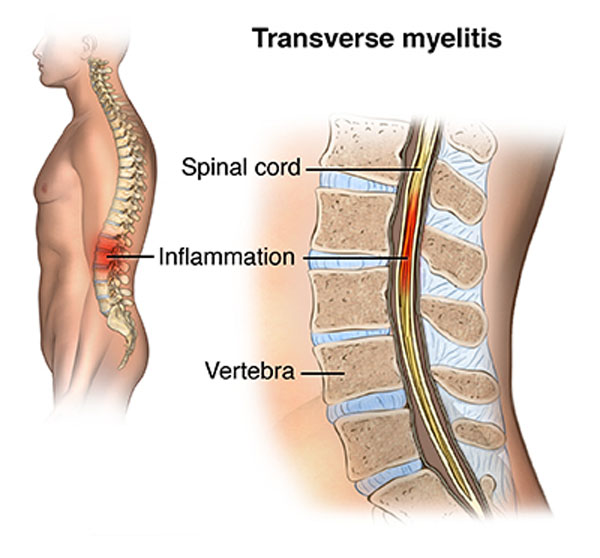
Covid-19 has impacted everyone in so many ways. There is a possible connection between Covid-19 and a rare spinal disorder known as transverse myelitis. There have been three known cases of acute transverse myelitis brought on from covid-19. Although these case reports are not enough to prove that covid is the cause for transverse myelitis, researchers are delving into the possibility of a connection between the virus and this spinal condition.
Transverse Myelitis
Transverse myelitis causes inflammation of the spinal cord. It can be caused by
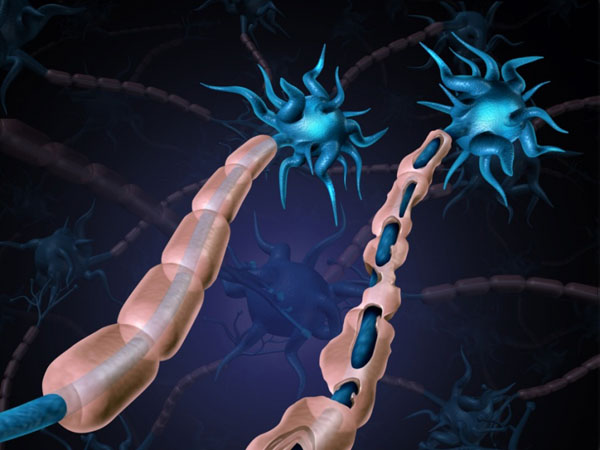
Myelin is the layer that forms around nerve cell axons or the wiring of the nervous system and insulates them. It consists of protein, fatty substances, and acts as a defensive sheath that allows electrical impulses to transmit properly. The insulation properties are essential for:
Proper motor function
Sensory function
Cognition
Without the insulation, the electrical impulses traveling through the spinal cord dissipate or weaken. The messages don't reach the nerves and can lead to:
Muscle spasms
Twitching
Numbness
The most common disorder that destroys the myelin known as demyelination is multiple sclerosis. Transverse myelitis can affect individuals of:
Any race
Gender
Age
There are treatments, but there is no cure. Treatments consist of corticosteroids and other therapies to suppress the immune system. However, their focus is on preventing and minimizing permanent neurological damage.
Recognizing and Identifying
Symptoms of transverse myelitis can include:
Pain that usually starts in the lower back and causes shooting pain/sensations down the legs, arm, and torso
Leg/s and arm/s weakness
Sensory changes in the legs, torso, and genital area
Bladder and Bowel dysfunction
Muscle spasms
General discomfort
Headaches
Fever
Loss of appetite
Depending on the segment of the spine where the damage is occurring will determine which parts of the body are affected. Diagnosis begins with a thorough medical evaluation. A doctor will utilize various methods. A thorough neurological exam will be performed to rule out any issues that require emergency intervention. If a doctor suspects transverse myelitis they will order diagnostic tests like:
Magnetic resonance imaging or an MRI
Blood tests
Lumbar puncture
Treatment
As previously stated, there is no cure for transverse myelitis, and treatment focuses on managing complications. Treatments can include:
The hard facts are that while most people with transverse myelitis have at least a partial recovery, for some, however, recovery can continue for up to two years and longer. A combination of medications, chiropractic, and physical therapy can help improve physical symptoms.
The National Institute of Neurological Disorders and Stroke is working to understand the process, as to how the immune system destroys or attacks myelin. Hopefully, this will lead to answers, improved treatment, and prevention. It is well-documented that Multiple sclerosis, bacterial infections, and other viruses can cause transverse myelitis, research must continue to see if there is a connection to covid-19.
Chiropractic Lower Back Pain Treatment
Dr. Alex Jimenez�s Blog Post Disclaimer
The scope of our information is limited to chiropractic, musculoskeletal, physical medicines, wellness, and sensitive health issues and/or functional medicine articles, topics, and discussions. We use functional health & wellness protocols to treat and support care for injuries or disorders of the musculoskeletal system. Our posts, topics, subjects, and insights cover clinical matters, issues, and topics that relate and support directly or indirectly our clinical scope of practice.*
Our office has made a reasonable attempt to provide supportive citations and has identified the relevant research study or studies supporting our posts. We also make copies of supporting research studies available to the board and or the public upon request. We understand that we cover matters that require an additional explanation as to how it may assist in a particular care plan or treatment protocol; therefore, to further discuss the subject matter above, please feel free to ask Dr. Alex Jimenez or contact us at 915-850-0900. The provider(s) Licensed in Texas& New Mexico*
References
Chakraborty, Uddalak et al. �COVID-19-associated acute transverse myelitis: a rare entity.��BMJ case reports�vol. 13,8 e238668. 25 Aug. 2020, doi:10.1136/bcr-2020-238668
Bulging discs usually present in the lower back. Chiropractic studies have shown that the L4 and L5 segments are more susceptible to stressors that enable and cause the discs to bulge.
These vertebrae shift and become compressed with stress and time. The bulge eventually reaches a point that causes symptoms that include:
Pain
Limited range of motion
Mobility issues
Bulging discs are a common ailment that chiropractors specialize in treating and is one of the most common reasons individuals seek treatment. There is a surprise when individuals learn that spinal adjustments are only part of the solution for relief from bulging discs. Once a chiropractor realigns the vertebrae back into place, the individual must put in the work of preventing any re-bulging.
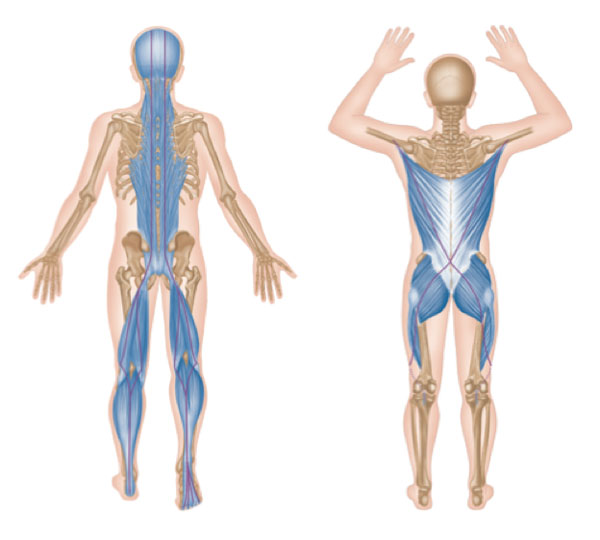
Once relief has been attained individuals can become hesitant when a chiropractor informs them of the need for posterior chain strengthening. Posterior chain adjustments along with strength exercises are very important for the prevention of further bulging discs and overall optimal spine health. Restoring the lower back's curvature and maintaining alignment requires strengthening the support system. Part of the chiropractic experience is educating patients on how to best maintain their spines.
Posterior chain Identification
A bulging low back disc is more than low back pain. A chiropractor will help an individual identify the posterior chain stimulus that is causing their bulging discs. An example to identify the posterior chain root that is causing the pain, a chiropractor will have an individual perform certain movements to figure out where along the chain the problems are occurring. It could be a weakness in the gluteal muscles or if the chiropractor asks the individual to touch their toes from a standing position and they are unable could show inflexibility.
Chiropractic Adjustments
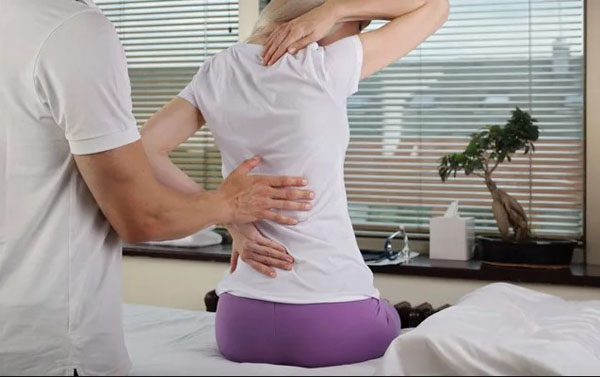
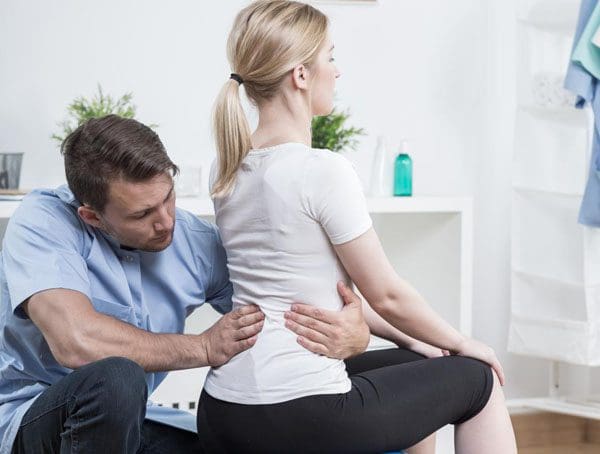
Bulging discs begin with proper chiropractic adjusting and re-alignment. Palpitation along with radiological imaging will allow a chiropractor to determine which lumbar disc/s is bulging and to what extent. This will determine the treatment protocol that the chiropractor will take.
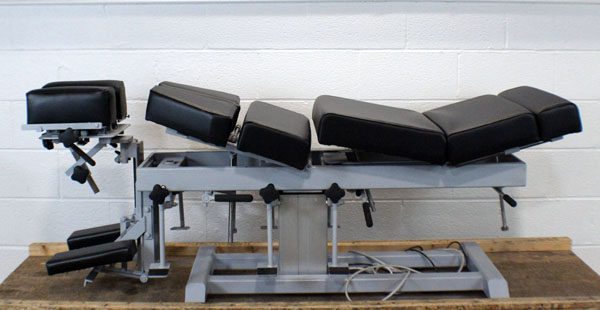
It can include drop table adjustments that will help shift any misaligned vertebrae, and traction to alleviate compression and inflammation. Depending on age, the severity of the bulge, and the cause of the condition, a combination of adjustment techniques could be utilized.
Strengthening
Once the pain has been addressed, a chiropractor will recommend exercises and stretches to strengthen the posterior chain and its support system. The disc/s that are bulging will be able to realign properly while any further bulges can be avoided. Strengthening is focused on the:
Gluteal muscles
Hamstrings
Quadriceps
Hip flexors
Low back
Core strengthening will increase the strength of these muscle groups. This means enhanced support for the entire spine promoting the spine's ability to handle stressors and avoid bulging. Individuals have found benefits from yoga or a specific stretching regimen of the posterior chain. This helps reduce stress in overused/worked muscles that improve flexibility and mobility support systems.
Bulging disc relief
Bulging discs should not be ignored. If left untreated it could lead to more severe complications. To prevent recurring bulges along with low back pain, an individual needs to strengthen the posterior chain. Strengthening, and stretching are all crucial to the chiropractic adjustment process. A customized chiropractic treatment plan will ensure every individual gets the proper support their body needs.
Herniated Disc Treatment
��
Dr. Alex Jimenez�s Blog Post Disclaimer
The scope of our information is limited to chiropractic, musculoskeletal, physical medicines, wellness, and sensitive health issues and/or functional medicine articles, topics, and discussions. We use functional health & wellness protocols to treat and support care for injuries or disorders of the musculoskeletal system. Our posts, topics, subjects, and insights cover clinical matters, issues, and topics that relate and support directly or indirectly our clinical scope of practice.*
Our office has made a reasonable attempt to provide supportive citations and has identified the relevant research study or studies supporting our posts. We also make copies of supporting research studies available to the board and or the public upon request. We understand that we cover matters that require an additional explanation as to how it may assist in a particular care plan or treatment protocol; therefore, to further discuss the subject matter above, please feel free to ask Dr. Alex Jimenez or contact us at 915-850-0900. The provider(s) Licensed in Texas& New Mexico*
References
Djuric, N et al. �Lumbar disc extrusions reduce faster than bulging discs due to an active role of macrophages in sciatica.��Acta neurochirurgica�vol. 162,1 (2020): 79-85. doi:10.1007/s00701-019-04117-7
Remote working and learning have changed the way we operate, but too much sitting and no physical activity is the perfect set up for back pain. Here are a few tips for spine friendly remote working and learning. Spine-health is just as important working or learning remotely, if not more so because it is easy to fall into bad posture habits that will affect the spine. Poor home working/learning habits can cause upper and lower back pain that could become chronic.
Individuals become too comfortable making the home working environment a damaging experience on spinal health. For chiropractors, the pandemic brought an influx of individuals of all ages with upper, middle, and lower back pain. This was caused by poor posture when video conferencing on the couch, slouching at the table and sitting for way too long, and never getting up and moving around.
Children tend to present with pain and aches on the side of the spine versus pain directly centered. This is from side slouching, often when staring at the computer monitor. Adults, especially over 40 complained of pain and stiffness in the upper and lower back. Herniated discs, degenerative disc disease, and sciatica risks increase as bad habits continue and do not improve. However, this can all be helped with a little exercise, work/school space optimization, and forming healthy work and schooling from home habits.
Stretching Out
When working/schooling remotely, there�s a tendency to be more sedentary. Individuals need to learn to take time to stretch out and keep the body limber. It is easy to use breaks to scroll through social media or binge on movies, videos, etc. This can still be accomplished, but stretch out and move around while taking breaks. An exercise program of stretching daily during the workday and endurance training twice a week will help reduce back pain and increase flexion. Results vary for everyone and the type of stretching exercises they are performing.
Core Exercises
Core exercises are a perfect way to work out muscle stress and back pain resulting from poor posture. Slumped over a computer can place significant stress on the trapezius muscle causing the muscle to knot up and tighten. The trapezius muscle is crucial to neck and shoulder movement and helps stabilize the shoulder blades.
Trapezius stretch with band
Holding an elastic band between the hands, place the band at the back of the skull.
Slowly tilt the head back to its full range of motion as the resistance is felt.
Return the head back to the neutral position maintaining alignment with the spine.
Choose 2 items of equal weight such as 2 books, 2 quarts of water, or 2 hand weights, and hold one item in each hand.
Position keeping hands near your sides
Slowly raise up and shrug your shoulders for several seconds
Gently release shoulder shrug and bring back arms to neutral
Repeat for 10 reps
Posture
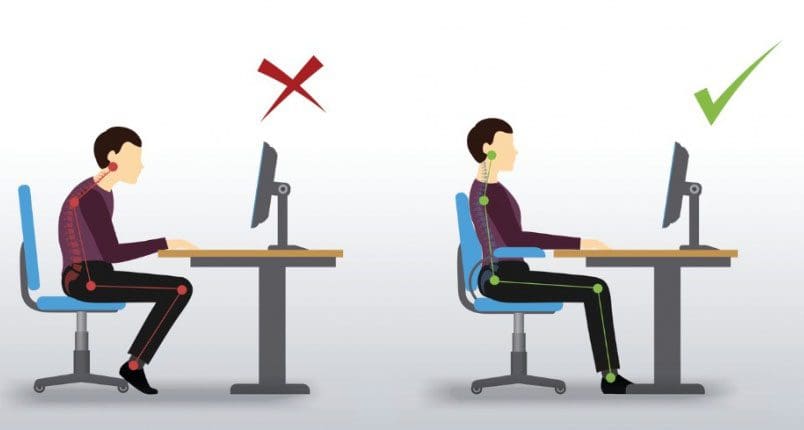
Proper posture is a learned process that requires practice. Using a mirror to check posture can help maintain proper posture while seated when working/schooling. Self-assessing posture correctly is important and viewing oneself in a mirror is an easy way to figure out what adjustments are needed. Questions to ask oneself while self-assessing include:
Is the head far too forward?
Is there slouching?
Are the shoulders curling/rounding around the body?
Posture tips when seated:
Keep the feet flat on the floor or on a footrest
If in the habit of crossing ankles and knees change position often
Position the back against the chair. If the spine does not align with the chair use a cushion or backrest
Position knees at hip height or a little lower
Maintain some space between the back of the knees and the chair�s edge
Look straight ahead but make sure the neck is comfortable
Position forearms parallel to the floor
Maintain relaxed shoulders
Adjust the Light
When lighting is not optimal there can be a tendency to strain forward in various positions. This can cause excessive stress and inflammation to the upper spine area. Natural ambient lighting is recommended. In general, the lighting set-up should be adjusted to easily see the screen without causing glare or any type of discomfort to the eyes.
Take a Walk
A daily routine that will support spine health is to take walk breaks every half hour for a few minutes. If every half hour is not doable then take a 5 or 10-minute break to walk around and stretch every hour. It is important not to remain seated for too long. Remember the body was meant to move and be active.
Optimization Work Station
Using ergonomic office furniture for home use can help prevent the development of unhealthy posture along with the development of further musculoskeletal issues. Laptops are great for their portability and ability to work-from-anywhere. However, actually placing them on your lap and working on them for too long will cause back and neck strain. It is difficult to position the keyboard and screen for maintaining a proper line of sight and hand position.
The most spine-healthy way to work on a laptop is to position the screen at eye level with the keyboard level with slightly extended hands. A recommended long-term solution is using a screen and keyboard that can be adjusted. One type of computer set up is an iPad positioned at eye-level with a stand and a wireless external keyboard/mouse on a table or desk.
A lot of money does not have to be spent on the setup. Books or boxes laying around the house can be used to prop up the screen to the proper height. The goal is when working/schooling remotely is to ensure the body is not hunched over, bent, or straining forward and to maintain proper posture with optimal spinal alignment.
There are unique spinal health challenges when working/learning remotely. However, they can be avoided with a little planning and small adjustments.Taking time to stretch, do a little exercise, walk around the house, have adequate lighting, and making some ergonomic desk, chair, and computer changes that will help maintain a healthy spine.
Back Pain Rehabilitation
Dr. Alex Jimenez�s Blog Post Disclaimer
The scope of our information is limited to chiropractic, musculoskeletal, physical medicines, wellness, and sensitive health issues and/or functional medicine articles, topics, and discussions. We use functional health & wellness protocols to treat and support care for injuries or disorders of the musculoskeletal system. Our posts, topics, subjects, and insights cover clinical matters, issues, and topics that relate and support directly or indirectly our clinical scope of practice.*
Our office has made a reasonable attempt to provide supportive citations and has identified the relevant research study or studies supporting our posts. We also make copies of supporting research studies available to the board and or the public upon request. We understand that we cover matters that require an additional explanation as to how it may assist in a particular care plan or treatment protocol; therefore, to further discuss the subject matter above, please feel free to ask Dr. Alex Jimenez or contact us at 915-850-0900. The provider(s) Licensed in Texas& New Mexico*
References
Moretti A, Menna F, Aulicino M, Paoletta M, Liguori S, Iolascon G. Characterization of Home Working Population during COVID-19 Emergency: A Cross-Sectional Analysis.�Int J Environ Res Public Health. 2020;17(17):6284. Published 2020 Aug 28. doi:10.3390/ijerph17176284
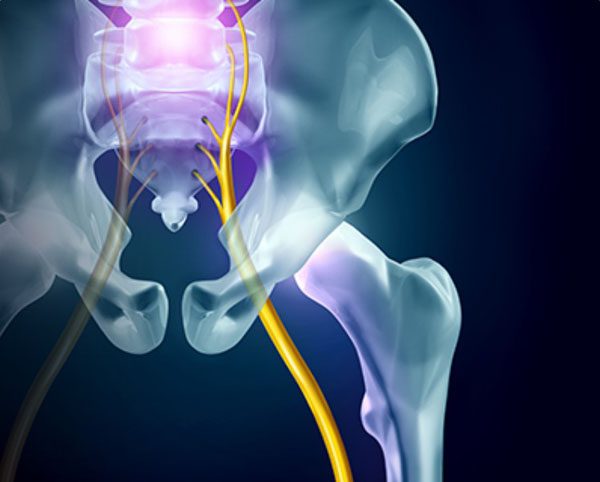
Because sciatica is an inflammatory condition, with the sciatic nerve specifically being the target, sciatica fitness and exercise is one of the first recommendations from chiropractors. Sciatica is a series of symptoms from a variety of underlying medical causes and condition/s. This could be:
Too much sitting, which most of us are doing these days
Work injuries
Automobile accident injuries
Sports injuries
Awkward movements/motions that pulled the sciatic nerve in the wrong direction
A correct diagnosis of the cause is essential to help the chiropractor formulate a customized optimal treatment plan. Individuals can experience the same symptoms across the board, however, despite the similarities, sciatica requires a careful, customized precision approach to treatment. An ideal treatment plan often requires a very specific exercise regimen and chiropractic adjustment schedule. Therefore, there is no one-size-fits-all solution.
Sciatica can be treated effectively with the right chiropractic approach with a high success rate for alleviated symptoms. Effectively treating sciatica requires direct treatment to the specific cause, rather than using techniques that only mask the pain. Example: If a herniated disc is the root cause, sciatica can be relieved by reducing the bulge of the disc, thus bringing down the irritation/inflammation and compression of the sciatic nerve.
�
Sciatica treatment/s depends on the cause
A stretching regimen for sciatica caused by a low back herniated disc will be different than stretches for treating low back spinal stenosis. Understanding how sciatica is the key to unlocking a treatment plan that will work to minimize pain and inflammation.
Exercise Can Help
Exercising and sciatica fitness will help relieve sciatic pain in various ways. These include:
Improves the range of motion, which reduces stress on the spine
Higher activity levels generate adrenaline and endorphins, to help combat the pain
Specific exercises/stretches need to be done that target the sciatic nerve and the root cause. Working with a chiropractor will bring an understanding of specifically how the body should be worked out, the intensity of the workout, and where on the body the focus should be.
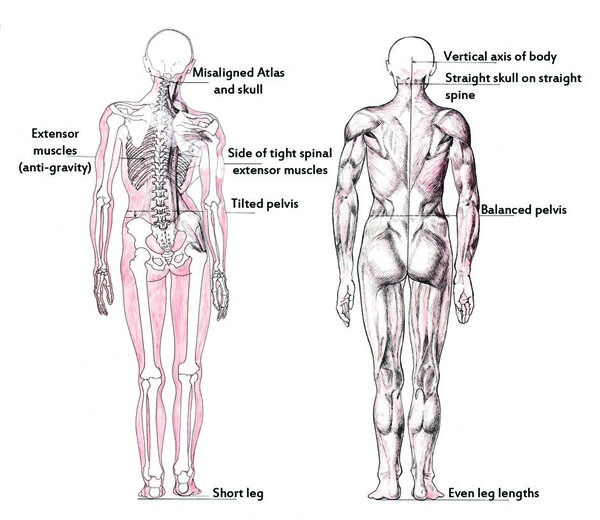
For example, if the nerve is irritated from a pelvic tilt and low back compression, a chiropractor could recommend a minimal cardio workout with combined strength exercises for the hamstrings, glutes, and lower body. A strength and conditioning regimen will increase stability in the lower body, prevent pelvic tilt, and reinforce the chiropractic adjustments/alignment.
Chiropractic Benefits
However, sciatica fitness and exercise on its own is not the complete solution for dealing with chronic sciatic pain. Chiropractic adjustments along with chiropractic prevention are necessary to restore the stability and integrity of the spine. When used in combination with exercise, the re-alignment and corrections can take effect sooner and maintain optimal spinal health. When individuals condition and strengthen their body, The musculature that supports the spine gets massive reinforcement. This minimizes the chances of a reoccurring pelvic tilt from weakened core muscles. The long-term effects of sciatica fitness/exercise and chiropractic spinal/hip manipulation work together to form a perfect combination.
�
Sciatica Fitness
For truly long-term effects of pain relief and a better quality of life, a chiropractic treatment plan is highly recommended. Specific targeted adjustments and re-alignment with a sciatica fitness program will promote optimal health and wellness.
�
Whole Body Wellness Foot Orthotics
Dr. Alex Jimenez�s Blog Post Disclaimer
The scope of our information is limited to chiropractic, musculoskeletal, physical medicines, wellness, and sensitive health issues and/or functional medicine articles, topics, and discussions. We use functional health & wellness protocols to treat and support care for injuries or disorders of the musculoskeletal system. Our posts, topics, subjects, and insights cover clinical matters, issues, and topics that relate and support directly or indirectly our clinical scope of practice.*
Our office has made a reasonable attempt to provide supportive citations and has identified the relevant research study or studies supporting our posts. We also make copies of supporting research studies available to the board and or the public upon request. We understand that we cover matters that require an additional explanation as to how it may assist in a particular care plan or treatment protocol; therefore, to further discuss the subject matter above, please feel free to ask Dr. Alex Jimenez or contact us at 915-850-0900. The provider(s) Licensed in Texas& New Mexico*
References
Beavers, Kristen M et al. �Effect of exercise training on chronic inflammation.��Clinica chimica acta; international journal of clinical chemistry�vol. 411,11-12 (2010): 785-93. doi:10.1016/j.cca.2010.02.069
Coulombe, Brian J et al. �Core Stability Exercise Versus General Exercise for Chronic Low Back Pain.��Journal of athletic training�vol. 52,1 (2017): 71-72. doi:10.4085/1062-6050-51.11.16
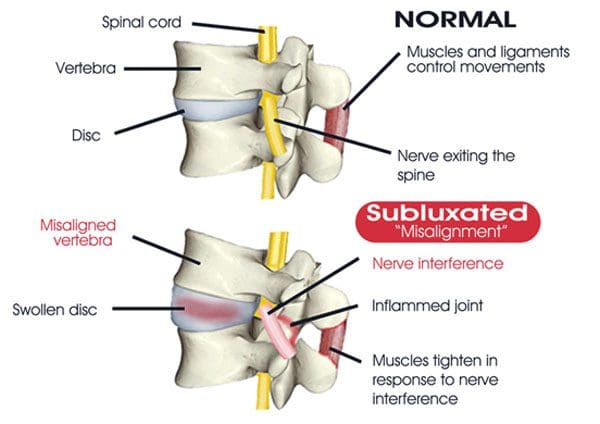
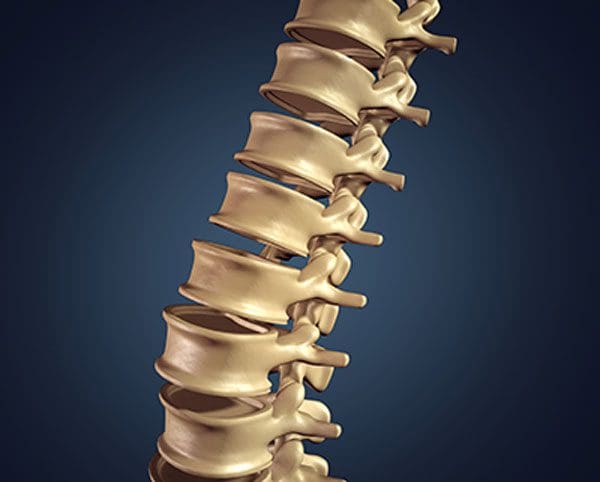
Most individuals go about their lives without thinking about poor posture and spinal misalignment, not to mention the spinal health problems/conditions that are associated with misaligned vertebrae. Most spinal misalignments come on as a result of:
Poor posture habits
Unhealthy diet
Destructive lifestyle choices
Sudden misalignments caused by accident/s or injury/s
Sudden misalignments can be associated with a direct cause that an individual can recognize increased symptoms and injury. It�s the long-term spinal misalignment that can become dangerous if left untreated and out of alignment. This is when it is time to see a chiropractor for an immediate spinal realignment.
Body Posture Mechanics
Poor posture along with poor body mechanics contributes to spinal misalignment. This creates unnecessary and consistent pressure on the:
Muscles
Ligaments
Joints
Discs
The pressure also causes a stretching of the nerves in the neck and low back. These nerves are responsible for transmitting, muscle expansion/contraction signals, vital information, and energy to the body's organs. Any nerve interference will diminish the energy/blood flow to the limbs and organs. This can lead to disease and other major health complications like:
Chronic pain
Decreased mobility
Joint stiffness
Slouched posture
Reduced range of motion
Discomfort when sitting, standing, and lying down
Permanent joint/bone deformity/s
Broken bones, specifically in the spine
Most individuals do not recognize the gradual or long-term health problems linked to the spinal misalignment. Often the signs and symptoms are very subtle, so do not raise a cause for concern. The most direct symptoms of poor posture and spinal misalignment include:
Sore/stiff neck or back
Low energy
Tiredness/fatigue
Headaches
Back muscle spasms
Joint pain
Numbness
Tingling
Altered sensations
In addition to the symptoms, individuals should realize that underlying health conditions could also be linked to poor posture and spinal misalignment. If any of these symptoms are presenting see a chiropractor for an examination and proper diagnosis. These symptoms can be masked with pain killers, mattresses, or caffeinated drinks. However, these will not realign the spine to its proper form.
Chiropractic Lower Back Treatment
Dr. Alex Jimenez�s Blog Post Disclaimer
The scope of our information is limited to chiropractic, musculoskeletal, physical medicines, wellness, and sensitive health issues and/or functional medicine articles, topics, and discussions. We use functional health & wellness protocols to treat and support care for injuries or disorders of the musculoskeletal system. Our posts, topics, subjects, and insights cover clinical matters, issues, and topics that relate and support directly or indirectly our clinical scope of practice.*
Our office has made a reasonable attempt to provide supportive citations and has identified the relevant research study or studies supporting our posts. We also make copies of supporting research studies available to the board and or the public upon request. We understand that we cover matters that require an additional explanation as to how it may assist in a particular care plan or treatment protocol; therefore, to further discuss the subject matter above, please feel free to ask Dr. Alex Jimenez or contact us at 915-850-0900. The provider(s) Licensed in Texas& New Mexico*
References
Veintemillas Ar�iz, M T et al. �Changes in spinal alignment.� �Alteraciones de la alineaci�n vertebral.��Radiologia�vol. 58 Suppl 1 (2016): 115-27. doi:10.1016/j.rx.2016.01.007
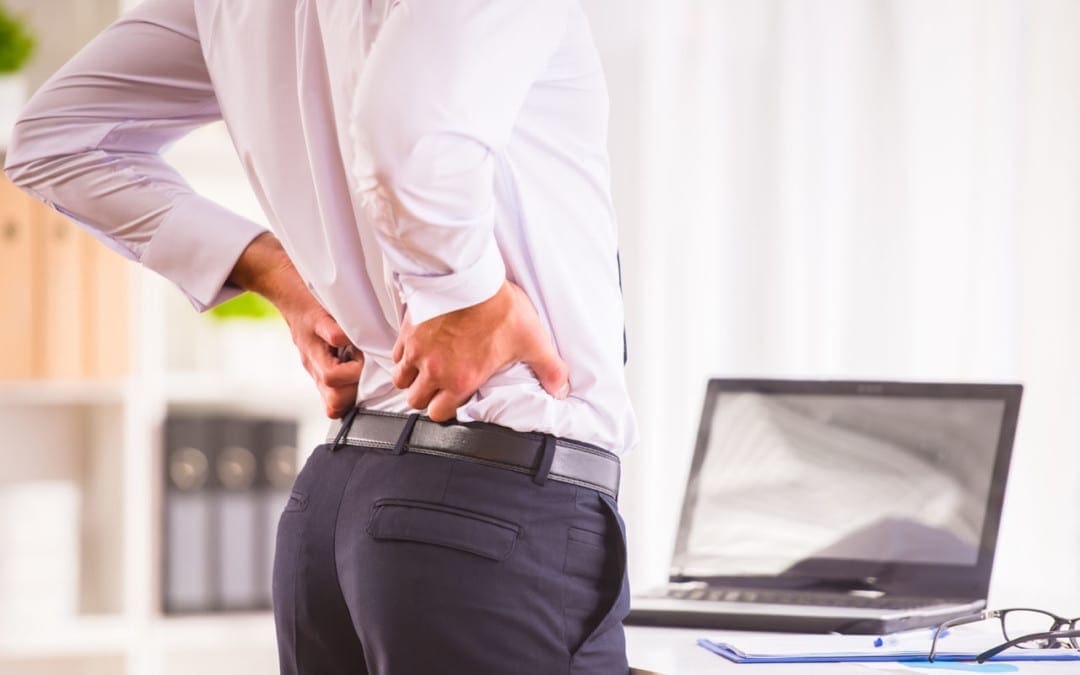
Back or disc pain is becoming increasingly common for individuals of all ages. The spinal discs are prone to injury because of the extreme amount of pressure/stress placed on the lower back and neck. Fortunately, most cases of back pain heal on their own, while others can cause long-term chronic pain that can be difficult to manage, without proper treatment.
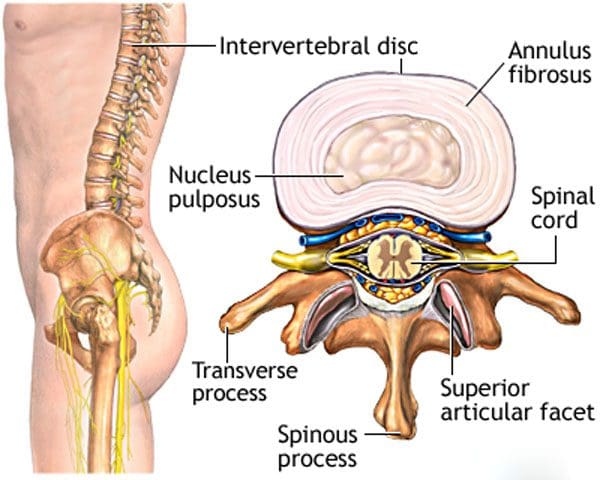
Different types of pain can be caused by problems with the spinal discs. The spinal discs are elastic sections of the spine that sit between the vertebrae. They are made up of materials called annulus fibrosus on the outside and a gel-like material called nucleus pulposus on the inside.
These discs are flexible, which allows for a range of motion to the spine and body shock absorption to increase comfort when in motion. When an individual visits a chiropractor, the practitioner will not know the exact cause of the pain, but only that it hurts around a certain area. Our spinal experts will help individuals understand the different types of ailments or conditions that could be affecting the spine. Then a customized treatment plan can be developed.
Disc problems
Spinal disc pain has two major sources of pain related to spinal discs: They are disc degeneration and nerve root pain. They are most common in the neck and the lower back. Individuals need to be informed of the difference to understand what is happening with the spine and potential treatment options to alleviate the pain and heal the problem.
Degenerative disc disease
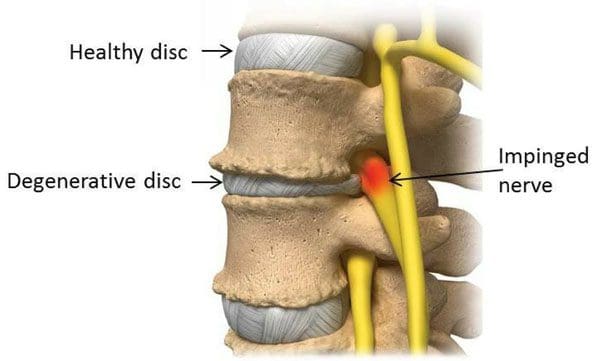
Degenerative disc disease is when the spinal discs begin to dry out and deteriorate. The discs start to shrink and can tear, which leaves that segment with little or no cushioning. This can cause pain, as well as inflammation of the surrounding muscles and joints. Disc degeneration usually presents with low levels of consistent pain and occasional severe flare-ups.
A chiropractor can utilize spinal manipulation to restore alignment, function, and mobility of the affected joint. Massages stretches and exercises will help alleviate the tension in the surrounding muscles along with strengthening them for better support.
Nerve root pain
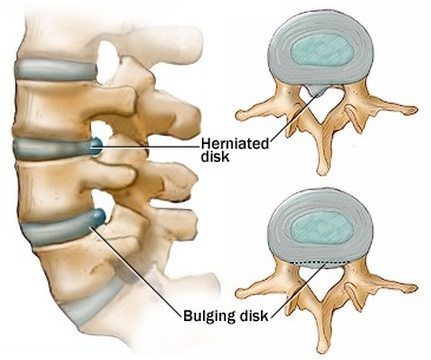
Nerve root pain does not take place within the disc but is usually caused by a bulging or herniated disc. This condition can be called a slipped disc or pinched nerve, affect the nerves that are in close proximity to the neck and lower vertebrae.
The pain can lead to numbness, tingling, and weakness along the path of the nerve, and radiate out to the arms and legs. A bulging disc is when the spinal disc progressively protrudes through a narrow opening.
This can irritate any nearby nerve roots causing inflammation and pain. If the disc herniates or breaks through then the outer protective material tears, letting the cushion/gel leak out and come in contact with the nerve root/s, which could also cause pinching and inflammation. Treatment for a bulging or herniated disc includes:
Spinal manipulation
Corrective exercises
Physical therapy
Massage
Diet adjustments
These treatments can help realign the disc/s, moving them away from any nerves, and minimizing inflammation.
Proper Identification and Diagnosis
Spinal disc problems can be similar in their pain and symptoms. For example, degenerative disc disease can weaken the spinal discs to such a degree that nerve root pain follows creating a dual combination of pain. The conditions require various approaches and treatment methods often done in combination. However, they require a proper diagnosis to create a proper and custom treatment program for every individual. This will ensure the root cause of the disc pain is properly identified and handled. Call us to learn more.
Skateboarding Injury Treatment
Dr. Alex Jimenez�s Blog Post Disclaimer
The scope of our information is limited to chiropractic, musculoskeletal, physical medicines, wellness, and sensitive health issues and/or functional medicine articles, topics, and discussions. We use functional health & wellness protocols to treat and support care for injuries or disorders of the musculoskeletal system. Our posts, topics, subjects, and insights cover clinical matters, issues, and topics that relate and support directly or indirectly our clinical scope of practice.*
Our office has made a reasonable attempt to provide supportive citations and has identified the relevant research study or studies supporting our posts. We also make copies of supporting research studies available to the board and or the public upon request. We understand that we cover matters that require an additional explanation as to how it may assist in a particular care plan or treatment protocol; therefore, to further discuss the subject matter above, please feel free to ask Dr. Alex Jimenez or contact us at 915-850-0900. The provider(s) Licensed in Texas& New Mexico*
References
Browning, J E. �Chiropractic distractive decompression in the treatment of pelvic pain and organic dysfunction in patients with evidence of lower sacral nerve root compression.��Journal of manipulative and physiological therapeutics�vol. 11,5 (1988): 426-32.
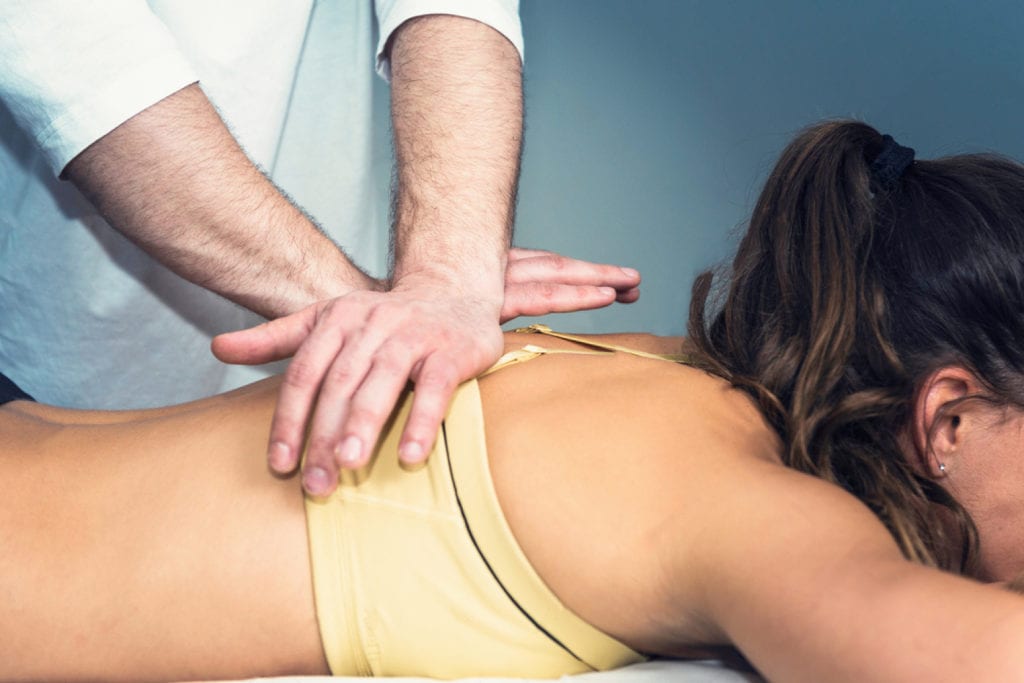
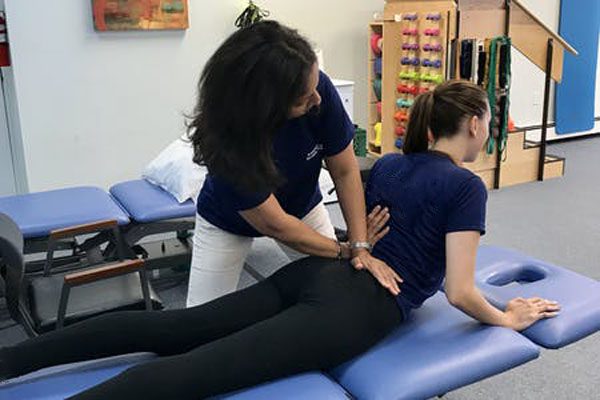
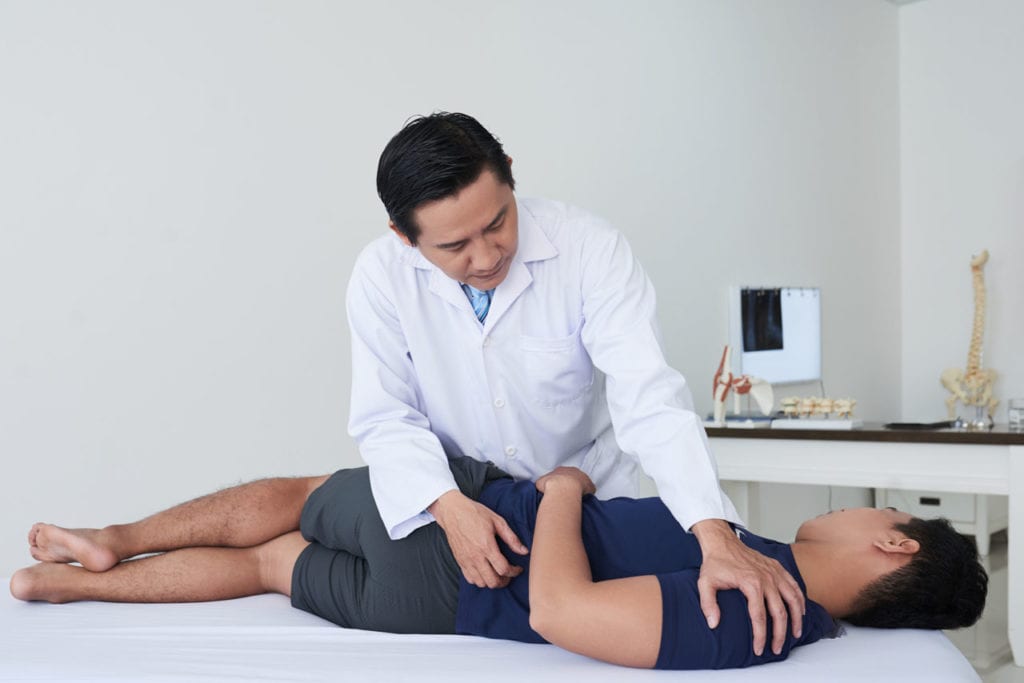
Chiropractic spinal mobilization techniques involve the slow and steady movements of the spine's joints reestablishing their range of motion. Because it is a slower treatment style the techniques are done with the hands. However, a chiropractor can use various instruments/tools as well.
Spinal mobilization treatment has the same focus as spinal manipulation. To get the body back to optimal health and allow the body to heal itself naturally. However, there can be a variety of reasons for utilizing spinal stabilization, with treatment depending on the patient's needs, if there are underlying conditions, or previous injury/s, and individual preference.
Some prefer mobilization because it is gentler and does not generate the pops or cracking sounds. And the chiropractor's style/specialization comes into play. Some work in the firm manipulation high-velocity style, while others utilize the softer mobilization style and others work in combination.
This adjustment re-alignment utilizes the necessary force to release the joint out of its restricted motion to improve mobility and reduce pain. There are various types of high-velocity low-amplitude manipulation approaches. These are the more common manipulation techniques:
Diversified Technique
This high-velocity low-amplitude technique is the one that is commonly associated with chiropractic manual adjustments. The chiropractor applies a short - low-amplitude, quick high-velocity thrust of the restricted joints. This is done one at a time with the objective to restore the normal range of motion. The patient is positioned in various positions to optimize the adjustment/alignment.
Gonstead Adjustment
The Gonstead technique is another high-velocity low amplitude adjustment. It is similar to the diversified technique. The difference is the evaluation performed to specifically locate the painful joint and positioning of the body as the treatment is performed. Chiropractic or physical therapy chairs and tables can be used to position the patient for optimal treatment, like a cervical chair or a chest-knee table.
Thompson Terminal Point Drop Technique
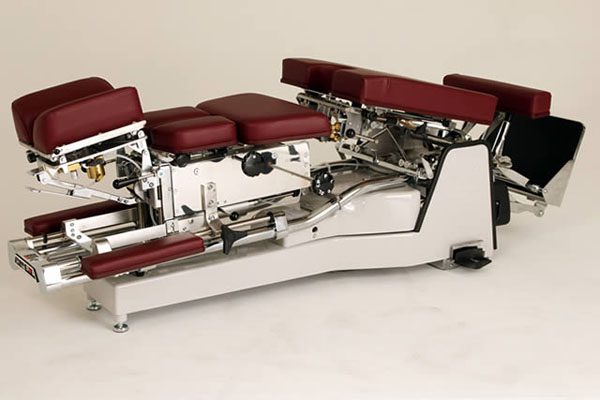
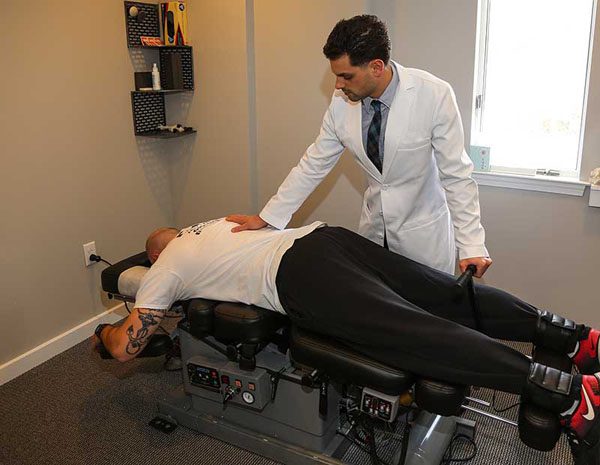
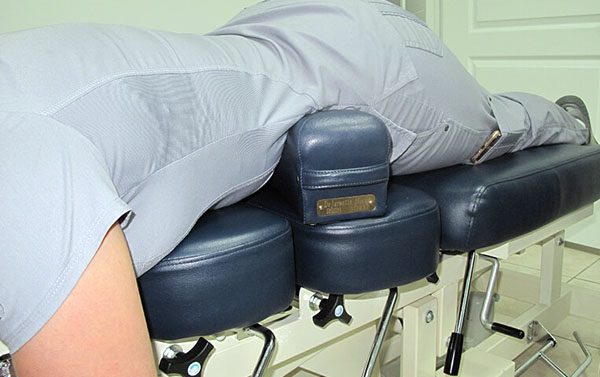
Here specialized treatment tables with sections that drop down during a high-velocity low-amplitude thrust. The idea is that as the table drops the piece dropped allows for easier movement of the joint. A cracking sound can sometimes be heard. It depends on the patient and their condition. This type of manipulation can also be done in a gentle fashion making it a form of spinal mobilization.
Spinal mobilization
Slow steady motion/movements are performed to mobilize the joint. Spinal mobilization can be recommended for certain individuals for different reasons like:
Individual preference for spinal mobilization over spinal manipulation
Individuals with a sensitive nervous system can benefit from the gentle technique. This can keep the body from experiencing a negative reaction that can cause muscle spasms or other issues.
Individuals with certain conditions could be given a recommendation for spinal mobilization. This could be:
Individuals in the acute stage of their condition and experiencing severe pain
Obesity can be a factor as the positioning and the manipulation procedures can be a challenge for the provider and the patient requiring a low force approach.
Mobilization Approaches
The more common spinal mobilization approaches include:
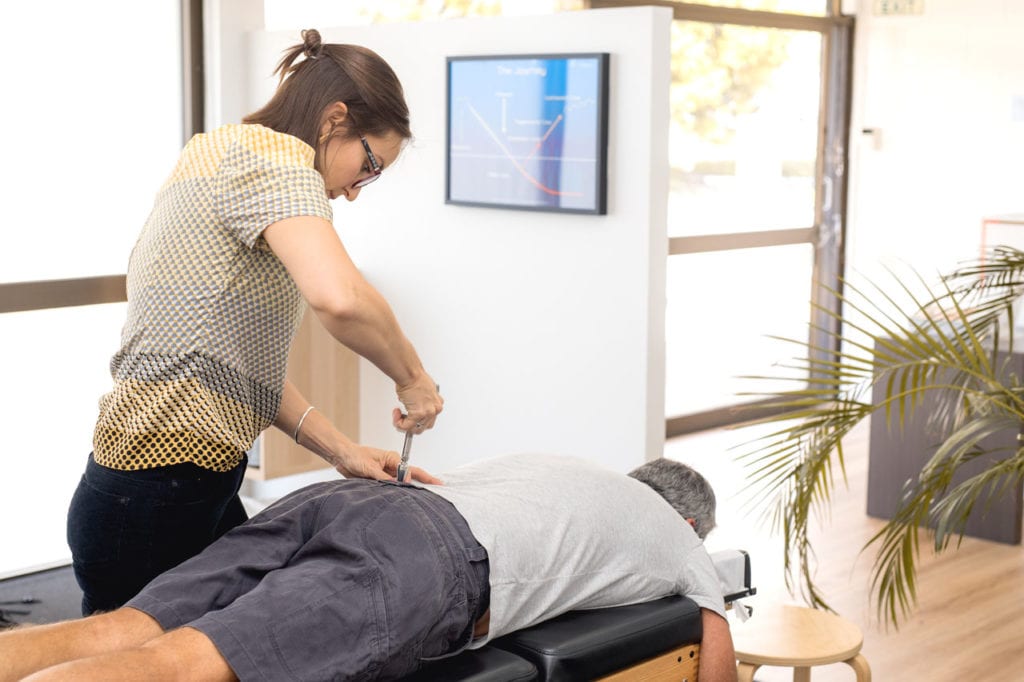
Activator Technique
The Activator is a hand-held, spring-loaded tool that generates a low-force impulse. A patient lies face down on the adjustment table, while the chiropractor:
Examines leg length
Performs muscle testing
Adjusts the spine and/or extremity joints
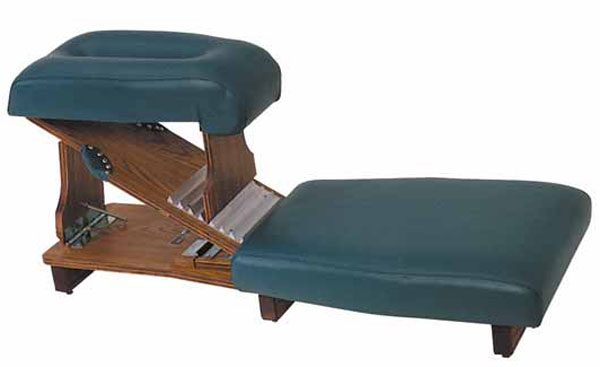
Cox Flexion-Distraction Technique
Here a gentle adjustment is designed to adjust the vertebrae by gently stretching the lower spine. This is usually performed in a series of repetitive slow movements like a steady rocking motion.
Toggle Drop
Here gravity is utilized to apply the adjustment. The chiropractors' hands are crossed and on top of each other. Then the chiropractor presses down quickly and firmly on the area of the spine while a section of the table drops. The table sections can be raised and dropped according to the localization of the spinal adjustment.
McKenzie Technique
This technique incorporates active patient involvement, empowerment, and self-care as part of the treatment.
Spinal Release
The chiropractor separates the misaligned vertebrae by applying gentle pressure using the fingertips, with the objective to restore the spine back to a natural position.
Sacro-Occipital Technique - SOT
This technique utilizes wedges/blocks under the pelvis. This allows gravity with added low-force to assist the chiropractor to realign the pelvis.
Sciatica Alleviation
All of these techniques can be utilized by a chiropractor for sciatic nerve pain alleviation or can discover other conditions that could be mimicking sciatica.
Nerve mobilization techniques have been recently used as a method to adjust radiating pain related to disc disease, and in particular, mobilization techniques for the sciatic nerves improve mobility of the sciatic nerves, decrease mechanosensitivity of the nervous system, and heighten compliance of nerve tissues, relieving low back pain. Jeong, Ui-Cheol et al. �The effects of self-mobilization techniques for the sciatic nerves on physical functions and health of low back pain patients with lower limb radiating pain.��Journal of physical therapy science�vol. 28,1 (2016): 46-50. doi:10.1589/jpts.28.46
Sciatica Rehabilitation Causes and Symptoms
Dr. Alex Jimenez�s Blog Post Disclaimer
The scope of our information is limited to chiropractic, musculoskeletal, physical medicines, wellness, and sensitive health issues and/or functional medicine articles, topics, and discussions. We use functional health & wellness protocols to treat and support care for injuries or disorders of the musculoskeletal system. Our posts, topics, subjects, and insights cover clinical matters, issues, and topics that relate and support directly or indirectly our clinical scope of practice.*
Our office has made a reasonable attempt to provide supportive citations and has identified the relevant research study or studies supporting our posts. We also make copies of supporting research studies available to the board and or the public upon request. We understand that we cover matters that require an additional explanation as to how it may assist in a particular care plan or treatment protocol; therefore, to further discuss the subject matter above, please feel free to ask Dr. Alex Jimenez or contact us at 915-850-0900. The provider(s) Licensed in Texas& New Mexico*
IFM's Find A Practitioner tool is the largest referral network in Functional Medicine, created to help patients locate Functional Medicine practitioners anywhere in the world. IFM Certified Practitioners are listed first in the search results, given their extensive education in Functional Medicine