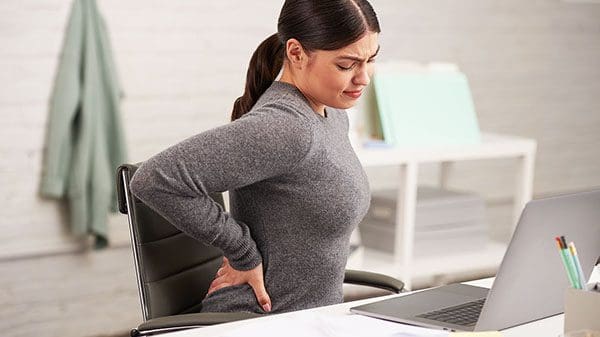
When lower back pain presents many want to retreat to the couch, bed and just lay down, but doctors, chiropractors, physical therapists, and spine specialists do not recommend this course of action. What they do recommend, other than treatment, is to engage in the easiest forms of exercise on the spine and back muscles. �
Staying sedentary is one of the worst things an individual can do to their back. When the back is aching exercise can usually help. This is because the muscles, ligaments, tendons are being stretched and not just staying still, which lets inflammation build up and swell. Moving keeps the blood flowing, allowing for broader healing and recovery.
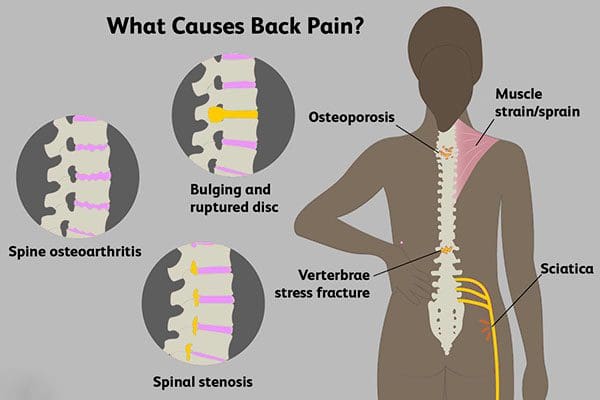
However, back pain relief can be a challenge. Various treatment options exist because there are a variety of causes. The key is figuring out which type is best for each individual and their specific condition. An individual needs to know the cause of their type of back pain, as this determines which exercises should or should not be doing. The Pain and Therapy journal evaluated some of the best exercises for lower back pain. �
Physical Therapy Exercises
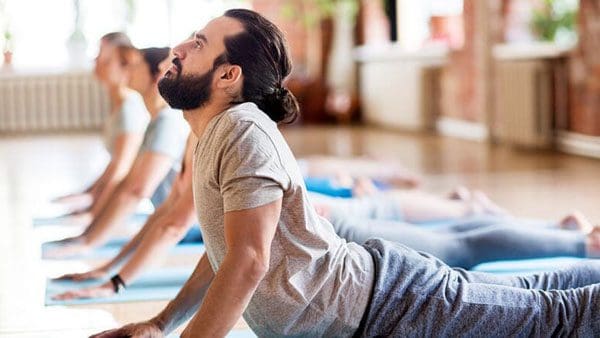
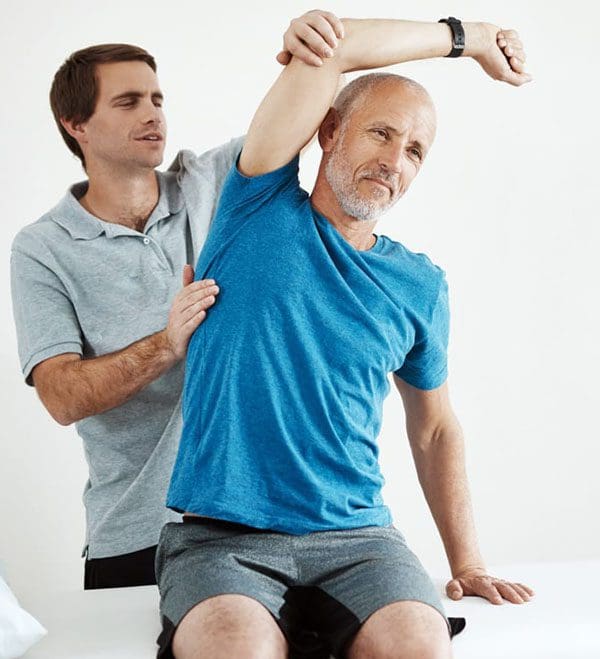
The McKenzie method can be very effective for acute disc herniation pain and sciatica. This type of exercise is to figure out if there is a specific position that helps the pain become centralized, correct any motion restrictions, and take the pressure off the region that is compressed or inflamed. Physical therapists incorporate McKenzie exercises as part of regular treatment. The strength-building moves are designed to help support the spine and consist of range-of-movement work and sustained positions. �
�
Home and Studio Workouts
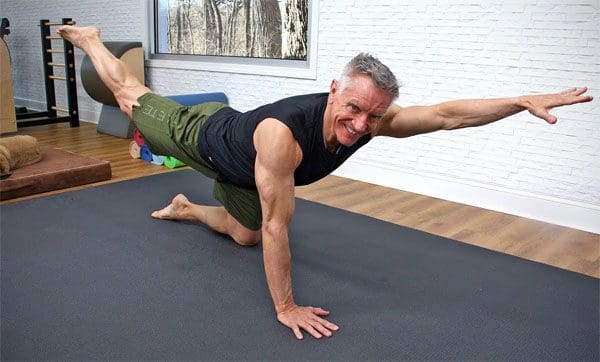
Pilates is one of the easiest exercises for individuals with chronic low-back pain. Like McKenzie exercises, it utilizes sustained positions that strengthen the trunk/core muscles. The muscles are strengthened using small movements. Using the machine called a reformer, has built-in support for the spine. This is considered a low-key, muscle-toning workout that can ease chronic back pain. �
�
Water Exercise
Water exercises lessen the body's weight, taking pressure/stress off the spine. Deep-water running with the water at shoulder-height can significantly improve low-back pain. In a study, a group of overweight/obese women worked out twice a week for an hour-long exercise session. After 12 weeks, improvements in pain intensity, personal care, sitting, standing, and sleeping were reported. �
�
Easiest Office Exercise
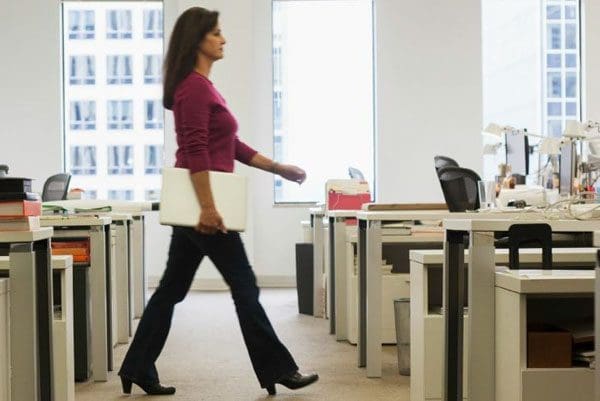
One of the easiest exercises is walking. It is great for the body. But the key is to walk more than usual around the office, or wherever work is. This is not about getting the heart rate up. It is about not staying in the same position for too long. When sitting and focused, an individual can stay in an uncomfortable position for some time and just push through it in an attempt to finish up the work.
Using a timer or an application that alerts every hour to get up and stretch is highly beneficial. Walk correctly to the bathroom, or just get up and walk around for a bit gets the blood pumping through the body and the muscles in motion stretching and contracting. �
�
Stabilization Exercise
Strengthening workouts can be done at home.
Stretch while standing against the wall bringing the arms up and down.
Pull the elbows down into the back, which stops the hyperactive trapezius from tensing up.
Knee to the chest motion while lying on the back
Abdominal crunches while balance on an exercise ball
Push the head back into the headrest while driving. This helps avoid the forward head posture.
Contact a doctor, chiropractor, or physical therapist that can recommend the best stabilization exercises for the specific pain/condition. �
�
Tai Chi and Qigong
Tai Chi and Qigong are gentle exercises where an individual performs slow, controlled movements emphasizing balance and focus. Both can reduce pain, disability, and other symptoms associated with lower back pain. �
�
Body Composition Testimonial
�
Exercise After Childbirth
Physical activity for pregnant and post-birth, the American Congress of Obstetricians and Gynecologists recommends the following. The easiest exercise routines can be resumed gradually after pregnancy, once a doctor confirms it is medically safe, depending on the delivery, and the presence or absence of medical complications.
Regular aerobic exercise in lactating women has been shown to improve cardiovascular fitness without affecting milk production, composition, or infant growth.
Nursing women should consider feeding their infants before exercising in order to avoid exercise discomfort.
Nursing women also should ensure proper hydration before engaging in physical activity.
Take it slow.
�
Dr. Alex Jimenez�s Blog Post Disclaimer
The scope of our information is limited to chiropractic, musculoskeletal, physical medicines, wellness, and sensitive health issues and/or functional medicine articles, topics, and discussions. We use functional health & wellness protocols to treat and support care for injuries or disorders of the musculoskeletal system. Our posts, topics, subjects, and insights cover clinical matters, issues, and topics that relate and support directly or indirectly our clinical scope of practice.*
Our office has made a reasonable attempt to provide supportive citations and has identified the relevant research study or studies supporting our posts. We also make copies of supporting research studies available to the board and or the public upon request. We understand that we cover matters that require an additional explanation as to how it may assist in a particular care plan or treatment protocol; therefore, to further discuss the subject matter above, please feel free to ask Dr. Alex Jimenez or contact us at 915-850-0900. The provider(s) Licensed in Texas& New Mexico*
Chronic inflammation is quite common and can cause a variety of painful back conditions. Fortunately, chiropractic treatment can extinguish the inflammation at its core/root cause and bring long-lasting relief. Inflammation can be a significant factor in causing body and back pain. The proper and lasting treatment goes beyond anti-inflammatory medications. The objective is to extinguish the inflammation completely.
Inflammation
The number of diseases associated with chronic inflammation is increasing exponentially. An estimated 60% of Americans deal with at least one chronic condition caused completely or in part by inflammation. Inflammation is the body's immune response to something that is not right in the body. Typically, there is:
Swelling
Redness
Warmth/heat signaling an inflammatory response from injury or infection
Endocrine, heart, lung, and neurologicalcomplications
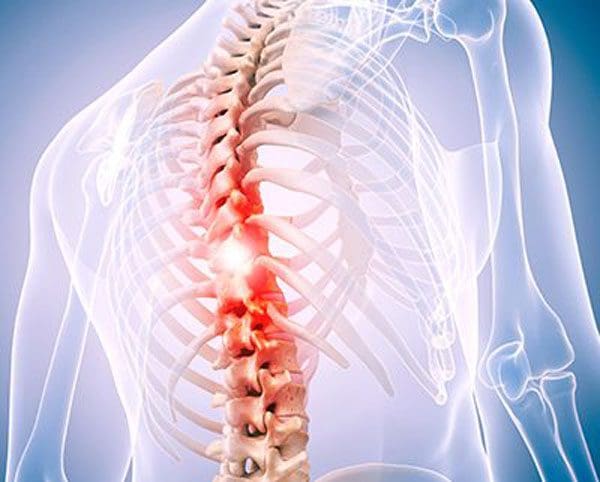
Inflammation can generate inflammatory back pain as well when this happens. This is because the immune system is trying to protect the body from whatever is trying to infiltrate. The cells and chemicals fight the attack and try to heal whatever is going on. Sometimes, there is nothing going on but the immune system becomes hyper-reactive and attacks itself. This is the case of autoimmune disease, or what becomes chronic inflammation. Chronic inflammation lasts longer than 3 months and can lead to diseases like:
Autoimmune inflammation that presents as ankylosing spondylitis and rheumatoid arthritis is in a different category. This is when the body begins attacking itself. This can be triggered by a viral infection, which stimulates the immune system. This can cause:
Joint destruction
Ligament pain
Soft tissue swelling
Some conditions are hereditary
Inflammatory Spinal Conditions
Inflammation can travel into the body�s spinal and neurological systems. This results in painful conditions that can affect an individual's quality of life.
Ankylosing Spondylitis
Ankylosing spondylitis usually starts in the lower back and can spread up. It is a form of arthritis that causes the vertebrae to fuse together. It can also cause inflammation in the urological and ophthalmological systems. It is believed to have a somewhat genetic connection. There is a marker called HLA B27 that is usually positive in patients and is more common in young males.
Rheumatoid Arthritis
Rheumatoid arthritis/RA causes inflammation in synovial joints. These produce a fluid that helps lubricate and nourish the joints. RA is found most commonly in the hands, wrists, and knees, but can also present in the spine�s facet joints that connect vertebrae. There is some genetic association but is common with smoking and obesity. It is diagnosed with lab work, like inflammation markers, rheumatoid factor, and physical examination. RA pain typically presents in the cervical spine or neck region.
Transverse Myelitis and Multiple Sclerosis
These conditions are closely tied and caused by inflammation in the central nervous system/CNS. The immune system attacks the nerve cells and removes the fatty substance that insulates the nerves and helps them transmit impulses to and from the central nervous system. This causes:
Pain
Weakness
Numbness
Bladder/bowel issues
Transverse myelitis affects the spinal cord whereas multiple sclerosis can affect the brain and the spinal cord. Transverse myelitis is typically acute, whereas multiple sclerosis is long-term and can have an increasing/decreasing course of progressive symptoms. And transverse myelitis can be a symptom of multiple sclerosis. Certain lifestyle choices/habits can cause or worsen inflammation. Obesity, smoking, and an unhealthy diet can have a significant impact on chronic inflammation.
Spinal Structures Affected
Inflammation can affect every area of the spine. From the lower back to inflammation of the vertebrae themselves. Injuries to the spine, that include the:
Bones
Discs
Ligaments
Joints
This can cause swelling and a build-up of fluid that can be found on an MRI. This is the preferred method of detecting inflammation. When the term itis is used this usually indicates a type of inflammation. For example, neuritis means inflammation of the nerve/s. This can be seen with nerve compression where the nerve is swollen on an MRI.
Extinguish Spinal Inflammation
Causes of inflammation can be traced back to lifestyle choices, but can also be alleviated through healthy lifestyle adjustments that turn into habits.
Nutritional Health Coaching
Recommended is to avoid or decrease processed foods, trans fats, and sugar. Consider supplementing vitamin D, magnesium, and omega 3s.
Quit Smoking
Quitting smoking will improve circulation and extinguish vascular inflammation.
Regular Physical Activity/Exercise
Aerobic exercises improve cardiac function and circulation as well as exercises that support the spine ergonomically. Core and pelvic stabilization are necessary for lower back pain.
Medication
For acute inflammation caused by injuries steroids and NSAIDs can help with severe pain and inflammation.
Chiropractic Extinguisher
When the spine and the body's joints are in proper alignment, and the nerves are functioning at optimal levels the body's biomechanics return to normal. This stops neuropeptides from producing and helps extinguish inflammation.
Surgery
With the spine, surgery is not recommended as a first-line treatment unless it is an emergency or there is potential for permanent neurological damage. If medication, chiropractic, physical therapy, supplements, lifestyle changes, and/or complementary treatments like acupuncture do not help and quality of life and function are significantly impacted, then elective surgery can be considered.
Body Composition Spotlight
All-around Exercise Regimen
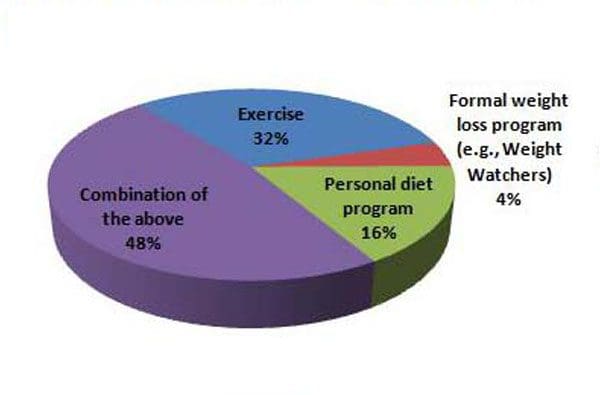
As individuals continue to struggle with obesity and functional fitness with age, exercise becomes more important than ever. It is crucial to combine diet and regular physical activity/exercise to lose weight, have a favorable impact on body composition and lifespan. A well-rounded exercise regimen that incorporates all types of fitness. Aerobic exercise helps maintain an elevated heart rate and helps get rid of fat-free mass.
Resistance training helps to build lean muscle mass. Combining the two, with concurrent training, or utilizing a HIIT workout when there is not enough time will work wonders. Being better equipped and understanding why exercise is important for the body's health, different types of exercise, and which ones are best suited for each individual's needs will keep the body in top form for the long term.
Dr. Alex Jimenez�s Blog Post Disclaimer
The scope of our information is limited to chiropractic, musculoskeletal, physical medicines, wellness, and sensitive health issues and/or functional medicine articles, topics, and discussions. We use functional health & wellness protocols to treat and support care for injuries or disorders of the musculoskeletal system. Our posts, topics, subjects, and insights cover clinical matters, issues, and topics that relate and support directly or indirectly our clinical scope of practice.*
Our office has made a reasonable attempt to provide supportive citations and has identified the relevant research study or studies supporting our posts. We also make copies of supporting research studies available to the board and or the public upon request. We understand that we cover matters that require an additional explanation as to how it may assist in a particular care plan or treatment protocol; therefore, to further discuss the subject matter above, please feel free to ask Dr. Alex Jimenez or contact us at�915-850-0900. The provider(s) Licensed in Texas& New Mexico
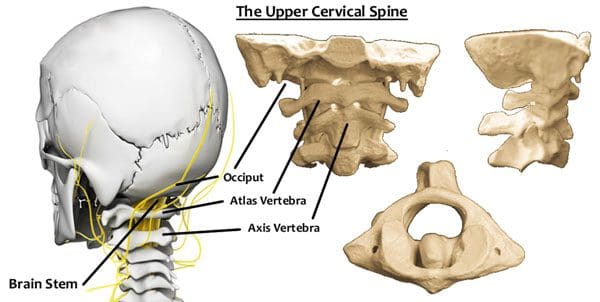
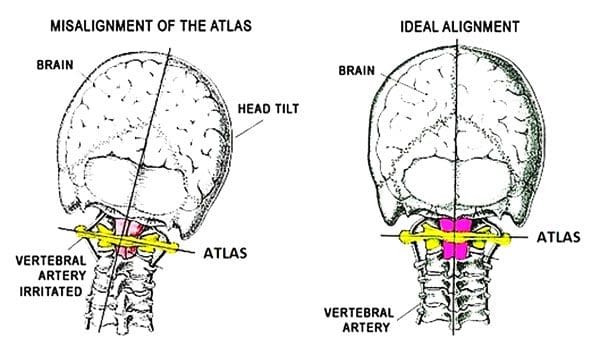
The Atlas vertebra is named for the mythological figure who held the world on their back/neck. The vertebrae are located at the top of the spine, where the cranium and spine connect. More than just a foundation for support, the vertebrae could be the most important vertebrae of the body. It consists of a complex bundle of nerves, vertebral arteries, and is the point where the entire weight of the cranium makes contact.
The myth requires Atlas to be careful while holding the world carefully and confidently at all times, otherwise it will come crashing down. The key is being able to balance it perfectly. The vertebra has the same job to hold the head up properly and maintain posture. If not problems with balance and alignment will begin to develop, and affect the entire spine.
The Atlas Vertebra
Balance
The Atlas vertebrae's role in maintaining balance is based on its ability to adjust to the weight of the head. The actual vertebra is wider than the other cervical vertebrae. This creates a center of gravity that is reinforced through proper posture. It distributes the weight of the head (10-12lb) evenly to centralize the weight and is supported by the natural curvature of the spine.
If the center of gravity shifts, the Atlas vertebra will tilt in that direction as well. This creates instability in the cervical spine and can increase the amount of weight the spine is taking and trying to redistribute. This creates spinal issues and leads to everything from poor posture, overcompensation that leads to injury.
Shifting Causes
Disruption to the vertebra and its ability to balance can come from a variety of causes and can occur as a result of chronic and acute conditions. Some include:
Auto accidents, sports, work injuries can cause cervical soft tissue damage
Dislocation of cervical vertebrae below the Atlas results in instability
Poor posture/s make individuals overcompensate to one side of the body straining muscles, ligaments, tendons causing pain and other issues
Herniated, bulging, and slipped discs
Unbalanced effects
Spinal issues range from simple neck pain and soreness to full-on chronic pain. Because the Atlas can alter the balance of the entire spine, combined with cranium support, issues can be localized and referred creating further complications. Addressing the root problems requires a comprehensive chiropractic approach. Chiropractic will assess the position of the spine and determine the degree to which Atlas has shifted out of place. An adjustment treatment plan makes it possible to undo the widespread damage.
Body Composition
Muscle Loss
Individuals do not realize that muscle loss occurs throughout their lifetime. This is because muscles, like other tissues in the body, must go through cell turnover and protein synthesis. This means that the body is constantly breaking down protein in the muscles and rebuilding them.
Skeletal muscle can be developed with proper nutrition and includes consuming a proper amount of protein to provide the necessary amino acids and from physical activity. The reverse is also true, if an individual becomes less physically active and/or their diet no longer supports the development of increased muscle tissue, the body enters a catabolic/tissue-reducing state known as muscle atrophy.
Dr. Alex Jimenez�s Blog Post Disclaimer
The scope of our information is limited to chiropractic, musculoskeletal, physical medicines, wellness, and sensitive health issues and/or functional medicine articles, topics, and discussions. We use functional health & wellness protocols to treat and support care for injuries or disorders of the musculoskeletal system. Our posts, topics, subjects, and insights cover clinical matters, issues, and topics that relate and support directly or indirectly our clinical scope of practice.*
Our office has made a reasonable attempt to provide supportive citations and has identified the relevant research study or studies supporting our posts. We also make copies of supporting research studies available to the board and or the public upon request. We understand that we cover matters that require an additional explanation as to how it may assist in a particular care plan or treatment protocol; therefore, to further discuss the subject matter above, please feel free to ask Dr. Alex Jimenez or contact us at 915-850-0900. The provider(s) Licensed in Texas& New Mexico*
References
Woodfield, H Charles 3rd et al. �Craniocervical chiropractic procedures - a pr�cis of upper cervical chiropractic.��The Journal of the Canadian Chiropractic Association�vol. 59,2 (2015): 173-92.
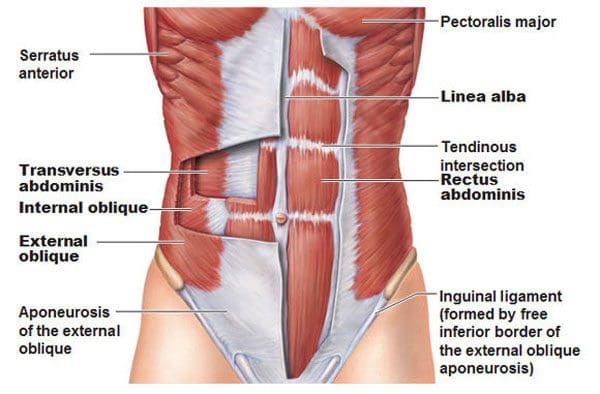
The core and the muscles involved are a group of muscles that wrap around the body's torso. The front, back, and sides. Strengthening these muscles will improve and ultimately alleviate lower back pain. One of the main muscles that are overlooked is the transverse abdominis muscle. It is vital to a healthy core, especially if back pain is presenting. It's known as the seatbelt muscle as it is deep in the abdomen and wraps around the waist. It has everything to do with long-term core strength and function. A properly developed transverse abdominus functions like a lumbar support belt that protects the spine. When the transverse abdominus is strong the muscle contracts to generate the correct amount of support and stability when in motion. �
�
For example, individuals that do not have low back pain engage the transverse abdominus around 30 milliseconds before moving the shoulder, while individuals that have low back pain have a delayed contraction of the transverse abdominus muscles that makes them take on awkward postures, and move in an awkward fashion contributing to back pain and continuing to weaken the core muscles. Individuals that regularly do transverse abdominus strengthening exercises greatly reduce the risk of experiencing low back pain for the first time and reduce the recurrence of those already with back pain. �
Core Muscle Anatomy
The first step to strengthening is understanding the moves and how to do them correctly with basic anatomy. Think of the core as a muscle box where the:
The body flexes and extends whenever bending forward and standing up
The body does a lateral side bend when bending the trunk to one side
The body rotates the trunk when twisting the torso
�
Muscle Weakness
The transverse abdominus tends to suffer from neglect which is one reason why it becomes weakened. This increases the risk of developing back pain. Another reason is that individuals have a weak muscle is they exercise in one-plane of movement. Not working out the core muscles in all planes of motion can contribute to back pain. For example, if an individual performs pelvic tilts, they are only moving in one plane when tilting the hips forward and back, known as flexion and extension. To achieve optimal/functional strength, the core workout needs to include side bending and twisting movements. �
Strengthening The Transverse Abdominus
Pigeon Pose
Many individuals sit for extended amounts of time and are excessively tight along the sides and hips. The first step should be to increase the hip's mobility before strengthening the core. If the hip muscle's fibers become shortened, it can affect hip joint function and efficiency during core movement. The Pigeon Pose is a hip opener. How to do it:
Get on the floor with the knees and palms on the ground.
Slide the left leg back so the hip is extended, then externally rotate the right hip/turn the right leg out from the hip. Focus on positioning the right shin perpendicular to the body.
Extend the trunk so the body is upright, lifting the chest, arching the back, and looking toward the ceiling, while resting the fingertips on the floor a little forward of the hips.
Hold the pose for 30 seconds and switch sides.
This stretches the hip flexor muscles in the extended leg and the rotator and outer hip muscles in the flexed leg.
�
Pay Attention To The Engaged Muscles
Individuals can train the transverse muscles to activate faster and more effectively throughout the day by slowing down and paying attention to moving with more intent. Place the hands around the waist and engage the core to feel the muscles contracting. This will help get a feel for the movement. Once comfortable remember to engage these abdominal musclesbefore and while reaching, twisting, or lifting items. �
Pelvic Tilt
This exercise is vital for building the smaller muscles that support a healthy core. How to do it:
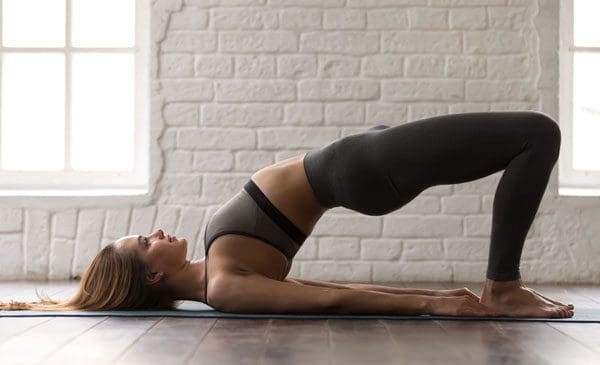
Lie on back with knees bent and feet on the floor.
Engage the transverse muscles and gently tilt the pelvis upward.
Return the pelvis to a neutral position.
Repeat.
Start with 3 sets of 10-12 reps.
When this is no longer challenging and can be completed without increasing back pain, advance to more challenging exercises like the bird dog, planks, or plank variations.
�
Standing Exercises
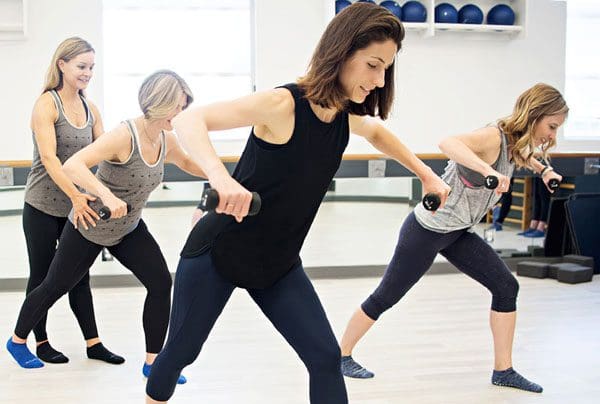
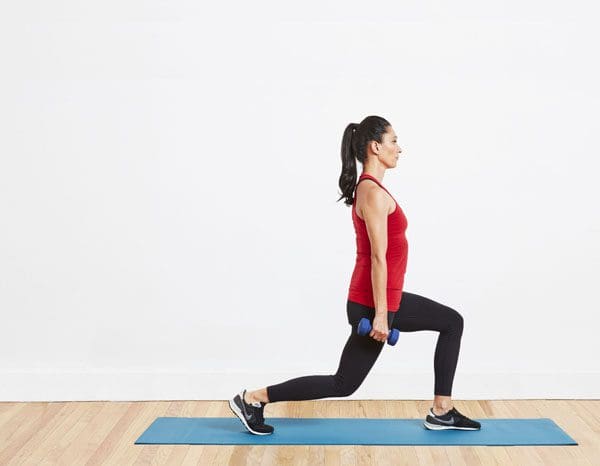
Translating core strength into functional strength and pain-free movement progresses to standing exercises that require rotation. One example is a standing lunge with rotation. How to do it:
Get into a lunge stance with the front leg flexed 90 degrees at the hip, knee, and ankle. The rear leg should be extended at the hip with the knee touching or almost touching the floor.
Twist from the waist. When comfortable doing this movement, hold weight like a dumbbell, medicine ball, or gallon jug of water in both hands, and gradually increase the weight as the muscles get stronger.
When in the process of strengthening the core, consistency is the key. Commit to a short workout every day instead of one massive workout once or twice a week. Ten minutes a day is enough to build strength, improve function, and decrease back pain. �
Improved Body Composition
Functional fitness and the ability to move about comfortably not only benefit physical wellness but also improves body composition. The aging process reduces the metabolic rate, which leads to increased body fat. Lean Body Mass gets lost from age and inactivity. Lean Body Mass contributes to the overall Basal Metabolic Rate, also known as the body's metabolism. It is the number of calories the body needs to support essential functions. Engaging in strength training or resistance exercises will help regain the muscle loss from aging/inactivity, and can lead to an increase in lean body mass.
Dr. Alex Jimenez�s Blog Post Disclaimer
The scope of our information is limited to chiropractic, musculoskeletal, physical medicines, wellness, and sensitive health issues and/or functional medicine articles, topics, and discussions. We use functional health & wellness protocols to treat and support care for injuries or disorders of the musculoskeletal system. Our posts, topics, subjects, and insights cover clinical matters, issues, and topics that relate and support directly or indirectly our clinical scope of practice.*
Our office has made a reasonable attempt to provide supportive citations and has identified the relevant research study or studies supporting our posts. We also make copies of supporting research studies available to the board and or the public upon request. We understand that we cover matters that require an additional explanation as to how it may assist in a particular care plan or treatment protocol; therefore, to further discuss the subject matter above, please feel free to ask Dr. Alex Jimenez or contact us at 915-850-0900. The provider(s) Licensed in Texas& New Mexico*
References
People who regularly engaged in TVA-strengthening exercises were less likely to experience a recurrence of low back pain:�Australian Journal of Physiotherapy�(2002), �Specific spinal exercise substantially reduces the risk of low back pain recurrence��https://www.sciencedirect.com/science/article/pii/S000495141460283X?via%3Dihub
Participating in any sports or physical activities strengthens the mind and body. But working out and engaging in these types of activities too much or without rest periods wears down the body. There is the feeling of a good workout with some sore muscles and achiness that lets you know the activity is working positively.
However, soreness can quickly lead to pain and further injury if ignored. The lower back is a common area of soreness after working out playing sports, and where muscle spasms, pulls, and pinches occur. Being able to distinguish between workout soreness and pain is critical for maintaining a healthy spine.
A constant-sore back or feelings of sharp pains is not normal. If there is a feeling of low back pain during or after a physical routine, stop and take a moment to examine the tingling, discomfort, or pain being experienced. If unsure if the soreness or pain is a cause for concern call or video conference with a chiropractor to discuss what is going on.
Physical activity and pain
Individuals participating in physical/sports activities have an increased risk of low back pain because of the consistent running, twisting, and jumping. Any of these movements place pressure on the spine along with the surrounding ligaments and muscles, which can lead to injury.
Repetitive twisting and turning, stresses the muscles around the spine, which can cause frequent muscle sprains. Running and jumping also wears down the vertebrae and discs. Impact activities can also cause injuries to the spine, nerve roots, and surrounding tissues. The most common back problems include:
Muscle sprains
Osteoarthritis
Bulging discs
Herniated discs
Sciatica
Fractures are less common but still pose a risk
Individuals should watch for achiness or stiffness that lasts longer than a few days and does not alleviate with ice or anti-inflammatory over the counter medication, or sharp pain that happens with specific movement/s, along with any pain, numbness, tingling that runs down the leg/s or to other areas should consult a medical professional.
Treatment and prevention
Maintaining the body's health is critical. If the lower back begins to present discomfort or hurts, do not ignore it. Many will play through the pain when they should be taking a break. And ignoring any back pain could create new injuries or worsen the condition. Continued pressure on the back will worsen any strains or fractures and will hinder the body from healing properly.
Individuals tend to take on awkward/uncomfortable postures and move in awkward ways to avoid or compensate for the pain. This places added pressure in the wrong places and can cause/worsen an injury or condition. Pay attention to the pain. Try ice and heat therapy at home to see if it eases up. Using a foam roller or self-massage device can help if the back pain is muscular. However, if the pain is sharp, shooting, or does not go away, visit a chiropractor for diagnosis and treatment.
A chiropractor will conduct imaging tests and physical exams to identify the root cause. Once a diagnosis has been reached a treatment plan will be implemented through:
Massage
Stretches
Therapeutic exercises
Spinal adjustments
Health coaching
Visiting a chiropractic professional will improve the condition and strengthen the spine.
Fit Body Composition
Muscle recovery
When engaging in physical activity there is microscopic damage to the muscle cells. The stress and fatigue the body goes through during physical activity cause hormone and enzyme levels to fluctuate, increasing inflammation. This leads to:
Fat loss
Increased metabolism
Increased strength
Muscle growth
However, it happens through proper recovery. There are different types of recovery: immediate, short-term, and training.
Immediate recovery is the short time between movements. For example, when jogging, immediate recovery is the time between each stride.
Short-term is the time between sets of exercises. For example, the rest periods between exercise intervals.
Training recovery is the period between one workout session ending and the next beginning.
Research has shown that rest time is not a one size fits all. Everyone is different and therefore should consult a fitness trainer, or sports chiropractor and experiment with what feels right. For some individuals, 24 hours works. For others, it can be 48 or 72 hours to feel fully recovered. It depends on age, fitness level, physical activity intensity, diet, sleep, and more.
Dr. Alex Jimenez�s Blog Post Disclaimer
The scope of our information is limited to chiropractic, musculoskeletal, physical medicines, wellness, and sensitive health issues and/or functional medicine articles, topics, and discussions. We use functional health & wellness protocols to treat and support care for injuries or disorders of the musculoskeletal system. Our posts, topics, subjects, and insights cover clinical matters, issues, and topics that relate and support directly or indirectly our clinical scope of practice.*
Our office has made a reasonable attempt to provide supportive citations and has identified the relevant research study or studies supporting our posts. We also make copies of supporting research studies available to the board and or the public upon request. We understand that we cover matters that require an additional explanation as to how it may assist in a particular care plan or treatment protocol; therefore, to further discuss the subject matter above, please feel free to ask Dr. Alex Jimenez or contact us at 915-850-0900. The provider(s) Licensed in Texas& New Mexico*
References
Smith, Jo Armour et al. �Risk Factors Associated With Low Back Pain in Golfers: A Systematic Review and Meta-analysis.��Sports health�vol. 10,6 (2018): 538-546. doi:10.1177/1941738118795425
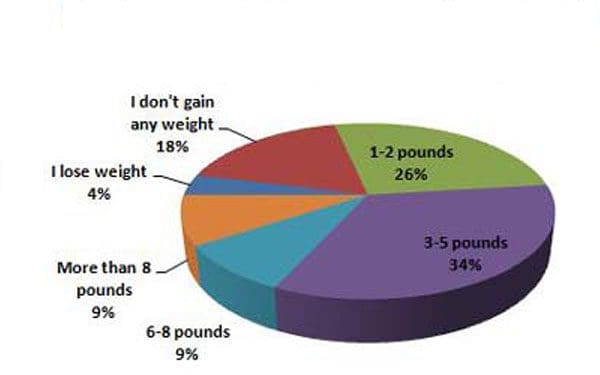
Chiropractic recommendations to avoid holiday weight gain and back pain. All the food, gravy, pies, cookies, candy, chocolate, wine, eggnog, hot cocoa, and whipped cream are great, but moderation is key to keeping unwanted weight gain that can lead to back pain. Research has found that up to 70% of individuals typically gain weight during the holidays.
Holiday weight gain
Also known as the seasonal seven or a month-long celebration with the diet starting in the new year. Any type of extra weight can contribute to back discomfort and pain. A body that is overweight can begin to overwork the spine, as it tries to adjust to bear the extra weight. This can contribute to injury and back pain. When the body is overweight, the potential for a back injury increases and can be more difficult to recover from, which can result in chronic back pain. Too much weight can exacerbate and/or lead to symptoms of:
Degenerative disc disease
Compression fracture
Osteoporosis
Osteoarthritis
Spinal stenosis
Spondylolisthesis
Losing the weight
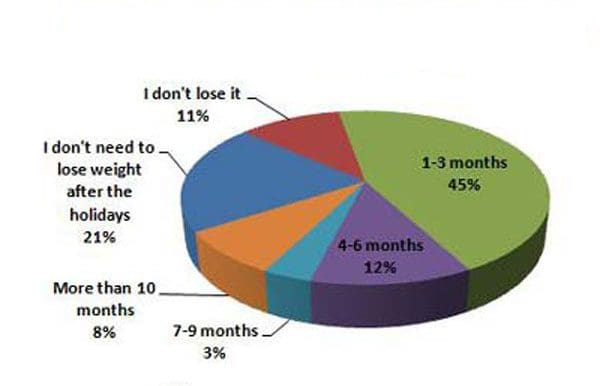
However, most individuals struggle to lose the holiday weight. Research has found that around 10% of individuals are unable to lose the holiday weight until the following fall. Another 11% say that they never lose the weight gained. Year after year the holiday weight gain adds up.
To stay healthy and protect the spine, here are some recommendation to fight the holiday weight gain:
Physical Activity
Physical activity is the best way to lose or maintain a healthy weight. Walking is a quick and perfect way to get in some quick exercise. With all the shopping, wrapping, and unwrapping, it can be challenging to find time to exercise. It does not have to be a full workout. Just a quick walk around the block is a perfect option. Don't get frustrated up over not being able to exercise regularly. A 10-20 minute walk is better than no physical activity at all.
Enjoy in moderation
Don't try to avoid all the food during the holidays, instead develop an action plan. The objective is to eat and drink in moderation. An example could be before eating, eat a healthy snack so there is no temptation to fill up on sweets, pastries, etc. Also at the dinner, pass on the gravy and share the dessert.
Lose weight effectively
Keeping the holiday weight off can be done with a few adjustments keeping the spine and whole-body healthy.One way is to think about keeping the spine healthy as a gift to yourself. Contact our chiropractic and health coaching team for spinal adjustments, exercises, stretches, and diet.
Weight Loss Chiropractic Treatment
�
Dr. Alex Jimenez�s Blog Post Disclaimer
The scope of our information is limited to chiropractic, musculoskeletal, physical medicines, wellness, and sensitive health issues and/or functional medicine articles, topics, and discussions. We use functional health & wellness protocols to treat and support care for injuries or disorders of the musculoskeletal system. Our posts, topics, subjects, and insights cover clinical matters, issues, and topics that relate and support directly or indirectly our clinical scope of practice.*
Our office has made a reasonable attempt to provide supportive citations and has identified the relevant research study or studies supporting our posts. We also make copies of supporting research studies available to the board and or the public upon request. We understand that we cover matters that require an additional explanation as to how it may assist in a particular care plan or treatment protocol; therefore, to further discuss the subject matter above, please feel free to ask Dr. Alex Jimenez or contact us at 915-850-0900. The provider(s) Licensed in Texas& New Mexico*
References
Diaz-Zavala RG, Castro-Cantu MF, Valencia ME, et al. Effect of the holiday season on weight gain: A narrative review.�Obesity. 2017; article ID 2085136. https://www.hindawi.com/journals/jobe/2017/2085136/ Accessed November 28, 2017.
Individuals with neck and back pain should consider adding a few pain-relieving therapeutic tools to the holiday wish list. Spine specialists/experts have some tools for their patients and others who are dealing with back and neck pain. Looking at various points, these therapeutic tools offer the gift of helping to reduce neck and back pain, when unable to see a chiropractor or physical therapist.
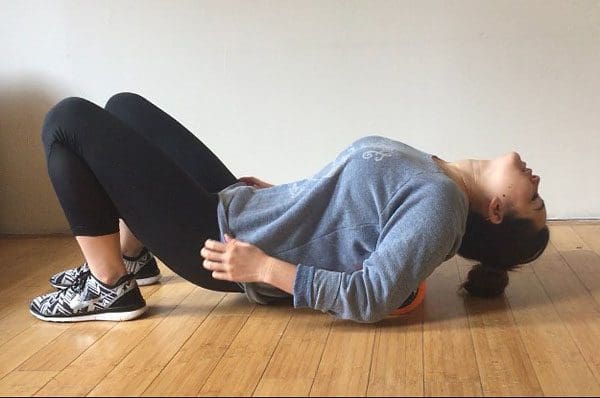
Foam Rollers
Foam rolling is effective for different types of aches and pains, especially backaches. Foam rolling benefits include:
Releasing muscle knots and tension
Reduces inflammation
Decreases pain
Improves range of motion
Returns flexibility
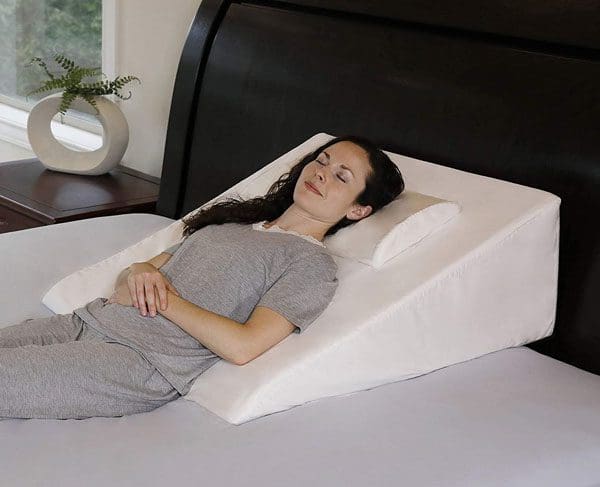
Wedge Pillow
A wedge pillow for the back is a necessity. A wedge pillow removes the stress from the spine and neck when lying down. Flipped around will take the tension off the legs also bringing back pain relief.
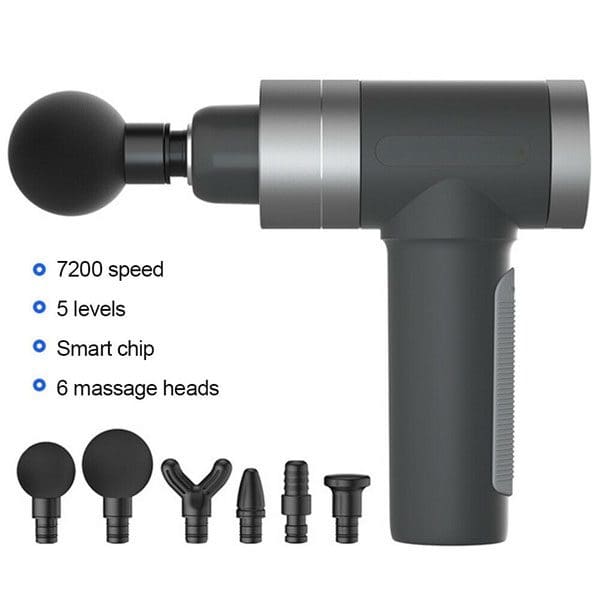
Deep Percussive Massager
Percussive massagers can provide a deep massage to various areas of the body especially the lower back. There are a variety of brands available with different levels of technology. However, careful use of these instruments must be exercised. This is because the massage can be intense and can exacerbate or cause further injury, and individuals can develop a tolerance making the massage no longer effective.
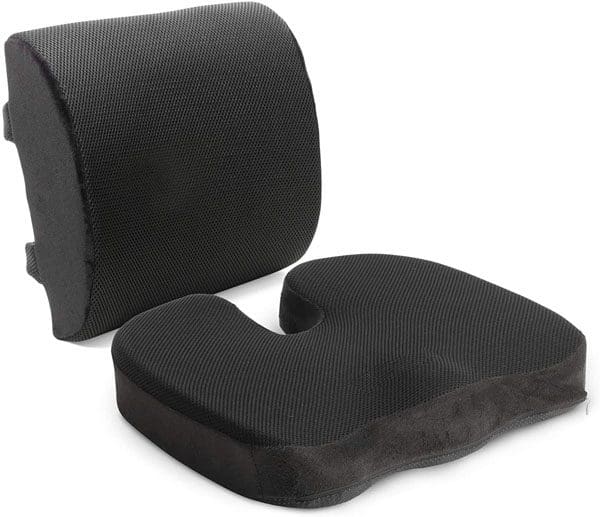
Seat Cushion
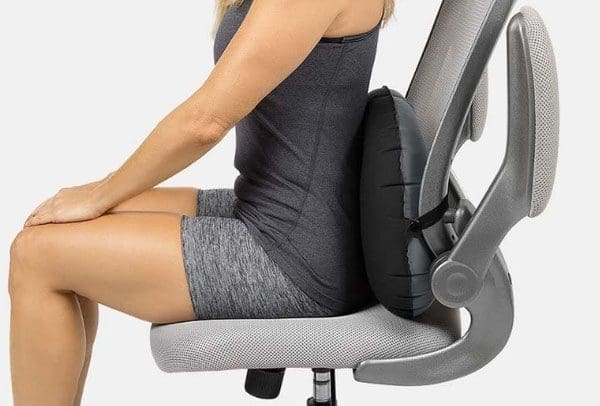
If sitting at a desk throughout the day or working from home a proper seat cushion is mandatory. Many individuals who sit the majority of their day utilize a combination cushion that includes the seat cushion with lower back support. Individual cushions are great because they can be moved easily and adjusted to fit where needed. Therapeutic seat cushions come with various features available, here are a few to keep in mind. Memory foam and air cells offer the most pressure relief. If there is tailbone pain, focus on a seat cushion with the tailbone cut out for extra relief. An office chair with these features should also be considered.
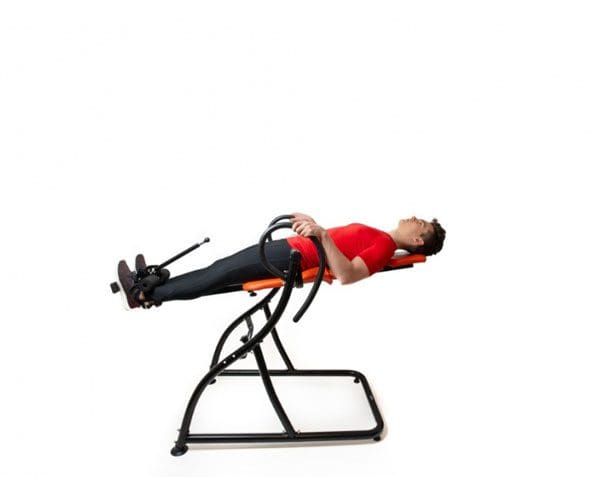
Inversion Table
Inversion tables are available at reasonable prices, starting around $100. Used correctly this therapeutic tool can successfully help relieve back pain. Inversion tables and cervical traction provide decompression and postural alignment for the spine helping with pain relief. These devices offer gentle decompression through the angle used. Wider angles or full inversion provides more decompression on the back. Individual spinal needs should be discussed with a chiropractor, physical therapist, or physician before using this therapeutic tool.
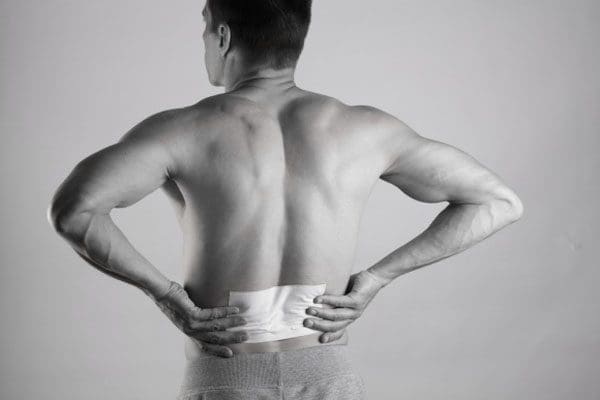
Pain Patches and Topical Agents
Pain-relieving patches like Lidocaine, IcyHot, and Salonpas patches are widely recommended for tight and sore areas of the body.
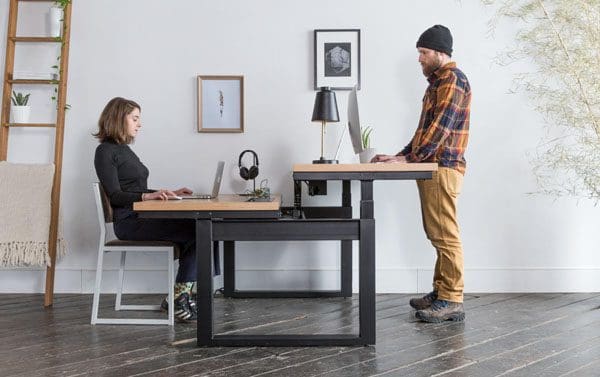
Sitting Standing Desk
A sitting and standing desk can be highly beneficial to back pain. In addition to burning off bonus calories throughout the day, Changing positions and postures throughout the day are recommended. This is to keep the muscles, ligaments, tendons moving, and not in a static position for too long. Changing every 20 to 30 minutes is the recommended time. Sitting and standing desks can provide positional changes that will help with posture, core stability, and circulation. This will help reduce and alleviate pain in the low back, neck, and shoulders. However, the desk needs to be stable and adjusted to the proper height.
Lower Back Sitting Support
These therapeutic tools help reinforce the low back region when seated. Most of us start to slouch forward with the head and shoulders hunched forward after some time at the computer. This strains the whole body, specifically the low back. Lower back supports can help maintain proper alignment of the spine when seated.
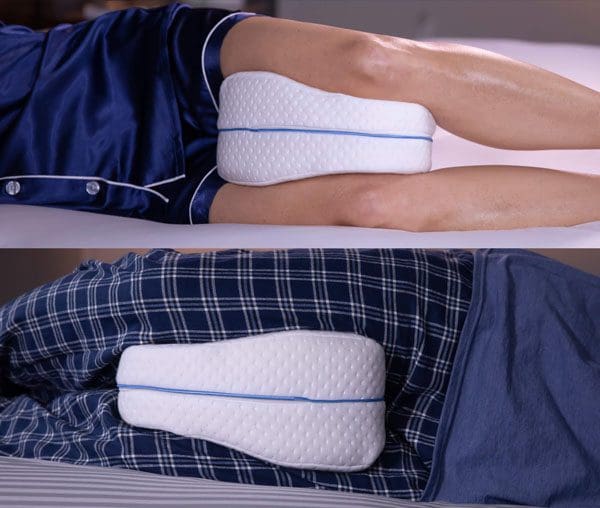
Knee, Thigh, Pelvis Pillow
These pillows have different names but are used in the same way. This is a pillow that can be placed between the legs while sleeping takes the pressure off the pelvis and spine. These types of pillows are great for individuals that sleep on their side. This is because the top leg often shifts down, leading to increased stress on the hips and low back. These pillows help keep the legs aligned during sleep relieving pressure on the low back.
How To Self-Care for Back Pain Books
There are a variety of books that offer tips, and therapies for self-care. These products are not a cure-all. They are intended to help in combination with proper treatment, especially for certain spinal conditions. If pain is limiting daily function, consult a chiropractor, physical therapist, or physician about using the above therapeutic tools.
Doctor of Chiropractic Near Me
Dr. Alex Jimenez�s Blog Post Disclaimer
The scope of our information is limited to chiropractic, musculoskeletal, physical medicines, wellness, and sensitive health issues and/or functional medicine articles, topics, and discussions. We use functional health & wellness protocols to treat and support care for injuries or disorders of the musculoskeletal system. Our posts, topics, subjects, and insights cover clinical matters, issues, and topics that relate and support directly or indirectly our clinical scope of practice.*
Our office has made a reasonable attempt to provide supportive citations and has identified the relevant research study or studies supporting our posts. We also make copies of supporting research studies available to the board and or the public upon request. We understand that we cover matters that require an additional explanation as to how it may assist in a particular care plan or treatment protocol; therefore, to further discuss the subject matter above, please feel free to ask Dr. Alex Jimenez or contact us at 915-850-0900. The provider(s) Licensed in Texas& New Mexico*
References
Furlan, Andrea D et al. �Massage for low-back pain.��The Cochrane database of systematic reviews,9 CD001929. 1 Sep. 2015, doi:10.1002/14651858.CD001929.pub3
IFM's Find A Practitioner tool is the largest referral network in Functional Medicine, created to help patients locate Functional Medicine practitioners anywhere in the world. IFM Certified Practitioners are listed first in the search results, given their extensive education in Functional Medicine