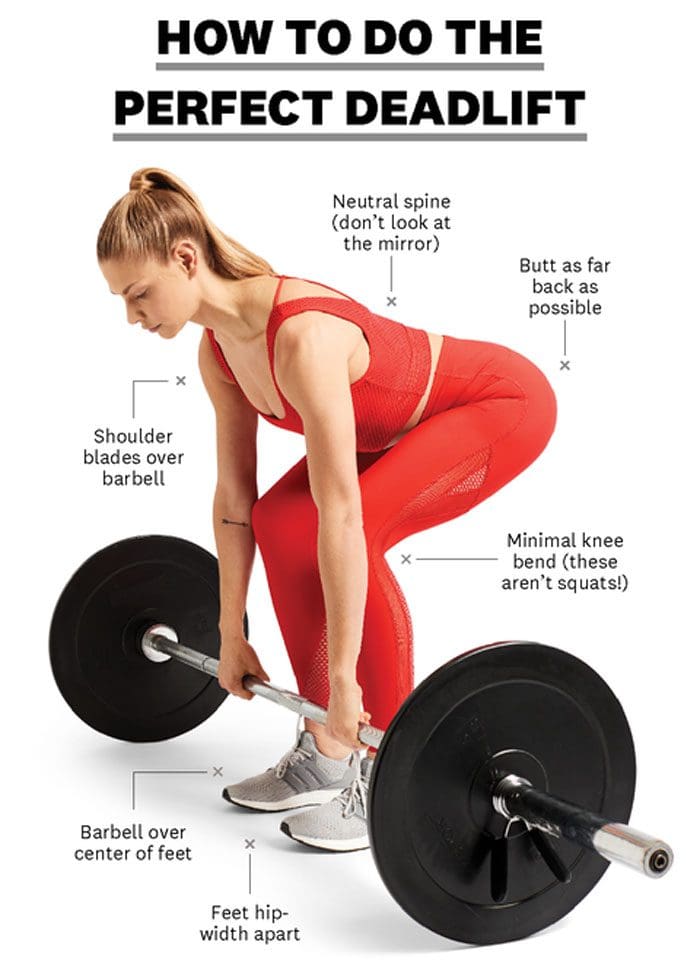
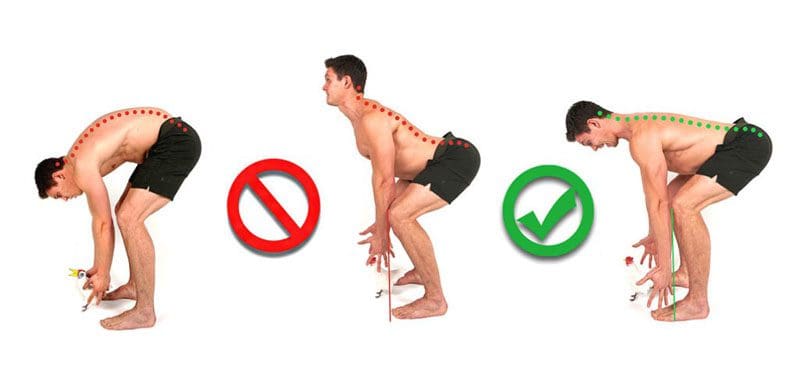
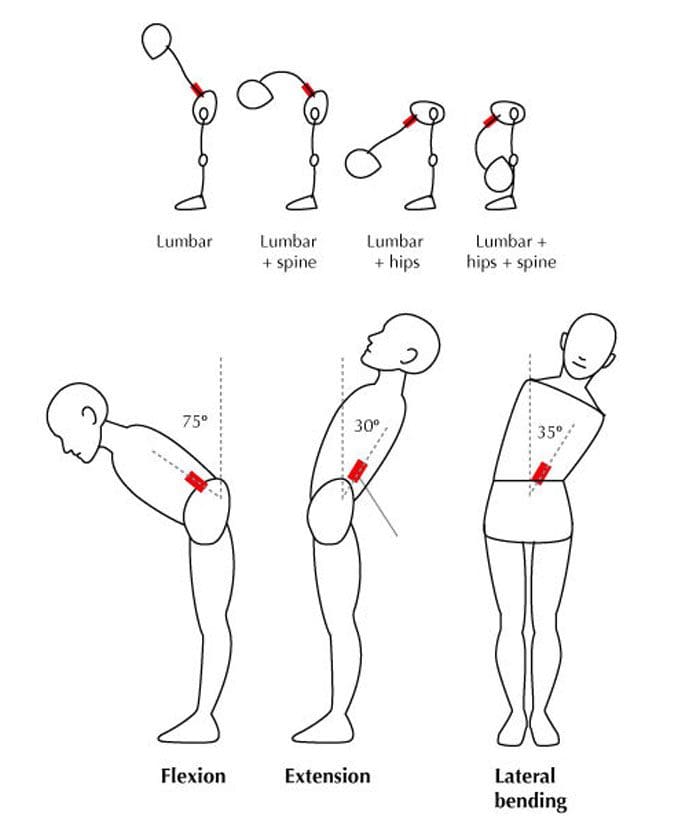
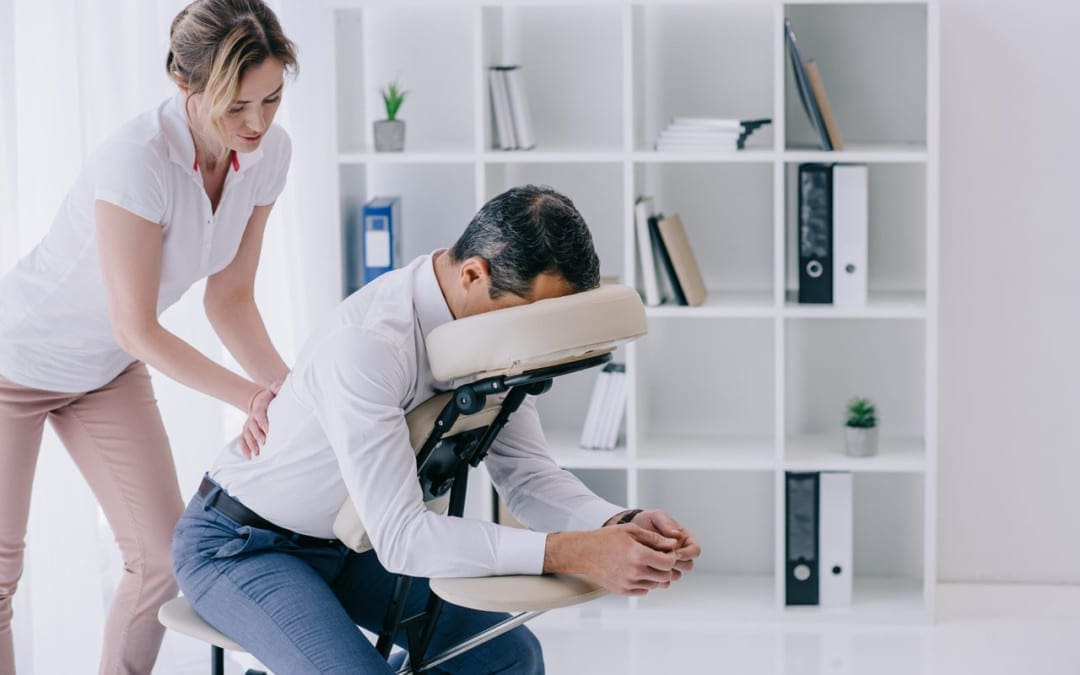
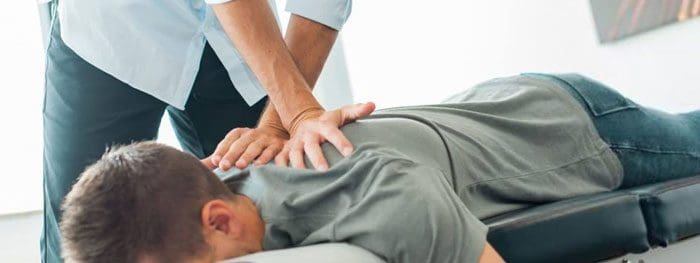
The deadlift is a weight training exercise that helps build muscle, strength, and stamina. It works legs, core, buttocks, and the back when performed correctly. Using an improper form or overdoing it can cause injury to the lower back. Recovering from a deadlifting injury usually takes a couple of days or a week. However, this depends on the severity of the injury. Recovery can be helped through:
Home remedies
Chiropractic treatment
Massage
Natural back pain relief tips
Back Injury After Deadlifting
Most individuals will feel sore after a strenuous workout. But there is a difference between soreness and injury. Most of the time injuries from deadlifts are caused by not using proper form. Getting the form right is not easy, it does take practice, so do not feel bad if an injury presents.
Soreness vs Injury
Most of the time telling the difference between natural soreness from a workout and pain from an injury is pretty straightforward. But sometimes it is not as easy to tell the difference. Soreness is typically characterized by:
Stiffness
Tightness
Muscle ache
Fades after two or three days
Muscle soreness tends to be shallow and spread out over a muscle group. Pain from an injury causes sharp and persistent pain, especially with certain movements. Injury pain is deeper and can be described as stabbing or sharp.
Common Deadlifting Injuries
The deadlift has a wide range of motion and incorporates several different joints. Most injuries sustained during a deadlift are low-back injuries. Usually a sprain or a strain. But it is possible to sustain a more serious injury like a herniated disc.
Sprains vs Strains
Sprains and strains are different although many use the terms interchangeably.
A sprain happens when the ligaments that hold a joint together tear.
A strain happens when the muscles tear or are overworked to the point of injury.
Herniated Disc
A herniated disc happens when the gel-like fluid cushion between the vertebrae begins to protrude out. This can cause pain from the disc pressing on surrounding nerves or go unnoticed. Fortunately, sprains, strains, and herniated discs can all be treated conservatively. Seeing a medical professional is recommended to rule out serious conditions.
Injury Lower Back Pop
Some individuals experience an audible pop in the spine during a deadlift. For those that experience a pop but no pain accompanying it, it is likely gas escaping from a joint in the back. Those that experience discomfort or pain with the popping are encouraged to seek out medical attention.
Healing a Back Injury
Healing a back injury depends on the severity. The more severe, the longer it will take to heal. Most injuries can be addressed at home. Individuals that cannot stand up straight or there is debilitating pain with normal movements should see a medical professional like a:
Physical therapist
Chiropractor
Physician
Rest and let the body recover
It can be tempting to get back to the gym as soon as possible, but this is not recommended until the back truly feels normal. It is recommended to rest for a few days, allowing any swelling, inflammation to go down.
Ice and heat
Applying ice to the back every few hours for 15 to 20 minutes is recommended for the first three days, then heat can be incorporated. After three days if there is still pain, incorporate heat to get more blood flowing in and around the area. Use the ice for 15 to 20 minutes, wait 30 minutes, then apply the heat for 15 minutes.
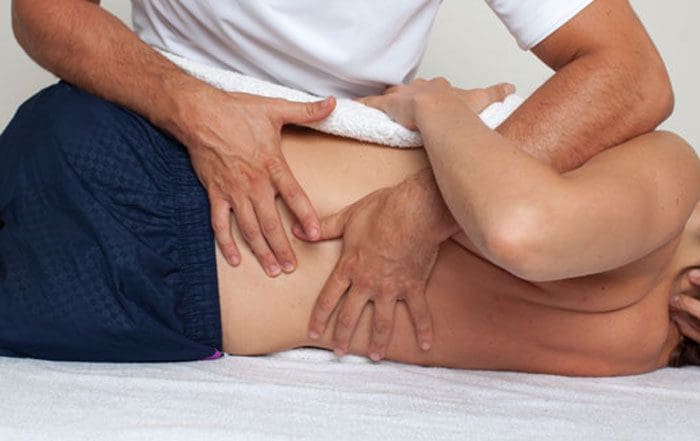
Chiropractor
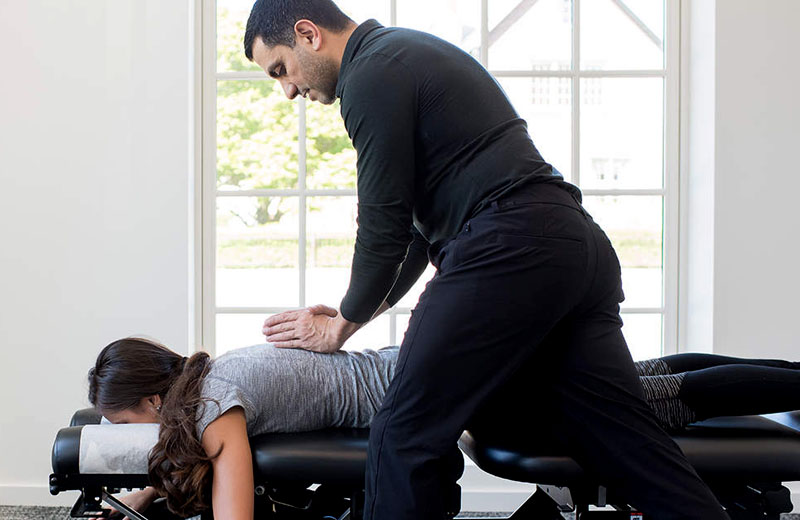
Seeing a chiropractor during any stage of recovery can be beneficial. As chiropractors are musculoskeletal specialists that can realign the body back to its proper form. If four days or more have passed and the pain is not going away, make an appointment with a certified chiropractor or spine specialist.
Time of Recovery
Most individuals recover within a week or two. For more severe injuries, like a herniated disc can take 6 to 8 weeks. Seeing a medical professional can help speed the process and promote healing. Additional tips include:
Deadlifting can be done safely and properly without sustaining an injury. A personal trainer or a sports chiropractor can analyze an individual's lifting form and offer recommendations to prevent injury.
Body Composition
Foods Good for Collagen Production
Healthy nutrition can facilitate optimal collagen synthesis without supplementation. Protein sources that work with non-essential amino acids contribute to increased collagen production. High-quality protein sources support this process. Vegetarian protein sources include legumes or tofu are good alternatives. Collagen synthesis requires vitamin C, copper, and zinc.
Vitamin C regulates the synthesis pathway
Zinc stimulates the body to produce more collagen
Copper activates an enzyme that helps mature/strengthen the collagen
Sources of copper include nuts, seeds, whole grains, and chocolate
Most importantly is plenty of vitamin C-rich foods like:
Bell peppers
Broccoli
Citrus fruits
Leafy greens
Tomatoes
Disclaimer
The information herein is not intended to replace a one-on-one relationship with a qualified health care professional, licensed physician, and is not medical advice. We encourage you to make your own health care decisions based on your research and partnership with a qualified health care professional. Our information scope is limited to chiropractic, musculoskeletal, physical medicines, wellness, sensitive health issues, functional medicine articles, topics, and discussions. We provide and present clinical collaboration with specialists from a wide array of disciplines. Each specialist is governed by their professional scope of practice and their jurisdiction of licensure. We use functional health & wellness protocols to treat and support care for the musculoskeletal system’s injuries or disorders. Our videos, posts, topics, subjects, and insights cover clinical matters, issues, and topics that relate to and support, directly or indirectly, our clinical scope of practice.* Our office has made a reasonable attempt to provide supportive citations and has identified the relevant research study or studies supporting our posts. We provide copies of supporting research studies available to regulatory boards and the public upon request. We understand that we cover matters that require an additional explanation of how it may assist in a particular care plan or treatment protocol; therefore, to further discuss the subject matter above, please feel free to ask Dr. Alex Jimenez or contact us at 915-850-0900.
Dr. Alex Jimenez DC, MSACP, CCST, IFMCP, CIFM, CTG* email: [email protected] phone: 915-850-0900 Licensed in Texas & New Mexico
References
Bengtsson, Victor et al. “Narrative review of injuries in powerlifting with special reference to their association to the squat, bench press and deadlift.” BMJ open sport & exercise medicine vol. 4,1 e000382. 17 Jul. 2018, doi:10.1136/bmjsem-2018-000382
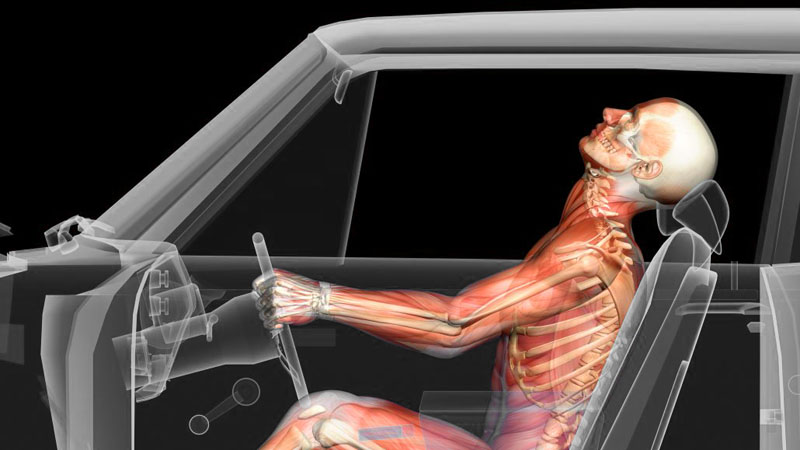
While bruising, soreness, and scrapes are common, whiplash and chronic whiplash injuries may not show for several days or weeks. While today's vehicles are safer than ever, they can still only do so much when it comes to the body and musculoskeletal health. Being involved in an automobile accident, even a light tap can give a sudden jolt to the spine that although the individual might not have felt anything like discomfort or pain, it was enough to shift the disc/s out of place or set them up to shift out of place. No one wants to be involved in a car or motorcycle accident, but regardless of good driving habits, or how advanced the safety features on the vehicle might be, the average driver will be involved in three to four automobile accidents in their life.
Whiplash
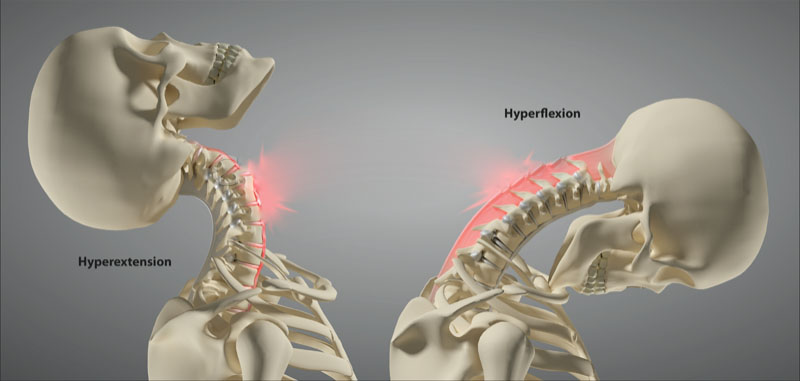
Whiplash and chronic whiplash injuries are common in motor vehicle accidents. More than 3 million Americans will see a doctor and a chiropractor for automobile accidents and whiplash effects. It only takes a 2.5 mph hit to cause an injury. And whiplash doesn't only happen when hit from behind, there are several ways an individual can be subjected to whiplash, including being T-boned, amusement park rides, and falling off a bicycle or a horse.
Symptoms
Most whiplash symptoms develop in the first twenty-four hours, but this is not always the case. Common symptoms include:
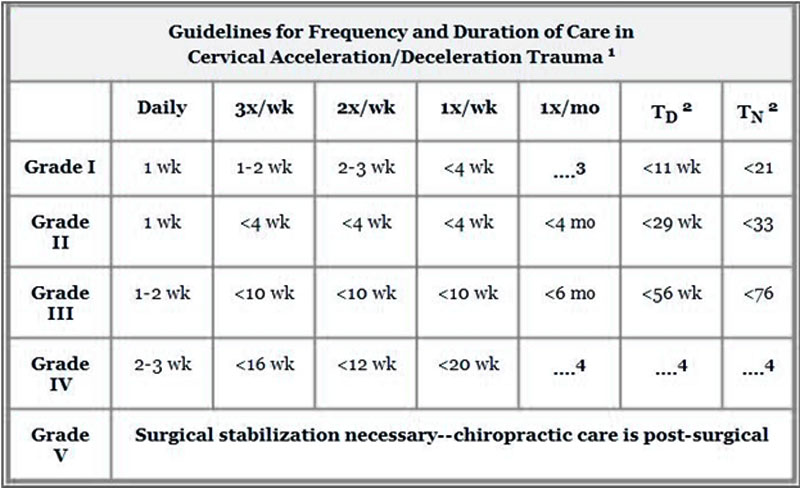
Most individuals realize they have whiplash a day or two after, but for others, it can take a few weeks or even months to present. Whiplash is classified by degree or grade:
Grade 0
The individual has no complaints and there are no symptoms/signs of physical injury.
Grade 1
There is neck pain but there are no physical signs of injury.
Grade 2
There are signs/symptoms of musculoskeletal damage and neck pain is presenting.
Grade 3
There are signs/symptoms of neurological damage and neck pain is presenting.
The average amount of time most individuals stay home from work is around 40 days. However, when whiplash pain lasts longer than a few weeks, it is deemed to be chronic whiplash.
Chronic Whiplash
Some individuals with whiplash experience painful symptoms for years. This is true of those that avoid or refuse medical attention and learn to live with it.
Treatment Options
There are very effective methods for treating whiplash and chronic whiplash injuries. Depending on the extent of the injury/s, developing the right treatment/rehabilitation plan requires individual consultation with a chiropractor to discuss options that can include:
Pain Relief
The pain can be excruciating. Over-the-counter pain relievers like ibuprofen for temporary relief. However, the individual will need extended treatment to ensure it does not become chronic pain.
Neck Brace
Neck braces help limit the pain, but should not be worn for more than three or four days. If worn for too long the neck muscles are prevented from gaining the strength needed to support the head.
Don't Sit For Too Long
Avoid keeping the head in any one position for too long. This includes sitting in bed, watching TV, or working at a desk. This places a large amount of pressure and stress on the neck, making the pain even more severe and longer-lasting.
Sleeping Properly and Comfortably
For many, it can be difficult to get into a comfortable position when sleeping. Sleeping on the back with the head turned to one side can worsen the pain. Try a high-quality ergonomic pillow that allows the individual to sleep on their side and takes the pressure off of the neck.
Spinal Alignment
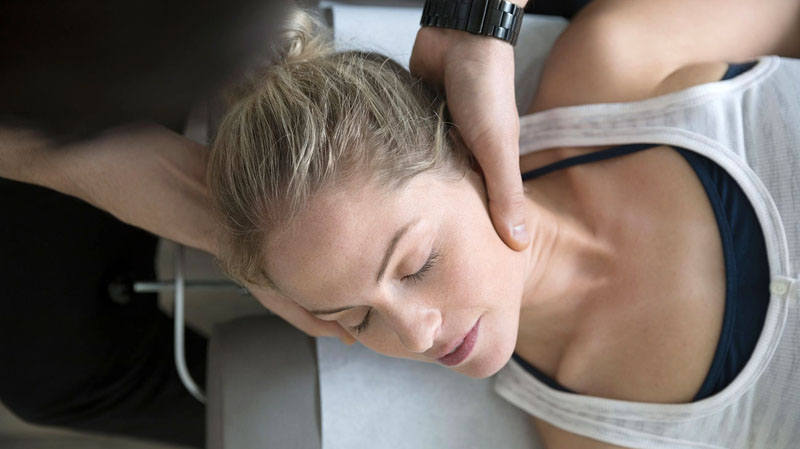
Whiplash can cause the spine to shift out of alignment. This can lead to additional problems in the back or shoulders. It�s always a good idea to see a chiropractor that specializes in motor vehicle accident injuries to realign the spine and neck, as well as for rehabilitation to strengthen the muscles and prevent further injuries. See a chiropractor for an evaluation of the injuries and develop a customized treatment plan that works for the individual's condition.
Everyone is different
Some individuals can be stiff and sore for a few days and then are okay with not much pain. Some individuals experience severe pain immediately after the wreck, while others have no pain for days or even weeks. Both scenarios are pretty common. Soft tissue injuries can be very deceiving. Some don�t experience any pain for months after the accident. Many don�t think they need to see a doctor or chiropractor because there is no pain or symptoms. However, underneath serious problems could be getting ready to present including:
Constant headaches
Numbness or pins and needles in the hands or arms
Pain between the shoulder blades
Poor posture
Chronic muscle tension
Painful spasms
Degeneration of the discs
Painful inflamed arthritis
The quick development of arthritis
Sore, tight, or inflexible muscles
Sleep disturbances
Fatigue
Dizziness
Body Composition
A decrease in physical activity
Physical inactivity is a primary factor in the progression of sarcopenia. Resistance exercise can help maintain muscle mass and help build muscular strength. Individuals that are more sedentary can exacerbate the effects of sarcopenia.
A decrease in motor neurons
Aging is accompanied by motor neuron loss resulting from cell death. This leads to a decrease in muscle fiber. This decrease in muscle fibers leads to:
Impaired performance
A reduction in functional capacity
A decreased ability to perform everyday tasks
Dr. Alex Jimenez�s Blog Post Disclaimer
The scope of our information is limited to chiropractic, musculoskeletal, physical medicines, wellness, and sensitive health issues and/or functional medicine articles, topics, and discussions. We use functional health & wellness protocols to treat and support care for injuries or disorders of the musculoskeletal system. Our posts, topics, subjects, and insights cover clinical matters, issues, and topics that relate and support directly or indirectly our clinical scope of practice.*
Our office has made a reasonable attempt to provide supportive citations and has identified the relevant research study or studies supporting our posts. We also make copies of supporting research studies available to the board and or the public upon request. We understand that we cover matters that require an additional explanation as to how it may assist in a particular care plan or treatment protocol; therefore, to further discuss the subject matter above, please feel free to ask Dr. Alex Jimenez or contact us at 915-850-0900. The provider(s) Licensed in Texas& New Mexico*
Chiropractic manipulation under anesthesia, also known as M.U.A is a non-invasive stretching and musculoskeletal manipulation technique. This type of chiropractic treatment can offer relief from chronic and constant back pain and other types of pain that have not responded well or at all to conservative non-surgical care. Chiropractic manipulation under anesthesia breaks up adhesions/internal scar tissue that could result from an injury or previous surgery, helping restore the normal range of motion and reduce pain. This technique is utilized to treat:
Undergoing chiropractic manipulation under anesthesia while sedated means the body is in a highly relaxed state. This sedation allows the chiropractor to adjust the bones, joints into proper alignment and stretch the muscles without the individual�s voluntary/reflexive resistance. And the sedation allows the chiropractor to use less force, making the procedure painless.
Manipulation Under Anesthesia Specialists
This type of manipulation is a specialty procedure. Trained and certified physicians only perform it in the fields of:
Chiropractic medicine
Orthopedics
Physical therapy and rehabilitation
Osteopathy
Advantages to MUA treatment
There are individuals with pain that respond well to regular chiropractic manipulation, physical therapy, or exercise. However, depending on their condition, relief might only last for a few days or weeks. This is where manipulation under anesthesia could improve the range of motion and relieve pain. Manipulation under anesthesia has been performed for more than sixty years. It can be cost-effective and safer than invasive treatment like spine surgery. It is recognized and covered by most insurance and workers'� compensation plans.
Determining if MUA is right for the individual and their condition
Manipulation under anesthesia is not for all individuals with back pain. MUA is only recommended for patients that meet the procedure's criteria. Like any other type of recommended treatment, a doctor will carefully consider the individual's medical history, symptoms, previous treatments, and effectiveness. A doctor will also perform a physical and neurological examination with an individual's complete medical history. Test results will confirm the patient�s diagnosis and determine if anesthetic manipulation can help relieve pain and other symptoms. Tests can include:
Not an appropriate treatment for individuals with:
Uncontrolled diabetic neuropathy
Spinal cord compression
Morbid obesity
Any cancer
Acute or healing bone fracture/s
Osteomyelitis vertebral bone infection
Acute inflammatory arthritis
Metastatic bone disease
Severe osteoporosis
Acute inflammatory gout
Tuberculosis of the bone
Co-existing medical problems could mean an individual may not be able to undergo any procedure that requires sedation.
Another reason why a patient's complete medical history is vital
Procedure
This procedure is usually performed in an ambulatory surgery center that is a modern healthcare facility focused on providing same-day surgical care for diagnostic and preventive procedures or at a hospital. An anesthesiologist administers the medicine/s. The patient could be sedated but not unconscious or general anesthesia meaning complete unconsciousness. The choice of sedation depends on various factors, like the patient's diagnosis and how severe the condition is. The anesthesiologist can recommend a specific type of medicine or a cocktail of medications for the patient's comfort during and after.
Once sedated, the chiropractor utilizes specialized techniques to stretch, adjust and mobilize the affected areas of the spine and body. The manipulations free up fibrous adhesions or scar tissue in one or more areas of the spine and surrounding tissues. The procedure usually takes 15 to 30 minutes. The individual will be awakened and then is carefully monitored in a recovery area. Many report an immediate reduction in pain and a broader range of motion after the procedure. There is usually temporary muscle soreness, similar to the soreness after an intense workout.
Recommended aftercare
Before being discharged, the patient is provided instructions about aftercare therapy. Instructions may include:
At-home warm-up movements
Physical therapy rehabilitation
Passive stretching
Electrical stimulation
Cryotherapy or cold therapy to reduce inflammation and pain
Physical therapy, exercise, and stretching
Three to six weeks after the procedure, individuals continue with physical therapy to help prevent back pain from returning and any fibrous adhesions/scar tissue broken up from reforming. Exercise and stretching will help strengthen and stabilize the abdominal and spinal muscles and prevent pain from returning.
InBody
Malnutrition
Malnutrition is defined as a lack of uptake or intake of nutrition that can negatively affect body composition. An important nutrient that elderly individuals might not get enough of is protein. Trouble chewing, food cost, and trouble cooking are all factors that limit elderly individuals' access to protein, which can lead to sarcopenia. These complications can affect how the body responds to diet and exercise.
That is because protein requirements for the elderly are usually higher than for younger individuals. This comes from age-related changes in the metabolism that includes a decreased response to protein intake. This means that an older individual needs to consume more protein to achieve the same anabolic effect. Micronutrient deficiency is a lack of nutrients like minerals and vitamins. These support important bodily processes like cell regeneration, immune system function, and vision. A common example is iron and calcium deficiencies. This type of deficiency has the greatest impact on normal physiological functions in conjunction with protein-energy deficiency, as most micronutrients are acquired from food.
Dr. Alex Jimenezs Blog Post Disclaimer
The scope of our information is limited to chiropractic, musculoskeletal, physical medicines, wellness, sensitive health issues, and/or functional medicine articles, topics, and discussions. We use functional health & wellness protocols to treat and support care for injuries or disorders of the musculoskeletal system. Our posts, topics, subjects, and insights cover clinical matters, issues, and topics that directly or indirectly support our clinical scope of practice.*
Our office has made a reasonable attempt to provide supportive citations and has identified the relevant research study or studies supporting our posts. We also make copies of supporting research studies available to the board and or the public upon request. We understand that we cover matters that require an additional explanation as to how it may assist in a particular care plan or treatment protocol; therefore, to further discuss the subject matter above, please feel free to ask Dr. Alex Jimenez or contact us at 915-850-0900. The provider(s) Licensed in Texas& New Mexico*
High-impact labor jobscan cause back pain, as well as jobs that require sitting all day. Nowadays, everyone is at risk of developing some form of back pain at their place of work. Here are a few tips for avoiding back injuries at work. It does not matter what an individual does for a living, or how it is done. Sitting, standing, lifting, bending, twisting, reaching, pulling, and pushing, all can have a negative impact on the spine's health and the muscles in the back.
According to the Occupational Safety and Health Administration or OSHA,work-related musculoskeletal disorders are a common reason for missing work or restricting work time. Back pain and injury prevention/avoiding is the goal along with seeking the proper treatment as soon as possible.
The Risk for Back Pain
Work-related musculoskeletal disorders that affect the spine are a worldwide problem. The World Health Organization has stated in the United States that there is an estimated 149 million workdays lost every year because of back pain, with total costs estimated to be around 100-200 billion a year. And the World Health Organization identified low back pain as the leading cause of disability in the world. The National Institute for Occupations Safety and Health, which is a division of the CDC, listed five primary risk conditions for work-related musculoskeletal disorders:
Regularly lifting of objects
Regular exposure to whole-body vibration like using a jackhammer or driving a forklift
Regular reaching overhead work
Working with the spine in a chronic flexion position
Repetitive work/tasks
Office Back Pain
Individuals that stare at screens most of the day means their spines are at risk for cervical spinal flexion. This can lead to neck, shoulder, and upper back pain.And sitting for long bouts of time with poor posture adds tremendous pressure and weight on the low back. When the body is seated for a long time, the body is not utilizing its core abdominal muscles and back muscles that keep the body and foundation strong and flexible. The more these muscles are under-utilized the more the body begins to fall into the vicious cycle of slouching, slumping, poor posture, and increased stress on the back muscles.
Avoiding Back Injury
With advancements in medicine, there are solutions for relieving pain and getting an individual back to regular work activity. Basic ways for avoiding injuries and keeping the spine healthy.
Lifting with the legs and not the back
Maintaining healthy weight
Healthy diet
Stretching before physical activity and also during work will keep the muscles active and optimal circulation
Overall physical fitness like taking a walk
Knowing when to rest giving the body a break
Focus on recovery during off-hours
Working with Spine Specialists
If the pain is constant or there is a high possibility of an injury, see a medical professional. The correct diagnosis leads to the right treatment, which can include:
Rest
Physical therapy
Chiropractic
Pain management
Medication
Injections
Surgery
There is no one-size-fits-all approach. Every individual will have a personalized treatment plan. A multi-approach is recommended, and the most therapeutic for long-term benefits. One treatment option to be very cautious about is opioids. A review in BMJ suggests opioids do not help individuals get back to work faster, and pain control is only short-term. Back pain inflammation is better addressed through anti-inflammatory medication, physical therapy, and exercise. If pain or a back problem currently exists, see a doctor, chiropractor, or spine specialist and find out about treatment options and avoiding back problems.
Body Composition
How Aging Affects the Body
The body's muscles are constantly being broken down and repaired. When the muscles are used, microscopic tears happen from the regular wear and tear. This means rebuilding those tears with protein. However, as the body gets older, it stops rebuilding the muscles as efficiently. With time, there is a reduction in overall muscle mass and strength. That loss can come from a combination of factors including:
Hormone changes - for example, testosterone gradually decreases
Physical inactivity
Comorbid conditions like cardiovascular disease, diabetes, and cancer
But this reduction in muscle mass doesn�t just happen to the elderly. Research has shown that strength and development in an individual's 20s peaks and begins to plateau in their 30s. For many, decreased strength translates to being less active, and routine activities become more difficult to execute. Inactivity means fewer calories burned, muscle development decrease, and negative changes to body composition including muscle loss, and percent body fat increase.
Dr. Alex Jimenez�s Blog Post Disclaimer
The scope of our information is limited to chiropractic, musculoskeletal, physical medicines, wellness, and sensitive health issues and/or functional medicine articles, topics, and discussions. We use functional health & wellness protocols to treat and support care for injuries or disorders of the musculoskeletal system. Our posts, topics, subjects, and insights cover clinical matters, issues, and topics that relate and support directly or indirectly our clinical scope of practice.*
Our office has made a reasonable attempt to provide supportive citations and has identified the relevant research study or studies supporting our posts. We also make copies of supporting research studies available to the board and or the public upon request. We understand that we cover matters that require an additional explanation as to how it may assist in a particular care plan or treatment protocol; therefore, to further discuss the subject matter above, please feel free to ask Dr. Alex Jimenez or contact us at 915-850-0900. The provider(s) Licensed in Texas& New Mexico*
When individuals stop working on their back pain therapy, the pain can come back. Don't give up on the process and trust the therapists/providers. Many people experience their first episode of low back pain between the ages of 20 and 40. Often they are not sure what caused their back problems. There are a variety of factors that could be contributors like:
Old running shoes
A heavy box that was inappropriately lifted and carried
Exercise strain
Too much sitting
Poor posture
Work injury
Personal injury
Sports injury
After some time with the pain, a visit to the doctor is in order, hoping for clear answers and strong medicine. A diagnosis of non-specific back pain and a prescription for physical therapy is given. This is because doctors are now required to prescribe non-medication, non-invasive therapeutic approaches for any type of pain first. After three to four weeks of physical therapy, and there is still no improvement or signs of improvement will a doctor recommend medication/s and/or surgery.
Physical Therapy
Nonspecific back pain describes back pain that is not associated with a clear cause like:
Osteoporosis
Inflammatory arthritis
Tumor
Fracture
Infection
Structural deformity
Non-specific back pain is very common and often acute, meaning the symptoms usually go away on their own within a month. Physical therapy also known as PT can help expedite the healing process. Physical therapy can improve a variety of back-related problems, including those caused by disease and structural abnormalities. A study found that physical therapy works as well as surgery for lumbar spinal stenosis or the narrowing of the spinal canal in the low back.
Don't Give Up On The Program
Unfortunately, many individuals do not follow through with the full course of physical therapy. Reasons include:
Time
Cost
Inconvenience
Low level of physical activity before treatment
Depression
Anxiety
Poor social support
Increased pain during exercise
The problem with stopping physical therapy is that individuals can end up right where they began. Not following a treatment plan can have negative effects on outcomes and healthcare costs. Progress depends on how much follow-through an individual does on their own. Don't give up on the program and maintain rehabilitative progress.
Scientifically Backed Benefits
Scientific proof means measuring results objectively to determine if a treatment works. Physical therapy has consistently proven to be highly effective. Researchers found that physical therapy led to positive health benefits when treating back pain. Specifically, individuals that followed a physical therapy program to the end had:
For example, spine stabilization exercises during an episode of low back pain can decrease pain, disability, and the risk of another episode.
The Right Physical Therapy Clinic
Do research to find the best therapeutic clinic or professional. It is perfectly understandable to be picky about physical therapy. Several studies have shown that a healthy relationship between patients and physical therapists improves outcomes. When choosing a clinic, individuals should be aware that there are different models. The differences can influence the experience.
Some therapists treat more than one person at a time. This means the exercises will be shown how to do them properly, then the individual will be expected to continue on their own with the therapist returning to see the progress and start the next exercise.
Some therapists see the patient once, then an assistant takes over. Assistants will help with the exercise programs.
There are some clinics that could be out of network or do not accept insurance. Individuals can pay more, but the benefit is more one-on-one time/care with a physical therapist.
If an individual does not like the experience with one model, try another.
Remember that individuals need to advocate for their own health, treatment, and progress.
If an individual is not improving, then they need to have a discussion with the physical therapist.
The therapist can then problem solve and try a new treatment or refer the patient for additional care like imaging, medications, or a different intervention altogether. Don't give up, relief from back pain is possible.
Don't Give Up On Body Health
Body composition analysis an effective tool during physical therapy
Body composition is essential for understanding physiological makeup and to help guide a treatment plan to target specific areas in physical therapy programs. InBody analysis is non-invasive and convenient, making it ideal when used in conjunction with physical therapy rehabilitation programs. The InBody test provides results that can be used to educate and engage individuals to help track improvements throughout the physical therapy course. In less than 60 seconds, the test results are easy-to-understand, accurate, and objective. This helps to evaluate and monitor progress during rehabilitation. With the test a physical therapist can:
Assess muscle distribution
Focus on areas weakened by injury or surgery
Identify fluid imbalances related to inflammation
Monitor changes to determine the efficacy of the therapy program
Guide recommendations for long-term success
Don't give up!
Dr. Alex Jimenez�s Blog Post Disclaimer
The scope of our information is limited to chiropractic, musculoskeletal, physical medicines, wellness, and sensitive health issues and/or functional medicine articles, topics, and discussions. We use functional health & wellness protocols to treat and support care for injuries or disorders of the musculoskeletal system. Our posts, topics, subjects, and insights cover clinical matters, issues, and topics that relate and support directly or indirectly our clinical scope of practice.*
Our office has made a reasonable attempt to provide supportive citations and has identified the relevant research study or studies supporting our posts. We also make copies of supporting research studies available to the board and or the public upon request. We understand that we cover matters that require an additional explanation as to how it may assist in a particular care plan or treatment protocol; therefore, to further discuss the subject matter above, please feel free to ask Dr. Alex Jimenez or contact us at 915-850-0900. The provider(s) Licensed in Texas& New Mexico*
Individuals that have undergone spine surgery or spinal fusion for extreme low back pain caused by degeneration, herniated disks, sciatica, and other injuries could benefit from gentle chiropractic therapy post-surgery. Spinal fusion surgery is one of the last options after non-invasive treatment/s aren't providing relief like:
Massage
Physical therapy
Chiropractic
Medications
However, many patients still experience pain/discomfort after the surgery and wonder which rehabilitation treatment options are available to them. Is chiropractic care still an option after major spinal surgery? Doctors will warn patients about the risks of receiving chiropractic treatment after surgery. This is true with high-velocity low-amplitude spinal adjustments/manipulation.
But incorporating gentle chiropractic therapy could benefit individuals still experiencing back pain after surgery. However, an individual needs to be adequately healed prior to beginning treatment. At Injury Medical Chiropractic and Functional Wellness Clinic, we regularly consult with patients post-surgery about the effectiveness of spinal rehabilitation therapy.
After the surgery wait time
Spinal fusion surgeryremoves the discs between two or more vertebrae and fuses the bones together with screws and plates. The objective is to correct conditions like herniated discs and degenerative disc disease by immobilizing the spine in that area. It can take three months for the vertebrae to fuse together and create a complete immobilized graft. Once the graft is complete, physical therapy is brought in to strengthen the muscles around the graft. Patients are told to avoid any twisting and bending motions, or the graft could break.
How gentle chiropractic therapy can help
Spinal fusion surgery is not guaranteed to cure the problem causing an individual's back pain. Gentle chiropractic therapy can help by therapeutically massaging the area/s keeping the muscles loose and flexible. Gentle manipulations are utilized to adjust or realign bones in the spine and other areas of the body. Because chiropractic treatment can involve intricate spinal manipulations, many individuals that have undergone back surgery can be hesitant to consider chiropractic treatment.
Discuss the possibility of receiving chiropractic therapy with a physician to determine whether the surgical graft is strong enough to withstand gentle spinal manipulations. A patient post-surgery is at greater risk of injury if they are not healed correctly before receiving chiropractic treatment. If the graft is adequately healed and a physician feels that the body is strong enough to endure mild spinal manipulations, reach out to a chiropractor to discuss treatment options.
Body Composition Clinic
Benefits of a cheat day
Cheat days can be a highly useful tool to help motivate sticking to a diet plan. Cheat days can help build a positive relationship with food. The goal is to see one's favorite dessert/comfort food as a reward and not a coping mechanism. However, cheat days not a license to binge eat.
Binge eating can lead to eating-related issues and hurt an individual's ability to self-regulate. Binge eating does not boost the body's metabolism, but it can have the opposite effect. After a binge, the body's system is overloaded with a rush of calories, sugar, and fat. In addition to causing hormone and energy levels to fluctuate, the excess of calories promotes:
Fat storage
Inflammation
Digestive discomfort
Bloating
Constipation
Cheat day frequency
Ultimately, cheat days depend on how well an individual self-regulates and what their short and long-term goals are. However, it can become very easy for a cheat day to become a cheat weekend, to a cheat week, and so on. Next thing an individual is back to old unhealthy eating habits. The objective is to understand what helps maintain motivation and develop a sustainable, long-term plan.
Dr. Alex Jimenez�s Blog Post Disclaimer
The scope of our information is limited to chiropractic, musculoskeletal, physical medicines, wellness, and sensitive health issues and/or functional medicine articles, topics, and discussions. We use functional health & wellness protocols to treat and support care for injuries or disorders of the musculoskeletal system. Our posts, topics, subjects, and insights cover clinical matters, issues, and topics that relate and support directly or indirectly our clinical scope of practice.*
Our office has made a reasonable attempt to provide supportive citations and has identified the relevant research study or studies supporting our posts. We also make copies of supporting research studies available to the board and or the public upon request. We understand that we cover matters that require an additional explanation as to how it may assist in a particular care plan or treatment protocol; therefore, to further discuss the subject matter above, please feel free to ask Dr. Alex Jimenez or contact us at 915-850-0900. The provider(s) Licensed in Texas& New Mexico*
References
Perrucci, Rachel M, and Christopher M Coulis. �Chiropractic management of post-spinal cord stimulator spine pain: a case report.� Chiropractic & manual therapies�vol. 25 5. 6 Feb. 2017, doi:10.1186/s12998-017-0136-0
Fernandez, Matthew et al. �Surgery or physical activity in the management of sciatica: a systematic review and meta-analysis.� The European spine journal: official publication of the European Spine Society, the European Spinal Deformity Society, and the European Section of the Cervical Spine Research Society�vol. 25,11 (2016): 3495-3512. doi:10.1007/s00586-015-4148-y
O'Shaughnessy, Julie et al. �Chiropractic management of patients post-disc arthroplasty: eight case reports.��Chiropractic & osteopathy�vol. 18 7. 21 Apr. 2010, doi:10.1186/1746-1340-18-7
Mental strategy exercises for chronic pain relief and improvement. Living with chronic pain is difficult especially if a doctor is saying that it is all taking place in an individual's head. However, the pain is very real and happening in the brain, literally. Neuroimagingstudies show that certain areas of the brain become active when chronic pain presents. This is not the only way to know the brain's role in how an individual experiences pain. What is also known is:
Anxiety, depression, and pain activate similar areas of the brain.
Certain psychiatric drugs used to relieve pain can also alter an individual's mental state.
Chronic pain can lead to depression.
Clinical depression can cause physical symptoms, including back pain.
A health care provider could recommend/suggest psychological support for chronic pain. Psychological help and mental strategy exercises for chronic pain are not about how to reduce the pain, but more on how to reduce the dominance, interference, and impact of the pain and getting a healthy quality of life back. Consider a few evidence-based, psychological approaches to reduce back pain.
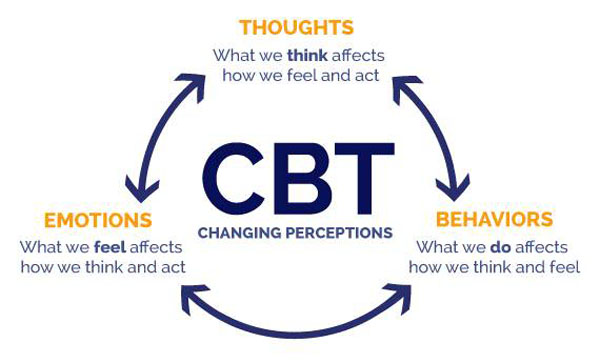
Cognitive-behavioral therapy
Cognitive-behavioral therapy or CBT trains an individual to modify specific thoughts and behaviors. Experts consider this approach a gold standard of psychological interventions for pain. It helps:
Reduce pain
Improves function
Improves quality of life
Individuals work on:
Pain coping strategies
Relaxation skills
Setting goals
Shifting perspectives on pain
A study found that two years after a two-week, intensive course of cognitive-behavioral therapy, patients took fewer pain meds than they did before the therapy.
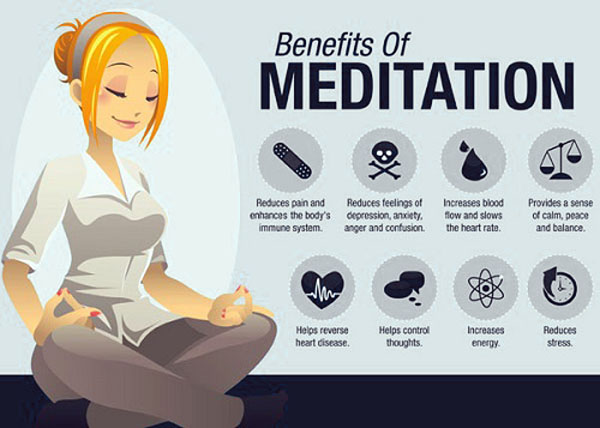
Mindfulness meditation
Meditation is not all about sitting with crossed legs, hands resting on the knees, although this is a recommended pose for meditative purposes. A modern approach can be done anywhere, in any position that�s comfortable and will help soothe back pain. By oneself or with help from a therapist mental strategies can include
A study suggests that mindfulness meditation can be highly beneficial for older adults that are not as able to get an adequate amount of physical activity to improve pain levels. A group of older adults that participated in eight weeks of a mindfulness program, which consisted of four days a week for 30 minutes per session physical function and pain reduction improved.
Mindfulness stress reduction
Mindfulness stress reduction is a program that teaches individuals meditation techniques, that include basic stretches and postures. It teaches how to separate the physical and psychological aspects of pain. Medical centers across offer this treatment option for a range of disorders, including chronic back pain. It helps reduce pain intensity and improves function in individuals with arthritis as well as back and neck pain from various causes. It has also been found to be effective for fibromyalgia, which can cause intense widespread pain. A study found that mindfulness stress reduction improved:
Wellbeing
Pain episodes
Sleep problems
Fatigue in participants with fibromyalgia
More than half reported significant improvement
Acceptance and commitment therapy
Acceptance and commitment therapy or ACT teaches acceptance and mindfulness strategies with commitment and behavior mental strategies, to change the way pain is experienced. Numerous studies along with the American Psychological Association validate this approach as an established treatment for chronic pain.
Changing expectations
In one study several chiropractic patients who expected their back pain to improve were 58% more likely to improve than those who did not expect favorable outcomes. This mental strategy of manifesting a positive outcome through the power of positive thinking and beliefs about pain influence an individual's actions.
For example, when thinking that physical activity will cause back pain, individuals are less likely to be active. This is known as fear avoidance. For most individuals with back and neck pain, gentle physical activity is essential because avoiding it will worsen the pain. Having the right mental strategy can go a long way in battling chronic pain, at Injury Medical Chiropractic and Functional Medicine Clinic we can help individuals experiencing/dealing with chronic pain.
Body Composition
Depression and physical health
Depression is debilitating and, in severe cases, a life-threatening disease that affects over 16 million people nationwide. Depression causes are not always clear and can be brought on by:
Biological factors - genetics
Individual brain chemistry
Certain medications
Stress
Unhealthy diet/nutrition
Mental illness and becoming overweight or obese often happen in conjunction, whether as a result of each other or from common risk factors that include:
Smoking
Poor diet
Lack of physical activity
Alcohol consumption
Prescribed medications for depression and anxiety disorders are have been shown to be successful in maintaining mental health. However, a side effect of these medications is weight gain. Like genetics, being educated on the potential side effects will help in reducing the risk of, and controlling weight gain when taking medication.
Dr. Alex Jimenez�s Blog Post Disclaimer
The scope of our information is limited to chiropractic, musculoskeletal, physical medicines, wellness, and sensitive health issues and/or functional medicine articles, topics, and discussions. We use functional health & wellness protocols to treat and support care for injuries or disorders of the musculoskeletal system. Our posts, topics, subjects, and insights cover clinical matters, issues, and topics that relate and support directly or indirectly our clinical scope of practice.*
Our office has made a reasonable attempt to provide supportive citations and has identified the relevant research study or studies supporting our posts. We also make copies of supporting research studies available to the board and or the public upon request. We understand that we cover matters that require an additional explanation as to how it may assist in a particular care plan or treatment protocol; therefore, to further discuss the subject matter above, please feel free to ask Dr. Alex Jimenez or contact us at 915-850-0900. The provider(s) Licensed in Texas& New Mexico*
References
Pain and Therapy.�(Jun 2020) �Rehabilitation for Low Back Pain: A Narrative Review for Managing Pain and Improving Function in Acute and Chronic Conditions.��https://www.ncbi.nlm.nih.gov/pmc/articles/PMC7203283/Journal of Psychosomatic Research. (Jan 2010) �Mindfulness-based stress reduction for chronic pain conditions: variation in treatment outcomes and role of home meditation practice.�
European Journal of Pain.�(Jan 2019.) �Beliefs about back pain and pain management behaviors, and their associations in the general population: A systematic review.��https://www.ncbi.nlm.nih.gov/pmc/articles/PMC6492285/
IFM's Find A Practitioner tool is the largest referral network in Functional Medicine, created to help patients locate Functional Medicine practitioners anywhere in the world. IFM Certified Practitioners are listed first in the search results, given their extensive education in Functional Medicine