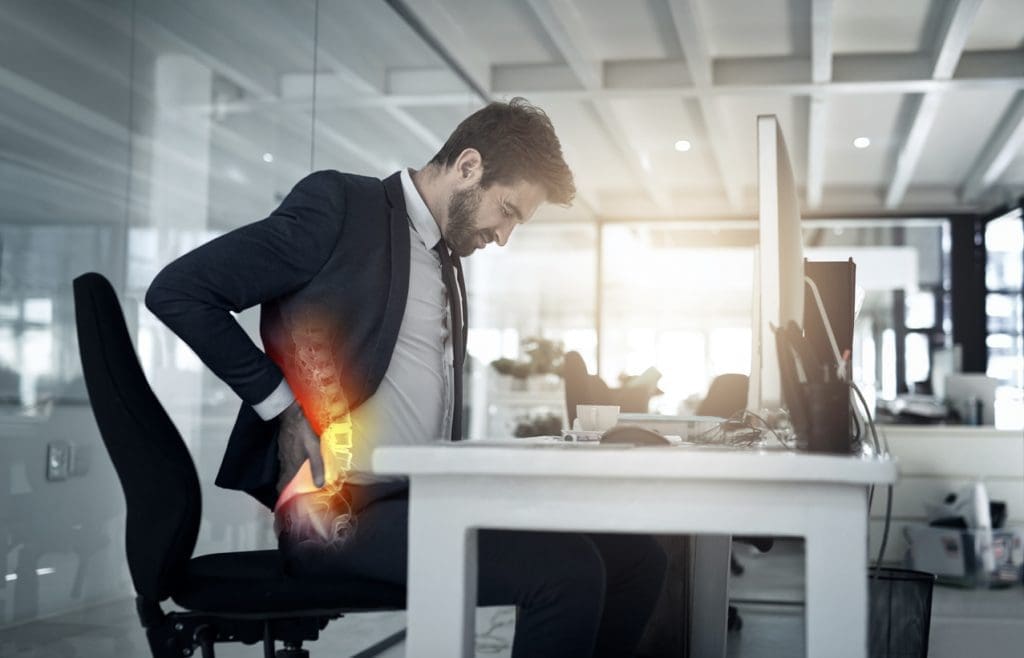
Individuals may not be aware that back discomfort/pain symptoms can be connected to not staying hydrated. When the body is dehydrated, it reduces the amount of fluid in the spinal discs making them smaller, resulting in decreased cushioning and support for the spine. The stress can lead to swelling, causing further back discomfort, even a herniated disc. Individuals that experience frequent back pain could find relief by increasing their H2O consumption.
Staying Hydrated
Physical activity and healthy nutrition are important for healthy living. However, individuals can forget the basic need for water, often resulting in dehydration. The body needs to maintain hydration levels to function correctly. Dehydration can cause the body’s fascia/connective tissue which supports every cell and organ, to lose lubrication that allows the muscles to move, slide, and glide smoothly, causing stiffness, and tangled knots/trigger points, making movement difficult and painful.
The Body’s Overall Health
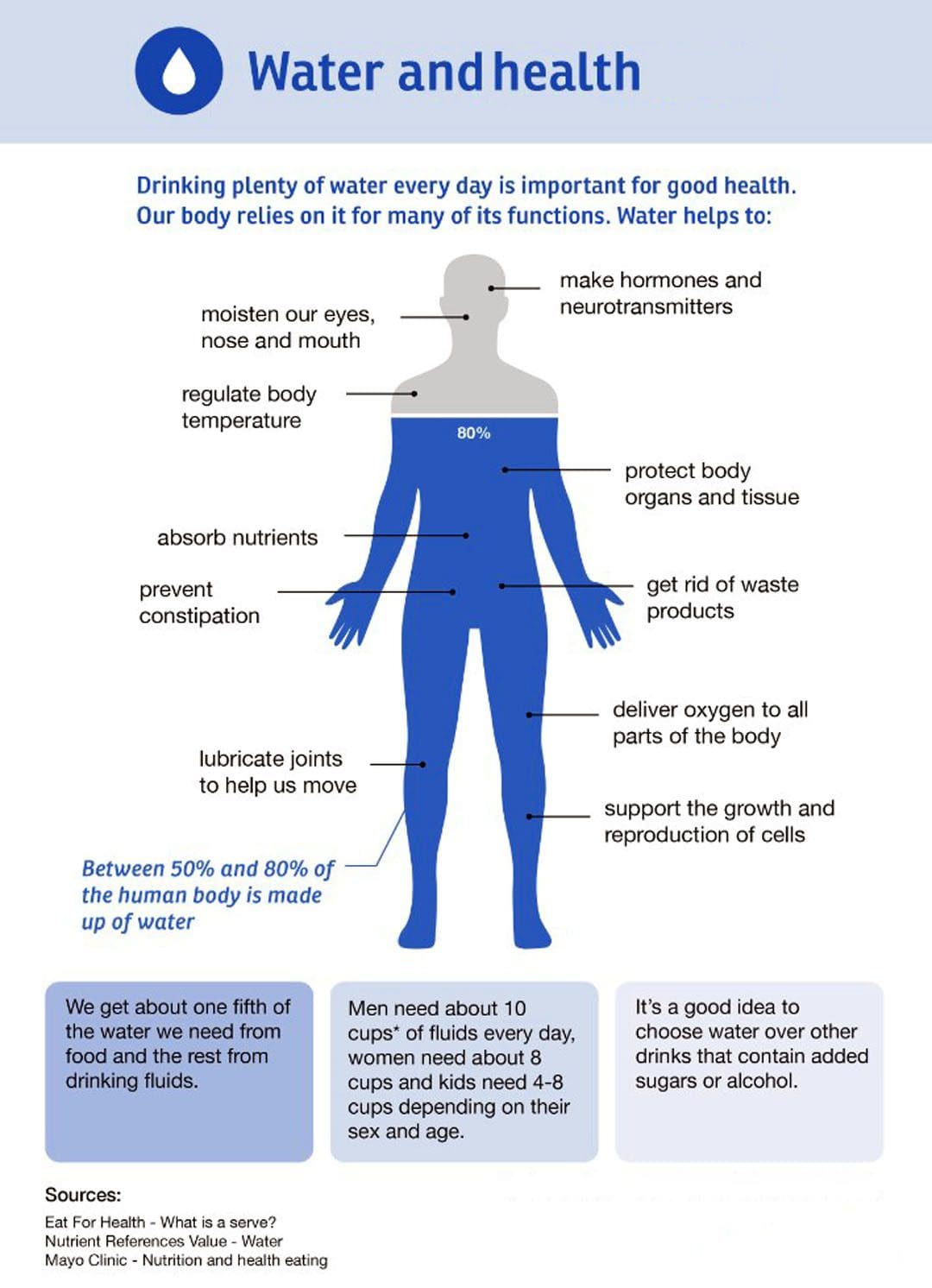
The body is 60% water.
Hydration replaces body fluids lost through exhaling, sweating, and waste elimination.
The body loses and needs to replace around 2-3 quarts of water daily.
Proper hydration regulates temperature, keeps the joints functioning smoothly, protects the spine, and facilitates waste removal.
Dehydration
Even being a little dehydrated is not healthy. Studies have shown that losing 1-2% of body weight without replacing fluids causes thinking and memory problems. A 4% deficit causes headaches, irritability, and sleepiness. Physical work or working outdoors without proper hydration impairs muscle endurance and strength. Dehydration stresses the spine even more which can cause painful swelling and bulged discs. Chronic pain conditions can be worsened by dehydration. This includes:
Overall stiffness
Headaches
Migraines
Joint pain
Arthritis
Fibromyalgia
All can be affected by dehydration.
Lack of water levels can lead to back pain because the discs between the vertebrae need fluid to cushion the bones. They begin to dry out when not properly hydrated, exacerbating back discomfort symptoms that could lead to similar symptoms in the neck or legs.
The spinal discs are filled with a gel substance of around 75% water.
The inner and outer rings/nucleus pulposus are made almost entirely of water.
Water is slowly released from the spinal discs throughout the day.
The discs absorb most of the shock from everyday movements while protecting the spinal cord.
The discs rehydrate during sleep.
Indicators of Dehydration
Other than back pain and discomfort, other symptoms of dehydration.
Fatigue
Irritability
Muscle Cramps
Headaches
Dark Urine
Dry Skin
Dry Eyes
Blurry Vision
Bad Breath
Dizziness
Fever
Caffeinated beverages – soft drinks, tea, and coffee count partly toward daily fluid intake. They do not dehydrate the body, but they can increase urination and are recommended not to be the primary source of liquids during the day.
Hydration
Throughout the day, drink plenty of water and move around and stretch to circulate the H2O.
Increase Water Intake
Sixty-four ounces, eight glasses per day, is the common recommendation.
Water intake encompasses all the liquids consumed in a day, including coffee, tea, and soup.
Foods like cantaloupe and watermelon count toward daily water consumption.
The best sources are water and drinks, primarily water sport replacement drinks, herbal teas, lemon water, and vegetable broth.
Drink more when working out and being active. More water is needed on top of the 64 ounces when active.
Keep hydrating long after the physical activity or workout is over.
When the brain signals thirst, the body is already dehydrated.
Stay ahead by sipping water throughout the day.
Keep a water bottle close by at school or work, refill it twice daily, and increase refills on hot days.
Monitor Hydration Levels
An easy way to assess dehydration is by looking at urine color.
Light yellow or clear is healthy.
Dark yellow or cloudy indicates dehydration.
The Injury Medical Chiropractic and Functional Medicine Team can realign the spine and body to optimal function and assist in developing a nutrition plan to maintain health and wellness.
Benefits Of Healthy Eating and Chiropractic Care
References
El-Sharkawy, Ahmed M et al. “Acute and chronic effects of hydration status on health.” Nutrition Reviews vol. 73 Suppl 2 (2015): 97-109. doi:10.1093/nutrit/nuv038
Johannaber, Kenneth, and Fadi A Fathallah. “Spinal disc hydration status during the simulated stooped posture.” Work (Reading, Mass.) vol. 41 Suppl 1 (2012): 2384-6. doi:10.3233/WOR-2012-0470-2384
Manz, Friedrich, and Andreas Wentz. “The importance of good hydration for the prevention of chronic diseases.” Nutrition Reviews vol. 63,6 Pt 2 (2005): S2-5. doi:10.1111/j.1753-4887.2005.tb00150.x
Ritz, Patrick, and Gilles Berrut. “The importance of good hydration for day-to-day health.” Nutrition Reviews vol. 63,6 Pt 2 (2005): S6-13. doi:10.1111/j.1753-4887.2005.tb00155.x
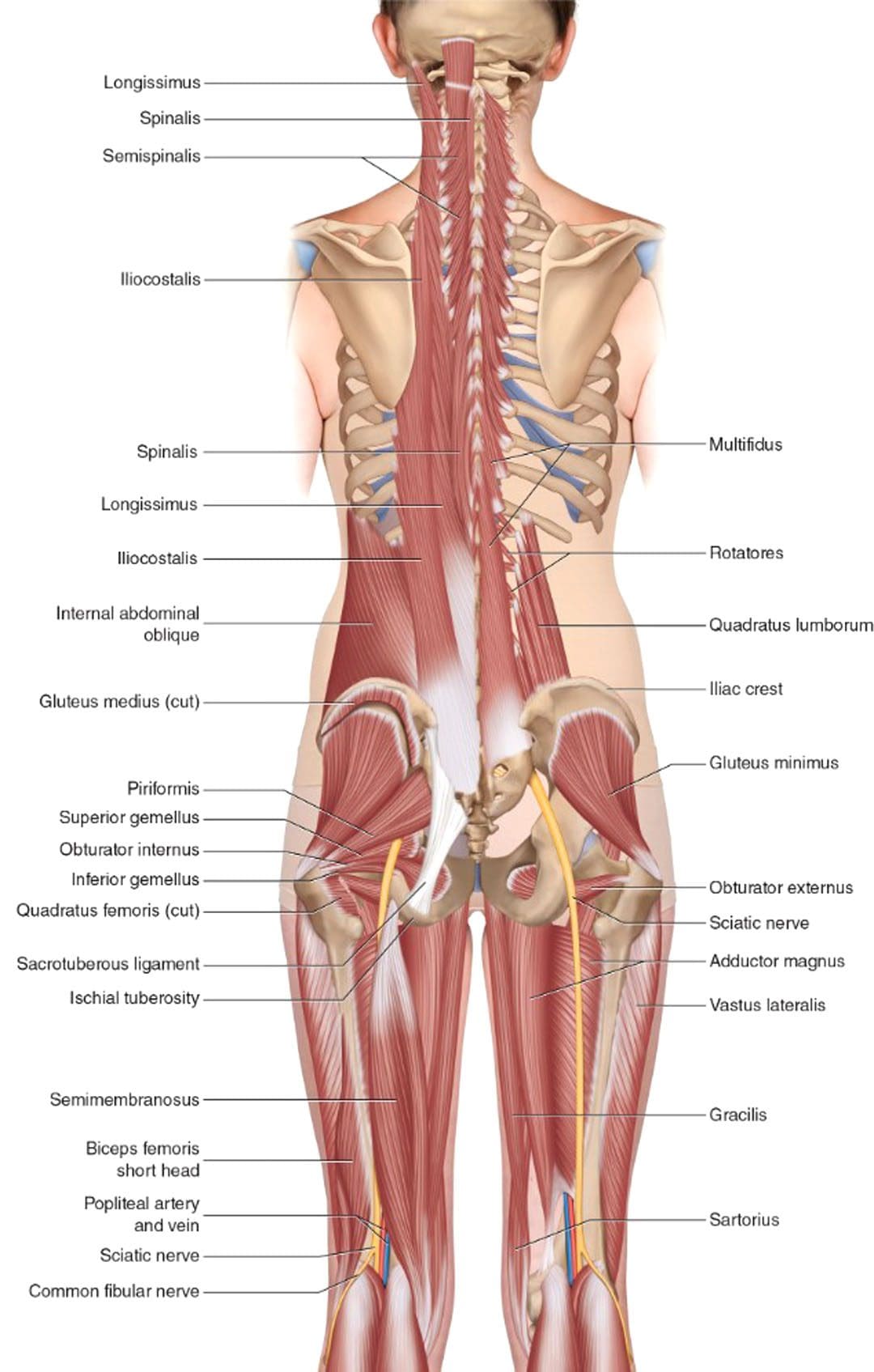
When it comes to the body, the lower portion has three compartments of muscles that work together to provide stability and mobility to the host when they are in motion. The anterior, posterior, and lateral compartments have numerous muscles, tissues, and ligaments that support the spine and allow the musculoskeletal system to do various movements without pain. When normal factors affect the body, it can cause symptoms of overlapping risk profiles that can lead to musculoskeletal pain disorders associated with pain-like symptoms in the joints and muscles. Today we will look at one of the muscle compartments known as the postural muscles, how postural pain affects the body, and how manual therapy combined with the MET technique can improve the postural muscles. We mention valuable information about our patients to certified medical providers who use methods like the MET combined with manual therapy to reduce pain-like symptoms associated with musculoskeletal disorders. We encourage patients by referring them to our associated medical providers based on their findings. We support that education is a marvelous way to ask our providers the most interesting questions at the patient’s acknowledgment. Dr. Alex Jimenez, D.C., incorporates this information as an educational service. Disclaimer
What Are The Postural Muscles?
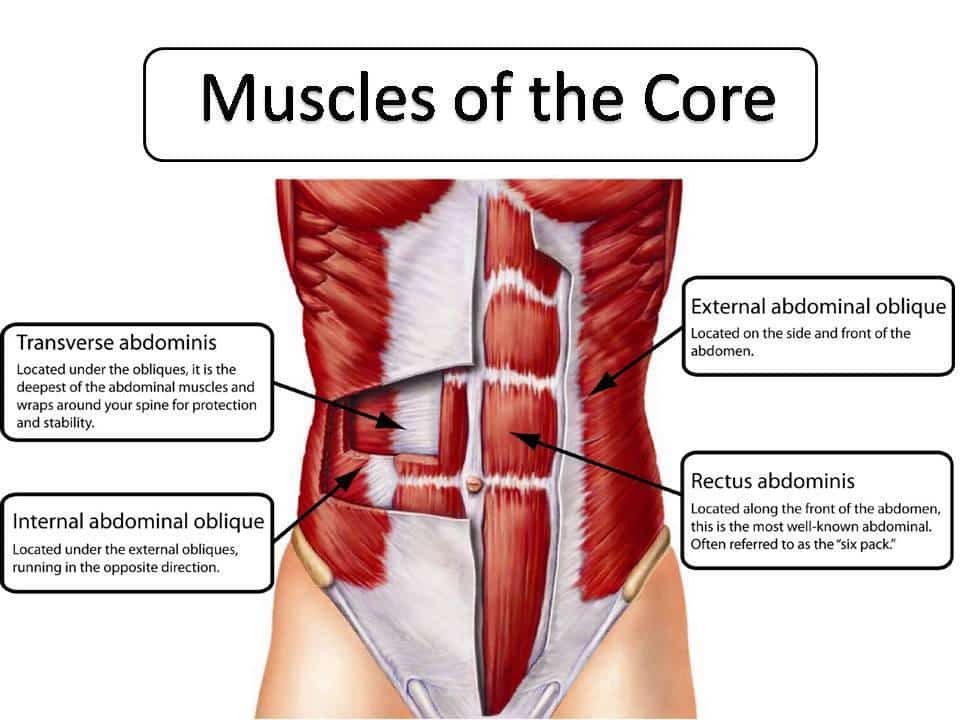
Are you experiencing muscle stiffness in your lower back? What about aches and pain in your shoulders and neck? Or have you noticed your legs feel heavy after sitting down for a long time? Many of these issues are associated with the postural muscles that are causing pain to the musculoskeletal system. So what are the postural muscles in the musculoskeletal system? Well, they are the core muscles that are deep within the abdomen, pelvis, and back. Research studies reveal that the curvature of the spine (cervical, thoracic, and lumbar regions) communicates and works with the central nervous system and musculoskeletal system to provide balance, support, and resistance against pressure on the body. The postural muscles are important in the body as they ensure the host has perfect posture when walking, sitting, or standing. Additional studies mentioned that good postural and stability control are the fundamentals for motor skills. When a person has good postural control, it can help give them a stable gait when walking. However, as the body ages, the postural muscles can become weak and lead to muscle strain while affecting the joints and tendon structures.
The Effects Of Postural Pain In The Body
So what happens to the body when dealing with pain in the postural muscles, and how does it affect one’s posture? Research studies reveal that reducing back muscle endurance from prolonged sitting, slouching, or constantly looking down can cause muscle strain symptoms in the postural muscles. To that point, it can lead to increased development of low back pain and lumbar discomfort in the joints. As stated earlier, other factors like slouching, prolonged sitting, and constantly looking down can affect the lower back, shoulders, and neck. The various muscles that make up the shoulders and neck would become strained and tensed, leading to shoulder and neck pain that can cause discomfort. When these overlapping symptoms affect the body, it can cause many overlapping symptoms that can overlap and cause the individual to be miserable.
How Neck Injuries Affect The Body- Video
Have you been experiencing any muscle strain in your neck, shoulders, or lower back? Does stretching bring temporary relief? Or have you been dealing with heaviness in your legs? Many of these factors are associated with weak postural muscles that can contribute to poor posture, low back and neck pain, and other musculoskeletal issues. The video above explores the common causes and symptoms of neck injuries and how treatments like chiropractic care can help alleviate the symptoms. Treatments like chiropractic care utilize manual manipulation and various techniques to help realign the body and reduce any musculoskeletal disorders associated with pain. Chiropractic care is non-invasive and works with other medical professionals to restore the body naturally.
Manual Therapy & MET On Postural Muscles
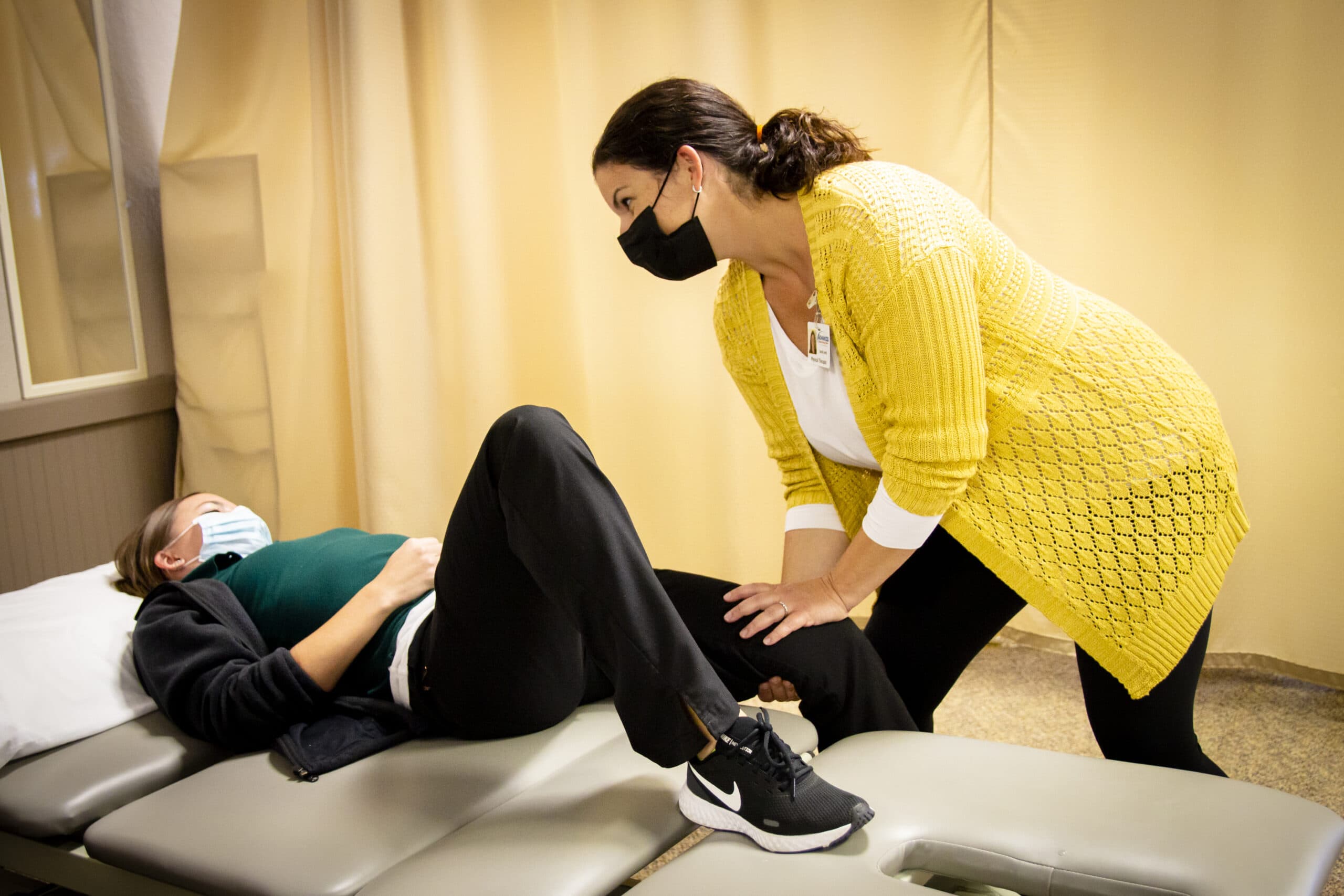
So what can one do when dealing with postural pain and trying to find relief? Many individuals go to treatments like chiropractic care, which can allow the body to be realigned and restored naturally. Treatments like chiropractic care can help restore good posture in the spine while relieving and reducing excess pain and strain on the various muscles, tendons, and joints. Additionally, chiropractors use techniques like the MET technique to reduce stress on the soft tissues and restore the joint’s range of motion. According to the book, “Clinical Applications of Neuromuscular Techniques,” Leon Chaitow N.D., D.O., and Judith Walker DeLany L.M.T., stated that muscle restoration is accompanied by biomechanical solutions and strategies that are introduced to the body and become a key focus on the muscles that required strengthening, enhancing, and improve breathing and posture function. When therapists like chiropractors and massage therapists use the MET technique, the affected muscles can be stretched and strengthened while restoring the structural and functional imbalances the body has endured. This can help improve postural muscles while allowing the body to heal naturally. This allows the individual to be mindful of how they present themselves with good posture.
Conclusion
Overall, the body requires the postural muscles to help stabilize and keep the body mobile. When musculoskeletal disorders associated with pain started to affect the muscles through bad posture or other normal factors, it can cause these muscles to be weak and develop musculoskeletal conditions that can lead many individuals to constant pain. Luckily therapies like chiropractic care combined with the MET technique allow the affected muscles to be stretched and strengthened. This allows the body to be realigned and restored naturally. Incorporating stretching combined with chiropractic care can help many individuals be mindful of their posture and enable them to continue their health and wellness journey without pain.
References
Carini, Francesco, et al. “Posture and Posturology, Anatomical and Physiological Profiles: Overview and Current State of Art.” Acta Bio-Medica : Atenei Parmensis, U.S. National Library of Medicine, 28 Apr. 2017, https://www.ncbi.nlm.nih.gov/pmc/articles/PMC6166197/.
Chaitow, Leon, and Judith Walker DeLany. Clinical Applications of Neuromuscular Techniques. Churchill Livingstone, 2003.
Jung, Kyoung-Sim, et al. “Effects of Prolonged Sitting with Slumped Posture on Trunk Muscular Fatigue in Adolescents with and without Chronic Lower Back Pain.” Medicina (Kaunas, Lithuania), U.S. National Library of Medicine, 23 Dec. 2020, https://www.ncbi.nlm.nih.gov/pmc/articles/PMC7822118/.
Ludwig, Oliver, et al. “Neuromuscular Performance of Balance and Posture Control in Childhood and Adolescence.” Heliyon, U.S. National Library of Medicine, 31 July 2020, https://www.ncbi.nlm.nih.gov/pmc/articles/PMC7398941/.
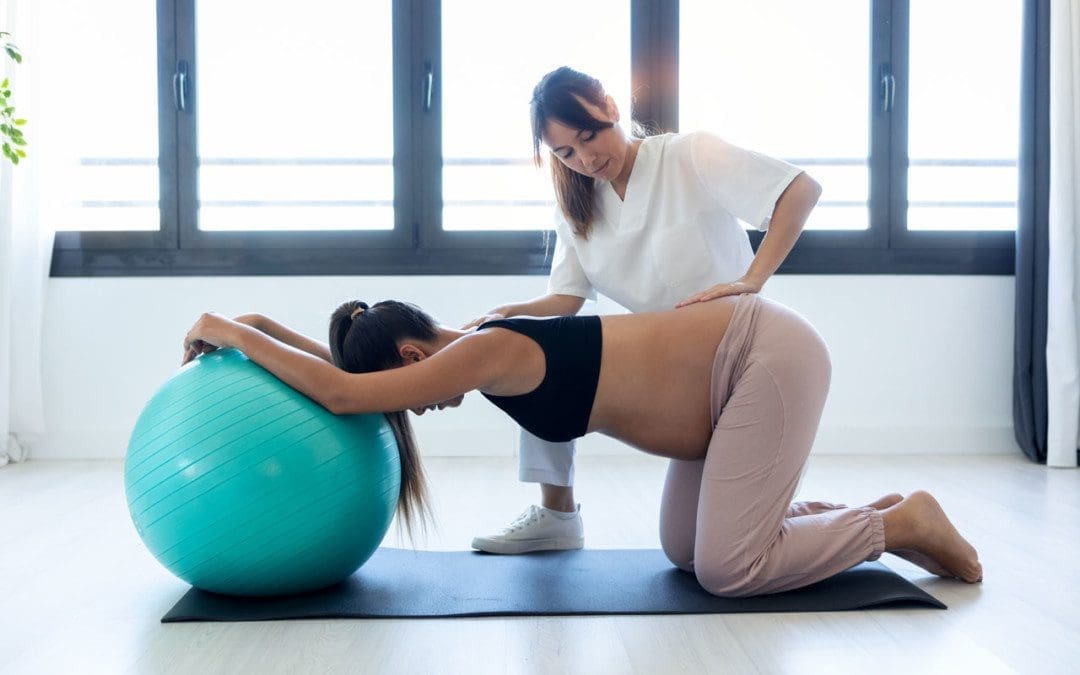
Healthy posture and movement are essential for everyone, but especially for mothers-to-be. Practicing healthy posture is one of the most important contributions to a healthy pregnancy. Proper body alignment decreases low back and neck discomfort symptoms and muscle fatigue. A chiropractic therapy team can educate on maintaining a healthy posture when standing, sitting, and lying down throughout pregnancy, alleviate any subluxations, maintain optimal alignment, and keep the muscles relaxed through massage techniques.
Pregnancy Posture
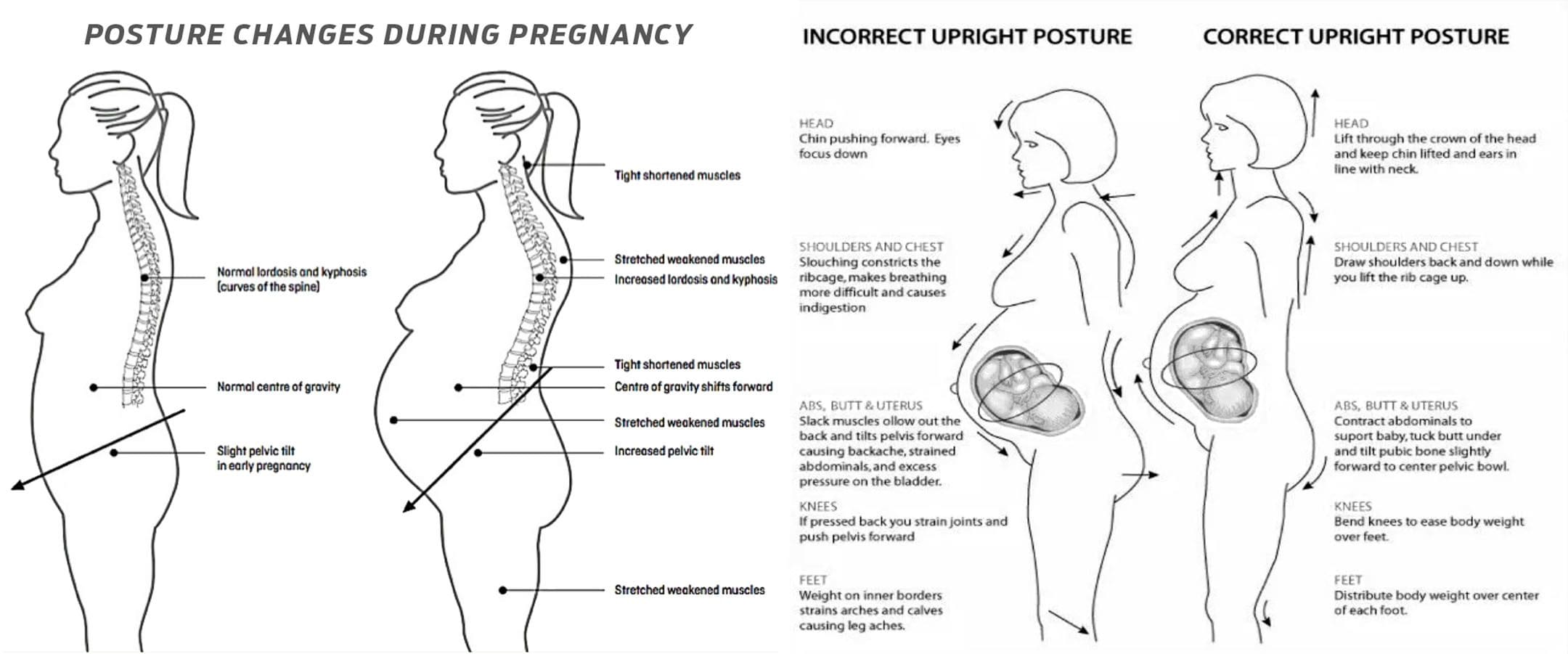
Many changes occur in the musculoskeletal system during pregnancy for the growing fetus. This impacts posture, balance, and gait. Pregnancy posture can significantly influence the comfort and/or pain levels in the pregnant and postnatal body. This includes:
Sleeping in the best position while pregnant.
Sitting in the best position during pregnancy.
These little changes and adjustments impact the health of the mother and baby.
Postural Changes During Pregnancy
During pregnancy, several factors work against maintaining correct and healthy alignment. For one, the baby’s weight causes the lower back to sway as the center of gravity shifts forward.
Increased Lumbar Lordosis
The concave curvature in the spine can become more pronounced because of the forward pull of the growing fetus.
The normal slight forward curvature of the spine in the neck or cervical area is called cervical lordosis.
The growing fetus aggravates the forward pull on the neck.
During pregnancy, the breasts grow, adding more weight to the thoracic or mid back, causing the neck curvature to get pulled forward and down.
Both shoulders also move forward and inward.
These changes can lead to back problem symptoms/pain, sciatica, and other musculoskeletal disorders and conditions if left untreated.
Unhealthy Posture Happens Naturally
The abdominal muscles become stretched as the baby grows.
Hormone levels increase and cause joints and ligaments to loosen.
The muscles cannot contract fully and keep the lower back in alignment.
Healthy Posture Requires Practice
Standing
Proper posture when standing. From top to bottom:
Maintain a neutral gaze that looks straight ahead.
Don’t bend the head too much forward or backward.
Avoid twisting/bending movements whenever possible, or keep them to a minimum.
The chest should be up, the core braced, and the shoulders back.
The body weight is distributed evenly along the lower extremities.
Contract abdominal and pelvic floor muscles during movements, as they support the stability of the pelvis and the trunk.
When standing and having to hold the position for an extended period, use a box or stool to prop up one foot.
For example, when washing dishes, the cabinet under the sink can rest the foot on the ledge.
Switch position every 20 to 30 minutes.
Chiropractic
Whether in the planning stages or the second or third trimester, it’s essential to keep postural health in mind. A chiropractor trained in the needs of pregnant women will use tables that adjust for a pregnant woman’s body, and they will use techniques that avoid unneeded pressure on the abdomen and provide safe exercises and stretches. Benefits of chiropractic include:
Helps maintain a healthier pregnancy.
Helps regulate symptoms of nausea.
Relieves back, neck, discomfort symptoms, and pain.
Relieves and reduces excess strain on muscles, ligaments, and joints.
Spinal curvature exaggeration is corrected.
The normal spine curvatures are restored and maintained.
As more women seek the benefits of chiropractic for pregnancy, more healthcare providers seek trained doctors of chiropractic to refer their pregnant patients. Discuss these options with your healthcare provider, and schedule a visit to Injury Medical Chiropractic and Functional Medicine Clinic to check posture and biomechanics.
Chiropractic Pregnancy Treatment
References
Bauer, A W. “NEUE GESICHTSPUNKTE UEBER HALTUNG UND ERNAEHRUNG WAEHREND DER SCHWANGERSCHAFT” [NEW VIEWPOINTS ON POSTURE AND NUTRITION DURING PREGNANCY]. Wiener medizinische Wochenschrift (1946) vol. 113 (1963): 875-6.
Fitzhugh, M L, and M NEWTON. “Posture in pregnancy.” American Journal of Obstetrics and Gynecology vol. 85 (1963): 1091-5. doi:10.1016/s0002-9378(16)35644-7
Gutke A, Ostgaard HC, Oberg B Spine (Phila Pa 1976). 2006 Mar 1; 31(5):E149-55. Pelvic girdle pain and lumbar pain in pregnancy: a cohort study of the consequences in terms of health and functioning.
Schröder, Guido et al. “Impact of pregnancy on back pain and body posture in women.” Journal of physical therapy science vol. 28,4 (2016): 1199-207. doi:10.1589/jpts.28.1199
Yoo, Hyunju, et al. “Changes in the spinal curvature, degree of pain, balance ability, and gait ability according to pregnancy period in pregnant and nonpregnant women.” Journal of physical therapy science vol. 27,1 (2015): 279-84. doi:10.1589/jpts.27.279
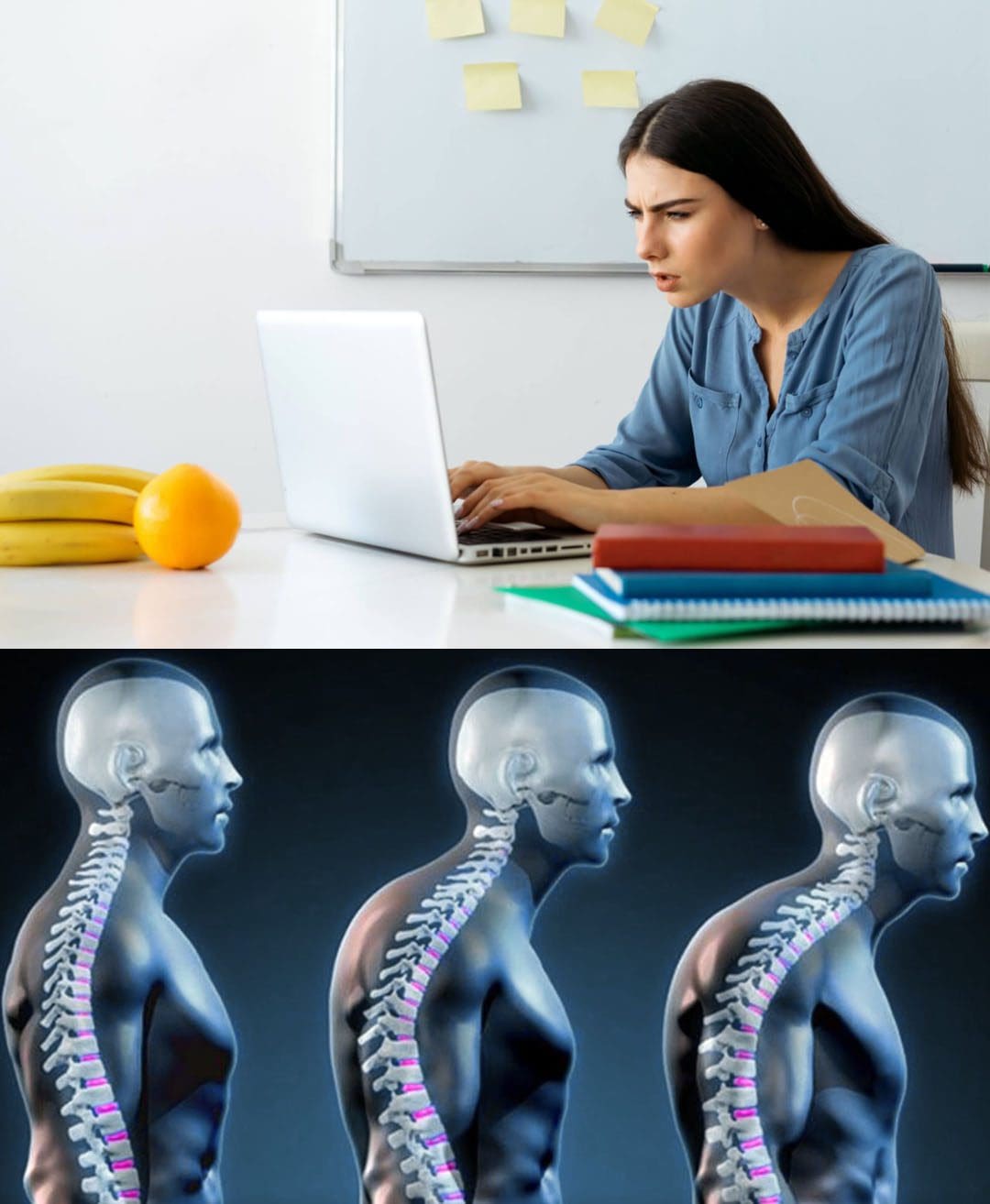
Shoulder and neck discomfort, pain, and headaches could be caused by vision problems and eye strain that require corrective glasses, contact lenses, or an updated prescription. Spending long periods of activity involving eye usage, like driving, reading/writing reports, studying plans, instructions, reviewing charts, orders, etc., on mobile devices and computer screens fatigues the eyes. Individuals with tired eyes try to reduce eye strain by tilting their head or neck and hunching forward, which results in an unhealthy posture. And for individuals that need glasses squinting and straining the eyes also leads to unhealthy postures, directly contributing to neck and shoulder pain and headaches. Injury Medical Chiropractic and Functional Medicine Clinic can repair and heal musculoskeletal injuries and refer patients to the proper specialist, in this case, an eye care professional.
Vision Problems
Like any muscle, the eyes can be overworked, causing unconscious tensing of the neck, upper back, and shoulder muscles, leading to muscle tension in the back of the skull. The tense muscles can cause blood flow and circulation restriction. Individuals compensate by tilting the head towards one shoulder, craning the neck, or leaning/hunching. This can help for a little while but does not relieve muscle soreness, headaches, or migraines, as well as the throbbing around the temples or the fact that it will keep happening. Individuals learn to live with the pain and push through it. This is unhealthy and can lead to serious, chronic musculoskeletal conditions that can cascade into other health problems. For individuals, the symptoms they are experiencing are common in conditions they may have been previously or currently diagnosed with, including:
Neck Strain
The risk of neck strain or injury comes with the overuse of the neck muscles and tendons.
This results in neck pain, tenderness, and a decreased range of motion.
With vision problems, individuals have additional stress on their neck muscles as they tilt their heads to relieve the discomfort.
Neck Muscle Spasms
When the muscles in the neck involuntarily tighten, it can cause sharp or sudden pain; this is referred to as a muscle spasm.
Individuals can experience muscle spasms for minutes, hours, or even days.
Constantly tilting the head to one side to realign vision can cause overuse and strain on the neck muscles, resulting in muscle spasms.
Torticollis/Wry Neck
With torticollis, individuals will likely have a head tilt and experience neck muscle tenderness, stiffness, and pain.
Chiropractic Treatment
Chiropractors are experts in relieving discomfort symptoms and restoring the neuromusculoskeletal system to optimal function. They help reduce inflammation and muscle spasms through heat, cold, stretches and exercises, and electrical stimulation to expedite healing. They also retrain individuals on posture training eliminating the need to tilt the head and being more aware of body positioning.
As primary care doctors, chiropractors can refer their patients to specialists.
Chiropractors work with a wide range of medical professionals, depending on the needs of their patients.
When neck and shoulder discomfort and headaches become chronic and do not heal or improve, they could be vision problems.
By treating the vision misalignment, pressure can be relieved in the neck and shoulders, reducing and eliminating spasms.
Beyond Medicine
References
Bryans, Roland, et al. “Evidence-based guidelines for the chiropractic treatment of adults with headache.” Journal of manipulative and physiological therapeutics vol. 34,5 (2011): 274-89. doi:10.1016/j.jmpt.2011.04.008
Gowrisankaran, Sowjanya, and James E Sheedy. “Computer vision syndrome: A review.” Work (Reading, Mass.) vol. 52,2 (2015): 303-14. doi:10.3233/WOR-152162
Kaur, Kirandeep, et al. “Digital Eye Strain- A Comprehensive Review.” Ophthalmology and therapy vol. 11,5 (2022): 1655-1680. doi:10.1007/s40123-022-00540-9
Lodin, Camilla, et al. “Eye- and neck/shoulder-discomfort during visually demanding experimental near work.” Work (Reading, Mass.) vol. 41 Suppl 1 (2012): 3388-92. doi:10.3233/WOR-2012-0613-3388
Richter, Hans O. “Neck pain brought into focus.” Work (Reading, Mass.) vol. 47,3 (2014): 413-8. doi:10.3233/WOR-131776
Zetterberg, Camilla et al. “Neck/shoulder discomfort due to visually demanding experimental near work is influenced by previous neck pain, task duration, astigmatism, internal eye discomfort, and accommodation.” PloS one vol. 12,8 e0182439. 23 Aug. 2017, doi:10.1371/journal.pone.0182439
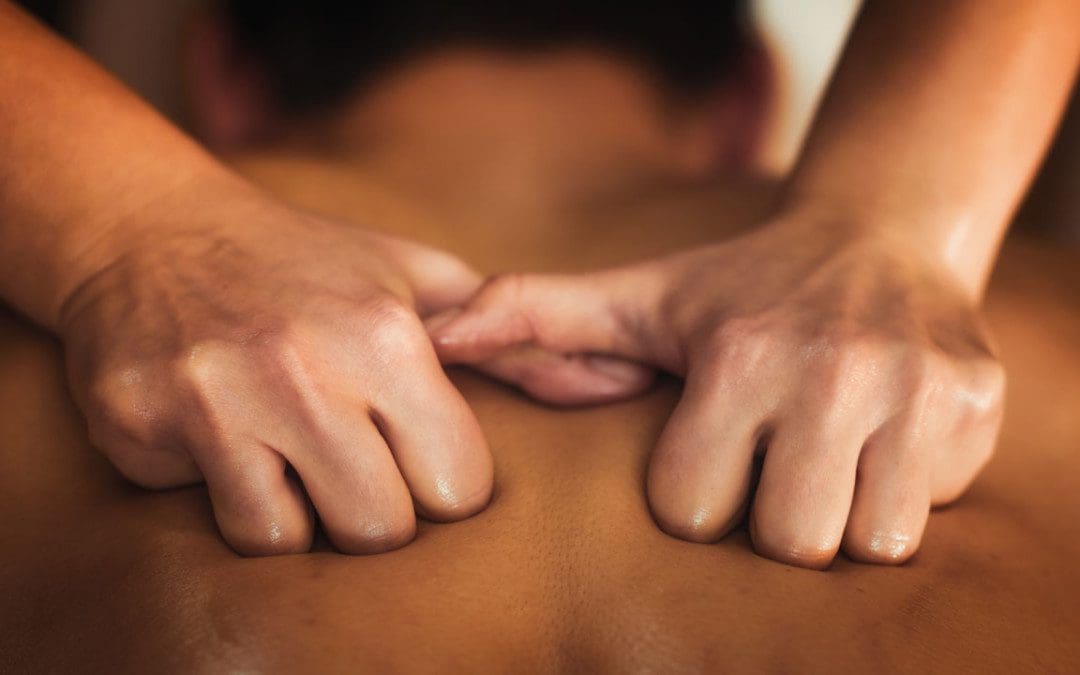
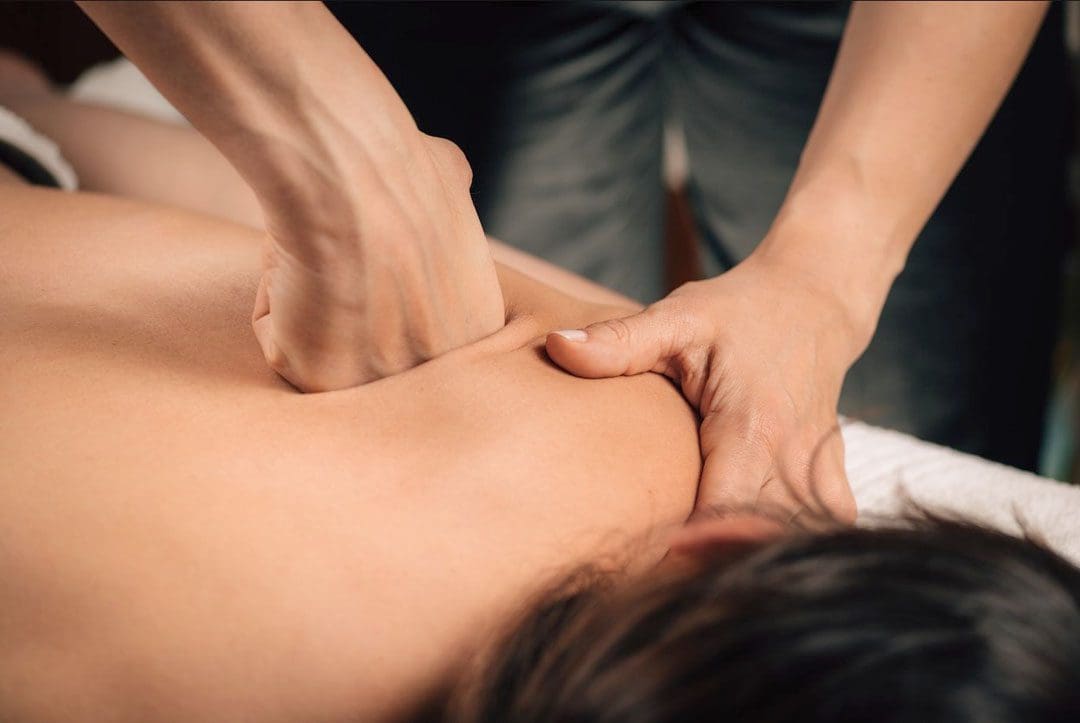
Massage is part of integrative medicine and can be used for various medical conditions. In massage therapy, a therapist rubs and kneads the body’s soft tissues, including muscle, connective tissue, tendons, ligaments, and skin. The therapist varies the amount of pressure and movement. Individuals often start feeling the effects right away. One of the benefits is increased temperature. Increased temperature amplifies blood flow and circulation, enabling muscular and connective tissues to release restriction, and muscle tightness, relieve tension, and improve movement. A massage therapist will use different techniques to increase the temperature to treat various conditions.
Increased Temperature
Some patients want to know why their muscles heat up or burn during a massage. Muscles burn because of the accumulation of waste in the cells. The waste products are released as a result of massage. The muscles release lactate, a byproduct of glucose. The effects of deep tissue massage are almost the same as the effects of exercise. During the massage:
The demand for oxygen in the tissues increases.
Because of this, blood flow circulation to these tissues increases.
This is necessary to supply oxygen and glucose.
It excretes waste substances and toxins.
Muscle heat or burn during massage differs for everybody. Some individuals don’t feel it at all. The session can be so intense that the muscles can’t clear the lactate/toxins fast enough, causing the burning sensation.
Fascia Circulation
The temperature of the fascia can also be increased. Fascia is the thick, fibrous layer of connective tissues beneath the skin that can often become restrictive. Increased temperature in the superficial and deep tissues releases, relaxes, and loosens tight, tense, shortened, and/or injured areas, allowing muscular tissues to increase in elasticity, flexibility, and relaxation. Heart rate is raised, improving circulation and increasing the delivery of oxygen and nutrients to the affected areas and the rest of the body.
Myofascial release involves slowly applying pressure to the area using flattened hands and fingers.
The slow, soft pressure increases the temperature of the fascia.
As the hands and fingers get deeper within, they slowly move around, spreading the fascia.
This releases the tightness and relieves the pain.
An individual’s posture can improve when the temperature is increased. Muscular tension and tightness can cause increased pain symptoms, not allowing healthy posture.
Muscle Burn Relief
Rehydrate
Drink plenty of water after the session is over.
Water maintains proper circulation for excreting waste products and nourishes the muscle cells with fresh nutrients and oxygen.
Avoid coffee and alcohol as they increase urination and blood osmolality and dehydrate the body.
Stretching
Stretching before and after a session can relieve muscle soreness.
Stretching exercises increase blood flow.
Stimulates the release of synovial fluid around the joints.
Sleep
Get plenty of rest after a session.
The body knows how to restore itself; during sleep, it reduces cortisol secretion.
It increases the stimulation of antioxidative hormones to go after free radicals.
Herbal Remedies
Herbal remedies like ginger, garlic, cloves, and cinnamon increase blood circulation, reducing pain and swelling.
They have anti-inflammatory properties that help with muscle burn and soreness.
After a session, a little peppermint or CBD oil can relieve the sore parts.
Chiropractic Success Story
References
Dion LJ, et al. Development of a hospital-based massage therapy course at an academic medical center. International Journal of Therapeutic Massage and Bodywork. 2015; doi:10.3822/ijtmb.v8i1.249.
Massage therapy: What you need to know. National Center for Complementary and Integrative Health. https://www.nccih.nih.gov/health/massage-therapy-what-you-need-to-know. Accessed Jan. 5, 2021.
Rodgers NJ, et al. A decade of building massage therapy services at an academic medical center as part of a healing enhancement program. Complementary Therapies in Clinical Practice. 2015; doi:10.1016/j.ctcp.2015.07.004.
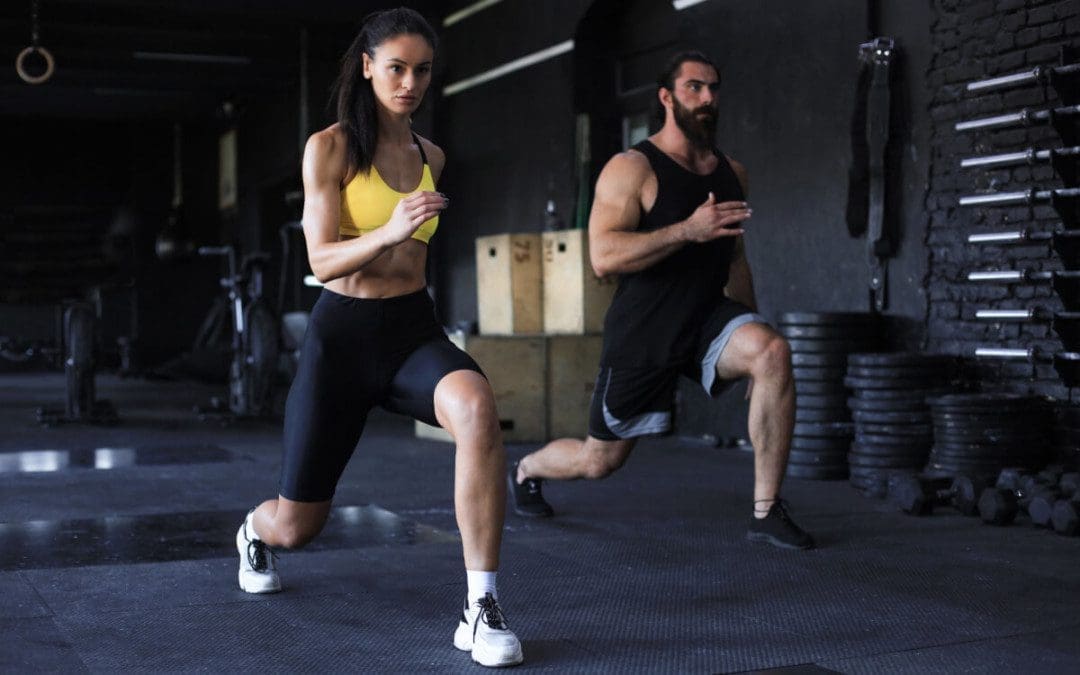
An exercise routine is highly important for anyone trying to get a kick start on their health and wellness journey. It could be simple as walking around the park for 30 minutes, going to the community pool to swim, or taking a group fitness class with friends. Incorporating an exercise regime can even help reduce the effects of musculoskeletal disorders and their associated symptoms from causing pain in the muscles and joints in the body. Even though many individuals have busy lives, it is important to ensure that their bodies are getting enough exercise to feel less joint and muscle pain while improving other systems that benefit from training. Today’s article looks at how to keep a constant exercise routine, how exercise can help musculoskeletal disorders, and how the MET technique is combined with physical activity. We provide and mention valuable information about our patients to certified medical providers who offer available therapy treatments like the MET technique combined with physical activities for individuals dealing with musculoskeletal pain disorders. We encourage each patient by referring them to our associated medical providers based on the patient’s diagnosis findings appropriately. We acknowledge that education is a spectacular way when asking our providers the most helpful questions at the patient’s acknowledgment. Dr. Alex Jimenez, D.C., utilizes this information as an educational service. Disclaimer
Keeping A Constant Exercise Routine
Have you been feeling sluggish throughout the day? Do you believe you don’t have enough time to exercise and feel stressed? Or have you been experiencing unwanted pain and stiffness in your muscles and joints? Many individuals experiencing these issues in their bodies could not be getting enough exercise to reduce these musculoskeletal disorders. When it comes to many individuals trying to keep a constant exercise routine to better their health may be difficult but not impossible. There are many ways to incorporate a daily consistent exercise routine by making small changes in your daily life routine. Walking with friends or pets, attending a group fitness class, or doing squats at home can benefit muscle growth and promote motivation to continue these small changes. However, some of the reasons that many people need to exercise more are to need more time. Studies reveal that most people often refrain from any form of exercise due to needing more time out of their busy schedules. People who do not exercise regularly are potentially at risk of developing health-related problems and disorders linked to the musculoskeletal system.
Exercise For Musculoskeletal Disorders
When the musculoskeletal system is linked to health-related problems due to physical inactivity, when the body is not getting enough exercise, it can cause muscle and joint pain and other associated symptoms that can affect mobility. Research studies have revealed that pain in specific areas of the body, which includes the back, neck, and shoulders, is often due to extended periods of sitting down and inactivity that cause many people to develop musculoskeletal disorders. When pain and discomfort affect the body, it can cause visceral-somatic pain in different body areas. Not only that, but the various muscles in the upper and lower extremities of the body will become shortened and weak over time, leading to disability and poor posture. Now all is not lost, as there are ways to reduce the effects of musculoskeletal disorders and incorporate exercise as part of a person’s daily routine.
Lumbar Spine Injuries in Sports: Chiropractic Healing-Video
Have you been dealing with back, neck, or shoulder issues? Have you been feeling sluggish after a long, hard day at work? Or do you want to incorporate more exercise into your daily routine? Many individuals have been dealing with musculoskeletal issues in their bodies due to being physically inactive or not having enough time in their day. When this happens, it causes numerous disorders associated with the musculoskeletal system that correlate with the pain. However, making small changes in a routine is achievable by setting time aside for a few minutes and moving around to prevent issues from affecting the body. Studies reveal that performing exercise interventions for a few minutes may help reduce the effects of musculoskeletal complaints and boost work abilities. Additionally, exercises combined with chiropractic care can further reduce the impact of musculoskeletal disorders that are taking effect in the various joint and muscles by restoring the body and causing it to heal naturally. The video above explains how chiropractic care is incorporated into musculoskeletal disorders and helps relieve the pain-like symptoms associated with spinal subluxation.
The MET Technique & Exercise
Now, an exercise regime can help reduce pain-like effects on the musculoskeletal system and help with muscle growth. According to “Clinical Applications of Neuromuscular Techniques,” by Leon Chaitow, N.D., D.O., and Judith Walker DeLany, L.M.T., each variation of exercise training, like strength and endurance training involves different muscle fibers in the body and helps with muscle growth. Now it is best to start slowly and build up to improving the body’s endurance to prevent injuries from affecting the muscle groups. Hence why available treatments utilize the MET technique combined with exercise to help stretch and strengthen the muscles and revitalize the joints. According to research studies, combining the MET technique and stretching before exercising has improved muscle and joint mobility and increased the body’s range of motion without pain. Incorporating stretching and exercise can help the body from developing future musculoskeletal issues and can be part of any daily routine for the busy worker.
Conclusion
With people having a busy schedule, incorporating a few minutes of exercising can benefit the individual and their musculoskeletal system. When the body is dealing with musculoskeletal issues associated with physical inactivity, it can lead to future disorders that can cause the body to deal with pain and immobility. Hence, small changes in a routine, like walking or exercising for a few minutes, can benefit the body in the long haul. Additionally, incorporating treatment techniques like the MET combined with exercise helps stretch and strengthen the musculoskeletal system, allowing the body to restore itself naturally to prevent further injuries.
References
Chaitow, Leon, and Judith Walker DeLany. Clinical Application of Neuromuscular Techniques. Churchill Livingstone, 2002.
Iversen, Vegard M, et al. “No Time to Lift? Designing Time-Efficient Training Programs for Strength and Hypertrophy: A Narrative Review.” Sports Medicine (Auckland, N.Z.), U.S. National Library of Medicine, Oct. 2021, https://www.ncbi.nlm.nih.gov/pmc/articles/PMC8449772/.
Phadke, Apoorva, et al. “Effect of Muscle Energy Technique and Static Stretching on Pain and Functional Disability in Patients with Mechanical Neck Pain: A Randomized Controlled Trial.” Hong Kong Physiotherapy Journal : Official Publication of the Hong Kong Physiotherapy Association Limited = Wu Li Chih Liao, U.S. National Library of Medicine, 14 Apr. 2016, https://www.ncbi.nlm.nih.gov/pmc/articles/PMC6385145/.
Shariat, Ardalan, et al. “Office Exercise Training to Reduce and Prevent the Occurrence of Musculoskeletal Disorders among Office Workers: A Hypothesis.” The Malaysian Journal of Medical Sciences : MJMS, U.S. National Library of Medicine, July 2016, https://www.ncbi.nlm.nih.gov/pmc/articles/PMC5025063/.
Tersa-Miralles, Carlos, et al. “Effectiveness of Workplace Exercise Interventions in the Treatment of Musculoskeletal Disorders in Office Workers: A Systematic Review.” BMJ Open, U.S. National Library of Medicine, 31 Jan. 2022, https://www.ncbi.nlm.nih.gov/pmc/articles/PMC8804637/.
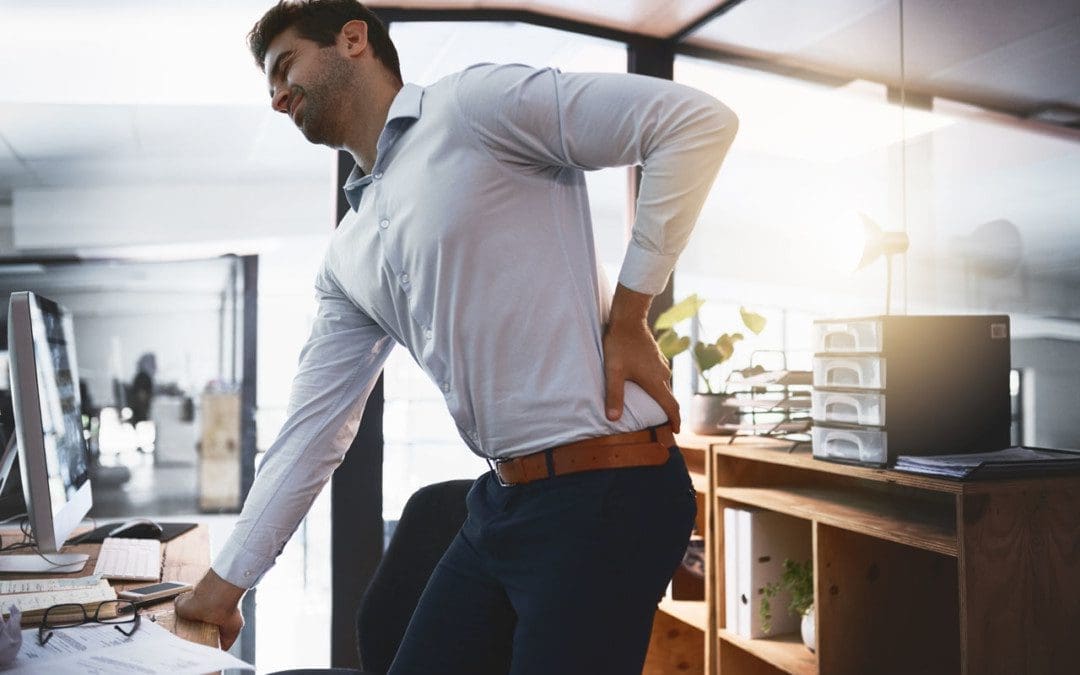
The lumbar/low back muscles support the upper body’s weight and are involved in moving, twisting, bending, pushing, pulling, and reaching. These repetitive actions can result in a lumbar strain, which is muscle damage or injury to the tendons or muscles of the lower back, causing spasms, soreness, and pain. A lumbar strain can be the source of severe pain symptoms; it can be debilitating and, if left untreated, can lead to chronic conditions. Injury Medical Chiropractic and Functional Medicine Clinic can relieve symptoms, realign the body, relax, rehabilitate, strengthen muscles, and restore function.
Lumbar Strain
The lumbar vertebra makes up the region of the spine in the lower back. Sudden injuries or overuse injuries can damage the tendons and muscles. Lumbar muscle strain is caused when the muscle fibers are abnormally stretched or torn. Lumbar strain can be acute/sudden or chronic/lingering. A strain that has been present for days or weeks is referred to as acute. It is considered chronic if it has persisted for over three months. It can occur at any age but is most common in individuals in their forties. Increased risk factors can include:
Weakened back or abdominal muscles can cause
Tight hamstrings can pull the low back muscles down.
Excessive lower back curvature.
Forward-tilted pelvis.
Symptoms
Lumbar strain can have varied signs and symptoms depending on the location, damage, and cause of injury. The damage can range from simple overstretching injuries to partial or complete tears of varying degrees. The tears cause inflammation in the surrounding area, resulting in back spasms and difficulty moving. A muscle spasm is a cramp caused by a sudden and involuntary contraction or twitch and can be one of the symptoms of a lumbar strain. Other symptoms can include:
Muscle spasms either with activity or when resting.
Stiffness in the low back.
Difficulty standing or walking, with slight relief when resting.
Trouble doing simple tasks like bending or climbing stairs.
Low back pain can radiate into the buttocks without affecting the legs.
The lower back may be tender and sore to the touch.
Decreased muscle strength.
Restricted or limited range of motion.
Inability to maintain healthy posture because of stiffness and/or pain.
Discomfort symptoms that persist.
Discomfort ranges from mild aches to sharp, debilitating pain.
Intermittent flare-ups.
Causes
There are often multiple underlying risk factors contributing to the injury or damage. A few of the most common causes:
Depending on the severity, a doctor or health care provider could recommend chiropractic treatment and physical therapy. The chiropractor will perform an evaluation, combined with the doctor’s diagnosis, to develop a customized/personalized treatment plan. Treatment may include:
Ice and heat therapy
Massage to stimulate blood circulation
Percussive muscle stimulation
Pelvic traction
Ultrasound
Stretching exercises
Exercises to do at home for long-term relief.
It is a safe option to loosen tight back muscles, relieve pain, and promote lower back healing.
Spine Injuries In Sports
References
Ball, Jacob R et al. “Lumbar Spine Injuries in Sports: Review of the Literature and Current Treatment Recommendations.” Sports medicine – open vol. 5,1 26. 24 Jun. 2019, doi:10.1186/s40798-019-0199-7
Domljan, Z et al. “Lumbalni strain-sindromi” [Lumbar strain syndromes]. Reumatizam vol. 38,5-6 (1991): 33-4.
Li, H et al. “Rehabilitation effect of exercise with soft tissue manipulation in patients with a lumbar muscle strain.” Nigerian journal of clinical practice vol. 20,5 (2017): 629-633. doi:10.4103/njcp.njcp_126_16
Williams, Whitney, and Noelle M Selkow. “Self-Myofascial Release of the Superficial Back Line Improves Sit-and-Reach Distance.” Journal of sport rehabilitation vol. 29,4 400-404. 18 Oct. 2019, doi:10.1123/jsr.2018-0306
IFM's Find A Practitioner tool is the largest referral network in Functional Medicine, created to help patients locate Functional Medicine practitioners anywhere in the world. IFM Certified Practitioners are listed first in the search results, given their extensive education in Functional Medicine