Individuals can become overly passionate about exercising. However, constantly training the body without taking enough time to rest and recover can impact athletes and fitness enthusiasts physically and mentally and lead to overtraining syndrome. Excessive training can cause decreases in athletic physical performance that can be long-lasting, sometimes taking several weeks or months to recover. Individuals who don’t learn to manage overtraining can have injuries and more frequent illnesses and infections. And the psychological effects can also lead to negative mood changes. Learn the signs and how to cut back to prevent injury and/or burnout.
Overtraining Syndrome
Athletes and fitness lovers often exercise longer and harder than average to reach peak performance. Even individuals just getting started with exercise can push their limits as they try to figure out what works for them. This means taking into consideration the following:
The mental side of training.
How to get and stay motivated.
How to set up a safe and effective program with balanced cardio and strength training.
How to avoid skipping workouts when things get in the way.
Exercising too much is a mistake many beginners make, putting themselves at risk for injury.
Overtraining syndrome is when the body goes through and feels:
Extreme fatigue.
Physical performance problems.
Mood changes.
Sleep disturbances.
Other issues due to working out or training too much and/or too hard without giving the body enough time to rest.
Overtraining is common among athletes who train beyond their body’s ability to recover, usually when preparing for a competition or event. Conditioning for athletes and enthusiasts requires a balance between work and recovery.
Signs and Symptoms
There are several signs to look for, with the more common symptoms being:
Mild muscle or joint soreness, general aches, and pains.
Decreased training capacity, intensity, or performance.
Lack of energy, constantly tired, and/or drained.
Brain fog.
Insomnia.
Decreased appetite or weight loss.
Loss of enthusiasm for the sport or exercise.
Irregular heart rate or heart rhythm.
Increased injuries.
Increased headaches.
Feeling depressed, anxious, or irritable.
Sexual dysfunction or decreased sex drive.
Lower immunity with an increase in colds and sore throats.
Prevent Overtraining
Predicting whether there is a risk of overtraining can be tricky because every person responds differently to various training routines.
Individuals have to vary their training throughout and schedule adequate time for rest.
Individuals who believe they may be training too hard should try the following strategies to prevent overtraining syndrome.
Take Note of Mental and Mood Changes
Methods exist to test for overtraining objectively.
One is taking note of psychological signs and symptoms associated with changes in an individual’s mental state can be an indicator.
Decreased positive feelings for exercise, physical activities, and sports.
Increased negative emotions, like depression, anger, fatigue, and irritability, can appear after a few days of intense training.
If these feelings and emotions begin to present, it is time to rest or dial the intensity down.
Training Log
A training log that notes how the body feels daily.
It can help individuals notice downward trends and decreased enthusiasm.
This can help individuals learn to listen to their body’s signals and rest when necessary.
Monitor Heart Rate
Another option is to track changes in heart rate over time.
Monitor heart rate at rest and specific exercise intensities while training, and record it.
If the heart rate increases at rest or a given intensity, this could be a risk indicator, especially if symptoms develop.
Track resting heart rate each morning.
Individuals can manually take a pulse for 60 seconds immediately after waking up.
Individuals can also use a heart rate monitor or fitness band.
Any marked increase from the norm may indicate that the body has not fully recovered.
Treatment
Rest and Recovery
Reduce or stop the exercise and allow the mind and body a few rest days.
Research on overtraining shows that complete rest is the primary treatment.
Take Extra Rest Days
Starting anything new will usually make the body sore.
Be prepared for the aches and take extra rest days when needed.
The body won’t have the same energy levels from day to day or even from week to week.
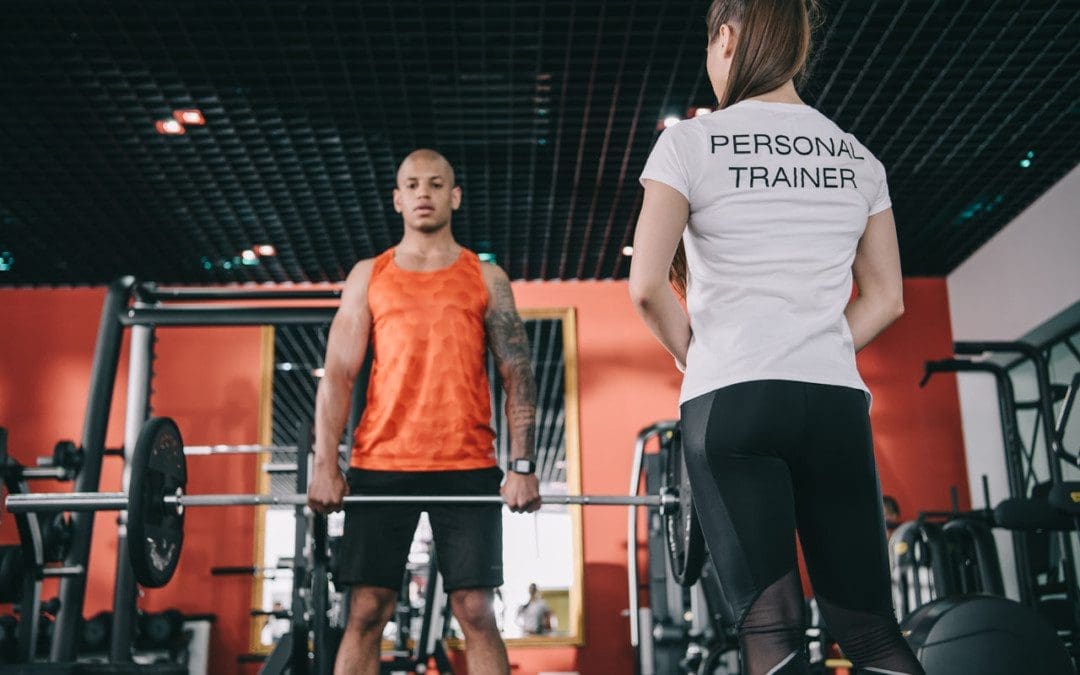
Consult A Trainer
Not sure where to start or how to approach working out safely.
This is the time to meet with a professional who can look at physical and medical history, fitness level, and goals.
They can develop a customized program to meet specific needs.
Nutrition and Hydration
Maintain optimal body hydration with plenty of H2O/water and rehydrating drinks, vegetables, and fruits.
Staying properly hydrated is key to both recovery and prevention.
Getting enough protein and carbohydrates supports muscle recovery.
Carbs are important for endurance, and protein is important for muscular strength and power.
Sports Chiropractic Massage
Research shows that sports massage benefits muscle recovery and can improve delayed onset muscle soreness/DOMS.
Massage keeps muscles loose and flexible and increases blood circulation for expedited recovery.
Relaxation Techniques
Stress-reduction techniques such as deep breathing and progressive muscle relaxation exercises can improve rest and recovery.
Total recovery from overtraining syndrome can take a few weeks or longer, depending on the individual’s health status and how long the excessive training has gone on. A physician can refer individuals to a physical therapist or sports chiropractor, who can develop a personalized recovery plan to get the body back to top form.
Military Training and Chiropractic
References
Bell, G W. “Aquatic sports massage therapy.” Clinics in sports medicine vol. 18,2 (1999): 427-35, ix. doi:10.1016/s0278-5919(05)70156-3
Carrard, Justin, et al. “Diagnosing Overtraining Syndrome: A Scoping Review.” Sports Health vol. 14,5 (2022): 665-673. doi:10.1177/19417381211044739
Davis, Holly Louisa, et al. “Effect of sports massage on performance and recovery: a systematic review and meta-analysis.” BMJ open sport & exercise medicine vol. 6,1 e000614. 7 May. 2020, doi:10.1136/bmjsem-2019-000614
Grandou, Clementine, et al. “Symptoms of Overtraining in Resistance Exercise: International Cross-Sectional Survey.” International Journal of sports physiology and Performance vol. 16,1 (2021): 80-89. doi:10.1123/ijspp.2019-0825
Meeusen, Romain, et al. “Brain neurotransmitters in fatigue and overtraining.” Applied physiology, nutrition, and metabolism = Physiologie applique, nutrition et metabolisme vol. 32,5 (2007): 857-64. doi:10.1139/H07-080
Peluso, Marco Aurélio Monteiro, and Laura Helena Silveira Guerra de Andrade. “Physical activity and mental health: the association between exercise and mood.” Clinics (Sao Paulo, Brazil) vol. 60,1 (2005): 61-70. doi:10.1590/s1807-59322005000100012
Weerapong, Pornratshanee, et al. “The mechanisms of massage and effects on performance, muscle recovery, and injury prevention.” Sports medicine (Auckland, N.Z.) vol. 35,3 (2005): 235-56. doi:10.2165/00007256-200535030-00004
For individuals starting an exercise program and professional athletes, training must be well-spent to develop fitness and specific sports skills. It is important to remember basic athletic training concepts to ensure you are making the most of the workouts. Working one-on-one with a sports medicine doctor, chiropractor, physical therapist, or personal trainer can help individuals achieve fitness goals.
Athletic Training Checklist
Abilities and Interests
Individuals need to enjoy the training to stick with the program long enough to see results.
Rather than picking a generic program or doing what everyone else is doing, adjust workout time and intensity to fit your lifestyle, current fitness level, and ability to push when needed.
Choose a workout routine that meets your personal goals.
Working with a trainer is highly recommended if you don’t know where to begin.
For more advanced individuals, a personal trainer is a great way to fine-tune a fitness plan.
Keep It Simple
Athletic training involves consistency and focus.
Simplify the training by alternating hard, easy, long, and short workouts and sports skills practice.
Remember to enjoy the workouts and listen to your body.
Be Mindful of Overtraining
The body does not get stronger by constantly training.
The body needs to rest and be allowed to recover to develop.
Fitness is built by alternating workouts with recovery.
The best way to avoid overtraining is to listen to your body.
If your heart rate remains elevated after sleeping, or the legs feel heavy, and if motivation fades, more rest may be needed.
For individuals who train year-round, taking a week off every three months is recommended, and it is also the time to change the training routine.
Variation
Vary the workouts and intensity to enjoy a well-rounded routine that can help avoid burnout or plateauing.
Alternate training intensity and workout time.
Even training programs you enjoy can gradually lose physical efficiency if not changed.
To improve, variation is needed to challenge the body in different ways.
Workouts should be modified every month.
Cross-training is another great way to vary a routine and improve fitness.
Training Flexibility
Training consistency is what matters.
Don’t worry if you have to miss a day.
Continue with the training plan.
Realistic Goals
Finding a balance when setting goals between what you want to achieve and what you can do.
Be honest about fitness levels and potential.
If you are new to a sport or fitness routine, take it slow until you know what your body can accomplish to decrease the risk of injury.
Patience
It takes time and consistency to build up fitness and performance.
Avoid falling into the mindset that more is better.
This can result in injuries and loss of motivation.
Consistency
Even when starting with short workouts, doing them regularly is important.
Avoid falling victim to working out hard only on weekends and doing nothing during the week.
Injuries are much more common when exercise is inconsistent.
Nutrition
Sports nutrition and hydration go are vital to improving your ability to exercise and train.
Individuals on a regular exercise routine should reassess their nutrition plan.
Proper Equipment
Sports injury prevention begins by using the right equipment.
Whatever sport or exercise routine, ensure the equipment and footwear work and fit properly.
Pads, helmets, and mouthguards are made to help protect athletes and should be utilized.
Becoming An Olympic Athlete
References
American Dietetic Association, Dietitians of Canada, American College of Sports Medicine, Rodriguez NR, DiMarco NM, Langley S. American College of Sports Medicine Position Stand: Nutrition and Athletic Performance. Medicine & Science in Sports & Exercise. 2009;41(3):709-731. doi:10.1249/mss.0b013e31890eb86.
Beaupre, Justin, et al. “Athletic Training and Population Health Science.” Journal of athletic training vol. 57,2 (2022): 136-139. doi:10.4085/314-19
Garber CE, Blissmer B, Deschenes MR, et al. Quantity and Quality of Exercise for Developing and Maintaining Cardiorespiratory, Musculoskeletal, and Neuromotor Fitness in Apparently Healthy Adults. Medicine & Science in Sports & Exercise. 2011;43(7):1334-1359. doi:10.1249/mss.0b013e318213fefb.
Halson, Shona L, and Laura E Juliff. “Sleep, sport, and the brain.” Progress in brain research vol. 234 (2017): 13-31. doi:10.1016/bs.pbr.2017.06.006
Jeukendrup, Asker E. “Periodized Nutrition for Athletes.” Sports medicine (Auckland, N.Z.) vol. 47, Suppl 1 (2017): 51-63. doi:10.1007/s40279-017-0694-2
Mujika, Iñigo. “Quantification of Training and Competition Loads in Endurance Sports: Methods and Applications.” International Journal of sports physiology and Performance vol. 12, Suppl 2 (2017): S29-S217. doi:10.1123/ijspp.2016-0403
Individuals on their feet all day regularly experience back problems and discomfort symptoms. Wearing unstable shoes that are flat with no arch support with little or no shock absorption or the wrong type of shoe for gait can cause biomechanical issues that can cause back discomfort and lead to chronic back pain. Athletic running shoes are recommended for lower back pain because they are well-cushioned and designed to help absorb the impact of walking or running. They also have proper arch and ankle support to maintain foot position for correct posture. What to look for in running shoes to help relieve back pain and keep the back injury free?
Athletic Running Shoes
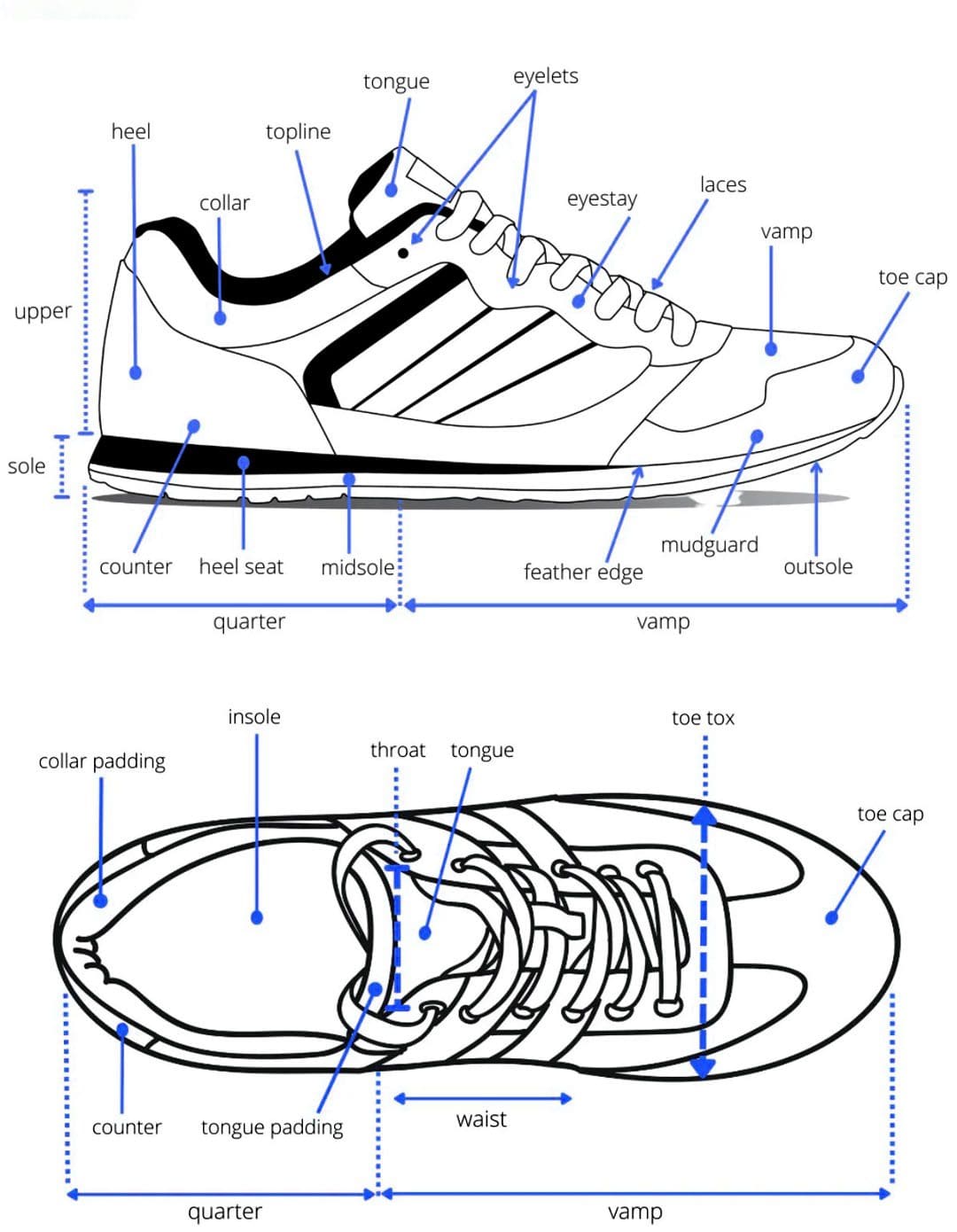
Shoes that don’t have enough cushioning can cause inflammation in the back muscles from the lack of impact absorption. The best athletic running shoes for back pain relief are stiff, supportive, and well-cushioned. When selecting shoes for back pain, the most important factors to consider are:
Stiffness of the sole.
Quality support and cushioning.
Proper and comfortable fit.
Shoe Type
Athletic running shoes are available in various types of support for all foot types.
Consider foot structure and gait when selecting shoes.
Flat and high-arched feet can cause muscle imbalances, which increase pressure on the back, hips, legs, knees, ankles, and feet.
The grooves and patterns increase friction and provide grip to the person while walking or running.
Durability
Wearing worn-out shoes with inadequate cushioning and shock absorption can increase the risk of back problems.
Depending on the uses, shoes can wear out in three months or less.
It is important to replace shoes when the cushioning wears out.
Look for high-quality material that doesn’t wear down quickly.
Improve Whole-Body Wellness
References
Anderson, Jennifer, et al. “A narrative review of musculoskeletal problems of the lower extremity and back associated with the interface between occupational tasks, feet, footwear, and flooring.” Musculoskeletal care vol. 15,4 (2017): 304-315. doi:10.1002/msc.1174
American Podiatric Medical Association. Which Running Shoe is Right for You?
Hong, Wei-Hsien, et al. “Effect of shoe heel height and total-contact insert on muscle loading and foot stability while walking.” Foot & ankle international vol. 34,2 (2013): 273-81. doi:10.1177/1071100712465817
National Institute of Arthritis and Musculoskeletal and Skin Diseases. Back Pain: Diagnosis, Treatment, and Steps to Take.
National Institute of Neurological Disorders and Stroke. Low Back Pain Fact Sheet.
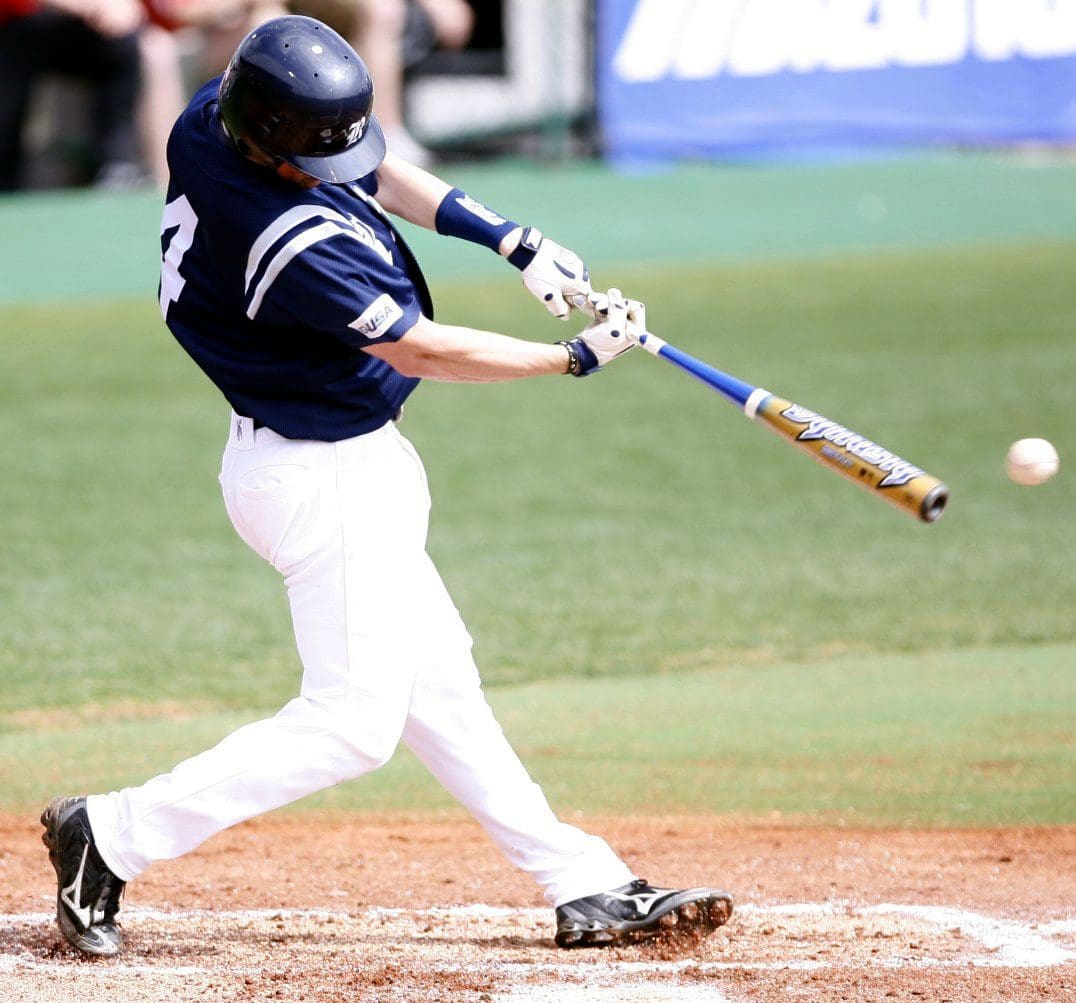
All sports differ in the relative importance of various physical skills contributing to the game and individual performance. Baseball is a precision sport with fast, explosive movements and full-body activity. The ability to repeatedly perform near maximum level with little rest is necessary for baseball players. Baseball training involves a multidimensional approach that focuses on speed, agility, and strength in a way that is relative to the motions and requirements of the sport.
Baseball Training
Trainers have to assess the unique needs of the sport and determine the time needed to improve each quality within the athlete. They should focus on the following:
Baseball training workouts are targeted at increasing running speed, bat speed, pitching, and throwing velocity that breaks down the muscle groups for improving performance while decreasing the risk of injury. Training consists of combined conditioning that includes:
Throwing a baseball at high velocity is a full-body movement that requires total body development.
Strong leg, hip, and core muscles are necessary to transfer power from the ground, up through the lower body, to the torso, and then the arm and hand to generate a fast, whipping ball release.
This will improve generating power in the throwing muscles.
The objective is to build power utilizing a heavy and then a light load to build arm speed, and using proper form will improve throwing velocity safely.
Proper trunk rotation during arm cocking and strength and flexibility training should involve trunk rotational exercises to develop the obliques so that maximum arm speed can be generated.
Players have to deal with consistent failure and remain confident.
Hitting Mistakes
References
Ellenbecker, Todd S, and Ryoki Aoki. “Step-by-Step Guide to Understanding the Kinetic Chain Concept in the Overhead Athlete.” Current reviews in musculoskeletal medicine vol. 13,2 (2020): 155-163. doi:10.1007/s12178-020-09615-1
Fleisig, Glenn S et al. “Biomechanical Analysis of Weighted-Ball Exercises for Baseball Pitchers.” Sports health vol. 9,3 (2017): 210-215. doi:10.1177/1941738116679816
Rhea, Matthew R, and Derek Bunker. “Baseball-specific conditioning.” International journal of sports physiology and performance vol. 4,3 (2009): 402-7. doi:10.1123/ijspp.4.3.402
Seroyer, Shane T et al. “The kinetic chain in overhand pitching: its potential role for performance enhancement and injury prevention.” Sports health vol. 2,2 (2010): 135-46. doi:10.1177/1941738110362656
Referred pain is the interpretation of feeling pain in a different location than the actual cause. For example, a pinched nerve in the spine/back causes pain not to show up not where it is pinching but further down in the buttock, leg, calf, or foot. Similarly, a pinched nerve in the neck could translate to shoulder or elbow pain. Referred pain is often caused by the muscles overcompensating weaker ones, like feeling pain outside the knee, with the actual injury stemming from hip joint dysfunction caused by weakened lateral hip muscles. The athletic referred pain could have been brought on by an acute sports injury, an overuse injury from the repetitive motion/s.
Athletic Referred Pain
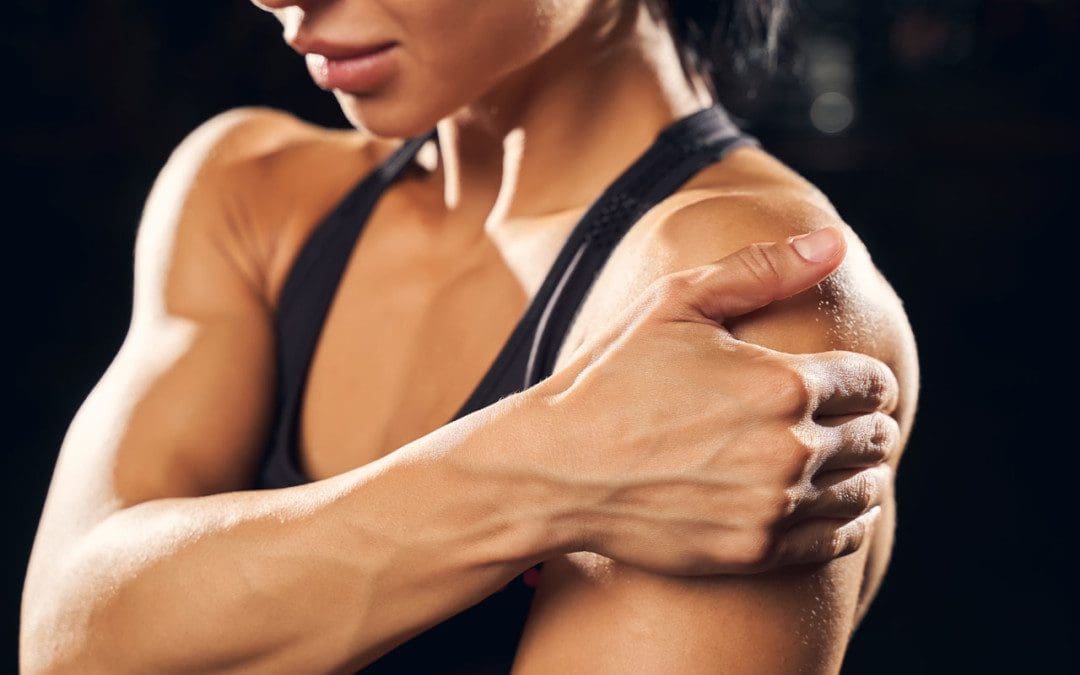
Somatic referred pain originates from the muscles, skin, and other soft tissues and is not to be confused with visceral pain, which refers to the internal organs/viscera. However, the pain presents in regions supplied by the same nerve roots. Damaged or injured body structures can cause referred pain. This includes the muscles, nerves, ligaments, and bones.
Common Sites
Individuals can experience referred pain almost anywhere. Athletic referred pain commonly occurs in these areas:
The neck and shoulder where pain can be felt in the elbow, arm, and hand or cause headaches.
The back where pain can be felt in the hips, buttocks, and thighs.
The hip/s area, where pain can be felt in and around the low back and abdominal regions.
The groin, where pain can be felt in and around the abdominal region.
Problems with the vertebral discs, nerve root compression, muscle spasms, osteoarthritic changes, spinal fracture, or tumor/s can affect the body’s ability to transport sensory information, which can cause strange sensations and weakness of muscle tissues, and sometimes problems with coordination and movement. Part of an accurate diagnosis is knowing the patterns of referred pain in all the muscles and internal organs.
Pain Activation
Many nerve endings come together and share the same nerve cell group in the spinal cord. When signals travel through the spinal cord to the brain, some signals follow the same path as the pain signals from a different body part. Pain awareness is felt in a deeper center of the brain known as the thalamus, but the sensory cortex determines the perception of where the pain is coming from and the location of the pain. The intensity and sensation of the athletic referred somatic pain vary for different structures and depend on the inflammation level. For example:
Nerve pain tends to be sharp or shooting.
Muscle pain tends to be a deep dull aching or a burning sensation.
However, muscles can give a sensation of tingling where referred pain is presenting, but tingling is more commonly associated with a nerve injury.
Diagnosing referred pain injuries can be complex as there are various areas where the pain can show up. The source of damage needs to be identified; otherwise, achieving lasting pain relief will not last. A biomechanical analysis can help to find movement/motion patterns that may be causing pain and help identify the source.
Treatment
Athletic performance and spinal health are interconnected. Chiropractic treatment involves whole-body wellness that involves the spine and nervous system. Routine chiropractic care relieves neck, shoulder, arm, back, leg, and foot conditions/injuries and helps prevent disorders of joints and muscles. It calms the mind, provides pain relief, and educates individuals on being more aware of the body. Chiropractic adjustments improve blood flow and nerve function to increase agility, reaction times, balance, strength, and expedited healing of the body.
DRX9000 Decompression
References
Kapitza, Camilla, et al. “Application and utility of a clinical framework for spinally referred neck-arm pain: A cross-sectional and longitudinal study protocol.” PloS one vol. 15,12 e0244137. 28 Dec. 2020, doi:10.1371/journal.pone.0244137
Murray, Greg M. “Guest Editorial: referred pain.” Journal of applied oral science: Revista FOB vol. 17,6 (2009): i. doi:10.1590/s1678-77572009000600001
Weller, Jason L et al. “Myofascial Pain.” Seminars in neurology vol. 38,6 (2018): 640-643. doi:10.1055/s-0038-1673674
Wilke, Jan, et al. “What Is Evidence-Based About Myofascial Chains: A Systematic Review.” Archives of physical medicine and rehabilitation vol. 97,3 (2016): 454-61. doi:10.1016/j.apmr.2015.07.023
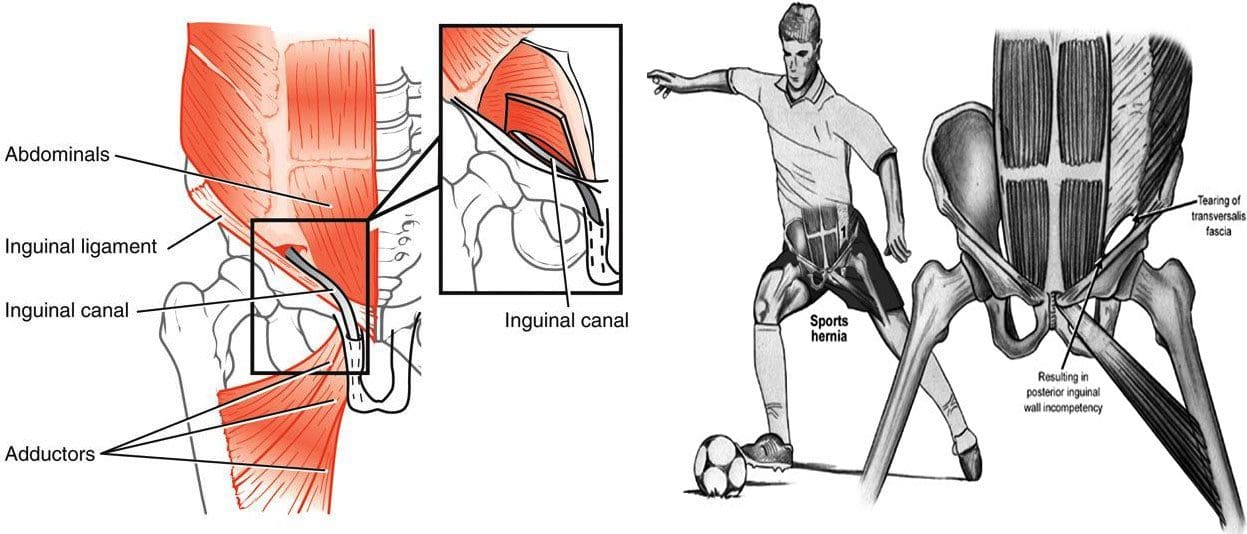
A sports hernia is a soft tissue injury that happens in and around the groin area. It is a strain or tear of any soft-tissue muscles, tendons, or ligaments in the lower abdomen or groin area. It usually happens during physical sports activities that require fast, quick, sudden changes of direction and/or intense twisting movements. Despite its name, a sports hernia is not a hernia in the classic sense. The condition’s proper term is athletic pubalgia. However, a sports hernia can lead to an abdominal hernia. The condition can happen to both men and women.
Anatomy
The soft tissues most affected by sports hernias are the oblique muscles in the lower abdomen, along with the tendons that attach the oblique muscles to the pubic bone, are the most at risk. In many cases, the tendons that attach the thigh muscles to the pubic bone or adductors are also stretched or torn.
Core Muscle Injury
A core muscle injury is when the deep layers of the abdominal wall weaken or tear. This can cause nerve irritation and contribute to uncomfortable symptoms of numbness or tingling. The most common causes include:
Planting the feet and turning or twisting with maximum force.
Constant repetitive hip and pelvic twisting motions.
Imbalances between the hip and abdominal muscles can also, over time, cause overuse injuries.
Weakness in the abdominals and improper or no conditioning can also contribute to injuries.
Chronic groin pain is the primary symptom of a core muscle injury.
Sharp groin pain with exertion.
Basic movements like sitting down or getting out of bed can also present with pain or discomfort.
Pain on one side of the groin.
Pain or numbness that radiates into the inner thigh.
Pain when coughing or sneezing.
Tenderness or pressure on the lower abdominal area.
Pain decreases with rest.
Diagnosis
A doctor will discuss symptoms and how the injury occurred. They will run a series of strength tests like a sit-up or trunk flex against resistance. If it is a sports hernia, there will be tenderness in the groin or above the pubis, along with discomfort and pain. Further tests will include MRI, ultrasound, or X-rays to rule out hip, low back, or pelvis injuries to confirm a core muscle injury.
Non-Surgical Treatment
Rest
In the first 7 to 10 days after the injury resting and icing the area is recommended.
If there is a bulge in the groin, compression or a wrap can help relieve symptoms.
Chiropractic and Physical therapy
Two weeks after the injury, chiropractic adjustments and physical therapy exercises are recommended to improve strength and flexibility in the abdominal and inner thigh muscles.
For most cases, 4 to 6 weeks of chiropractic and physical therapy will resolve any pain and allow the individual to return to their exercise or sports activity.
Anti-inflammatory Medications
A doctor could recommend non-steroidal anti-inflammatory medications to reduce swelling and pain.
If the symptoms persist over a prolonged period, a doctor may suggest a cortisone injection.
If the pain comes back when resuming the physical activities, surgery could be needed to repair the torn tissues.
Surgical Treatment
Repairing the torn tissues can be done with a traditional open procedure that involves one long incision or a minimally invasive endoscopic procedure. In an endoscopy, the surgeon makes smaller incisions and uses a small camera, called an endoscope, to see inside the abdomen. The results of traditional and endoscopic procedures are the same. Most individuals can return to sports and physical activities 6 to 12 weeks after surgery.
Body Composition
Muscle Gain
Individuals can’t lose fat forever. At some point, they need to work on developing muscle or work to preserve the muscle that is already present. This requires a different diet and exercise plan than one designed for fat loss. Instead of getting the body into a catabolic state, the body needs to be in an anabolic state where the body builds tissue instead of breaking it down. To build muscle, the body needs resources meaning proper nutrition and sufficient protein intake to increase muscle mass. Maintaining an energy surplus of around 15% is appropriate for developing musculature, meaning a moderately active individual with a BMR of 1,600 calories would want to their intake to about 2,852 calories a day.
References
Hoffman, Jay R et al. “Effect of protein intake on strength, body composition and endocrine changes in strength/power athletes.” Journal of the International Society of Sports Nutrition vol. 3,2 12-8. 13 Dec. 2006, doi:10.1186/1550-2783-3-2-12
Larson, Christopher M. “Sports hernia/athletic pubalgia: evaluation and management.” Sports health vol. 6,2 (2014): 139-44. doi:10.1177/1941738114523557
Poor, Alexander E et al. “Core Muscle Injuries in Athletes.” Current sports medicine reports vol. 17,2 (2018): 54-58. doi:10.1249/JSR.0000000000000453
Thorborg, Kristian et al. “Clinical Examination, Diagnostic Imaging, and Testing of Athletes With Groin Pain: An Evidence-Based Approach to Effective Management.” The Journal of orthopedic and sports physical therapy vol. 48,4 (2018): 239-249. doi:10.2519/jospt.2018.7850
Tyler, Timothy F et al. “Groin injuries in sports medicine.” Sports health vol. 2,3 (2010): 231-6. doi:10.1177/1941738110366820
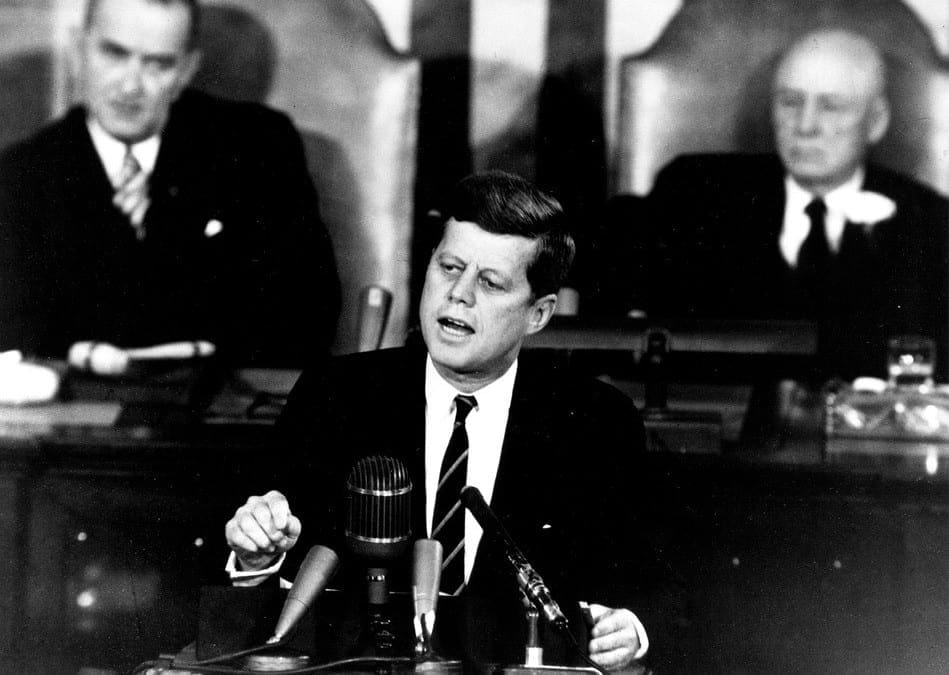
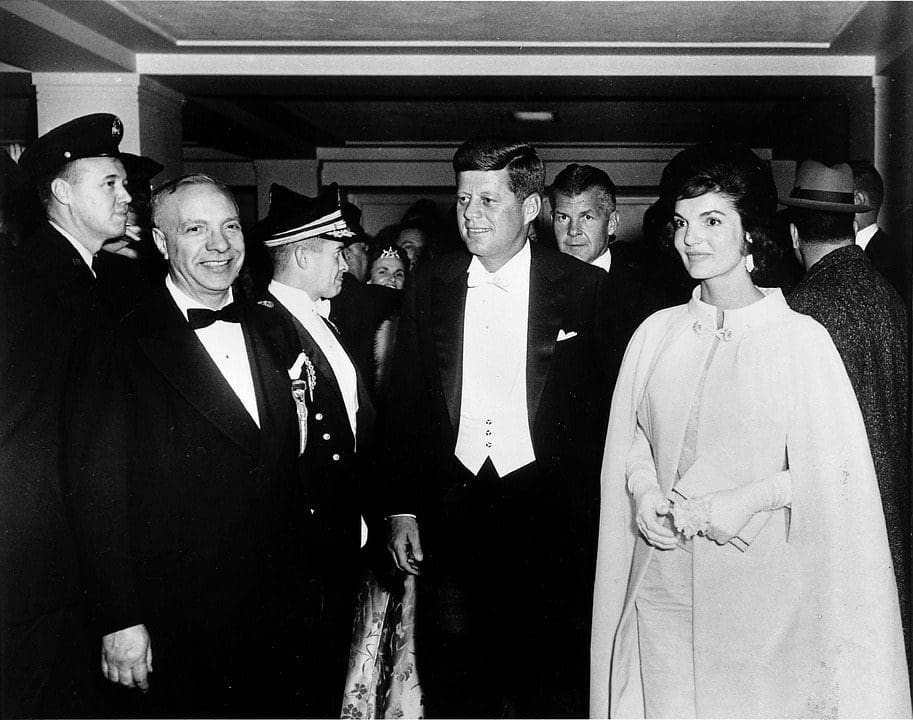
The Narrative Of JFK Shows The Difficulty In Diagnosing & Treating Spinal Disorders.
At age 43, John F. Kennedy was the youngest president elected into U.S. workplace, and has been depicted as full of youth and vitality. But he was far from healthy, and spent most of his adult life fighting with many medical issues, including back pain which started during college and continued until his death, according to a recent review article from the Journal of Neurosurgery: Spine.
John F. Kennedy’s back pain is thought to have started following a football injury, while Kennedy was in undergraduate school at Harvard, clarified coauthor Justin T. Dowdy, MD, who is a neurosurgeon at Hot Springs Neurosurgery Clinic, in Hot Springs, Arkansas.
Based on 10 years of study on Kennedy’s medical documents and reported symptoms, senior author T. Glenn Pait, MD, believes Kennedy had discogenic disease stemming from an accident in his childhood that began a cascade of problems in his low back. Dr. Pait is Director of the Jackson T. Stephens Spine and Neurosciences Institute at the University of Arkansas for Medical Sciences.
Kennedy was originally rejected when trying to enlist in the Army due to his medical issues, such as back pain, but was eventually accepted in the U.S. Naval Reserve during his dad’s connections. “This is a testament to his decision to serve his country,” Dr. Pait said. “Kennedy was originally given a desk job, but that was not enough for him, and he was later admitted into a patrol torpedo program.”
Kennedy’s back issues worsened when his naval boat was hit by a Japanese destroyer, and Kennedy drifted for 5 hours to a nearby island while towing an injured crewman to shore by holding the ring of the man’s life jacket between his teeth, Drs. Dowdy and Pait noted in their newspaper.
The review article refers to a series of 4 ineffective surgeries, including a sacroiliac (SI) and lumbosacral fusion. Various doctors who treated Kennedy had different theories about the reason for his back pain, also suggested a variety of different treatments ranging from trigger point injections and an exercise program (swimming and weight lifting), to massage and a back brace, to methamphetamine-containing shots. The exercise program, started later in his life, produced “dramatic” improvement, according to the researchers. The program consisted of weight lifting three times each week and everyday swimming plus massage and heat therapy.
“JFK’s narrative illustrates the difficulty and complexity in diagnosing and treating spinal disorders, especially in the context of chronic pain,” Dr. Dowdy advised SpineUniverse. “Our spines age as we age if it’s degenerative disk disease, pinched nerves, or spinal stenosis–imaging abnormalities are certain to appear later in life. Treating and preventing these disorders is just as much of an art as it’s a science, particularly in determining those individuals who will probably benefit from surgery.”
Dr. Dowdy noted that much progress has been made in how spinal conditions are diagnosed and treated as the time when Kennedy sought attention, such as “that the refinement of both less-invasive spine surgery methods and diagnostic imaging.” Dr. Dowdy also emphasized an important point that applies to any era: “the significance of having a trusted spine surgeon who is prepared and capable of supplying the right surgery in the appropriate conditions.”
John F. Kennedy’s story also suggests that “the most beneficial methods to prevent chronic back pain may be accessible and affordable,” Dr. Dowdy stated. “Often the most appropriate strategy for chronic low back pain is actively pursuing proper spine hygiene: maintaining healthy body weight, refraining from smoking, and pursuing a nutritious diet and exercise–especially workouts comprising yoga-style stretches,” Dr. Dowdy emphasized. “It boils down to pursuing a healthy and active way of life.”
“Individuals who suffer from chronic pain may hopefully be inspired to know that Kennedy remained physically energetic and driven to accomplish his goals despite his annoyance,” Dr. Dowdy concluded.
IFM's Find A Practitioner tool is the largest referral network in Functional Medicine, created to help patients locate Functional Medicine practitioners anywhere in the world. IFM Certified Practitioners are listed first in the search results, given their extensive education in Functional Medicine


 Athletic Running Shoes
 Baseball Training