Athlete Recovery from Motor Vehicle Accidents: El Paso Back Clinic’s Holistic Care
Motor vehicle accidents (MVAs) can significantly disrupt an athlete’s career, causing physical injuries like musculoskeletal damage, back and neck pain, and nerve issues, as well as psychological trauma that impacts performance. At El Paso Back Clinic in El Paso, Texas, we provide a comprehensive, integrative approach to recovery, combining chiropractic care, acupuncture, and nurse practitioner-led medical management to restore athletes’ health and competitive ability. This blog post, written at a high school reading level, explores the effects of MVAs on athletes, the tailored solutions offered by our clinic, and the expertise of Dr. Alexander Jimenez, DC, APRN, FNP-BC, whose dual licensure ensures exceptional clinical care and legal documentation for personal injury cases. Our mission is to help athletes return to their sport stronger through personalized, evidence-based care.
The Impact of Motor Vehicle Accidents on Athletes
Physical Injuries from MVAs
MVAs often result in injuries that challenge an athlete’s physical capabilities:
Musculoskeletal Injuries: Sudden collisions can strain or tear muscles, tendons, and ligaments, with whiplash frequently affecting neck mobility (Cedar Park Chiropractic, n.d.).
Back and Neck Pain: Spinal injuries, such as herniated discs or misalignments, cause chronic pain, limiting movement (Jimenez, 2025).
Nerve Injuries: Compressed nerves, like those causing sciatica, lead to pain, numbness, or weakness (El Paso Back Clinic, n.d.).
Ligamentous Injuries: Torn ligaments destabilize joints, increasing the risk of re-injury (Advanced Bone and Joint, 2021).
These injuries can weaken muscles and reduce strength, significantly impairing athletic performance (Freedom Physical Therapy, n.d.).
Psychological Trauma
MVAs also cause psychological challenges that affect athletes’ mental resilience:
Post-Traumatic Stress Disorder (PTSD): Accident trauma can trigger anxiety or flashbacks, disrupting training focus (The Florida Law Group, 2023).
Depression and Anxiety: Pain and performance limitations can lead to low motivation and confidence (Universidad Europea, n.d.).
Fear of Re-injury: Mental barriers may prevent athletes from fully returning to their sport (Universidad Europea, n.d.).
These emotional hurdles necessitate a comprehensive approach to facilitate complete recovery.
Decline in Sports Performance
The combined physical and psychological effects of MVAs can lead to:
Limited range of motion, reducing agility and power (Lakeside Sports Chiropractic, n.d.).
Chronic pain, hindering training and competition (Miami Chiropractors, n.d.).
Increased re-injury risk due to weakened structures or compensatory movements (Texas Medical Institute, n.d.).
For young athletes, these setbacks can affect long-term development and career potential (Advanced Bone and Joint, 2021).
At El Paso Back Clinic, our chiropractic care is designed to address MVA-related injuries, helping athletes regain their strength and mobility through:
Spinal Adjustments: Correcting misalignments reduces nerve irritation and improves mobility (Cedar Park Chiropractic, n.d.).
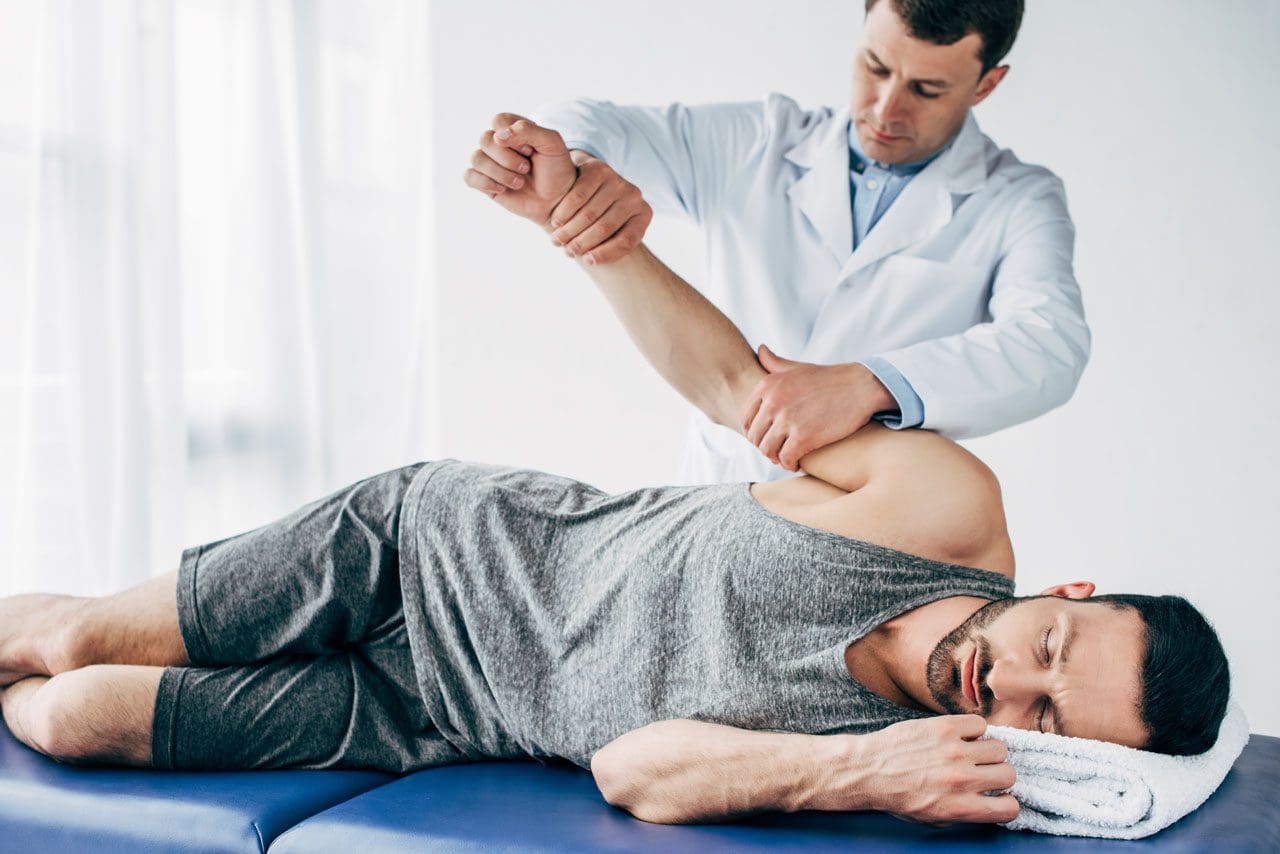
Soft Tissue Therapy: Techniques such as myofascial release help alleviate muscle tension and scar tissue (Dr. Luban, n.d.).
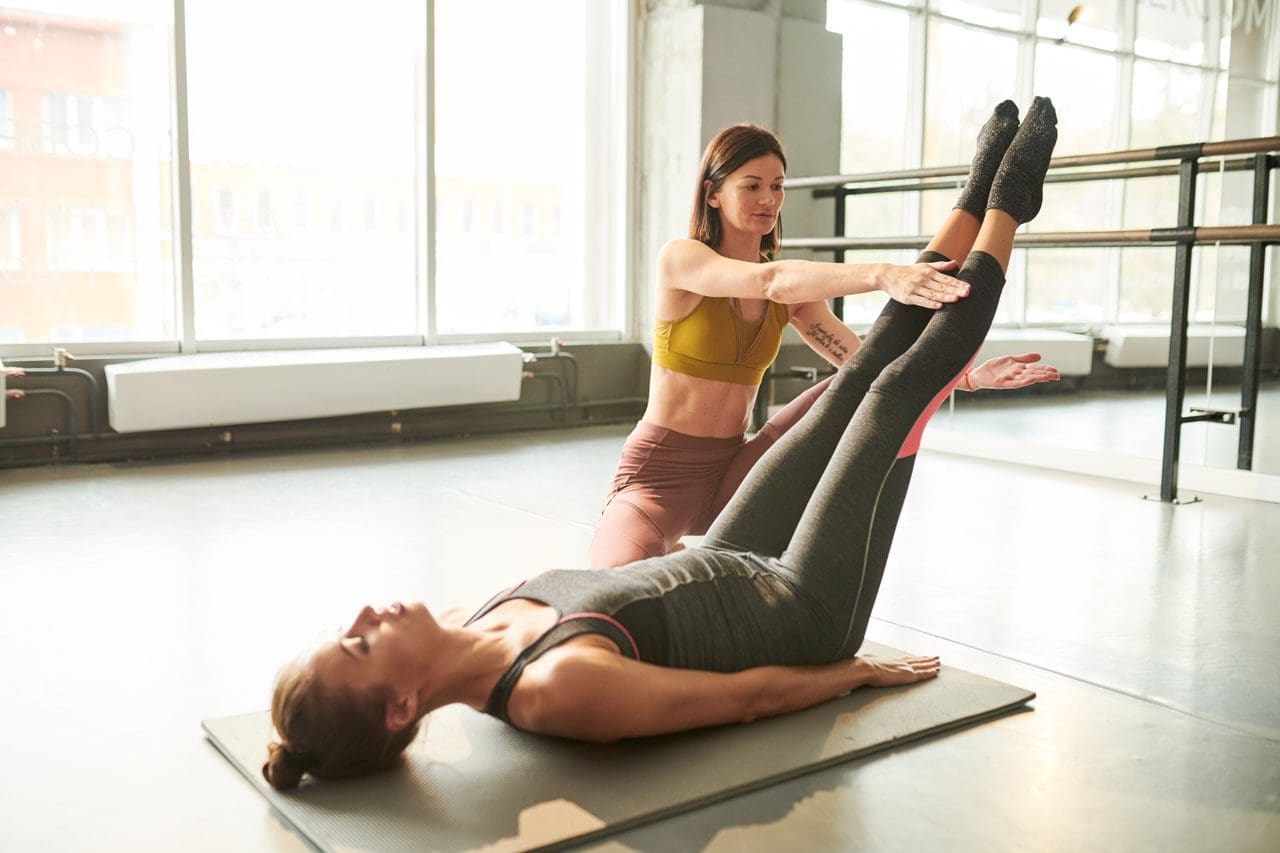
Rehabilitation Exercises: Customized plans strengthen muscles and enhance flexibility (Texas Medical Institute, n.d.).
Our chiropractic treatments promote blood flow, reduce inflammation, and support natural healing, aligning with our goal of restoring athletes’ performance (Jimenez, 2025).
Benefits for Athletes
Our chiropractic care offers:
Pain Relief: Adjustments alleviate back, neck, and joint pain without relying on medications (Cedar Park Chiropractic, n.d.).
Enhanced Mobility: Restored joint function improves agility and athletic performance (Miami Chiropractors, n.d.).
Faster Recovery: Targeting the root causes of injury accelerates healing (Dr. Luban, n.d.).
Injury Prevention: Correcting imbalances minimizes re-injury risks (Texas Medical Institute, n.d.).
Dr. Jimenez’s Chiropractic Leadership
Dr. Alexander Jimenez, the cornerstone of El Paso Back Clinic, brings over 25 years of chiropractic expertise to the table. Using advanced diagnostics, such as enhanced imaging and dual-scope procedures, he accurately identifies the extent of injuries and designs precise treatment plans. His clinical observations link spinal misalignments to pain and dysfunction, justifying targeted chiropractic interventions (Jimenez, n.d., dralexjimenez.com). His approach ensures athletes recover fully, reflecting our clinic’s commitment to excellence.
Our acupuncture services, integrated into athlete recovery plans, involve the insertion of thin needles to stimulate the body’s natural healing process. Benefits include:
Dr. Jimenez’s dual licensure as a chiropractor and NP ensures meticulous documentation that meets medical and legal standards. His use of enhanced imaging and dual-scope procedures links injuries to MVAs, strengthening claims. His reports detail the biomechanical and systemic impacts, which are critical for insurance settlements and legal proceedings, embodying El Paso Back Clinic’s dedication to supporting athletes (ChiroMed, n.d.; Jimenez, n.d., LinkedIn).
El Paso Back Clinic, led by Dr. Alexander Jimenez, offers athletes a path to recovery from MVAs through integrative care, combining chiropractic, acupuncture, and nurse practitioner-led treatments. Our approach addresses physical and psychological injuries, ensuring athletes return to their sport stronger. Dr. Jimenez’s dual expertise provides clinical excellence and robust legal documentation, supporting personal injury claims. Trust El Paso Back Clinic to guide you back to peak performance with personalized, holistic care.
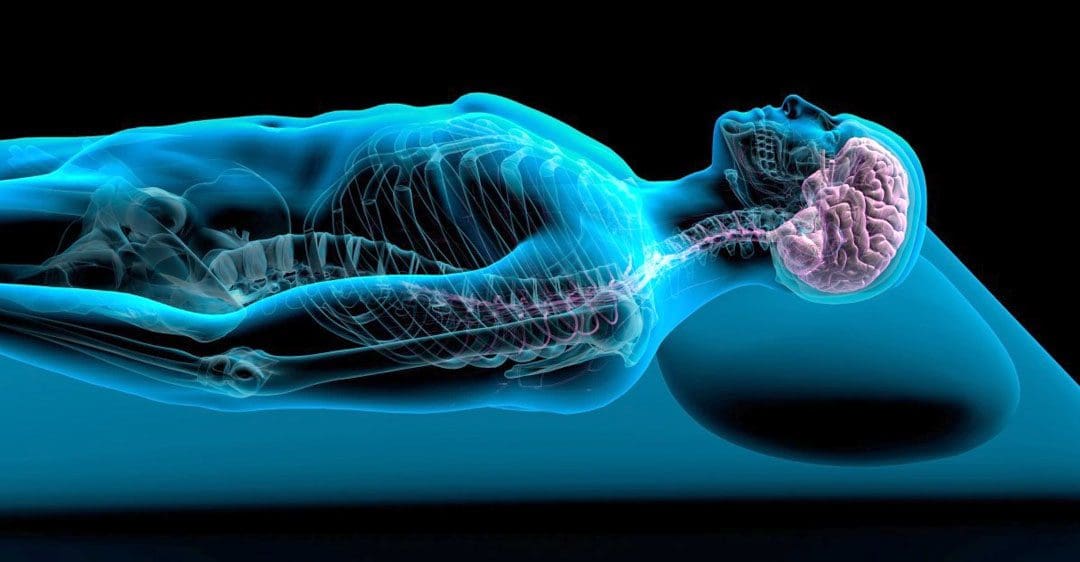
Athletic individuals must train regularly, eat healthy, and rest properly to recover and perform their best. Is sleep different for athletes?
Athletes and Sleep
Physical activity is an important component of a healthy lifestyle. Regular exercise increases longevity and can also reduce the risk of anxiety and depression and improve sleep (Centers for Disease Control and Prevention, 2024). When one area is lacking for athletes, overall performance can suffer. Evidence shows that more or extended sleep can benefit athletes and their recovery and performance. (Bird, Stephen P. 2013) Recommendations for athletes range between seven and nine hours nightly, and elite athletes are encouraged to get at least nine hours of sleep nightly and to treat sleep as much as athletic training and diet.
Sleep is essential for overall health and well-being for both athletes and non-athletes. Everyone needs sleep to feel restored and function their best daily. (Richard J. Schwab, 2024) Other physical benefits include:
Cardiovascular Recovery
This allows the heart to rest and cells and tissue to be repaired. (MedlinePlus, 2017) This can help the body recover after physical exertion. As an individual progresses through the stages of sleep, the changes in heart rate and breathing throughout the night promote cardiovascular health (National Heart, Lung, and Blood Institute, 2011)
Illness Prevention
The proper amount of sleep helps the body recover from illness. During sleep, the body produces cytokines/hormones that help the immune system fight off infections. These therapeutic effects are important for an athlete’s recovery and performance.
Lack of Sleep Affects Performance
Poor quality and quantity of sleep can lead to several negative effects. Sleep deprivation reduces the ability to react quickly and think clearly. A lack of sleep also increases irritability and risk for anxiety and depression. Sleep-deprived individuals are more likely to make poor decisions and take unnecessary risks. From a physical standpoint, a lack of sleep increases the risk for medical concerns, including type 2 diabetes, high blood pressure, kidney disease, and stroke. When athletes do not receive adequate sleep, it can:
Inhibit Ability
In a study of sleep-deprived male team athletes, average and total sprint times decreased. (Skein, M. et al., 2011)
Decrease Accuracy
In a study, male and female sleep-deprived tennis players had decreased serve accuracy by up to 53% compared to performance after normal sleep. (Reyner L. A. & Horne J. A. 2013)
Cause Quicker Exhaustion
A study of male runners and volleyball players found that both athletes exhausted faster after sleep deprivation. (Azboy O. & Kaygisiz Z. 2009)
Decrease Reaction Time
A study found that lack of sleep adversely affected reaction time in a group of male collegiate athletes. (Taheri M. & Arabameri E. 2012)
Difficulty Learning and Decision Making
A lack of sleep negatively impacts cognitive skills and functions.
Athletes can become distracted, and decisions like passing the ball or going for the smash can be difficult or made too late.
Increases Risk of Injury
Research on middle—and high-school athletes showed that chronic lack of sleep was associated with increased rates of injury. (Milewski M. D. et al., 2014)
Increases The Risk of Illness or Immunosuppression
Poor sleep habits are associated with lower resistance to illness like a cold. (Prather A. A. et al., 2015)
Athletic Sleep Hygiene
Common components to sleep well include:
Avoid alcohol and Caffeine
Before bedtime, these can interrupt sleep or lead to more disturbed sleep.
Have a Wind-Down Routine
Activities such as reading, bathing, or meditating can help the body relax and get ready for sleep.
Reduce Stressors
Not only do mental stressors affect sleep quality, but they also impact performance overall.
Create an Optimal Sleep Environment
A sleeping space should be dark and cool with little to no noise.
The environment should be used only for sleep and sex.
No Electronics Before Bed
This includes TVs, cell phones, and computers.
The blue light that these devices emit can affect circadian rhythm.
Don’t Stay Awake In Bed
If you can’t fall asleep after 20 minutes of trying, get out of bed.
Do a quiet activity in another space until you feel sleepy.
Avoid Overtraining
Keep a consistent training schedule so as not to overexert yourself.
Quick Naps
Keep naps brief. Naps should be longer than an hour and not after 3 p.m.
Injury Medical Chiropractic and Functional Medicine Clinic
The right bed and mattress contribute to overall health and can improve one’s quality of life. Doctor Alexander Jimenez, DC, at Injury Medical Chiropractic and Functional Medicine Clinic, says a healthy mattress can improve sleep, reduce pain, increase energy levels, and elevate mood. Injury Medical Chiropractic and Functional Medicine Clinic works with primary healthcare providers and specialists to develop an optimal health and wellness solution. We focus on what works for you to relieve pain, restore function, prevent injury, and help mitigate the pain through spinal adjustments that help the body realign itself. They can also work with other medical professionals to integrate a treatment plan to resolve musculoskeletal issues.
Lumbar Spine Injuries In Athletes
References
Centers for Disease Control and Prevention. (2024). Benefits of Physical Activity. Retrieved from https://www.cdc.gov/physical-activity-basics/benefits/?CDC_AAref_Val=https://www.cdc.gov/physicalactivity/basics/pa-health/index.htm
Bird, Stephen P. PhD. (2013). Sleep, Recovery, and Athletic Performance: A Brief Review and Recommendations. Strength and Conditioning Journal, 35(5), 43-47. https://doi.org/DOI: 10.1519/SSC.0b013e3182a62e2f
Schwab, R. J. (2024). Overview of Sleep. Merck Manual Consumer Version. https://www.merckmanuals.com/home/brain-spinal-cord-and-nerve-disorders/sleep-disorders/overview-of-sleep
National Library of Medicine. MedlinePlus. (2017). Healthy Sleep Also called: Sleep Hygeine. Retrieved from https://medlineplus.gov/healthysleep.html
National Heart, Lung, and Blood Institute. (2011). Your guide to healthy sleep. Retrieved from https://www.nhlbi.nih.gov/resources/your-guide-healthy-sleep
Skein, M., Duffield, R., Edge, J., Short, M. J., & Mündel, T. (2011). Intermittent-sprint performance and muscle glycogen after 30 h of sleep deprivation. Medicine and science in sports and exercise, 43(7), 1301–1311. https://doi.org/10.1249/MSS.0b013e31820abc5a
Reyner, L. A., & Horne, J. A. (2013). Sleep restriction and serving accuracy in performance tennis players, and effects of caffeine. Physiology & behavior, 120, 93–96. https://doi.org/10.1016/j.physbeh.2013.07.002
Azboy, O., & Kaygisiz, Z. (2009). Effects of sleep deprivation on cardiorespiratory functions of the runners and volleyball players during rest and exercise. Acta physiologica Hungarica, 96(1), 29–36. https://doi.org/10.1556/APhysiol.96.2009.1.3
Taheri, M., & Arabameri, E. (2012). The effect of sleep deprivation on choice reaction time and anaerobic power of college student athletes. Asian journal of sports medicine, 3(1), 15–20. https://doi.org/10.5812/asjsm.34719
Milewski, M. D., Skaggs, D. L., Bishop, G. A., Pace, J. L., Ibrahim, D. A., Wren, T. A., & Barzdukas, A. (2014). Chronic lack of sleep is associated with increased sports injuries in adolescent athletes. Journal of pediatric orthopedics, 34(2), 129–133. https://doi.org/10.1097/BPO.0000000000000151
Prather, A. A., Janicki-Deverts, D., Hall, M. H., & Cohen, S. (2015). Behaviorally Assessed Sleep and Susceptibility to the Common Cold. Sleep, 38(9), 1353–1359. https://doi.org/10.5665/sleep.4968
Can modified workouts and/or having a personal trainer design an alternate fitness routine while in injury recovery help injured individuals and athletes maintain fitness?
Maintain Fitness During Injury Recovery
Individuals with personal, work, or sports injuries must take time off to rest, recover, and rebuild. However, there are ways to maintain fitness and endurance levels while unable to engage in full workouts and exercise.
Fitness Base
Injured individuals and athletes will lose a certain amount of fitness during recovery. After all, the body is injured and needs to focus most of its attention on healing to get back to normal. Deconditioning is a fact of life when the body stops exercising, but there are ways to stay active to maintain a fitness base. Individuals can modify or scale back exercise. Before exercising after an injury, get a doctor’s approval. Then, follow their recommendations. (Garber C. E. et al., 2011)
Even if one body part or joint is immobilized, cross-training principles can help individuals discover new ways to stay fit while rehabilitating. The key is to have the right attitude and remain active within tolerance levels until the injury is healed. Trying new things may take some creativity and flexibility, but most find training through injury is possible and not difficult. Here are ways to continue working out while recovering.
Lower Back Injury Workout
Talk with a doctor or sports doctor to understand exercise limitations before modifying workouts. Walking, swimming, or recumbent cycling are generally safe for individuals with a lower back injury. These workouts can help maintain cardiovascular fitness. An example of a modified workout may consist of the following:
Warm up before exercising.
Perform the workout on Monday, Wednesday, and Friday.
Perform each exercise for 30 to 60 seconds with 15 seconds of rest between exercises.
Complete the entire circuit three to four times.
Complete 30 to 60 minutes of non-weight-bearing cardiovascular exercises on Tuesday, Thursday, and Saturday.
Chest Press
Lat Pulldown
Overhead Press
Leg Extension
Wall Sit
Shoulder and Elbow Injury Workout
Shoulder or other upper body injuries often make it possible to continue traditional cardiovascular exercise because the lower body can be fully exercised. Walking, stair climbing, stationary cycling like an under-desk bike, and the elliptical trainer all work. Circuit training routines will maintain strength and power in the non-injured muscles and joints. The following example routine can be done four to five times weekly.
Warm-up.
Perform each exercise for 30 to 60 seconds, allowing 15 seconds of rest between exercises.
Complete the entire routine three to four times.
Stationary cycling for two minutes at a moderate pace and two at a higher intensity.
Leg Press
Elliptical trainer for two minutes at a moderate pace and two at a higher intensity.
Ab Crunches
Walking Lunges
Low Back Extensions
Treadmill walking for two minutes at a moderate pace and two at a higher intensity or incline.
Wall sits
Ankle and Foot Injury Workout
If the doctor approves, individuals can use a rowing machine or a stationary bike with one leg or swim a few laps. As a doctor or physical therapist recommends, individuals may also need an ankle brace or other support. A sports doctor or personal trainer can help recommend other non-weight-bearing cardiovascular exercises for 30 to 60 minutes three times weekly. Here is a sample workout to try:
Warm-up.
Perform the workout on Monday, Wednesday, and Friday.
Perform each exercise for 30 to 60 seconds with 15 seconds rest between exercises.
Complete the workout three to four times.
Leg Extensions
Chest Press
Lat Pulldown
Overhead Press
Seated Cable Rows
Incline Push-Up
Bicycle Crunches
Hanging Leg Raise
Leg and Knee Injury Workout
Leg and knee injuries can be limiting, as most endurance exercise requires flexion and knee joint extension. One-legged cycling or using an upper-body ergometer/handcycle are options. Swimming may be possible if the individual uses a pull buoy to keep them from kicking or using their legs. Here are two circuit workout examples:
Circuit 1
Warm-up.
Perform this on Monday, Wednesday, and Friday.
Perform each exercise for 30 to 60 seconds with 15 seconds of rest between exercises.
Complete the workout three to four times.
Pull-Up or Assisted Pull-Up
Chest Press
Lat Pulldown
Overhead Press
Circuit 2
Warm-up.
Perform the workout on Tuesday, Thursday, and Saturday.
Perform each exercise for 30 to 60 seconds with 15 seconds of rest between exercises.
Complete the workout three to four times.
Seated Russian Twist
Ab Crunch
V-Sit ab exercise
Injury Medical Chiropractic and Functional Medicine Clinic
Individuals may need significant rest time to heal properly, so consult a doctor on the balance of rest and training. Doing the exercises prescribed by the physical therapist during rehabilitation is important. Injury Medical Chiropractic and Functional Medicine Clinic works with primary healthcare providers and specialists to develop an optimal health and wellness solution. We focus on what works for you to relieve pain, restore function, and prevent injury. Regarding musculoskeletal pain, specialists like chiropractors, acupuncturists, and massage therapists can help mitigate the pain through spinal adjustments that help the body realign itself. They can also work with other medical professionals to integrate a treatment plan to resolve musculoskeletal issues.
Treating Ankle Sprains
References
Garber, C. E., Blissmer, B., Deschenes, M. R., Franklin, B. A., Lamonte, M. J., Lee, I. M., Nieman, D. C., Swain, D. P., & American College of Sports Medicine (2011). American College of Sports Medicine position stand. Quantity and quality of exercise for developing and maintaining cardiorespiratory, musculoskeletal, and neuromotor fitness in apparently healthy adults: guidance for prescribing exercise. Medicine and science in sports and exercise, 43(7), 1334–1359. https://doi.org/10.1249/MSS.0b013e318213fefb
Yips are involuntary wrist muscle spasms that affect athletes. They are often associated with golf, baseball, and sports that involve swinging and throwing motions, such as bowling, darts, cricket, and others. Can understanding the information and causes help diagnose and find the right therapy or training?
Yips
Yips are involuntary wrist spasms that athletes experience. The term is also used to refer to performance anxiety without physical spasms. Researchers believe they are caused by muscle overuse that leads to dystonia (a condition that causes muscles to contract involuntarily), and combined with psychological factors like performance anxiety and overthinking, can make them worse. (Beacon Health Systems, 2024)
The most common symptom is muscle spasms, often in the hands and wrists. That’s why it is the most common among athletes who play sports that require precision hand and wrist movements. Yips affect fine motor skills. (Aoyama, T. et al., 2021) In addition to muscle spasms, symptoms can also include: (Beacon Health Systems, 2024)
Twitching
Tremors
Freezing up
Psychological distress
Causes
Healthcare providers, trainers, coaches, and researchers know that psychological and physical factors cause yips. Underlying physical causes include overusing wrist muscles, which leads to dystonia or involuntary muscle movements. Also known as task-specific dystonia, it can also affect individuals who engage in repetitive muscle movements, like factory and assembly line workers, store check-out clerks, musicians, etc. (Clarke P., Sheffield D., and Akehurst S. 2020). Performance anxiety and psychological stress can worsen dystonia. (Aoyama, T. et al., 2021) Athletes can become so focused on their movements that they overthink their actions and perform worse. Individuals who have anxiety, self-consciousness, or stress about a game or performance often find that their involuntary wrist spasms are worse. (Clarke P., Sheffield D. and Akehurst S. 2020)
Increased Risk
Yips are most common in athletes who use their hands and wrists for their sport and are likely to impact more experienced, competing, and older athletes. (Beacon Health Systems, 2024) They are more common in athletes focused on smaller movements or shorter distances. For example, golfers commonly experience involuntary wrist spasms when putting, and baseball players are likelier to experience them when throwing less than 20 meters. (Clarke P., Sheffield D. and Akehurst S. 2020)
Diagnosis
There is no official diagnosis for yips. However, a coach, athletic trainer, sports doctors, and others can observe the pattern of symptoms and behavior and provide an informed diagnosis.
Once trigger/s are identified, they can be addressed. Treatments that can help include: (Beacon Health Systems, 2024)
Alternate Hand Positions
This can provide relief from dystonia and overthinking.
Using Different Equipment or Stabilizers
This allows the immobilization of certain muscles and the activation of different muscles.
Mindfulness
Reducing anxiety and distress can help relax the body.
Practicing mindfulness before games or tournaments can help reduce psychological triggers.
Botox Injections
Botox injections can treat certain types of dystonia.
Sports Psychology
A sports psychologist is a healthcare provider who studies individual athletes’ sports performance and how it affects their minds and skills.
A sports psychologist can help individuals create a program that reduces stress or anxiety around games and performance.
Injury Medical Chiropractic and Functional Medicine Clinic
Yips are common among athletes. It is important to address the physical and psychological components to treat the condition. Talking with a coach or a sports psychologist, other athletes, and supporting staff like trainers can help you find a solution. Injury Medical Chiropractic and Functional Medicine Clinic works with primary healthcare providers and specialists to develop an optimal health and wellness solution. We focus on what works for you to relieve pain, restore function, and prevent injury. Regarding musculoskeletal pain, specialists like chiropractors, acupuncturists, and massage therapists can help mitigate the pain through spinal adjustments that help the body realign itself. They can also work with other medical professionals to integrate a treatment plan to resolve musculoskeletal issues.
Sports Injuries
References
Beacon Health Systems. (2024). Yips. https://www.beaconhealthsystem.org/library/diseases-and-conditions/yips/
Clarke, P., Sheffield, D., & Akehurst, S. (2020). Personality Predictors of Yips and Choking Susceptibility. Frontiers in psychology, 10, 2784. https://doi.org/10.3389/fpsyg.2019.02784
Aoyama, T., Ae, K., Souma, H., Miyata, K., Kajita, K., Kawamura, T., & Iwai, K. (2021). Difference in Personality Traits and Symptom Intensity According to the Trigger-Based Classification of Throwing Yips in Baseball Players. Frontiers in sports and active living, 3, 652792. https://doi.org/10.3389/fspor.2021.652792
For athletes and individuals who want to engage in physical and sports activities, can focusing on health-related fitness components improve overall fitness and conditioning so that they can participate in various sports and other forms of exercise?
Fitness Components For Improved Physical and Sports Performance
Improving cardiovascular fitness, muscular strength and endurance, and flexibility will enhance athletes’ abilities and the daily lives of individuals who exercise and play sports. When enhancing performance in a specific activity, skill-related fitness training that focuses on that activity will be most beneficial. For instance, cardiovascular endurance and flexibility are necessary to play sports that require a lot of running, jumping, and changing positions quickly and to be able to play for the entire time, along with various skills that need to be practiced for agility, power, speed, and hand-eye coordination. Activity-related skills can differentiate two areas of fitness.
Getting In Shape and Improving Performance
Health-related fitness components are important for everyone in all walks of life, regardless of competition in or performing physical activities at an optimum level. These are:
Cardiovascular endurance
Flexibility
Muscle endurance
Muscle strength
Body composition
When improving cardiovascular endurance, the risk of heart disease is reduced. When improving flexibility, a healthy range of motion is maintained, enhancing the ability to perform activities of daily living, like household chores and tasks. These fitness components are crucial for physical health and contribute to positive lifestyle outcomes. (Garber C. E. et al., and American College of Sports Medicine 2011) The American College of Sports Medicine recommends:
Moderate-intensity Cardio
30 minutes a day, five days a week for a total of 150 minutes/week or
Vigorous-intensity Cardio
For 20 minutes a day, three days a week, or
A Combination
Moderate- and vigorous-intensity exercise, plus
Resistance Training
Two to three days a week, along with
Flexibility Training
Two days a week
Skill Related Components
Skill-related fitness components are:
Agility
Balance
Coordination – hand-eye and/or foot-eye
Power
Reaction time
Speed
The skill-related fitness components can help those who want more training for a specific fitness-related goal.(Zemková E. and Hamar D. 2018) For example, while everyone can benefit from daily walks, weightlifters can focus most of their effort on power, balance, and strength.
Power
Power combines speed and strength, which is how fast maximal force can be generated. Athletes exert maximum strength in short, all-out efforts. Jumping requires leg power, while jumping and striking involve a combination of upper- and lower-body power. Power can be improved by combining resistance and speed with fast-paced strength-training exercises that include:
Kettlebell swings
Clean lifts
Jerk lifts
Plyometric box jumps
Pushing a weighted sled
Sprinting
Speed
Athletes train differently but with a similar goal: to become faster in their sport. Speed training will differ based on the sport being trained for. High-intensity interval training, or HIIT, is one of the best ways to improve speed. Training involves working at an all-out or near all-out effort for set periods, followed by set rest periods. (Alansare A. et al., 2018) It repeatedly challenges the aerobic and anaerobic systems, teaching the muscles, heart, and lungs to grow accustomed to working at higher intensity levels. Depending on the sport, the length and intensity of the intervals will be longer or shorter, less challenging, or more difficult. Runners can try these example HIIT speed drills:
Marathon Training
Mile repeats – a style of interval training where the runner goes all-out for a full mile before resting and doing it again.
Sprint Training
Focuses on shorter, more intense intervals.
Ranging from 40 to 400 meters, running all out and resting before repeating.
These same concepts apply to other sports as well.
Agility
Agility is the ability to move and change direction quickly and easily. For example, soccer, basketball, football, and tennis players are incredibly agile and have to move in every direction, jumping, sliding, twisting, and backpedaling in quick response to the ball’s movement and other players. Their bodies must be trained to respond and change course. Agility drills commonly involve exercises that develop foot speed and direction change, that include:
Ladder Drills
Using an agility ladder can help develop quick and specific foot placement.
Cone Drills
Set up cones in a T shape, then sprint, slide, backpedal, or change direction depending on the cone.
Coordination
Sports and physical activities require well-honed hand-eye and foot coordination. They require seeing an external object and responding precisely with the hands and/or feet. Think of hitting a ball, running and catching a ball, throwing a frisbee, or blocking a shot. To improve coordination, try skill-related fitness exercises like:
Playing catch
Jumping rope
Dribbling a ball
Throwing or hitting balls or specific sports objects at targets
Balance
Balance refers to the ability to adjust the body position to remain upright. It involves proprioception, or knowing where the body is in space and being able to adjust position as the center of gravity changes during movement. (Aman J. E. et al., 2015) Sports and daily physical activities require balance for performance and safety. Jumping on a trampoline or rebounder, for example, can help individuals better sense where their bodies are as they move. To improve balance, try these exercises:
Practice standing on one foot.
Practice standing yoga poses.
BOSU balance ball workouts.
Use balance discs to perform squats, lunges, and push-ups.
Reaction Time
Reaction time refers to how quickly one responds to an external stimulus and focuses on the mind-body connection. The eyes see a stimulus, the mind interprets the stimulus, and the body reacts to that interpretation. This mind-body reaction relates to knowledge of the sport or activity and enables individuals to respond more quickly and accurately to the stimulus. Reaction-time training tends to be sport-specific, but skill-related fitness activities can help and include:
Using tools like reaction balls
Fielding a ball
Protecting a goal as other players try to score
Playing table tennis
Playing hacky sack
Injury Medical Chiropractic and Functional Medicine Clinic
Ask a qualified fitness coach or personal trainer if you are unsure where to begin. Other athletes, local teams, gyms, athletic clubs, and healthcare organizations can direct individuals in the right direction. At Injury Medical Chiropractic and Functional Medicine Clinic, we focus on what works for you to relieve pain, restore function, and prevent injury. If other treatment is needed, individuals will be referred to a clinic or physician best suited to their injury, condition, and/or ailment.
Improving Athletic Performance Through Chiropractic
References
Garber, C. E., Blissmer, B., Deschenes, M. R., Franklin, B. A., Lamonte, M. J., Lee, I. M., Nieman, D. C., Swain, D. P., & American College of Sports Medicine (2011). American College of Sports Medicine position stand. Quantity and quality of exercise for developing and maintaining cardiorespiratory, musculoskeletal, and neuromotor fitness in apparently healthy adults: guidance for prescribing exercise. Medicine and science in sports and exercise, 43(7), 1334–1359. https://doi.org/10.1249/MSS.0b013e318213fefb
Zemková, E., & Hamar, D. (2018). Sport-Specific Assessment of the Effectiveness of Neuromuscular Training in Young Athletes. Frontiers in physiology, 9, 264. https://doi.org/10.3389/fphys.2018.00264
Alansare, A., Alford, K., Lee, S., Church, T., & Jung, H. C. (2018). The Effects of High-Intensity Interval Training vs. Moderate-Intensity Continuous Training on Heart Rate Variability in Physically Inactive Adults. International journal of environmental research and public health, 15(7), 1508. https://doi.org/10.3390/ijerph15071508
Aman, J. E., Elangovan, N., Yeh, I. L., & Konczak, J. (2015). The effectiveness of proprioceptive training for improving motor function: a systematic review. Frontiers in human neuroscience, 8, 1075. https://doi.org/10.3389/fnhum.2014.01075
Can eating white rice as a primary carbohydrate source provide quick energy and glycogen replenishment for athletes and bodybuilders who require high volumes of carbohydrates for fuel and muscle recovery?
Sports Nutrition White Rice
Athletes and bodybuilders often eat white rice to restore mass amounts of glycogen after an intense workout, race, or game. Brown rice is nutritious and recommended for overall health, but athletes and bodybuilders incorporate further nutritional guidelines for added fuel and performance. White rice is a starchy grain used by more than half the world’s population because of its versatility, availability, and ability to adapt to various flavors and seasonings. Its chewiness and soft texture add substance to and complement many meals.
Bodybuilders
Athletes and bodybuilders need macronutrients to fuel extreme training and replenish depleted glycogen stores. Carbohydrate-rich foods like white rice are high on the glycemic index (a score for how foods affect blood sugar and insulin levels) and provide a readily available source of carbohydrates for muscle glycogen synthesis. (Thomas, D. E. et al., 1991) White rice is considered excellent sports nutrition for athletes. (Melin, A. et al., 2016) Although white rice is considered less nutritious than brown rice, athletes and weightlifters consume it as part of their specifically developed nutrition plans. One of the most popular meals is a bowl of white rice combined with grilled chicken breast, providing lean protein. Endurance runners often load up on carbohydrates like white rice before marathons. Strenuous workouts deplete sugar/glycogen in the muscles. Eating the right carbohydrates is important to replenish those stores. Knowing how to improve carbohydrate availability during prolonged exercise is essential for athletes. (Burke, L. M. et al., 2011)
Fuel and Muscle Recovery
The high glycemic value of white rice provides quick fuel for hard workouts and expedites muscle recovery. It does not have the negative effects of potential gastrointestinal issues, allergy symptoms, or blocking the ability to absorb micronutrients. Brown rice contains phytic acid(located in the grain’s bran), an antinutrient that binds to essential minerals like iron, zinc, calcium, and magnesium and prevents the body from absorbing them. The milling process to change brown rice to white removes the phytate. Research is ongoing on degrading phytic acid in brown rice and whole grains, and some studies have found antioxidant benefits in phytate. This could increase the amount of carbohydrates that are safe for athletes. (Liang, J. et al., 2008)
Safe Carbohydrate
Athletes and bodybuilders with food sensitivity may have issues eating whole grains, as brown rice has more fiber. Extreme exercise requires a surplus of carbohydrates. For prolonged exercise lasting more than two hours, athletes should consume 60 grams per hour of carbohydrates. White rice is considered safe to consume before exercise as it is easy on the stomach and has been shown to meet sports nutrition recommendations.
Workouts
Rice contains more carbohydrates than potatoes for the same serving size. Parboiled, converted, and instant white rice can be eaten pre- and post-workout meals, ensuring the body is thoroughly fueled for training, competition, and recovery. However, white rice may not be the best option for sedentary individuals.
Brown Rice
Brown rice is healthier for bodybuilders who train less than four days per week or have a metabolic disease.
Brown rice is a nutrient-dense food recommended for everyday active individuals who can tolerate whole grains and is a rich source of fiber and nutrients essential for a well-balanced healthy diet.
Injury Medical Chiropractic and Functional Medicine Clinic
Injury Medical Chiropractic and Functional Medicine Clinic works with primary healthcare providers and specialists to develop personalized programs. We focus on what works for you to enhance fitness and improve the body through research methods and total wellness programs. These programs strive to achieve improvement goals, and athletes can condition themselves to excel through proper fitness and nutrition. Our providers use Functional Medicine, Acupuncture, Electro-Acupuncture, and Sports Medicine principles. An integrated approach improves flexibility, mobility, and agility. If further training or treatments are needed, Dr. Jimenez has teamed up with top surgeons, clinical specialists, trainers, medical researchers, and rehabilitation providers.
Sports Nutrition and Dietitian
References
Thomas, D. E., Brotherhood, J. R., & Brand, J. C. (1991). Carbohydrate feeding before exercise: effect of glycemic index. International journal of sports medicine, 12(2), 180–186. https://doi.org/10.1055/s-2007-1024664
Melin, A., Tornberg, Å. B., Skouby, S., Møller, S. S., Faber, J., Sundgot-Borgen, J., & Sjödin, A. (2016). Low-energy density and high fiber intake are dietary concerns in female endurance athletes. Scandinavian journal of medicine & science in sports, 26(9), 1060–1071. https://doi.org/10.1111/sms.12516
Burke, L. M., Hawley, J. A., Wong, S. H., & Jeukendrup, A. E. (2011). Carbohydrates for training and competition. Journal of sports sciences, 29 Suppl 1, S17–S27. https://doi.org/10.1080/02640414.2011.585473
Liang, J., Han, B. Z., Nout, M. J., & Hamer, R. J. (2008). Effects of soaking, germination and fermentation on phytic acid, total and in vitro soluble zinc in brown rice. Food chemistry, 110(4), 821–828. https://doi.org/10.1016/j.foodchem.2008.02.064
Can incorporating explosive strength training help develop power for athletes and sports enthusiasts who need to generate maximum energy quickly?
Explosive Training
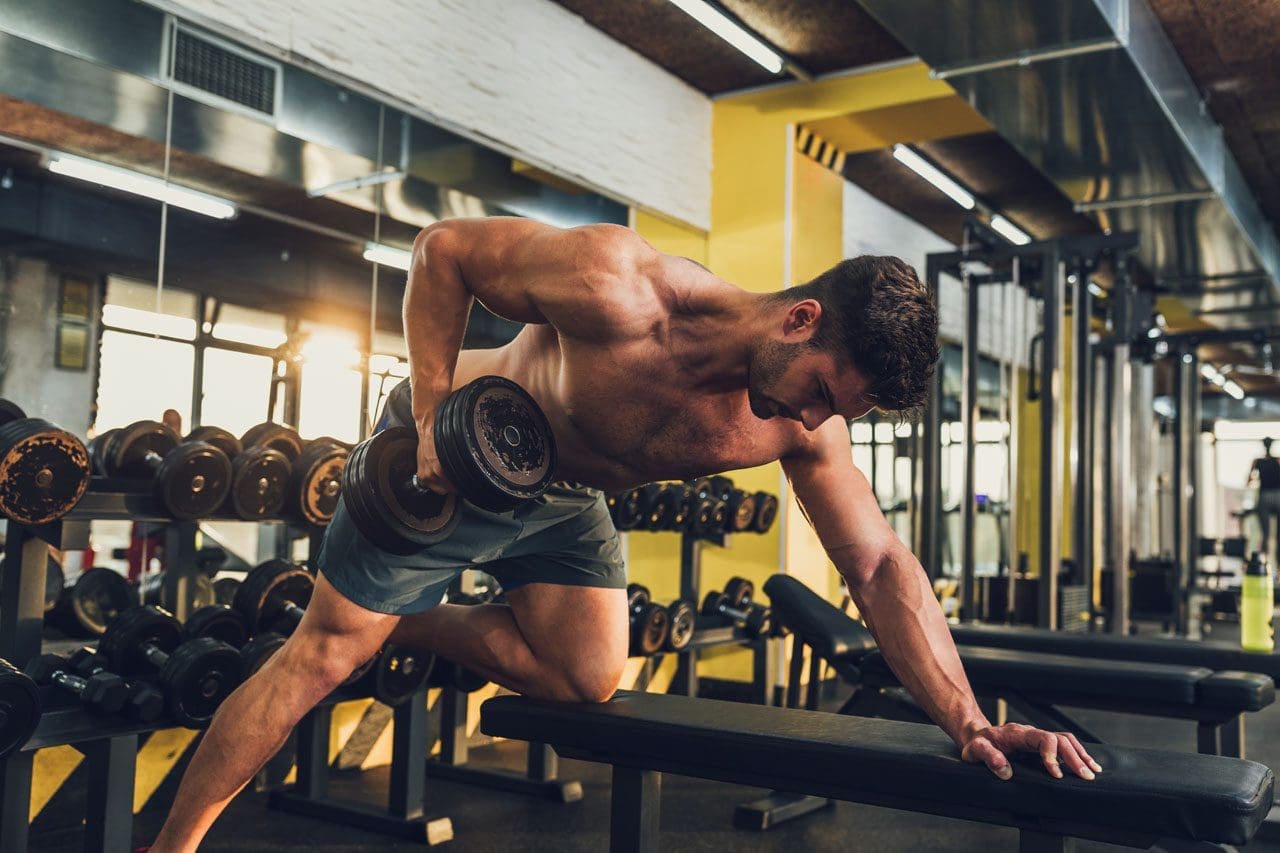
Explosive strength training exercises help develop power and athletic abilities by challenging the nervous and muscular systems. The focus is on the number of sets, repetitions, and rest periods to maximize gains. Explosive exercises typically use fewer repetitions 3–6 and more sets 3–5 to allow for maximum power output. Adequate rest periods, 2–3 minutes, are allotted between sets to prevent fatigue and reduce the risk of injury. Explosive training combines strength and speed to increase an individual’s power output and can be helpful for various sports, including track and field, court sports, cycling, and football.
Exercises
Explosive strength training uses large muscle movements that can include:
Squats
Power cleans
Weighted or unweighted vertical jumps
Heavy ball throws
Hill sprinting
Smaller muscle exercises can also build power, but results may be limited. These can include:
Bench presses
Pushups
Sample Exercises
Training exercises to develop power include:
Sprints
Agility drills
Weighted step ups
Overhead walking lunges
Plyometrics
Squats
Explosive training exercises should be selected to match individual fitness and sports goals. Exercise choices should simulate the movement patterns specific to the sport. Explosive training is unlikely to lead to injury if you train slowly, listen to your body for signs and symptoms of injury, and work with a qualified professional. Some evidence suggests that regularly engaging in explosive strength training can decrease the risk of injury.
Explosive strength exercises are movements that require an athlete to produce maximum or near-maximum output in a short time.
Explosive training aims to build enough power to ultimately move heavy weights quickly.
It is recommended to start with light weights and use slow, controlled movements.
The amount of weight used during a workout and the speed at which they are lifted should be increased over several weeks and training sessions.
Benefits
Research supports that explosive speed and strength exercise builds power but is more effective when combined with other training. For example, in a study, researchers showed that a mixed maximal and explosive strength training program was more effective than traditional approaches like circuit training in increasing overall fitness and adaptive processes that are helpful when increasing training loads, such as runners training for a marathon. (Taipale, R. S. et al., 2014) Other reports suggest that to maximize strength, power, and speed, a combination of heavy and light explosive exercise provides optimal results compared to training only in one style. (Baker D. 2003) The first training phase should focus on increasing maximum strength and building a solid foundation to maximize power output or movement speed. The second phase is devoted to power and speed training. (DeWeese B. H. et al., 2015)
Programs
The first five weeks of a 12-week training program to increase power and speed may consist primarily of heavy strength training. The next six weeks would consist of heavy and high-power explosive exercise training, and the final week would be high-power movements. Individuals are recommended to work with a coach or personal trainer specializing in this type of training when developing a program. A qualified professional can choose sport-specific exercises that will help improve performance. Correct form is essential for safety. A professional trainer can observe alignment throughout each exercise and provide adjustments and tips for safety and efficiency.
Injury Medical Chiropractic
At Injury Medical Chiropractic and Functional Medicine Clinic, we focus on what works for you and strive to create fitness and better the body through research methods and total wellness programs. These programs use the body’s ability to achieve improvement goals, and athletes can condition themselves to excel in their sport through proper fitness and nutrition. Our providers use an integrated approach to create personalized programs, often including Functional Medicine, Acupuncture, Electro-Acupuncture, and Sports Medicine principles.
Chiropractic Sport Rehabilitation
References
Taipale, R. S., Mikkola, J., Salo, T., Hokka, L., Vesterinen, V., Kraemer, W. J., Nummela, A., & Häkkinen, K. (2014). Mixed maximal and explosive strength training in recreational endurance runners. Journal of strength and conditioning research, 28(3), 689–699. https://doi.org/10.1519/JSC.0b013e3182a16d73
Baker D. (2003). Acute effect of alternating heavy and light resistances on power output during upper-body complex power training. Journal of strength and conditioning research, 17(3), 493–497. https://doi.org/10.1519/1533-4287(2003)017<0493:aeoaha>2.0.co;2
DeWeese, B. H., Hornsby, G., Stone, M., & Stone, M. H. (2015). The training process: Planning for strength–power training in track and field. Part 2: Practical and applied aspects. Journal of Sport and Health Science, 4(4), 318–324. doi:10.1016/j.jshs.2015.07.002
IFM's Find A Practitioner tool is the largest referral network in Functional Medicine, created to help patients locate Functional Medicine practitioners anywhere in the world. IFM Certified Practitioners are listed first in the search results, given their extensive education in Functional Medicine