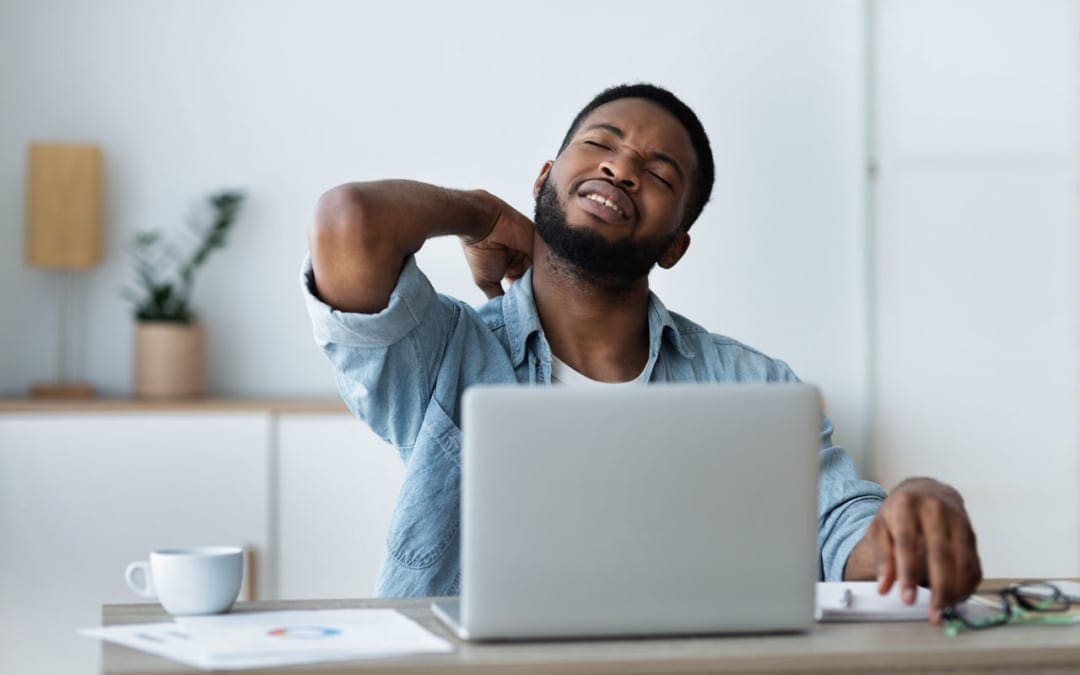
More and more individuals are looking to add or try out complementary, alternative or integrative treatments for their back and neck pain. To help understand the differences as well as the similarities between the terms, try to remember:
If an alternative clinic which means not mainstream is combined with a conventional clinic this is mainstream medicine, then it is known as complementary or integrative health care.
If it is used instead of or replaces conventional medical care, it is known as alternative health care.
These terms complementary, alternative and integrative tend to get used interchangeably.
The acronym C.A.M is sometimes used, which means Complementary Alternative Medicine.
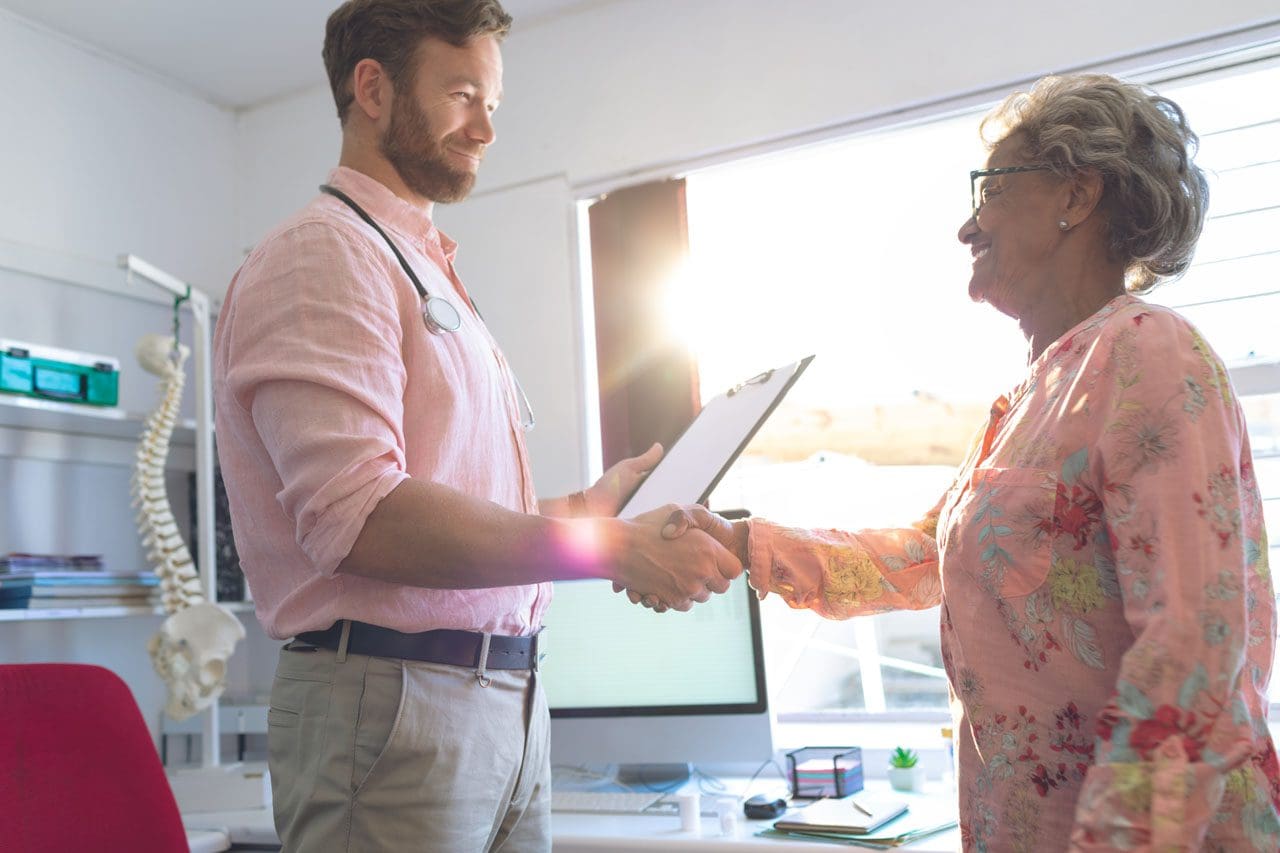
Choosing the right practitioner for your spine problem whether osteoarthritis, chronic back pain, or whiplash is just as important as choosing a medical physician or chiropractor.
You want to find an alternative or complementary/ integrative professional who is
Highly trained
Licensed
Experienced in treating your particular condition
Makes you feel comfortable
Takes time to answer all your questions
Finding a Complementary Alternative Specialist
A good place to start is to ask your primary care physician, chiropractor for a referral. Others include:
Credentialing, licensing and certifying are terms you will find when learning about a particular complementary alternative medicine clinic or practitioner. Credentials can include the practitioner�s education, where and what they are allowed to practice. Certification in a particular field of practice like acupuncture, for example, is typically needed before the state issues a license and allows the professional to begin treating patients.
You can check your state�s mandatory licensure process for the type of complementary, alternative or integrative practitioner or clinic you are looking into. Most states require the practitioner to register their education, graduation, training, and continuing education credits. Your state agency can provide this information explaining what services the practitioner is allowed to provide such as the ability to provide dietary supplements.
Review the education and qualifications of all potential practitioners
Questions to think about when doing your research.
Did they graduate from a certified program/school?
Did they complete advanced training?
Are they a member of professional societies or organizations?
Do they regularly continue their training with up to date and advanced education?
How long have they been practicing?
Are the treatments covered by insurance?
Are they ready to work with your insurance provider?
What’s the cost of treatment if not covered by insurance?
Your Appointment Plan
Treatment or therapy that the complementary, alternative or integrative practitioner/clinic provides is considered non-medical.
These practitioners need your medical history, that includes over-the-counter and prescription medications, allergies, prior treatment like surgery/spinal injections along with vitamins/supplements you take. Additional information that could be needed is the contact information of your primary care physician or the doctor who referred you. Keep your primary physician/chiropractor informed about all treatments or therapies you will be receiving.
El Paso, TX Neck Pain Chiropractic Treatment
NCBI Resources
The spine is the primary support for the body. When it breaks down, the body suffers.�Regular chiropractic treatment ensures that the spinal column remains in proper alignment which, in turn, keeps the body in proper alignment. It helps with joint health as well as the health of the related muscles and ligaments.
Sciatic nerve pain, or sciatica, is a collection of symptoms caused by a wide array of underlying health issues. While there are numerous treatments for the treatment of sciatica, a doctor’s treatment plan for back pain and sciatica may also include alternative treatments, such as acupuncture, acupressure, biofeedback, and/or yoga. Many patients have reported that alternative treatments have helped relieve their sciatic nerve pain. If you’re experiencing symptoms of sciatica, you might want to try the following alternative treatment options.
Acupuncture
Acupuncture practitioners have the belief that your body has an energy force called Qi or Chi (pronounced “chee”). They believe that if Chi is blocked, it can create physical disease. Both acupuncture and acupressure (see below) function to restore a healthy, energetic flow of Chi. (All these Eastern approaches to healing are distinct from Western scientific concepts. That doesn’t make them better or worse; it only makes them different.)
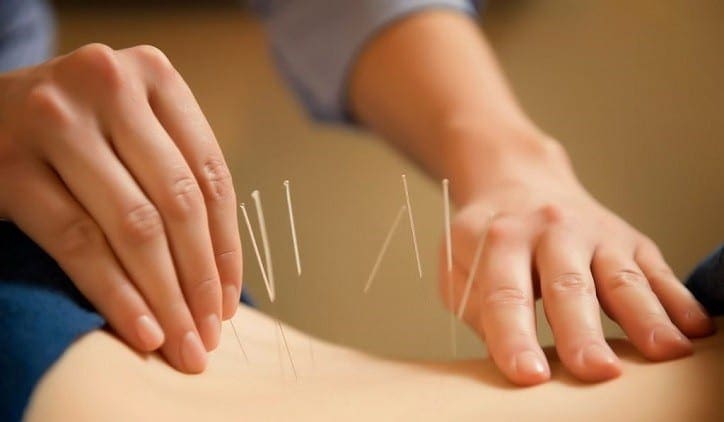
In order to perform acupuncture, acupuncturists insert very fine needles, which are sterilized and disposable, into specifically exact points on the body. These points are known as meridians. Each meridian is the same as a channel, referred to as an acupoint, or acupuncture point. Because meridians run near the skin’s surface, it is not necessary to insert needles deep into the tissue. Meridians correspond to specific sections of the human body or to a human body system like the nervous, musculoskeletal, cardiovascular, or lymphatic system. During an acupuncture treatment, the acupuncture practitioner will usually gently twirl or heat some or all of the needles.
It’s common for individuals to question whether acupuncture is uncomfortable, however, even patients who have been afraid of the needles at first, have found acupuncture to be a relaxing and painless experience. If you would like to pursue acupuncture treatment, please make sure to look for a licensed acupuncture practitioner who uses sterile and disposable equipment.
Acupressure
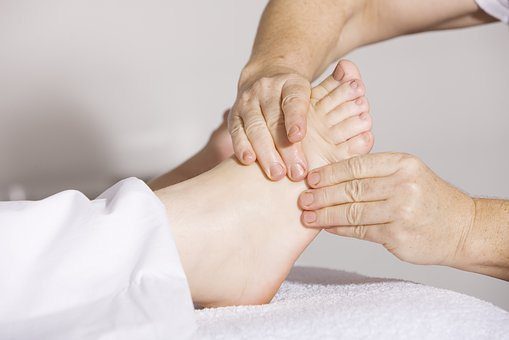
Acupressure has often been formerly compared to acupuncture. Acupressure is a non-invasive, secure, and gentle therapy which is believed to help unblocks Qi without using needles. The acupressure practitioner uses their thumbs, fingers, and elbows to put an exact quantity of pressure to specific points in the body. Acupressure therapy comprises the use of consistent pressure to one or more points and briskly rubbing against the acupressure point to stimulate it. Acupressure points and acupuncture points are identical.
Biofeedback
This type of alternative treatment option involves much more than simply telling your body to “stop feeling pain” Biofeedback is a mind-body therapy which rewires the brain by teaching you how to change or control a habitual reaction to pain or stress.
Could a person just “believe their pain away” with biofeedback? Unfortunately, it’s not that simple. As a matter of fact, it requires a much more demanding effort from the individual. Biofeedback frequently requires intensive patient participation and it is not an alternative treatment option for everybody. Some experts view biofeedback as a controversial therapy because its use in the treatment of low back pain or sciatica has not been adequately researched. In spite of this view, many individuals have benefited from biofeedback.
Biofeedback involves using special equipment to quantify and provide “feedback” to the individual about his or her physiological reactions to certain stimuli, like stress and muscle tension. By instructing the patient to perform deep breathing techniques, visualization, and mental and physical exercises, the individual learns how to control their response to stress and pain related to muscle tension, in this scenario, muscle tension that may contribute to sciatica.
Yoga
Yoga stretches can decrease symptoms of sciatica when the trigger is piriformis syndrome (sometimes a controversial diagnosis). Piriformis syndrome occurs when the piriformis muscle found in the lower portion of the spine compresses the sciatic nerve. This muscle aids in hip rotation. Gently stretching this muscle may help reduce sciatic pain. However, certain yoga stretches may aggravate symptoms of sciatica. Poses such as forward bending and twisting can irritate sciatic nerve pain. Any exercise which involves extending the back of the thighs (hamstrings) can irritate sciatica. As with any exercise, the patient must remember not to push their body beyond their pain limitations. Respect the body, and remember: Gently stretch.
As part of your treatment plan, you might want to try other sciatica treatment options. The following list are sciatica treatment, you may want to research to determine if they’re appropriate for you:
Chiropractic care
Physical therapy
Drugs/medications
Surgery
Chiropractic Care
Chiropractic care is a popular, alternative treatment option commonly utilized to help treat sciatica. The purpose of chiropractic care is to promote the body’s capacity to heal itself naturally, without the need for drugs/medications or surgery. It’s based upon the scientific principle that limited spinal movement leads to pain and decreased function and performance.
A chiropractor may use a variety of methods or techniques to improve sciatic nerve pain. The type of chiropractic care provided depends on the reason for the individual’s sciatica. A sciatica treatment program may include ice/cold treatments, ultrasound, TENS, and spinal adjustments or manual manipulations. Below are more details on these chiropractic care modalities.
Ice/cold treatment reduce inflammation and help improve sciatic nerve pain.
Ultrasound is gentle heat made by sound waves which penetrates deep into the soft tissues. Ultrasound increases circulation and helps to reduce muscle spasms, cramping, swelling, stiffness, and pain.
TENS unit (transcutaneous electrical nerve stimulation) is a small box-like, battery-powered, mobile muscle sculpting system. Variable intensities of electric current control acute pain and reduce muscle spasms. Bigger versions of this home-use TENS units are used by chiropractors, physical therapists and other rehabilitation professionals.
Spinal adjustments and manual manipulations are at the core of chiropractic care. Manual manipulation frees restricted movement of the spine and helps reestablish misaligned vertebrae in the spine. Spinal adjustments can help reduce nerve compression responsible for inducing pain, muscle spasm, inflammation and other symptoms associated with sciatica. Spinal adjustments and manual manipulations have been proven to be safe and effective.
Furthermore, a chiropractor may utilize physical therapy to help improve symptoms of sciatica. After a careful diagnosis, a doctor of chiropractic can recommend a series of appropriate stretches and exercises which, together some of the chiropractic care modalities mentioned above, can help speed up the recovery process. Chiropractic care focuses on healing through movement, helping to restore the proper connection between the brain and body in order to promote natural healing of sciatica nerve pain.
Dr. Alex Jimenez’s Insight
Because sciatica can be caused by a variety of underlying health issues, many different treatment modalities can be used to help relieve the common low back pain complaint. However, alternative treatment options, such as acupuncture, yoga and chiropractic care, have become increasingly popular in the treatment of sciatic nerve pain. Among the wide array of alternative treatment options, chiropractic care has become one of the most well-known modalities for improving symptoms of sciatica. Chiropractic care utilizes spinal adjustments and manual manipulations to carefully correct misalignments in the spine, or subluxations, which are often the most prevalent cause of sciatica. Other alternative treatment options can also efficiently help treat sciatic nerve pain without the need for drugs/medications or surgery.
Can Alternative Treatment Options Help Treat Sciatica?
There is no right or wrong answer to this question: several alternative treatment options can help relieve your sciatic nerve pain but they may not provide the same relief to another individual. If you’re considering trying alternative treatment options to address your own sciatica, discuss the options with your doctor. They might also have recommendations for healthcare professionals which can ultimately help improve your sciatica. The scope of our information is limited to chiropractic as well as to spinal injuries and conditions. To discuss the subject matter, please feel free to ask Dr. Jimenez or contact us at 915-850-0900 .
Curated by Dr. Alex Jimenez
Additional Topics: Sciatica
Sciatica is medically referred to as a collection of symptoms, rather than a single injury and/or condition. Symptoms of sciatic nerve pain, or sciatica, can vary in frequency and intensity, however, it is most commonly described as a sudden, sharp (knife-like) or electrical pain that radiates from the low back down the buttocks, hips, thighs and legs into the foot. Other symptoms of sciatica may include, tingling or burning sensations, numbness and weakness along the length of the sciatic nerve. Sciatica most frequently affects individuals between the ages of 30 and 50 years. It may often develop as a result of the degeneration of the spine due to age, however, the compression and irritation of the sciatic nerve caused by a bulging or herniated disc, among other spinal health issues, may also cause sciatic nerve pain.
More Americans are looking beyond Western medicine to help relieve their back, neck, and spinal joint pain, including osteoarthritis of the backbone. In this specific article, we discuss Complementary and Alternative Medicine (CAM), which is also called Complementary and Integrative Medicine.
Interchangeable Terms
When an option (not mainstream) practice is combined with standard (mainstream) medicine, it�s called �complemental� or �integrative� health care. It�s called �alternative.� when it�s used in place of traditional medicine Nevertheless, these terms are frequently used interchangeably.
Complementary Alternative/Integrative Treatments
Although treatments might be combined you will find five general types of CAM therapies.
1. Alternative Medical Systems
Naturopathic or naturopathy medical care may include water therapy, massage, and herbal drugs.
2. Head-Body Techniques
Head-body techniques may help a patient with back or neck pain to utilize their head to change or restrain their symptoms in a way that is positive, therefore reducing pain.
3. Biologically-Based Therapies
Biologically-based treatments feature nature-based substances such as botanicals and dietary supplements to ease pain. Natural substances contain ginseng, ginkgo, fish oil, or Echinacea and could be obtainable in different kinds, including a tea, aromatherapy oils, syrup, powder, pill, or capsule.
4. Body-Based Practices
Body-established practices include different types of massage, body alignment techniques, osteopathic manipulation and chiropractic.
5. Energy Therapies
Energy therapies unblock energy fields or may help shift. Qi gong (eg, breathing techniques), Reiki (eg, stress reduction/relaxation), and magnets are treatments based on transferring energy.
Is Alternative, Complementary Or Integrative Therapy Right For You?
To assist you decide, look at the next points.
If insurance coverage is essential to you, be sure to consult your health insurance provider before you select a CAM treatment to make certain the professional is insured.
Learn as much as you can about the alternate treatment you’re enthusiastic about.
Take into account that although a complementary alternative treatment may be popular, that doesn�t make it correct for you personally.
Unlike mainstream medical care and procedures, some (if not most) alternative therapies are not scientifically validated by clinical trials and/or research studies. The amount of human players is frequently little, while there may be studies supporting a particular practice.
Simply because a material is natural doesn�t mean it can�t damage you, cause illness or allergic reaction, or a serious interaction with a drug. For instance, blood pressure can be raised by ginseng.
Always tell your treating physician about all of the herbs, vitamins and nutritional supplements (in any kind) that you take, particularly if you’re scheduled to get a neck or back process (eg, spinal injection, operation).
Select your alternative therapy professional with all precisely the same attention and concern you would for pain management specialist or a back surgery.
Call Today!
Sources:
Rosenzweig S. Overview of Complementary and Alternative Medicine. Merck Manual. Consumer Version.� www.merckmanuals.com/home/special-subjects/complementary-and-alternative-medicine-cam/overview-of-complementary-and-alternative-medicine.
National Center for Complementary and Integrative Health (NCCIH). Complementary, Alternative, or Integrative Health: What�s In a Name? March 2015. https://nccih.nih.gov/health/integrative-health.
Sciatica specifically refers to pain, weakness, numbness, or tingling in the leg, along the distribution of the the sciatic nerve down the back of the leg. Most commonly however, people will refer to any condition that causes back pain in association with leg symptoms as sciatica.
Common Causes:
True sciatica occurs when there is pressure on, or damage to, the sciatic nerve. This nerve starts in the lower spine and runs down the back of each leg. This nerve controls the muscles of the back of the knee and lower leg and provides senation to the back of the thigh, part of the lower leg and the sole of the foot.
As previously mentioned, the term “sciatica” is often used by patients to describe any condition where there is back pain together with associated leg symptoms. This being the case, there are a number of other conditions that will actually mimic sciatic nerve pain. Sacroiliac joint irritation (sacroiliac joint syndrome), lumbar facet joint irritation (lumbar facet joint syndrome), and piriformis syndrome all frequently produce leg symptoms, and are therefore commonly mistaken for sciatica.
Common Symptoms:
Sciatica pain can vary widely. It may feel like a mild tingling, a dull ache, or even a burning sensation, while in other cases, the pain can be servere enough to make movement practically impossible. Most commonly, sciatica effects only one leg.
Treatment:
Treatment begins with first determining whether a patient is suffering from true sciatic nerve involvement, or if they are actually suffering from one of the other conditions that frequently mimics sciatica. From there treatment is directed towards reducing inflammation, pain, and spasm, while restoring movement and function to the effected spinal levels. Once normal spinal mechanics are restored, patients are given a simple home exercise program in order to help maintain normal function and to help prevent re-occurances.
What is sciatic nerve pain? Sciatic nerve pain is one of the most tough [ https://www.youtube.com/watch?v=FUcGA-BvmIQ dolore sciatica] problems for physicians, also those experienced in treating back pain as well as sciatica patients, to determine as well as treat. Sciatica usually presents itself as a prickling and/or numbness, like the sensation one may experience with a pulled hamstring muscle mass, the biceps femoris at the back of the leg. The experience could be plain, almost an ache, with durations of prickling and/or tingling happening throughout specific activities. The prickling and/or numbness experienced, if not dealt with, may develop into a full-on constantly [ https://www.youtube.com/watch?v=SrFQWAtJtZU click resources] severe phase with discomfort capturing throughout the butts and also radiating down the leg. Sciatic nerve pain might influence one or both legs, typically one, starting as a pain radiating from some point in the lower back, the lumbar spine, after that throughout the gluteal muscle mass (the buttocks), as well as ultimately down the rear of the leg. In innovative instances, sciatic nerve pain gets to right right into the feet as well as toes, triggering discomfort as well as an eventual loss of feeling.
Remarkably, sciatica is not a details condition, it is just a catch-all clinical term put on a constellation of symptoms in order to explain a state the back pain victim remains in. In this instance, sciatic nerve pain is utilized to define a patient’s complaint of pain radiating across the butts, down the leg, and also right into the feet and toes … along with the connected tingling and/or feeling numb. Sciatica could be brought on by a variety of conditions, from stress and anxiety and trauma at a particular area on the spinal column, the reduced back or back curvature, to a much more general condition such as obesity or pregnancy. There are a number of other problems associated with sciatica, all needing varying degrees of clinical intervention and also treatment. A few of the conditions likely to present with sciatica are:
1. Osteomyelitis: An infection of the bone or bone marrow. Osteomyelitis might be debilitating and also in severe cases may also create death. It is tough to identify as well as might go undetected for a long period of time unless appropriate blood examinations are purchased and also the doctor is well trained in contagious diseases influencing the bones.
2. Growths on or near the spine: Lumps, particularly tumors or abnormal growth (e.g., scar tissue) affecting the nerves or nerve roots as they exit the spinal canal and intervertebral foramen, will certainly sciatic nerve pain or sciatic nerve pain.
3. Degenerative Disc Disease: Again, degenerative disc condition is not an illness anymore than sciatic nerve pain, called sciatica, is a specific problem. Degenerative disc condition is a break down of the IVDs, the intervertebral discs, and also is generally an effect old combined with the any or every one of the 5 primary elements influencing the spine as we age.
o Excess weight and/or obesity
o Muscle weakness
o Muscle Imbalance
o Poor nourishment and also diet plan
o Poor hydration or dehydration
4. Herniated (i.e., burst) or protruding disc: This problem might be particularly bothersome if the herniated disc or bulging disc is extending posteriorly (to the back) and right into the spine canal, or impinging on the nerve origin at the intervertebral foramen, hence putting pressure on the spine and/or nerve root; and, sciatica is the result in lots of instances.
It�s easy to get a quick sugar fix from foods that might be lying around (hello, blueberry muffins in the office kitchenette). Chances are, though, that you’re already eating way too much sugar; the average person takes in 22 teaspoons of�sugar daily�more than three times the amount suggested by the American Heart Association. A growing body of research links the sweet stuff to high cholesterol and blood pressure, increased risk for cancer, diabetes, and heart disease, and�of course�excess weight gain. Plus, a sweet treat can cause a blood sugar spike and crash, leaving you feeling sluggish, moody, and hungry (again).
Reach For A Piece Of Fruit Instead
You’ll be satisfied�we promise. �When you craving something cold, creamy and sweet, think healthier options like frozen bananas, grapes, organic fruit purees, or homemade frozen yogurt pops,� suggests Natalia Levey, certified health and nutrition coach and author of Cravings Boss. Low-fat Greek or plain yogurt with some fruit on top is another nutrient-packed option. �The yogurt provides calcium which is good for your bones and the berries are packed with immune boosting antioxidants,� says Keri Gans, RD, New York City-based nutritionist and author of The Small Change Diet
The calming poses and meditation of yoga may be just what the doctor ordered when it comes to beating depression, new research suggests.
Researchers found that weekly sessions of yoga and deep breathing exercises helped ease symptoms of the common condition. They believe the practice may be an alternative or complementary therapy for tough-to-treat cases of depression.
The intervention seemed helpful for “people who are not on antidepressants and in those who have been on a stable dose of antidepressants [but] have not achieved a resolution of their symptoms,” study lead author Dr. Chris Streeter said in a news release from Boston Medical Center. He’s a psychiatrist at the hospital and an associate professor of psychiatry and neurology at Boston University.
Major depression is common and often persistent and disabling, Streeters’ team noted. Up to 40 percent of people taking medication for this form of depression won’t see their depression go away, according to the researchers.
Studies Have Shown The Ancient Practice Of Yoga May Help
The Mechanism Of Action Is Similar To Other Exercise Techniques
These Activate The Release Of ‘Feel Good’ Brain Chemicals explains Dr. Alan Manevitz, a clinical psychiatrist at Lenox Hill Hospital in New York City, who reviewed the new findings.
He added that exercise, especially yoga, may also “reduce immune system chemicals that can worsen depression.”
Then there’s yoga’s meditative quality, as well, Manevitz said.
“It has been demonstrated that ‘mindful’ movement — conscious awareness — has a much more beneficial impact on the central nervous system,” he said.
But would this bear out in a rigorous study? To find out, Streeter’s team tracked outcomes for 30 people with major depressive disorder. All were randomly assigned to partake in either a “high-dose” or “low-dose” yoga intervention. The high-dose group had three 90-minute yoga classes each week along with home practice, while the low-dose group engaged in two 90-minute yoga sessions each week in addition to home practice.
The Participants Practiced Lyengar Yoga,
A Method That Focuses On Detail, Precision & Alignment In Posture And Breath Control.
The study found that both groups had significant reductions in their depression symptoms. Those who took three weekly yoga classes had fewer depressive symptoms than those in the “low-dose” group, but Streeter’s team said even two classes a week was still very effective in improving people’s mood.
Streeter noted that this intervention targets a different neurochemical pathway in the body than mood-altering medications, suggesting that yoga may provide a new, side effect-free avenue for treatment.
For his part, Manevitz called the study “practical and well-designed.” He believes the findings support yoga as a treatment “that can help the millions of people suffering from major depressive disorders around the world.”
Dr. Victor Fornari is a psychiatrist at Zucker Hillside Hospital in Glen Oaks, N.Y. He agreed that the new study “supports the use of yoga for the treatment of depression… Yoga, like regular exercise, is good for most people for health maintenance as well as to treat what ails them.”
The study was published March 3 in the Journal of Alternative and Complementary Medicine.
SOURCE: Alan Manevitz, M.D., clinical psychiatrist, Lenox Hill Hospital, New York City; Victor Fornari, M.D., psychiatrist, Zucker Hillside Hospital, Glen Oaks, N.Y.; Boston University Medical Center, news release, March 3, 2017
News stories are written and provided by HealthDay and do not reflect federal policy, the views of MedlinePlus, the National Library of Medicine, the National Institutes of Health, or the U.S. Department of Health and Human Services.
Synopsis: Finding the right healthcare provider for you isn�t always easy, especially if they aren�t in the mainstream. This article provides tips and strategies for people looking to find a healthcare provider that will meet their specific needs.
�
The term �alternative healthcare,� sometimes lumped into CAM (Complementary and Alternative Medicine) isn�t always associated with good things in the general populace. The phrase all on its own lends itself to sounding very much second class.
Yet alternative healthcare is anything but; many practitioners are utilizing the latest treatments that�for reasons of funding or sometimes more sinister political agendas �simply don�t have enough studies yet done to fully back the care as �mainstream.�
Finding those expert caregivers isn�t always easy. Doctors aren�t like restaurants; it can be difficult to base your decisions on their online reviews because every patient�s circumstances are unique.
Luckily, there are a few tricks to finding good healthcare.
Determine the Type of Care You Need
Before you seek care, you need to figure out what you actually need care for. Different specialties handle treatments that may be specific to your particular needs. For instance, a Chiropractor deals with the musculoskeletal system and the nervous system.
Functional medicine doctors handle many traditional complaints with minimal use of drugs and surgery and are more open to alternative treatments. Chinese medicine has also proven effective for numerous problems, from allergy elimination to pain relief. Physical therapists can help with recovery from injuries.
If you aren�t sure what the best type of doctor is, consider visiting major websites. For instance, the IAOMT.org� website is a good place to visit if you need dental care that goes beyond what your regular dentist may offer. FunctionalMedicine.org�helps you locate a variety of practitioners based on their field of expertise.
Worst case scenario, you may be in for one �wasted� trip to one of these doctors to determine who is best to visit.
Be Prepared to Travel
The type of doctor you need to see may not live nearby; some patients travel hundreds of miles to see a specialist that can deal with their condition. My own doctor drives nearly two hours to see a chiropractor that can address his specific condition (there are other chiropractors in the area, but none with the technique he needs).
This is especially true if you live in a more rural area, as some smaller towns may only have a small handful of traditional doctors and few if any alternatives. You can get good results by searching online by using a Virtual Private Network (VPN) to alter your IP address.
You might consider this strategy because local results tend to be more thorough and exact while doing searches about a distant area give broader and less helpful results. A VPN is just an app that lets you connect to remote servers found in other locations; for instance, you could access a server in Los Angeles even if you live in Nevada and get results local to LA.
Obviously, local docs are preferable, but that�s not always good enough.
Seek Referrals
Another great way to find doctors that can help is by seeking referrals. This can be done directly through your current doctor or by seeking out patients that have similar problems. Those that experience good results tend to want to spread their success by recommending good doctors.
One place to find concentrated reviews for specific doctors and practices is on Facebook. In many cases, there are support groups that have formed to discuss dealing with varying diagnoses and diseases.
These Facebook groups usually have members that are seeing physicians or have already been to physicians and want to share their knowledge. In some cases, Facebook groups are even run by practitioners that hope to spread awareness of the treatments they have available.
Healthgrades.com�is nice for reviews as well, but you should always be cautious of reviews that you can�t discuss with the reviewer.
Check Magazine Directories
Nationwide, you can access health directories to look for doctors available in your area. One of the more well-known sources is a magazine called Natural Awakenings. They publish listings of doctors practicing alternative medicine; you�ll find them available for free at grocery stores and some newsstands.
These types of magazines are also a great place to read about the latest advances in treatment and about different types of care being offered. While the publishing standards aren�t quite as high as a scientific journal such as The Lancet, they serve as a good starting point, particularly for treatments that don�t lend well to randomized controlled studies.
Go to Expos
Serving as both an advertising opportunity for businesses and as an educational tool for patients, natural health expos held across the country are a great place to meet with doctors and staff face to face without having to actually pay for an office visit.
These conventions are perfect for viewing a variety of different professions and seeing what each has to offer. You�ll be given dozens of pamphlets; some will offer free samples of products, while others will actually demonstrate what it is they do.
You can use these opportunities to ask specific health questions to �interview� each doctor to see if they�re the right fit for your needs. It�s also a good place to shop around for different prices because many alternative treatments aren�t covered by insurance (or the offices themselves are cash practices and don�t take insurance at all).
6. Taking Control of Your Health
When visits to your doctor let you down or you�re just looking for better alternatives, you�re in for a bit of work. The process for finding a truly appropriate doctor for your condition(s) may be tedious and sometimes even expensive.
Yet the results are certainly worth the time and money. When you�ve put the time in to find that doctor that fits just right, the results will speak for themselves. Having a good healthcare practitioner to serve as a pillar of support in your life can truly turn around an otherwise dark situation.
And for those that already feel healthy, remember that prevention is the best medicine. Seeking a doctor that believes in maintaining maximum healthy function is a great way to avoid chronic diseases later in life.
Will you be at the helm of your health? Tell us what great healthcare means to you and how you intend to get it.
About the Author: Cassie is a health enthusiast and technology writer. From her own experiences, she has learned a multitude of ways to efficiently locate doctors to treat conditions in ways that might otherwise be foreign to her primary care doctor.
IFM's Find A Practitioner tool is the largest referral network in Functional Medicine, created to help patients locate Functional Medicine practitioners anywhere in the world. IFM Certified Practitioners are listed first in the search results, given their extensive education in Functional Medicine