For individuals experiencing musculoskeletal pain symptoms like lower back pain and shoulder pain, can incorporating cupping therapy help bring relief and manage pain?
Cupping Therapy
This ancient treatment is gaining public acceptance, and awareness has heightened, with various individuals and athletes being seen with round marks on their shoulders and backs. It is a pain treatment that, like acupuncture, comes from traditional Chinese medicine, or TCM. The therapy involves placing glass, silicone, or bamboo cups on the skin to create suction. The treatment is an alternative medicine technique used to relieve musculoskeletal pain. The suction is believed to promote healing (Cleveland Clinic, 2023)
Increasing Blood Circulation
The suction draws blood to the area, which can help reduce inflammation and promote healing.
Releasing Muscle Tension
The suction can stretch and pull on muscles, which can help relieve pain and tightness.
Breaking Up Adhesions
The suction can help break up scar tissue and adhesions that can cause pain and restricted movement.
Detoxifying the Body
Some practitioners believe that cupping can help remove toxins from the body.
It is typically performed by a trained practitioner who places the cups on the skin and leaves them in place for several minutes. The cups can be placed on various body areas, including the back, neck, shoulders, and legs. (Cleveland Clinic, 2023)
Benefits
Pain relief, especially for muscle and joint pain
Reduced inflammation
Improved circulation
Increased range of motion
Detoxification
Procedure
The medical practice involves creating skin suction using glass, ceramic, or plastic cups. How it’s done:
Preparation
The practitioner cleans the area where the cups will be placed.
They may apply oil or massage cream to the skin for easier movement of the cups.
Techniques
Dry
The practitioner heats the inside of the cup with a flame or pump, creating a vacuum.
The cup is then placed on the skin, which adheres due to the negative pressure.
The cup remains on the skin for several minutes, allowing the suction to draw blood and tissue into the cup.
Wet
Like the dry technique, the practitioner makes small incisions in the skin before applying the cup.
This allows blood to flow into the cup, creating a more intense suction.
Aftercare
The cups are removed, and the practitioner may apply pressure to the area to stop bleeding.
The patient is advised to avoid strenuous activity and hot showers for a few hours after the treatment.
The benefits of therapy include opening pores, stimulating blood flow, filtration, and balancing energy flow through the body. It’s often combined with massage and acupuncture. (Cleveland Clinic, 2023)
It also aims to alleviate symptoms of systematic diseases like diabetes and hypertension. However, more research is needed to see and fully analyze the effects of the treatment. (Aboushanab T. S., & AlSanad S. 2018)
Risks
The therapy is generally safe when done correctly and by a licensed professional. However, there is some risk of side effects like skin discoloration and scarring. Reports of rare side effects include bleeding inside the skull from cupping on the scalp and anemia from repeated wet techniques. (National Center for Complementary and Integrative Health, 2018) Other side effects can include:
Bruising
It can cause temporary bruising at the site of the cups.
Skin Irritation
Some people may experience skin irritation or burns from the suction.
Infection
There is a small risk of infection if the cups are not properly sterilized.
Injury Medical Chiropractic & Functional Medicine Clinic
It is important to consult with a healthcare professional before trying any new treatment, especially if you have any underlying health conditions. Injury Medical Chiropractic and Functional Medicine Clinic works with primary healthcare providers and specialists to develop an optimal health and wellness solution. We focus on what works for you to relieve pain, restore function, and prevent injury. Regarding musculoskeletal pain, specialists like chiropractors, acupuncturists, and massage therapists can help mitigate the pain through spinal adjustments that help the body realign itself. They can also work with other medical professionals to integrate a treatment plan to resolve musculoskeletal issues.
Aboushanab, T. S., & AlSanad, S. (2018). Cupping Therapy: An Overview from a Modern Medicine Perspective. Journal of acupuncture and meridian studies, 11(3), 83–87. https://doi.org/10.1016/j.jams.2018.02.001
National Center for Complementary and Integrative Health. (2018). Cupping. Retrieved from https://www.nccih.nih.gov/health/cupping
Can incorporating rice noodles be a healthy alternative to traditional pasta for individuals looking to change their normal routine?
Rice Noodles
Several alternatives are available to replace wheat-based pasta, including:
Black beans
Chickpeas
Edamame
Lentils
Rice
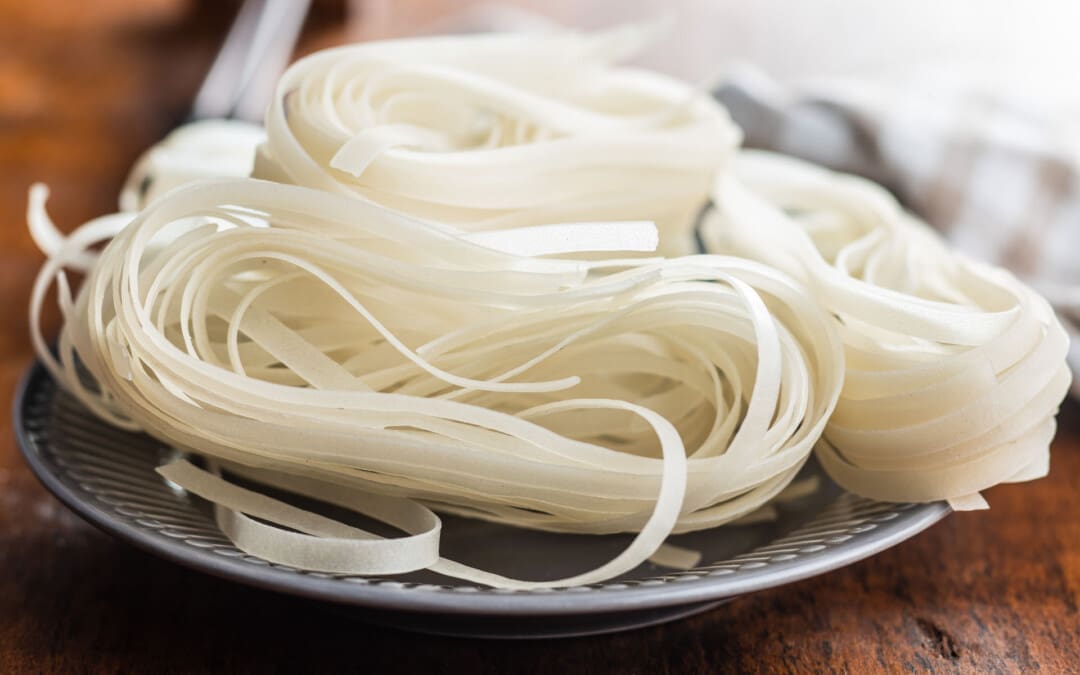
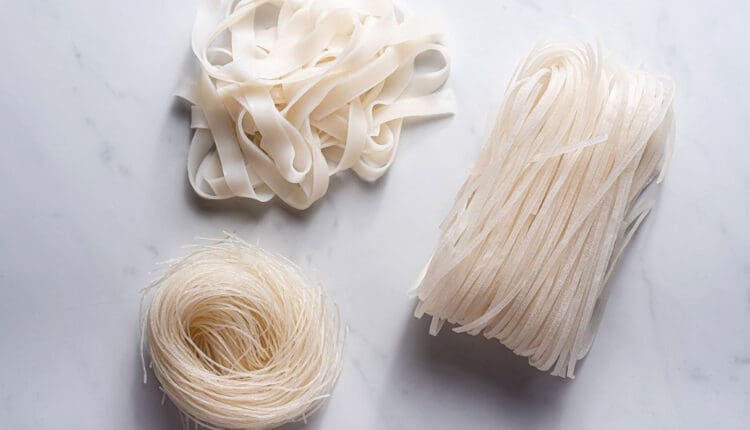
Like gluten-free pasta, rice noodles are made with rice flour instead of semolina wheat. Different types of rice, such as brown and white, can be used to make rice noodles. The ingredients are typically rice flour, water, and tapioca starch for texture. Compared with wheat pasta, rice noodles have a mild flavor and texture.
Regular spaghetti noodles are made with semolina, which comes from durum wheat. Rice noodles are a healthy source of complex carbohydrates, with 41.8g of carbohydrates per serving. Individuals who follow a low-carb diet or track their carb intake should consider portion sizes when enjoying rice noodle dishes.
Fats
Rice noodles contain less than 1g of fat per serving. However, the fat content of meals may vary depending on the other ingredients, sauces, and toppings. Foods high in fat, such as vegetable oils, nuts, seeds, avocados, fish, and eggs, will increase the total fat.
Protein
Rice noodles have 3.1g of protein per serving. Although they are not a significant source of protein, they can be paired with other protein sources, such as meat, fish, or tofu, to make high-protein meals.
Vitamins and Minerals
Rice noodles contain small amounts of:
Calcium
Iron
Magnesium
Zinc
Health Benefits
The noodles are an alternative to regular pasta, which can be a healthful addition to a well-balanced diet and make for a great gluten-free pasta alternative.
Energy Levels
Because they are predominantly made of carbohydrate calories, they are beneficial for increasing and sustaining energy levels.
Gluten-Free Alternative
Rice noodles are especially beneficial for individuals who follow a gluten-free diet.
Individuals with celiac disease and non-celiac gluten sensitivity should read rice noodle packaging carefully to ensure it is gluten-free.
The noodles are also suitable for vegan, vegetarian, low-fat, and low-calorie diets.
Allergies
The noodles are inherently gluten-free because the main ingredient is rice flour. However, individuals with gluten intolerance should ensure no cross-contamination occurs with other non-gluten-free ingredients. Individuals with dietary allergies should check the label to see if cross-contamination may have occurred during processing or if a rice noodle product contains added allergens. Rice noodles are also free of other common allergens, including dairy, soy, eggs, fish, nuts, and wheat.
Preparation
They are cooked by boiling them in water, which rehydrates them. Once cooked, they can be used like regular pasta noodles. They are commonly used in stir-fries and Italian pasta dishes and can be used as substitutes for wheat, egg, and ramen noodles. If a recipe calls for any noodles, use rice noodles instead to change up the texture and flavor.
Storage and Safety
The noodles should be stored in a cool, dry place like the pantry. They come in vacuum-sealed packaging or boxes, so they do not need refrigeration until cooked.
Injury Medical Chiropractic and Functional Medicine Clinic
Injury Medical Chiropractic and Functional Medicine Clinic focuses on and treats injuries and chronic pain syndromes through personalized care plans that improve ability through flexibility, mobility, and agility programs to relieve pain. Our providers use an integrated approach to create customized care plans for each patient and restore health and function to the body through nutrition and wellness, functional medicine, acupuncture, electroacupuncture, and various medicine protocols. If the individual needs other treatment, they will be referred to a clinic or physician best suited for them. Dr. Jimenez has teamed up with top surgeons, clinical specialists, medical researchers, nutritionists, and health coaches to provide the most effective clinical treatments.
Atherosclerosis: The Joint Pain Connection
References
U.S. Department of Agriculture, FoodData Central. (2020). Rice Noodles, cooked. Retrieved from https://fdc.nal.usda.gov/food-details/1101528/nutrients
For individuals who are looking for a whipped cream substitute for a dairy-free alternative, what are the options to choose from?
Whipped Cream Substitute
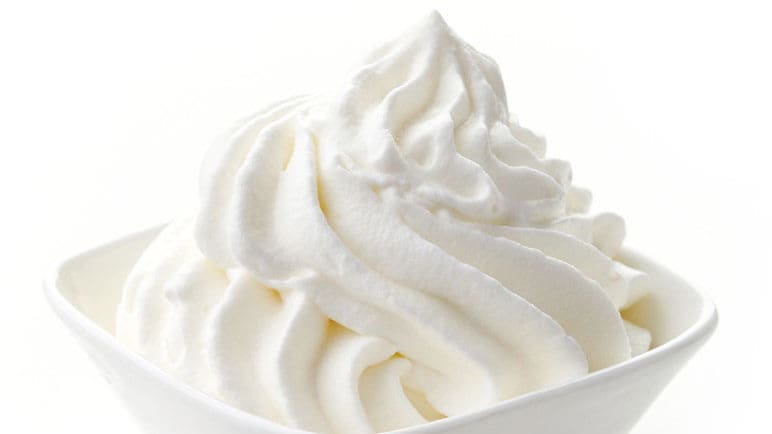
Individuals may want to use a whipping cream substitute if they have a dairy allergy, prefer a plant-based lifestyle, or are choosing low-fat foods. Whipping cream is made from milk and contains the same proteins found in milk and other dairy products that individuals with a dairy allergy may react to. However, heavy whipping and whipped cream contain small amounts of lactose and are safe for those with lactose intolerance. (University of Virginia, 2022) Because of this, individuals do not need to seek a whipping cream substitute if they are lactose intolerant. Fortunately, there are several dairy-free options and whipping cream alternatives.
Nutrition
The nutrition information for one tablespoon or 15 grams of light whipping cream. (USDA, FoodData Central, 2018)
Whipping and whipped cream are both high in calories due to their high fat content. Dairy fat and heart health have been issues; however, recent research suggests that dairy fat intake is associated with lower cardiovascular disease risk. (Trieu K. et al., 2021)
Substitutes
Coconut Milk
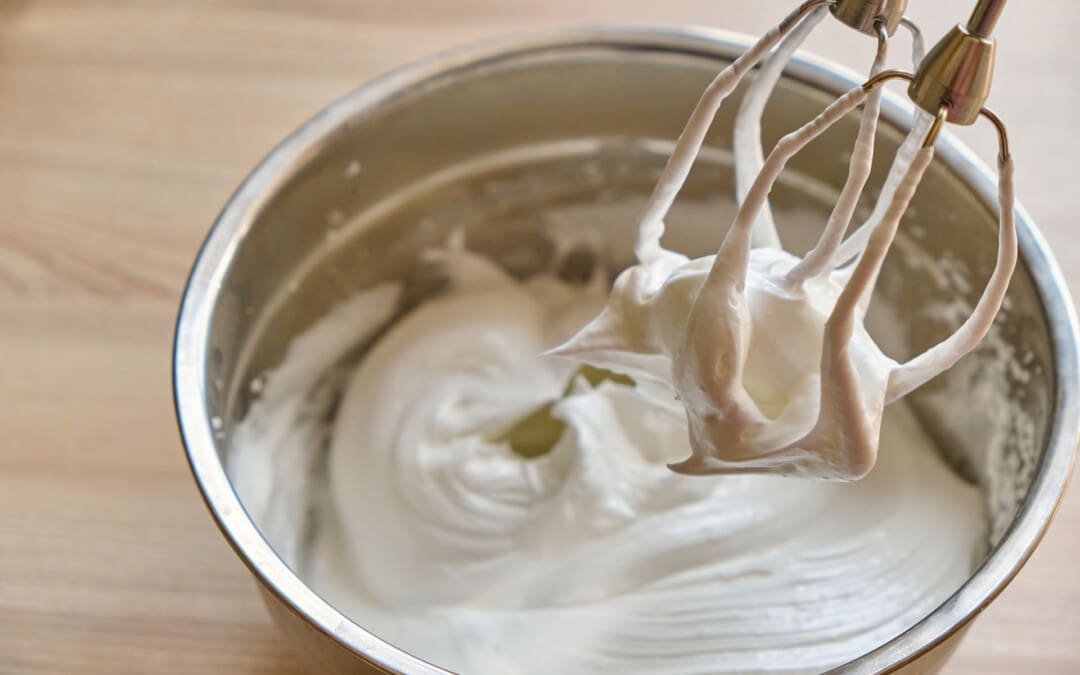
The nutritional value of coconut milk is similar to that of whipping cream. Coconut milk is a vegan and dairy-free alternative to whipped cream. It contains just the right amount of fat for whipping. To make perfect peaks with canned coconut milk, chill the can overnight and beat with a hand or stand mixer until soft and fluffy. Sifted powdered sugar and stevia make the best sweeteners because they will not weigh them down. The coconut milk adds coconut flavor. One tablespoon or 15 grams of coconut milk has 30 calories, 0.3 grams of protein, 3.2 grams of fat, and 0.4 grams of carbohydrates. (USDA, FoodData Central, 2018)
Silken Tofu Pureed with Soy Milk
Another vegan and dairy-free whipping cream substitute is made with silken tofu, soy milk, sugar, and vanilla extract. Because tofu is high in protein and low fat, this alternative is lower in fat than dairy whipping cream but is higher in carbohydrates. To make:
Combine 1 pound of silken tofu, one tablespoon of vanilla extract, and 1/4 cup of sugar in a blender or food processor until smooth.
While the machine is running, gradually add the soy milk until it becomes light and fluffy.
Refrigerate until ready to serve.
Powdered Milk, Vanilla Extract, and Lemon Juice
Combine 1/2 cup cold water, two tablespoons lemon juice, and one teaspoon vanilla extract in a large bowl.
Sprinkle 1/2 cup non-fat powdered milk over the water and beat with an electric mixer or beater for 4 minutes or until stiff.
Then beat in 1/4 cup granulated sugar until it dissolves and the mixture is smooth.
Chill for at least 30 minutes before using.
Powdered milk is dairy, so it is not ideal for plant-based diets or people with dairy allergies.
Evaporated Milk and Lemon Juice
Combine a can of chilled evaporated milk with one teaspoon of lemon juice.
Beat with an electric mixer until smooth and creamy.
Egg Whites, Sugar, and Bananas
Whip two large ripe bananas with two egg whites and three teaspoons of sugar until fluffy.
Be careful not to overbeat.
Flour, Cornstarch, and Milk
A low-fat, low-carb cream. To make:
One cup of almond, rice, low-fat or nonfat dairy milk, and two tablespoons of cornstarch.
Combine with a whisk.
Continue whisking and add one tablespoon of flour until the mixture is smooth.
This preparation is a solid whipping cream substitute for a thickener in recipes.
You may have to experiment to find what works for the recipe and taste, but here are a few options.
Injury Medical Chiropractic and Functional Medicine Clinic
Injury Medical Chiropractic and Functional Medicine Clinic works with primary healthcare providers and specialists to develop a personalized treatment plan. Our providers use an integrated approach to create customized care plans for each patient and restore health and function to the body. Dr. Jimenez has teamed up with top surgeons, clinical specialists, medical researchers, nutritionists, and health coaches to provide the most effective clinical treatments.
Chiropractic and Integrative Healthcare
References
University of Virginia. (2022). Lactose Content of Common Dairy Foods. https://med.virginia.edu/ginutrition/wp-content/uploads/sites/199/2022/04/Lactose_Content_of_Common_Foods-4-2022.pdf
Trieu, K., Bhat, S., Dai, Z., Leander, K., Gigante, B., Qian, F., Korat, A. V. A., Sun, Q., Pan, X. F., Laguzzi, F., Cederholm, T., de Faire, U., Hellénius, M. L., Wu, J. H. Y., Risérus, U., & Marklund, M. (2021). Biomarkers of dairy fat intake, incident cardiovascular disease, and all-cause mortality: A cohort study, systematic review, and meta-analysis. PLoS medicine, 18(9), e1003763. https://doi.org/10.1371/journal.pmed.1003763
USDA, FoodData Central. (2018). Nuts, coconut milk, canned (liquid expressed from grated meat and water). Retrieved from https://fdc.nal.usda.gov/food-details/170172/nutrients
For individuals practicing a low-carbohydrate eating style or want to try an alternative flour, can incorporating almond flour help in their wellness journey?
Almond Flour
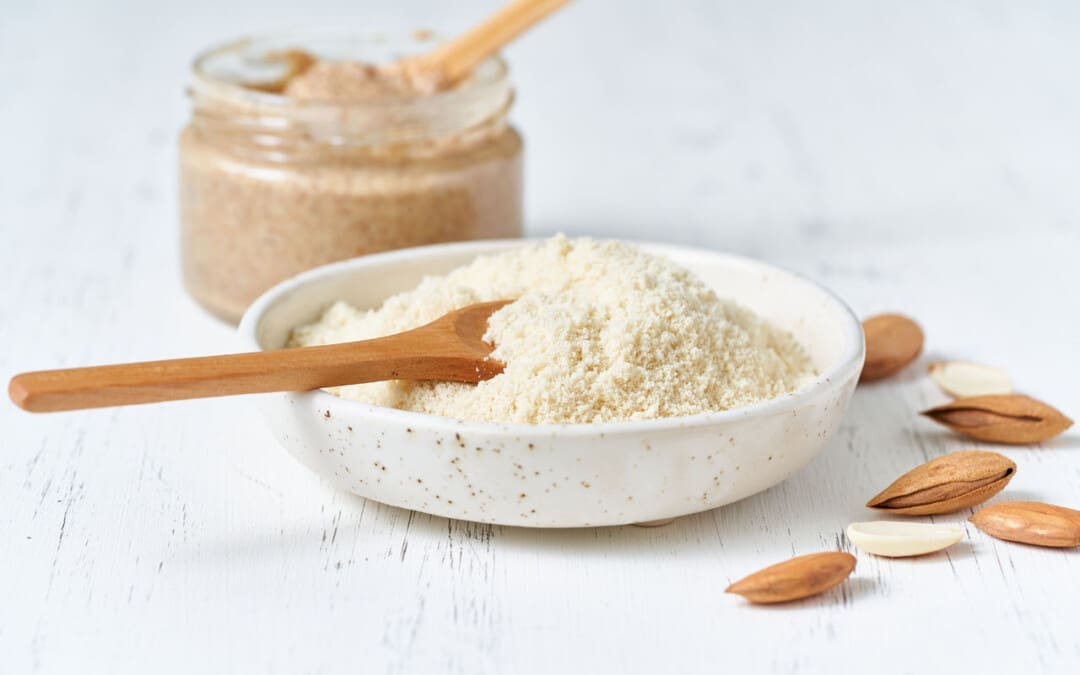
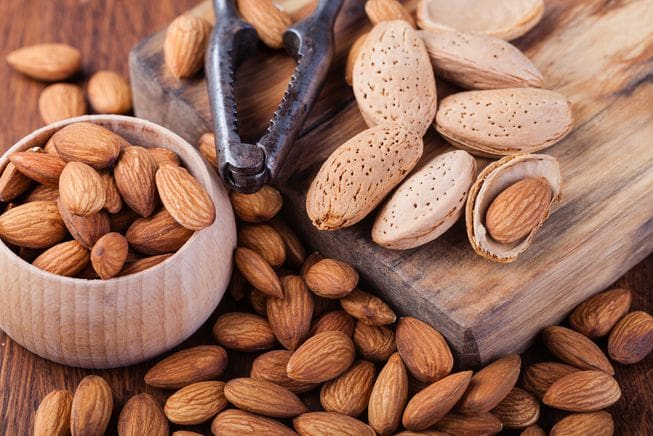
Almond flour and almond meal are gluten-free alternatives to wheat products in certain recipes. They are made by grinding almonds and can be bought prepared or made at home with a food processor or grinder. The flour is higher in protein and lower in starch than other gluten-free flour.
Almond Flour and Almond Meal
The flour is made with blanched almonds, meaning the skin has been removed. Almond meal is made with whole or blanched almonds. The consistency for both is more like corn meal than wheat flour. They can usually be used interchangeably, although using the blanched flour will produce a more refined, less grainy result. Superfine almond flour is great for baking cakes but is difficult to make at home. It can be found at grocery stores or ordered online.
Carbohydrates and Calories
A half cup of commercially prepared flour contains about:
The glycemic index of almond flour is less than 1, which means it should have little effect on raising blood glucose levels.
The high glycemic index of whole wheat flour is 71, and rice flour is 98.
Using Almond Flour
It is recommended for making gluten-free quick bread recipes, such as gluten-free:
Muffins
Pumpkin bread
Pancakes
Some cake recipes
Individuals are recommended to start with a recipe already adapted for almond flour and then make their own. A cup of wheat flour weighs around 3 ounces, while a cup of almond flour weighs almost 4 ounces. This will make a significant difference in baked goods. The flour is beneficial for adding nutrients to foods.
Almond Meal
Almond meal can be cooked as polenta or grits such as shrimp and grits.
Cookies can be made gluten-free with almond meal.
Almond meal biscuits can be made, but pay attention to the recipe.
Almond meal can be used to bread fish and other fried foods, but it must be taken care of so as not to burn.
Almond meal is not recommended for breads that require true dough with a developed gluten structure, like wheat flour.
More eggs are needed when baking with almond meal to provide the structure gluten in flour creates.
Adapting recipes to substitute almond meal for wheat flour can be a challenge that requires plenty of trial and error.
Sensitivities
Almonds are a tree nut, one of the eight most common food allergies. (Anaphylaxis UK. 2023) While peanuts are not tree nuts, many with peanut allergies can also have an almond allergy.
Making Your Own
It can be made in a blender or food processor.
Care must be taken not to grind it too long, or it will become almond butter, which can also be used.
Add a little at a time and pulse until it is ground into meal.
Store unused flour immediately in the refrigerator or freezer because it will go rancid quickly if left out.
Almonds are shelf-stable, and almond flour is not, so it is recommended that you grind only what is needed for the recipe.
Store Bought
Most health food stores sell almond flour, and more supermarkets are stocking it as it has become a popular gluten-free product. Packaged flour and meal will also go rancid after opening and should be kept in the refrigerator or freezer after opening.
Integrative Medicine
References
USDA FoodData Central. (2019). Almond Flour. Retrieved from https://fdc.nal.usda.gov/fdc-app.html#/food-details/603980/nutrients
Anaphylaxis UK. (2023). Allergy Factsheets (Anaphylaxis UK A brighter future for people with serious allergies, Issue. https://www.anaphylaxis.org.uk/factsheets/
Atkinson, F. S., Brand-Miller, J. C., Foster-Powell, K., Buyken, A. E., & Goletzke, J. (2021). International tables of glycemic index and glycemic load values 2021: a systematic review. The American journal of clinical nutrition, 114(5), 1625–1632. https://doi.org/10.1093/ajcn/nqab233
Can using egg substitutes or replacements be safe for individuals with an egg allergy?
Substitutes and Replacements
Individuals should not assume either is safe unless they carefully read the label.
Egg substitutes may contain eggs.
Egg replacement products may be egg-free.
Look for alternatives labeled vegan or egg-free to ensure there are none.
Substitutes May Contain Eggs
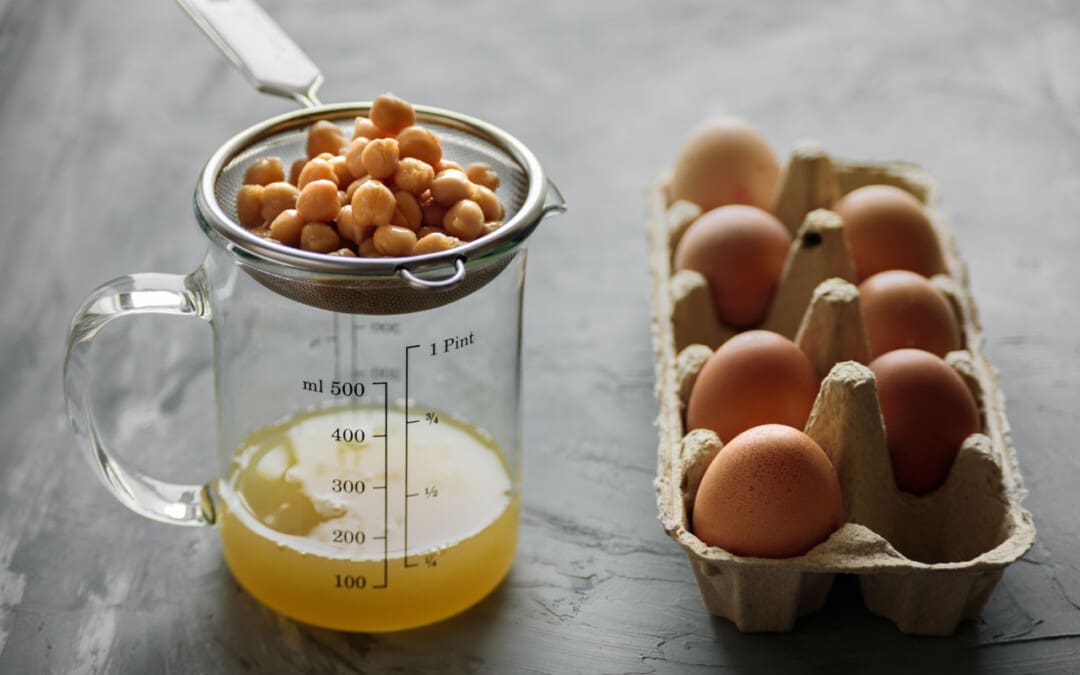
Liquid egg substitutes in grocery store dairy aisles are made from eggs. The following all contain eggs and are not safe for individuals with egg allergies:
Generic liquid egg substitutes in cartons
Egg Beaters
Powdered egg white products
Replacements Are Safe Alternatives
Special replacement products that do not contain eggs are available.
They are labeled vegan egg substitutes.
They are usually sold in powdered form.
They are useful for baking.
They cannot be used as a replacement for eggs in foods like a quiche.
Always check the ingredients on the label before purchasing a product sold as a substitute or replacement to ensure it is completely free.
These products may also contain soy, dairy, or other food allergens.
Vegan – contains no animal products, which includes eggs and dairy.
Vegetarian – may contain eggs as they are not meat but an animal product.
Unaware of Foods With Eggs
Stay aware of eggs hidden in other food products, such as cakes, breads, pastries, noodles, crackers, and cereals.
The federal Food Allergen Labeling and Consumer Protection Act requires that all packaged food products that contain eggs as an ingredient must list the word egg on the label. (U.S. Food & Drug Administration. 2022)
Other ingredients that indicate eggs are in the product include:
Angioedema – swelling of the lips, tongue, or face.
Airway symptoms – wheezing, coughing, or a runny nose.
Gastrointestinal symptoms – nausea, stomach pain, diarrhea or vomiting.
Severe reactions – such as anaphylaxis, can cause multiple organ system failure.
Anaphylaxis is an emergency and requires immediate medical treatment.
A Guide For Food Allergies, Hypersensitivity and Intolerances
References
U.S. Food & Drug Administration. (2022). Food Allergen Labeling and Consumer Protection Act (FALCPA). Retrieved from https://www.fda.gov/food/food-allergensgluten-free-guidance-documents-regulatory-information/food-allergen-labeling-and-consumer-protection-act-2004-falcpa
Tan, J. W., & Joshi, P. (2014). Egg allergy: an update. Journal of paediatrics and child health, 50(1), 11–15. https://doi.org/10.1111/jpc.12408
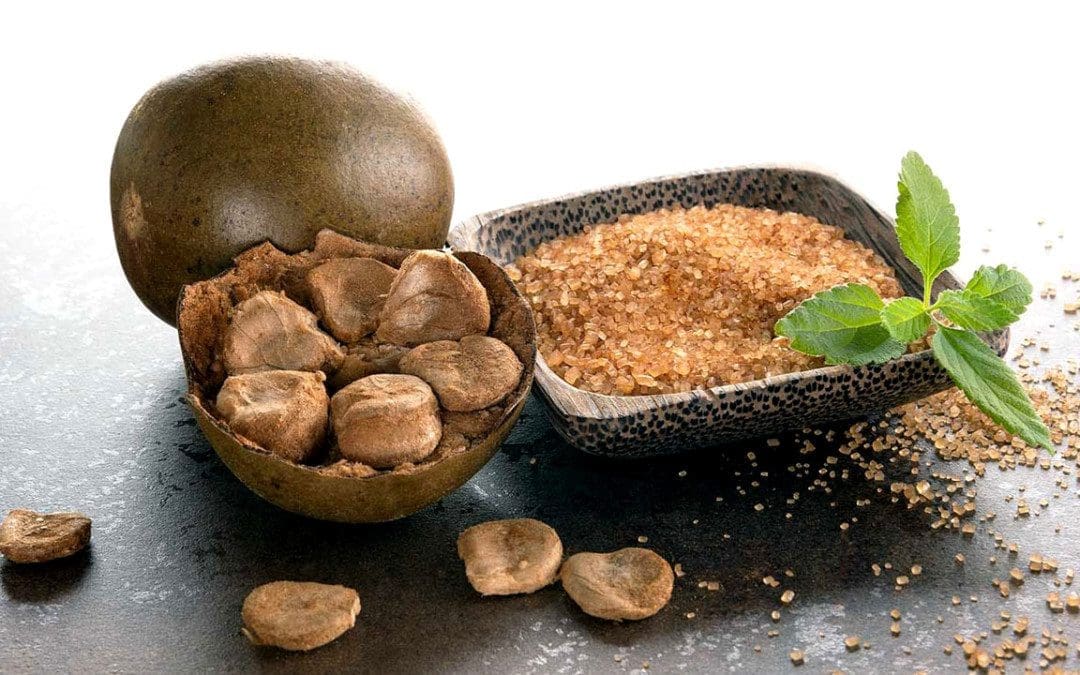
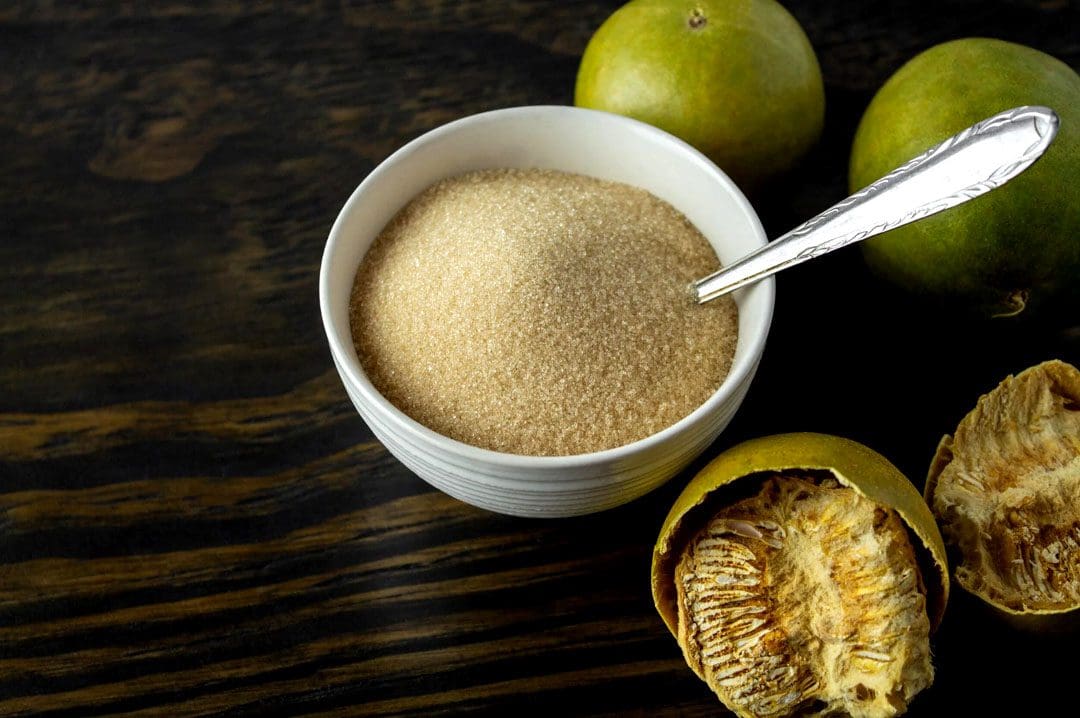
As individuals try to avoid sugar as best as possible, alternative sweeteners are becoming more popular. A new addition is monk fruit sweetener, also called monk fruit extract. Monk fruit is a small, round fruit native to southern China. Unlike some chemically based sugar alternatives, monk fruit extract is considered natural. The sweetener has been around for decades but has become more available in the United States. The zero-calorie extract can be used as a standalone sweetener in foods and drinks and as a flavor enhancer.
Monk Fruit Sugar Alternative
Manufacturers remove the seeds and skin, crush the fruit, and extract the juice, which is then dried into a concentrated powder. Unlike most fruits, the natural sugars in monk fruit are not what gives it its sweetness. Instead, the intense sweetness comes from antioxidants (commonly found in plant foods, antioxidants fight off free radicals that can cause health problems like cancer and heart disease) called mogrosides. The mogroside is the sweetest part of the fruit, with a taste over 100 times sweeter than sugar and no calories.
Safe For Consumption
Monk fruit has the generally recognized as safe -GRAS label from the U.S. Food and Drug Administration with no reported side effects. However, it is advised to read the ingredients label before buying this sweetener. Some of the cheaper products combine other sweeteners with monk fruit extract. Some contain erythritol, a sugar alcohol that can cause stomach bloating or upset stomach.
Use
It has been found to be a healthy option for lowering overall sugar intake. However, consuming monk fruit or any sweetener should be done in moderation and with a healthy nutrition plan. It comes in powder or liquid form. As a natural alternative, it can be used:
As s sugar substitute for favorite baking, cooking, soup, sauce recipes, etc.
For drinks like coffee, tea, lemonade, smoothies, etc.
Added on breakfast dishes like oatmeal or yogurt.
Whipped into frosting or a mousse.
The ultra-sweetness means that little is required as it goes a long way. It is recommended to drink regular water or tea and eat foods without the sweetener because, over time, the taste buds adjust and do not need the sweetener as much. Consult a doctor, dietician, or nutritionist to determine if this sugar alternative is right for you and the benefits.
What Is It?
References
Chen, W J et al. “The antioxidant activities of natural sweeteners, mogrosides, from fruits of Siraitia grosvenori.” International journal of food sciences and nutrition vol. 58,7 (2007): 548-56. doi:10.1080/09637480701336360
EFSA Panel on Food Additives and Flavourings (FAF) et al. “Safety of use of Monk fruit extract as a food additive in different food categories.” EFSA journal. European Food Safety Authority vol. 17,12 e05921. 11 Dec. 2019, doi:10.2903/j.efsa.2019.5921
Lobo, V et al. “Free radicals, antioxidants, and functional foods: Impact on human health.” Pharmacognosy reviews vol. 4,8 (2010): 118-26. doi:10.4103/0973-7847.70902
Pawar, Rahul S et al. “Sweeteners from plants–with emphasis on Stevia rebaudiana (Bertoni) and Siraitia grosvenorii (Swingle).” Analytical and bioanalytical chemistry vol. 405,13 (2013): 4397-407. doi:10.1007/s00216-012-6693-0
A doctor could recommend alternative treatments, as part of aplan for neck pain like acupuncture, herbal compounds, and yoga. You may want to try them out yourself. Many have reported that these have really helped. Please consult a doctor before trying any alternative therapies. These are safe but should be set-up by a professional to make sure they are done safely. For example, there could be negative interactions between herbs, supplements, and other medications being used.
Acupuncture
This is an eastern approach to healing. Acupuncture focuses on the body’s energy force known as Qi or Chi. When the energy is blocked from flowing this is when physical illnesses develop. Acupuncture restores the healthy energy flow. It isn’t better or worse it is just different.
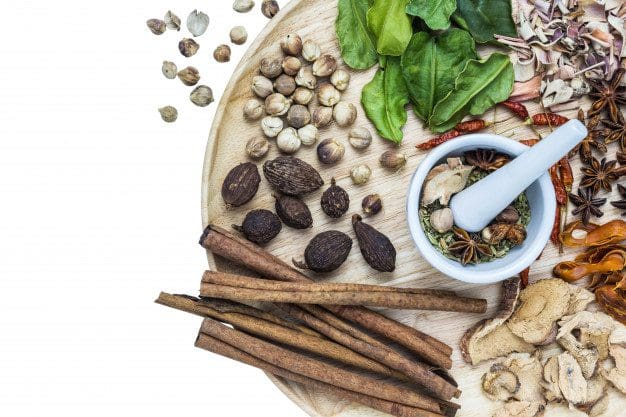
Herbal Medicine
There are herbal compounds that have proven to be useful for neck pain.
Capsaicin Cream
Capsaicin is a chili pepper extract and can help relieve neck pain. It temporarily reduces pain. Capsaicin cream can help with osteoarthritis and muscle pain, which both cause neck pain.
Devil’s Claw
Devil’s claw comes from southern Africa, where it has been used for centuries to treat fever, arthritis, and gastrointestinal problems. It is used for conditions that cause inflammation and pain, like cervical osteoarthritis.
White Willow Bark
White willow bark is how aspirin in Europe was developed. Synthetic versions like aspirin can irritate the stomach, which is why the natural white willow bark is used instead. It helps with conditions that cause pain and inflammation like osteoarthritis.
Massage
Neck pain can be caused by stress, overuse, and misuse. Misuse means like sitting hunched over a computer for too long every day will take its toll. Massage helps to release tension, relieve muscle inflammation, and pain. Regular massages could help as a preventative measure.
Yoga/Pilates
Yoga and Pilates can increase core strength, improve balance, posture, and reduce stress. These can all help deal with neck pain/ prevent neck pain when done correctly and safely. Neck pain relief can be found with these treatments. Treatments that focus on relieving tension or stress can prove especially helpful if the pain is related to tight muscles and the physical effects of stress.
These alternative treatments could work at their optimal in combination with other therapies. This is to fully address the underlying spinal condition/root cause, along with any other neck-related symptoms.
IFM's Find A Practitioner tool is the largest referral network in Functional Medicine, created to help patients locate Functional Medicine practitioners anywhere in the world. IFM Certified Practitioners are listed first in the search results, given their extensive education in Functional Medicine