Rainy Weather and Motor Vehicle Accidents: Understanding the Risks and Recovery
Rainy weather can make driving more hazardous, increasing the likelihood of minor car accidents that may result in injuries such as spinal misalignment or soft tissue damage. These accidents, while often not severe, can still cause significant health issues if not treated properly. This article examines how rain creates hazardous driving conditions, how these conditions contribute to minor accidents, and how such accidents can lead to injuries that impact spinal health. It also highlights the expertise of Dr. Alexander Jimenez, a chiropractor and nurse practitioner in El Paso, Texas, who specializes in treating auto accident injuries using a unique combination of chiropractic care, medical diagnostics, and integrative medicine to promote recovery and overall health.
How Rainy Weather Increases Accident Risks
Rainy weather creates a cascade of challenges for drivers, making roads more dangerous and increasing the likelihood of minor accidents. Wet roads reduce tire traction, making it harder for vehicles to stop or steer effectively. According to the Texas Department of Insurance, rain is a leading cause of weather-related accidents due to slippery surfaces and reduced visibility (Texas Department of Insurance, n.d.). When tires lose grip on wet roads, vehicles may slide or hydroplane, especially during sudden stops or turns, which can lead to low-speed collisions, such as fender-benders or rear-end accidents (Chicago Lawyer, 2023).
Reduced visibility is another major issue. Heavy rain can obscure a driver’s view, even with windshield wipers on high, making it difficult to see other vehicles, pedestrians, or road signs (Lawyer Schwartz, n.d.). This limited visibility often forces drivers to react more slowly, increasing the risk of minor accidents, such as bumping into another car while braking or changing lanes (Knowles Law Firm, n.d.). Additionally, rain can make roads uneven by creating puddles or washing out gravel, which affects vehicle control and alignment, further contributing to accidents (Springs Auto, n.d.).
These conditions create a chain reaction: wet roads and poor visibility lead to compromised driving conditions, which in turn increase the likelihood of minor accidents. Even low-speed collisions can cause jolts to the body, resulting in injuries that affect spinal alignment and soft tissues, such as muscles and ligaments (Joyce & Macdonald, n.d.). For example, a sudden stop on a slippery road can cause a rear-end collision, leading to whiplash, a common injury where the neck jerks forward and backward, straining muscles and misaligning the spine (Salinas Trial Law, n.d.).
The Link Between Minor Accidents and Spinal Injuries
Minor car accidents, such as those caused by rainy weather, may seem harmless, but they can still cause significant injuries. The sudden forces from even a low-speed collision can strain the body, particularly the spine and surrounding tissues. Whiplash is one of the most common injuries, occurring when the head and neck are jolted rapidly, stretching muscles, ligaments, and tendons beyond their normal range (South Sound Law Group, n.d.). This can lead to spinal misalignment, where the vertebrae shift out of their proper position, potentially pressing on nerves and causing pain or discomfort (Jimenez, 2025).
Soft tissue injuries, such as sprains or strains in the neck, back, or shoulders, are also common. These injuries occur when the muscles or ligaments are stretched or torn due to the impact (Because You Want to Win, n.d.). Over time, untreated soft tissue damage can contribute to spinal misalignment by creating uneven tension around the spine, which can lead to chronic pain or reduced mobility (HSI, n.d.). For instance, a minor rear-end collision on a wet road might cause a driver to tense up, resulting in muscle strain that pulls the spine out of alignment.
Spinal misalignments, or subluxations, can disrupt the nervous system, leading to symptoms like headaches, numbness, or tingling in the arms or legs (Jimenez, 2025). If left untreated, these injuries can worsen, causing long-term issues like chronic back pain or reduced range of motion. Early intervention is crucial in preventing minor injuries from developing into chronic conditions, and professionals like Dr. Alexander Jimenez specialize in identifying and treating these issues before they escalate.
Dr. Alexander Jimenez: A Leader in Auto Accident Recovery
Dr. Alexander Jimenez, a chiropractor and board-certified family nurse practitioner in El Paso, Texas, has over 25 years of experience treating injuries from motor vehicle accidents (MVAs). His unique dual licensure allows him to combine chiropractic expertise with medical diagnostics, offering a comprehensive approach to recovery (Jimenez, 2025). At his Injury Medical & Chiropractic Clinic, Dr. Jimenez uses advanced tools and integrative medicine to address both the symptoms and root causes of injuries, helping patients regain mobility and prevent long-term complications.
Clinical Correlation and Dual Diagnosis
Dr. Jimenez’s approach involves a dual diagnosis process, combining chiropractic assessments with medical evaluations. He utilizes advanced imaging techniques, including X-rays, MRIs, and CT scans, to detect spinal misalignments, disc herniations, and soft tissue damage (Jimenez, 2025). These tools help him correlate a patient’s symptoms, like neck pain or numbness, with objective findings, ensuring accurate treatment plans. For example, a patient with whiplash might show cervical misalignment on an MRI, which Dr. Jimenez can address with targeted spinal adjustments.
His nurse practitioner training enables him to assess systemic issues, such as inflammation or hormonal imbalances, that may impede recovery. By combining chiropractic and medical perspectives, Dr. Jimenez creates personalized treatment plans that address both biomechanical (spine and muscle) and physiological (body-wide) factors (Jimenez, 2025). This dual approach ensures that injuries are treated holistically, thereby reducing the risk of chronic pain.
Advanced Diagnostics and Imaging
Dr. Jimenez relies on advanced diagnostics to guide his treatments. X-rays and MRIs reveal structural issues, such as misaligned vertebrae or herniated discs, while electromyography (EMG) and functional movement screens assess nerve damage or muscle dysfunction (Jimenez, 2025). These tools are especially important for minor accident injuries, which may not be apparent in standard exams but can cause significant problems if left untreated. For instance, a low-speed collision might cause a subtle ligament tear that can only be detected by an MRI, allowing Dr. Jimenez to tailor his treatment to the specific injury.
Chiropractic and Integrative Medicine
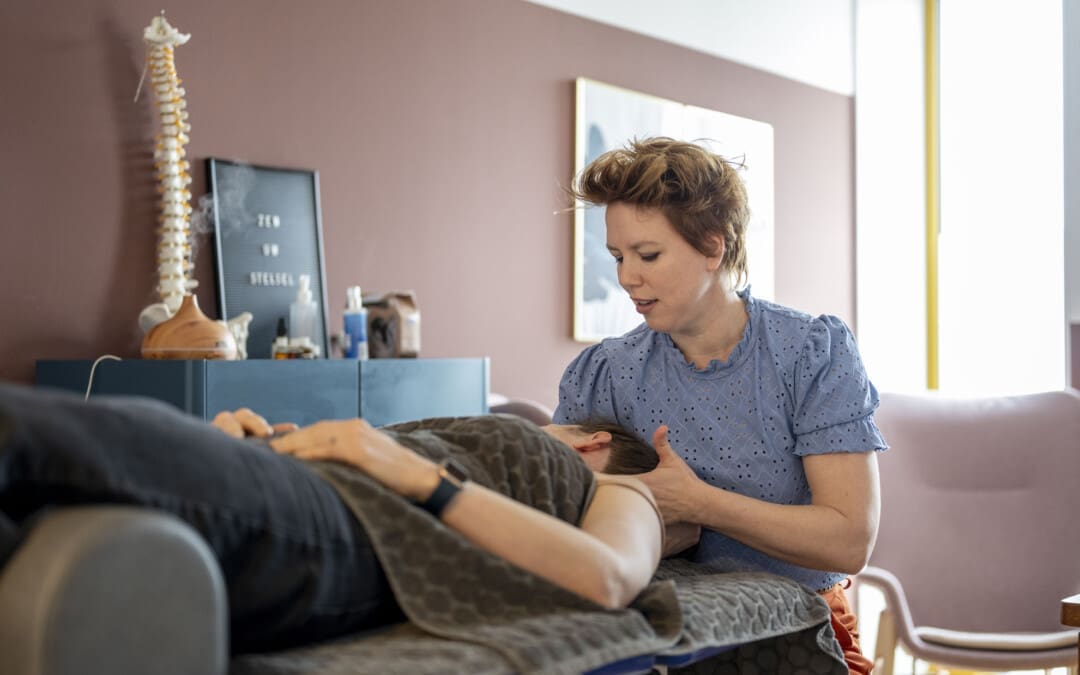
Chiropractic care is central to Dr. Jimenez’s approach, using spinal adjustments to correct misalignments and relieve nerve pressure. These adjustments restore joint mobility and reduce pain, enabling patients to recover without the need for surgery or long-term medication (Jimenez, 2025). He also incorporates soft tissue therapies, such as massage and myofascial release, to reduce muscle tension and improve circulation, which accelerates the healing process.
Integrative medicine enhances his treatments by addressing overall health and well-being. Dr. Jimenez provides nutritional guidance to reduce inflammation, offers acupuncture to alleviate pain, and recommends rehabilitation exercises to strengthen muscles and improve flexibility (Jimenez, 2025). For example, a patient with a soft tissue injury might receive spinal adjustments to realign the spine, nutritional advice to reduce inflammation, and exercises to restore mobility, ensuring a comprehensive recovery.
Legal Paperwork and Personal Injury Cases
Dr. Jimenez’s dual licensure makes him uniquely qualified to handle the legal aspects of personal injury cases. He provides detailed medical reports that document injuries, treatments, and progress, which are essential for insurance claims or legal proceedings (Jimenez, 2025). His reports include objective evidence from imaging and diagnostic tests, giving attorneys and insurance companies clear proof of injury. This thorough documentation helps patients secure fair compensation while focusing on their recovery and rehabilitation.
Recovering from Minor Accidents with Chiropractic Care
Chiropractic care is highly effective for recovering from minor accident injuries, especially those caused by rainy weather. Spinal adjustments correct misalignments, reducing pressure on nerves and alleviating pain (Jimenez, 2025). Soft tissue therapies, like massage, help heal strained muscles and ligaments, while rehabilitation exercises strengthen the body to prevent future injuries. Dr. Jimenez’s integrative approach also includes acupuncture and nutritional counseling to support overall health, addressing inflammation and stress that can worsen injuries.
Early intervention is crucial. Seeking care within 72 hours of an accident can prevent minor injuries from becoming chronic (Jimenez, 2025). For instance, a patient with whiplash resulting from a rainy-day collision may receive adjustments to correct cervical misalignment, soft tissue therapy to reduce muscle tension, and nutritional guidance to combat inflammation, ultimately leading to a faster recovery and improved long-term health.
References
Jimenez, A. (2025). Spinal alignment pain relief for motor vehicle injuries. Retrieved from https://dralexjimenez.com/
Conclusion
Rainy weather increases the risk of minor car accidents by creating slippery roads and reducing visibility, which can lead to collisions that may cause spinal misalignments and soft tissue injuries. These injuries, if untreated, can lead to chronic pain or reduced mobility. Dr. Alexander Jimenez’s expertise as a chiropractor and nurse practitioner enables him to provide comprehensive care, utilizing advanced diagnostics, chiropractic adjustments, and integrative medicine to address both the symptoms and underlying causes of injuries. His ability to handle medical and legal aspects ensures patients recover fully while navigating personal injury cases. By seeking early treatment, individuals can restore their health and prevent long-term complications.
Recovering from Car Accidents: A Holistic Approach at El Paso Back Clinic
Motor vehicle accidents (MVAs) can leave lasting physical and emotional impacts, often causing injuries like whiplash, chronic back and neck pain, or nerve damage. At El Paso Back Clinic, led by Dr. Alexander Jimenez, DC, APRN, FNP-BC, we specialize in helping accident victims recover through personalized physical therapy, chiropractic care, nurse practitioner expertise, acupuncture, and integrative medicine. This post explores how these treatments address common MVA injuries and promote long-term health. Discover how our clinic’s comprehensive approach, backed by advanced diagnostics and dual-scope expertise, can guide you toward full recovery.
Common Injuries from Motor Vehicle Accidents
MVAs can result in a range of injuries, from minor sprains to severe musculoskeletal and nerve conditions. The sudden force of a collision stresses the body, leading to issues that may not appear immediately but can become chronic if untreated. Common injuries include:
Whiplash: A rapid back-and-forth head motion that strains neck muscles and ligaments, causing pain and stiffness.
Back and Neck Pain: Spinal injuries like herniated discs or strains can lead to persistent discomfort.
Soft Tissue Damage: Torn or stretched muscles, tendons, and ligaments cause swelling and limited mobility.
Nerve Irritation: Compressed nerves may result in numbness, tingling, or sharp pain, as seen in sciatica.
Fractures: High-impact crashes can break bones, requiring careful rehabilitation.
Prompt treatment is essential to prevent these injuries from worsening. At El Paso Back Clinic, we use advanced diagnostics to identify issues early and create tailored recovery plans.
Physical therapy (PT) is a cornerstone of MVA recovery, helping restore movement, reduce pain, and prevent chronic issues. At El Paso Back Clinic, our physical therapists work closely with patients to design individualized programs that address specific injuries.
Our Physical Therapy Techniques
Manual Therapy: Hands-on techniques like joint mobilization and soft tissue massage relieve tension and improve mobility, especially for whiplash (Head2Toe Care, 2023).
Range-of-Motion Exercises: Gentle stretches, such as shoulder circles, enhance flexibility in the neck and shoulders (Results Physiotherapy, 2023).
Stretching Routines: Targeted stretches promote blood flow and reduce stiffness, ideal for early recovery (Cordisco & Saile, 2024).
Strengthening Exercises: Core-focused exercises like pelvic tilts strengthen muscles to support the spine and prevent re-injury (B Physical Therapy, 2024).
Specialized Modalities: Cryotherapy reduces inflammation, while aquatic therapy supports low-impact movement for severe injuries (JJ Legal, 2024).
Why Choose Our PT Program?
Our therapists at El Paso Back Clinic use evidence-based methods to ensure optimal outcomes. By correcting posture, improving strength, and teaching home exercises, we empower patients to take control of their recovery and avoid long-term pain (Synergy Rehab, 2024).
Exercise is vital for rebuilding strength and flexibility after an MVA. At El Paso Back Clinic, we guide patients through safe, effective exercises tailored to their injuries, ensuring proper form and gradual progression.
Neck and Shoulder Exercises
Neck Tilts: Sit upright and tilt your head toward one shoulder, hold briefly, then switch sides. This reduces neck stiffness (One Rehab, 2024).
Shoulder Circles: Roll your shoulders forward and backward in slow circles to improve mobility and ease tension (Results Physiotherapy, 2023).
Back and Core Exercises
Pelvic Tilts: Lie on your back, knees bent, and press your lower back into the floor by tightening your abs. This strengthens core muscles (PTSMc, 2024).
Bridges: Lift your hips while lying on your back with knees bent, engaging your glutes to support the lower back (B Physical Therapy, 2024).
Lower Body Exercises
Seated Leg Extensions: Extend one leg while seated, hold, then lower. This builds leg strength without spinal stress (One Rehab, 2024).
Safety Guidelines
Always consult our team before starting exercises. Begin with low-impact movements, avoid pain, and follow our therapists’ instructions to ensure safe recovery (Sports PT Centers, 2023).
Chiropractic care is a cornerstone of our holistic approach, focusing on spinal alignment and musculoskeletal health. Dr. Alexander Jimenez and our chiropractic team use advanced techniques to treat MVA injuries effectively.
Chiropractic Techniques
Spinal Adjustments: Precise corrections of spinal misalignments reduce nerve pressure and improve mobility, ideal for whiplash and back pain (Jimenez, 2024).
Soft Tissue Therapy: Massage and myofascial release relieve muscle tension and promote healing (Healthwest Therapy, 2024).
Rehabilitative Exercises: We prescribe exercises to strengthen muscles, complementing adjustments and preventing re-injury.
Benefits of Our Chiropractic Care
Our chiropractic treatments target the root causes of pain, reducing inflammation and enhancing joint function. Combined with integrative medicine, such as nutritional support, our care promotes lasting recovery (Jimenez, 2024).
Nurse practitioners (NPs) at El Paso Back Clinic, led by Dr. Jimenez, provide comprehensive medical care, integrating conventional and holistic treatments to support MVA recovery.
NP Roles
Thorough Assessments: NPs order MRIs, X-rays, and lab tests to diagnose nerve damage or systemic issues (Jimenez, 2023).
Care Coordination: They collaborate with chiropractors and therapists to create cohesive treatment plans.
Medical Oversight: NPs manage medications and evidence-based therapies when needed.
Our NP Advantage
Our NPs, with their medical and holistic expertise, address both physical injuries and underlying conditions like inflammation, ensuring a well-rounded recovery (Jimenez, 2023).
Acupuncture and integrative medicine are powerful tools for managing chronic pain at El Paso Back Clinic. These therapies complement our chiropractic and physical therapy services.
Acupuncture Benefits
Acupuncture involves inserting fine needles to stimulate pain relief and reduce inflammation. It’s effective for soft tissue injuries and nerve pain, enhancing other treatments (PushAsRx, 2024).
Integrative Medicine Approach
Our integrative protocols include acupuncture, nutritional counseling, and stress management to address pain, inflammation, and overall health, promoting long-term wellness (Jimenez, 2024).
Why It Works
These therapies reduce medication dependency, improve mobility, and support conditions like sciatica or fibromyalgia, offering a holistic path to recovery (PushAsRx, 2024).
References
Jimenez, A. (2024). Integrative MVA recovery strategies for lasting health. https://dralexjimenez.com/
PushAsRx. (2024). Car crash wellness protocol: A guide to recovery. https://pushasrx.com/
Dr. Alexander Jimenez: Leading Recovery at El Paso Back Clinic
Dr. Alexander Jimenez, a chiropractor and board-certified family nurse practitioner, brings over 25 years of experience to El Paso Back Clinic. His dual licensure and integrative approach make him a trusted expert in MVA recovery.
Dual-Scope Clinical Expertise
Dr. Jimenez combines chiropractic and medical perspectives:
Musculoskeletal Analysis: He uses motion tests and palpation to diagnose spinal and soft tissue injuries.
Systemic Health: As an NP, he evaluates metabolic and hormonal factors to address inflammation or fatigue (Jimenez, 2023).
Advanced Diagnostics
Our clinic employs state-of-the-art tools:
Imaging: X-rays, MRIs, and CT scans identify spinal and ligament issues, guiding treatment and legal documentation (Jimenez, 2024).
Functional Testing: EMG and movement screens assess nerve and mobility issues.
Legal Documentation
Dr. Jimenez’s expertise ensures detailed injury reports for personal injury cases, using imaging and assessments to validate claims, supporting both recovery and legal needs (Jimenez, 2024).
Why Choose Dr. Jimenez?
His integrative protocols—blending chiropractic, PT, acupuncture, and nutrition—address the whole person, promoting resilience and health (LinkedIn, 2025).
Conclusion: Your Path to Recovery with El Paso Back Clinic
At El Paso Back Clinic, we believe in a holistic approach to MVA recovery, addressing musculoskeletal injuries, nerve issues, and chronic pain through a combination of physical therapy, chiropractic care, nurse practitioner expertise, acupuncture, and integrative medicine. Led by Dr. Alexander Jimenez, our team uses advanced diagnostics and personalized plans to guide you toward full health. Early intervention, consistent treatment, and home exercises are key to preventing long-term issues. Contact El Paso Back Clinic at https://elpasobackclinic.com/ to start your recovery journey today.
Crash Course in Healing: Integrative Care for Car Accident Recovery
Car accidents can leave you shaken, sore, and struggling to get back to normal. From whiplash to broken bones, the injuries caused by motor vehicle accidents (MVAs) range from mild to severe, often affecting your muscles, nerves, and joints. These injuries can lead to chronic pain or long-term complications if not treated properly. Integrative care, which combines chiropractic care, acupuncture, massage therapy, and the expertise of nurse practitioners, offers a holistic approach to healing. This method doesn’t just mask pain—it tackles the root causes to restore your health and mobility.
In this blog post, we’ll explore the common injuries caused by car accidents, such as nerve damage, musculoskeletal and ligamentous injuries, and back and neck pain. We’ll dive into how integrative care, led by professionals like Dr. Alexander Jimenez in El Paso, Texas, can help you recover. You’ll learn about the science behind chiropractic adjustments, acupuncture, massage therapy, and the role of nurse practitioners in managing your care. We’ll also discuss how Dr. Jimenez’s dual expertise as a chiropractor and nurse practitioner, along with advanced diagnostics, makes him a leader in auto accident recovery. By the end, you’ll understand why integrative care is a complete and effective way to heal from car accident injuries.
Common Car Accident Injuries: What You Need to Know
Car accidents generate powerful forces that can cause significant damage to your body. Even low-speed collisions can cause significant injuries because of the sudden jolt or impact. Let’s break down the most common types of injuries and how they affect you.
Whiplash: The Neck’s Worst Enemy
Whiplash is one of the most frequent injuries in rear-end collisions. It happens when your head is forcefully whipped back and forth, straining or tearing the muscles, ligaments, and tendons in your neck. Symptoms include neck pain, stiffness, headaches, and sometimes dizziness or tingling in the arms. Whiplash can take days or weeks to show up, making it a sneaky injury that’s often overlooked (Blue Q Health, 2023).
Whiplash doesn’t just affect soft tissues. It can also compress or irritate nerves in the cervical spine, leading to radiating pain or numbness. If untreated, whiplash can cause chronic neck pain or even degenerative disc disease (Hogan Chiropractic, 2024).
Fractures: Broken Bones from High Impact
High-speed or rollover accidents can cause broken bones, especially in the arms, legs, ribs, or spine. Fractures are painful and may require immobilization or surgery, depending on their severity. For example, a compression fracture in the spine can occur when vertebrae collapse under force, leading to intense back pain and limited mobility (Novus Spine Center, n.d.).
Broken bones often heal with time, but they can lead to complications like misalignment or nerve damage if not properly managed. Physical therapy and chiropractic care can help restore function after the bone heals (Cedar Park Chiro, n.d.).
Soft Tissue Injuries: Sprains, Strains, and More
Soft tissue injuries affect muscles, ligaments, and tendons. Sprains occur when ligaments (which connect bones) are stretched or torn, while strains involve muscles or tendons (which connect muscles to bones). These injuries cause pain, swelling, and limited mobility, often in the back, neck, or shoulders (Sterling Medical Group, n.d.).
Rollover accidents are particularly likely to cause soft tissue damage because the body is tossed around, stressing multiple areas. These injuries may not be visible on X-rays, making them more difficult to diagnose without a thorough examination (Oklahoma Lawyer, n.d.).
Nerve Injuries: When Pain Radiates
Nerve injuries are common in MVAs, especially when the spine is involved. A herniated disc, for instance, can press on spinal nerves, causing sharp, shooting pain that radiates down the arms or legs (sciatica). Nerve damage can also result from whiplash or blunt trauma, leading to symptoms like numbness, tingling, or weakness (Lispine Medical, 2022).
Severe nerve injuries, such as brachial plexus damage, can occur in high-impact crashes, affecting the nerves that control arm and hand movement. These injuries require specialized care to prevent long-term disability (University of Michigan, n.d.).
Back and Neck Pain: A Common Aftermath
Back and neck pain are hallmarks of car accident injuries, often stemming from whiplash, soft tissue damage, or spinal misalignment. The sudden force of a crash can displace vertebrae (subluxation), putting pressure on nerves and muscles. This can lead to chronic pain, stiffness, or reduced range of motion if not addressed (Monitto Chiropractic, n.d.).
These injuries aren’t just painful—they can disrupt your daily life, making it hard to work, sleep, or enjoy activities. Integrative care is crucial in alleviating pain and preventing long-term complications.
The Power of Integrative Care: A Holistic Approach
Integrative care combines various healthcare disciplines to treat the whole person, rather than just their symptoms. For car accident victims, this means combining chiropractic care, acupuncture, massage therapy, and nurse practitioner expertise to address pain, restore function, and promote long-term health and well-being. Let’s explore how each component works and why they’re stronger together.
Chiropractic Care: Aligning the Spine, Relieving Pain
Chiropractic care focuses on the spine and nervous system, which are often disrupted in car accidents. Chiropractors use manual adjustments to correct spinal misalignments (subluxations), relieving pressure on nerves and restoring joint mobility. This is especially effective for treating whiplash, back pain, and nerve injuries such as sciatica (PhysMed, n.d.).
Chiropractic adjustments do more than reduce pain. They improve blood flow, reduce inflammation, and stimulate the body’s natural healing processes. Studies show that chiropractic care can significantly improve outcomes for MVA-related injuries, with patients reporting less pain and better mobility after treatment (PMC, 2011).
Dr. Alexander Jimenez, a chiropractor and nurse practitioner in El Paso, is a leader in this field. His dual licensure enables him to integrate chiropractic techniques with medical diagnostics, resulting in personalized treatment plans. He utilizes advanced imaging techniques, such as X-rays and MRIs, to accurately identify spinal misalignments, disc herniations, and soft tissue injuries, ensuring precise care (Jimenez, 2024).
Acupuncture: Targeting Pain and Inflammation
Acupuncture, rooted in traditional Chinese medicine, involves inserting thin needles into specific points on the body to stimulate the body’s natural healing process. For car accident injuries, acupuncture reduces pain, inflammation, and muscle tension by improving blood flow and releasing endorphins, the body’s natural painkillers (Governor’s Park Chiropractic, 2023).
This therapy is particularly effective for soft tissue injuries and chronic pain. It’s a passive treatment, meaning patients can relax while the acupuncturist works, making it ideal for those with limited mobility after an accident. When combined with chiropractic care, acupuncture can enhance pain relief and accelerate recovery (MGF Chiropractic, n.d.).
Massage therapy targets soft tissue injuries by relaxing tight muscles, reducing scar tissue, and improving circulation. For car accident victims, it’s a powerful tool for relieving pain and stiffness in the neck, back, and shoulders. Techniques such as trigger point therapy and deep tissue massage can help address muscle spasms caused by whiplash or strains (Fleetwood Surrey Physio, n.d.).
When paired with chiropractic adjustments, massage therapy prepares the body for spinal corrections by loosening tight tissues. It also reduces stress and promotes relaxation, which can help with the emotional toll of an accident (Evolved Health Chiropractic, n.d.).
Nurse Practitioners: Coordinating Comprehensive Care
Nurse practitioners (NPs) play a crucial role in integrative care by providing medical expertise and coordinating treatment plans. They can diagnose injuries, prescribe medications, and order diagnostic tests, ensuring that all aspects of a patient’s health are addressed. NPs also educate patients on self-care practices, such as proper nutrition and exercise, to support their recovery (Physicians Group LLC, n.d.).
Dr. Jimenez’s background as a board-certified family nurse practitioner gives him a unique edge. Dr. Jimenez integrates chiropractic and medical care, employing tools like electromyography (EMG) and functional movement screens to evaluate nerve and muscle function. He serves as a comprehensive resource for MVA victims due to his proficiency in managing both clinical treatment and legal documentation, such as injury reports for insurance claims (Jimenez, 2024).
Why Integrative Care Works
Integrative care is effective because it addresses the root causes of injuries, rather than just their symptoms. For example, a patient with whiplash might receive chiropractic adjustments to realign the spine, acupuncture to reduce inflammation, massage to relax muscles, and NP guidance on nutrition to support healing. This multi-faceted approach ensures faster recovery and reduces the risk of chronic pain (Rebound Clinics DMV, n.d.).
Dr. Alexander Jimenez: A Leader in Auto Accident Recovery
Dr. Alexander Jimenez, DC, APRN, FNP-BC, is a standout in the field of integrative care for car accident injuries. Based in El Paso, Texas, he brings over 25 years of experience as both a chiropractor and a board-certified family nurse practitioner. His dual licensure allows him to offer a unique blend of biomechanical and medical expertise, making him a trusted choice for MVA victims.
Dual-Scope Diagnosis and Treatment
Dr. Jimenez’s approach is grounded in clinical reasoning that connects patient symptoms to objective findings. He uses advanced diagnostics, such as X-rays, MRIs, CT scans, and electromyography (EMG), to pinpoint injuries like spinal misalignments, disc herniations, and nerve compression. These tools are crucial for identifying subtle injuries that may not be apparent in standard examinations (Jimenez, 2024).
His dual training enables him to address both the musculoskeletal and systemic effects of injuries. For example, a patient with back pain might have a herniated disc (a biomechanical issue) and inflammation or metabolic imbalances (systemic issues). Dr. Jimenez combines chiropractic adjustments with functional medicine, including nutritional guidance, to address both aspects, ensuring comprehensive healing (Jimenez, 2024).
Advanced Imaging and Diagnostics
Dr. Jimenez’s use of advanced imaging sets him apart. X-rays and MRIs reveal structural damage, while EMG and functional movement screens assess nerve and muscle function. These tests provide objective data that guide treatment and validate injury claims for legal or insurance purposes. For instance, an EMG can confirm nerve damage in a patient with radiating pain, ensuring the treatment plan targets the right issue (Jimenez, 2024).
Legal and Medical Expertise
Personal injury cases often involve legal complexities, such as proving the extent of injuries for insurance claims or lawsuits. Dr. Jimenez’s nurse practitioner training equips him to produce detailed medical reports that correlate symptoms with diagnostic findings. This is crucial for attorneys and insurance companies, as it provides credible evidence of injury and treatment needs (ChiroMed, n.d.).
His chiropractic expertise ensures that treatments, such as spinal decompression and manual adjustments, are tailored to each patient’s needs. At the same time, his NP skills enable him to manage medications or refer patients to specialists as necessary. This dual role streamlines care and reduces the need for multiple providers.
Clinical Observations and Patient-Centered Care
Dr. Jimenez’s clinical observations emphasize the importance of personalized care. He tailors treatment plans to each patient’s health profile, lifestyle, and injury severity. For example, a patient with whiplash might receive spinal adjustments, acupuncture, and a home exercise program, while someone with a fractured vertebra might need immobilization followed by rehabilitation. His integrative approach draws on evidence-based protocols from chiropractic, functional medicine, and physical therapy (Jimenez, 2024).
Patients praise Dr. Jimenez for his ability to relieve pain and restore function. Testimonials highlight his thorough exams, clear explanations, and compassionate care, which make the recovery process less daunting (El Paso Back Clinic, n.d.).
Let’s examine how integrative care addresses the specific injuries resulting from car accidents. Each treatment modality plays a role in targeting pain, restoring function, and preventing complications.
Whiplash: A Multi-Pronged Approach
Whiplash requires a combination of therapies to address soft tissue damage, nerve irritation, and spinal misalignment. Chiropractic adjustments realign the cervical spine, reducing pressure on nerves and improving mobility. Acupuncture reduces inflammation and muscle spasms, while massage therapy relaxes tight neck muscles. Nurse practitioners may recommend anti-inflammatory diets or supplements to support healing (Cedar Park Chiro, n.d.; Governor’s Park Chiropractic, 2023).
Dr. Jimenez utilizes diagnostic tools, such as MRIs, to identify hidden disc injuries or nerve compression, ensuring a precise treatment plan. Patients typically see significant improvement within 6–12 weeks with this approach (Hogan Chiropractic, 2024).
Fractures: Supporting Bone Healing
Fractures need careful management to heal properly. Chiropractors avoid adjusting areas with broken bones but can use gentle techniques to support surrounding tissues. Once the bone stabilizes, physical therapy and massage help restore strength and mobility. Nurse practitioners monitor healing with imaging and provide guidance on nutrition (like calcium and vitamin D) to strengthen bones (Novus Spine Center, n.d.).
Dr. Jimenez’s expertise ensures that fracture patients receive safe, non-invasive care that complements medical treatment, thereby reducing the risk of complications such as misalignment (Jimenez, 2024).
Soft Tissue Injuries: Restoring Flexibility
Sprains and strains benefit from massage therapy to reduce scar tissue and improve circulation. Chiropractic adjustments correct joint restrictions, while acupuncture relieves pain and promotes tissue repair and healing. Nurse practitioners may suggest stretching exercises or braces to support recovery (Sterling Medical Group, n.d.).
Dr. Jimenez utilizes functional movement screens to evaluate the impact of soft tissue injuries on mobility, tailoring treatments to restore flexibility and prevent chronic stiffness (Jimenez, 2024).
Nerve Injuries: Easing Pain and Restoring Function
Nerve injuries, like sciatica or brachial plexus damage, require precise care. Chiropractic adjustments relieve pressure on compressed nerves, while acupuncture stimulates nerve pathways to reduce pain. Massage therapy improves blood flow to affected areas, and nurse practitioners may order EMG tests to monitor nerve function (Lispine Medical, 2022).
Dr. Jimenez’s use of EMG and neurologic exams ensures accurate diagnosis and treatment, helping patients regain sensation and strength (Jimenez, 2024).
Back and Neck Pain: Comprehensive Relief
Back and neck pain often stems from multiple issues, like subluxations, muscle strains, and nerve irritation. Chiropractic care corrects spinal alignment, acupuncture reduces inflammation, and massage therapy eases muscle tension. Nurse practitioners offer holistic advice, such as ergonomic tips and stress management techniques, to help prevent pain from returning (Monitto Chiropractic, n.d.).
Dr. Jimenez’s integrative plans often include spinal decompression for disc injuries, combined with lifestyle changes to support long-term spinal health (Jimenez, 2024).
Integrative care isn’t just a feel-good approach—it’s backed by science. Let’s explore the evidence supporting chiropractic care, acupuncture, massage therapy, and nurse practitioner involvement in MVA recovery.
Chiropractic Care: Evidence-Based Healing
Studies have shown that chiropractic adjustments are effective in treating whiplash, back pain, and nerve-related injuries. A 2011 study found that MVA patients treated with chiropractic care needed an average of 14.2 sessions to see significant improvement, with many avoiding the need for ongoing pain management (PMC, 2011).
Chiropractic works by restoring spinal alignment, which reduces nerve irritation and improves joint function. This results in reduced pain, improved mobility, and faster healing (PhysMed, n.d.).
Acupuncture: Pain Relief with Precision
Research supports the role of acupuncture in reducing pain and inflammation. A 2021 study found that acupuncture significantly improved outcomes for musculoskeletal pain, including post-accident injuries, by modulating pain pathways and promoting tissue repair (PMC, 2021).
Acupuncture’s ability to stimulate endorphin release and improve blood flow makes it a powerful complement to other therapies, enhancing overall recovery (MGF Chiropractic, n.d.).
Massage Therapy: More Than Relaxation
Massage therapy has been shown to reduce muscle tension, improve circulation, and alleviate pain associated with soft tissue injuries. A 2023 study highlighted its effectiveness in treating whiplash-related muscle spasms when combined with chiropractic care (Fleetwood Surrey Physio, n.d.).
By breaking down scar tissue and improving oxygen delivery to tissues, massage therapy accelerates healing and prevents chronic stiffness (Evolved Health Chiropractic, n.d.).
Nurse Practitioners: A Medical Anchor
Nurse practitioners bring medical rigor to integrative care. They use evidence-based protocols to diagnose injuries, manage pain, and coordinate multidisciplinary treatment. Their ability to order diagnostic tests and provide patient education ensures that care is comprehensive and tailored (Physicians Group LLC, n.d.).
Dr. Jimenez’s NP training enables him to seamlessly combine medical and holistic approaches, thereby providing patients with the optimal care (Jimenez, 2024).
Why Choose Integrative Care for Car Accident Recovery?
Integrative care offers several advantages over traditional medical treatment alone. Here’s why it’s the best choice for recovering from car accident injuries.
Holistic Healing
Unlike pain medications, which only mask symptoms, integrative care addresses the root causes of pain and dysfunction. Nurse practitioners support overall health, acupuncture reduces inflammation, massage therapy heals soft tissues, and chiropractic adjustments fix spinal misalignments. This comprehensive approach leads to lasting recovery (Rebound Clinics DMV, n.d.).
Non-Invasive and Safe
Integrative therapies are non-invasive, meaning they don’t require surgery or heavy medications with side effects. Chiropractic care, acupuncture, and massage therapy are safe for most patients and can be tailored to individual needs (Cedar Park Chiro, n.d.).
Faster Recovery
By combining multiple therapies, integrative care accelerates the healing process. For example, chiropractic adjustments prepare the spine for massage therapy, which enhances the pain-relieving effects of acupuncture. Patients often experience faster results than with single-modality treatments (Governor’s Park Chiropractic, 2023).
Personalized Care
Integrative care is highly customizable. Dr. Jimenez, for instance, designs treatment plans tailored to each patient’s specific injuries, lifestyle, and goals. This ensures that every aspect of recovery is addressed, from pain relief to long-term wellness (Jimenez, 2024).
Legal and Insurance Support
For personal injury cases, integrative care providers like Dr. Jimenez offer detailed documentation that supports insurance claims or legal cases. His dual expertise ensures that injury reports are thorough and credible, helping patients secure the compensation they deserve (ChiroMed, n.d.).
Car accidents can leave you with painful and debilitating injuries, from whiplash to nerve damage. But you don’t have to live with the pain or settle for temporary fixes. Integrative care, which combines chiropractic care, acupuncture, massage therapy, and nurse practitioner expertise, offers a comprehensive and effective approach to healing. By addressing the root causes of your injuries, this approach restores your health, mobility, and quality of life.
Dr. Alexander Jimenez exemplifies the power of integrative care. His dual training, advanced diagnostics, and patient-centered approach make him a leader in auto accident recovery. Whether you’re dealing with back pain, soft tissue injuries, or complex nerve damage, his clinic in El Paso offers the tools and expertise to get you back on track.
If you’ve been in a car accident, don’t wait to seek care. Contact a qualified integrative care provider, such as Dr. Jimenez, to begin your recovery journey today. Your body deserves the best chance to heal naturally, safely, and completely.
Woodward, M. E., & Mullan, P. C. (2011). Chiropractic treatment of patients in motor vehicle accidents: A statistical analysis. Journal of Chiropractic Medicine, 10(4), 247–252. https://pmc.ncbi.nlm.nih.gov/articles/PMC3217388/
Yoganandan, N., Humm, J. R., & Pintar, F. A. (2021). Musculoskeletal injuries after road traffic crashes. Frontiers in Bioengineering and Biotechnology, 9, 749948. https://pmc.ncbi.nlm.nih.gov/articles/PMC8582890/
IFM's Find A Practitioner tool is the largest referral network in Functional Medicine, created to help patients locate Functional Medicine practitioners anywhere in the world. IFM Certified Practitioners are listed first in the search results, given their extensive education in Functional Medicine