Sleep is vital at all ages, but what is the amount of sleep for older individuals?
Amount of Sleep For Older Individuals
Individuals 65 and older are still recommended to get the same amount of sleep as younger adults. (National Council on Aging, 2023) As the body ages, it still needs around 7–9 hours of sleep, but how an individual sleeps is what changes. Older individuals begin to sleep lighter, and their sleep is broken up, causing them to wake up more at night. This can be due to natural changes in the internal body clock, medications, health conditions like arthritis or sleep apnea, or a combination. Older adults often face sleep barriers that are less common in younger individuals, like disabilities and chronic illnesses, and nearly half of adults aged 75 and above have a disability. Aging also shifts the circadian rhythm, causing older individuals to fall asleep and wake up earlier. Melatonin begins to decline with age, starting in the 30s, which can affect body temperature regulation and disrupt the sleep-wake cycle. (Hood S. & Amir S. 2017)
Healthy Sleep and Healthy Aging
Research found that older individuals who sleep poorly have an increased risk of:
As the body ages, a consistent, healthy amount of sleep prepares you for all the ups and downs. Healthy sleep maintains:
Overall health
Mental health
Mood
Memory
Improves cognitive function
Enhances emotional resilience
Supports heart health
Increases immune system function
Keeps energy levels steady.
Well-rested individuals are less likely to have falls or accidents because their focus and coordination are optimal.
Sleeping Healthier as You Age
Maintaining healthy sleep hygiene and being more mindful of routines will improve sleep patterns. This includes:
Going to bed and waking up at the same time every day.
Avoiding long naps during the day.
Monitoring nutrition and physical activity levels.
Creating a calming bedtime routine like meditation and reading.
Keeping the bedroom dark, cool, and quiet.
Reducing caffeine or alcohol, especially in the evening, can affect sleep patterns.
Sleep aids can help for short periods and should be combined with cognitive behavioral therapy and used with caution in the long term to prevent possible dependency. Medications can help by addressing health issues that impact sleep, like pain, depression, or anxiety. However, some medicines can have side effects that alter or worsen sleep patterns.
Injury Medical Chiropractic and Functional Medicine Clinic
Therefore, older individuals still need 7–9 hours of sleep every night to maintain and enhance mental, physical, and emotional well-being, reducing risks associated with aging. Injury Medical Chiropractic and Functional Medicine Clinic works with primary healthcare providers and specialists to develop an optimal health and wellness solution. We focus on what works for you to relieve pain, restore function, and prevent injury. Regarding musculoskeletal pain, specialists like chiropractors, acupuncturists, and massage therapists can help mitigate the pain through spinal adjustments that help the body realign itself. They can also work with other medical professionals to integrate a treatment plan to resolve musculoskeletal issues.
Enhancing Health
References
National Council on Aging. (2023). How Sleep Impacts the Top Age-Related Health Concerns. https://www.ncoa.org/adviser/sleep/chronic-conditions-and-sleep/
Hood, S., & Amir, S. (2017). The aging clock: circadian rhythms and later life. The Journal of clinical investigation, 127(2), 437–446. https://doi.org/10.1172/JCI90328
Stone, K. L., & Xiao, Q. (2018). Impact of Poor Sleep on Physical and Mental Health in Older Women. Sleep medicine clinics, 13(3), 457–465. https://doi.org/10.1016/j.jsmc.2018.04.012
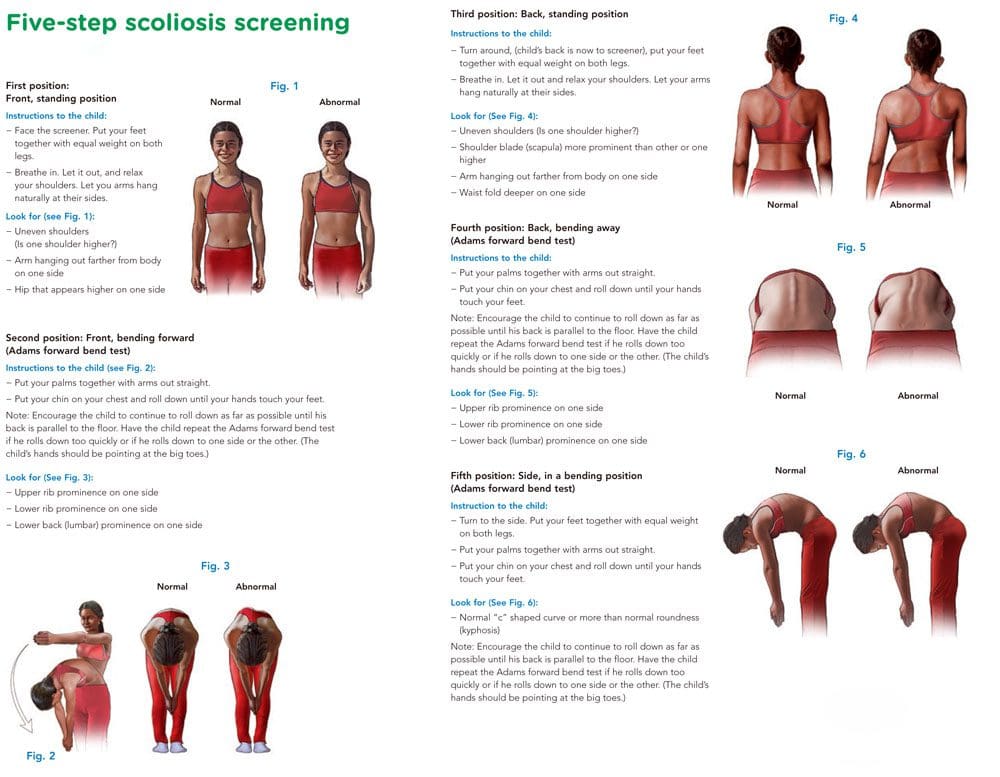
The Adams forward bend test is a simple screening method that can help with scoliosis diagnosis and help in developing a treatment plan. The exam is named after the English physician William Adams. As part of an examination, a doctor or chiropractor will look for an abnormal side-to-side bend in the spine.
Scoliosis Diagnosis
The Adams forward-bend test can help determine if there are indicators for scoliosis.
It is not an official diagnosis, but the results can be used as a starting point.
The Adams test will reveal signs of scoliosis and/or other potential deformities like:
Uneven shoulders
Uneven hips
Lack of symmetry between the vertebrae or the shoulder blades.
The head does not line up with a rib hump or the pelvis.
Detection of Other Spinal Issues
The test can also be used to find spinal curvature issues and conditions like:
Kyphosis or hunchback, where the upper back is bent forward.
Scheuermann’s disease is a form of kyphosis where the thoracic vertebrae can grow unevenly during a growth spurt and cause the vertebrae to develop into a wedge-like shape.
The Adams test by itself is not enough to confirm scoliosis.
A standing X-ray with Cobb angle measurements above 10 degrees is required for diagnosing scoliosis.
The Cobb angle determines which vertebrae are tilted the most.
The higher the angle, the more severe the condition and the more probable it will produce symptoms.
Computed tomography or CT and magnetic resonance imaging or MRI scans can also be used.
Forward Bend Test
References
Glavaš, Josipa et al. “The role of school medicine in the early detection and management of adolescent idiopathic scoliosis.” Wiener klinische Wochenschrift, 1–9. 4 Oct. 2022, doi:10.1007/s00508-022-02092-1
Grossman, T W et al. “An evaluation of the Adams forward bend test and the scoliometer in a scoliosis school screening setting.” Journal of pediatric orthopedics vol. 15,4 (1995): 535-8. doi:10.1097/01241398-199507000-00025
Letts, M et al. “Computerized ultrasonic digitization in the measurement of spinal curvature.” Spine vol. 13,10 (1988): 1106-10. doi:10.1097/00007632-198810000-00009
Senkoylu, Alpaslan, et al. “A simple method for assessing rotational flexibility in adolescent idiopathic scoliosis: modified Adam’s forward bending test.” Spine deformity vol. 9,2 (2021): 333-339. doi:10.1007/s43390-020-00221-2
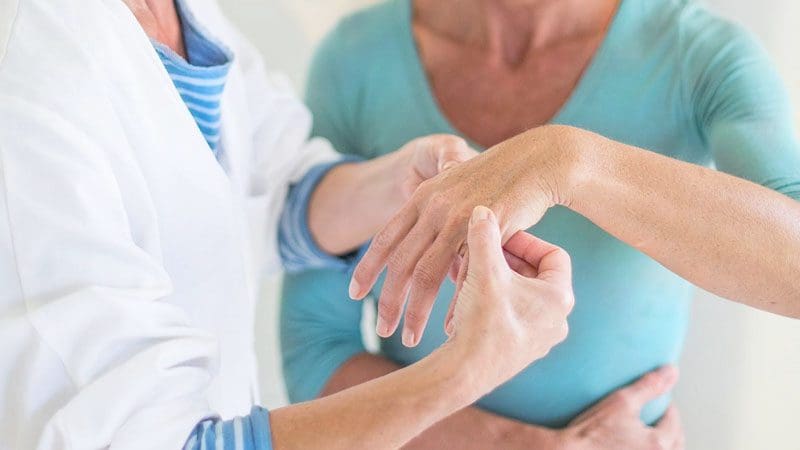
Arthritis can be a debilitating disease that interferes with everyday life. There are over 20% of adults aged 65 and older that have arthritis along with all the symptoms like pain, stiffness, swelling, and decreased range of motion. The most commonly affected joints include the shoulders, hands, spine, hips, and knees. Arthritis results from damage to joint cartilage from various factors such as age, wear and tear, injury, being overweight, and disease. While medication and surgery are the most common treatment options, an arthritis chiropractor can offer a conservative, natural, non-invasive option to manage symptoms.
Arthritis Chiropractor Helps By
While arthritis, either caused by wear and tear – Osteoarthritis or disease – Rheumatoid Arthritis cannot be cured. An arthritis chiropractor can help manage symptoms and prevent progression. Chiropractors are trained to use various techniques to help alleviate pain and tension, including arthritis. Chiropractic treatment aims to alleviate pain by adjusting, massaging, and realigning the musculoskeletal system to relieve stress, stretch the muscles, ligaments, tendons, and restore balance within the body. They open the body to allow proper/optimal nerve energy and blood circulation. This is beneficial for arthritic joints to reduce unnecessary strain, translating to reduced wear on the joints and keeping the body active.
Benefits
There are significant benefits that regular chiropractic treatment can offer. These include:
Restored range of motion
Joint pain relief
Inflammation alleviation
Improved nerve function for optimal tissue healing
Regular adjustments will keep the body optimally aligned and functioning smoothly.
Arthritis chiropractors can recognize the most subtle changes.
Lifestyle Adjustments
Healthy lifestyle adjustments help manage arthritis.
Guidance on healthy habits that include:
Anti-inflammatory foods
Weight loss
Proper sleep habits
Exercise training
Stress management
The sooner chiropractic care is sought out, the better to prevent symptoms from worsening. Chiropractic can generate great results with less need for medication/s or surgery.
Body Composition
Identifying The Risk of Sarcopenia and Decreased Mobility
As the body ages, it begins to lose muscle mass, and as more sedentary behavior is adopted, the rate of loss increases along with age-related injury. Identifying these age-related changes in muscle and how they relate to frailty risk can be challenging to identify and track. By accurately measuring fat-free mass in each region of the body, Skeletal Muscle Index – SMI quickly specifies muscle mass and frailty risk. Sarcopenia and frailty specifically affect the elderly population, affecting mortality, cognitive function, and quality of life. Loss of muscle in the arms and legs is associated with:
Reductions in mobility
Increased risk of falls
Frailty
Extended hospital stays
Falls and fractures frequently result in a cycle of muscle deterioration. Analysis tools can help track body composition changes to minimize muscle wasting and the risk of impaired mobility. Assessing skeletal muscle mass in outpatient and hospital settings can decrease debilitating outcomes before they happen. The InBody analysis is quick and easy, providing a calculation for skeletal muscle index and the sum of the lean mass in the arms and legs. The ease of performing the InBody test provides physicians more time to work with and educate individuals on adopting lifestyle changes to help prevent sarcopenia.
References
Aletaha, Daniel. “Precision medicine and management of rheumatoid arthritis.” Journal of autoimmunity vol. 110 (2020): 102405. doi:10.1016/j.jaut.2020.102405
Beasley, Jeanine. “Osteoarthritis and rheumatoid arthritis: conservative therapeutic management.” Journal of hand therapy: official journal of the American Society of Hand Therapists vol. 25,2 (2012): 163-71; quiz 172. doi:10.1016/j.jht.2011.11.001
Demoruelle, M Kristen, and Kevin D Deane. “Treatment strategies in early rheumatoid arthritis and prevention of rheumatoid arthritis.” Current rheumatology reports vol. 14,5 (2012): 472-80. doi:10.1007/s11926-012-0275-1
Kavuncu, Vural, and Deniz Evcik. “Physiotherapy in rheumatoid arthritis.” MedGenMed: Medscape general medicine vol. 6,2 3. 17 May. 2004
Moon, Jeong Jae et al. “New Skeletal Muscle Mass Index in Diagnosis of Sarcopenia.” Journal of bone metabolism vol. 25,1 (2018): 15-21. doi:10.11005/jbm.2018.25.1.15
Discitis affects around 1 out of every 100,000 people. This means that it is not a common spinal disease. Discitis can occur in adults and children, however, it is more common in children. �
�
Discitis mostly occurs in the low back region of the spine
Followed by the neck region
Finally the middle-back region
It accompanies vertebral osteomyelitis. Both types of infections share many of the same symptoms/characteristics. Although these are uncommon conditions, they can produce severe symptoms affecting an individual’s quality of life. This is why early diagnosis and treatment are essential.
�
Discitis Causes
There are two recognized causes of discitis. The rarest form comes from a prior surgical or diagnostic procedure. This usually happens when a needle or other tool/device transfers the infection. The other is the more common, and it is known as spontaneous discitis. Here the infection develops from a bacterial or viral organism that travels to the disc/s via the blood supply from another part of the body.
When an infection starts somewhere else and then travels to the disc, it is called transient bacteremia, which is bacteria in the bloodstream that has a short life. Ear infections along with skin infections are perfect examples of infections that can lead to transient bacteremia and discitis. �
After a disc becomes infected, it can be quite difficult for the body to fight the infection. The disc/s are the largest avascular organs in the body, which means they do not have their own blood supply. The discs get their nutrition and blood supply, which includes the white blood cells for fighting infections, from the vertebral endplates. Because the discs lack the resources to fight infections on their own, there is a struggle when trying to protect against infection.
Because discitis is usually caused by an infection that developed in another area of the body, individuals with medical conditions are at a higher risk for developing discitis. These conditions include:
Diabetes
A.I.D.S
Cancer
Chronic kidney disease
�
Symptoms
Intense back pain that starts gradually is the distinctive characteristic symptom of discitis. The pain is usually localized to the area where the infection is located. This means that the pain doesn’t radiate or spread out like other types of back pain conditions. �
�
Diagnosis
A doctor, spine specialist, or chiropractor will review medical history and symptoms with the individual. A fever is normally not present once the infection is inside the disc, along with the white blood cell count being normal.
However, the erythrocyte sedimentation rate increases. This is a blood test that examines how fast red blood cells fall to the bottom of a tube. The faster that they fall to the bottom, the more likely there is inflammation somewhere in the body.
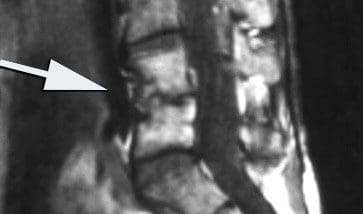
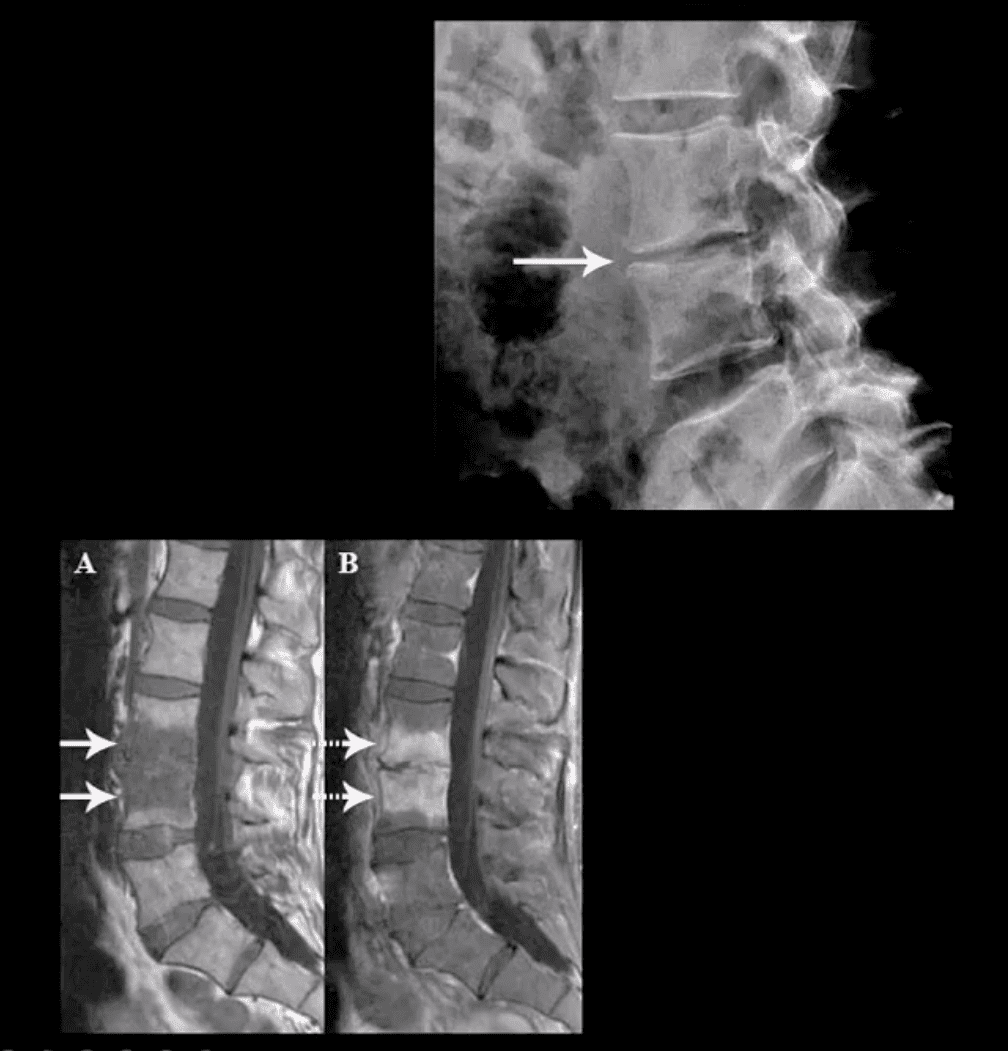
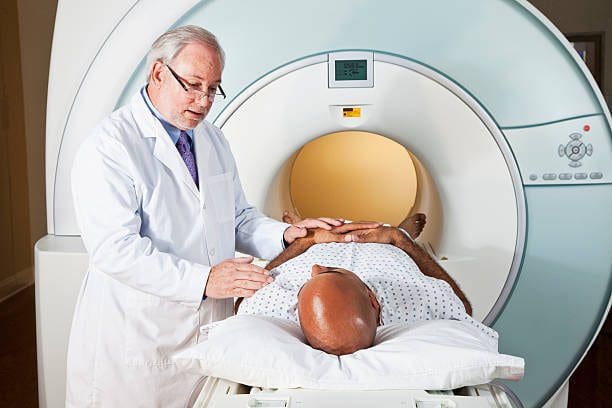
Blood tests can be utilized during diagnosis, however, the most accurate diagnostic tool to confirm discitis is magnetic resonance imaging or MRI that shows if an infection is present. �
�
Treatment
Treatment can be challenging. This is because of the fact that the discs do not have a blood supply, and medications/antibiotics travel through the blood. It is treatable and is usually done within a six to eight-week course of antibiotics intravenously or through an IV.
IV administered antibiotics could require treatment on an outpatient basis. The entire course of antibiotics must be completed in its entirety in order to manage the discitis. A doctor could also prescribe a spinal brace to help stabilize the spine and reduce pain. A brace can limit movement, however, it will help ensure proper healing.
�
Spinal Infections
Spinal infections can present spontaneously or as secondary conditions, e.g. after a surgical procedure. Spinal infections can affect different structures, like the:
Vertebral column or the bones of the spine
Intervertebral disc space, which is the cushion-gel structures between the vertebrae
� Here are some facts about the occurrence and prevalence of different infections of the spine:
Vertebral osteomyelitis is the most common type of infection. It affects an estimated 27,000 to 66,000 people a year.
Epidural abscess is an infection inside the spinal canal that affects up to two cases per 10,000 in hospital admissions around the U.S. It is pretty common in individuals with vertebral osteomyelitis or discitis. Eighteen percent of those individuals can develop this infection. However, it is more common in people fifty and older.
Discitis, as aforementioned is a pretty uncommon condition. Although, treatment has advanced, around twenty percent of individuals with this infection do not survive.
�
Infection Risk Factors
There are certain factors that increase the risk of developing an infection. These factors include:
Symptoms from a spinal infection can vary. However, continuous back pain with no history of trauma or injury. Usually, there is a delay in the diagnosis for an infection of the spine because of the:
Subtle nature of the symptoms
Individual’s belief that the pain is not serious
Absence of body-wide symptoms like a fever
Lab results can also complicate the diagnostic process, as they can be misleading. There could be normal white blood cell counts, x-rays that show no abnormalities, and a sensitive diagnostic test like a bone scan might not show that an individual is positive until a week later.
An erythrocyte sedimentation rate is a valuable screening test when it comes to spinal infections. The test can measure inflammation and infection in the body. If a spinal infection is suspected, an MRI could be the most reliable tool to confirm early diagnosis.
Health & Immunity Series
�
Dr. Alex Jimenez�s Blog Post Disclaimer
The scope of our information is limited to chiropractic, musculoskeletal, physical medicines, wellness, and sensitive health issues and/or functional medicine articles, topics, and discussions. We use functional health & wellness protocols to treat and support care for injuries or disorders of the musculoskeletal system. Our posts, topics, subjects, and insights cover clinical matters, issues, and topics that relate and support directly or indirectly our clinical scope of practice.*
Our office has made a reasonable attempt to provide supportive citations and has identified the relevant research study or studies supporting our posts. We also make copies of supporting research studies available to the board and or the public upon request. We understand that we cover matters that require an additional explanation as to how it may assist in a particular care plan or treatment protocol; therefore, to further discuss the subject matter above, please feel free to ask Dr. Alex Jimenez or contact us at�915-850-0900. The provider(s) Licensed in Texas& New Mexico
Calcium overview- Calcium is a mineral that is essential for life (2). Not only does the body require calcium to build strong bones, but it also aids the body in keeping the bones strong, muscle contractions, and helps to enable our blood to clot (2). Majority of the calcium in the body can be found in the bones and teeth. However, we lose calcium every day just through our skin, nails, hair, and sweat. Once calcium is dissolved in the stomach, it is then absorbed through the small intestine lining to enter the bloodstream. From here, the calcium can then build bone and regulate the contraction of the blood vessels as well as perform its other duties (2).� One of the reasons the amount of calcium consumed each day is so important is because, no matter what, the body will take what it needs. This being said, if you are not supplying your body with the correct amount of calcium, it will start to take the nutrients it needs from the bones (1). The more and more the body does this, the more fragile your bones become, leaving you more susceptible to diseases such as osteoporosis. However, there are different forms of calcium that provide and aid the body in different things.
Calcium D Glucerate
Calcium D Glucerate is made in small amounts by humans. This is the calcium salt of D Glucerate (1). With studies performed, results showed that when Calcium D Glucerate is taken orally, it inhibits beta-glucuronidase (1). When beta-glucuronidase is inhibited, it aids the body in preventing many hormone-dependent cancers. These cancers include but are not limited to; breast, prostate, and colon (1). When beta-glucuronidase is elevated in the body,� cell damage begins to occur. However, when Calcium D Glucerate is taken orally, it helps to inhibit (block) this enzyme that is produced by the liver.
Calcium Carbonate
Calcium Carbonate is calcium with a salt formula. This medicine can be used in multiple situations but is most commonly used for temporary relief of heartburn and indigestion (3). In addition to this, Calcium Carbonate can be used to help prevent osteoporosis (3).
The recommended daily dose for adults is 1,000mg a day of calcium. Make sure that you are eating foods containing calcium as well as taking this recommended dose in order to best protect your bones. Not only will this help your bones from becoming porous, but it will aid in overall body performance. If you are confused about which calcium supplement you should be taking, please consult a local doctor. – Kenna Vaughn, Senior Health Coach
Sources:
�Calcium-D-Glucarate.� Alternative Medicine Review: a Journal of Clinical Therapeutic, U.S. National Library of Medicine, Aug. 2002, www.ncbi.nlm.nih.gov/pubmed/12197785.
�Calcium/Vitamin D Requirements, Recommended Foods & Supplements.� National Osteoporosis Foundation, 26 Feb. 2018, www.nof.org/patients/treatment/calciumvitamin-d/.
National Center for Biotechnology Information. PubChem Database. Calcium carbonate, CID=10112, https://pubchem.ncbi.nlm.nih.gov/compound/Calcium-carbonate (accessed on Aug. 11, 2010
El Paso, TX. Chiropractor Dr. Alex Jimenez focuses on the rise in opioid use among older adults.
SpineUniverse reported on a study that indicated a 10% increase in opioid addiction or dependency in patients prescribed such drugs to take care of postoperative pain. Although spine surgery was not among the forms of operations included in the research, it�s intriguing to see that 3% of the patients ages 55-years plus, disclosed addiction and opioid use.
Older adults as well as the elderly are part of about 100 million adults in the USA (US) affected by severe or chronic pain. Low back pain is neck pain, and among the most frequent causes of pain, followed by headache/ migraine pain. Spinal stenosis, spinal osteoarthritis, and degenerative disc disease are frequent investigations in elderly residents and our mature adult.
In a presentation by Sullivan in 2003 about chronic pain and prescription opioid abuse and dependence in mature adults, it had been reported that �the prevalence of pain increases with each decade of life Additionally, 80% were grown by pain criticisms in adults age 65 and older. Moreover, as the number of opioid prescriptions increased, so did use by older adults�but some medical studies regularly blown off addiction as temporary or rather rare.
Regulators React
Acknowledge and its particular bureaus and the government started to recognize opioid use and the potential risks in elderly Americans. In 2012, a study revealed that more than 700,000 adults (ages 45 to 84) were hospitalized particularly for opioid abuse. Mature adults as well as the elderly accounted for a five-time increase in hospitalizations for opioid abuse compared to younger Americans.
Adults of any age taking an opioid may experience drug unwanted effects that are possibly dangerous. But for mature adults or senior -aged individuals, the hazards are weightier. Why? Old people frequently take several medications simultaneously to treat different medical problems (eg, diabetes, hypertension). It may be a challenge for the patient to keep an eye on when to take a drug that is prescribed or remember if the medicine was taken, which may result in unintentional doses. An opioid drops, and introduces another tier of potential risks, including respiratory depression, lack of balance, confusion, dizziness, drowsiness, nausea.
In 2015, Congress introduced a Medicare-specific bill called �Ceasing Drug Exploitation and Shielding Seniors Act.� Now, we see changes dispensed, and monitored to prevent physician- shopping and other ways drugs could possibly be obtained and abused.
Managing Opioid Medications
Elderly patients or some adult live alone, in a household setting, receive home-health support, or reside in a assisted-living facility or alternative scenario. In some cases, the direction of the medication, including pain-relieving drug is managed by healthcare or nursing staff.
Many older adults and aged patients are quite capable of handling physician�s visits, their drugs, and everyday life. Then there are other people who want support. They might not realize they need help or may not ask. This is where friend, a family member or caregiver might help by being observant and step in to help. By way of example, does the patient take their medication as prescribed, but nevertheless look to be in pain? Does he /she stumble easily or fall, complain about feeling dizzy, confused, constipated, or have a few other criticisms?
Remember that people so do their needs for drugs and change with age. In unwanted effects and handling pain, the alternative can be an alternate kind of drug or a dose change. Considering many senior adults and aged men take multiple medications, it’s an excellent idea to bring OTC medication all prescription and nutritional supplements to each physician�s visit for review. This creates a superb chance for you and the individual to talk together with the doctor about new challenges and health changes.
High-intensity exercise may help older adults reverse certain aspects of the “cellular” aging process, a new study suggests.
It’s no secret that regular exercise is healthy for young and old alike. But researchers said the new findings point to particular benefits from “high-intensity interval training” for older adults. That’s the type of workout that combines brief bursts of vigorous exercise with periods of moderate activity: A person might, for example, go all-out on a stationary bike for a few minutes, ease up for the next few, and then start again.
In this study, older adults who performed that type of exercise showed greater changes at the cellular level, compared to those who worked out more moderately. Specifically, interval training gave a bigger boost to mitochondrial function in the muscle. Mitochondria are the “powerhouses” within body cells that break down nutrients to be used for energy. The training also revved up activity in more genes related to mitochondrial function and muscle growth.
How Exercise Can Help the Aging Process
The study findings suggest that interval training can turn back the clock in ways that moderate aerobic exercise and strength training do not, according to lead researcher Dr. K. Sreekumaran Nair. But, he stressed, the findings do not mean older adults should jump into a vigorous exercise regimen.
“If you’re sedentary, you should talk to your doctor before you start exercising,” said Nair. He’s an endocrinologist at the Mayo Clinic in Rochester, Minn. “And then,” he said, “you can start with walking, and build yourself up to a fast pace.” For older adults who want to progress to a more-intense regimen, Nair said, it’s best to start with supervision. But he also stressed that intense exercise is not a must. “Any regular exercise will bring health benefits — absolutely,” he added.
This study demonstrated that, he pointed out. Even though interval training had the biggest effects on aspects of cellular aging, other types of exercise boosted older adults’ fitness levels and muscle strength.
Benefits of Exercise in Adults Study
The study, published recently in Cell Metabolism, involved 72 younger and older adults who were sedentary.
Nair’s team randomly assigned each of them to one of three supervised exercise groups. One group did high-intensity interval training three days a week: They pedaled on an exercise bike at their maximum speed for 4 minutes, before easing up for 3 minutes; they repeated that process four times. They also worked out more moderately — walking on a treadmill — twice a week.
A second group performed moderate aerobic exercise — using an exercise bike at a less-intense pace — five days a week, for 30 minutes. They also did some light strength-training four days a week.
The third group performed strengthening exercises only, two days a week.
After 12 weeks, all of the groups were showing positive changes — younger and older exercisers alike, the researchers found.
People who performed moderate aerobic exercise boosted their fitness levels — the body’s ability to supply blood and oxygen to working muscles. And the improvement was greater for older adults, who generally started out with lower fitness levels than younger people. Meanwhile, people who performed strength-training — alone or with aerobic exercise — increased their muscle strength.
The interval-training group showed only small gains in strength. But the training improved mitochondrial function in the muscles, especially among older adults.
Dr. Chip Lavie is medical director of cardiac rehabilitation and prevention at the John Ochsner Heart and Vascular Institute in New Orleans. He said this is a “great” study that demonstrates the benefits of different forms of exercise. According to Lavie, it adds to other evidence that high-intensity interval training is “probably the best form of exercise.”
Many studies, he said, have found that interval training beats moderate aerobic exercise when it comes to improving fitness and the heart’s structure and function.
“It would be ideal to get more people to do high-intensity interval training,” Lavie said, “and it’s possible for more-motivated individuals.” But, he added, the reality is, many people may not have the motivation or ability.
In that case, Lavie advised finding a moderate regimen you can live with — such as 30 to 40 minutes of walking or using an exercise bike or elliptical machine most days of the week.
SOURCES: K. Sreekumaran Nair, M.D., Ph.D., professor, medicine, Mayo Clinic, Rochester, Minn.; Chip Lavie, M.D., medical director, cardiac rehabilitation and prevention, and director, exercise laboratories, John Ochsner Heart and Vascular Institute, New Orleans; March 7, 2017, Cell Metabolism
For more information, please feel free to ask Dr. Jimenez or contact us at 915-850-0900 .
Additional Topics: Chiropractic Care for Older Adults
With the progression of age, it’s common for the human body to naturally begin to degenerate. Although degenerative changes in the body are normal, it’s also common for complications associated with aging to develop. Chiropractic care is a safe and effective, alternative treatment option utilized by many individuals to prevent, diagnose and treat injuries and conditions associated with the structures of the spine. Research studies have demonstrated that chiropractic treatment can help older adults find relief from their neck pain and back pain.
IFM's Find A Practitioner tool is the largest referral network in Functional Medicine, created to help patients locate Functional Medicine practitioners anywhere in the world. IFM Certified Practitioners are listed first in the search results, given their extensive education in Functional Medicine