Can using a self-care traction device help and be a cost-effective method of providing cervical relief at home for individuals who have neck pain?
Neck Pain Traction Device
Neck Pain Traction Device: Individuals with neck or arm pain caused by neck/cervical radiculopathy may benefit from physical therapy to manage their condition. (Alshami, A. M., and Bamhair, D. A. 2021) Physical therapy can improve neck mobility, restore function, and decrease pain.
Traction
A physical therapist may use various treatments and modalities to treat the individual’s condition. Cervical traction is one treatment to help relieve neck pain and can help:
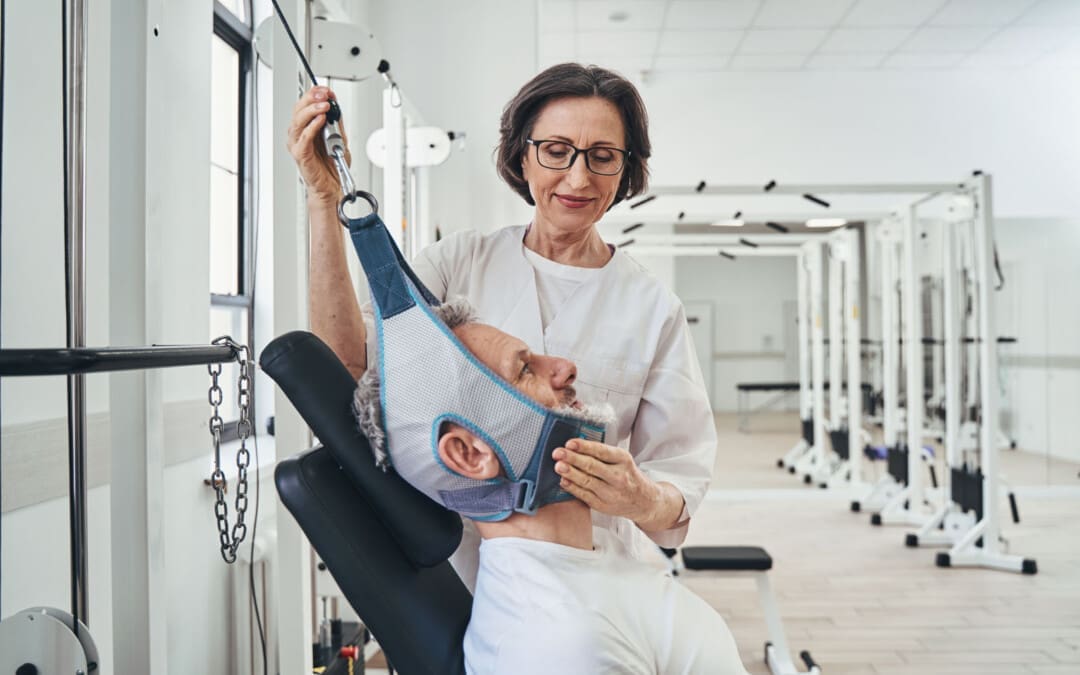
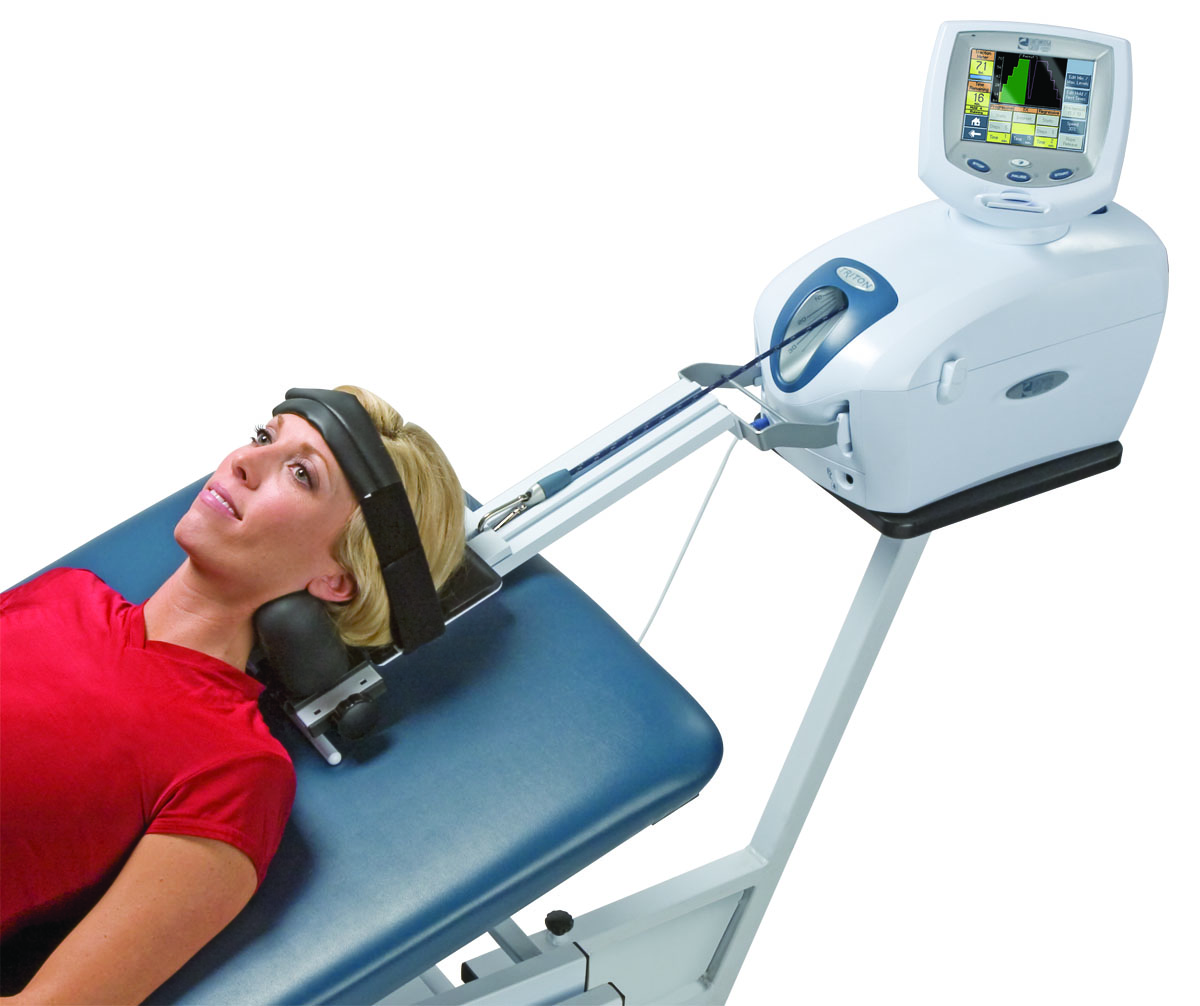
There are different neck traction techniques. The therapist may use a mechanical traction device that requires the individual to strap their head and neck to a machine that gently pulls the neck, providing relief. (Romeo, A. et al., 2018) The physical therapist may also use manual traction with their hands to help the process. This type allows the therapist to easily adjust the amount of traction force and the direction of the pull on the neck. (Romeo, A. et al., 2018)
Home Traction Devices
Cervical traction that works for individuals at the clinic may also benefit from using a traction device at home to maintain their gains. Over-the-door cervical traction may be an effective, safe, and simple way to administer neck traction in the comfort of one’s home to help decrease pain. (Fritz, J. M. et al., 2014) Medical supply stores and pharmacies carry over-the-door traction devices, which can also be found online. If finding an over-the-door traction unit is difficult, the therapy clinic can help order one from a medical supplier.
Setting Up The Device
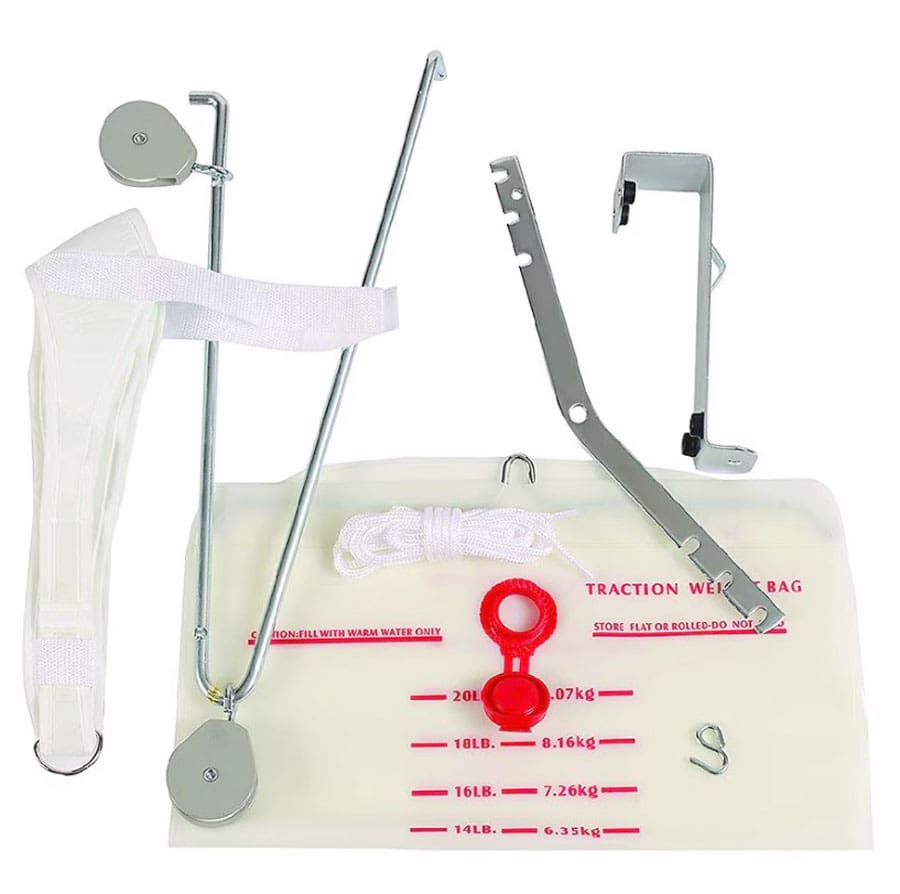
Before using a neck pain traction device, consult a physical therapist or doctor to ensure neck traction is safe and on usage. Over-the-door traction units may be built differently but comprise the main parts:
A hook-and-pulley apparatus that hangs over the door.
A nylon cord that’s fed through the pulley.
A weight that could be a water bag that hangs on the end of the cord to provide traction force.
A harness to wear on your head.
The traction unit must be hung over a door secured to the top and closed.
It is recommended that the door be a closet door so no one will open it while using the device.
If a closet door is not available, be sure to lock the door so that no one can open it while attached to the device.
A small hook with a pulley attached to it hangs on the door.
The harness attaches to the end of the nylon cord opposite the weighted water bag.
The harness goes on the head, and the chin strap should fit snugly under the chin and be secured by the hook-and-loop fasteners.
The two straps on either side of your head should be hooked to the end of the nylon cord, which is fed through the pulley system.
After strapping on the head harness, fill the water bag using the markings on the bag to indicate its weight and hang it on one end of the cord.
Fill the bag until the water reaches the desired mark, usually 8–15 pounds.
After filling the water bag, sit in a chair facing the door and hang the bag on the other end of the cord not attached to the head harness.
Do not drop the bag; this could cause a sudden forceful traction motion on your neck.
How Long to Use
Individuals should generally use the traction device for about 15 to 20 minutes each session and can perform several sessions per day. (American Physical Therapy Association. 2020) While using the over-the-door traction device, there should be a gentle pulling sensation in the neck, relieving the neck pain, and if there is arm pain or tingling, it should also decrease. Traction does not replace neck exercises or postural correction in treating neck pain. Be sure to follow the therapist’s prescribed exercises. Active engagement is essential to treating and preventing neck pain from returning. If the pain increases while using the traction device, stop using it and consult a physical therapist or doctor. Ask a physical therapist or other neuromusculoskeletal medical professional if self-care traction is appropriate for specific conditions.
Injury Medical Chiropractic and Functional Medicine Clinic works with primary healthcare providers and specialists to develop an optimal health and wellness solution that helps individuals return to normal. Our providers create personalized care plans for each patient, including Functional Medicine, Acupuncture, Electro-Acupuncture, and Sports Medicine principles through an integrated approach to treat injuries and chronic pain syndromes to improve ability through flexibility, mobility, and agility programs to relieve pain. If other treatment is needed, Dr. Jimenez has teamed up with top surgeons, clinical specialists, medical researchers, and rehabilitation providers to provide the most effective treatments.
Neck Injuries
References
Alshami, A. M., & Bamhair, D. A. (2021). Effect of manual therapy with exercise in patients with chronic cervical radiculopathy: a randomized clinical trial. Trials, 22(1), 716. https://doi.org/10.1186/s13063-021-05690-y
Madson, T. J., & Hollman, J. H. (2017). Cervical Traction for Managing Neck Pain: A Survey of Physical Therapists in the United States. The Journal of orthopaedic and sports physical therapy, 47(3), 200–208. https://doi.org/10.2519/jospt.2017.6914
Romeo, A., Vanti, C., Boldrini, V., Ruggeri, M., Guccione, A. A., Pillastrini, P., & Bertozzi, L. (2018). Cervical Radiculopathy: Effectiveness of Adding Traction to Physical Therapy-A Systematic Review and Meta-Analysis of Randomized Controlled Trials. Physical therapy, 98(4), 231–242. https://doi.org/10.1093/physth/pzy001
Fritz, J. M., Thackeray, A., Brennan, G. P., & Childs, J. D. (2014). Exercise only, exercise with mechanical traction, or exercise with over-door traction for patients with cervical radiculopathy, with or without consideration of status on a previously described subgrouping rule: a randomized clinical trial. The Journal of orthopaedic and sports physical therapy, 44(2), 45–57. https://doi.org/10.2519/jospt.2014.5065
American Physical Therapy Association. (2020). Physical therapy guide to cervical radiculopathy. https://www.choosept.com/guide/physical-therapy-guide-cervical-radiculopathy
Can knowing the difference between butter and margarine help Individuals looking to improve cholesterol levels?
Butter and Margarine
Individuals watching their cholesterol levels and switching from butter to margarine may have heard that it may be worse for heart health. What research has to say about the healthiest spread and the butter and margarine debate?
History
Butter was shown to be associated with an increased risk of heart disease because of its saturated fat content when margarine was developed as a substitute. Margarine is made from plant-based oils like canola, palm fruit, and soybeans. Nutritionists and researchers saw it as a healthier alternative. It is lower in saturated fat and has no cholesterol but contains high levels of trans fats, which raise unhealthy LDL cholesterol levels and lower healthy HDL cholesterol levels. (Ginter, E., and Simko, V. 2016)
Margarine Trans Fat and Butter Saturated Fat
Most of margarine’s unsaturated fats undergo hydrogenation, creating harmful trans fats. Trans fat raises unhealthy LDL cholesterol levels more than saturated fat. The trans-fatty acids solidify and maintain margarine consistency at room temperature. Stick margarines, the hardest type, contain the most trans fats and are still sold despite what is known about the damage they can do. (Brouwer, I. A. et al., 2010) Clinical studies showed these trans fats are associated with a 28% increased risk of death from heart disease and a 34% increased risk of death. (de Souza, R. J. et al., 2015)
Margarine Types
Some softer and liquid margarine products contain less trans fat than stick versions. They are low in saturated fat and high in unsaturated fat. Individuals can determine how much trans fat the margarine has by its softness. Those that are more solid at room temperature contain more trans fats than those in a tub, which are softer. However, some soft options can contain trans fats. If the label has partially hydrogenated oil, it’s recommended to avoid it. (Garsetti, M. et al., 2016) Some newer margarines are enriched with plant sterols, which block cholesterol absorption and help lower LDL levels. These are healthy choices if trying to lower LDL. (Ras, R. T. et al., 2014)
Butter
Butter is primarily made up of saturated fat and cholesterol and comes in a stick and spread. One tablespoon of butter contains around 30 milligrams of cholesterol and 7 grams of saturated fat. The maximum amount allowed daily is 200 milligrams and 10 milligrams, respectively. Both types of fat are linked to rising cholesterol levels and the risk of heart disease. Butter from grass-fed cows is higher in omega-3 fatty acids, essential for heart health, making it far more nutritional than the more widely used butter from conventionally-fed cows. (Hebeisen, D. F. et al., 1993)
Other Options
Butter or margarine are not the healthiest options. Olive, avocado, and other vegetable-based spreads are the most heart-healthy options. (Yubero-Serrano, E. M. et al., 2019) Use avocado oil as a cooking oil when sautéing or roasting vegetables. Consider substituting applesauce, nut butters, or squash purees in baked goods. Look for soft versions of margarine as a bread spread that contain plant sterols and no hydrogenated oils.
Injury Medical Chiropractic and Functional Medicine Clinic uses an integrated approach to create personalized care plans for each patient to restore health and function to the body through Nutrition and Wellness, Functional Medicine, Acupuncture, Electro-Acupuncture, and Sports Medicine protocols. If the individual needs other treatment, they will be referred to a clinic or physician best suited for them. Dr. Jimenez has teamed up with top surgeons, clinical specialists, medical researchers, nutritionists, and health coaches to provide the most effective clinical treatments.
Enhancing Health Together: Multidisciplinary Evaluation and Treatment
References
Ginter, E., & Simko, V. (2016). New data on harmful effects of trans-fatty acids. Bratislavske lekarske listy, 117(5), 251–253. https://doi.org/10.4149/bll_2016_048
Brouwer, I. A., Wanders, A. J., & Katan, M. B. (2010). Effect of animal and industrial trans fatty acids on HDL and LDL cholesterol levels in humans–a quantitative review. PloS one, 5(3), e9434. https://doi.org/10.1371/journal.pone.0009434
de Souza, R. J., Mente, A., Maroleanu, A., Cozma, A. I., Ha, V., Kishibe, T., Uleryk, E., Budylowski, P., Schünemann, H., Beyene, J., & Anand, S. S. (2015). Intake of saturated and trans unsaturated fatty acids and risk of all cause mortality, cardiovascular disease, and type 2 diabetes: systematic review and meta-analysis of observational studies. BMJ (Clinical research ed.), 351, h3978. https://doi.org/10.1136/bmj.h3978
Garsetti, M., Balentine, D. A., Zock, P. L., Blom, W. A., & Wanders, A. J. (2016). Fat composition of vegetable oil spreads and margarines in the USA in 2013: a national marketplace analysis. International journal of food sciences and nutrition, 67(4), 372–382. https://doi.org/10.3109/09637486.2016.1161012
Ras, R. T., Geleijnse, J. M., & Trautwein, E. A. (2014). LDL-cholesterol-lowering effect of plant sterols and stanols across different dose ranges: a meta-analysis of randomised controlled studies. The British journal of nutrition, 112(2), 214–219. https://doi.org/10.1017/S0007114514000750
Hebeisen, D. F., Hoeflin, F., Reusch, H. P., Junker, E., & Lauterburg, B. H. (1993). Increased concentrations of omega-3 fatty acids in milk and platelet rich plasma of grass-fed cows. International journal for vitamin and nutrition research. Internationale Zeitschrift fur Vitamin- und Ernahrungsforschung. Journal international de vitaminologie et de nutrition, 63(3), 229–233.
Yubero-Serrano, E. M., Lopez-Moreno, J., Gomez-Delgado, F., & Lopez-Miranda, J. (2019). Extra virgin olive oil: More than a healthy fat. European journal of clinical nutrition, 72(Suppl 1), 8–17. https://doi.org/10.1038/s41430-018-0304-x
Can understanding the location of the funny bone and how pain can be managed after injury help expedite recovery and prevention for individuals who have hit their funny bone?
Elbow Funny Bone Nerve Injury
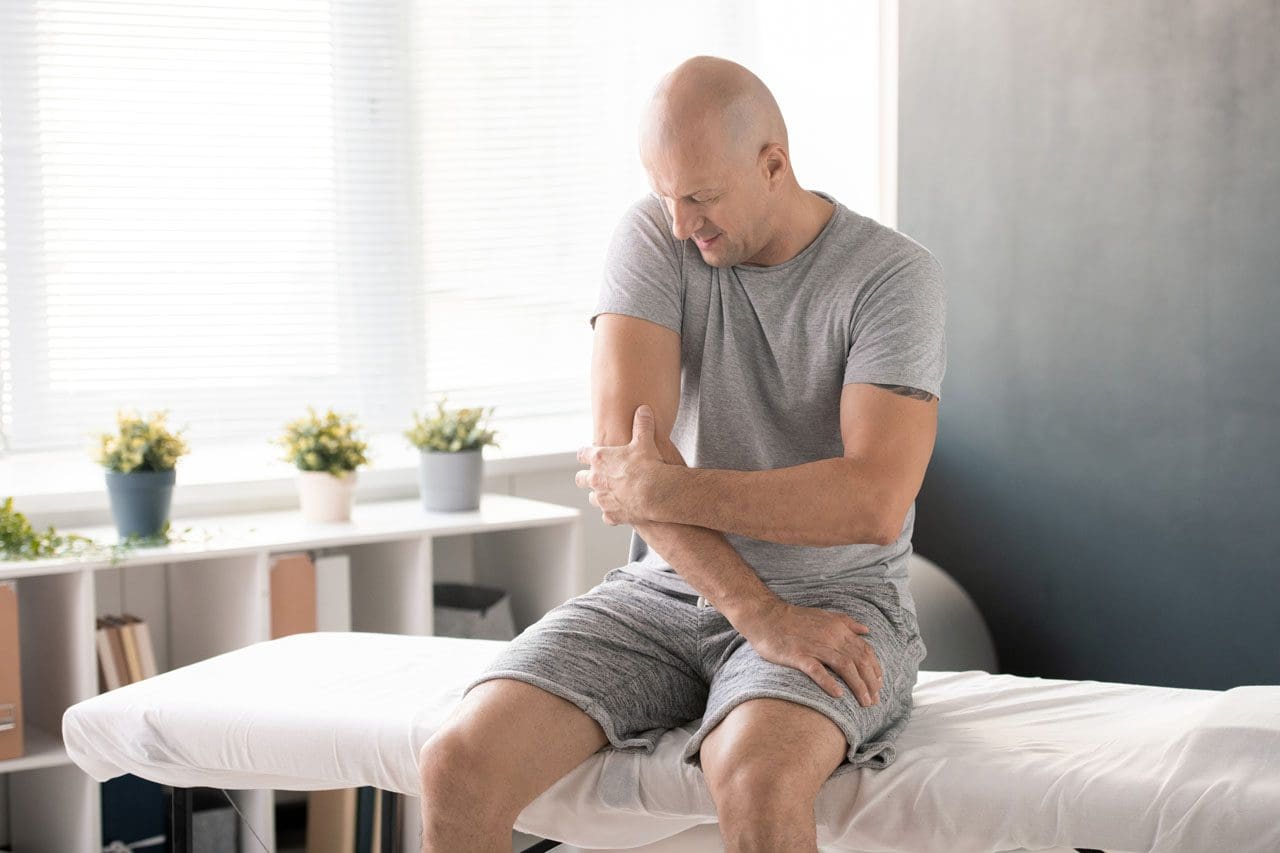
Behind the elbow is an area known as the “funny bone,” where the ulnar nerve has less tissue and bone protection. This is where part of the ulnar nerve passes around the back of the elbow. Because less tissue and bone protect the nerve in this area, taking a hit like bumping into something can cause an electric shock-like pain and a tingling sensation down the arm and to the outside fingers typical of an irritated nerve. Most injuries to the funny bone resolve quickly, and the pain disappears after a few seconds or minutes, but sometimes, an ulnar nerve injury can lead to more persistent symptoms.
Anatomy
The funny bone is not a bone but the ulnar nerve. The nerve runs down the arm, passing around the back of the elbow. (Dimitrova, A. et al., 2019) Because the ulnar nerve is on top of the elbow and there is very little fatty cushion, lightly bumping this spot can cause pain and tingling sensations down the forearm. Three bones comprise the junction of the elbow that include:
Humerus – arm bone
Ulna and radius – forearm bones
The humerus has a groove that protects and holds the ulnar nerve as it passes behind the joint. This is where the nerve can be injured or irritated when the nerve is hit or pinched against the end of the bone, causing the funny bone pain.
Electrical Pain Sensation
When hitting the ulnar nerve or funny bone where the ulnar nerve provides sensation, pain, and electrical/tingling sensations are experienced from the forearm to the outside fingers. This part of the arm and hand is called the ulnar nerve distribution. (American Academy of Orthopaedic Surgeons. 2024) The ulnar nerve provides sensation into most of the pinky finger and about half of the ring finger. Other nerves, including the median and radial nerve, supply sensation to the rest of the hand.
Treatment
Usually, a sharp jolt to the elbow quickly resolves. Some recommendations to help symptoms improve faster include:
Shaking the forearm and hand out.
Straightening out and bending the elbow to stretch the nerve.
Decreasing mobility of the elbow.
Applying ice to the area.
Taking anti-inflammatory medications.
Treating Long-Lasting Pain
In rare circumstances, injuries to the ulnar nerve can cause more persistent symptoms, a condition known as cubital tunnel syndrome. Cubital tunnel syndrome can happen after an injury or from elbow overuse. Individuals with cubital tunnel syndrome may benefit from wearing a splint at night. Standard-sized splints can be ordered online, but most are fabricated by an occupational or hand therapist. If symptoms become more long-lasting, surgery may be recommended to relieve pressure and tension on the ulnar nerve (American Academy of Orthopaedic Surgeons, 2024). The procedure decompresses the nerve by relieving any tight constrictions around it and releasing them. In severe cases, the nerve is repositioned to an area that doesn’t place as much pressure on the nerve, known as an ulnar nerve transposition.
Injury Medical Chiropractic and Functional Medicine Clinic works with primary healthcare providers and specialists to develop an optimal health and wellness solution that helps individuals return to normal. Our providers create personalized care plans for each patient, including Functional Medicine, Acupuncture, Electro-Acupuncture, and Sports Medicine principles through an integrated approach to treat injuries and chronic pain syndromes to improve ability through flexibility, mobility, and agility programs to relieve pain. If other treatment is needed, Dr. Jimenez has teamed up with top surgeons, clinical specialists, medical researchers, and rehabilitation providers to provide the most effective treatments.
Chiropractic Treatment For Carpal Tunnel Syndrome
References
Dimitrova, A., Murchison, C., & Oken, B. (2019). Local effects of acupuncture on the median and ulnar nerves in patients with carpal tunnel syndrome: a pilot mechanistic study protocol. Trials, 20(1), 8. https://doi.org/10.1186/s13063-018-3094-5
American Academy of Orthopaedic Surgeons. (2024). Ulnar nerve entrapment at the elbow. https://orthoinfo.aaos.org/en/diseases–conditions/ulnar-nerve-entrapment-at-the-elbow-cubital-tunnel-syndrome/
Can knowing about the health benefits of hot yoga help individuals decide if it is right for them?
Hot Yoga
The body has a system for ridding itself of what it can’t use or doesn’t need, called toxins. Individuals may have heard that they can sweat out toxins by doing various hot yoga styles. Hot yoga, practiced in a heated room, has become popular. The standard room temperature is around 105 degrees Fahrenheit with 40% humidity. (Mayo Clinic 2020) Because of the temperatures, hot yoga is not for everyone, and those with heart problems or dizziness are recommended to stick with regular classes. However, the detoxification medical benefits may not be there, or there is still insufficient research to confirm.
Body Detoxification
Broken down by the liver, the toxins in the blood or bile are filtered in the kidneys or intestines and removed in urine or stool. (Boyer J. L. 2013) Sweat is not part of the removal equation. The function of sweat is to cool the body down when it becomes overheated. This can happen during strenuous activity, when overdressed, or in summer. Sweat comprises primarily water with trace amounts of urea, lactic acid, and minerals. (Baker L. B. 2019) Except for water, none of the products in sweat are excreted in large enough quantities to alter or improve metabolic function. The sodium excreted in sweat is quickly re-absorbed through the skin’s epithelial sodium channels, which does little to alter the sodium levels in the blood. (Hanukoglu I. et al., 2017)
Environmental Toxins
The body is exposed to all sorts of toxins daily, including pollution and pesticides in the air, preservatives in our foods, and detergents and cosmetics on our skin. (Hunt P. 2011) Sweat-based exercise to remove these toxins is still unfounded.
Sweating In Hot Yoga
Many think that sweating in a hot yoga class will cleanse the alcohol or unhealthy foods. Yoga won’t help sweat these things out, but the practice still provides benefits that help burn some fat from the calories consumed. Exercising helps burn fat regardless of the temperature of the surroundings. (Swift, D. L. et al., 2014) The benefits include:
Increased circulation to deliver more oxygenated blood to the muscles.
Improved muscle tone and flexibility.
Stress relief.
Instead of sweating out the toxins, minimize exposure by eating a healthy, balanced diet, using natural products, and reading the labels of products placed on or in the body.
Injury Medical Chiropractic and Functional Medicine Clinic works with primary healthcare providers and specialists to develop an optimal health and wellness program that fully benefits the individual to get back to normal. Using an integrated approach to treat injuries and chronic pain syndromes, the ability to relieve pain is improved through flexibility, mobility, and agility programs. Our providers create personalized care plans for each patient, including Functional Medicine, Acupuncture, Electro-Acupuncture, and Sports Medicine. If other treatment is needed, Dr. Jimenez has teamed up with top surgeons, clinical specialists, medical researchers, and rehabilitation providers to provide the most effective treatments.
Body Signals Decoded
References
Mayo Clinic. (2020). What is hot yoga? Mayo Clinic Orthopedics and Sports Medicine. https://sportsmedicine.mayoclinic.org/news/what-is-hot-yoga/
Boyer J. L. (2013). Bile formation and secretion. Comprehensive Physiology, 3(3), 1035–1078. https://doi.org/10.1002/cphy.c120027
Baker L. B. (2019). Physiology of sweat gland function: The roles of sweating and sweat composition in human health. Temperature (Austin, Tex.), 6(3), 211–259. https://doi.org/10.1080/23328940.2019.1632145
Hanukoglu, I., Boggula, V. R., Vaknine, H., Sharma, S., Kleyman, T., & Hanukoglu, A. (2017). Expression of epithelial sodium channel (ENaC) and CFTR in the human epidermis and epidermal appendages. Histochemistry and cell biology, 147(6), 733–748. https://doi.org/10.1007/s00418-016-1535-3
Hunt P. (2011). Toxins all around us. Exposure to the chemicals in everyday objects poses a hidden health threat. Scientific American, 305(4), 14.
Swift, D. L., Johannsen, N. M., Lavie, C. J., Earnest, C. P., & Church, T. S. (2014). The role of exercise and physical activity in weight loss and maintenance. Progress in cardiovascular diseases, 56(4), 441–447. https://doi.org/10.1016/j.pcad.2013.09.012
For individuals who sit at work for long hours, can years of practicing unhealthy posture be corrected through a step-by-step approach to ensure optimal body position while sitting?
Sitting Posture
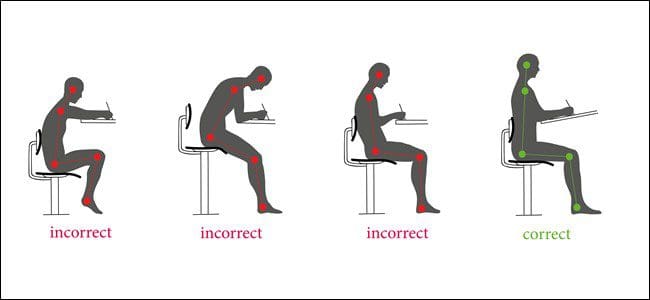
Sitting up straight with a healthy posture requires the conscious alignment of the hips, pelvis, lower back, upper back, shoulders, neck, and head. Learning or retraining oneself to maintain correct sitting posture can relieve lower back pain, improve respiration and digestion, and reduce tension in the neck and shoulders. (Albarrati, A. et al., 2018) It starts by paying attention to posture throughout the day and correcting it whenever forward head posture, leaning, or slouching develops. Targeted exercises can also help build upper-body strength, and stretching can stabilize and strengthen the core muscles, lower back, and pelvic joints. (Albarrati, A. et al., 2018)
Sit Up Straight Guide
Sitting up straight can be uncomfortable because it is not a natural position for the body to be in for an extended time. Nowadays, work, school, appointments, and other activities require us to sit much longer than intended. The muscles also have to work against gravity, leading to muscle exhaustion, slouching, and slumping, which can cause chronic back, leg, neck, and/or shoulder pain. (Jung, K. S. et al., 2020)
Sitting up straight may seem simple, but the focus tends to be on straightening just the lower/lumbar spine. This posture is unsustainable and exhausts and stresses the upper and lower back. (Jung, K. S. et al., 2020) The whole body needs to be considered when protecting the stability and balance of the spine. Learning and maintaining the ability to sit up straight is a process that requires practice. Find a comfortable chair to sit in, and follow these steps to achieve the optimal postural alignment (Canadian Centre for Occupational Health and Safety, 2022)
Knee Spacing
The hips should be at a roughly 90-degree angle.
Knee Position
The knees should be at a 90-degree angle level with the hips.
Use a pillow to achieve the right knee position if the seat is too low.
Keep the Feet Flat on the Floor
If feet don’t reach the floor, place a footstool, box, book, or other flat object underneath them.
Sitting Bones
Also known as the ischial tuberosities, these are two knobby bones on the underside of the pelvis.
Feel around to find them.
Pelvis Adjustment
Shift the body so that the sitting bones are directly under the pelvis rather than situated too far back, stressing the lower back or too far forward, leading to slumping.
Spine Check
There should be a slight spinal curve, and one should be able to slip a hand between the lower back and the back of the chair.
Shoulder Check
The shoulders should be level and vertically aligned with the hips.
If the shoulder blades are pulled back or the shoulders are lifted or curled forward, relax them into a neutral position.
Head Positioning
The head tends to tilt too far forward while sitting as work and the day progresses.
Adjust the head position to align the neck with the upper spine.
The head should be slightly tilted forward, with the ears aligned with the shoulders.
Check for Pain and Discomfort
Pain may be due to structural imbalances of the spine, pelvis, or hips.
Use a lumbar chair support or place a rolled-up towel or cushion at the lower back to keep the back straight.
Added Tips
Tools and tricks to help prevent and avoid back, hip, and neck pain.
Chairs
All the bells and whistles for an ergonomic desk chair are unnecessary.
Focus on features like adjustable seat height and lumbar support. The correct seat depth recommendations are deeper if tall and shallower if short. (van Niekerk, S. M. et al., 2012)
Cushions
If sitting on a cushion or using one to bolster the back or hips, recommendations are not to go too soft.
Cushions that are too soft allow the ability to shift from one hip to the next, often without realizing it.
They usually eventually flatten and lose support.
Monitor Position
There is no point in sitting straight if the monitor is too high or too low.
The monitor should be at eye level to maintain the proper head and shoulder alignment.
If the monitor is too low, place a box or book underneath it.
If it is too high, raise the chair’s height and place a footrest under the feet to keep them flat.
Avoid Crossing Legs or Feet
Crossing the legs or feet places stress on the opposite hip, thigh, and knee and wears the body out faster.
If the hips or legs are tiring prematurely, the individual is not sitting correctly or in the wrong chair.
Use Comfortable Footwear
Maintaining flat feet on the floor while sitting is imperative.
This is not possible in high heels or platform shoes.
Change into a comfortable pair of flat shoes while sitting.
Take Regular breaks
Even with an ergonomic desk chair, the body is not meant to be sitting for hours and hours.
Get up at least every hour, walking and stretching to reactivate the muscles and circulation.
Sitting up straight requires body alignment awareness, stable core muscles, and balanced pelvis, hips, spine, shoulders, neck, and head positioning. It may take some time before these steps become normal, but they will become second nature with perseverance and practice. Injury Medical Chiropractic and Functional Medicine Clinic works with primary healthcare providers and specialists to develop an optimal health and wellness solution that fully benefits the individual to get back to normal. Using an integrated approach to treat injuries and chronic pain syndromes to improve ability through flexibility, mobility, and agility programs to relieve pain. Our providers create personalized care plans for each patient, including Functional Medicine, Acupuncture, Electro-Acupuncture, and Sports Medicine principles. If other treatment is needed, Dr. Jimenez has teamed up with top surgeons, clinical specialists, medical researchers, and rehabilitation providers to provide the most effective treatments.
Posture and Mobility
References
Albarrati, A., Zafar, H., Alghadir, A. H., & Anwer, S. (2018). Effect of Upright and Slouched Sitting Postures on the Respiratory Muscle Strength in Healthy Young Males. BioMed research international, 2018, 3058970. https://doi.org/10.1155/2018/3058970
Jung, K. S., Jung, J. H., In, T. S., & Cho, H. Y. (2020). Effects of Prolonged Sitting with Slumped Posture on Trunk Muscular Fatigue in Adolescents with and without Chronic Lower Back Pain. Medicina (Kaunas, Lithuania), 57(1), 3. https://doi.org/10.3390/medicina57010003
Canadian Centre for Occupational Health and Safety. (2022). Working in a sitting position – good body position. Retrieved from https://www.ccohs.ca/oshanswers/ergonomics/sitting/sitting_position.html
van Niekerk, S. M., Louw, Q. A., & Hillier, S. (2012). The effectiveness of a chair intervention in the workplace to reduce musculoskeletal symptoms. A systematic review. BMC musculoskeletal disorders, 13, 145. https://doi.org/10.1186/1471-2474-13-145
Can incorporating tonic water benefit individuals who want to drink more water?
Tonic Water
Tonic water is more than just water. Its bitter taste comes from quinine, a natural substance found in the bark of the Peruvian cinchona tree. Most store-bought tonic water contains quinine, with natural or artificial flavors from fruits or herbs to temper the bitterness, varying from brand to brand.
Tonic water calories can be high. Some brands can have up to 114 calories per bottle. The reason is they use a sweetener. Some brands have a diet version with zero calories and no sugar but may contain more sodium.
Fats and Protein
There is no fat or protein in tonic water.
Sugar
Some brands use high fructose syrup, while others use cane sugar or sugar from the other ingredients. For example, adding an alcoholic ingredient to make a tonic cocktail can significantly increase the calorie count.
Sodium
Depending on the variety and the amount drunk, tonic water can be a source of sodium. However, sodium intake should be 1500 milligrams per day.
Carbohydrates
There are 33 grams of carbohydrates per serving with the estimated glycemic load or the numerical value that estimates how much a food will raise an individual’s blood sugar to around four.
Micronutrients
There are no significant vitamins or minerals but a small amount of sodium, zinc, and copper.
Health
Quinine is FDA-approved in specific doses to treat malaria. However, the quinine in tonic water is less than prescribed for medicinal purposes. (Achan, J. et al., 2011) Some individuals have tried to use quinine for leg cramps. However, the FDA has warned that this is not recommended and can cause harm. (U.S. Food and Drug Administration. 2017)
Other Water Beverages
There are other water alternatives to reduce calories, sodium, and added sugar.
Seltzer
Seltzer is carbonated water, similar to club soda, with no calories or added sweeteners.
Add lemon or other fruit for flavor.
Mineral water
Mineral water tastes like seltzer, but the carbonation is usually natural.
Flavored water
Flavored water provides some nutrients and antioxidants from the vegetables and fruits.
It is a great alternative if the other options don’t work.
Allergies
It is possible to have an allergy to quinine that could cause a reaction when drinking tonic water. (Winter F. D., Jr. 2015) In these cases, the research suggests, the allergy may cause:
Individuals can make tonic water with online recipes using different herbs and flavors. Tonic water made at home may or may not be lower in calories than store-bought brands, but the ingredients can be controlled to create beverages that cater to personal tastes. Using tonic or sparkling water, keep the bottled water tightly capped and chilled to maintain carbonation and ready to serve.
Injury Medical Chiropractic and Functional Medicine Clinic focuses on and treats injuries and chronic pain syndromes through personalized care plans to restore health and function to the body through Nutrition and Wellness, Functional Medicine, Acupuncture, Electro-Acupuncture, and Sports Medicine protocols. If the individual needs other treatment, they will be referred to a clinic or specialist best suited for them, as Dr. Jimenez has teamed up with the top surgeons, clinical specialists, medical researchers, nutritionists, and health coaches to provide the most effective clinical treatments.
Learning About Food Substitutions
References
U.S. Department of Agriculture. FoodData Central. (2018). Beverages, carbonated, tonic water. Retrieved from https://fdc.nal.usda.gov/fdc-app.html#/food-details/171869/nutrients
Achan, J., Talisuna, A. O., Erhart, A., Yeka, A., Tibenderana, J. K., Baliraine, F. N., Rosenthal, P. J., & D’Alessandro, U. (2011). Quinine, an old anti-malarial drug in a modern world: role in the treatment of malaria. Malaria journal, 10, 144. https://doi.org/10.1186/1475-2875-10-144
U.S. Food and Drug Administration. (2017). FDA drug safety communication: New risk management plan and patient medication guide for Qualaquin (quinine sulfate). Retrieved from https://www.fda.gov/drugs/postmarket-drug-safety-information-patients-and-providers/fda-drug-safety-communication-new-risk-management-plan-and-patient-medication-guide-qualaquin
Howard, M. A., Hibbard, A. B., Terrell, D. R., Medina, P. J., Vesely, S. K., & George, J. N. (2003). Quinine allergy causing acute severe systemic illness: report of 4 patients manifesting multiple hematologic, renal, and hepatic abnormalities. Proceedings (Baylor University. Medical Center), 16(1), 21–26. https://doi.org/10.1080/08998280.2003.11927884
Winter F. D., Jr (2015). Immune thrombocytopenia associated with consumption of tonic water. Proceedings (Baylor University. Medical Center), 28(2), 213–216. https://doi.org/10.1080/08998280.2015.11929233
For individuals wanting to try Pilates for back pain and exercise, can learning how to find their neutral spine help improve flexibility and increase the range of motion in the joints?
Pilates Neutral Spine
Pilates is a functional exercise modality emphasizing core stability, which is fundamental to developing a balanced body. The exercises strengthen the muscles, improve flexibility, and increase the range of motion in the joints. (Kloubec J. 2011) It is considered a functional fitness method because its principles work to establish more graceful, efficient movements from everyday life, such as improving posture. Pilates has shown its effectiveness in that it is often used in physical therapy and rehabilitation settings. (Byrnes, K., Wu, P. J., and Whillier, S. 2018) However, knowing how to find the neutral spine is essential for performing various Pilates exercises correctly. (Barbosa, A. C. et al., 2018) This subtle adjustment during practice may help prevent injury and increase overall performance. A neutral spine is the natural position of the spine when all three curves:
Cervical (neck)
Thoracic (middle)
Lumbar (lower)
Are active and in healthy alignment.
This is the strongest position for the spine when standing or sitting, allowing the body to move more naturally.
Alignment
The following exercise can help find the Pilates neutral spine.
Basic Position
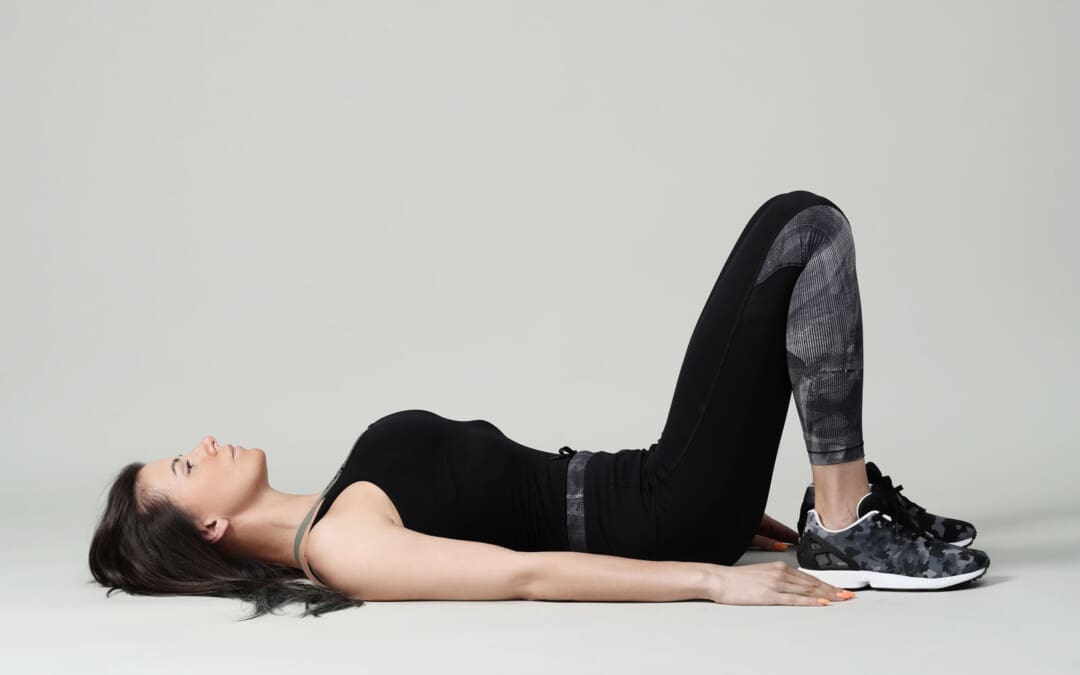
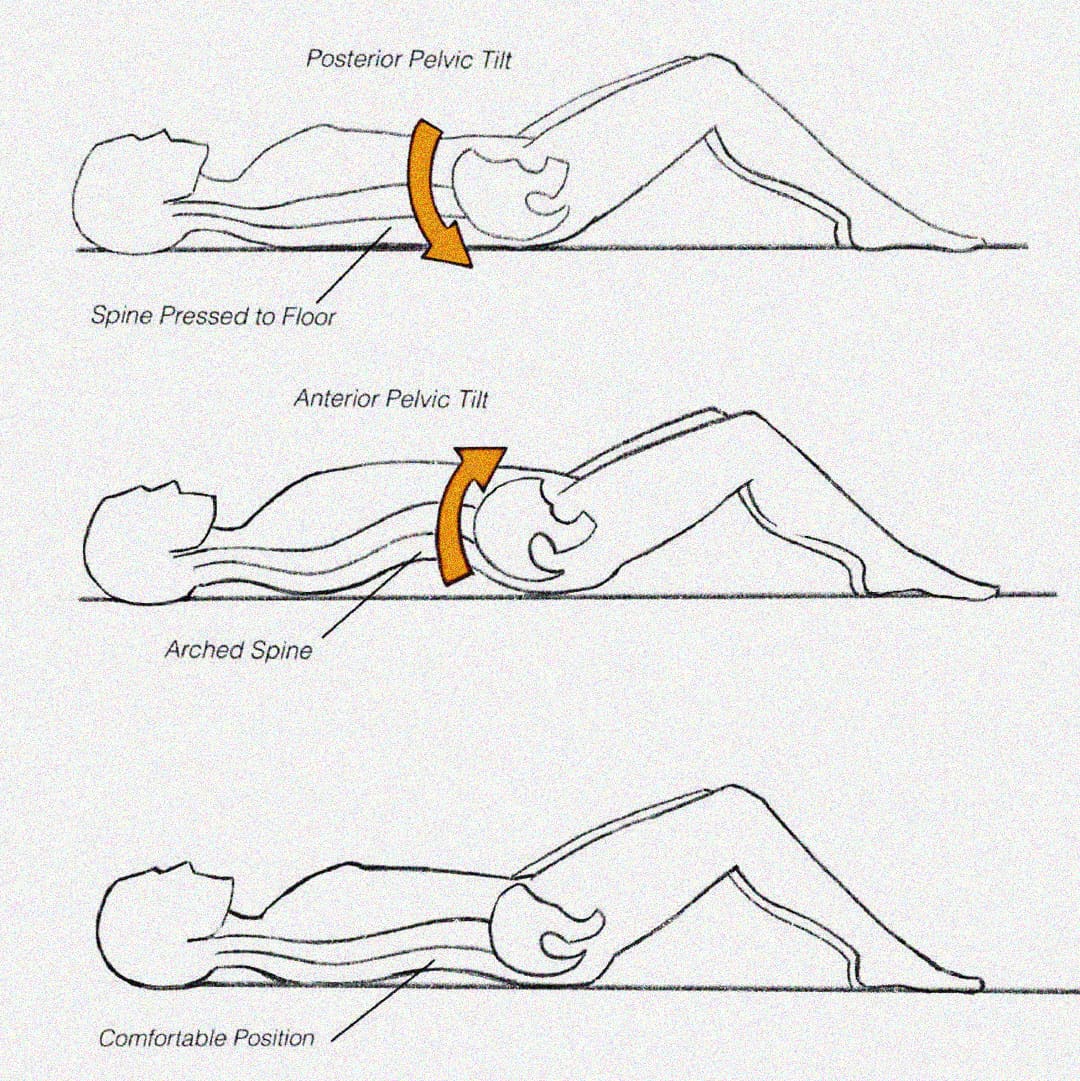
Lie on the back with knees bent and feet flat on the floor.
Ensure the legs are parallel to the hips, knees, heels, and toes.
Let the arms rest at your sides.
Relax
Relax the body, including the shoulders, neck, and jaw.
Allow the back to melt into the floor.
The rib cage will drop when the lower ribs are released to the floor.
Breathe Deep
Inhale all the way into the body, allowing it to move into the back and sides of the rib cage and all the way to the pelvis.
Pelvic Tilt
Exhale and use the abdominals to press the lower spine into the floor in a pelvic tuck. (Eickmeyer S. M. 2017)
Inhale to release.
Exhale and pull the lower spine off the floor, creating a pelvic tilt.
Inhale to release.
Pilates exercises don’t use excess energy or tension. Proper alignment and a neutral spine position can ensure that tension is released and excess energy is not exerted. (Byrnes, K., Wu, P. J., and Whillier, S. 2018) When performing the exercise, ensure that the shoulders, neck, and legs are relaxed and not involved in the movement.
When Exercising
Once a neutral spine is achieved, the goal is to maintain this spinal position during the exercises and when changing positions.
Start by lifting the right leg and placing it back down without letting the hips move.
Then, repeat the motion with the left leg.
Engage the abdominal muscles to help stabilize the pelvis, keeping it from moving and maintaining a neutral spine.
Repeat this process with each leg.
Once each leg can be lifted easily, test with both legs.
Exhale deeply and lift the legs while keeping the core and pelvis stable.
Then, lower them back down.
When performing this progression, there may be a want to release the abs and let the back arch.
This will cause a tuck and tilt position away from the neutral spine position.
If this progression is difficult, keep practicing until you can maintain a neutral spine.
Once this basic progression feels easy, try additional progressions and positioning.
Visualization Tips
Most people have their spines in one of two positions: tucked or tilted. A neutral spine requires individuals to be in between, with the lower abdominals flat and the lower spine’s natural curve slightly off the floor. The following visualization can help establish a neutral spine.
Balanced Pelvic Placement
Imagine a cup of water sitting on the lower abdomen, a couple of inches below the belly button.
Allow the abdominal muscles to drop toward the spine, flattening the belly.
You don’t want the water to spill, so the pelvis cannot be tipped forward or tucked under.
Body Scan Meditation
Once the body is relaxed with a balanced alignment on the floor.
Allow breathing to become deep and full and the abdominals to drop toward the floor.
The natural neck and lower spine curves should be off the floor.
Ensure the lower spine is not pressed into the floor, as this indicates a pelvic tilt.
If there is any discomfort or pain when working to increase endurance, seek advice from a healthcare professional. Injury Medical Chiropractic and Functional Medicine Clinic uses an integrated approach to treating injuries and chronic pain syndromes. It offers personalized care plans that improve ability through flexibility, mobility, and agility programs to relieve pain. Our providers use an integrated approach to create personalized care plans for each patient, including Functional Medicine, Acupuncture, Electro-Acupuncture, and Sports Medicine principles. Our goal is to relieve pain naturally by restoring health and function to the body. If other treatment is needed, Dr. Jimenez has teamed up with top surgeons, clinical specialists, medical researchers, and rehabilitation providers to provide the most effective treatments.
Is Motion Key to Healing?
References
Kloubec J. (2011). Pilates: how does it work and who needs it?. Muscles, ligaments and tendons journal, 1(2), 61–66.
Byrnes, K., Wu, P. J., & Whillier, S. (2018). Is Pilates an effective rehabilitation tool? A systematic review. Journal of bodywork and movement therapies, 22(1), 192–202. https://doi.org/10.1016/j.jbmt.2017.04.008
Barbosa, A. C., Vieira, E. R., Silva, A. F., Coelho, A. C., Martins, F. M., Fonseca, D. S., Barbosa, M. A., & Bordachar, D. (2018). Pilates experience vs. muscle activation during abdominal drawing-in maneuver. Journal of bodywork and movement therapies, 22(2), 467–470. https://doi.org/10.1016/j.jbmt.2017.05.002
Eickmeyer S. M. (2017). Anatomy and Physiology of the Pelvic Floor. Physical medicine and rehabilitation clinics of North America, 28(3), 455–460. https://doi.org/10.1016/j.pmr.2017.03.003
IFM's Find A Practitioner tool is the largest referral network in Functional Medicine, created to help patients locate Functional Medicine practitioners anywhere in the world. IFM Certified Practitioners are listed first in the search results, given their extensive education in Functional Medicine

 The traction unit must be hung over a door secured to the top and closed.