What type of exercise is recommended for individuals who want to exercise before bed?
Exercising Before Bed
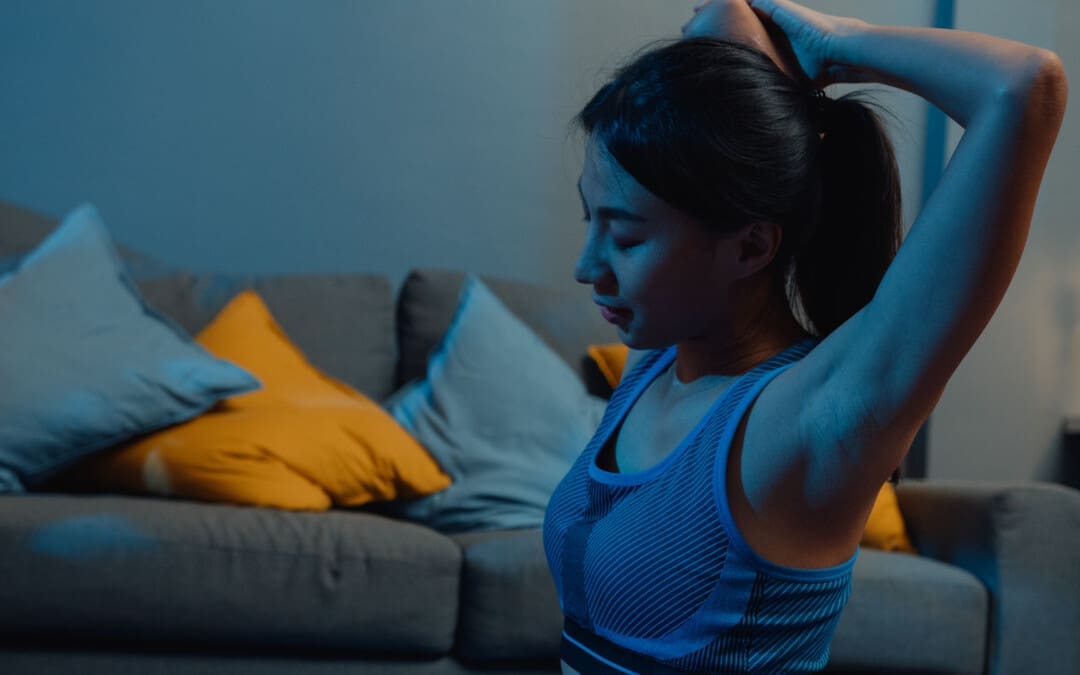
Exercising sounds like a good way to tire the mind and body before bed. However, research shows that moderate to vigorous exercise later in the day can negatively impact sleep quality. (Alkhaldi E. H. et al., 2023)
To improve sleep, it is recommended that you exercise in the morning or earlier in the day, at least four hours before bed.
Individuals who exercise later should aim for lighter activities, such as non-strenuous walking or gentle, restorative yoga.
Light physical activity, like a slow walk after dinner, is OK.
Advantages
Daily exercise improves sleep quality. (Johns Hopkins Medicine, 2025) Mild exercise before bed and engaging in light activities like walking or stretching can positively affect health (Hijikata Y, Yamada S. 2011). These include:
Decrease muscle tension
Improve digestion
Improve blood sugar regulation
Relax the mind and body
Disadvantages
The nervous system naturally switches between active and calm. It is ready to work and engage in physical activities when it is active. When it is resting, sleep occurs. Activating the nervous system before bed can affect sleep, and exercising can affect body temperature, producing sleep challenges. Typically, body temperature decreases as the body prepares for sleep. Exercising before bed can increase core temperature and disrupt the process. (Szymusiak R. 2018) Moderate or vigorous physical activity close to going to sleep can: (Alkhaldi E. H. et al., 2023)
Make it more difficult to fall asleep
This leads to more waking up during the night.
Decrease sleep quality
Recommended Types of Exercise
Pre-bedtime activities should not be vigorous or engaging enough to make the body and mind more alert. Some exercises to calm the body and mind before bed include: (Sleep Foundation, 2023)
Restorative Yoga
Yoga Nidra and other low-intensity yoga can help promote sleep.
More intense forms of yoga, such as vinyasa/flow, should be done earlier.
Tai Chi
A Chinese practice that incorporates slow, gentle movements and focuses on breathing to promote peace and relaxation.
Slow Walking
Walking at a leisurely pace can help the body unwind and relax.
A slow heart rate and breathing indicate that the activity is calming and not stimulating.
Exercises to Avoid
Moderate to high-intensity workouts before bed that increase breathing and heart rate can disrupt sleep. Individuals who struggle to fall asleep or get restful sleep should try reducing the intensity of certain exercises or avoiding them one to two hours before bed. Examples of moderate to vigorous exercises include: (American Heart Association, 2024)
Gardening or heavy yard work
Running
Brisk walking
Cycling
Dancing
Sports activities
Working Out In The Evening
Sometimes, exercising later in the day or close to bedtime is the only time to get physical activity. If this is the case, late exercise is better than no exercise at all, but there are ways to lessen its impact on sleep, including:
Light physical activity, like walking, can be done up to an hour before bed.
Do more intense exercises at the beginning of the workout.
End the workout with a cooldown, like walking or stretching, to relax the mind and body.
Know how your workout schedule impacts your sleep, and adjust as necessary.
Injury Medical Chiropractic & Functional Medicine Clinic
Injury Medical Chiropractic and Functional Medicine Clinic works with primary healthcare providers and specialists to develop an optimal health and wellness solution. We focus on what works for you to relieve pain, restore function, and prevent injury. Regarding musculoskeletal pain, specialists like chiropractors, acupuncturists, and massage therapists can help mitigate the pain through spinal adjustments that help the body realign itself. They can also work with other medical professionals to integrate a treatment plan to resolve musculoskeletal issues.
Optimizing Your Wellness
References
Alkhaldi, E. H., Battar, S., Alsuwailem, S. I., Almutairi, K. S., Alshamari, W. K., & Alkhaldi, A. H. (2023). Effect of Nighttime Exercise on Sleep Quality Among the General Population in Riyadh, Saudi Arabia: A Cross-Sectional Study. Cureus, 15(7), e41638. https://doi.org/10.7759/cureus.41638
Johns Hopkins Medicine. (2025). Exercising for better sleep. https://www.hopkinsmedicine.org/health/wellness-and-prevention/exercising-for-better-sleep
Hijikata, Y., & Yamada, S. (2011). Walking just after a meal seems to be more effective for weight loss than waiting for one hour to walk after a meal. International journal of general medicine, 4, 447–450. https://doi.org/10.2147/IJGM.S18837
Szymusiak R. (2018). Body temperature and sleep. Handbook of clinical neurology, 156, 341–351. https://doi.org/10.1016/B978-0-444-63912-7.00020-5
Sleep Foundation. (2023). Bedtime routines for adults. https://www.sleepfoundation.org/sleep-hygiene/bedtime-routine-for-adults
American Heart Association. (2024). American Heart Association recommendations for physical activity in adults and kids. https://www.heart.org/en/healthy-living/fitness/fitness-basics/aha-recs-for-physical-activity-in-adults
Harvard Health Publishing. (2024). Does exercising at night affect sleep? https://www.health.harvard.edu/staying-healthy/does-exercising-at-night-affect-sleep
Does an individual’s ideal daily intake of vegetables depend on age, sex, and activity level?
Daily Serving of Vegetables
Vegetables are vital to a healthy diet. Every type offers various nutrients in a unique combination of vitamins, minerals, and phytochemicals. Plus, they are low in fat and calories and packed with fiber. The U.S. Department of Agriculture and other health organizations recommend eating a variety for optimal health. An age guide recommends the number of cups of vegetables that babies and older adults should consume daily. The U.S. Centers for Disease Control and Prevention reports that very few individuals meet the vegetable consumption guidelines, putting them at risk for chronic diseases like diabetes and heart disease. (U.S. Centers for Disease Control and Prevention, 2017)
What Is a Serving?
Current Dietary Guidelines recommend 2 1/2 cups of vegetables or nine servings daily. However, the amount varies by age. Serving sizes are also based on the type of vegetable. Overall, individuals are recommended to consume a variety each day. For most vegetables, a serving equals the amount that will fill one measuring cup. However, a serving of raw leafy greens like spinach and lettuce is two cups (U. S. Department of Agriculture, 2020), and eight ounces of vegetable juice also counts as one cup serving. For those who don’t have a measuring cup or kitchen scale, here are some one-cup equivalents for certain vegetables.
One large tomato
One medium potato
One large ear of corn
One large sweet pepper
One large sweet potato
Two medium carrots
Five or six broccoli florets
Another way is to use tablespoons—one cup contains around 16 tablespoons, which can be used when calculating servings for babies, toddlers, and young children.
Babies
Most babies are ready to eat solid foods between four and six months. There’s no ideal order, so starting with vegetables is fine. Starting babies with foods like peas, carrots, and squash could help encourage a preference for these foods that will carry on into adulthood, as babies tend to gravitate toward sweet flavors and may only want applesauce and pears, which could lead to not wanting to eat vegetables. It is recommended to start with a few teaspoons at a time. Eventually, they will eat about three or four tablespoons of baby food, like cereal or purees, a few times a day, which can fill about half a cup.
Toddlers 2-3
Toddlers age two to three should consume one cup of vegetables each day. If that sounds like a lot, remember that one cup can be spread throughout the day—it doesn’t have to be finished in a single meal. It also means one cup of various vegetables, not just one type. For example, some baby carrots during breakfast, steamed broccoli for lunch, and roasted sweet potatoes with dinner. Each serving can include four tablespoons that will become one serving. And if the only vegetable the toddler will eat is corn, that’s okay. There are also ways to disguise vegetables so they will eat them, like spinach or kale, which can disappear into a fruit smoothie. Children under five can choke on uncooked fruits and vegetables, so make sure whatever form is safe.
Young Children 4-8
Boys and girls in this age group should eat one and a half cups of vegetables daily. Regarding preparation, it’s fine to eat raw and cooked veggies. However, four-year-olds are still at risk of choking on raw vegetables. Cut carrots, bell peppers, and other vegetables into pieces no larger than a half-inch long so they won’t get stuck in their throat if inadvertently swallowed without chewing properly. And steamed, baked, and roasted vegetables are the healthiest.
Tweens 9-13
During the tween years, nutritional needs vary slightly based on sex. The recommended daily amount for girls is at least two cups. For boys, the recommendation is at least two and a half cups. Tweens of either gender who are especially active benefit from eating more than the suggested minimum. Research shows that boys eat fewer vegetables and fruits than girls. (Bere E. et al., 2008) Offer as much variety of vegetables and ways to prepare to find the ones they enjoy most.
Teens 14-18
Teenage girls should eat at least two and a half cups of vegetables daily, and boys eat at least three cups. Active teens who get 30 minutes of exercise daily may need more. However, it can be harder to monitor their vegetable intake as kids get older and spend more time eating away from home. In all family meals, try to include a variety of healthy prepared vegetables like:
Raw in salads
Steamed
Roasted
Baked as a side dish
Folded into omelets
Added to soups and stews
Layered on pizzas
Make it easy for teenagers to have vegetables between meals. Pre-cut carrots, celery, and bell peppers can be kept front and center in the fridge alongside hummus or guacamole for dipping.
Young Adults 19-30
The recommended daily amount of vegetables for individuals ages 19 to 30 is the same as for teens: at least three cups daily for men and at least two and a half cups for women. Those who exercise should include more. If a busy lifestyle makes getting all the vegetables needed difficult, take advantage of options like smoothies, including vegetables, pre-tossed salads, and prepped-for-cooking vegetables at the store. They may be more expensive, but if the time saved makes it easier to eat vegetables, it may be worth it, and eventually, individuals will learn how to prepare their own. Kitchen gadgets, like a smoothie blender, can help with faster preparations.
Adults 31-50
As with young adults, the amount of vegetables should be at least two and a half cups daily for women, three cups for men, and more for those who work out or are physically active.
Older Adults 51-Up
Because the body’s metabolism slows down, individuals 51 and older are advised to cut calories to prevent weight gain. This also applies to calories from vegetables. Women 51 and older should consume around two cups of vegetables daily, and men should consume around two and a half cups. Active older adults should continue to factor in the amount of physical activity with vegetable intake. Individuals should talk to their doctor or see a nutritionist if they want more specific guidance on what to include in their diet.
Injury Medical Chiropractic and Functional Medicine Clinic
Injury Medical Chiropractic and Functional Medicine Clinic providers use an integrated approach to create personalized care plans for each patient and restore health and function to the body through nutrition and wellness, functional medicine, acupuncture, Electroacupuncture, and sports medicine protocols. If the individual needs other treatment, they will be referred to a clinic or physician best suited for them. Dr. Jimenez has teamed up with top surgeons, clinical specialists, medical researchers, nutritionists, and health coaches to provide the most effective clinical treatments.
Nutrition Fundamentals
References
U.S. Centers for Disease Control and Prevention. (2017). Only 1 in 10 adults get enough fruits or vegetables. Retrieved from https://archive.cdc.gov/#/details?url=https://www.cdc.gov/media/releases/2017/p1116-fruit-vegetable-consumption.html
U. S. Department of Agriculture. (2020). Vegetables. Retrieved from https://www.myplate.gov/eat-healthy/vegetables
Bere, E., Brug, J., & Klepp, K. I. (2008). Why do boys eat less fruit and vegetables than girls?. Public health nutrition, 11(3), 321–325. https://doi.org/10.1017/S1368980007000729
Can knowing the characteristics of each stage of healing help expedite recovery for individuals who are healing after neck and back injuries?
Back or Neck Injury Healing Stages
At each stage, different things happen at the injury site. This means recommended exercises and activity levels will vary depending on how long it’s been since the injury. The stages to know about when healing from a neck or back injury. (Brumitt J., and Cuddeford T. 2015)
Inflammation or Acute Stage
Also known as the inflammatory stage, the acute stage occurs during the injury and can continue for 72 hours. The body releases repair chemicals in response to tissue damage, causing inflammation and pain. Symptoms of inflammation, including redness, swelling, pain at rest, and diminished function, are expected. Inflammation and pain during the inflammation stage are caused by the body’s repair chemicals released in response to tissue damage. (Wu, Y. S. and Chen S. N. 2014) The biological reaction decreases mobility so the injured area can rest and heal, but the substances that promote healing also cause pain and swelling. (Shah A. and Amini-Nik S. 2017) Scar tissue also begins to form during the inflammatory stage. (Wilgus T. A. 2020) Initial treatment focuses on reducing pain, swelling, and muscle spasms. Individuals are encouraged to use ice packs, compression, and over-the-counter anti-inflammatory medications like ibuprofen or naproxen. (Duchesne E., Dufresne S. S., and Dumont N. A. 2017)
Subacute Stage
Inflammation decreases, and new connective tissue and capillaries grow to help repair damaged structures. The subacute phase generates new connective tissue and capillary growth and reduced inflammation. (Brumitt J., and Cuddeford T. 2015) Scar tissue continues to grow during this time, as well. The tissues are still fragile at this stage, stressing the injured area should be limited to when the therapist or doctor is examining or working with the patient. Most physical therapists recommend beginning with gentle movement during the subacute phase and gradually building up the intensity of exercise. Mild isometric and low-intensity exercises are often used. Because activity is restricted, the muscles may seem weak. Depending on the severity of the injury and the type of tissue that was injured (i.e., tendons have less blood circulation and tend to heal more slowly, it can take a few days to several weeks. (Brumitt J., and Cuddeford T. 2015)
The Chronic Stage or Maturation
The inflammation disappears entirely during the chronic or maturation stage of neck or back injury healing. The new collagen fibers build strength, and the wound shrinks. (Brumitt J., and Cuddeford T. 2015) During this stage, pain associated with the injury tends to be limited to the end joint’s range of motion. The first ten weeks of the chronic stage are essential for engaging in exercises that enhance healing and help remodel the fibers so they will function as close as possible to the way they did before the injury. (Azevedo P. S. et al., 2016) Exercises during the ten weeks are important because otherwise, individuals can permanently lose some of their ability to move and function.
After around ten weeks, the scar tissue can permanently change, so re-acquiring strength and flexibility may necessitate surgery or manual release treatment from a physical therapist or chiropractor. During this time, the scar tissue can be remodeled with exercise, meaning that the activities and motions performed on the injured area will affect the formation of new tissue fibers. The chronic stage of healing begins after 21 days and doesn’t end after the 10-week prime time (Brumitt J., and Cuddeford T. 2015). It can continue for quite some time.
Treatment
Treatment focuses on engaging the injured muscles in light isometric contractions to help align new collagen fibers. Physical therapy helps rebuild mobility, strength, balance, and flexibility and can also help learn about injury and how to recover. A treatment that may also help during these phases is massage therapy. Extended bed rest or immobility can prolong symptoms and delay recovery. Tips to manage pain and recovery:
When sitting for long periods, get up and move around frequently.
Wear comfortable shoes.
When driving long distances, stop frequently to stand up and walk around.
Sleep on the side with a small pillow between the knees.
Limit how much weight is carried.
Add exercises gradually.
Most symptoms of back strain or sprain improve in about two weeks. Individuals may need additional treatment if symptoms continue for longer than two weeks. Maintaining exercises will continue to make the body stronger, more flexible, more functional, and pain-free.
Chiropractic Care for Healing After Trauma
References
Brumitt, J., & Cuddeford, T. (2015). CURRENT CONCEPTS OF MUSCLE AND TENDON ADAPTATION TO STRENGTH AND CONDITIONING. International journal of sports physical therapy, 10(6), 748–759.
Wu, Y. S., & Chen, S. N. (2014). Apoptotic cell: linkage of inflammation and wound healing. Frontiers in pharmacology, 5, 1. https://doi.org/10.3389/fphar.2014.00001
Shah, A., & Amini-Nik, S. (2017). The Role of Phytochemicals in the Inflammatory Phase of Wound Healing. International journal of molecular sciences, 18(5), 1068. https://doi.org/10.3390/ijms18051068
Wilgus T. A. (2020). Inflammation as an orchestrator of cutaneous scar formation: a review of the literature. Plastic and aesthetic research, 7, 54. https://doi.org/10.20517/2347-9264.2020.150
Duchesne, E., Dufresne, S. S., & Dumont, N. A. (2017). Impact of Inflammation and Anti-inflammatory Modalities on Skeletal Muscle Healing: From Fundamental Research to the Clinic. Physical therapy, 97(8), 807–817. https://doi.org/10.1093/ptj/pzx056
Azevedo, P. S., Polegato, B. F., Minicucci, M. F., Paiva, S. A., & Zornoff, L. A. (2016). Cardiac Remodeling: Concepts, Clinical Impact, Pathophysiological Mechanisms and Pharmacologic Treatment. Arquivos brasileiros de cardiologia, 106(1), 62–69. https://doi.org/10.5935/abc.20160005
Can increasing endurance help individuals who want to improve their physical abilities or extend the time they perform these activities?
Endurance
Individuals tend to think of endurance in terms of exercise and fitness, such as running, biking, swimming, and strength training. While this is true, endurance is involved in nearly every task we perform. For example, an individual has to have enough endurance to complete a full day of activities. This includes:
Carpooling the kids
Professional responsibilities
Home chores
Preparing dinner
Helping out kids with homework, etc.
Nearly every activity requires some level of endurance, which means the ability to maintain activity for an extended period of time. When endurance begins to wane, it usually results from not performing certain activities regularly. The body gets used to daily routines and activities. When it stops engaging in certain activities, like walking and exercising regularly, endurance slowly declines, and the ability to perform at the same caliber.
What Is It?
Endurance is an ability that is acquired after extensive physical and mental training. Physiological and psychological factors reinvigorate individuals to continue doing what they are doing longer. Factors include:
Fatigue
Individuals who didn’t sleep well the night before or are worn out may have difficulty following through with certain activities that require extensive output or stamina.
Fitness Levels
Current fitness levels are also a predictor of endurance.
How physically fit an individual is, coupled with their level of training, will impact endurance abilities.
Genetics is another factor, as everybody has different muscle fibers that can influence physical capabilities. While research shows that individuals can gradually alter the amount of these fibers, it also emphasizes the role of genetics in determining one’s muscle makeup. (de Souza, E. O. et al., 2014)
Individuals who constantly challenge themselves mentally and physically are continually building endurance.
Endurance and Stamina Difference
Endurance is often used interchangeably with stamina. However, the two are very different.
Stamina refers to how long an individual can perform a certain activity at maximum capacity or without getting tired.
Endurance revolves around an individual’s ability to perform a certain activity without performing at maximum capacity.
Types
Endurance can be divided into classifications defined by type. Here are the main types of endurance in physical fitness and what they mean.
Cardiovascular
Cardiovascular endurance is the stress an individual’s heart can take during physical activity.
When building cardiovascular endurance, the body becomes more efficient at pumping blood while performing a specific activity.
Individuals with more cardiovascular endurance can sustain longer and more intense overall training.
Muscular
Muscular endurance is the length of time muscles can continue to contract enough to allow the body to finish a certain activity.
An individual lacking in muscular endurance will succumb faster to excess lactic acid build-up, causing cramps.
An individual with significant muscular endurance can lift a weight for more repetitions before failure.
Anaerobic
Anaerobic means without oxygen, so anaerobic endurance refers to how long a muscle can continue working at a certain physical level without much or any oxygen.
Weightlifting is a great example of this.
Anaerobic exercise tends to be shorter in duration but more intense than aerobic exercise, like swimming or cycling.
Improvement
Through endurance training, individuals can improve their ability to carry out certain activities longer. Recommendations for how to improve include.
Interval Training
Interval training, or high-intensity interval training, involves increasing the intensity of the workout for a short period of time.
If running, intentionally push the pace harder than normal for 20-second intervals.
Followed by a slower recovery pace for about a minute.
This increases endurance and improves insulin sensitivity.
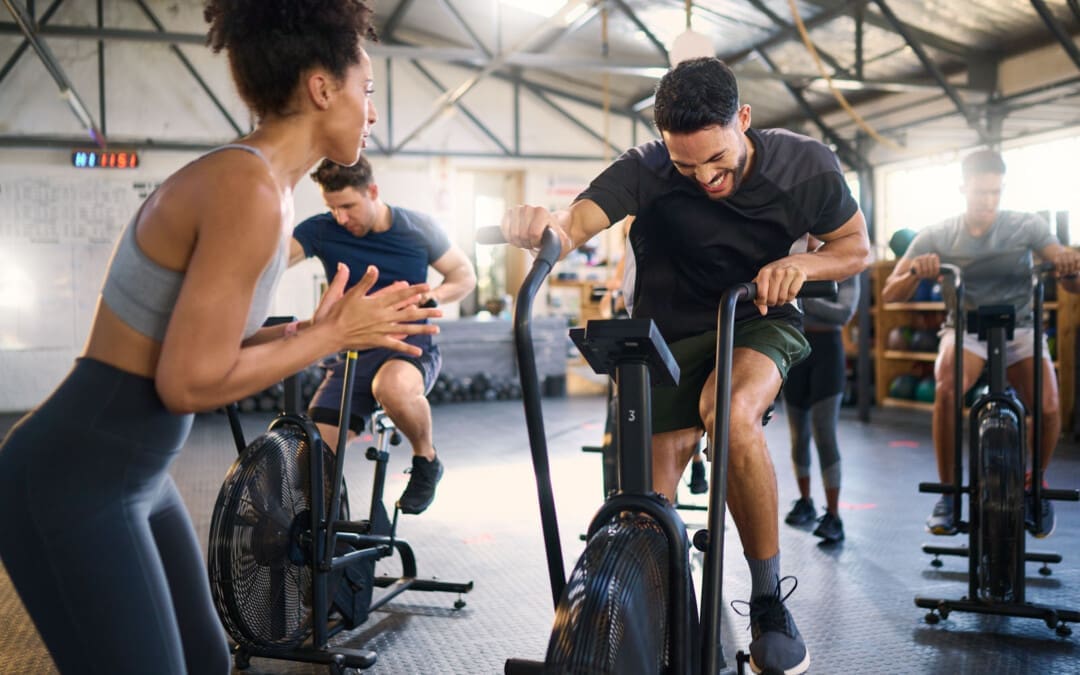
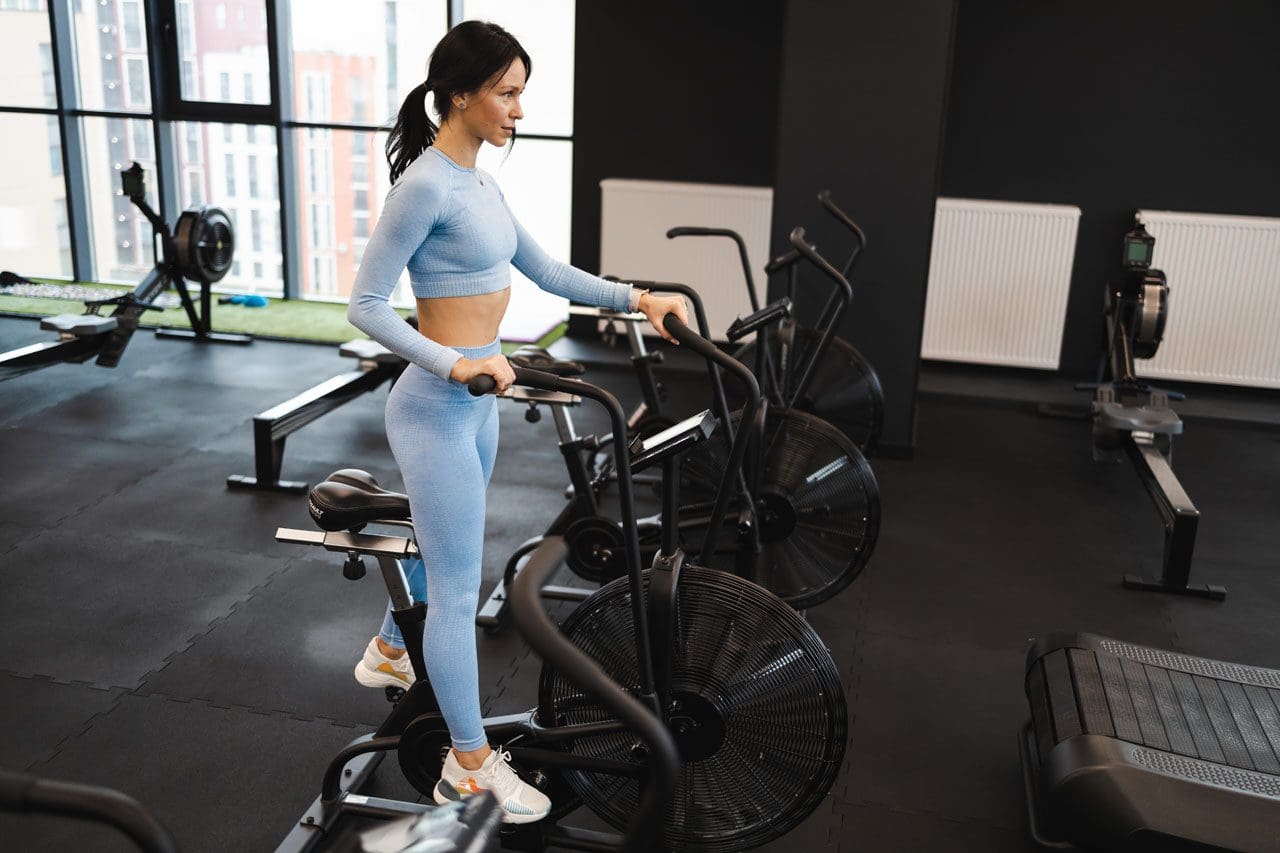
Pedaling on an air bike is another recommended activity to build strength and endurance.
Rest Less Between Sets
Resting in between certain types of physical activity is beneficial, it can also lower heart rate and endurance threshold.
Taking less rest between workout sets so that the heart rate stays elevated increases endurance with each workout.
Perform a Few More Reps On Each Set
Whatever the type of exercise being done, one way to enhance endurance is to add one more rep, one more mile, or a few more minutes to the fitness schedule.
The body will slowly adapt to that level, making it the new norm.
Increase Core Strength
No matter the workout—running, swimming, cycling, or weight lifting—it’s important to focus on strengthening the core. This will help improve endurance in any activity and prevent injuries.
Individuals having trouble taking their workouts to the next level and feeling that their endurance has flattened should consider enlisting the help of a certified personal trainer. If there is any discomfort or pain when working to increase endurance, seek advice from a healthcare professional. Injury Medical Chiropractic and Functional Medicine Clinic uses an integrated approach to treating injuries and chronic pain syndromes. It offers personalized care plans that improve ability through flexibility, mobility, and agility programs to relieve pain. Our providers use an integrated approach to create personalized care plans for each patient, including Functional Medicine, Acupuncture, Electro-Acupuncture, and Sports Medicine principles. Our goal is to relieve pain naturally by restoring health and function to the body. If other treatment is needed, Dr. Jimenez has teamed up with top surgeons, clinical specialists, medical researchers, and rehabilitation providers to provide the most effective treatments.
Unlocking Athletic Potential
References
de Souza, E. O., Tricoli, V., Aoki, M. S., Roschel, H., Brum, P. C., Bacurau, A. V., Silva-Batista, C., Wilson, J. M., Neves, M., Jr, Soares, A. G., & Ugrinowitsch, C. (2014). Effects of concurrent strength and endurance training on genes related to myostatin signaling pathway and muscle fiber responses. Journal of strength and conditioning research, 28(11), 3215–3223. https://doi.org/10.1519/JSC.0000000000000525
Individuals with plantar fasciitis may experience consistent flare-ups. Can knowing the causes help to find pain relief?
Plantar Fasciitis Flare-Up
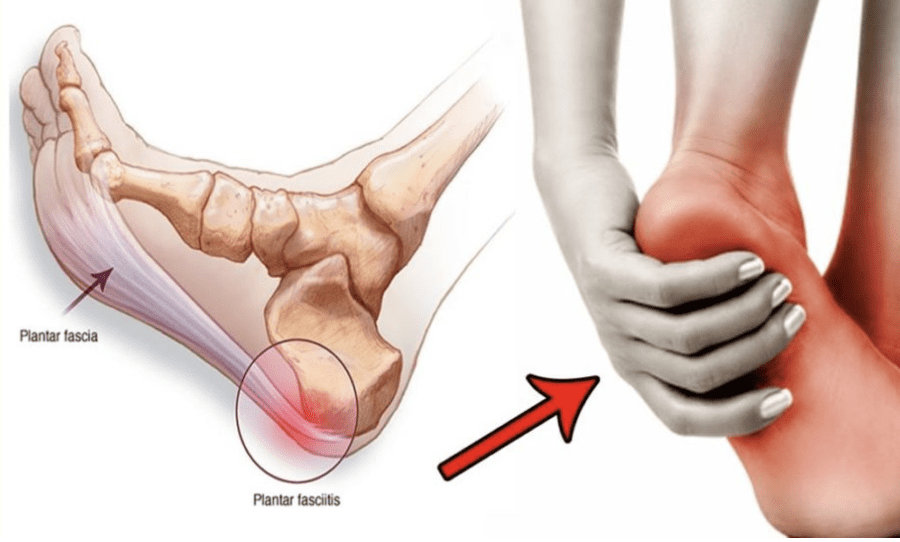
Plantar fasciitis is a common cause of heel and foot pain. The plantar fascia is a band of tissue that runs along the bottom of the foot and becomes inflamed. Certain factors can cause plantar fasciitis flare-ups, including:
Increased levels of physical activity.
Not stretching regularly.
Wearing shoes without proper support.
Weight gain.
Causes
A plantar fasciitis flare-up is often triggered by physical activity. (MedlinePlus. U.S. National Library of Medicine. 2022) It can also be brought on by underlying conditions, like increased body weight, arthritis, or the shape of the foot. (Johns Hopkins Medicine. 2023) Despite the root cause, there are activities and experiences that can contribute to and/or worsen the condition.
New Exercise Routine
Being highly physically active can exacerbate plantar fasciitis symptoms.
High heels, boots, or shoes that raise the heel above the toes.
Worn-out shoes like exercise workout shoes.
Not Stretching Properly or At All
Tight calves can increase pressure on the plantar fascia.
Stretching the calves, Achilles tendon/heel, and the bottom of the feet is highly recommended to help treat and prevent the condition. (Johns Hopkins Medicine. 2023)
Not stretching thoroughly or skipping stretches can worsen symptoms.
Individuals with plantar fasciitis are recommended to stretch before and after physical activities, exercise, before going to bed, and after waking up.
Working Through the Pain
Individuals may try to continue physical activities during a flare-up.
This is not recommended as doing so can cause more pain and worsen the condition.
When pain presents, it’s recommended to:
Stop all activities that strain the feet
Stay off the feet for at least a week.
Tearing the Plantar Fascia
The plantar fascia rarely tear completely from repeated stress known as a plantar fascia rupture.
Pascoe, S. C., & Mazzola, T. J. (2016). Acute Medial Plantar Fascia Tear. The Journal of orthopaedic and sports physical therapy, 46(6), 495. https://doi.org/10.2519/jospt.2016.0409
For individuals about to engage in physical activity or exercise, how does warming up the body help prepare for the work ahead?
Central Nervous System Activation
A proper warm-up before physical activity or working out prepares the mind and body to reduce risks of injury, mentally and physically transition to physical activity work, and enhance performance. A well-designed warm-up also primes the central nervous system/CNS for activity. The central nervous system transmits messages to the muscles to prepare them for action. Central nervous system activation increases motor neuron recruitment and engages the sympathetic nervous system so the body can better handle the physical stressors. The process may seem complex, but priming the nervous system is as simple as warming up with light aerobic activity before getting into more explosive movements.
CNS
The CNS consists of the brain and spinal cord. This central communication system uses another part of the nervous system known as the peripheral nervous system or PNS to transmit and receive messages throughout the body. The PNS is connected to the entire body and the brain and spinal cord (CNS).
Nerves run throughout the body, receiving signals from the CNS to the muscles, fibers, and organs, transmitting various information back to the brain. (Berkeley University. N.D.)
There are two types of systems within the peripheral nervous system – somatic and autonomic.
Somatic nervous system actions are those controlled by the person through voluntary actions like choosing to pick something up.
Properly preparing the body for an intense strength training session or other physical activity needs the correct messages to be sent through the autonomic nervous system.
Parasympathetic and Sympathetic States
The autonomic nervous system consists of two subcategories, which are parasympathetic and sympathetic.
The sympathetic nervous system helps the body get ready to face stress which includes physical stress. (R. Bankenahally, H. Krovvidi. 2016)
The fight, flight, or freeze response describes the sympathetic nervous system’s aspect.
The parasympathetic nervous system is responsible for relaxation and de-stressing.
Individuals are recommended to perform a few calming movements and actions after a workout to return the body to a parasympathetic state. This can be:
Activating the CNS can increase performance and prevent injuries. The process wakes up and alerts the body for the activity. Individuals are recommended before beginning a training session, to communicate to the body about the physical stress it is about to endure and to prepare for the work ahead. This is a concept known as post-activation potentiation/PAP. (Anthony J Blazevich, Nicolas Babault. 2019) PAP helps increase force and power production, which enhances physical performance.
Whenever an individual trains, the brain adapts and learns what the body is doing and the purpose of the training.
Muscle memory describes this interaction.
Individuals who have started up a new strength training routine or after an extended break report feeling awkward for the first few sessions, or even weeks, depending on their experience. (David C Hughes, Stian Ellefsen, Keith Baar, 2018)
However, after a few sessions, the body is more adept at performing the movements and ready to increase resistance, repetitions, or both.
This has to do with the neural drive and muscle memory than it has to do with true potential physical abilities. (Simon Walker. 2021)
The first step is a general warm-up that should use large muscle groups and be of low intensity so as not to exhaust the body before beginning the actual training. General warm-up benefits central nervous system activation and the entire body include: (Pedro P. Neves, et al., 2021) (D C. Andrade, et al., 2015)
Increases blood circulation.
Assists the release of oxygen from hemoglobin and myoglobin.
Warms the muscles, so they contract more effectively.
Increases nerve impulse speed.
Increases nutrient delivery.
Lowers joints’ resistance through increased synovial fluid/joint lubrication.
Increases joint range of motion.
Improves joint resiliency.
Removes metabolic waste quicker.
Reduces risk of injury.
A general warm-up can be simple as any aerobic activity will work. This can include:
Performing bodyweight movements – light jumping jacks or jogging in place.
Treadmill
Rowing machine
Stair climber
Elliptical trainer
It is recommended to use the rating perceived exertion scale/RPE to determine the general warm-up effort. An exertion rating of between 5 to 6 is equivalent to moderate walking or a slow jog. Individuals should be able to speak clearly without taking a pause.
Try this strategy before the next workout to see increased performance and reduced injury risks.
Blazevich, A. J., & Babault, N. (2019). Post-activation Potentiation Versus Post-activation Performance Enhancement in Humans: Historical Perspective, Underlying Mechanisms, and Current Issues. Frontiers in physiology, 10, 1359. https://doi.org/10.3389/fphys.2019.01359
Hughes, D. C., Ellefsen, S., & Baar, K. (2018). Adaptations to Endurance and Strength Training. Cold Spring Harbor perspectives in medicine, 8(6), a029769. https://doi.org/10.1101/cshperspect.a029769
Walker S. (2021). Evidence of resistance training-induced neural adaptation in older adults. Experimental gerontology, 151, 111408. https://doi.org/10.1016/j.exger.2021.111408
Andrade, D. C., Henriquez-Olguín, C., Beltrán, A. R., Ramírez, M. A., Labarca, C., Cornejo, M., Álvarez, C., & Ramírez-Campillo, R. (2015). Effects of general, specific, and combined warm-up on explosive muscular performance. Biology of sport, 32(2), 123–128. https://doi.org/10.5604/20831862.1140426
While a healthy, sustainable lifestyle for one individual may not be the best option for another, can experts point out signs of a healthy life?
Healthy Life
Being or living a healthy life is a phrase that can be confusing. Researchers examine some major areas of concern with constant imagery like social media’s role in shaping what behaviors people consider important to reach a physical fitness/health goal. These behaviors prioritize physical appearance and are often linked with negative psychological effects and worsening physical health outcomes. (Binder A, et al., 2021) Studies routinely show that someone’s body shape is not a good indicator of how healthy they really are. (Uhlmann LR, et al., 2018)
Living a healthy life is a multi-faceted endeavor that requires maintaining a balance. New research has shown that “adhering to both quality diet and sufficient physical activity is important for optimally reducing the risk of mortality from all causes, CVD and PDAR cancers.” (Ding D, et al., 2022) Individuals do not need to make extreme changes to these areas of their lifestyle. Studies show that making small adjustments, little by little, prepares the individual to develop long-term sustainable habits. (Adhikari P, Gollub E. 2021)
Nutritional Health
Too much salt, sugar, and saturated fat increases the risk of diseases like diabetes, heart disease, and stroke. (National Institutes of Health, 2017) It can be easy to overlook balanced nutrition and it is not all about what should be restricted and avoided. It is about making sure the body gets the proper amount of nutrient-rich foods essential to overall health. Examples include:
Deficiency of nutrients like magnesium, calcium, and vitamins A, C, D, E, and K are with sleep problems. (Ikonte CJ, et al., 2019)
Not acquiring enough protein can lead to slowed metabolism and weight gain. (Pezeshki A, et al., 2016)
Healthy fats are essential to protect against heart disease and can help maintain high energy levels. (Gammone MA, et al., 2018)
Research has found that depression and nutrition are linked.
Incorporating a diet like the Mediterranean has been associated with a reduced risk of depression symptoms. (Oddo VM, et al., 2022)
Physical Activity
Regular physical activity helps with weight management, reduces the risk of chronic diseases, maintains healthy bones and joints, and contributes to positive mental health and mood.
The Centers for Disease Control and Prevention estimates around 60 percent of the population does not get enough daily physical activity. (Surgeon General Report, CDC. 1999)
According to the research, individuals don’t exercise for consistent reasons that include: not having enough time, no access to resources, and being too tired to work out. (Yen Sin Koh, et al., 2022)
Increasing the heart rate for only 12 minutes a day can protect the cardiovascular system. (Matthew Nayor, et al., 2020)
Signs
A few signs that an individual is healthy.
Stable Energy Levels
Having energy throughout the day is a sign you’re getting high-quality sleep.
Energy levels can also offer clues on nutritional intake, particularly of fats, carbohydrates, and proteins. (Yohannes Adama Melaku, et al., 2019)
The right combination of macronutrients can be different for everyone, especially depending on factors like age, job, medical history, and physical activity.
Paying attention to energy levels at different times of the day can help guide fitness and health goals.
One sign that the mind and body are dealing with stress well is the ability to set boundaries.
Setting boundaries shows recognition and priority for their needs.
This could be boundaries for respect of thoughts and ideas, physical space, emotional needs, the time spent on certain things, sex life, and material possessions.
Fresh Breath
The mouth can show what is going on as far as the health of the body.
Poor oral hygiene can lead to a buildup of bacteria that can spread throughout the respiratory and digestive tracts.
Chronic bad breath is a common sign of poor oral health.
Studies suggest that increased bacteria entering the body can lower immune system response and increase the development of general health problems. (NIH. 2018)
Time to Change
Signs that the mind and body are not healthy include:
Always sick or feel as if you’re coming down with something.
The stomach is constantly feeling like it is bloated, backed up, or dealing with acid reflux or indigestion.
The human body, organs, and tissues are complex structures, and the signals they transmit about underlying issues can be subtle which individuals tend to not notice until the little problems become major ones. It’s important to look at life habits and be honest about changes that may need to be implemented to improve health, lessen the risk of chronic health conditions, and improve quality of life.
Multidisciplinary Evaluations and Treatment
References
Binder, A., Noetzel, S., Spielvogel, I., & Matthes, J. (2021). “Context, Please?” The Effects of Appearance- and Health-Frames and Media Context on Body-Related Outcomes. Frontiers in public health, 9, 637354. https://doi.org/10.3389/fpubh.2021.637354
Uhlmann, L. R., Donovan, C. L., Zimmer-Gembeck, M. J., Bell, H. S., & Ramme, R. A. (2018). The fit beauty ideal: A healthy alternative to thinness or a wolf in sheep’s clothing? Body image, 25, 23–30. https://doi.org/10.1016/j.bodyim.2018.01.005
Ding, D., Van Buskirk, J., Nguyen, B., Stamatakis, E., Elbarbary, M., Veronese, N., Clare, P. J., Lee, I. M., Ekelund, U., & Fontana, L. (2022). Physical activity, diet quality and all-cause cardiovascular disease and cancer mortality: a prospective study of 346 627 UK Biobank participants. British Journal of sports medicine, bj sports-2021-105195. Advanced online publication. https://doi.org/10.1136/bjsports-2021-105195
Adhikari, P., & Gollub, E. (2021). Evaluation of the Small Changes, Healthy Habits Pilot Program: Its Influence on Healthy Eating and Physical Activity Behaviors of Adults in Louisiana. European journal of investigation in health, psychology, and education, 11(1), 251–262. https://doi.org/10.3390/ejihpe11010019
How dietary factors influence disease risk. National Institutes of Health (NIH)
Ikonte, C. J., Mun, J. G., Reider, C. A., Grant, R. W., & Mitmesser, S. H. (2019). Micronutrient Inadequacy in Short Sleep: Analysis of the NHANES 2005-2016. Nutrients, 11(10), 2335. https://doi.org/10.3390/nu11102335
Pezeshki, A., Zapata, R. C., Singh, A., Yee, N. J., & Chelikani, P. K. (2016). Low protein diets produce divergent effects on energy balance. Scientific reports, 6, 25145. https://doi.org/10.1038/srep25145
Gammone, M. A., Riccioni, G., Parrinello, G., & D’Orazio, N. (2018). Omega-3 Polyunsaturated Fatty Acids: Benefits and Endpoints in Sport. Nutrients, 11(1), 46. https://doi.org/10.3390/nu11010046
Oddo, V. M., Welke, L., McLeod, A., Pezley, L., Xia, Y., Maki, P., Koenig, M. D., Kominiarek, M. A., Langenecker, S., & Tussing-Humphreys, L. (2022). Adherence to a Mediterranean Diet Is Associated with Lower Depressive Symptoms among U.S. Adults. Nutrients, 14(2), 278. https://doi.org/10.3390/nu14020278
Adults, Surgeon General Report, CDC.
Koh, Y. S., Asharani, P. V., Devi, F., Roystonn, K., Wang, P., Vaingankar, J. A., Abdin, E., Sum, C. F., Lee, E. S., Müller-Riemenschneider, F., Chong, S. A., & Subramaniam, M. (2022). A cross-sectional study on the perceived barriers to physical activity and their associations with domain-specific physical activity and sedentary behavior. BMC public health, 22(1), 1051. https://doi.org/10.1186/s12889-022-13431-2
Saint-Maurice, P. F., Graubard, B. I., Troiano, R. P., Berrigan, D., Galuska, D. A., Fulton, J. E., & Matthews, C. E. (2022). Estimated Number of Deaths Prevented Through Increased Physical Activity Among US Adults. JAMA internal medicine, 182(3), 349–352. https://doi.org/10.1001/jamainternmed.2021.7755
Nayor, M., Shah, R. V., Miller, P. E., Blodgett, J. B., Tanguay, M., Pico, A. R., Murthy, V. L., Malhotra, R., Houstis, N. E., Deik, A., Pierce, K. A., Bullock, K., Dailey, L., Velagaleti, R. S., Moore, S. A., Ho, J. E., Baggish, A. L., Clish, C. B., Larson, M. G., Vasan, R. S., … Lewis, G. D. (2020). Metabolic Architecture of Acute Exercise Response in Middle-Aged Adults in the Community. Circulation, 142(20), 1905–1924. https://doi.org/10.1161/CIRCULATIONAHA.120.050281
Melaku, Y. A., Reynolds, A. C., Gill, T. K., Appleton, S., & Adams, R. (2019). Association between Macronutrient Intake and Excessive Daytime Sleepiness: An Iso-Caloric Substitution Analysis from the North West Adelaide Health Study. Nutrients, 11(10), 2374. https://doi.org/10.3390/nu11102374
Jamieson, J. P., Black, A. E., Pelaia, L. E., Gravelding, H., Gordils, J., & Reis, H. T. (2022). Reappraising stress arousal improves affective, neuroendocrine, and academic performance outcomes in community college classrooms. Journal of experimental psychology. General, 151(1), 197–212. https://doi.org/10.1037/xge0000893
Smelling Sickness, Body Odor May Be A Sign of Disease. NIH, News in Health.https://newsinhealth.nih.gov/2018/09/smelling-sickness
Vernia, F., Di Ruscio, M., Ciccone, A., Viscido, A., Frieri, G., Stefanelli, G., & Latella, G. (2021). Sleep disorders related to nutrition and digestive diseases: a neglected clinical condition. International journal of medical sciences, 18(3), 593–603. https://doi.org/10.7150/ijms.45512
IFM's Find A Practitioner tool is the largest referral network in Functional Medicine, created to help patients locate Functional Medicine practitioners anywhere in the world. IFM Certified Practitioners are listed first in the search results, given their extensive education in Functional Medicine