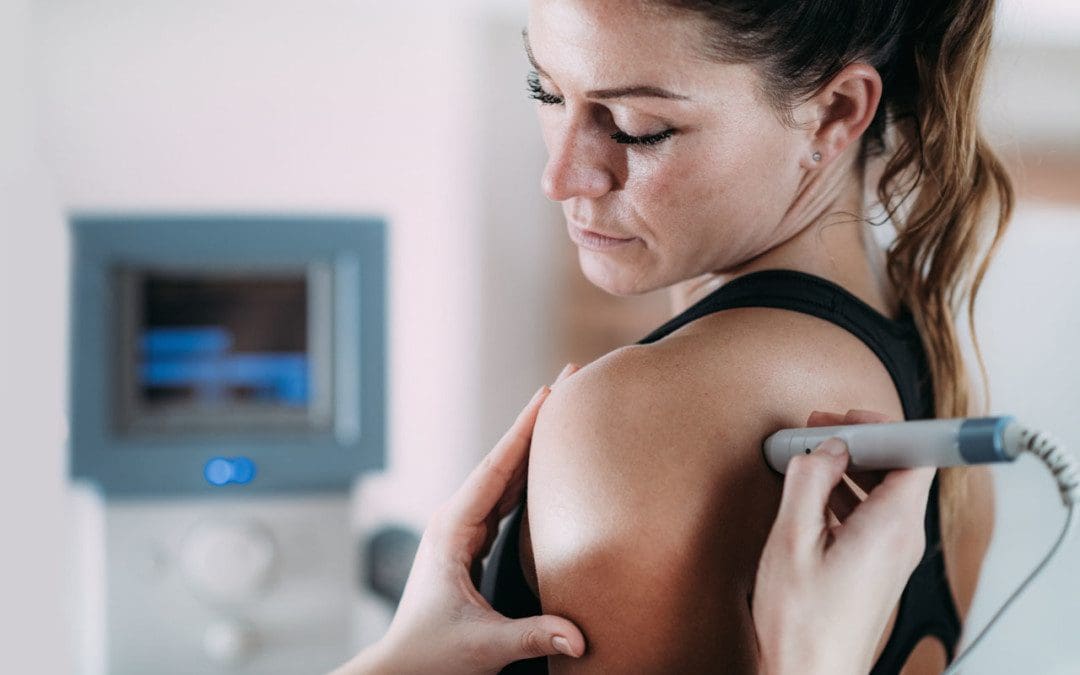
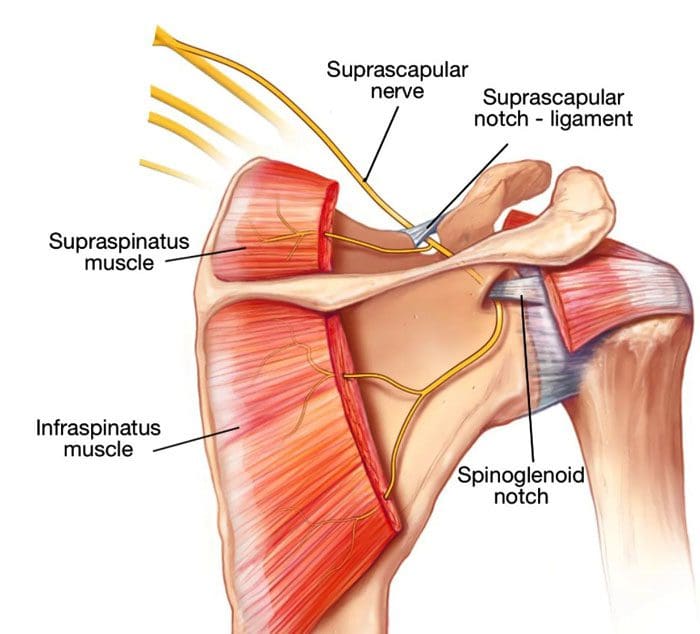
The shoulder is a ball-and-socket joint. The shoulder has several muscles that help it move and allow a wide range of motion. A strain or pulled shoulder muscle can affect the slightest movements, making simple activities difficult and painful. Pulling a muscle in the shoulder can be caused by an injury, overuse, and general wear and tear. Minor shoulder injuries usually heal on their own with rest and self-care. Severe shoulder muscle injuries should be addressed by a medical professional.
Pulled Shoulder Muscle Causes
Pulling a muscle in the shoulder can happen quickly. This could be from falling on the shoulder, an auto accident, or a work accident. It can develop after weeks, months, and years of repetitive motion and overuse. It is common among individuals that play certain sports or jobs that require repetitive activities with the shoulders. They can also happen with no apparent cause. Treatment and recovery depend on the type and severity of the injury.
How to Tell If It’s a Pulled Muscle
It can be hard to tell the cause unless the individual has experienced the specific type of pain before. Otherwise, it is recommended to consult a medical professional like a physical therapist or chiropractor. This is because shoulder pain can be caused by inflammation of the tendons and joints and/or the joint itself.
Pulled Muscle Shoulder Symptoms
A pulled muscle is characterized by:
Tenderness
Dull, sore, or aching pain.
Sometimes it can cause shooting pain between the shoulder blades in the front or back.
Pain when the shoulder is at rest.
Pain when the specific muscle is used.
Swelling of the area.
Shoulder instability.
The shoulder feels fragile.
Movement causes pain.
A bump may develop at the top of the shoulder near the end of the collarbone.
Inability to use the muscle at all.
If the pain is persistent, it could signify that there is something other than a pulled muscle like a pinched nerve or a joint issue.
Treatment and Recovery Options
Treatment and recovery vary and depend on the severity of the pull and the individual’s overall health. Many find that their pain is reduced with self-care in 2 or 3 weeks. Chiropractic treatment for a pulled shoulder muscle can provide relief within 1 or 2 weeks.
Self Care
Depending on the severity of the pull and how much pain is being experienced, individuals could be recommended to take an NSAID like Ibuprofen to reduce pain and swelling. Self-care can include:
Ice To Reduce Swelling
Applying ice or a cold pack to the area can help reduce swelling.
Place a cloth or towel between the skin and the cold pack.
Apply it for 20 minutes an hour.
The swelling should reduce in a day or two.
Rest
It is recommended to rest the shoulder for no more than 2 or 3 days.
This begins the healing process and prevents worsening the injury.
Wrap or Sling
During rest days, it can be hard to keep the shoulder from moving.
To avoid this, use a shoulder wrap or a sling to support the arm.
However, they should not be used for more than 2 or 3 days.
Gentle Stretching
It is essential to get the muscle working again after 2 or 3 days of rest.
Stretches will help the muscle group heal and gain strength.
Not stretching the muscle could prolong recovery and worsen the injury, and possibly cause new injuries.
Stretches For a Pulled Shoulder
Stretching a pulled shoulder muscle after a few days of rest is recommended because not working out the injured muscle can cause more problems. Not using the muscle can cause it to atrophy, which will take longer to heal, and the surrounding muscles become weak.
Pendulum Stretch
Slightly bent support the body by placing the unaffected arm on a table or chair.
Let the injured arm hang straight down.
Swing the arm in small circles clockwise as far as the pain or discomfort allows.
Perform for 1 minute.
Go counterclockwise for one minute.
Repeat 4 to 8 times throughout the day.
Chiropractic
If self-care is not providing sufficient relief, then chiropractic treatment is recommended. A doctor of chiropractic can advise on the best treatment options and get to the root of the issue. Chiropractors have a treatment arsenal of modalities and approaches to help treat pulled muscles. These include:
A somatotype is the overall shape and composition of the human body. Body types based on physique have three generalized divisions:
Endomorph
Mesomorph
Ectomorph
However, it is rare for someone to fall entirely into one somatotype. Individuals can have a combination of qualities from two somatotypes, like an ectomorph-endomorph hybrid or an endomorph-ectomorph, for example.
Ectomorphs
Naturally lean with long limbs, ectomorphs typically possess a slender look no matter what type of diet.
A lot of endurance runners and swimmers are ectomorphs.
Ectomorphs may have a decent amount of muscle but may appear to have less muscle development because of their long limb length.
Body fat also seems to get hidden by the long, slender figure, which means they can get away with a few extra pounds of fat.
However, if ectomorphs do not watch their health, they can become skinny fat.
Mesomorphs
Mesomorphs have a natural athletic look.
They can achieve a muscular physique without really trying.
The physiology tends to include:
Narrow hips
Wide back
A large frame contributes to a muscular appearance.
Many professional fighters, football, and basketball players are mesomorphs.
Endomorphs
Endomorphs have a larger structure with wide hips and shoulders.
Shorter arms and legs.
This type of body shape is excellent for activities that require a lot of strength.
Rugby players, strength athletes, and powerlifters are endomorphs.
This body type is considered to be a contributing performance factor in Ironman athletes.
References
Blache, Y et al. “Superficial shoulder muscle co-activations during lifting tasks: Influence of lifting height, weight, and phase.” Journal of electromyography and kinesiology: official journal of the International Society of Electrophysiological Kinesiology vol. 25,2 (2015): 355-62. doi:10.1016/j.jelekin.2014.11.004
Brantingham, James W et al. “Manipulative therapy for shoulder pain and disorders: expansion of a systematic review.” Journal of manipulative and physiological therapeutics vol. 34,5 (2011): 314-46. doi:10.1016/j.jmpt.2011.04.002
Kandel, Michel et al. “Somatotype, training and performance in Ironman athletes.” European journal of sports science vol. 14,4 (2014): 301-8. doi:10.1080/17461391.2013.813971
McFarland, Daniel C et al. “Spatial dependency of shoulder muscle demand during dynamic unimanual and bimanual pushing and pulling.” Applied ergonomics vol. 73 (2018): 199-205. doi:10.1016/j.apergo.2018.07.011
It is time for outdoorsummer activities. Summer is iconic in its association with a wide range of outdoor activities. However, many can be physically strenuous and require a great deal of body movement. Summer gets individuals thinking of:
Hiking
Bicycling
Swimming
Water sports
Tennis
Golf
Gardening
This is when individuals have to figure out which activities will be easy on their backs. For those dealing with regular and/or chronic back or neck pain, athletic/movement-based activities can be done with:
Proper planning
Strain prevention/reduction
Activity modification/s
Most activities can be manageable.
Preventing/avoiding worsening the pain is the most recommended solution.
Individuals can still enjoy favorite outdoor activities for those who do have back pain, whether from an injury, herniated disc, muscle strain, arthritis, osteoporosis, or another cause.
Safe Summer Activities Safe For The Spine
Swimming
The best summer activity for the spine/back is swimming or any movement in the water. It is recommended and utilized in physical therapy for those with injuries and pain conditions and is shown to prove that it brings relief and exercise. Hot weather makes it easy to get in the water, whether a pool, river, or lake. Doing basic water stretches, exercises, or walking movements can bring significant pain relief. This is because the body’s weight is lessened, which lessens the spine’s pressure.
Walking
Getting outside every day and running can cause a great deal of strain. However, walking is extremely safe and effective, especially on the spine. The key is to take it slow and build up the ability to walk longer and further. However, those with spinal stenosis, which is the narrowing of the spinal canal, might find that walking increases pain. It is recommended to start with light walking sessions and modify them as much as needed. An example could be walking half a block; if pain presents, perform some other movement/s that does not cause pain, and then walk another half block. Taking it slow.
Hiking
It is not out of the question for individuals who like to hike, but caution should be taken. This is because hiking adds factors that can increase the risk for injuries or conditions if the activity is not modified. Most hikes involve hills, elevation changes, climbing, and uneven surfaces. This requires planning and preparation. It is recommended to choose hiking paths that will not exhaust an individual, and that can be easily backtracked if pain or issues arise. This is especially important for those that are flexion-intolerant. This is when individuals feel pain when bending or leaning forward over the hips. This could be hiking up and down hills that are likely to cause flare-ups.
Fishing
Fishing is a favorite summer activity and is recommended because of the relaxed atmosphere and ability to be modified easily. Individuals can sit in a supportive chair and fish, or they can stand and fish. There is not a lot of quick bending or rotating and totally open to modifications.
Activity Moderation and/or Modification
Figuring out movement modifications or mix up the time. Activities can be enjoyed; it just requires making the right adjustment/s that will make the activity manageable. For those with back pain usually know what movements will cause pain. This can help make it easier to modify specific movements/motions. Activities that more than likely will cause inflammation flare-ups are about finding a way to do it so that the result is not as extreme.
One way to modify summer activities is by altering/changing the amount of time engaged. For example, instead of spending 4-6 hours fixing up the yard/gardening, break it up by doing the activity for an hour, stop, stretch, relax, rehydrate, and then continue, respectively.
Modification can also be done by changing the functional components of the activity/s. Rather than bending and picking up tools, pulling weeds, etc., get a work stool/bench and perform the activity sitting. This goes for any activity.
Body Composition Health
Can more fat be burned by exercising in the heat?
Individuals wonder if exercising when it’s hot out causes the body to burn more fat. After all, the body is hotter and sweating much more. However, it’s more complicated. Studies show that when exercise is done in high temperatures, the heat can affect the body’s hormonal and metabolic response. The same studies show a consistent shift from breaking down fat cells for energy and breaking down carbohydrates for energy. When exercising in extreme heat, the energy demand becomes too high to break down more fat. Instead, it uses carbohydrates. So the extra sweat is just water, salt, and not fat. But heat can still play a positive role in improving body composition. Two ways include:
Heat shock proteins – HSP – Without exercise, exposure to heat can cause heat shock proteins to activate. Heat shock proteins live inside cells and aid in muscle protein synthesis and repair. When exposed to temperature/thermal stress, they increase to meet the demand.
Human Growth Hormone – HGH – Synthetic Human Growth Hormone increases lean mass, reduces body fat, and improves performance. However, it is naturally produced by the body and can be enhanced through exercise.
References
American Journal of Physical Medicine & Rehabilitation. (February 2018) “Aquatic Exercises in the Treatment of Low Back Pain: A Systematic Review of the Literature and Meta-Analysis of Eight Studies”
Gobbo, Stefano et al. “Physical Exercise Is Confirmed to Reduce Low Back Pain Symptoms in Office Workers: A Systematic Review of the Evidence to Improve Best Practices in the Workplace.” Journal of Functional morphology and kinesiology vol. 4,3 43. 5 Jul. 2019, doi:10.3390/jfmk4030043
Grabovac, Igor, and Thomas Ernst Dorner. “Association between low back pain and various everyday performances: Activities of daily living, ability to work and sexual function.” Wiener klinische Wochenschrift vol. 131,21-22 (2019): 541-549. doi:10.1007/s00508-019-01542-7
Preventive Medicine Reports. (2017.)“Gardening is beneficial for health: A meta-analysis.” ncbi.nlm.nih.gov/pmc/articles/PMC5153451/pdf/main.pdf
Selby, Sasha et al. “Facilitators and barriers to green exercise in chronic pain.” Irish Journal of medical science vol. 188,3 (2019): 973-978. doi:10.1007/s11845-018-1923-x
The pelvis is designed to bear and distribute the weight of the body along with regular everyday movement. It is built to properly distribute weight between the upper and lower body that utilizes the core muscles, ligaments, and joints creating a complex pelvic girdle that helps the body function properly. The bones of the pelvis house and protect organs like the:
Reproductive system
Bladder
Below the digestive tract
When pain in the pelvis presents, daily physical activities can become difficult to get through. Chiropractic treatment combined with lifestyle adjustments can bring pain relief and strengthen the pelvis muscles/bones to maintain optimal function.
Causes of Pelvic Pain
When pain presents there can be a variety of underlying causes contributing to it. Certain causes are more serious than others. This is why seeking professional medical guidance is highly recommended for the best outcomes. Possible causes include:
These are a few causes that can contribute to mechanical changes and imbalances within the pelvis anatomy. If the pain is thought to be caused by an internal organ issue with nausea, fever, vomiting, or severe pain contact a healthcare provider immediately.
Chiropractic Relief
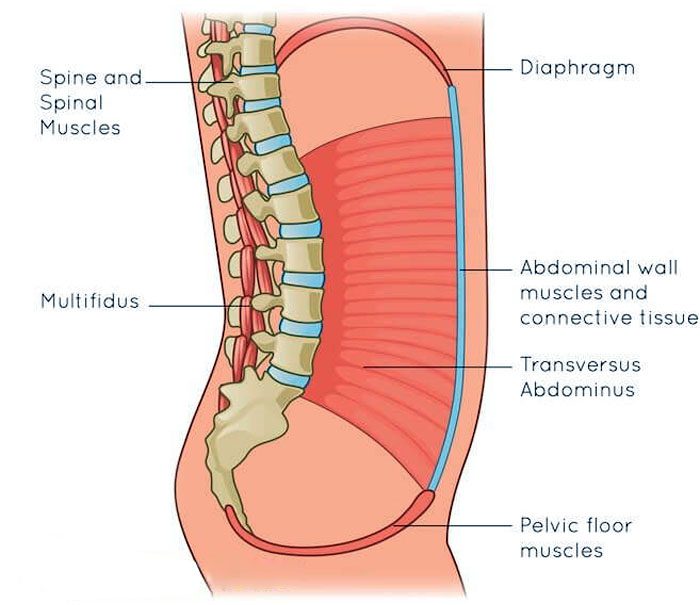
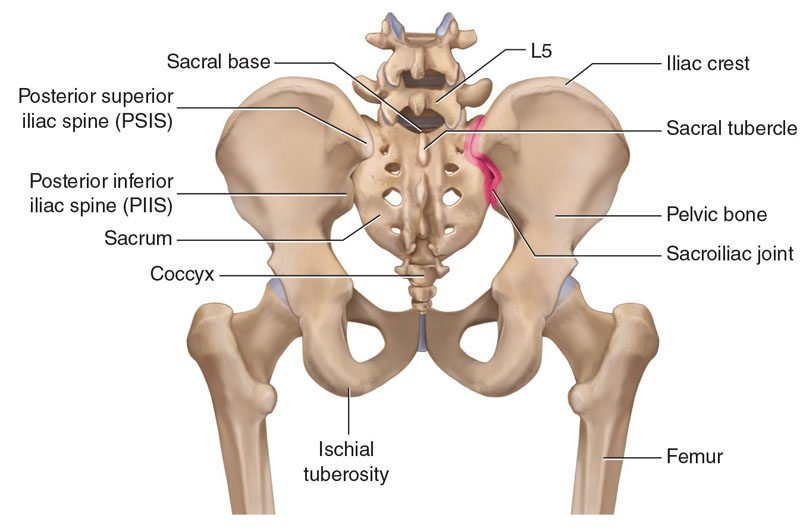
The pelvis can be thought of as a direct continuation of the spine. The lowest fused five vertebrae are known as the sacrum and are part of the pelvic girdle complex. Individuals dealing with pelvic pain typically experience the sensation within the joints themselves. These are the pubic symphysis and/or sacroiliac joints. These joints interact with the entire skeletal system. Learning how they operate can help bring relief and recovery. This is where a chiropractor can help.
Chiropractors are experts in total body alignment, restoring balance to the pelvis and spine. Plus through the treatment, they help increase the body’s natural ability to heal itself. When the lower back or pelvis is out of alignment the entire body along with its systems can be thrown off balance causing dysfunction. Chiropractic promotes and increases balance with pelvic adjustments and diverse therapies that include:
A professional chiropractor is one of the best options for the management and alleviation of pelvis pain. Pelvis misalignment can impede nerve energy and adequate blood flow. Chiropractic restoration strengthens and maintains optimal long-lasting results. Whether the pelvic pain comes from an injury, pregnancy, or pelvic shift/imbalance, a chiropractic provider can help address and alleviate the pain.
Body Composition
Lifestyle Adjustments for Optimal Kidney Health
The kidneys are small organs that work twenty-four-seven to filter blood and flush waste. In one day the kidneys pump more than 400 gallons of recycled blood throughout the body. When the kidneys do not function properly the body can be engulfed with waste. This is why it is vital to keep them healthy. Individuals usually don't realize how an unhealthy lifestyle can harm/injure the kidneys. Chronic kidney disease slowly progresses over years, and it is not reversible. Incorporating some basic healthy lifestyle adjustments can lower the risk of developing kidney-related diseases. Here are a few lifestyle adjustments that can keep the kidneys healthy.
Drinking plenty of water
An adequate supply of water in the kidneys flushes out sodium, urea, and toxins helping avoid kidney stones. The goal is to drink eight 8-ounce glasses of water every day. Everyone’s water levels are different but body composition analysis can calculate what a normal level should be.
Healthy foods maintain a healthy body
Poor diet and visceral fat gain have been linked to chronic kidney disease. Reducing visceral fat can be achieved by eating a restricted caloric diet of vegetables, fruit, and lean protein, as well as cutting back on processed foods.
Be cautious consuming supplements, antibiotics, and over the counter medications
Regular use of common medications and supplements can cause kidney damage and disease. Consult with a doctor before taking medications and supplements if there is kidney function impairment.
Fitness and activity
Individuals need to participate in regular cardiovascular and weight-resistance physical activity/exercise. High blood sugar levels have been shown to stress the kidneys. Building adequate muscle mass helps control blood sugar.
Smoking and kidney health issues
Smoking narrows the blood vessels in the kidneys. This reduces proper blood flow and accelerates kidney malfunction.
Disclaimer
The information herein is not intended to replace a one-on-one relationship with a qualified health care professional, licensed physician, and is not medical advice. We encourage you to make your own health care decisions based on your research and partnership with a qualified health care professional. Our information scope is limited to chiropractic, musculoskeletal, physical medicines, wellness, sensitive health issues, functional medicine articles, topics, and discussions. We provide and present clinical collaboration with specialists from a wide array of disciplines. Each specialist is governed by their professional scope of practice and their jurisdiction of licensure. We use functional health & wellness protocols to treat and support care for the musculoskeletal system’s injuries or disorders. Our videos, posts, topics, subjects, and insights cover clinical matters, issues, and topics that relate to and support, directly or indirectly, our clinical scope of practice.* Our office has made a reasonable attempt to provide supportive citations and has identified the relevant research study or studies supporting our posts. We provide copies of supporting research studies available to regulatory boards and the public upon request. We understand that we cover matters that require an additional explanation of how it may assist in a particular care plan or treatment protocol; therefore, to further discuss the subject matter above, please feel free to ask Dr. Alex Jimenez or contact us at 915-850-0900.
Dr. Alex Jimenez DC, MSACP, CCST, IFMCP, CIFM, CTG* email: [email protected] phone: 915-850-0900 Licensed in Texas & New Mexico
Kim DH, Cho D, Dickman CA, Kim I, et al. Surgical Anatomy & Techniques to the Spine. 2nd Ed. Saunders, Elsevier, Inc. Philadelphia, PA.
Lirette LS, Chaiban G, Tolba R, Eissa H. Coccydynia: An Overview of the Anatomy, Etiology, and Treatment of Coccyx Pain. Ochsner J. 2014 Spring;14(1): 84-87.
We all have our hobbies that we are passionate about, love doing, and could see turning into a second career. However, certain hobbies can generate stress on the spine. This often leads to a decrease in being able to participate in these activities, which can lead to various health issues. Maintaining the body's physical fitness and keeping the spine healthy is key to being able to continue without neck or back pain. Hobbies are an important part of life. Individuals need to enjoy what they love from sports activities to music to arts and craft projects. Having activities/hobbies help:
Boost mental health
Relieve stress
Lower blood pressure
Promotes weight loss
Meditative qualities
Here�s how to make sure the hobbies/activities are fun and safe.
Protecting the Neck
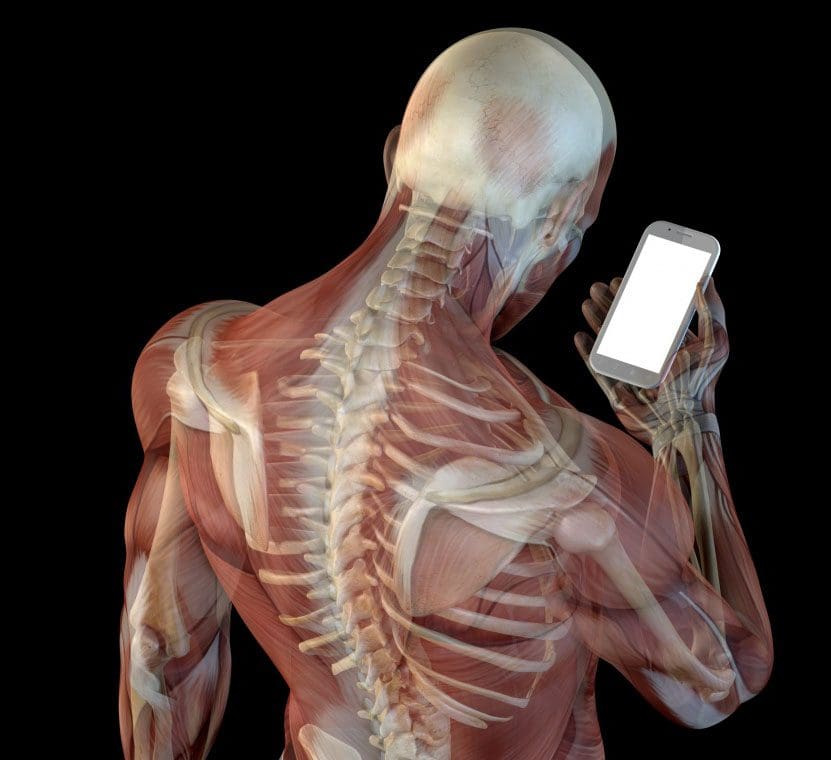
Poor posture is one of the leading causes of neck and back pain. Looking down or being in a standing/sitting hunched position regularly increases the load/stress on the neck increasing the chances for strain, injury, headaches, and chronic pain. In the neutral position, the skull weighs around 10-12 pounds.
When leaning the head forward weight increases from let's say 27 pounds at a 15-degree angle to 60 pounds at a 60-degree angle. The strain on the cervical vertebrae, joints, and muscles can be immense. A good example is text-neck. This has become a normal thing when using a smartphone, gaming, or other similar activities.
Studies suggest that the average individual spends three to five hours a day on a smartphone or tablet. This means three to five hours of extra weight on the cervical spine. Engaging in a hobby that requires an individual to look down constantly in a similar fashion can lead to serious and chronic neck pain along with other cervical issues.
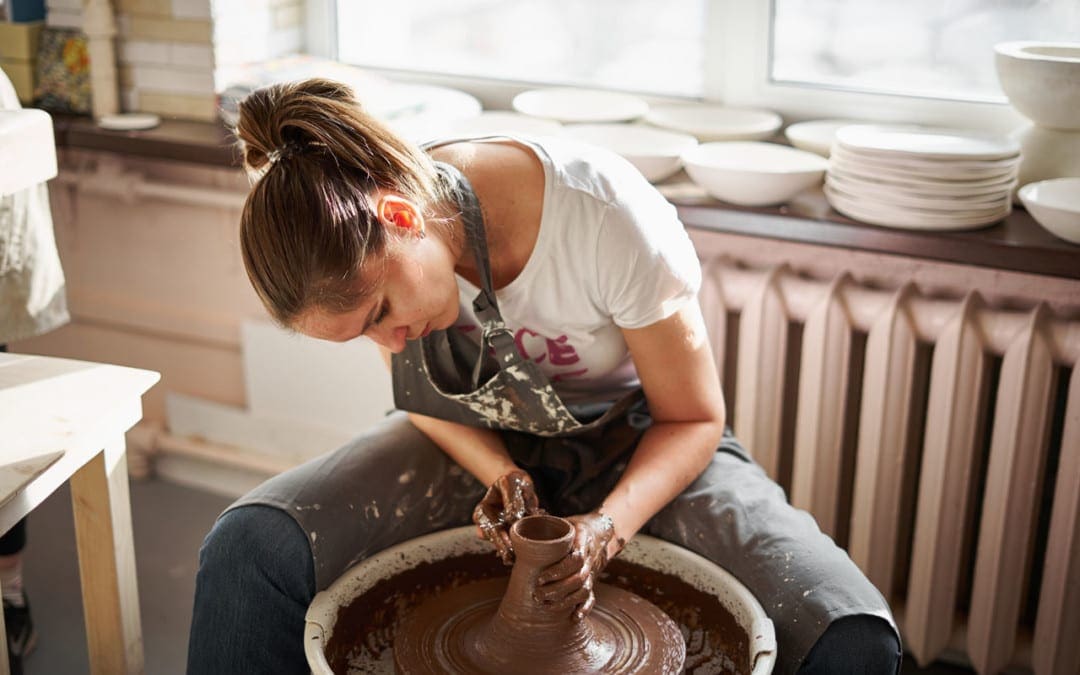
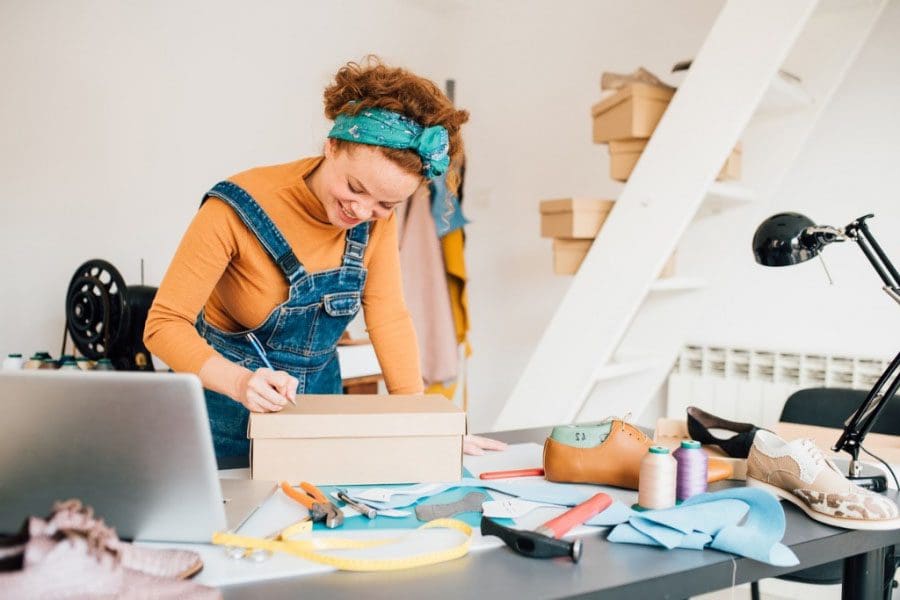
Individuals are spending more time at home and getting more serious about their hobbies. This is fantastic, however, these individuals need to take time to stretch out, and get some physical activity into their hobby routine. Just like taking frequent walk-around, stretch out at work breaks, so to do hobbyists need to step back from their projects to keep a healthy balance. The position of the neck and the way it is held for activities like:
Sewing
Carpentry
Gardening
Painting
Pottery
Knitting
Music
Hobbies like this can increase the risk of neck pain, so the key is prevention, paying attention to head posture every now and again, and taking stretching breaks.
Proper Posture Makes a Difference
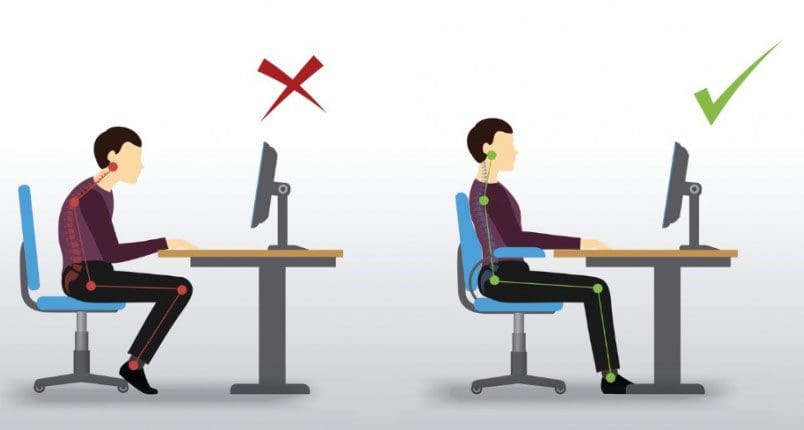
Many individuals stand and sit when working on their hobbies. This is quite common and is encouraged when doing these absorbing activities. But being immersed in these activities, most forget to check their posture when doing so. This is what leads to problems that at first are shrugged off as just soreness.
Eventually, the individual begins to engage in bad/awkward posture habits that avoid the pain and think this will help. This worsens the problems and promotes further strain/injury. Leaning, bending, reaching, and twisting curves the spine increasing the load and stress. Performing these actions over and over for extended periods means:
Strain
Low back pain
Muscle spasms
Sciatica
Leg pain
Foot pain
Slouching is another posture problem that increases the likelihood of lower back pain. Slouching causes gaps between the lower back vertebrae. This stresses the facet joints or the connections between the vertebrae. The soft tissues elongate/stretch and lengthen like muscles and connective tissue. What elongation does is:
Cause the tissues to attempt to snap back to the original shape. This can cause painful spasms.
Muscles that are constantly elongated become weaker with time.
The longer an individual sits, stands, and slouches impacts the body's health negatively, leading to a chain of health problems. Maintaining proper posture and keeping the spine straight minimizes the strain on muscles and the vertebrae. Prevent pain and discomfort.
Ergonomics at the House
Ergonomic stressors include:
The force/s required to perform and complete a physical chore/task.
Adopted static and awkward working postures to complete task/s
The repetitiveness of the task/s
Any of these factors or combination places a higher risk for discomfort, pain, and injury. The immediate surroundings like the bench, work area, craft room, etc. and how the individual moves or does not move, and interacts in these areas is the focus of ergonomics. Proper ergonomics will help protect the spine, as well as the rest of the body. Improper ergonomics can cause damage like muscle strain, repetitive movements, and incorrect posture. Taking a look at the hobby workspace the ergonomics, and making any necessary adjustments can help prevent strain/injury.
Proper seating
Make sure the right type of chair, stool, bench, etc is being utilized. Adjustable types that have neck and lower back support are the way to go. Make sure the base is stable, the seat is comfortable and adjustable. Backrests and armrests can help maintain proper posture.
Correct table/desk/workstation height
Various drafting tables and lap desks have adjustable surfaces to adjust the height for working with a proper ergonomic posture. If the work surface is not adjustable adjust the chair or make adjustments as needed. The hips should be higher than the knees to take the strain off the sacrum and lower back. The upper back should be straight, with the shoulder blades together creating a supportive platform for the neck and head.
Tools
Using the best tools for working and organization will help avoid injuries and constant awkward positions like leaning/reaching over and around the workspace. Look for tools that can be adjusted to different heights, resistance levels, etc. depending on what is needed and what will reduce any strain.
Vision
If an individual needs to lean in to get a closer look then vision could be the problem. If an individual wears glasses it could be time for a check-up. Or if an individual does not wear glasses, it could be time to see an optometrist. Non-prescription magnifiers could be the answer.
Stretching Regularly
Working too long in one position can be detrimental to overall health.
It is very understandable when individuals get into the zone, working on something creative, and not wanting to stop the flow. However, frequent breaks are vital. Stretching regularly and getting up to move around is key to staying healthy.
Neck Stretch
Stretch the neck by turning the head from side to side in a gentle fashion.
Tip the head to each side so the ear almost touches the shoulder.
Lower the head so that the chin almost touches the chest.
Turn the to look diagonally down at the armpit. This stretches the trapezius and levator scapulae muscles.
Hold the stretches for 10-15 seconds.
Always perform slowly and gently.
Lower Back Stretch
15 minutes a day of stretches will maintain the health of the spine. If pain or discomfort becomes frequent or unmanageable, seek professional help. Physical therapists and chiropractors are trained in orthopedic issues and ergonomics without prescription. Call a doctor or physical therapist to find out if treatment is necessary. Following these guidelines can help keep hobbies fun and without pain.
Lower Back Pain Skate Boarding Injury Treatment
Dr. Alex Jimenez�s Blog Post Disclaimer
The scope of our information is limited to chiropractic, musculoskeletal, physical medicines, wellness, and sensitive health issues and/or functional medicine articles, topics, and discussions. We use functional health & wellness protocols to treat and support care for injuries or disorders of the musculoskeletal system. Our posts, topics, subjects, and insights cover clinical matters, issues, and topics that relate and support directly or indirectly our clinical scope of practice.*
Our office has made a reasonable attempt to provide supportive citations and has identified the relevant research study or studies supporting our posts. We also make copies of supporting research studies available to the board and or the public upon request. We understand that we cover matters that require an additional explanation as to how it may assist in a particular care plan or treatment protocol; therefore, to further discuss the subject matter above, please feel free to ask Dr. Alex Jimenez or contact us at 915-850-0900. The provider(s) Licensed in Texas& New Mexico*
IFM's Find A Practitioner tool is the largest referral network in Functional Medicine, created to help patients locate Functional Medicine practitioners anywhere in the world. IFM Certified Practitioners are listed first in the search results, given their extensive education in Functional Medicine