
Contents
Fast Sports Injury Help Online: How Telemedicine Guides Diagnosis, Rehab, and Return to Play
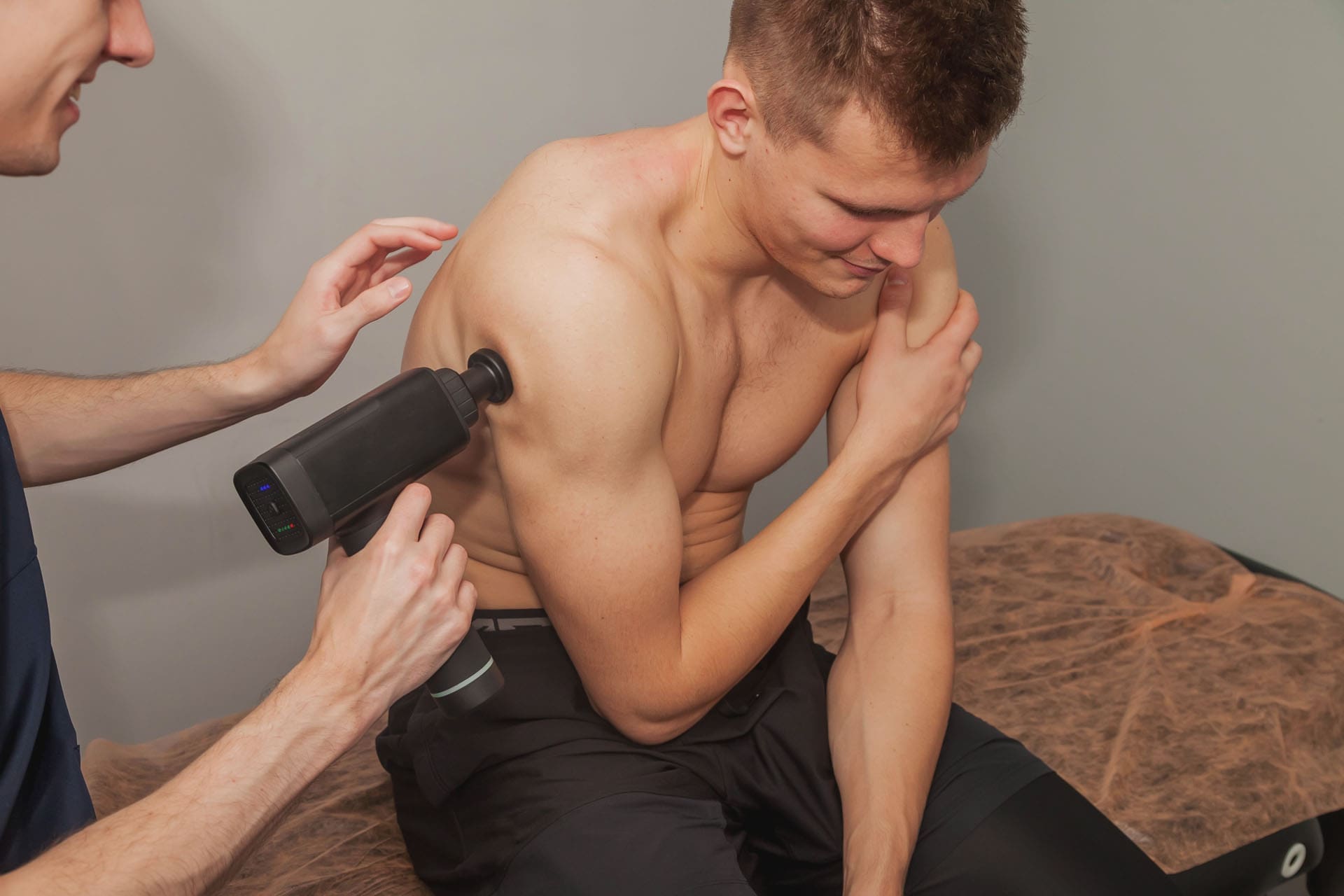
A massage therapist treats the injury of a professional athlete at El Paso Back Clinic
Telemedicine is changing how athletes get help after an injury. When a chiropractor and a nurse practitioner (NP) work together online, they can guide recovery from many sports injuries without the need for an in-office visit. This is especially helpful for athletes who travel, live far from clinics, or are balancing school, work, family, and training.
In this article, we’ll break down how an integrated chiropractor–NP telemedicine team can:
-
Do virtual exams from a distance
-
Share treatment plans and coordinate care
-
Support at-home rehab, nutrition, and mental health
-
Help with urgent issues like a possible concussion during games
-
Reduce unnecessary ER visits while still protecting your safety
1. Why telemedicine matters for sports injuries
Telemedicine is more than a video call. It is a structured way to deliver health care at a distance using secure video, phone, apps, and online tools. Johns Hopkins Medicine notes that telemedicine improves comfort, convenience, and access, especially for people who would otherwise struggle to travel or fit visits into a busy schedule. Hopkins Medicine
For athletes, that matters because:
-
Practices and games already take up time.
-
Travel teams may compete hours away from home.
-
Injuries often happen suddenly—during a weekend tournament, camp, or late-night match.
Telehealth physical therapy and sports services now let athletes receive full evaluations and guided rehab sessions from home, with real-time video coaching. SportsMD+1 Research shows telehealth physical therapy is effective for many orthopedic and sports-related conditions, including non-surgical and post-surgical rehab. PMC
At the same time, sports medicine researchers have shown that telehealth can support concussion care, including baseline testing, diagnosis, and follow-up—especially in rural or resource-limited settings. PMC+1
2. What is an integrated chiropractor + NP telemedicine team?
An integrated team means the chiropractor and nurse practitioner work together instead of in separate silos.
-
The nurse practitioner (NP) focuses on your overall health, medical history, medications, imaging, and underlying conditions (like asthma, diabetes, or heart issues).
-
The chiropractor focuses on your spine, joints, muscles, and movement patterns, using guided tests, posture checks, and therapeutic exercises delivered remotely.
In Dr. Alexander Jimenez’s clinical model in El Paso, Texas, the same provider is both a board-certified family nurse practitioner and a chiropractor, which allows one clinician to blend medical and musculoskeletal care through telemedicine for neck pain, low back pain, headaches, and sports injuries. El Paso, TX Doctor Of Chiropractic+2El Paso, TX Doctor Of Chiropractic+2
When the chiropractor and NP are separate providers, they can still share:
-
Notes and findings in the same electronic health record
-
Imaging reports and lab results
-
Exercise programs and rehab goals
-
Messages with athletic trainers, physical therapists, and coaches
This two-pronged approach helps create one unified plan that covers:
-
Medical needs (diagnosis, prescriptions, imaging)
-
Musculoskeletal needs (joint mechanics, muscle balance, posture)
-
Functional goals (return to sport, position-specific demands)
3. How a virtual sports injury exam works
A telemedicine visit is structured and systematic, not just a quick chat.
3.1 Before the visit
You’ll usually:
-
Complete an online intake form about symptoms, past injuries, and sport.
-
Upload any previous X-rays, MRIs, or reports, if available.
-
Test your camera, microphone, and Wi-Fi connection. SportsMD+1
3.2 During the visit: what the NP does
The nurse practitioner can:
-
Take a detailed medical history:
-
How the injury happened
-
Any prior concussions, surgeries, or chronic conditions
-
Current medications and allergies
-
-
Screen for red flags like chest pain, severe shortness of breath, uncontrolled bleeding, or signs of serious head injury. telehealth.hhs.gov+1
-
Order diagnostic imaging (X-ray, MRI, CT) if needed.
-
Write or adjust prescriptions, such as:
-
Pain medications (when appropriate)
-
Muscle relaxants
-
Anti-inflammatory medications
-
-
Coordinate referrals to orthopedics, neurology, or emergency care if telemedicine alone is unsafe. OrthoLive+1
3.3 During the visit: what the chiropractor does
Over secure video, the chiropractor can:
-
Observe posture and alignment (standing, sitting, walking).
-
Guide you through movement tests, for example:
-
Bending, rotating, or side-bending the spine
-
Squats, lunges, or single-leg balance
-
Shoulder or hip range of motion
-
-
Identify pain patterns that suggest sprain, strain, tendinopathy, or joint irritation. sportsandexercise.physio+1
-
Teach safe at-home movements, such as:
-
Gentle mobility drills
-
Core stability exercises
-
Isometrics to protect healing tissue
-
In his telemedicine work, Dr. Jimenez describes using these virtual exams to track changes in pain, strength, and mobility from week to week, adjusting exercise progressions and ensuring athletes are not overloading injured tissue. El Paso, TX Doctor Of Chiropractic+1
3.4 Typical flow of a telemedicine sports injury visit
-
NP and chiropractor (or dual-licensed provider) review your history and goals.
-
Guided movement and functional tests help narrow down the likely diagnosis.
-
The NP decides whether imaging or labs are needed.
-
The chiropractor designs initial movement and pain-reduction strategies.
-
You leave with a clear home plan and follow-up schedule.
4. Building a shared treatment plan online
After the virtual exam, the team builds a plan that blends medical and musculoskeletal care. Telehealth orthopedic and sports practices report four consistent benefits from this style of care: improved access, reduced costs, better quality and safety, and higher patient satisfaction. OrthoLive
Typical parts of a shared plan include:
-
Diagnosis and injury stage
-
Example: Grade I ankle sprain, acute hamstring strain, patellofemoral pain, mild lumbar strain.
-
-
Medical actions (NP)
-
Medication plan
-
Imaging orders
-
Clear guidelines for when to go to urgent care or ER
-
-
Chiropractic and movement actions
-
Joint and spinal stabilization work
-
Mobility and flexibility progression
-
Posture and movement training specific to your sport position
-
-
Rehab schedule
-
How often you meet on video
-
How many daily or weekly exercises
-
When to retest speed, strength, or sport-specific skills
-
Telehealth sports physiotherapy services emphasize that virtual care works best when the athlete receives personalized exercise programs, regular online check-ins, and careful progression from injury to return to play. sportsandexercise.physio+1
5. Conditions that respond well to integrated telemedicine care
Research and real-world practice show that many sports injuries can be evaluated and managed, at least partly, through telemedicine. SportsMD+1
5.1 Common injuries suited for telemedicine
-
Mild to moderate ankle sprains
-
Knee pain related to overuse (patellofemoral pain, mild tendinopathy)
-
Hamstring or quadriceps strains
-
Shoulder overuse injuries (swimmer’s shoulder, rotator cuff strain)
-
Back and neck pain from training load, lifting, or collisions
-
Mild muscle contusions without signs of fracture
Telehealth physical therapy has shown promise in non-operative and post-operative sports rehab, especially when therapists guide exercise, monitor progress, and adjust programs in real time. PMC+1
5.2 How the NP and chiropractor divide roles
The NP can:
-
Confirm whether the injury is stable enough for home care.
-
Check for other health issues (asthma, heart conditions, bleeding disorders).
-
Manage medications and monitor side effects.
The chiropractor can:
-
Analyze movement patterns that caused or worsened the injury.
-
Design sport-specific rehab drills (for pitchers, runners, lifters, etc.).
-
Coordinate with physical therapists and athletic trainers to align load, volume, and recovery strategies. El Paso, TX Doctor Of Chiropractic+1
Dr. Jimenez’s clinical work often combines telemedicine visits with in-clinic follow-ups, advanced imaging review, and collaboration with physical therapy and sports training teams to keep athletes progressing without re-injury. El Paso, TX Doctor Of Chiropractic+1
6. Telemedicine and concussion: quick decisions from a distance
Concussions and suspected head injuries are a special case. A missed or delayed diagnosis can put an athlete at serious risk.
A systematic review found that telehealth has been used successfully for concussion baseline testing, diagnosis, and management, especially in military and rural settings. PMC+1 Another review focused on sideline telehealth, where sports medicine physicians assist trainers in real time through video connections during games. PMC+1
SportsMD describes “teleconcussion,” where athletes can quickly access concussion specialists via telehealth instead of waiting days or weeks for in-person care. SportsMD
6.1 How telemedicine helps when you suspect a concussion
During or shortly after a game, a telemedicine visit can help:
-
Review how the head impact occurred (direct hit, whiplash, fall).
-
Check acute symptoms, such as:
-
Headache
-
Dizziness
-
Nausea or vomiting
-
Vision changes
-
Confusion or memory loss
-
-
Guide a brief neurological exam and balance checks via video. PMC+1
-
Decide whether the athlete must leave the game immediately and seek emergency care.
Telemedicine programs in school sports have also been used to minimize risk by providing teams with rapid access to sports medicine expertise, rather than relying solely on coaches to decide whether a player is safe to continue. NFHS+1
6.2 Role of the integrated team
-
The NP can determine whether emergency imaging or ER evaluation is needed, arrange teleconcussion follow-ups, and manage symptom-relief medications when appropriate.
-
The chiropractor can later help with neck pain, posture, and vestibular-related issues—such as balance and coordination problems—once the acute phase is stable and medical clearance is given.
7. At-home rehab and return-to-play through telemedicine
Telehealth lets rehab follow you to your home, hotel room, or training camp.
Telehealth physical therapy programs show several key benefits: increased accessibility, reduced travel burden, and the ability to continue personalized plans even when athletes are on the road. SportsMD+2SportsMD+2
7.1 Common tele-rehab tools
An integrated chiropractor–NP team may use:
-
Video exercise sessions where the provider:
-
Demonstrates exercises
-
Watches your form from different angles
-
Makes real-time corrections
-
-
Secure messaging for quick questions about pain flare-ups or modifications. ATI+1
-
Remote monitoring apps, where you log:
-
Pain levels
-
Step counts or training minutes
-
Completion of home exercises
-
-
Progress checks every 1–2 weeks to advance the plan or adjust if pain increases.
7.2 Examples of tele-rehab goals
-
Acute phase (first days)
-
Protect the injured area
-
Control swelling and pain
-
Maintain gentle mobility where safe
-
-
Subacute phase (1–4 weeks)
-
Restore the normal range of motion
-
Begin light strengthening and balance work
-
Fix faulty movement patterns
-
-
Return-to-play phase
-
Add power, agility, and sport-specific drills
-
Monitor for any return of pain or instability
-
Clear the athlete for full competition once the criteria are met
-
Telehealth sports physio services emphasize a “injury to return-to-play” continuum, where the same remote team oversees each phase to avoid gaps in care. sportsandexercise.physio+1
8. Lifestyle, nutrition, and mental health support from afar
Sports injuries are never just physical. Pain, sudden time off from sport, and stress about losing a starting spot can weigh heavily on athletes.
Telemedicine makes it easier to address the whole person, not just the injured body part:
-
Nutrition – Remote visits can cover:
-
Protein and calorie needs during healing
-
Anti-inflammatory food choices
-
Hydration strategies for training and games SportsMD+1
-
-
Sleep and recovery habits – Online coaching about sleep routines, stretching, and scheduling lighter days can support healing. SportsMD
-
Mental health – some telemedicine platforms connect athletes with sports psychologists or counselors for stress, anxiety, or mood changes after injury. Programs that highlight telemedicine for athlete health care note that virtual visits help athletes stay engaged in care without derailing their training or school schedules. Nully Medical LLC+2Nully Medical LLC+2
In Dr. Jimenez’s integrative model, telemedicine visits often combine pain management, mobility training, nutritional guidance, and coaching on long-term wellness so that athletes return to sport stronger and healthier, not just “cleared.” El Paso, TX Doctor Of Chiropractic+2LinkedIn+2
9. Benefits for remote and traveling athletes
Telemedicine is especially valuable if you:
-
Live in a rural area with limited access to sports medicine. Hopkins Medicine+1
-
Travel often for tournaments, camps, or professional seasons. Nully Medical LLC+1
-
Have trouble arranging rides, time off work, or childcare. Hopkins Medicine+1
Telehealth platforms built for sports and orthopedic care highlight these advantages:
-
Faster access to specialists who may be in another city or state. OrthoLive+1
-
Fewer missed practices or school days.
-
Less time sitting in traffic or waiting rooms.
-
Continuous oversight of rehab, even during road trips. SportsMD+1
In school and youth sports, telemedicine programs have also been used to minimize risk by providing real-time medical input during events and improving response to injuries. NFHS+1
10. When telemedicine is not enough: red flags
Telemedicine is powerful, but it is not a replacement for emergency or in-person care when certain warning signs are present. National telehealth guidance stresses that some situations require hands-on exams or urgent evaluation. telehealth.hhs.gov+1
If you experience any of the following, seek in-person or emergency care immediately:
-
Loss of consciousness, seizure, or severe confusion after a hit to the head
-
Repeated vomiting, severe headache, or worsening neurologic symptoms
-
Clear deformity of a bone or joint, or inability to bear weight at all
-
Suspected fracture with severe swelling or visible misalignment
-
Chest pain, shortness of breath, or signs of allergic reaction
-
Suspected spinal injury with numbness, weakness, or loss of bowel/bladder control
In these cases, telemedicine can still play a role after emergency care—for follow-up visits, rehab planning, and coordination between specialists, the NP, and the chiropractor. PMC+1
11. Clinical observations from Dr. Alexander Jimenez, DC, APRN, FNP-BC
Dr. Alex Jimenez’s clinics in El Paso integrate telemedicine, chiropractic care, and nurse practitioner services for personal injury and sports trauma. His clinical experience offers several practical insights: El Paso, TX Doctor Of Chiropractic+2El Paso, TX Doctor Of Chiropractic+2
1. Telemedicine speeds up early decisions.
Athletes can be evaluated within hours of an injury—sometimes the same day—without waiting for an in-person slot. This helps determine quickly whether an athlete can manage at home, needs imaging, or must seek urgent or emergency care.
2. Dual-scope evaluation reduces gaps.
Because Dr. Jimenez is both a chiropractor and an NP, he can:
-
Interpret imaging and lab results
-
Address inflammation, pain, and sleep issues medically
-
Analyze biomechanics, joint function, and movement patterns
-
Coordinate with attorneys and athletic organizations when injuries occur in organized sports or school settings El Paso, TX Doctor Of Chiropractic+1
3. Telemedicine helps keep athletes compliant.
Through secure messaging and remote check-ins, many athletes are more likely to complete their exercises and follow nutrition or recovery plans. This lines up with broader telehealth research showing high patient satisfaction and good adherence when care is accessible and flexible. OrthoLive+1
4. Hybrid care works best.
Dr. Jimenez often uses a hybrid model: telemedicine for triage, education, home-based rehab progressions, and imaging review, plus targeted in-clinic visits for hands-on care when necessary. This mirrors national trends where telemedicine is integrated into, not replacing, in-person sports and orthopedic care. El Paso, TX Doctor Of Chiropractic+1
12. Practical tips for athletes using telemedicine for sports injuries
To get the most out of a telemedicine visit with an NP and chiropractor, prepare like you would for a big game.
Before your visit
-
Write down:
-
When and how the injury happened
-
What makes it better or worse
-
Medications and supplements you take
-
-
Set up your space:
-
Good lighting
-
Enough room to walk, squat, or lie down
-
A stable surface for your phone or laptop
-
-
Have gear ready:
-
Resistance bands or light weights (if you have them)
-
A chair, wall, or countertop for balance work
-
During your visit
-
Be honest about your pain level and limitations.
-
If you are worried about a concussion, clearly describe all symptoms, even if they seem minor. SportsMD+1
-
Ask about clear return-to-play criteria:
-
Pain goals
-
Strength targets
-
Functional tests (jumping, sprinting, cutting)
-
After your visit
-
Follow the home exercise program and track your progress.
-
Use the patient portal or app to ask questions if pain changes or if you have trouble with a movement. ATI+1
-
Schedule regular follow-up telehealth visits so your plan can be adjusted as you improve.
13. Putting it all together
An integrated chiropractor and nurse practitioner telemedicine team gives athletes a powerful, flexible way to:
-
Get fast evaluations after a sports injury
-
Receive coordinated medical and musculoskeletal care
-
Follow individualized rehab plans at home
-
Access nutrition and mental health support
-
Lower the chance of unnecessary ER visits, while still protecting safety
From major health systems like Johns Hopkins to specialized sports platforms, and from youth leagues to professional levels, the evidence continues to grow that telemedicine—when used wisely—can make sports medicine more accessible, more coordinated, and more athlete-friendly. InjureFree+3Hopkins Medicine+3OrthoLive+3
In real-world practice, clinicians like Dr. Alexander Jimenez show how blending chiropractic care, nurse practitioner expertise, and telemedicine can keep athletes moving forward—even when they are injured, on the road, or far from a clinic. El Paso, TX Doctor Of Chiropractic+2El Paso, TX Doctor Of Chiropractic+2
References
Hasselfeld, B. W. (2025). Benefits of telemedicine. Johns Hopkins Medicine. Hopkins Medicine
InjureFree Team. (2024). Technology Fridays “Breaking boundaries – the power of telemedicine in sports expertise at your fingertips!”. InjureFree. InjureFree
Kim, B. I., et al. (2022). Telehealth physical therapy for sports medicine and orthopedic care. Journal of Telemedicine and Telecare. (Summary from PMC article). PMC
National Federation of State High School Associations. (2015). Telemedicine programs provide latest in risk minimization. NFHS. NFHS
Nully Medical LLC (Savoie, L.). (2025). The power of telemedicine in athlete health care. Nully Medical. Nully Medical LLC+1
Sports & Exercise Physio. (n.d.). Telehealth physiotherapy for sports injuries. Retrieved December 3, 2025. sportsandexercise.physio
SportsMD Editors. (2023). Concussion urgent care specialist near you – consider teleconcussion. SportsMD. SportsMD
SportsMD Editors. (2025). The benefits of telehealth physical therapy. SportsMD. SportsMD+2SportsMD+2
Subramanyam, V., et al. (2021). The role of telehealth in sideline management of sports-related injuries. Current Sports Medicine Reports. PMC+1
Telehealth.hhs.gov. (2025). Telehealth for physical therapy: Getting started. U.S. Department of Health and Human Services. telehealth.hhs.gov
Toresdahl, B. G., et al. (2021). A systematic review of telehealth and sport-related concussion: Baseline testing, diagnosis, and management. Orthopaedic Journal of Sports Medicine. PMC+1
Jimenez, A. (2025a). How Dr. Alex Jimenez uses telemedicine, chiropractic, and NP care to treat pain. DrAlexJimenez.com. El Paso, TX Doctor Of Chiropractic
Jimenez, A. (2025b). Telemedicine injury care: Virtual assessments and follow-up. DrAlexJimenez.com. El Paso, TX Doctor Of Chiropractic
Jimenez, A. (2025c). How telemedicine keeps injury patients on track: Clinical and legal benefits. LinkedIn. LinkedIn
Jimenez, A. (n.d.). El Paso, TX Doctor of Chiropractic. DrAlexJimenez.com. Retrieved December 3, 2025. El Paso, TX Doctor Of Chiropractic
Ortholive. (2018). Five ways telehealth helps sports doctors improve their practice. OrthoLive Blog. OrthoLive
Ortholive. (2021). How can telehealth help the orthopedic practice?. OrthoLive Blog. OrthoLive
Cora Physical Therapy. (2024). How telehealth physical therapy works. CORA Blog. CORA Physical Therapy
ATI Physical Therapy. (n.d.). Online physical therapy services. Retrieved December 3, 2025. ATI
General Disclaimer, Licenses and Board Certifications *
Professional Scope of Practice *
The information herein on "Sports Injury Help Online: Your Virtual Recovery Guide" is not intended to replace a one-on-one relationship with a qualified health care professional or licensed physician and is not medical advice. We encourage you to make healthcare decisions based on your research and partnership with a qualified healthcare professional.
Blog Information & Scope Discussions
Welcome to El Paso's Premier Wellness and Injury Care Clinic & Wellness Blog, where Dr. Alex Jimenez, DC, FNP-C, a Multi-State board-certified Family Practice Nurse Practitioner (FNP-BC) and Chiropractor (DC), presents insights on how our multidisciplinary team is dedicated to holistic healing and personalized care. Our practice aligns with evidence-based treatment protocols inspired by integrative medicine principles, similar to those on this site and on our family practice-based chiromed.com site, focusing on naturally restoring health for patients of all ages.
Our areas of multidisciplinary practice include Wellness & Nutrition, Chronic Pain, Personal Injury, Auto Accident Care, Work Injuries, Back Injury, Low Back Pain, Neck Pain, Migraine Headaches, Sports Injuries, Severe Sciatica, Scoliosis, Complex Herniated Discs, Fibromyalgia, Complex Injuries, Stress Management, Functional Medicine Treatments, and in-scope care protocols.
Our information scope is multidisciplinary, focusing on musculoskeletal and physical medicine, wellness, contributing etiological viscerosomatic disturbances within clinical presentations, associated somato-visceral reflex clinical dynamics, subluxation complexes, sensitive health issues, and functional medicine articles, topics, and discussions.
We provide and present clinical collaboration with specialists from various disciplines. Each specialist is governed by their professional scope of practice and their jurisdiction of licensure. We use functional health & wellness protocols to treat and support care for musculoskeletal injuries or disorders.
Our videos, posts, topics, and insights address clinical matters and issues that are directly or indirectly related to our clinical scope of practice.
Our office has made a reasonable effort to provide supportive citations and has identified relevant research studies that support our posts. We provide copies of supporting research studies upon request to regulatory boards and the public.
We understand that we cover matters that require an additional explanation of how they may assist in a particular care plan or treatment protocol; therefore, to discuss the subject matter above further, please feel free to ask Dr. Alex Jimenez, DC, APRN, FNP-BC, or contact us at 915-850-0900.
We are here to help you and your family.
Blessings
Dr. Alex Jimenez, DC, MSACP, APRN, FNP-BC*, CCST, IFMCP, CFMP, ATN
email: [email protected]
Multidisciplinary Licensing & Board Certifications:
Licensed as a Doctor of Chiropractic (DC) in Texas & New Mexico*
Texas DC License #: TX5807, Verified: TX5807
New Mexico DC License #: NM-DC2182, Verified: NM-DC2182
Multi-State Advanced Practice Registered Nurse (APRN*) in Texas & Multi-States
Multi-state Compact APRN License by Endorsement (42 States)
Texas APRN License #: 1191402, Verified: 1191402 *
Florida APRN License #: 11043890, Verified: APRN11043890 *
Colorado License #: C-APN.0105610-C-NP, Verified: C-APN.0105610-C-NP
New York License #: N25929, Verified N25929
License Verification Link: Nursys License Verifier
* Prescriptive Authority Authorized
ANCC FNP-BC: Board Certified Nurse Practitioner*
Compact Status: Multi-State License: Authorized to Practice in 40 States*
Graduate with Honors: ICHS: MSN-FNP (Family Nurse Practitioner Program)
Degree Granted. Master's in Family Practice MSN Diploma (Cum Laude)
Dr. Alex Jimenez, DC, APRN, FNP-BC*, CFMP, IFMCP, ATN, CCST
My Digital Business Card
Licenses and Board Certifications:
DC: Doctor of Chiropractic
APRNP: Advanced Practice Registered Nurse
FNP-BC: Family Practice Specialization (Multi-State Board Certified)
RN: Registered Nurse (Multi-State Compact License)
CFMP: Certified Functional Medicine Provider
MSN-FNP: Master of Science in Family Practice Medicine
MSACP: Master of Science in Advanced Clinical Practice
IFMCP: Institute of Functional Medicine
CCST: Certified Chiropractic Spinal Trauma
ATN: Advanced Translational Neutrogenomics
Memberships & Associations:
TCA: Texas Chiropractic Association: Member ID: 104311
AANP: American Association of Nurse Practitioners: Member ID: 2198960
ANA: American Nurse Association: Member ID: 06458222 (District TX01)
TNA: Texas Nurse Association: Member ID: 06458222
NPI: 1205907805
| Primary Taxonomy | Selected Taxonomy | State | License Number |
|---|---|---|---|
| No | 111N00000X - Chiropractor | NM | DC2182 |
| Yes | 111N00000X - Chiropractor | TX | DC5807 |
| Yes | 363LF0000X - Nurse Practitioner - Family | TX | 1191402 |
| Yes | 363LF0000X - Nurse Practitioner - Family | FL | 11043890 |
| Yes | 363LF0000X - Nurse Practitioner - Family | CO | C-APN.0105610-C-NP |
| Yes | 363LF0000X - Nurse Practitioner - Family | NY | N25929 |
Dr. Alex Jimenez, DC, APRN, FNP-BC*, CFMP, IFMCP, ATN, CCST
My Digital Business Card







