Contents
Self-Massage Tools That Support Your Care at El Paso Back Clinic
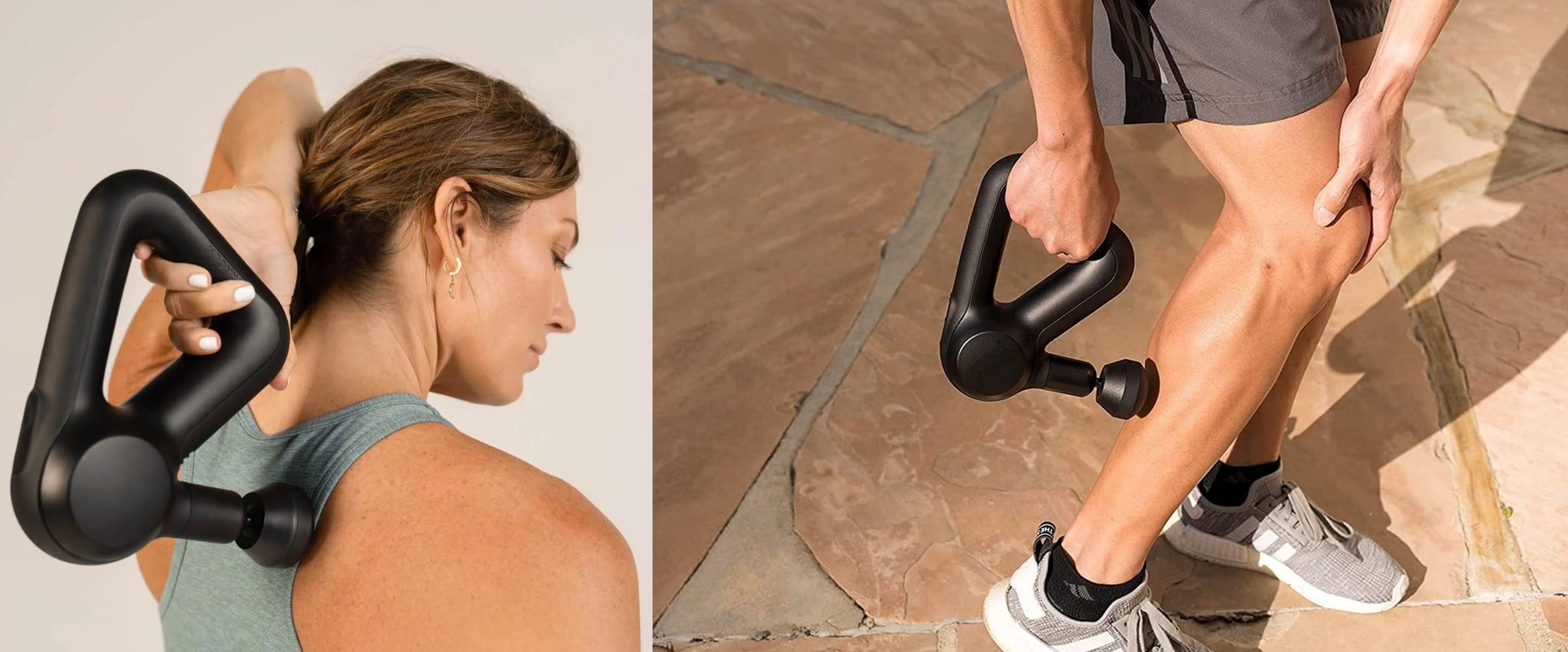
Using A Percussive Massager Correctly: El Paso Back Clinic
At El Paso Back Clinic, patients do not just get an adjustment and leave. The team, led by Dr. Alexander Jimenez, DC, APRN, FNP-BC, focuses on full-body recovery, including what you do at home between visits. El Paso Back Clinic® • 915-850-0900+1
One of the simplest ways to support your spine, joints, and muscles is with self-massage tools. When used correctly and with guidance, tools like foam rollers, massage balls, massage guns, and trigger point devices can:
-
Ease muscle tension
-
Improve circulation and tissue recovery
-
Help your adjustments “hold” longer
-
Support better posture and movement
However, not every tool is right for every person. The doctors, nurse practitioners, and rehab team at El Paso Back Clinic help patients decide which devices are safe for their bodies and how to use them without causing harm. El Paso Back Clinic® • 915-850-0900+1
Integrative Chiropractic Care at El Paso Back Clinic
El Paso Back Clinic is an integrated injury and wellness center. Care often includes: El Paso Back Clinic® • 915-850-0900+1
-
Chiropractic adjustments for the spine and joints
-
Soft-tissue therapies and myofascial work
-
Functional medicine and nutrition
-
Rehabilitation and sports-specific training
-
Telemedicine support for follow-ups and education
Because Dr. Jimenez is both a chiropractor and a family nurse practitioner, he views your body from both structural and medical perspectives. This dual training helps him safely combine: El Paso, TX Doctor Of Chiropractic+1
-
Spine and joint alignment
-
Muscle and fascia recovery
-
Nerve health
-
Whole-person wellness, including nutrition and lifestyle
Self-massage devices fit into this model as home-care tools that extend the benefits of what happens in the clinic.
Why Self-Massage Tools Help Your Spine and Muscles
Most self-massage tools work by applying controlled pressure to muscles and fascia (the thin connective tissue around muscles). This pressure can:
-
Loosen tight areas that restrict movement
-
Improve local blood flow
-
Help your body remove waste products after activity
-
Reduce muscle soreness and stiffness IDEA Health & Fitness Association+2Watkins Family Chiropractic+2
In simple terms, self-massage tools can help your body feel “less stuck” and more able to move. When your muscles and fascia move more freely, your joints can do the same, which supports your chiropractic adjustments.
Foam Rollers: A Core Tool for El Paso Back Clinic Patients
Foam rollers are one of the most recommended self-massage tools in chiropractic and rehab settings. They are firm foam cylinders you use under your back, hips, or legs as you slowly roll over them.
What Foam Rolling Does
Chiropractic and rehab sources describe foam rolling as a type of self-myofascial release that can:
-
Improve circulation and tissue oxygenation
-
Reduce muscle tightness and soreness
-
Support better posture by opening the chest and upper back
-
Enhance preventive chiropractic care when used correctly Yelp+3King Chiropractic Hand & Foot+3IDEA Health & Fitness Association+3
A chiropractic clinic article notes that foam rollers, when used properly, can enhance circulation and “support preventive chiropractic treatment,” while also helping with posture and movement. King Chiropractic Hand & Foot
At El Paso Back Clinic, Dr. Jimenez often recommends foam rolling for: El Paso Back Clinic® • 915-850-0900+1
-
Chronic low back pain related to hip and leg tightness
-
Thoracic (mid-back) stiffness from sitting, driving, or desk work
-
Athletes who need faster recovery after training
-
Patients working on posture correction
Common Foam Roller Areas
Foam rollers are often used on: IDEA Health & Fitness Association+2Outside Online+2
-
Upper and mid-back
-
Glutes (buttocks)
-
Hamstrings and calves
-
Quadriceps (front of thighs)
-
Hip flexors and IT bands (outer thighs)
Important: Foam rollers are usually not rolled directly over the lower back for patients with certain spine problems unless a provider has shown a safe method.
Basic Foam Rolling Tips
Your El Paso Back Clinic team may teach you:
-
Go slow. Roll slowly along the muscle, pausing on tender spots for 20–30 seconds.
-
Breathe. Relax your breathing instead of tensing up.
-
Control pressure. Use your arms and opposite leg to reduce weight if it is too intense.
-
Aim for “good discomfort.” If the pain is sharp, electric, or burning, stop and tell your provider.
Short sessions—5–10 minutes a day—can be enough to make a difference when done consistently.
Massage Balls and Spheres: Targeting the Tough Spots
Massage balls (such as lacrosse balls, rubber balls, or specialized therapy balls) deliver more precise pressure than a foam roller. They are very helpful for small or hard-to-reach areas. Articles on self-massage tools note that balls are especially useful for the feet, hips, and muscles around the spine. RAD Roller+3High Amplitude Health Chiropractic+3IDEA Health & Fitness Association+3
Areas Where Massage Balls Shine
-
Between the shoulder blades
-
Back of the shoulders and rotator cuff
-
Glutes and deep hip muscles
-
Bottom of the feet (plantar fascia)
-
Small tight spots along the spine (used carefully)
How Your Chiropractor Might Have You Use Them
Examples your provider might show you:
-
Wall technique:
-
Place the ball between your upper back and a wall.
-
Gently lean into it and roll up, down, or side-to-side until you find a tight spot.
-
-
Floor technique (hips):
-
Sit or lie with the ball under one buttock.
-
Slowly shift your weight until you feel a trigger point, then hold and breathe.
-
-
Foot rolling:
-
Stand or sit and roll the ball under your foot from heel to toes.
-
Use light to moderate pressure, not sharp pain.
-
Because these points can be very sensitive, Dr. Jimenez and his team usually suggest short, frequent sessions rather than long, aggressive work—especially in people with nerve irritation or high pain sensitivity. El Paso Back Clinic® • 915-850-0900+1
Percussion Massage Guns: High-Tech Help for Sore Muscles
Percussion massage guns use rapid pulses to work into muscle tissue. Articles reviewing these devices note that they can improve local blood flow, reduce muscle soreness, and assist recovery when used properly. Allure+3BarBend+3BarBend+3
Massage Guns vs. Foam Rollers
Fitness and recovery experts have compared massage guns with foam rollers: BarBend+1
-
Massage guns
-
More targeted
-
Easier to use while standing or sitting
-
Adjustable speeds and attachments
-
Can be very intense if used on high settings
-
-
Foam rollers
-
Broader, more gentle pressure
-
Less expensive
-
Great for overall mobility and posture work
-
At El Paso Back Clinic, a massage gun may be recommended for:
-
Large muscle groups like the quadriceps, hamstrings, and glutes
-
Athletes or highly active patients who need a quick recovery
-
Patients who struggle to get on and off the floor to use a foam roller
Safe Use Tips for Massage Guns
Based on physical therapy and recovery guidance: BarBend+1
-
Start with the lowest speed.
-
Move slowly over the muscle, not the bones.
-
Limit each area to about 1–2 minutes.
-
Avoid the front of the neck, directly over the spine, or areas with swelling or bruising.
-
Do not use directly over recent injuries or unhealed surgical sites, or if you have vascular conditions, unless your provider clears it.
The team at El Paso Back Clinic may show you which muscles are safe to massage with a massage gun and which areas to avoid.
Manual Trigger Point Tools and Massage Sticks
Manual tools like massage sticks, canes, and handheld knobs are popular because they let you apply deep pressure without overworking your hands. Chiropractic and massage supply companies offer many options, including neck supports, rollers, and trigger-point tools. Redison Tech LLC+3ScripHessco+3RAD Roller+3
Common Manual Tools
-
Massage sticks: Rolled along muscles in the legs and back
-
Trigger point canes: The Hooked shape allows you to press knots between the shoulder blades
-
Handheld knobs: Designed to mimic a therapist’s thumb or elbow
When Dr. Jimenez Might Suggest These
-
Long-standing muscle knots that flare between visits
-
Old injuries with scar tissue
-
Posture correction programs that need focused daily soft-tissue work
Often, these tools are paired with corrective exercises right after use. For example:
-
Use a trigger point cane on the upper back
-
Then do posture drills, band work, or thoracic mobility exercises
This combination helps the nervous system “learn” the new, freer movement pattern instead of slipping back into old habits. Spine & Health Co+2El Paso Back Clinic® • 915-850-0900+2
Back Massagers and Cushions
Many patients ask about back massager chairs, cushions, or handheld units for home use. Consumer guides and chiropractic associations discuss how these devices can provide gentle, hands-free relief for general muscle tension. The Spruce+2ACA Today+2
Possible Benefits
-
Soothing end-of-day relaxation
-
Heat plus massage to ease stiffness
-
Helpful for people who sit long hours or drive frequently around El Paso
However, these devices do not replace a full evaluation at El Paso Back Clinic, especially if you have:
-
Radiating pain, numbness, or tingling down the arms or legs
-
Known disc herniations, spinal stenosis, or severe arthritis
-
Recent injuries from car accidents, sports, or falls
In those cases, the clinic team may only clear gentle back massagers after imaging, testing, and a clear plan.
Myofascial Release and Why Guidance Matters
The deeper goal behind many of these tools is myofascial release—loosening tight fascia and muscle layers so they can move freely again. Educational articles on myofascial release stress that: Spine & Health Co+2Spine & Health Co+2
-
Fascia can become tight due to injury, overuse, or prolonged sitting.
-
Skilled manual therapy can teach you how to extend these techniques at home safely.
-
Poor technique or excessive pressure can irritate tissues and sometimes worsen pain.
That is why the El Paso Back Clinic team often:
-
Demonstrates tool use in the office
-
Gives written or video instructions
-
Uses telemedicine follow-ups to review technique
-
Adjust your plan if your symptoms change
Guided self-massage is much safer and more effective than guessing on your own.
When to Be Careful or Avoid Self-Massage Tools
Self-massage tools are not for everyone, nor for every situation. Always speak with your chiropractor, nurse practitioner, or medical provider first if you have:
-
Recent fractures or major sprains
-
Recent surgery
-
Active infection, fever, or unexplained weight loss
-
History of blood clots or bleeding disorders
-
Cancer, especially in bone
-
Severe osteoporosis
Stop and call your provider or seek emergency care if you notice:
-
Sudden, sharp, or electric pain
-
New numbness or weakness in arms or legs
-
Loss of bowel or bladder control
Also, avoid using tools directly over:
-
Joints and bony areas
-
Open wounds or rashes
-
Areas with obvious swelling or strong bruising
The El Paso Back Clinic team will clearly explain what is safe for your specific diagnosis.
Simple Self-Massage Routines for El Paso Patients
Below are example routines that Dr. Jimenez and the team might customize for different patient groups. These are not medical advice; they show how tools can be used when approved by your provider.
1. Desk and Driver Routine
Goal: Reduce neck and upper-back tension from screens and driving.
Tools: Foam roller, massage ball
-
3–5 minutes foam rolling mid-back against the floor or wall
-
2 minutes lying lengthwise on the roller to open the chest
-
2–3 minutes with a massage ball against the wall between the shoulder blades
-
Follow with simple chin tucks and shoulder blade squeezes
2. Post-Workout Recovery Routine
Goal: Help muscles recover after sports or gym workouts.
Tools: Foam roller, massage gun (if approved), massage stick
-
5–10 minutes foam rolling quads, hamstrings, glutes, and calves
-
1–2 minutes per muscle group with a massage gun on low speed
-
3–5 minutes of light stretching and mobility drills after using the tools
3. Gentle Routine for Chronic Back Pain
Goal: Support mobility without overloading sensitive tissues.
Tools: Soft foam roller, massage ball, possibly a gentle back cushion
-
2–3 minutes foam rolling glutes and upper back (avoiding painful low back areas)
-
2 minutes of gentle ball work for glutes and hips
-
Short session with a low-intensity back cushion, if cleared
-
Follow with core stability exercises prescribed by the clinic
4. Mobility and Posture Routine
Goal: Improve posture and spinal mobility for daily life.
Tools: Foam roller, trigger point cane
-
3–5 minutes of foam rolling the upper back and sides of the rib cage
-
3–5 minutes using a trigger point cane on knots between the shoulder blades
-
Then, posture drills, band pulls, and breathing exercises are prescribed
These routines are most powerful when combined with the chiropractic adjustments, rehab exercises, and nutrition plans created for you at El Paso Back Clinic. El Paso Back Clinic® • 915-850-0900+1
Choosing Quality Self-Massage Tools
When you shop for self-massage tools, professional reviews and chiropractic supply sites suggest looking for: IDEA Health & Fitness Association+3Outside Online+3ScripHessco+3
-
Durability: Dense foam rollers and well-built massage guns that hold up over time.
-
Comfort: Surfaces that are firm but not painfully sharp.
-
Adjustability: Multiple speeds or densities to match different body areas.
-
Portability: Smaller devices for travel or use at work or the gym.
-
Reputable brands: Tools often used by clinics, therapists, or trainers.
Your El Paso Back Clinic provider can point you toward types and brands that fit both your body and your budget.
How El Paso Back Clinic Helps You Use These Tools Safely
At El Paso Back Clinic, self-massage tools are never treated as toys or fads. They are part of a careful plan that may include: El Paso Back Clinic® • 915-850-0900+2El Paso, TX Doctor Of Chiropractic+2
-
A detailed exam and imaging when needed
-
Clear diagnosis and treatment plan
-
In-office teaching on how to use each tool
-
Written or video instructions
-
Telemedicine visits for follow-up and problem-solving
-
Integration with exercises, nutrition support, and lifestyle changes
The goal is simple:
Make home care safe, effective, and easy to follow so your body keeps healing between visits.
If you are a current or new patient in the El Paso area and want to know which self-massage tools are right for you, contact El Paso Back Clinic® (915-850-0900) to schedule an in-person or telemedicine consultation and get a plan that matches your spine, lifestyle, and goals. El Paso Back Clinic® • 915-850-0900+1
References
BarBend. (2025, March 18). Massage gun vs. foam roller — Which is better for strength athletes? Retrieved from https://barbend.com/massage-gun-vs-foam-roller/ BarBend
High Amplitude Health Chiropractic. (2023). All the best tools to use for self-massage. Retrieved from https://highamplitudehealthchiropractic.mystagingwebsite.com/all-the-best-tools-to-use-for-self-massage/ High Amplitude Health Chiropractic
IDEA Health & Fitness Association. (2022, February 9). Self-care massage tools for recovery. Retrieved from https://www.ideafit.com/self-care-massage-tools-recovery/ IDEA Health & Fitness Association
King Chiropractic Hand & Foot. (2023). Unexpected benefits of the foam roller. Retrieved from https://www.kingchirohandandfoot.com/unexpected-benefits-of-the-foam-roller/ King Chiropractic Hand & Foot
Outside Online. (2025, July 14). Five self-massage tools to keep muscles moving. Retrieved from https://www.outsideonline.com/outdoor-gear/tools/five-self-massage-tools/ Outside Online
RAD Roller. (2023). Self-care massage tools everybody should own. Retrieved from https://radroller.com/blogs/rad-athletes/self-care-massage-tools-everybody-should-own RAD Roller
ScripHessco. (2024). Chiropractor massage tools, instruments & machines. Retrieved from https://www.scriphessco.com/shop-by-department/massage/massage-equipment/massage-tools/ ScripHessco
Spine & Health Co. (2023, September 14). Fascia myofascial release: What is it? Retrieved from https://www.spineandhealthco.com.au/2023/09/14/myofascial-release/ Spine & Health Co
The Spruce. (2025, October 17). The best back massagers to help relieve pain. Retrieved from https://www.thespruce.com/best-back-massagers-4692791 The Spruce
Watkins Family Chiropractic. (2019, February 28). Benefits of foam rolling. Retrieved from https://www.watkinsfamilychiropractic.com/foam-rolling/ Watkins Family Chiropractic
ChiroTouch. (2025). The 18 most popular chiropractic tools and equipment. Retrieved from https://www.chirotouch.com/article/the-18-most-popular-chiropractic-tools-and-equipment ChiroTouch
El Paso Back Clinic. (n.d.). Chronic back pain & chiropractic. Retrieved from https://elpasobackclinic.com/chronic-back-pain-chiropractic/ El Paso Back Clinic® • 915-850-0900
El Paso Back Clinic. (n.d.). Blog | El Paso Back Clinic, Dr. Alex Jimenez D.C. 915-850-0900. Retrieved from https://elpasobackclinic.com/ El Paso Back Clinic® • 915-850-0900
Jimenez, A. (n.d.). Dr Alex Jimenez, DC, APRN, FNP-BC, CFMP, IFMCP. Retrieved from https://dralexjimenez.com/ El Paso, TX Doctor Of Chiropractic+1
General Disclaimer, Licenses, and Board Certifications *
Professional Scope of Practice *
The information herein on "Self-Massage Tools That Support Your Care and Recovery" is not intended to replace a one-on-one relationship with a qualified health care professional or licensed physician and is not medical advice. We encourage you to make healthcare decisions based on your research and partnership with a qualified healthcare professional.
Blog Information & Scope Discussions
Welcome to El Paso's Premier Wellness and Injury Care Clinic & Wellness Blog, where Dr. Alex Jimenez, DC, FNP-C, a Multi-State board-certified Family Practice Nurse Practitioner (FNP-BC) and Chiropractor (DC), presents insights on how our multidisciplinary team is dedicated to holistic healing and personalized care. Our practice aligns with evidence-based treatment protocols inspired by integrative medicine principles, similar to those on this site and on our family practice-based chiromed.com site, focusing on naturally restoring health for patients of all ages.
Our areas of multidisciplinary practice include Wellness & Nutrition, Chronic Pain, Personal Injury, Auto Accident Care, Work Injuries, Back Injury, Low Back Pain, Neck Pain, Migraine Headaches, Sports Injuries, Severe Sciatica, Scoliosis, Complex Herniated Discs, Fibromyalgia, Chronic Pain, Complex Injuries, Stress Management, Functional Medicine Treatments, and in-scope care protocols.
Our information scope is multidisciplinary, focusing on musculoskeletal and physical medicine; wellness; contributing etiological viscerosomatic disturbances within clinical presentations; associated somato-visceral reflex clinical dynamics; subluxation complexes; sensitive health issues; and functional medicine articles, topics, and discussions.
We provide and present clinical collaboration with specialists from various disciplines. Each specialist is governed by their professional scope of practice and licensure jurisdiction. We use functional health & wellness protocols to treat and support care for musculoskeletal injuries or disorders.
Our videos, posts, topics, and insights address clinical matters and issues that directly or indirectly relate to our clinical scope of practice.
Our office has made a reasonable effort to provide supportive citations and has identified relevant research studies that support our posts. We provide copies of supporting research studies upon request to regulatory boards and the public.
To discuss how these matters can assist in a specific care plan or treatment protocol, please contact Dr. Alex Jimenez, DC, APRN, FNP-BC, or reach out to us at 915-850-0900.
We are here to help you and your family.
Blessings
Dr. Alex Jimenez DC, MSACP, APRN, FNP-BC*, CCST, IFMCP, CFMP, ATN
Email: [email protected]
Multidisciplinary Licensing & Board Certifications:
Licensed as a Doctor of Chiropractic (DC) in Texas & New Mexico*
Chiropractic Licenses:
Texas DC License #: TX5807, Verified: TX5807
New Mexico DC License #: NM-DC2182, Verified: NM-DC2182
Nurse Practitioner Licenses:
Texas APRN License #: 1191402, Verified: 1191402 *
New Mexico CNP License #: 90560, Verified 90560
Florida APRN License #: 11043890, Verified: APRN11043890 *
Colorado License #: C-APN.0105610-C-NP, Verified: C-APN.0105610-C-NP
New York License #: N25929, Verified N25929
Georgia APRN License #: GAA-NP005701
Multi-State Advanced Practice Registered Nurse (APRN*) Texas & Multi-States
Multi-state Compact APRN License by Endorsement (43 States)
Compact Status: Multi-State License: Authorized to Practice in 43 States*
Nursing Licensure Compact: Updated Here
DEA Registration: (Drug Enforcement Agency Registered)
All medical (MDs) and family practice providers (FNP-APRN) are registered and licensed to offer various levels of medication.
Verify Providers Here
License Verification Link: Nursys License Verifier
* Prescriptive Authority Authorized (DEA Registered Providers). Call if Required
Board Certification:
ANCC FNP-BC: Board Certified Nurse Practitioner*
Education:
Graduate with Honors: ICHS: MSN-FNP (Family Nurse Practitioner Program)
Degree Granted. Master's in Family Practice, MSN Diploma (Cum Laude)
Dr. Alex Jimenez, DC, APRN, FNP-BC*, CFMP, IFMCP, ATN, CCST
(Board Certified: Family Practice Nurse Practitioner—Multistate)*
(Licensed Nurse Practitioner & Chiropractor - Multistate)*
Clinical Director
DC & FNP License (Review Above)
Digital Business Card
NPI: 1205907805
Dr. Maria Cardenas, MD
(Board Certified: Internal Medicine)
(Licensed Medical Doctor)
Medical Director, Clinical Director & Collaborative Physician
NPI # 1164426748
MD License #: J2933
Licenses and Board Certifications:
MD: Medical Doctor
DC: Doctor of Chiropractic
APRNP: Advanced Practice Registered Nurse
FNP-BC: Family Practice Specialization (Multi-State Board Certified)
FNP-BC: Family Practice Across Life Span (Neonatal to Geriatrics)
RN: Registered Nurse (Multi-State Compact License)
CFMP: Certified Functional Medicine Provider
MSN-FNP: Master of Science in Family Practice Medicine
MSACP: Master of Science in Advanced Clinical Practice
IFMCP: Institute of Functional Medicine
CCST: Certified Chiropractic Spinal Trauma
ATN: Advanced Translational Neutrogenomics
Family with Primary Care Focus (Family Nurse Practitioner or FNP)
- The Family Nurse Practitioner (FNP) promotes, maintains, and restores health for individuals and families across the lifespan. FNPs also identify health risks, promote wellness, and diagnose and manage acute and chronic illness.
- The FNP focuses on comprehensive primary care, promoting healthy lifestyles for patients across the lifespan in settings such as private practice, physician offices, and community health centers.
Memberships & Associations:
TCA: Texas Chiropractic Association: Member ID: 104311
TNA: Texas Nurse Association: Member ID: 06458222
TNP: Texas Nurse Practitioner Association ID: 2025091511
AANP: American Association of Nurse Practitioners: Member ID: 2198960
ANA: American Nurses Association: Member ID: 06458222 (District TX01)
| Primary Taxonomy | Selected Taxonomy | State | License Number |
|---|---|---|---|
| No | 111N00000X - Chiropractor | NM | DC2182 |
| Yes | 111N00000X - Chiropractor | TX | DC5807 |
| Yes | 363LF0000X - Nurse Practitioner - Family | TX | 1191402 |
| Yes | 363LF0000X - Nurse Practitioner - Family | FL | 11043890 |
| Yes | 363LF0000X - Nurse Practitioner - Family | CO | C-APN.0105610-C-NP |
| Yes | 363LF0000X - Nurse Practitioner - Family | NY | N25929 |
| Yes | 363LF0000X - Nurse Practitioner - Family | NM |
90560 |
| Yes | 363LF0000X - Nurse Practitioner - Family | GA | GAA-NP005701 |
Dr. Alex Jimenez, DC, APRN, FNP-BC*, CFMP, IFMCP, ATN, CCST
(Board Certified: Family Practice Nurse Practitioner—Multistate)*
(Primary Care Across Lifespan—Neonatal / Pediatric / Adult / Geriatrics)
(Licensed Nurse Practitioner & Chiropractor - Multistate)*
Clinical Director
Digital Business Card
NPI: 1205907805
Dr. Maria Cardenas, MD
(Board Certified: Internal Medicine)*
(Licensed Medical Doctor)*
Medical Director, Clinical Director & Collaborative Physician
NPI # 1164426748
MD License #: J2933
📆 Schedule Appointment: Schedule 24/7 (Click Here)