Contents
Hydrodistension Treatment for (Frozen) Shoulder Pain and Stiffness
Abstract
As a clinician dedicated to exploring the frontiers of musculoskeletal health, I’m excited to share insights into an advanced, evidence-based procedure for one of the most stubborn and painful conditions we encounter: adhesive capsulitis, more commonly known as frozen shoulder. This condition, marked by severe pain and a progressive loss of shoulder motion, can be debilitating. Today, we’ll journey through the intricacies of a procedure called hydroplasty, or hydrodistension, a technique designed to physically release the constricted shoulder joint capsule.
We’ll review the latest research from leading scientists, including a close look at a hydrodistension procedure performed by a primary care sports medicine doctor. I will explain the physiological basis of this condition, the step-by-step mechanics of the procedure, and most importantly, how we integrate this advanced intervention with our comprehensive, multidisciplinary approach at Injury Medical Clinic. Our model combines medical oversight from Dr. Maria Guadalupe Cardenas, MD, with my expertise in chiropractic, functional medicine, and rehabilitation to create a powerful synergy that promotes not just relief, but true, lasting recovery.

Who We Are
Hello, I’m Dr. Alex Jimenez. With my extensive background in chiropractic, functional medicine, and family nursing, my mission has always been to provide my patients with the most effective, evidence-based treatments. At our clinic, we operate under a collaborative, integrative model. Our medical director, Dr. Maria Guadalupe Cardenas, a board-certified internist with over 40 years of experience, provides essential medical oversight. This partnership allows us to blend the best of conventional medicine with chiropractic care, physical rehabilitation, and functional medicine principles, creating a patient-centered treatment ecosystem.
Today, I want to focus on a particularly challenging condition: frozen shoulder. In our practice, we see many patients who have lost the ability to do simple daily tasks—combing their hair, reaching for a seatbelt, or lifting a grocery bag—because of the intense pain and stiffness of adhesive capsulitis. While conservative care is always our first line of defense, some cases require a more definitive intervention. This is where hydroplasty, also known as hydrodistension, comes in. This post presents the latest findings and highlights the work of leading experts, explaining how this procedure fits within our integrative chiropractic care framework to restore function and improve our patients’ quality of life.
Understanding Adhesive Capsulitis: The “Frozen” Shoulder
Before we explore the solution, it’s crucial to understand the problem. Adhesive capsulitis is an inflammatory condition that affects the glenohumeral joint capsule, the flexible, ligamentous sac that surrounds the ball-and-socket joint of the shoulder.
- Pathophysiology: In a healthy shoulder, this capsule is elastic and allows for a wide range of motion. In frozen shoulder, the capsule becomes inflamed, thickened, and fibrotic. It develops adhesions, essentially becoming scarred and contracted. This process shrinks the capsule, physically restricting the movement of the humeral head within the glenoid socket.
- The Three Phases: The condition typically progresses through three overlapping stages:
- Freezing (Painful) Stage: This is characterized by the gradual onset of diffuse, severe shoulder pain. As the pain worsens, range of motion begins to decrease. Inflammation is the dominant process here.
- Frozen (Stiff) Stage: During this phase, the pain may start to subside, but stiffness becomes the primary complaint. The joint capsule has significantly thickened and contracted, leading to a dramatic loss of both active and passive range of motion.
- Thawing (Resolution) Stage: In this final stage, the shoulder’s range of motion slowly begins to improve. This phase can be very slow, sometimes lasting for months or even years.
Our goal with any intervention is to shorten these phases and restore function as quickly and completely as possible. This is where the synergy of medical procedures and chiropractic rehabilitation becomes invaluable.
Hydroplasty: A Targeted Intervention for a Constricted Joint
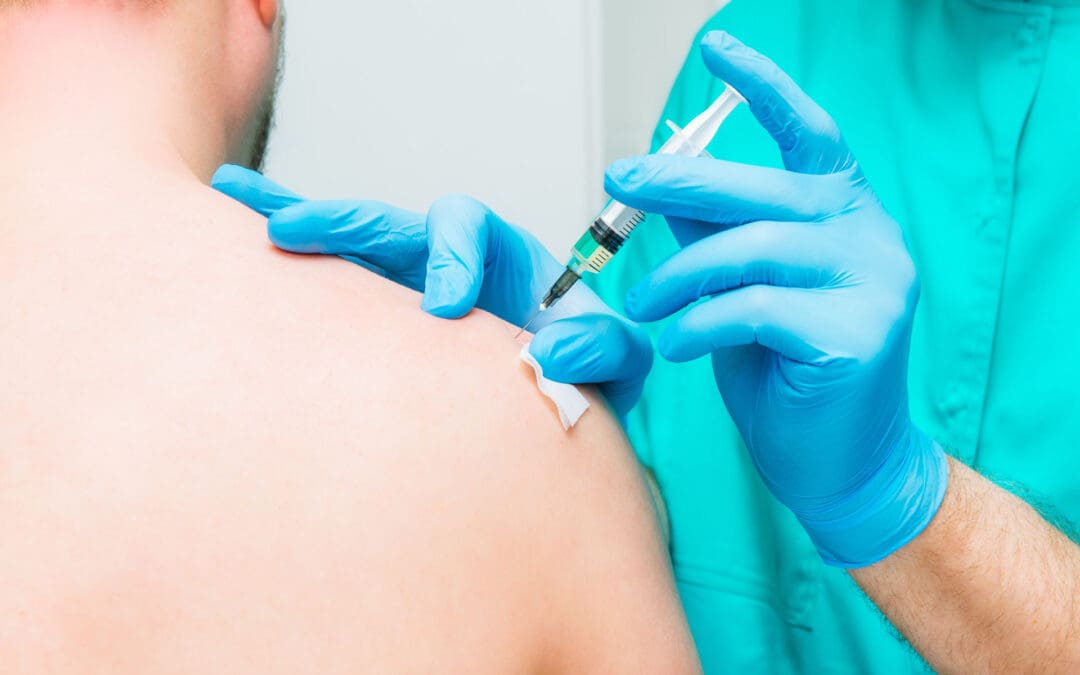
Hydroplasty is a minimally invasive procedure performed under ultrasound guidance. The core principle is simple yet powerful: to inject a large volume of sterile fluid directly into the glenohumeral joint capsule. The goal is to use hydraulic pressure to stretch and ultimately rupture the fibrotic adhesions restricting movement. Think of it like inflating a balloon until it stretches and breaks its constraints.
I want to showcase a respected primary care sports medicine physician. Their meticulous technique provides a clear, real-world example of how this procedure is performed. By understanding his approach, we can better appreciate the precision required and the rationale behind each step.
Here is a visual from an ultrasound-guided procedure. We are looking at the back of the shoulder, across the posterior glenohumeral joint. You can see the deltoid and infraspinatus muscles, the posterior capsule, and the humeral head. The needle is precisely positioned within the joint space, ready to deliver the therapeutic fluid. This image highlights the importance of ultrasound guidance to ensure accuracy and safety.
The Hydrodistension Procedure: A Step-by-Step Breakdown
The approach is methodical and prioritizes patient comfort and procedural success. It breaks down into three key stages. Let’s look at the “why” behind each one.
Step 1: The Suprascapular Nerve Block
The first step isn’t the joint injection itself, but a nerve block targeting the suprascapular nerve at the spinoglenoid notch.
- The “What”: A 5 mL syringe of 1% lidocaine is used to numb this nerve. The spinoglenoid notch is a small passageway located just medial to the shoulder joint, where the suprascapular nerve runs.
- The “Why”: The suprascapular nerve provides approximately 70% of the sensory innervation to the shoulder joint. By blocking this nerve, we achieve significant analgesia (pain relief). This serves two purposes:
- Procedural Comfort: It makes the subsequent, more intensive part of the procedure far more tolerable for the patient.
- Short-Term Pain Relief: It provides immediate relief that can last several hours, breaking the pain cycle and allowing gentle movement after the procedure.
This initial step is a clear example of thinking ahead in patient care—addressing pain before it becomes a barrier to treatment.
Step 2: Numbing the Joint Capsule Pathway
Next, the doctor anesthetizes the pathway for the main injection.
- The “What”: Using a smaller, 25-gauge needle, the doctor injects a small amount of buffered 1% lidocaine directly into the subcutaneous tissue and down to the posterior glenohumeral joint capsule. He adds sodium bicarbonate to the lidocaine to buffer it.
- The “Why”: Lidocaine is naturally acidic, which can cause a stinging sensation upon injection. Adding a bicarbonate buffer raises the solution’s pH, bringing it closer to the body’s natural pH. This simple modification significantly reduces injection discomfort. This step ensures the path for the larger needle is completely numb, further enhancing patient comfort.
Step 3: The Main Injection – Distending the Capsule
This is the therapeutic core of the procedure.
- The “What”: A larger, 18-gauge needle is guided under ultrasound into the posterior glenohumeral joint. It’s connected via IV tubing to a large syringe containing the injectate. In protocol, this is a 51 mL cocktail:
- 10 mL of 1% lidocaine (a short-acting anesthetic)
- 10 mL of 0.5% ropivacaine (a longer-acting anesthetic for sustained pain relief)
- 30 mL of sterile saline (the primary fluid for creating hydraulic pressure)
- 1 mL of Kenalog (40 mg) (a corticosteroid to reduce inflammation)
- The “Why”: This is a two-person job for safety and efficacy. While the physician holds the ultrasound probe and guides the needle, a medical assistant pushes the fluid from the syringe. The physician feels the resistance and watches the ultrasound screen in real time. Initially, the fluid flows freely into the small joint space. As the injection continues, pressure builds. On the screen, you can see the posterior capsule dramatically lift off the humeral head as it distends.
The “pop” isn’t always audible, but it’s visible on ultrasound. You see the capsule expand rapidly, then suddenly deflate as the adhesions tear and fluid escapes the joint space. This visual confirmation signifies a successful procedure—the capsule has been released. The combination of anesthetics provides a window of pain relief, while the corticosteroid helps manage the post-procedural inflammation caused by the mechanical tearing of the adhesions.
The Critical Role of Integrative Chiropractic Care Post-Procedure
The hydrodistension procedure is a powerful “reset” button, but it is not the end of the treatment. It is the beginning of a crucial window of opportunity. The adhesions have been broken, but without immediate, proper rehabilitation, they can reform, and the stiffness can return. This is where our integrative model truly shines.
As a chiropractor, I immediately focus on capitalizing on this newly created mobility. The period after hydrodistension is when we can make the biggest gains.
- Gentle Mobilization and Adjustments: Immediately after the procedure, while the joint is still numb, we begin gentle, passive range-of-motion exercises. My role includes specific chiropractic mobilizations of the glenohumeral joint and surrounding joints (scapulothoracic, acromioclavicular, and sternoclavicular). These aren’t forceful manipulations but precise, controlled movements designed to guide the joint through its newly regained range and prevent adhesions from reforming. We also assess and adjust the cervical and thoracic spine, as dysfunction in these areas often contributes to poor shoulder mechanics.
- Targeted Physical Rehabilitation: Our rehabilitation team designs a progressive program that evolves with the patient.
- Initial Phase (Days 1-7): The focus is on pendulum exercises, passive stretching, and active-assisted range of motion. The goal is to maintain the mobility gained from the procedure and manage inflammation.
- Intermediate Phase (Weeks 2-6): We introduce active range-of-motion and isometric strengthening exercises for the rotator cuff and scapular stabilizers (like the serratus anterior and rhomboids). Restoring proper scapulohumeral rhythm—the coordinated movement of the scapula and humerus—is a primary objective.
- Advanced Phase (Weeks 6+): The program progresses to include resistive strengthening and functional, sport-specific, or work-specific movements. We retrain the neuromuscular system to use the shoulder correctly and confidently.
- Functional Medicine Support: From my functional medicine perspective, we also address underlying systemic factors that may contribute to inflammation. We might assess dietary habits, stress levels, and nutrient deficiencies that could be hindering the healing process. Providing nutritional guidance on an anti-inflammatory diet or recommending supplements like Omega-3 fatty acids, turmeric, or Vitamin C can support the body’s natural healing mechanisms from the inside out.
This integrated approach ensures we treat not just the shoulder, but the whole person. Dr. Cardenas’s medical procedure creates the opening, and the chiropractic and rehabilitative care I provide guides the patient through that opening toward full recovery. It’s a true partnership between intervention and rehabilitation.
Conclusion: A Modern, Synergistic Path to Recovery
Adhesive capsulitis can be a long and frustrating journey for patients. As leading experts have shown, hydrodistension offers a modern, evidence-based way to break the cycle of pain and stiffness. However, this intervention’s success is magnified when embedded in a comprehensive, integrative care plan.
At our clinic, we have seen this synergy in action. By combining the precision of ultrasound-guided medical procedures under Dr. Cardenas’s direction with the hands-on, functional approach of chiropractic care and physical rehabilitation that I lead, we provide our patients with a structured path back to a pain-free, active life. We unlock the frozen shoulder with the procedure and then retrain it for lasting function through dedicated rehabilitation. This is the future of musculoskeletal care—a collaborative, patient-centered model that leverages the best of multiple disciplines to achieve superior outcomes.
References
- Buchbinder, R., Green, S., Youd, J. M. (2008). Corticosteroid injections for shoulder pain: Evidence update. Cochrane Database of Systematic Reviews
- Carette, S., Moffet, H., et al. (2003). Intraarticular corticosteroids reduce pain in adhesive capsulitis. Arthritis & Rheumatism
- Cepeda, M. S., et al. (2010). Bicarbonate buffering of local anesthetics. Cochrane Database of Systematic Reviews
- Dahan, A., et al. (2014). Regional anesthesia mechanisms and clinical implications. Anesthesiology
- Hanchard, N., Goodchild, L., Kottam, L. (2011). Evidence-based guidelines for frozen shoulder. Physiotherapy
- Lewis, J. (2015). Rotator cuff-related shoulder pain: Assessment, management, and referral. BMJ
- McClure, J. (1996). Ropivacaine: A review. British Journal of Anaesthesia
- Ryan, V., Brown, H., Lewis, J. S., et al. (2016). The pathophysiology of frozen shoulder and implications for clinical decision-making. Shoulder & Elbow
- Wong, C. K., Tan, S. S., & Hwa, K. M. (2017). Adhesive capsulitis: Pathophysiology and evidence-based interventions. Journal of Orthopaedic & Sports Physical Therapy
General Disclaimer, Licenses, and Board Certifications *
Professional Scope of Practice *
The information herein on "Hydrodistension Treatment for (Frozen) Shoulder Pain Relief" is not intended to replace a one-on-one relationship with a qualified health care professional or licensed physician and is not medical advice. We encourage you to make healthcare decisions based on your research and partnership with a qualified healthcare professional.
Blog Information & Scope Discussions
Welcome to El Paso's Premier Wellness and Injury Care Clinic & Wellness Blog, where Dr. Alex Jimenez, DC, FNP-C, a Multi-State board-certified Family Practice Nurse Practitioner (FNP-BC) and Chiropractor (DC), presents insights on how our multidisciplinary team is dedicated to holistic healing and personalized care. Our practice aligns with evidence-based treatment protocols inspired by integrative medicine principles, similar to those on this site and on our family practice-based chiromed.com site, focusing on naturally restoring health for patients of all ages.
Our areas of multidisciplinary practice include Wellness & Nutrition, Chronic Pain, Personal Injury, Auto Accident Care, Work Injuries, Back Injury, Low Back Pain, Neck Pain, Migraine Headaches, Sports Injuries, Severe Sciatica, Scoliosis, Complex Herniated Discs, Fibromyalgia, Chronic Pain, Complex Injuries, Stress Management, Functional Medicine Treatments, and in-scope care protocols.
Our information scope is multidisciplinary, focusing on musculoskeletal and physical medicine; wellness; contributing etiological viscerosomatic disturbances within clinical presentations; associated somato-visceral reflex clinical dynamics; subluxation complexes; sensitive health issues; and functional medicine articles, topics, and discussions.
We provide and present clinical collaboration with specialists from various disciplines. Each specialist is governed by their professional scope of practice and licensure jurisdiction. We use functional health & wellness protocols to treat and support care for musculoskeletal injuries or disorders.
Our videos, posts, topics, and insights address clinical matters and issues that directly or indirectly relate to our clinical scope of practice.
Our office has made a reasonable effort to provide supportive citations and has identified relevant research studies that support our posts. We provide copies of supporting research studies upon request to regulatory boards and the public.
To discuss how these matters can assist in a specific care plan or treatment protocol, please contact Dr. Alex Jimenez, DC, APRN, FNP-BC, or reach out to us at 915-850-0900.
We are here to help you and your family.
Blessings
Dr. Alex Jimenez DC, MSACP, APRN, FNP-BC*, CCST, IFMCP, CFMP, ATN
Email: [email protected]
Multidisciplinary Licensing & Board Certifications:
Licensed as a Doctor of Chiropractic (DC) in Texas & New Mexico*
Chiropractic Licenses:
Texas DC License #: TX5807, Verified: TX5807
New Mexico DC License #: NM-DC2182, Verified: NM-DC2182
Nurse Practitioner Licenses:
Texas APRN License #: 1191402, Verified: 1191402 *
New Mexico CNP License #: 90560, Verified 90560
Florida APRN License #: 11043890, Verified: APRN11043890 *
Colorado License #: C-APN.0105610-C-NP, Verified: C-APN.0105610-C-NP
New York License #: N25929, Verified N25929
Georgia APRN License #: GAA-NP005701
Multi-State Advanced Practice Registered Nurse (APRN*) Texas & Multi-States
Multi-state Compact APRN License by Endorsement (43 States)
Compact Status: Multi-State License: Authorized to Practice in 43 States*
Nursing Licensure Compact: Updated Here
DEA Registration: (Drug Enforcement Agency Registered)
All medical (MDs) and family practice providers (FNP-APRN) are registered and licensed to offer various levels of medication.
Verify Providers Here
License Verification Link: Nursys License Verifier
* Prescriptive Authority Authorized (DEA Registered Providers). Call if Required
Board Certification:
ANCC FNP-BC: Board Certified Nurse Practitioner*
Education:
Graduate with Honors: ICHS: MSN-FNP (Family Nurse Practitioner Program)
Degree Granted. Master's in Family Practice, MSN Diploma (Cum Laude)
Dr. Alex Jimenez, DC, APRN, FNP-BC*, CFMP, IFMCP, ATN, CCST
(Board Certified: Family Practice Nurse Practitioner—Multistate)*
(Licensed Nurse Practitioner & Chiropractor - Multistate)*
Clinical Director
DC & FNP License (Review Above)
Digital Business Card
NPI: 1205907805
Dr. Maria Cardenas, MD
(Board Certified: Internal Medicine)
(Licensed Medical Doctor)
Medical Director, Clinical Director & Collaborative Physician
NPI # 1164426748
MD License #: J2933
Licenses and Board Certifications:
MD: Medical Doctor
DC: Doctor of Chiropractic
APRNP: Advanced Practice Registered Nurse
FNP-BC: Family Practice Specialization (Multi-State Board Certified)
FNP-BC: Family Practice Across Life Span (Neonatal to Geriatrics)
RN: Registered Nurse (Multi-State Compact License)
CFMP: Certified Functional Medicine Provider
MSN-FNP: Master of Science in Family Practice Medicine
MSACP: Master of Science in Advanced Clinical Practice
IFMCP: Institute of Functional Medicine
CCST: Certified Chiropractic Spinal Trauma
ATN: Advanced Translational Neutrogenomics
Family with Primary Care Focus (Family Nurse Practitioner or FNP)
- The Family Nurse Practitioner (FNP) promotes, maintains, and restores health for individuals and families across the lifespan. FNPs also identify health risks, promote wellness, and diagnose and manage acute and chronic illness.
- The FNP focuses on comprehensive primary care, promoting healthy lifestyles for patients across the lifespan in settings such as private practice, physician offices, and community health centers.
Memberships & Associations:
TCA: Texas Chiropractic Association: Member ID: 104311
TNA: Texas Nurse Association: Member ID: 06458222
TNP: Texas Nurse Practitioner Association ID: 2025091511
AANP: American Association of Nurse Practitioners: Member ID: 2198960
ANA: American Nurses Association: Member ID: 06458222 (District TX01)
| Primary Taxonomy | Selected Taxonomy | State | License Number |
|---|---|---|---|
| No | 111N00000X - Chiropractor | NM | DC2182 |
| Yes | 111N00000X - Chiropractor | TX | DC5807 |
| Yes | 363LF0000X - Nurse Practitioner - Family | TX | 1191402 |
| Yes | 363LF0000X - Nurse Practitioner - Family | FL | 11043890 |
| Yes | 363LF0000X - Nurse Practitioner - Family | CO | C-APN.0105610-C-NP |
| Yes | 363LF0000X - Nurse Practitioner - Family | NY | N25929 |
| Yes | 363LF0000X - Nurse Practitioner - Family | NM |
90560 |
| Yes | 363LF0000X - Nurse Practitioner - Family | GA | GAA-NP005701 |
Dr. Alex Jimenez, DC, APRN, FNP-BC*, CFMP, IFMCP, ATN, CCST
(Board Certified: Family Practice Nurse Practitioner—Multistate)*
(Primary Care Across Lifespan—Neonatal / Pediatric / Adult / Geriatrics)
(Licensed Nurse Practitioner & Chiropractor - Multistate)*
Clinical Director
Digital Business Card
NPI: 1205907805
Dr. Maria Cardenas, MD
(Board Certified: Internal Medicine)*
(Licensed Medical Doctor)*
Medical Director, Clinical Director & Collaborative Physician
NPI # 1164426748
MD License #: J2933
📆 Schedule Appointment: Schedule 24/7 (Click Here)