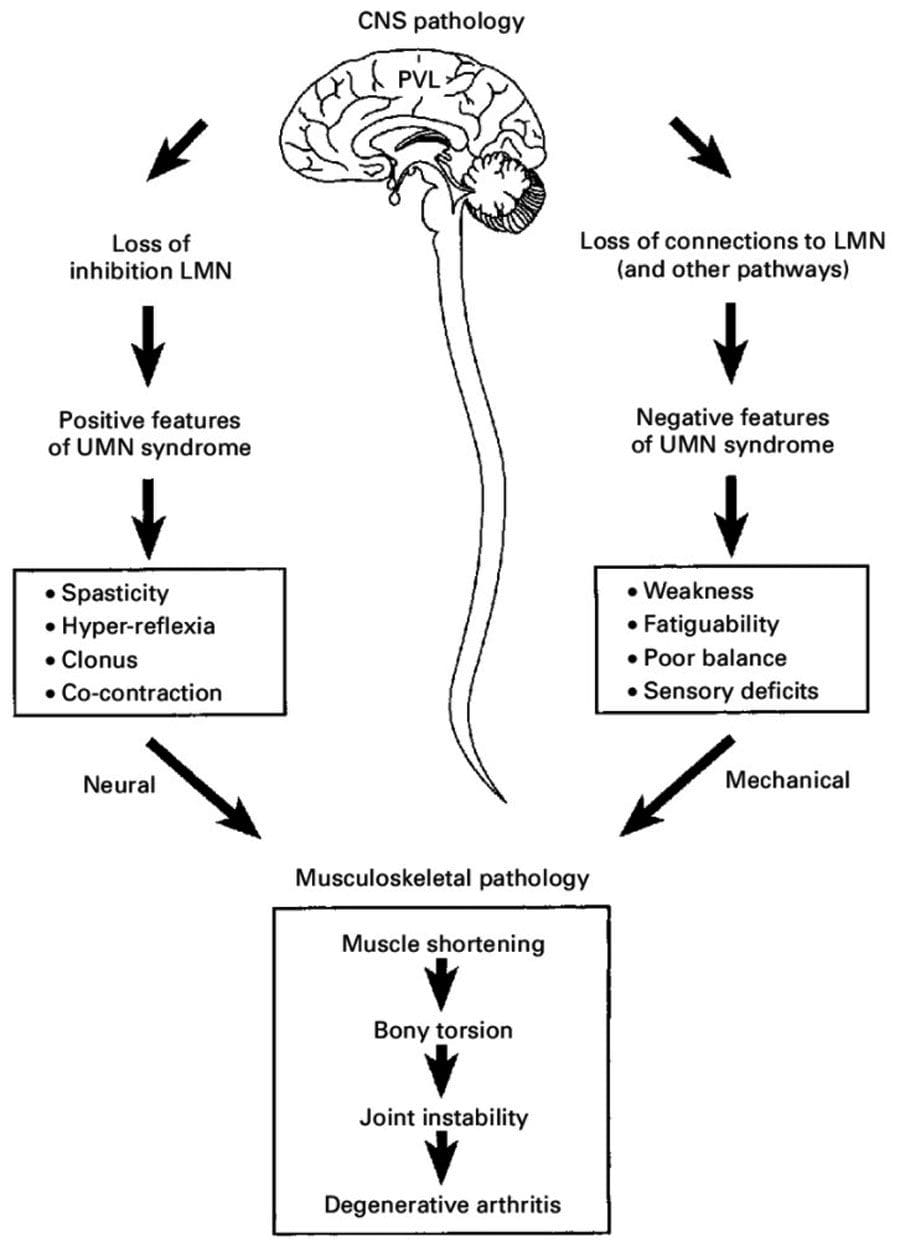
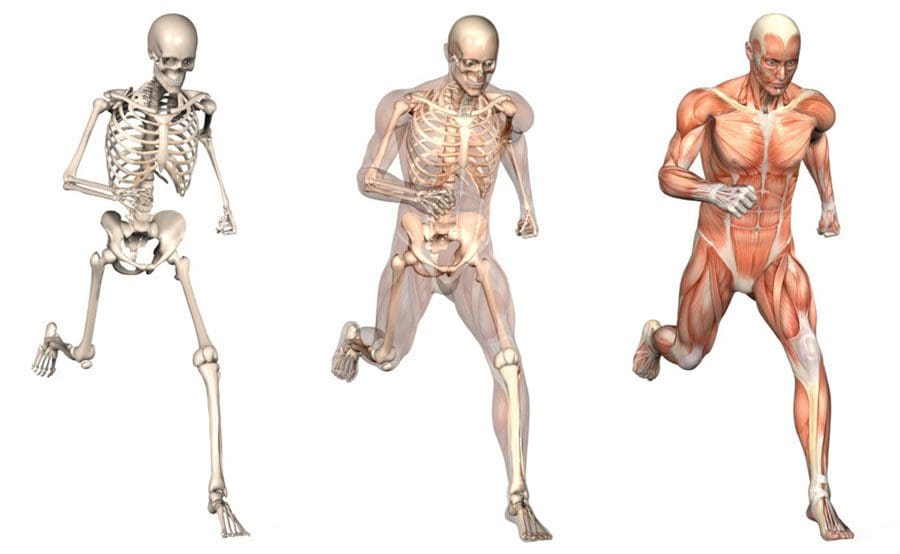
Chiropractic is a form of neuromusculoskeletal care that repairs and re-optimizes the nervous system that helps to relieve tension, inflammation, pain and restore body health. Like any piece of machinery that requires regular maintenance to operate correctly without issues, so too is the body an exquisite machine that needs regular maintenance. Treatment restores and maintains optimal function to the nervous system, muscles, bones, tendons, ligaments, and joints.
Neuromusculoskeletal Care
Central Nervous System – CNS
The Central Nervous System or CNS is the body’s computer.
It processes functions in the body and mind.
It s made up of the brain and spinal cord.
It helps process external information through sight, sound, touch, smell, and taste.
The CNS interprets sensory information that goes through the spinal cord to the brain, and the body responds accordingly.
It controls voluntary movements like walking, talking, exercising.
It controls involuntary movements like blinking, breathing, digestion.
It allows thoughts, emotions, and perceptions to be created and expressed.
When the Central Nervous System works correctly, the body is coordinated, all senses send and receive information effectively, and cognition/thinking is clear.
Peripheral Nervous System – PNS
The Peripheral Nervous System or PNS transmits signals from the outside to the Central Nervous System.
The PNS is comprised of all the nerve bundles that run throughout the body.
The PNS is responsible for transmitting information back and forth from the CNS to the rest of the body by electrical impulses and current.
When the PNS is functioning correctly, and there is thorough nerve circulation throughout the body, there are no issues like numbness, weakness, pain, and digestion is in top form.
Enteric Nervous System – ENS
The Enteric Nervous System or ENS is a branch of the peripheral nervous system that signals the digestive system.
It comprises nerves that stretch across the entire gastrointestinal tract.
It allows the nervous system to communicate with the digestive tract and regulate activity.
It can stop the digestive process when the body is under stress or strain, i.e., fight or flight response.
Inflammation and stress can cause the enteric system to disrupt and cause digestive problems.
Pain Relief
Body pain can be an indication of an imbalance in the nervous system. Misalignment from work, home activities, trauma, injury, or posture problems, a subluxation/misalignment can turn into discomfort that leads to pain and neuromusculoskeletal system issues. Pain in the neuromusculoskeletal system can result from spinal misalignment and a shifting skeletal structure. The joints and misaligned bones compress the surrounding nerves and tissue, causing inflammation that results in pain symptoms. This causes the muscular system to compensate for the lack of stability support from the skeletal structure causing awkward body posturing. A chiropractor realigns the spinal structure, removing the compression/pressure from the nerves, tissues, muscles, ligaments, and tendons.
Body Composition
Chiropractic Medicine
The nervous system is highly responsive to chiropractic care because of chiropractic’s focus on the spine, which restores and rejuvenates. Chiropractic medicine and a properly aligned spine:
Reduces and eliminates pain.
Reduces and eliminates headaches and migraines.
Improves balance and coordination.
Improves digestive function.
Improves quality of sleep.
Increases energy.
Increases flexibility and mobility.
Enhances cognition and clear thinking.
References
Goudman, Lisa et al. “The Link Between Spinal Cord Stimulation and the Parasympathetic Nervous System in Patients With Failed Back Surgery Syndrome.” Neuromodulation: journal of the International Neuromodulation Society vol. 25,1 (2022): 128-136. doi:10.1111/ner.13400
Gyer, Giles et al. “Spinal manipulation therapy: Is it all about the brain? A current review of the neurophysiological effects of manipulation.” Journal of integrative medicine vol. 17,5 (2019): 328-337. doi:10.1016/j.joim.2019.05.004
Millet, Guillaume Y et al. “The role of the nervous system in neuromuscular fatigue induced by ultra-endurance exercise.” Applied physiology, nutrition, and metabolism = Physiologie appliquee, nutrition et metabolisme vol. 43,11 (2018): 1151-1157. doi:10.1139/apnm-2018-0161
Stoll, T et al. “Physiotherapie bei lumbaler Diskushernie” [Physiotherapy in lumbar disc herniation ]. Therapeutische Umschau. Revue therapeutique vol. 58,8 (2001): 487-92. doi:10.1024/0040-5930.58.8.487
Sports-specific performance training is an approach to develop an athlete’s full potential in their sport. This involves three different factors: physical, technical, and experience. Physical ability is the exercise physiology that consists of strengthening and conditioning the body to handle the conditions of the sport. This includes:
Strength
Power
Speed
Endurance
Mobility
Stability
Flexibility
Balance
Technical ability involves the skill sets needed for the sport. This includes:
Running
Jumping
Kicking
Throwing
Catching
Hitting
Sliding
And finally is the athlete’s experience. This takes the knowledge, combined with the physical and technical abilities brought together to perform at optimum levels. However, it all begins with physical ability that needs to be developed. Even naturally gifted individuals need to develop their physical ability.
Sports Specific Performance Training
Strength & conditioning objectives are to develop the whole athlete. This involves:
An athlete’s health takes into consideration their body composition and current or past injuries. Along with injuries, the athlete’s mobility, flexibility, and stability are examined to determine if these were among the contributors or conditions that caused or could lead to an injury. Strength & conditioning is used so an athlete can return to play and allow them to be more resilient to injuries. Maintaining the body’s health means:
Keeping track of nutrition by making healthy food choices.
Maintaining proper hydration levels.
Allowing the body to recover from training thoroughly.
Keeping the body loose and flexible through chiropractic sports massage or a personal training therapist.
Stability is the coordination of muscle action that allows a joint to remain in the proper position during movement.
If an athlete is mobile and flexible but not stable, it increases the risk of sustaining an injury. The same can be said of an athlete with stability but limited mobility.
Athletic Mindset
An athlete’s mindset can win or lose games.
Athletes are encouraged to push themselves to see what they are capable of, which relies on mental strength.
Athletes that doubt their ability become their own worst critics and hold themselves in low self-esteem tend to underperform or become overly cautious when competing.
This is where a sports psychologistcan help an athlete overcome any confidence issues.
Athleticism
Developing athleticism involves strength, power, speed. These physical attributes allow athletes to perform within their technical and strategical abilities.
It is recommended to spend 10-15 minutes warming up with each sports-specific performance training session. The warm-up:
Speed training addresses linear, lateral, and multi-directional speed. The objective is to keep athletes learning and developing better reaction skills while maintaining high-quality movement. Speed training can last 10 to 15-minutes with the number of repetitions.
Strength training follows an individualized system for each athlete based on an initial evaluation. The objective is to eliminate any weaknesses that an individual may have and develop functional strength, giving the athlete the ability to take that strength onto the field, court, mat, etc.
It is essential to understand how the body moves. Kinesiologyand programming parameters involve – sets, repetitions, overall training volume, and the body’s response to the stimulus.
Body Composition
Exercise and Blood Pressure
Blood pressure typically rises naturally as the body ages. The American Heart Association recommends individuals get at least 150 minutes of moderate-intense aerobic exercise or 75 minutes of vigorous aerobic activity each week. This can be split up into 30 minutes per day on at least five days a week or in 10 minute short sessions throughout the day. Aerobic exercise can include:
Walking
Dancing
Running
Cycling
Hiking
Swimming
Resistance Training
Research suggests that resistance training with bands or weights can supplement aerobic exercise to reduce blood pressure. It is recommended to complete 2 to 4 sets of 8 to 12 repetitions for each major muscle group during workouts. It is recommended that resistance training be spaced out throughout the week to limit the potential muscle soreness that can lead to injury. Resistance training can include:
Weight machines like chest press, shoulder press, etc.
Bahr, R, and T Krosshaug. “Understanding injury mechanisms: a key component of preventing injuries in sport.” British journal of sports medicine vol. 39,6 (2005): 324-9. doi:10.1136/bjsm.2005.018341
Iaia, F Marcello et al. “High-intensity training in football.” International journal of sports physiology and performance vol. 4,3 (2009): 291-306. doi:10.1123/ijspp.4.3.291
Jeukendrup, Asker E. “Periodized Nutrition for Athletes.” Sports medicine (Auckland, N.Z.) vol. 47,Suppl 1 (2017): 51-63. doi:10.1007/s40279-017-0694-2
Kraemer, William J, and Nicholas A Ratamess. “Fundamentals of resistance training: progression and exercise prescription.” Medicine and science in sports and exercise vol. 36,4 (2004): 674-88. doi:10.1249/01.mss.0000121945.36635.61
Nagorsky, Eugen, and Josef Wiemeyer. “The structure of performance and training in esports.” PloS one vol. 15,8 e0237584. 25 Aug. 2020, doi:10.1371/journal.pone.0237584
Musculoskeletal Nutrition: Musculoskeletal conditions are non-communicable conditions/disorders and are the most common conditions that chiropractors and physiotherapists treat. Unhealthy lifestyle practices like smoking, an unhealthy diet, and little to no exercise or physical activity impact musculoskeletal disorders and remain the most common causes of physical disability and pain. Musculoskeletal conditions include:
Back pain
Carpal Tunnel Syndrome
Tendonitis – inflammation of the fibrous tissues that connect the muscles to the bones.
Rheumatoid Arthritis
Osteoarthritis
Bone Fractures
Fibromyalgia
A lack of proper nutrients increases the risk for bone, muscle, and joint disease. A proper diet combined with strengthening and stretching will help with injury recovery and help prevent disorders, injury, and pain. For example, inadequate consumption of calcium and vitamin D intake can lead to osteoporosis. Both nutrients are necessary for musculoskeletal health. Calcium helps build bone tissue, and vitamin D promotes calcium absorption.
Musculoskeletal Nutrition
Even physically active and healthy individuals’ can go through inadequate nutrition intake, increasing the risk of injury from its effect/s on rehabilitation and recovery. There are mechanisms to insufficient nutrient intake that can lead to muscle injury.
Intense training causes skeletal muscle breakdown that can worsen from poor dietary protein intake.
Not hydrating the body can compromise blood flow to working muscles, increasing the risk for injury and other health issues.
Hydration influences the amount and composition of joint fluid and helps maintain articular cartilage.
Deficiencies in nutrients like:
Potassium
Iron
Zinc
Magnesium
Chromium
Copper
Vitamins
The lack of micronutrients and their role in bone and muscle metabolism increases the risk for injury and the development of musculoskeletal conditions.
Overall Health
Connective tissue holds the body’s bones and muscles together and is essential for joint integrity. Athletes and individuals with physically demanding jobs and lifestyles need to take care of their connective tissues to prevent degradation, injuries, and joint conditions, like arthritis and tendon injuries. It is recommended to have a diet that is:
Achieving optimal health requires all-around healthy lifestyle choices and musculoskeletal nutrition.
Body Composition
Superfoods
Many nutrient-rich foods can be incorporated into an individual’s diet to improve overall well-being.Superfoods are high in antioxidants and contain vast amounts of vitamins and minerals. A superfood is a food rich in compounds that are beneficial to an individual’s health. These compounds include:
Phytochemicals – include antioxidants like polyphenols that provide anti-inflammatory properties.
Fiber
Omega-3 fatty acids
Superfoods are recognized by national nutrition guidelines as Powerhouse Fruits and Vegetables or PFV. Antioxidants reduce free radicals and prevent and repair damage caused by oxidative stress. Oxidative stress occurs when free radicals accumulate in the body and can lead to chronic and degenerative illnesses like arthritis, cardiovascular disease, and cancer. A diet rich in antioxidants can expedite recovery time from injury, illness, and physical activity/exercise-induced stress.
Anthocyanins are a type of polyphenol that become antioxidants that help reduce the incidence of chronic disease. They are different types of pigments found in plants, giving fruits and vegetables their vibrant colors. These include:
Black beans
Berries
Cherries
Pomegranates
Peaches
Eggplant
Purple sweet potatoes
A diet rich in anthocyanins can reduce oxidative stress and inflammation, help prevent cardiovascular disease, and control and prevent diabetes.
References
Craddock, Joel C, et al. “Vegetarian and Omnivorous Nutrition – Comparing Physical Performance.” International journal of sports nutrition and exercise metabolism vol. 26,3 (2016): 212-20. doi:10.1123/ijsnem.2015-0231
Mendonça, Carolina Rodrigues et al. “Effects of Nutritional Interventions in the Control of Musculoskeletal Pain: An Integrative Review.” Nutrients vol. 12,10 3075. 9 Oct. 2020, doi:10.3390/nu12103075
Sale, Craig, and Kirsty Jayne Elliott-Sale. “Nutrition and Athlete Bone Health.” Sports medicine (Auckland, N.Z.) vol. 49,Suppl 2 (2019): 139-151. doi:10.1007/s40279-019-01161-2
Slavin, Joanne L, and Beate Lloyd. “Health benefits of fruits and vegetables.” Advances in nutrition (Bethesda, Md.) vol. 3,4 506-16. 1 Jul. 2012, doi:10.3945/an.112.002154
Tucker, K L et al. “Potassium, magnesium, and fruit and vegetable intakes are associated with greater bone mineral density in elderly men and women.” The American journal of clinical nutrition vol. 69,4 (1999): 727-36. doi:10.1093/ajcn/69.4.727
Sleeping with a bulging disc can be challenging for the body to achieve the proper rest. And sleeping in an awkward position can add stress to the spine, making the bulge worse, which can cause tingling, numbness, pain, and digestive problems. This can disrupt the sleep cycle and prevent proper healing of the spinal injury.
Sleeping With a Bulging Disc
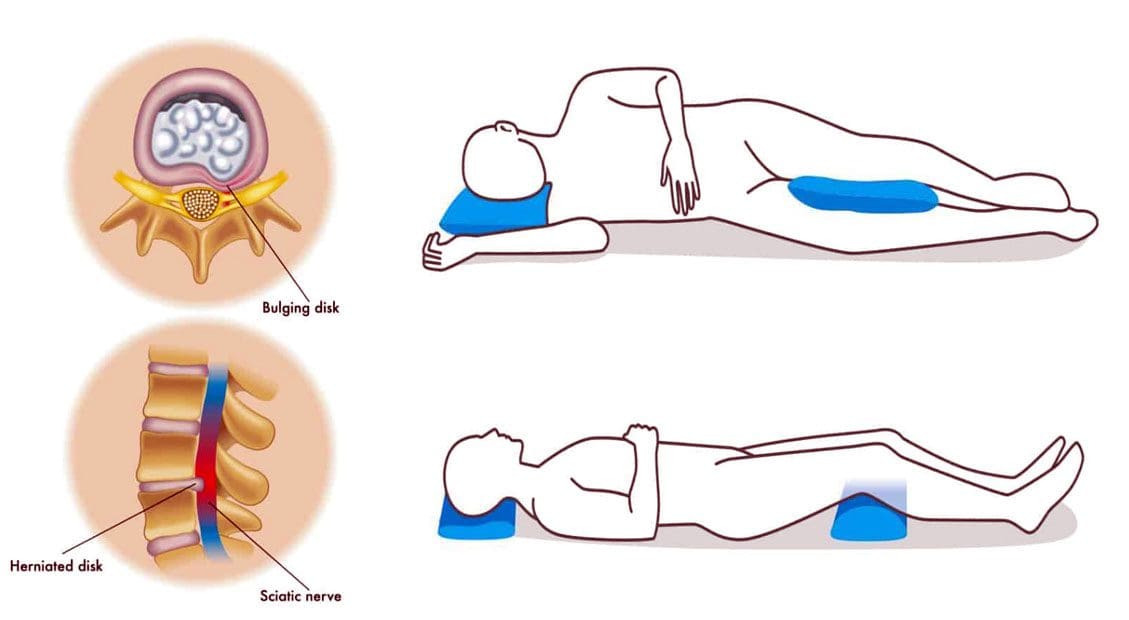
When sleeping, most back pain occurs in the lumbar or lower back, in one of two places where the spine meets the pelvis. Around 95% of lower back herniations happen in the L4-L5 spinal segment or the L5-S1 Lumbosacral joint. Any back pain can turn into a vicious cycle of:
Sleeping with a bulging disc requires maintaining the ears, shoulders, and hips aligned to keep the spine aligned.
Sleeping on The Back
Back sleeping done correctly is the best way to sleep for the spine’s health. The important thing is to ensure the entire back is supported when sleeping. If there is a gap or space between the mattress and the back, the weight and gravity force the spine to lower in an unnatural way to fill the space. This can cause back muscle soreness, injury, and sciatica. A thin pillow, blanket, or towel can be used to fill the space, giving the spine the support it needs. Back sleepers can also benefit from a pillow or two under the knees to elevate the legs and help maintain the natural curve of the pine.
Sleeping on The Side
Side sleepers can try pulling the legs up toward the chest, and placing a pillow between the knees can provide relief when sleeping with a bulging disc. Pulling the legs up in the fetal position can relieve pressure on the discs. It is recommended to switch sides to keep the spine balanced. This helps maintain hip alignment, which helps keep the spine in a neutral position.
Sleeping On The Stomach
It is recommended to avoid sleeping on the stomach. This pulls the spine down into an unnatural curve that can cause and exacerbate back pain. For individuals that naturally stomach sleep, it is recommended to place a pillow under the hips and lower abdomen to prevent unnatural spinal positioning.
Chiropractic Relief
Utilizing the right sleeping position can provide pain relief and thorough rest. However, sleeping with a herniated disc is far from what is needed to get back to a normal healthy sleeping pattern. This depends on the location of the bulging disc, severity, and cause. A chiropractor can:
Help the individual develop an optimal sleeping routine and positioning.
Body Composition
Sleep and Growth Hormone In Children
Growth, in all ages, is primarily controlled by growth hormone. The hormone is regulated by the hypothalamus and pituitarygland which plays an important role in sleep. Growth hormone has been found:
It peaks during the beginning of deep sleep.
There are multiple smaller peaks during the other stages of sleep.
Those who have a delay at the beginning of deep sleep have delayed rises in growth hormone levels.
For children to grow they need to have proper levels of growth hormone. This means they need to have the proper amount of sleep for proper body composition. Research has found that increased levels of sleep resulted in less overall fat mass and a reduced percentage of body fat allowing their bodies to grow.
References
Al Qaraghli MI, De Jesus O. Lumbar Disc Herniation. [Updated 2021 Aug 30]. In: StatPearls [Internet]. Treasure Island (FL): StatPearls Publishing; 2022 Jan-. Available from: https://www.ncbi.nlm.nih.gov/books/NBK560878/
Desouzart, Gustavo et al. ‘Effects of Sleeping Position on Back Pain in Physically Active Seniors: A Controlled Pilot Study. 1 Jan. 2016: 235 – 240.
Kose, Gulsah et al. “The Effect of Low Back Pain on Daily Activities and Sleep Quality in Patients With Lumbar Disc Herniation: A Pilot Study.” The Journal of neuroscience nursing: Journal of the American Association of Neuroscience Nurses vol. 51,4 (2019): 184-189. doi:10.1097/JNN.0000000000000446
Sener, Sevgi, and Ozkan Guler. “Self-reported data on sleep quality and psychologic characteristics in patients with myofascial pain and disc displacement versus asymptomatic controls.” The International Journal of prosthodontics vol. 25,4 (2012): 348-52.
Back pain and soreness are widespread conditions that affect all genders, races, and lifestyles. The causes for back pain are varied from injury, poor posture, arthritis, age, overuse, etc. If back pain is frequent, perhaps the last assumption is that the pain could be caused by cancer. While it’s far from the most common causes, cancer back pain is possible, which makes consulting a doctor that will figure out the root cause, especially if there are other non-related symptoms, and treat the back pain very important.
Cancer Back Pain
Back pain that could be caused by cancer usually occurs with other symptoms and include:
Back pain that is not related to movement.
Pain does not get worse with activity.
Back pain usually presents at night or early in the morning and fades away or improves as the day progresses.
Back pain persists even after physical therapy or other treatments.
Changes in bowel movements or blood in urine or stool.
Like lung cancers, some breast cancer tumors can press on nerves connected to the spine, causing discomfort and pain.
Gastrointestinal
Cancers of the stomach, colon, and rectum can cause back pain.
The pain radiates from where the cancer is to the back.
Tissue and Blood Cancers
Blood and tissue cancers like:
Multiple myeloma
Lymphoma
Melanoma
Can cause back pain.
Diagnosing Cancer and Back Pain
Medical treatments for back pain-related cancer depend on its type and how advanced it is. A doctor will consider symptoms and medical history when diagnosing possible back pain causes. Because cancer is a rare cause of back pain, a doctor may recommend various treatments before a full cancer work-up. The doctor may order imaging studies and blood testing if the pain persists after chiropractic, physical therapy, or anti-inflammatory medications. These tests will help identify potential cancer markers causing back pain.
Treatments usually include chemotherapy and radiation to shrink a tumor.
A doctor will recommend surgery to remove a tumor.
Chiropractic
Cancer patients have found chiropractic treatment to be effective for:
Pain management.
Flexibility improvement.
Mobility improvement.
Strengthening muscles.
Helping to reduce stress.
Helping the body function more efficiently.
Chiropractic physiotherapy benefits patients undergoing chemotherapy, as it helps the body withstand the debilitating effects of the treatment based on the whole-body approach.
Body Composition
Don’t Hate Dieting
Individuals hate dieting, usually because they go about it the wrong way. Individuals do not need to starve themselves and live at the gym. Reaching quick weight loss goals might sound appealing; however, going through it for an extended time can make individuals feel:
Tired
Depressed
Unmotivated
Individuals can find a nutrition plan/exercise balance that works for them and their lifestyle. For some individuals, dieting alone is effective, but more than likely, they have increased metabolisms. Trying to lose fat by only cutting calories can be difficult for individuals with smaller metabolisms. The goal is to find a balance between diet and exercise. This does not mean having to go on an extreme diet, skip meals, or cut out entire macronutrient groups like fat or carbs, as the body needs both of these nutrients. Finding a sustainable long-term nutrition plan takes planning and support. A dietician, nutritionist, or health coach can offer a variety of nutrition and exercise plans customized to the individual.
References
Downie, Aron et al. “Red flags to screen for malignancy and fracture in patients with low back pain: a systematic review.” BMJ (Clinical research ed.) vol. 347 f7095. 11 Dec. 2013, doi:10.1136/bmj.f7095
Mabry, Lance M et al. “Metastatic cancer mimicking mechanical low back pain: a case report.” The Journal of manual & manipulative therapy vol. 22,3 (2014): 162-9. doi:10.1179/2042618613Y.0000000056
Vasser, Melinda, and Matthew Koroscil. “When Back Pain Turns Deadly: An Unusual Presentation of Lung Cancer.” Respiratory medicine case reports vol. 29 101009. 28 Jan. 2020, doi:10.1016/j.rmcr.2020.101009
Verhagen, Arianne P et al. “Red flags presented in current low back pain guidelines: a review.” The European spine journal: official publication of the European Spine Society, the European Spinal Deformity Society, and the European Section of the Cervical Spine Research Society vol. 25,9 (2016): 2788-802. doi:10.1007/s00586-016-4684-0
When individuals think about wellness and health, they usually think about a checkup with their doctor. However, wellness treatment with chiropractic is much more proactive. Chiropractic focuses on keeping the body functioning properly and allowing its natural healing properties to activate and do its job. Chiropractic checks to ensure the spine is correctly aligned and correct any subluxation/misalignment before pain occurs. Pain is one of the body’s warnings that something is wrong. Chiropractic wellness care aims to catch and correct any issues before it becomes a problem, keeping the central nervous system in top form, increasing the immune system’s strength, making the body healthier.
Chiropractic Increases Wellness and Health Levels
The body’s baseline level of health can be improved. Individuals can feel that they are fulfilling their responsibilities and maintaining health by engaging in physical exercise and eating a healthy diet. It is believed that lifestyle is largely the extent of an individual’s ability to maintain their health, without realizing that optimal wellness and health can be increased through chiropractic, the ideal supplement to a healthy life. Chiropractic improves body process functions by:
Increasing circulation.
Facilitating detoxification.
Balancing the distribution of hormones and nutrients.
Regulating the heart’s rhythm.
Soothing the nervous system.
Increased mobility.
Decreased pain.
Better flexibility.
Chiropractic serves as supportive treatment to other types of therapeutic care like physical therapy and massage therapy.
Improves Physical Performance
A chiropractor will recommend adjustments, manual muscle manipulation, tissue manipulation, and massage customized for the body’s needs, focusing specifically on long-term realignment. A variety of treatments help to improve the body’s structure, alignment, and energy flow. Chiropractic makes a significant difference in:
Endurance
Explosiveness
Flexibility
Speed
Mobility
Adaptability
Chiropractic also:
Realigns joints and bones.
Decompresses nerves.
Releases muscles, tendons, and ligaments.
Detoxifies stagnant areas of the body.
Chiropractic is the perfect supplement to increasing performance, wellness, and health by increasing the health and alignment of the physical body and energy flow.
Improves Mental Health
Chiropractic also benefits mental health. The mind is controlled by the central nervous system or CNS and is directly affected by chiropractic treatment. With hands-on manipulation, adjustments, or traction, bones and joints move back toward optimal alignment, causing the nervous system’s structure to move toward optimal capacity and efficiency. Nerve channels and bundles can become decompressed, bruised, and pinched. The flow of electrical impulses is regulated within the body through the nervous system. Cognitive performance becomes enhanced from the improvement in communication across the central and peripheral nervous systems. Mental performance is also supported through the rush of cerebrospinal fluid/CSF. Cerebrospinal fluid removes waste and toxins from the brain and supplies the brain with oxygen and nutrients. CSF floods the brain after a chiropractic adjustment.
Improves Immune System Function
Chiropractic improves immune system function by increasing energy circulation, blood circulation, and lymphatic fluid flow.Treatment combats stagnation allowing the body to purge toxins and waste accumulated in joints, tissues, and near organs. Chiropractic loosens up areas of the body that have been compressed, crushed, strained, and divided because of misalignment, lack of physical activity/exercise, or stiffness and injury. This allows the flow of lymphatic fluid and white blood cells to regulate areas that may have previously been difficult to access. This helps to increase the immune system’s ability to fight off infection.
Body Composition
Get More Sleep
Sleep is a strong regulator of immune system functions and operates to enhance the adaptive immune system. When the body is deprived of adequate sleep, it becomes more susceptible to various infectious agents. Sleep deprivation weakens the body making it harder to recover from bacteria or virus infections. When the body sleeps, it utilizes the time to strengthen the immune system and move T cells to the lymph nodes. These are the vessels of the immune system responsible for filtering harmful substances. T cells produce cytokines activated when there is inflammation in the body or under stress. Inadequate sleep causes cytokine production to decrease, causing damage to the immune system.
References
Besedovsky, Luciana et al. “Sleep and immune function.” Pflugers Archiv: European journal of physiology vol. 463,1 (2012): 121-37. doi:10.1007/s00424-011-1044-0
Goncalves, Guillaume et al. “Effect of chiropractic treatment on primary or early secondary prevention: a systematic review with a pedagogic approach.” Chiropractic & manual therapies vol. 26 10. 5 Apr. 2018, doi:10.1186/s12998-018-0179-x
Iben, Axén, et al. “Chiropractic maintenance care – what’s new? A systematic review of the literature.” Chiropractic & manual therapies vol. 27 63. 21 Nov. 2019, doi:10.1186/s12998-019-0283-6
Vining, Robert et al. “Effects of Chiropractic Care on Strength, Balance, and Endurance in Active-Duty U.S. Military Personnel with Low Back Pain: A Randomized Controlled Trial.” Journal of alternative and complementary medicine (New York, N.Y.) vol. 26,7 (2020): 592-601. doi:10.1089/acm.2020.0107
Detoxifying does not necessarily mean juicing and going on a diet. Detoxing is about cleansing the whole body of environmental pollutants, food waste, bacteria, and toxins. Things like medications and alcohol also need to be flushed from the body. When the body becomes unhealthy and overweight, it can put its systems in a chronically stressed state, leading to nerve energy production failure, fatigue, a weakened immune system, and disease. The body constantly works to cleanse itself. Exercise helps expedite the process.
Exercise To Detoxify
Exercise removes harmful toxins by getting the lungs and the blood pumping and increasing sweat production, which encourages detoxification. More blood circulating throughout the body allows the liver and the lymph nodes to flush out toxins properly. With exercise, fluid intake increases, allowing more sweat production to release toxins. Drinking more water during workouts also helps the kidneys function at optimal levels to flush out toxins, fats, and waste.
Aerobics
Any low-intensity aerobic exercise that increases heart rate and increases heavier breathing is recommended as long as the breathing is within the fat-burning heart rate. Exercises can be anything from:
Bouncing on a mini-trampoline, also known as rebounding, is another form of exercise that promotes toxin release. The low-impact motion stimulates the lymphatic system. Lymph nodes filter substances and fight off infections by attacking bacteria/germs that travel into the lymph fluid. Twenty minutes on the trampoline two or three times a week to detoxify.
Yoga
There are yoga poses that help to detoxify specific organs. Yoga can help the body cleanse inside and generate more energy.
This pose improves circulation, stretches, and strengthens the low back, hips, hamstrings, and calves.
Step with the feet 3 to 4 feet apart.
Hands-on hips.
Lift tall through the whole torso.
Fold slowly over the legs.
Bend from the hip joints without rounding the lower back.
If the back starts to round, stop folding forward.
Sweating and Detoxing
Sweat is one of the body’s primary ways of eliminating toxins. However, more sweat does not mean more toxins are being flushed. Excess sweat could be caused by the body overheating and can lead to dehydration. This is why it’s vital to maintain the body’s hydration levels while working out. Fluids like juice and sports drinks can help maintain hydration, but they contain sugar and other ingredients that could interfere with thorough detoxifying.
Body Composition
Before Starting A Detox Diet
Individuals are recommended to talk with their doctor, nutritionist, health coach about detox diet methods to lose and maintain weight.
Talk with a doctor
Seek consultation with a physician before starting any body detox cleanse, especially if there are underlying medical conditions like diabetes or kidney disease.
For individuals struggling with obesity, a physician can recommend alternative diet approaches and exercise programs.
Realistic expectations
Detox diets work primarily through caloric restriction like a conventional diet.
Individuals could feel better from a body cleanse because they will likely be avoiding processed foods and empty calories.
Adopt a long-term frame of mind
Diet and exercise to achieve and maintain a healthy weight is a lifelong journey.
Detox diets can be a helpful tool to get going in the right direction.
References
Ernst, E. “Alternative detox.” British medical bulletin vol. 101 (2012): 33-8. doi:10.1093/bmb/lds002
Klein, A V, and H Kiat. “Detox diets for toxin elimination and weight management: a critical review of the evidence.” Journal of human nutrition and dietetics: the official journal of the British Dietetic Association vol. 28,6 (2015): 675-86. doi:10.1111/jhn.12286
Obert, Jonathan et al. “Popular Weight Loss Strategies: a Review of Four Weight Loss Techniques.” Current gastroenterology reports vol. 19,12 61. 9 Nov. 2017, doi:10.1007/s11894-017-0603-8
IFM's Find A Practitioner tool is the largest referral network in Functional Medicine, created to help patients locate Functional Medicine practitioners anywhere in the world. IFM Certified Practitioners are listed first in the search results, given their extensive education in Functional Medicine