Clinic Wellness Team. A key factor to spine or back pain conditions is staying healthy. Overall wellness involves a balanced diet, appropriate exercise, physical activity, restful sleep, and a healthy lifestyle. The term has been applied in many ways. But overall, the definition is as follows.
It is a conscious, self-directed, and evolving process of achieving full potential. It is multidimensional, bringing together lifestyles both mental/spiritual and the environment in which one lives. It is positive and affirms that what we do is, in fact, correct.
It is an active process where people become aware and make choices towards a more successful lifestyle. This includes how a person contributes to their environment/community. They aim to build healthier living spaces and social networks. It helps in creating a person’s belief systems, values, and a positive world perspective.
Along with this comes the benefits of regular exercise, a healthy diet, personal self-care, and knowing when to seek medical attention. Dr. Jimenez’s message is to work towards being fit, being healthy, and staying aware of our collection of articles, blogs, and videos.
Faster Injury Recovery in El Paso: Pairing IV Infusion Therapy with Spinal Adjustments
IV infusion therapy and spinal adjustments can work together to help the body heal from injuries faster. This article explains what each treatment does, why they work together, and how they relax tense muscles, reduce joint inflammation, and speed tissue repair. You will also see how integrative chiropractic care belongs in the plan, how the El Paso medical and chiropractic team works, and what a personal recovery path can look like.
What IV Infusion Therapy Does
IV infusion therapy sends fluids, vitamins, minerals, and other nutrients straight into the bloodstream through a small vein. Because the nutrients skip the stomach and intestines, the body can use nearly all of them right away. This is often called 100 percent bioavailability.
A typical recovery mix includes fluids for hydration, magnesium to help muscles relax, B vitamins for energy and nerve support, vitamin C to fight inflammation and help build collagen, and sometimes antioxidants. These ingredients reach cells quickly. The result is better hydration at the cellular level, less oxidative stress, and faster new tissue building.
People often notice less muscle tightness and more energy within hours. The session itself usually lasts 30 to 45 minutes and is done in a comfortable clinic setting under medical supervision.
How Spinal Adjustments Support Healing
Spinal adjustments, also called chiropractic manipulations, gently restore proper alignment to the spine and other joints. When bones sit in the right place, nerves can send clearer signals, muscles can fire more evenly, and blood flow improves around injured areas.
Misalignment from a car accident, sports strain, or everyday wear can keep muscles in a protective spasm and limit the nutrients that reach damaged tissue. An adjustment reduces that mechanical stress. It also helps the nervous system settle, which can lower the body’s overall pain response.
Integrative chiropractic care looks at the whole person. It does not stop at the adjustment. It includes movement exercises, posture work, and coordination with other therapies so the structural change lasts.
Why the Two Treatments Work Better Together
IV infusion therapy complements spinal adjustments by delivering 100 percent bioavailable fluids, magnesium, and vitamins directly into the bloodstream. This rapid cellular hydration and nutrient delivery, bypassing the digestive system, relaxes tense muscles, reduces joint inflammation, and speeds tissue repair, optimizing the body for structural healing.
Think of the adjustment as resetting the frame of a house and the IV as delivering the right building materials and water to every room at once. Once the spine is better aligned, circulation and nerve signals improve. The nutrients from the IV can then travel more easily to the exact spots that need repair. Spinal adjustments combined with IV infusion therapy help the body recover faster by treating structural misalignment while delivering nutrients directly to cells to fight inflammation. This integrated approach improves nutrient bioavailability and accelerates tissue repair, reducing the chronic pain associated with musculoskeletal injuries. If you’re in El Paso and want a full, tailored recovery plan, contact Injury Medical & Chiropractic Clinic.
Magnesium in the IV mix helps muscles release extra tension after an adjustment. Vitamin C and antioxidants help quiet the inflammatory chemicals that often linger after a sprain, strain, or disc injury. Better hydration also keeps joints moving more freely, so the benefits of the adjustment last longer.
Key Benefits for Musculoskeletal Injuries
Patients with back pain, neck pain, whiplash, sports injuries, or post-accident stiffness often see these improvements when the two therapies are used together:
Faster drop in muscle spasm and stiffness
Less swelling around joints and soft tissue
Quicker return of energy and daily function
Better collagen formation for ligaments and tendons
Reduced need for extra pain medication in many cases
Support for the immune system so healing is not delayed by extra stress
These effects are especially helpful after auto accidents or when recovery has stalled. Direct nutrient delivery can reach areas that have limited blood flow, such as some tendons and spinal discs.
How Integrative Chiropractic Care Fits the Picture
Integrative chiropractic care is more than a single adjustment. It includes a full assessment of posture, movement patterns, and how the injury affects the rest of the body. The chiropractor addresses the structural side, while the IV provides biochemical support.
This combination is common in clinics that treat personal-injury cases and chronic musculoskeletal problems. The adjustment improves joint motion and nerve function. The IV then gives the cells the raw materials they need to rebuild. Functional medicine principles—looking at nutrition, inflammation, and lifestyle—tie the two together so the plan is personalized.
Dr. Alexander Jimenez, DC, APRN, FNP-BC, CCST, CFMP, IFMCP, ATN, has observed that patients recover more completely when structural care and cellular nutrition are addressed at the same time. His clinical work in El Paso focuses on non-invasive, root-cause approaches that restore function after trauma rather than just masking symptoms.
The Team at Injury Medical Clinic PA
Injury Medical Clinic PA in El Paso uses a multidisciplinary model. Dr. Alex Jimenez provides chiropractic and functional medicine expertise. Dr. Maria Guadalupe Cardenas, MD, board-certified in internal medicine (NPI #1164426749, Texas MD License #J2933), serves as medical director and collaborative physician. She has more than 40 years of experience as an internist.
This setup is typical in integrative injury-care clinics. The MD oversees medical safety, reviews lab work when needed, and ensures IV therapies are appropriate. The chiropractor handles spinal and musculoskeletal alignment. Together, they also coordinate rehabilitation, personal-injury documentation, and functional-medicine testing.
The team treats auto-accident injuries, sports strains, work-related pain, and chronic conditions such as sciatica or disc problems. Patients receive a plan that can include adjustments, targeted IV infusions, movement therapy, and nutrition guidance—all under one roof.
What a Typical Recovery Journey Looks Like
A first visit usually starts with a history and exam. Imaging or labs may be ordered if needed. The doctors then decide which IV formula (hydration, Myers’-style cocktail, or recovery blend) matches the injury and which adjustment techniques will help most.
Treatments are often scheduled close together at first—sometimes the same day or within 24–48 hours—so the nutrients and the alignment change can reinforce each other. Follow-up visits track pain levels, range of motion, and energy. Frequency is adjusted as healing progresses.
Safety is a priority. Trained staff administers IVs in a sterile setting. Patients are screened for any conditions that would make an infusion unsuitable.
Taking the Next Step in El Paso
If you are dealing with lingering pain, slow healing after an injury, or muscle tightness that will not ease, the combination of IV infusion therapy and spinal adjustments offers a practical, evidence-informed option. The goal isn’t just short-term relief, but a body that can repair itself more efficiently.
If you’re in El Paso and want a full, tailored recovery plan, contact Injury Medical & Chiropractic Clinic. The team can review your history, explain the options, and design a program that fits your needs.
Abstract: When hormone levels decline with age or menopause, bioidentical hormone replacement therapy (BHRT) can help compensate by easing tight joints, safeguarding bone density, and bolstering muscular strength. Those changes can support better mobility and flexibility. BHRT will not magically make a person more flexible. It may help by lowering joint inflammation, supporting cartilage health, and easing muscle stiffness that often comes with low estrogen or testosterone. Integrative chiropractic care can amplify those advantages by restoring joint motion, reducing nervous-system stress, and improving movement mechanics. This article explains how hormones affect movement, what BHRT can and cannot do, and how a medical doctor and chiropractor work together in El Paso.
Start With What People Usually Feel
Many people notice the same shift. The body feels tighter than it used to. The first steps in the morning take longer. Bending to tie shoes, turning to check a blind spot, or reaching into a high cabinet does not feel as easy.
Some of that comes from less activity, old injuries, or weaker muscles. Hormones also play a role. Estrogen and testosterone do more than affect mood, sleep, and energy. They also affect joints, bones, cartilage, and muscle.
When those hormone levels fall, joints can feel tighter. Bones can lose density. Muscles may not support movement as well. That is why the question isn’t only, “Do I need to stretch more?” It is also “What is happening inside the body that makes stretching harder?”
How Hormone Decline Changes Joints, Bones, and Muscles
Estrogen helps keep joints quieter. It can lower inflammatory signals and help cartilage stay healthier and better lubricated. After menopause, estrogen drops. Joints may then become more prone to swelling and stiffness. The fluid that helps joints glide can decrease. Bone density often declines at the same time, which puts extra stress on the joints (Mobility Bone & Joint Institute, 2025).
Testosterone supports collagen and muscle mass. Collagen is a building block of cartilage, tendons, and ligaments. Muscle acts like a natural brace around a joint. When testosterone is low, repair can slow, muscles can weaken, and joints can feel less stable (BodyLogicMD, 2025; Sota Wellness, n.d.).
People may notice:
Tight hips, shoulders, neck, or knees
Longer morning stiffness
Less energy for walking or exercise
Weaker support around the joints
A higher chance of bone loss
These changes can feed on each other. Pain reduces activity. Less activity weakens muscle. Weaker muscle loads the joints more. Hormone balance may help interrupt that cycle, but movement still has to be restored.
What Bioidentical Hormone Therapy Is
BHRT uses hormones that match the ones the body makes. They are often made from plant sources and then chemically altered to match human estradiol, progesterone, or testosterone.
A clinician usually reviews symptoms and lab work before choosing a plan. Forms can include creams, patches, pellets, or other methods. The dose is meant to be personal, not one-size-fits-all.
It is important to stay careful. Mayo Clinic notes that bioidentical hormones are not proven safer or more effective than standard hormone therapy. Compounded products can also vary in quality (Mayo Clinic, 2024). Hormone therapy is a medical decision. It should be supervised, monitored, and based on a person’s health history. It is not right for everyone.
How BHRT May Support Mobility and Flexibility
BHRT does not stretch a tight muscle or unlock a restricted joint. It can help compensate for hormone decline in ways that make movement easier.
It may ease tight joints. Restoring estrogen and testosterone can reduce inflammatory activity that makes joints ache and feel stiff (BodyLogicMD, 2025; Renew Health & Wellness, 2021).
It may safeguard bone density. Stronger bones provide a more stable base for joints and can lower fracture risk (Balance Hormone Center, n.d.; Desert Sands Aesthetics, n.d.).
It may bolster muscular strength. Better muscle support can make daily movement safer and more controlled (Charleston Pain Relief Center, n.d.; Sota Wellness, n.d.).
It may support cartilage health. Estrogen helps joint lubrication and may slow some cartilage wear. Testosterone can support collagen (BodyLogicMD, 2025).
It may raise energy for activity. When fatigue eases, people can walk, stretch, and train more often. That extra movement can improve flexibility.
Some reports show less joint pain in people using hormone therapy. A few studies have linked estrogen therapy with slower osteoarthritis progression in some groups. Other evidence is mixed. Medical groups do not list joint pain as a main reason to start hormone therapy (Maven Clinic, n.d.). Results vary from person to person.
Why BHRT Will Not Magically Make You More Flexible
Flexibility is the ability of a muscle and joint to move through a useful range. Mobility is a bigger idea. It is flexibility plus strength, control, and healthy connective tissue (Essentrics, 2026).
Hormones can make that range more comfortable. They cannot create it by themselves. People still need:
Regular movement through the full range
Strength around the hips, spine, shoulders, and knees
Better posture and joint mechanics
Enough sleep and recovery
Care for old injuries that never fully resolved
If someone only uses hormone therapy and never addresses stiff joints or weak muscles, flexibility often stays limited. BHRT may lower the background tightness. The body still has to relearn easier movement.
How Integrative Chiropractic Care Fits Into This Treatment
This is where integrative chiropractic care becomes useful. Chiropractic care does not replace estrogen, progesterone, or testosterone. It does not change hormone levels on its own. It can restore the motion that stiffness and poor mechanics have taken away.
Gentle adjustments and soft-tissue work can help joints move again. Better joint motion often means less guarding and less pain. That can lower nervous-system stress. Pain and poor sleep raise cortisol. High cortisol can increase inflammation and make recovery harder (Nightlight Chiropractic, 2025).
Integrative chiropractic care can:
Restore motion in stiff spinal and extremity joints
Reduce muscle tightness around painful areas
Improve posture so joints are not loaded in a crooked way
Lower physical stress on the nervous system
Make walking, stretching, and rehab more comfortable
When joints move better, people can use the muscle and bone support that BHRT may provide. Hormone therapy works on the internal environment. Chiropractic care works on movement mechanics. Together, they can amplify results more than either one alone (Wellness Doctor RX, 2026).
Functional Medicine, Rehabilitation, and Injury Care
Hormone changes are not isolated. Sleep, stress, nutrition, weight, and old injuries all affect how stiff a person feels. Functional medicine looks at those layers. Rehabilitation rebuilds strength and range of motion. Personal injury care addresses the extra tightness that can follow a car accident or work strain.
A useful plan often includes:
A review of symptoms, injury history, and labs
Medical oversight when hormone therapy is being considered
Chiropractic care to restore joint motion
Rehab to build strength through the new range
Nutrition and lifestyle support for bone, muscle, and inflammation
The goal is not to stack random treatments. The goal is to help the body move with less pain and more control.
A Team Approach at Injury Medical Clinic PA
At Injury Medical Clinic PA in El Paso, Texas, this kind of layered care is built into the clinic model. Dr. Maria Guadalupe Cardenas, MD, is board-certified in internal medicine. She has more than 40 years of experience as an internist (NPI #1164426749, Texas MD License #J2933). Serves as medical director and collaborative physician. Provides medical evaluation, diagnosis, and oversight, including review of hormone-related concerns.
Dr. Alexander Jimenez, DC, APRN, FNP-BC, CCST, CFMP, IFMCP, ATN, provides chiropractic care and integrative clinical support. He is a chiropractor and board-certified family nurse practitioner. His work includes spinal care, functional medicine, personal injury rehabilitation, and wellness protocols.
This setup is common in integrative and injury-care clinics. An MD provides medical direction. A chiropractor restores joint motion and movement mechanics. The same team can also include functional medicine, rehabilitation, and related services. When appropriate, hormone optimization is paired with alignment work, soft-tissue care, and guided activity so patients can regain motion more safely.
Clinical Observations From Dr. Jimenez
Dr. Jimenez’s clinical observations point to the same idea. Hormone health and musculoskeletal care work better together. Integrative chiropractic care can restore spinal and pelvic alignment, reduce muscle tightness, and improve autonomic balance. That may help patients sleep better, stay more active, and tolerate other therapies more easily (Jimenez, n.d.).
He has noted that pelvic and low-back care can improve hip mechanics. Better hip motion often makes walking and daily tasks feel less restricted. Movement then supports bone health, insulin sensitivity, and mood. In practice, care isn’t just about a single adjustment or a single hormone prescription. It looks at inflammation, nutrition, sleep, alignment, and how the person actually moves (El Paso Back Clinic, n.d.; Jimenez, n.d.).
Patients often do best with a stepwise plan. First, reduce pain and stiffness. Next, restore joint motion. Then build strength and control through that new range.
What to Keep in Mind Before Starting
BHRT is one possible tool, not a flexibility program. A careful clinician will review risks, benefits, labs, and medical history. People with certain health conditions may not be appropriate candidates. Stretching, strength work, and chiropractic care still matter even if hormone levels improve.
A practical next step is a full evaluation. That means looking at how the joints move, how strong the supporting muscles are, and whether hormone changes are part of the picture. From there, the plan can be personal.
The Bottom Line
Can bioidentical hormone therapy help with mobility and flexibility? It can help compensate for hormone decline by easing tight joints, safeguarding bone density, and bolstering muscular strength. It may also lower inflammation, support cartilage, and ease muscle stiffness. It will not magically make someone more flexible.
Integrative chiropractic care can amplify those advantages. It restores joint motion, reduces nervous-system tension, and improves movement mechanics. Together, the two approaches address both the body’s internal chemistry and how it moves.
In El Paso, Injury Medical Clinic PA offers a multidisciplinary model in which Dr. Cardenas provides medical direction, and Dr. Jimenez provides chiropractic and integrative care. That combination is designed to help people move with more comfort, strength, and control.
Bioidentical hormone replacement therapy, or BHRT, uses hormones that match the ones your body makes. People often take estrogen, progesterone, or testosterone to ease low energy, poor sleep, mood changes, or weight gain. There is no single official diet for this therapy. Dietitians and doctors often suggest a Mediterranean-style diet or another whole-food, anti-inflammatory plan to support metabolism, liver cleansing, and steady energy while on bioidentical hormone replacement therapy (BHRT). Integrative chiropractic care lowers nervous-system tension. That can help control cortisol and support how the body uses hormones. This article explains what BHRT is, why food matters, which foods help most, extra daily habits, and how a team in El Paso combines chiropractic and medical care.
What Bioidentical Hormone Replacement Therapy Involves
BHRT replaces hormones that drop with age or other changes. These hormones act as messengers. They help control sleep, mood, energy, bone strength, and how the body uses food. Estrogen is often used for hot flashes and dryness. Progesterone can protect the uterus and support sleep. Testosterone may help with energy and muscle. Some products are FDA-approved. Others are mixed by a pharmacist for one person.
Many people notice milder symptoms in a few weeks. Stronger results often appear after about three months. Doctors watch labs and symptoms so the dose stays as low as needed. BHRT works best when the rest of the body is supported, including how you eat and how well your nervous system handles stress.
Why Nutrition Matters During BHRT
Food gives the body the building blocks for hormones and the tools to use them well. Hormones are made from fats and proteins. The liver breaks down excess hormones so they don’t build up. Fiber and certain plants help the gut move those leftovers out. Blood-sugar swings can raise insulin and cortisol, which can work against the hormones you are taking. An anti-inflammatory pattern lowers that extra stress.
Dietitians and doctors often suggest a Mediterranean-style diet or another whole-food, anti-inflammatory plan to support metabolism, liver cleansing, and steady energy while on bioidentical hormone replacement therapy (BHRT). The Mediterranean diet, which emphasizes healthy fats, lean proteins, and fiber, is a particularly effective example of a complete, anti-inflammatory diet that patients undergoing estrogen, progesterone, or testosterone bioidentical hormone replacement therapy (BHRT) follow. As a result of reducing stress and tension in the nervous system, which in turn helps control cortisol and optimizes metabolic and endocrine function, integrative chiropractic therapy lends credence to this idea.
The Mediterranean-Style Eating Pattern
Think of your plate in simple parts. Fill half with colorful vegetables and some fruit. Add a quarter of lean protein, such as fish, chicken, or beans. Use the last quarter for whole grains or starchy vegetables. Finish with a source of healthy fat like olive oil, avocado, or nuts.
This pattern supplies fiber for the gut, omega-3 fats that calm inflammation, and antioxidants that protect cells. It also gives the liver the nutrients it needs to process hormones. People on BHRT often feel more stable energy and fewer crashes when they follow this style.
Key habits include:
Eat mostly plants, fish, nuts, seeds, and olive oil.
Choose whole grains like quinoa, brown rice, or oats instead of white bread.
Limit processed snacks, sugary drinks, and extra alcohol.
Drink enough water to help the body move hormones through the liver and kidneys.
Foods That Support Estrogen, Progesterone, and Testosterone
Certain foods stand out because they supply specific nutrients. Here are six that specialists often highlight.
Fatty fish such as salmon and tuna. These give vitamin D, which can support testosterone, and omega-3 fats that reduce inflammation.
High-fiber grains like quinoa, brown rice, and oats. Fiber feeds good gut bacteria and supplies B vitamins that help the nervous system and hormones.
Flaxseeds. They contain lignans that help the body handle extra estrogen by binding it in the gut so it can leave the body.
Fresh herbs and spices such as turmeric, garlic, and fennel. These have compounds that support liver function and lower inflammation.
Berries and cherries. They supply antioxidants and can help raise melatonin for better sleep.
Lean protein, such as chicken breast, is also important. Protein helps regulate hunger hormones and supports muscle, which matters when testosterone is part of the plan.
Other helpful choices include leafy greens, avocados, nuts, olive oil, and fermented foods like yogurt. These add more fiber, healthy fats, and gut-friendly bacteria. Gut health matters because the microbiome helps break down estrogen.
A sample day might look like this: oatmeal with berries and flax for breakfast, a salad with chicken, olive oil, and vegetables for lunch, and baked salmon with quinoa and greens for dinner. Snacks can be nuts, fruit, or yogurt.
Lifestyle Steps That Work With Your Nutrition Plan
Food is the base, but other daily habits make BHRT more effective. Sleeping seven to nine hours lets the body repair and reset hormones. Regular movement, such as walking or strength work, improves both insulin sensitivity and mood. Stress management through breathing or light stretching keeps cortisol from rising too high.
Limit extra caffeine and alcohol, because they can disrupt sleep and liver function. Stay at a healthy weight, since extra body fat can change how hormones work. These steps are simple and work well with the eating pattern.
How Integrative Chiropractic Care Supports BHRT
The nervous system and hormones communicate all day. High stress raises cortisol, which can block the effects of estrogen, progesterone, or testosterone. Chiropractic care uses gentle adjustments and soft-tissue work to ease tension in the spine and muscles. This can lower sympathetic (fight-or-flight) activity and help the body stay in a more balanced state.
When the spine and pelvis move well, the body often sleeps better and feels less pain. Better sleep and lower pain reduce cortisol. The result can be improved energy and a more stable hormone response. Chiropractic care also supports movement, which helps bones and muscles stay strong while on hormone therapy. It does not replace the hormones. It helps the whole system work more smoothly.
A Collaborative Team in El Paso
In El Paso, Texas, Injury Medical Clinic PA brings medical and chiropractic care together. Dr. Alexander Jimenez, DC, APRN, FNP-BC, CCST, CFMP, IFMCP, ATN, leads the practice. He uses chiropractic adjustments, functional medicine, nutrition, and rehabilitation. His clinical observations show that whole-food, low-glycemic eating plus gut support and spinal care can improve sleep, mood, and how patients feel on hormone plans.
Dr. Maria Guadalupe Cardenas, MD (board-certified in internal medicine) (NPI #1164426749, Texas MD License #J2933), with over 40 years of experience as an internist, works with Dr. Alex Jimenez, DC, and serves as the medical director and collaborative physician at his practice, Injury Medical Clinic PA, in El Paso, Texas. This multidisciplinary setup is common in integrative or injury care clinics, where an MD provides medical direction alongside a chiropractor.
The team integrates chiropractic care (Dr. Jimenez) with medical oversight by Dr. Cardenas (internal medicine), as well as functional medicine, personal injury care, rehabilitation, and related services. Patients receive coordinated plans that cover diet, movement, stress, and hormone support. This approach treats the whole person, not one symptom at a time.
Putting It All Together
Start with a simple Mediterranean-style plate most days. Add the key foods listed above. Pair eating with sleep, movement, and stress reduction. If you choose integrative care, chiropractic work can help the nervous system stay calmer so the hormones you take can do their job more easily. Work with your doctor to check labs and adjust as needed. No single food or adjustment is a cure, but together they create a stronger foundation.
This way of eating and living is sustainable for most people. It uses foods you can find at a regular grocery store and habits that fit into daily life. The goal is steady energy, better sleep, and a body that uses BHRT well.
Overlooked Injuries After Work and Auto Accidents: Why X-Rays Often Miss Them
Abstract: Soft-tissue damage, mild concussions, and hairline spinal issues are among the most frequently overlooked injuries after workplace incidents and motor vehicle accidents (MVAs). These problems often lack immediate, visible signs and do not appear on standard X-rays. This article explains why micro-tears in spinal ligaments, subtle annular tears in discs, hidden facet joint capsule trauma, and chronic myofascial trigger points are so often missed. It describes how untreated damage can lead to lasting pain. It then shows how an integrative approach that combines mechanical restoration through chiropractic care with biological tissue repair can support better recovery. Clinical observations from Dr. Alexander Jimenez and the collaborative team at Injury Medical Clinic PA in El Paso, Texas, illustrate how this model works.
A person can walk away from a crash or a workplace incident feeling only somewhat sore. The first exam often looks for broken bones, bleeding, and other obvious emergencies. When the X-rays look normal, many people receive reassurance that they are fine. Days or weeks later, neck stiffness, headaches, back pain, or trouble concentrating can develop and persist. These delayed symptoms are common. They often come from injuries that standard films cannot show.
Right after trauma, adrenaline hides pain. Inflammation then builds slowly. Soft tissues can stretch or tear without breaking bone. That is why so many injuries after MVAs and workplace events stay hidden at first. If they go undiagnosed, they can leave people with persistent discomfort and reduced daily function.
Why Standard X-Rays Miss These Injuries
X-rays are useful for bones. They show fractures and major joint problems. They do not show muscles, ligaments, tendons, fascia, joint capsules, or the outer layers of spinal discs. Mild concussions also leave little clear mark on routine scans. The injury can still be real even when the pictures look clean.
After a collision, the body is thrown forward and then stopped. Ligaments and joint capsules can be stretched past their safe limit. Disc fibers can develop small cracks. Deep muscles can form tight, painful knots. Workplace injuries can follow the same path after a sudden lift, a fall, or months of repetitive strain. Because symptoms often start later, people may assume the pain is only ordinary muscle tightness.
The Injuries Most Often Overlooked After Crashes and Work Events
Several specific problems recur when a more complete evaluation is done.
Micro-tears in spinal ligaments: Ligaments hold the vertebrae in place. Sudden force can create tiny tears that allow slight extra motion. The spine may feel unstable even when X-rays look perfect. People notice stiffness after sitting, pain with certain movements, or a sense that the back “becomes unstable.”
Subtle annular tears in intervertebral discs: The tough outer ring of a disc can crack without a full herniation. These tears can irritate nearby nerves. Pain may travel into an arm or a leg days later. Early tears are easy to miss on routine imaging.
Hidden facet joint capsule trauma: Facet joints guide how the spine bends and twists. Their capsules can stretch or partially tear. This can cause local pain, reduced motion, and headaches. Standard films rarely capture this soft-tissue damage.
Chronic myofascial trigger points: Trauma can create tight bands in deep stabilizing muscles. These knots send pain to other areas. Headaches, shoulder tightness, or low-back discomfort may actually start in these guarded muscles.
Mild concussions are another frequent miss. The brain can move inside the skull even without a direct blow to the head. Symptoms such as foggy thinking, poor concentration, light sensitivity, or mood changes may appear later. A normal scan rules out large bleeding. It does not prove the brain is uninjured.
Workplace injuries often develop in two ways. One is a single event, such as a fall or a sudden lift. The other is cumulative trauma from repeated motions, awkward postures, or vibration. Tendon irritation, shoulder strain, and low-back tightness can build slowly. Because there is no single dramatic moment, these injuries are easy to overlook until function is already limited.
What Happens When These Injuries Stay Untreated
The body tries to protect itself. Muscles tighten around unstable segments. Posture and walking patterns change. Circulation drops in the guarded areas. Scar tissue can form in a less organized way. Over time, the nervous system can become more sensitive to pain. A treatable soft-tissue injury can then settle into chronic pain, reduced movement, and trouble returning to work or daily tasks.
Early, thorough evaluation changes that path. A clear history of how the injury happened, a careful hands-on exam of joint motion and muscle texture, and selected advanced tests can reveal the real sources of symptoms.
An Integrative Approach: Mechanical Restoration Plus Biological Tissue Repair
Recovery works best when two goals are met together. First, the mechanical environment must improve. Joints need proper motion. Muscles need balanced length and strength. Movement patterns need retraining so healing tissue isn’t constantly re-stressed. Second, damaged soft tissues need biological support to rebuild stronger collagen and quiet leftover inflammation.
Integrative chiropractic care addresses the mechanical side. Specific adjustments restore joint motion and reduce extra load on injured segments. Soft-tissue work releases guarded muscles and improves local blood flow. Corrective exercises rebuild strength and coordination. When it is appropriate, spinal decompression can reduce pressure on discs and nerves. These steps create a better setting for repair.
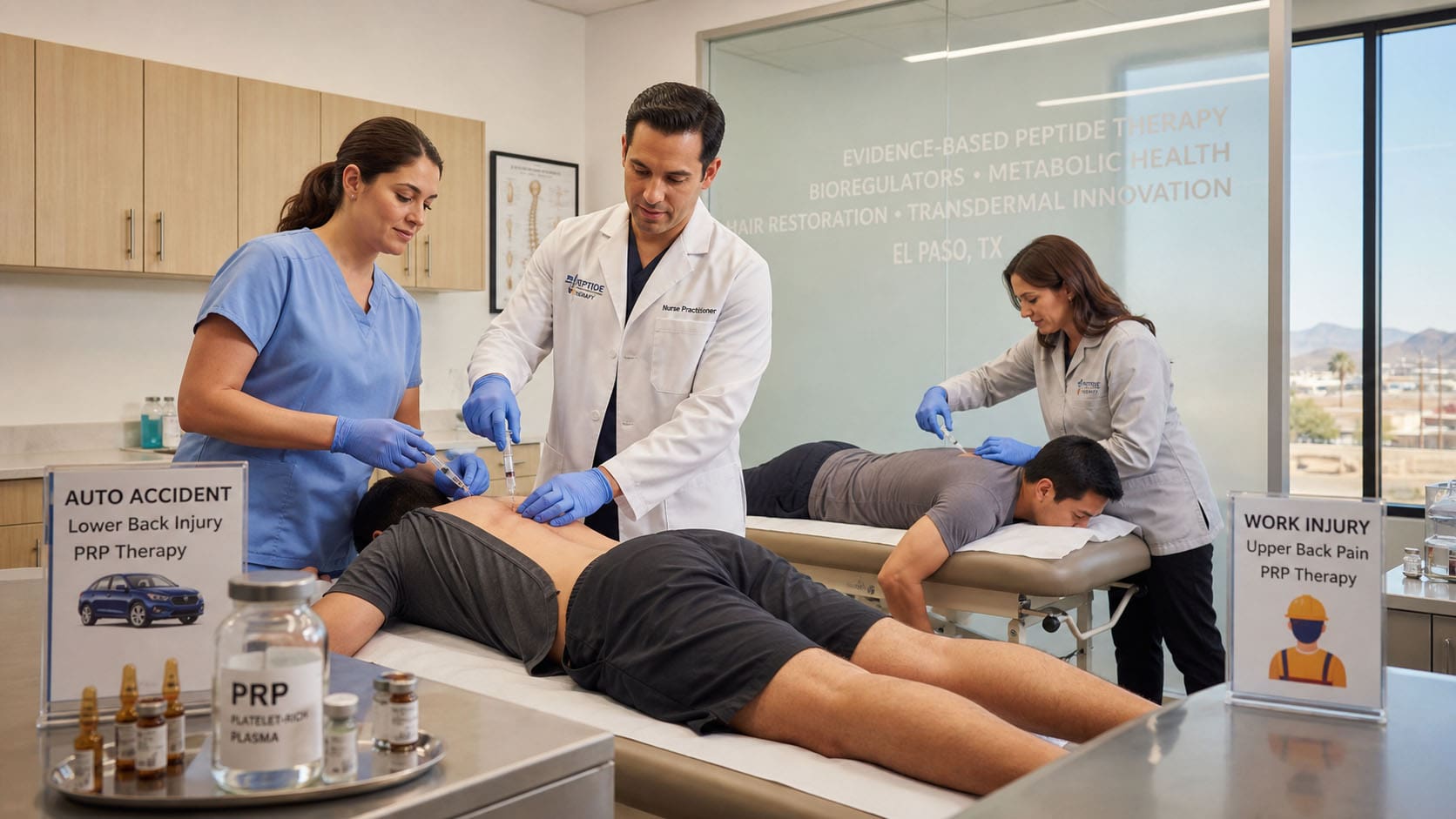
Biological tissue support may include regenerative options such as platelet-rich plasma or related plasma products when clinically appropriate. These approaches use the patient’s own growth factors to help ligaments, tendons, and other soft tissues heal. Mechanical correction and biological support together aim at lasting function, not only short-term relief.
How the El Paso Team Applies This Model
Clinical observations from Dr. Alexander Jimenez, DC, APRN, FNP-BC, CCST, CFMP, IFMCP, ATN, note that patients with overlooked soft-tissue and joint injuries often develop secondary changes in posture, gait, and spinal motion. Treating only the most painful spot can leave those broader patterns in place and slow recovery. A complete assessment that includes biomechanics, nerve function, and movement helps build a more complete plan.
At Injury Medical Clinic PA in El Paso, Texas, care follows a multidisciplinary structure. Dr. Jimenez provides chiropractic care, functional medicine insight, personal injury evaluation, and rehabilitation planning. Dr. Maria Guadalupe Cardenas, MD, board-certified in internal medicine (NPI #1164426749, Texas MD License #J2933), serves as Medical Director and Collaborative Physician. With more than 40 years of experience as an internist, she provides medical oversight and diagnostic direction.
This setup is common in integrative and injury-focused clinics: an MD supplies medical direction while a chiropractor focuses on spinal mechanics, movement, and hands-on restoration. The team integrates chiropractic adjustments and soft-tissue care with medical evaluation, functional medicine strategies, personal injury documentation, and progressive rehabilitation. Patients receive one coordinated plan rather than isolated treatments.
A Clear Next Step After a Crash or Workplace Injury
If pain, stiffness, headaches, or concentration problems linger after a motor vehicle accident or workplace incident—even when early X-rays were normal—further evaluation is reasonable. Soft-tissue damage, mild concussions, and small spinal issues are real. They respond best when they are found early and treated with both mechanical correction and support for biological healing.
An integrative model that pairs chiropractic care for joint and soft-tissue function with medical oversight, functional strategies, and rehabilitation offers a practical path. In the collaborative setting of Injury Medical Clinic PA, chiropractic expertise and internal medicine direction work together to help people move from hidden injury toward better daily function.
Ergonomic Desk Setup for Better Posture: How Integrative Chiropractic Care and Peptide Support Reduce Physical Strain
Abstract: Poor posture from long hours at a desk or screen often leads to neck, back, and shoulder strain. This article explains simple ergonomic changes to chair, desk, and screen height that protect the body during daily work. It also shows how integrative chiropractic care restores alignment and movement, while certain peptide therapies may support recovery from secondary pain, inflammation, and soft-tissue stress when paired with rehabilitation. The discussion includes the team approach used at Injury Medical Clinic PA in El Paso, Texas, where chiropractic care works alongside medical oversight, functional medicine, and rehabilitation.
Why Poor Posture Creates Ongoing Strain
Many people spend hours sitting with rounded shoulders, forward head posture, and a collapsed lower back. Over time, this creates muscle imbalances. Some muscles become tight and short, while others weaken. The result is extra pressure on joints, reduced blood flow, and pain that can radiate to the neck, upper back, or lower back.
Poor posture is mainly a mechanical and habit problem. Weak postural muscles, stiff joints, and repeated positions keep the pattern going. Simple workstation fixes reduce the spine’s daily load. Professional care then helps the body regain better alignment and strength.
Building an Ergonomic Workstation That Protects Your Body
An effective ergonomic plan starts with three main adjustments: chair height, desk height, and screen position. These changes keep joints in neutral positions and lower physical strain.
Chair Height and Support
Adjust the chair so your feet rest flat on the floor or a footrest.
Knees should bend at about 90 degrees, with thighs roughly parallel to the floor.
Sit all the way back so the chair supports your lower back. Add a lumbar cushion if needed.
Keep a small gap (about two to three fingers) between the front edge of the seat and the back of your knees.
These settings prevent pressure under the thighs and keep the pelvis stable.
Desk and Keyboard Height
Set the desk or keyboard tray so your elbows form a 90-degree angle while typing.
Keep forearms roughly parallel to the floor and shoulders relaxed.
Keep wrists straight and neutral—not bent up or down.
Place the mouse close to the keyboard so you don’t have to reach.
If the desk cannot be lowered, raise the chair and use a footrest so feet stay supported.
Screen Position
Place the top of the screen at or slightly below eye level.
Keep the monitor about an arm’s length away (roughly 20–30 inches).
Center the screen directly in front of you so you do not twist your neck.
Tilt the screen slightly so it is easy to view without tipping your head forward or back.
These positions reduce the need to look down or crane your neck, easing strain on the cervical spine and upper shoulders.
Additional helpful habits include taking short movement breaks every 30–60 minutes, standing or walking briefly, and doing simple stretches for the chest, neck, and hip flexors. Consistent small changes lower cumulative stress on the body.
How Integrative Chiropractic Care Fits Into Posture Improvement
Ergonomic fixes reduce daily strain, but they do not automatically correct existing joint restrictions or muscle imbalances. Integrative chiropractic care addresses the mechanical side of the problem.
Chiropractic adjustments restore proper motion to spinal joints that have become stiff from prolonged sitting. This reduces nerve irritation and allows surrounding muscles to relax. Soft-tissue work and targeted exercises then retrain the postural muscles that hold the body upright. Many patients also receive guidance on workstation setup and simple home exercises that reinforce better habits.
Clinical observations from Dr. Alexander Jimenez, DC, APRN, FNP-BC, CCST, CFMP, IFMCP, ATN, show that desk workers often present with forward head posture, rounded shoulders, and restricted mid-back motion. Combining spinal adjustments with posture retraining and ergonomic coaching often leads to noticeable improvements in pain and function within several weeks.
At Injury Medical Clinic PA in El Paso, Texas, chiropractic care is part of a broader team model. Dr. Jimenez focuses on spinal alignment, biomechanics, movement, and rehabilitation. The clinic also includes functional medicine evaluation, personal injury care, and rehabilitation services. This coordinated approach treats the mechanical drivers of poor posture while supporting overall recovery.
Peptide Therapies as Supportive Tools—Not a Direct Posture Fix
Peptide therapies cannot directly correct poor posture. Bad posture is a mechanical and behavioral issue driven by weak muscles, tight joints, and daily habits. Peptides do not retrain movement patterns or realign the spine on their own.
However, certain peptides may support recovery from the secondary effects of poor posture—such as back pain, joint inflammation, and soft-tissue irritation—when used under medical supervision and paired with physical rehabilitation. Research and clinical discussion often focus on peptides such as BPC-157 and TB-500. These compounds have been studied for their potential roles in tissue-repair signaling, angiogenesis (new blood vessel growth), inflammation modulation, and support for tendon, ligament, and muscle recovery in preclinical models.
Other peptides, including GHK-Cu, have been explored for collagen-related support and antioxidant effects that may aid soft-tissue resilience. Collagen peptides taken orally can provide the building blocks the body uses to maintain connective tissue.
Important limits must be stated clearly. Many of these peptides remain investigational for musculoskeletal uses. Evidence in humans remains limited, and they are not FDA-approved for back pain or posture correction. Any use requires evaluation by a qualified provider who can assess safety, interactions, sourcing, and monitoring. Peptides work best as one supportive element inside a larger plan that already includes ergonomic changes, movement training, and professional care.
Combining Ergonomics, Chiropractic Care, and Supportive Therapies
An effective plan follows a clear sequence:
Correct the daily environment with proper chair, desk, and screen heights.
Restore joint motion and reduce protective muscle tension through chiropractic care.
Rebuild strength and endurance in the postural muscles with targeted exercises.
Address inflammation and support soft-tissue recovery with nutrition, possible peptide therapies when appropriate, and medical oversight.
Maintain progress through ongoing habit changes and periodic check-ins.
Nutrition supplies the amino acids, vitamins, and anti-inflammatory nutrients the body needs for tissue maintenance. Chiropractic care improves the mechanical environment, making movement easier and less painful. When clinically appropriate and carefully supervised, selected peptide therapies may help the body respond more effectively to rehabilitation.
The Multidisciplinary Team Approach in El Paso
At Injury Medical Clinic PA, care is delivered through a collaborative model common in integrative and injury-focused clinics. Dr. Alexander Jimenez is a Doctor of Chiropractic and a board-certified family nurse practitioner. He offers chiropractic care, functional medicine assessment, rehabilitation guidance, and dual-scope evaluation.
Dr. Maria Guadalupe Cardenas, MD (Board Certified in Internal Medicine, NPI #1164426749, Texas MD License #J2933), brings more than 40 years of experience as an internist. She serves as medical director and collaborative physician. Her role includes medical direction, internal medicine oversight, and safety review of care plans.
This structure allows the clinic to integrate chiropractic adjustments, functional medicine, personal injury documentation and rehabilitation, soft-tissue recovery support, and related services into a single coordinated approach. Patients receive mechanical correction, movement retraining, and medical supervision in the same setting. The model helps people with desk-related strain, personal injury recovery, and chronic musculoskeletal complaints, focusing on non-surgical, function-focused care.
Putting It All Together for Lasting Results
Start with the workstation. Adjust the chair so feet are flat and knees sit at 90 degrees. Set the desk so elbows form a right angle while typing. Raise the top of the screen to eye level. These three steps alone can reduce daily physical strain.
Next, seek integrative chiropractic care to restore joint motion, improve posture awareness, and receive personalized exercise and ergonomic coaching. When secondary pain, inflammation, or soft-tissue irritation persists, a medical provider may discuss whether supportive peptide therapies can be safely incorporated into the recovery plan alongside rehabilitation and nutrition.
Poor posture develops over time through habits and the environment. Lasting improvement also develops over time through consistent ergonomic changes, professional mechanical care, strength building, and whole-person support. Practical workstation adjustments, skilled chiropractic care, medical oversight, and carefully selected supportive therapies together provide a clear, realistic way to reduce strain and improve daily function.
El Paso Chiropractic and Regenerative Medicine Care
Abstract: This article explains how regenerative medicine therapies, such as platelet-rich plasma (PRP) and stem cell treatments, use biological signaling molecules to optimize cellular health and reduce systemic inflammation. These treatments do more than just relieve symptoms; they also activate the body’s natural repair processes by releasing growth factors, regulating immune cell activity, and improving tissue microenvironments. The post also shows how regenerative options such as PRP, PFP, MFAT, and IV infusions work alongside chiropractic care to further improve cellular function, reduce oxidative stress, restore spinal alignment, and lower neuroinflammatory signaling. Readers will learn about the multidisciplinary team in El Paso that coordinates these approaches under medical direction and chiropractic care for practical, whole-person support.
Why Systemic Inflammation Affects Cellular Health
Inflammation is the body’s normal response to injury or stress. In the short term, it helps clear damaged tissue and begin healing. When inflammation continues for a long time, it becomes a problem. It creates oxidative stress—excessive reactive molecules that harm cells—and prevents joints, tendons, nerves, and other tissues from fully recovering.
Many common treatments only temporarily quiet pain or swelling. They do not always restart the body’s own repair systems. Regenerative medicine works differently. It uses concentrated biological signals to guide the body toward real repair and better cellular function.
How Regenerative Therapies Use Biological Signaling Molecules
By using biological signaling molecules, regenerative medicine therapies such as stem cell treatments and platelet-rich plasma (PRP) can optimize cellular health and reduce systemic inflammation. These treatments do more than merely alleviate symptoms; they stimulate the body’s inherent repair mechanisms by releasing growth factors, regulating immune cell activity, and enhancing tissue microenvironments.
In summary, the main actions are:
Growth factors act as messengers that tell cells to grow, move, or rebuild tissue.
Immune cells can be guided away from a constant attack mode and toward a repair mode.
The local tissue environment becomes more supportive, giving healthy cells a better chance to function and damaged areas a better chance to recover.
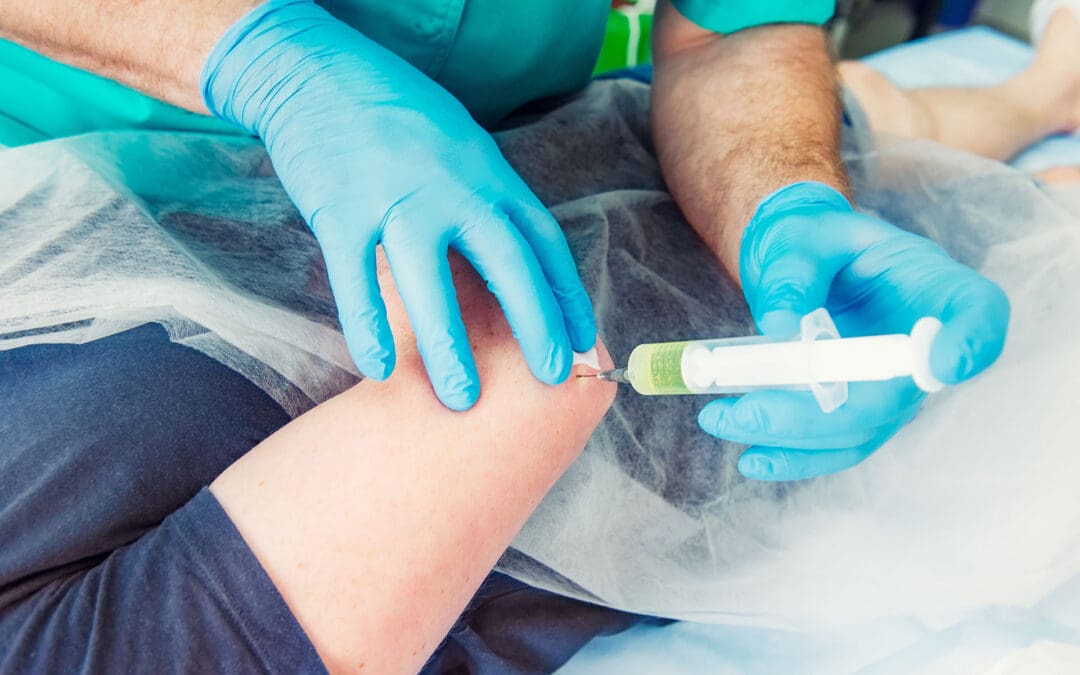
PRP begins with a small sample of the patient’s own blood. The sample is processed to concentrate the platelets. When platelets are placed near injured tissue, they release growth factors that support repair and help balance inflammation.
Stem-cell-related treatments, including those that use mesenchymal stem cells or adipose tissue products, primarily act through signaling pathways. The cells release molecules that reduce harmful inflammatory signals, protect nearby tissue, and create a more favorable setting for healing.
Practical Regenerative Treatments That Support Repair
Several regenerative options are commonly used in clinical practice:
PRP concentrates the patient’s own platelets and their growth factors, delivering them to the site of repair.
PFP (platelet-fibrin or related plasma products) provides a temporary scaffold so that growth factors can be released more steadily over time.
MFAT (microfragmented adipose tissue) comes from a small amount of the patient’s own fat. The tissue is gently processed into tiny clusters that keep their natural structure. These clusters carry cells and signaling factors that help calm inflammation and support soft-tissue and joint repair.
IV infusions deliver vitamins, minerals, antioxidants, and related nutrients directly into the bloodstream. Common components include vitamin C, glutathione, magnesium, B vitamins, and NAD+. These nutrients help reduce oxidative stress, support cellular energy production, and provide the body with the materials it needs for repair.
Together, these treatments supply concentrated growth factors, reduce oxidative stress, and improve conditions around damaged tissue.
How Integrative Chiropractic Care Fits Into the Plan
When used in conjunction with chiropractic care, regenerative treatments such as platelet-rich plasma (PRP), platelet-free plasma (PFP), microfragmented adipose tissue (MFAT), and intravenous (IV) infusions can optimize cells, decrease oxidative stress, and restore spinal alignment to lower neuro-inflammatory signaling, all while reducing systemic inflammation.
Chiropractic care focuses on the mechanical and neurological side of the problem. When spinal segments or joints lose normal motion, nerves can become irritated. That irritation continues sending signals that maintain inflammation. Precise chiropractic adjustments restore better alignment and joint movement. Improved alignment reduces repeated strain on healing tissues and quiets excess nerve signals that feed inflammation.
The two approaches support each other in a clear way:
Regenerative therapies deliver growth factors and lower oxidative stress at the cellular level.
Chiropractic care restores spinal and joint alignment, reducing mechanical stress and calming neuroinflammatory signaling.
The improved mechanical environment enables biological signals to function more effectively.
Clinical experience shows that patients often achieve more lasting improvement when the cellular signals of regenerative care are combined with the improved movement and reduced nerve irritation provided by integrative chiropractic care.
The Multidisciplinary Team Approach in El Paso
At Injury Medical Clinic PA in El Paso, Texas, care is delivered through a coordinated team. Dr. Alexander Jimenez, DC, APRN, FNP-BC, CCST, CFMP, IFMCP, ATN, provides chiropractic care, regenerative treatment planning, functional medicine insight, personal injury evaluation, and rehabilitation. His clinical observations, shared through practice resources, emphasize that lasting recovery usually requires both tissue-level biological support and optimized spinal and joint mechanics. He notes that regenerative options work best when movement patterns and nerve signaling are also addressed.
Dr. Maria Guadalupe Cardenas, MD, Board Certified in Internal Medicine (NPI #1164426749, Texas MD License #J2933), brings more than 40 years of experience as an internist. She serves as Medical Director and Collaborative Physician. This multidisciplinary setup is common in integrative and injury-care clinics. The MD is in charge of medical care and supervision, while the chiropractor works on spinal alignment, joint mechanics, posture, muscle function, and rehabilitation. The team also integrates functional medicine, personal injury care, rehabilitation, and related services so patients receive coordinated plans that address inflammation, cellular health, structural issues, and overall recovery under proper medical supervision.
What Patients Often Notice Over Time
People who follow a combined regenerative and chiropractic plan frequently report:
Gradual reduction in ongoing swelling and discomfort
Improved joint comfort and easier daily movement
Better energy and recovery after activity
A sense that tissues feel more resilient as time passes
The process is gradual. Growth factors and signaling molecules begin their work soon after treatment. Patients can feel improvements in alignment from chiropractic care relatively quickly. Nutrient support from IV therapy helps the whole system stay ready for repair. Over weeks and months, many patients find that their bodies are no longer fighting themselves as hard and are instead rebuilding.
Bringing the Approaches Together
By using biological signaling molecules, regenerative medicine therapies such as stem cell treatments and platelet-rich plasma (PRP) optimize cellular health and reduce systemic inflammation. These treatments stimulate the body’s inherent repair mechanisms by releasing growth factors, regulating immune cell activity, and enhancing tissue microenvironments rather than merely covering symptoms. When used alongside chiropractic care, regenerative treatments such as PRP, PFP, MFAT, and IV infusions further optimize cellular function, decrease oxidative stress, restore spinal alignment, and lower neuroinflammatory signaling while reducing systemic inflammation.
In the El Paso setting, medical direction from an experienced internist works alongside chiropractic care, functional medicine, personal injury evaluation, and rehabilitation services. This creates a practical path that supports healing from the cellular level outward while addressing the mechanical and neurological factors that perpetuate inflammation.
Anyone dealing with ongoing inflammation or slow-healing tissue injury can benefit from a thorough evaluation to determine whether this combination of approaches is appropriate. Clear information and coordinated care help people move toward lasting recovery.
Protein Diet Tips for Peptide and Chiropractic Care
Abstract: A protein-forward, anti-inflammatory whole-foods diet is generally advised when peptide therapy is combined with integrative chiropractic care. This method reduces systemic inflammation, which can impede musculoskeletal healing and metabolic signaling, while simultaneously providing essential amino acids for tissue and spinal repair. Peptide therapy and chiropractic care can be implemented in conjunction with particular regimens, such as the Mediterranean or ketogenic diet. These alternatives often work together to alleviate inflammation, promote tissue regeneration, and support weight management. It is imperative to consult with your healthcare provider prior to initiating any new treatments or altering your diet. This article explains the practical connections between these approaches and describes the collaborative care model used at Injury Medical Clinic PA in El Paso, Texas.
What Peptides Are and How They Work
Peptides are short chains of amino acids. Amino acids are the basic building blocks of protein. In the body, peptides act like small messengers. Some help signal cells to repair tissue, balance inflammation, support collagen production, or influence metabolism.
Peptides are not a complete solution by themselves. They work best when the body also has healthy structural support and the right nutritional building blocks. Without enough quality protein and lower levels of inflammation, the messages peptides send may produce limited results.
How Integrative Chiropractic Care Fits Into the Plan
Integrative chiropractic care focuses on improving how the spine and joints move. Specific adjustments help restore proper motion, reduce mechanical stress, and support clearer communication between the brain and body. This creates a healthier environment for healing.
When peptide therapy is added, the two approaches support each other. Chiropractic care improves structure and movement. Peptides may support cellular repair signals. Nutrition then supplies the amino acids and nutrients the body needs to complete the repair work. Together they address the frame, the signals, and the supplies needed for recovery.
Why Nutrition Plays a Central Role
Peptides send the repair message. Food provides the materials. Protein breaks down into amino acids that the body uses to rebuild ligaments, tendons, muscles, and spinal tissues. If protein intake is too low, repair can slow even when adjustments and peptides are in place.
Chronic inflammation from processed foods, excess sugar, and certain oils can interfere with both musculoskeletal healing and the metabolic pathways peptides may influence. An anti-inflammatory whole-foods approach helps reduce this interference so the body can respond more effectively.
The Value of a Protein-Forward, Anti-Inflammatory Whole-Foods Diet
This style of eating centers on whole foods that deliver protein at every meal while emphasizing vegetables, healthy fats, and limited processed items.
Key benefits include:
Supplying amino acids needed for tissue and spinal repair
Reducing systemic inflammation that can slow healing
Supporting steady energy and metabolic balance
Helping maintain lean muscle during recovery or weight-management programs
Many clinicians aim for roughly 1.2 to 1.6 grams of protein per kilogram of body weight each day, spread across meals. Individual needs vary and should be guided by a healthcare provider.
Mediterranean and Ketogenic Diet Options
Two common patterns often pair well with peptide therapy and integrative chiropractic care.
Mediterranean-style eating includes:
Plenty of vegetables, fruits, and legumes
Olive oil as a main fat source
Fish, poultry, eggs, and modest dairy
Nuts, seeds, and whole grains in moderation
This pattern is rich in anti-inflammatory compounds and omega-3 fats while still providing solid protein.
Ketogenic or higher-protein lower-carbohydrate approaches focus on:
Higher amounts of quality protein and healthy fats
Limited refined carbohydrates and sugars
Non-starchy vegetables for fiber and nutrients
Both styles can help lower inflammation, support tissue healing, and assist with weight control when personalized. They are not right for everyone. Blood sugar control, kidney health, activity level, and medical history all matter. Always consult your healthcare provider before making major diet changes.
Practical Foods That Support Repair
Helpful protein sources include:
Eggs
Chicken and turkey
Fish (especially fatty fish such as salmon)
Lean beef
Greek yogurt or cottage cheese
Beans, lentils, or protein smoothies when appropriate
Supportive anti-inflammatory additions include:
Leafy greens and colorful vegetables
Olive oil, avocado, and nuts
Turmeric, ginger, and omega-3-rich foods
Plenty of water for hydration
Limit or avoid processed seed oils, added sugars, refined carbohydrates, and ultra-processed snacks. These can raise inflammation and work against healing.
Collaborative Care at Injury Medical Clinic PA in El Paso
At Injury Medical Clinic PA in El Paso, Texas, care is delivered through a coordinated multidisciplinary model. Dr. Alexander Jimenez, DC, APRN, FNP-BC, CCST, CFMP, IFMCP, ATN, provides chiropractic care, functional medicine support, personal injury evaluation, and rehabilitation guidance.
Dr. Maria Guadalupe Cardenas, MD (Board Certified in Internal Medicine, NPI #1164426749, Texas MD License #J2933), has more than 40 years of experience as an internist. She serves as medical director and collaborative physician. This multidisciplinary setup is common in integrative and injury-care clinics, where an MD provides medical direction alongside a chiropractor.
The team integrates chiropractic care (Dr. Jimenez) with medical oversight by Dr. Cardenas (internal medicine), as well as functional medicine, personal injury care, rehabilitation, and related services. This allows patients to receive a unified plan rather than separate, disconnected treatments.
Clinical Observations from Dr. Alexander Jimenez
Through years of clinical practice shared on platforms such as dralexjimenez.com and his professional profiles, Dr. Jimenez has observed that recovery improves when care addresses both spinal mechanics and the body’s broader needs. He stresses that peptides work best when they are part of a bigger system that includes good nutrition, exercise, sleep, hydration, and medical supervision.
In practice, low protein intake, high inflammation, poor sleep, or uncontrolled metabolic factors can slow progress even when structural care is solid. Addressing these factors alongside chiropractic adjustments and appropriate peptide support creates a more complete environment for healing.
A Clear Path Forward
A practical sequence often looks like this:
Thorough evaluation of spinal function, tissue status, and overall health
Chiropractic care and rehabilitation to improve mechanics and movement
Protein-forward, anti-inflammatory nutrition to supply building blocks and lower inflammation
Targeted peptide support when clinically appropriate and under medical guidance
Ongoing monitoring of progress, sleep, stress, and metabolic health
This layered approach treats the body as an interconnected system rather than isolated parts.
Conclusion
Combining peptide therapy with integrative chiropractic care works best when supported by a protein-forward, anti-inflammatory whole-foods diet. The diet supplies the amino acids needed for tissue and spinal repair while helping reduce the inflammation that can interfere with healing and metabolic signaling. Mediterranean or carefully planned ketogenic patterns can further support these goals for many people.
At Injury Medical Clinic PA in El Paso, the collaboration between Dr. Alexander Jimenez and Dr. Maria Guadalupe Cardenas brings chiropractic expertise, internal-medicine oversight, functional medicine, personal injury care, and rehabilitation into one coordinated model. The result is a clear, practical path that addresses structure, cellular signals, and nutritional foundation together.
Speak with your healthcare provider before starting peptide therapy, making major dietary changes, or beginning any new treatment plan. Individual needs, medical history, and laboratory findings should always guide decisions.
IFM's Find A Practitioner tool is the largest referral network in Functional Medicine, created to help patients locate Functional Medicine practitioners anywhere in the world. IFM Certified Practitioners are listed first in the search results, given their extensive education in Functional Medicine