Wellness
Clinic Wellness Team. A key factor to spine or back pain conditions is staying healthy. Overall wellness involves a balanced diet, appropriate exercise, physical activity, restful sleep, and a healthy lifestyle. The term has been applied in many ways. But overall, the definition is as follows.
It is a conscious, self-directed, and evolving process of achieving full potential. It is multidimensional, bringing together lifestyles both mental/spiritual and the environment in which one lives. It is positive and affirms that what we do is, in fact, correct.
It is an active process where people become aware and make choices towards a more successful lifestyle. This includes how a person contributes to their environment/community. They aim to build healthier living spaces and social networks. It helps in creating a person’s belief systems, values, and a positive world perspective.
Along with this comes the benefits of regular exercise, a healthy diet, personal self-care, and knowing when to seek medical attention. Dr. Jimenez’s message is to work towards being fit, being healthy, and staying aware of our collection of articles, blogs, and videos.

by Dr Alex Jimenez DC, APRN, FNP-BC, CFMP, IFMCP | Diets, Fitness
Parkinson’s disease can cause tremors, stiffness and trouble with walking. But a new study suggests that regular exercise can slow the progression of the disease.
Even those with advanced Parkinson’s can benefit from activity, the study authors said.
The research included more than 3,400 patients in North America, the Netherlands and Israel who were followed for more than two years. During that time, Parkinson’s-related changes in mobility were assessed by timing how long it took patients to rise from a chair, walk about 10 feet, turn and return to a sitting position.
The results were published online recently in the Journal of Parkinson’s Disease.
“We found that people with Parkinson’s disease who maintained exercise 150 minutes per week had a smaller decline in quality of life and mobility over two years compared to people who did not exercise or exercised less,” said lead investigator Miriam Rafferty, of Northwestern University and Rehabilitation Institute of Chicago.
“The smaller decline was significant for people who started the study as regular exercisers, as well as for people who started to exercise 150 minutes per week after their first study-related visit,” she said in a journal news release.
The study didn’t look at what specific types of exercise might be best for people with Parkinson’s disease. But the findings suggest that at least 150 minutes a week of any type of exercise offers benefits.
“People with Parkinson’s disease should feel empowered to find the type of exercise they enjoy, even those with more advanced symptoms,” Rafferty added.
The study also found that people with more advanced Parkinson’s disease saw the greatest benefit from 30-minute-per-week increases in exercise. This finding could prove important in making exercise more accessible to these people. Currently, their increased disability may limit their independent participation in community and group exercise programs, according to the researchers.
“The most important part of the study is that it suggests that people who are not currently achieving recommended levels of exercise could start to exercise today to lessen the declines in quality of life and mobility that can occur with this progressive disease,” Rafferty said.

by Dr Alex Jimenez DC, APRN, FNP-BC, CFMP, IFMCP | Diets, Fitness
It may be tempting to latch on to the latest diet fad like juicing or going gluten-free to lose weight or achieve other health goals. But when it comes to heart health, doctors say sticking with old standbys like fruits, veggies and olive oil is still the best approach.
To see what kind of diet patterns might be the most heart healthy, a team of doctors and researchers examined results from more than a dozen previously published nutrition studies. Taken together, all of this evidence shows the best regimen for heart health includes plenty of fruits, vegetables, whole grains and legumes, the study concludes.
“There is a great amount of misinformation about nutrition fads, including antioxidant pills, juicing and gluten-free diets,” said lead study author Dr. Andrew Freeman, director of cardiovascular prevention and wellness in the division of cardiology at National Jewish Health in Denver.
“However, there are number of dietary patterns that have clearly been demonstrated to reduce the risk of many chronic diseases, including coronary heart disease,” Freeman said in a statement. “There is growing consensus that a predominantly plant-based diet that emphasizes green, leafy vegetables, whole grains, legumes and fruit is where the best improvements are seen in heart health.”
Based on the scientific data available, nuts in moderation, extra-virgin olive oil and lean meats can also be part of a heart healthy diet, Freeman and colleagues report in the Journal of the American College of Cardiology.
To help avoid high cholesterol, one risk factor for heart disease, the study authors also recommend skipping or limiting eggs and other oils like coconut and palm oil.
Even though U.S. dietary guidelines released last year removed previous recommendations to limit cholesterol, the current research review still advises against eating too many eggs because they are associated with higher cholesterol levels in the blood.
Coconut oil and palm oil may be trendy, but there isn’t much data to show they’re healthy for routine use, the study also concludes. Olive oil does have proven benefits, but should be consumed in moderation because it’s high in calories.
When it comes to antioxidants, another diet fad, there’s no evidence that supplements can help the heart and some evidence that they may have harmful health effects. But the science does support eating whole fruits and vegetables to get these nutrients.
Juicing, too, may not be as good for the heart as whole fruits and vegetables if people end up drinking too many calories, the researchers note. Juices without added sugar may, however, make sense for people who don’t eat enough fruits and vegetables.
“The problem with juicing is that many individuals who drink these tend to consume more calories from added sugars (fruit, yogurt, milk) than they realize,” Dr. Daniel Rader of the Perelman School of Medicine at the University of Pennsylvania in Philadelphia said by email. He wasn’t involved in the study.
Gluten-free diets that avoid ingredients like wheat, barley and rye are necessary for people with celiac disease or gluten allergies, but don’t have proven benefits for anyone else, the study concludes.
It’s possible that fad diets avoiding gluten without a medical reason to do this might appear to be successful because people who try eating this way to improve their health also do other things that are healthy like getting plenty of exercise and sleep and avoiding smoking and junk food, said Alvaro Hernaez, a researcher at the Hospital del Mar Medical Research Institute in Barcelona.
“They feel better because of the general improvement in their lifestyle habits,” Hernaez, who wasn’t involved in the study, said by email.
Fads diets, especially those that load up on meat or restrict too much food, should be avoided, said Samantha Heller, a nutritionist at New York University Langone Medical Center who wasn’t involved in the study.
“We would all benefit from eating fewer foods that come from animals such as ham, beef, cheese, butter and pork, and eating a lot more plant foods,” Heller said by email.

by Dr Alex Jimenez DC, APRN, FNP-BC, CFMP, IFMCP | Fitness, Health, Wellness
This article originally appeared on Time.com.�
Running is a great workout, and it comes with all of the heart-strengthening benefits of aerobic exercise. But doing it for long distances�like in a marathon�may come with unintended health consequences. A small new study finds that marathon runners can experience short-term kidney injury after the race.
In the study, published in the American Journal of Kidney Diseases, researchers took blood and urine samples from 22 people who ran the 2015 Hartford Marathon, and looked for evidence of kidney injury. The researchers reported that based on the markers they observed in the samples, 82% of the runners had evidence of stage 1 acute kidney injury after the race. The problem appeared to be short-term, and most people�s kidneys returned to normal within 24 to 48 hours.
Still, the researchers say that their findings underline the fact that running a marathon is a stressful event for the body, and that some people may want to be extra vigilant. �We knew we would find something, but I was surprised by the level [of injury],� says study author Dr. Chirag Parikh, a professor of medicine at Yale University. �It�s comparable to what I see in hospitals.�

RELATED:�3 Essential Strength Exercises For Runners
More research is needed, but Parikh says that people who have no risk factors for kidney disease probably don�t need to worry. People with diabetes or high blood pressure, or people who are older, may want to work closely with trainers and doctors to keep an eye on their kidney health if they�re running marathons.
Though the researchers did not determine how exactly running a marathon can temporarily hurt kidneys, Parikh says the damage may be due to less blood flow to the kidneys, high core body temperature and dehydration. It�s still unknown whether this short-lived kidney injury can cause cumulative damage, or if some people may not recover in the short-term.
The study is not the first to find that marathons can come with health risks. While it�s clear that getting exercise is important, research suggests that more isn�t always better. A 2015 review published in the journal Current Sports Medicine Reports found that while runners in the study lived longer than non-runners, men and women gained the lifesaving benefits of running if they ran at slow or moderate speeds for about one to two hours a week. Among the runners, the people who ran the most had worse survival rates than people who ran less.
Parikh says that his study did not identify who might be at a higher risk, but notes that people over age 40 are increasingly signing up for marathons, and may want to take more precautions. Today, people 40 and older make up nearly 50% of marathon finishers in the U.S., compared to 1980 when this age group made up just 26%.
�Is there a right amount of distance for each person?� says Parikh. �Like everything else, there might be a balance of the benefits and risks. People can find the right distance for them and train their body.�

by Dr Alex Jimenez DC, APRN, FNP-BC, CFMP, IFMCP | Diets, Nutrition, Wellness
If You�re Craving Something Sweet
It�s easy to get a quick sugar fix from foods that might be lying around (hello, blueberry muffins in the office kitchenette). Chances are, though, that you’re already eating way too much sugar; the average person takes in 22 teaspoons of�sugar daily�more than three times the amount suggested by the American Heart Association. A growing body of research links the sweet stuff to high cholesterol and blood pressure, increased risk for cancer, diabetes, and heart disease, and�of course�excess weight gain. Plus, a sweet treat can cause a blood sugar spike and crash, leaving you feeling sluggish, moody, and hungry (again).
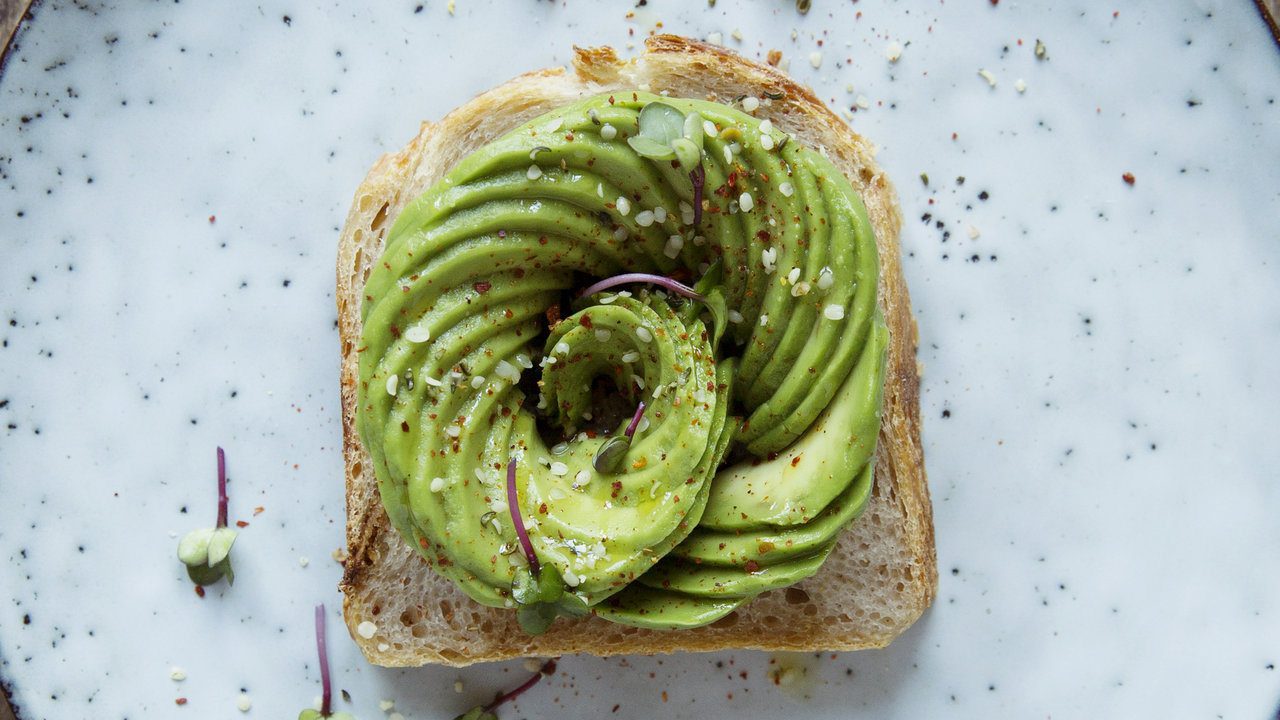
Reach For A Piece Of Fruit Instead
You’ll be satisfied�we promise. �When you craving something cold, creamy and sweet, think healthier options like frozen bananas, grapes, organic fruit purees, or homemade frozen yogurt pops,� suggests Natalia Levey, certified health and nutrition coach and author of Cravings Boss. Low-fat Greek or plain yogurt with some fruit on top is another nutrient-packed option. �The yogurt provides calcium which is good for your bones and the berries are packed with immune boosting antioxidants,� says Keri Gans, RD, New York City-based nutritionist and author of The Small Change Diet

Call Today!

by Dr Alex Jimenez DC, APRN, FNP-BC, CFMP, IFMCP | Chiropractic, Diets, Health, Nutrition
Mediterranean Diet
An Estimated 86 Million Americans Are At Risk For Type 2 Diabetes
But nearly 90 percent of them don�t know it.
Doctors say adhering to a Mediterranean diet may help to reverse your risk of developing Type 2 Diabetes.
The Mediterranean diet, which is especially popular from Spain and Italy to Greece and the Middle East, largely focuses on seasonal fruits and vegetables.
�It�s dark leafy greens, freshly foraged greens in all different varieties� like kale and collards and spinach and chard,� said Dahlia Shaaban, founder of Washington, D.C.-based Live Deliciously.
The majority of foods in a Mediterranean diet do come from plants, but Shaaban says to go for fish or lean proteins twice per week. Salmon and tuna, for example, contain Omega 3 Fatty Acids which promote heart and brain health.
�So you can think of crowding out your plate with more plant-based foods, then enjoying meat here and there,� explained Shaaban.

Beans, Nuts & Whole Grains Are Everyday Staples In A Mediterranean Meal
�The grain is something you can hold onto,� said Shaaban. �Brown rice, farro, wide rice, quinoa, bulgur or cracked wheat. The most common beans you find in the Mediterranean are:�lentils, chickpeas, fava beans, black eyed peas.�
The American Diabetes Association suggests using olive oil to cook instead of butter or margarine. That can help to lower cholesterol levels. And when it comes to seasoning, herbs, spices and citrus juice are better options than salt.
Finally, limit alcohol and sugar�and you�ve got the perfect blend of health-conscious choices for people managing diabetes.
�It�s not just a diet, it�s a lifestyle,� said Shaaban.
For Mediterranean-inspired recipes, visit the Live Deliciously�and�Live Deliciously Tribe Facebook pages.
Call Today!
� 2017 WFAA-TV

by Dr Alex Jimenez DC, APRN, FNP-BC, CFMP, IFMCP | Nutrition, Vitamins, Wellness
- The heat in the drinks can dramatically reduce the effects of tablets
- It can even kill the �friendly� bacteria in probiotic foods such as yoghurts
- Around 46 per cent of British adults take daily vitamin supplements
�
In these health-conscious times, millions of us wash down a vitamin pill as part of our breakfast routine.
But it seems we may be wasting our time. Researchers claim swallowing vitamin supplements with tea or coffee can wipe out all the good they do.
The heat in the drinks can dramatically reduce the effects of tablets, and even kill the �friendly� bacteria in probiotic foods such as yoghurts, experts said.

Researchers Claim Swallowing Vitamin Supplements With Tea Or Coffee Can Wipe Out All The Good They Do
A University of East Anglia study found that hot drinks and food such as porridge inhibit the absorption of iron by up to 73 per cent. Around 46 per cent of British adults take daily vitamin supplements, and 70 per cent of those who do take them with breakfast.
Now experts suggest waiting at least an hour before consuming hot food or drink after taking tablets.
Dr Sarah Brewer, a GP and medical nutritionist, said: �I don�t advise taking probiotics, vitamin or mineral supplements with tea or coffee.
These drinks contain compounds which, although beneficial at other times, also bind iron and other minerals to reduce their absorption.
�In fact, coffee can reduce iron absorption by up to 80 per cent if drunk within an hour of a meal. Very hot drinks can also inactivate some vitamins, and kill live probiotic bacteria.�
Dr Sarah Brewer, a GP and medical nutritionist, said: �I don�t advise taking probiotics, vitamin or mineral supplements with tea or coffee’
To ensure beneficial bacteria survive, Glenn Gibson, professor of food microbiology at the University of Reading, advises washing down supplements with water or milk. Breakfast is still the best time to take pills, as the gut has rested overnight and is therefore more receptive, he added.
Research by supplement company Healthspan also found that, among potential buyers of probiotics, few were aware of the alleged benefits of taking them during and after a course of antibiotics. While antibiotics kill the bacteria that cause infections, they can also destroy good bacteria in our bodies.
Arthur Ouwehand, professor in applied microbiology at the University of Turku, Finland, claimed: �It�s important to begin taking probiotics from the moment you start antibiotics and continue for a few weeks after finishing the course.�
Call Today!
By
Daily Mail

by Dr Alex Jimenez DC, APRN, FNP-BC, CFMP, IFMCP | Chiropractic, Wellness
The calming poses and meditation of yoga may be just what the doctor ordered when it comes to beating depression, new research suggests.
Researchers found that weekly sessions of yoga and deep breathing exercises helped ease symptoms of the common condition. They believe the practice may be an alternative or complementary therapy for tough-to-treat cases of depression.
The intervention seemed helpful for “people who are not on antidepressants and in those who have been on a stable dose of antidepressants [but] have not achieved a resolution of their symptoms,” study lead author Dr. Chris Streeter said in a news release from Boston Medical Center. He’s a psychiatrist at the hospital and an associate professor of psychiatry and neurology at Boston University.
Major depression is common and often persistent and disabling, Streeters’ team noted. Up to 40 percent of people taking medication for this form of depression won’t see their depression go away, according to the researchers.
Studies Have Shown The Ancient Practice Of Yoga May Help

The Mechanism Of Action Is Similar To Other Exercise Techniques
These Activate The Release Of ‘Feel Good’ Brain Chemicals explains Dr. Alan Manevitz, a clinical psychiatrist at Lenox Hill Hospital in New York City, who reviewed the new findings.
He added that exercise, especially yoga, may also “reduce immune system chemicals that can worsen depression.”
Then there’s yoga’s meditative quality, as well, Manevitz said.
“It has been demonstrated that ‘mindful’ movement — conscious awareness — has a much more beneficial impact on the central nervous system,” he said.
But would this bear out in a rigorous study? To find out, Streeter’s team tracked outcomes for 30 people with major depressive disorder. All were randomly assigned to partake in either a “high-dose” or “low-dose” yoga intervention. The high-dose group had three 90-minute yoga classes each week along with home practice, while the low-dose group engaged in two 90-minute yoga sessions each week in addition to home practice.

The Participants Practiced Lyengar Yoga,
A Method That Focuses On Detail, Precision & Alignment In Posture And Breath Control.
The study found that both groups had significant reductions in their depression symptoms. Those who took three weekly yoga classes had fewer depressive symptoms than those in the “low-dose” group, but Streeter’s team said even two classes a week was still very effective in improving people’s mood.
Streeter noted that this intervention targets a different neurochemical pathway in the body than mood-altering medications, suggesting that yoga may provide a new, side effect-free avenue for treatment.
For his part, Manevitz called the study “practical and well-designed.” He believes the findings support yoga as a treatment “that can help the millions of people suffering from major depressive disorders around the world.”
Dr. Victor Fornari is a psychiatrist at Zucker Hillside Hospital in Glen Oaks, N.Y. He agreed that the new study “supports the use of yoga for the treatment of depression… Yoga, like regular exercise, is good for most people for health maintenance as well as to treat what ails them.”
The study was published March 3 in the Journal of Alternative and Complementary Medicine.
SOURCE: Alan Manevitz, M.D., clinical psychiatrist, Lenox Hill Hospital, New York City; Victor Fornari, M.D., psychiatrist, Zucker Hillside Hospital, Glen Oaks, N.Y.; Boston University Medical Center, news release, March 3, 2017
News stories are written and provided by HealthDay and do not reflect federal policy, the views of MedlinePlus, the National Library of Medicine, the National Institutes of Health, or the U.S. Department of Health and Human Services.
Call Today!