Back Clinic Nutrition Team. Food provides people with the necessary energy and nutrients to be healthy. By eating various foods, including good quality vegetables, fruits, whole-grain products, and lean meats, the body can replenish itself with the essential proteins, carbohydrates, fats, vitamins, and minerals to function effectively. Nutrients include proteins, carbohydrates, fats, vitamins, minerals, and water. Healthy eating does not have to be hard.
The key is to eat various foods, including vegetables, fruits, and whole grains. In addition, eat lean meats, poultry, fish, beans, and low-fat dairy products and drink lots of water. Limit salt, sugar, alcohol, saturated fat, and trans fat. Saturated fats usually come from animals. Look for trans fat on the labels of processed foods, margarine, and shortenings.
Dr. Alex Jimenez offers nutritional examples and describes the importance of balanced nutrition, emphasizing how a proper diet combined with physical activity can help individuals reach and maintain a healthy weight, reduce their risk of developing chronic diseases, and promote overall health and wellness.
Maintaining a healthy and well-balanced nutritional plan is recommended for overall health. When the body is nourished healthily, it will perform optimally. Stress is part of daily life, and certain foods can enhance the body’s ability to handle stress, help target physical and emotional states, and protect the brain. The Injury Medical Chiropractic and Functional Medicine Clinic Team can provide therapeutic massage to increase circulation, and relax the mind and body, adjustments to restore any misalignments, and nutritional support and health coaching for total wellness.
Foods For Stress
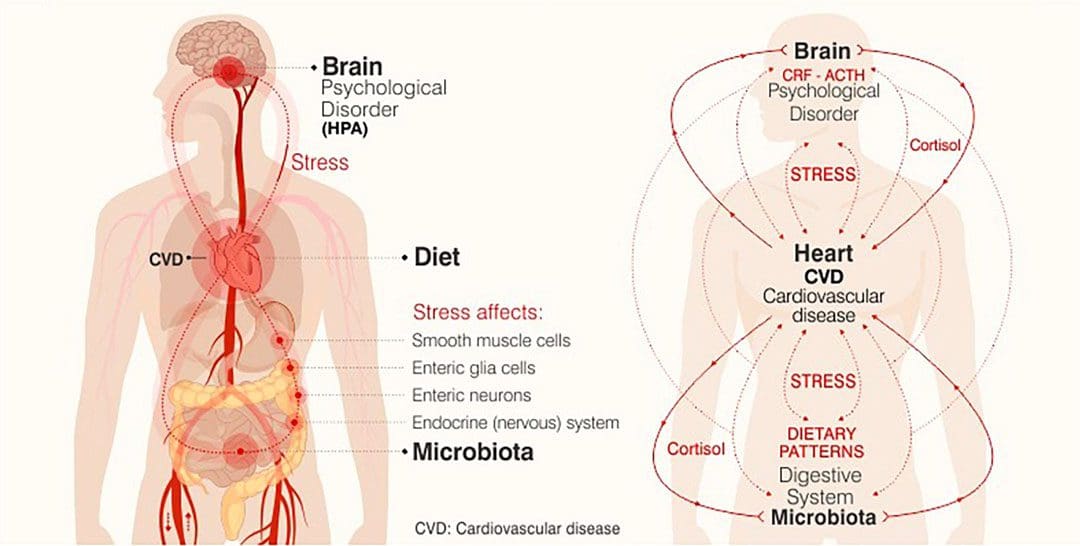
Anxiety is a widespread condition affecting millions of individuals. Trying to lower stress levels includes self-care, sleep management, physical activity, and incorporating foods to reduce cortisol levels, the primary hormone responsible for stress.
Cortisol
Cortisol has a variety of functions that include:
Manages how the body uses carbohydrates, fats, and proteins.
Sleep cycle regulation.
Blood pressure regulation.
Increases blood sugar.
Decreases inflammation.
Cortisol is sometimes known as the stress hormone because the adrenal gland releases it when experiencing stress or when the body is under physical stress/inflammation. It is the key to managing the fight-or-flight instinct and is healthy for a short period as a protective mechanism providing the energy needed to respond to short-term stress. However, the long-term release of cortisol generates tension in the body, leading to chronic inflammation and raised blood pressure. Learning how to manage stress is necessary for lowering cortisol levels.
Symptoms
Symptoms vary and are different for everybody.
Physical
Exhaustion.
Sleep problems.
Headaches.
Muscle tension.
Jaw clenching.
Aches and pains.
Chronic illness from a weakened immune system.
Stomach or digestive problems.
High blood pressure.
Chest pain or a feeling like the heart is racing.
Dizziness.
Shaking.
Emotional and mental
Irritability and or anxiousness.
Sadness.
Depression.
Panic attacks.
Foods
The objective is to reduce inflammation, thus reducing cortisol levels. Recommended foods for stress include foods high in magnesium, vitamin B, Omega-3 fatty acids, protein, and foods that benefit the gut. Here are a few.
Magnesium
Magnesium is highly beneficial in reducing inflammation, metabolizing cortisol, and relaxing the mind and body.
Dark chocolate.
Bananas.
Broccoli.
Spinach.
Avocados.
Pumpkin seeds.
Vitamin B
Vitamin B12 can help with the metabolism of cortisol.
The key to lowering stress is a whole-body approach that includes exercise, proper sleep, and managing chronic diseases like diabetes, hypertension, and obesity, all of which can put the body in a prolonged state of inflammation. Incorporating these foods into a nutritional plan can help relieve stress naturally.
Impact of Stress
References
Aucoin, Monique, and Sukriti Bhardwaj. “Generalized Anxiety Disorder and Hypoglycemia Symptoms Improved with Diet Modification.” Case reports in psychiatry vol. 2016 (2016): 7165425. doi:10.1155/2016/7165425
Errisuriz, Vanessa L et al. “Perceived stress and dietary choices: The moderating role of stress management.” Eating behaviors vol. 22 (2016): 211-216. doi:10.1016/j.eatbeh.2016.06.008
Norwitz, Nicholas G, and Uma Naidoo. “Nutrition as Metabolic Treatment for Anxiety.” Frontiers in psychiatry vol. 12 598119. 12 Feb. 2021, doi:10.3389/fpsyt.2021.598119
Serafini, Mauro, and Ilaria Peluso. “Functional Foods for Health: The Interrelated Antioxidant and Anti-Inflammatory Role of Fruits, Vegetables, Herbs, Spices and Cocoa in Humans.” Current pharmaceutical design vol. 22,44 (2016): 6701-6715. doi:10.2174/1381612823666161123094235
Zellner, Debra A et al. “Food selection changes under stress.” Physiology & behavior vol. 87,4 (2006): 789-93. doi:10.1016/j.physbeh.2006.01.014
The body makes digestive enzymes to help break down food carbohydrates, fats, and proteins. Healthy digestion and nutrient absorption depend on these enzymes, a protein that speeds up chemical reactions in the mouth, pancreas, and intestines. Certain health conditions like pancreatic insufficiency and lactose intolerance can cause low enzyme levels and insufficiency and may need replacement digestive enzymes to help prevent malabsorption. That’s where digestive enzyme supplements come in.
Digestive Enzymes
Digestive enzymes are a vital part of digestion; without them, the body can’t break foods down, and nutrients can’t be fully absorbed. A lack of digestive enzymes can lead to gastrointestinal/GI symptoms and cause malnourishment, even with a nutritious diet. The result is unpleasant digestive symptoms that can include:
Poor absorption of nutrients
Bloating
Stomach pain
Nausea
Vomiting
Digestive enzyme supplements have been used for treating common forms of gut irritation, heartburn, and other ailments.
Enzyme Types
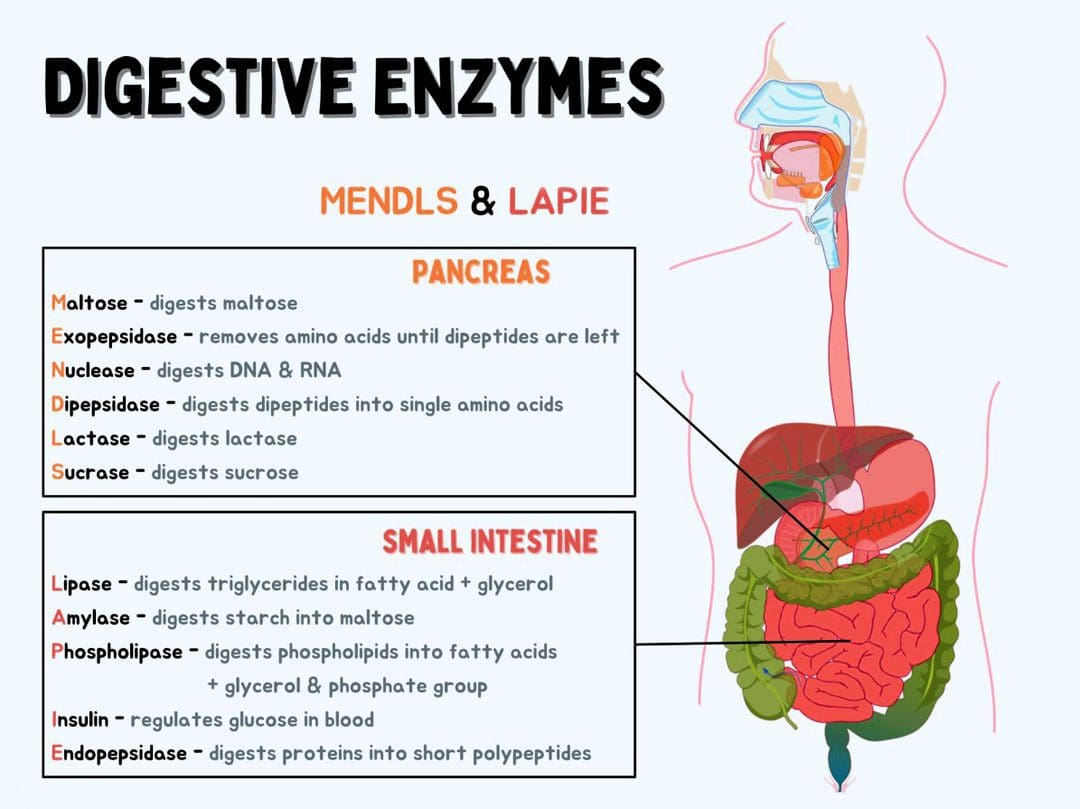
The main digestive enzymes made in the pancreas include:
Amylase
It is also made in the mouth.
Breaks down carbohydrates, or starches, into sugar molecules.
Low amylase can lead to diarrhea.
Lipase
This works with liver bile to break down fats.
Lipase insufficiency causes decreased levels of fat-soluble vitamins A, D, E, and K.
Protease
This enzyme breaks down proteins into amino acids.
It also helps keep bacteria, yeast, and protozoa out of the intestines.
A shortage of protease can lead to allergies or toxicity in the intestines.
Enzymes made in the small intestine include:
Lactase
Breaks down lactose, a sugar found in dairy products.
Sucrase
Breaks down sucrose, a sugar found in fruits and vegetables.
Insufficiency
When the body does not produce enough digestive enzymes or doesn’t release them correctly. A few types include:
Lactose Intolerance
The body does not produce enough lactase, making digesting the natural sugar in milk and dairy products difficult.
Exocrine Pancreatic Insufficiency
EPI is when the pancreas does not produce enough of the enzymes necessary to digest carbohydrates, proteins, and fats.
Congenital Sucrase-Isomaltase Deficiency
The body does not have enough sucrase to digest certain sugars.
Talking to a doctor if symptoms persist is recommended, as these could be signs of gut irritation or indicate a more serious condition.
Supplements
Prescription Enzymes
Depending on the severity, individuals diagnosed with enzyme insufficiency may need to take prescription digestive enzymes. These supplements assist in food breakdown and nutrient absorption. The most common enzyme replacement therapy is pancreatic enzyme replacement therapy or PERT. PERT is a prescribed medication that includes amylase, lipase, and protease. Individuals with cystic fibrosis often have pancreatic enzyme insufficiency, as the body can’t release the enzymes properly. And individuals with pancreatitis require PERT because their pancreas develops mucus and scar tissue over time.
Over-The-Counter Enzymes
Over-the-counter digestive enzyme supplements can contain amylase, lipase, and protease and can help with acid reflux, gas, bloating, and diarrhea. Some contain lactase and alpha-galactosidase. Alpha-galactosidase can help break down a non-absorbable fiber called galactooligosaccharides/GOS, mostly found in beans, root vegetables, and certain dairy products.
Certain foods contain digestive enzymes, including:
Supplementing the diet with some of these foods can help with digestion.
Functional Nutrition
References
Beliveau, Peter J H, et al. “An Investigation of Chiropractor-Directed Weight-Loss Interventions: Secondary Analysis of O-COAST.” Journal of manipulative and physiological therapeutics vol. 42,5 (2019): 353-365. doi:10.1016/j.jmpt.2018.11.015
Brennan, Gregory T, and Muhammad Wasif Saif. “Pancreatic Enzyme Replacement Therapy: A Concise Review.” JOP: Journal of the pancreas vol. 20,5 (2019): 121-125.
Corring, T. “The adaptation of digestive enzymes to the diet: its physiological significance.” Reproduction, nutrition, developpement vol. 20,4B (1980): 1217-35. doi:10.1051/rnd:19800713
Goodman, Barbara E. “Insights into digestion and absorption of major nutrients in humans.” Advances in physiology education vol. 34,2 (2010): 44-53. doi:10.1152/advan.00094.2009
Vogt, Günter. “Synthesis of digestive enzymes, food processing, and nutrient absorption in decapod crustaceans: a comparison to the mammalian model of digestion.” Zoology (Jena, Germany) vol. 147 (2021): 125945. doi:10.1016/j.zool.2021.125945
Whitcomb, David C, and Mark E Lowe. “Human pancreatic digestive enzymes.” Digestive diseases and sciences vol. 52,1 (2007): 1-17. doi:10.1007/s10620-006-9589-z
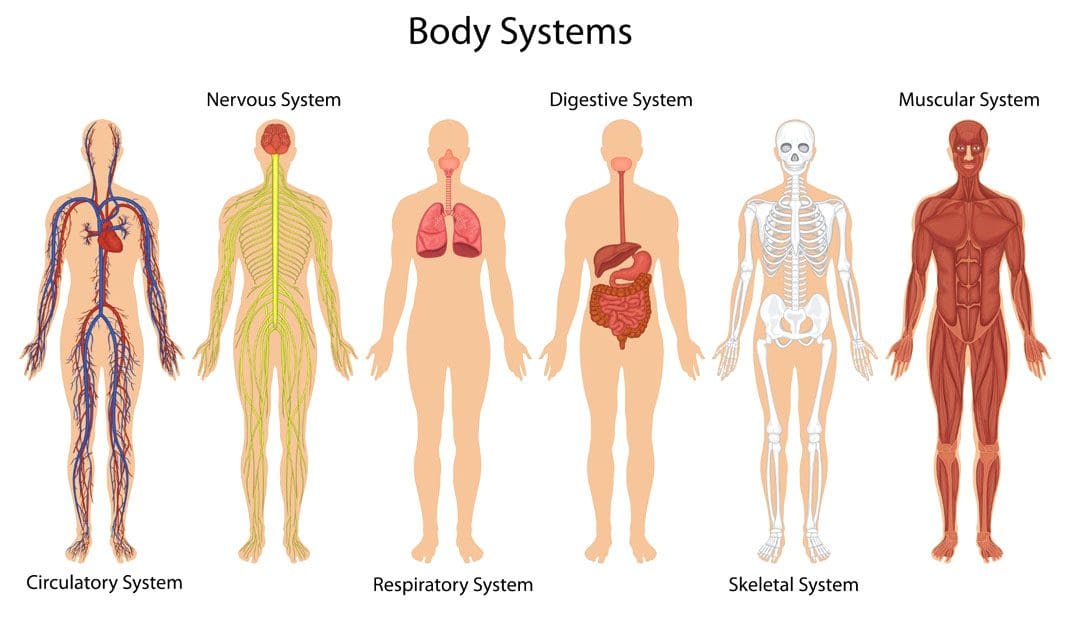
Nutrition and Chiropractic Care: Chiropractic care treats the body as a whole. It can relieve and alleviate ailments from injuries, conditions, or diseases to help maintain optimal health. A treatment plan includes nutrition recommendations to support the body’s systems, reduce inflammation responses, build muscle and bone strength, and maintain chiropractic adjustments.
Nutrition and Chiropractic Care
Individuals can influence musculoskeletal system health by balancing what they consume. If food choices are unhealthy, the benefits of chiropractic may be lessened from the negative effects of unhealthy foods on the body.
Muscle Repair
Muscle injuries are common from normal wear and tear, work, sports, and personal injuries. Calorie-heavy foods can lead to increased weight. Increased weight puts extra stress on the body as it is healing, making the healing process last longer and less effective. A recommended nutritional plan to build muscle strength around the injured areas will supplement chiropractic care.
Foods include sweet potatoes, salmon, eggs, spinach, bananas, nuts, and seeds.
Bone Health
Misalignment, imbalances, and injuries can be caused in part by weakness in various bones.
Calcium is integral in improving bone strength.
Foods high in calcium can benefit chiropractic adjustments by strengthening the skeletal system.
A balanced intake of calcium and magnesium helps build bone strength and decreases the chances of developing osteoporosis.
Magnesium can be found in almonds, spinach, avocado, cashews, and bananas.
Digestion
Chiropractic treatments also help promote healthy digestion by relieving tension in the stomach and helping to restore proper function in the organs and muscles. Regular chiropractic has been shown to reduce symptoms associated with constipation, bloating, diarrhea, nausea, irritable bowel syndrome – IBS, Crohn’s disease, colitis, GERD – Gastroesophageal Reflux Disease, and vomiting.
Foods that help maintain a healthy gut include brown rice, beans, oats, and fruits and vegetables.
Respiratory Health
Breathing problems come in various forms depending on the individual and their case. The ribs, upper chest, and neck muscles all support breathing. Stress can cause rapid and shallow breathing that overworks these muscles. Breathing problems often correlate with other health issues, including back and neck pain, poor digestion, fatigue, and tension headaches. Chiropractic pinpoints subluxations or undue interruption of the nerve signals and corrects any misalignments so that nerve signals flow properly.
Foods that help with lung health include tomatoes, apples, berries, and broccoli.
Nervous System Health
Chiropractic focuses on restoring the body to optimal function so that it can heal through normal nervous system function. Treatment resets the vertebrae into proper alignment, reducing swelling, blockages, and nerve stress, allowing the nervous system to function at full capacity.
Foods that can help are dark chocolate, spinach, avocados, garlic, and asparagus.
Circulatory System
Chiropractic adjustments increase blood circulation. Adjustments and massage loosen the muscles attached to the specific areas, which also promotes the flow and movement of waste in the lymphatic system in and out of specific areas.
Foods that help with circulation include onions, beets, citrus fruits, tomatoes, walnuts, and fatty fish.
Nutrition and chiropractic care go hand in hand. When the body gets the nutrition it needs, it works more efficiently.
An unhealthy diet can cause sluggishness, low energy, and increase inflammatory responses that can lead to chronic conditions. A nutritionist can create a personalized nutrition plan to maximize the benefits as they work together to improve overall health and wellness.
Intermittent Fasting
References
Elma, Ömer, et al. “Chronic Musculoskeletal Pain and Nutrition: Where Are We and Where Are We Heading?.” PM & R: the journal of injury, function, and rehabilitation vol. 12,12 (2020): 1268-1278. doi:10.1002/pmrj.12346
Elma, Ömer, et al. “Do Nutritional Factors Interact with Chronic Musculoskeletal Pain? A Systematic Review.” Journal of clinical medicine vol. 9,3 702. 5 Mar. 2020, doi:10.3390/jcm9030702
Holtzman, Denise, and Jeanmarie Burke. “Nutritional counseling in the chiropractic practice: a survey of New York practitioners.” Journal of chiropractic medicine vol. 6,1 (2007): 27-31. doi:10.1016/j.jcme.2007.02.008
Koehler, Karsten, and Clemens Drenowatz. “Integrated Role of Nutrition and Physical Activity for Lifelong Health.” Nutrients vol. 11,7 1437. 26 Jun. 2019, doi:10.3390/nu11071437
Lee, Mi Kyung, et al. “The use of nutritional guidance within chiropractic patient management: a survey of 333 chiropractors from the ACORN practice-based research network.” Chiropractic & manual therapies vol. 26 7. 20 Feb. 2018, doi:10.1186/s12998-018-0175-1
Mangano, Kelsey M et al. “Dietary protein is associated with musculoskeletal health independently of dietary pattern: the Framingham Third Generation Study.” The American journal of clinical nutrition vol. 105,3 (2017): 714-722. doi:10.3945/ajcn.116.136762
Mendonça, Carolina Rodrigues et al. “Effects of Nutritional Interventions in the Control of Musculoskeletal Pain: An Integrative Review.” Nutrients vol. 12,10 3075. 9 Oct. 2020, doi:10.3390/nu12103075
Tajary, Zahra, et al. “Musculoskeletal Pain Is Associated with Dietary Diversity Score among Community-Dwelling Older Adult: A Cross-Sectional Study.” International journal of food science vol. 2022 4228925. 7 Feb. 2022, doi:10.1155/2022/4228925
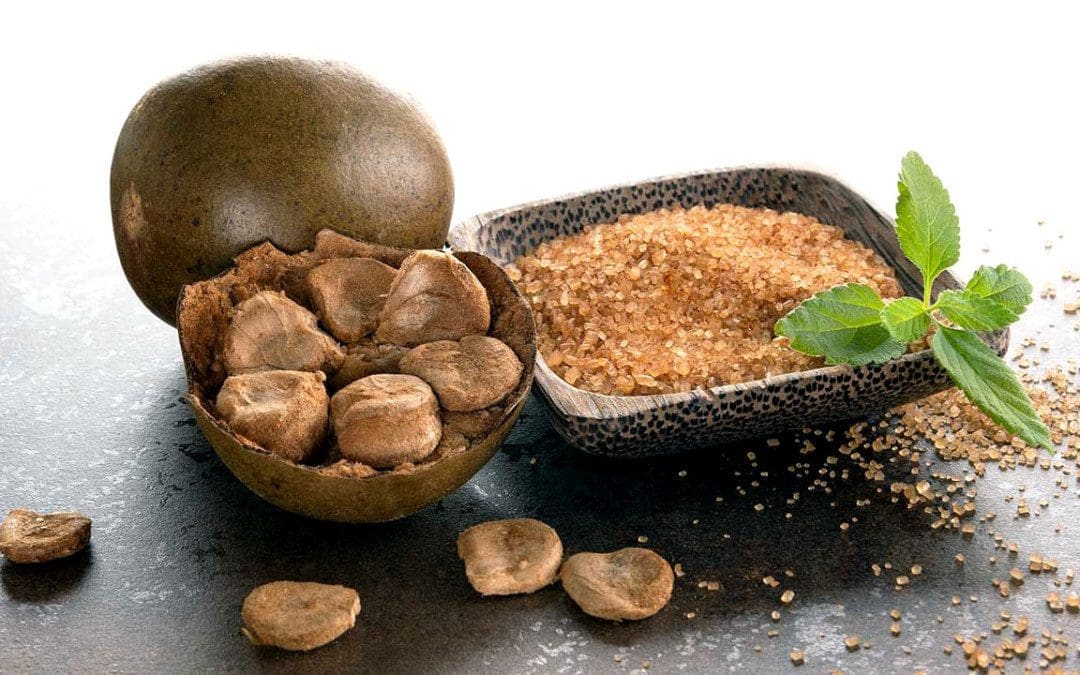
As individuals try to avoid sugar as best as possible, alternative sweeteners are becoming more popular. A new addition is monk fruit sweetener, also called monk fruit extract. Monk fruit is a small, round fruit native to southern China. Unlike some chemically based sugar alternatives, monk fruit extract is considered natural. The sweetener has been around for decades but has become more available in the United States. The zero-calorie extract can be used as a standalone sweetener in foods and drinks and as a flavor enhancer.
Monk Fruit Sugar Alternative
Manufacturers remove the seeds and skin, crush the fruit, and extract the juice, which is then dried into a concentrated powder. Unlike most fruits, the natural sugars in monk fruit are not what gives it its sweetness. Instead, the intense sweetness comes from antioxidants (commonly found in plant foods, antioxidants fight off free radicals that can cause health problems like cancer and heart disease) called mogrosides. The mogroside is the sweetest part of the fruit, with a taste over 100 times sweeter than sugar and no calories.
Safe For Consumption
Monk fruit has the generally recognized as safe -GRAS label from the U.S. Food and Drug Administration with no reported side effects. However, it is advised to read the ingredients label before buying this sweetener. Some of the cheaper products combine other sweeteners with monk fruit extract. Some contain erythritol, a sugar alcohol that can cause stomach bloating or upset stomach.
Use
It has been found to be a healthy option for lowering overall sugar intake. However, consuming monk fruit or any sweetener should be done in moderation and with a healthy nutrition plan. It comes in powder or liquid form. As a natural alternative, it can be used:
As s sugar substitute for favorite baking, cooking, soup, sauce recipes, etc.
For drinks like coffee, tea, lemonade, smoothies, etc.
Added on breakfast dishes like oatmeal or yogurt.
Whipped into frosting or a mousse.
The ultra-sweetness means that little is required as it goes a long way. It is recommended to drink regular water or tea and eat foods without the sweetener because, over time, the taste buds adjust and do not need the sweetener as much. Consult a doctor, dietician, or nutritionist to determine if this sugar alternative is right for you and the benefits.
What Is It?
References
Chen, W J et al. “The antioxidant activities of natural sweeteners, mogrosides, from fruits of Siraitia grosvenori.” International journal of food sciences and nutrition vol. 58,7 (2007): 548-56. doi:10.1080/09637480701336360
EFSA Panel on Food Additives and Flavourings (FAF) et al. “Safety of use of Monk fruit extract as a food additive in different food categories.” EFSA journal. European Food Safety Authority vol. 17,12 e05921. 11 Dec. 2019, doi:10.2903/j.efsa.2019.5921
Lobo, V et al. “Free radicals, antioxidants, and functional foods: Impact on human health.” Pharmacognosy reviews vol. 4,8 (2010): 118-26. doi:10.4103/0973-7847.70902
Pawar, Rahul S et al. “Sweeteners from plants–with emphasis on Stevia rebaudiana (Bertoni) and Siraitia grosvenorii (Swingle).” Analytical and bioanalytical chemistry vol. 405,13 (2013): 4397-407. doi:10.1007/s00216-012-6693-0
Dr. Jimenez, D.C., presents how to find the right diet for cardiometabolic syndrome in this 2-part series. Many environmental factors often play a role in our health and wellness. In today’s presentation, we continue discussing how genes play with the cardiometabolic diet. Part 1 looked at how every body type is different and how the cardiometabolic diet plays its role. We mention our patients to certified medical providers that provide available therapy treatments for individuals suffering from chronic conditions associated with metabolic connections. We encourage each patient when it is appropriate by referring them to associated medical providers based on their diagnosis or needs. We understand and accept that education is a marvelous way when asking our providers’ crucial questions at the patient’s request and acknowledgment. Dr. Alex Jimenez, D.C., uses this information as an educational service. Disclaimer
Omega-3s & Genes
Dr. Alex Jimenez, D.C., presents: We’ve found that fish oils or omega-3s can lower triglycerides, small-density LDL, and sometimes lower LDL and keep HDL regulated. But these studies were back when they were supplementing with more of an even DHA/EPA ratio. But that’s something to be observant of; the study showed that giving them fish oil lowers their small density LDL and triglycerides. They also found that if they gave them a lower fat food plan, and a lower fat diet, they found it lowered their LDL and small density LDL. A moderate fat diet reduced their LDL, but it increased their small density LDL. And they found that average alcohol consumption lowered their HDL and increased their LDL. So that’s not a good sign when that happens. So the opposite of what you want to occur with a moderate alcohol consumption diet or food plan.
So going back to APO-E4 in the body, how would this gene be affected when dealing with viral infections like herpes or cold sores? So research studies have revealed that APO-E4 and herpes simplex one viruses can affect the brain’s cerebral tissues. So the research also indicates that patients with APO-E4 are more susceptible to getting the herpes virus. And remember, herpes simplex one virus is what causes cold sores. What about HSV and dementia? How would that correlate with the body? The research indicates that HSV increases the risk of dementia. And what the thought is is that just like the herpes virus can come out and cause cold sores, it can internally manifest, and you can get these episodes where HSV becomes active in the brain, which can cause some of the pathogenesis of dementia or Alzheimer’s disease.
APO-E & Finding The Right Diet
Dr. Alex Jimenez, D.C., presents: And there was a study that showed that if you gave patients with dementia antivirals, it decreased the risk of getting dementia. So what do we do with the APO-E genotype? If you have APO-E2, APO-E3, or APO-E4, you can start them on the cardiometabolic food plan. If they’re on the SAD diet, the standard American diet, then putting them on the cardiometabolic food plan is just a good idea. It’s going to start shifting them in the right direction. What about additional consideration if they have APO-E3/4 and APO-E4/4? There are a couple of reasons you should jump in on this. They like it more when you customize a diet to a patient’s genetics. So if you can say, listen, we have your genes, and we know that you would do better if you had lower saturated fat, or if you don’t do so well on alcohol X, Y, or Z, it makes them pay attention more.
Because now it’s personalized. It’s not like, “Hey, everybody, just eat healthily.” It’s more personalized to your genetics. So, that would be a reason to start this from the get-go. But get them on the cardiometabolic food plan, and they should begin to feel better. But we would start by putting the whole thing in perspective that this APO-E3/4 and APO-E4/4 is not a death sentence. It’s a clue of how you respond to your environment and what we need to watch out for. It does not mean that you are going to get Alzheimer’s. The majority of people with Alzheimer’s do not have APO-E4. You have a higher risk of getting Alzheimer’s if you have APO-E4. And that’s where functional medicine comes in to risk-stratify them.
Finding The Right Diet For You
Dr. Alex Jimenez, D.C., presents: We recommend a lower simple carbohydrate diet or a higher glycemic index diet. And diet and food plan interchangeably, but patients call it a food plan because diet has negative connotations. So we avoid the word diet because when people hear or speak it, some people are triggered by it. You have people with food disorders and people with bad experiences with diets. A lower fat and a lower saturated fat food plan or recommendation is something to consider and be more aggressive with omega-3s. And if you start giving omega-3s to the patients, it is best to check their omega-3 levels and see if they begin to fluctuate. If they start shifting for the better, then we strongly advise against alcohol and monitor these patients for cognitive decline; there are different tools that you can use.
When it comes to omega-3s, it is best to do a cognitive test to keep an eye on their mentation. So if it starts to decline, you’re jumping in way before you have a major problem. And because of the issue of them not being able to deal with viral infections like herpes. And because the herpes virus may play a role in getting dementia, you may consider lysine supplementation. Arginine can deplete lysine. So if you end up eating a lot of pumpkin seeds and a lot of almonds and whatnot that have higher amounts of arginine, you can counteract that with lysine. And the research suggested that you need about two grams of lysine daily. But remember, every patient is different, so don’t just throw everybody on lysine if they have APO-E3/4, APO-E4, or APO-E44 3 but just something to consider.
So final thoughts on APO-E and nutrition. There are many pieces to the puzzle. Do not be dogmatic and say you have these genes, so you must do this. Just realize there are so many different genes, so many other variabilities, and recognize that it’s not that race can have something to do with how APO-E is affected. For example, they did a study that found that people in Nigeria had higher amounts of APO-E4, and the APO-E4 four did not increase their risk of dementia. So there are other pieces of the puzzle, monitor biomarkers and continue to adjust the plan. Next, we will discuss dealing with people with high triglycerides and high LDL.
What To Do With Abnormal Lipids?
Dr. Alex Jimenez, D.C., presents: So how do you take the abnormal lipid findings that you see on your profiles of your patients, those biomarkers, as all of us check? And how do you adjust the cardiometabolic food plan? What of the highlights of a cardiometabolic food plan that you will do for your patient in response to their lipids? Let’s first review a few things we know about how to modulate the diet’s lipids. First, we know that if you go from a standard American diet to the cardiometabolic food plan. You remove the trans fatty acids, and if you remove the trans fatty acids, then you will see a decrease in LDL cholesterol triglycerides. You’ll get an improvement in HDL; to say it another way, if your diet is high in trans fatty acids, you’ll have a higher LDL you have, you’ll have more elevated triglycerides, and you’ll have lower HDL.
How To Modulate Your Diet
Dr. Alex Jimenez, D.C., presents: What else about modulating the diet? If you have longer chain fatty acids that are not polyunsaturated, you’ll have an increase in your LDL and triglycerides and an increase or no change in your HDL cholesterol. On the other hand, we focus a lot on the shorter chain fatty acids and functional medicine. So if you have shorter chain fatty acids that are less than ten carbons, you’ll have lower LDL cholesterol triglycerides and increased HDL. So you can see with the cardiometabolic food plan, by addressing with the patient, their fat source, you can begin to impact LDL cholesterol without anti-triglycerides, without any other modulation other than dietary habit. And then finally, we know the data early and some of the most recent meta-analyses of changing simple sugars in the diet.
We know that that can, in its own right, increase LDL cholesterol triglycerides, and you get a lowering of HDL. So let’s put this all in context. What do we want to do for our patients to decrease the risk of coronary artery disease or atherosclerosis fat disease? We want their LDL cholesterol to be in a lower range. We do not wish for that LDL to be oxidized. We want the HDL to be higher. And if we can get triglycerides down through dietary change, then that gives us a clue that they might not be dysfunctional in the insulin metabolism. Then finally, with omega-3 fatty acids or adding omega-3 fatty acids or mono-concentrated fatty acids, we’ll lower LDL cholesterol triglycerides, and we’ll get an increase in HDL cholesterol. This is associated with a reduction in cardiovascular risk independent of lipid levels.
Conclusion
Dr. Alex Jimenez, D.C., presents: How is that affecting the body? It is because you have inflammatory drivers independent of your serum lipids that will increase your risk of atherosclerosis disease. It comes to saturated fat and fat content. Balancing the proteins, and the fat, you don’t have as much oxidative stress associated with inflammation after a meal. Thus, even if you have an elevated LDL level, you have less chance of having an increased oxidized LDL. Incorporating fibrous foods, antioxidants, lean meats, dark leafy greens, and supplements into a healthy diet can help lower LDL and fatty acids in the body and reduce all these comorbidities causing issues to your health and wellness.
So, those are just some tips and tricks for diet prescription to reduce cardiometabolic syndrome. And we encourage your patients to add more greens, legumes, nuts, and seeds, making the plant-based diet a mainstay for their heart health.
Dr. Jimenez, D.C., presents how to find the best diet approach to hypertension and cardiometabolic risk factors in this 2-part series. Many factors often play a role in our health and wellness. In today’s presentation, we will look at how a cardiometabolic diet is personalized for every body type and how genes play with the cardiometabolic diet. Part 2 will continue with how genes play their role in a cardiometabolic diet. We mention our patients to certified medical providers that provide available therapy treatments for individuals suffering from chronic conditions associated with metabolic connections. We encourage each patient when it is appropriate by referring them to associated medical providers based on their diagnosis or needs. We understand and accept that education is a marvelous way when asking our providers’ crucial questions at the patient’s request and acknowledgment. Dr. Alex Jimenez, D.C., uses this information as an educational service. Disclaimer
What Is A Cardiometabolic Diet?
Dr. Alex Jimenez, D.C., presents: Regarding cardiovascular disorders, some terms we look for are: actual heart disease or stroke risk, or they’re on the metabolic side. Insulin, blood sugar, metabolic dysfunction. These words capture the themes we’ve been talking about lipids, glucose, inflammation, and insulin. Those are the people that you’re thinking about for this plan. And what you’re doing is building a lifestyle prescription. And for our patients who have cardiometabolic issues, we’re going to really take advantage of those features of our cardiometabolic food plan and then take them a step further to not only give a low glycemic impact, anti-inflammatory, plant-based kind of nutrient source but then how can we tailor it according to other parameters of this patient and then how can we help this patient implement it when they step outside your office and have to enter into their environment, which may or may not be set up for success.
So first things first. There is a practitioner guide that you must take advantage of, and this is like the scriptures of nutrition, and it has so many resources in here, but of course, they are of use to you once you know about them. So this is going to give you the how-to. So in case you miss something or want more detail, please refer to this practitioner guide for the cardiometabolic food plan. Now, let’s say you want to do the first entry-level use of this food plan. Well, we would grab the one that tells a cardiometabolic food plan. You’ll notice that all these specialized foods are selected to help with cardiometabolic conditions.
Personalizing A Plan
Dr. Alex Jimenez, D.C., presents: And it’s much better than saying, “Hey, eat fewer carbs, eat more plants. You know, eat healthier and exercise more.” That needs to be more specific. So taking it a step further, give them a blank food plan. It doesn’t have to be personalized to another level. Handing them a food plan and telling them to start eating from this list is only sometimes going to work. Sometimes we have to take it a step further to give them food choices in terms of quality and quantity. To that point, you have the ability right now with your patient to guesstimate size and caloric targets.
We can estimate size and weight and put small, medium, and large portions on food consumption. An example will be if we look at the different sizes of body types. For a petite adult body, it is best to ensure they consume about 1200-1400 calories. A medium adult body must consume about 1400-1800 calories, and a large adult body must consume about 1800-2200 calories. That might be the first kind of personalization.
Let’s give you some caloric-guided, quantity-guided food plan options. So what’s beautiful is that we have those already built out, and if you look closely at them, it tells you how many servings of each category should be in each specific small, medium, and large food plan. So you don’t have to do that calculation. Now if you want to take it to the next level and you have a BIA or a bioimpedance analysis machine, you can understand specifically their caloric burn rate and then if you want to modify it. An example would be a 40-year-old male who is unhappy with his weight and has been dealing with issues causing him ankle pain. So let’s see how we can change these things.
As we look at his body index, he is about 245 pounds and has been dealing with some cardiometabolic issues. Now when we look at his numbers and data from the BIA machine, we would develop a food plan that can help dampen the cardiometabolic issues effects that can help him. We would start to calculate come caloric recommendations and have a personalized diet and exercise plan to reduce the symptoms affecting his body and help promote muscle gain and weight loss. This customized plan allows him to keep track of his progress to see what works that is helping him lose weight or what needs improvement. Making these small changes can be beneficial in the long hall, as it will take some time to develop healthy habits.
How To Cater a Cardiometabolic Diet?
Dr. Alex Jimenez, D.C., presents: Now, what do you do with that information and cater it to become a diet for cardiometabolic disorders? Well, you would work with a health coach and other associated medical providers like a nutritionist to pull out a personalized food plan to help your patients understand what’s in each category and how to personalize the servings per day if you decide to get a bit more personalized with the caloric targets. And remember that some MVPs are the most valuable players with super nutrient powers within this food plan. It is also important to make time with the patient to discuss foods that benefit their health and wellness. Remember that this cardiometabolic food plan’s goal is to be able to personalize for unique clinical cases and unique patients. However, it still serves the general need for cardiometabolic food signals for our patients with these issues.
There’s something in here for everybody; remember, you must get started on something. So please consider how you can make this available to your patients so that they have it to a couple of recipes; it’s got menu plans, shopping guides, and recipe indexes. It’s chalked full of the things that slow us down in getting nitty gritty about the cardiometabolic food plan or nutrition in general. Something is always better than nothing. So by starting with the cardiometabolic food plan for your patients, you will start seeing the science be beautifully put into action. We will talk about how to use genetics with diet prescription.
Cardiometabolic Diet & Genes
Dr. Alex Jimenez, D.C., presents: Going a bit deeper, we will discuss how we tailor the cardiometabolic food plan in patients based on their APO-E genotypes. How do we customize it a little bit further? So what is APO-E? APO-E is a class of APO lipoproteins produced in the liver macrophages in astrocytes. It is required for the chylomicrons and IDLs while mediating cholesterol metabolism and is the principal cholesterol carrier in the brain. Now, there are three possible genotypes. There’s APO-E2, APO-E3, and APO-E4. And what happens is you’re going to get one from each parent. So you’re going to end up with a combination at the end. So you’ll be either APO-E3 with APO-E4 or APO-E2 with APO-E3. So based on what you got from your mother and what you got from your father, you’re going to have that combination.
APO-E Explained
Dr. Alex Jimenez, D.C., presents: So APO-E2 two and APO-E3, there’s a lot of information online, but there’s not good evidence on making specific dietary changes in these particular genotypes. So unfortunately, we don’t have the data to confidently say how to modulate, change or customize the food plan based on these genotypes. The best we can tell you is to follow the biomarkers; every patient is an individual. But what about APO-E4? Around 20% of Americans have at least one APO-E4 allele, and if you have APO-E4, you have an increased risk of mild cognitive impairment, Alzheimer’s, hyperlipidemia, diabetes, and coronary heart disease. And if you smoke or drink, you have a worse outcome with this genotype. Interestingly, being relevant to the times increases the risk of infections that can affect your body.
So usually, something helps one thing, but it will, and it can hurt others. So with your patients that you already have their genetics on, this might be a nice way to look at if you know their APO-E4 risk stratified them even more when protecting them. So this was independent of whether they had dementia, underlying cardiovascular disease, or diabetes.
If you have APO-E4, it may be protective against malaria, and who knows what other benefits it would have? An interesting fact about APO-E4 is that, in a study where they tried to give them DHA supplementation, they found it harder to get the DHA in the brain higher with APO-E4. They could elevate it, but not as well as if you had APO-E2 or APO-E3. And this was like supplementing with DHA. Other studies showed that the levels did not respond well if you did DHA and EPA together. So you didn’t get as high of a response of the omega-3s with APO-E4 versus if you had APO-E2 or APO-E3.
How Omega-3 Play Their Role?
Dr. Alex Jimenez, D.C., presents: So the interesting thing, though, is that the study looked at the omegas in the brain that was supplemented with DHA. We have all kinds of new research on the benefit of EPA-only omega-3s; there’s even a main name brand product that is EPA-only. If you look at, if you look to the right, you see that EPA ends up becoming DHA. So if you start increasing, both EPA and DHA will go up. What about APO-E in your diet or the food that you’re consuming? When they looked at genetically modified mice where they took APO-E out, they found extreme hypercholesterolemia with a high-fat food plan.
So when the mice were fed higher fat diets, they had this extreme rise in high cholesterol. Why is this relevant? Because APO-E4 does not function as well as APO-E3 and APO-E2. That hinted that this could affect us if we consumed a higher-fat food plan. So in a U.K. study, they found out that if they gave patients APO-E4 and switched it from saturated fats, they decreased their saturated fats while increasing their lower glycemic index carbohydrates; they found that it lowered their LDL and APO-B. This is a clue that we may want to decrease saturated fats, even healthier saturated fats, in these patients.
So the Berkeley Heart Study from the Berkeley Heart Lab was bought by Quest. It’s now called Cardio iq. It’s one of the original advanced lipid testing labs. And they had an observational study where they saw different effects in these patients with APO-E4 and other products based on various dietary modifications. So what did they find? They found that giving them fish oil lowered their triglycerides, reduced their small density LDL and HDL, and increased their LDL. So their HDL decreased, but the small density LDL went down, and their triglycerides went down.
Nowadays, many individuals are incorporating various fruits, vegetables, lean portions of meat, and healthy fats and oils into their diet to get all the vitamins and minerals that their bodies need. The body needs these nutrients biotransformed into energy for the muscles, joints, and vital organs. When normal factors like eating unhealthy foods, not getting enough exercise, and underlying conditions affect the body, it can cause somato-visceral issues that correlate with disorders that push many individuals to feel unwell and miserable. Luckily, some supplements and vitamins like magnesium help with overall health and can reduce the effects of these environmental factors that are causing pain-like symptoms in the body. In this 3-part series, we will look at the impact of magnesium helping the body and what foods contain magnesium. Part 1 looks at how magnesium correlates with heart health. Part 2 looks at how magnesium helps with blood pressure. We refer our patients to certified medical providers that provide many available therapy treatments for individuals suffering from underlying conditions associated with low magnesium levels affecting the body and correlated to many underlying conditions affecting a person’s health and wellness. We encourage each patient when it is appropriate by referring them to associated medical providers based on their diagnosis. We accept that education is a marvelous way when asking our providers’ hard-hitting questions at the patient’s request and acknowledgment. Dr. Jimenez, D.C., only utilizes this information as an educational service. Disclaimer
An Overview Of Magnesium
Have you been experiencing muscle numbness in different locations in your body? What about muscle cramps or fatigue? Or have you been experiencing issues with your heart? Suppose you have been dealing with these overlapping issues that are affecting not only your body but your overall health. In that case, it could correlate with your body’s low magnesium levels. Studies reveal that this essential supplement is the body’s fourth most abundant cation when it comes to magnesium since it is a co-factor for multiple enzymic reactions. Magnesium helps with cellular energy metabolism, so the muscles and vital organs can function properly and helps replenish intracellular and extracellular water intake. Magnesium helps with the body’s metabolism, but it can also help reduce the effects of chronic conditions affecting the body.
How Magnesium Helps The Body
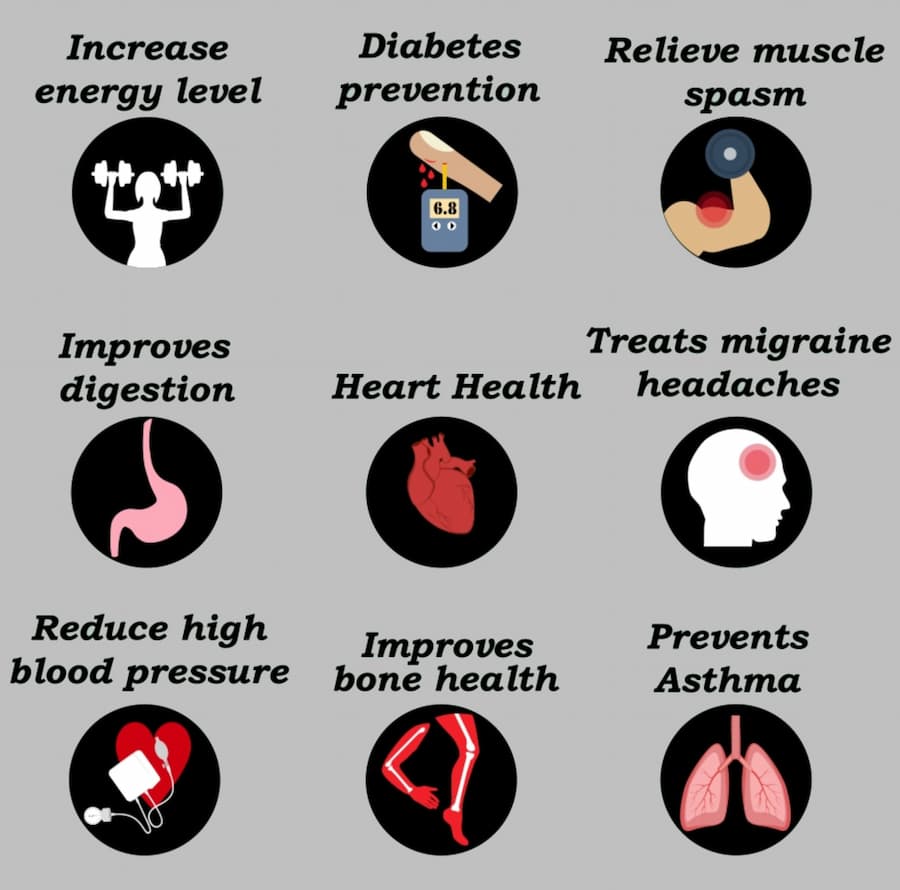
Additional studies reveal that magnesium is important in lowering chronic conditions’ effects on the body. Magnesium could help many individuals dealing with cardiovascular issues or chronic diseases associated with the heart or the muscles surrounding the upper and lower extremities of the body. How can magnesium help with overlapping health disorders that can affect the body? Studies show that taking magnesium can help prevent and treat many common health conditions:
Metabolic syndrome
Diabetes
Headaches
Cardiac arrhythmias
Many of these conditions are associated with everyday factors that can affect the body and lead to chronic disorders that can cause pain to the muscles, joints, and vital organs. So, taking magnesium can reduce pre-existing conditions from elevating the body and causing more harm.
Magnesium In Food
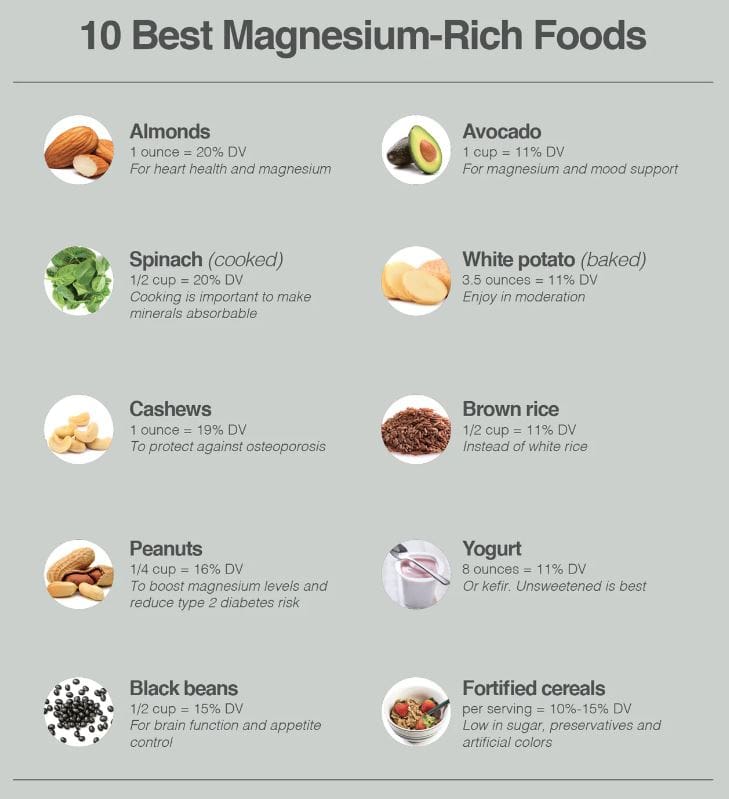
Biomedical physiologist Alex Jimenez mentions that magnesium supplementation usually causes diarrhea and explains what foods are high in magnesium. Surprisingly, avocados and nuts have a chaulk full of magnesium. One medium avocado has about 60 milligrams of magnesium, while nuts, especially cashews, have approximately 83 milligrams of magnesium. One cup of almonds has about 383 milligrams of magnesium. It also has 1000 milligrams of potassium, which we covered in an earlier video, and around 30 grams of protein. So this is a good snack to break up the cup into about half-cup serving throughout the day and snack on as you’re going. The second one is beans or legumes; for example, one cup of black beans cooked has around 120 milligrams of magnesium. And then wild rice is also a good source of magnesium. So what are the signs of low magnesium? The symptoms of low magnesium are muscle spasms, lethargy, irregular heartbeat, pins and needles in the hands or legs, high blood pressure, and depression. This video was informative for you regarding magnesium, where to find it, and the best supplemental forms to take it in. Thank you again, and tune in next time.
Foods Containing Magnesium
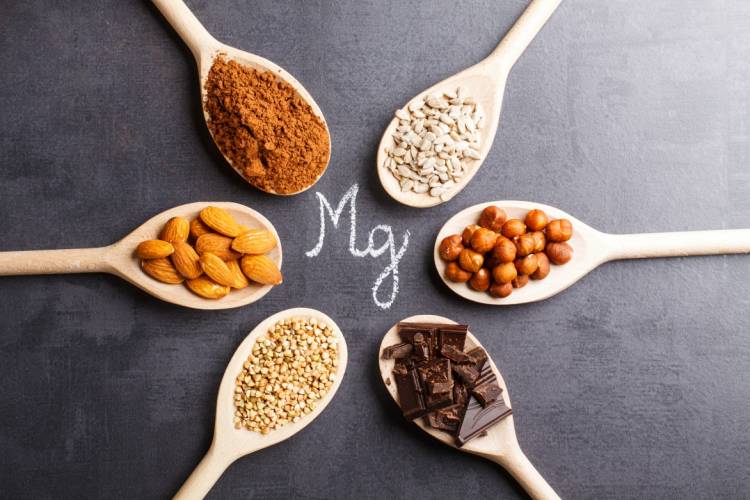
When it comes to taking magnesium, there are many ways to incorporate magnesium into the body’s system. Some people take it in supplemental form, while others eat healthy, nutritious foods with a chaulk full of magnesium to get the recommended amount. Some of the foods that are riched in magnesium include:
Dark Chocolate=65 mg of magnesium
Avocados=58 mg of magnesium
Legumes=120 mg of magnesium
Tofu= 35 mg of magnesium
What is great about getting these magnesium riched foods is that they can be in any dishes we consume for breakfast, lunch, and dinner. Incorporating magnesium in a healthy diet can help boost the body’s energy levels and help support the major organs, joints, and muscles from various disorders.
Conclusion
Magnesium is an essential supplement that the body needs to boost energy levels and help reduce the effects of pain-like symptoms that can cause dysfunction in the body. Whether it is in supplemental form or eating it in healthy dishes, magnesium is an important supplement that the body needs to function properly.
References
Fiorentini, Diana, et al. “Magnesium: Biochemistry, Nutrition, Detection, and Social Impact of Diseases Linked to Its Deficiency.” Nutrients, U.S. National Library of Medicine, 30 Mar. 2021, https://www.ncbi.nlm.nih.gov/pmc/articles/PMC8065437/.
Schwalfenberg, Gerry K, and Stephen J Genuis. “The Importance of Magnesium in Clinical Healthcare.” Scientifica, U.S. National Library of Medicine, 2017, https://www.ncbi.nlm.nih.gov/pmc/articles/PMC5637834/.
Vormann, Jürgen. “Magnesium: Nutrition and Homoeostasis.” AIMS Public Health, U.S. National Library of Medicine, 23 May 2016, https://www.ncbi.nlm.nih.gov/pmc/articles/PMC5690358/.
IFM's Find A Practitioner tool is the largest referral network in Functional Medicine, created to help patients locate Functional Medicine practitioners anywhere in the world. IFM Certified Practitioners are listed first in the search results, given their extensive education in Functional Medicine



 Digestive Enzymes