Back Clinic Nutrition Team. Food provides people with the necessary energy and nutrients to be healthy. By eating various foods, including good quality vegetables, fruits, whole-grain products, and lean meats, the body can replenish itself with the essential proteins, carbohydrates, fats, vitamins, and minerals to function effectively. Nutrients include proteins, carbohydrates, fats, vitamins, minerals, and water. Healthy eating does not have to be hard.
The key is to eat various foods, including vegetables, fruits, and whole grains. In addition, eat lean meats, poultry, fish, beans, and low-fat dairy products and drink lots of water. Limit salt, sugar, alcohol, saturated fat, and trans fat. Saturated fats usually come from animals. Look for trans fat on the labels of processed foods, margarine, and shortenings.
Dr. Alex Jimenez offers nutritional examples and describes the importance of balanced nutrition, emphasizing how a proper diet combined with physical activity can help individuals reach and maintain a healthy weight, reduce their risk of developing chronic diseases, and promote overall health and wellness.
As more and more people start to keep track of their health, many often try to figure out what foods contain the right amount of vitamins and supplements to benefit their bodies and support the vital organs and the body’s gene levels. Many fruits and vegetables have a chock-full of vitamins and minerals that the body needs for energy and to prevent chronic issues from affecting the body. Today’s article looks at the most beneficial mineral the body needs, potassium, its benefits, and what kind of foods have potassium for the body. We refer our patients to certified providers that consolidate many available treatments for many individuals suffering from low potassium levels affecting a person’s body and correlating to chronic conditions that can cause overlapping risk profiles. We encourage each patient by referring them to associated medical providers based on their diagnosis when it is appropriate. We understand that education is a fantastic way when asking our providers intricated questions at the patient’s request and understanding. Dr. Jimenez, D.C., only utilizes this information as an educational service. Disclaimer
[
What Is Potassium?
Have you been experiencing muscle cramps and aches throughout your entire body? What about feeling tired constantly or experiencing low energy? Or have you noticed that your blood pressure is elevated? Many of these chronic issues are correlated with low levels of potassium in the body. Studies reveal that potassium is an essential mineral that the human body needs to function properly. Potassium is important since it is an electrolyte to replenish the body when a person sweats. Many athletic people need to fill their bodies with electrolytes after an intense workout session to ensure that the extracellular and intracellular compartments are hydrated. Additional studies also mentioned that potassium is one of the shortfall nutrients that many people often forget because of the adequate intake that needs to be met for the body to have the recommended amount of potassium to function throughout the entire day. However, incorporating different types of food that have potassium can provide the recommended amount that the individual needs and provide beneficial results.
The Benefits Of Potassium
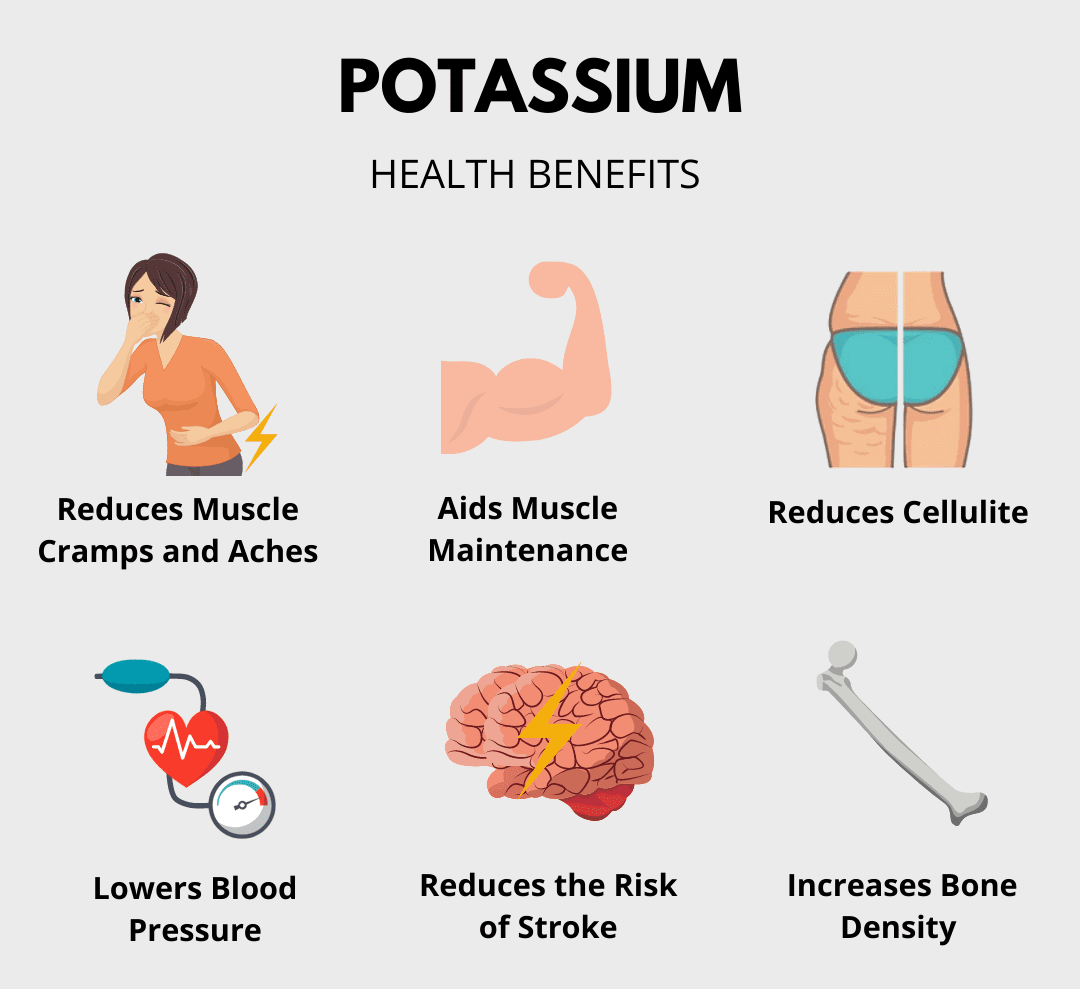
When it comes to the body and potassium, there are many beneficial factors that this essential mineral can provide. Research studies have revealed that increasing potassium intake with healthy, nutritious foods can benefit body health. Some of the beneficial properties that potassium can provide include the following:
Lowering blood pressure
Reduce the progression of renal disease
Decrease the risk of osteoporosis
Manages hypercalciuria
Prevent diabetes development
All these chronic issues that can affect the body are correlated with low potassium levels. When the body doesn’t have the right amount of vitamins and supplements to help prevent these issues, it can lead to pain-like symptoms associated with the muscles, joints, and vital organs. So when pain specialists like chiropractors or functional medicine doctors thoroughly examine patients and ask questions to determine if the patient’s body has low potassium levels. When the body has low potassium levels, studies reveal that chronic issues like hypertension and elevated glucose levels could potentially lead to cardiovascular problems associated with chest pain and diabetes. When these overlapping issues affect the body, it is known as somato-visceral pain. Somato-visceral pain is when the affected organs are causing problems to the body’s muscles and causing referred pain in different locations.
An Overview Of Potassium
Biomedical physiologist expert Alex Jimenez is going to be going over potassium. He mentions that potassium is a cat ion that is positively charged. So potassium is important for a few different reasons. It helps us regulate our heartbeat. It helps us regulate how our muscle and nervous tissue work, and it’s important for synthesizing protein and metabolizing carbohydrates. The recommended daily amount of potassium is 4.7 grams for the U.S. and 3.5 for the U.K. So, an average of three and a half grams. When we think about potassium and what foods are high in potassium, what’s the first that comes to mind? The banana, right? A banana only has 420 or 422 milligrams of potassium. So to get our daily amount of potassium, that’s going to require us to eat eight and a half bananas. I don’t know anybody eating eight and a half bananas unless you’re a monkey. So let’s look at other foods high in potassium to help counterbalance the nutritional amount instead of just eating eight and a half bananas. Some foods high in potassium are dried fruits, specifically dried apricots and raisins, which have about 250 milligrams per half-cup serving.
Foods That Are High In Potassium
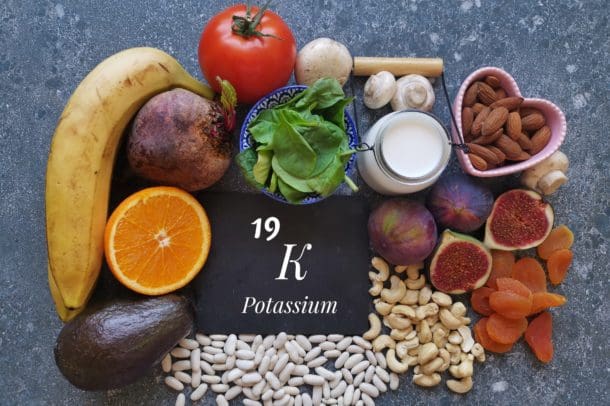
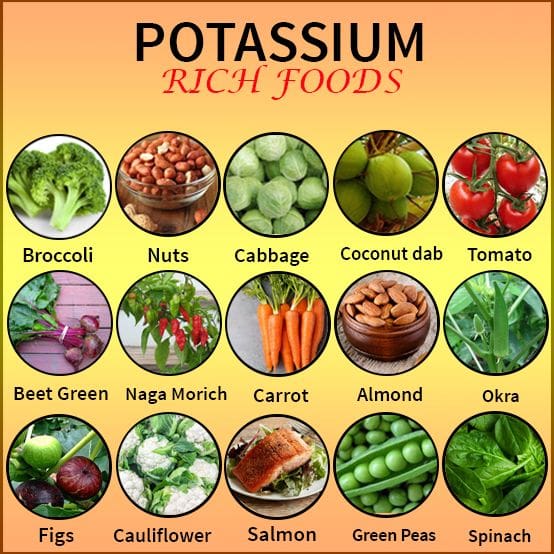
It is easy to incorporate potassium into a person’s daily habits. Many pain specialists like chiropractors work with associated medical providers like nutritionists and physical therapists to restore the body, prevent chronic conditions from progressing further, and reduce muscle and joint pain. Everybody knows that bananas are one of the more known fruits with potassium; however, eating bananas alone can be tiresome. So many fruits and vegetables have higher potassium levels and can help replenish the body’s electrolytes. Some of the nutritious foods that have potassium include:
Banana
Avocado
Sweet Potatoes
Spinach
Dried Fruits (Apricots, Raisins, Peaches, Prunes)
Now eating potassium-riched foods can help the body’s intra- and extracellular water intake but combined with treatments and exercises can prevent chronic issues associated with muscle and joint pain. When people utilize these healthy habits in their daily lives, they can feel better and function throughout the day.
Conclusion
Trying to be healthier should not be difficult and can begin small with the right motivation. Incorporating a healthy diet combined with exercises and therapy treatments can restore the body to its healthier version and prevent overlapping issues affecting the muscles, joints, vital organs, and gene levels. Eating whole, nutritional foods filled with potassium can help restore lost electrolytes and help prevent chronic disorders from progressing further in the body to avoid muscle and joint pain.
References
He, Feng J, and Graham A MacGregor. “Beneficial Effects of Potassium on Human Health.” Physiologia Plantarum, U.S. National Library of Medicine, Aug. 2008, https://pubmed.ncbi.nlm.nih.gov/18724413/.
Stone, Michael S, et al. “Potassium Intake, Bioavailability, Hypertension, and Glucose Control.” Nutrients, U.S. National Library of Medicine, 22 July 2016, https://www.ncbi.nlm.nih.gov/pmc/articles/PMC4963920/.
Sur, Moushumi, and Shamim S Mohiuddin. “Potassium – StatPearls – NCBI Bookshelf.” In: StatPearls [Internet]. Treasure Island (FL), StatPearls Publishing, 11 May 2022, https://www.ncbi.nlm.nih.gov/books/NBK539791/.
Weaver, Connie M. “Potassium and Health.” Advances in Nutrition (Bethesda, Md.), U.S. National Library of Medicine, 1 May 2013, https://www.ncbi.nlm.nih.gov/pmc/articles/PMC3650509/.
Dr. Alex Jimenez, D.C., presents how anti-inflammatory phytochemicals can reduce inflammation and treat other chronic conditions that inflammation is correlated with. We dive into what medicines can trigger inflammatory cytokines and some treatments that work together to reduce chronic inflammation. We refer our patients to certified medical providers incorporating multiple therapies for many individuals suffering from chronic inflammation and its correlating symptoms affecting the body. We encourage each of our patients by mentioning them to associated medical providers based on their analysis appropriately. We understand that education is a delightful way when asking our providers questions at the patient’s request and understanding. Dr. Jimenez, D.C., only makes use of this information as an educational service. Disclaimer
How Medications Associate With Inflammation
Dr. Alex Jimenez, D.C., presents: When it comes to a person’s health and wellness, it is important to know that when you are introducing them to potential antigenic medication, that person’s immune system is already imbalanced and much more likely to make abnormal immune responses, which then can lead to inflammatory effects in the body’s system. You see them mostly with chimeric human marine antibodies, which are the ones that make antibodies for the immune system, to that point, will elicit a much higher immune response. When this happens, it becomes a challenge to long-term pharmacotherapy. So when people go to their doctors for a prescription, about 20-30% of medication prescriptions are never filled because, most of the time, the prescription will never fill them in the drugstore, which can cascade into various issues.
And when people follow their prescription, sometimes they’ll take it for a little while, and after six months, they stop taking it. So the drop in prescriptions taken for longer than six months is quite low. In the last article, we discussed NSAIDs, DMARDs, and biologics, and we will touch base with acetaminophen. Acetaminophen is another one that’s just really widely used, and it’s because it’s put into all of these different cold and flu, and pain products. They sneak it into many other medications; you must read the labels. This is because some people metabolize acetaminophen quickly, which can become toxic. This can lead to individuals getting random headaches throughout the day and causes their glutathiones to be used promptly. So when looking for cold and flu medicine, it is best to look at the labels for acetaminophen because it doesn’t have anti-inflammatory responses since it is used for pain control.
How Acetaminophen Affects the Immune System
Dr. Alex Jimenez, D.C., presents: So even though we do not know how exactly how the analgesic effects work when people take cold and flu medicines, however, we do know that when people take a ubiquitous amount of acetaminophen, it could increase the pain threshold by inhibiting nitric oxide pathways in the body through mediation through the receptors for NMDA and substance P. We still don’t have a great handle on that, but that’s how it works. So, these drugs can be quite useful in the short term, but long-term use has serious side effects.
When looking for medications, it is important to read the labels that have a black box warning, which is the highest warning that the FDA issues for any potential overlapping risk profiles that the FDA issues. This can include severe liver injuries or serious possible allergic reactions that can develop into chronic inflammation of the muscles and joints. Now there are ways to reduce inflammation and prevent the body from being in more pain by slowly introducing anti-inflammatory botanicals and phytochemicals to detoxify the medication causing these complications.
Some individuals may not realize that constant medication for various pains and issues affecting the body can mask other problems involving the body’s systems. This can include:
Endocrine system
Cardiovascular system
Gastrointestinal system
Reproductive system
When these systems have been affected by medications, they can develop inflammatory markers in the vital organs and cause lead to visceral-somatic dysfunction in the body. When pain medications target pain localized in one location, but the issue is in a different area, this is known as referred pain. Referred pain is where the pain is in one muscle group location but is felt in another area of the body. When the organs are involved, it can cause inflammatory symptoms in the system. To that point, this causes the immune system to be induced into autoimmunity.
How The Immune System Is Induced Into Autoimmunity
Dr. Alex Jimenez, D.C., presents: When the immune system has been induced with autoimmunity, the corticosteroids can develop side effects that can be long termed and delay the healing process. Some of the physical symptoms that are visible with autoimmunity include:
Muscle weakness
Diabetes
High blood pressure
Thin bones
Delay wound healing
Flare-ups
Rheumatoid arthritis
Mood changes
When dealing with these inflammatory symptoms associated with pain, there are fundamental functional treatment approaches that can reduce the inflammatory cytokines causing joint and muscle pain.
Treatments To Target Inflammation
Dr. Alex Jimenez, D.C., presents: Some of the treatments that target inflammation include the following:
Slowly incorporating healthy lifestyle choices into a person’s daily lifestyle can reduce the effects of inflammatory cytokines affecting the vital organs, muscles, and joints. It is important to know that incorporating antioxidants, phytonutrients, and anti-inflammatory supplements can reduce residual symptoms in the body. All these treatments are some of the foundations that can address these inflammatory triggers and help reduce muscle and joint pain associated with inflammation.
Anti-Inflammatory Vitamins & Supplements
Dr. Alex Jimenez, D.C., presents: Another important note about these treatments is that vitamins and supplements can combine to help treat inflammatory effects that are causing issues in the body. These anti-inflammatory botanicals and phytochemical agents can not only act on the different pathways in the body but also have different mechanisms similar to healthy nutritional foods. Incorporating anti-inflammatory botanicals and phytochemical agents into the body will help modulate the inflammatory cascades and provide multiple synergistic activities to the body.
These agents down-regulate the inflammatory pathways caused by NF-kappaB. They can act as modulators that dissociate the cytokines from causing more issues like oxidative stress or infections triggering inflammation. However, we need inflammation to heal the body from wounds and infections. We mustn’t want the cytokines too high to cause inflammatory effects. So incorporating anti-inflammatory botanicals and phytochemicals provides a much safer option to the body and can be used in many chronic inflammatory conditions.
Conclusion
Since many botanicals and phytochemicals have anti-inflammatory properties, it can be difficult to find a good amount that the body needs to reduce chronic inflammation. Since many cultures and places have used many nutritional plants and herbs for years worldwide, it can be exhausting. Some of the botanical supplements include:
Zinc
Green tea extract
Capsaicin
S-adenosylmethionine
Ginger
To summarize how it is important to know which supplements have anti-inflammatory properties, doing research and incorporating small changes into a daily lifestyle can provide amazing results and allow the individual to be pain-free and have good health when combining botanicals and phytonutrients.
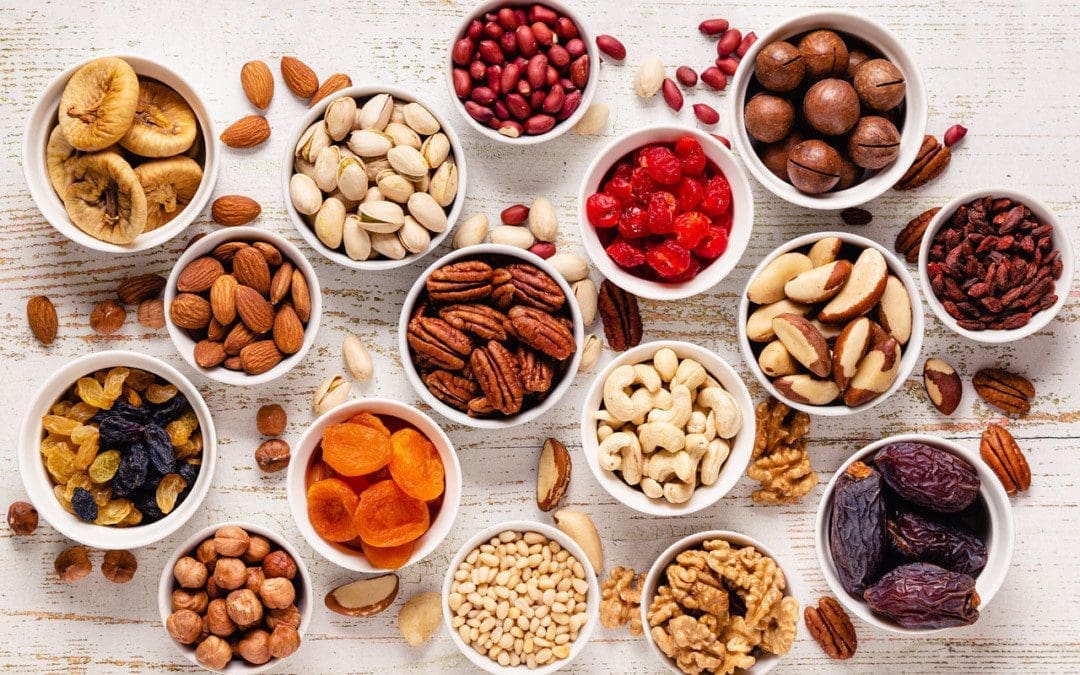
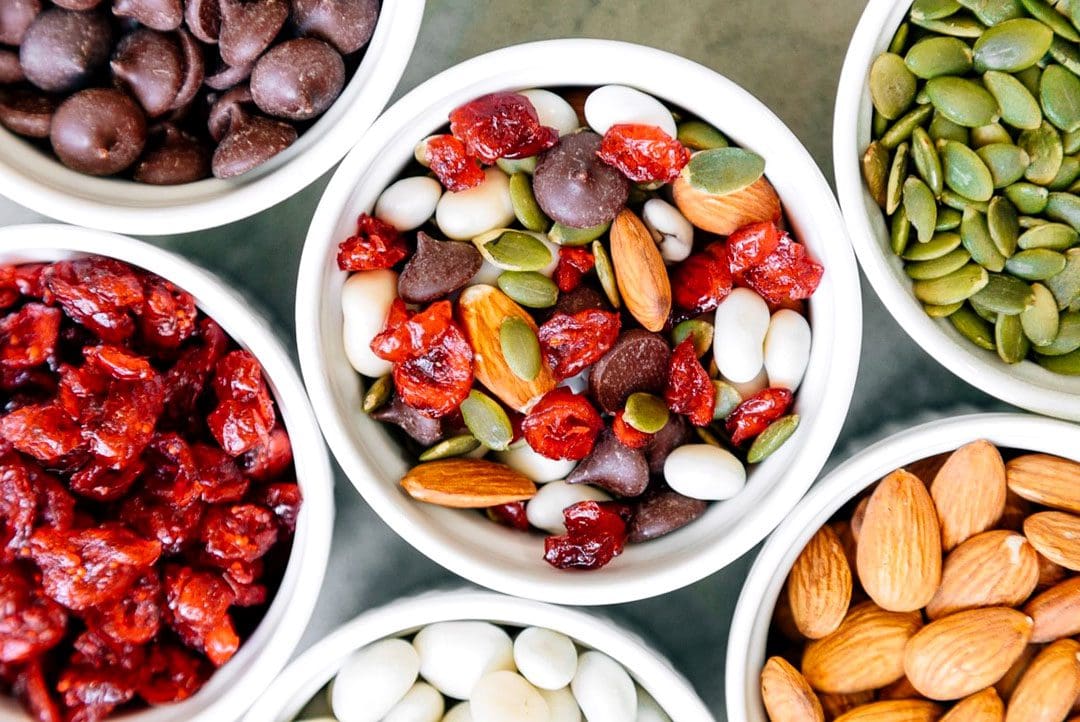
Trail mix is a favorite snack for many individuals. A typical mix combines granola, dried fruits, nuts, seeds, cereals, and pretzels. The mix was originally developed as a portable snack/meal for hikers that was lightweight, could be stored in a backpack, and provided plenty of protein and energy. Prepackaged trail mix is available at many grocery stores and online retailers. It’s an excellent choice for traveling or going on a road trip because of its energy and nutritional content. However, not all types are considered equal in terms of nutrition. Some can consist of ingredients loaded with sugar and salt. Added consumption could cause weight gain and contribute to conditions like heart disease, type 2 diabetes, and liver problems. Here we look at choosing healthy mixes.
Trail Mix
The nutritional power comes from the high amounts of fiber and antioxidants.
Benefits
Protein and Healthy Fats
Protein is essential for tissue repair, immune health, and muscle development.
Nuts and seeds make up the largest portion.
A healthy source of protein, allowing individuals to snack on the go and not become hungry.
One of the greatest benefits of eating these is that they are full of heart-healthy fats.
These healthy fats help decrease unhealthy LDL cholesterol levels and reduce inflammation.
Fiber
The fiber in the seeds and granola helps keep the gut healthy and regular.
It also helps control appetite, aids in digestion, and keeps the body fuller longer.
Energy
Dried fruits and granola consist of healthy sugars.
Healthy sugars help stabilize blood sugar levels, providing the body with a consistent energy source.
Antioxidants, Vitamins, and Minerals
Dried fruit maintains a majority of its nutritional value.
The nuts and seeds are also packed with nutrients and antioxidants.
Choosing Healthy
Check the nutrition label and avoid varieties high in added sugar or sodium.
Look for products containing nutrient-dense ingredients like nuts, seeds, dried fruits, and limited amounts of candy or chocolate chips, if any.
Healthy ingredients include almonds, pumpkin seeds, cashews, sunflower seeds, dried fruit, popcorn, and dark chocolate.
Making trail mix at home allows control of its contents and maximizes its potential health benefits.
It is important to keep an eye on portion control.
A recommended serving is about a fourth of a cup.
Nutritionist
Nutritional consultation can improve an individual’s quality of life, health, and well-being. A nutritionist can help individuals with precision or personalized nutrition that focuses on the individual. Nutritionists can create meal plans for their clients and provide education and knowledge on appropriate food choices.
Potassium
References
Devitt, A A et al. “Appetitive and Dietary Effects of Consuming an Energy-Dense Food (Peanuts) with or between Meals by Snackers and Nonsnackers.” Journal of nutrition and metabolism vol. 2011 (2011): 928352. doi:10.1155/2011/928352
Grillo, Andrea et al. “Sodium Intake and Hypertension.” Nutrients vol. 11,9 1970. 21 Aug. 2019, doi:10.3390/nu11091970
Mehlhose, Clara, et al. “PACE Labels on Healthy and Unhealthy Snack Products in a Laboratory Shopping Setting: Perception, Visual Attention, and Product Choice.” Foods (Basel, Switzerland) vol. 10,4 904. 20 Apr. 2021, doi:10.3390/foods10040904
Vreman, Rick A et al. “Health and economic benefits of reducing sugar intake in the USA, including effects via non-alcoholic fatty liver disease: a microsimulation model.” BMJ open vol. 7,8 e013543. 3 Aug. 2017, doi:10.1136/bmjopen-2016-013543
Bone Broth Benefits: Bone broth is made by simmering the bones and connective tissue from just about any animal, including chicken, turkey, beef, pork, fish, lamb, bison, buffalo, and venison. It is a highly nutritious stock commonly used in soups, sauces, and gravies and recently as a health drink.Research has shown bone broth benefits, including increased immune system function and helping build up the body’s systems to overcome disorders like allergies, asthma, and arthritis. And the broth form allows the body to easily absorb minerals like calcium, magnesium, phosphorus, silicon, and sulfur.
Bone Broth Benefits
Bone broth dates back to prehistoric times when inedible animal parts like bones, hooves, and knuckles were turned into broth. It is important to understand that most store-bought stocks and broths are not made of bone or animals. Companies, instead, use lab-produced meat flavors. Homemade bone broth is made by simmering bones, water, and vinegar for 10 -12 hours, extracting the collagen from the bones into the liquid. This creates a rich form of stock. Bones are often roasted before making the broth.
Simple Recipe
Making bone broth is very simple, and there are many recipes online. A large pot, water, bones, and vinegar are all that is necessary to get started, here’s an easy recipe:
Ingredients
One gallon (4 liters) of water.
2 tbsp (30 mL) apple cider vinegar.
Adding vinegar is important because it extracts valuable nutrients out of the bones and into the water.
2–4 pounds (around 1–2 kg) of animal bones.
Salt and pepper, to taste.
Vegetables, herbs, or spices can be added to create and enhance flavor.
Garlic, onion, celery, carrot, parsley, and thyme can be added in step one.
Directions
Place all ingredients in a large pot or slow cooker.
Bring to a boil.
Reduce to a simmer and cook for 12–24 hours.
The longer it cooks, the better it tastes and provides more nutrition.
Let the broth cool.
Strain into a large container and discard the bones.
Because of the long cooking, large amounts of collagen are extracted, making the bone broth gelatinous at room temperature.
Benefits
Digestion
Bone broth is a rich source of glutamine, an amino acid that improves digestion and gut health.
It can be particularly beneficial for people with digestive conditions such as leaky gut syndrome or inflammatory bowel disease.
Gelatin can also bind to water in the digestive tract, which helps foods move through the gut more easily.
Bone broth can benefit individuals with the following:
Leaky gut
Irritable bowel syndrome – IBS.
Inflammatory bowel disease/IBD like ulcerative colitis or Crohn’s disease.
Low Glycemic Index
Homemade vegetarian or meat-based broths are very low glycemic, with no added sugar, low in calories, and a great way to hydrate the body.
It can be a healthy snack between meals without an insulin spike that can lead to post-meal energy crashes.
Collagen Improves Hair, Skin, and Nail Health
Bone broth contains collagen. Collagen is a protein in structural and connective tissues that includes skin, bones, muscles, tendons, and ligaments.
The fibrous structure contributes to strength, shape, and elasticity and can fortify hair, skin, and nails.
Bone broth can be beneficial for pregnant women, as it can help preserve skin elasticity during pregnancy while the skin stretches and grows.
Anti-Inflammation
The amino acids glycine and arginine have anti-inflammatory effects.
Arginine may be especially beneficial for fighting chronic inflammation.
Protects Bones and Joints
Bone broth contains calcium for maintaining strong bones and preventing bone loss as the body ages.
Collagen also protects joints from age-related deterioration.
It can help individuals with bone and joint conditions like osteoarthritis.
Bones
Instead of throwing leftover bones from meals in the garbage, save them. They can be collected in a bag and stored in the freezer until ready to roast and cook. Individuals who don’t buy and eat whole chickens and bone-in meat can ask for them at the local butcher or farmers market. The meat department at most grocery stores will often have them. They’re inexpensive, and a butcher may even offer them for free. It is recommended to find pastured chicken or grass-fed beef bones as these are the healthiest and provide maximum health benefits.
Storage
Making broth in large batches is recommended, as it can only be stored safely in the refrigerator for up to 5 days.
To help the broth last longer, it can be frozen in small containers and heated up for individual servings as needed.
Functional Nutrition
References
Koutroubakis, I E et al. “Serum laminin and collagen IV in inflammatory bowel disease.” Journal of clinical pathology vol. 56,11 (2003): 817-20. doi:10.1136/jcp.56.11.817
Mar-Solís, Laura M et al. “Analysis of the Anti-Inflammatory Capacity of Bone Broth in a Murine Model of Ulcerative Colitis.” Medicina (Kaunas, Lithuania) vol. 57,11 1138. 20 Oct. 2021, doi:10.3390/medicina57111138
McCance, R A et al. “Bone, and vegetable broth.” Archives of disease in childhood vol. 9,52 (1934): 251-8. doi:10.1136/adc.9.52.251
Peterson, Orion J et al. “Neuroprotective Effect of Enriched Chicken Bone Broth as a Dietary Supplement in a Model of Migraine Mediated by Early Life Stress.” Journal of medicinal food vol. 23,12 (2020): 1259-1265. doi:10.1089/jmf.2019.0312
Winter is when most children and adults are prone to catching colds, the flu, etc. The excitement of the holiday season can also take a toll on the body’s neuromusculoskeletal system, leaving the individual more susceptible to illness. Digestive issues such as bloating, cramping, and constipation are also common. Certain supplements can help maintain body, gut, and brain holiday health. Here are a few recommended supplements to take during the holidays.
Holiday Health
To help fill in the gaps from the holiday foods and increase energy, holiday health supplements to consider adding include:
Probiotics
Probiotics are healthy bacteria and microbes that populate the gut or microbiome.
They help digest nutrients, support proper digestion and elimination, and manage appetite and mood.
A quality probiotic supplement supports healthy digestion and immune health.
It can help reduce diarrhea, constipation, gas, and bloating while protecting the immune system against pathogens.
For the most benefits, it is recommended to take a supplement with a high CFU count, diverse probiotic strains, and a delivery method that ensures the probiotics will survive once consumed.
The body produces melatonin naturally, especially at night, since this promotes sleep.
Melatonin is a hormone that helps regulate the body’s circadian rhythm, which makes you feel tired or alert at the right times of the day.
Taking melatonin can help decrease jet lag symptoms.
Consider taking melatonin to help promote healthy sleep.
However, it’s usually only recommended for short-term use, so consult your doctor.
Vitamin D
During the winter, when less sunlight is available, low vitamin D levels are very common among adults.
The body naturally makes vitamin D when the skin is exposed to the sun’s UV light rays; however, most spend nearly all their time indoors once the weather becomes cold.
Vitamin D is responsible for hundreds of reactions related to brain function, hormone production, and immune defenses.
A vitamin D supplement can help maintain healthy levels, which is important for maintaining a strong immune system, cardiovascular and bone health, and mood.
Magnesium
Magnesium is a mineral and electrolyte providing cardiovascular and bone support, improved sleep, healthy muscle and nerve function, and healthy digestion.
A magnesium supplement can help with aches and pains, restlessness, headaches, and constipation.
Vitamin C
Vitamin C intake protects against colds and other illnesses.
It supports healthy immune defenses, healthy nervous system function, antioxidant activity, neuron function, and skin health.
A vitamin C supplement combined with probiotics further helps support healthy gastrointestinal function and absorption.
Chiropractic For Digestive Health
Chiropractic care supports the healthy functioning of the nervous system.
The vagus nerve extends from the brain stem and innervates digestive system organs.
Sympathetic nerves in the thoracic and lumbar regions and the parasympathetic nerves near the sacrum also support digestion.
Decompressing the spine and correcting posture allow room for the muscles to contract, open up the spine to circulate fluids throughout the body, and expand and properly circulate food and waste.
Ernst, Edzard. “Chiropractic treatment for gastrointestinal problems: a systematic review of clinical trials.” Canadian journal of gastroenterology = Journal canadien de gastroenterology vol. 25,1 (2011): 39-40. doi:10.1155/2011/910469
Govender, Mershen et al. “A review of the advancements in probiotic delivery: Conventional vs. non-conventional formulations for intestinal flora supplementation.” AAPS PharmSciTech vol. 15,1 (2014): 29-43. doi:10.1208/s12249-013-0027-1
Leboeuf-Yde, Charlotte, et al. “Self-reported nonmusculoskeletal responses to chiropractic intervention: a multination survey.” Journal of manipulative and physiological therapeutics vol. 28,5 (2005): 294-302; discussion 365-6. doi:10.1016/j.jmpt.2005.04.010
Peterson, Caroline. “A case study of chiropractic management of pregnancy-related heartburn with postulated fetal epigenome implications.” Explore (New York, N.Y.) vol. 8,5 (2012): 304-8. doi:10.1016/j.explore.2012.06.001
Qu, Liuxin, et al. “Irritable bowel syndrome treated by traditional Chinese spinal orthopedic manipulation.” Journal of traditional Chinese medicine = Chung i tsa chih ying wen pan vol. 32,4 (2012): 565-70. doi:10.1016/s0254-6272(13)60072-2
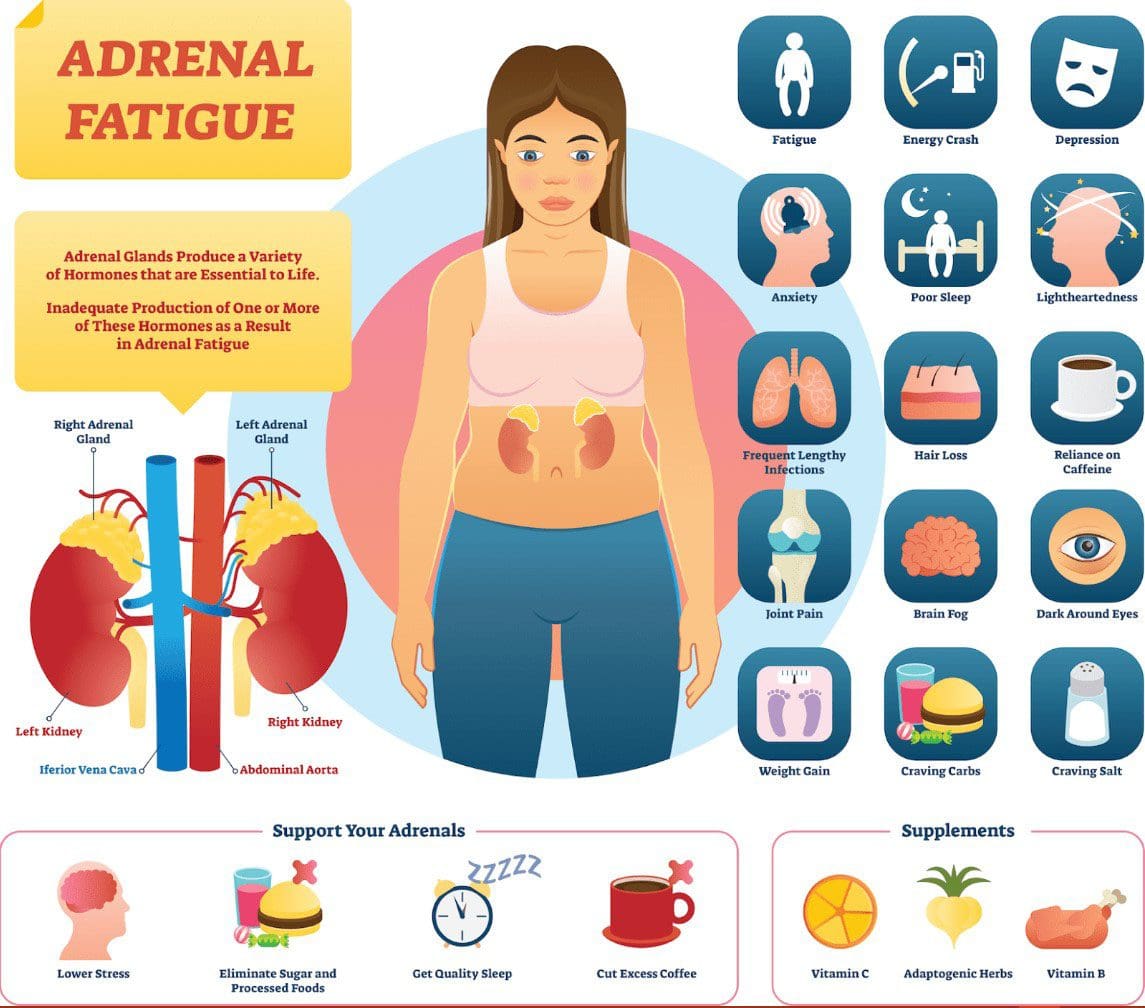
The adrenal glands are small and sit above the kidneys. The glands help the body burn fat and protein and regulate sugar, blood pressure, and stress response. They create, release, and regulate hormones like cortisol and adrenaline. Conditions like chronic fatigue, brain fog, and burnout cause individuals to be exhausted during the day and unable to fall asleep at night. Symptoms can also include hair loss, weight fluctuation, increased cravings, and difficulty recovering from illness. Nutrition support plays a major role in healing adrenal fatigue.
Nutrition Support
Adrenal fatigue nutrition support is a food-based approach to optimize adrenal gland function. The objective is to increase energy levels naturally, so the body doesn’t burn stored nutrients. Adrenal gland optimization involves learning ways to reduce and manage stress, getting healthy sleep, and making lifestyle adjustments.
Adrenal Fatigue
When stress activates, the adrenal glands release cortisol. Researchers theorize that when the body experiences high levels of chronic stress, the adrenal glands may not be able to produce enough cortisol to maintain healthy function, which can lead to adrenal fatigue.
Adrenal fatigue should not be confused with adrenal insufficiency, a verified medical condition where the adrenal glands cannot produce enough hormones.
Fatigue Symptoms
Symptoms of adrenal fatigue include:
Chronic low energy levels
Difficulty waking up
Difficulty falling asleep
Increased cravings for salt or sugar
Dependence on stimulants like caffeine
Other health conditions could also cause symptoms.
Foods to Avoid
Decreasing foods and drinks high in refined and processed sugar and unhealthy fats are recommended. Some foods to limit include:
It’s also recommended to time meals to help manage blood sugar levels. Skipping meals forces the body to burn stored nutrients that can reduce energy levels. Maintaining breakfast and lunch and regular balanced snacks can help maintain energy levels throughout the day. Maintaining hydration is also important, as dehydration can influence stress levels and cause the adrenal glands to produce cortisol.
Recommended Foods
Doctors and nutritionists recommend balancing nutrient-dense sources of protein, healthy fats, and carbohydrates. Nutrition support foods include:
Lean meats
Fatty fish – Salmon and sardines are great protein sources as they are loaded with healthy omega-3 fatty acids, which can reduce inflammation and promote improved brain health.
Leafy greens – These vegetables contain magnesium, like spinach, kale, and Swiss chard. The body needs magnesium to carry out various functions, which also helps the body relax and manage stress more effectively. When there is trouble falling asleep, it could be a deficiency in this mineral.
Sea salt – Individuals with adrenal fatigue experience electrolyte imbalances. This is caused by a deficiency in the steroid hormone aldosterone. Adding sea salt will help balance electrolytes and minimize symptoms, specifically those related to blood pressure.
Olive oil
Avocado – The body needs a good amount of healthy fat to help the body heal. A low-fat diet is not ideal for dealing with hormonal issues like adrenal fatigue, as the body needs fat and cholesterol to produce hormones. Avocados contain high monounsaturated fats and fiber that help the body detox and digest food more efficiently.
Healing
A nutrition plan addressing adrenal fatigue can increase energy levels, regulate blood pressure, and promote healthier eating habits. Talking with your doctor and a nutritionist is recommended for optimal results, as they can develop a personalized health plan that addresses the following:
Lifestyle adjustments
Healthy sleep schedule
Managing stress
Physical activity
We are here for you at Injury Medical Chiropractic and Functional Wellness Clinic to learn more about adrenal fatigue and how to manage it. Contact us for more information on our services or to schedule an appointment for a consultation.
Adrenal Dysfunction Patterns
References
ABDULLA, Jehan, and B. DJ Torpy. “Chronic Fatigue Syndrome.” Endotext, edited by Kenneth R Feingold et al., MDText.com, Inc., 20 April 2017.
Allen, Loyd V Jr. “Adrenal fatigue.” International journal of pharmaceutical compounding vol. 17,1 (2013): 39-44.
Galland, Leo. “The gut microbiome and the brain.” Journal of medicinal food vol. 17,12 (2014): 1261-72. doi:10.1089/jmf.2014.7000
Immune system health and keeping the system strong and healthy can be accomplished by maintaining healthy eating habits. Eating foods rich in specific vitamins and supplements can help the immune system fight off illness, maintain energy levels, and help during injury recovery. Here we look at choosing foods with the right vitamins to build and strengthen the immune system throughout the year.
Immune System Health
The immune system consists of complex cells, processes, and chemicals that constantly defend the body against invading pathogens, including viruses, toxins, and bacteria. Keeping the immune system healthy year-round is key to infection and disease prevention. Healthy lifestyle choices consist of the following:
Nutritious food, healthy sleep, physical activity, and exercise are the most important ways to strengthen the immune system.
Supplementing certain vitamins, minerals, and herbs can help improve immune response.
However, some supplements can interact with prescription or over-the-counter medications.
Certain supplements may not be recommended for individuals with certain health conditions.
Research has found that selenium activates the immune system when there is a threat and signals when to slow or shut down immune responses.
Selenium keeps the immune system from overworking.
Selenium protects from chronic inflammation and autoimmune diseases like rheumatoid arthritis, Crohn’s disease, and psoriasis.
Selenium Foods
Foods from highest to lowest levels of selenium.
Brazil nuts
Tuna
Halibut
Canned sardines
Lean meats
Cottage cheese
Brown rice
Eggs
Oatmeal
Milk
Yogurt
Lentils
Nuts
Seeds
Peas
Increase Water Intake
Maintaining healthy hydration can increase immune health.
Water helps the body produce lymph, which carries white blood cells and other immune system cells.
Try to balance out dehydrating beverages, like coffee and soda.
Try eating more hydrating foods like cucumbers, celery, lettuce, and strawberries.
Immune System Health
References
Chaplin, David D. “Overview of the immune response.” The Journal of allergy and clinical immunology vol. 125,2 Suppl 2 (2010): S3-23. doi:10.1016/j.jaci.2009.12.980
Halliwell, B. “Antioxidants in human health and disease.” Annual review of nutrition vol. 16 (1996): 33-50. doi:10.1146/annurev.nu.16.070196.000341
Lewis, Erin Diane, et al. “Regulatory role of vitamin E in the immune system and inflammation.” IUBMB life vol. 71,4 (2019): 487-494. doi:10.1002/iub.1976
Mora, J Rodrigo, et al. “Vitamin effects on the immune system: vitamins A and D take center stage.” Nature reviews. Immunology vol. 8,9 (2008): 685-98. doi:10.1038/nri2378
Nicholson, Lindsay B. “The immune system.” Essays in biochemistry vol. 60,3 (2016): 275-301. doi:10.1042/EBC20160017
Shakoor, Hira, et al. “Immune-boosting role of vitamins D, C, E, zinc, selenium and omega-3 fatty acids: Could they help against COVID-19?.” Maturitas vol. 143 (2021): 1-9. doi:10.1016/j.maturitas.2020.08.003
IFM's Find A Practitioner tool is the largest referral network in Functional Medicine, created to help patients locate Functional Medicine practitioners anywhere in the world. IFM Certified Practitioners are listed first in the search results, given their extensive education in Functional Medicine




 Bone Broth Benefits